Our take
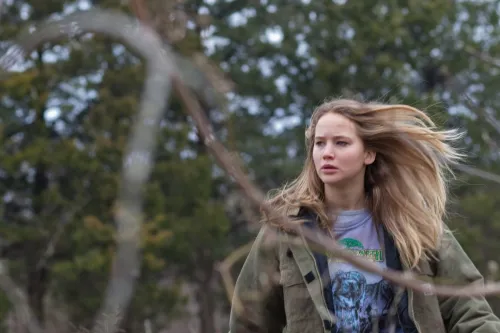
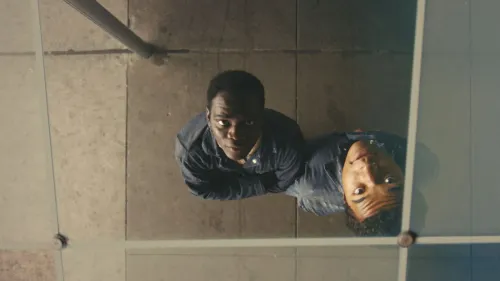
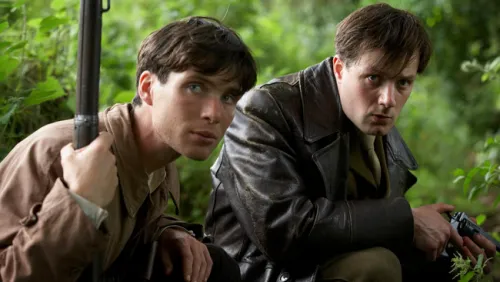
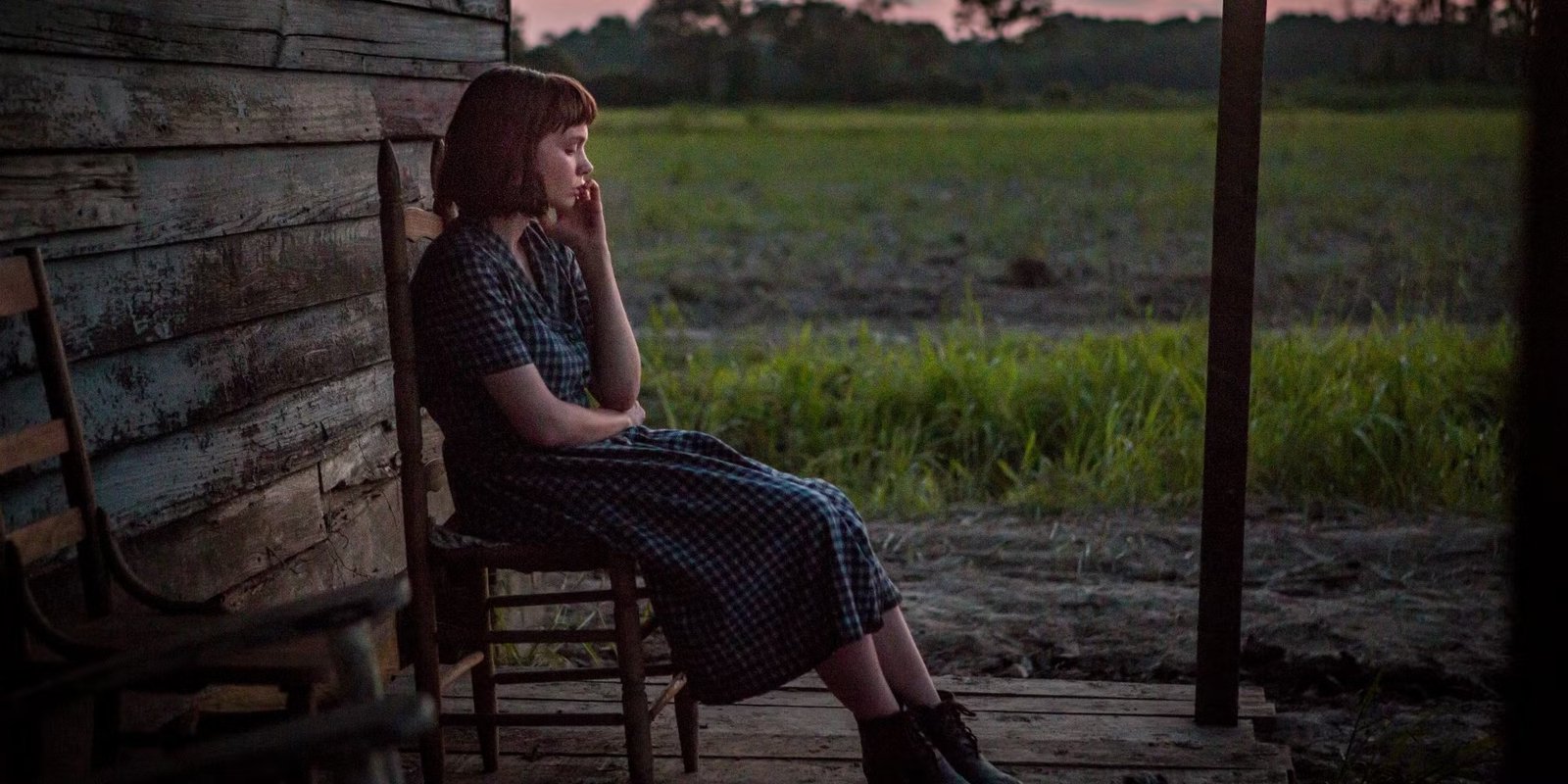
Many films have tackled the violence of racism in the South, but none are as rich and restrained as Mudbound. The epic follows two families, the white McAllans and the black Jacksons, as they live side by side on the same parcel of land in 1940s Mississippi. The McAllans own it while the Jackons till it as sharecroppers, but the film’s story isn’t as straightforward as it sounds. The matriarchs of both families (played by Carey Mulligan and a revelatory Mary J. Blige) form a bond borne out of grief and love, the kind exclusive to mothers, while the patriarchs display different kinds of toughness. Landowner Henry McAllan (Jason Clarke) is forcibly tough while farmer and pastor Hap Jackson (Rob Morgan) is resilently tough. Then there are the younger members of the family, Jamie (Garrett Hedlund) and Ronsel (Jason Mitchell), WWII survivors who are traumatized beyond repair. Both bond over the backwardness of their town, having come from a world that tore itself apart and built itself back from scratch. Mississippi, meanwhile, was frozen time. Like mud, the film sinks you in with its weighty themes, but director Dee Rees displays incredible restraint. It’s dramatic, but never overbearingly so. It’s clear-eyed but never too obvious. Most of all it’s rich—with meaning, beauty, pain, and relevance, sadly enough. It may be a period film, but it will ring true today as it rang true in 2017, when it was first released.
What it won

Oscars
4 noms

Golden Globes
2 noms

SAG Awards
2 noms

Spirit Awards
1 win

WGA
1 nom

NYFCC
1 win

LAFCA
1 nom
The story
In the post–World War II South, two families are pitted against a barbaric social hierarchy and an unrelenting landscape as they simultaneously fight the battle at home and the battle abroad.
Elsewhere

"A slow and brutal burn, but worth it for the devastating finale."
— David Jenkins

"What really lifts the heaviness of Mudbound's story over the top is the excellence of its cast, starting with Mulligan, who plays Laura as a woman whose adaptability to farm life is more about survival instinct than enthusiasm."
— Adam Nayman
In Mudbound, two families, one white and one Black, go through different hardships as they share the same crop of land in the Mississippi Delta during the 1940s.
The violence, which is never exploitative—just measured, real, and appropriately horrific.
The film sets itself apart from other period films about racism by portraying it in a holistic and nuanced lens.
The details



Who picked it

Renee Cuisia is the lead curator at A Good Movie to Watch. In her spare time, she likes to watch K-dramas and analyze them to death. She's also seen You've Got Mail one too many times but is still convinced it's one of the greatest films out there.