
Our take
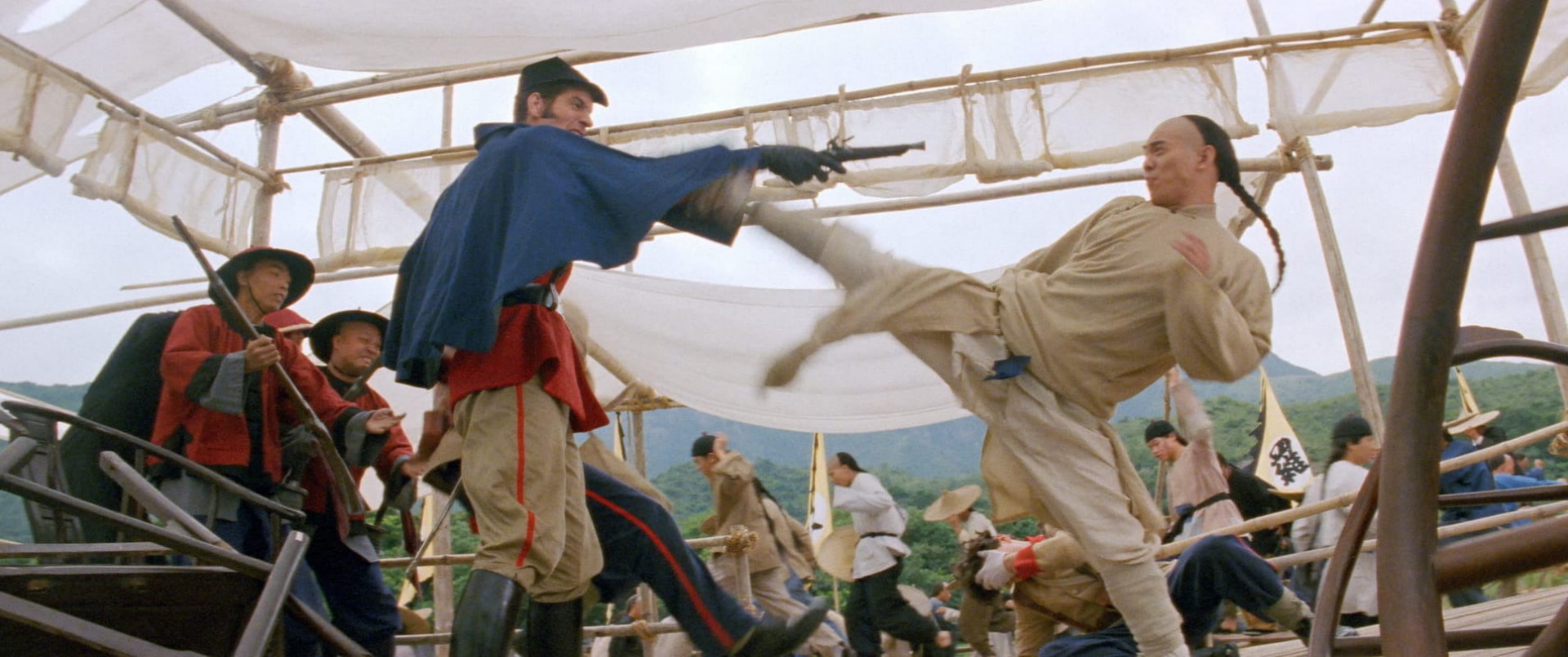
If you are a fan of Hong Kong martial arts films, you probably already know who Jet Li is. The iconic action star has plenty of great titles in his filmography but the work that shot him to continent-wide stardom was Once Upon a Time in China, and for good reason. His competitive background in wushu lent to fast yet fluid action sequences, and it’s all paired with intuitive cuts, intricate sets, flowy costume designs, and camera work that made him shine. But what made the action stand out is that it’s all in service of retelling a real life Cantonese folk hero’s story, infused with the understanding of the nineteenth-century foreign occupation of China and the then-upcoming concerns over globalization. It made for a thrilling action-comedy-melodrama that eventually garnered a reputation as a wuxia staple.
Streaming arrival
What it won

Berlin
1 nom
The story
In late 19th-century Canton, legendary hero Wong Fei-Hung battles foreign forces' (English, French and American) plundering of China. When Aunt Yee returns from America totally westernised, Wong assumes the role of protector. This proves difficult when his martial arts school and local militia become involved in fierce battles with foreign and local governments. As violence escalates, even Aunt Yee has to question her new western ideals, but is it possible to fight guns with Kung Fu?
China, late 19th century. With the country’s ports occupied by foreign invaders and towns exploited by organized crime, Wong Fei-Hung is tasked by his commander to instruct the local militia in martial arts and protect his school from those who come to harm them.
Jet Li, obviously. There’s plenty of sequences to choose from in this film, but the dragon dance scene starts off the film with a (literal) bang and effectively introduces the mistrust the characters held in the time.
How did they do that ladder scene? Incredible!
Who picked it

Isabella Endrinal is a curator at A Good Movie to Watch. She's now free from the corporate night shift. Previous articles have been published in outlets such as NANG Magazine. She's currently catching up on some classic films… if she isn't coping with the fact that the Haikyu anime will end soon.