 2024 Movie
Dir. J.J. Anderson · United States of America · English
Piney Woods’s rich and ongoing history proves too big for this documentary to capture
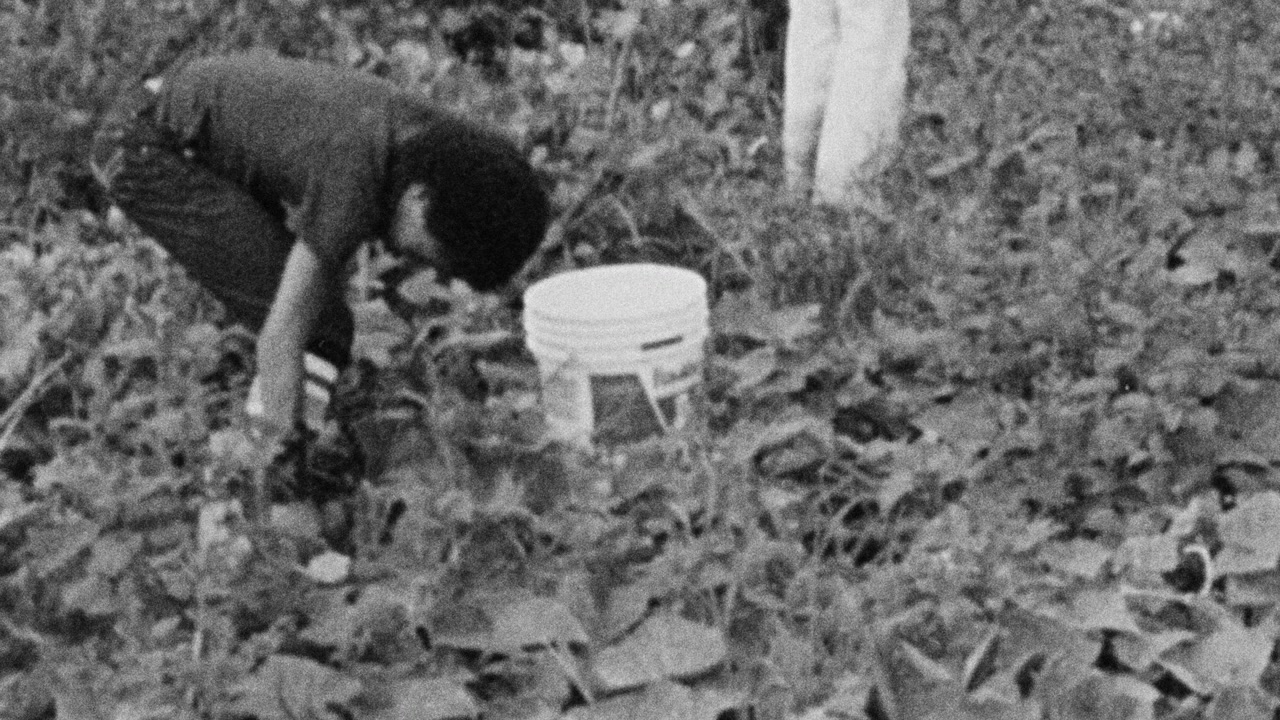
You can see what director J.J. Anderson is trying to do with Sacred Soil: chronicle the lives of current Piney Woods students and connect them with their school’s storied past. It’s an admirable task that speaks to how, despite all the innovations we’ve made since the school’s founding in 1909, we still have a ways to go to achieve true racial equality. And it’s a story worth telling, set in a school brimming with bright minds unafraid to engage in important discourse. However, these ideas are muddled in Anderson’s unfocused storytelling. There is no narrator, so we’re left listening to clips of conversations and meetings that go on for too long (it often feels like sitting in a forum we’re not invited to). There are inserts of archival photos and beautiful shots of the school, but there’s little context provided to them, so those of us outside of the Piney Woods ecosystem are left feeling confused. Is the documentary about Black teenhood or is it about the history of the school? I imagine there’s a smoother way to interweave the two, but Sacred Soil ultimately fails to bridge the gap between the then and now.
A documentary film set against the culturally historical backdrop of one of America's oldest Black boarding schools. The film provides a window into the ever-evolving, complex layers of the school and its students.
Follows the daily lives of the kids and teachers that make up Piney Woods, one of the oldest Black boarding schools in America.
Anderson stages these still shots of the students, and they look ethereal, like they’re from an unknowable period. The focus is soft and hazy, and the colors, naturally lit and vibrant. They’re grainy and nostalgic, making you long for a feature film from Anderson. A documentary might be too unwieldy, but a feature film where the first-time director can fully control the narrative and art direction just might be the perfect vehicle.
I see the vision, but this documentary needs to be more coherent and focused to capture the enormity of its subject.

Renee Cuisia is the lead curator at A Good Movie to Watch. In her spare time, she likes to watch K-dramas and analyze them to death. She's also seen You've Got Mail one too many times but is still convinced it's one of the greatest films out there.
Comments