Our take
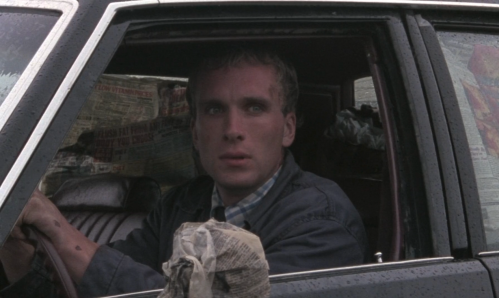
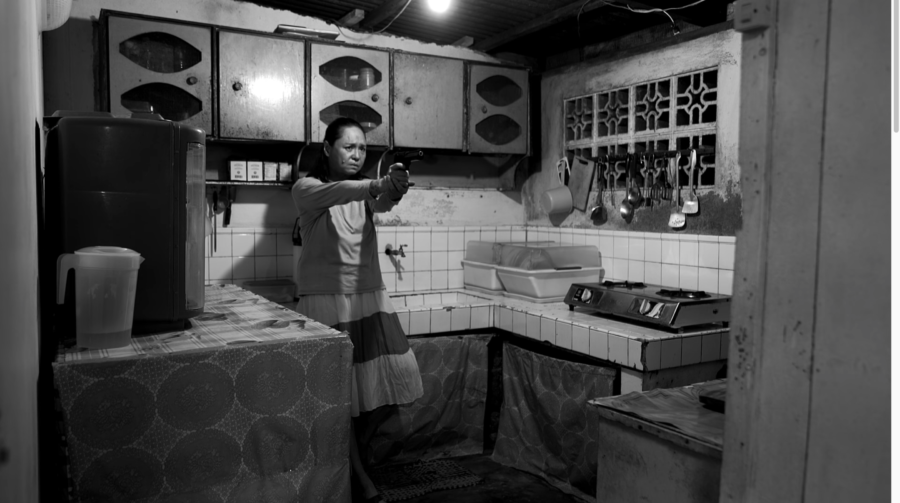
Based on the short story “God Sees the Truth, But Waits” by Leo Tolstoy, The Woman Who Left is a film about people with nowhere to go. Set in 1990s Philippines, the film follows Horacia, an ex-convict seeking revenge on her former lover who masterminded her unjust 30-year imprisonment. Along the way, she meets various people—a hunchback balut vendor, vagabonds, and an epileptic trans woman, among others—all downtrodden in their own unique ways and united only by their nightly wanderings, with whom Horacia’s true nature is revealed and reconfigured with every encounter.
Lav Diaz’s signature slow cinema minimalism and sharp chiaroscuro lighting allow for a meditative experience, further enhancing the film’s immersive quality. Despite its bleak atmosphere, The Woman Who Left remains hopeful amidst moral quandaries, where things eventually fall into their rightful place, albeit in unexpected ways.
What it won

Venice
1 win
The story
After three decades' wrongful incarceration for murder, a woman discovers that her friend and fellow inmate committed the murder of which she was accused. This leads to her release and subsequent discovery of the man who framed her — her ruling class ex-lover.
Elsewhere

"That a film this busy can find such focus in its closing moments says that whatever Diaz's methods of inspiration and creation, he knows exactly what he's doing."
— Scout Tafoya

"The latest supersized opus from Filipino maximalist Lav Diaz is a powerful and, by his standards, refreshingly contained moral study."
— Guy Lodge
The details



Who picked it
Gerald Cajayon is a writer and emerging film critic who contributes reviews and recommendations to A Good Movie to Watch. He has participated in the Sinalang Film Festival, exploring alternative modes of film spectatorship.