
Rated 7+ IMDb · 70%+ RT Little-known finds Curated by humans
Rated 7+ IMDb · 70%+ RT Little-known finds Curated by humans
 1986 Movie
Dir. Kaizo Hayashi · Japan · Japanese
Two detectives investigate a missing daughter in this surreal, experimental black-and-white drama


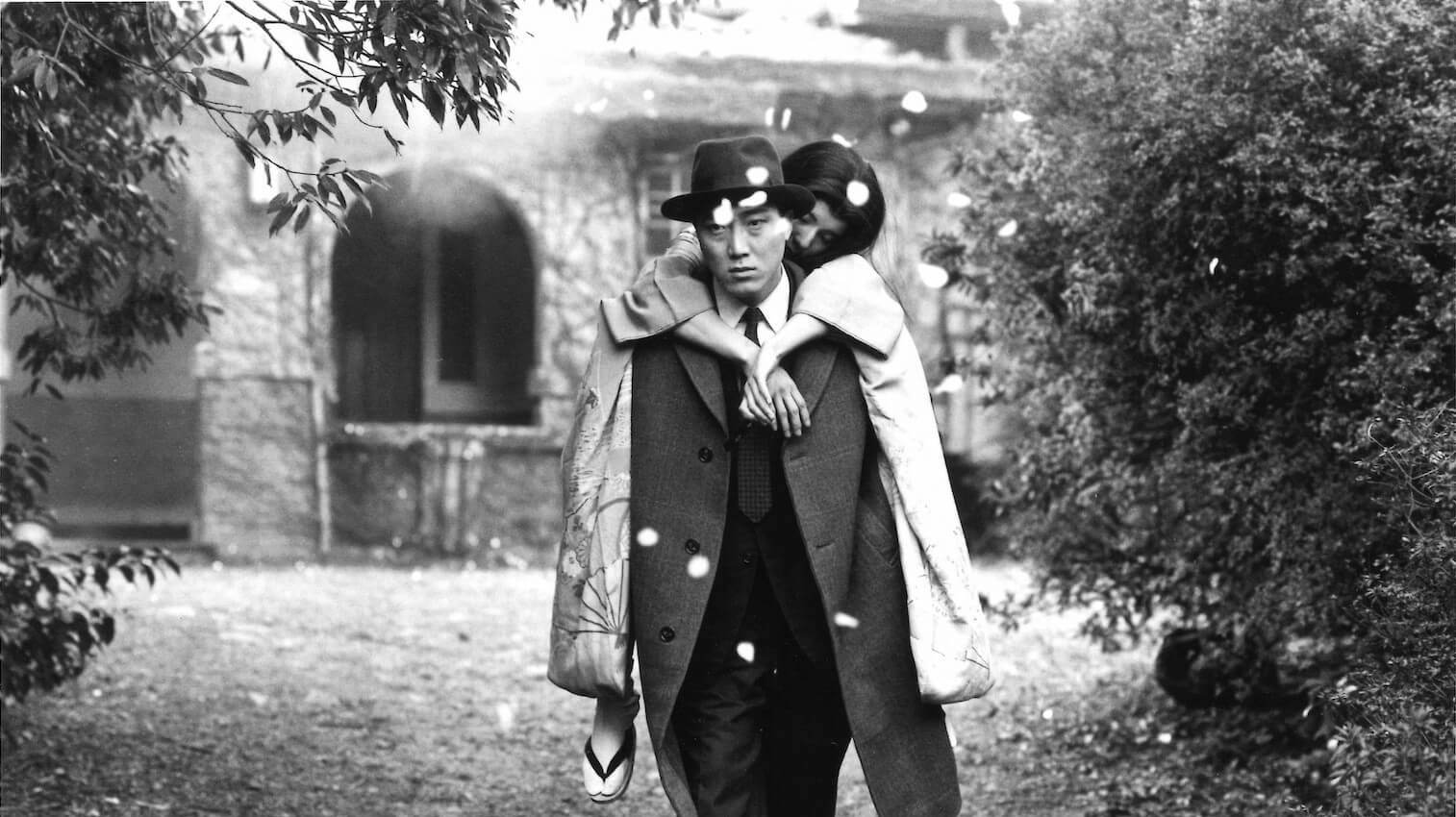
There’s an experimental bent to To Sleep So As To Dream that might puzzle viewers, especially for a film made in the 1980s. Not only is the film made in black and white, but the protagonist detectives speak through 1920s silent film intertitles, while they solve a series of puzzles from a Riddler-like kidnapper, diving deep into a case that wouldn’t be out of place in 1950s noir. It’s a strange direction, but as the investigation progresses, and the detectives experience eerily similar encounters, the novel approach unfolds into a touching, spellbinding meditation of art, grief, and reality. It’s what makes this film a stunning vision to behold.
An aging silent film actress hires a private eye and his wacky but helpful assistant to track down her missing daughter, Bellflower. The two follow a succession of bizarre, obscure clues, until they track down the location of the kidnappers and the daughter.

"a melancholic love letter to the passing of time, the fading of beauty & the death of cinema itself even as its own mannered presentation suggests that there is nothing in this medium that cannot be momentarily resurrected, even as affectionate pastiche"
— Anton Bitel
After her daughter Bellflower is kidnapped, an aging silent film actress hires detectives Uotsuka and Kobayashi to track her down, leading to a series of bizarre, obscure clues and million yen ransoms.
It’s so intriguing to make the less aware characters only have intertitles while those more aware and the film that the actress is making have full on dialogue and music cues. The silent film moments can mess with today’s limited attention spans, but it makes the end a much stronger conclusion.
Now THAT’s what real meta looks like.

Isabella Endrinal is a curator at A Good Movie to Watch. She's now free from the corporate night shift. Previous articles have been published in outlets such as NANG Magazine. She's currently catching up on some classic films… if she isn't coping with the fact that the Haikyu anime will end soon.



Comments