Trailer
Scheme Birds (2019)

8.2

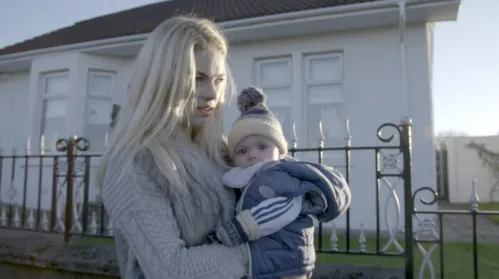
In Motherwell, you either “get locked up or knocked up,” or so says Gemma, a teenager on the cusp of adulthood growing up in an old Scottish steel town. Gemma runs among a tight-knit group of friends, at the center of which is ordinary mischief, routine, and roughhousing. And beneath that lies a certain kind of everyday violence. 

As Gemma enters young motherhood, she reckons with how to reconcile her own aggressions with the protective tenderness she feels toward her newborn. Beautifully and thoughtfully directed by Ellen Fiske and Ellinor Hallin, Scheme Birds never feels invasive. Rather, their documentary lets Gemma speak for herself—and in doing so, illuminates not just her life, but the complicated lives that intersect hers, too. 

Trailer
Zana (2019)

7.9

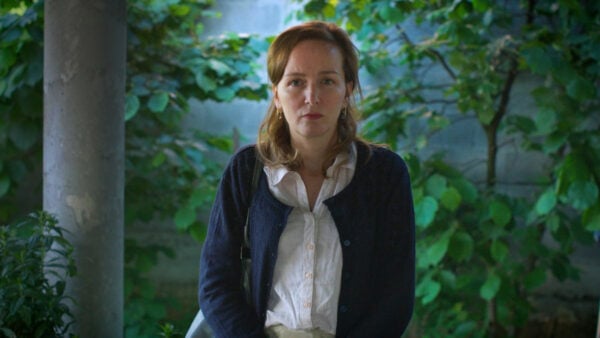
Antoneta Kastrati’s debut feature film Zana follows Lume, who appears guarded and subdued as she goes about her daily routine: milking the cows, harvesting crops and flowers, hanging laundry out to dry. Part of Lume’s routine also includes visits to the doctor, accompanied by her mother-in-law and husband, who pressure her to conceive.

When conventional medical advice does not yield a viable pregnancy, Lume is brought to a witch doctor, and later a televangelist. The former suggests Lume may be cursed, while the latter insists she is possessed by a supernatural creature called a jinn. Lume appears largely apathetic, at least outwardly. But slowly, she starts to unravel—and with her undoing comes the reveal of the war that traumatized her. 

Kastrati’s family drama has elements of horror, but the real terror here is psychological. It makes for an important exploration of a deeply patriarchal society that is only beginning to heal the collective traumas of a complicated war, and how its violence continues to ripple through time and into domestic life. 


Trailer
The Divine Order (2017)

7.1

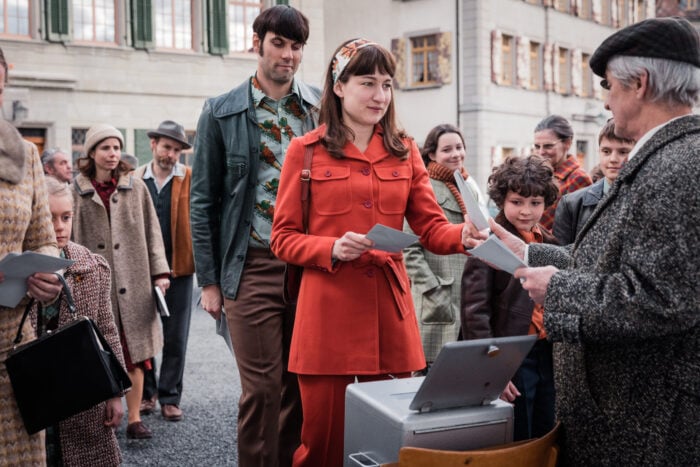
With a particularly empowering tenderness and resilience, The Divine Order explores a glossed-over chapter in history wherein Swiss women could not vote until 1971. The hillside Swiss farming village in which Nora Ruckstuhl lives seems picture-perfect. But under the village’s close-knit and idyllic surface, change is stirring. When an emerging sense of autonomy pushes Nora to question her identity beyond being a complacent housewife, she publicly declares herself in favor of women’s suffrage and draws attention from both outspoken opponents and quiet supporters.

As Nora discovers herself—what she does and doesn’t like; what her body looks like; what pleasure feels like—she also uncovers a yearning for better, for more: who is she not just as a spouse and mother, but also as a friend, a member of a greater community, an independent woman?

Trailer
Open Hearts (2002)

8.0

Joachim and Ceilie are engaged to be married when a car crash leaves the former paralyzed. While Joachim recovers in the hospital, Ceilie becomes entangled with his doctor—who also happens to be the husband of the woman who caused Joachim’s accident. What transpires after is not unlike a car crash itself: gut-wrenching to watch, impossible to look away from.

Although the film’s premise toes the line of melodrama, Susanne Bier handles the characters with extraordinary care. Elsker dig for evigt (Open Hearts) boasts incredible performances from its core cast of four, with Mads Mikkelsen and Paprika Steen particularly shining. This is not an easy nor feel-good movie to sit through, but its unflinching gaze at complicated characters in a tragic situation makes for a rewarding journey.

Trailer
Housekeeping (1987)

7.9

Bill Forsyth, an acclaimed Scottish director best known for his films Local Hero and Gregory’s Girl, directs an underrated masterpiece with the 1987 drama Housekeeping. Adapted from Marilynne Robinson’s outstanding novel, Housekeeping is the story of two sisters, Ruthie and Lucille, who are orphaned and raised by their peculiar Aunt Sylvie. 

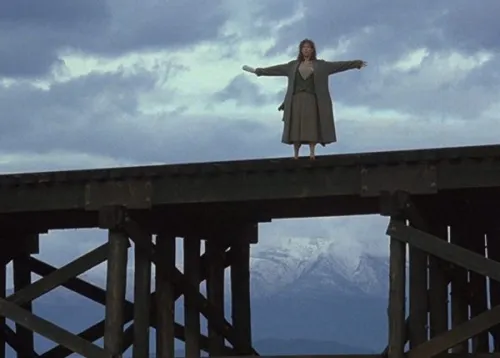
As the young sisters grow apart, Ruthie gravitates toward her transient aunt. This is a movie about not quite fitting in—about feeling like your life exists just outside of modern time, somewhere off to the side of railroad tracks running over frozen water. Sylvie shows Ruthie that there is more to life than their small, cold town of Fingerbone. In fact, there is a whole world out there, calling to misfits like them.

Housekeeping is deftly directed, balancing both humor and tragedy. Christine Lahti’s performance is also, with no exaggeration, one of the greatest of all times, as she conveys so much of Sylvie’s yearning to go, go, go with as little as a glance toward the beckoning horizon.

Trailer
The Double Life of Véronique (1991)

8.4

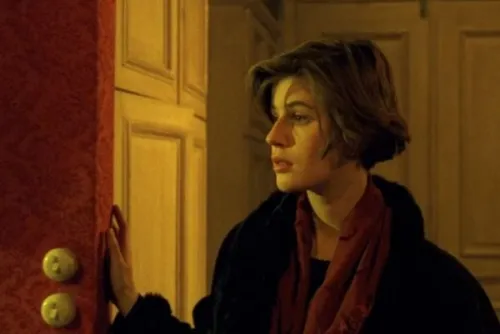
Krzysztof Kieślowski’s drama stars Irène Jacob as two identical women living separate lives, and the intricate and indelible ways in which they are bound together. While Weronika, a Polish singer, balances her familial duties and intimate romantic relationship, a French music teacher named Véronique senses that she is not alone.

The Double Life of Véronique’s hypnotic and entrancing qualities will wash over you like a tide crashing over a bed of sand. It is a tough film to capture in words, when so much of it is just beyond words—Kieślowski’s film is one to be seen, sensed, and experienced.

Go PRO to unlock recommendations above 8.5/10.

Unlock for $2/month
Trailer
The Queen of Versailles (2012)

7.2

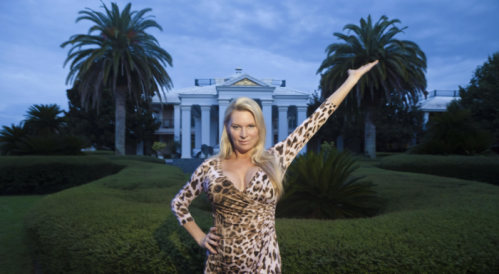
Lauren Greenfield’s film follows the Siegel family’s decline from opulent abundance to gaudy ruin. Mega wealth, delusions of grandeur, and grotesquely opulent taste—the Siegel family were the perfect subjects for the film, which sets out to document their most lavish expense: their Versailles home, a mansion sprawling more than 85,000 square feet and modeled after the Palace of Versailles.

The Siegels, no doubt, are entirely out of touch with reality. David Siegel, the owner of one of the world’s largest timeshare developers, married Jackie, a former Mrs. Florida who is 30 years younger. The Versailles home is to be Jackie’s castle, an enormous home for her eight kids and numerous pets.

But the 2008 recession does not spare the Siegels, and their company is devastated. After layoffs and desperate attempts to recover financially, the family struggles to pay back the banks. Construction halts. The Versailles home remains vacant and unfinished.

While the film does not sympathize with the Siegels, Greenfield creates a space where pity is possible as well as criticism. And from there comes the universal: desperation, longing, hope for better, if not also more, more, more.

Trailer
Manon of the Springs (1986)

7.5

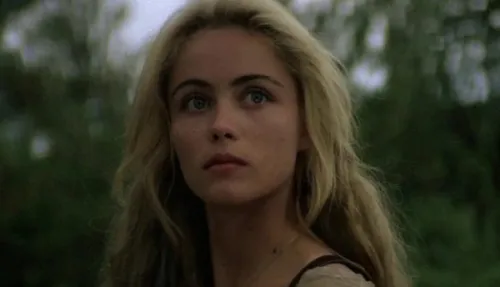
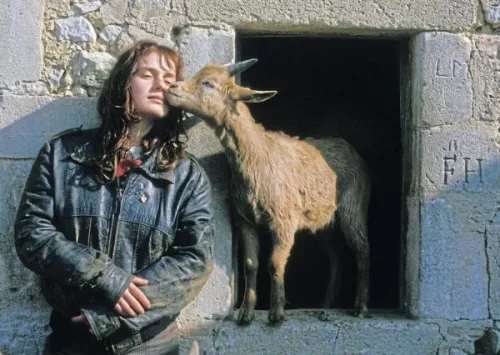
Manon des Sources (Manon of the Springs), directed by Claude Berri, follows a young woman named Manon living reclusively in the rural countryside. This film is the sequel to Jean de Florette, during which a young Manon watched her father fall victim to the greedy manipulation of two men. Now, a decade later, Manon is older and more cunning—and when she sees the opportunity to gently avenger her father, she exacts tragic revenge.

Perhaps the greatest strength of Manon of the Springs lies in its actors. Emmanuelle Béart is captivating as Manon, quiet and observant, while Yves Montand and Daniel Auteuil are fittingly terrible as César Soubeyran and Ugolin. Manon and the springs she must protect are worthy heroes of this epic saga.

Trailer
Three Colors: White (1994)

8.0

Krzysztof Kieślowski’s trilogy reflects both the colors and the values of the French republic: liberté, égalité, fraternité. In Trois couleurs : Blanc (Three Colors: White), Kieślowski explores not only the theme of equality, but also the ramifications of defining and “achieving” equality as a European ideal.

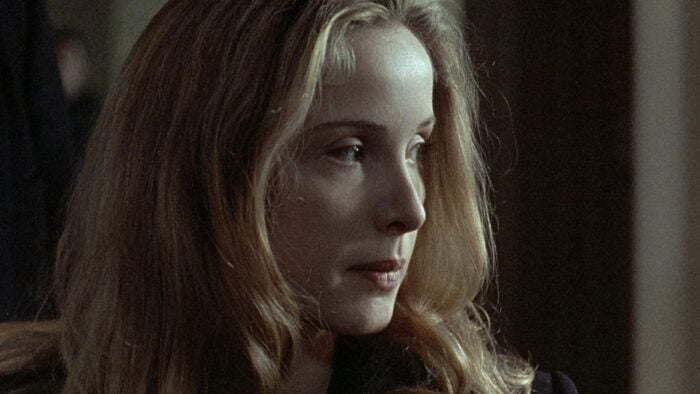
After failing to consummate their marriage, Dominique (the ever-bewitching Julie Delpy) divorces Karol (Zbigniew Zamachowski), leaving him broke and humiliated. Karol plots to exact revenge on his ex-wife, becoming richer and cruller in the process.

Although this is often regarded as the weakest of the trilogy, White is worth a watch not just for completionists. Kieślowski interrogates what it means to be equal in sex and socioeconomic class—and if when we strive to move upward in society, whether we are really debasing our basic humanity and humility.

Go PRO to unlock recommendations above 8.5/10.

Unlock for $2/month
Trailer
Whisper of the Heart (1995)

8.3

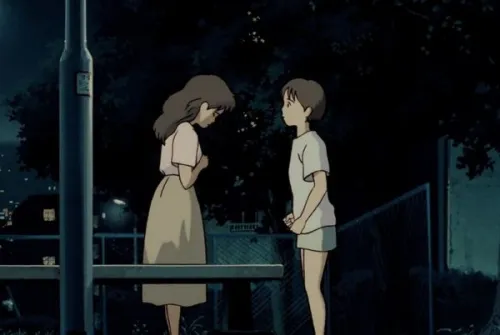
Studio Ghibli has brought us moving, remarkable animated films such as Spirited Away, My Neighbor Totoro, and Princess Mononoke. One of Studio Ghibli’s most overlooked movies is Yoshifumi Kondou’s Whisper of the Heart, which finds magic in the ordinary every day. Shizuku is a young girl with great aspirations to become a writer—the only thing stopping her is herself. When she comes across a curious antique shop, she befriends a mysterious boy and his grandfather, who are just the push she needs to look inward and discover her own artistic capabilities.

If you have ever wanted to create something bigger and better than yourself—a story, a song, a poem, a painting, a work of art—then Whisper of the Heart will excite you, will call to you, will remind you to answer your heart’s calling.

Trailer
Maurice (1987)

7.4

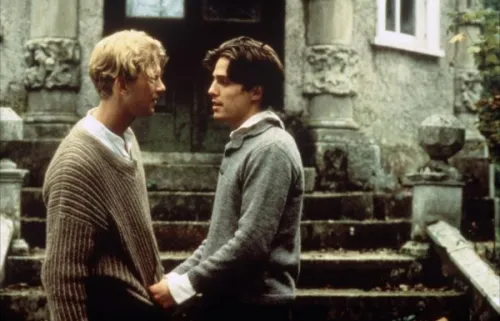
In this romantic drama, James Ivory adapts E.M. Forster’s novel Maurice. Set in the early 20th century, Maurice Hall befriends Clive Durham while studying at Cambridge. Clive is rich, handsome, endlessly charming—and in love with Maurice. The two’s relationship blossoms quietly as they steal intimate moments in lush pastures and empty hallways. Fans of Call Me By Your Name will recognize some of the most tender and tense scenes, wherein Clive and Maurice lie together in the grass, surrounded only by weeds and flowers, as if they were the only two lovers left in the world. 

But their love story is stunted and complicated by notions of class and etiquette in an oppressive, conservative England. This is a coming-of-age story in which Maurice must ask himself not only who he is, but also who he wants to become, and how to live an earnest, honest life in the light.

Trailer
Vagabond (1985)

7.9

Even before Agnès Varda pivoted to documentary filmmaking, she was a pioneer of French cinema. Her film Sans toit ni loi (Vagabond) is one of her most harrowing dramas. 

Varda’s sensibilities as a burgeoning documentarian are apparent as the film opens on the corpse of a woman lying dead in a snow-covered ditch. Through flashbacks, we trace the titular vagabond’s steps to uncover how she ended up alone and dead. The camera follows its subject from a safe distance, as if tracking a wild animal. Alongside the woman, we hitchhike across the French countryside, encountering hostile men, treacherous winter weather, and occasional glimpses of hope, connection, and familiarity. Vagabond succeeds at portraying a complicated woman—Varda understood that women, above all else, are people, with dark interiors, difficult choices, and uncertain impulses. 

Go PRO to unlock recommendations above 8.5/10.

Unlock for $2/month
Trailer
Everybody Wants Some!! (2016)

7.3

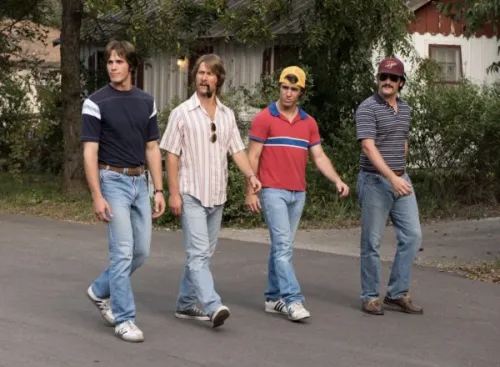
Richard Linklater’s spiritual successor to Dazed and Confused invites you back to 1980 with a group of college freshmen discovering and navigating their first taste of young adulthood. Linklater is best known for balancing authentic dialogue and earnest performances, both of which shine in this movie. Notable performances are given by all in this ensemble cast, whose chemistry is electric and infectiously light-hearted. Everybody Wants Some!! is as fun, loud, and wild as any good night you don’t want to forget.

Trailer
Won’t You Be My Neighbor? (2018)

7.7

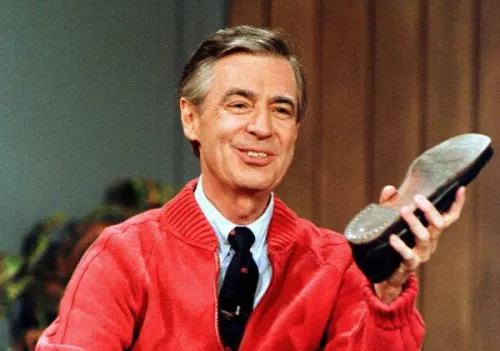
If you grew up watching Mister Rogers’ Neighborhood, you may find yourself now humming along: It’s a beautiful day in this neighborhood, a beautiful day for a neighbor, would you be mine? Could you be mine? 

If you did not grow up watching this iconic children’s television program, you may still be familiar with its host, the late Fred Rogers. Rogers was an advocate for empathy and extending kindness toward people of all races, religions, and ages. He never talked down to the neighbors who paid him visits on the show, which aired from 1968 to 2001, even while tackling heavier subjects like grief, divorce, and loneliness.

Morgan Neville’s Won’t You Be My Neighbor best captures Rogers’ ability to build communities and make you, the viewer, feel less alone. Through interviews and archival footage, a clear portrait emerges of Rogers’ legacy and singular force of goodwill. Both the documentary and Fred Rogers’ spirit serve as reminders that each of us are worthy of love, exactly as we are.

Trailer
Bright Star (2009)

7.1

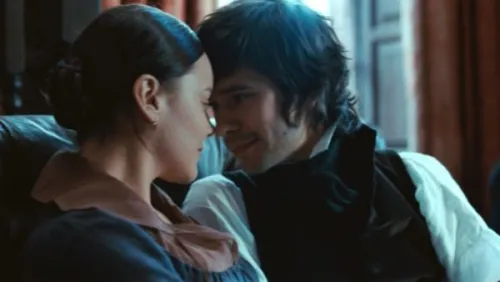
Jane Campion’s biographical drama about the poet John Keats derives its name from one of the latter’s greatest love sonnets: Bright star, would I were stedfast as thou art… / Still, still to hear her tender-taken breath/ And so live ever—or else swoon to death.

Keats remains one of the most celebrated and adored Romantic poets. His writing challenged the poetic form, and revered the world for what it is at its best: wondrous, surprising, sublime. Ben Whishaw’s portrayal of Keats is rightfully distant, as we encounter the poet’s incredible aloofness through the perspective of interested suitor Fanny Brawne (Abbie Cornish). Brawne’s relationship with Keats was short but intense, providing great artistic inspiration and devastating devotion. Campion perfectly captures their fleeting relationship in this deft, crushing drama.

Trailer
Say Anything… (1989)

7.8

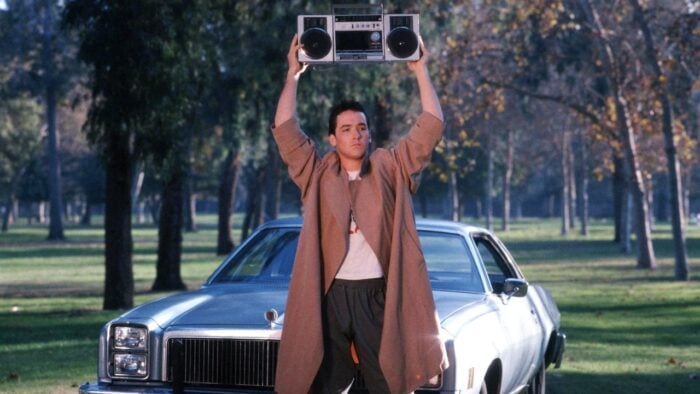
The ’80s saw an influx of coming-of-age dramas, with John Hughes’ “Brat Pack” films reigning supreme. For better or worse, their most iconic scenes are embedded in pop culture, like students dancing in detention in The Breakfast Club or Sixteen Candles’ belated birthday cake. Perhaps the most iconic ’80s movie moment comes not from Hughes, but from Cameron Crowe’s Say Anything…: Lloyd Dobler (John Cusak) in a trenchcoat, blue Malibu parked behind him, boombox raised over his head in defiant loyalty.

On their last day of high school, Lloyd Dobler resolves to ask out the class valedictorian Diane Court (Ione Skye). Their summer-long relationship is awkward, intense, tender—and familiar to anyone who has ever opened themselves up to falling in love. Say Anything… emotionally outclasses its contemporaries, as Crowe’s writing lends itself to two authentic characters fleshed out beyond caricatures. And as Lloyd crushes hard on Diane, it’s hard not to feel like you’re falling in love with each of them, too.

Trailer
Ran (1985)

8.4

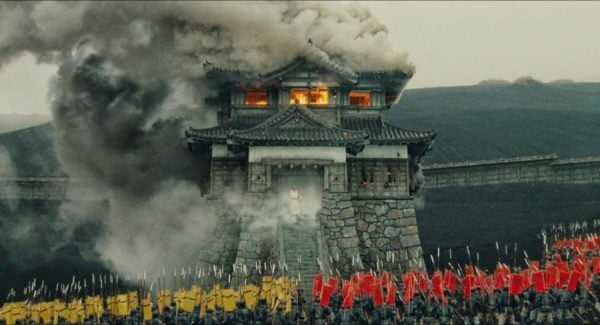
An attempt to articulate just how vast and magnificent the scope of Akira Kurosawa’s 乱 (Ran) is will inevitably fall short. Recognized as a master of epics, including his 七人の侍 (Seven Samurai, 1954), Kurosawa reimagines Shakespeare’s tragic King Lear set in medieval Japan. Each shot is labored and precise, as sublime landscapes overwhelm the screen, dwarfing the armies of men fighting below. 

At the center of the ensuing wars is Hidetora Ichimonji, an aging warlord. Ichimonji divides his conquered land between his three sons, Taro, Jiro, Saburo. The Ichimonji clan, however, will not settle for less than everything. Father and sons scheme against one another, leading to violent plots for control over the kingdom. Greed poisons the Ichimonji’s bloodline, pervasive and all-consuming. The tragedy that unfolds is indeed as poignant as any great Shakespeare work. 

The road ahead is lined with bodies, blood, jealousy, paranoia—and it’s a long way to the bottom from the throne. Kurosawa, confronting his own mortality and legacy, achieves a titanic masterpiece with Ran. Few films so deeply grasp the tragedy of war at this visceral level. While Ran is not an easy watch, it’s a must-watch for all.

Go PRO to unlock recommendations above 8.5/10.

Unlock for $2/month
Trailer
The Gleaners and I (2000)

7.9

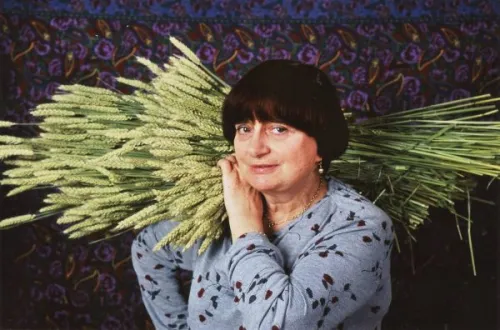
Les Glaneurs et la Glaneuse (The Gleaners and I) is one of the late Agnès Varda’s great documentaries. The film follows “gleaners”—scavengers and collectors of discarded garbage or abandoned items—from the French countryside into the city. The first of Varda’s subjects recalls, “Gleaning, that’s the old way,” marking a clear distinction: old versus new, rural versus urban, wasted versus repurposed.

Fans of Varda will recognize the signature tenderness with which she approaches both her subjects and their objects. Those new to her work will be sure to find something familiar in this documentary: a film largely about loss, but which approaches its ideas of modernization and time with humor and lightness. Among the rubble, there is joy yet to be found—and in this documentary, there is a great comfort, too, to be gleaned.

Trailer
School Life (2016)

7.3

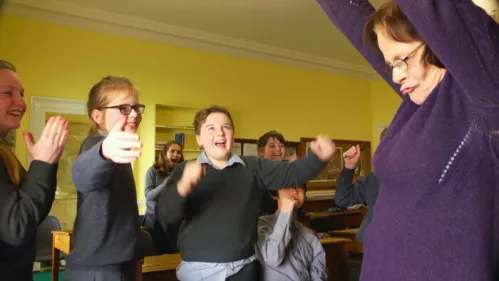
Classroom chatter and inside jokes; the rhythmic routine of class, band practice, and communal mealtime; colorful paints and a keen Shakespeare play; paperback books, pages bookmarked with dogears. These are the precious, ordinary wonders of Headfort, a preparatory boarding school in Ireland. 

School Life observes Amanda and John Leyden, who have each taught at Headfort for over four decades. As they both near retirement, so too looms the promise of a tranquil retreat into the countryside—and questions of what they leave behind in their school, their classrooms, and their students. Idyllic and gentle, this documentary offers a brief but meaningful look into the school lives of bright children indelibly influenced by their earliest mentors.

Go PRO to unlock recommendations above 8.5/10.

Unlock for $2/month
Trailer
Porco Rosso (1992)

7.9

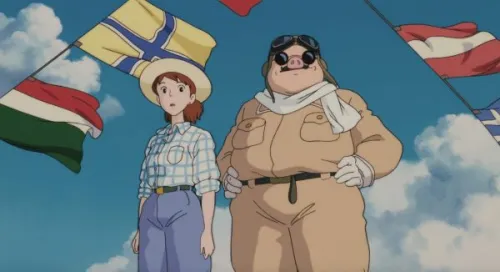
As impressive as Studio Ghibli’s collection of films are, I am still stubborn to believe that Porco Rosso is its most underrated film. Porco Rosso, directed by Hayao Miyazaki, is the story of a World War military aviator-turned-bounty hunter who has mysteriously been transformed into a pig.

Bright with humor, heart, and flight (Miyazaki is largely influenced and inspired by the art of aviation), Porco Rosso manages to also acknowledge and reckon with the horrors of war. It also boasts one of, if not the greatest, line in any Ghibli film: I’d rather be a pig than a fascist.

Trailer
The Wind Rises (2013)

7.9

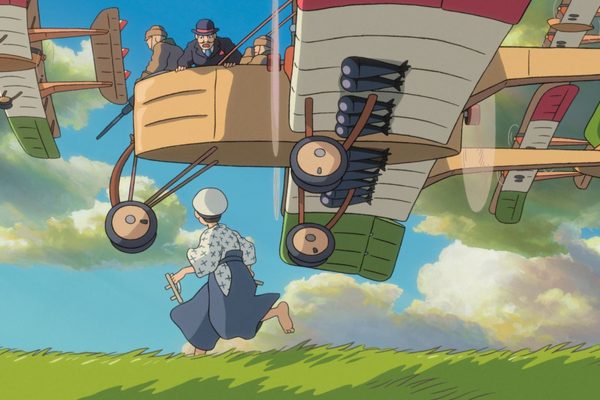
In what was originally intended to be his final film, Hayao Miyazaki is at his most lucid with The Wind Rises. Fluid and luminous, it cleanly moves between a grounded, historical reality and an intuitive, imaginative dreamscape. Here Miyazaki reflects on the process of creation and what it means to be an artist, drawing parallels between his own meticulousness as a filmmaker with Horikoshi’s immutable passion for flight and efficient design.

But questions of responsibility and duty arise, as Horikoshi—and by extension, Miyazaki—must reckon with the reality that even things as beautiful as aeroplanes can be destructive, and that even dreams can be violent. This meditative film does not offer any easy answers but it provides solace in its prevailing sentiment: The wind is rising, we must try to live.

Projektor articles by Taylor Leigh Harper