



 x1
x1
 x1
x1



After struggling to recapture the magic of the first few Star Trek series for the better part of two decades, the franchise has finally returned to its original formula of self-contained space adventures, progressive politics, and an unabashedly hopeful tone—all to magnificent results. Strange New Worlds is classic Trek in every sense: from its truly out-there, ’60s-style sci-fi stories; to its warm sense of humor; to its welcome focus on sentiment and emotion even amid large battles and dangerous situations. The series accomplishes all of this while keeping every member of its crew unique and charismatic, crafting powerful character moments for them even in the thick of things—elevated by uniformly brilliant performances from its cast, led by a commanding Anson Mount. It’s Star Trek for old and new fans alike, and a great reminder of the distinct strengths of episodic TV.


Except for the fact that it’s a genderswapped reboot starring the Kathy Bates, Matlock is hard to distinguish from the rest of the legal dramas airing on network TV. It follows the same formula shows like Suits, Law & Order, and The Good Fight do, where each episode is dedicated to an interesting case that also happens to reveal something new about the characters and whatever they’re going through. But what sets it apart (again apart from Bates, a force to be reckoned with), is its folksy humor and a consistent, throughline advocacy that would be a spoiler to reveal if you haven’t seen the pilot yet. That advocacy is a strong one, and not all that is represented yet on TV, so for the show’s enlightening and empathetic take on it alone, it’s a good watch. But add reliably engaging procedural cases and enjoyable performances, what you have is something great—or at least way better than most things currently on weekly TV.


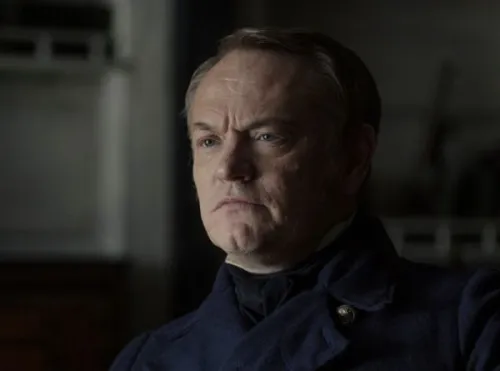
In 1845, two huge and aptly named ships, the HMS Terror and Erebus, were sent on an expedition to the Arctic to find the Northwest Passage, a century-old dream of connecting Asia and Europe through North America. Now, even when all went well, an Arctic expedition in the mid-19th-century was a pretty horrific affair by today’s standards, and, as you can imagine, all does not go well. In addition to the bitter cold, the cannibalism, and the malnutrition, The Terror throws in some hideous creatures from Inuit folk tales into the mix that hunt and maim the poor sailors. At its core, however, this is not fantasy horror. Co-produced by Ridley Scott and starring Jared Harris from Chernobyl, The Terror is unrelenting in the depiction of the hopelessness on board the two ships. Great timing and a pervasive sense of dread make this a must-watch for every fan of period-piece horror movies.


Even without doing the important and long overdue work of uplifting Native American voices, Dark Winds manages to be an intriguing mystery, layered with complex performances and bolstered by the majestic expanse of the American Southwest (in the ‘70s no less!). Finally released from the shackles of supporting roles, Zahn McClarnon shines here; he’s in top form as the gritty but softhearted police officer who protects his tribe from encroaching federal forces. The mysteries that propel the show are compelling too; they have the same beats as any you’d expect from a crime thriller, but they’re seeped deep into Native American mysticism, making them intriguing and wholly unique.


Following his sophomore feature Cha Cha Real Smooth, writer-director Cooper Raiff made his way to television with family dramedy Hal & Harper. This miniseries focuses on the two titular siblings, Raiff and Lili Reinhart respectively, who grow up in co-dependent adults as a result of their neglect from their single father (played by Mark Ruffalo). As such, both their child and adult selves are portrayed by the same actors. It’s a unique move for a unique dynamic. There are some quirks he brings from film, like the abrupt cuts and sudden needle drops, that sometimes doesn’t make sense for the show format. Nonetheless, Raiff’s naturalistic style and the ensemble’s emotionally vulnerable performances help us root for their bonds, despite all the hurt between them.

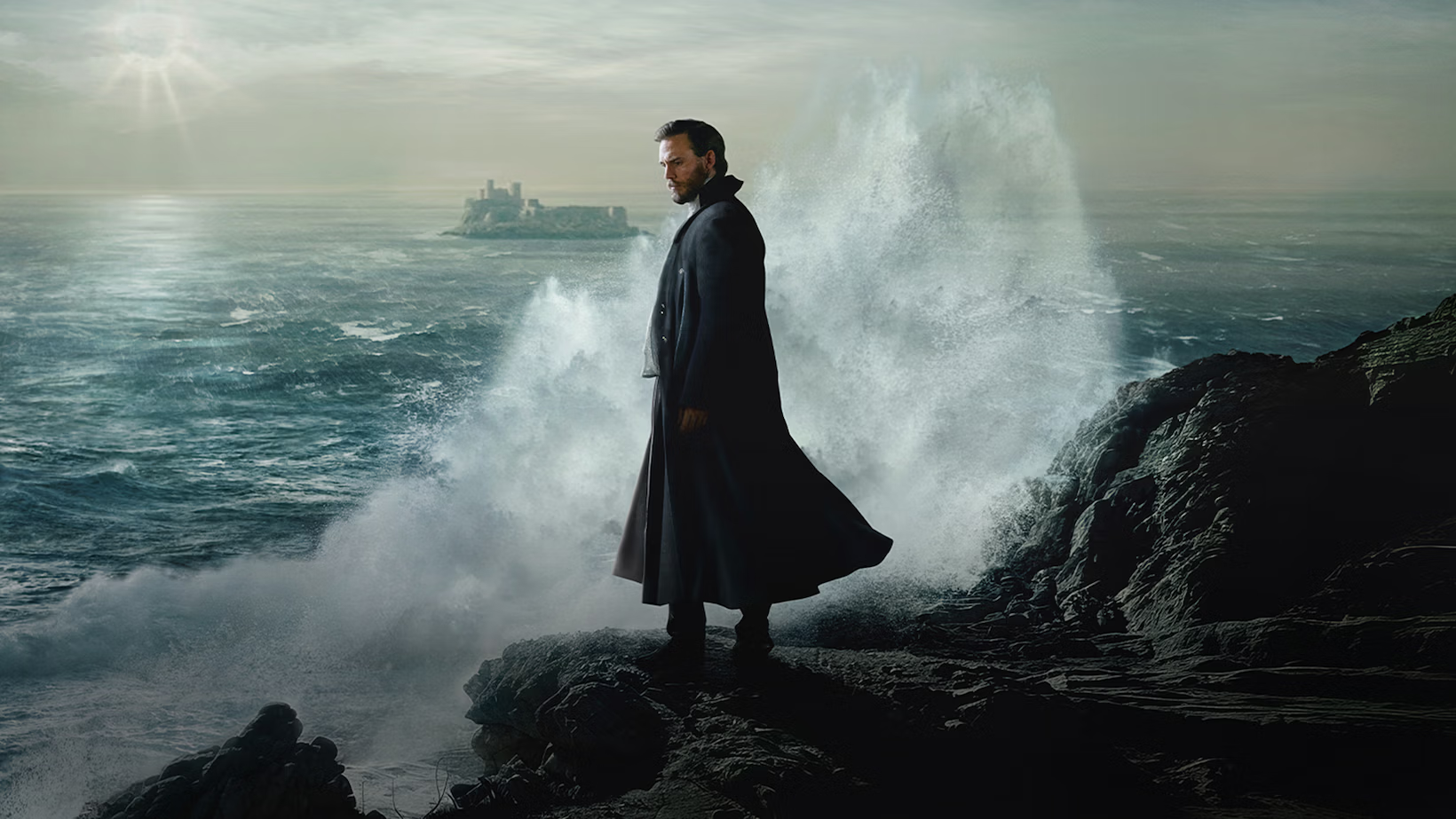
With a movie adaptation released earlier in the same year, this miniseries version of the classic French novel was overlooked. It makes sense– the movie came directly from the native country and three hours is easier to watch than eight. However, The Count of Monte Cristo is a story that spans decades and countries, making the miniseries format much more fitting to adapt over a thousand pages. Instead of speeding through the novel, this series gets to linger in many of the important moments, with excellent performances from across the entire continent to expand on the entire ensemble. This is not to dismiss the French submission to the Academy Award. If anything, it’s nice to have options. We recommend this one if you’re not a French speaker, and if you prefer more detail from book-to-screen adaptations.

