Movies to Watch From Luxembourg
To access filters, visit our homepage.











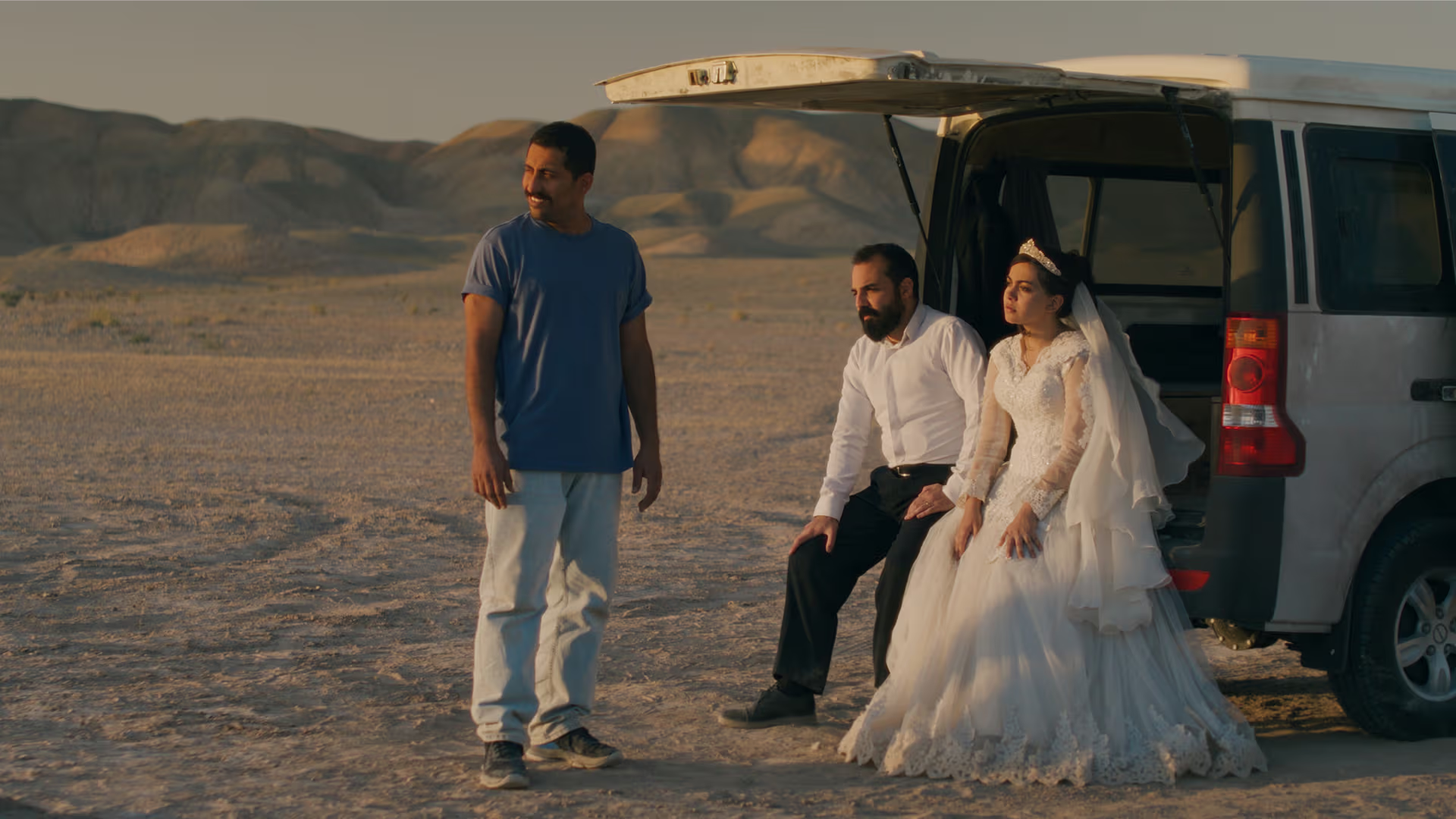
You can probably predict from the title that an accident starts this thriller but what happens after is totally unexpected. Of course, a car accident requires a visit to the auto mechanic, but in this film, this car check-up ends up becoming an unintended encounter with unexpected consequences. That’s because the mechanic recognizes the customer’s peg leg, the very same leg that he’s heard while being tortured in prison. Everything that happens, then, is a result of that past. Part of it is actually funny, with the tragicomedy poking fun at how totally unprepared Vahid is to enact his revenge, to the point he’s not even 100% sure he got the correct man. Still, however messy it gets, It Was Just An Accident never forgets the wrong that’s been done, and highlights the reparations Vahid and his fellow inmates should’ve gotten.
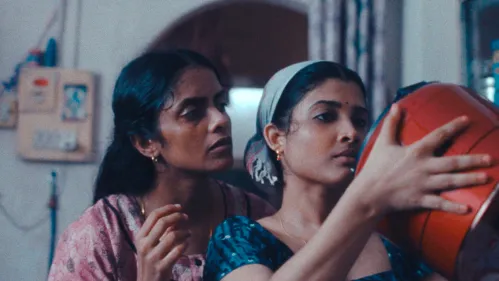
All We Imagine as Light is a political film that has many smart and moving things to say about the loneliness of migrating from the country to the city, the double standards women face on the daily, and the ever-widening gap between the rich and poor. But thanks to director Payal Kapadia’s deft hands, these weighty themes don’t hit you like a brick in the face. Intertwined in the rich inner lives of the two Malayali nurses and the Marathi cook who lead the film, they come off as subtle and poetic, like everything else about the film. There’s a quiet power at work here, and it will entrance you till the end.
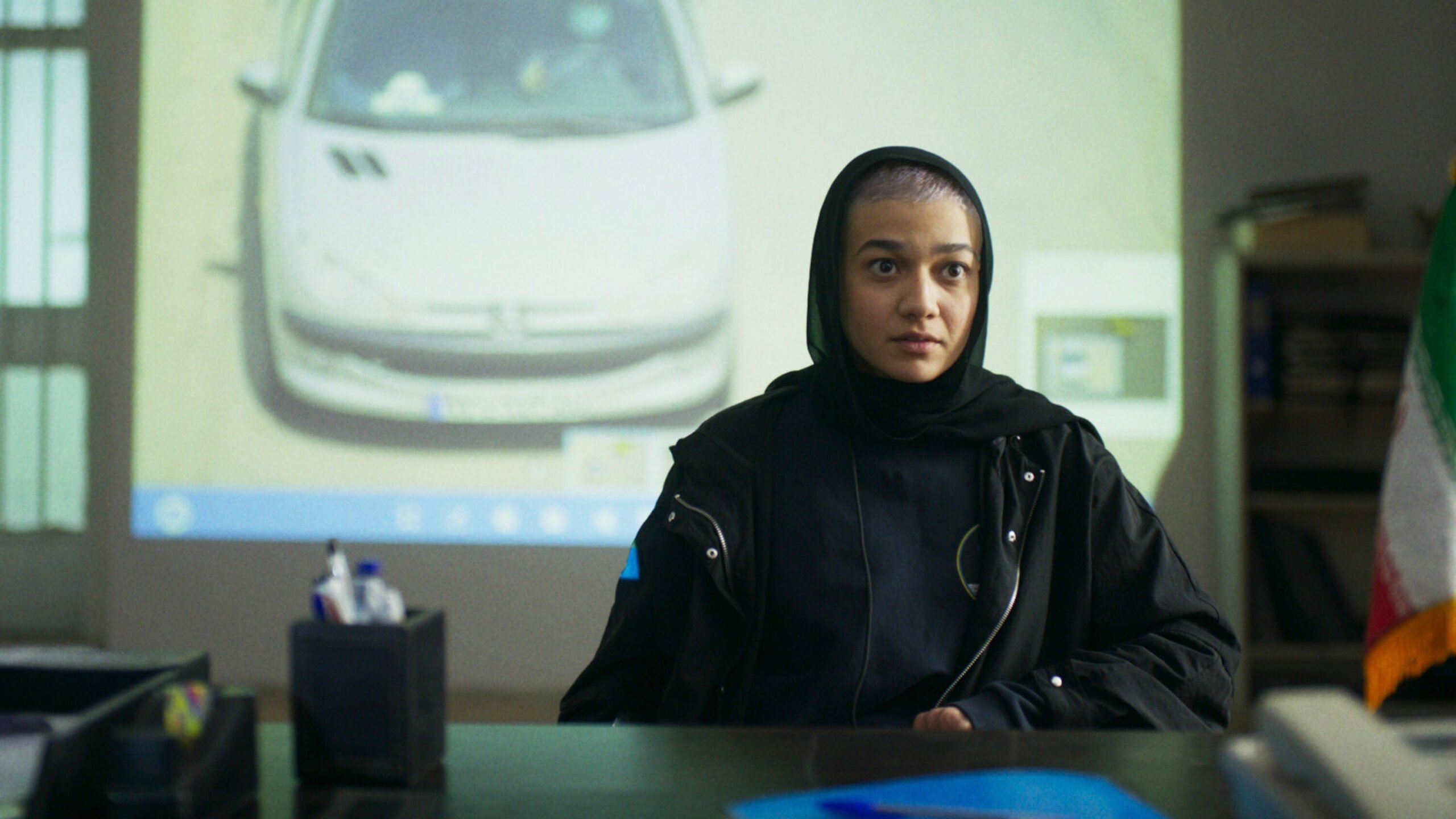
Since we live in a society, interacting with authority is inescapable. Terrestrial Verses depict fairly mundane day-to-day interactions– getting a birth certificate, settling a traffic violation, or attending a job interview– but through nine vignettes framed with a static camera, aimed at a person trying to negotiate with someone more powerful just outside the frame, these mundane interactions become satirically absurd. For those unfamiliar with the ideology behind the regime, these interactions are just so annoying. But for those in the know, the doublespeak in the dialogue reflects how finicky and arbitrary the rules set by the authoritarian regime are, and celebrates the wit and ingenuity of the ordinary people that have to navigate them. Terrestrial Verses seems utterly mundane at first, but it proves to be smart, incisive, and deeply insightful.

With a title like this, it was expected that Do Not Expect Too Much from the End of the World would be critical of today’s current circumstances, but the film takes a more startling approach. Radu Jude’s longest narrative feature is a day in the life of a disgruntled, underpaid production assistant, and as she drives between interviewees injured from work accidents, the film alternates between the black-and-white, terribly mundane reality, her Tiktok-filtered satirical rants as Bobiță, and an old colored film of a Romania decades past. It’s a cynical depiction of how vulgar it is to be alive today, but it’s also more honest as Jude refuses to cling to the past.
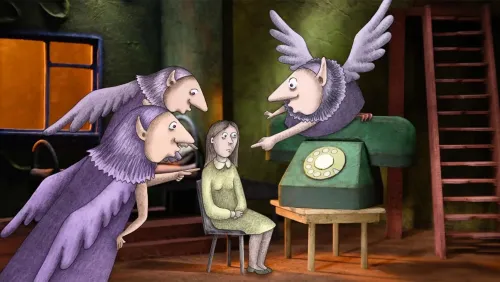
It’s not often you get a female perspective on the USSR, much less a female artist with little means. Signe Baumane’s autobiographical My Love Affair With Marriage is one of the few ones, and not only is her story raw and refreshing, it’s also told through lovely animation and musical numbers. The result is something truly novel. Baumane analyzes ideas like love, marriage, gender, and society through an unapologetically feminist lens. But she’s careful not to be patronizing too. Instead of condemning her circumstances, she gives it context and shows empathy. Some parts are delightful, others distressing, but Baumane’s character (voiced by Succession’s Dagmara Dominczyk) is compelling throughout.
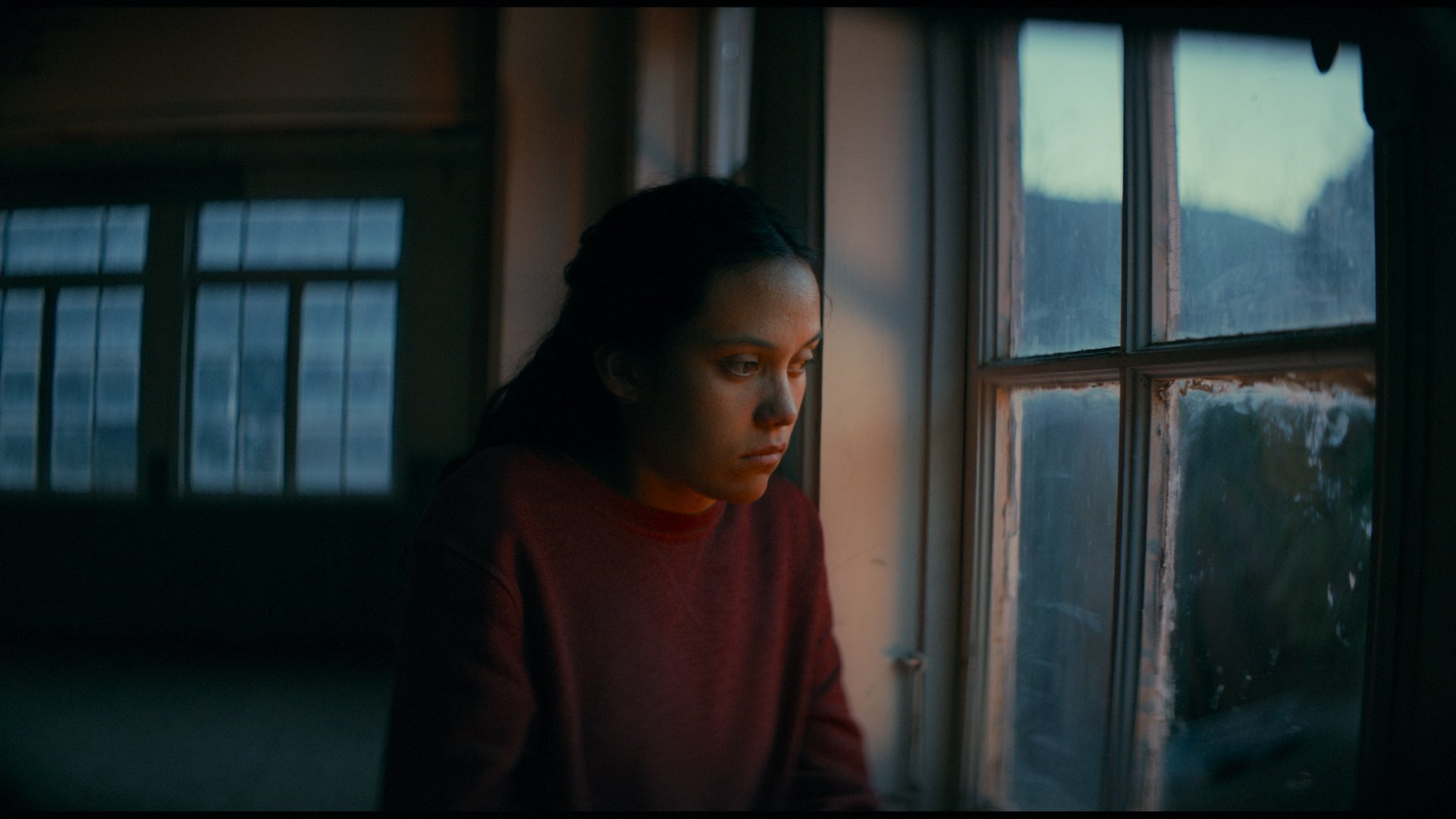
Inspired by the Spiniak case, Blanquita reimagines the infamous scandal through mirrored interrogations and disorienting viewpoints. Blanquita rewrites the original witness, whose fictional variant, in turn, rewrites the abuse faced by victims as her own. She is transformed from a clueless liar, into someone still a liar, but one that did so when every other possible witness has been discarded for being unreliable, for being too traumatized to go through the judicial process unflinchingly. The film takes on a provocative subject matter, at a time when real life sexual abuse allegations are treated with the same scrutiny Blanca faces. However, Blanquita does so in a way that gives its complexities the weight it deserves. It’s a fascinating thriller, a quandary that tests the idea of ends justifying the means… But it’s one that’s disturbing, given the consequences to each crime.

Teenagers forced to grow up quickly and spend their prime years wiling away at garment factories sounds like a grim reality, and it is, but in Youth (Spring), Chinese documentarist Wang Bing captures more than just the inherent tragedy of young labor. Here, they build friendships, find love, discover an affinity for their craft, stand up for themselves against exploitative bosses, and look for ways to have fun. Even if it’s just as simple as eating street food, spending the night at an internet cafe, or finding nice clothes, we’re with them in every way. Though it’s never explicitly political, the documentary makes you think about the conditions that put the kids there in the first place, such as our insatiable need for cheap and trendy clothes, governments turning a blind eye to child labor, and a skewed system that favors these above people’s—especially young people’s—well-being and welfare.
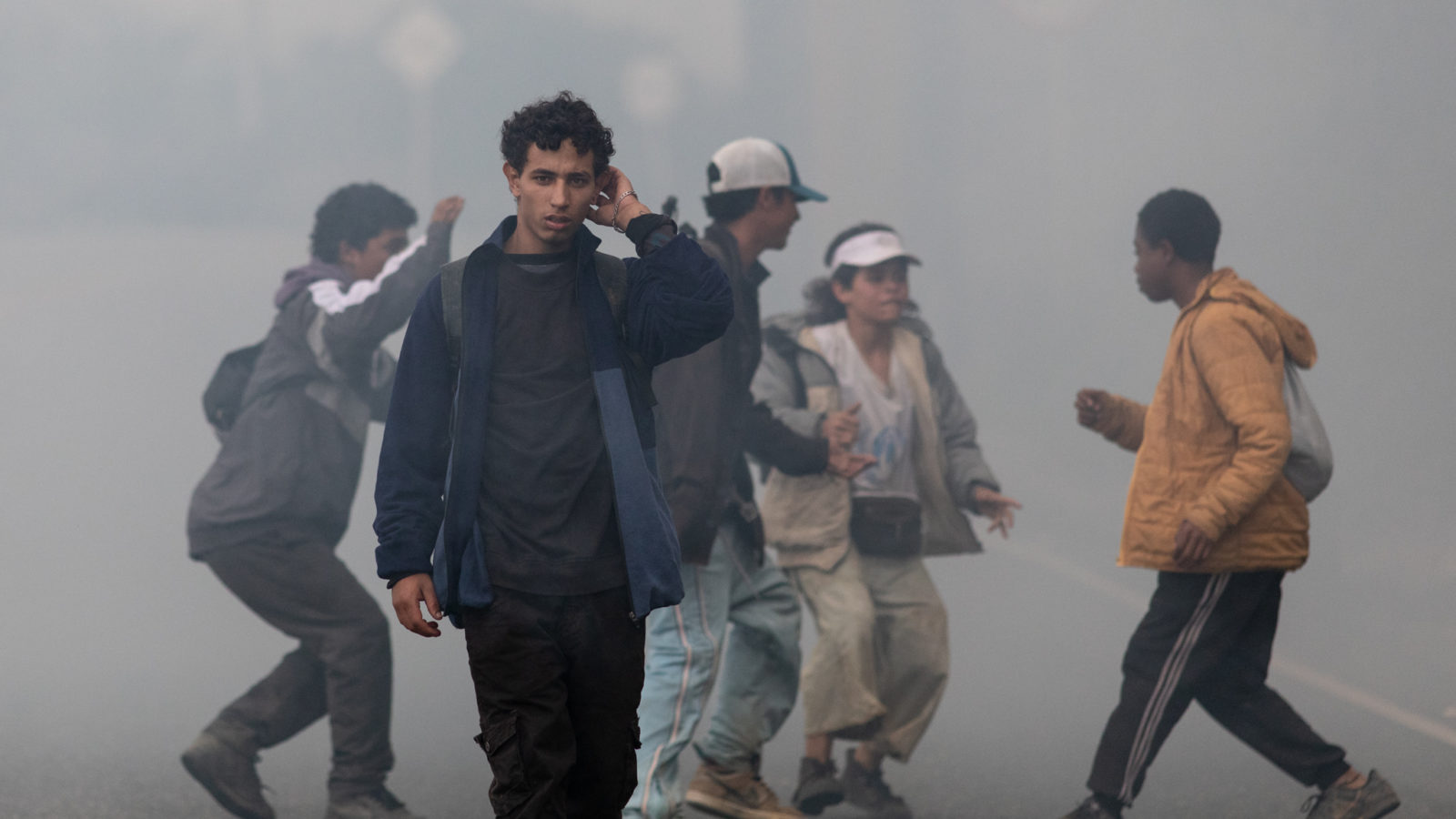
The Kings of the World is a surreal coming-of-age movie that follows Rá, Culebro, Sere, Winny, and Nano, street kids who are on their way to claim land that’s rightfully theirs. Their one goal is to finally make a home after living without one for so long, but they’re hindered by the inevitable tragedies that befall kids of their kind: impoverished, alone, and abandoned.
The title is ironic, but it also hints at their state of mind: these boys are unstoppable, rabble-rousers who live like there’s no tomorrow. They tear down private property and invade inns not out of spite, necessarily, but out of a knowledge that whatever they do they’re gonna be put down anyway, so they might as well live without rules.
Tackling powerful themes like land restitution and youth neglect, The Kings of the World is one of the most agonizing movies you’ll ever see. It’s also Colombia’s official Best Foreign Language Film entry in the 2022 Academy Awards.

What makes people attempt to climb the tallest mountain in the world? Many might be motivated simply for the title, but in this animated adaptation, it’s the obsession that gets them going. The Summit of the Gods starts its journey with the real life mystery of George Mallory’s 1924 Everest climb, which, if answered, could reshape the history of mountaineering as we know it. So, of course, a reporter like Makoto Fukamachi has to follow the story. As we witness his investigation, and get to know the climber that might have all the answers, Habu Joji, it’s easy to get sucked into their story with the breathtaking visuals, the atmospheric soundscape, and the characters that we get to know on a personal level. The Summit of the Gods understands why they do what they do, despite each step pulling them further away from safety.

With a former smuggler struggling to break away from crime, Pamfir has a familiar crime thriller premise that you’ve probably watched before. To be fair, on its own, it works. The titular protagonist tries to live a better life for his family, though circumstances lead him to just one last gig in the underworld. However, Pamfir proves that there’s still more to explore with this premise. As the thriller proceeds in western Ukraine, Pamfir’s personal conflict eerily mirrors that of his country, and it’s reiterated by the folklorish imagery, stunning long takes, and the unsettling tension that simmers all throughout.
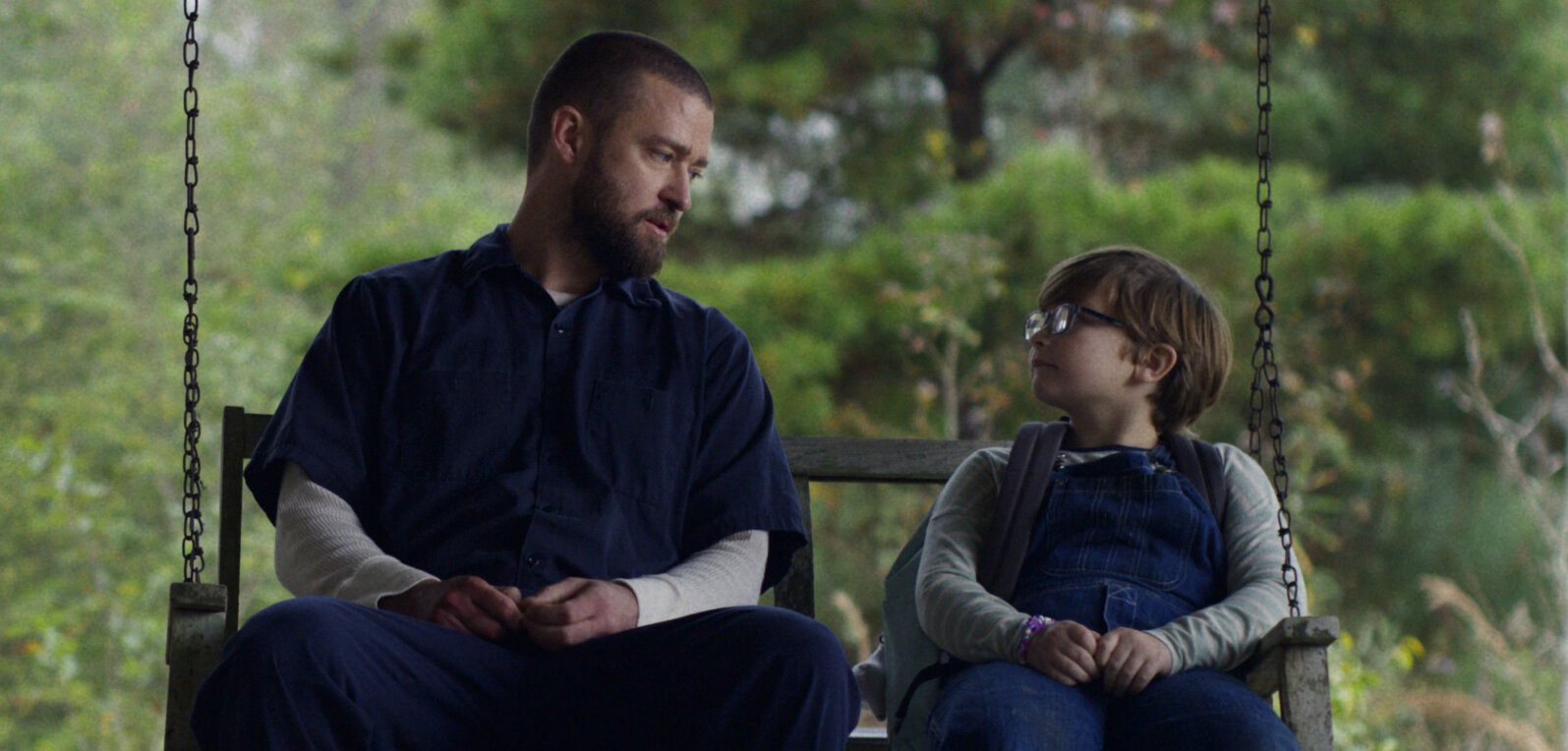
Palmer may not be treading new ground, but it does tackle relevant themes with impressive sensitivity. With Palmer (Justin Timberlake), it reveals the stigma that haunts ex-convicts well after they’ve redeemed themselves. And with Sam (a charming Ryder Allen), it brings to light the heartbreaking and often dangerous bigotry queer children face. These are heavy issues, but Palmer takes them on with the utmost care and compassion. Though it reads cheesy at times, the sweetness is a welcome note considering the more tragic turns narratives like this tend to take. Empathetic and hopeful, Palmer is a pleasant enough film about second chances and found families.
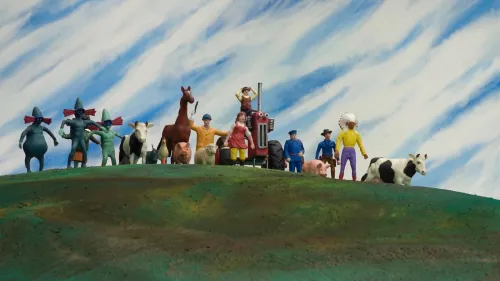
If you’re looking for a straightforward, reasonable plot for children, you’re not going to find it in this eccentric stop-motion animated comedy. That’s because from the reasonable panic over forgetting a friend’s birthday, A Town Called Panic spirals into a series of fantastical consequences, including an order of 50 million bricks, a journey to the center of the earth, and their unexpected detour to the northern tundra. But to be fair, logic is not really what children look for. If anything, the weirdness of Cowboy, Indian, and Horse’s adventures feels reminiscent of a child playing with mishmashed toy sets. Like the stop-motion medium, anything can happen, with enough imagination, and A Town Called Panic has quite the amount of frenzy to spare.
 x1
x1 x7
x7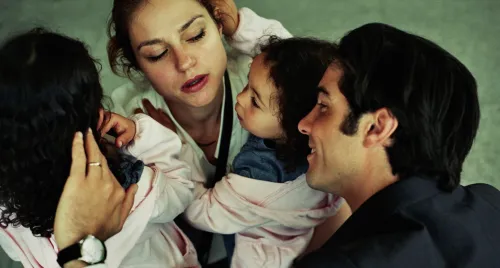
Our Children opens at the harrowing end of the true story it’s based on: with the image of a distraught mother (Émilie Dequenne) in a hospital bed, begging a police officer to ensure that her children — who have just predeceased her — are buried in Morocco. From this ominous beginning, the film rewinds into a jarringly sunny flashback of lovebirds Murielle (Dequenne) and Mounir (Tahar Rahim) to tell this horrifying story from the start.
What follows is much less obviously dramatic: Our Children shifts into slow-burn psychological thriller territory as we watch the gradual breaking down of Murielle at the hands of Mounir’s adoptive father André (Niels Arestrup), a wealthy white doctor who has used his status to insinuate himself into the lives of Mounir and his family back home in Morocco. This is a very subtle study of manipulation, one that hinges entirely on the performances of the trio, who fill with nuance roles that could easily have been tabloid caricatures. Above all, though, this is Dequenne’s film, and it’s the devastating ways she shows the life gradually being sucked out of Murielle that makes Our Children so difficult to shake off.
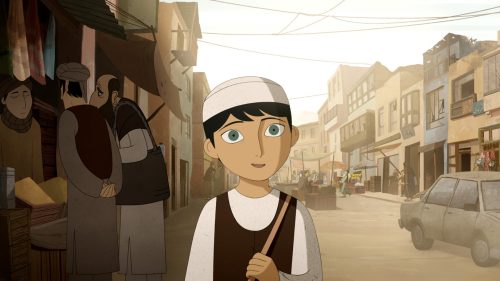
The Breadwinner is as beautiful as it is heartbreaking. The animation is magical as it seamlessly jumps back and forth between Parvana’s stark reality and richly detailed fantasy. It’s a wonder to just look at, but it’s a tapestry brought to life by the story at the center of it.
Set in 2001, at the height of Taliban rule in Afghanistan, the film follows Parvana, a young girl driven to desperate measures to keep her family alive. Because of the violent restrictions imposed on women (they’re not allowed to buy, sell, study, or practically do anything without a male chaperone), Parvana disguises herself as a boy so she can work for a living. The more she gets away with it, the bolder her attempts get. It’s a story of survival and standing up, but it’s also a sobering reminder of what fundamentalism is capable of doing (or more accurately, ruining). As long as cruel systems like this are taking place in the world, Breadwinner remains essential viewing for all.
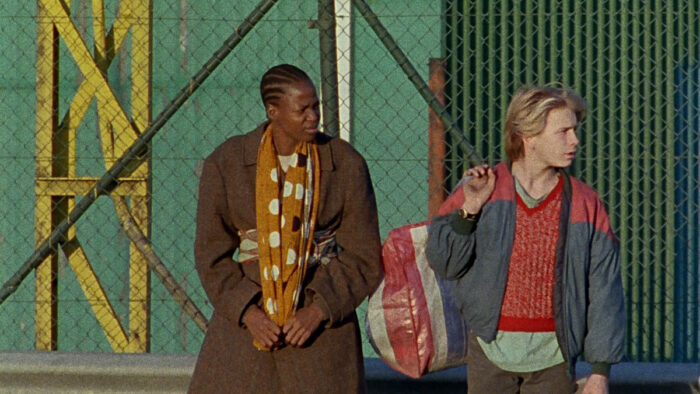
The Promise has all the trappings of a sleazy crime drama, but there’s a sense of innocence buried underneath all the dirt that helps set it apart. Even as Igor helps his father do the shadiest things to exploit the illegal immigrants under their care, you can see the boy slowly wake up to the realization that life can’t just be a series of transactions, rewards, and punishments. As writers and directors, the Dardenne brothers present Igor’s coming of age with frankness and without pretension—even when a hint of the mystical begins to compel him to tell the truth. It might not seem all that complex at first, but the details that make up this world are fully immersive from start to finish.

This animated movie is absolutely wonderful. It’s an Irish production, and the drawings/graphics are so beautiful and different from what you usually see in this genre. This alone, along with the music, would be good reasons to watch this.
But what really makes this worth your time is the story – it’s about a boy dealing with the loss of his mother. He embarks on an adventure into a parallel world of feelings to save his sister.
I found it to be refreshingly original, sometimes quite intense (I cried, but I easily cry), and heartwarming. The details are great. And I love the way the story was interwoven with Irish mythology, making it magical.
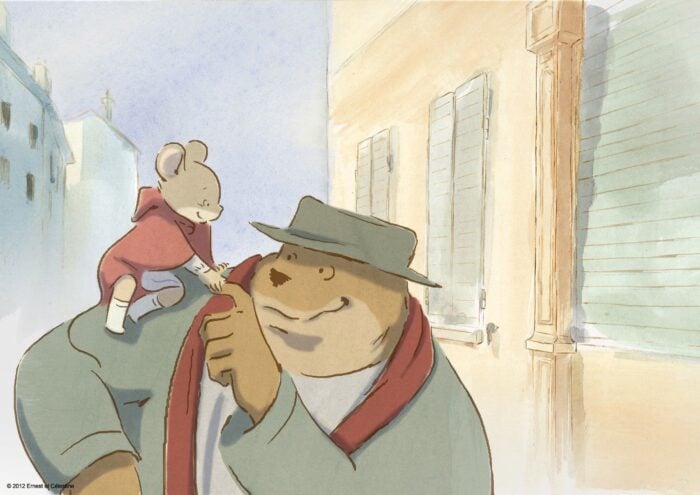
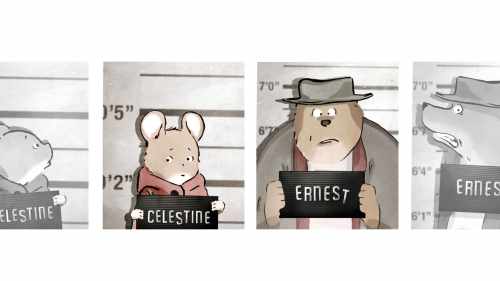
Ernest is an old bear and Celestine a young mouse; he lives above ground, while she lives underground. Their kinds fear one another, and borders are set in place so that they never intermingle, but despite all the odds, Ernest and Celestine form a bond—they share one similarity, after all, which is that they’re both outcasts.
Ernest & Celestine is a classic buddy tale of outsiders finding their place in the world. The story and its messages of acceptance and equality are already charming and weighty on their own, but the hand-drawn and watercolored animation gives the film an extra rush of nostalgia and delight. Beautifully made and surprisingly relevant, it’s a children’s film for all ages. It makes sense that it was nominated for Best Animation in the 86th Academy Awards (what doesn’t is it losing to Frozen).
An English dub is available on most streaming platforms, but we highly recommend watching it in French, how it’s originally meant to be heard.
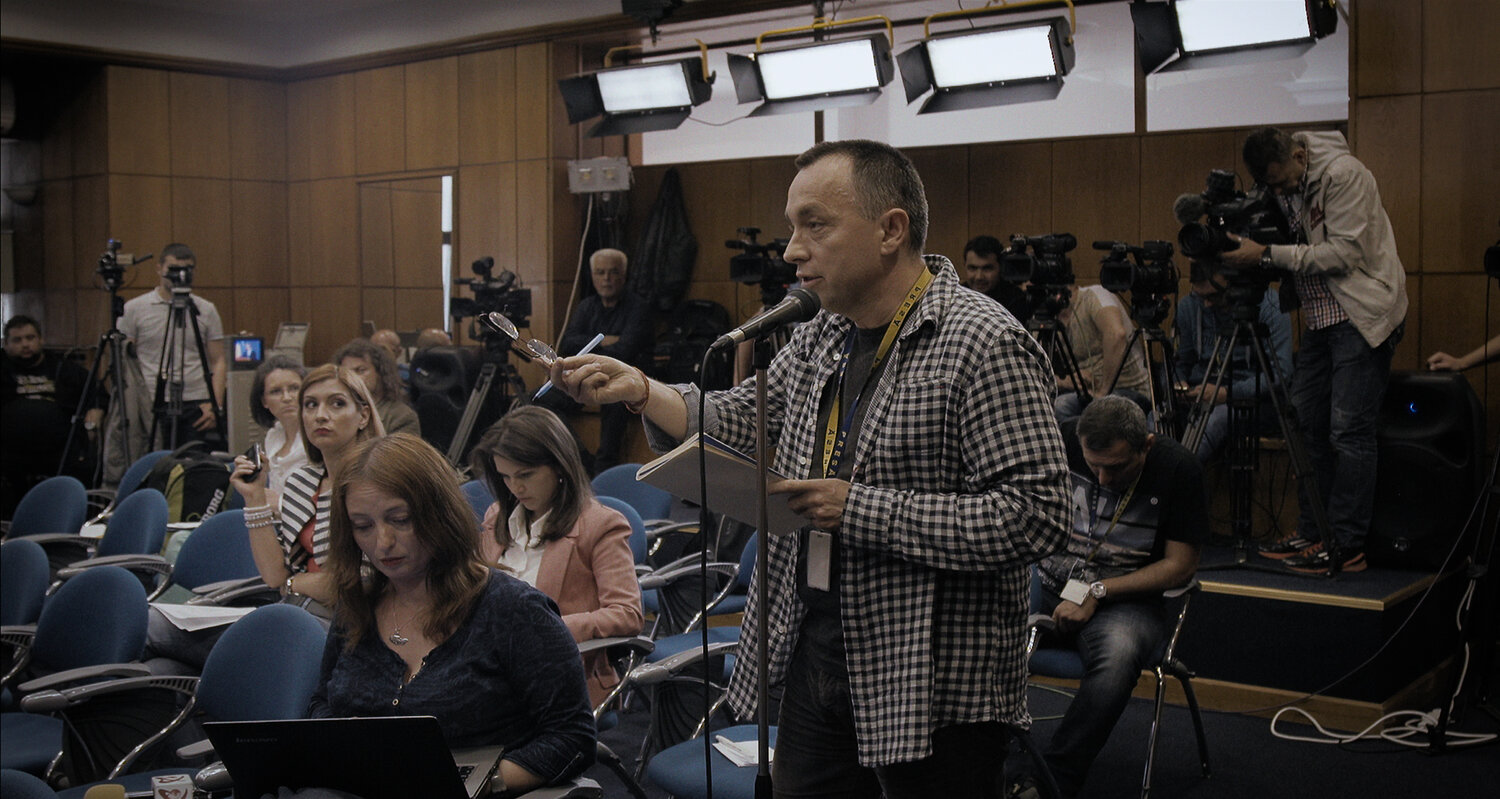
Following a group of journalists uncovering an entire architecture of institutional corruption in Romania, Collective makes for an inspiring watch—not just because these people are pursuing a story outside their usual wheelhouse, but because their enemy really is so much greater than they can handle. Yet they continue chipping away, never once backing down from speaking truth to power. Director Alexander Nanau understandably might not have much access to the government’s side, but he still manages to portray them as an ever-present, omnipotent invisible force, giving the film a thick atmosphere of dread and paranoia. But still, in the face of such overwhelming odds, the best thing to do is refuse to be scared into silence.
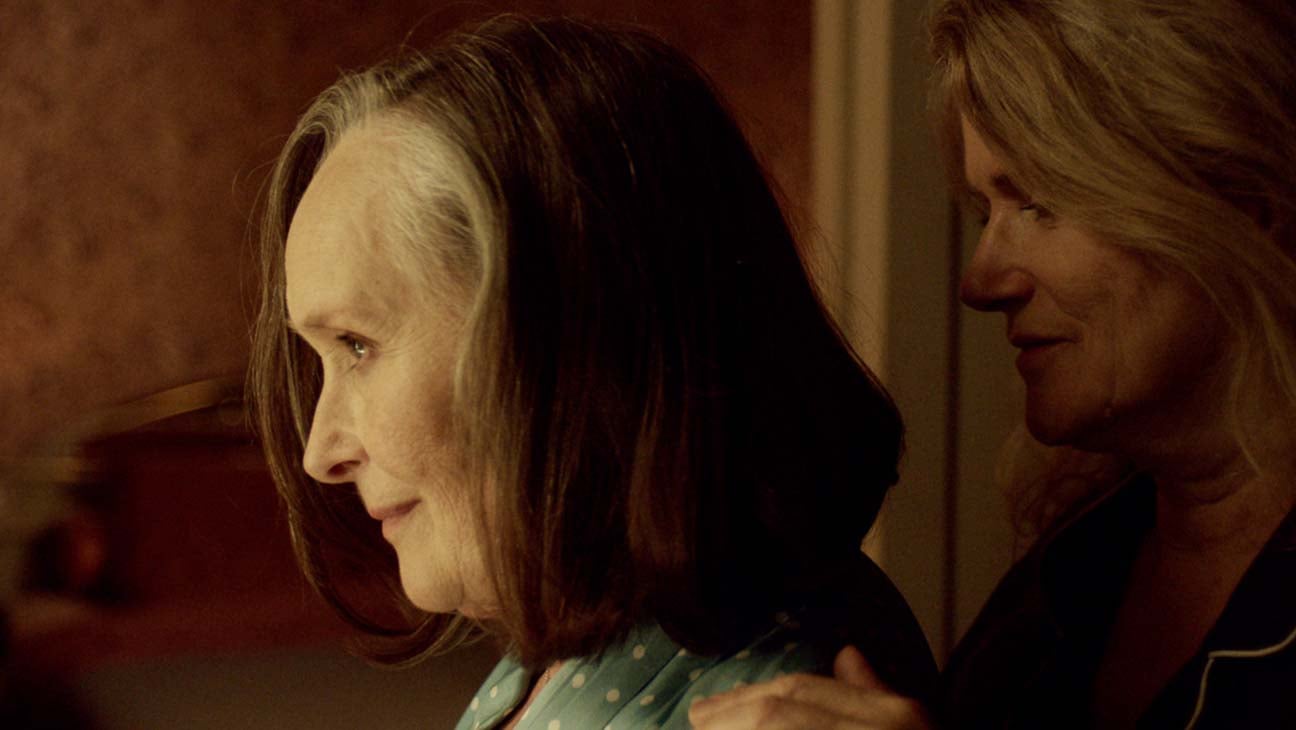
The Two of Us could have been a sweet romantic drama all about lifelong devotion regardless of the circumstances, but instead, first time director Filippo Meneghetti makes it feel more like an unsettling thriller that captures the paranoia and near insanity it feels to be closeted– with Nina having to beg Mado to tell her family, having to hide in what has become her own home, and having to bargain and manipulate her way to Madeleine’s side. Two of Us is quite a stunning debut with such a unique depiction of a lesbian relationship.
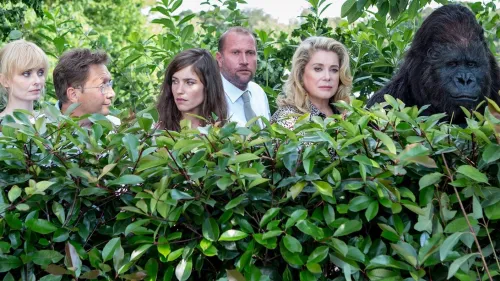
Before anything else, your mileage of The Brand New Testament will likely depend on your beliefs. We would say, however, that for most people, this satire is frankly so absurd that it’s more likely to baffle rather than offend. That’s because of its central premise– what if God is just a modern day man on his computer? It makes for a novel way to depict divinity, to reinterpret Judeo-Christian thinking, and to reckon with the question of evil through stylistic shots and whimsical fantasy rather than philosophical dissertations. Playful, irreverent, and mostly bizarre, The Brand New Testament won’t be for everyone, but it’s certainly going to be a unique experience.

This high-production-value German series is about a junior investment banker who finds herself at the center of events that will cause a big financial crash. The show starts with the crash then goes back a year to tell the story of how the young Jana Liekam got caught in the middle of it.
Bad Banks functions sometimes as a cautionary tale on the dangers of investment banking but it’s mostly just a simple, good, and enjoyable corporate thriller. It’s also a great introduction to quality German TV, if you’re ever looking for one.
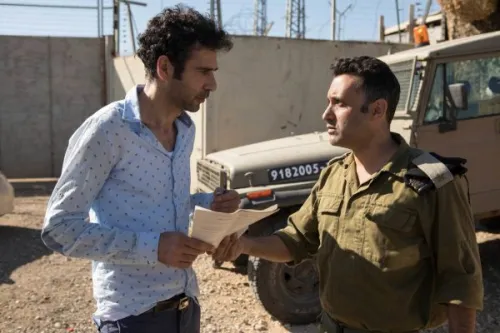
This funny and charming movie is about a Palestinian slacker named Salam who works on a famous Israeli soap opera. Each day, he has to pass a tough Israeli checkpoint to get to work and in an attempt to make things easier for himself, he agrees to change the ending of the soap opera to please the officer in charge of the checkpoint. At the same time, a temperamental French actress and his Palestinian love interest wish for opposite endings to the show. Stuck between love and politics, Salam has to navigate a complex situation to please all sides. There are a lot of hummus jokes.

Like many films about beloved pets, your enjoyment of A Street Cat Named Bob depends on how much you love the titular animal. As such, cat people would delight in how cute the actual true-to-life ginger feline looks on screen, while dog people would disapprove at the gruff way dogs are portrayed here. But for viewers who don’t have a preference for either animal, A Street Cat Named Bob might go through fairly cliché feel good moments, but it’s somewhat justified given the way it depicts that real human-pet relationship not as just a cute thing, but as a lifeline, as a crucial redirection of love and care that couldn’t have been given to by one’s self, and a connection that was necessary. A Street Cat Named Bob is familiar feel-good stuff, but it’s sincere and cute enough to still be enjoyable.
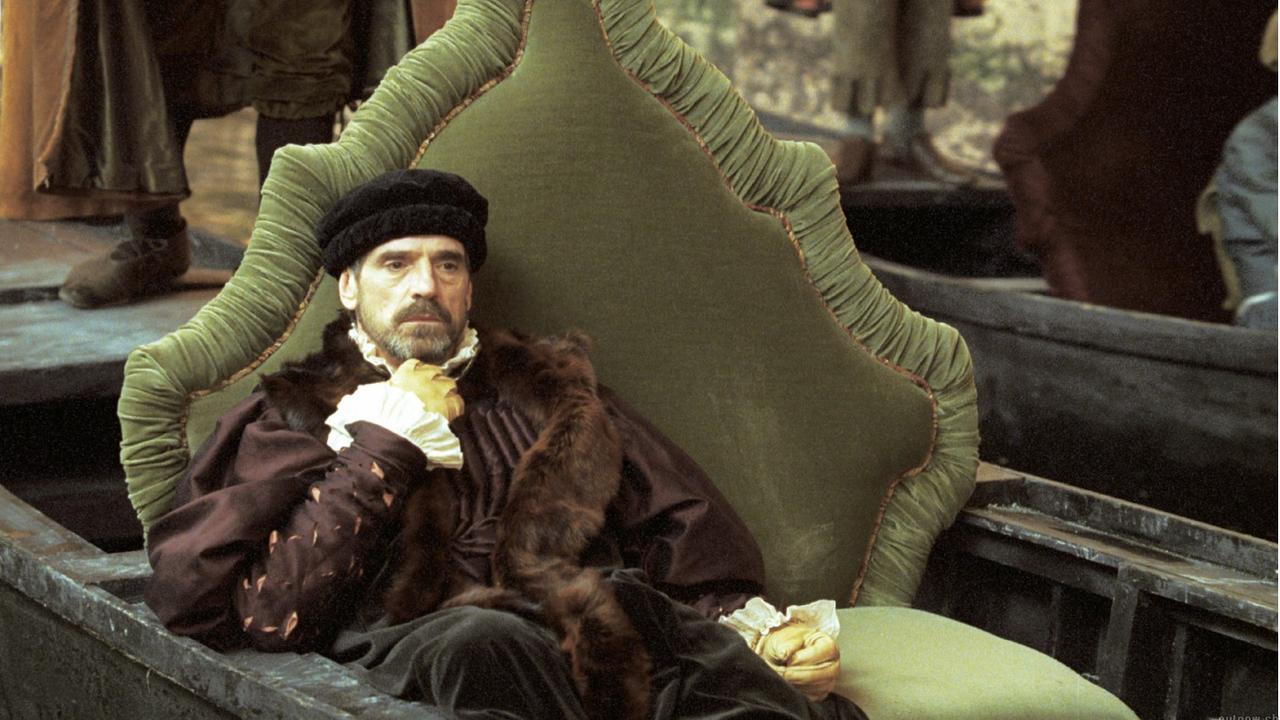
Anything Shakespeare would be a classic, of course, but for the longest time, British filmmakers avoided The Merchant of Venice, for a variety of reasons. The most prominent of those reasons was the antagonist Shylock, who, as a Jewish moneylender, was characterized with many anti-Semitic stereotypes, yet, was written with one of Shakespeare’s most eloquent speeches on his humanity. Director Michael Radford’s take on the play sidesteps this issue by an explanation and montage, reframing the entire play to be more sympathetic to Shylock. It’s such an elegant solution, and with Al Pacino’s excellent performance, The Merchant of Venice becomes much more dramatic than comedic, and all the better for it.