
Movies to Watch From Taiwan (Page 2)
To access filters, visit our homepage.











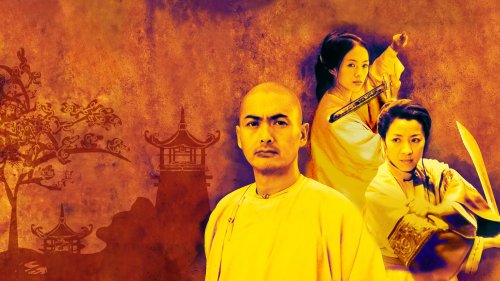

If there’s one obvious thing that keeps Kano from becoming great, it’s the fact that it takes a little over three hours just to get through. It certainly can be trimmed down by a lot, but going through the three hours isn’t too bad of a time, seeing as it celebrates the real life Taiwanese baseball team through a feel-good, if a bit familiar, underdog story of a small island team winning against some of Japan’s best high school rosters. The film shines when it focuses on baseball– It feels like you’re actually in the stands of the arena, with the matches moving the plot forward and realistically hammering home the love of the sport. That being said, the backstory of the characters plays out in a melodramatic fashion, and while it does depict some of the racism the team faced, the film seems to be reluctant on commenting on the immediate parallels to Japan’s colonization of Taiwan. For better or worse, Kano prioritizes the sport to the detriment of every other plotline.
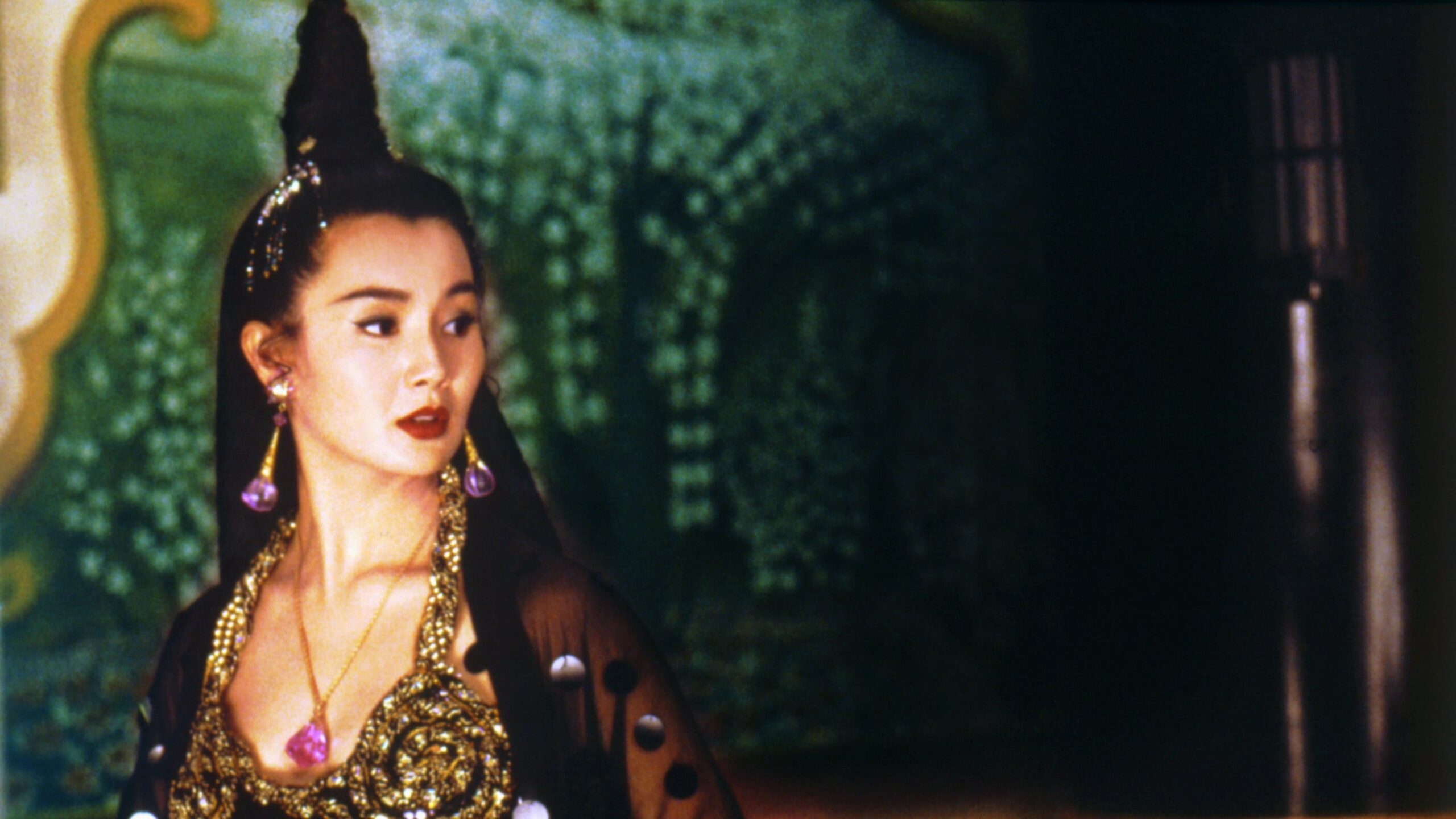
Usually, when your film is over budget, you rewrite scenes, cut down production costs, or maybe even try to renegotiate with suppliers and crew members to fit within the budget. Allegedly, when Wong Kar Wai was making Ashes of Time, however, his friend Jeffrey Lau decided to help him out by creating The Eagle Shooting Heroes, a parody of the same source novel Legend of the Condor Heroes. It is very silly, and the costumes are very stereotypical. But for fans of Hong Kong mo lei tau, and fans of either directors, it’s an interesting double watch, seeing all the actors that made viewers cry in Wong’s dramas now make us laugh with their antics instead.
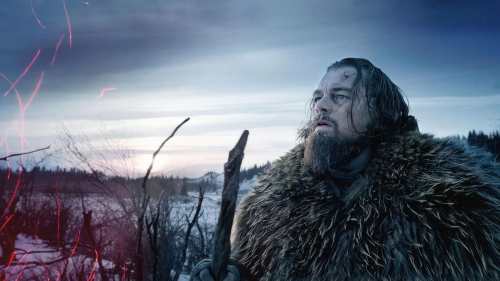

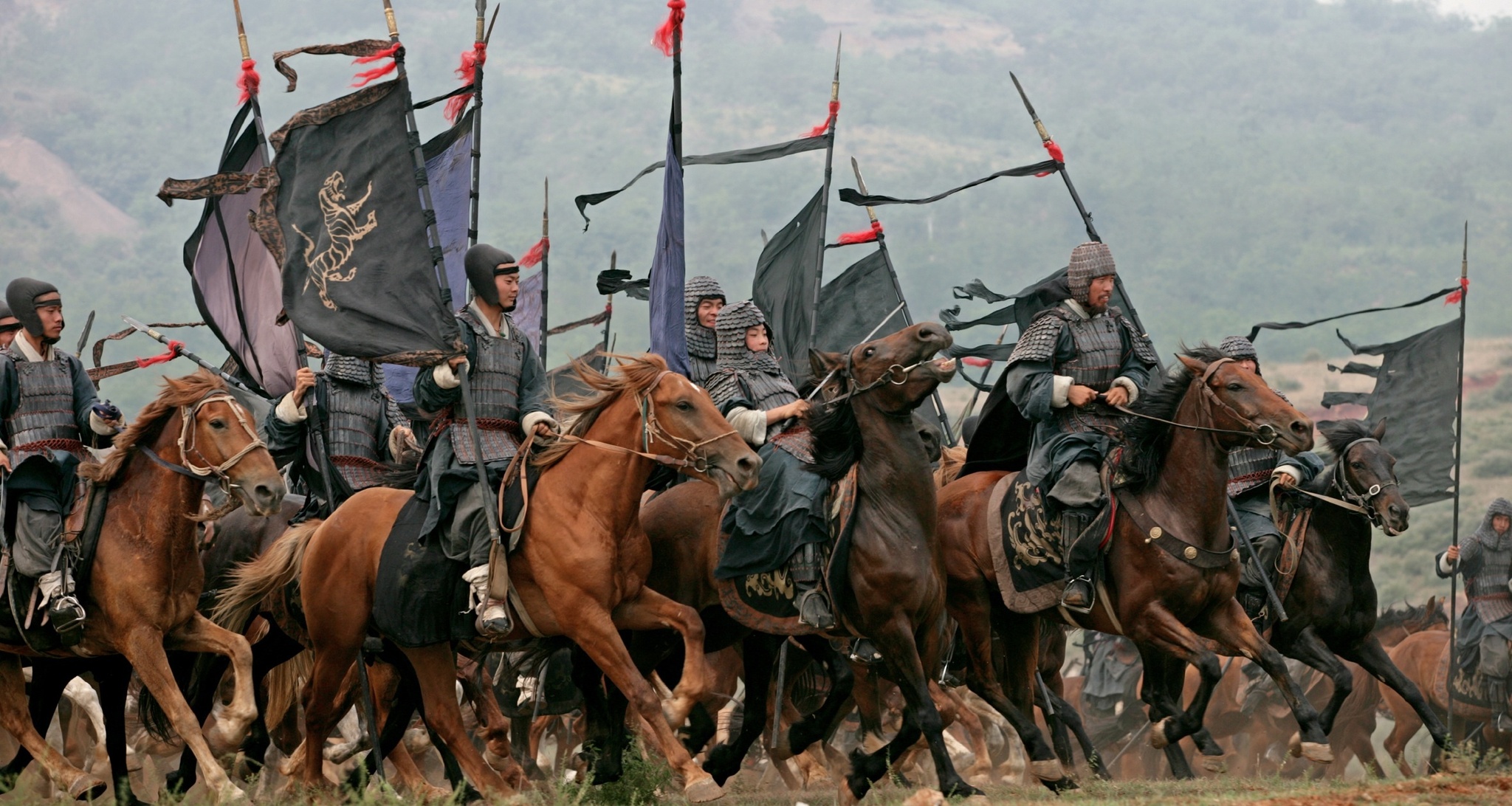
While best known for his Western work, including directing the second Mission Impossible, John Woo made his start in China, returning more than a decade later to film this historical war epic. Based on the Battle of the Red Cliffs, the film may not be 100% factual, but Woo is clearly more at home here, taking his signature action choreography on a much larger scale. The production design, the costumes, the score, and the visuals are all dialled up to eleven, and the cast, including the iconic Tony Leung Chiu-wai, matches this intensity with stellar performances. Red Cliff is John Woo’s triumphant return back to his home country, taking his Hollywood experience to push Chinese cinema even further.