
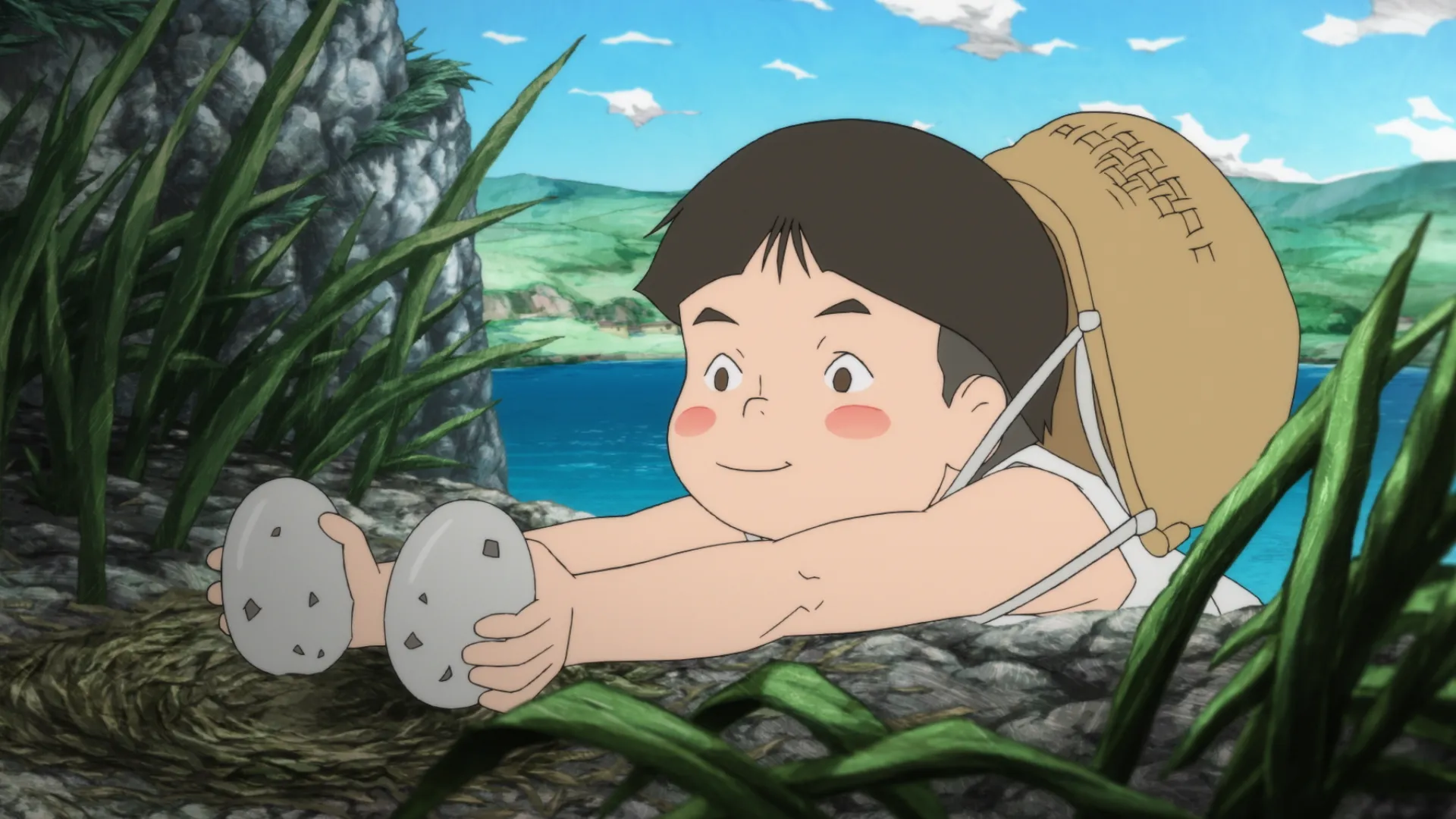
Our take
Admittedly, Giovanni’s Island can seem a bit derivative. Not only does it take on a similar vibe to Studio Ghibli’s Grave of the Fireflies, but the film also makes multiple references to Kenji Miyazawa’s Night on the Galactic Railroad. Thankfully, new viewers don’t need to watch either to understand this film. Giovanni’s Island gets all the important stuff right. From the horrors of war to the connections made across sides, the film depicts this heartbreaking story through beautiful animation, lovely music, and a respect to the storytelling that has helped Japan reckon with the war. Giovanni’s Island remembers the nation’s grief, but also the hope of building all over again.
The story
In the aftermath of the most devastating conflict mankind had ever experienced, the tiny island of Shikotan became part of the Sakhalin Oblast... and on the unhealed border in this remote corner of the world, friendship among children from two different countries timidly blossomed, striving to overcome language barriers and the waves of history. Inspired by true events.
Shikotan, 1945. When Japan lost the war, the Russians took control over the island. Two brothers, Junpei and Kanta, unexpectedly form a friendship with the commander’s daughter Tanya.
There were so many elements that the film balanced, like the siblings, their friendship with Tanya, and the messy love triangle between Tatsuo, Hideo, and Sawako, but the film balanced these elements well.
If I had a nickel every time Japan made an animated film about siblings in the aftermath of World War II that had me in tears, I’d have three nickels.
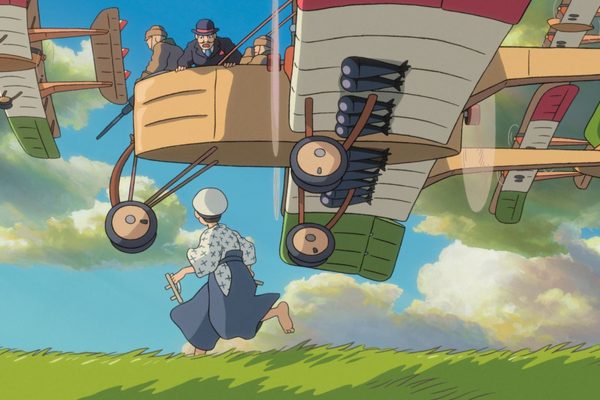 The Wind Rises
Hayao Miyazaki
The Wind Rises
Hayao Miyazaki
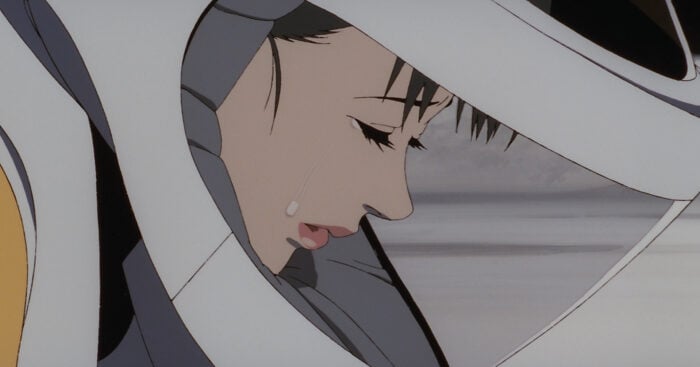 Millennium Actress
Kou Matsuo & Satoshi Kon
Millennium Actress
Kou Matsuo & Satoshi Kon
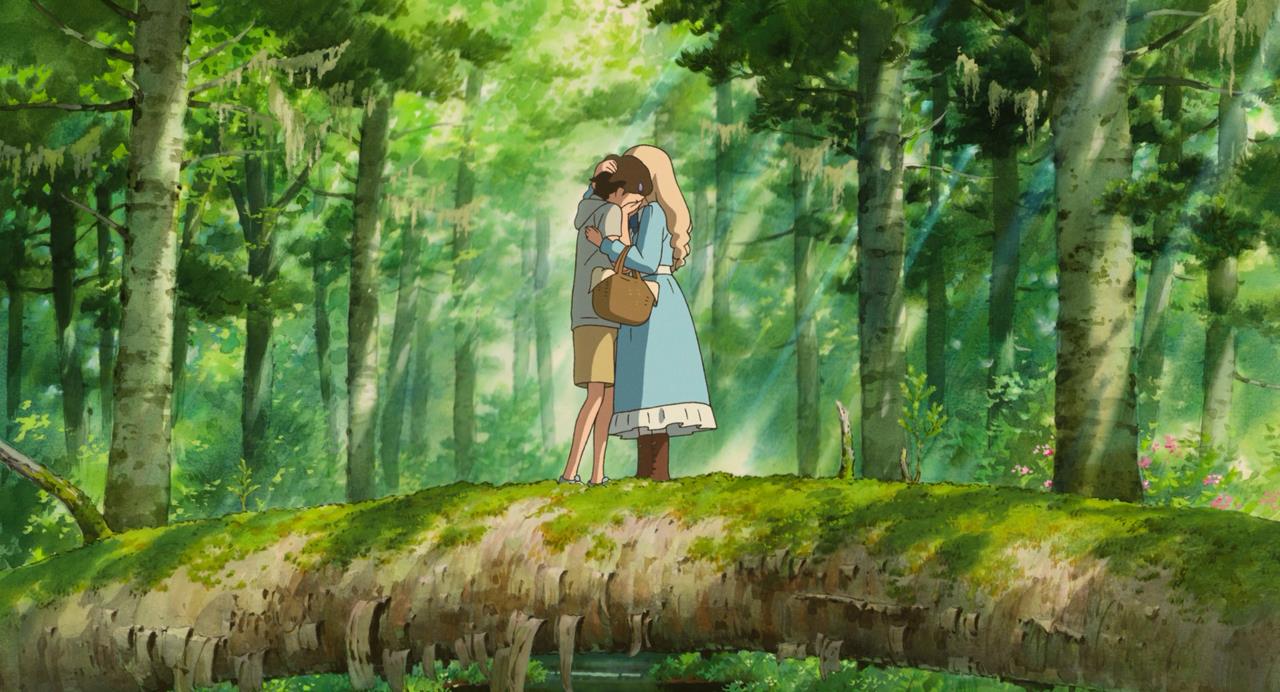 When Marnie Was There
Hiromasa Yonebayashi & James Simone
When Marnie Was There
Hiromasa Yonebayashi & James Simone
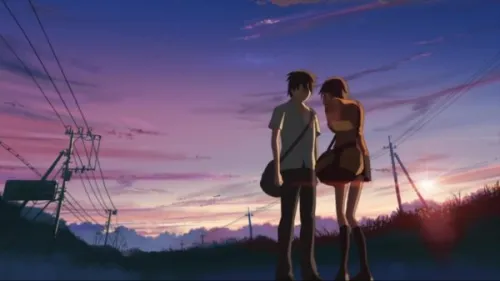 5 Centimeters per Second
Makoto Shinkai
5 Centimeters per Second
Makoto Shinkai
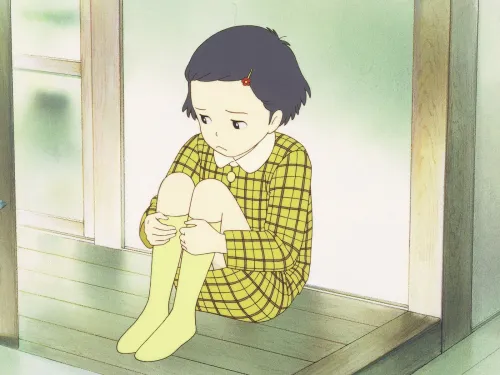 Only Yesterday
Isao Takahata
Only Yesterday
Isao Takahata
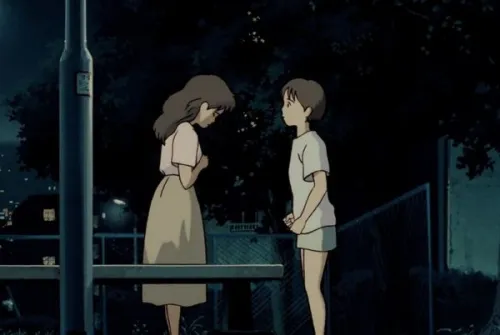 Whisper of the Heart
Yoshifumi Kondô & Yoshifumi Kondou
Whisper of the Heart
Yoshifumi Kondô & Yoshifumi Kondou
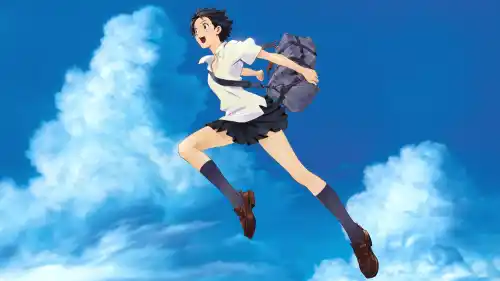 The Girl Who Leapt Through Time
Mamoru Hosoda
The Girl Who Leapt Through Time
Mamoru Hosoda
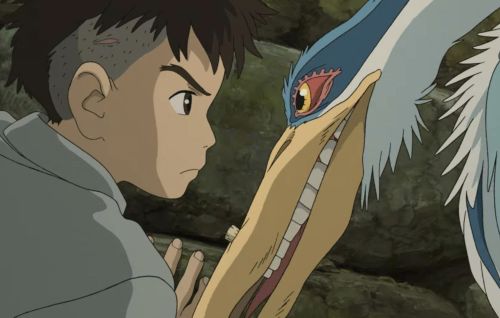 The Boy and the Heron
Hayao Miyazaki
The Boy and the Heron
Hayao Miyazaki
Who picked it

Isabella Endrinal is a curator at A Good Movie to Watch. She's now free from the corporate night shift. Previous articles have been published in outlets such as NANG Magazine. She's currently catching up on some classic films… if she isn't coping with the fact that the Haikyu anime will end soon.