Our take
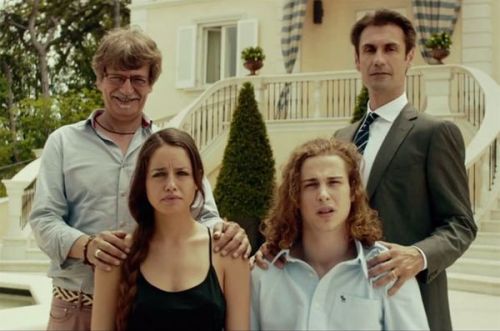
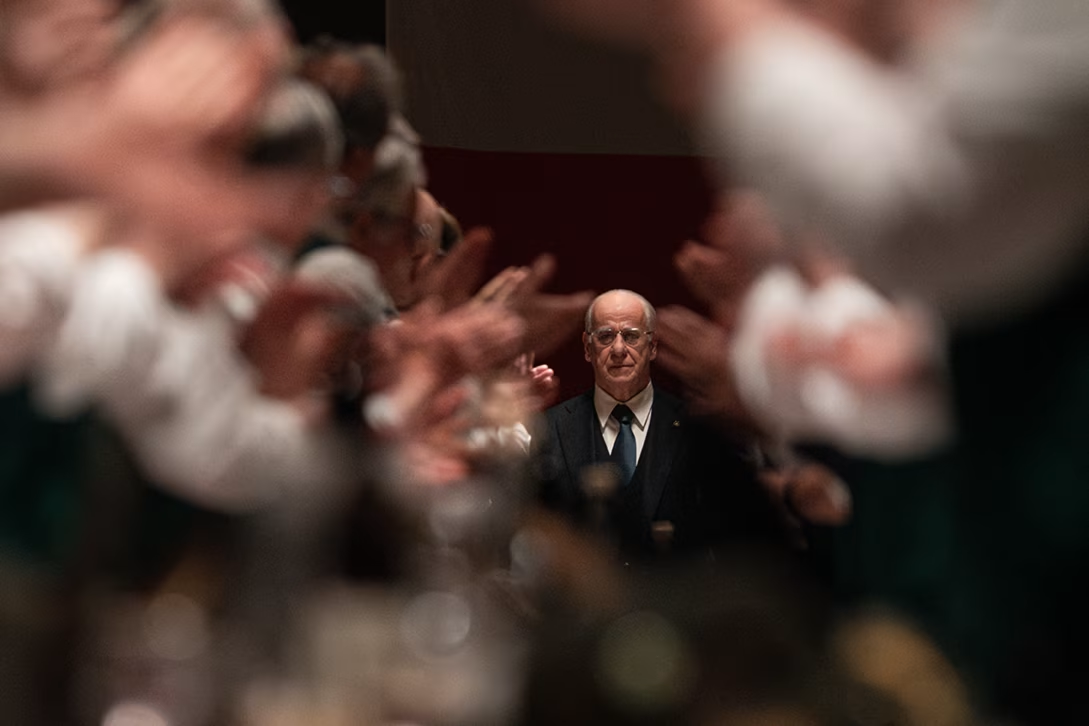
In his last few months as president, Mariano de Santis has a few loose ends to tie up. This includes the pardon of two murderers and the signing of a euthanasia bill into law. Both are important topics, yes, but La Grazia is more interested in how reluctant this fictional president is in finishing up his term. In lingering shots and moments of silent contemplation, director Paolo Sorrentino studies this man in his despair, honing into Toni Servillo’s every expression in the wider spaces we find him in. It’s clear that part of his hesitancy stems from his personal despair. De Santis is painted as a dutiful jurist, who has diligently pursued the spirit of the law, but his unresolved agony– the infidelity of his late wife– confounds him, pushes him to cling onto that injustice while blinding him to his children, his best friend, and other personal relationships. Where other films separate the personal and political, La Grazia understands how both bleed into each other, through crafting a unique existential crisis from the most important man in the country.
What it won

Venice
1 win · 6 noms

European Film Awards
2 noms
The story
As his tenure as President of Italy nears its end, Mariano De Santis faces wrenching decisions-both political and deeply personal. Amid these moral quandaries, he must confront his own conscience and seek guidance from those closest to him, including his confidante and daughter, Dorotea.
Elsewhere

"The unknowability of life is beautiful, but so too is our desire to know. To be human, La Grazia seems to say, is to fight and lose against uncertainty, and then to fight and lose some more."
— Bilge Ebiri

"Ultimately, it is about the radical possibility of solutions, acceptance and going gentle into that good night."
— John Bleasdale
The details



Who picked it

Isabella Endrinal is a curator at A Good Movie to Watch. She's now free from the corporate night shift. Previous articles have been published in outlets such as NANG Magazine. She's currently catching up on some classic films… if she isn't coping with the fact that the Haikyu anime will end soon.