Movies Like Tetris (2023)
To access filters, visit our homepage.











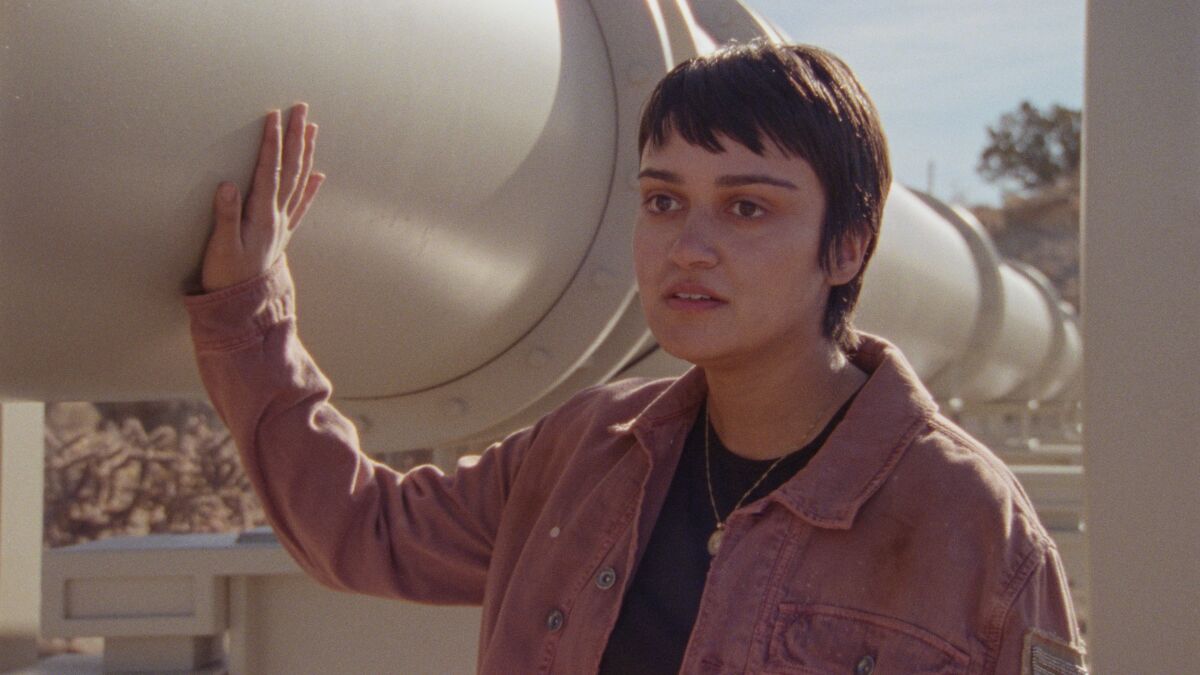
On the one hand, How to Blow Up a Pipeline is a tense thriller—an excellently set-up heist that makes you wonder, until the end, whether the low-budget operation succeeds or not. On the other hand, it’s a thoughtful rumination on the evil and influence of Big Oil, which despite its relentless destruction of environments and communities, continues to run scot-free.
Together, these parts make for a powerful, nerve-racking film about both the danger and necessity of eco-terrorism—a radical act that is impressively humanized and spared from caricature here. How to Blow Up a Pipeline’s themes may be big and its means explosive, but its rich characterizations of the young activists ground it into a relatable reality. One is dying due to toxins released by the nearby plant, another is forced to give up his property to make way for the construction of a pipeline. All are tired of the fruitlessness of government promises and peaceful protests. Rousing and relevant, there’s never been a more timelier film than this.

I love when a misunderstood woman reclaims her narrative with her own words, and that’s exactly what Pamela: A Love Story is too, a tell-all documentary told by Pamela Anderson herself.
The documentary bares it all—the scandalous sex tape, Anderson’s troubled past, the disgusting misogyny that continues to tarnish her career. She even touches on the Hulu miniseries made about her demise (which Netflix must feel so smug about). But this isn’t a pity party. Just the opposite, the documentary is a testament to resilience. “My life is not a woe-is-me story,” Anderson says at one point, and truly, this is an inspiring and humanizing story about a woman taking charge of her own life. An absolute must-see.
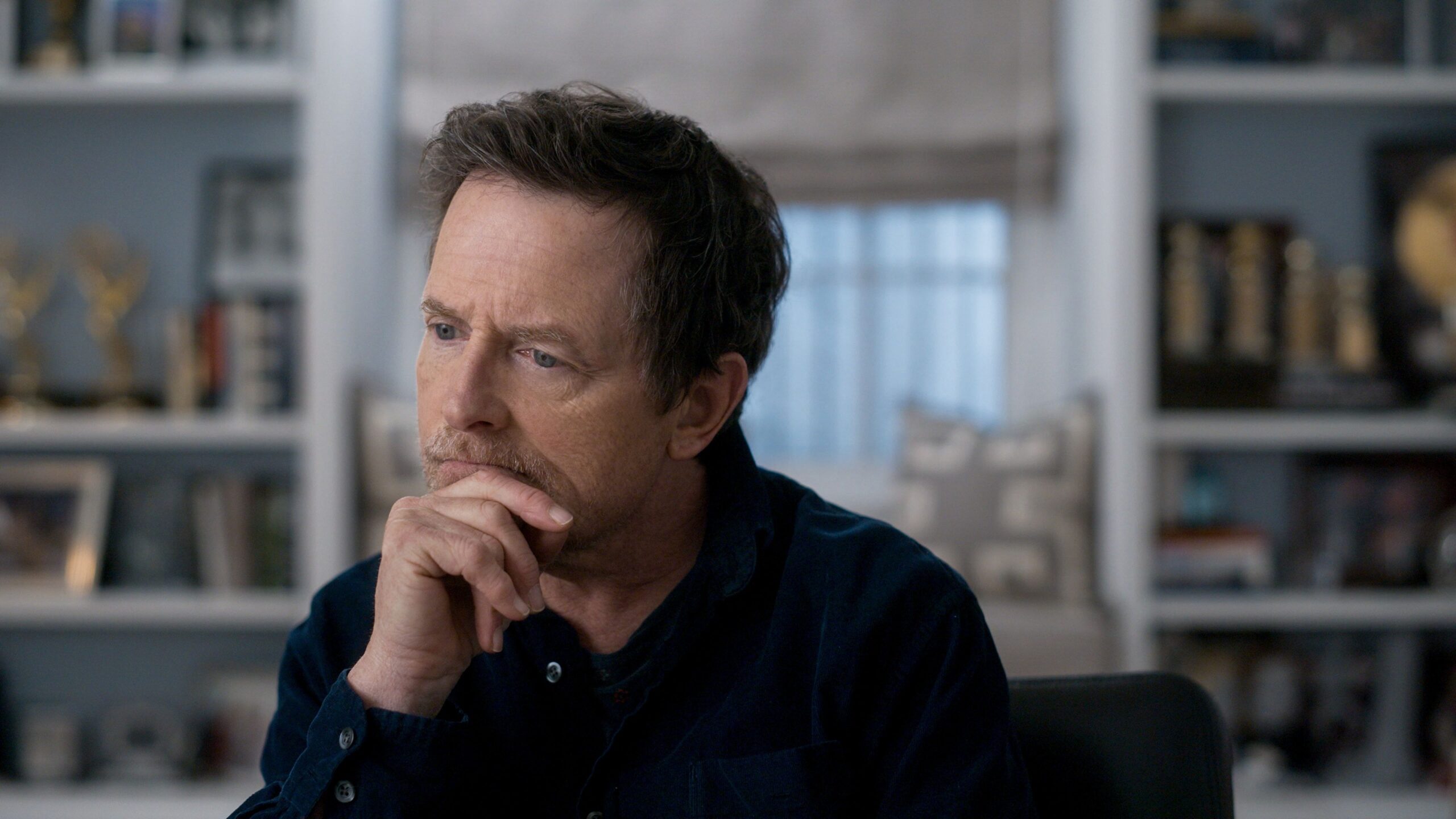
There’s a scene early in the documentary when present-day Michael J. Fox, who famously suffers from Parkinson’s Disease, swaggers along a street and greets a fan, only to stumble at that very moment and have people surround him with concern. Instead of giving into their pity or pretending nothing happened, he cooly tells the fan, “It was so nice meeting you, you knocked me off of my feet!”
This brief moment tells you all you need to know about the ‘80s icon—Fox refuses to be a victim. Still is his brilliant and admirable attempt at telling his well-known story on his own terms. It covers everything from his childhood and early work in Hollywood to his life-changing roles in Family Ties, Teen Wolf, and most memorably, Back to the Future. It also sheds light on Fox’s life as a husband, father, and Parkinson’s sufferer. Director Davis Guggenheim (An Inconvenient Truth) does a genius job of using faceless reenactments and cuts from films and TV shows to accompany Fox’s narration, which pumps the film with a dynamism that matches Fox’s resilient spirit.
Urgent, clever, and exciting, Still is one of the rare celebrity biographies that serves a higher purpose than just recounting a famous person’s life. Anyone who understands the importance of constantly moving and evolving will appreciate this film’s existence.
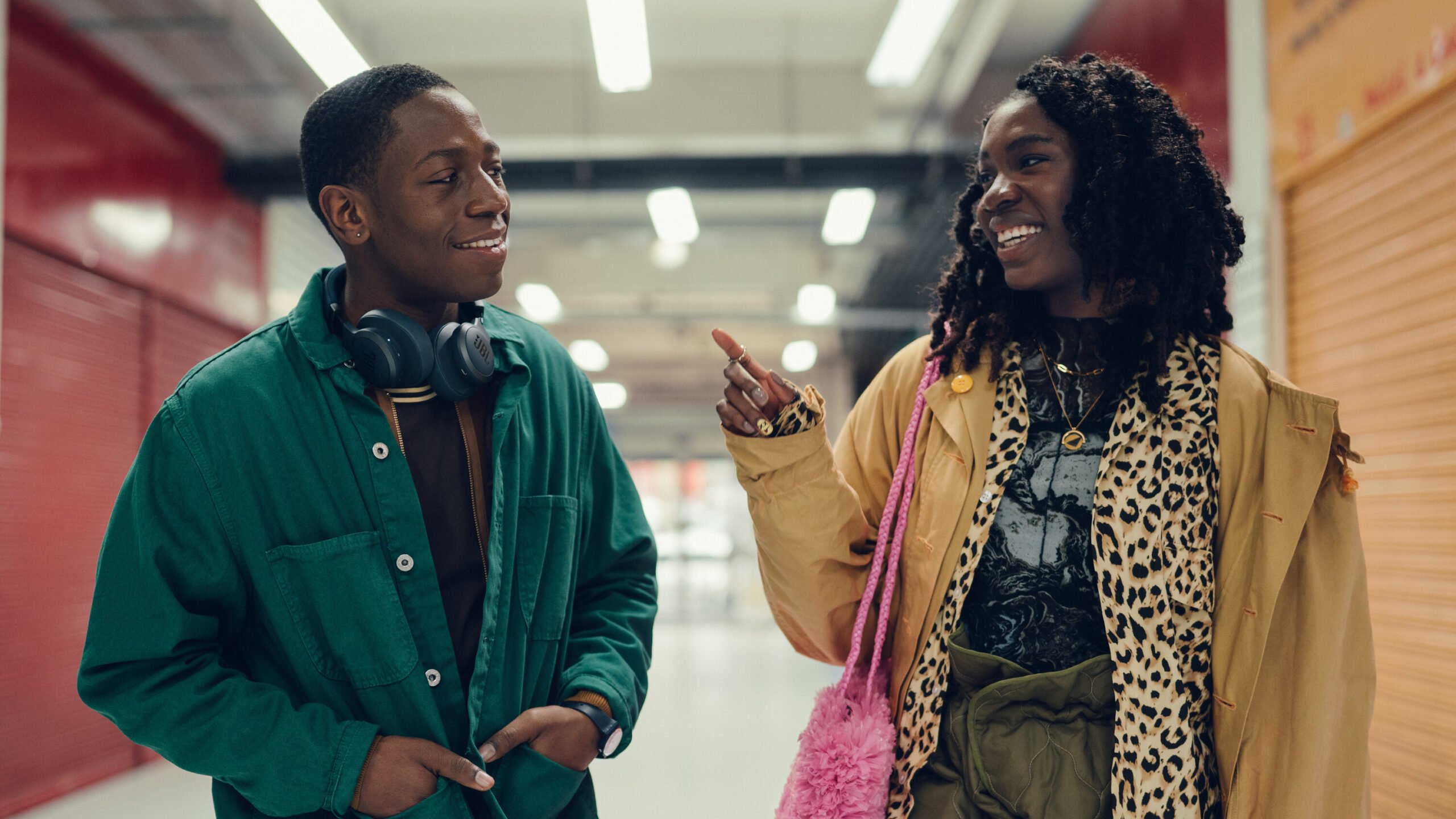
Rye Lane knows it’s treading familiar ground by having its charming leads fall in love as they walk and talk their way through a beautiful city. So instead of experimenting on a tried-and-tested setup, it smartly focuses on specificity. It hones in on the characters’ Gen Z woes and cranks up the British references, giving itself character and charm for days. It also finds other ways to be inventive as it trades plot twists for bold editing and camerawork. Rye Lane is a refreshing entry into romcom cinema, but it is also obviously a big fan of it as it holds plenty of homages and subversions of the genre. This one is made for and by romcom fans, and it’s always nice to see a modern love story set during our times.
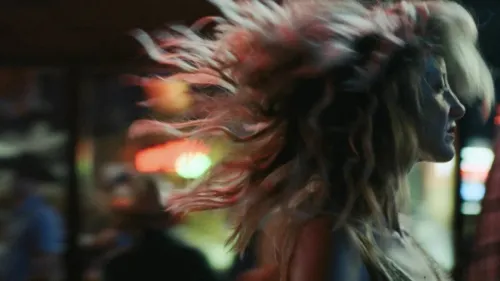
To Leslie follows the eponymous Leslie (Andrea Riseborough), a Southern woman who finds herself at the bottom of the barrel after finally using up every penny of her $190k lottery win. Out of work, friends, and family, she drowns herself in alcohol—that is until a kind soul in the form of motel owner Sweeney (Marc Maron) takes her in and gives her a shot.
To Leslie starts off a bit slow, and its premise may seem like it’ll give way to weepiness, but it’s worth sticking by till the end. The film only gets better, especially with the arrival of Maron, whose presence lends the film a much-needed buoyancy. It’s also worth noting that unlike many of its kind, To Leslie avoids the poverty porn trap by depicting issues like addiction and indigence with nuance, honesty, and humanity.
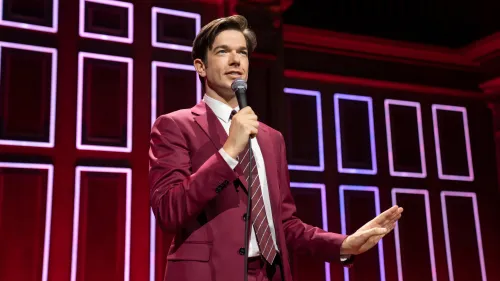
In Baby J, SNL-writer-turned-stand-up-star John Mulaney brutally embraces his messy past and turns it into relatable material and hilarious anecdotes. Confronting his controversial stint at rehab, his struggle with addiction, and his experiences with fatherhood and the resulting reinvention, Mulaney proves himself to be a compelling storyteller, a master at set-ups and pay-offs. He grabs your attention from start to end, with no time to let your mind wander. Before you know it, it’s been an hour of you watching and laughing at this tiny man commanding a sold-out hall.
There are many Netflix comedy specials out there, but only a handful are as purely enthralling and unskippable as this.
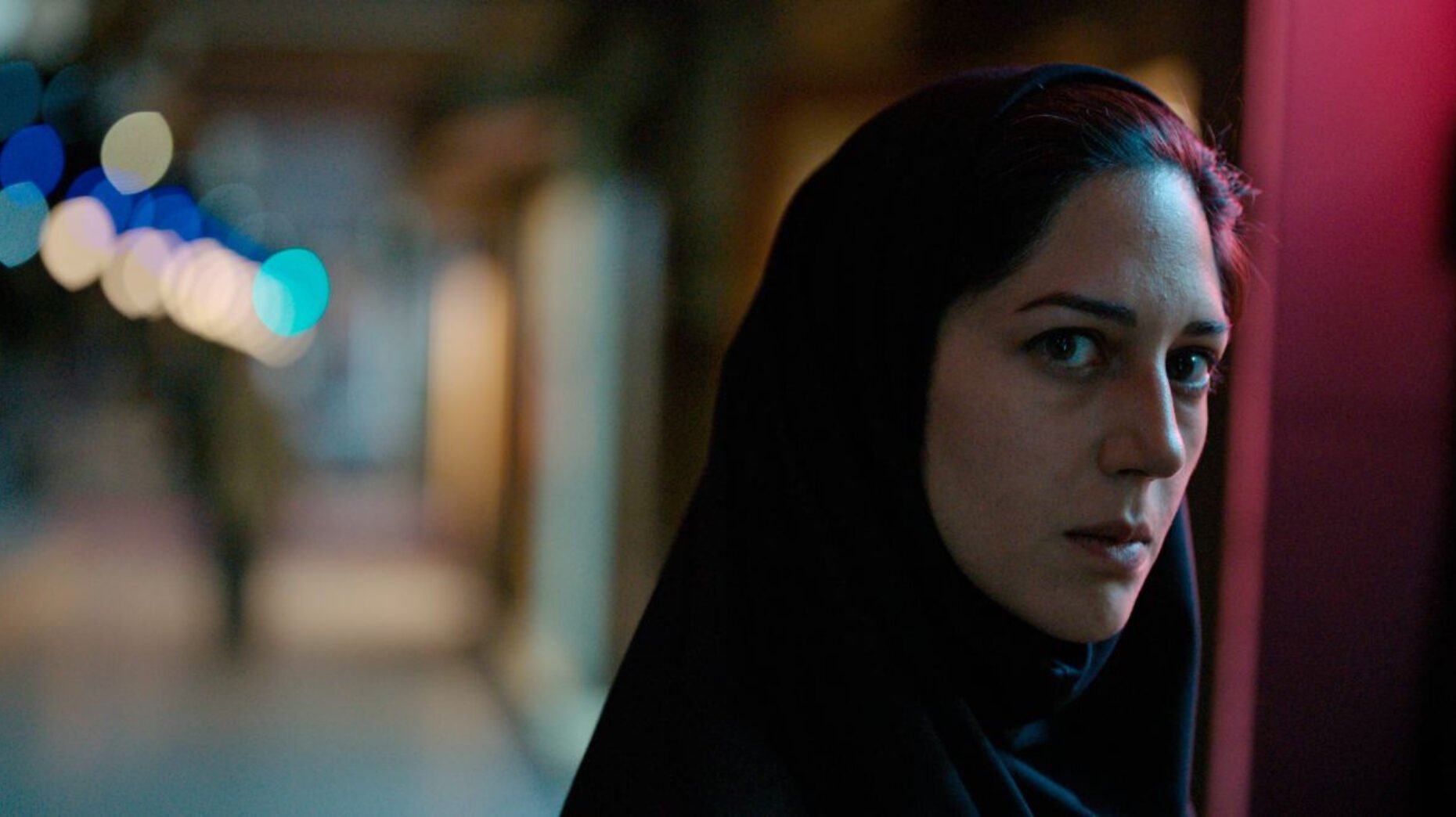
As a crime thriller, Holy Spider is taut and terrifying, a modern noir that manages to unnerve despite the familiar moves it employs. The cat and mouse chase between serial killer and investigative reporter, for instance, is a classic tale, but that doesn’t make Holy Spider any less gripping. The film benefits from artful camerawork, considered acting (as the daring journalist Rahimi, Zar Amir Ebrahimi nabbed the Best Actress award at Cannes), and most of all a nuanced take on the situation in Iran.
Despite having a clear stance against violence and corruption, nothing in Holy Spider is black and white. Contradictions abound, and even when presented with brief moments of justice, we’re left scratching our heads looking for more. Such is the case when the system, and not just an individual, is the true pest.
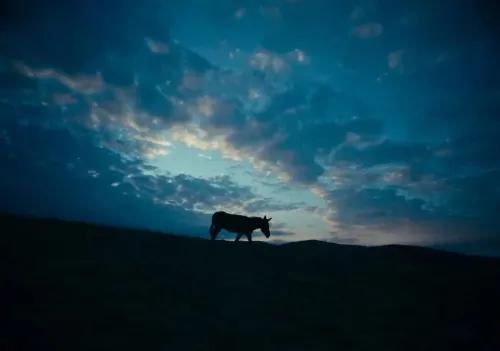
It’s a bold move, centering a drama around a creature as docile as a donkey, but EO pulls it off without ever leaning on the crutch of CGI. Instead, the film makes ingenious use of a hundred-year-old film technique: the Kuleshov effect. By splicing the image of the titular donkey’s placid, expressionless face against visual stimulus, the illusion of a genuine reaction is produced.
But don’t be mistaken: this is no twee Disney-esque tale of anthropomorphism. Inspired by the classic Au Hasard Balthasar, EO tracks the haphazard journey of a former circus donkey across Europe — one that is often depicted in surreal psychedelic reds instead of idyllic picture-book tones, and punctured by more horrors than joys (though we do, thankfully, get to see him munch away on some well-deserved carrot treats). EO’s docility frames him as a kind of holy innocent, making the cruelty meted out to him feel all the more like a grave violation of something sacrosanct. Seeing the world through his oft-neglected perspective also makes this a movie about humans by proxy — a fresh, empathetic approach that, even in its obvious dramatic liberties, makes us meditate on both the depth of experience that may be unfolding in our animal neighbors and our role in shaping it.
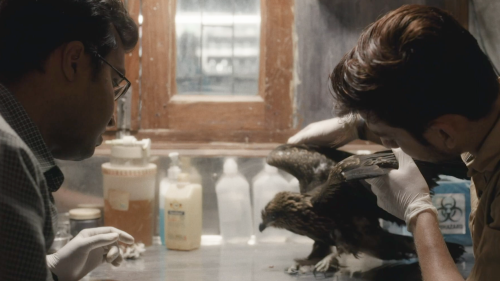
Though it doesn’t proceed like most animal/nature-centered documentaries that you’ve seen, the Oscar-nominated All That Breathes is instantly memorable in the way it de-centers the human perspective from its all-encompassing study of New Delhi, India. The wildlife rescue team that features prominently in this film still only becomes a vessel through which director Shaunak Sen explores the environmental and political hazards being faced by the nation today. It’s a movie that definitely challenges you to think for yourself, as any talking heads or on-screen explanations are traded for truly stunning shots of New Delhi as a biome teeming with life among the dirt. For those who want their documentaries unconventional, this is excellent stuff.
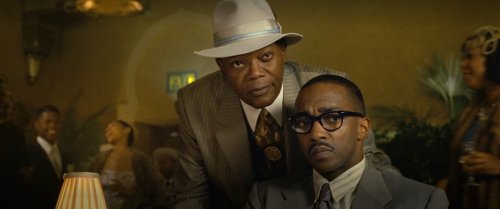
Revolutionaries come in many forms. Some prefer to rally in the streets, while others, like the businessman Bernard Garrett, championed race equality in his field of finance. Discreetly and rather dangerously, he purchased buildings and offered loans to his fellow Black men at a time when they were denied these rights and more. It was an ingenious plan hatched at a precarious time, and the film captures how Garrett (Anthony Mackie) managed to pull it off (for the most part).
The Banker doesn’t get as thrilling as it could be, but it is fueled by a smart script that unapologetically gets to the nitty-gritty math of it all, as well as engaging performances by Mackie, Samuel L. Jackson, and Nicholas Hoult. The film effectively revives Garrett’s inspiring story for a modern audience, turning it into an important piece of American history that won’t soon be forgotten.
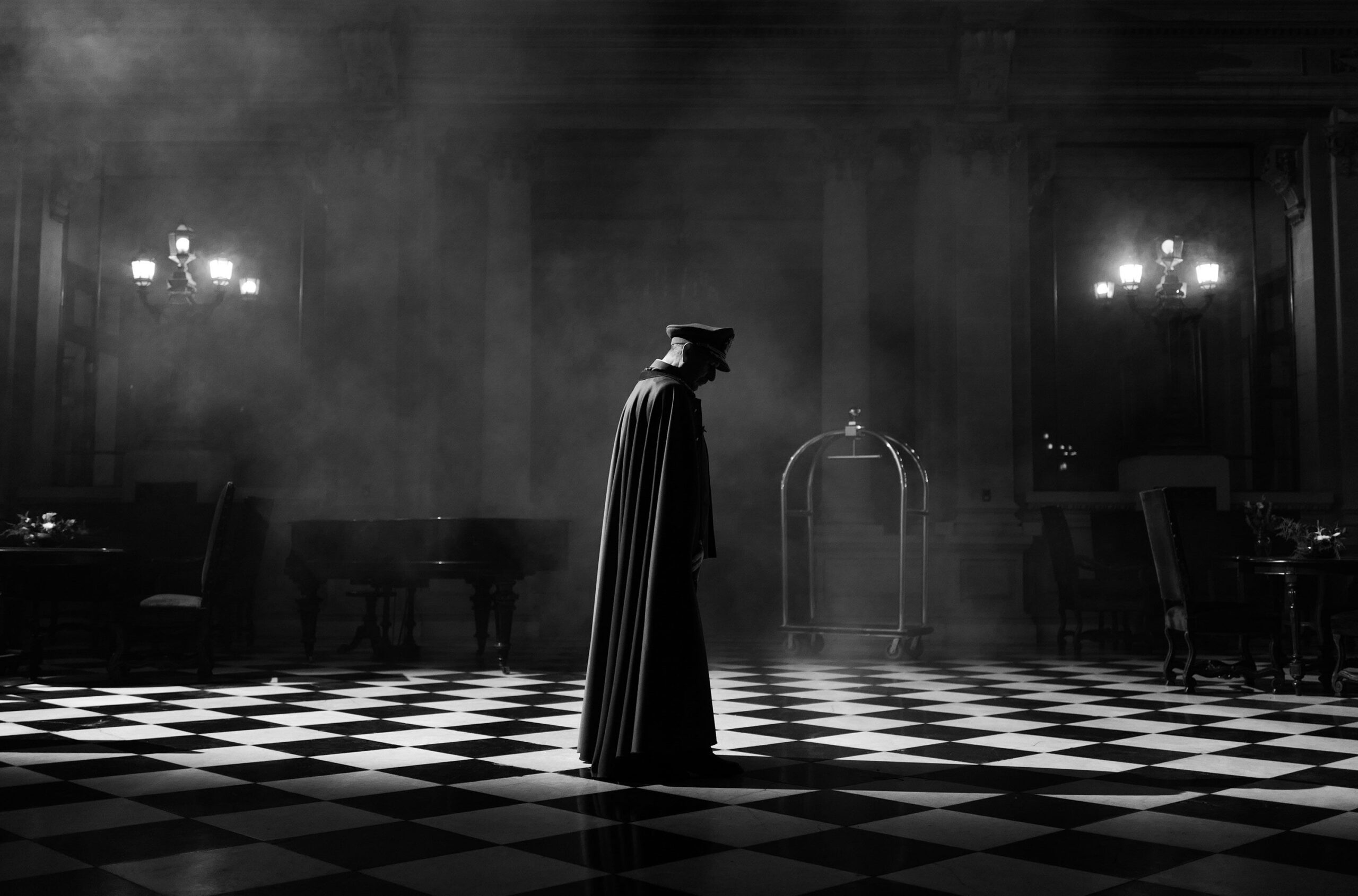
After Jackie and Spencer, the dark satire El Conde is a surprise new entry in Pablo Larraín’s stacked filmography. Already, the film has prominent differences– it’s shot in black and white, starting with narration from an unseen and posh Englishwoman that makes the film’s events feel like entries in Bridgerton’s scandalous newsletter. The subject is far from the beloved wives of presidents and princes– it’s centered around a notorious Chilean dictator who remains unpunished for his crimes. However, as his fictional vampire version deals with his rightfully ruined legacy, El Conde proves to be a witty satiric twist to Larraín’s usual themes. Through familial squabbles over ill-gotten wealth, confessions and exorcism conducted by a nun, and certain foreign interventions, El Conde paints an everlasting greed that continues to haunt Larraín’s homeland.
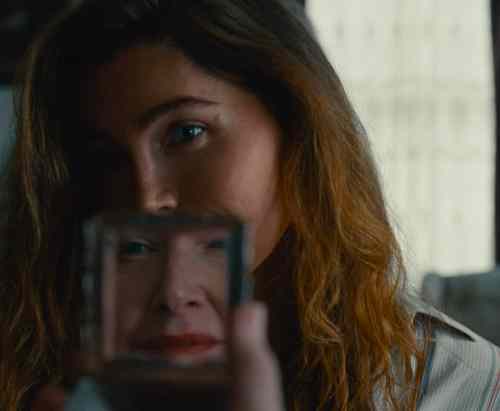
There is so much simmering under the surface of Monica. When her mother Eugenia (Patricia Clarkson) falls gravely ill, the titular character (played by Trace Lysette) returns home for the first time since being turned out as a youngster for her transgender identity. But whatever illness Eugenia has has addled her brain, and she seemingly doesn’t suspect that the woman who has come to help care for her is the daughter she rejected all those years ago.
Co-writer and director Andrea Pallaoro puts an understated spin on what could be an explosive scenario by letting much go unspoken, frequently framing Lysette’s face in long and wordless static shots. If the filmmaking edges towards being a little too patient at times, the naturally engaging Lysette keeps a firm hold of our attention with a vulnerable performance that expresses much without words. These infrequent wobbles aside, Monica’s restraint is to its credit: by not laying the drama on thick, all sorts of poignant nuances are allowed to bubble up, like the paradoxical difficulties and extraordinary intimacy that come with physically caring for a loved one. In choosing not to give Eugenia and Monica a direct confrontation or moment of revelation, too, the movie opens up to another beautiful possibility: acceptance, finally.

The title of this small-scale comedy drama alludes to an aspect of creativity that isn’t inherently cinematic but which is necessary if you’re going to make anything: just showing up and doing the work. Kelly Reichardt’s filmmaking is in keeping with that focus: this is a gentle movie, full of the patience the art-making process requires and which has always characterized her contributions to “slow cinema.”
The film is set in a small creative community where the prickly Lizzy (Michelle Williams) works in administration at an arts center and perfects her sculptures for her upcoming solo show. Her efforts are hampered by small daily dramas, though, like the pigeon whose wing her naughty kitty has broken or the friends of her father who lightly exploit his hospitality. And then there’s her neighbor and landlord Jo (Hong Chau), a rising star of an artist who inspires thorny feelings of inadequacy in the only moderately successful Lizzy. Reichardt and Williams deftly explore these insecurities, subtly suggesting that one-sided resentments like Lizzy’s are easily dissolved with a bit of human connection. These gentle moments of insight are rewarding, but it should be noted that your mileage may vary with Showing Up’s insular art world focus and Reichardt’s more unhurried-than-ever pace.
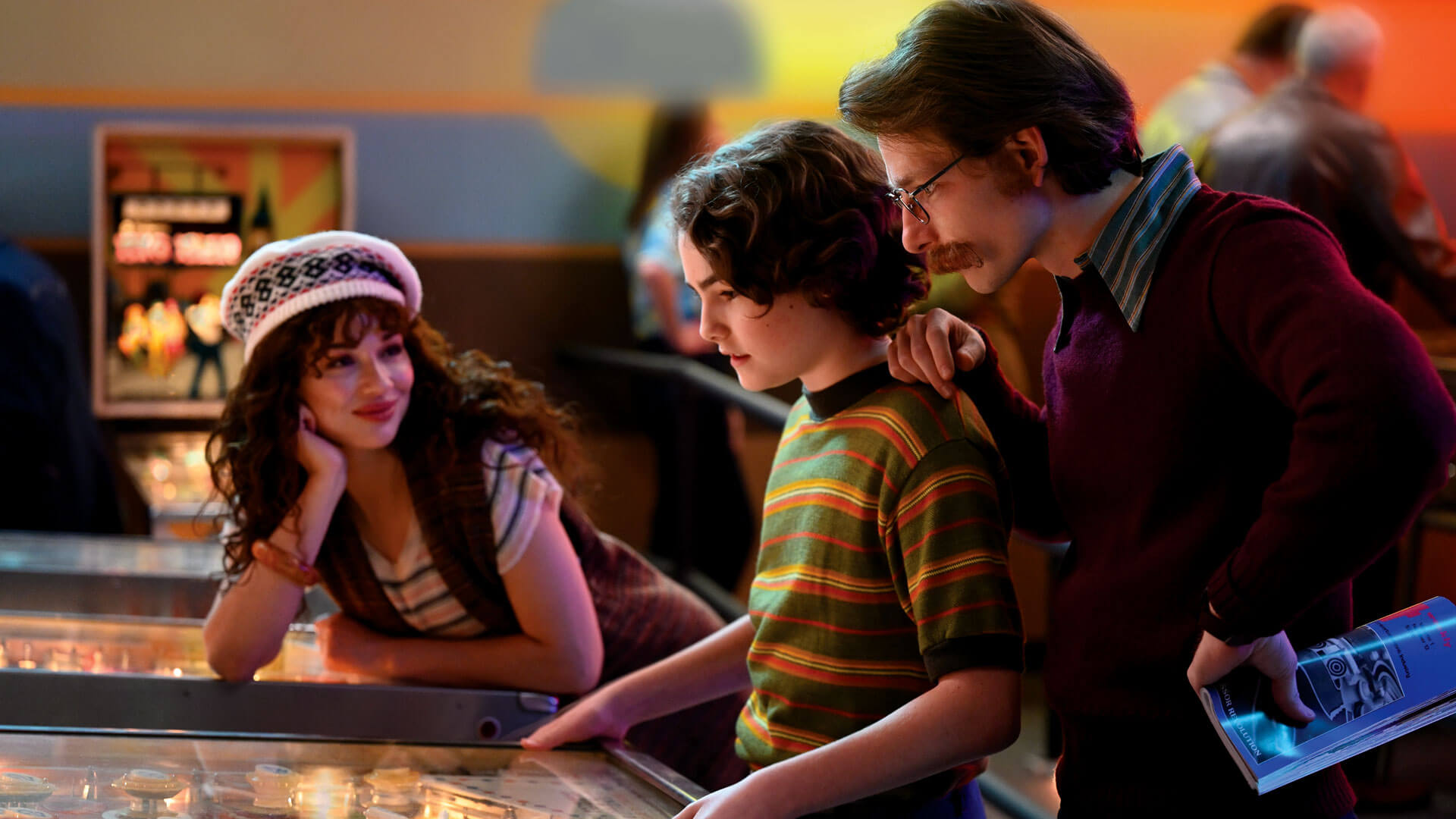
Told in a playful mockumentary format, Pinball: The Man Who Saved the Game delivers precisely what the title promises and a bit more. Apart from imparting interesting information about pinball’s complicated past (it was only declared legal in New York as recently as 1976), the film doubles as a touching family drama and a fun experiment on genre. As Robert Sharpe, the real-life games expert who helped decriminalize pinball, Mike Faist is winsome, compelling, and maybe the best thing about the film.
While Pinball could’ve leaned into its silliness more instead of just dipping its toes in avant-garde territory, the film is pleasant enough with plenty of fun and tender moments to enjoy.
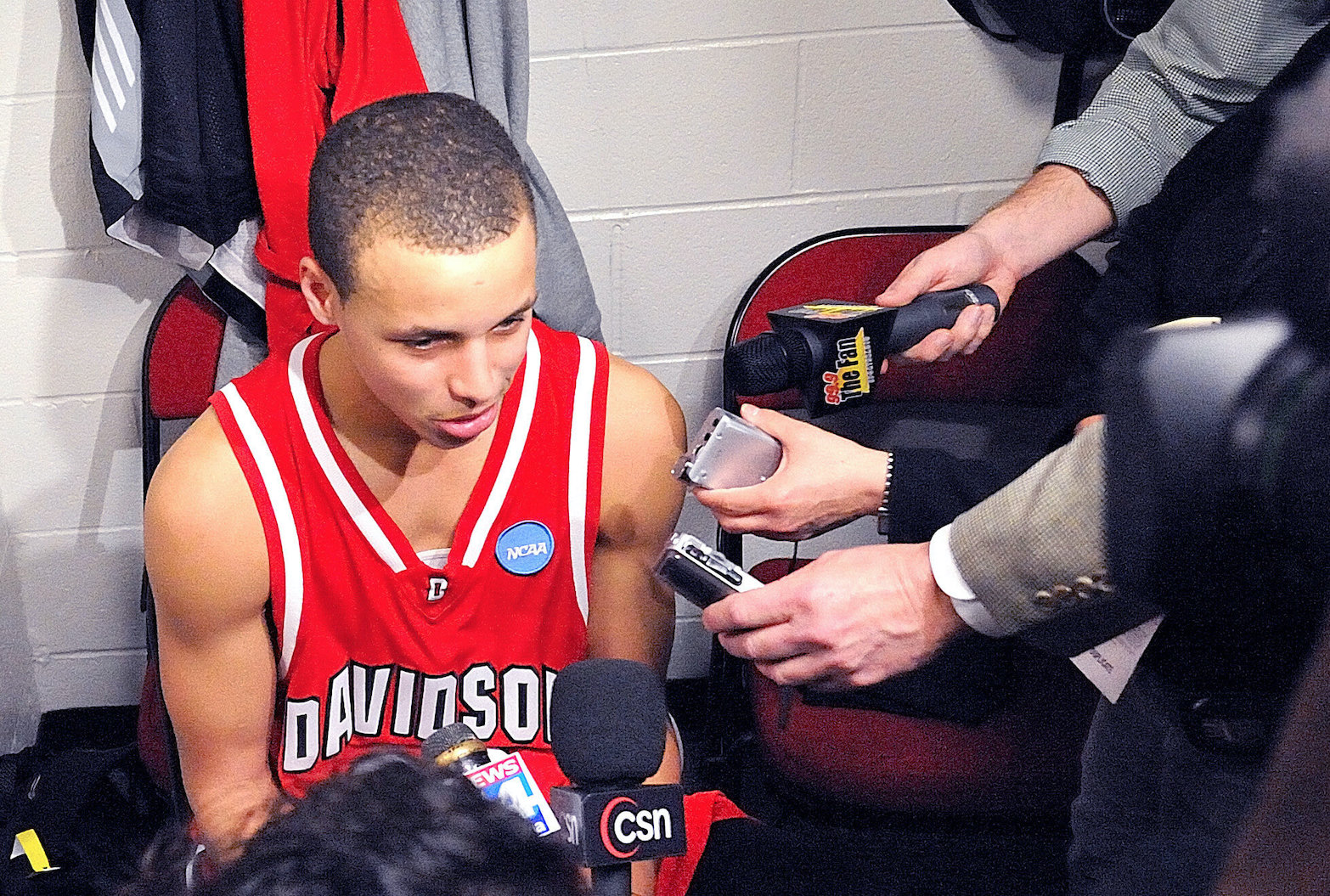
As one of the most recognizable and successful NBA players in the world today, Stephen Curry certainly doesn’t need a documentary to persuade anyone else about his talent and the legacy he’s already created in basketball. This definitely robs Underrated of some of its urgency, knowing that the Golden State Warrior has the luxury of ruminating on his victories and failures from a place of comfort. Still, the film’s decision to focus on a young Curry before reaching the height of his powers allows us to watch these long stretches of game time through a different emotional lens. His is a classic underdog story that’s probably far more common among players in the league, but it’s still entertaining to be able to track his growth from game to game.
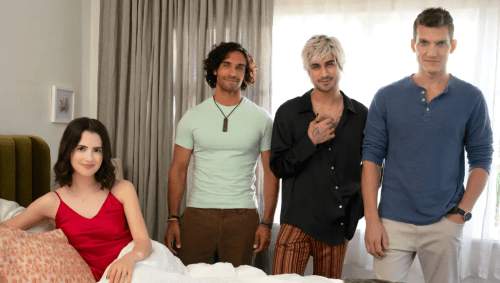
With uninteresting characters and an aggressively bland story right from the start, Choose Love fails to establish any stakes worth caring about, no matter what choices we make throughout. Any sense of novelty from playing this choose-your-own-romcom vanishes once you notice how certain decision points lead to the exact same idea, or are blatantly disregarded by the character you “control” anyway. Choice is a complete illusion here, and the fact that we’re only asked to participate when it comes to some of the most inane dilemmas only highlights how the film’s protagonist isn’t acting like a rational, adult human being with any self-respect or regard for others. Sure, people are inherently flawed and it can be fun to see how disastrous this situation can get through our own manipulation, but by the end there’s still no believable spark to be found. It feels like a cop-out no matter what.

Two months after its premiere in TIFF, Quiz Lady arrived on streaming this November. The comedy film has a sort-of buddy cop dynamic, with an anxiety-ridden, tightly-wound Awkwafina as Anne, and a chaotic Sandra Oh that lets loose with free-spirited Jenny. The film does take its time to get to the good part, and in certain scenes, it feels like it’s torn between the heartfelt and the humorous, but the leads’ acting smooths over some of the awkward writing. Quiz Lady still leads up to a fun watch, though better pacing and writing could have made this charming comedy a classic.
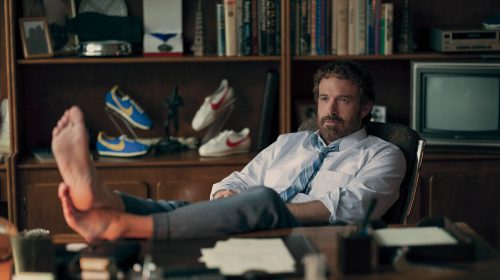
In 1984, Michael Jordan was a rising star and Nike had yet to make its mark in the basketball industry. With nothing to lose, Nike had to make a choice: settle behind the far more successful Adidas and Converse or shoot its shot and bet everything they have to win Jordan?
You don’t have to be an NBA fanatic to know what Nike went with. The real-life story of how Air Jordans came to be is compelling in itself, but the dramatized version of it in Air is told with extra verve and charm, with director Ben Affleck and writer Alex Convery successfully turning a business pitch into something funny, moving, and highly watchable, predictable beats and all.
Air covers the big hits and misses of business (which it buoys with lighthearted jokes and tender backstories), provides an addictive 80s soundtrack (without caricaturing the era), and gives us likable, rootable characters (an impressive feat given that this is, essentially, a Nike ad campaign). Matt Damon and Viola Davis, especially, turn in performances that elevate Air into something quite special. And while this film may be more about the Air than the Jordans, it is still a champion’s story—familiar and cheesy at times, sure, but feel good, inspiring, and truly winning.
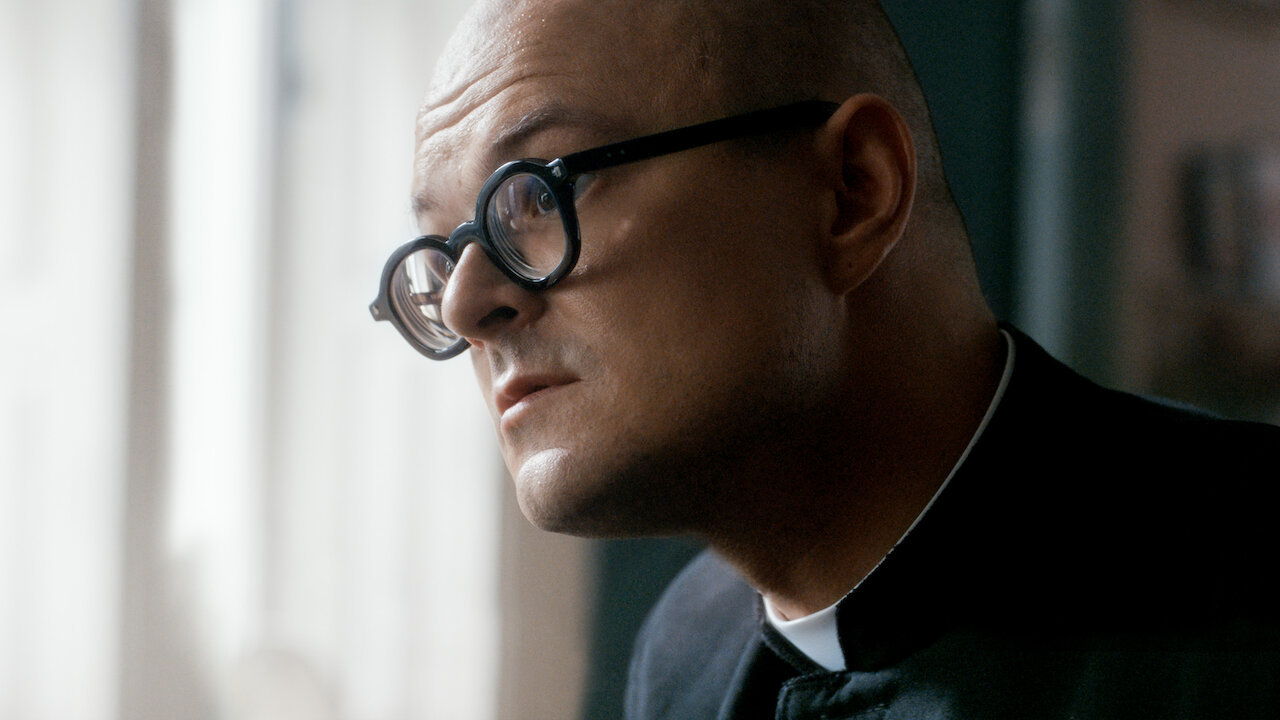
Johnny is a story you’ve heard of a thousand times, but what makes it particularly endearing is that it’s all true and based on the real-life Father Jan Kaczkowski, a priest who went out of his way to help others. Kaczkowski led an extraordinary life, and the film honors that not by putting him on a pedestal but by emphasizing his humanness and humanity. As the misunderstood thief who befriends Kaczkowski, Piotr Trojan turns in a believable and realized performance, solidifying the film’s credibility.
Johnyy’s premise is far from novel, but it is an effectively heartwarming film about forgiveness and second chances.
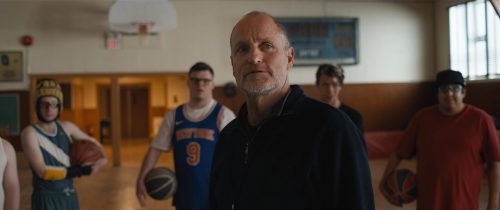
Champions is as formulaic as it gets, but it’s impossible not to smile watching it. It’s based on a 2018 Spanish movie of the same name, but it feels a lot like the 2023 Korean movie Dream too. In both (and indeed a lot of other) films, we follow a sad sack antihero who, by virtue of being exposed to less fortunate people, is magically transformed into a good guy who gets all the glory he wished for by the end of the story. You know where it’s headed and you even know how it gets there, so it’s devoid of genuine twists and thrills. But the ways in which it gets there, however familiar, are sometimes funny and heartwarming. If you can stomach the cheesiness and predictability of it all, then Champions comes as an effectively hopeful and feel-good film that’s worth tuning into if you want a light laugh. Otherwise, it’s all familiar fluff you can skip for better fare.
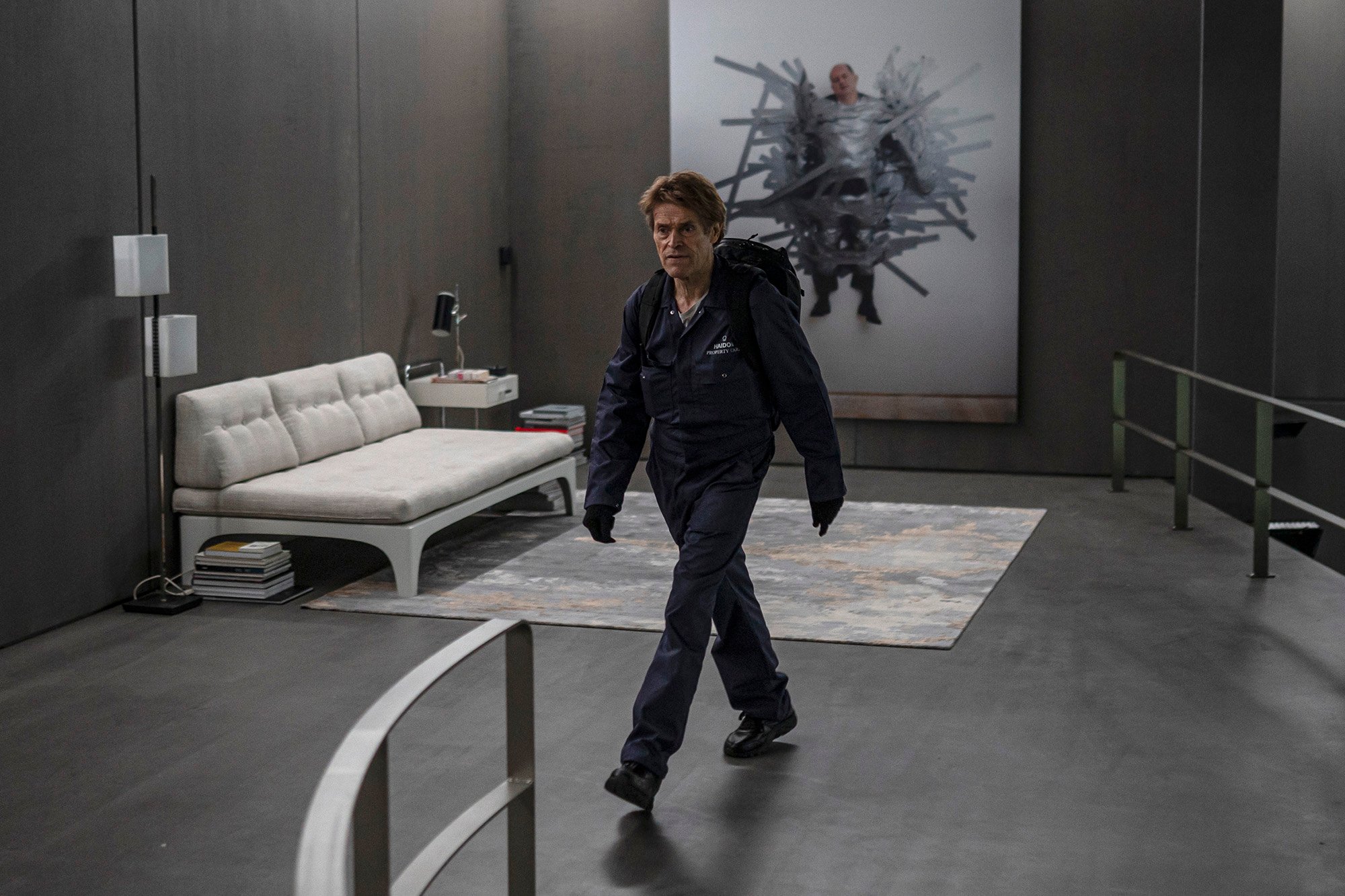
Inside is a technical wonder and a fascinating vehicle for Dafoe’s character Nemo, who holds the entire thing together with a singularly insane performance. It also poses interesting questions about art, namely, what value does it hold at the end of the day? When you’re seconds away from dying of hunger and thirst, what good is a painting, a sculpture, a sketch? Are they really only as good as what they’re materially made out of or can they contribute something more? Inside plays with these questions, but unfortunately, not in any engaging, thoughtful, or creative way. The movie stretches on and on, recycling the same ideas and leaning on the inevitably disgusting ways humans survive as a crutch. An argument could be made that that is the point, to reveal the emptiness and dullness of expensive art, but Inside tries so hard to capture that feeling that it becomes the thing it critiques in the end.

At one point in The Whale, Brendan Fraser’s Charlie — a morbidly obese, reclusive teacher — describes an act of abject cruelty as “not evil” but “honesty.” Darren Aronofsky seems to believe the same about his movie, but alas, he’s gravely misled, because The Whale is flooringly glib. From the outset, the film actively and incessantly tries to choreograph audience disgust for Charlie, all so that it can pull off a manipulative “he’s human, actually” swing later on — a “twist” that won’t work if you, you know, already accept people’s humanity irrespective of their appearance.
Cinematography, makeup, and score all conspire to paint Charlie as grotesque: the camera laboriously over-emphasizes his size and mobility issues, while histrionic music chimes in to frame trivial moments (like Charlie reaching to pick something up from the floor) as grand, tragic dramas. Even if you ignore all its needless cruelty, The Whale — which is adapted from a play — can never shed its stagy origins: the writing frequently reaches for transcendence, but its efforts are as subtle as its evidently retroactively-shoehorned-in-title. If it’s as sincere as it purports to be, this is one of the worst movies of recent years, and if it’s not — which is almost preferable — then it’s a landmark exercise in trolling.