The Best PG-13 Movies to Watch
Most audience members assume that PG-13 rating automatically indicates a show is not for adults, but you’d be surprised at how many excellent series can be enjoyed by the whole family, across generations. Here are the very best PG-13-rated movies and shows to stream.
To access filters, visit our homepage.
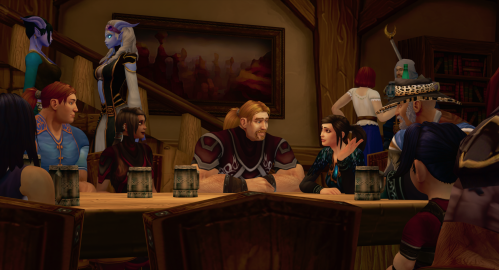
In the first twenty minutes, The Remarkable Life of Ibelin seemed to be quite unremarkable, with the usual way a biographical documentary would go, that is, loved ones waxing poetic about how great the dead person was in life. But the documentary takes this to introduce Ibelin the same way his parents discovered the online life Mats Steen lived. It’s a unique documentary, mixing in the usual home videos with the animated gameplay of the archived life Steen lived in Ibelin, but it’s grounded by, and somewhat co-created through the words Steen himself typed about his life as a disabled man, and the game history he shared with the community he formed online. The Remarkable Life of Ibelin ends up being quite a remarkable depiction of living online, that feels much more honest, human, and creative than the condescending or cautious narratives we’ve previously heard about the online world.
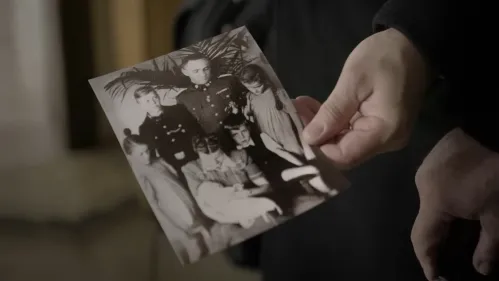
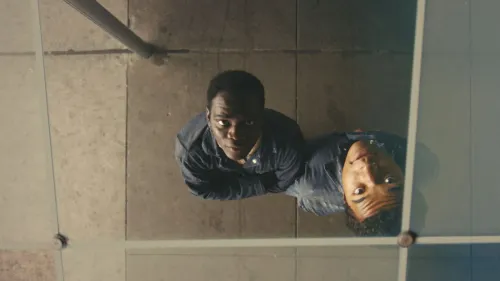
The first things that grab your attention in Nickel Boys are its beauty and technicality. Director RaMell Ross, a large-format photographer, ensures every frame relays something deep, intimate, and moving. Then there’s how he takes these shots: we see things unfold through the POV of Elwood and Turner, students at an abusive reform school in Tallahassee, Florida. The year is 1962, and even though the civil rights movement inspires Elwood and his peers to stand up for themselves, the political climate is as skewed and violent as ever. Nickel Boys tells the unfortunately common story of how Black men, in particular, had to endure unimaginable abuse during the Jim Crow era in the South. What is uncommon, though, is the sensitivity and boundless inventiveness with which Ross tells this story. Yes, violence is unavoidable in a story like this, but Ross swaps trauma porn with something more effective and chilling—a mixture of silence, archival photographs, time jumps, and that immersive POV, which forces you to be in Elwood and Turner’s shoes. The world before them may be brutal, but inside, they hold space for beauty, fun, relationships, and wonder, manifested in the film in dreamy visual sequences. What Ross does is art in the highest form, an unforgettable balance between style and substance.
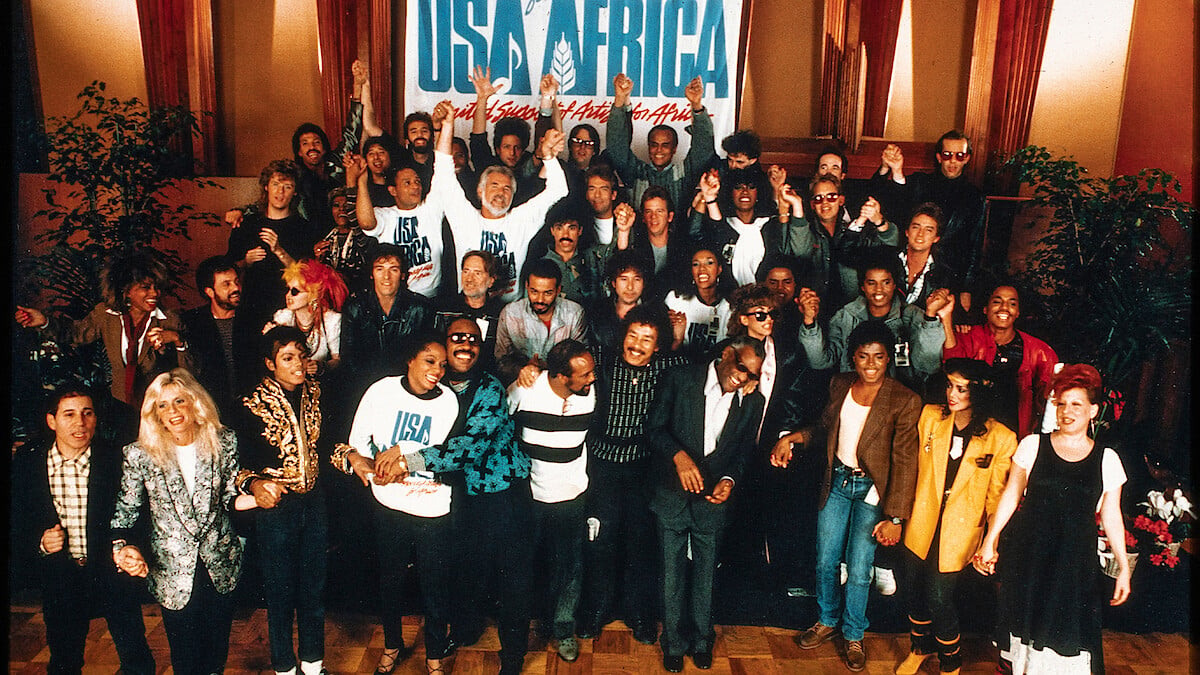
We Are the World is a charity single created for African famine relief. It was a smash success– it inspired plenty of other charity singles and already has a TV documentary about it. But The Greatest Night in Pop reveals new behind-the-scenes footage with a home video flair, intercut with interviews from those who were in the booth on that fateful day. The anecdotes about that night might have already been said elsewhere, but director Bao Nguyen manages to capture the energy in the room, peeking into the emotions of the various personalities that helped shape the song. It’s an intriguing, if straightforward documentary, and it’s certainly a treat watching the decade’s best voices collaborate to make this one track.
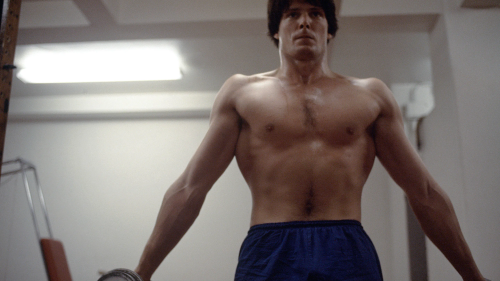
At the peak of his fame in the 80s, Christopher Reeve was constantly seen as his onscreen character, Superman. Like him, Reeve could fly (planes). He was full of charm and stood for what was right. But in this revealing documentary, we learn the whole truth about Reeve; his troubled childhood, his initial struggles with commitment, his physical talents, his love for family, and—as many a superhero star will sympathize with—his deep yearning for a creative career outside of the comic book character who made him famous. Of course, a significant chunk of the documentary also deals with Reeve’s unfortunate paralysis. We witness, through home movies and narrated biographies, how he coped with the tragedy. Making the film even more special is the input of his three children, who look back at the time with generous honesty and vulnerability. This film is made for fans of the actor, but it’s also a great example of the power of advocacy (Reeve became a disability rights activist after the accident), love (his wife Dana is a superhero on her own), and legacy (his children run his foundation to this day).
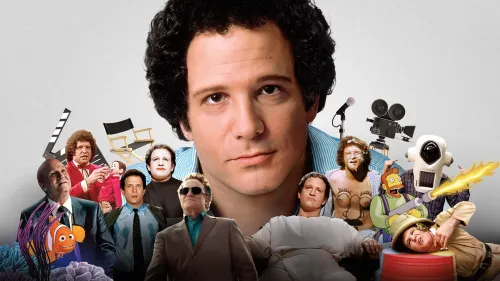
This charming documentary about one of the most brilliant, groundbreaking comedians alive strikes a delicate balance between accessible and deeply appreciative, making it both a great gateway for those yet to be uninitiated into the Albert Brooks fan club and a satisfying retrospective for us confirmed devotees. It’s directed and fronted by Rob Reiner, celebrated director himself and one of Albert Brooks’ oldest friends, and the choice is perfect: his rapport with Brooks is warm and easy, extracting real sincerity from the famously deadpan comedian-writer-actor-director.
Defending My Life features plenty of talking heads gushing about Brooks’ dazzling multi-hyphenate talents (among them Steven Spielberg and Sharon Stone), a standard convention for documentaries of this kind. But what elevates this into a portrait worthy of its subject are the scenes from a dinner shared by Brooks and Reiner, during which the former opens up about his childhood, reflects on his career, and divulges the autobiographical elements that informed his work. Their tete-a-tete flows with all the unforced rhythm of conversation between good friends; Reiner’s presence coaxes illuminating insight from Brooks, which makes watching the documentary feel as close to pulling up a seat at their table as you’d hope for. The 90 minutes just fly by.
Elton John’s latest concert film follows the same structure as most current music documentaries: it splices present-day footage of the musician doing his latest (and final tour) with flashbacks of his past. In either rare archival footage or lovely animation, we see snippets of his troubled childhood, his serendipitous meet-up with writing partner Bernie Taupin, his rise to fame as an unlikely rock star, and his rocky relationships with different men. If you’re an avid fan of the singer, you likely won’t see anything new here, save for excerpts from his final tour. But whether you’re familiar with John’s music or not, this documentary is sure to be a pleaser, especially aurally.
The Harry Potter movies undoubtedly changed the lives of its young stars forever — but a stuntman whose future the films had more tragic consequences for is the deserved focus of this moving documentary. David Holmes was just 17 when he was hired as Daniel Radcliffe’s stunt double, a role he held throughout the series. The two formed a close brotherly bond on set, growing up alongside one another for 10 years until a terrible accident during the final movie’s filming left him paralyzed from the chest down, a condition that has deteriorated over the years following post-surgery complications.
This doc is an inspiring portrait of David, from his fearless childhood and dream-fulfilling work to the incredible resilience he’s shown since the accident. It’s also, though, a poignant testament to the loving, supportive community that Holmes inspired at work — friendships that only reached greater depths following the accident and the end of the movies. The doc’s focus empathetically expands from Holmes’ story to include its impact on his bond with Radcliffe (who features prominently here) and Holmes’ fellow stunt doubles — and, while the sheer force of Holmes’ personality would make for a compelling documentary on its own, it’s the tenderness and honesty that all of these participants show that makes this so poignant.
Produced by M. Night Shyamalan, Caddo Lake isn’t the most shocking thriller out there. It starts slow, suffers from low-budget CGI, and tends to be schmaltzy at times. But it is, overall, a strong and suspenseful film. Once it kicks into gear and finds its rhythm, it turns into something wholly arresting. The plot twists and turns, while the solid performances of Eliza Scanlen and Dylan O’Brien guide you through them. Its folksy setting adds to the mystical feeling the film is gunning for, too. Don’t expect all your questions to be answered by the end of the film, but be prepared to be taken aback by the eerie mystery of it all.
Many films have been made about that uniquely taut mother-daughter bond, but maybe none is as delicate as Janet Planet. The film, written and directed by playwright and first-time filmmaker Annie Baker, explores that relationship in a way that may jar viewers, initially. The pauses are heavy and long as Baker lingers on mood, expressions, and the tiniest of details, like a flicker of light or a sudden movement. There are more scenes without dialogue than with it. The plot is also nonexistent as it simply follows Lacy and Janet for the whole summer, and a little during the fall. But that’s not the point. The point is that we can feel that palpable love-hate tension between mother and daughter, and relate to it too. You only need to know where to look.
Those familiar with John Green’s many book-to-movie adaptations (The Fault in Our Stars, Paper Towns) will recognize the author’s signature quirks in Turtles All the Way Down. There are kids who spout out quotable quotes and love interests too gorgeous to be real. But just the same, teenagers are given a fuller and deeper understanding here, which is Green’s best trademark and true strength. Helped by Director Hannah Mark’s strong vision, Turtles All the Way Down is a relatable and heartwarming look into the gnawing pain that can come with growing up. Specifically, the film invites us into the troubled mind of Aza, who suffers from debilitating OCD. It’s a realistic (and never pitiful) assessment of how anxious teens navigate love, friendship, and maybe most notable of all, money. There’s a focus on economic realities here that feels fitting and wise in this day and age. Many people forget how keenly aware young people are of money, and it’s refreshing to see it play out here, even if it’s just in the peripheral.
Given a budget from Netflix to make a documentary on Korean film, some would have chosen instead to make one for big Korean filmmaking personalities like Academy Award winner Bong Joon-ho, who is featured here. However, director Lee Hyuk-rae instead creates Yellow Door, a love letter to the ‘90s film club that inspired a generation. The warm way each member tries to remember the club made decades ago, and the handy, almost cheeky, animations makes it feel like we’re there in the club with them, just listening to friends reminisce about the way they obsessed about film, even if it wasn’t the major they were studying in. It’s so nostalgic and sentimental, and in shifting its focus, it celebrates the lovely experience of finding a community of like-minded people that’s just obsessed with film as you are.
If you’ve seen the bone-chilling Oscar-winning film The Zone of Interest, then The Commandant’s Shadow isn’t just supplementary but necessary viewing. It interviews and interrogates the son of SS officer Rudolf Höss, who describes his childhood in Auschwitz as “idyllic,” and parallels his life with that of an Auschwitz survivor and her family. They’re not asked “gotcha” questions, though there are some moments where Höss’s family members’ insularity shocks you. Instead, everyone is given the time and space to reflect honestly about the pain and trauma that continues to live on in their families. It’s a difficult film to sit through, but insightful and ever-so-resonant in an age where mass torture and genocide continue in many parts of the world.
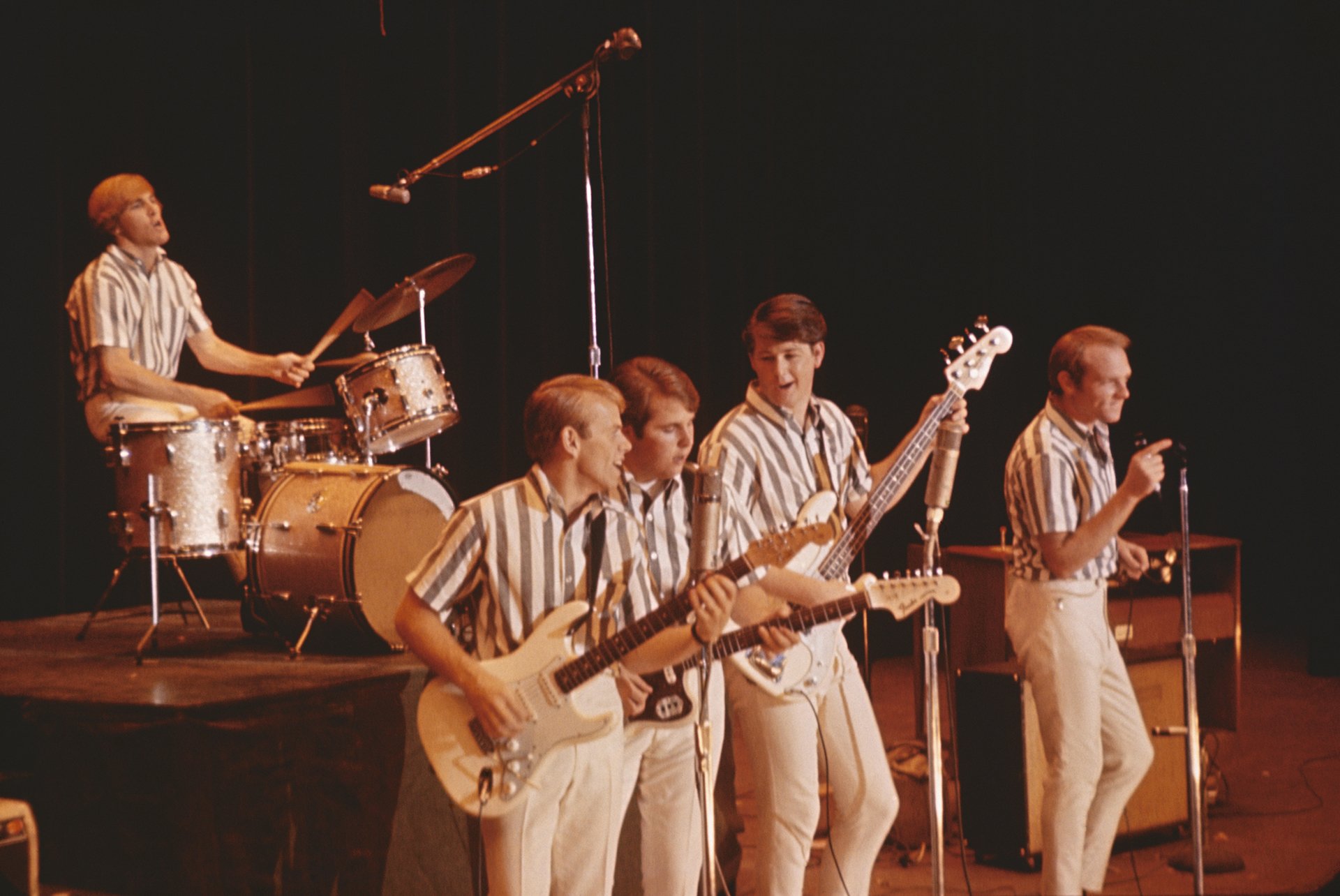
Contrary to the headline displayed on this film’s poster, Disney’s The Beach Boys isn’t a definitive guide to the band. Instead, it plays like a “greatest hits” album that goes through their famous ups and downs. Their steady rise among American teens and leader Brian Wilson’s pop music innovations are covered, as are the more dour moments of their career, like the relentless abuse they got from their manager (the Wilsons’ father Murry) and the disagreements between Brian and his cousin and co-writer Mike Love. But for better or worse, the documentary doesn’t go into too much detail about these high-profile feuds, focusing instead on the joy and brilliance of their era-defining music, which tends to get buried beneath all the drama anyway. Because of this sunny approach, the film sometimes fails to match the band’s complexity. But there’s no denying that it’s just as enjoyable to watch as it is to listen to The Beach Boys’ music.
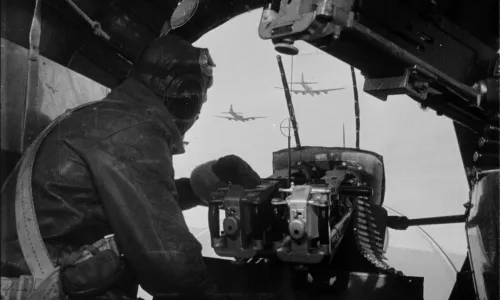
The Bloody Hundredth was produced as an accompaniment to fellow Apple TV+ production Masters of the Air, and it shows. In writing and editing, it doesn’t feel grand enough to stand on its own despite having big stars like Tom Hanks and Steven Spielberg come in and lend their presence. That said, it’s still a compelling story, made even more valuable by the real-life heroes who recall their experiences onscreen. This, plus the rich archival footage that accompanies them, is what makes an otherwise straightforward documentary well worth watching.
Based on the novel from writer, producer, and lead Micaela Wittman, indie drama Remy & Arletta is deeply personal. It’s partly because it’s based directly on Wittman’s own personal coming-of-age story, but it’s also because of how confessional it feels. Many scenes feel like uncomfortable memories, like the way Remy hides her real home from Arletta, but when Arletta doesn’t give up on Remy, and tries to make it right before graduation, the film crafts a beautiful connection that was life-changing even if it was fleeting. Remy & Arletta might have felt cut short in terms of runtime and in terms of the friendship itself, but it’s nonetheless a thoughtful, earnest drama that captures how important that love must have been.
While we would like to think that we would do all we can to fight against a tyrannical regime, it’s not as easy as we think, and there are plenty of consequences that we wouldn’t foresee, living in relative peace. Diego Vicentini’s debut feature is a portrait of Venezuelan dissidents forced to flee the country, expanding on the short he made five years previously to flesh out the double lives most exiles go through– the angry yet hopeful protests they left behind in their homeland, and the peaceful, yet guilt-ridden, traumatized lives they now lead in another country. While it’s easy to expect certain moments, especially for people familiar with the country’s situation, Simón nevertheless was a film that needed to be made in order to shed light on this issue.
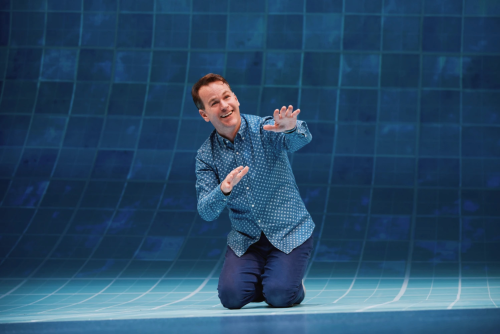
Many comedians use humor as a way to ease into more serious subject matter, though there always exists a risk that a comedy special can skew too far down the silly or the self-reflective route. Mike Birbiglia has come about as close to the perfect balance as possible, in this recording of his one-man Broadway show at the Vivian Beaumont Theater. Key to this is the fact that Birbiglia tells one very cohesive story throughout these 77 minutes, frequently branching off to other humorous anecdotes but always returning with a pensive self-consciousness to the real possibility of him dying sooner than he’d want.
This filmed version of Birbiglia’s show doesn’t give a full idea of its multimedia qualities (Birbiglia occasionally has words and images projected onto the curved screen behind him, which he also physically interacts with), but the comedian’s sincere style of storytelling more than makes up for the lack of audiovisual tricks we’re permitted to see. And don’t get it confused: this is a very funny stand-up special, whose jokes always come from the most unexpected places—it also just happens to contain some truly moving moments that come out of nowhere, but make total sense alongside all the laughter.
It makes sense that a documentary about Faye Dunaway doubles as a documentary about the best of late 20th-century cinema. Dunaway, after all, has starred in many defining films, including Bonnie & Clyde, Chinatown, and Network, the latter of which won her an Oscar. But there are times when it feels like the documentary equates Dunaway to her career, and we get way too many clips of these admittedly great films, as opposed to more intimate slices of Dunaway’s life. Still, it’s heartwarming to see Dunaway take control of her narrative after falling victim to the press’ relentless defamation of the star. Yes, she’s difficult and a diva, she admits that many times in the documentary. But she’s also a fastidious hard worker—someone’s gotta be, or else they wouldn’t come up with the classics that we have now.
You don’t need to know a lot about baseball to appreciate The Saint of Second Chances. It has enough going on to keep you hooked from start to end, beginning with Jeff Daniels’ inimitable voice as the narrator and Charlie Day’s inspired casting as the younger Veeck, all the way down to the Veecks’ fascinating ties with American sports history and Mike’s inspiring and heartwarming second-chance philosophy. It all gets a bit too much at times, as if the filmmakers themselves were overwhelmed with their abundant material and creative decisions, but it’s executed with so much care and love that it seems as if this is the only way it could’ve come out: a wonderful mess.
Jules’ wacky premise — an extra-terrestrial crash-lands in eccentric widower Milton’s (Ben Kingsley) flowerbeds — is a bit of a misdirection. While the movie is technically a sci-fi (featuring, as it does, some very out-there alien engineering), it’s really a charming, mostly-human drama about the isolation and surreality of aging.
Though the mute presence of the alien (nicknamed Jules and played brilliantly by a totally silent Jade Quon) is a constant reminder of the expansiveness of the universe and strange wonders yet to be discovered, the movie keeps its feet firmly on the ground with a sensitive exploration of just how small the worlds of lonely, dementia-struck Milton and two other isolated elderly townspeople (Jane Curtin and Harriet Sansom Harris) are. Rather than expand outwards into a story about the extra-terrestrial itself, Jules focuses on the painful disorientation felt by its lonely trio of protagonists, who all find therapeutic relief and connection by way of the alien and its “understanding eyes.” Though the movie’s zany forays into sci-fi territory do sometimes boggle the mind, they never undermine the genuine emotion in Jules’ raw grappling with the experience of aging, as well as give the movie a quirky charm that ensures you won’t see anything like this again soon — an increasingly rare experience in itself.
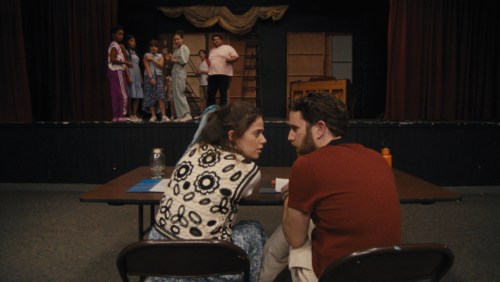
You don’t have to be a theater kid to enjoy this feel-good mockumentary set in a summer camp for junior thespians. While there are plenty of in-jokes here for those who might have spent a summer or two somewhere like AdirondACTS, Theater Camp also good-naturedly lampoons every instantly recognizable stereotype of theater kids and the classic failed-performer-turned-teacher.
Amongst the note-perfect ensemble, particularly hilarious standouts include co-writer Ben Platt and co-director Molly Gordon as camp instructors and best friends Amos and Rebecca-Diane. Both are Juilliard rejects with codependency issues and a classic case of actorly self-indulgence — as encapsulated in the moment they accuse a young attendee of “doping” for using artificial tears during a performance (“Do you want to be the Lance Armstrong of theater?”). But even seasoned performers like Platt and Gordon can’t pull the spotlight away from the film’s absurdly talented young ensemble, who are just as game for poking fun at their passion: standouts include Luke Islam, Alexander Bello, and Minari’s Alan Kim as a pint-sized “aspiring agent” who skips dance class to make business calls. All this self-satirising never obscures the movie’s heart, though; what begins as a self-deprecating ribbing of theater-heads ultimately becomes a rousing love letter to those very same misfits.
Like many American narratives, the history of space exploration is rife with long-buried secrets that are finally coming to the surface. The Space Race is an attempt to collect those secrets and weave a fresh new history that finally celebrates the heroes we should’ve learned about years ago. There are interviews with the likes of space pioneer Ed Dwight (who is responsible for unforgettable lines like “I’m not part of history, but a mystery” and “I had the capability, but not the opportunity) and the first Black man to fly into space, Guion Bluford, as well as surprising information about confidential test pilots, political involvement, and the undeniable influence of Afrofuturistic art and media in the field.
But education aside, what gives the documentary an edge is that it’s not afraid to question and at times attack NASA and the government for their racist past. We see celebrated astronaut Victor Glover reconcile his loyalty to his nation with his anger over the murder of George Floyd, for instance. At the same time, others like Dwight wanted to “just talk about space, not the struggle” but were tokenized both by the government and the opposition for their gains. Despite its compact run time, The Space Race covers all these nuances and more to provide a richly detailed and lovingly told new history of space exploration in America.
When it comes to ghosts, plenty of films are centered around personal, unresolved business in the living world, but rarely do films examine how the spirit world would be, unless it’s for fantastical fights or horrific terror. The Parades instead focuses on a world of lost, but ordinary, and thankfully kind, souls. And as the film builds its calm world, Minako (and the viewers) get to meet the people who would form her eventual found family, whose various lives uncover the intimate and personal hopes of ordinary people, shaped by the events of their respective times. While the film doesn’t fully resolve all their stories, The Parades celebrates life, in all forms, and the powerful ways storytelling and community helps us go through it.
After winning Oscars for their documentary work, filmmakers Elizabeth Chai Vasarhelyi and Jimmy Chin make their narrative feature debut with Nyad. The move to narrative fiction isn’t a monumental jump for the director duo, whose cinematic documentaries (among them Free Solo and The Rescue) play like nerve-shredding action thrillers and intense human dramas. Nor does Nyad’s subject — another extreme feat of human daring and endurance — make this feel a million miles away from their most famous works.
The most obvious departures from the directors’ documentary strengths — Nyad’s flashbacks and hallucination scenes, for example — do sometimes highlight their newness to narrative filmmaking, however. These scenes feel shallow and therefore disconnected from the movie’s otherwise deeper treatment of its subject, just as the performances dip into outsized cliches at times. Mostly, though, Nyad manages to float above the trap of trying too hard to be an inspirational sports drama thanks to its confrontation of Diana’s prickly personality. This flips the film’s perspective onto that of Diana’s team (including her coach and former girlfriend, played by Jodie Foster), who ultimately suffer the consequences of her stubbornness. That refusal to submit to hagiographic impulses gives the film a documentary-like edge of truth, making the rousing moments here feel genuinely earned.
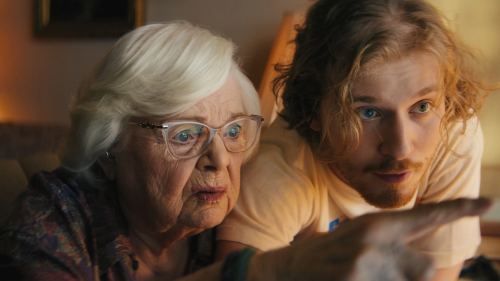
It’s easy to laugh about an old lady being an unwitting lead in an action film, the joke being that they can’t possibly be that. But June Squibb’s Thelma is. She refuses to be infantilized and undertakes a journey that’s dramatized to great effect. It’s still funny, but without Squibb’s character being the butt of the joke. It’s also immensely charming, smart, and moving, without ever being too saccharine or pandering. The performances are wonderful across the board, but it’s Thelma’s intergenerational bond with her 24-year-old grandson Daniel (Fred Hechinger) that’s at the heart of the film. In some ways, both Thelma and Daniel have to prove their worth to a world that gives them little credit for their idleness, even though they’re both happy and make other people happy that way. Parker Posey, who plays Thelma’s daughter and Daniel’s mother, is equally commendable as the seeingly stable but perpetually harried “adult” that keeps the two grounded in reality. Equal parts sweet and bad-ass, Thelma is the movie to see if you want to feel the warm fuzzies (minus the cheese) with the family.
After two adaptations, with the 1982 version considered a Christmastime classic for Polish families, Forgotten Love can seem like a redundant take on the iconic Polish novel. With twenty more minutes, it seems like the new Netflix adaptation could only improve its take through better production design, and sure, it certainly delivers that pre-war aesthetic through period-accurate costumes, props, and sets. However, Forgotten Love takes a more streamlined approach to the novel’s plot, through changing certain character choices. Without spoiling too much, some choices paint certain characters in a better light, while other changes prove to add an entertaining twist, such as the humorous way the villagers defend Kosiba. Znachor takes the 1937 story into the present, bringing a new generation through the emotional journey of the cherished Polish tale.
You may not know the name of Errol Morris, but you must have seen either Tinker Tailor Soldier Spy or The Night Manager, as films and TV have offered ripe adaptations of 20th century espionage novels under the disguise of simple entertainment. What you may not know is that the author of the books they are based on has been a spy himself, for most of his life. David John Moore Cornwell, better known as John le Carré (his pen name), is the subject of the latest work of detective-turned-filmmaker Errol Morris whose penchant for exploring the limits between fact and fiction has propelled the documentary form numerous times over the last decades. The film is a quasi-biographical doc with some exceptional reenactments that color Le Carré’s own tales to try and outmanoeuvre the viewer’s ceaseless desire to fix what one sees into either category: fact or fiction. With an ex-spy and a documentarian, you never know.
Bank of Dave is a simple but well-told film that feels utterly satisfying from start to end. Dave is the little guy who only wants to give back to his community, but stopping him from achieving his noble goals are the big guys in suits with vested interests and too narrow a focus to appreciate the good that Dave is after. The film is David versus Goliath, countryside versus cityside, socialist versus capitalist (or, if you like, ethical capitalism versus unethical capitalism). You know who will triumph in the end, but that doesn’t detract from the film’s overall enjoyability. The dialogue is smart and stirring, and you can’t help but root for the film’s small heroes to win big.
Amongst the google searches for this one you’ll find “Is Slotherhouse a real film?” and that says a lot. When the first poster and trailer dropped, I suspected it the work of AI, but now that the film is out on streaming, we should be glad it exists. A ludicrous horror-comedy that hits all the right notes in gore, cringe, and puns, Slotherhouse is quintessential fun cinema. It may be set in a college where internalized misogyny is completely off the charts as young women bruise and batter each other’s egos in service of the queen bee Brianna (Sydney Craven) and may attempt just a tiny bit of character development to keep the ball rolling, but honestly, who cares? It’s a film that completely leans into the absurd, the over the top, the ridiculous, and it does it surprisingly well.
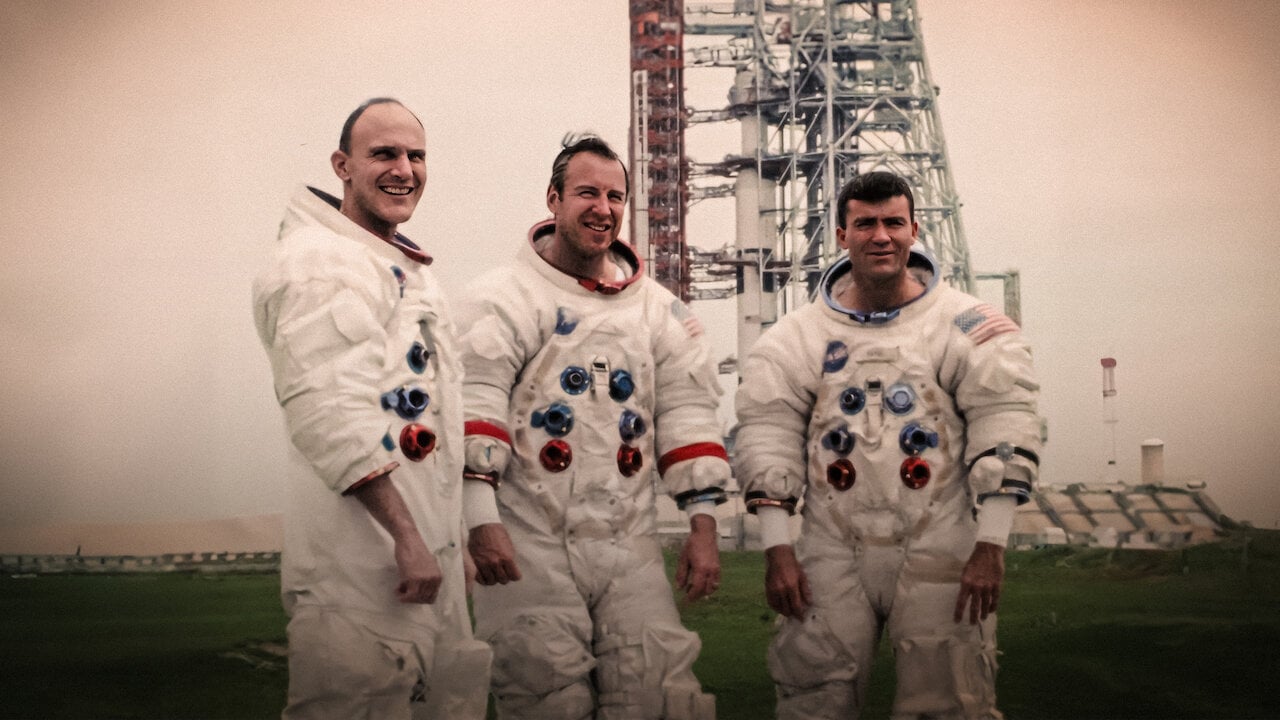
If you want a powerful, masterful rendition of the ill-fated space mission, go and watch Apollo 13 (1995). But the documentary more than half a century after the mission, and two decades after the feature film, is not half bad. Of course, being a documentary, Apollo 13: Survival is much more factual, but the true tale still manages to hold the tension, the high stakes, and the emotional pull of the actual spaceflight, with excellent editing stitching the never-before-seen archival footage and key interviews into an exciting, compelling account. That being said, older viewers that already watched the Tom Hanks drama would likely not find anything new in this film, but Apollo 13: Survival would be a decent documentary to those who have never heard of the spacecraft.
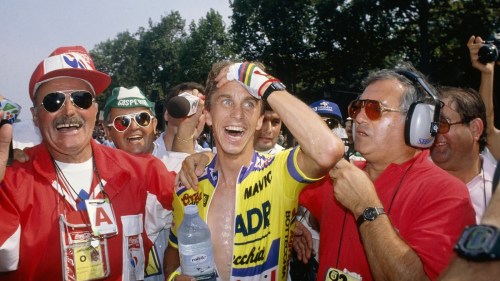
American cyclist Greg LeMond, who in 1986 won the Tour de France has been a legend in the sports world, but filmmaker Alex Holmes presents him to the wider audience with a brand-new inspirational documentary. The Last Rider is everything this kind of film can be—its hook is courage and hard work that pays off, its mode of storytelling is personal, intimate interviews, and its framework is a “modern hero” kind of narrative. By stringing together conversations with LeMond himself, his friends, family, and colleagues, Holmes tells a chronologically-sound, emotional version of a landmark career. For many, the 1986 or 1989 win wouldn’t mean much (unless you’re a sports fan or French), but the educational bits of The Last Rider make for good trivia material. If you need a courage boost, here’s the story of a professional cyclist, injuries, perseverance, and fame, to cheer you up.
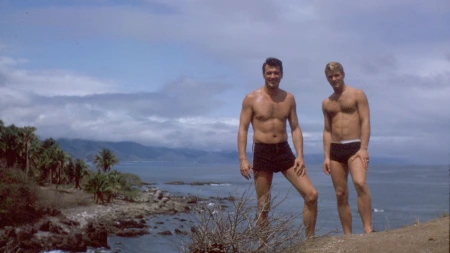
Featuring cannily edited filmography excerpts and interviews with friends and ex-lovers of Rock Hudson — the Golden Age matinee idol who became the first major celebrity to die of AIDS — this documentary lifts the lid on the closeted gay star’s double life. Though its first third draws chiefly on biographers to paint a serviceable picture of the homophobic context Hudson rose to fame in, it’s in later interviews with members of his inner circle that the film comes to life. These contributors give us a more closely informed picture of Hudson, who seemed to accept Hollywood’s compromise: he could live out his professional dreams so long as he didn’t rock the boat.
Some aspects of the film’s approach do raise an eyebrow, such as a risqué conversation that seems to have been surreptitiously recorded. These inclusions lend the film a tabloid scoop’s salaciousness in places, but, thanks to its final third, it’s largely a touching testament to Hudson. As it movingly argues, however reluctant he was to disclose his diagnosis (and, in doing so, his sexuality), he played a pivotal role in changing the tide of public attitudes towards AIDS, and thus to fundraising efforts — making him an unwitting LGBTQ+ hero.
Erin Lee Carr, the director of Britney vs Spears, returns with a scoop. Ringleader is not just another pop culture doc, because it features a first-time interview with the young woman at the center of The Bling Ring robberies in Hollywood, Rachel Lee. But this is not the kind of film that tries to pick the brains of a perpetrator. Instead, the director positions herself as a journalist in front of her subject and questions her frankly, an approach resulting in amusing frankness. However, the rest of the doc feels too formulaic in the way it stitches together personal archive footage that is more or less neutral. Banking too much on exclusivity when it comes to the interview, already clouds it with expectations. One is led to ask whether Lee is good, bad, repentant or sociopathic and project onto her such qualities—a move which invites a similar fascination with celebrity life the film tries to untangle.
Funny, refreshing, and heartwarming, You Are So Not Invited to My Bat Mitzvah gives the seminal girlhood film Are You There God? It’s Me Margaret. a Gen Z update. Stacy and her friends are constantly on social media and watch each other for potentially politically incorrect terms, but they also struggle with period pain, crushes, and falling out with former friends. It’s a confusing time in a kid’s life, and You Are So Not Invited, like Are You There God? before it, honors that. It never condescends, never strays far from the child’s perspective. It’s jubilant and heartwarming, and (to me at least) it’s always fun to see real-life families play themselves in movies. Judd Apatow experimented with this structure in his semi-autobiographical films Knocked Up and This Is 40, which first gave us a glimpse into his daughter Maude Apatow’s acting prowess. I feel You Are So Not Invited will do the same to its young star Sunny Sandler, whose effortlessly funny and charming performance will surely carve a path for a promising career in the future.
As a psychological profile of its subject, this documentary about the so-called “mastermind” behind the Bling Ring burglaries isn’t as rigorous as it should be — but as a portrait of that hyper-materialistic era and our never-ending obsession with fame, it fares much better. Rachel Lee was identified as the “ringleader” of the teenagers’ crime spree by some of her accomplices but had never spoken in public until this documentary. That suggests a juicy exposé; in line with this impression, Lee initially presents as starkly self-aware. However, our trust in her ability to give us a truly honest account soon crumbles as she lists off rather weak reasons for her crimes: her middle-class upbringing and parental divorce (though her teenage experiences with drug abuse are more plausible explanations).
Though the film points out the logical flaws and inaccuracies in Lee’s account, it never really takes her to task for them, compromising the rest of her contributions. What is more incisive is its treatment of ancillary figures in the scandal (a fame-obsessed investigating officer and a Bling Ring victim-influencer) — examples which, coupled with the doc’s examination of the flashy excess of the ‘00s, lay out a much clearer picture of the kids’ motivations than much of what Lee offers.
Alexandra, daughter of Nancy Pelosi, has been working as an documentary filmmaker for HBO for more than 20 years now and the theme of her newest work does not surprise. Turning the camera on several Jan Sixers, she asks them about that day, and whether their belief in Trump and the conservatives has changed following their jail time. Her way of being in the film, though, is very present: physically and with her voice. Pelosi places herself not just as an interviewer, but as an interlocutor, probing their statements and more often than not exclaiming “You still believe in X?!” in one way or another. The Insurrectionist Next Door is colloquial, it’s comedic tragedy with a hope to bridge the gap between two opposing political beliefs: a synecdoche for America as a whole.
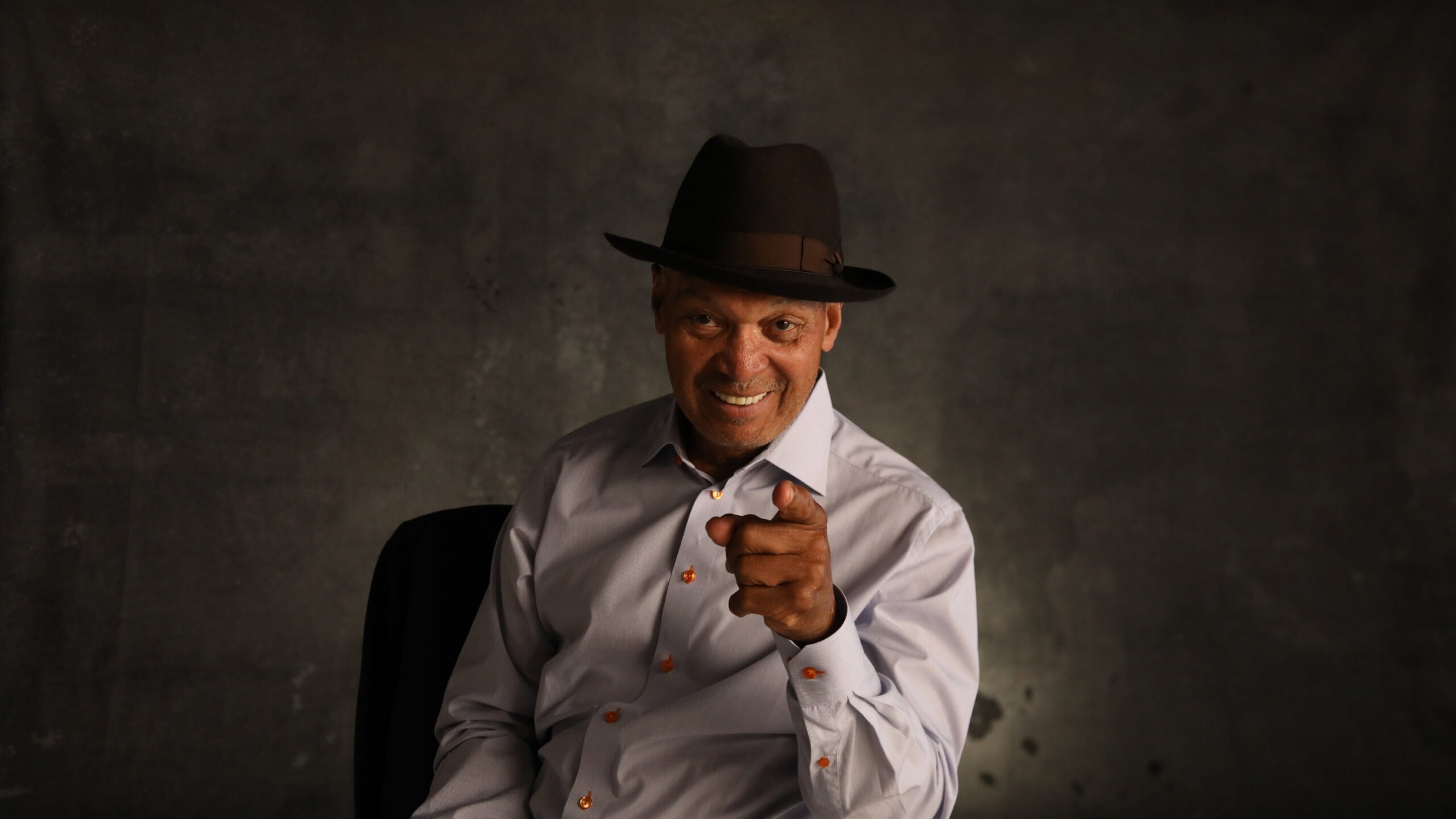
Those who grew up watching baseball legend Reggie Jackson will know that his was a name you read all over the news. One of America’s first athlete superstars, Jackson had a reputation that preceded him—he was a celebrity you’d just as soon find in Studio 54 than in the gym, wearing diamond bracelets more than baseball mittens. But in his self-titled documentary Reggie, he finally tells his story in his own words.
Reggie tracks his career in the context of the constant racism he and his fellow Black players in the league faced for many years. He explains why building the tough persona the media condemned him for years was necessary. It’s as autobiographical as it is historical, with Jackson often discussing how race informed every part of the sport, whether he wanted it to or not. The documentary is fascinating and informative, and it serves as an essential reminder of the inequality and double standards POC players faced and continue to face today.
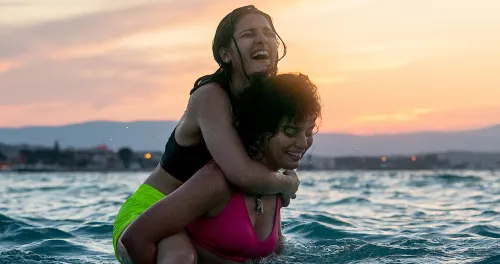
The Swimmers tells the true story of sisters Yusra and Sara Mardini (played by fellow sisters Nathalie and Manal Issa), Syrian swimmers trained to compete at the Olympics. When their athletic goals and overall safety are threatened by the increasing presence of war, the girls decide to take a chance and migrate to Europe, where they hope to live out their dreams and reunite with their family someday.
The Swimmers is a touching family drama that does right to center on the love and tension between the siblings. Yusra and Sara’s relationship perfectly encapsulates the envy and resentment but also the deep love and loyalty that are present in every sister bond. It’s tender in these moments, but it can also be equally searing—as a refugee drama, it chillingly tracks the complicated and inhumane processes of fleeing one’s country for a safer future.
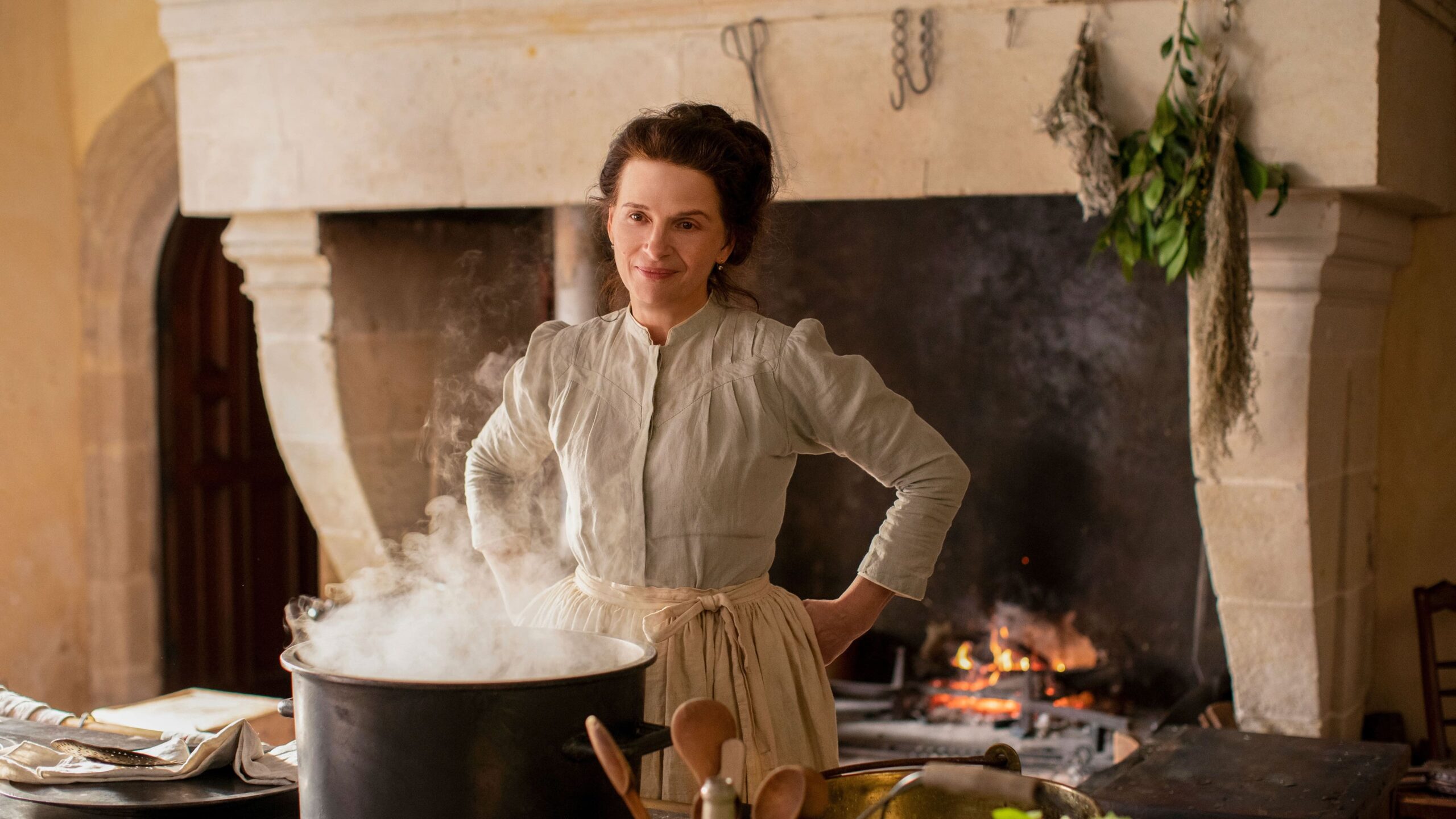
If it’s true that to cook is to love, then Dodin and Eugenie must be enraptured by one another. They use the exquisite language of food to express their feelings for one another, and watching their exchange, you can’t help but feel honored, if not embarrassed, to witness such an intimate and love-filled act. Food is everywhere here, delicately prepared and sumptuously consumed, but the film is more than just a glorified Food Network program. It’s a painting come to life, a love letter to craft, and a beautiful example of a life fully lived.
Small Things Like These is the kind of film that doesn’t have a grand resolution, a dramatic climax, or a widespread shift that would change the world forever. What happens might not even change the country, or the town Bill Furlong lives in. But that doesn’t mean the film is unimportant. While Cillian Murphy masterfully reckons with Furlong’s conscience, the community is silent… So too is the score, but it challenges the automatic flinch when we hear the background– the screams, the wailing, and the pain. It challenges the way we, and the town of New Ross, try to make sense of the sounds, explaining it away with more plausible, more palatable reasons, or justifying them with excuses. Small Things Like These can be a tad understated in its approach, but it’s a smart comparison to the way community can silence the conscience, and how abuse can lay rampant in secret.
Narrated by the familiar voice of Jack Black, Apollo 10 ½ is a throwback story told with admirable specificity and imagination. Black plays a grown-up Stan, who looks back on his younger years with a mix of fondness and wonder: how did they get away with the things they did then? American suburbia in the 1960s was both loose and conservative, caught between a generation holding on to the reins of the earlier century and one eager to launch into the next.
Stan, as the youngest child of a big, rowdy family, gives us a charming look into the times, as well as a projection of his own fascination: Apollo 11 and the space age. He inserts himself in this monumental narrative and generously brings us along in his fantasy. Sometimes it’s hard to tell whether Stan’s recruitment by NASA is actually fact or fiction, but that’s part of the fun, especially since Stan himself doesn’t seem to mind at all.
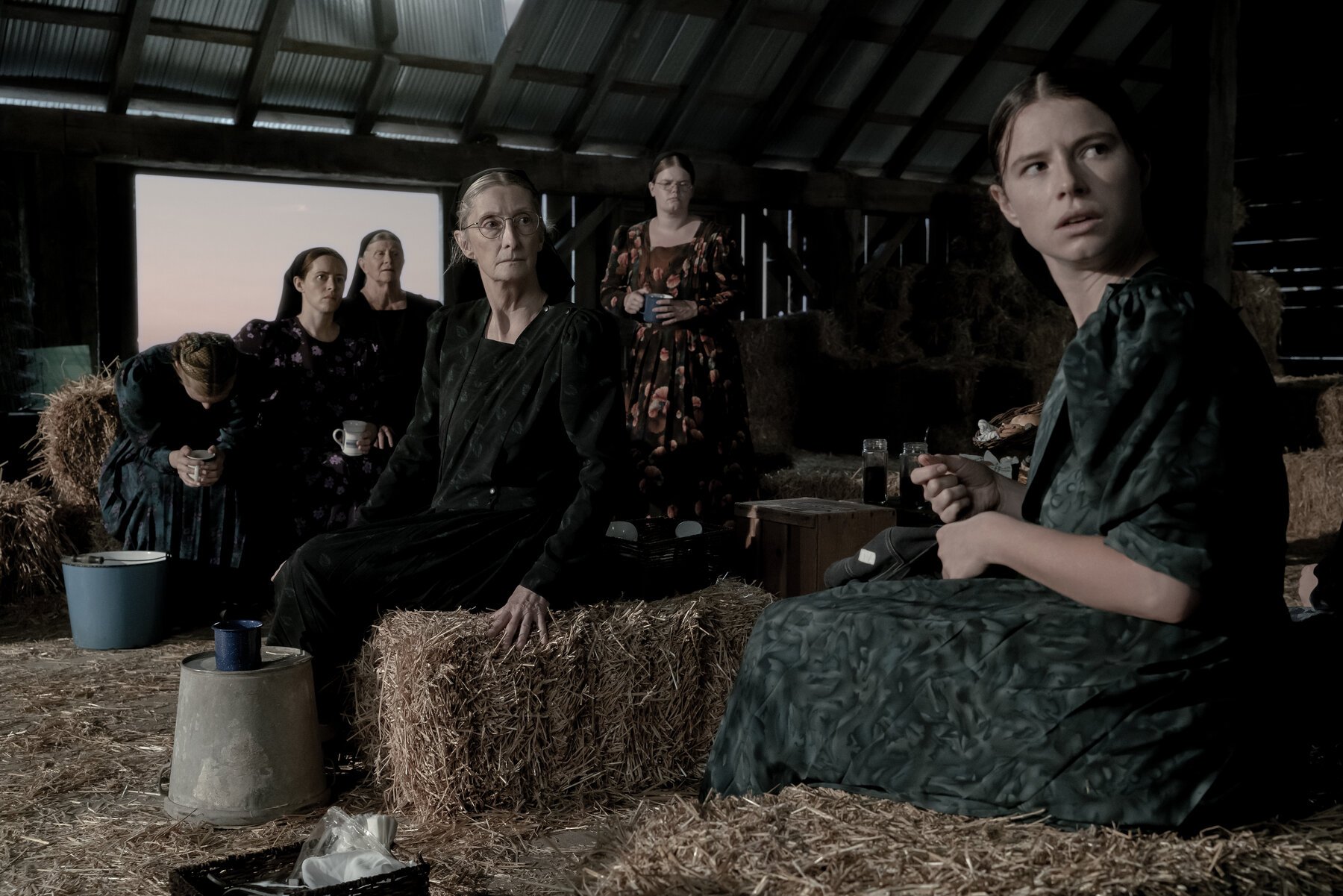
Not much happens in Women Talking, but what it lacks in action it more than makes up for in message. As the wronged women of an insular Christian colony decide whether they should leave or stay in their community, valuable points on each side are raised and debated fiercely. Are the men at fault or is there a bigger problem at hand? Is it sacrilegious to refuse forgiveness? Will leaving really solve anything?
The women of this ultraconservative and anti-modern community may not know how to read or write, but years of toiling away on land, family, and faith have made them wise beyond their years, which makes their discussion all the more captivating and powerful. Relevant themes, coupled with director Sarah Polley’s poetic shots and the cast’s all-around stellar performances, make Women Talking a uniquely compelling and timeless watch.
Part sci-fi and part psychological horror, No One Will Save You is an impressive outing that serves as a vehicle for Dever’s one-woman show. She is a powerhouse, a nonstop show of talent that doesn’t seem to run out of fuel. The scenes are grueling and excruciating, they involve a lot of physical, mental, and emotional turmoil, but somehow, Dever rises to the challenge with unbelievable ease. Sure, sci-fi lovers will find much to discuss in these unearthly creatures, and cinephiles will appreciate how the film relies almost solely on sound design and a single line of dialogue. But it’s Dever who does the heavy lifting here, and it’s especially apparent when the film tries, weakly, to delve into Brynn’s psyche and the town’s sociological workings. It’s not as impressive in those regards, but Dever is strong enough an actress to make you forgive the movie’s frailer parts.
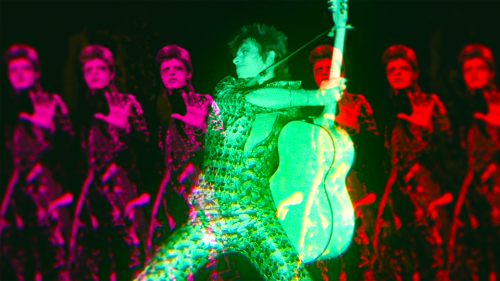
Forget everything you know about the music biopic. One-on-one interviews, chronological storytelling, silent moments with the subjects—Moonage Daydream isn’t that kind of movie. Just as David Bowie isn’t your typical pop star, this documentary about him, directed by Brett Morgen, forgoes the usual beats for something extraordinary and fun.
Moonage Daydream is a concert, a light show, and a masterclass in collage editing. It’s a feast for the senses, a fantastic neon fever dream that paints a picture of Bowie in his own words, drawn from archival footage, interviews, and concerts past.
Leo and Remi are close. They play, eat, and sleep together, and in between those moments, they share every thought they have with each other, no matter how big or small. Theirs is a precious friendship, as pure and as intimate as can be, but all that changes when they begin middle school. Subject to heteronormative norms and preteen mockery, their friendship starts to crack as Leo and Remi’s different definitions of manhood emerge.
Subtle but evocative, quiet but deeply powerful, Close takes a closer look at boyhood and male friendships—how they’re lived, defined, and seen. Plenty of questions go unanswered in this film, but if you’re comfortable with simply empathizing with the characters rather than knowing every answer, then Close comes highly recommended.
This groundbreaking documentary follows the USA Olympics sexual abuse case that made headlines in 2015. Through interviews with Olympians, their families, and investigative reporters, it’s also a documentary on the overall culture of abuse in gymnastics: sexual, physical, and emotional.
In one scene from the 1996 Olympics, gold medalist Kerri Strug has to run, vault, and land – all with a severe foot injury that was covered up by her coaches. She does this twice, limping between attempts and crawling off the mat on the second, crying. Meanwhile, her family, her coaches, the spectators – the World – is celebrating.
When she’s carried off, it’s Larry Nassar, the pedophile at the center of the documentary, who carries her.
Athlete A is groundbreaking exactly because it illustrates that the problem is not only with one doctor, or the 54 coaches who were also found guilty of sexual abuse, or the morally bankrupt leadership of USA Gymastics; it’s also about what went so wrong with society to see the abuse of young girls as cause for celebration.
With truffle being so expensive, you would think that the world would eventually figure out how to get this tasty fungi in a more efficient way. Yet, the finicky nature of truffle eludes scientific research, improved cultivation, and strategic supply logistics, only allowing access to a select group of senior men and their very good dogs. The Truffle Hunters depicts the precariousness of this industry, how the entire endeavor can be easily lost to time, climate, and secrecy, but through delving into their lives, through unobstrusively capturing their day-to-day lives in gorgeous, meticulously framed shots that quietly celebrates their charming personalities, The Truffle Hunters becomes a small glimpse into a life that’s lost to urban living, a life that, perhaps, might be worth returning to.
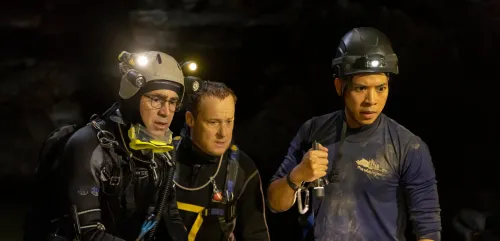
Thirteen Lives is a taut, no-nonsense film that smartly forgoes dramatizing an already well-known case and, instead, hones in on the excruciating but impressive ordeal that is rescue diving. The divers are played by Viggo Mortensen and Colin Farrell, both of whom are convincing in their expertise and heroism. But this isn’t to say this story is theirs. Howard does well to center the narrative on the locals and even makes use of their language, Thai, for most of the film’s run. It’s as sensitively told as it is genuinely gripping.
With time-bending natural phenomena linking two teenagers into a romance, there’s no denying that The Tunnel to Summer, the Exit of Goodbyes can feel a tad too similar to the internationally acclaimed Your Name (2016). Right off the bat, it doesn’t compare. Nonetheless, the film still works because of the key difference between them. Unlike the earlier film, the time travel is triggered not because of being magically bound to save a whole town from natural disaster, but due to the regret, sorrow, and personal trauma that shifted the course of their lives. It makes for an intriguing sci-fi metaphor about co-dependency and healing through one’s first relationship. The Tunnel to Summer, the Exit of Goodbyes may not compare to other anime time travel adventures, but it’s animated beautifully and it effectively captures that wistful feeling one gets with their first love.
Dick Johnson Is Dead is a heartfelt and unconventional portrait of how one can live life to the fullest even in their darkest days. Kristen Johnson’s follow-up to the highly acclaimed documentary Cameraperson, Johnson shows that her skills are no fluke as she crafts a witty film where she masterfully balances surreal tonal shifts to create a compelling experience. While it does have a repetitive nature, the final thirty minutes are heartbreakingly comedic, and make this one worth a watch!
In the years since Fan Girl’s original release in the Philippines, its ultimate message and execution has become polarizing: is it enough that the film shows the corruption of a parasocial relationship into an abusive one, without offering much hope? Is its vision of justice actually constructive or disappointingly limited? No matter where you fall, it’s exciting that a movie can stir up these kinds of questions through a bizarre dynamic between characters, in a place that’s clearly set somewhere between reality and delusion. The narrative is circular and frustrating for a reason—a constant push and pull as the titular fan girl keeps getting drawn back into the celebrity’s orbit—and the film only grows more disturbing with each repetition.
Two misfits, an immigrant and a traveling cook, team up to start an unlikely enterprise in this slow but captivating drama. The story, set in 19th century Pacific Northwest, evolves around the arrival of the first cow to that part of the world. This presents a unique opportunity that the two main characters try to benefit from.
First Cow is a mix between a Western and a modern-day plot-less indie drama. It has likable characters, stunning scenery, and a fascinating look into how social outcasts lived back then.
With its origins as a full-length rock monologue, it’s understandable if Tick, Tick… Boom! comes off as overly concerned with its protagonist’s personal anxieties and not the larger social and health crises happening right outside his door. But while it really doesn’t offer much insight into the AIDS epidemic, or even the art scene of 1990s New York, the helplessness that Jonathan Larson feels in the face of his own inability to save the world comes off as honest expression nonetheless. Andrew Garfield and a strong cast that includes Robin de Jesús and Vanessa Hudgens give purpose and energy to this somewhat messy character study that still manages to land its emotional beats.
When Toni Morrison taught at Princeton, she told her students, “Don’t write about your little life. Create something.” This documentary follows her instruction by being more than a simple biography. Apart from telling the story of her rich, fully-lived life, The Pieces I Am doubles as an artful and educational history lesson about the unique African-American experience. It’s dotted with beautiful artworks and insightful anecdotes shared by Morrison’s colleagues from the various schools and publishing houses she worked at. But most important of all, Morrison gets to narrate the film in her own beautiful, poetic words and, in the process, reveals different facets of herself. There’s Morrison the teacher, editor, writer, and mother, but also: the delightful baker, the supportive friend, the party enjoyer, the critical philosopher. The Pieces I Am is a great collection of many things, a moving collage that pieces together the most interesting parts about the beloved writer in question.


x1
x4