
Rated 7+ IMDb · 70%+ RT Little-known finds Curated by humans
Rated 7+ IMDb · 70%+ RT Little-known finds Curated by humans
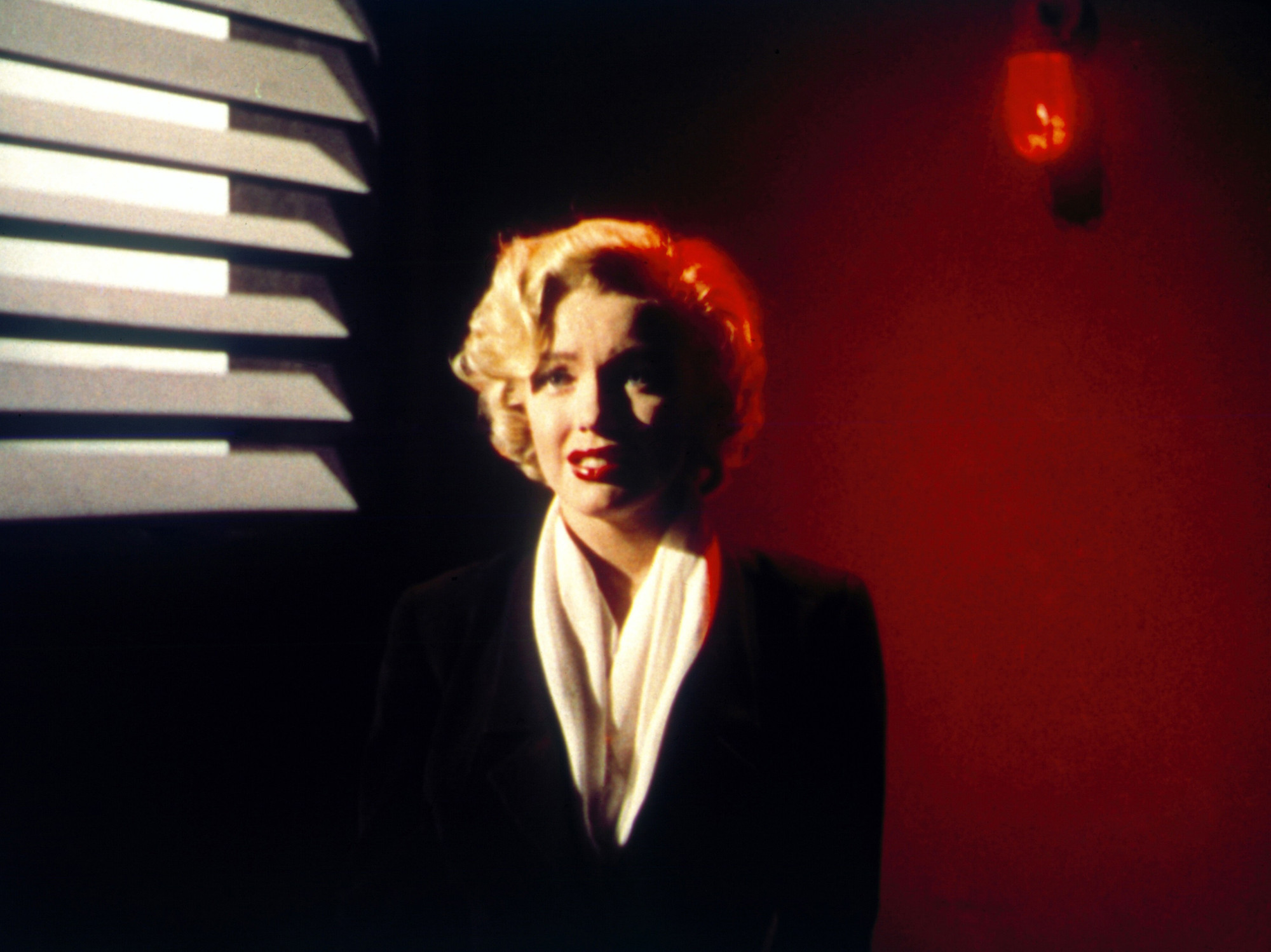 1953 Movie
Dir. Henry Hathaway · United States of America · English
Marilyn Monroe plays femme fatale in this honeymoon noir thriller




Niagara is an interesting intersection of cinema. For one, it was the first time Marilyn Monroe was given top billing, just before her succeeding ditzy blonde roles. And two, it was a Technicolor noir thriller at a time when color started to take over Hollywood. So it’s already pretty cool to see Monroe as a femme fatale, but Niagara thoughtfully improves upon that idea by taking the lust, envy, and jealousy surrounding Monroe’s stage persona and using it as the catalyst for a captivating murder mystery set in the honeymoon capital of the world. Niagara might be one of Monroe’s lesser known works, but it’s one that presented a dimension we wish she got to explore more in her career.
Rose Loomis and her older, gloomier husband, George, are vacationing at a cabin in Niagara Falls, N.Y. The couple befriend Polly and Ray Cutler, who are honeymooning in the area. Polly begins to suspect that something is amiss between Rose and George, and her suspicions grow when she sees Rose in the arms of another man. While Ray initially thinks Polly is overreacting, things between George and Rose soon take a shockingly dark turn.
While on their honeymoon at the Niagara Falls, Ray and Polly Cutler befriend some of the visitors in their hotel, including the beautiful Rose Loomis and her older, gloomier husband George. As they get to know each other, the newlyweds realize how volatile their neighbors’ marriage actually is.
Marilyn Monroe, of course. She’s just as much of a bombshell as she is in her other roles, but she also makes Rose Loomis the only character in the film that’s fully in touch with her desires. If the film had less sympathy for George, we’d be actively rooting for Rose.
Who knew Marilyn made a great femme fatale?

Isabella Endrinal is a curator at A Good Movie to Watch. She's now free from the corporate night shift. Previous articles have been published in outlets such as NANG Magazine. She's currently catching up on some classic films… if she isn't coping with the fact that the Haikyu anime will end soon.




Comments