
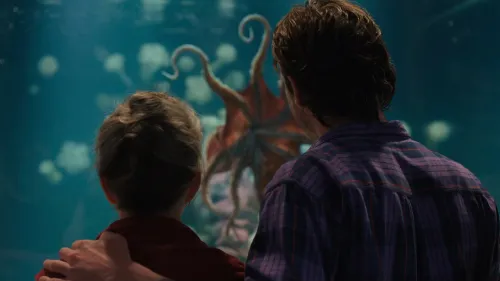
On paper, a grieving widow solving a mystery with the help of a giant Pacific octopus sounds like the kind of thing that should be unbearable. It isn’t. Remarkably Bright Creatures is a genuinely lovely piece of work, and most of that is Sally Field, who plays Tova, a woman cleaning floors at a Puget Sound aquarium at night because the alternative is sitting alone with the disappearance of her son thirty years ago. Marcellus the octopus knows what happened. Watching the two of them figure each other out is where the film earns its tears honestly, not cheaply.
It could have coasted on whimsy. Instead it’s really about the specific loneliness of outliving the people who knew you. A wholesome film that respects your intelligence is rarer than it should be, and this is one.
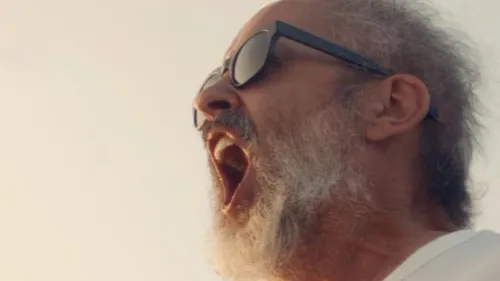
The title is what André Ricciardi calls himself for skipping the colonoscopy that would have caught his cancer while it was still catchable. By the time the film starts, it’s too late, and André, a loud advertising guy, decides to spend the time he has left pointing a camera at his own dying. That could be grim or self-indulgent. It’s neither.
André Is an Idiot is funny in the way people are funny at their own expense, and it lands its one practical point, get the screening, without ever turning into a public service announcement. What sticks is the honesty about fear. He’s scared, his family is wrecked, and nobody pretends otherwise. It’s a documentary about death that’s oddly great company, which is the highest thing you can say about it.
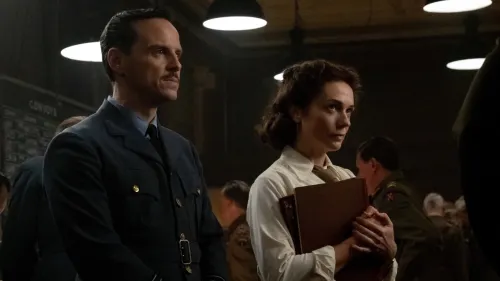
There’s a whole genre of film about men in a room deciding the fate of the world, and Pressure is a sturdy addition to it. The room is a weather station in June 1944. The decision is whether to launch the D-Day invasion, and it hinges on a Scottish meteorologist, James Stagg, telling General Eisenhower that the sky says wait. Andrew Scott plays Stagg with a clenched, sleepless intensity, and Brendan Fraser is a surprisingly good Eisenhower, all folksy calm hiding a man who knows thousands will die on his word.
It started as a stage play and it shows, in a good way: this is tension and forecasts, not battle. If you want the invasion, watch something else. If you want the argument that made it possible, this is a tight, grown-up thriller about the terror of a single call.
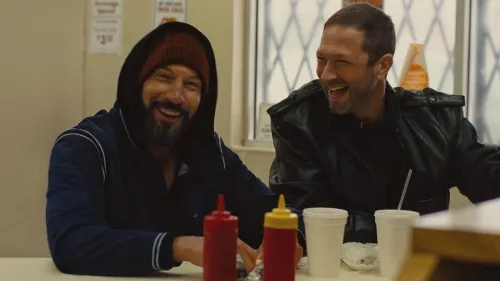
Quick flag before anything else: Gary isn’t really a movie. It’s a standalone episode of The Bear, the flashback that follows Richie and Mikey on a road trip to Gary, Indiana, released on its own. Judge it on those terms and it’s a small gem.
Jon Bernthal and Jeremy Allen White get a whole stretch to just be two guys in a car, before the grief and the restaurant and everything The Bear becomes, and the show has always been at its best when it slows down and lets people talk. It’s funny, it aches, and it deepens characters you already thought you knew. If you don’t watch The Bear, none of it will land. If you do, this is the series operating at the top of its game, quietly.

Tuner has a premise you can pitch in one breath: a young piano tuner with freakishly good hearing gets pulled into cracking safes for criminals. Leo Woodall plays him with a watchful quiet, and the film is smart enough to know the hook is the ears, not the heists. Dustin Hoffman turns up as an old hand and gives the thing some weight.
What’s nice is how unforced it all is. It slides between romance and crime without straining, the kind of mid-budget adult movie that studios supposedly stopped making. It doesn’t reinvent anything, and the plot goes more or less where you expect. But it’s put together with real craft and a light touch, and sometimes a well-tuned genre picture is exactly enough.

Silent Friend asks you to watch a tree. Specifically a ginkgo on a German university campus in Marburg, which Ildikó Enyedi follows across three eras, 1908, 1972, and 2020, as the humans around it fall in and out of love and mostly fail to notice the oldest living thing in the courtyard. Enyedi made the wonderful On Body and Soul, and she has the same patient, slightly mystical eye here. Tony Leung anchors the modern section.
This is slow cinema, and it wants you to actually slow down with it, so it won’t be for everyone and it doesn’t pretend to be. But if you meet it where it lives, it’s a quietly radical little film about time, and about how much happens while we’re not looking. The kind of thing you keep thinking about days later.
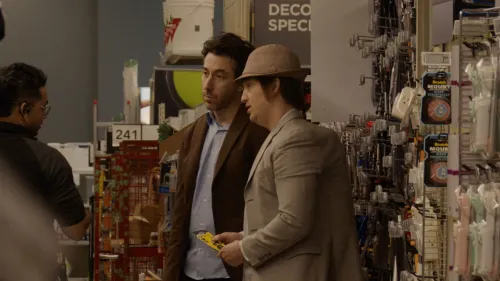
If you never saw the Viceland show, Nirvanna the Band the Show was about two Toronto friends, Matt and Jay, endlessly scheming to book a gig at a bar called the Rivoli and never quite managing it, often filmed guerrilla-style with real strangers who had no idea they were in a bit. The movie keeps that chaotic hidden-camera energy and bolts a time-travel plot onto it, which sounds like too much and mostly isn’t.
It’s silly, sweet, and committed to the joke in a way that’s genuinely disarming. Your mileage depends entirely on your tolerance for two grown men treating a Rivoli booking like a moon landing. I found it hard to resist. It’s the rare comedy that feels like it was made by actual friends, because it was.

At least a couple of times a year, a filmmaker somewhere in the world will point a child’s camcorder at their own past and dare you not to think of Aftersun. Sophy Romvari’s Blue Heron earns the comparison more than most. It’s the late 1990s, and eight-year-old Sasha is watching her Hungarian family try to put down roots on Vancouver Island, taping the whole uneasy summer on a VHS camcorder that ends up being the film’s real narrator. The nostalgia is the best thing here. The swimsuits, the trampoline, the specific ache of being the immigrant kid who just wants to fit in, all of it lands.
The trouble is intent. Romvari can’t always decide whether she’s making an atmospheric mood piece or a coming-of-age story about a family quietly buckling under the oldest son’s behavior, and she doesn’t fully pull off either. When the film lets the summer breathe, it’s lovely. When it reaches for a plot, it loses the thread. As a debut, though, it announces a filmmaker worth watching.
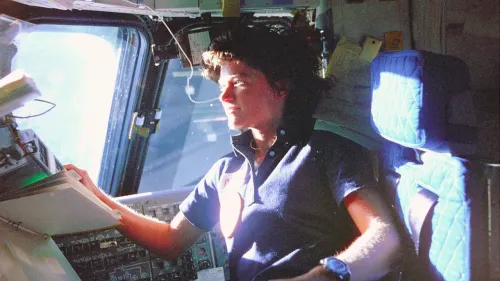
Most people know Sally Ride as the answer to a trivia question: first American woman in space, 1983. What they don’t know, and what this documentary is really about, is that Ride spent 27 years with a woman named Tam O’Shaughnessy and told almost no one, because NASA and the era gave her no room to. Sally is a solid, moving telling of both stories, the public triumph and the private life she had to keep in a separate box.
It’s conventional in form, the usual archival-and-talking-heads build, but the material is strong enough that it doesn’t need tricks. Tam’s interviews are the heart of it. It’s a reminder that the barrier-breakers we put on posters were paying costs the poster never showed. Worth it for her story finally being told whole.
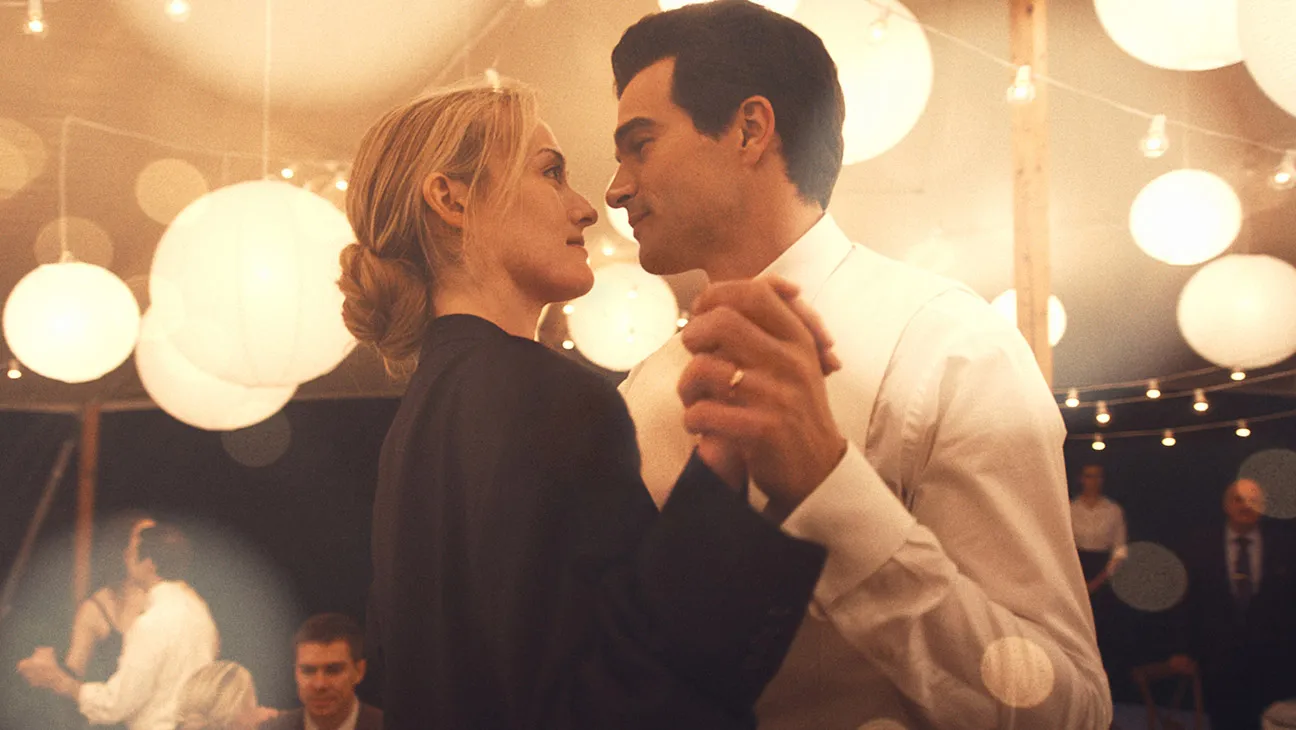
Let’s get this out of the way: Love Story isn’t an accurate retelling of the marriage between John F. Kennedy Jr. and Carolyn Bassette, just ask their living relatives about it. However, historical accuracy is not really the point. Much like the other franchises under American Story, Love Story feels more like a portrait of what America used to be– this time, through the closest thing the United States had to a royal marriage. Indulging in the 90s-00s nostalgia, this whirlwind romance takes on familiar themes of celebrity and public scrutiny with all the high-fashion glamor, a semblance of curated taste, and none of today’s social media clout chasing. It helps that Sarah Pidgeon and Paul Anthony Kelly look so good together, with their classic visages and old-school vibes. Love Story doesn’t present something new or true, but the show is nonetheless very watchable.
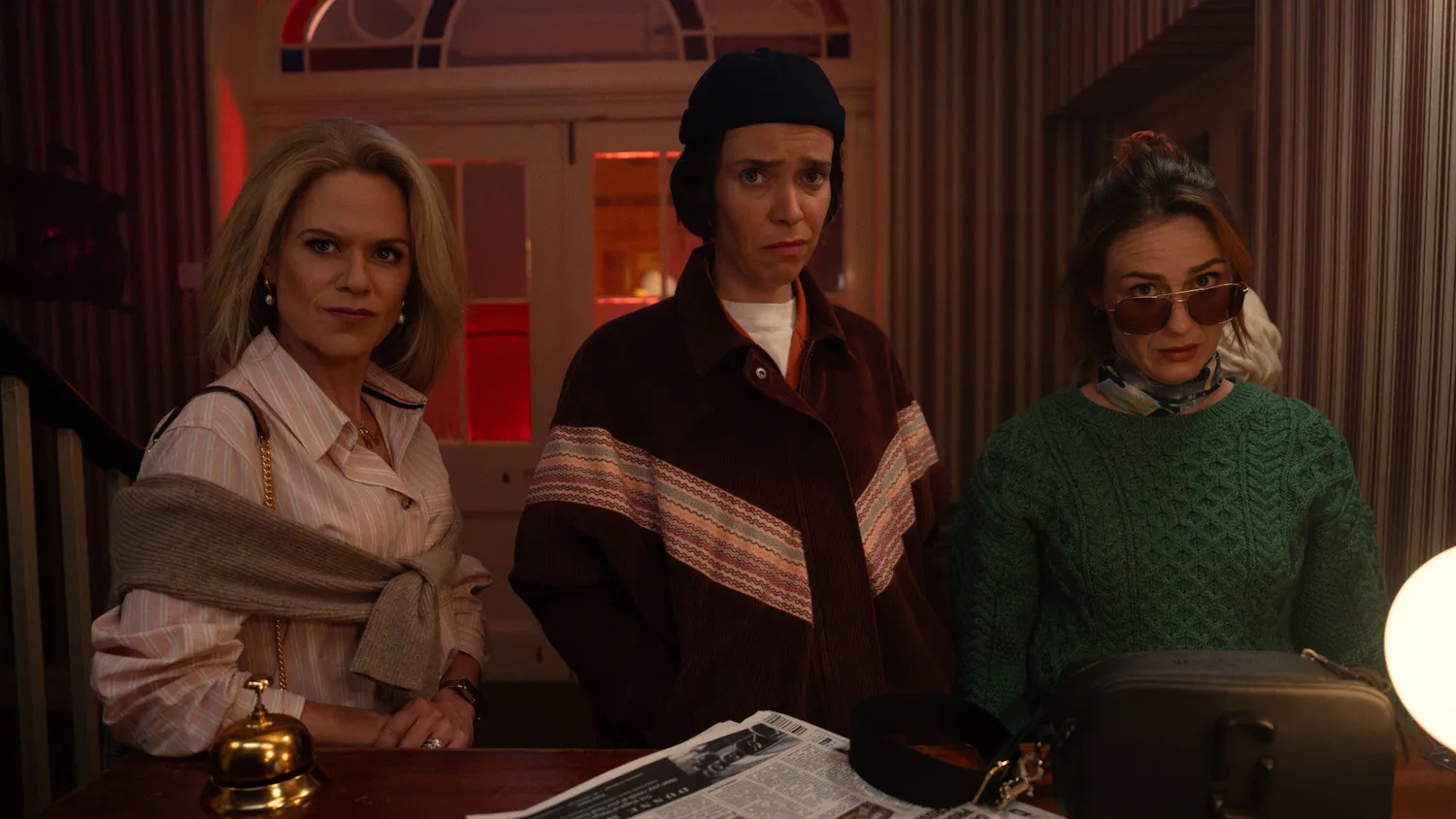
After losing a former friend, you would think that the three women in How to Get to Heaven from Belfast would be mourning, reminiscing about the past, and maybe go on a wholesome road trip that changes their lives for the better. Except, the show takes on a completely different approach. As the crime writer protagonist, of course, Saoirse brings her genre-savvy know-how to figure out the circumstances of Greta’s death. But there’s a bit of everything here– the somewhat supernatural vibe of every flashback she has, the mystery of whatever secret the four women share, and the chaotic shenanigans that these women get into as a result of being mentally stuck in their youth. How to Get to Heaven from Belfast isn’t quite Derry Girls, but writer-director Lisa McGee delivers the signature female friendships and distinctly Irish humor she’s best known for.
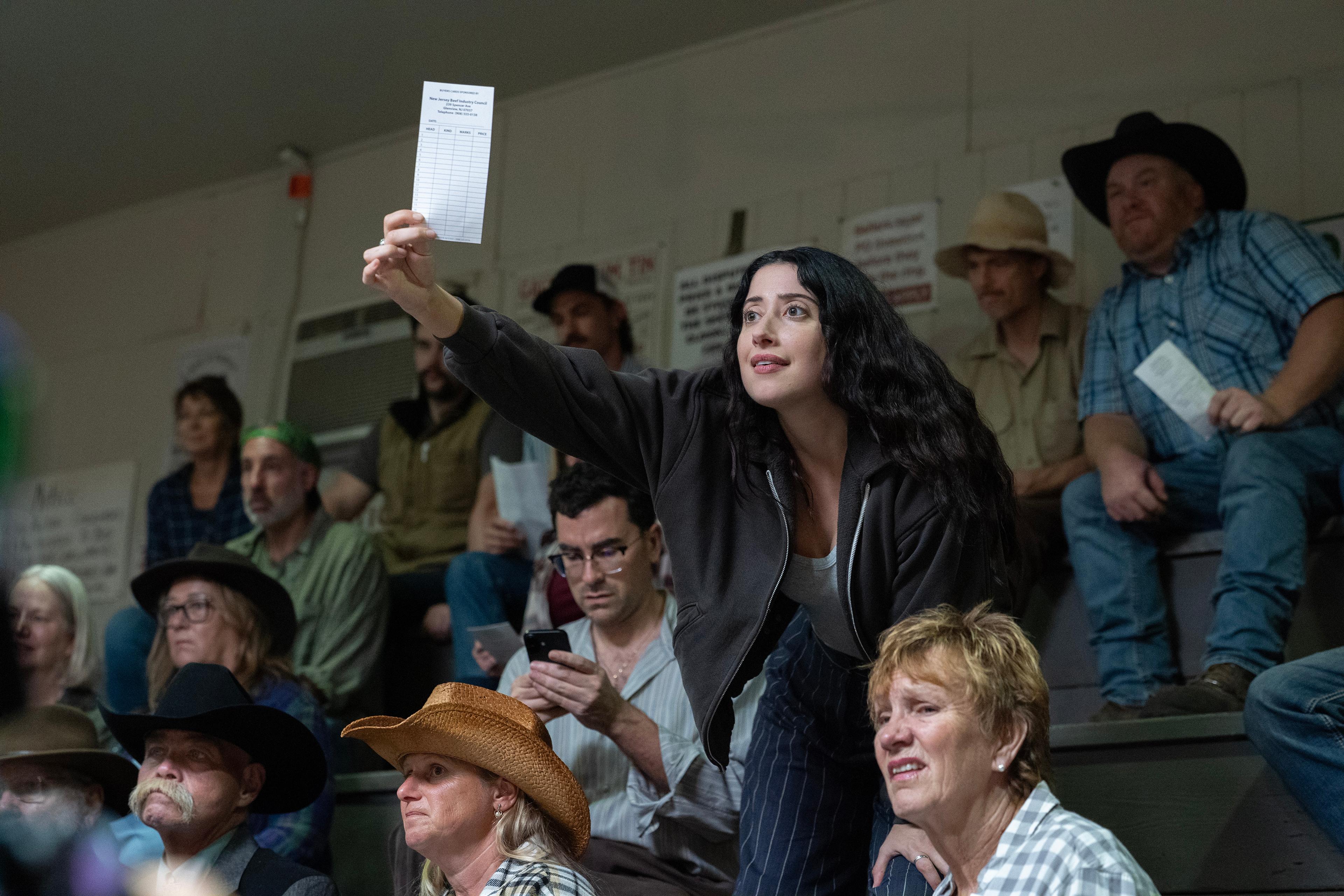
When a petty theft leads to a never-ending list of favors the leads have to fulfill for a gangster, this crime comedy series is certainly aptly named. It’s a pretty big mistake that could have been avoided, if only the protagonists weren’t so easily riled up. But it makes for a funny comedy of errors, as each new task brings more complications that Nicky and Morgan have to cover up in the clumsiest of ways. We’re waiting to see how it will blow up in their faces, especially with their mother’s upcoming mayoral campaign. Big Mistakes isn’t perfect, but it’s pretty fun seeing Dan Levy and Taylor Ortega try to handle everything that comes their way.
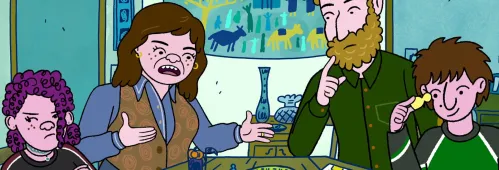
Long Story Short follows three siblings throughout their youth and adulthood. It sounds basic enough, except the ten-episode series time-hops every now and then, so we get to drop in on them during certain periods, like the drive back home from a loved one’s funeral, a catastrophic prom night, and even just a good night where everyone gets along. We get glimpses and snippets of their life in non-chronological order, but it all builds up to a resonant and deeply moving whole. Created by Raphael Bob-Waksberg of BoJack Horseman and Tuca & Bertie fame, it’s not surprising how heart-wrenching Long Story Short can get. But as Waksberg leaves behind his animal avatars in this series and focuses instead on human characters, he also crafts something a little less devastating and a little more delightful and closer to home.
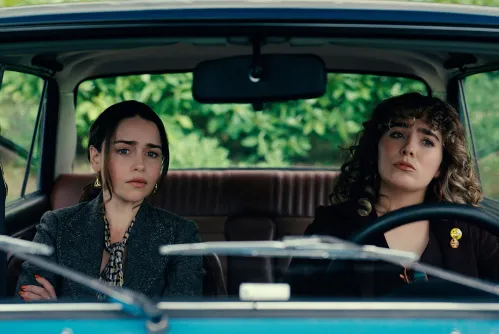
Ponies is a fun ride. Centered on two widows who lost their CIA husbands, the unexpected spy series puts their duo into some wacky hijinks as they try to figure it out at a time where one wrong move can launch a world war. That’s because it remembers the world just got out of one. It is set in the Cold War, after all. The show sets believable weight to the stakes the two women face by putting into perspective the kind of world these spies were working with. And so, with this strong sense of setting, Bea and Twila feel more like real people than the serious super spy or the adventurous James Bond-type. Combined with the surprising chemistry between Emilia Clarke and Haley Lu Richardson, breaking out of type, Ponies finds humor and fun in the uncertainty of the time.
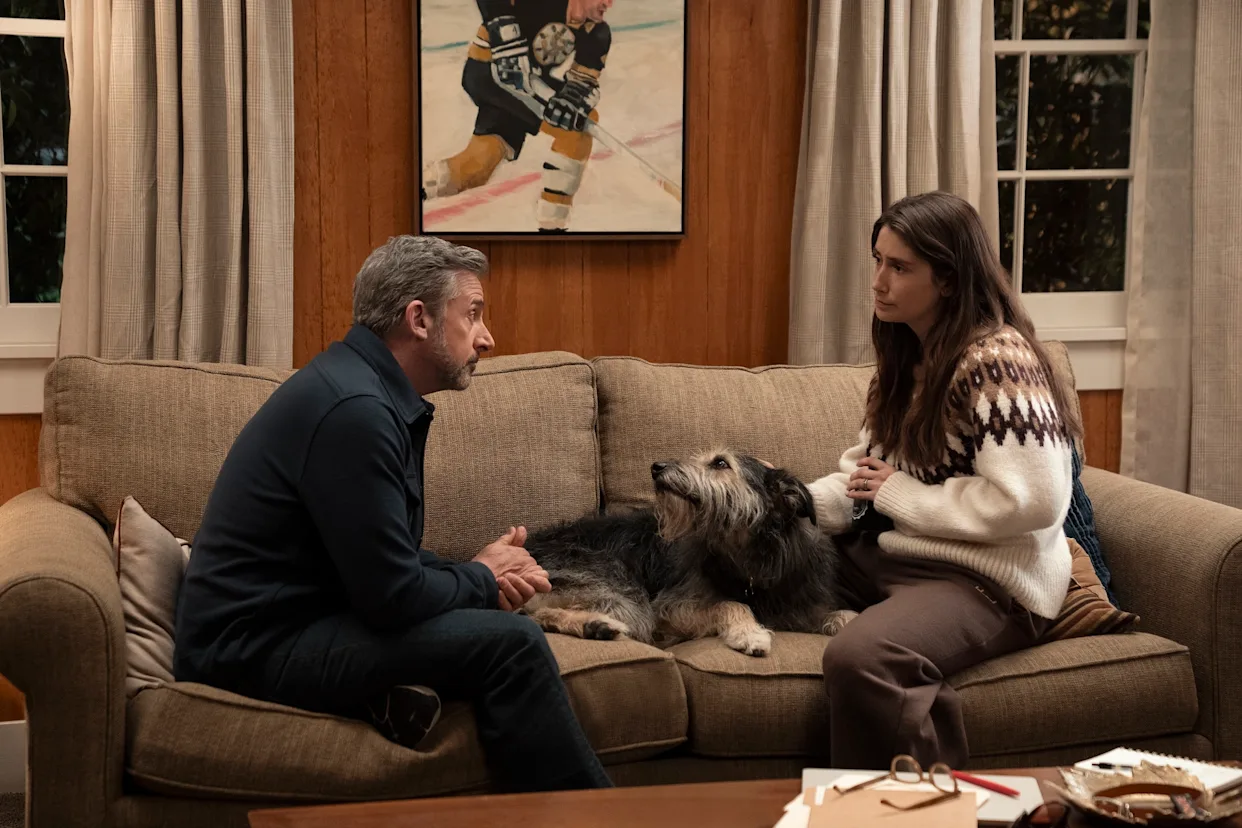
Rooster is drier than we expected from a show starring and co-produced by Steve Carrell, but the humor reflects the broader non-committance that has a hold over the 2020s. Instead of confidently pulling out the wit, jokes take on a well-meaning, unassuming manner. Meanwhile, most characters here refuse to speak and act straightforwardly about what they really want– or at least, their efforts in doing so are always perceived in the opposite way. In any case, Rooster is not going to knock you out of your seat. But it is going to poke fun at how desperately they pretend to be nonchalant, and the chaos that ensues as a result.

 x2
x2

Because of the format, Margo’s Got Money Troubles doesn’t quite have the same laugh-out-loud humor as the original novel– televised series, after all, can’t run entirely on the sharp internal monologue that worked on the page. However, that doesn’t mean it should be written off entirely. It’s still pretty funny, but the series mostly shifts its focus on empathizing with Margo and the choices she’s pushed to make. Like her journey, the show takes a while to set things up, though once it does, her impulsive choice easily rolls into a series of plot-worthy consequences. Some of which are financially difficult, as hinted by the title. Sometimes, as in the case with her dad, it’s easy to see how the ensemble can grow and change, maybe even into something better. It helps that the main trio– Elle Fanning, Nick Offerman, and Michelle Pfeiffer– are absolutely charming as the center family.
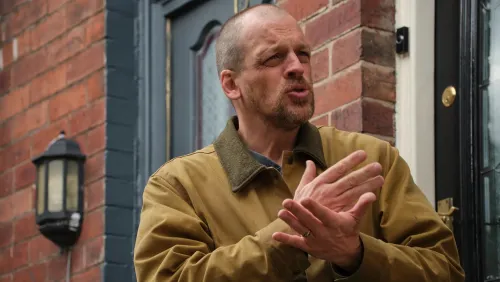
Reunion plays out like a typical thriller—it follows a recently released ex-con on the hunt for revenge. In most episodes, his reasons for killing remain a mystery, while his moral compass swings from hero to anti-hero. The beats and storylines are familiar, except for the fact that everything takes place in the realm of the deaf. The leading man, David Brennan (Matthew Gurney), is a deaf man who only uses sign language and the occasional angry gestures to communicate with those around him. The victim of his crime, Ray (Ace Mahbaz), was a stalwart in the deaf community, and so his widowed wife chases David in search of answers, answers David has promised Ray he’ll keep until his death. Reunion is an excellent show, if not in terms of narrative, then in terms of technical feats. Everything from the editing, cinematography, and especially the performances, which feature plenty from the deaf actors, point to how creatively and dedicately rooted the series is in the deaf community.
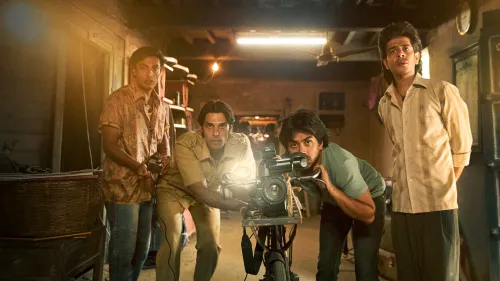
Based on the life of a real small town filmmaker, this coming-of-age film is a familiar underdog story. After their small movie theater shut down due to piracy, Nasir and his friends decide to create their own, in spite of not having the money or connections to do it. You can probably tell what happens next, given the numerous films about artists with humble beginnings. But despite the tropes, the rushed reconciliation, and not delving into some of the religious tension behind Nasir’s retirement, Superboys of Malegaon still feels refreshing, because it truly understands why the underdog is so compelling. With only their love for the craft to guide them, these boys capture the fun and wonder of making films in their own community, for their own community. Superboys of Malegaon truly listened to their story.
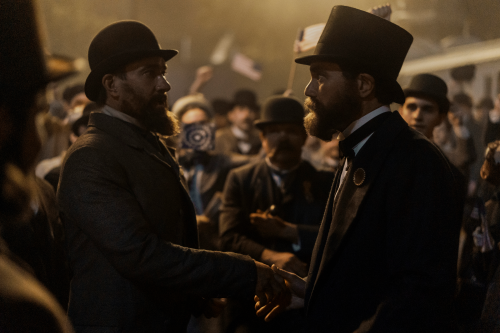
Out of all the presidents in American history, you’ll be hard pressed to remember James A. Garfield. That’s because the man barely made it past six months before he was assassinated. Perhaps it’s because of this that there aren’t many expectations for this historical limited series, other than period sets and costumes, which is done well. But Death by Lightning goes beyond just documenting the guy’s life, as well as the life of his murderer. Instead, the series delves into the ways both men focused on their legacy, for better or worse, pushing the wheel to bring the changes they have fought for, but also prematurely ending their potential impact on the nation. Death by Lightning is fascinating work, one that turns this forgotten president into an important warning for today’s changemakers.