Our take
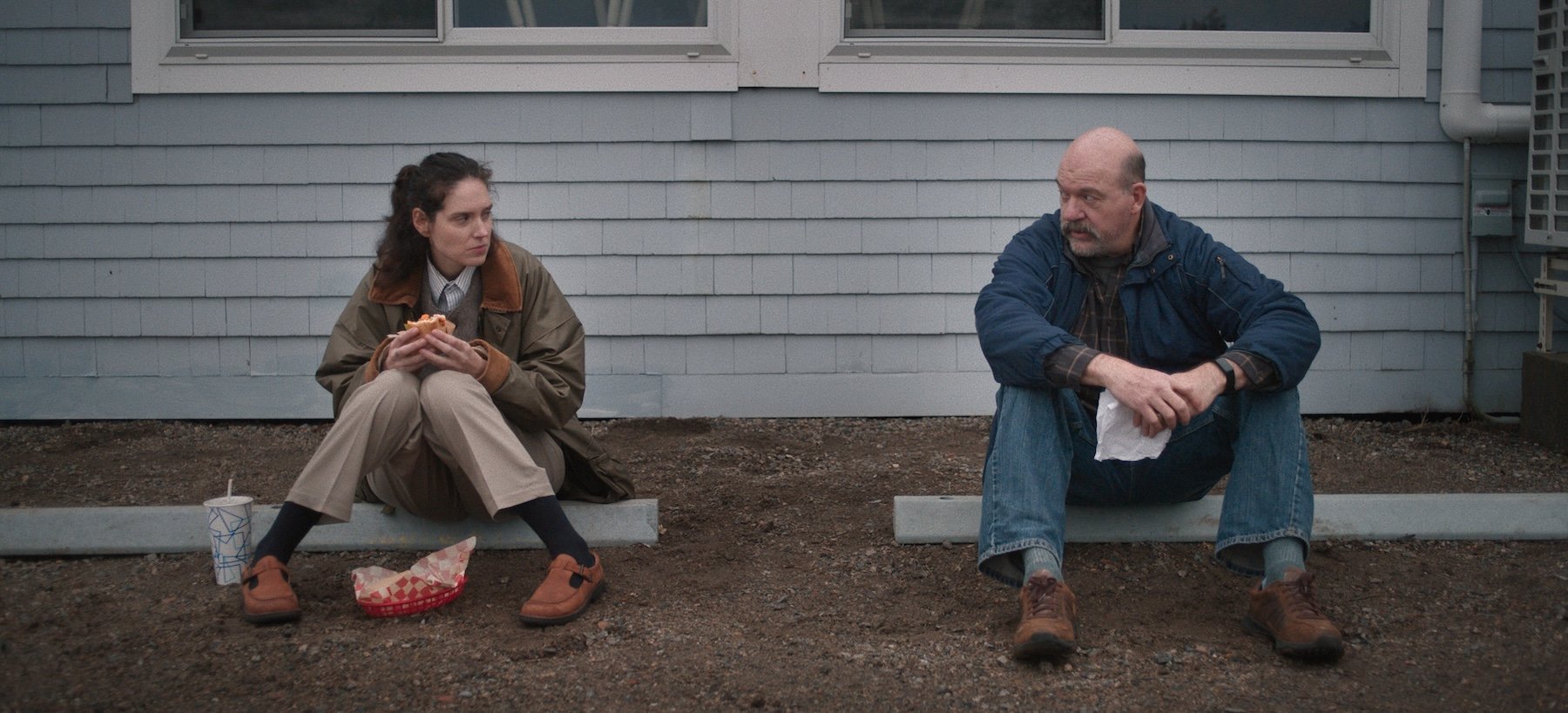
In Sorry, Baby, an unspeakable act of cruelty disrupts Agnes’ ambitious rise to the top. Despite being a literature professor, she struggles to find the words to describe what happened to her. Likewise, the audience isn’t made privy to the details of the incident and relies only on what Agnes chooses to show. It’s a far cry from the sensationalist way trauma is often depicted in films. In place of sexy or valiant acts of revenge, Sorry, Baby focuses on the slow, circular, and confusing process of healing. It hides more than it shows, which, oddly, says more about the reality of assault than most post #MeToo films. Sorry, Baby is an unassuming film, but its honest writing, poetic cinematography, and rich expressions pack a powerful punch.
The story
Agnes feels stuck. Unlike her best friend, Lydie, who’s moved to New York and is now expecting a baby, Agnes still lives in the New England house they once shared as graduate students, now working as a professor at her alma mater. A ‘bad thing’ happened to Agnes a few years ago and, since then, despite her best efforts, life hasn’t gotten back on track.
Elsewhere

"If “Sorry, Baby” has a thesis of its own, it’s a fluid, liberating, non-deterministic one: simply put, pain and healing assume a range of unique forms, and the tales we tell about them should follow suit."
— Justin Chang

"It's the banality of enduring a sexual assault that Victor captures so well in her film; how the trauma lingers long in the body, even when you keep insisting to everyone (including yourself) that you're fine."
— Hannah Strong
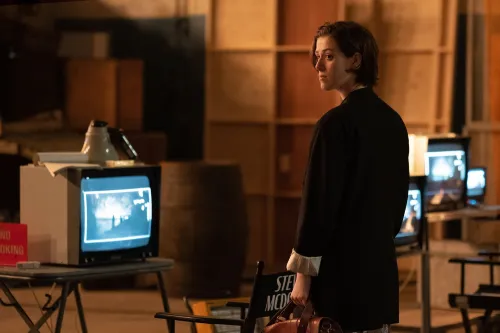
Writer-director Eva Victor plays Agnes, a young woman whose future seems hazy after something tragic happens.
For a first-time director, Victor displays a masterful handling of her craft. More, please!
In a sea of #MeToo films, this stands out for its powerful silence.
The details



Who picked it

Renee Cuisia is the lead curator at A Good Movie to Watch. In her spare time, she likes to watch K-dramas and analyze them to death. She's also seen You've Got Mail one too many times but is still convinced it's one of the greatest films out there.