
 1988 Movie
Dir. Claude Chabrol · France · French, German
Isabelle Huppert and Claude Chabrol confronts World War II collaborationism in this riveting character study
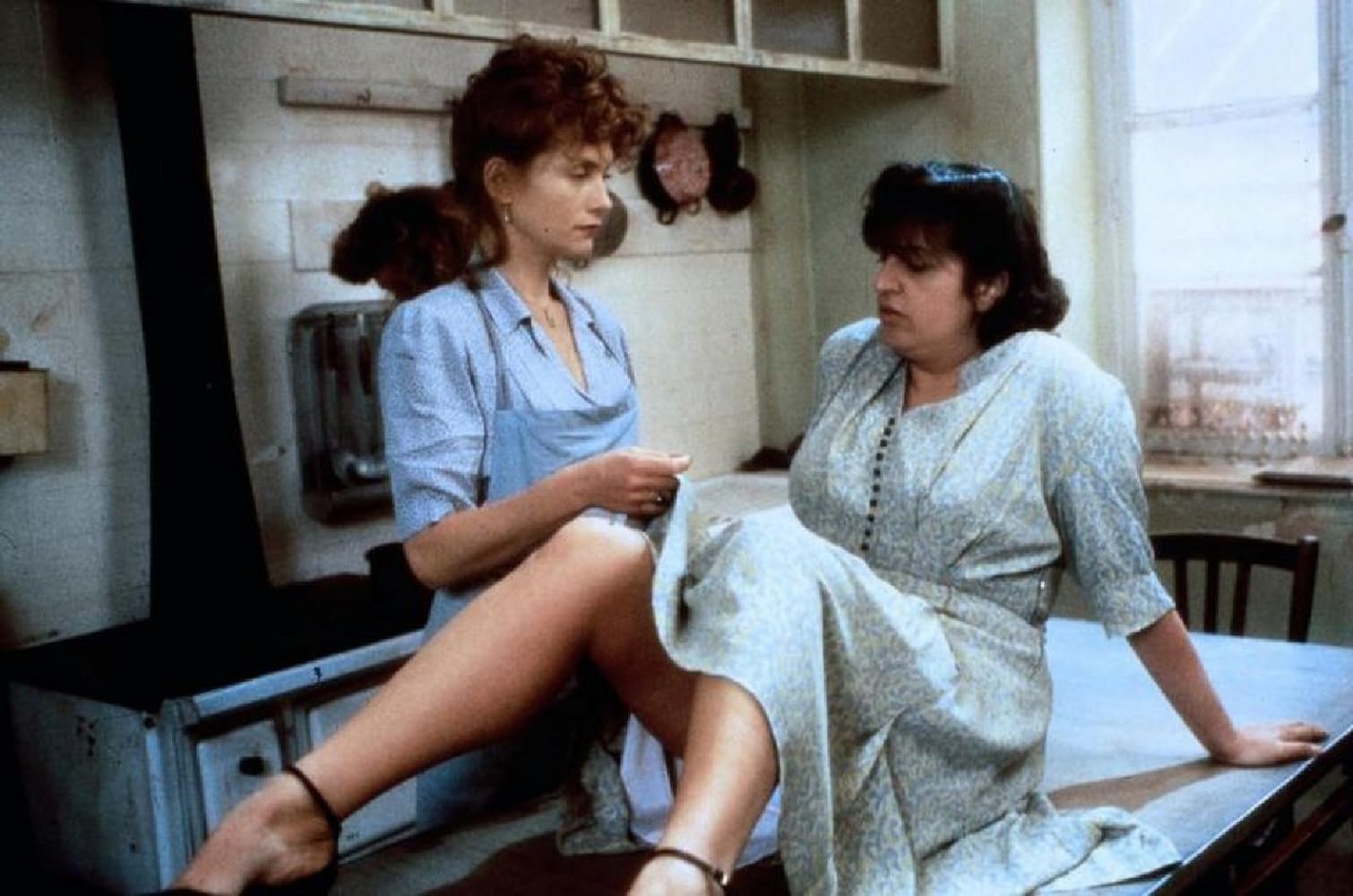
Based on the true story of the last French woman executed by guillotine, Story of Women depicts wartime survival under the Vichy regime. While men were sent to fight in the war, women in France stayed home, in a country occupied by the Nazis, with their government collaborating with the Axis powers they were supposedly at war with. Marie-Louise Giraud is one such woman. Like her country, she is pushed to do crimes forbidden by the state, first for kindness, but eventually for comfort, but only she gets the death penalty for 27 abortions, when only a few Vichy officials have been tried for crimes against humanity, which includes the deportation of seventy thousand Jews to concentration camps. The contrast is made much more poignant with Isabelle Huppert and Claude Chabrol’s creative partnership.
France, World War II. In order to somehow make ends meet, the mother of two children, Marie Latour, does underground abortions and rents a room to a familiar prostitute. She doesn't pay any attention to her husband, who returned from the war because of his injury, and lives her own life. Abortions gradually begin to bring a good income, and boredom can be easily dispelled by starting up with a young lover.
In Nazi-occupied France, Marie, mother of two, decides to perform illicit abortions to support her family after her husband is discharged, unable to work.
Story of Women doesn’t portray Marie-Louise Giraud as totally virtuous, or totally evil, and the nuances of her morally grey decisions feel believable because of Isabelle Huppert’s performance. Writer-director Claude Chabrol makes it clear how financially desperate she is, but Huppert makes Marie’s choices feel inevitable, maybe even cathartic– in freeing others from the unspoken burden of motherhood (and it can be a burden, especially in war), she frees herself from the life she believes she is trapped in, the domestic drudgery forced upon her by her husband and the state since she was a teenager.
This film is made in the 80s, depicting the 40s, yet still, sadly, important viewing in the 2020s.

Venice
2 wins · 1 nom

Golden Globes
1 nom

Nat. Board of Review
2 wins

NYFCC
1 win

LAFCA
1 win

César Awards
3 noms

Isabella Endrinal is a curator at A Good Movie to Watch. She's now free from the corporate night shift. Previous articles have been published in outlets such as NANG Magazine. She's currently catching up on some classic films… if she isn't coping with the fact that the Haikyu anime will end soon.
Comments