95 Inspirational Documentaries to Watch Now
Updated
Looking for a burst of inspiration get your new year (or any new phase of your life) started on the right foot? Fiction may provide a great, symbolic escape, but sometimes what you really need is to see real people doing the extraordinary or facing insurmountable odds and still having something beautiful to say about it. So don’t listen to any naysayers who might dismiss documentaries as boring; some of the greatest stories of human perseverance and wonder come from these little-known nonfiction accounts. Here, we’ve gathered the best of these true stories that might just help you realize what you’re capable of.
How we make these lists
No AI. No algorithms.
We are 100% human-curated. Everything you see here has been handpicked by a team of experts.
At least 7/10 on IMDb
So you know they are appreciated by viewers, not just high-brow critics.
At least 70% on Rotten Tomatoes
We combine this with the IMDb bar to keep only the best of the best.
Find more to watch
95 Inspirational Documentaries to Watch Now
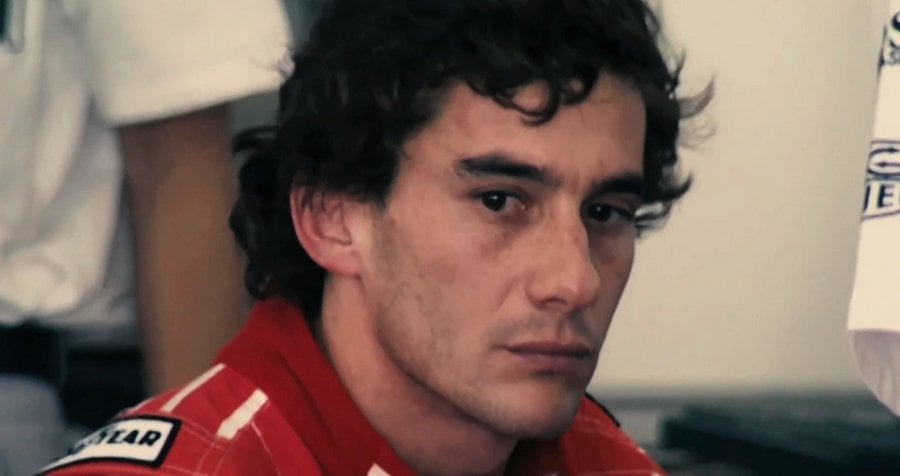
Senna (2010)
If you’re not a fan of F1 racing, you might not know who Ayrton Senna is. If you are, there is no way you don’t know. However, this 2010 British-French documentary packs so much thrill and emotion, you don’t have to be a racing enthusiast to be engrossed by it.
So, who is Ayrton Senna? At a time when F1 cars were +1000HP fire-breathing monsters and the grid was stacked with world champions, the Brazilian racing driver rose above the rest to take 3 world championships and win the fabled Monaco Grand Prix a record 6 times. At the age of 34, a devastating car crash took his life.
Director Asif Kapadia develops a compelling, emotional, and exhilarating portrait of F1 racing and the man that was Ayrton Senna. He is still considered by many to be one the best and most exciting racing drivers to have ever stepped into an F1 car. The documentary too, is a thrilling pursuit: moving, psychological intriguing and absolutely nerve-wracking!
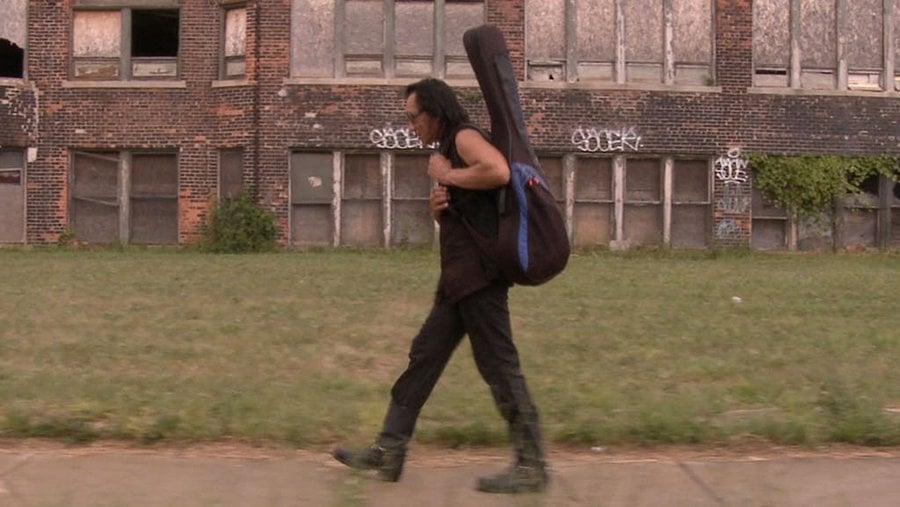
Searching for Sugar Man (2012)
American folk singer Sixto Diaz Rodriguez recorded two albums in Detroit in the 1970s, which he played live across the city, but never to critical acclaim or commercial success. Disappointed, he soon quit his musical career, bought a run-down house in the Motor City, and lived a simple life working in construction. So far, this sounds like the biography of many musicians that never quite made it, talented or otherwise.
However, a strange thing happened. By the mid-1970s, his albums were getting significant airplay in countries like Australia, Zimbabwe, and Apartheid-era South Africa, where he was soon considered a musical voice on par with the Beatles. While living a reclusive life in Detroit, Michigan, he unwittingly became a star on the other side of the globe. This engaged and visually appealing documentary by the late Swedish director Malik Bendjelloul tells his story and spells out a fascinating footnote of global music history.
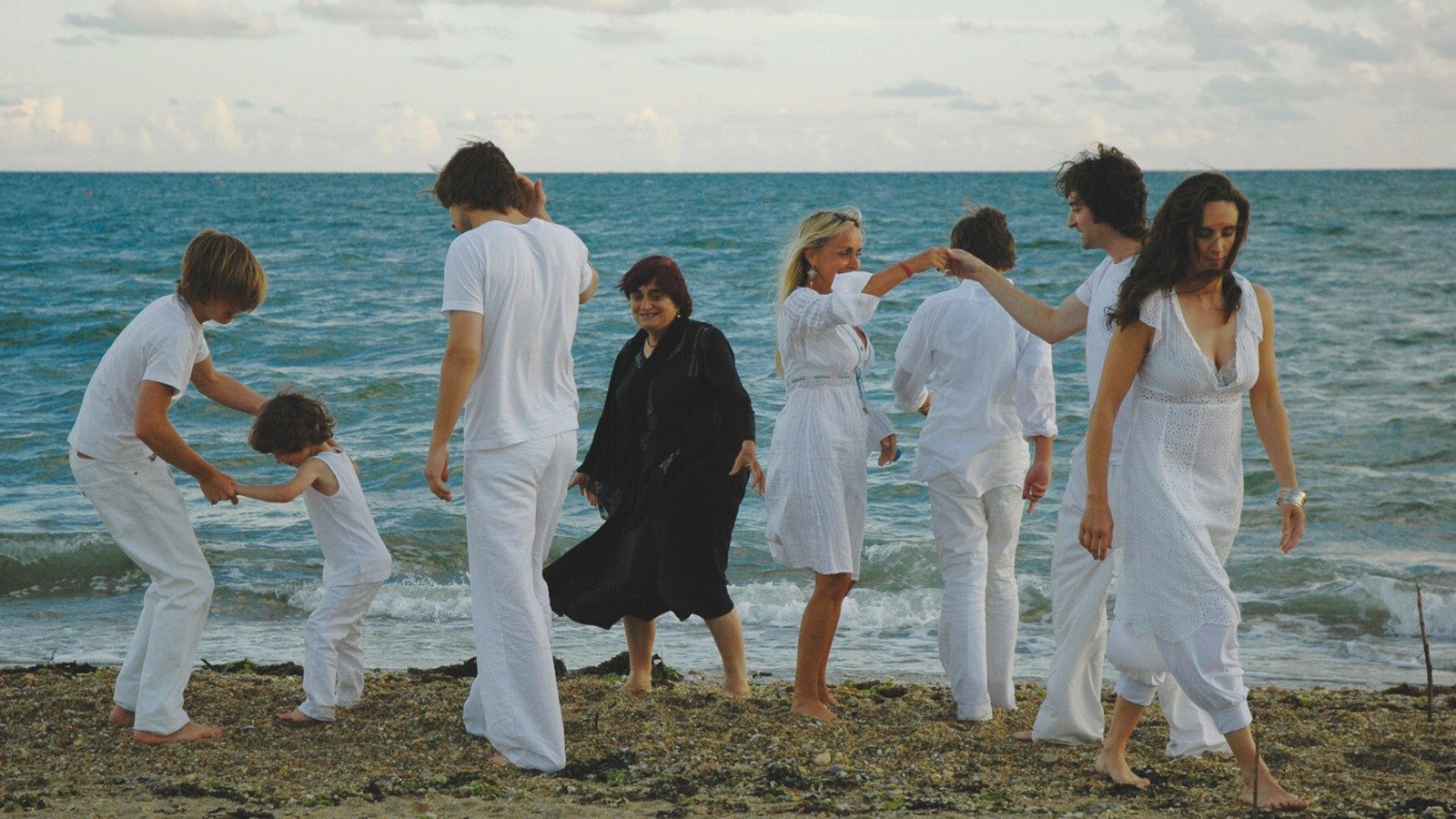
The Beaches of Agnès (2008)
It’s a testament to Agnès Varda’s remarkable ability to glean so much raw beauty and truth from the world that this autobiographical documentary is such a rewarding watch, even for people unfamiliar with her. The Beaches finds the pioneering director in reflective mode as she looks back at her work and life, but her artistic impulses are by no means stagnant: she approaches the past with the same — if not more of the — generous candor and youthful spirit that colored her career.
It’s also a testament to Varda’s inimitable artistic touch that she turns a usually-bleak subject — mortality — into something this life-affirming. The Beaches was made when she was 81, aware of her own ticking clock and still nursing the decades-long loss of so many loved ones (chiefly, husband Jacques Demy). Just as her grief-stricken reflections don’t overwhelm the film with sadness, the whimsical impulses she indulges here — like constructing a beach on the street in front of her office — don’t blunt the sharpness of her candor. The overall effect is bittersweet and profoundly inspiring: as with the mirrors she places in front of the tide in the film’s first scene, she’s showing us it’s possible to face the inescapable with a twinkle in your eye.
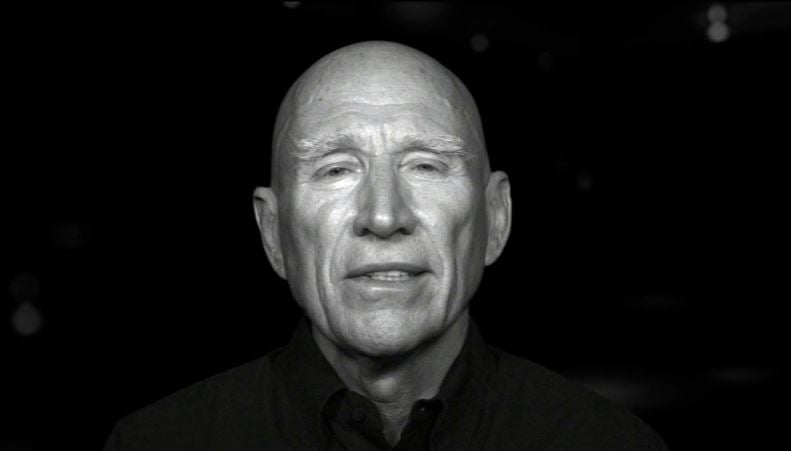
The Salt of the Earth (2014)
Co-directed and narrated by legendary German director Wim Wenders in collaboration with Salgado’s son, Juliano, this unique film tells Sebastião Salgado’s life story from his childhood in Northern Brazil, his early career as an economist, and how he shifted towards photography to become a world-renowned photojournalist. Shot in stunning black and white by Juliano Salgado and Hugo Barbier, The Salt of the Earth is a mesmerizing exhibition of one man’s lifelong dedication to capture the suffering of humanity and of nature. Most famously, the nightmarish images of the teeming workers of Serra Pelada, a Brazilian mountain gold mine. While creating these images raises some ethical questions that Salgado was confronted with throughout his career, it is an utterly enthralling experience, upsetting at times in its frank display of war, death, and devastation. Ultimately, however, Salgado’s elegance and kindness pull us back in and what we see is truth, awareness, and beauty.
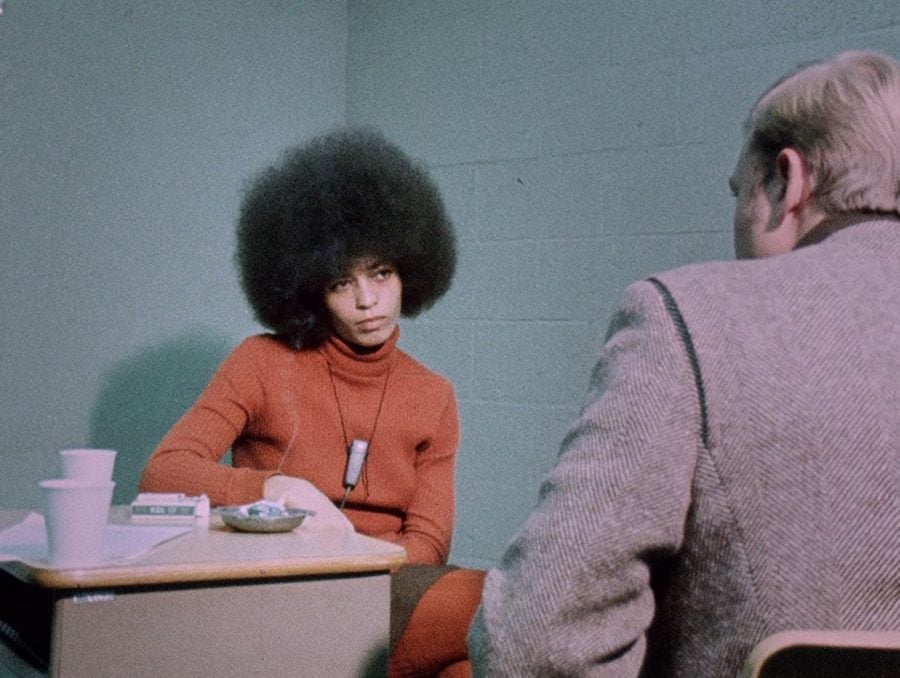
The Black Power Mixtape 1967-1975 (2011)
Between 1967-1975, a group of Swedish filmmakers traveled to America to document the Black Power movement. The resulting archival footage of Black activists and intellectuals, including Bobby Seale, Huey P. Newton, Eldridge Cleaver, and the amazing Angela Davis, was hidden in an archive until it was unearthed and woven together by Göran Olsson, a Swedish director. Angela Davis also supplies some contemporary voice commentary alongside many others, such as Erykah Badu, Harry Belafonte, and The Roots drummer and rap culture’s No. 1 record keeper Questlove, who also co-scored the film. This adds to the mixtape feel of the film as does the raw and unfiltered piecing together of the historic footage, giving the viewer an authentic impression of the movement and the struggles of the time. Being Swedish, the filmmakers dared to go where American mainstream TV might have never gone.
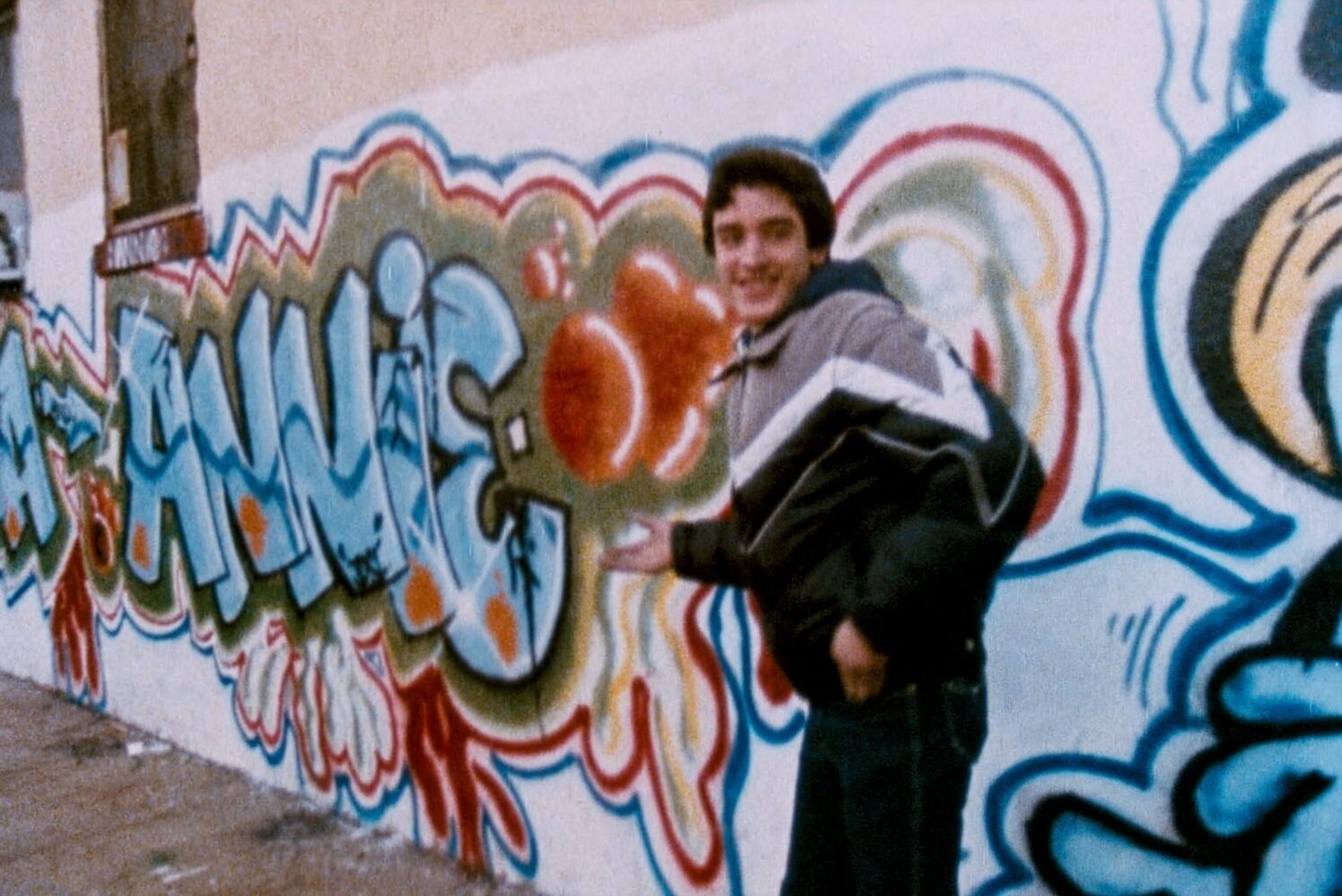
Style Wars (1983)
Whether graffiti is art or not is the question guiding this fascinating documentary about the spray can-wielding artists of ‘80s New York. Wherever you come down in the debate — though this presents compelling arguments that graffiti is a medium worthy of critical attention — you’ll undoubtedly come away with a reverence for the kids who went hard with the paint on NYC’s walls and subway cars. Candid interviews with these young pioneers (whose cultural contributions are now less in contention) reveal that they’re not simply rebelling for rebellion’s sake: they’re largely motivated by a desire to make their mark on their beloved city — to stand out and have their work seen by the millions riding the subway every day.
The doc largely embeds itself with the artists, but it also interviews the “other side”: then-mayor Ed Koch and police officers, who were ramping up their aggressive “war on graffiti” campaign during filming. It’s clear that these interviewees have little interest in understanding what drives the kids to create their murals — a lack of curiosity that Style Wars blessedly counters. Not just a thoughtful contribution to its period and a fascinating time capsule, but also a thought-provoking reminder that art is art, whether it’s made outside of the system or not.

The Other Dream Team (2012)
Another fantastic documentary from 2012, this one tells the remarkable story of the 1992 Lithuanian Olympic Men’s Basketball team that received scant attention in the shadow of the renowned U.S. “Dream Team” of NBA superstars (Michael Jordan, Magic Johnson, etc.). The Lithuanians’ story is all the more fascinating in that it comes immediately on the heels of their country’s freedom from Communist rule. With little hope of participating in the Barcelona games, they received the most unlikely last-minute assistance from the Grateful Dead, of all sources. A really great true-life story, told with an exuberance and a verve not often expected from non-fiction filmmaking. I challenge anyone watch this one and walk away uninspired.
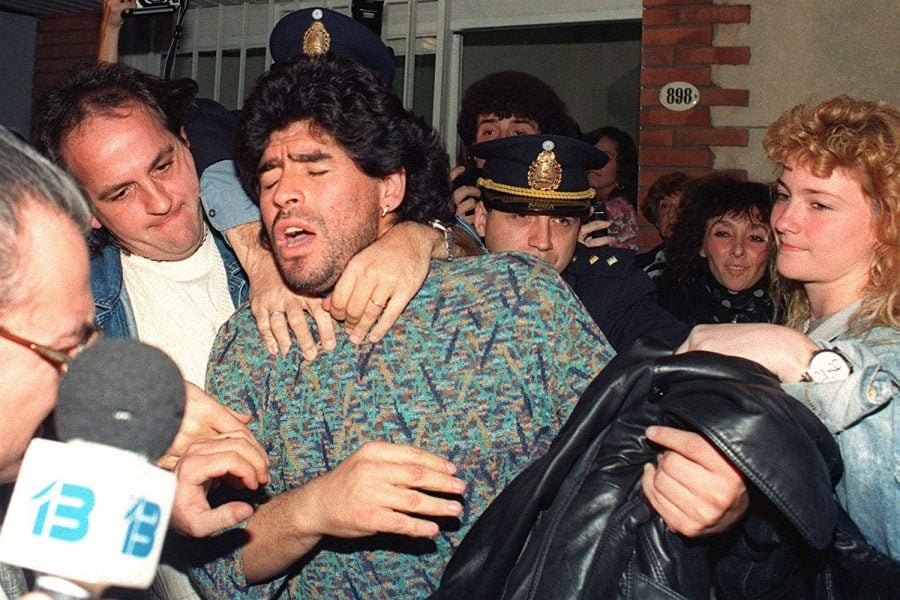
Diego Maradona (2019)
Asif Kapadia, the genius of biopics who gave us Senna, is back with this documentary on an even bigger sports personality: Argentinian soccer player Diego Armando Maradona. Considered as possibly the best soccer player of all time, Maradona’s footage on the pitch is pure wizardry, and you’ll feel that way whether you are a soccer fan or not. But that’s not the focus of this documentary. What happens outside the pitch is more interesting: from Maradona’s modest beginnings to the passionate hatred (and love) that entire countries develop of him. And it doesn’t make his story less interesting that during his time in Naples he was affiliated with the mafia.
This is an excellent documentary that distills 500 hours of footage into 2, giving you all you need to know about a character who captured the imagination of a big part of the world for decades.
This Is Not a Film (2011)
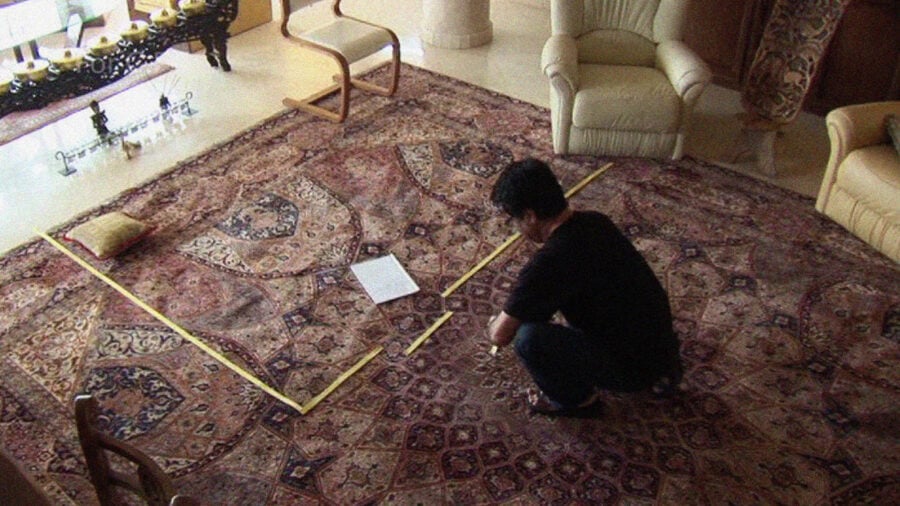
Everything about This Is Not a Film revolves around state censorship. Documentarian Mojtaba Mirtahmasb records Iranian cinema giant Jafar Panahi’s life under house arrest, maneuvering through the legal loopholes on Panahi’s 20-year ban on filmmaking and screenwriting. Here Panahi describes one of his unmade films that was rejected by the Iranian ministry, creating makeshift sets out of tape and his apartment’s living room, further emphasizing the ridiculousness of the state-imposed limitations on his artistic freedom. The result is a quasi-documentary that functions paradoxically, its un-cinematic quality essential for aesthetics as well as narrative. That this film had to be smuggled from Iran to Cannes on a flash drive hidden inside a birthday cake is a testament to political cinema’s power to be a vessel of pro-democracy sentiments, a fist raised proudly against state censors.
Wojnarowicz (2021)
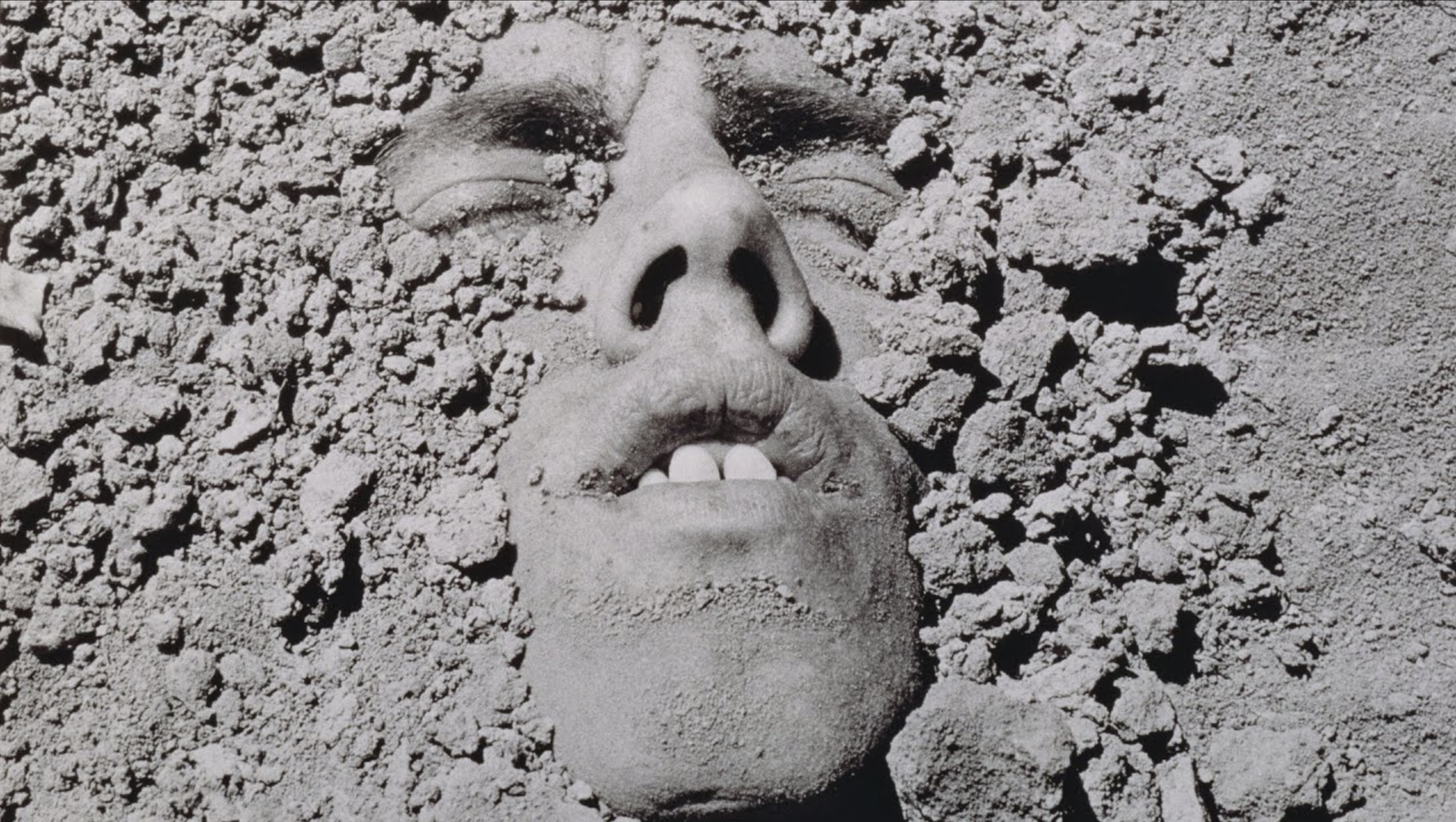
Even a straightforward documentary on the New York East Village visual artist David Wonjarowicz (pronounced VOY-nuh-ROH-vitch) would be thrilling, given the energy and the irreverence of his artworks especially during the AIDS epidemic from the 1980s to the 1990s. But director Chris McKim goes above and beyond, essentially imagining how Wojnarowicz would have directed his own film. McKim treats the movie like a collage in itself, expertly blending footage and sound together not just to capture the artist’s fury, but to remember how deeply he loved, transcending space and sickness. As an account of the underground New York art scene at the time, a profile on a supposed enfant terrible, and a tribute to all those who lost their lives to a disease accelerated by discrimination, Wojnarowicz is a beautiful, complex tapestry.
Fifi Howls from Happiness (2014)
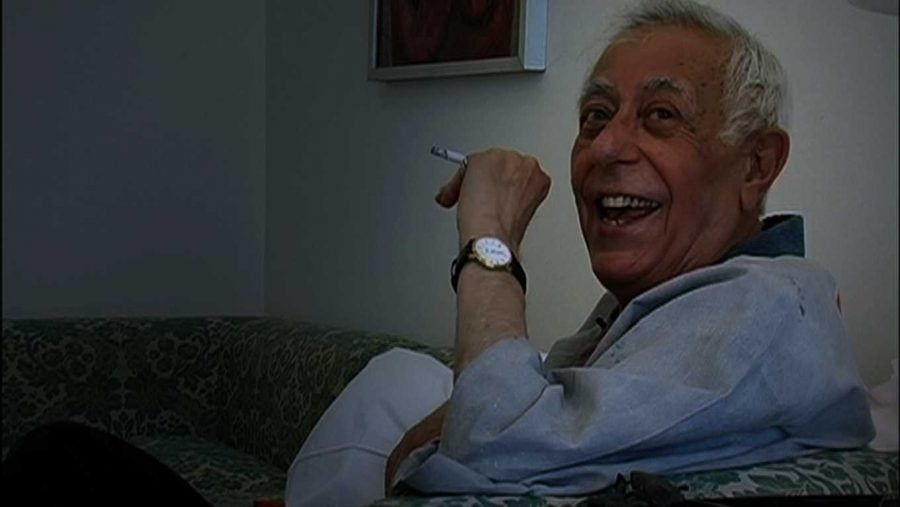
This incredible documentary is about the elusive Iranian artist Bahman Mohassess, whose work has the uniqueness of a Picasso or a Salvador Dalí.
But unlike his European counterparts, most of Mohassess’ work has been destroyed. Some in the aftermath of the Islamic Revolution in Iran but most, interestingly, by the artist himself.
After the revolution, he went into exile. For 40 years his whereabouts remained unknown — until an Iranian filmmaker based in Paris tracked him in a hotel in Rome.
Very early in the film, director Mitra Farahani points out that Mohassess died half an hour after one of their filming sessions.
The urgency of their conversations, the genius of Mohassess and his relationship to his art, and the uniqueness of the untold story of his life, all make this more than just another documentary. It’s a work of immeasurable historic value.

Mr. Bachmann and His Class (2021)
By remaining totally committed to its quiet, drama-free, observational style of documentary filmmaking, Mr. Bachmann and His Class ends up teaching us a whole lot about the way we view educational spaces and difficult students as well. While the titular German teacher is mainly there to teach language, the way he patiently handles disagreement and conflict—reorienting the immature or harmful beliefs they may have learned from home or from elsewhere—is truly inspiring to witness. We never see these home lives and the film’s director, Maria Speth, knows better than to romanticize anybody in this classroom. But over the film’s lengthy runtime, it really begins to feel like we get to know and understand each of these kids, and to root for their ability to change their views and become more open and appreciative towards one another.
Maidentrip (2013)
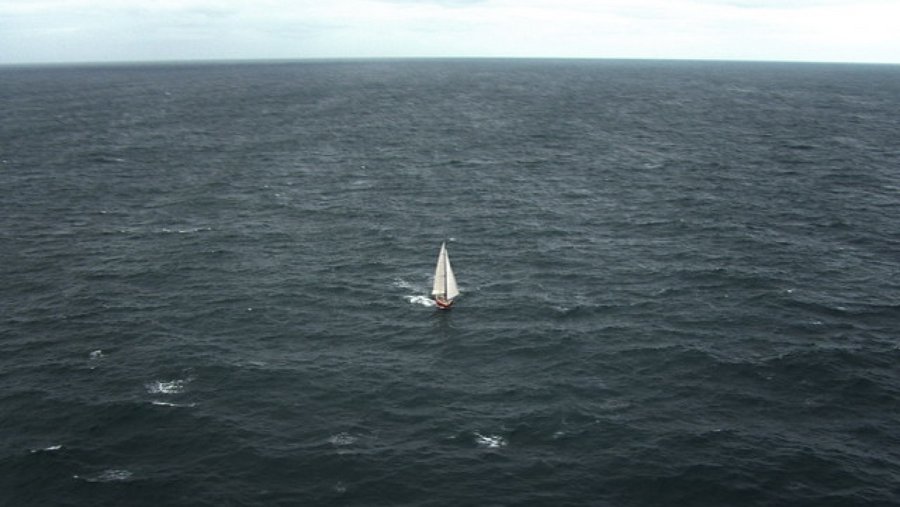
In 2010, Dutch 15-year old Laura Dekker set out on a mission to be the youngest person to sail solo around the world. Maidentrip is the beautiful and inspiring documentary film that tells her story as she took on this behemoth task.
The film lets you experience this adventure of a lifetime along with Laura, share at first in her loneliness at sea, and later in her desire to be left alone when surrounded by people. Documenting her thoughts and feelings during this voyage, Laura reveals herself to be wise beyond her years. Yet despite the magnitude of the task Laura has taken in, her teenager self still glows clearly with its distinct child-like quality – simply wanting to do what makes her happy – sailing and seeing the world. The sheer honesty in Laura’s narrative is what makes this story so extraordinary. You will accompany the young skipper against all odds as she follows her dream and in the process, lose and once again find her identity and sense of belonging. Maidentrip will leave you with an itch – an itch to travel, but more importantly, an itch to follow your dreams.

How to Change the World (2015)
How to Change the World is an insightful and candid documentary about the formation of Greenpeace in 1971 by a small group of environmentalists and activists in Vancouver, British Columbia. Beginning with their attempt to disrupt U.S. nuclear testing in Amchitka, Alaska, the film follows their subsequent efforts to thwart commercial whaling in the Pacific, their anti-sealing campaign in Newfoundland, and their ongoing efforts to defend the natural world against what they perceive as excessive human intervention and abuse. How to Change the World is as much a poignant tale of inspired activism as it is an interesting study of the organization’s early tribulations: idealism vs. anarchy, social movement vs. organizational structure (or lack thereof) and leadership vs. disunity. The voice of co-founder Robert Hunter (de facto leader of Greenpeace from inception) is heard posthumously throughout via narrator Barry Pepper, and it adds an impassioned air of gravitas to the film, detailing the many complexities Greenpeace experienced over the course of its early years of growth and development. A compelling and educational viewing experience.

Stop Making Sense (1984)
Widely regarded as one of the finest concert movies of all time, Stop Making Sense depicts musical innovators The Talking Heads at the height of their game. Directed by Jonathan Demme (The Silence of the Lambs, Philadelphia), and starring the eccentric and energetic David Byrne, the show is a marvel of perfectly executed choreography and mid-eighties musicality. Halfway through the set, one might think they’ve heard all of the hits, but they keep coming and coming. Before Beyonce was Queen, before Bieber was conceived, this film shows what is capable with a camera, a guitar, and some genius.
Pamela: A Love Story (2023)
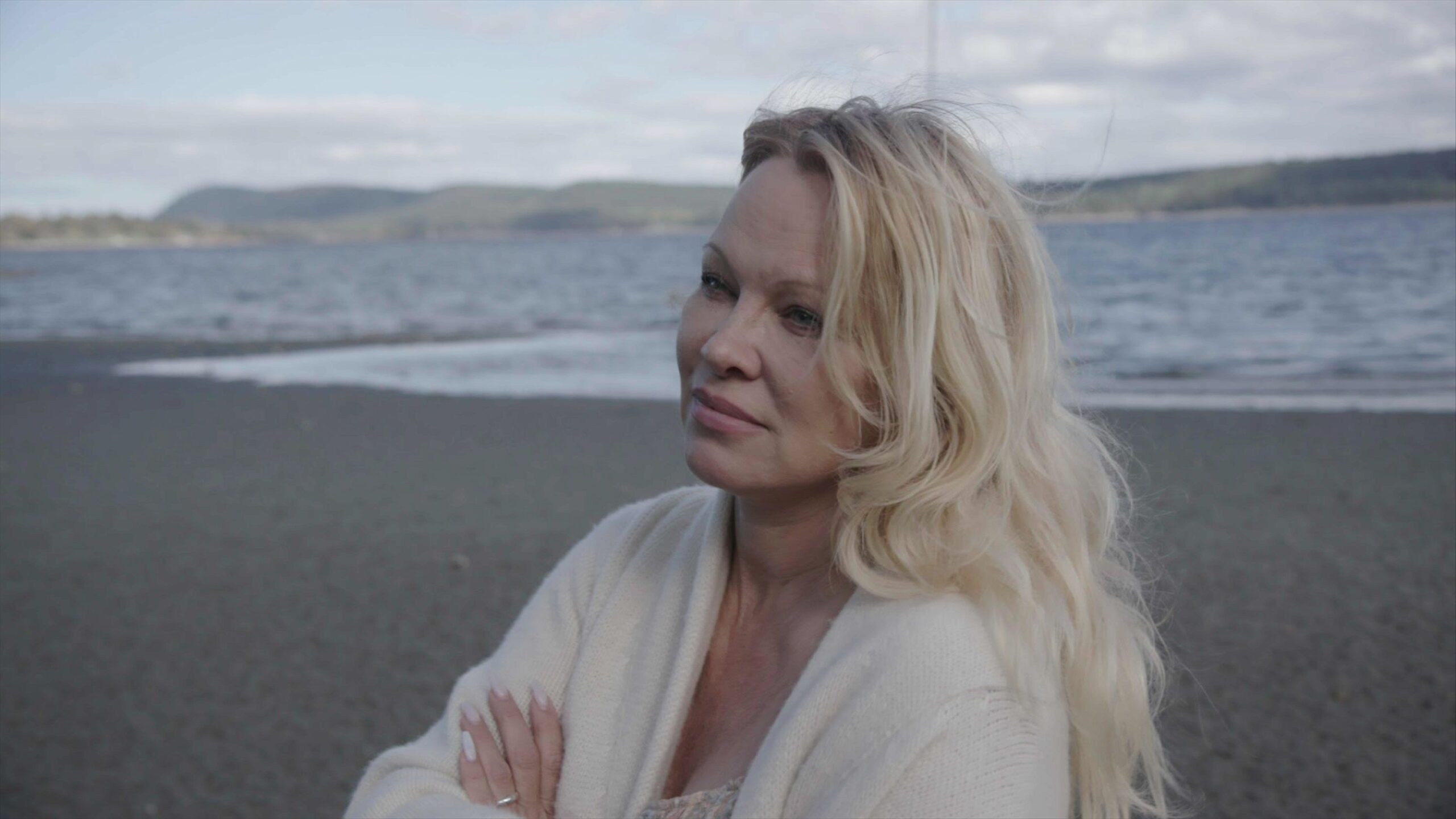
I love when a misunderstood woman reclaims her narrative with her own words, and that’s exactly what Pamela: A Love Story is too, a tell-all documentary told by Pamela Anderson herself.
The documentary bares it all—the scandalous sex tape, Anderson’s troubled past, the disgusting misogyny that continues to tarnish her career. She even touches on the Hulu miniseries made about her demise (which Netflix must feel so smug about). But this isn’t a pity party. Just the opposite, the documentary is a testament to resilience. “My life is not a woe-is-me story,” Anderson says at one point, and truly, this is an inspiring and humanizing story about a woman taking charge of her own life. An absolute must-see.

The Great Buster: A Celebration (2018)
In his last film, American Serb film historian Peter Bogdanovich celebrates silver screen legend Buster Keaton. The subject alone is compelling to watch. It would be easy to pull clips from Keaton’s works, dig through the headlines, pull in some celebrity interviews, and call it a day. However, in Bogdanovich’s hands, this documentary handles Keaton with respect. Instead of focusing on the scandals, Bogdanovich focuses on Keaton’s brilliant work. Instead of reciting facts, Bogdanovich highlights how his bits influenced film today. Excellent editing – cuts, structure, and scoring – helps us glide through Keaton’s work. The film truly understands Keaton’s life and exactly why he’s brilliant. Comprehensive yet very focused, this documentary honestly feels better than film school.
Film, The Living Record of Our Memory (2023)
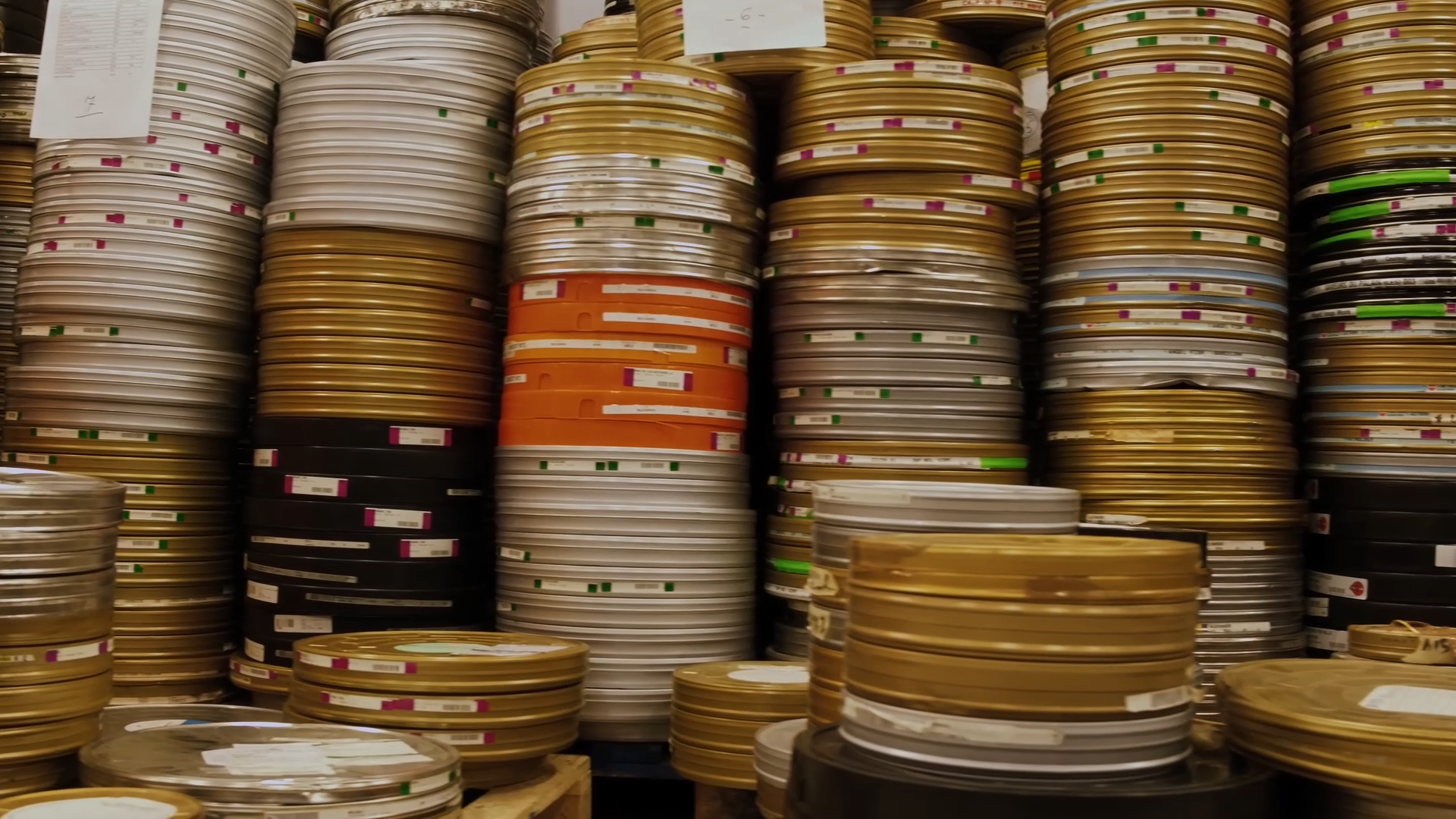
It’s impossible not to be moved by this passionate love letter to the medium of film and its singular abilities to witness, commemorate, connect, educate, and, yes, entertain. The Living Record is more than that, though: it’s also an urgent clarion call for better support of the infrastructure and people who preserve and restore the celluloid reels that contain so much of our history.
In two hours, it packs in a lot — perhaps even too much, because there is so much fascinating material here that it’s almost overwhelming to take it in all at once. The doc draws on a sweeping line-up of contributors who collectively illuminate every facet of the need for preservation and restoration, from archivists to filmmakers like Jonas Mekas, Ken Loach, and Costa-Gavras. Its scope is just as commendably exhaustive, featuring nuanced discussions of the dangers politics poses to preservation efforts, as well as the particular need for archives in formerly colonized countries to prevent “cultural amnesia.” Despite all the challenges it highlights, its tone isn’t hopeless, as the film draws strength from the tireless efforts of archivists and cinematic saviors like Martin Scorsese. It’s impossible to watch this and not come away affirmed or converted into similarly passionate champions of preservation.
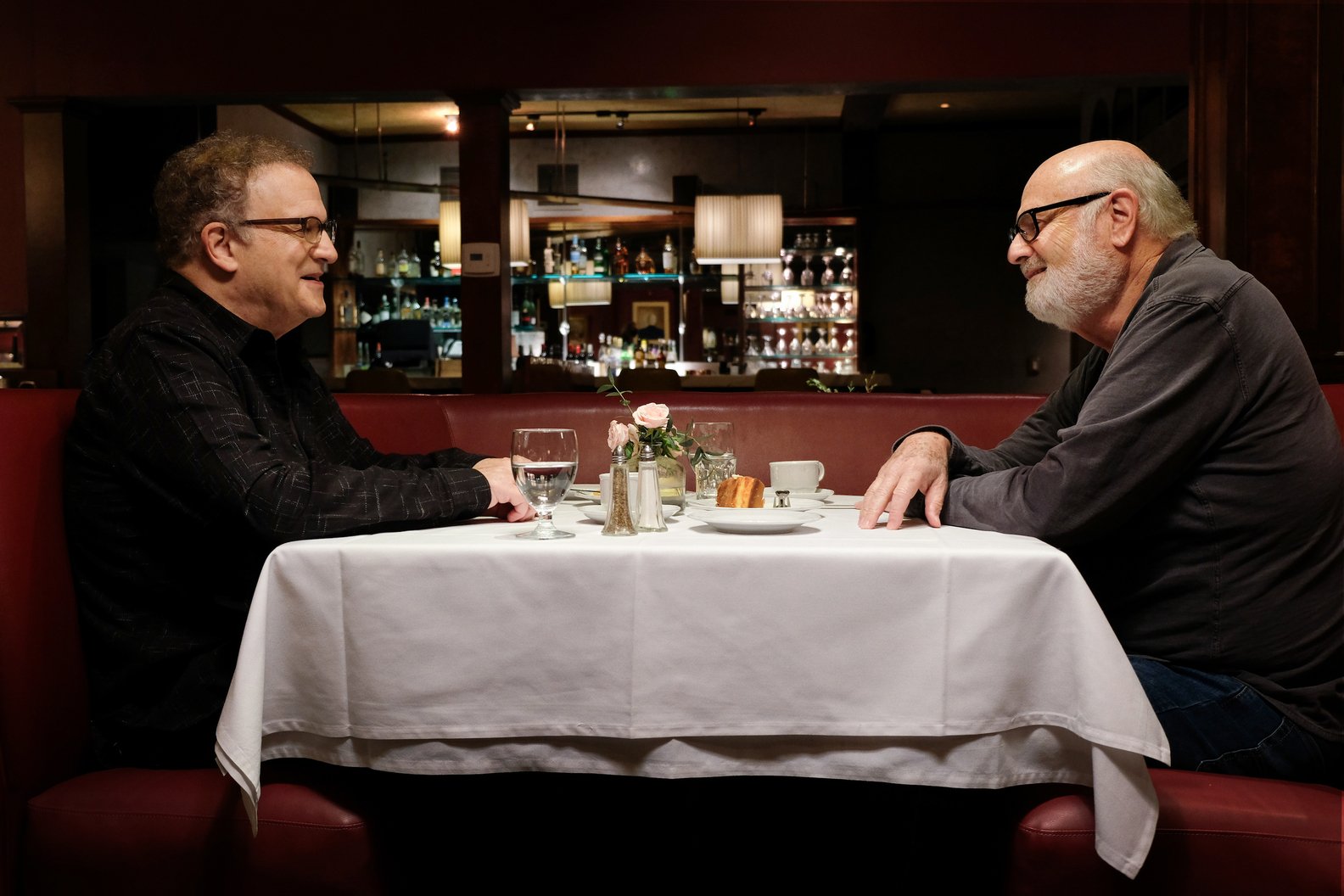
Albert Brooks: Defending My Life (2023)
This charming documentary about one of the most brilliant, groundbreaking comedians alive strikes a delicate balance between accessible and deeply appreciative, making it both a great gateway for those yet to be uninitiated into the Albert Brooks fan club and a satisfying retrospective for us confirmed devotees. It’s directed and fronted by Rob Reiner, celebrated director himself and one of Albert Brooks’ oldest friends, and the choice is perfect: his rapport with Brooks is warm and easy, extracting real sincerity from the famously deadpan comedian-writer-actor-director.
Defending My Life features plenty of talking heads gushing about Brooks’ dazzling multi-hyphenate talents (among them Steven Spielberg and Sharon Stone), a standard convention for documentaries of this kind. But what elevates this into a portrait worthy of its subject are the scenes from a dinner shared by Brooks and Reiner, during which the former opens up about his childhood, reflects on his career, and divulges the autobiographical elements that informed his work. Their tete-a-tete flows with all the unforced rhythm of conversation between good friends; Reiner’s presence coaxes illuminating insight from Brooks, which makes watching the documentary feel as close to pulling up a seat at their table as you’d hope for. The 90 minutes just fly by.
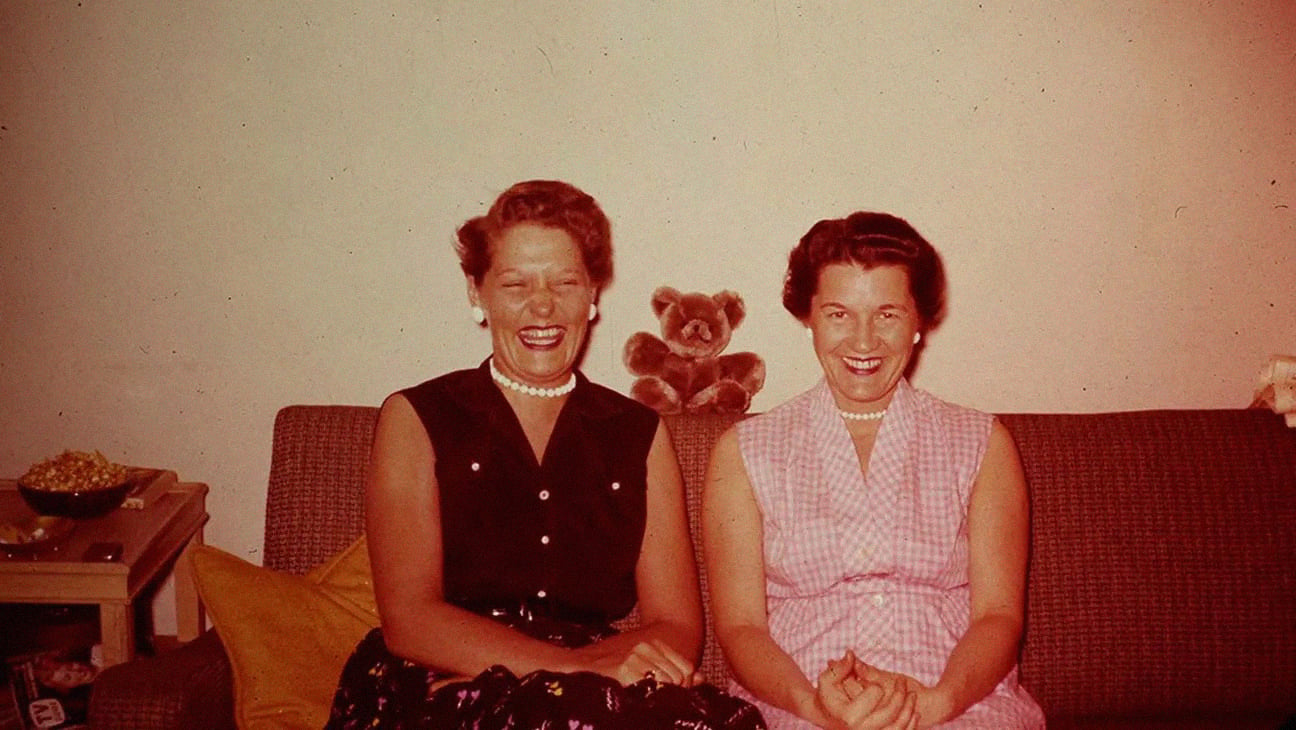
A Secret Love (2020)
Even when it necessarily tackles the difficulties that are part and parcel of same-sex love in the 20th century, there’s something pleasant about the way A Secret Love is told. The documentary puts Terry and Pat’s love above all else, so even though we hear about how they had to tear the bottom pages of their letters to avoid getting caught, or how they had to split from close family members after coming out, things never feel too heavy or dire because at the end of the day, they’re still together, their decades-old companionship a beautiful example of how love wins. And aside from giving us an intimate look at this rare win for elderly closeted couples, A Secret Love serves as an insightful portrait of elderly life. Terry and Pat, with their perseverance and unyielding support, make aging look beautiful rather than scary.

The 100 Years Show
This is a half-hour documentary about Cuban-American artist Carmen Herrera. She is one of the oldest artists working today, close to being 100 years old.
Her story is fascinating because she only became successful in her 80s, although she never stopped working her whole life. There are many reasons as to why her work went unnoticed for so long and they’re all examined here. But the best thing about this movie is Herrera’s outlook on life and what drives her every day.

Still: A Michael J. Fox Movie (2023)
There’s a scene early in the documentary when present-day Michael J. Fox, who famously suffers from Parkinson’s Disease, swaggers along a street and greets a fan, only to stumble at that very moment and have people surround him with concern. Instead of giving into their pity or pretending nothing happened, he cooly tells the fan, “It was so nice meeting you, you knocked me off of my feet!”
This brief moment tells you all you need to know about the ‘80s icon—Fox refuses to be a victim. Still is his brilliant and admirable attempt at telling his well-known story on his own terms. It covers everything from his childhood and early work in Hollywood to his life-changing roles in Family Ties, Teen Wolf, and most memorably, Back to the Future. It also sheds light on Fox’s life as a husband, father, and Parkinson’s sufferer. Director Davis Guggenheim (An Inconvenient Truth) does a genius job of using faceless reenactments and cuts from films and TV shows to accompany Fox’s narration, which pumps the film with a dynamism that matches Fox’s resilient spirit.
Urgent, clever, and exciting, Still is one of the rare celebrity biographies that serves a higher purpose than just recounting a famous person’s life. Anyone who understands the importance of constantly moving and evolving will appreciate this film’s existence.
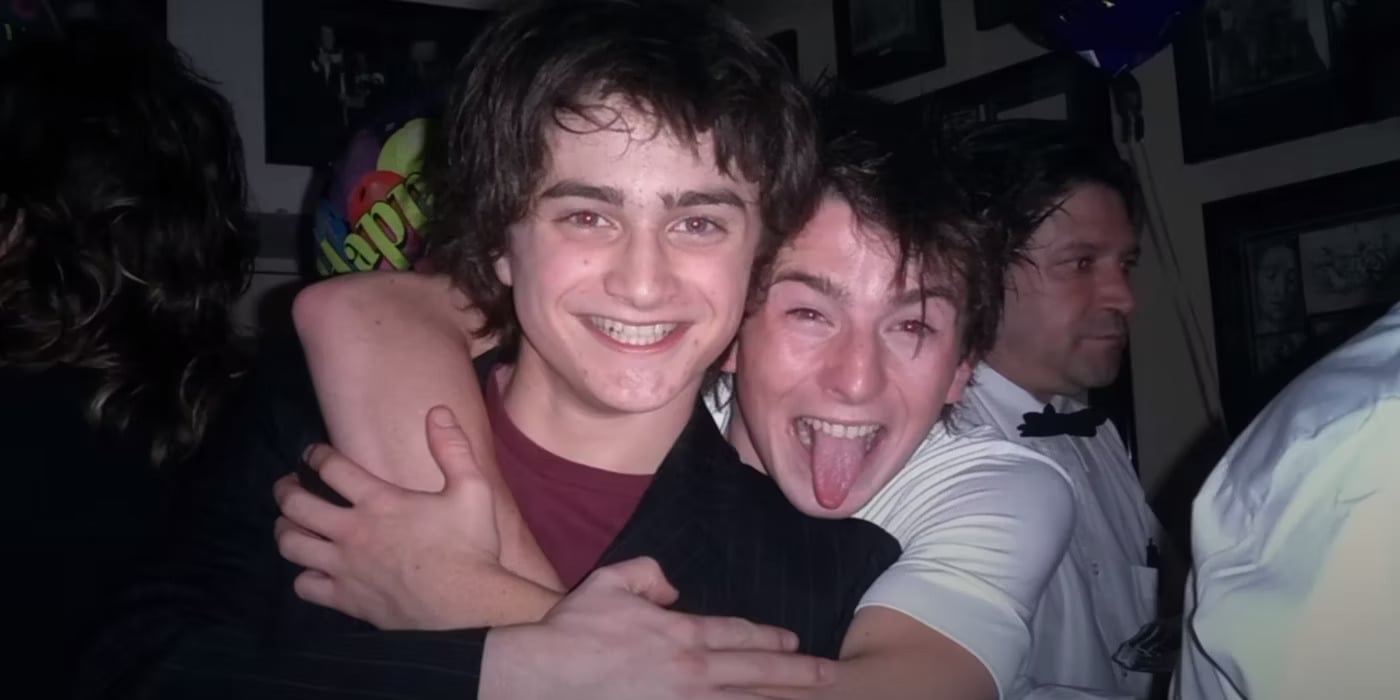
David Holmes: The Boy Who Lived (2023)
The Harry Potter movies undoubtedly changed the lives of its young stars forever — but a stuntman whose future the films had more tragic consequences for is the deserved focus of this moving documentary. David Holmes was just 17 when he was hired as Daniel Radcliffe’s stunt double, a role he held throughout the series. The two formed a close brotherly bond on set, growing up alongside one another for 10 years until a terrible accident during the final movie’s filming left him paralyzed from the chest down, a condition that has deteriorated over the years following post-surgery complications.
This doc is an inspiring portrait of David, from his fearless childhood and dream-fulfilling work to the incredible resilience he’s shown since the accident. It’s also, though, a poignant testament to the loving, supportive community that Holmes inspired at work — friendships that only reached greater depths following the accident and the end of the movies. The doc’s focus empathetically expands from Holmes’ story to include its impact on his bond with Radcliffe (who features prominently here) and Holmes’ fellow stunt doubles — and, while the sheer force of Holmes’ personality would make for a compelling documentary on its own, it’s the tenderness and honesty that all of these participants show that makes this so poignant.
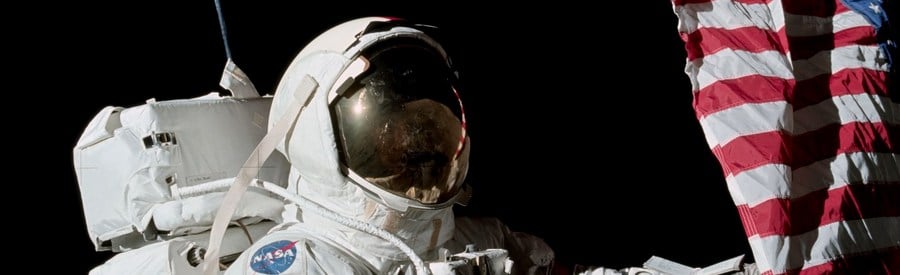
The Last Man on the Moon (2016)
The Last Man on the Moon is a documentary about astronaut Eugene Cernan, Commander of the Apollo 17 lunar landing mission in 1972. Chronicled by Cernan himself as he reminisces on his life, the film follows his early career with the Navy, his recruitment and training as an astronaut, and his participation in 3 trips to space: Gemini 9A, Apollo 10 and eventually Apollo 17—the last of NASA’s six expeditions to the Moon. Cern also delves heartfully into his loss of friends as well as his regretfulness for missing out on so much family time while away. It’s a poignant and inspiring account, with Cern providing a fine lesson in the confidence and diligence in takes to pursue and accomplish one’s dreams
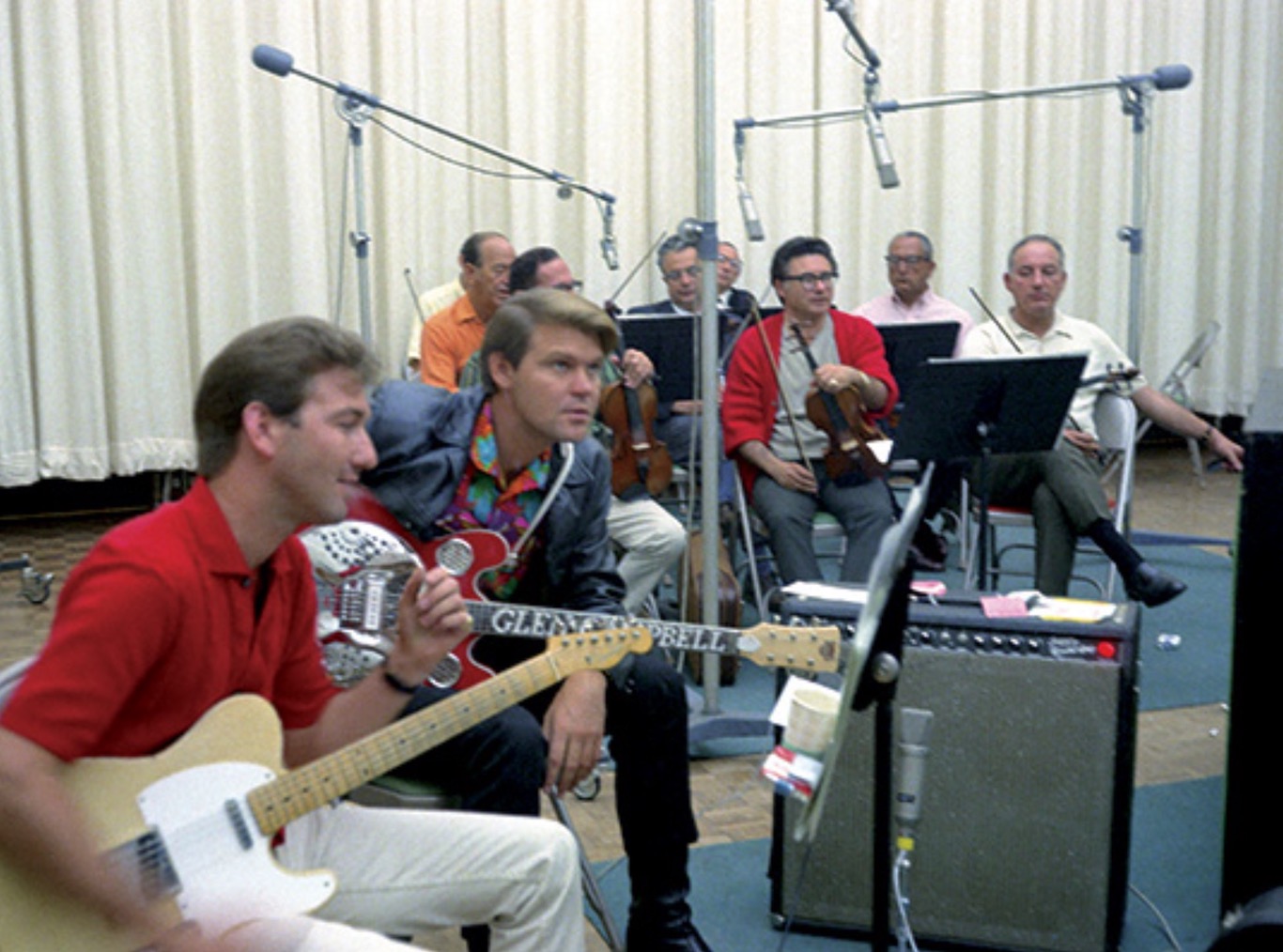
The Wrecking Crew (2008)
Similar in spirit and in subject matter to the Oscar-winning documentary 20 Feet from Stardom, The Wrecking Crew pulls back the curtain on the recording of many of the greatest American songs of the 1960s and ’70s: that a single group of unassuming session musicians were responsible for bringing out the sound in these tracks. The film is a treasure trove for musicians and music fans, making you hear certain instrumental nuances in a different light and deepening your perception of music between what was written and what was recorded. Then inevitably and tragically, the realization sets in that few—if any—of these musicians have received the recognition they truly deserve, as essential but unfairly small parts of a music industry ecosystem that often cares more about image and entertainment than musicianship.

Science Fair (2018)
Science Fair is simultaneously a feel-good documentary and a feel-bad one: while inspiring and reassuring for all the brilliant young minds it spotlights, it also has the potential to make your own life accomplishments look paltry in comparison. The former effect is the strongest, though — because you can’t watch high schoolers as young as 14 present pioneering, disease-curing research and inventions and not feel like the future is in good hands.
Science Fair is light on the actual science, which makes it an accessible watch and prevents the film’s focus from mimicking the cutthroat nature of ISEF, the international competition it follows. With a grand prize of $75k and lots of college application-boosting medals up for grabs, the competition amongst the kids is fierce, but Science Fair instead takes an empathetic, celebratory approach so that all of the kids feel like deserved winners. That’s especially true of the more disadvantaged teens: though the competition itself might not take into account all the hurdles they’ve had to overcome even just to get in the room, this compassionate doc definitely does. Even if the science is all Greek to you, it’s impossible not to appreciate and be moved by the determination and resilience of these kids.

In Our Water (1982)
You know that the people you choose to follow for a documentary are great characters when the film itself can survive as straightforward coverage of their actions, no fancy directorial flourishes needed. But this is not to downplay what director Meg Switzgable does. In fact, her dedication to sticking by Frank Kaler and the other citizens of South Brunswick on the ground—and therefore capturing them as three-dimensional, inspirational human beings—is arguably the core value that all documentarians should possess. This also means that the access Switzgable has to this issue of government negligence is obstructed by the same red tape Kaler encounters, making the film (already just an hour long) feel too short. Still, a modest documentary like this shouldn’t feel this thrilling. And by the end, all these New Jersey residents look like rock stars.
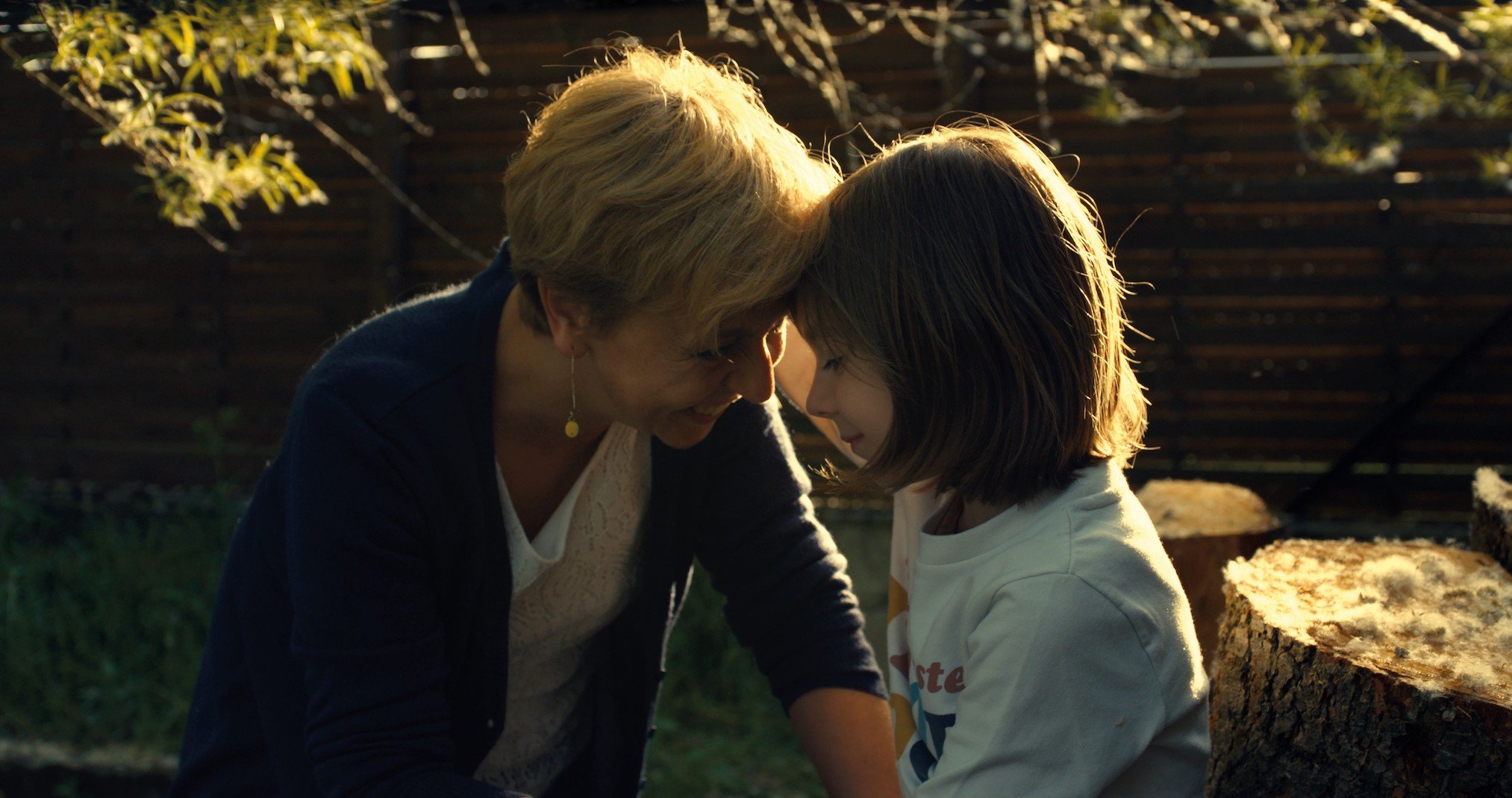
Little Girl (2020)
It would be understandable if it only occurs to you midway through that Little Girl isn’t actually a narrative feature but a gorgeously made documentary. Director Sébastien Lifshitz approaches his main character of Sasha not just with respect and empathy for her identity, but with a dedication to bring out the euphoria of feeling comfortable in one’s skin. As a result, Lifshitz seems to intentionally avoid any and all scenes where Sasha may face discrimination (especially at school), but even if this choice occasionally make the material feel thin, getting to see Sasha gradually learning to express herself more—or even just just seeing her enjoy a quiet moment on her own—is more precious than anything.

Come See Me in the Good Light (2025)
Come See Me in the Good Light takes a somewhat conventional approach in documenting poet Andrea Gibson’s battle against cancer, though that doesn’t mean it’s boring. It works because of the people this documentary follows. It won’t be surprising to hear that Gibson and their partner Megan Falley have the precise words to express this journey– They are poets, after all– but the way each conversation is arranged builds upon each other, easily capturing the context for some of Gibson’s works, as well as how their love transformed the both of them, in spite of all odds. Come See Me in the Good Light does exactly what it says in the title, transforming a familiar battle with illness into an uplifting inspiration of a life well lived.
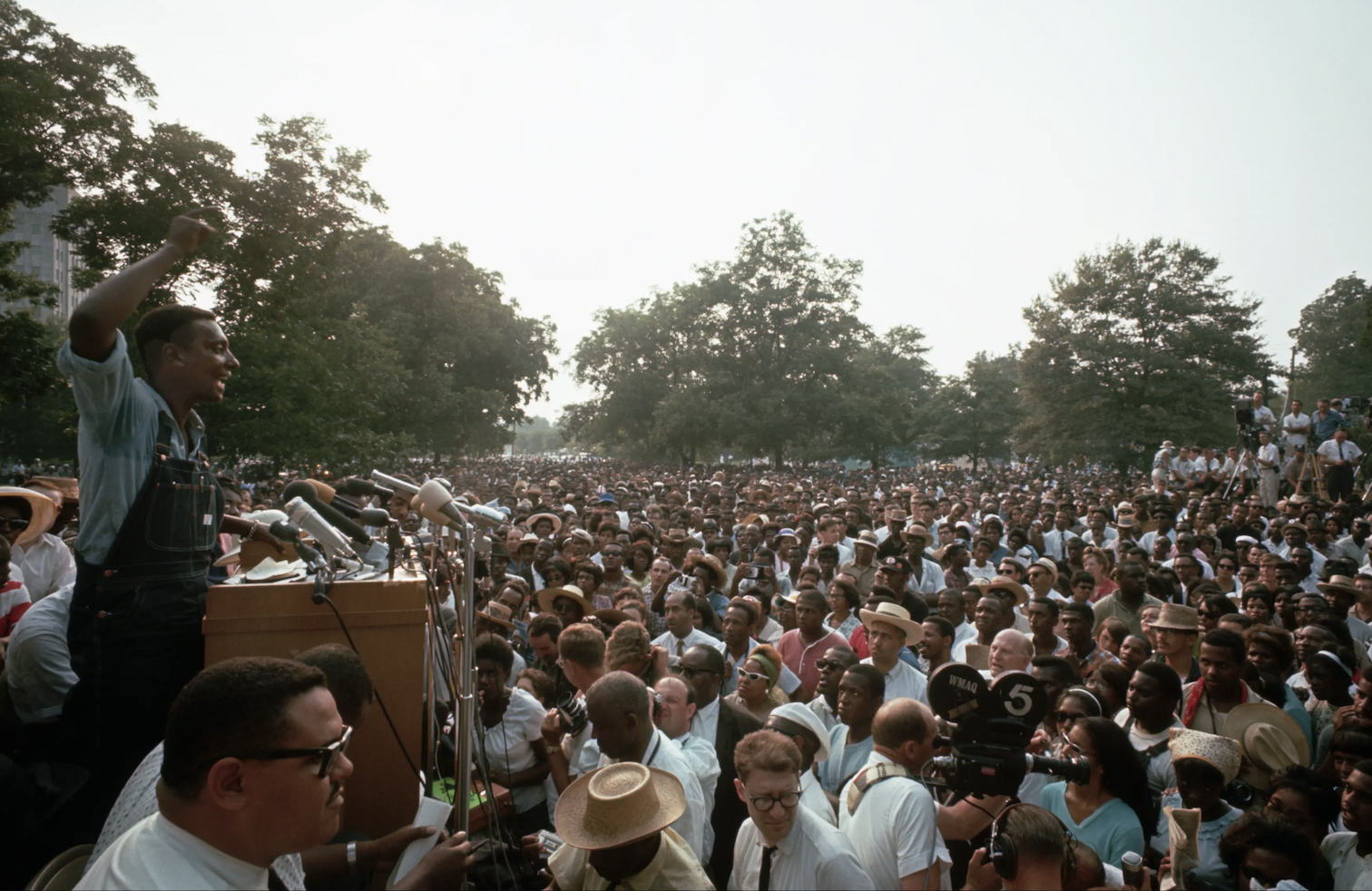
Lowndes County and the Road to Black Power (2022)
By retelling a vital chapter of the civil rights movement from the perspective of an entire community—and not just through individual prominent figures—Lowndes County and the Road to Black Power emphasizes the need for collective action, and what it really means to fight for equal rights. And through highly articulate interviewees who’ve all maintained a clear, analytical understanding of the different philosophies driving the movement forward, the documentary also becomes uncommonly optimistic, energetic, and good-humored about this continuing fight. This is history not as an artifact but as a living thing, still present in the everyday and still great fun to learn about.
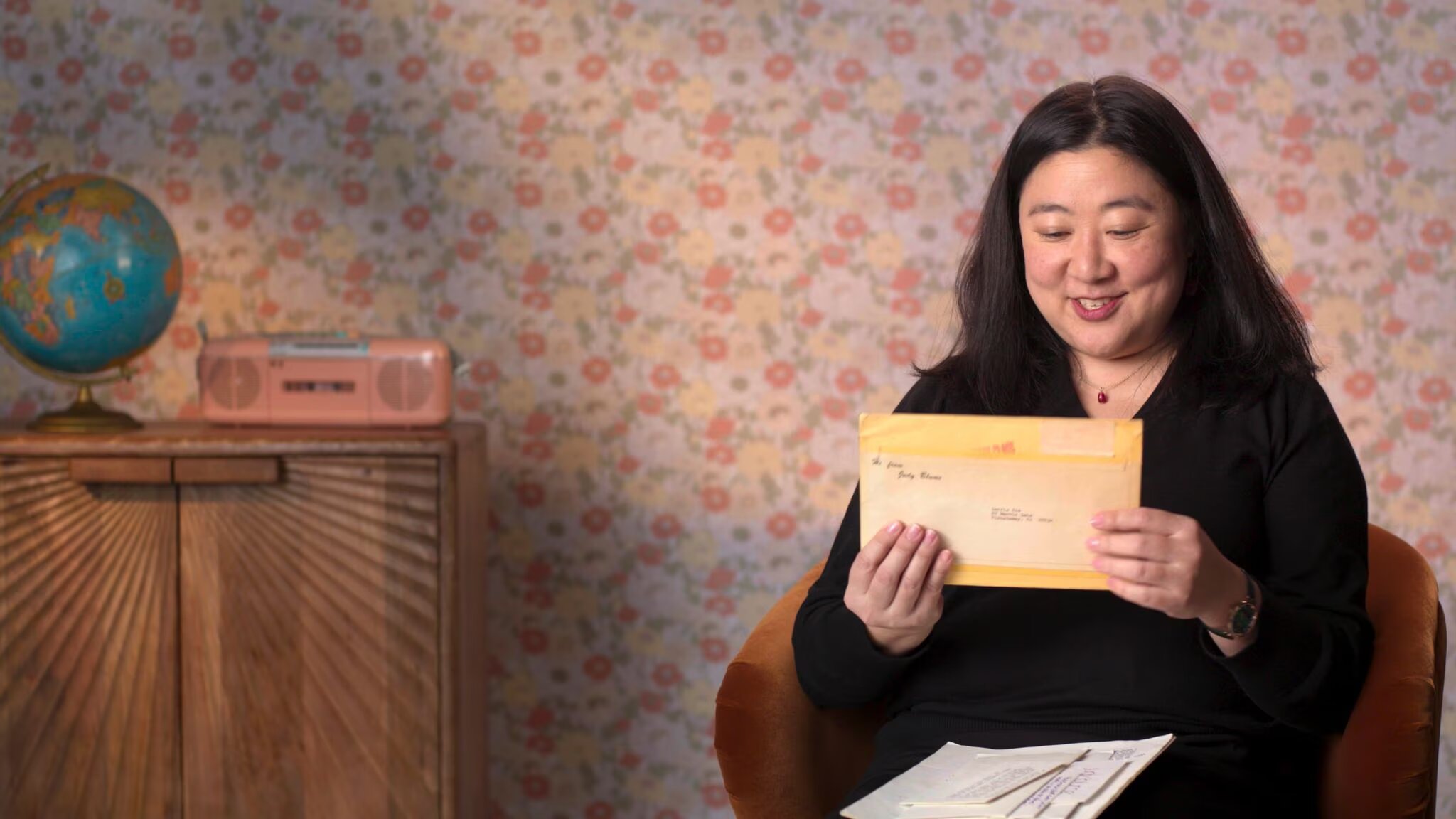
Judy Blume Forever (2023)
Judy Blume, the author behind enduring classics like Are You There God? It’s Me, Margaret, Superfudge, and Forever, gifts us with her comforting presence and precise insight in Judy Blume Forever, a delightful documentary about a delightful woman.
Here, Blume looks back and lets us in on the eventful private life that inspired her prolific work life. Each book has a behind-the-scenes story, which the documentary pairs with commentary from well-known fans like Molly Ringwald, Lena Dunham, and Samantha Bee. Additionally (and most memorably), the documentary also features the years-old correspondence Blume has kept with the children who wrote and confided in her. Whether or not you’ve read her work, watching this film is a heartwarming experience that will soon have you grabbing the nearest Blume classic.

Lucy and Desi (2022)
Saying that the program I Love Lucy paved the way for television would be an understatement. Lucille Ball inspired a generation of female comedians, Desi Arnez blazed a trail for Latinos making it in America, and the show that they starred in broke records upon records, redefining what sitcoms could be at a time when no one took them seriously.
Millions tuned into their love story as Lucy and Rick, but their real-life relationship as Lucy and Desi was just as compelling. It was complicated by jealousy, race, gender, and class, but it was also solidly grounded in true, enduring love. This documentary, directed by Amy Poehler, does well to tell us the couple’s truth without sensationalizing it. Instead of blowing things out of gossipy proportions, she zeroes in on the messy facts and weaves them into a nuanced, enlightening tale about marriage, celebrity, and fame. Thanks to Poehler, the story about Lucy and Desi is just as riveting as their legendary show.

Be Water (2020)
As the face of kung fu, a sports documentary on Bruce Lee is practically expected for ESPN’s 30 for 30 series. So many of them have been produced since the actor’s death in 1973. However, in Be Water, director Bao Nguyen captures the icon not through his works, but through his philosophy. Starting with his first screen test, the camera rarely strays from him, keeping us hooked on his magnetic presence even during voice-overs of interviews from his friends and family. This, mixed with readings of letters he’s written, reveals a man whose self-discipline and attitude power through obstacles against him. The film only diverts its attention to identifying those obstacles, but it only better proves the actor’s strength. In martial arts and in film, Be Water respects Lee as a force of nature– the rare force that broke barriers and bridged the gap between East and West.

Spellbound (2002)
There’s a natural competitive thrill to this chronicle of the 1999 Scripps National Spelling Bee and eight of its bright young participants, but Spellbound has more than an edge-of-your-seat pull going for it. For one, there’s its holistic approach to profiling the competitors: director Jeffrey Blitz makes this as much a portrait of the village that raises these kids by interviewing their proud families and supportive communities. We get intimate snapshots of each of their disparate young lives, which together represent a cross-section of American society: from Angela — the self-taught daughter of Mexican ranchers who don’t speak English — to Neil, whose parents employ an army of tutors to prepare him for the oncoming “war.”
Spellbound ultimately sees the good in everyone — even the pushiest parents — and charitably foregrounds the obvious love and pride they all have for their kid geniuses, no matter what happens. What’s even more impressive, though, is the inspiring resilience and emotional intelligence of the young competitors themselves, some of whom have transcended deeply entrenched social inequalities to earn their place in the contest. Even those who don’t have a stirring backstory are nonetheless compelling characters (see: the delightful Harry), making Spellbound an alternately emotional, funny, and always gripping watch.
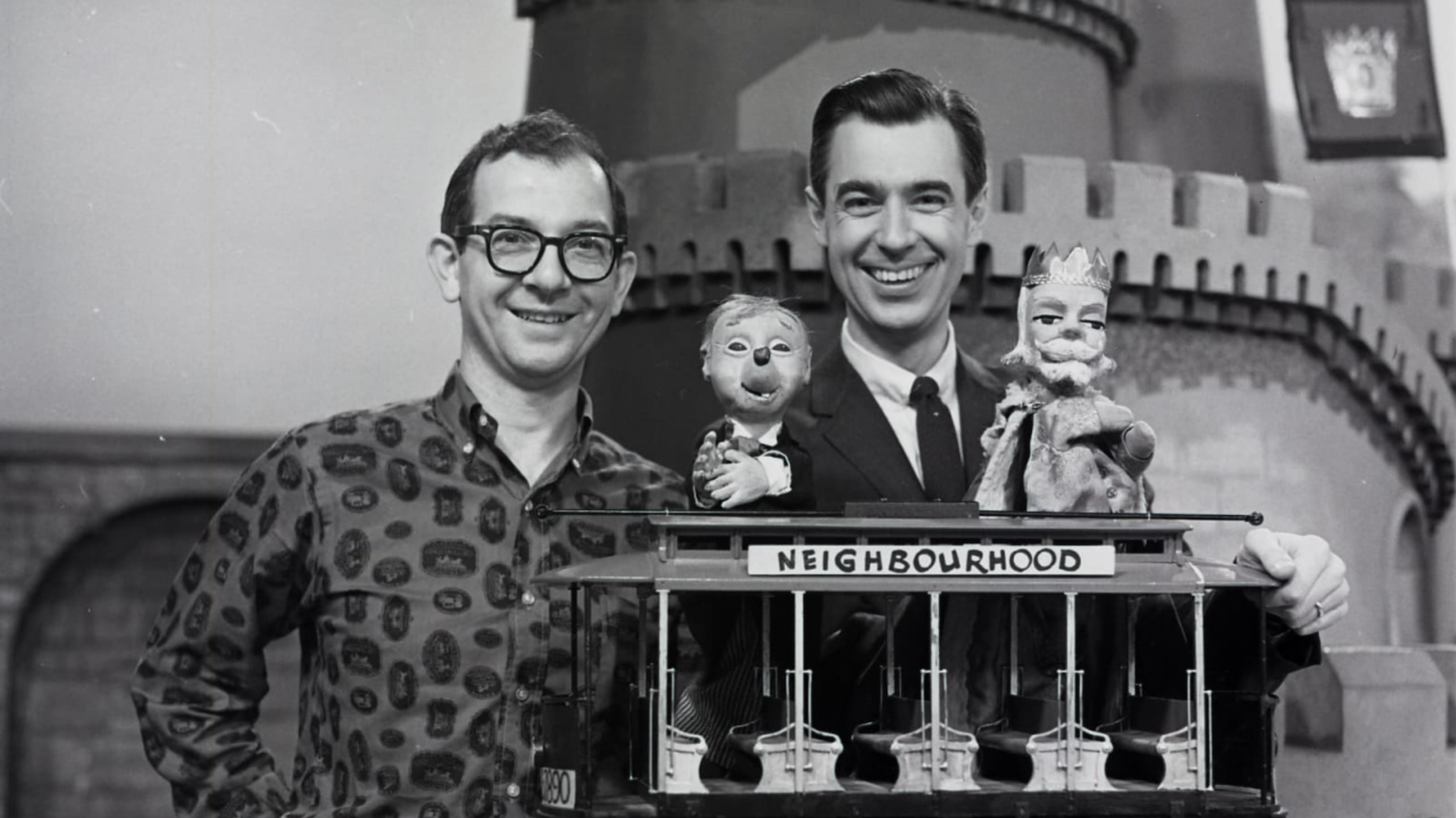
Mr. Dress-Up: The Magic of Make Believe (2023)
Just like with his mentor and contemporary, Fred Rogers, there are no dark secrets to Ernest Coombs’ earnest belief in giving children the space to be gentle and creative. Even with relatively little “drama” throughout the life of the man called Mr. Dressup, it’s still profoundly moving to see him put in the work to make the world a kinder place. Director Robert McCallum keeps this documentary exactly as straightforward as it needs to be, moving through Coombs’s life with total reverence but plenty of modesty—making sure not to inflate the idea of Mr. Dressup into something Coombs himself would have disagreed with.
In its act of honoring this person with an everyman personality and a trunk full of quaint costumes, the film also serves as a tribute to low budget educational television. Working within a very small studio, with simple puppets and no strict script to follow, Coombs and his friends found any way possible to stick to their original idea of teaching very young kids that being kind and communicating one’s feelings clearly were the best things one could achieve. Behind Mr. Dressup’s softness is a remarkable work ethic, a deep respect for children, and a commitment to thoughtful, universal values.
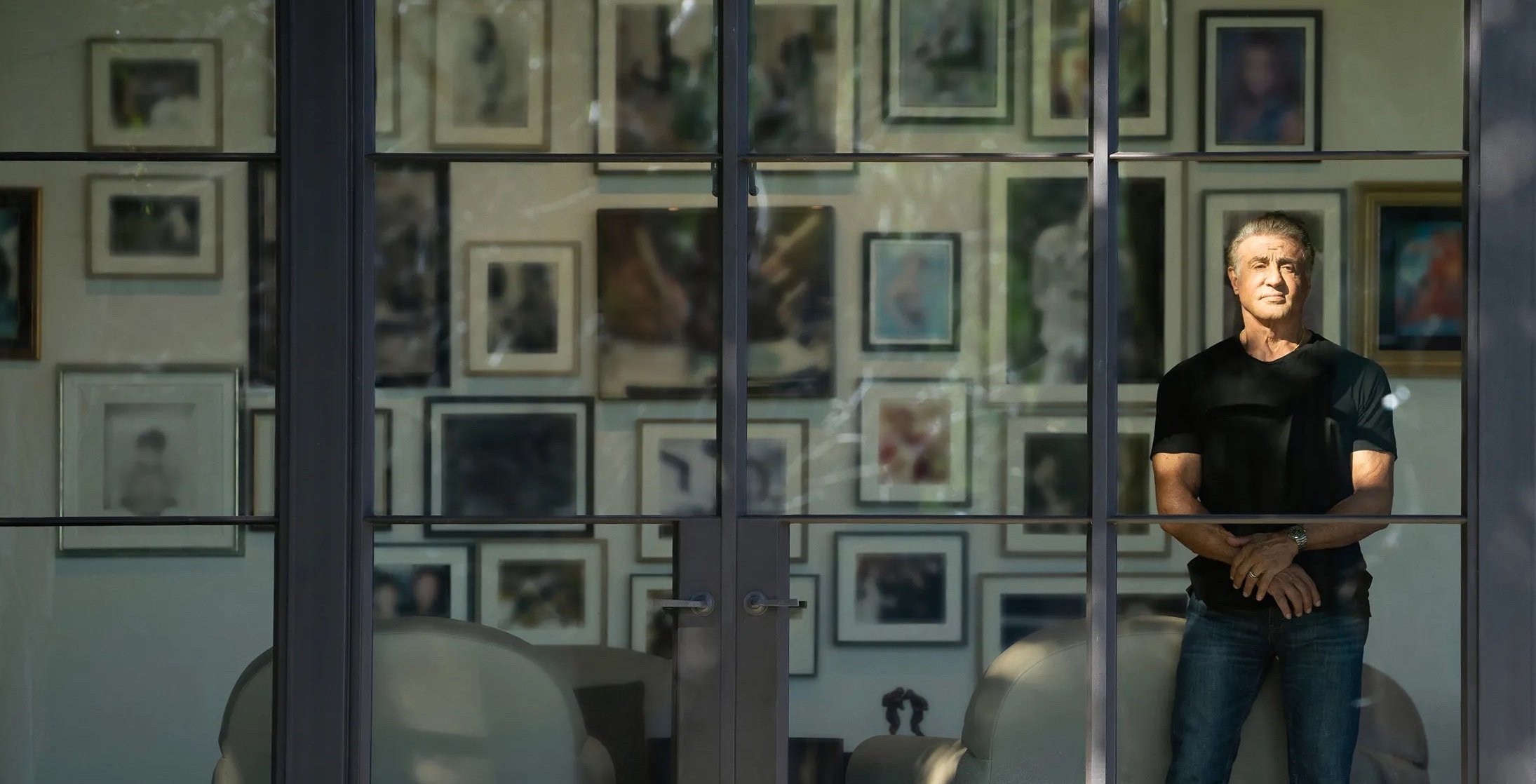
Sly (2023)
The mythology surrounding Sylvester Stallone: the action hero is so big and successful that many people, including myself, often forget about Sylvester Stallone: the prolific writer. He failed to bag roles as a young actor in the 1970s, so he whipped out a script (in a span of three days!) that became the iconic film Rocky. Later on, after witnessing the power of elderly entertainers, Stallone rewrote a screenplay that would become the ongoing franchise The Expendables. He’s a hunk in many people’s eyes, nothing more and nothing less, but Sly successfully steers you away from that one-dimensional reputation and reintroduces you to the dramatist and artist Stallone has been all along. The film begins as an immigrant story (Stallone hails from Italy), then turns into a rags-to-riches story (he grew up in a tough New York neighborhood without formal education) before finally transforming into an honest and earnest meditation on superstardom and artistry. Going in, I was wary that this would be just another puff piece on a Hollywood has-been. And while it does have its fair share of schmaltz, I now believe it’s a well-deserved and long overdue ode to Stallone’s unwavering commitment to the power of movies.

City Hall (2020)
From the sheer size of Frederick Wiseman’s documentaries (both in length and scope), it should be clear that his goal isn’t necessarily to have us retain every piece of information he gives us in all of this film’s board meetings and press conferences. This is a film interested in the macro view of how a city works, and Wiseman’s attention to detail even in his old age (he’s 94 at the time of writing this) is truly inspiring for any aspiring documentarian. City Hall doesn’t necessarily tell us anything we might not already know about the coordination between a local government unit and its constituents and citizens, but Wiseman gets us to think of the grand design of it all—which is both wondrous and horrifying to behold.
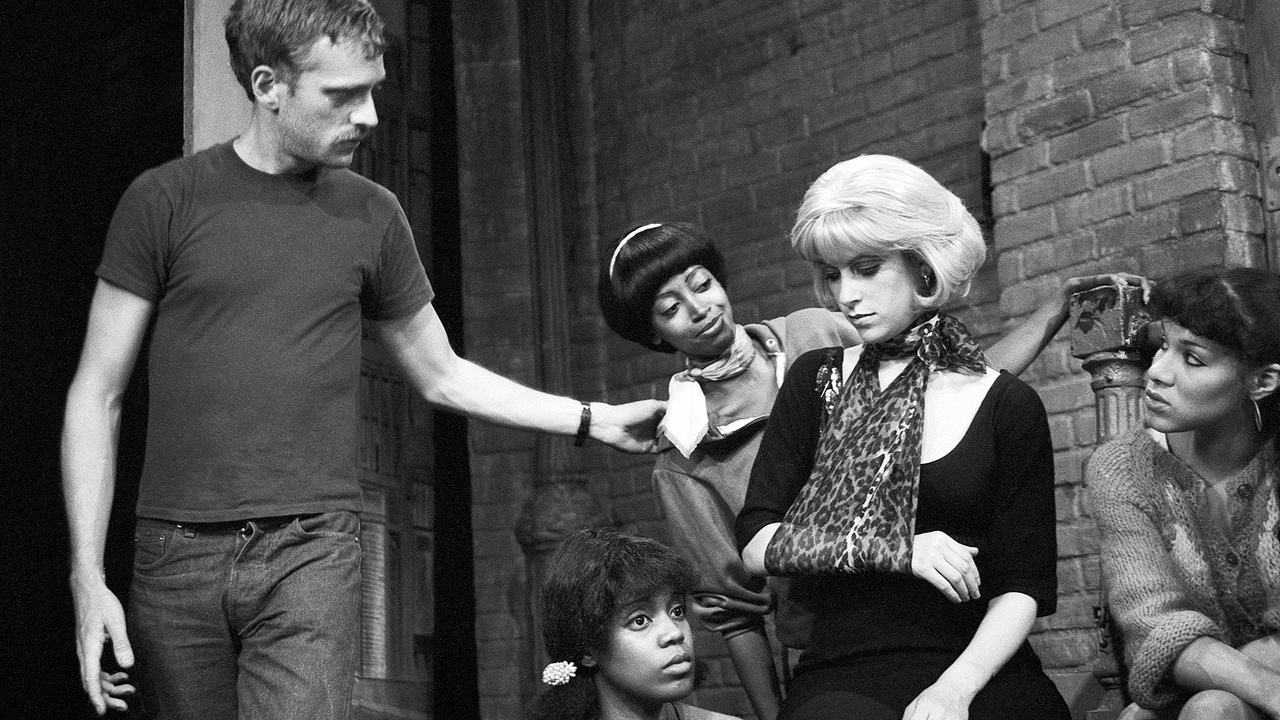
Howard (2018)
Howard Ashman was at the peak of his career—fresh off Little Mermaid’s sweeping win at the Grammys and Oscars, and concocting the iconic songs that would make up Aladdin and Beauty and the Beast—when he died of AIDS at 40. But even at that relatively young age, Ashman already had a lifetime’s worth of work to show. Howard, the documentary, gives us a glimpse into Howard’s inner and early life, starting with his fanciful and imaginative childhood, all the way down to his formative college years, his foundational work in “off, off” Broadway, and the breakout success of The Little Shop of Horrors the Musical. Disney isn’t the whole picture, the documentary rightfully proclaims, so in between the abovementioned highlights, director Don Hahn inserts pockets of heartwarming anecdotes from Howard’s friends and family, and some of Howard’s own wise words from interview snippets. It’s clear Hahn was a good friend of Ashman, since the documentary often feels like a warm get-together of the people who knew and loved Ashman best.

TINA (2021)
A music documentary with its star as one of its main talking heads runs the risk of coming off like cheap PR, but Tina Turner’s own articulate insights never restrict this retrospective on her life. If anything, she assists directors Dan Lindsay and TJ Martin in expanding the film’s scope to cover the origins of rock music and the struggles of so many women in the public eye who only ever seem to be defined according to their abusers. Even if Tina is still ultimately a conventional doc that relies on interviews and archival footage, it has a strong emotional core that gives the film a relatively unique psychological edge.

20 Feet from Stardom (2013)
For the background singers featured in 20 Feet from Stardom, music is a vocation. It is not merely an occupation or a pastime; it is a way of life, a “higher calling,” as the legendary Lisa Fischer would say. For 90 minutes, director Morgan Neville superbly maps out the development of back-up singing in the US throughout the decades, exploring its deep connection with African-American culture and women’s history. It’s fun to finally put names and faces on the oohs and aahs we hear on records aplenty, but the film always finds its grounding on the singers’ own unique voices, where its true soul lies.

Janis: Little Girl Blue (2015)
Amy Berg’s documentary offers an insightful account of one of the most revered and iconic rock and roll singers of all-time, from her musical rise in the 1960s to her battle with alcohol and heroin addiction. Janis Joplin’s independent spirit and sense of not fitting in are meticulously presented in the film through archival footage, rare personal letters, and interviews with her school friends, family members, and fellow musicians. Powerfully narrated by musician Cat Power, Janis: Little Girl Blue presents a profoundly nuanced and very personal portrait of Janis Joplin, in a well-curated homage to an artist who changed music forever.

Good Night Oppy (2022)
In 2003, NASA launched twin rovers Oppy (short for Opportunity) and Spirit into Mars expecting them to last for only 90 days. But equipped with almost human-like perseverance and personality, the rovers lasted for years, tracing terrain and reporting extraterrestrial findings back to Earth until Oppy’s final goodbye in 2018.
Good Night Oppy follows the rovers and the team who made their journeys possible, discovering warmth and emotion in the daunting task that is finding life on Mars. It’s as informational as it is inspirational, a gratifying watch on all accounts.

Val (2021)
The late Val Kilmer is best known for his roles in Top Gun and Batman. If you’re from an earlier generation, you might also recognize him in the tabloids as that famously difficult actor to work with, always demanding perfection in every scene. The documentary Val sheds those outer layers to reveal a man who was, above all else, sensitive, ambitious, creative, and resilient. Through intimate home videos, which Kilmer started taking when he was very young, we see him as a playful kid, a talented prodigy, a playwright, a painter, a father, and a deeply committed actor. Misunderstood and miscast, yes (for reasons that will be divulged in the film), but undeniably talented and committed as well. Val is a beautiful portrait of a complicated man in his twilight years. He’s an actor who could’ve done more if the industry had been kinder and who, thankfully, had the good sense to document almost every minute of his life with a good ol’ camera.
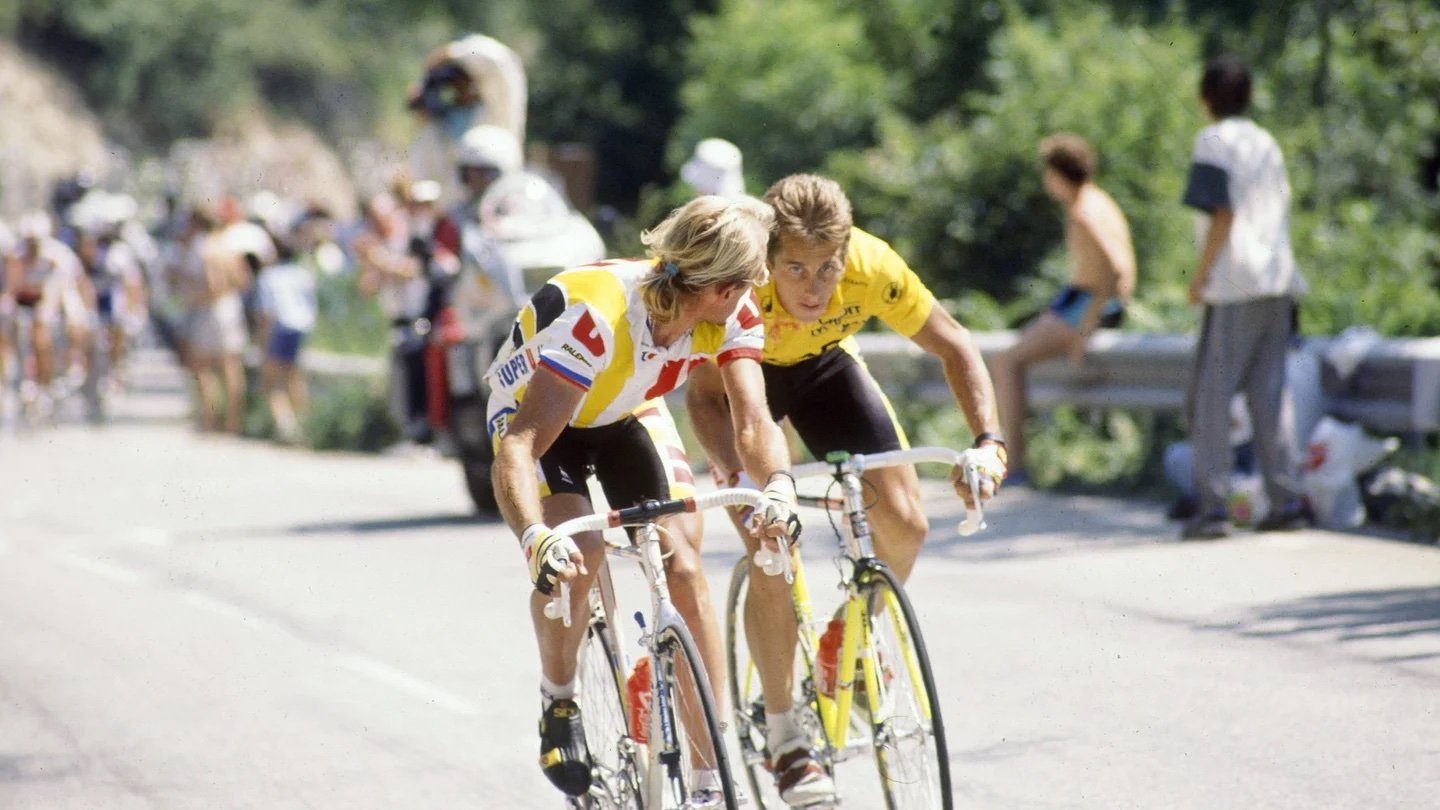
The Last Rider (2023)
American cyclist Greg LeMond, who in 1986 won the Tour de France has been a legend in the sports world, but filmmaker Alex Holmes presents him to the wider audience with a brand-new inspirational documentary. The Last Rider is everything this kind of film can be—its hook is courage and hard work that pays off, its mode of storytelling is personal, intimate interviews, and its framework is a “modern hero” kind of narrative. By stringing together conversations with LeMond himself, his friends, family, and colleagues, Holmes tells a chronologically-sound, emotional version of a landmark career. For many, the 1986 or 1989 win wouldn’t mean much (unless you’re a sports fan or French), but the educational bits of The Last Rider make for good trivia material. If you need a courage boost, here’s the story of a professional cyclist, injuries, perseverance, and fame, to cheer you up.

Last Breath (2019)
An 80-minute documentary about a diver who gets stranded in the deep sea with 5 minutes of oxygen left, while the nearest rescue team was 30 minutes away. This type of diving in the depths of the sea, as someone explains, is like “going into space but underwater”.
The documentary uses genuine footage from the dive as well as interviews of people who were present. Still, some parts of this incredible story can’t be explained. And if like me you’re not familiar with diving, everything will have more appeal. The vessel they use is quite impressive, the duration of its dive is obscene (28 days!), and lastly: the divers inhale helium (and speak with a funny voice) the whole time they are down there.

Maiden (2018)
This documentary charts the challenges faced by sailor Tracy Edwards and her 12-woman crew in the wake of their decision to participate in the Whitbread Round the World Yacht Race, the grueling yachting competition that covers 33,000 miles and lasts nine months. Director Alex Holmes recreates their adventure using archival footage shot by the women themselves on their voyage, and interesting interviews with the crew members as well as the men who criticized and ridiculed them at the time. Maiden is an interesting bit of documentary filmmaking that is also inspirational and empowering.

Crip Camp (2020)
This Obamas-produced documentary does much to change the way we may still view people with disabilities as helpless or to be pitied. First, Crip Camp cleans up footage from a 1970s New York summer camp for disabled teens to pristine sound and video quality, allowing us to see how vibrant and lively this community has always been. Then, more importantly, the film traces how these kids—in particular, Judy Heumann—became badass faces in the movement for disability rights, staging protests and articulating themselves passionately for better accessibility in the most fundamental areas of everyday life. It’s a documentary that isn’t just designed to inspire, but also to advocate for safe spaces where young people with disabilities can receive the encouragement and motivation they need as early as possible.
The Rescue (2021)
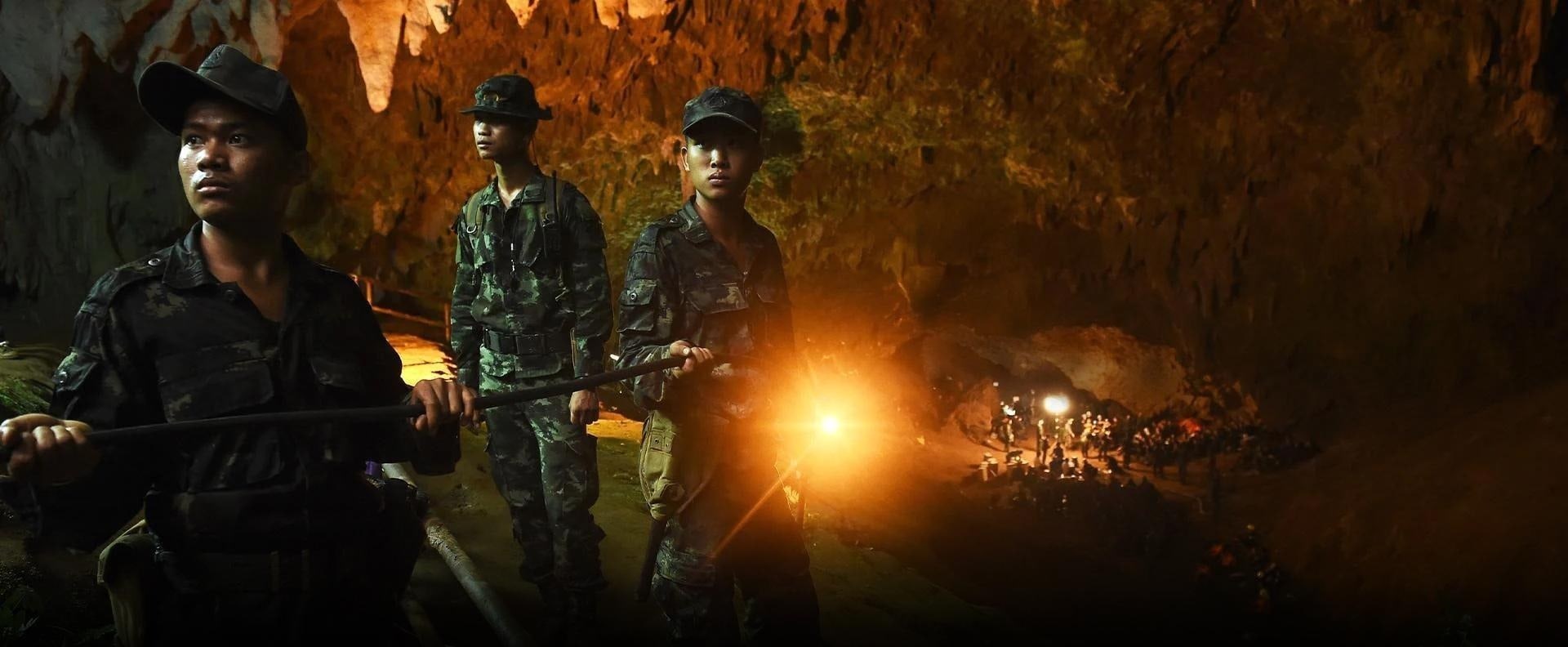
As a result of the miraculous success of the famed Tham Luang cave rescue, which saw the return of 12 kids trapped in a cave for more than 15 days, you’ll find no shortage of documentaries about the mission. Some take the point of view of the children, even others the locals and loved ones. But National Geographic’s The Rescue largely focuses on the volunteer rescuers, all of whom were foreigners who flew from different parts of the globe to risk their lives for the young victims. The film dives into their personal lives and their psyches, even going so far as their childhood to explain the motivations behind the heroic decisions they made at that moment. In less deft hands, The Rescue might seem like yet another White Savior Complex story, but directors Jimmy Chin and Elizabeth Chai Vasarhelyi (the same creative couple behind the Oscar-winning doc Free Solo) prove that the divers’ expertise, skill, and personal stakes make for a story worth telling.

Introducing, Selma Blair (2021)
Even if it doesn’t provide the most comprehensive information about treatment and care for multiple sclerosis (MS)—especially for those who can’t afford a ridiculously expensive stem cell transplant—this isn’t really the point of Introducing, Selma Blair. This is still mostly a biographical documentary about a (self-confessed) “not-so-famous” celebrity, who gets to be incredibly honest about some of the privilege she enjoys, and how that privilege still doesn’t make MS any easier. Blair’s determination, her sense of humor, and her articulate way of expressing herself keep the film from descending into total sadness, but it also never shies away from the uglier, more difficult parts of her journey.
Living on One Dollar (2013)
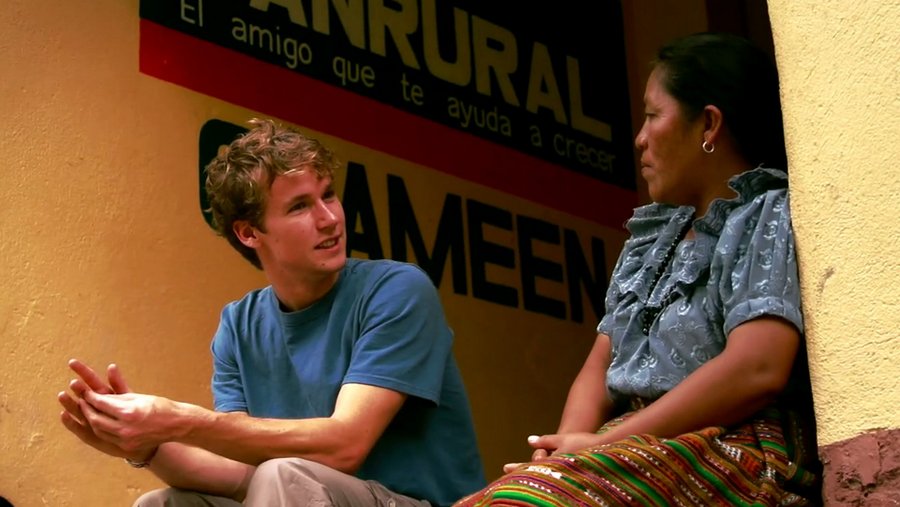
An earnest, simple documentary with an equally as simple premise: four friends travel to Guatemala for 8 weeks and try to live on one dollar a day each. What starts as an experiment for them quickly becomes an illustration of levels of poverty some of us will luckily never experience. More than 1.1 billion people (almost four times the population of the U.S.) do live on less than one dollar a day, and this film is a journey into their world. Other than making you realize the luxury you live in, this film will leave you wanting to do more for your fellow humans.
No titles match these filters.