Our take
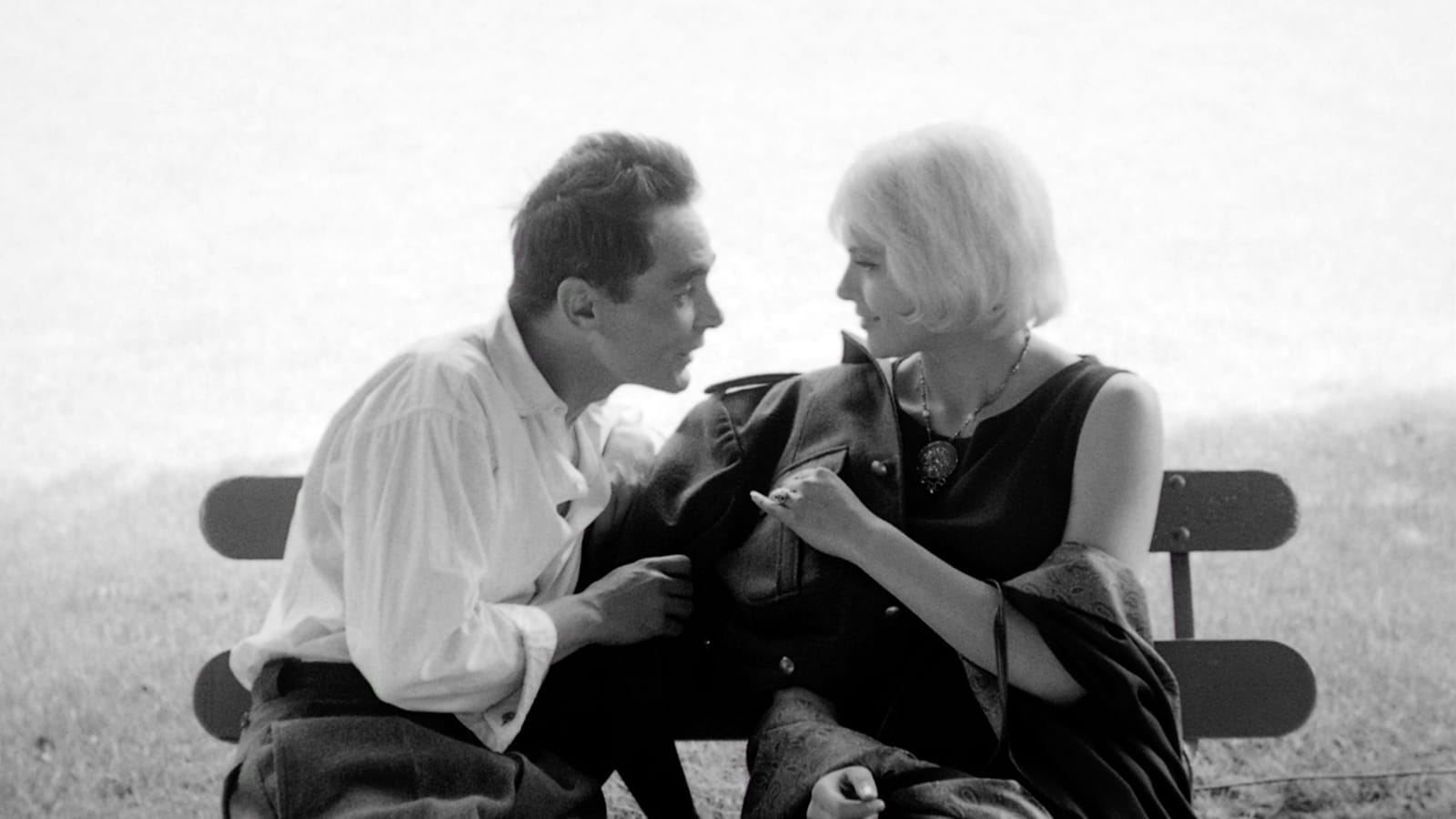
The prospect of death puts everything into perspective, but Cléo from 5 to 7 crafted a totally new one altogether. As it says in the title, the titular singer wanders the French capital in real time, with an ominous tarot card reading turning Cléo’s world into black and white, shifting the mood even as she tries to ease the worry by going through her regular day-to-day. But as she does so, filmmaker Agnès Varda crafts memorable images that subtly depict Cléo’s inner world. The camera pivots, swaps angles, changes point of view, and only moves into the conventional images and score when Cléo performs, whether that be in literally practice of her craft, or in the presence of other people depending on the role she plays in their life. It’s this thoughtful use of the camera, gaze, and of time itself that makes Cléo from 5 to 7 a standout drama from the French New Wave.
What it won

Cannes
1 nom
The story
Agnès Varda eloquently captures Paris in the sixties with this real-time portrait of a singer set adrift in the city as she awaits test results of a biopsy. A chronicle of the minutes of one woman’s life, Cléo from 5 to 7 is a spirited mix of vivid vérité and melodrama, featuring a score by Michel Legrand and cameos by Jean-Luc Godard and Anna Karina.
Elsewhere

"Filming the sights (and sounds) of Paris with voracious visual delight, Varda embraces the turbulent distractions of public life, even as she filters them through Cleo's shattered consciousness."
— Richard Brody

"From recounting just the bare bones of what is seen on Cleo’s journey around Paris on that sad day, Varda’s endless and insatiable curiosity is perceivable and that is the real key. She understands that the ordinary has its own draws and wonders."
— Adam Scovell
While waiting for the results of her biopsy, hypochondriac singer Cléo wanders around Paris to seek some relief from her worry, meeting various friends, fans, co-workers, and lovers before eventually meeting Antoine, a soldier on leave.
There are a lot of novel techniques that still stand out even today, and each time I watch the film, there’s always something different that stands out. We can talk about the mirrors, the fourth wall breaks that pop up ever so often, the angles, and the camera itself. For today, what caught my attention is the difference in how Varda depicts men and women reacting to Cléo. Most men, and her fans, male or female, aren’t shy to tell her what they feel about her beauty, but the women who actually know Cléo, like her assistant Angèle and her old friend Dorothée, have personal internal monologues for the audience to know how they feel about her before seeing how they actually interact. The film isn’t just depicting the male gaze before the term was even invented, it’s probably one of the closest visual precursors to the concept of female gaze.
Oh, to truly see and be seen at the cliffside of each other’s life…
The details



Who picked it

Isabella Endrinal is a curator at A Good Movie to Watch. She's now free from the corporate night shift. Previous articles have been published in outlets such as NANG Magazine. She's currently catching up on some classic films… if she isn't coping with the fact that the Haikyu anime will end soon.