Movies to Watch From China
To access filters, visit our homepage.
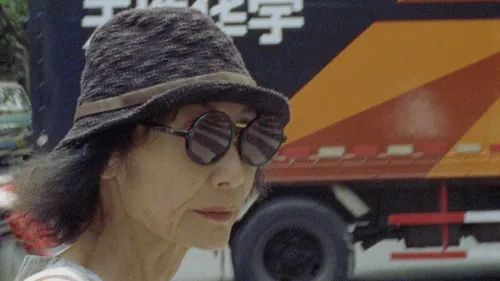
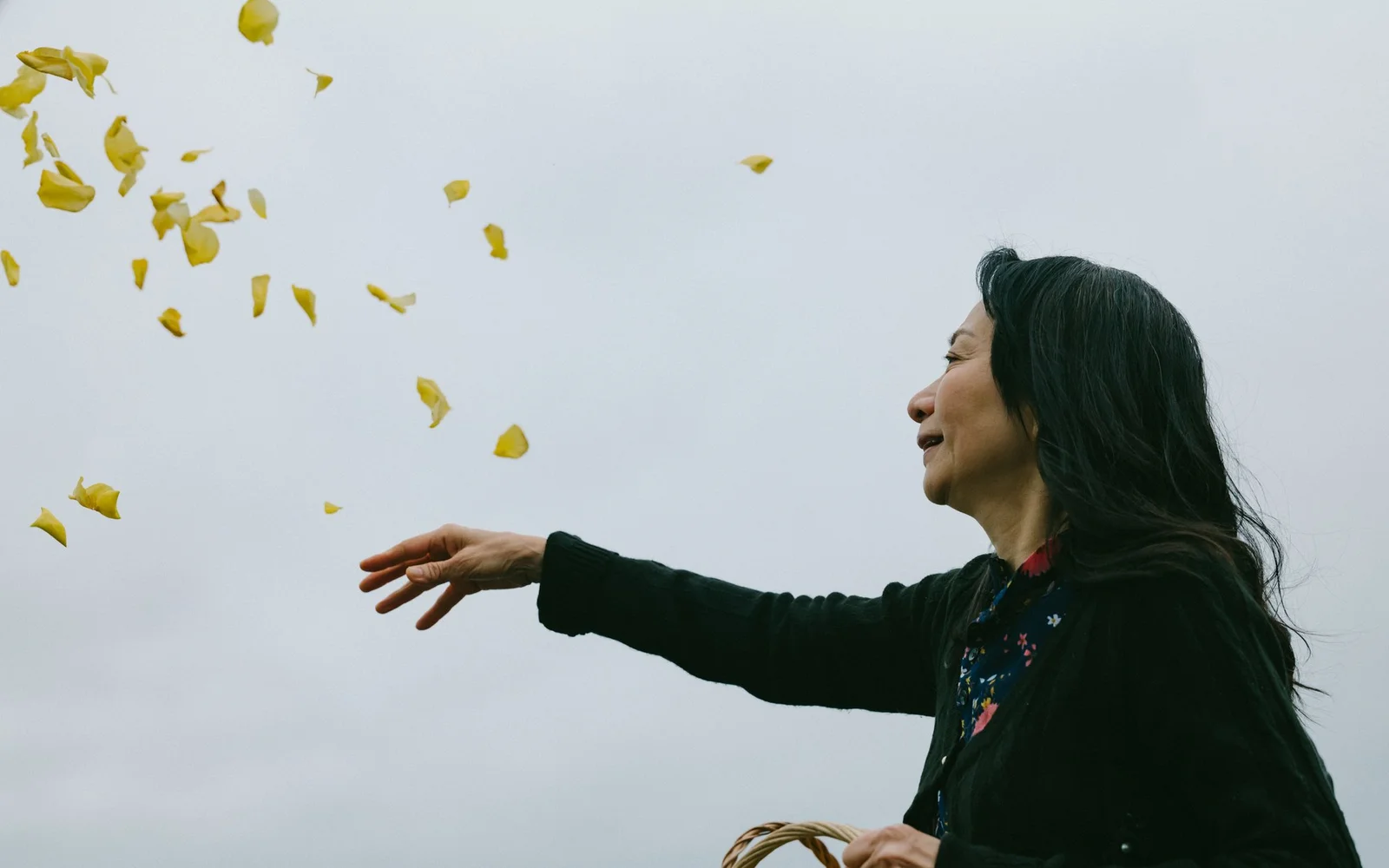
While the film is calm, contemplative, and never goes into histrionics, there’s a deep-seated anger in All Shall Be Well that powers every scene. Sure, most of the scenes revolve around estate planning, talking with lawyers, and hashing things out through civil discussion. And sure, Pat’s biological family calmly explain their reasons behind their decisions. However, while dressed up in logic, All Shall Be Well understands the real weight of what they’re asking for from Pat’s life partner Angie. Every request reveals the limit of the family’s acceptance of Pat, how willing they are to ignore Pat’s wishes just to take advantage of a financial deal, just so they benefit from the home Pat and Angie built. With Patra Au’s brilliant performance, the drama underlines how the system is stacked against Pat and Angie’s love, but also how their love still transcends past the material.
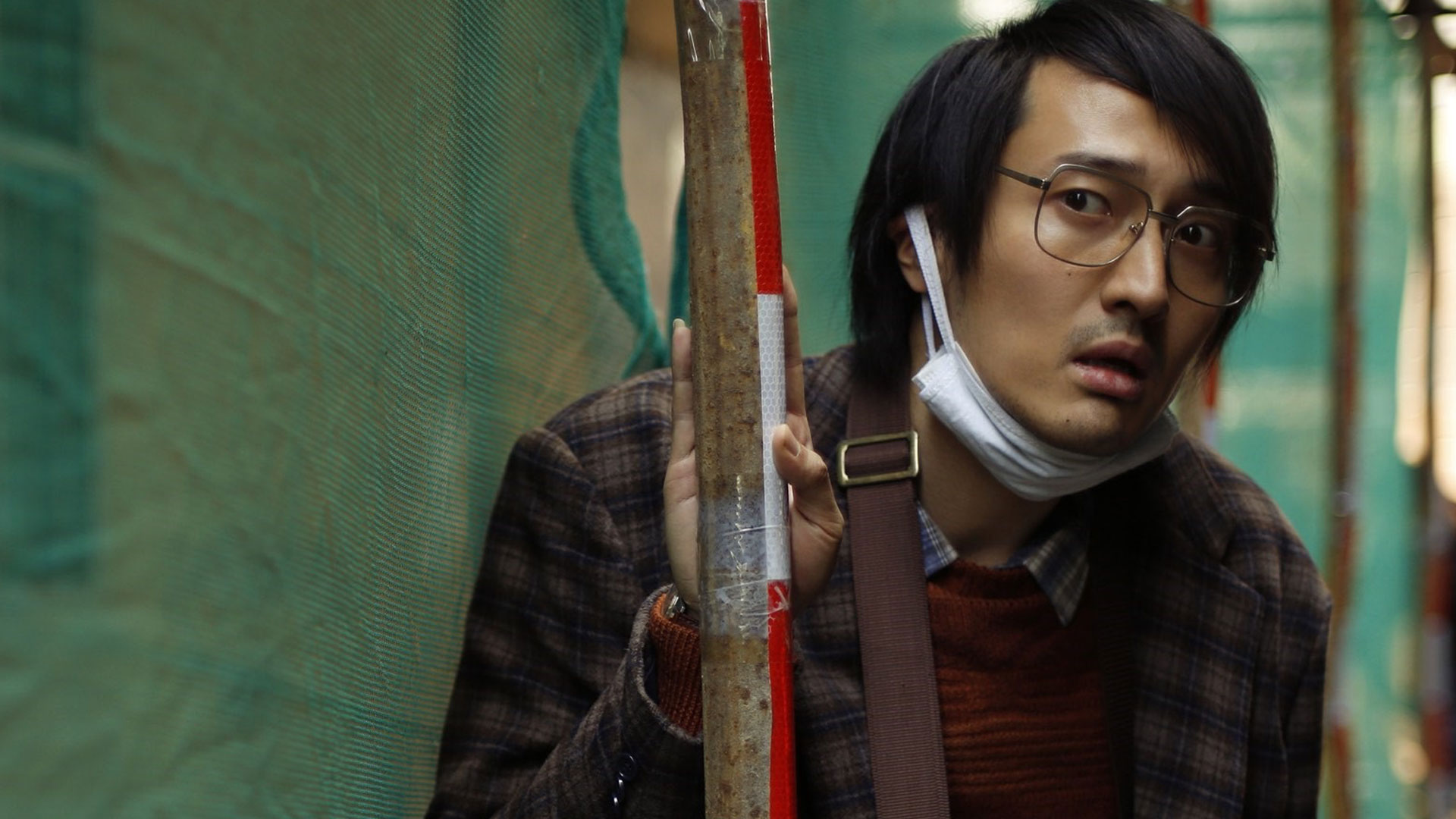
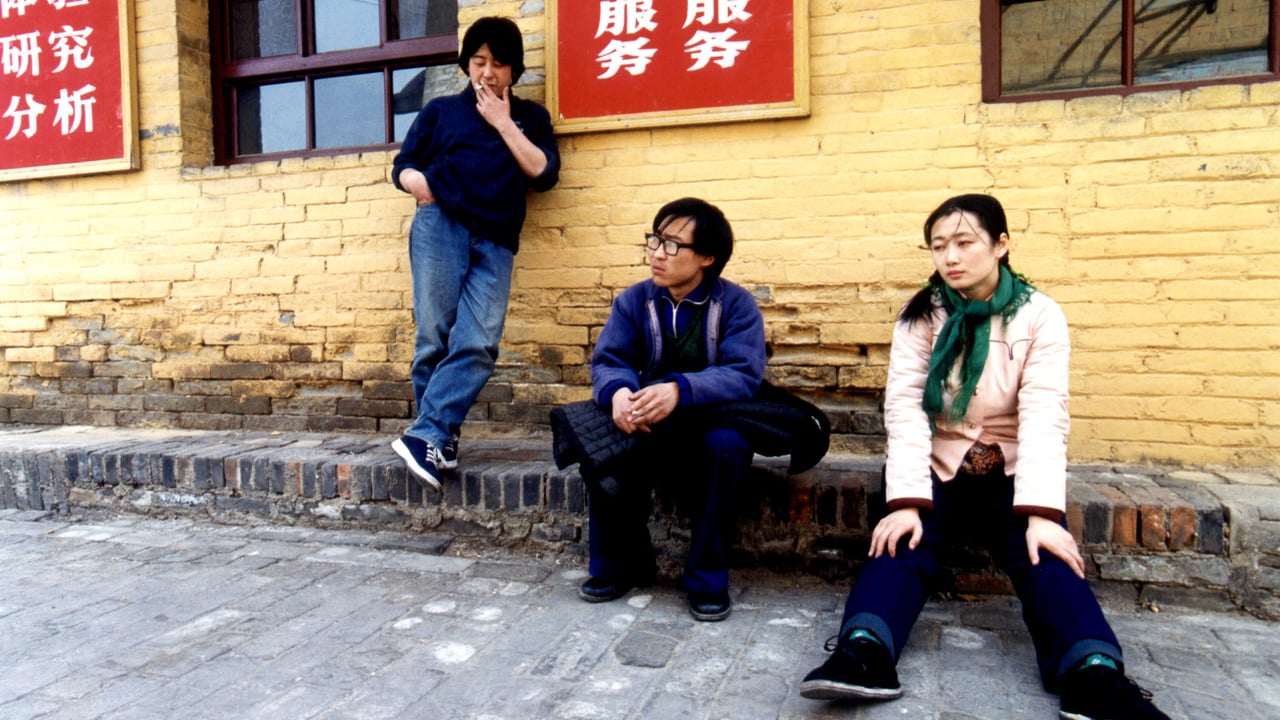
At two hours and nearly 30 minutes, Stonewalling is quite long. The third film from spouses Ryuji Otsuka and Huang Ji takes place in slow, slice-of-life moments, centered around a female lead that mostly doesn’t actively make choices for her own life, so it can feel frustrating to watch. But as the film unfolds, Lynn’s passivity turns out to be the tragically familiar surrender of today’s working class. Lynn tries to make choices to pay out her mother’s debt, to ensure that she’s not indebted herself, through jobs that commodify her youth, her beauty, and even her body, but each move consequently limits her next options. She tries to bargain for other solutions, but it turns out these solutions were never there in the first place. All she can do is quietly adapt, with each failed promise culminating into a baby’s cry.
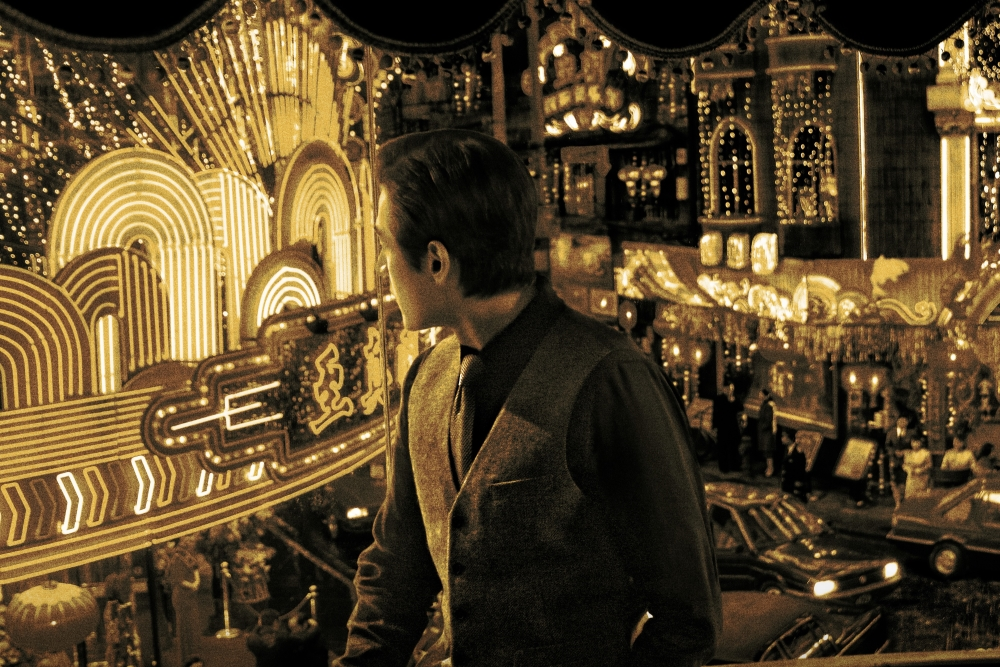
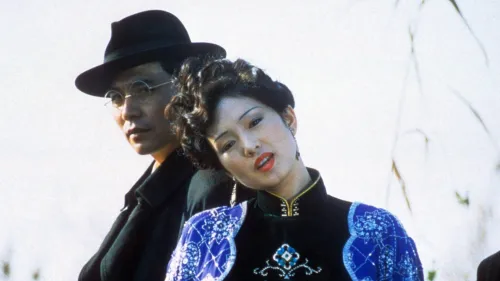
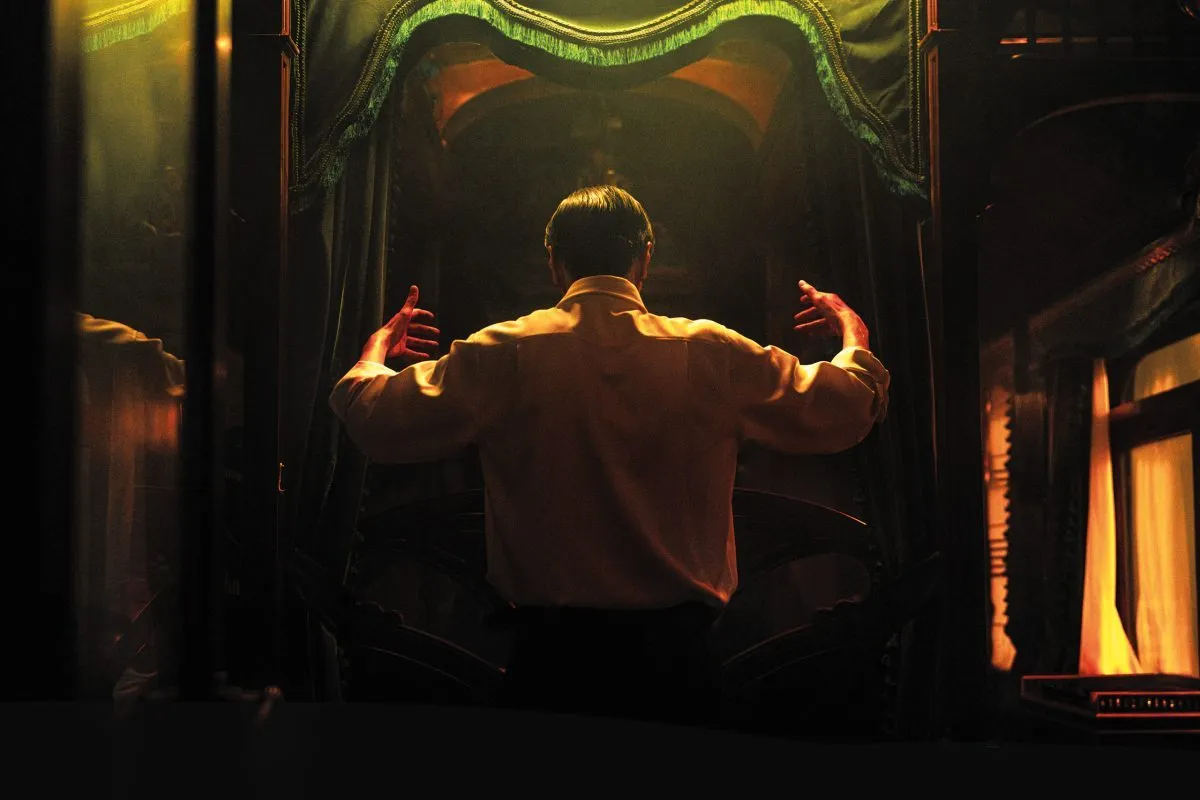
With his last film released more than a decade ago, fans wondered what Wong Kar Wai would release next. The answer is this television adaptation of the 2013 novel by Jin Yucheng. It’s a surprising step for the filmmaker, considering his preference of a small cast, improvisational directing, and love for Hong Kong, but this surprise is a welcome one. Blossoms Shanghai holds the same desire and obsession Wong is known for, though on a larger scale, as Shanghai’s opening to new economic opportunities pull in a compelling cast of risk takers who can, and sometimes do, lose it all in a second. And because of how high the stakes are, the series takes a darker, noirish vibe we haven’t expected from Wong. While the introduction does get a bit clunky with the non-linear structure, Blossoms Shanghai ultimately unfolds into a beautifully-shot, captivating mystery that brings Wong’s style into newer territory.
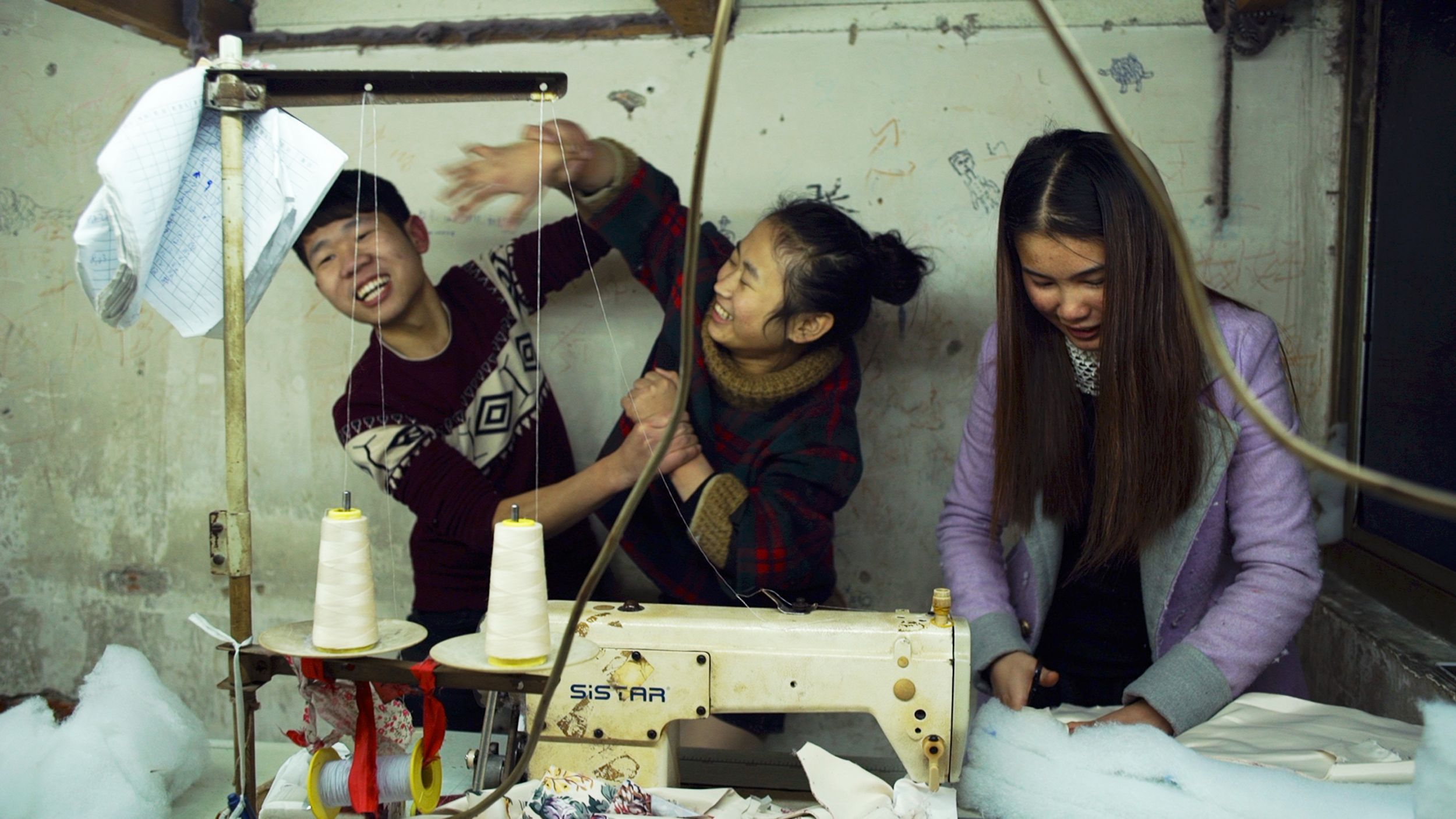
Teenagers forced to grow up quickly and spend their prime years wiling away at garment factories sounds like a grim reality, and it is, but in Youth (Spring), Chinese documentarist Wang Bing captures more than just the inherent tragedy of young labor. Here, they build friendships, find love, discover an affinity for their craft, stand up for themselves against exploitative bosses, and look for ways to have fun. Even if it’s just as simple as eating street food, spending the night at an internet cafe, or finding nice clothes, we’re with them in every way. Though it’s never explicitly political, the documentary makes you think about the conditions that put the kids there in the first place, such as our insatiable need for cheap and trendy clothes, governments turning a blind eye to child labor, and a skewed system that favors these above people’s—especially young people’s—well-being and welfare.
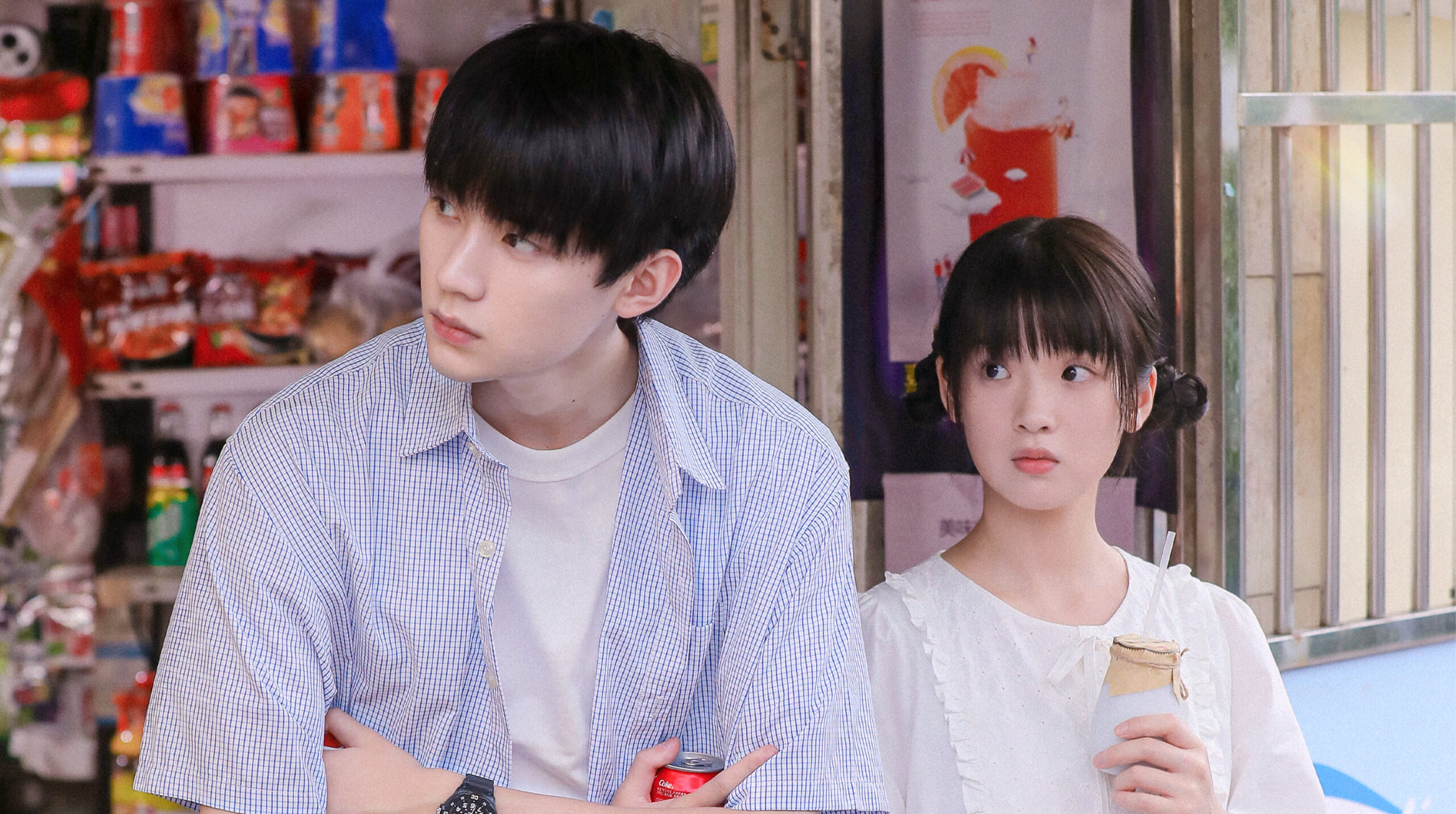
Meeting a cute boy at the corner store, sneaking snacks into camp, leaving gifts at your crush’s desk… These are things that got lost for high schoolers who had to take online classes during the pandemic. Because of this, When I Fly Towards You is a timely blast from the past as schools get back on-site. This show captures the classroom experience before it went online, in such a cute and nostalgic manner. With moments that have to be ripped straight from someone’s high school diary, it’s easy to root for the sometimes cringy but mostly charming main characters in this series. The funny misunderstandings and assumptions between them feel all the more sweet as they try to make it up to each other.
With most of early January 2024’s slate focused on fantasy, Metallic Rouge is a fairly decent cyberpunk refresher. With fantastic, mostly 2D animation, studio Bones’ 25th Anniversary project has spectacular mecha match-ups between government android Rouge Redstar versus various members of the excellently designed Immortal Nine, as well as humorous, expository banter from Rouge’s human partner Naomi Orthmann. But it’s the mystery that drives interest in the show, as Nean androids and humans share a world, but not the same status, and the origins of the artificial intelligence bots seem to link with a previous alien invasion that pushed humanity into further space exploration. It’s an interesting premise, and the structure is definitely unusual, but with Bones’ track record, we’re expecting that it’ll all come together by the end of Metallic Rouge.
Through her irreverent, no-bullshit point of view, Chinese documentarian Christine Choy balances out The Exiles’ painful reckoning with a traumatic event that shaped a generation of Chinese immigrants: the student-led protests and subsequent massacre of civilians in Tiananmen Square, Beijing in 1989. As Choy reconnects with the subjects of a documentary she stopped making 30 years ago, they help provide a fitting conclusion and new insights into the aftermath of the incident. And while the film eventually loses Choy’s brash spirit and settles into a more conventional tone of storytelling, the testimonies and analyses of nation and home that we get to hear are still heartbreaking. After such a reprehensible violation of human rights, it becomes clear that the countries who refuse to condemn wrongdoing are just as guilty.
When a scientist drops dead, the immediate questions are what’s the main reason, and what exactly were they studying. It’s the mystery that drives the popular 3 Body Problem novel by Liu Cixin, which spawned two separate live-action series. Unlike the Western Netflix version, Tencent’s Three-Body sticks close to the source material, devoting more than twice as much time to the events. It’s because of this that Three-Body gets to delve deeper into the novel’s themes over the visuals– it gets to delve deeper into the ways science and tech has been manipulated for certain interests and whether humanity is ready for newer tech when history has proven otherwise. If you’re totally new to the story, the shorter, star-studded Netflix adaptation might be more your jam, but readers who want a more in-depth and faithful adaptation would prefer Tencent’s Three-Body.
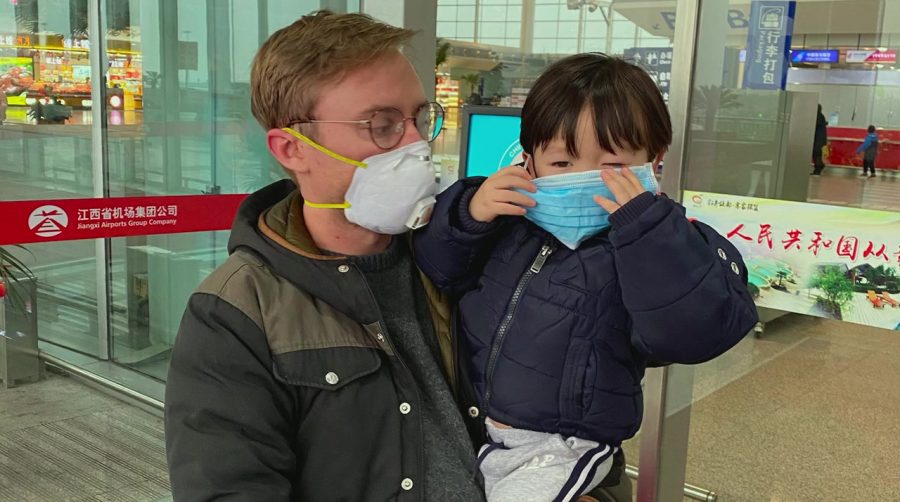
The culture of propaganda and cover-ups that kicked off the pandemic is the subject of this compelling documentary by award-winning director Nanfu Wang (One Child Nation). Wang, who traveled with her family to China in January 2020, saw and filmed the pandemic firsthand, and wrote to major newspapers like The New York Times to convince them to write about it. They never did.
Media and government in both China and the U.S. played down the threat, and this documentary asks how different everything would have gone otherwise. More dauntingly, it’s an examination of how the Communist Party in China managed to use the event to its advantage.
It wasn’t until recently that Chinese science fiction has become popular, as plenty of the stories can now take flight through non-traditional internet channels and the translation work of Asian Americans like Ken Liu. 3 Body Problem by Liu Cixin is one of those translations, and with the Game of Thrones showrunners along with Alexander Woo, Netflix has created their own take on the ambitious, innovative sci-fi novel. It doesn’t quite match up, but the show is able to take the novel’s unique blend of abstract theoretical physics with intriguing mystery and meditations on how scientific exploration is driven and stopped by religion and politics. The multiple storylines and times that can get confusing, but ultimately, the show is still able to sustain its tension through great world building and intimate drama. With the source material fully completed, we’re hoping that the showrunners don’t run into the same snafus that plagued Game of Thrones’ ending, but so far, Netflix’s take on the 3 Body Problem is a decent introduction to Liu’s sci-fi masterpiece.
When travelling to another place, another city, another town, there’s a certain anonymity that frees one’s self. No one knows who you are, so you’re not expected to maintain a certain personality, and that can be necessary for young people trying to find their way. The Breaking Ice shows this in a fairly sentimental way, juxtaposing the wintry, snowy landscape with the warm but fleeting connection forming between three lonely adults, but there’s just something honest in the way the three try to hide but still share the same youthful ennui, even if they come from vastly different backgrounds. The Breaking Ice might not be daring enough to delve into the queer aspect of this trio, but it’s still a lovely, well-crafted drama contemplating the youth’s melancholy.
Though it doesn’t provide a more holistic view of Chinese society even in the context of work and industry, Ascension remains an impressive collection of images that manage to be both awe-inspiring and disconcerting. The film deliberately chooses not to take a stance on any of the things we see on screen, which makes for a uniquely challenging experience for the active viewer; many images that we might initially describe as dystopian here are usually followed by scenes that remind us of the humanity working within these capitalist structures. What you really end up learning from Ascension may be limited in scope, but getting to see modern life presented this way is still a unique opportunity.
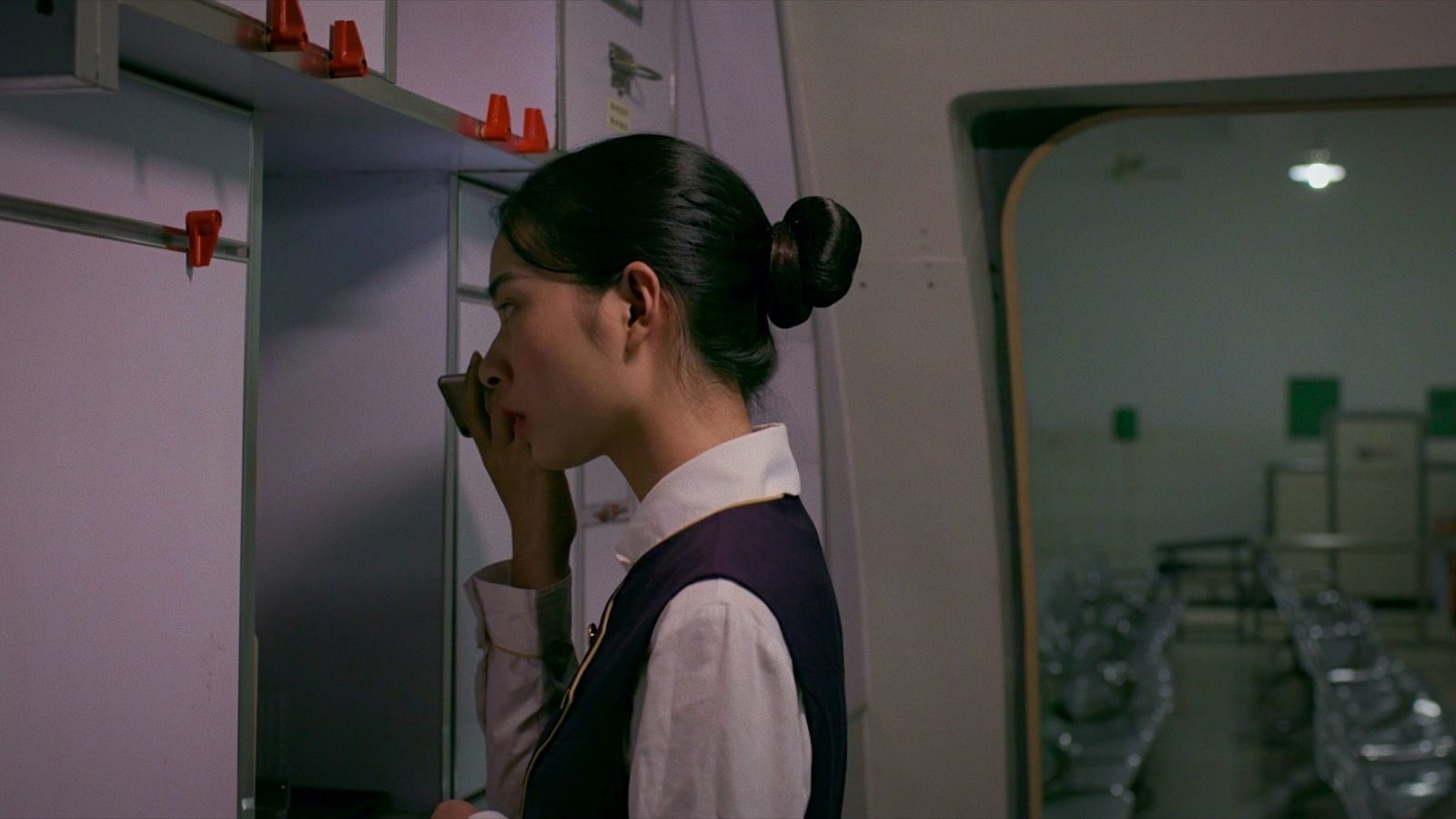
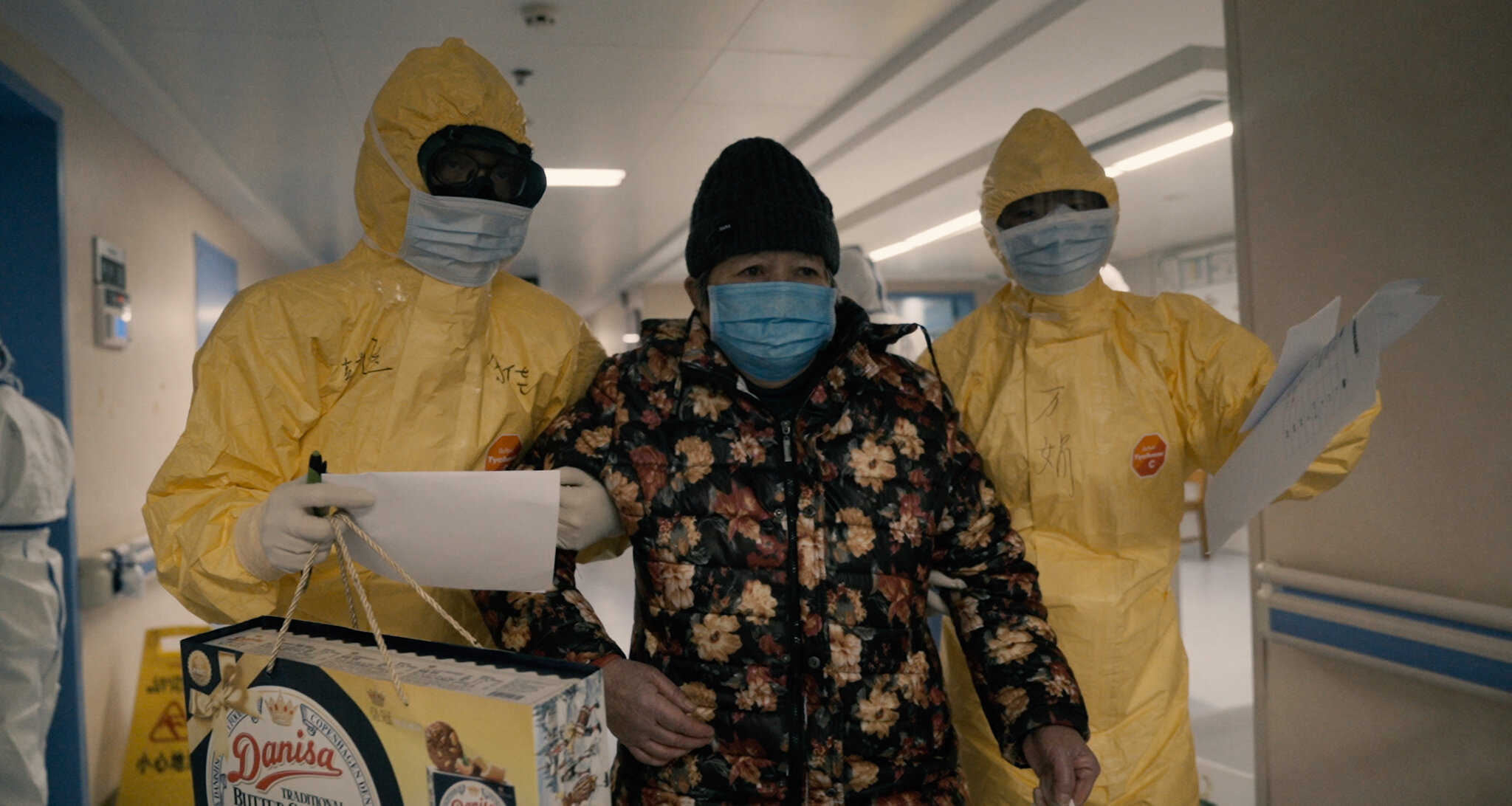
Focusing on the personal over the global, 76 Days serves as a valuable reminder for generations to come, of the catastrophic human cost of a pandemic. The film’s directors (including one or more filmmakers who have had to keep themselves anonymous) take an entirely boots-on-the-ground approach in Wuhan, China. Together they find both humanity and the loss of humanity in these individual cases of COVID that are stalled by small inconveniences or a general lack of understanding of the disease. And all of this confusion is punctuated by the humbling fact that we never see the nurses’ faces. It’s a harrowing watch, but it tells us everything we need to know about how much assistance our health workers need and the kind of superhuman things they’re tasked with doing every single day.
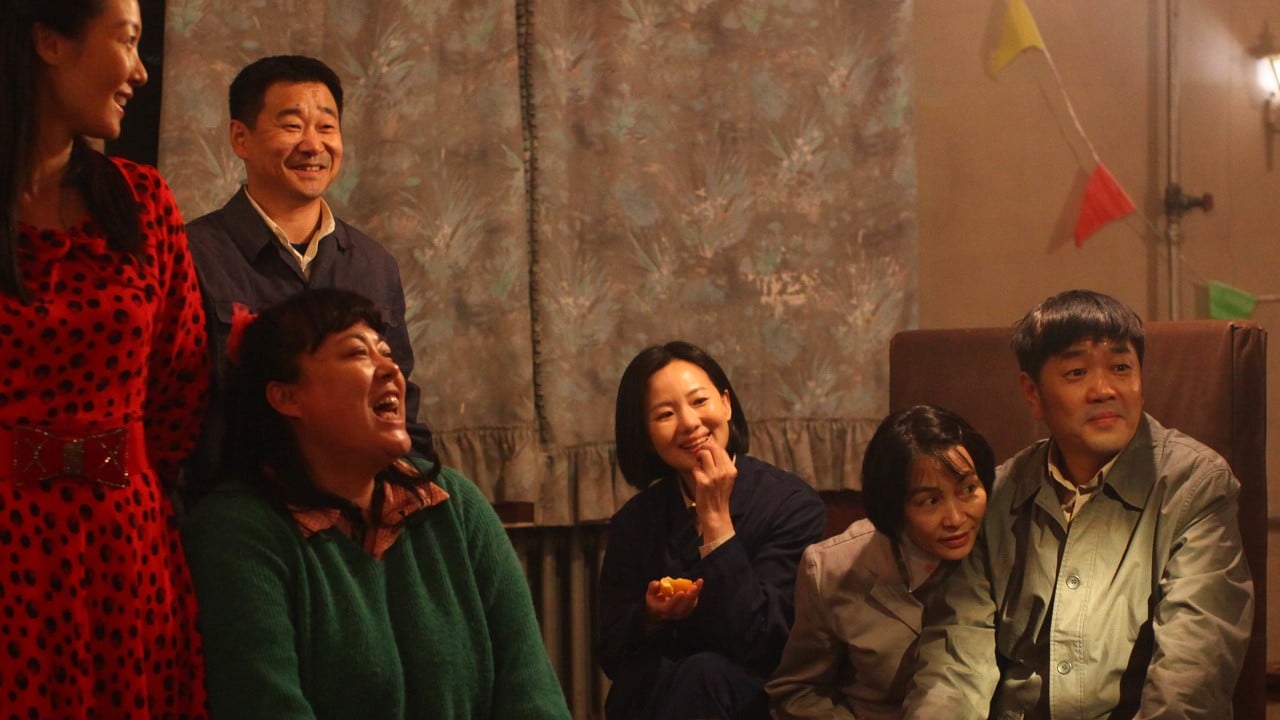
China implemented the one-child policy in the 1980s in order to curb the population growth, ending it by 2015 due to the shifting dependency ratio. So Long, My Son depicts two families while the policy was implemented, alternating between past and present to depict how the fickle finger of fate changed their destinies in a single tragedy. It’s intimate and heart-wrenching, and the thirty years haven’t been enough to soothe the guilt, fear, and pain that struck them. Clocking in at three hours, the film may not be a quick and easy watch, but So Long, My Son is the rare depiction of how China’s rapid changes personally affected its people, for better or worse.
After Wu Suo-wei’s girlfriend dumps him, he decides to get revenge by seducing her new boyfriend, Chi Cheng! It started as a game, but falling in love was never part of the plan.
Robin Hood might be a centuries old folk hero, but his reincarnations seem to pop up in real life, including the true story behind Dying to Survive. Alternatively translated as I’m Not A Medicine God, the modern day Chinese iteration is initially less concerned over the common good and more concerned with money. It makes for a much more humorous take, as the ordinary peddler bribes, smuggles, and asserts his desire for profit, but it also sets up the real desperation created by a medical drug industry that hopes to incentivize research and protect consumers, but inadvertently blocks the very people that needs said drugs. Dying to Survive might focus more on the smuggler than critiquing this conundrum, but nonetheless it understands the real recurring tragedy that modern life can’t seem to completely solve.
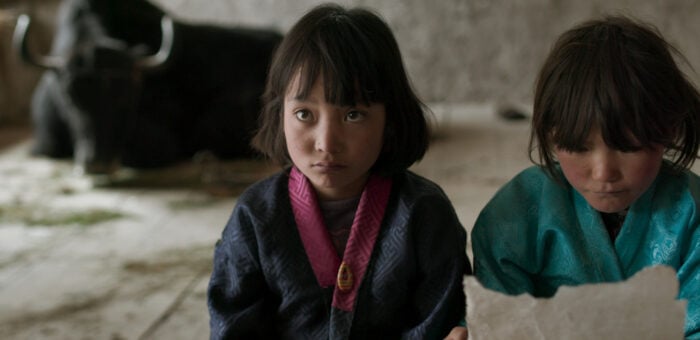
On his first day of class in the remote village of Lunana, the city teacher Ugyen asks his students what they want to be when they grow up. One of the children, a young boy named Sangay, answers that he aspires to be a teacher “because a teacher touches the future.” Lunana: A Yak in the Classroom, however, subverts this thematic by spending most of its runtime showing how the villagers touch Ugyen’s heart through genuine acts of kindness, forcing him to rethink his long-term dream of becoming a singer in Australia.
Not only does Lunana: A Yak in the Classroom succeed in its heartfelt dramatization of a Gen Z finding his place in the highlands, it also serves as a propagandistic validation of Bhutan’s “happiest country in the world” epithet. In doing so, the film presents the Bhutanese mountains in as breathtakingly picturesque a manner as possible, limning a paradise through the grassy meadows and children’s faces.
Jaane Jaan is one of those thrillers where you hope that the main characters would get away with murder. Based on the 2005 Japanese novel, the Hindi adaptation still has the cat-and-mouse dynamic between the relentless detective and math genius protecting the suspect, along with their elaborate chess-like mind games. However, the film changes a major plot point from the novel, and without spoiling too much, it turns the math teacher, now named Naren, into a less sympathetic character. Given today’s sensibilities, it’s easy to understand why the change was made. After all, just because someone’s a genius, it doesn’t mean that they’re someone to be admired. Jaane Jaan still keeps up the exciting thrills and suspense of the original novel, but in making its changes, it becomes unclear who the film is rooting for.
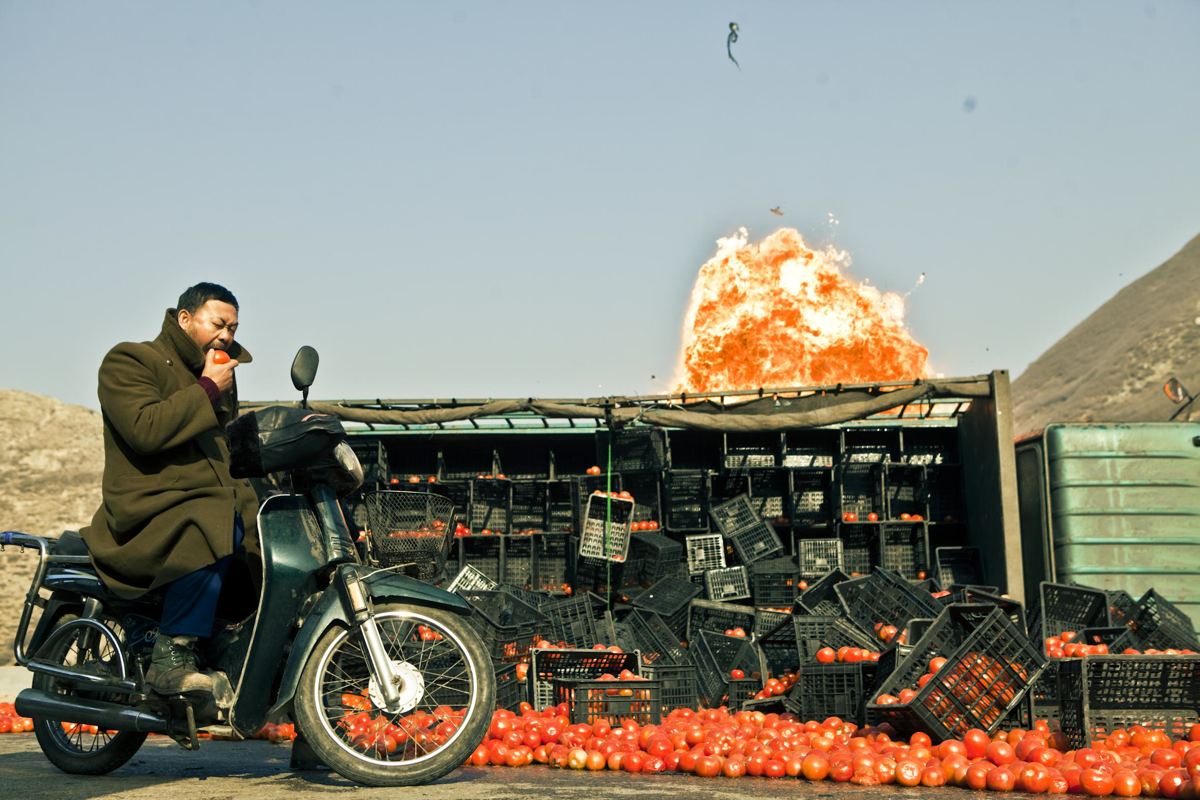
“It is better to live miserable than to die happy,” or so says one of the characters in Jia Zhangke’s anthology film A Touch of Sin. On its surface, the “sin” referenced in the title might pertain to the acts of murder that the four protagonists commit, but in the context of China’s rapidly changing capitalist landscape (a theme explored in the director’s other pictures), it reveals itself as a malady shared by Chinese laborers treated as dispensable resources by the powers-that-be. Murder, then, is explored as an extremity, the effectual breaking point of people no longer able to contain the injustice within themselves. Beneath the splatters of blood is a plea for empathy and understanding, at once remorseful and full of conviction.
Chinese artist Ai Weiwei directs his attention towards the ongoing refugee crisis, the biggest displacement of people since World War II. His documentary is apolitical and tries to focus on the human side of the picture. It’s not a news report or a commentary on the causes of the situation. Instead, it’s a combination of heartfelt stories spanning 23 countries that showcase people’s battle for dignity and basic rights. A truly epic movie complemented by impressive drone footage that’s as impressive as it is sad.
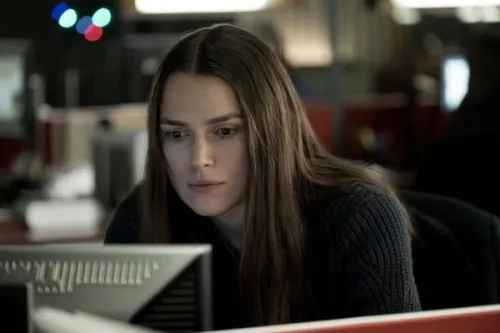
Keira Knightley stars in this incredible true story of an Iraq War whistleblower who remains relatively little-known in the U.S. Katharine Gun was working for the communications office for the British government when she received a memo in the months leading to the war that showed that the U.S. requested illegal wiretapping assistance from the U.K. on U.N. diplomats. In a heroic act, she chooses to share this memo, hoping that it would stop her government (then led by Tony Blair) from going to war. Spoiler alert: didn’t happen, but this decision, which first seemed like a personal sacrifice, has severe implications on her family as the government finds out that she was behind the leak. A compelling political mystery of a case that deserves much more attention than it once got.
How do you make sense of Resurrection? This dreamlike feature seems rather inscrutable, but there’s no denying how breathtaking it is to witness all the images director Bi Gan offers on screen. These images form the memories of one of the last dreamers on Earth, also known as a Deliriant, one of the few who refused to trade dreams for immortality. Now monstrous and dying, this dreamer has lived a long life, with each chapter mirroring the styles and direction of cinema. Shifting from silent expressionist sets, to wartime noir, and ending in a neon-lit vampire romance, Resurrection obsesses and contemplates over dreams and the senses, pondering the film medium’s capacity to capture something totally elusive.
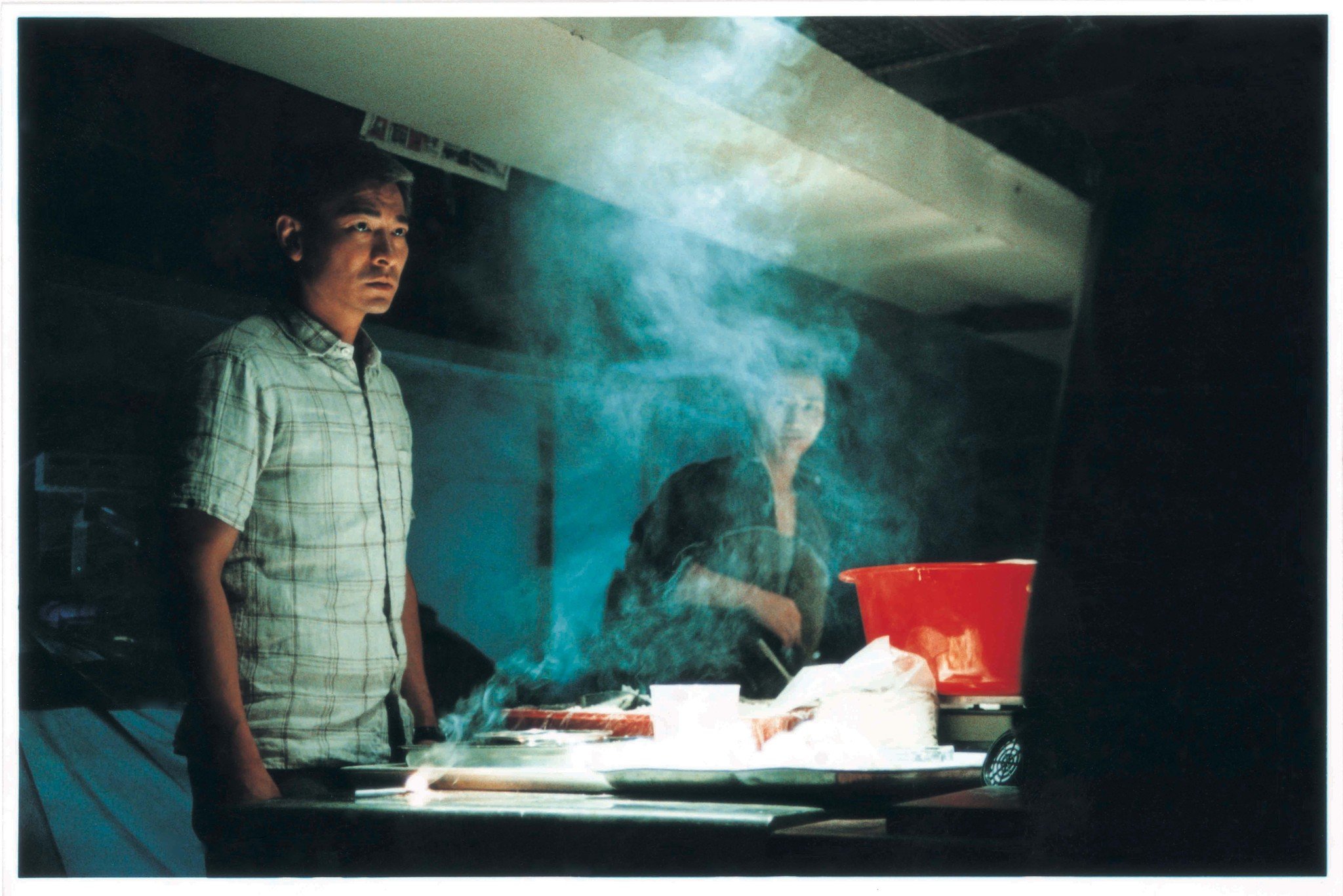
Crime thrillers have plenty of cops undercover, so Hong Kong’s Protégé won’t be the most unique and extraordinary entry that we’ve ever seen in the genre. But, that doesn’t mean it’s a bad movie. It’s a bit formulaic, but the film takes what’s best about the genre– the life-or-death stakes, the drama inherent in mistrust and betrayal, and the trickery each of the characters have to employ in order to survive this cutthroat world– and infuses it into a sharp, suspenseful script, without any of the usual platitudes on drugs. And they got some of the best of the biz in the cast, with Daniel Wu and Andy Lau making the most out of the film’s devastating conclusion. Protégé isn’t totally new, but it takes what’s tried and tested to bring together a great story and a great cast.
To pacify Chinese authorities after politically-charged drama To Live (1994), filmmaker Zhang Yimou decided to pivot to the gangster genre with Shanghai Triad. At first glance, it’s a standard period drama introducing the titular crime organization. Through the eyes of newly initiated Tang Shuisheng, Yimou paints a familiar portrait of violence underlying the city, symbolized by Shuisheng’s boss, also a Tang, and his glamorous mistress Xiao Jinbao (Gong Li). However, as the boy gets to learn the ropes, the film unfolds through the choices their characters negotiate, namely the trade-offs they have to make to make it big or to be at peace. Played out marvelously in Gong Li’s performance, Shanghai Triad contemplates the tightrope that people balance on for their own freedom.
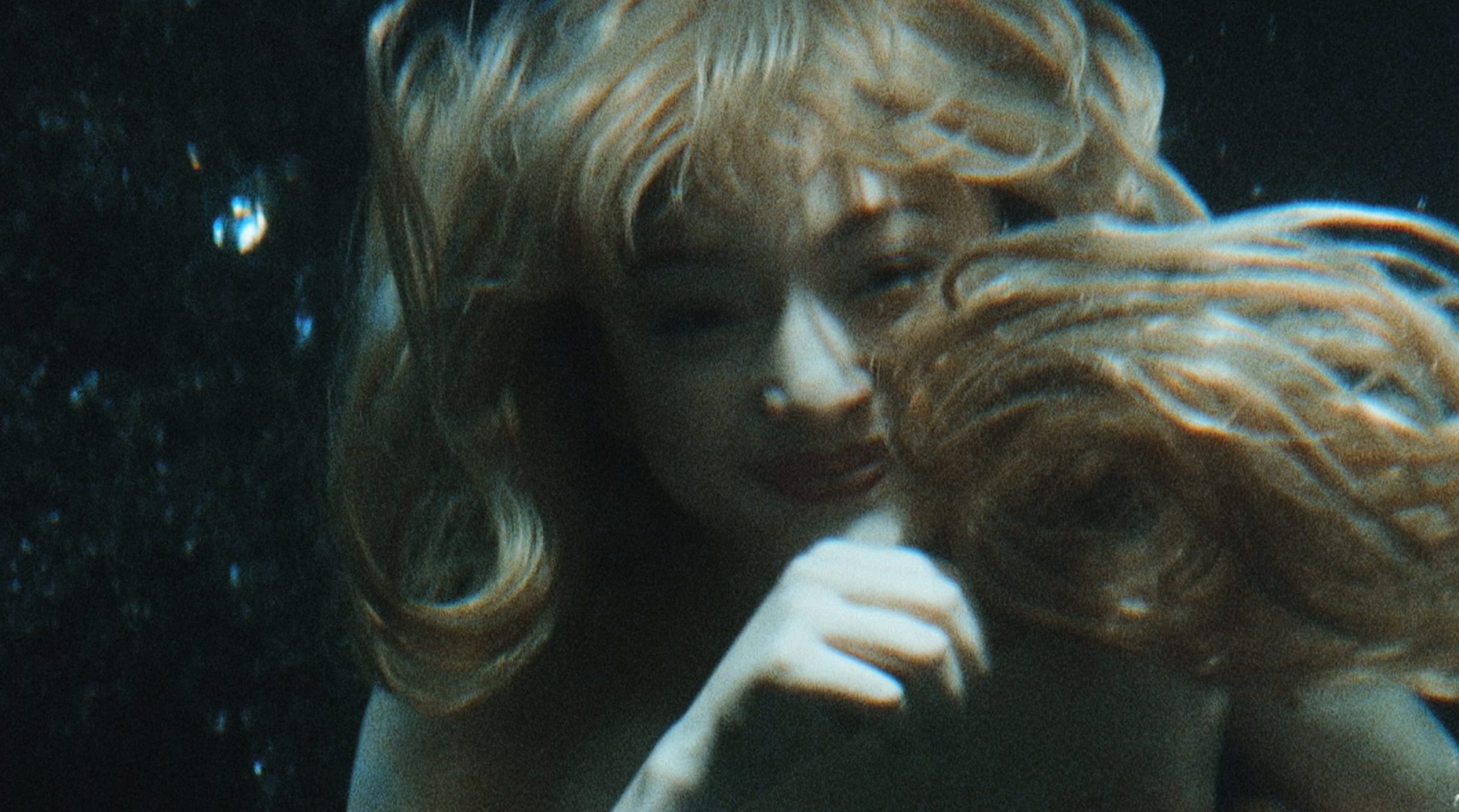
Once banned by Chinese censors, Suzhou River depicts love and obsession amidst the gritty, urban underbelly of Shanghai. As the film is portrayed through an anonymous videographer, seen only by his hands, it’s easy to fall in love as he does, with the mesmerizing Meimei (Zhou Xun), performing as a mermaid in a dive bar. However, he can’t seem to trust her, as she flits in and out of his life, with no clear notice. Likewise, the tragic romance told by motorcycle courier Mardar can’t be trusted, given that the river’s inhabitants warped it into folklore. Faces can’t even be trusted, especially with the double casting of actress Zhou Xun as Meimei and as innocent rich daughter Moudan. Because of these contrasts and its ambiguity, Suzhou River sweeps us into an alluring, mysterious tale, but reminds us not to get caught by the current.
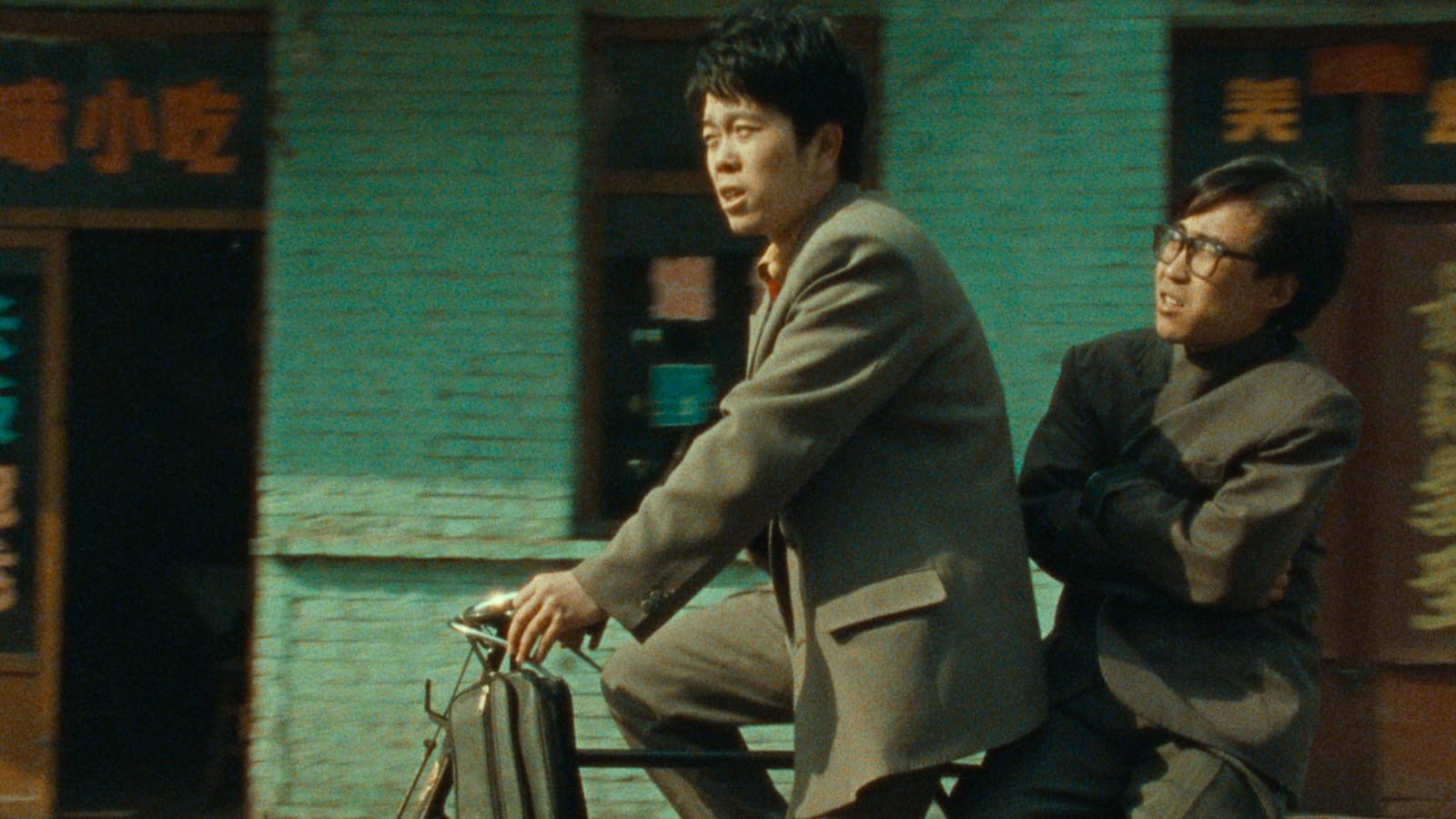
Pickpocket captures the experience of being left behind. As the camera follows Xiao Wu, the film captures how the sweeping changes enacted by China have improved the lives of many of his former friends. It’s supposed to be good. Sadly, that’s not for everyone. For people like Wu, a criminal, these reforms alienate them. It makes other people’s perceptions tougher on them, whether they won’t or just simply couldn’t change along with their town. It’s the unglamorous side of modernization that many hate seeing in their own cities, but director Jia Zhangke depicts this side by side with the last vestiges of what Xiao Wu has known, capturing the melancholy of the generations left behind.
After being held captive his whole life, a man sets out to finish the only show he’s ever seen. Thoughtfully written with a creative cast; it is not a film you would expect to laugh at and enjoy so thoroughly with such an unconventionally dark premise. However, it is a hilarious, wholesome, and loving film that will leave your heart feeling warm.
Electric Shadows is often deemed something like a Chinese Cinema Paradiso. It has the friendship with an older film projectionist, the small town gathering around outdoor screenings of foreign film, a childhood friendship between a boy and girl that meet again unexpectedly, and of course, it wears its heart for the movies right on its sleeve. It doesn’t quite compare to the Italian classic, and there are some moments when the film slightly drags, but Electric Shadows does capture the feeling of awe that you get when you watch your first movie, whether that be when you’re a kid taking your first steps in the world, or when you’re an adult hoping for something more despite the life allowed to you.
This startling debut from Chinese director Bi Gan is a mesmerizing synthesis of cinema and poetry. A man searching for his nephew goes on a journey that blurs the boundaries between time and space, and dreams and reality. All this is expressed through gorgeous and understated camerawork reminiscent of Apichatpong Weerasethakul’s languorous lens. However, Bi Gan’s style is all his own, including spectacular long takes whose sophistication and complexity only become apparent once they are done.
Kaili Blues’ hypnotic aesthetics are like a mud bath for you to soak and luxuriate in. There are no easy answers for putting together its past/present/future puzzle-box, and it’s best to leave the deconstructions for later viewings as repeated trips to Bi Gan’s dreamy recreation of his hometown will reveal even more.
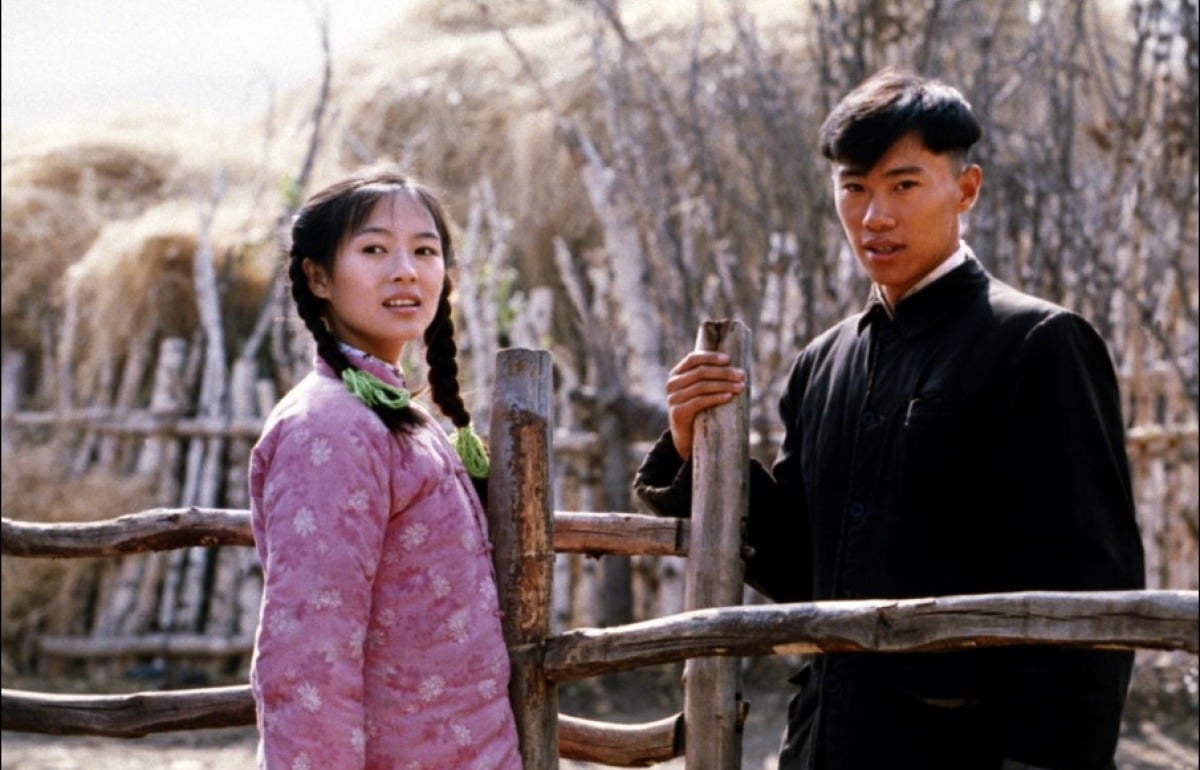
With more and more young people moving to the city for jobs, there’s a certain beauty in the countryside that is being missed out. The Road Home is a simple and straightforward love story, one that is mostly composed of Zhang Ziyi as a country girl stealing glances at the handsome city boy who’s come to teach in the village, but there’s a certain magic in the way director Zhang Yimou depicts the rural traditions of the village, the charming and distinct rhythms of life that continues to this day. While the film glosses over the reasons for Luo’s temporary departure, which some reviewers speculate is due to China’s then Anti-Rightist campaign, The Road Home beautifully depicts the way love can bloom despite these troubles, and how this love can shift the lives of an entire town.
When power shifts from one hand to the other, there’s a sense of possibility that can happen. It’s this sense of hope that drives Platform, and at the start, it seemed like the four teenagers of the Fenyang Peasant Culture Group had the world as their oyster, being free to play any new play, or even the new rock-n-roll that was popular in the era. However, Platform also depicts this shift as somewhat of a tragedy. Sure, it takes a while to get there, with writer-director Jia Zhangke taking jumps across years to check in on the troupe, and really, the lives the kids end up living aren’t terrible ones to live in. But, in contrast with the hopes the kids had, and knowing the slow pace that change came to their town, Platform reveals how lost and confused their generation felt, and how the train for freedom and liberation seemed to arrive too late for them.
Given the mix of real life and faux interviews, 24 City isn’t quite a documentary, but it’s not a totally fictional narrative either. Director Jia Zhangke adeptly mixes both forms to beautifully capture the multigenerational impact of the sweeping changes China made within the last few decades, encapsulated through the experiences with regards to an actual location. Some viewers might find the film a bit slow, as Zhangke doesn’t rely on narration, instead hearing out the stories of each of his interviewees (real or scripted). Still, the way 24 City depicts them feels genuine because it’s more observant than prescriptive, and has a lot more to say about ordinary people in the face of history.
When plucked out of your cushy, city life to labor on rural farmlands, it’s a tough change. It would have been a terrible one for Luo Min and Ma Jianling, if it wasn’t for Balzac and the Little Chinese Seamstress. Rather than depict this transfer policy as pure drudgery, the film depicts it as somewhat of a nostalgic summer romance in warm-tone shots and casual slice-of-life moments inspired by the semi-autobiographical novella written by writer-director Dai Sijie himself. It probably felt that way to his generation as well. But make no mistake. Sijie subtly pokes fun at the censorship the ways teenagers would do, that is, by saying what adults would like them to say, but doing exactly what they were told not to, anyway. That being said, there is a bit of a Western bias here– the banned books are Western, after all, and the two boys sharing French embroidery and sewing patterns seemed to be a strange plot point– but Balzac and the Little Chinese Seamstress warmly depicts his generation without losing sight of the drastic changes they had to go through.
When we think about the atrocities committed during World War II, most people would remember the Holocaust, but this war was fought on multiple fronts, not just the West, and one of the most notorious incidents was the Rape of Nanjing. City of Life and Death depicts the massacre in black and white through various perspectives, which proved to be controversial considering some Japanese soldiers were depicted with sympathy, but it drives home the horror, the devastation, the terrible reality of the evil unfurled in the war. City of Life and Death is truly harrowing. The only consolation is that Nanjing thrives today as the Jiangsu province’s capital.
If you wanted to watch an epic historical drama about the three assassination attempts against the first emperor of China, 2002’s Hero is the better known, and better acclaimed, choice. Nevertheless, the drama that depicted this four years earlier, the Emperor and the Assassin, is a fairly decent watch, with nearly three hours to parse out Ying Zheng’s career with extravagant production design and excellent performances to marvel at. The film is also slightly more accurate, taking its characters from actual historical record. The Emperor and the Assassin may not be perfect– it’s aggressively sepia-tinged, and it does struggle to maintain the plot’s focus– but it depicts the history well, regardless.
Being named after the genre, Wu xia, the title replaced in English as Dragon, would understandably follow its conventions with dramatic action in ancient China. The plot roughly follows a typical wuxia thread, where a hidden master is revealed, leading to plenty of exciting adventures, and they seek justice in order to return to a state of peace. But the way Dragon approaches this plot is exciting, as the film mixes in the investigation of a murder mystery, with a determined detective suspecting the master through his knowledge of the body, through an eclectic mix of forensics, medicine, and Qi acupuncture. And as the detective is consistently challenged by the former fighter, it’s clear how difficult it can be to master the body, especially after going through trauma and violence and self-doubt. The threads in the film are familiar, but Dragon understands what makes these threads work, and the way these are woven together makes for a good movie to watch.
Soul Mate has a familiar premise, has a standard love triangle, and at times, goes through the same formulaic story beats that any moviegoer would recognize. However, what makes the film unique is that it’s not focused on which character should get the guy, but on the friendship between two women and what’s really driving them apart. In director Derek Tsang’s capable hands, we learn about their dynamic in fragments and through crucial moments. Gorgeous cinematography and editing turn memories golden in nostalgia. But it’s ultimately Zhou Dongyu and Sandra Ma’s performances that solidify the friendship. Theirs is a study of contrasts between the independent yet freeloading Ansheng versus the stable but yearning Qiyue. It’s the actresses who prove that the real soul connection can be found between these two women instead.
We mostly think of objects as just stuff to buy, to sell, to give, and to throw away, but for many musicians, their instruments are quite important to them. The Red Violin takes it to the extreme– with the titular instrument infused with the life force of a human– but the film justifies this passion, the pain, and the cost through one of the most beautiful violin scores ever made, and through an ambitious series of vignettes spanning across four centuries and five countries. As the object passes hands, and the owners live, and play, and die, The Red Violin suggests that while these artists’ lives are fleeting, there’s still something human and important in chasing the sublime, and this instrument is just proof of it.
This true story of a white-supremacist and the civil rights unit that tried to stop his group was so gripping.
You might recognize the title from the Oscars ceremony, as a shorter version of Skin (same director but different actors) won the Academy Award for Best Short Film.
The longer movie provides much more time for the characters to develop, and room for more of a commentary on the current political situation in the U.S.
Fun fact: see that scary man in the picture? That’s Billy Elliot star Jamie Bell who went through a transformation for the role, including always wearing a device to pull his ears closer to his head because they were “too cute”.
At first glance, Drug War is basically just what it says on the tin– cops crack down on kingpins, lords, and lackeys to save regular people from illegal addictive substances. Even the drug lord-cop dynamic would be a familiar plotline for crime thriller fans. But through this familiar plotline, Hong Kong director Johnnie To takes his first mainland China production to subtly comment on the dynamics between his native region and the larger country, taking the contrast to craft simmering tension each time Choi Tin-ming lies to his allies to save his skin. It’s less action-packed than To’s usual, but the subtext and the shift in style makes Drug War a surprisingly dynamic take on the crime thriller scene.
Jia Zhangke (who NPR critic John Powers once called “perhaps the most important filmmaker working in the world today”), directed this movie based on the story of a gangster he knew while growing up.
And he is far from being the only noticeable talent here. Actress Tao Zhao shines as a character called Qiao, a dancer who infiltrates the crime scene in Northern China by way of her boyfriend (the gangster). When a boss leader is assassinated, Qiao finds herself in jail after she refuses to incriminate her boyfriend.
This is a gangster movie but it’s also about how Qiao processes her time in jail and what she does once she gets out. It serves more as a character study and a picture of modern-day China.
Given how far back the events are, and how much details were lost from then, we’re not really watching Mongol: The Rise of Genghis Khan for historical accuracy. What we are looking for is story and entertainment. This depiction has the latter in spades. With gorgeous landscapes, spectacular swordfighting, and lots of throat singing, director Sergei Bodrov captures Genghis Khan’s earlier years with the epic grandeur required for such an influential figure. However, we would say that the story is where it gets tricky. Initially planned for three films, Mongol stands alone as a thrilling tale of humble beginnings, but it’s easy to imagine what could have been if they were able to take it all the way to the end of his illustrious life.
Eat Drink Man Woman takes place in Taipei, Taiwan in the mid-1990s. It tells the story of an aging father and his three daughters, all of whom are navigating different phases of adulthood while embracing new relationships. The family uses cooking and eating together as a way to communicate their love.
Food as a love language wasn’t a new concept in 1994, when the film was released, however it is impeccably explored in Eat Drink Man Woman.
Director Wong Kar-Wai made this loose sequel to one of the best films ever made, his 2000 classic In the Mood for Love. Much of the story is set around Christmas eve.
In the far future, people take a train to the world of 2046, where no sadness or sorrow can be experienced. No one has ever returned from that world except for a lonely Japanese writer, who narrates the first part of the film.
There are four acts to the story and as is common to Wong Kar-Wai, they are listed in non-chronological order. Not that you will care but 2046 is far from confusing. Instead, it functions as a dazzling visual poem on unreciprocated love.
It’s not easy to watch Kazakhstani drama Ayka, but that’s sort of the point. It’s a miserable life. Even as she’s still bleeding from her pregnancy, and the snow piles on during a terribly cold day in Moscow, she still has to scramble for work to pay off debt back home, and her pay isn’t guaranteed simply because her visa expired. Director Sergey Dvortsevoy depicts this with no flourishes, simply having a camera follow behind Samal Yeslyamova as she portrays Ayka’s life side by side richer customers, but there’s no denying how tense the approach ends up being, since the stakes are made clear for her everyday: it’s either work or die, and Ayka barely says a word because the people around her can shift her fate for the worse, if she’s not careful. Ayka isn’t an easy watch, but it makes it clear how hard to live this life is, especially due to the central performance that makes this film.
An adaptation of Bruce Lee’s Fists of Fury, Jet Li’s Fist of Legend shares the same occupied Shanghai, the same Jingwu School, and the same tensions between its Chinese and Japanese fighters. However, it’s an entirely different story. Rather than the straightforward conflict over the dojo, Fist of Legend takes on a more complicated plot, with both the Chinese and Japanese fighting amongst themselves, not just with each other. As such, it’s less gung ho than the original. Jet Li’s Chen Zhen isn’t as nationalistic as Lee’s– instead Chen and his opponents celebrate their craft and what they can learn from each other. So while Fury might be more exciting, Legend has the higher ambition of depicting its characters as people with principles, not just representatives of whichever country they come from.
Based on the novel of the same name, The Painted Veil is more interested in its romance than the history behind it, so no one should go in expecting in-depth commentary on the British presence in Shanghai during a cholera pandemic. That being said, the film does really well in depicting that romance. It’s beautifully shot, with lovely sets and costumes of a bygone era, and a score that hits all the right notes for the time. However, it’s the cast that makes the journey so worthwhile. Naomi Watts embodies Kitty’s domestic frustration that it’s easy to empathize with her despite her faults, while Edward Norton’s performance had us in tears, especially towards the end. This historical drama is more drama than history, but it’s a good drama nonetheless.
There are plenty of unique locations captured on film, but it was such a brilliant idea from Jia Zhangke to film in the Beijing World Park for 2004’s The World. It’s almost as if it was made for the film, even though it was established ten years before this film’s release. The theme park became the perfect place for Jia to play with the themes that always captivated him– the alienation of China’s youth, but this time, vis a vis globalization and the freedom and knowledge that could be accessed through the click of a button. The setting immediately crafts the metaphor on its own, but on top of it, and Jia’s signature long takes and disorienting shots, the film also animated the inner worlds of the film’s central duo as if it was a colorful reprieve from the exploitative company they work for. The new setting and Jia’s experimentation prove to make The World an interesting snapshot of China at the time.
A wonderful, witty teen comedy—possibly the best the genre has known in a long time! In a powerhouse performance, Hailee Steinfeld plays Nadine, a high school junior at peak angst and awkwardness. Her roller coaster journey through family, friends, lovers, or lack thereof, gives her that all-too-common impression for people her age that life is unbearable. Things get more complicated when Nadine’s dad passes and her only friend hooks up with an unexpected person. Her temperament and humor will help her see past her demons to understand what’s important in life, putting you in privileged spectator mode to this highly smart and exciting coming-of-age story.
It’s been acclaimed as one the best Kung Fu movies ever made. You are probably wondering why this contemporary movie made that short list when its genre had its peak decades ago: it is visually striking and at the same time surprisingly story-oriented. As you would expect of course, there is quite a fair amount of action scenes, but the characters are also brilliant which is very uncommon in this type of movie. It is an exciting movie, and worthy of any compliment or good rating it may get.
An uplifting and inspiring movie with Felicity Jones and Armie Hammer. Jones stars as Supreme Court Justice Associate Ruth Bader Ginsburg in this biopic centered around her hallmark case against sex-based discrimination. While it doesn’t feel like it truly conveys the power of Ginsburg’s story, her determination, or all the odds that were stacked against her, it serves as a mellowed-down preview of her remarkable story. Watch this if you’re in need of a good dose of inspiration.
With a forest home destroyed, leaving an adorable cat spirit child displaced, The Legend of Hei seemed like a Studio Ghibli-esque tale, at least in themes, child protagonist, and fantasy flying. There’s charming moments where Hei appreciates the day-to-day– moments where he diligently learns his powers, enjoys the simple human pleasures present in the modern world, and of course, feels at home in the stunning natural spirit places. However, it’s not quite Ghibli as there are plenty of wuxia-inspired fight scenes, with as many flying kicks involved. That being said, there is a pro-peace message here, that at face value, is probably a good message for children, but this film’s peace comes without clear details about Hei’s displacement, or the general condition of the spirit world at large. The Legend of Hei’s charming animation is lovely, but this push for peace could have been more meaningful if it also considered justice.


x1
x7