
Movies to Watch From Finland
To access filters, visit our homepage.












 x2
x2
You’ll probably never find a film like The Blind Man Who Did Not Want to See Titanic. The camera is blurry, with lead Petri Poikolainen’s face the only image we see clearly. The audio sometimes goes in and out. There’s even a section that turns completely dark. While this would usually mean that something is wrong with the tech screening the film, it’s actually a brilliant way to immerse the viewers in Jaako’s experience, heightening the stakes of what should be a simple commute into a unique thriller comedy-drama. The Blind Man Who Did Not Want to See Titanic is truly an original film.

When he’s accepted into the prestigious Islamic university Al-Azhar, fisherman’s son Adam (Tawfeek Barhom) gets an eye-opening education — but not the kind he expected. A place associated with notions of purity is imagined as a hotbed of hypocrisy and corruption here, as naive young Adam finds himself unwittingly embroiled in a state plot to seize control of Al-Azhar (because, as one government official puts it, “We can’t accept having two pharaohs in the land”). Cairo Conspiracy’s intricate plot confronts monsters in government and strips away religious leaders’ veneer of divinity as a reminder that they’re merely fallible men. What’s more, the film grapples with the knotty mess of politics raging inside the institution’s walls in such a way that even its palatial courtyard feels claustrophobic. Rife with paranoia and subterfuge, Cairo Conspiracy feels utterly unique thanks to this skillful transposing of the shadowy machinations of courtly intrigue dramas and ’70s paranoid thrillers into a very contemporary Egyptian setting.

In Compartment Number 6, two different people strike an unlikely friendship during a train ride from Moscow to Murmansk. One is Laura, a Finnish student looking to observe ancient rock carvings at their destination, and the other is Ljoha, a gruff miner who hopes to secure a job once there. While the pair are initially unable to get on the same page, their friction eventually lends way to curiosity and empathy, especially as they learn more about each other and life itself.
It’s a great film to put on if you’re a fan of smart but subdued movies like the Before trilogy and Lost in Translation, and there is a lot to mine beyond their already-rich conversations, especially in terms of class and romance. It’s little wonder then that this delightful two-hander shares the 2021 Grand Prix award with another brilliant piece of art, Asghar Farhadi’s A Hero.
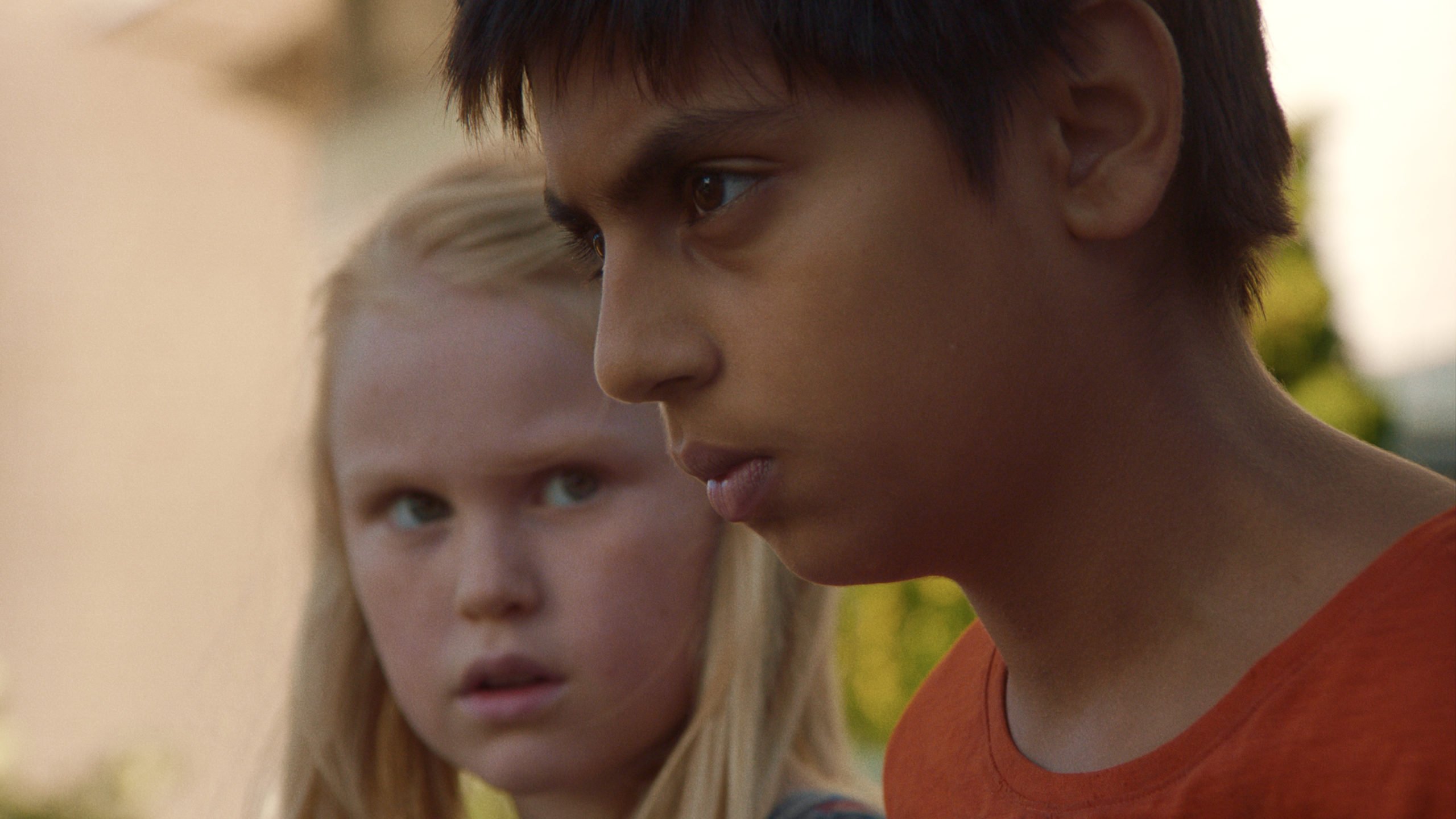
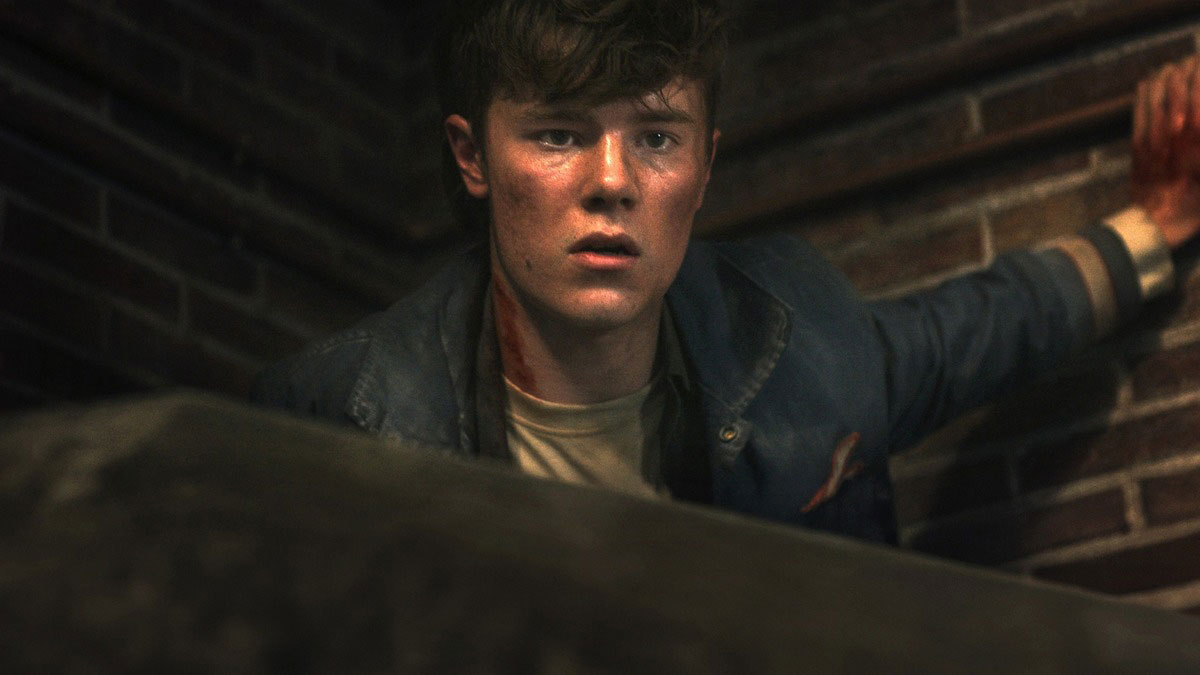
The Innocents is a Norweigan thriller that follows four kids who discover they have supernatural powers over the summer. They play around and experiment in the woods nearby, but what begins as harmless fun quickly develops into something much more disturbing and sinister.
This unnerving film, a blend of fantasy and horror, doesn’t waste time explaining the origins of its mysticism. Instead, it goes straight into action—bending, twisting, and splitting open anything and anyone that gets in its way. This kind of rawness is shocking given the age range of the characters, but it also works to subvert what we’ve come to expect from kids, youth, and goodness. The Innocents isn’t for the faint of heart, but if you can manage some bloody and unhindged scenes, then it’s sure worth checking out. Directed by Eskil Vogt, co-writer of critically-acclaimed films like Thelma and The Worst Person in the World.
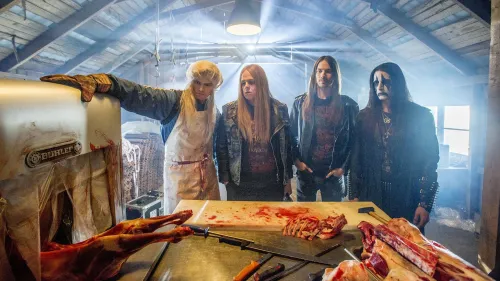
Heavy Trip is a comedy about a heavy metal band, but unlike many mainstream portrayals, it doesn’t dismiss the genre and its fans as overly aggressive, overly serious, or satanic. Instead, these misfits are endearingly goofy. While they growl over their frustrations, they’re totally sincere about their passion, willing to headbang even in the places they earn their living. So when they finally get a chance of a lifetime, it’s so easy to root for their success in spite of all the things that go wrong (maybe even because of all the ridiculous incidents that happen). While it won’t be the smoothest watch for non-metal fans, Hevi Reissu is a crowdpleaser. Just make sure to prepare your ears.
 x1
x1

Somewhere near the border between Russia and Ukraine lies a shelter for kids coming from unstable homes. Their parents, either alcoholics or abusers, have nine months to prove that they’re fit to look after their children; otherwise, the kids are sent straight to the orphanage, with no chance of a goodbye. A House Made of Splinters is a documentary that quietly and closely follows the shelter’s occupants amid growing joys and pains, not to mention the ever-present danger of war.
Perhaps one of the most striking things about A House Made of Splinters is how attuned it is to the kids. It serves as a reminder of their immense sensitivity and observational skills (more than once, you’ll hear a child assess their home situation in the calmest of manners), as well as their clever ingenuity (there’s a lot of playing going on despite everything, which is heartwarming to watch.

Most sports biopics are centered around winners– their drive, their spirit, and their determination to beat the competition, and maybe win some glory for their respective teams, hometowns, or countries. The Happiest Day in the Life of Olli Mäki instead focuses on a Finnish boxer that lost a match. Shot in 16mm black and white film stock, writer-director Juho Kuosmanen captures the man, not the legend, in sequences that feel like decades-old memories that draws you into his story, his humble character, and the motivations that drive him, a yearning for love rather than bragging rights, trophies, and nationalistic pride. It’s such a charming twist to the genre, one that recognizes a different kind of masculinity. While Mäki might not be the world’s best boxer, this film suggests that he might be one of the happiest, forgoing an important match for a marriage that ended up lasting his lifetime.
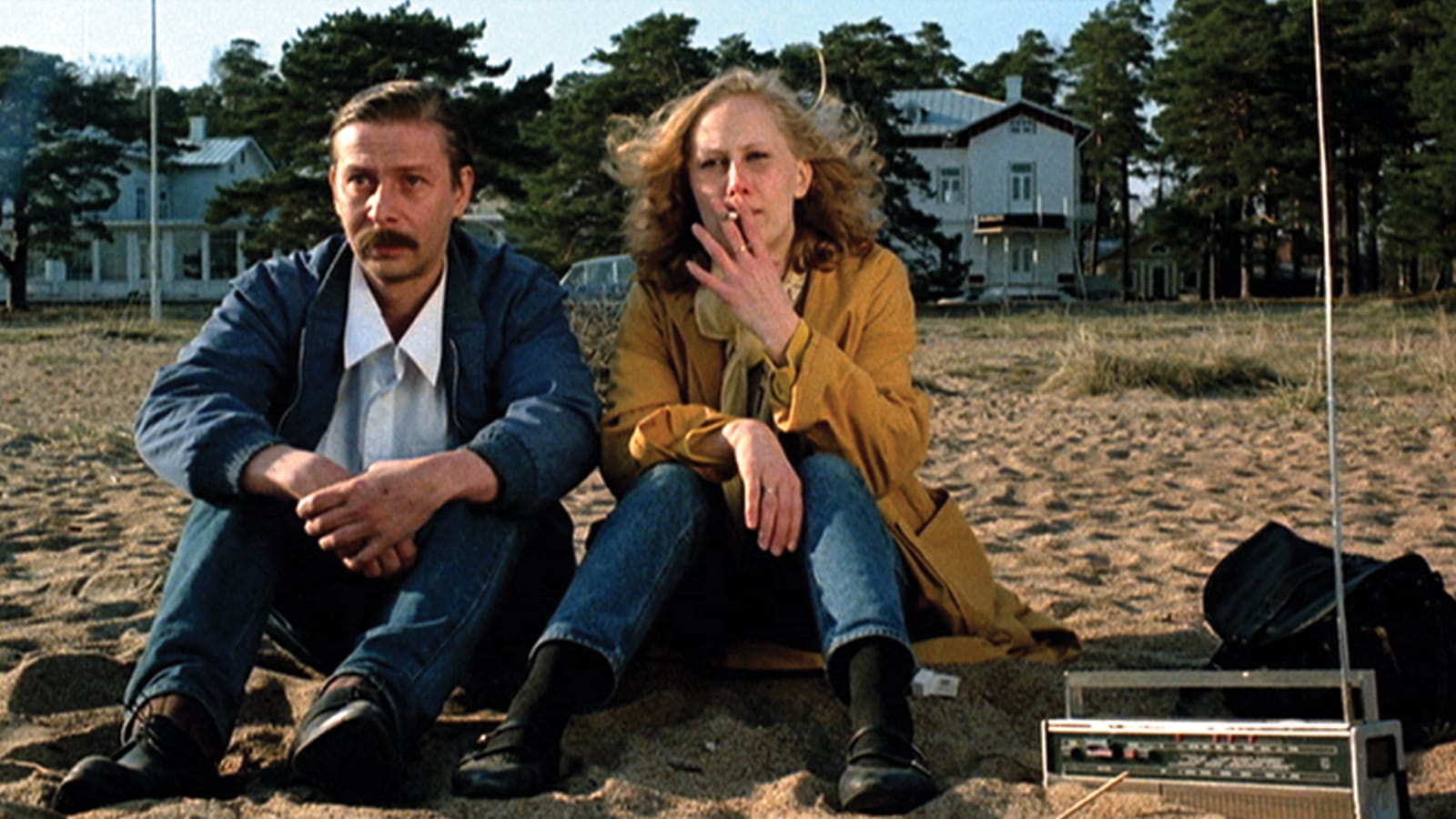
Grand gestures, over-the-top declarations of love, and elaborate gifts… These normal romcom acts can sometimes make it seem that romance can only be done by the wealthy. But, in reality, love can happen anytime, and the first film of Aki Kaurismäki’s Proletariat Trilogy suggests that love is ultimately necessary in a world where two lovers are disenfranchised. As Nikander tries to woo a slightly disinterested Ilona, and as Ilona decides to depend on him for support, Shadows in Paradise might not have the usual frills of a romcom, but Kaurismäki finds the bare essentials in a depressing Finnish town, and captures the small ways it blooms in spite of it, through the lovers’ humorous blunt dialogue and the color their love adds to their world.
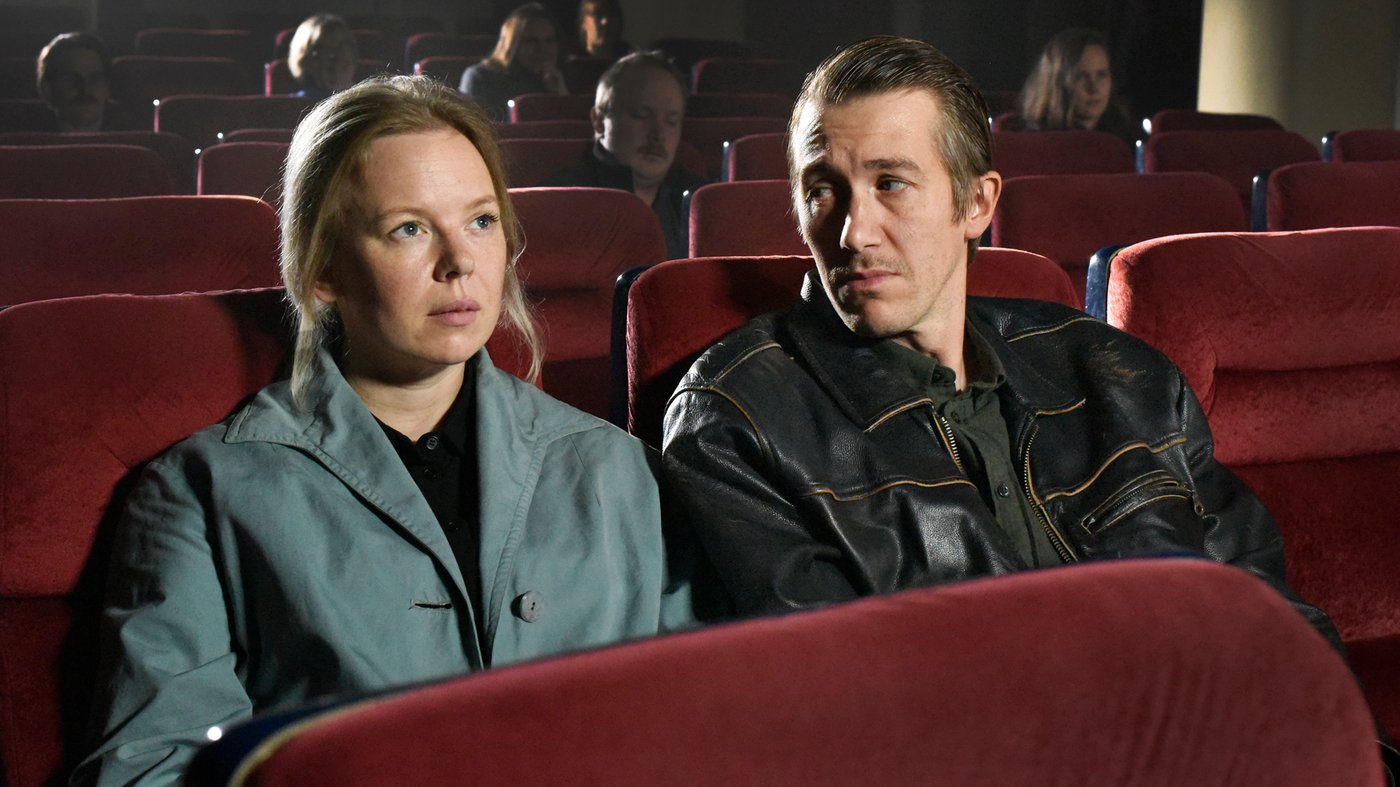
Simple but lovely movies like Fallen Leaves are hard to come by these days. While others rely on complicated dialogue or overly ambitious premises to be deemed deep or important, Director Aki Kaurismäki trusts that his material is strong enough. After all, its silence speaks volumes; the characters don’t say much but when they do, you can be sure it’s something hard-hitting or funny. The plot doesn’t contain a lot of surprises, but when it makes a turn, it moves you instantly. And the leads, Ansa (Alma Pöysti) and Holappa (Jussi Vatanen) barely move their features, but their eyes convey more emotion, more longing and ache and joy, than one can hope for. Some movies can be challenging, exhilarating, or exhausting to watch. This one is simply delightful.

A wonderful homage to the woman, actress, and mother based largely on her own archives and interviews with her four children. Bergman was an avid photographer, filmographer and letter writer. What emerges is a loving portrait of an adventurous, driven, complex, and loving woman. Not to be missed.

Unlike other films about great inventions of a bygone era, BlackBerry isn’t nostalgic nor sentimental in the least bit. Instead, it’s chilly, calculating, and surprisingly comic (it has to be, with comedians Jay Baruchel and Glenn Howerton as leads). And it’s less about the brilliance of this one product than the cycle of greed, corruption, and vanity that eventually traps its too-ambitious creators.
It’s a smart film that refuses to dumb down the tech and business side of things, and what it lacks in characterization (there is little to no backstory to be found), it more than makes up for in drama and a superb pace, which propulsively and practically brings you to its wonderful peak and bleak end. Equipped with a no-nonsense yet thrilling approach to facts, BlackBerry is a refreshing entry into the biopic genre.
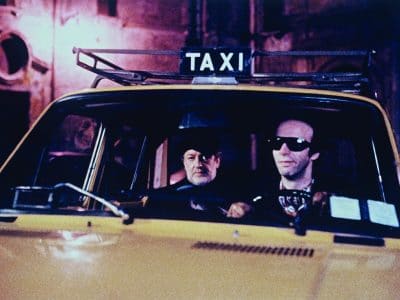
An absolute delight of a gem starring a young Winona Ryder as well as an amazing cast. Arguably Jim Jarmusch’s best film, it tells the story of 5 different places at night from the perspective of cab drivers and their passengers: Los Angeles, New York, Paris, Rome, and Helsinki. It’s really hard to pick a favorite among the stories, from a messy tomboy having to deal with a busy businesswoman, to a blind woman in Paris making a frustrated driver from Ivory Coast go insane. But look out for Helmut and Yo-Yo, from the New York story. I’ve rarely seen anything in film as fun as their story.

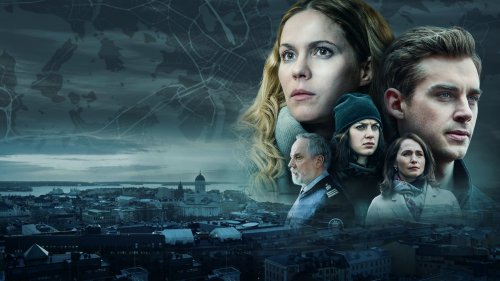
This cold Finnish series is about a successful detective who moves to a small town seeking calm. But once he settles in a town on the border with Russia, a series of murders ensue.
Because Finnish TV is alien to most of us, the way this detective story is told is so unique. It’s bleak – very bleak – and even when the most intriguing murders take place, the biggest plotlines are the ones that are driven by character development.
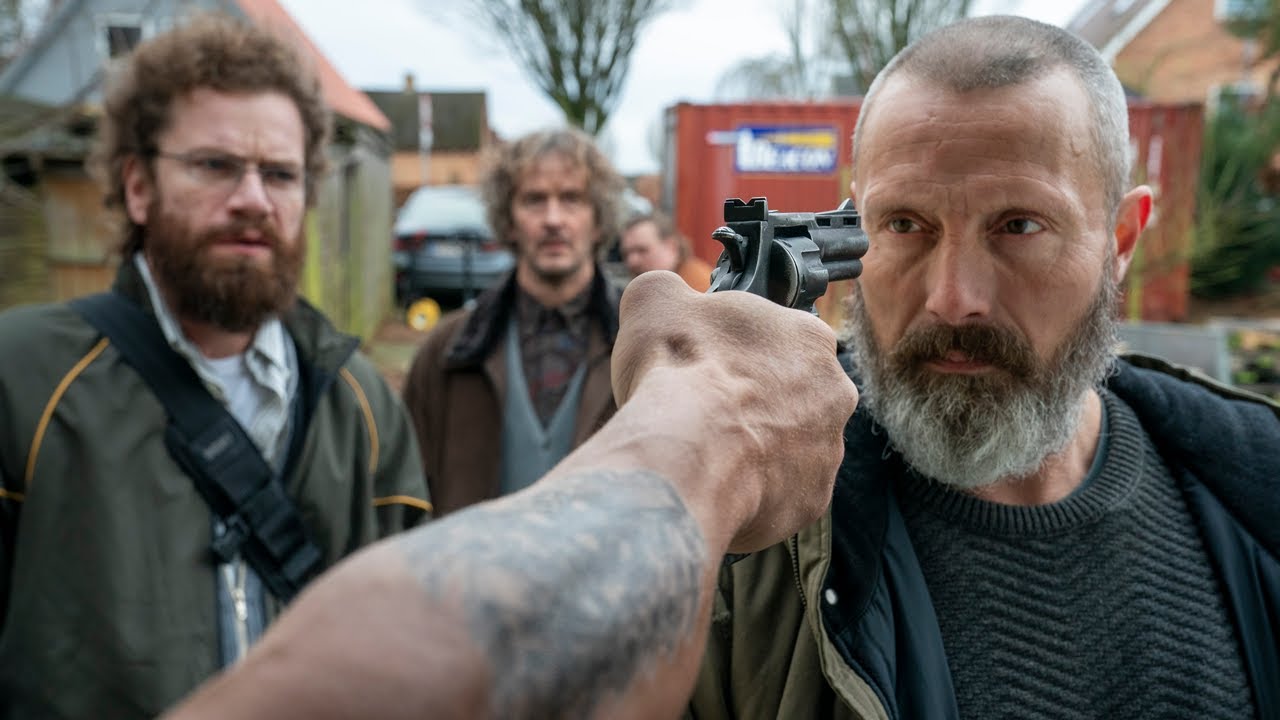
Don’t let the title and poster fool you—Riders of Justice isn’t the testosterone-filled action flick you’d expect going in (though it does get ridiculous at some points). It centers on deployed military man Markus, played by the appropriately masculine Mads Mikkelsen, who has to return home to his teenage daughter Mathilde after his wife dies in an accident. Instead of coping normally and sticking with his daughter to get through the tragedy, he goes down a rabbit hole discovering how the accident that killed his wife is more than just bad luck and may have been collateral damage from a gang orchestrating an assassination.
Surprisingly, director Anders Thomas Jensen injects this violent film with a lot of gentle moments about trauma and togetherness. Mikkelsen and the rest of the cast play off of each other very well, using dark humor to bring together a bunch of characters who are, in oversimplified terms, “fucked up but trying their best.”
It may seem like the guns, blood, and badass moments are a front for this film that, at its core, shows men who badly need therapy banding together to cope with the harshness of life. Extremely funny and deeply moving, it qualifies as a heartwarming Christmas movie, believe it or not.
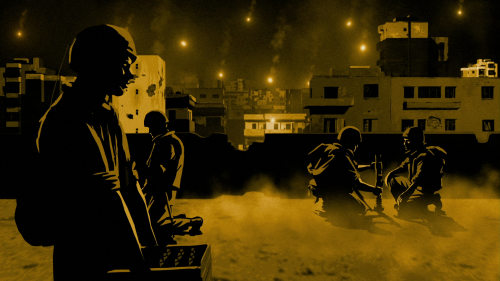
In Waltz with Bashir, director Ari Folman grapples with the trauma and dehumanization of war by examining the role he played in the 1982 Invasion of Lebanon. But his memories are fractured, so in an attempt to piece them back together, he visits his comrades and has them recall the events for him. The result is both poignant and painful, a horrific tell-all of what happens on both sides of the battleground. The film is a documentary, chillingly honest and straightforward, but it’s also an animation gem that continues the legacy that Persepolis started and Flee continues. By combining the harshness of war with the lightness of animation, all three films effectively deliver their anti-war message with a much-needed human and personal touch.

The magic of this movie — and every other one directed by Aki Kaurismäki — is in the way it inspires so much hope despite the darkness of its subject. When a man (Markku Peltola) is beaten and robbed one night, he wakes up without any memory of who he is. Forced to start life all over again, he’s subjected to yet more cruelty at the hands of a greedy slum landlord and callous authorities, but finds sympathy and support from his equally downtrodden neighbors. Though the street thugs have emptied his wallet, the unquestioning generosity of the people around him suggests he’s now richer than he was at the film’s outset — as does the sweetly simple romance he strikes up with a lonely Salvation Army worker (Kati Outinen).
Kaurismäki doesn’t just make films about the disenfranchised for the sake of it: he shows us how easy — and yet momentous — acts of human kindness and solidarity can be, how radical they are in a bleak world. It’s not often a movie can so persuasively reassure us of people’s inherent goodness, but it’s even rarer still for it to be done with as much deceptive, charming simplicity as here.
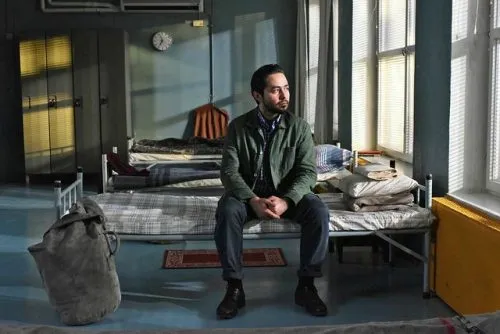
Finnish director and megastar Aki Kaurismäki hits with yet another absurd but poignant movie. The Other Side of Hope is about a Syrian refugee and his journey across Finland, both the country and the culture, in hopes for a fresh start. It’s a genuine and simple movie, played masterfully by a cast of newcomers. But in its simplicity, it elicits empathy on a subject that most of us choose not to dwell on nowadays. Aki Kaurismäki has the unbelievable skill of distilling tragic events into their humane component. A movie to give credit to, and to watch without any prior expectations – unless you’re familiar with Aki Kaurismäki’s previous work.

More shooting and spectacle than story, Sisu is a stunningly shot and unapologetically gory action film set at the tail end of World War II in Finland. It follows former commando turned prospector Aatami (nicknamed “Koschei” or immortal by the Russians) as he retrieves his stolen gold from the Nazis who’ve occupied and pillaged the nearby town.
Not much happens in the way of plot, but what it lacks in that department it more than makes up for in action, which easily matches the likes of John Wick. In fact, Aatami is a kind of John Wick with his undefeatable killer moves and trusty dog pal—a reprieve of cute in a sea of endless carnage. But in the long list of grindhouse movies, Sisu distinguishes itself as astutely patriotic. Of course, it’s hard not to root for anyone going against Nazis, but Sisu compels you to its side in subtle but powerful ways.
You’ll be reminded of John Wick, Mad Max, and many a Tarantino film watching Sisu, but you’ll be struck by the film’s singular hero, a stand-in for a nation unwilling to give up in the face of oppression.

Shia Laboeuf and Stellan Skarsgård star in this true story about one of the greatest tennis matches in history: the 1980 Wimbledon final. The movie dissects what drives both competitors (one played by Laboeuf and the other by Sverrir Gudnason). Their personalities, considered opposites, are studied through their paths and how they got into tennis. All this leads to that one match, in this beautiful story of dealing with competition and fear of failure. Don’t stop watching when the credits roll, read what they say!

At 20 minutes per episode, the story of two brothers trying to make their dream of becoming professional, industry-changing dancers a reality is surprisingly uninteresting. Roni and Sakke are chasing their big break, but Roni is rude to anyone who doesn’t think he’s transformative, and Sakke insists on sticking by his brother even as he ruins their chances. By the end of episode two, they’re offered a chance to open their own club and work with a suspiciously generous patron from their mother’s laundromat. But despite the compelling gist of it all, nothing holds attention. The dancing sequences are mostly a miss, and the story’s progression feels painfully by the numbers. If “chasing your dreams” is supposed to be the redeeming quality, the execution alone dismantles it.



Not to be confused with James Cameron’s 1989 film, The Abyss isn’t the worst disaster film, but it could have been so much more. Inspired by the earthquake that actually happened in the real life town of Kiruna, there’s an important story here about worker safety, responsible mining, improving emergency protocols, and preserving the environment. However, like plenty of disaster movies, the film plays out in the most predictable ways, attaching a frankly irrelevant family drama that takes time away from the terrifying, claustrophobic nightmare that could have been. It does have decent effects, and even some decent scenes, but The Abyss is more interested in using the real life earthquake to manufacture drama, rather than actually looking into the manmade disaster.

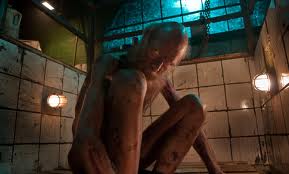
Not your typical Christmas movie by a long shot, but my favorite. A young boy lives with his reindeer herder father in northern Finland. An archaeological expedition unearths the *real* Santa Claus…you know, the one that likes to abduct little kids. Sometimes funny, sometimes scary, sometimes heartwarming, always dark, this tale of a boy, his father, and their friends will forever change your perception of that jolly old elf.
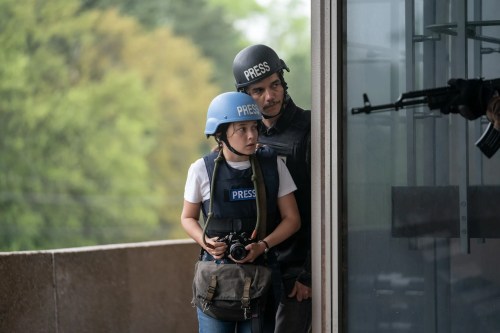
Given the country’s divisive politics, a second civil war seems plausible, inevitable even. But even though Civil War, the film, takes place in this kind of world, its main focus is on the four journalists who race through the country to get the scoop on a fascist president who’s bound to be ousted anytime soon. We only get hints at the specific causes and developments of the war, but what we do get is an unsettlingly close look at the human toll of it, as well as the realities of reportage—crushing PTSD, ethical responsibilities, and all. It’s a brilliant movie if you set your expectations right.

Choose your seating position wisely because this angry thriller will keep you frozen until the credits roll. Supported by terrific acting, Hanna is also visually striking and filled with well developed action sequences. It’s an action movie that takes fight choreography seriously and that’s something we wholeheartedly appreciate.