Movies to Watch From Russia
To access filters, visit our homepage.











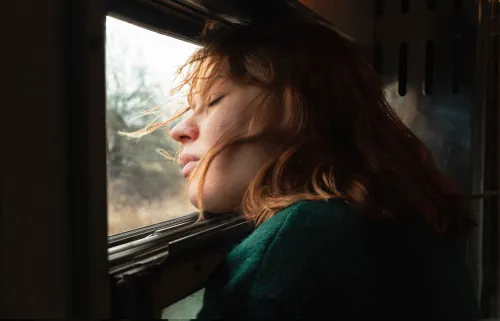
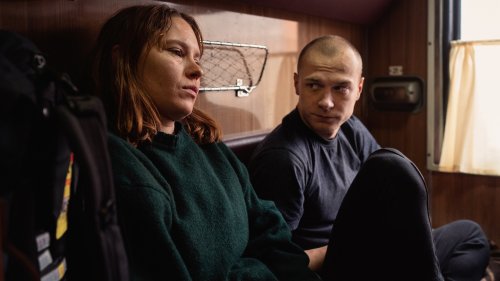
In Compartment Number 6, two different people strike an unlikely friendship during a train ride from Moscow to Murmansk. One is Laura, a Finnish student looking to observe ancient rock carvings at their destination, and the other is Ljoha, a gruff miner who hopes to secure a job once there. While the pair are initially unable to get on the same page, their friction eventually lends way to curiosity and empathy, especially as they learn more about each other and life itself.
It’s a great film to put on if you’re a fan of smart but subdued movies like the Before trilogy and Lost in Translation, and there is a lot to mine beyond their already-rich conversations, especially in terms of class and romance. It’s little wonder then that this delightful two-hander shares the 2021 Grand Prix award with another brilliant piece of art, Asghar Farhadi’s A Hero.

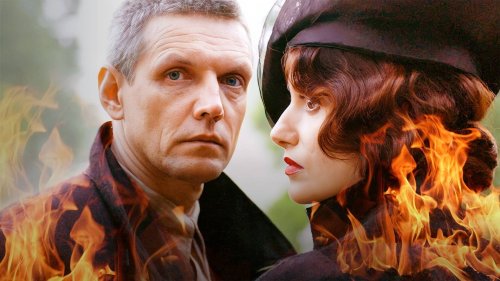
A nostalgic look at ’90s Belarus brings to bear a sharp generational divide. Evalina is a young DJ living in Minsk with her mother, but dreaming of Chicago, the birthplace of House music. Her attempts to gain a US visa land her in a small factory town, where the tensions between her modern lifestyle and old-time traditions boil over.
This promising debut from director Darya Zhuk features a mesmerizing palette of saturated colors and some striking shots calling to mind the work of Douglas Sirk, a star-making turn from lead actress Alina Nasibullina, and a dry wit that keeps the film lithe. At times, the somewhat heavy-handed script gets in the way, but Zhuk’s vivacious filmmaking is a pleasure.
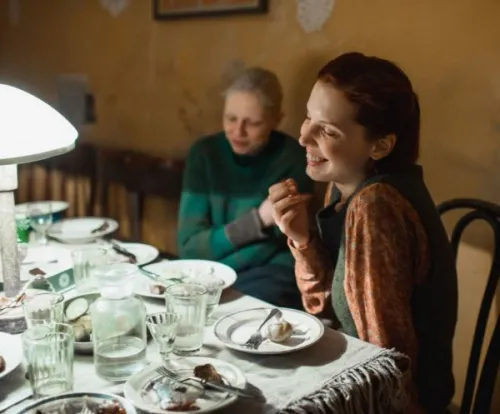
This heartbreaking Russian drama takes place in Leningrad six months after the end of the war. A boy is asked to do an impression of an animal, any animal, but the boy stands still. “Just do a dog then”, one person says, to which another remarks “he’s never seen one, they’ve all been eaten.”
In this bleak context, two friends meet again and try to restart their lives. Masha is a soldier who has just come back from the war in Berlin, and Iya, a tall woman nicknamed “Beanpole”, is a nurse who suffers from PTSD episodes that freeze her body. Both characters, so brilliantly acted, personify the thin line between desperation and hopefulness in this difficult but incredibly well-made drama.
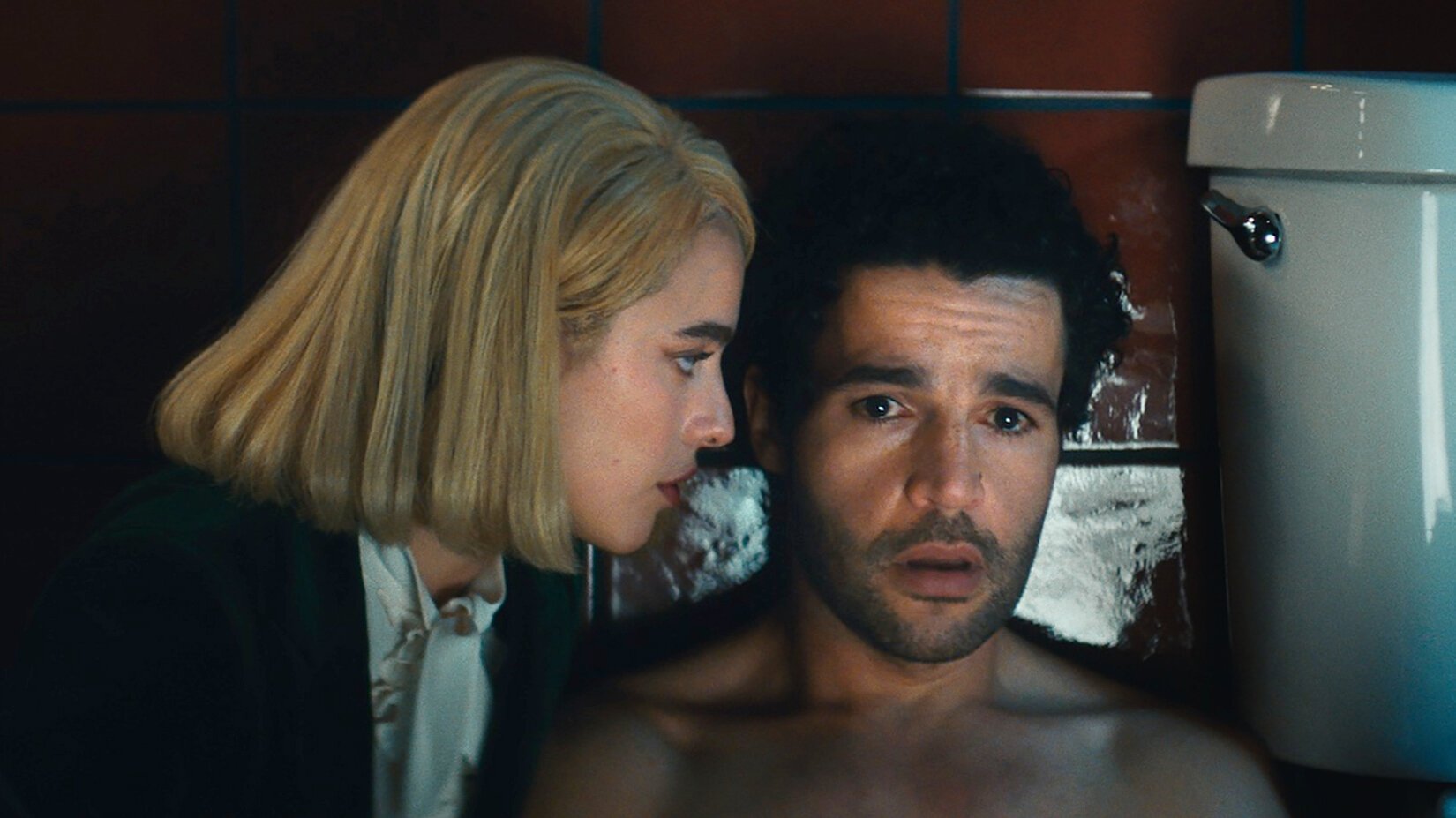
Challenging, strange, and utterly captivating from start to finish, Sanctuary takes the relationship between a pathetic, wealthy man and a desperate, plucky young woman—a relationship built on consensual acts of sexual humiliation—and makes it so much more dynamic and entertaining than it has any right to be. The film takes place entirely in one hotel suite over the course of one night, becoming a series of increasingly absurd psychological scenarios, as the characters wrestle over ideas of power, shame, and identity by concealing and roleplaying various parts of themselves. It’s a wild take on several different genres that director Zachary Wigon is able to effortlessly weave together with excellent pacing, stunning visuals, and two truly committed performances from Christopher Abbott and a wonderfully unhinged Margaret Qualley.
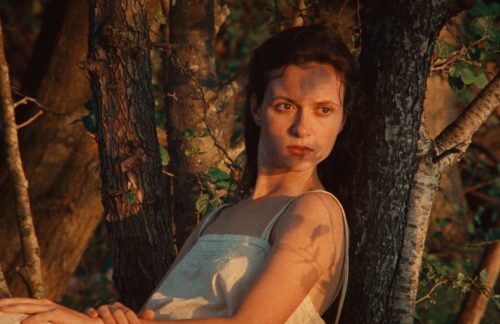
Anyone who’s seen Pietro Marcello’s Martin Eden will likely recognize the director’s fingerprints all over Scarlet. There’s the same haunting collage of colorized archival documentary footage and fictional scenes here, the same fascination with physical labor and historical moments of transition, the same loose approach to literary adaptation. Scarlet’s story is drawn from a 1923 Russian adventure novel but the action is transposed to post-WW1 rural France, where soldier Raphaël (Raphaël Thiéry) returns from the war to discover his wife has died and left him with a daughter, Juliette (Juliette Jouan). The local townsfolk reject the duo, but they manage to keep their head above water thanks to a kindly landlady with a storybook belief in magic and Raphael’s Geppetto-like skills at whittling beautiful toys from blank blocks of wood.
The fairy tale touches don’t stop there: the color grading and bucolic setting give the movie the look and texture of a fable, while Juliette is enraptured by a prophecy — given to her by a witchy forest woman — that tells her she’ll one day be swept away by scarlet sails in the sky. It’s a charming, if airy, yarn, but the craftsmanship in front of and behind the camera makes Scarlet a gorgeous escape.


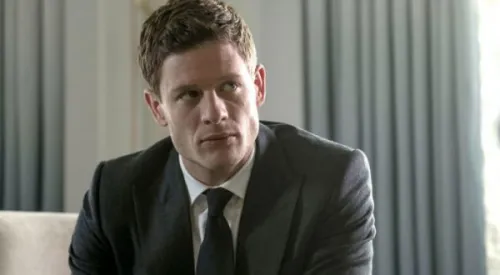
James Norton plays a Russian-British banker who has stayed away from his family’s links to organized crime. When his fund is threatened, he accepts a shady investor recommended by his uncle, which introduces him to the world of international crime as a money launderer.
It’s very well-made, and successfully juggles many stories at once. However, its weakness might ironically be that the main storyline, as well as Norton’s character, are less interesting than a lot of the other stories that are going on.
The series is written by Hossein Amini, who also wrote the script for Drive.
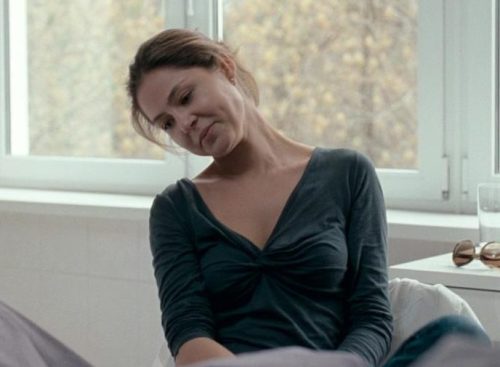
Realistic, intimate, and compelling, Elena is a movie that makes you think a lot after you finish watching it. It is an inherently Russian movie, however there is something about how the story is told that makes it a universal family drama. A woman from a modest background to which she still has a lot of attachement is married to an old wealthy business man. Upon learning that the man might write her off his will, she feels pushed to get her hands dirty to honor her responsibilities towards her original family. The question of right and wrong when faced with extreme situations is at the heart of this aesthetically slow-burning family drama.
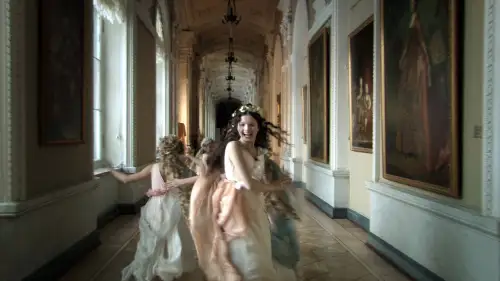
Before Birdman and 1917 popularized the technique, this experimental film was shot entirely in one take, requiring four attempts before the final shot was taken. Unlike the aforementioned movies, however, we wouldn’t say that its events are in real time. As if sailing through the Winter Palace across centuries, the narrator, whose POV is the camera’s, could possibly be an invisible time traveller, a ghost, or an entity trapped in a moving spacetime singularity, maybe even all three. We don’t know. The narrator themselves aren’t even sure how they got there. But what we do know is how novel this idea is. Touring from room to room like the museum the building will become, the drama juxtaposes the history with Marquis de Custine’s commentary, unfolding the nation’s fate in both good and bad. It’s an outstanding film, regardless of how one feels about the country itself.
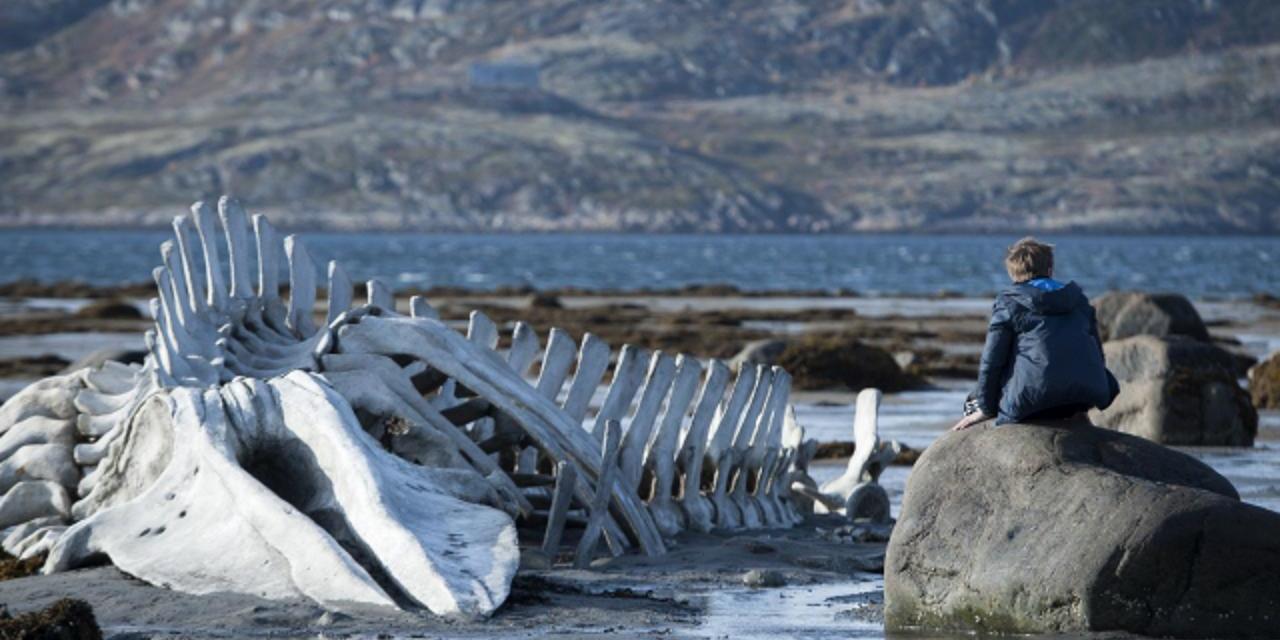
With laws, education, and modern day systems, it seems like the modern man has some means for recourse, at least more than the average person centuries ago. However, despite this, injustices still remain. Leviathan depicts Kolya, a modern day Job, set out to keep his land from the clutches of a corrupt mayor. It’s bleak and depressing, somewhat neorealistic as Kolya goes through various hardships due to political greed, but there’s some wry sense of humor, one that bitterly points out how much hasn’t changed since biblical times. While it’s quite long, Leviathan is likely to move most viewers to tears, and maybe to shots of vodka, due to its depiction of the everyday man.
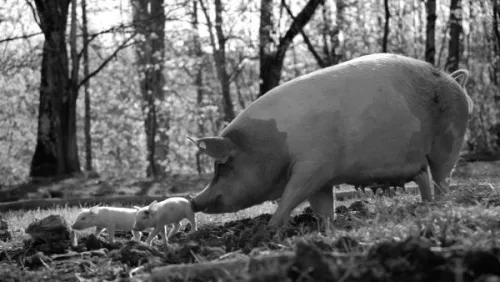
Gunda offers an empathetic look at the lives of farm animals with its minimalist approach to the nature doc. Director Victor Kossakosvsky films without a sentimental score or voice-over narration, and shoots in a sparse yet striking black and white. This decision gives the film an intimacy often missing from more traditional modes.
We watch a sow named Gunda, her piglets, and a few other animals through their daily routines. Long natural sequences allow the viewer to sink into the zen of the animals’ natural rhythms. The result is an astounding and bittersweet film that hints at the brutalities of factory farming without ever stepping foot in a slaughterhouse.
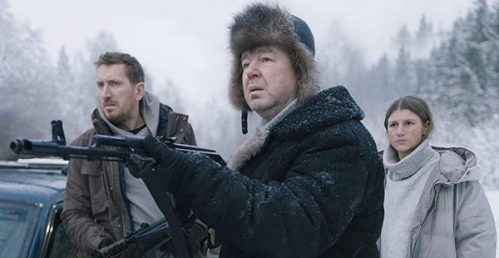
This new Russian thriller show has an immaculate production value that can rival the biggest Hollywood shows.
It’s about a deadlier flu pandemic than the one we’re living through; one that kills anyone who becomes infected. It strikes Moscow first, quickly throwing the city into chaos as criminal gangs take over.
The show follows two families who live in a wealthy Moscow suburb as they try to reach a safe haven. Based on the famous book by Yana Vagner.
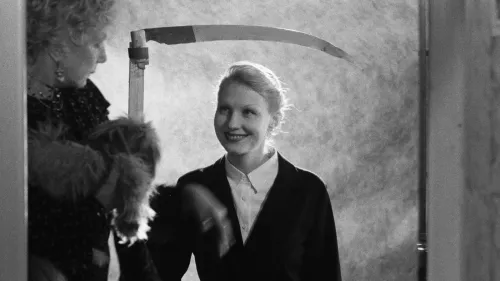
Given the fact that it’s dialogue heavy, some of the humor in this two hour and a half crime comedy might fall flat for viewers unfamiliar with the Russian language. It really takes a while for Andrei to run his con, considering how often he gets roped into performing some tunes and listening into lengthy gossip sessions with his wealthy old clientele. But rather than rely on lazy stereotypes, filmmaker Kira Muratova instead takes the time to get to know these characters in the gloriously maximalist house and the absurd differences between them. The Tuner won’t be for everyone, but it might resonate to those familiar with post-Soviet Ukraine.
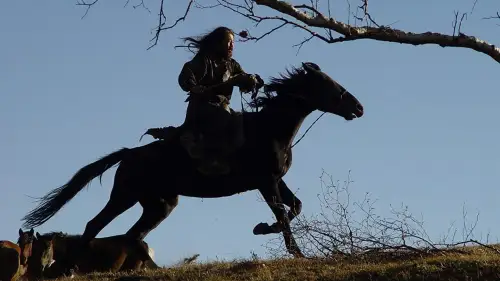
Given how far back the events are, and how much details were lost from then, we’re not really watching Mongol: The Rise of Genghis Khan for historical accuracy. What we are looking for is story and entertainment. This depiction has the latter in spades. With gorgeous landscapes, spectacular swordfighting, and lots of throat singing, director Sergei Bodrov captures Genghis Khan’s earlier years with the epic grandeur required for such an influential figure. However, we would say that the story is where it gets tricky. Initially planned for three films, Mongol stands alone as a thrilling tale of humble beginnings, but it’s easy to imagine what could have been if they were able to take it all the way to the end of his illustrious life.
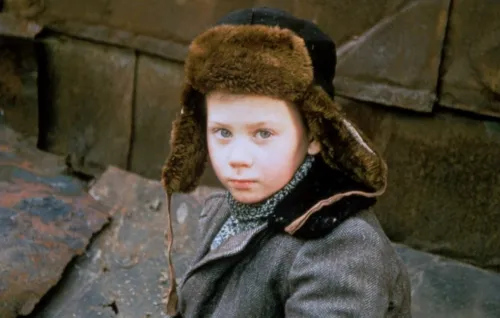
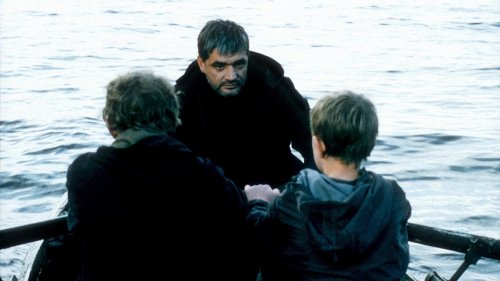
Ostensibly, The Thief is about a career criminal that charms his way into the lives of a single mother and her son, as he pretends to be a soldier coming from the war. It’s not a great relationship. Far from the stable, helpful personality they meet on the train, this man is unpredictable, violent, and can never be relied upon. He only indulges the both of them when he thinks he could get something out of it. So it’s easy to see the drama ahead of them, but along with the symbolic metaphors this relationship hints at the Soviet Union post World War II, The Thief captures such a compelling tragedy with such a terrific cast.
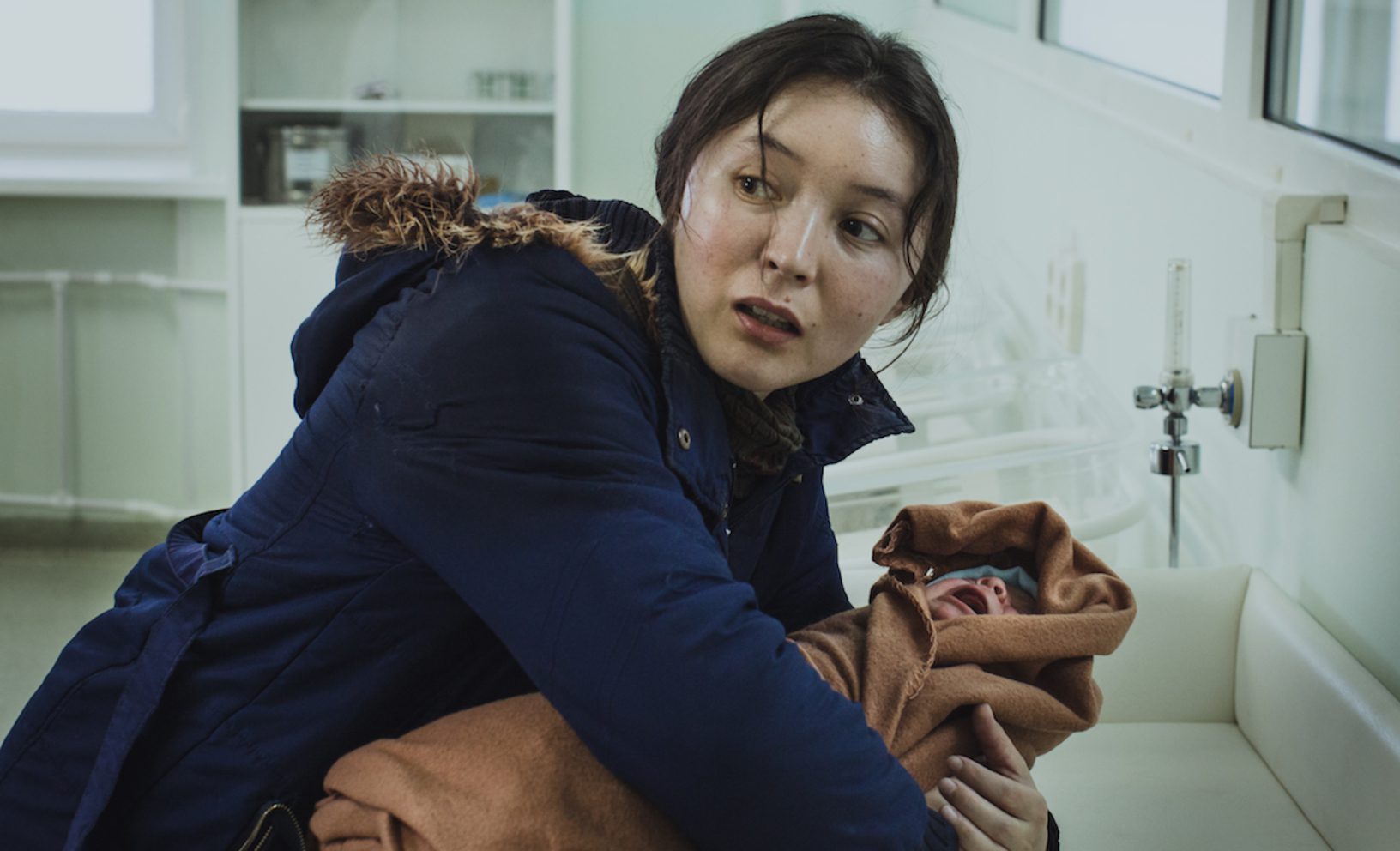
It’s not easy to watch Kazakhstani drama Ayka, but that’s sort of the point. It’s a miserable life. Even as she’s still bleeding from her pregnancy, and the snow piles on during a terribly cold day in Moscow, she still has to scramble for work to pay off debt back home, and her pay isn’t guaranteed simply because her visa expired. Director Sergey Dvortsevoy depicts this with no flourishes, simply having a camera follow behind Samal Yeslyamova as she portrays Ayka’s life side by side richer customers, but there’s no denying how tense the approach ends up being, since the stakes are made clear for her everyday: it’s either work or die, and Ayka barely says a word because the people around her can shift her fate for the worse, if she’s not careful. Ayka isn’t an easy watch, but it makes it clear how hard to live this life is, especially due to the central performance that makes this film.
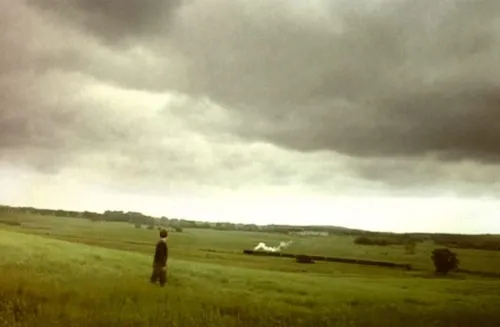
Alexander Sokurov might best be known for Russian Ark, his grand single-take jaw-dropper featuring over 2,000 actors. In a way, Mother and Son is the exact opposite, featuring only two, and instead of traversing hundreds of years of history, it wades through a singular moment in time. This intimate and hypnotic piece of slow cinema trails a son taking care of his dying mother out in the beautiful countryside.
Sokurov’s frames mirror impressionist paintings, while the mix of slow movement and sparse dialogue creates heartbreaking poetry. So many films casually employ death like a light-switch – on and off and out of mind. Sokurov instead confronts it as a corrosive force that bends time to its will and pulls both the dying and the grieving into its grasp.

When Russian director Vitaly Mansky is commissioned by the North Korean government to make a documentary about an average Pyongyang child, he follows their every guideline. Except the end result, Under The Sun, is the complete opposite of what they had intended. For example starting every take earlier than they thought, he makes the documentary about the watchdogs around the child and other mechanisms of propaganda. He uses quiet storytelling to expose how brainwashing in a fascist regime takes place, and how the people caught in it function. May just be the smartest, most important film you can watch on North Korea.

A beautiful and touching story about staying true to your inner morals and humanity in the middle of a raging war. Set during the conflict between Abkhazia and Georgia, Ivo (Lembit Ulfsak), an old Estonian farmer, takes in two wounded soldiers from opposite sides, who agree to not kill each other as long as they stay under Ivo’s roof. It’s not “Saving Private Ryan” heroic nor “Pianist” heartbreaking. Tangerines is instead a powerful movie in its simplicity, as the story evolves around 4 men and a crop of tangerines. Yet for some reason, it still tells the story of every war, and the people in it.