
The Best Movies to Watch From United Kingdom
To access filters, visit our homepage.











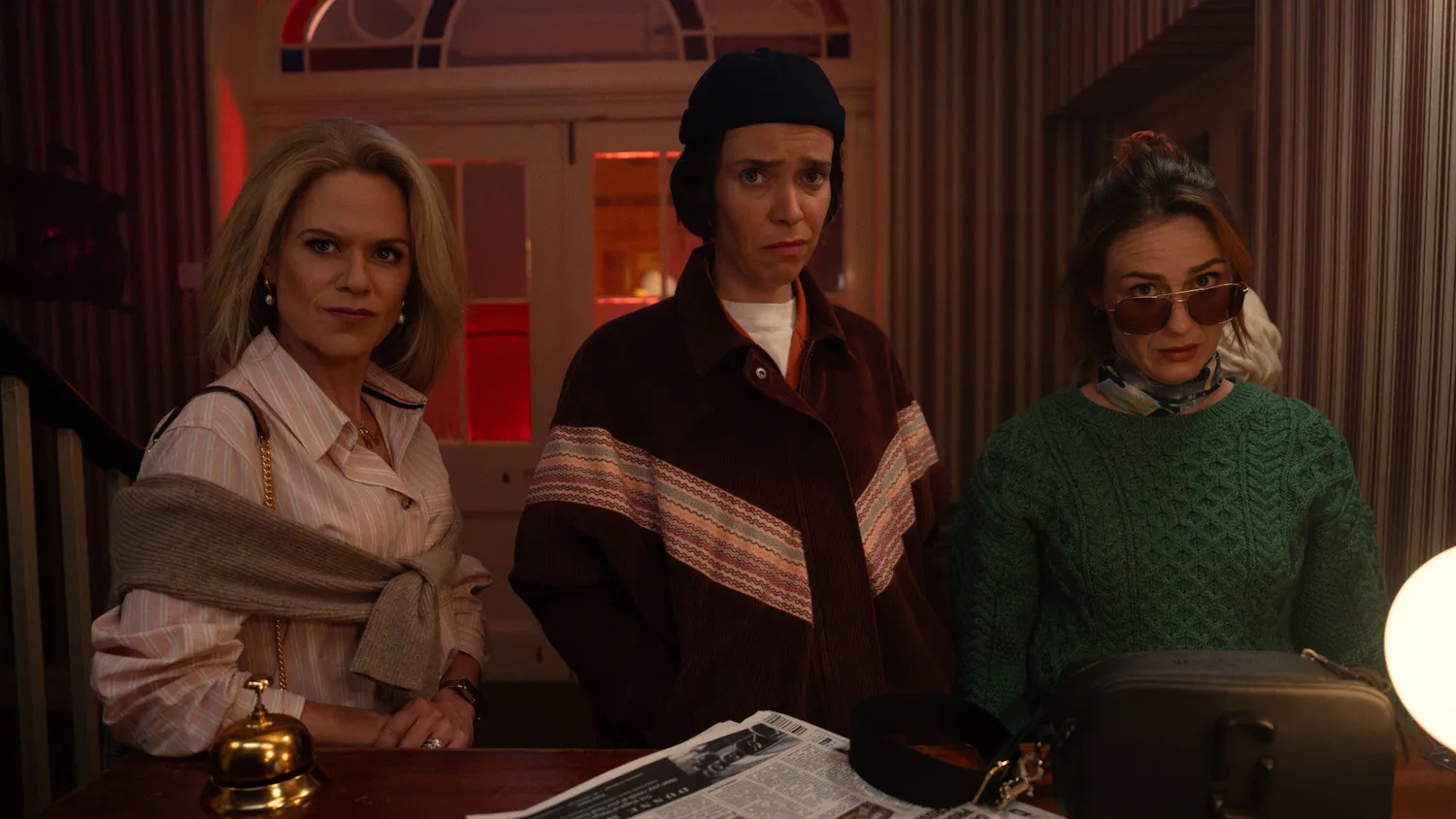
After losing a former friend, you would think that the three women in How to Get to Heaven from Belfast would be mourning, reminiscing about the past, and maybe go on a wholesome road trip that changes their lives for the better. Except, the show takes on a completely different approach. As the crime writer protagonist, of course, Saoirse brings her genre-savvy know-how to figure out the circumstances of Greta’s death. But there’s a bit of everything here– the somewhat supernatural vibe of every flashback she has, the mystery of whatever secret the four women share, and the chaotic shenanigans that these women get into as a result of being mentally stuck in their youth. How to Get to Heaven from Belfast isn’t quite Derry Girls, but writer-director Lisa McGee delivers the signature female friendships and distinctly Irish humor she’s best known for.

Young Sherlock isn’t quite accurate to the Andrew Lane book series or the original works from Arthur Conan Doyle. Here, the detective in question is college aged, rather than 14 or 60, a choice made surely to introduce a new ensemble of fresh-faced talent. And unlike its source material, there’s a larger mystery behind each episode’s case. We would say that these changes make the story better fit for television– Holmes at his unpolished youth has more freedom to mess up, so it certainly allows the cast and crew to have much more fun. And while some decisions feel distinctly out of time, Young Sherlock would be enjoyable enough for this generation.
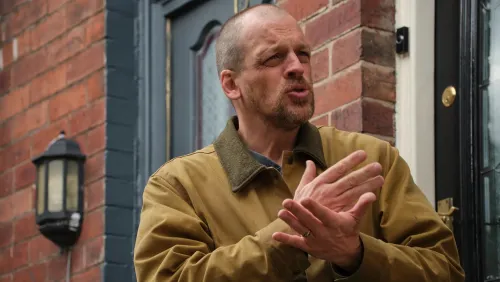
Reunion plays out like a typical thriller—it follows a recently released ex-con on the hunt for revenge. In most episodes, his reasons for killing remain a mystery, while his moral compass swings from hero to anti-hero. The beats and storylines are familiar, except for the fact that everything takes place in the realm of the deaf. The leading man, David Brennan (Matthew Gurney), is a deaf man who only uses sign language and the occasional angry gestures to communicate with those around him. The victim of his crime, Ray (Ace Mahbaz), was a stalwart in the deaf community, and so his widowed wife chases David in search of answers, answers David has promised Ray he’ll keep until his death. Reunion is an excellent show, if not in terms of narrative, then in terms of technical feats. Everything from the editing, cinematography, and especially the performances, which feature plenty from the deaf actors, point to how creatively and dedicately rooted the series is in the deaf community.
 x2
x2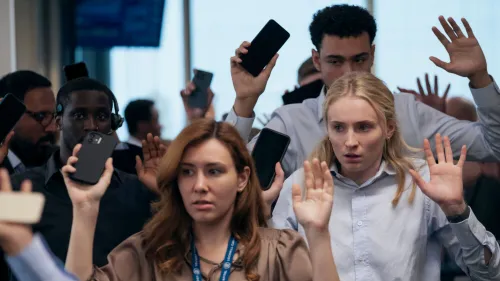
As financial systems update for the digital age, so do the related crimes. This crime thriller series starts out with a break-in, but after forcing office worker Zara Dunne to transfer the funds online, the robbery proves to be much more complex than a simple hit-and-run. It’s rather entertaining. The pressure put upon office workers Zara Dunne and Luke Selborn reflects the way technology has shifted risk, simultaneously presenting itself as more secure, yet can be tweaked with just a few clicks. Each new clue is presented quite masterfully, raising more questions and heightening the suspense. While some plot points might be predictable for fans of the genre, most of the twists work, thanks to the performances of Sophie Turner, Archie Madekwe, and Jacob Fortune-Lloyd.
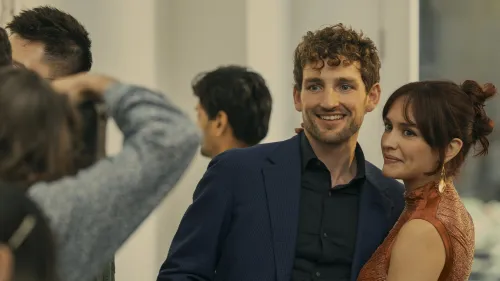
The Girlfriend, which is Meet the Parents by way of Death Becomes Her and Parasite, is a silly thriller about two women fighting to the death over one man. Cherry, an ambitious working-class real-estate agent, is the girlfriend, while Laura, a wealthy art curator, is the overly possessive mother. Their rivalry is amusing at first–a swirl of misunderstanding, bad impressions, and prejudice has them at each other’s throats the instant they meet. But it very quickly escalates into something sinister and dangerous. Still, it never takes itself too seriously and pretends to be anything other than a highly entertaining soap drama, making it all the more entertaining to watch.
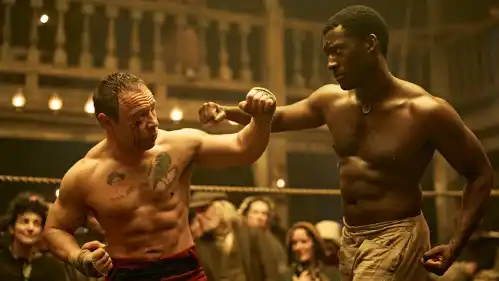
Created by Peaky Blinders showrunner Steven Knight, A Thousand Blows zooms in on the London Victorian underworld and follows three outsiders trying to uplift themselves in different, often illegal ways. There’s Mary Carr (Erin Rachael Doherty), an ambitious pickpocket who heads an all-female crime syndicate; Sugar Goodson (Stephen Graham), a merchant by day and bare-knuckle boxing champion by night; and London newcomer Hezekiah Moscow (Malachi Kirby), a Jamaican lion tamer who gets roped into Mary and Sugar’s complicated world. The conflicts the show takes onshow’s conflicts are as old as time: wealth inequality, gender divide, and racial discrimination. But Knight gives them a modern refresh so, coupled with razor-sharp dialogue, impressive choreography, gorgeous 1880s details, and stellar performances (particularly from Kirby), the show is invigorating to watch. Peaky Blinders fans who are missing the show will especially appreciate its grit and dark humor.
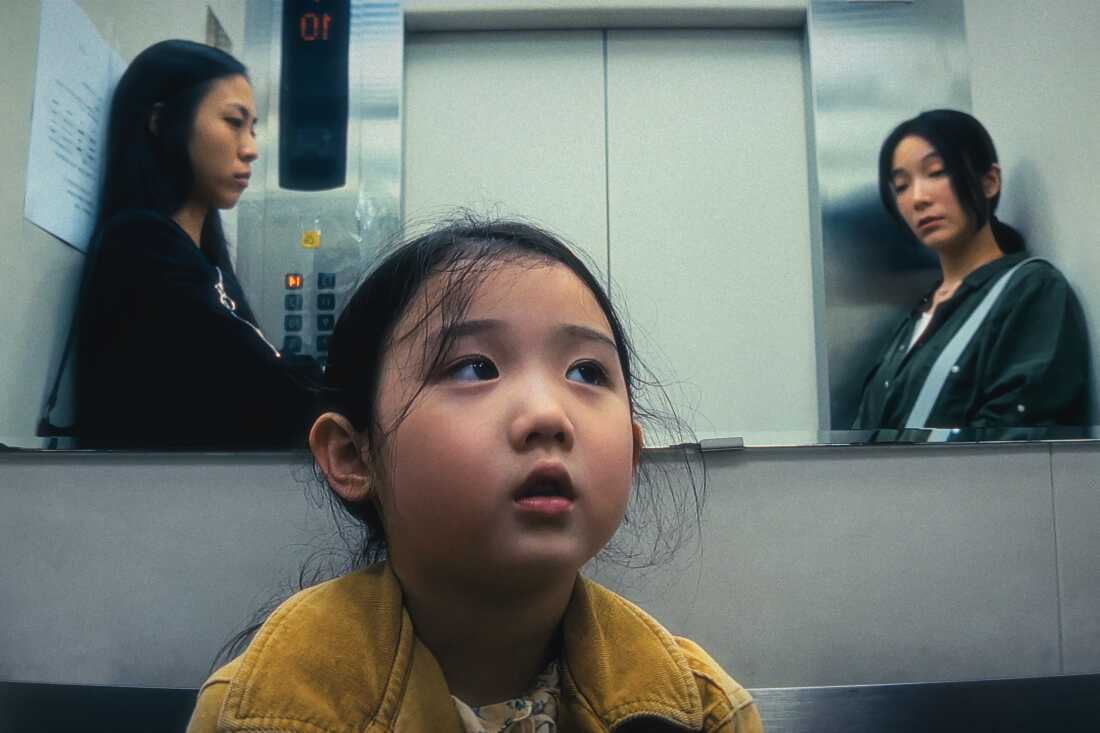
Left-Handed Girl is titled after I-Jing, the youngest daughter of the Ching family, whose left-handedness puts her at odds with her more traditional grandparents. That’s because left-handedness used to be associated with the devil. The idea is clearly outdated, but it hints at this family drama’s greater theme of being on the margin, of falling short of expectations placed by others. Of course, I-Jing’s left-handedness is easy to reconcile. The notion is considered outdated, and she’s portrayed by precocious newcomer Nina Ye. But what makes Left-Handed Girl so special is the way writer-director Shih-Ching Tsou deconstructs other expectations, such as Sho-Fen’s unfortunate marriage and the rebellion of her teenage daughter I-Ann. As the film unfolds, slowly revealing the fractures between them, Tsou subtly critiques how women carry the burden of saving face.
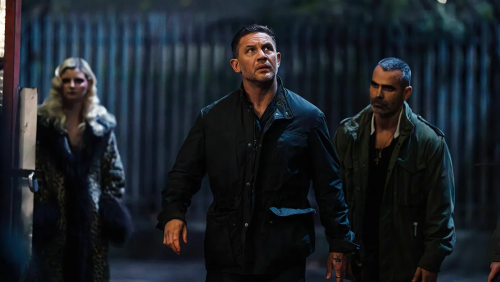
It’s easy to feel like you’ll know exactly what you’ll get once you see stills from Guy Ritchie’s MobLand, which stars Tom Hardy, Pierce Brosnan, and Helen Mirren. But while it features cliches of the mafia genre, MobLand is far from boring. Plenty of things are happening all at once, and in lesser hands, these storylines would’ve been a mess. But under Ritchie’s veteran guidance, things come together elegantly. It helps that Hardy is the perfect lead. Sure, he’s tough as the London underground’s main fixer, but he’s also surprisingly polite at times and quick-wittedly humorous at others. In the show’s quieter moments, he even manages to be poignant. The changes in tone are never jarring, instead always arriving at the right time. Even if Ritchie and Hardy have directed and starred in too-many-to-mention mob stories, they still delight and surprise in this enjoyable British series.
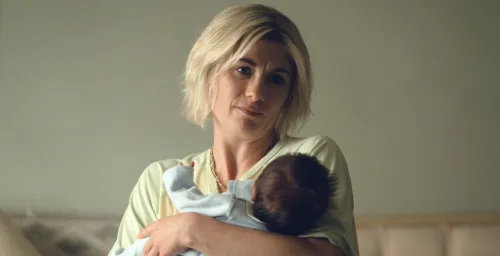
Toxic Town tells the true story of how toxic waste in the steel-making town of Corby, England led a group of affected mothers to pursue justice. Helping them out is pro-bono lawyer Des Collins (Rory Kinnear), while on the other end of the case is Corby’s local government, who (unsurprisingly) are in cahoots with the steel mill responsible for the poisoning. The show’s beats are familiar; it’s a classic legal drama with streaks of political corruption and conspiracy, while also being an underdog story about victims rising to the powers that be. But its familiarity is easily forgiven thanks to the heartwarming performances of Jodie Whittaker and Aimee Lou Wood, who play two of the mothers with disabled children. The show, though short at just four episodes, gives them ample space to grieve, celebrate, and essentially be human–as opposed to just angry women serving as plot points to a drama. Their humanization and compassion for one another, as well as the thrilling pace and intelligent back-and-forths, are what make the show worth watching.
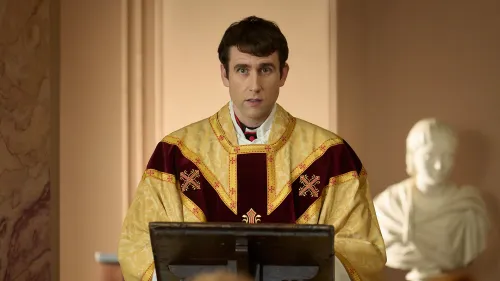
If I had a nickel for 2025 church-set murder mysteries solved by priests portrayed by handsome English actors, I’d have two nickels. Which isn’t much, but it’s weird that it happened twice. This show across the pond takes on a cozier, nostalgic vibe, though. Adapting the first part of the Canon Clement mystery series, this show has its priest protagonist free from suspicion, as a possible intended victim. As such, Clement doesn’t go on a crisis of faith that Wake Up Dead Man has, taking on a more affable buddy-cop situation with DS Neil Vanloo. If anything, Clement isn’t as much the focus here– it’s the community that we get to learn and grow alongside with. Nonetheless, like that later film, Murder Before Evensong contemplates the way faith has closed itself off and allowed their teachings to be the basis of prejudice.
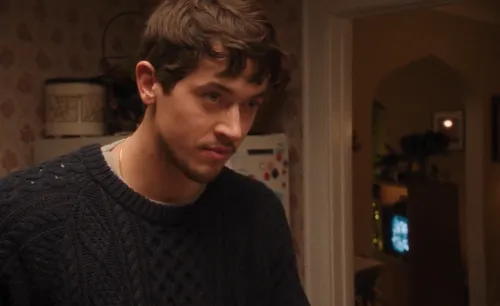
The strength of Plainclothes is the way it captures a memory. Fitting, for a film primarily set on New Year’s Eve. Memories of loved ones often replay during the holidays, and, when for some reason or another, the relationship got cut off, they replay like a supercut highlighting all of the possible reasons why it ended. So while it does take a while to settle into, writer-director Carmen Emmi’s mishmash of VHS footage, shots from a distance, and the nineties setting strengthens Lucas’ guilt over the police work he was assigned to as an undercover officer, the kind of cruelty widely accepted by most institutions of the time. Plainclothes remembers this pain, the tension, and the isolation that many have denied existed.
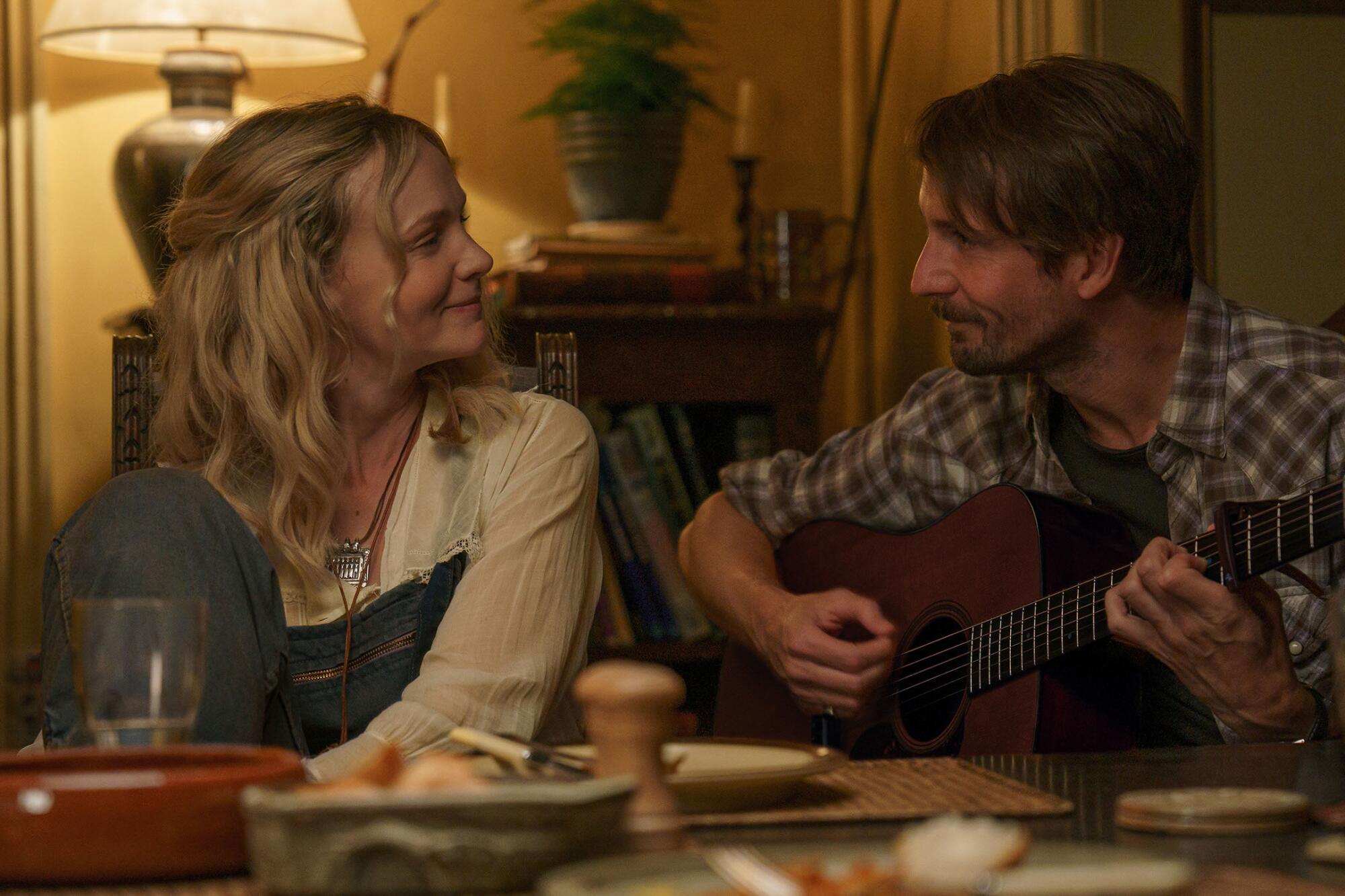
What would you do when you win the lottery? Most people would travel, buy a home, spend it on all the things you love, and maybe invest it somewhere. In The Ballad of Wallis Island, Charles Heath does this and uses the remaining pot to bring together the separated folk duo he loves. It makes for a kooky premise, but instead of forcing Herb and Nell back together, the film pushes them to reconsider their stances in love and life. It’s all played out in a surprisingly warm and peaceful way. The Ballad of Wallis Island is quite a charming film.
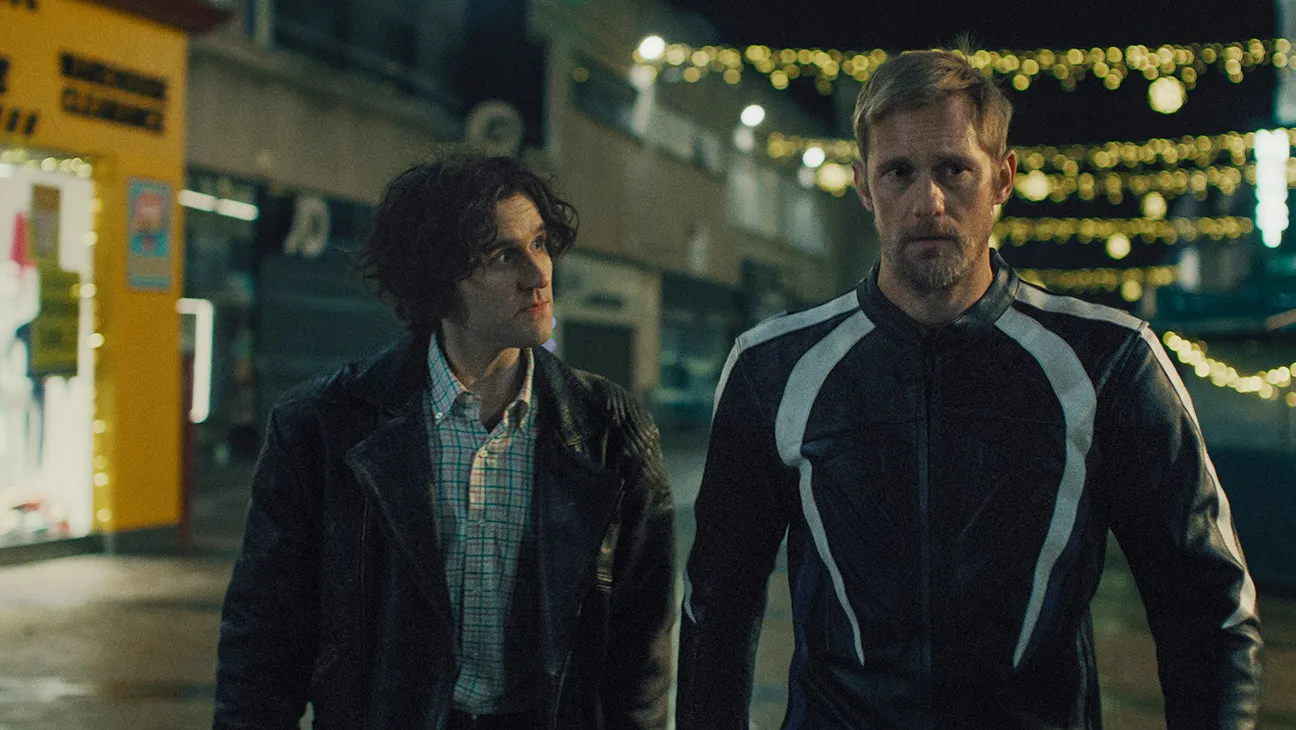
Given the other depictions of BDSM on film, we weren’t sure how Pillion would turn out. Much more so with a first-time feature director and two actors taking on their first leading gay roles. Thankfully, the way they portray this unconventional relationship is undeniably stellar. It’s non-judgemental, yes, but it’s not cloying; Sweet, while still fully recognizant of their incompatible desires; Humorous, though not at the community’s expense. Like Colin, Pillion takes on a wide-eyed curiosity towards a world whose few portrayals only focus on the salacious, and brings us to feel his yearning for more than what Ray is willing to give. Ray shouldn’t be your personal example of what a good dom should be and Colin was definitely unprepared for their dynamic, but Pillion ultimately works because of how freely it lets them explore their wants and change as a result.
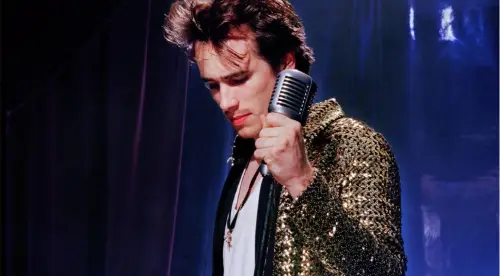
It’s Never Over, Jeff Buckley depicts the life of a musician whose time was cut too short. It’s a tale you might have heard before. He fell in love with the guitar at a young age, busked in small cafes and downtown bars, and won over fans and record labels to create one excellent album, but died just before stardom. This documentary depicts this somewhat conventionally. That being said, while it lacks in original approach, it captures the emotions well, understanding what moved Buckley to his craft. Tackling the loss of his father, music as his refuge, and his conflicted thoughts about fame, It’s Never Over unpacks the artist in a deeply personal way.
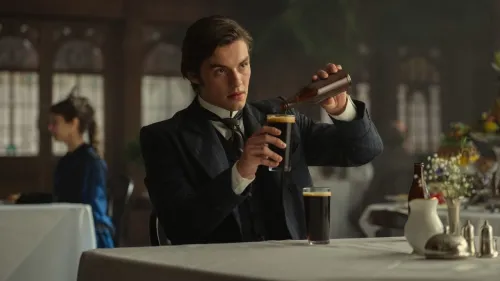
From the creator of Peaky Blinders comes House of Guinness, a historical drama based on the family that founded the titular beer. Specifically, it follows the four heirs to the Guinness throne: hotheaded Arthur, power-hungry Edward, enlightened Anne, and troublemaker Benjamin. Like Succession before it, much of the show’s watchability stems from the siblings’ unrelenting rivalry to get what’s theirs. But in the process, the show sheds interesting, informative light on the history of Ireland. You might not learn about the brewing process, necessarily, but you will be entertained by the drama, history, and forbidden romances.
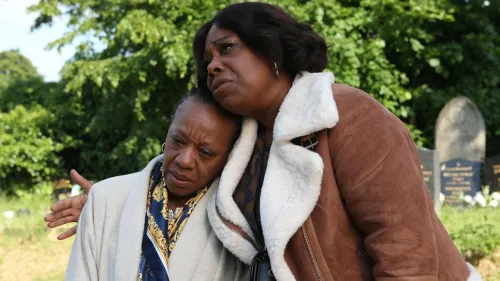
Hurt people hurt people, the saying goes, and nowhere is that more evident than in Hard Truths. Directed by Mike Leigh (Secrets & Lies, Vera Drake, Happy-Go-Lucky), Hard Truths follows two sisters who couldn’t be more different. One is Chantelle, a cheerful hairdresser who has raised equally ebullient daughters, and the other is Pansy, a hardened woman who lashes out at everyone from her family to the people queuing up in the grocery. Pansy is brutal, the sort of person you’d roll your eyes at if you were unlucky enough to encounter her in public. But Leigh gives us a glimpse into her internal struggle; nothing too obvious, as is the naturalistic director’s style, but we feel her pain whenever she goes out of her way to avoid the people closest to her, or when she savors a moment alone and hides her tears. There is no linear plot in Hard Truths; instead, it’s a collection of lived moments and ordinary joys and sorrows. It’s also a welcome reflection of our fractured reality. Loneliness, grief, anger, anxiety—these feelings are often inexplicable, and they come out of us in ways that are never immediately understandable or direct. So why should Pansy be? The film is an exercise in sympathy as well as a mirror to our own complicated and invisible hurt.
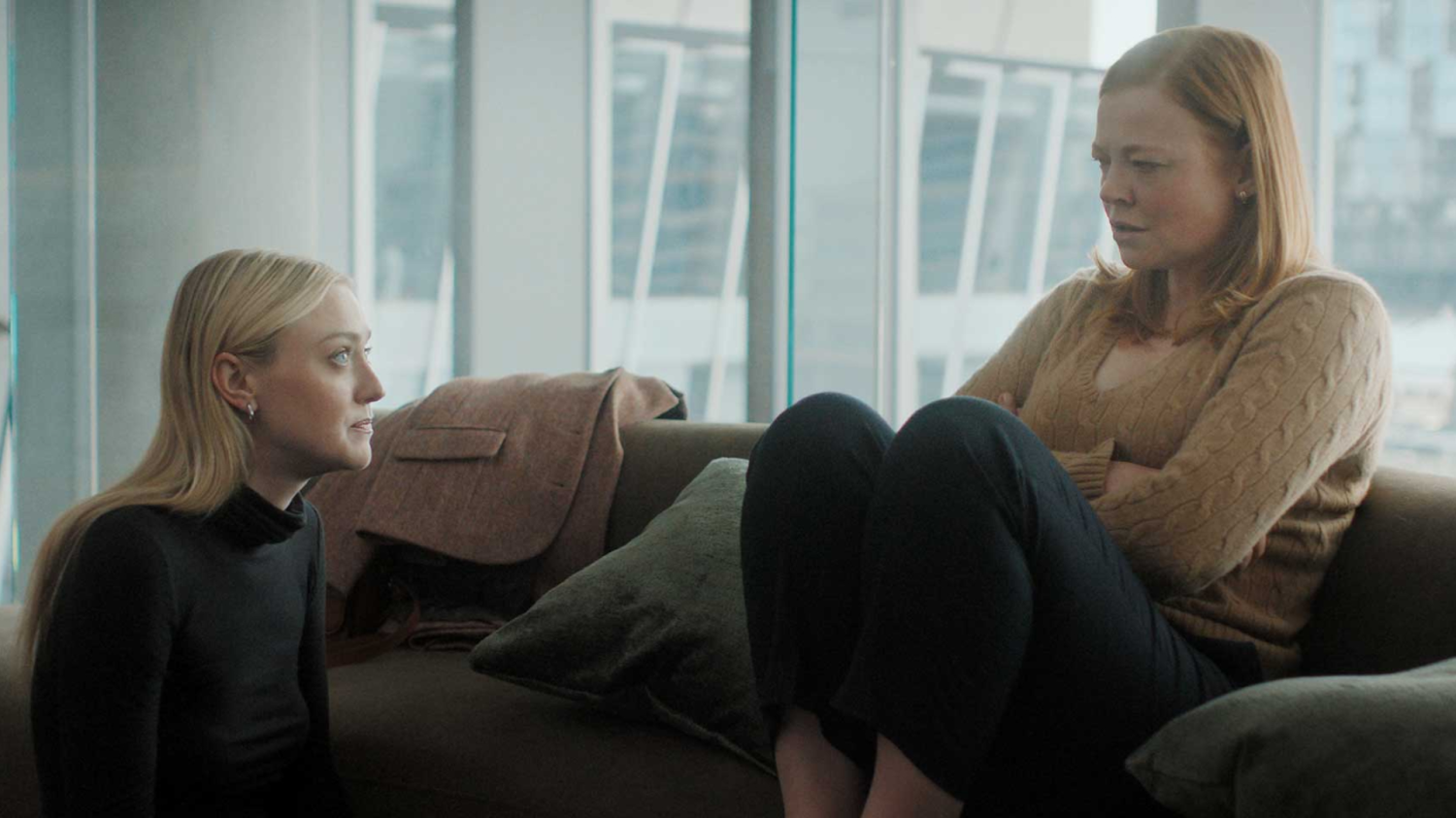
When a mix-up in the school pick-up line turns out to be a kidnapping, it’s the beginning of the nightmare for the whole Irvine family. Except, as this crime thriller investigates the case, most side-eye and imply that it’s All Her Fault. The blame rests on the mothers’ shoulders, but mainly because the burden of the mental load and all the logistics rest on the shoulders of Marissa Irvine and Jenny Kaminski for their respective families. While the crime itself unfolds to somewhat melodramatic motives, the series ultimately works because of the incredible performances. Sarah Snook and Dakota Fanning portray a compelling bond formed by the empathy they both grant each other, when the rest of the world wouldn’t.
Rivals is a heady dose of 1980s maximalism set against the backdrop of a seemingly quiet British countryside. The result is intoxicating: bored wives and polite language conceal carnal desires and immoral methods to reach the top. There’s a lot of sex, but it’s not necessarily sexy. It’s more campy than steamy, even though some characters do forge relationships that turn out to be romantic and true. There’s a lot of shouting and slapstick humor, as well as messages advocating sexual empowerment, which went against the conservatism that was rampant in the ‘80s. It’s reminiscent of Netflix’s Sex Education in that way, even and especially in terms of its bingeability (I finished the first season in one sitting). There’s a lot to like, after all. For every David Tennant and Aidan Turner screaming their heads off, there are more subtle performances from the likes of Nafessa Williams, Bella Maclean, Claire Rushbrook, Danny Dyer, and the ever-lovely Katherine Parkinson.

Lockerbie is a devastating time-hopping journey that tells the story of how the UK’s deadliest terror attacks came to be and how the victims’ loved ones coped and pursued justice, despite all odds. It takes on multiple perspectives—political, psychological—and resembles many genres at once—thriller, mystery, drama. But more than anything, it’s a story about grief, trauma, and as the title suggests, an inspiring pursuit of the truth. at its core, it’s a story about grief. Swire’s family is traumatized, and they all cope in different ways. It’s about what people, a community, can do when they’re sad and wronged. They can band together and demand justice in inspiring ways. It’s moving, but it has teeth too. It takes down the apathy and the secrecy of institutions more interested in protecting their own than the greater good.
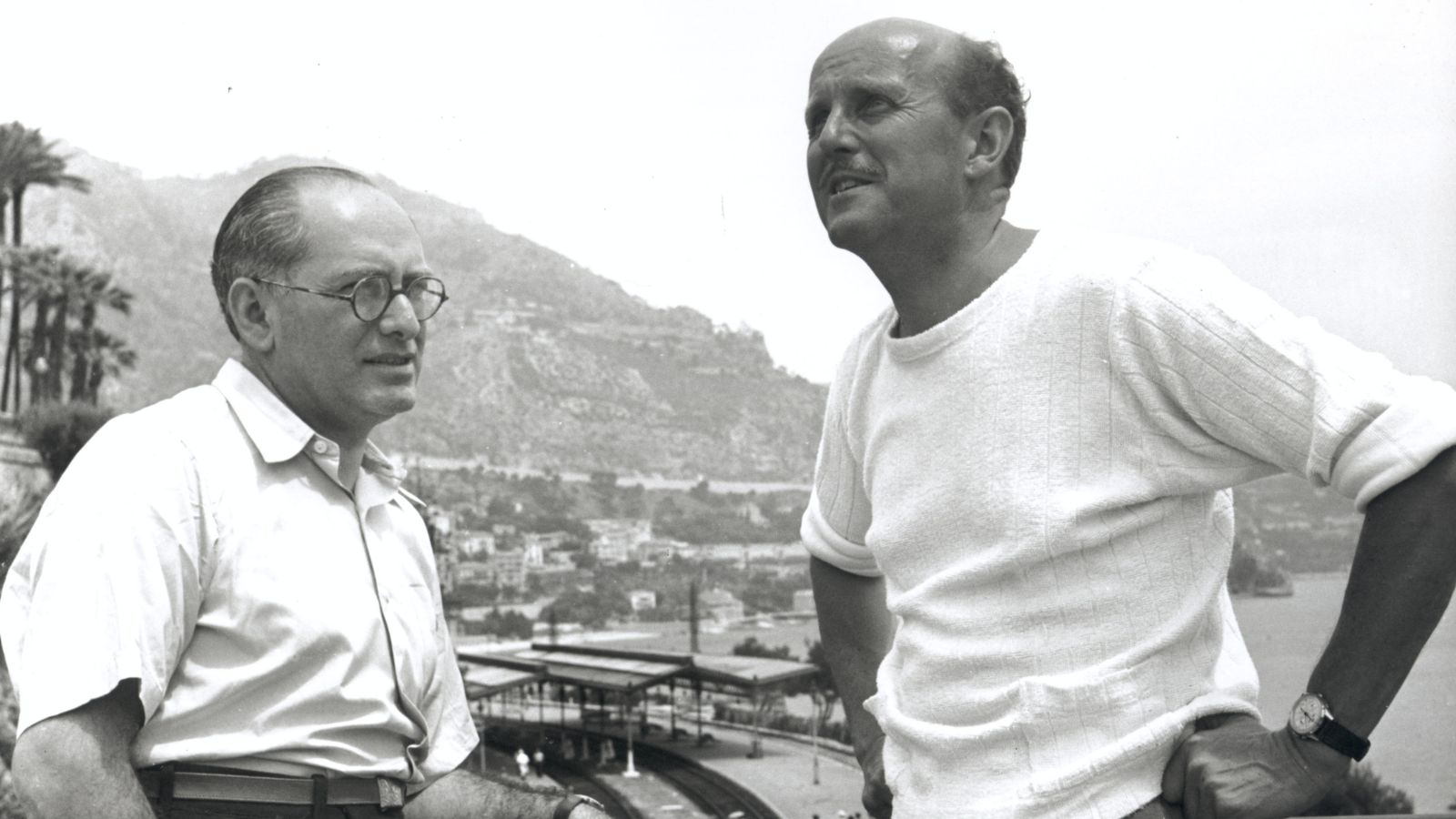
Is there anything more lovely than hearing Martin Scorsese talk about cinema? Maybe it’s just the film nerds in us– we are, after all, always on the hunt for A Good Movie to Watch– but it’s just wonderful to hear Scorsese talk about movies, especially from directors he loves and are inspired by. Made in England: The Films of Powell and Pressburger is about the influence of The Archers, and while it’s mostly a straightforward documentary, director David Hinton makes it something like a cohesive film course on the directors, with Scorsese as lecturer. Oftentimes letting the directors’ shots and music speak for themselves, with Scorsese adding needed context, it won’t be a surprise that Made In England would be a treat for film nerds, but it also would be a great introduction for casual viewers, or viewers that want to start watching classic films, like those of The Archers.
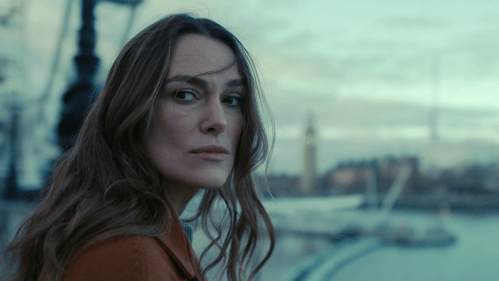
I would be okay if Black Doves was just a straightforward spy thriller; Knightley and Whishaw have enough charm, enigma, and kick-ass competence to make it work. But beyond the show’s cool and slick demeanor lies a wealth of other gems. It’s a heartwarming friendship tale for one, and a heartbreaking romance for another. It also manages to be funny at the right times, thanks to Sam’s bumbling accomplices, while evoking Christmas cheer. It sounds like a random mishmash of things, but Black Doves effortlessly blends its many tones and genres. Knightley and Whishaw ground the show’s ambition with their affecting performance as two cold-blooded killers who depend on each other’s trust and friendship. It also helps that there’s a depth to the deaths in Black Doves. There’s a nuance here that’s missing in most crime and action thrillers. Bodies are still dispensable, but you know why and how they’ve reached that point. If you want something smart and gripping that isn’t Die Hard to put on this holiday season, this could be it.
 x1
x1
Continuing her fight to tell the world the truth about her sexual assault case, journalist Shiori Ito released Black Box Diaries. Like her book, it’s a powerful documentary. Filmed with actual CCTV evidence, with some witness accounts, and with recordings she made while investigating her case, Ito’s first foray into film is personal, vulnerable, and intimate, going through the events as it naturally unfolds. While it is depressing to witness the ways investigators, lawyers, politicians and other people have failed her, Black Box Diaries immediately reveals Ito’s resolve for the truth, and how taxing the toll was for survivors that chose to take the same path.
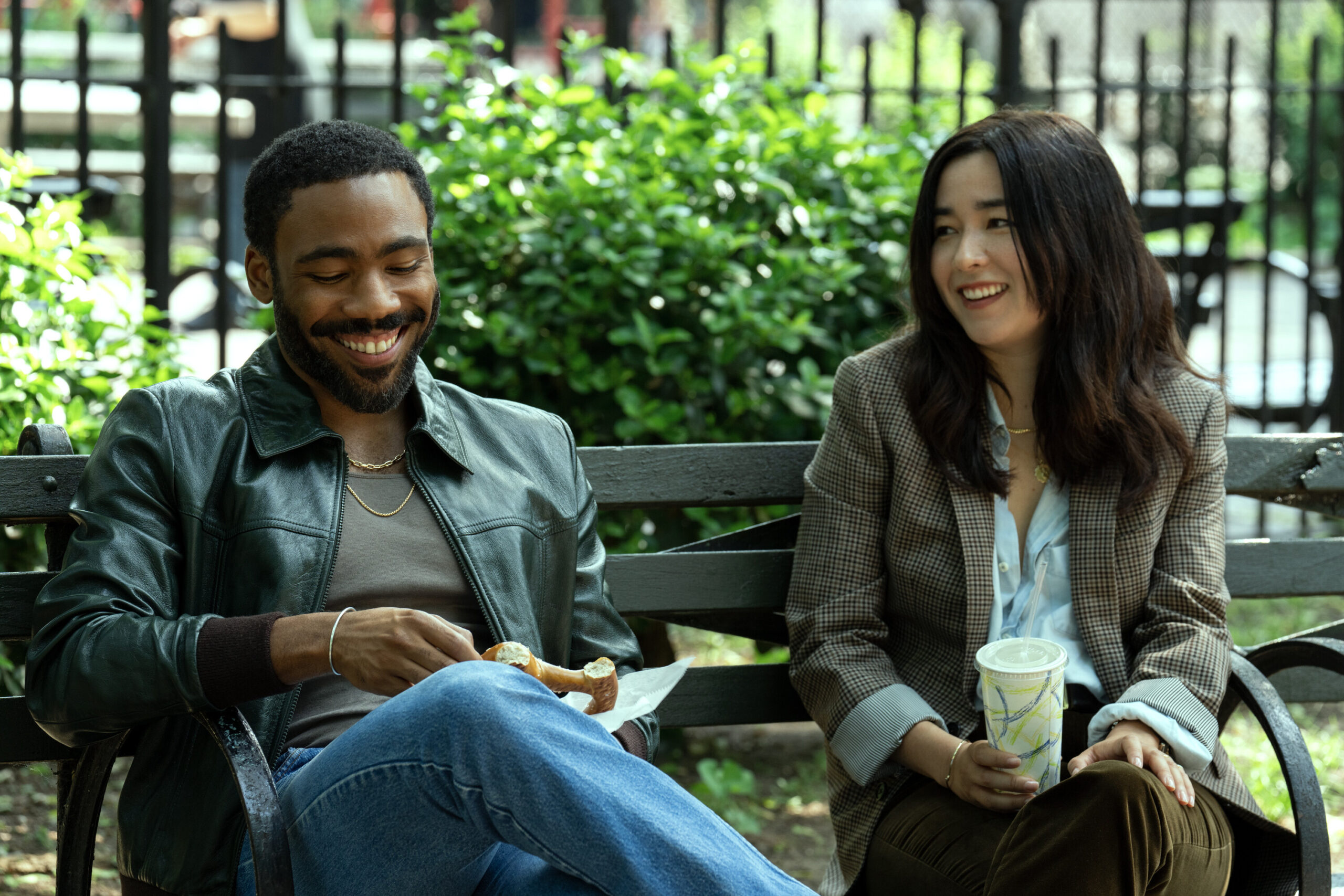
If you’re expecting the sleek, playful, and totally over-the-top spy shenanigans of 2005’s Mr. & Mrs. Smith, you’re not going to find it in this 2024 version, not that it’s a bad thing. In fact, this show stands on its own, reinventing the spy couple into a professional partnership rather than an immediate spark that leads to marriage. This decision makes the show feel like the film’s opposite– as the longer runtime and naturalistic aura enables more focus on the incomparable Donald Glover and Maya Erskine rather than the explosions– but it makes the danger feel more unpredictable and not just action set pieces. Mr. & Mrs. Smith may not be the star-powered, guns-blazing action comedy we’re familiar with, but it’s certainly a more thoughtful, fresh take that improves on the concept.
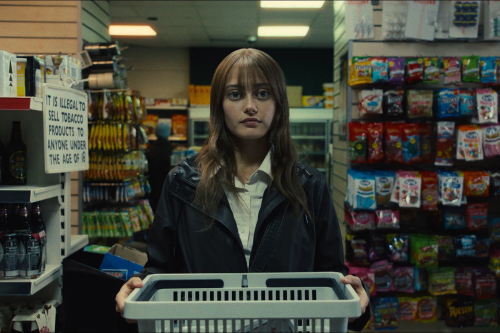
In Sweetpea, every element comes together to make an addictive watch. The premise is amusing on its own—a shy girl is pushed so far into the edge she sees murder as a viable option—but brought to life by stylish direction, witty lines, and an irresistibly endearing Ella Purnell, you get great TV. It’s not exactly novel (the underrated Hulu series Obituary has a similar premise) but it benefits from having more than a few twists hidden up its sleeve, not to mention a complex anti-hero in Purnell, who you know is wrong but feel bad for anyway. Who doesn’t want to root for the little girl standing up to her bully, the girl who stomps her foot down and demands her hard-earned respect at the workplace? Of course, it’s never that simple, and it’s that conflicting feeling of liking and abhorrent Purnell’s character that makes it an intriguing show.
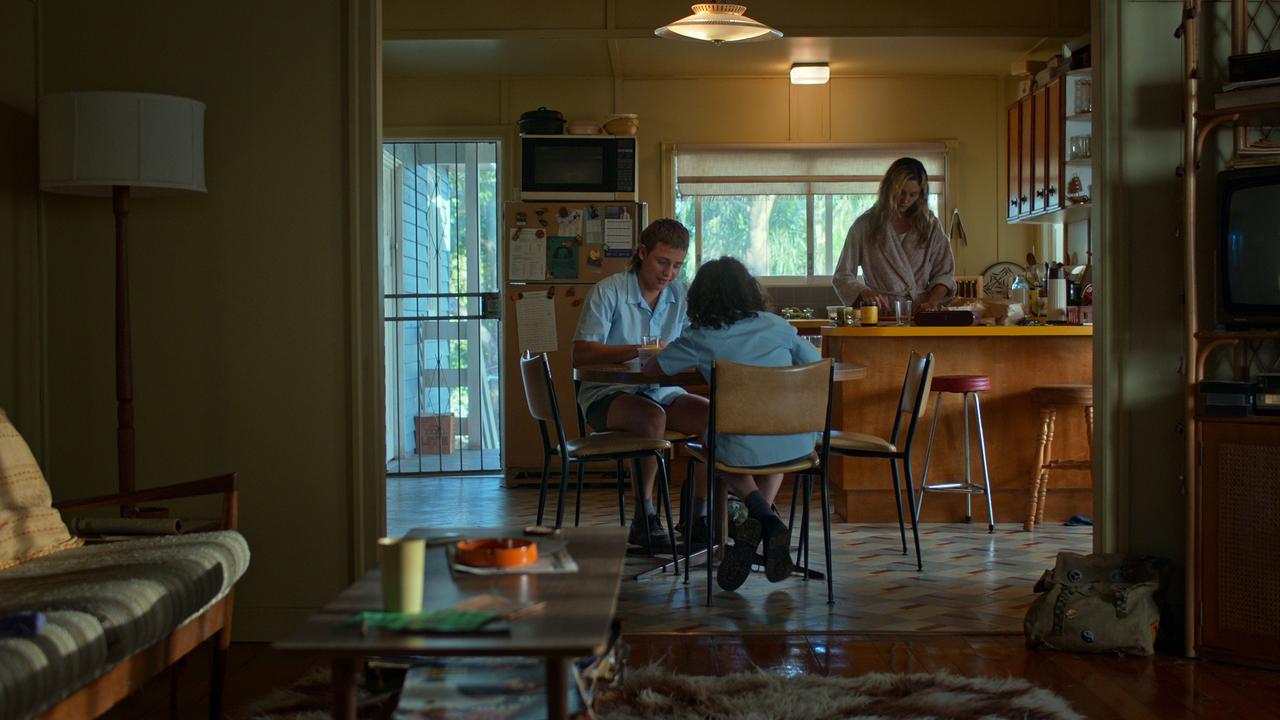
Coming-of-age shows are practically Netflix’s bread-and-butter, but the working class side of Brisbane in the 80’s is a suburb we didn’t expect the international streamer to visit. Based on the semi-autobiographical novel with the same name, Boy Swallows Universe is centered on the precocious Eli Bell, whose age and curiosity naturally pushes him to try and figure out how he fits in the world. There are some magic realist elements, and the crimes escalate as we go further and further into the miniseries, but the show shines best when depicting the slow, day-to-day moments in Bell’s family. The show never judges them, nor does it totally excuse their actions. Instead, Boy Swallows Universe depicts a certain nostalgic compassion one could only have for their hometown, regardless of how downtrodden it is.
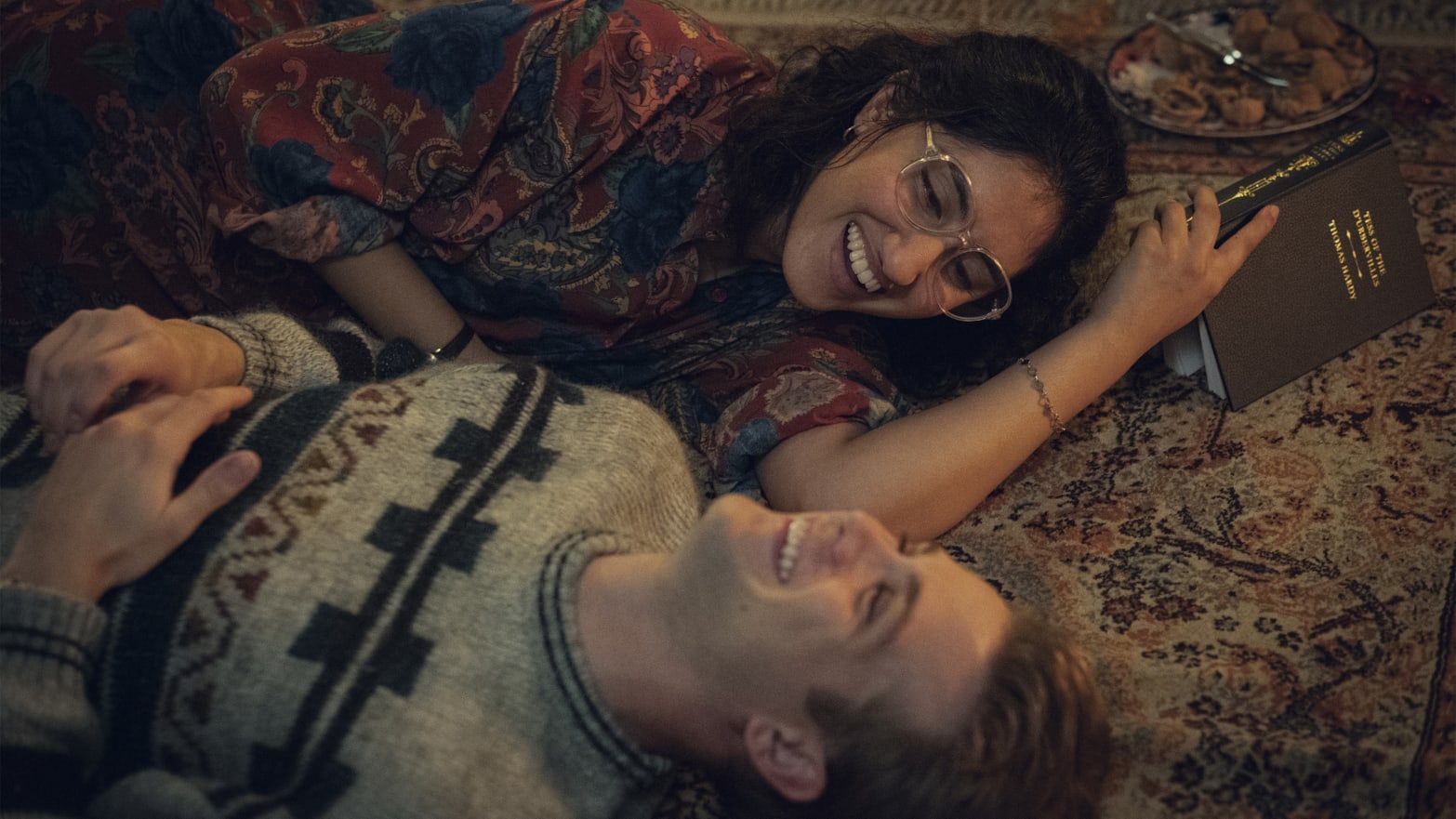
With a film version that didn’t live up to the hype of the original novel, Netflix’s adaptation of One Day released just in time to wreck the fans’ hearts all over again, but this time, it’s a good thing. The expanded runtime allowed Netflix to delve more into the moments in the novel, with each episode dedicated to a day in the year in Emma’s and Dexter’s lives, contrasting their respective worlds and opportunities available to them as different members of London society. And the couple is played beautifully by Leo Woodall and Ambika Mod, with a believable chemistry that isn’t formed in a single spark, but made in multiple moments. If you’re needing a good cry just right before Valentine’s Day, One Day is a superb slow burn romance to let those tears out.
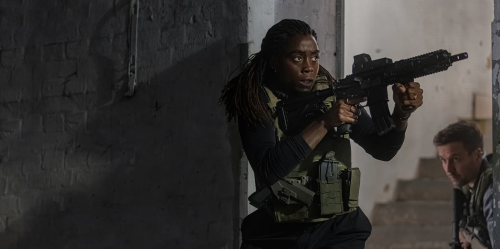
Watching The Day of the Jackal feels like watching a film; it’s taut, fast-paced, and flashy, featuring incredible dual performances by Redmayne and Lynch. Like many thrillers before it, The Day of the Jackal centers on a cat-and-mouse chase between an official and a transgressor, but the series smartly blurs the line between good and evil. Redmayne’s Jackal is by all accounts the bad guy—he’s a hitman after all—but we’re shown his humane side and the lives he works hard to protect. Meanwhile, Lynch’s Bianca is a government agent, but her hands are dirtied with just as much (if not more) blood than the Jackal. Who’s really at fault here? Part of the fun in watching this is figuring that out, but it’s also just as enjoyable to see what disguise the Jackal whips out, and what moral quandary Bianca finds herself deep in, next.
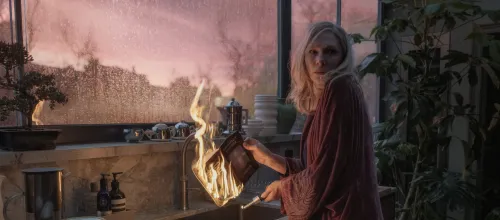
Starring the Cate Blanchett and directed by Alfonso Cuaron, Disclaimer is every bit as cinematic and enjoyable as you’d imagine it to be. It’s juicy and well-performed (Hoyeon’s unnatural acting notwithstanding), filled with enough twists and turns to keep you seated despite the occasionally melodramatic plot. It’s designed to make you crave more: more rich acting, more pulpy mystery, more explosive secrets, and more emotional breakdowns, which Blanchett has certainly mastered. It’s not as deep as it thinks itself to be, and the script can be overwrought at times (do we really need every single movement narrated?) but the fun twists, great performances, and beautiful cinematography more than makes up for them.
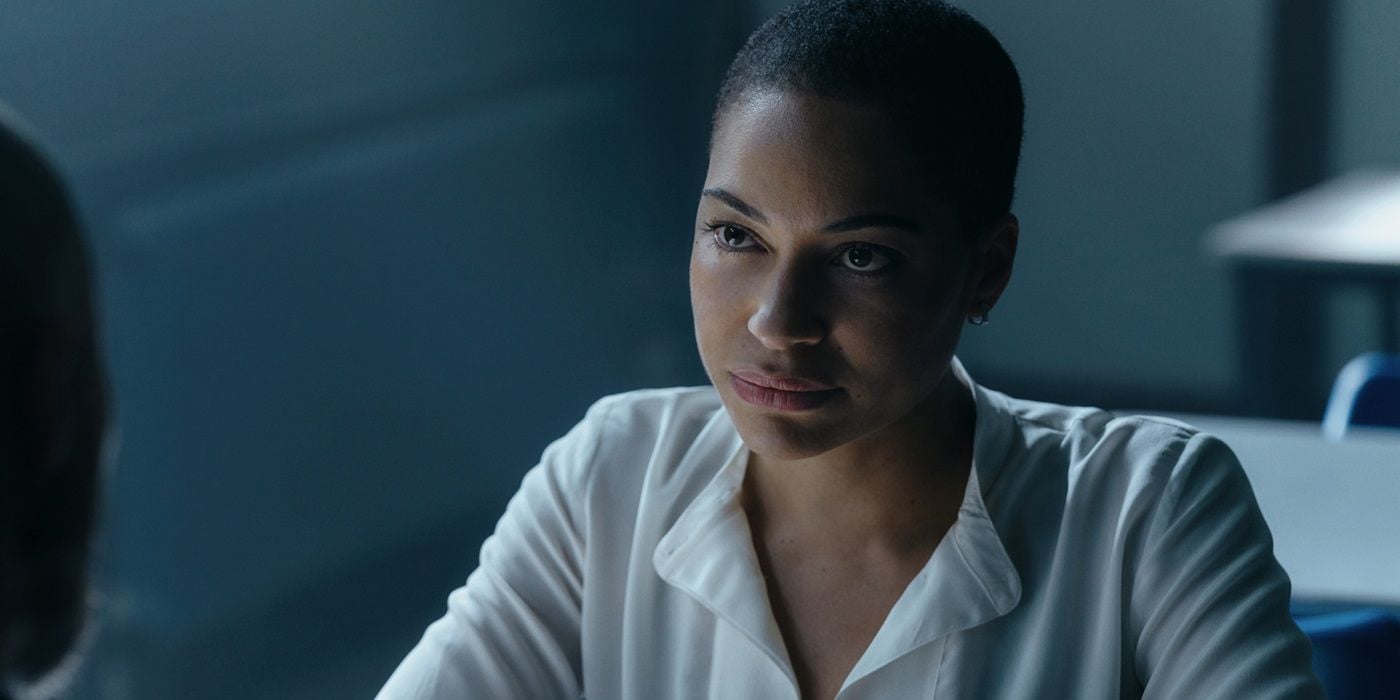
With the various police procedurals available online, it can feel like an oversaturated genre, at best. At worst, with the struggles the world has to do with regards to the justice system, police procedurals can glorify the institution. Criminal Record examines this, but it doesn’t give the easy answers other shows have when discussing the systemic failure of the police, especially when it comes to race, age, and sex. Peter Capaldi stands in as the old guard, though his skin-crawling presence keeps Dan Hegarty’s real intentions an enigma until the very end. However, it’s Cush Jumbo as the empathetic June Lenker that drives the show, with her persistence meeting Hegarty’s every move, and her frustrations mirroring the real rage the world feels with regards to past injustices. The way the two clash creates a novel rookie-veteran dynamic that makes Criminal Record so striking.

With the internet able to connect people from miles away, the concept of the one that got away has become unromantic– after all, with instant messaging, their distance just means that you’ve been ghosted. But for the longest time, romance stemmed from the fated circumstances that kept or lost love, and this is excellently portrayed in Touch, a surprising romantic drama from writer-director Baltasar Kormákur best known for his action thrillers. Kormákur infuses the drama with a delicate touch, much more focused on the moments of connection between immigrants from different cultures, with the freedom of the late 60s that marks Kristófer’s youth versus the urgency of the world’s restrictions and Kristófer’s memory. Touch remembers the real romance of the one that got away.
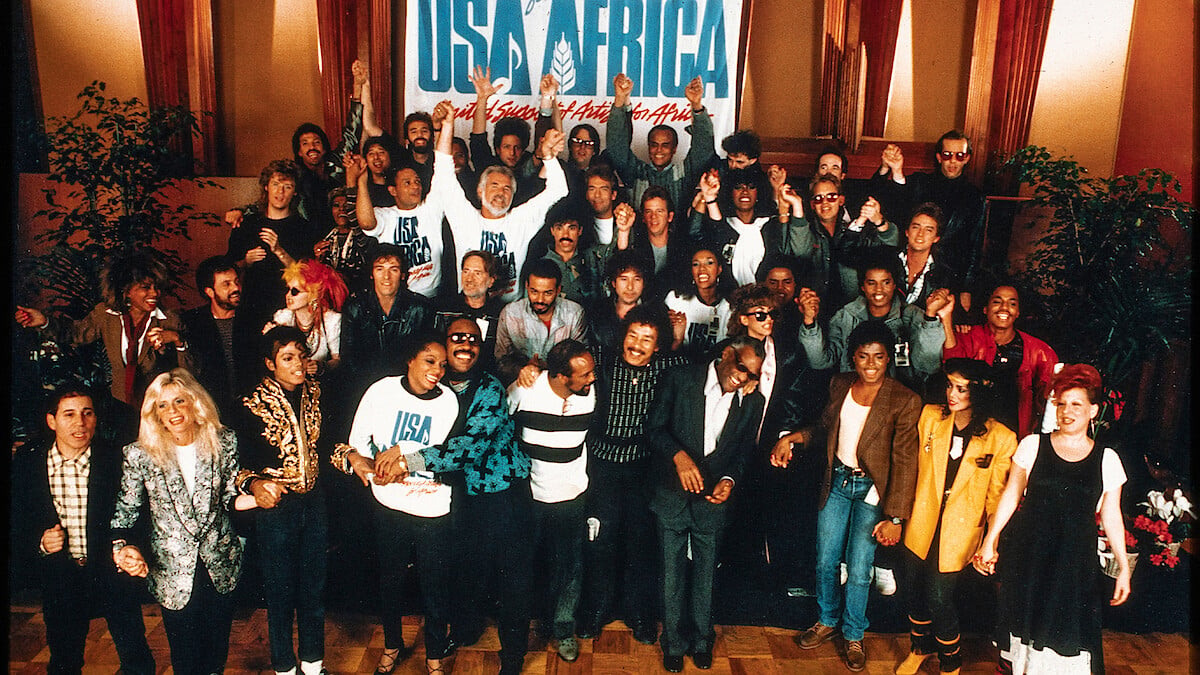
We Are the World is a charity single created for African famine relief. It was a smash success– it inspired plenty of other charity singles and already has a TV documentary about it. But The Greatest Night in Pop reveals new behind-the-scenes footage with a home video flair, intercut with interviews from those who were in the booth on that fateful day. The anecdotes about that night might have already been said elsewhere, but director Bao Nguyen manages to capture the energy in the room, peeking into the emotions of the various personalities that helped shape the song. It’s an intriguing, if straightforward documentary, and it’s certainly a treat watching the decade’s best voices collaborate to make this one track.
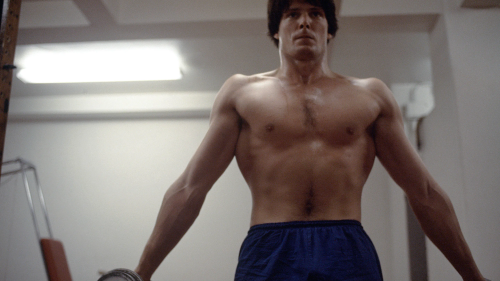
At the peak of his fame in the 80s, Christopher Reeve was constantly seen as his onscreen character, Superman. Like him, Reeve could fly (planes). He was full of charm and stood for what was right. But in this revealing documentary, we learn the whole truth about Reeve; his troubled childhood, his initial struggles with commitment, his physical talents, his love for family, and—as many a superhero star will sympathize with—his deep yearning for a creative career outside of the comic book character who made him famous. Of course, a significant chunk of the documentary also deals with Reeve’s unfortunate paralysis. We witness, through home movies and narrated biographies, how he coped with the tragedy. Making the film even more special is the input of his three children, who look back at the time with generous honesty and vulnerability. This film is made for fans of the actor, but it’s also a great example of the power of advocacy (Reeve became a disability rights activist after the accident), love (his wife Dana is a superhero on her own), and legacy (his children run his foundation to this day).

In what is only his second feature, Greek director Christos Nikou crafts a singular universe that is orderly and enticing. The dystopian premise that you can now scientifically test for love may be bizarre, but it answers to one of the biggest anxieties humans share. That said, this particular world feels so close to ours today, that you want to dive right in it, weirdness and all. Even the topos of the love clinic, where couples get evaluated and take on exercises before they take the test is framed as a space for hope. There’s no underlying cynicism in Nikou’s film, which is perhaps the most surprising fact about it; on the contrary, longing—however painful it may be—abounds and seeps through the carefully composed images of shared doubt and suspect intimacy. Last, but not least, the chemistry shared by Buckley-Ahmed-White is nothing short of explosive.
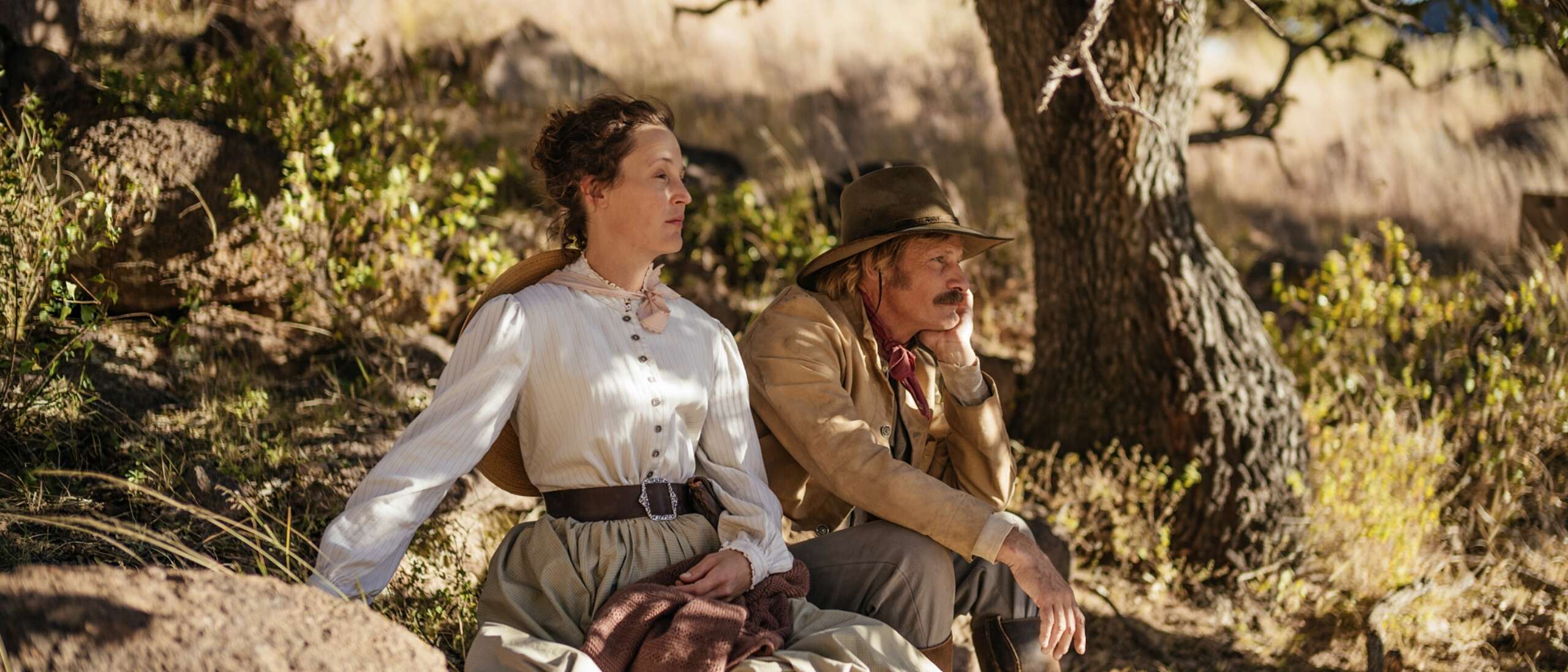
Written, directed, and scored by Viggo Mortensen, The Dead Don’t Hurt is a visually stunning, emotionally potent, but still impressively restrained period drama that flips the script on typical Westerns. On the surface, it looks like it could be one—there’s even a bad guy clad in black who slings guns outside a saloon—but the film decidedly focuses on Vivienne and her everyday life. Viewers might think nothing is happening, but in fact, everything is happening, such is Mortensen’s framing of the value of these overlooked aspects of life. Immigrants, too, who are usually just extras in Westerns populate this movie and make it their own—as they should. They’re the backbone of America after all, and yet they’re usually relegated to the background in period dramas. The icing on the cake is that the film is breathtakingly beautiful, each frame a transportive picture of 19th-century America.

Messier than Heartstopper, but tamer than Skins, Everything Now has everything you’d expect from a British teen show. Sexuality, vices, and experimentation is what the series shares with other coming-of-age series, but at its heart is Mia Polanco as she tries to get back to her regular life after anorexia recovery. Cutting between her life now and her seven-month hospital stint, the show feels like a realistic depiction of a non-linear healing journey. It’s a show that makes sense to release right now, as the world’s teens try to get back to normal and try to reach standard teen touchstones.

In a TV age where dark comedies and slick satires are all the rage, The Completely Made-Up Adventures of Dick Turpin is refreshingly light, good-hearted fun. Its humor leans on the surreal, silly, and slapstick, but it doesn’t necessarily sacrifice smarts for a laugh. Here, the legendary robber is reimagined as a reluctant criminal who is more interested in knitting and doing his friends good, a rather sweet fool who unwittingly stands at the opposite end of toxic masculinity. There are jokes about equal pay and light commentaries on class inequality (Turpin and his so-called Essex Gang want to only rob the inordinately wealthy), and you’d think it was all too much, but the show achieves a confident, balanced tone that’s hard to question.
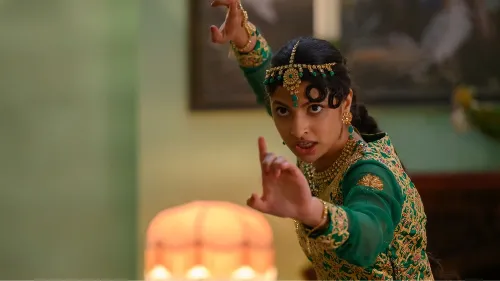
Kill Bill meets Bend It Like Beckham in this wild ride about a martial arts-obsessed British-Pakistani teenager who views her older sister’s impending marriage as a catastrophe to be averted at all costs. Aspiring stuntwoman Ria (Priya Kansara) can’t stomach the idea of free-spirited Lena (Ritu Arya) giving up on her creative dreams to marry a nauseatingly perfect man — not least because art school dropout Lena is her hero for refusing to conform to their community’s traditional ideas about respectability and success.
Polite Society makes room to sensitively explore Ria’s disappointment and the loneliness of rebellion, but writer-director Nida Manzoor doesn’t stop there, throwing in a sharp allegory disguised as a zany twist. Rather than upending our expectations for upending’s sake, the surprise metaphor refigures the movie as perceptive cultural commentary on the age-old devaluation of women as mere vessels for the next generation. What’s more, Manzoor takes the analogy full circle to thoughtfully imagine how this kind of dehumanizing misogyny might have affected previous generations, suggesting that the real villains lie offscreen. Movies as inventive and intelligent as this don’t come around often, but one that’s this funny, visually bold, unabashedly feminist, and full of stars-in-the-making is rarer still.
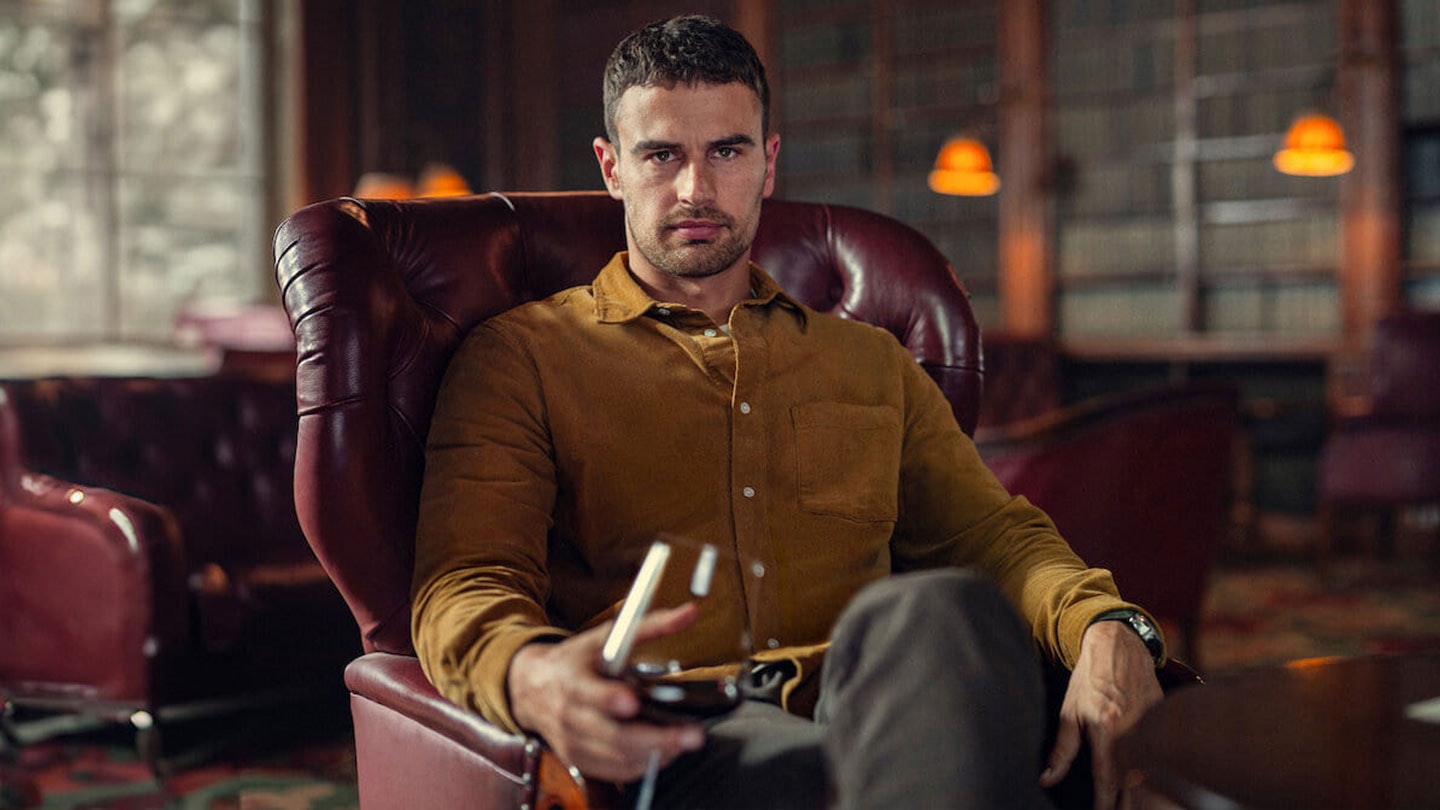
After the successful release of The Gentlemen (2019), it would have been easy to just continue the story with the same cast of characters, but instead Guy Ritchie makes a spinoff with the same cannibis chaos, but instead expands it to a startlingly funny depiction of the British aristocracy and the criminal underworld. It has all the action-packed styling Ritchie is known for, with each episode bringing up a new inheritance issue Theo James as Eddie Halstead has to solve, with the help of a cool and cunning Kara Scodelario. While the episodic troubles do feel a bit tired after eight long episodes, The Gentlemen keeps the intrigue through never losing sight of the tension occurring between the main duo.
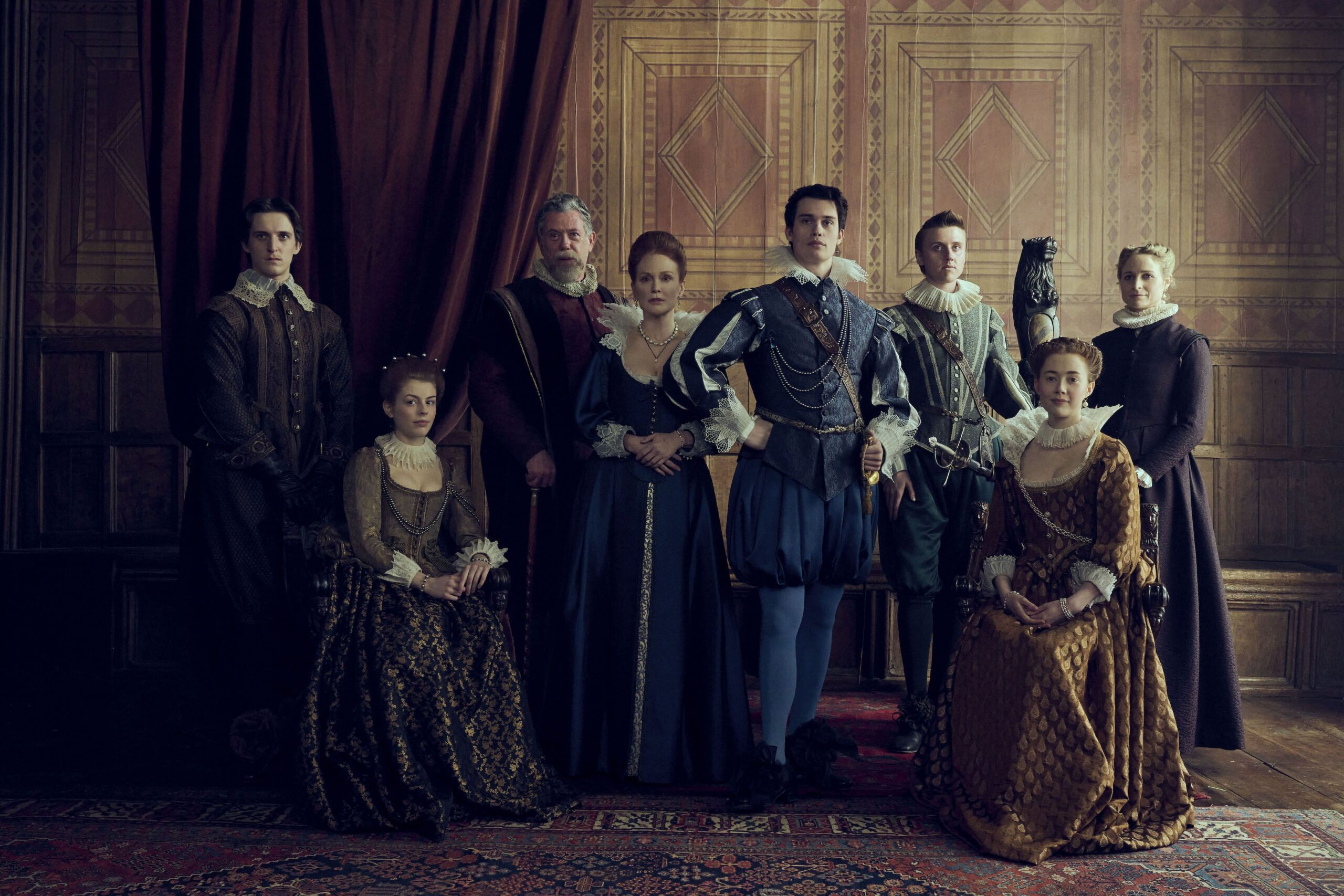
After the likes of The Favourite six years ago, modern historical portrayals have now become more interested in the salacious side of real life deceased nobles, focusing on the sex, gore, and violence, so it’s unsurprising that James I, who was unpopular in part due to his alleged homosexuality, would eventually be depicted. Mary & George depicts this from the perspective of those who sought his favor, and while it is one of many of these modern period pieces, it is well done, with fantastic performances from the cast, and all the costumed social climbing that we enjoy. Mary & George is just great television.
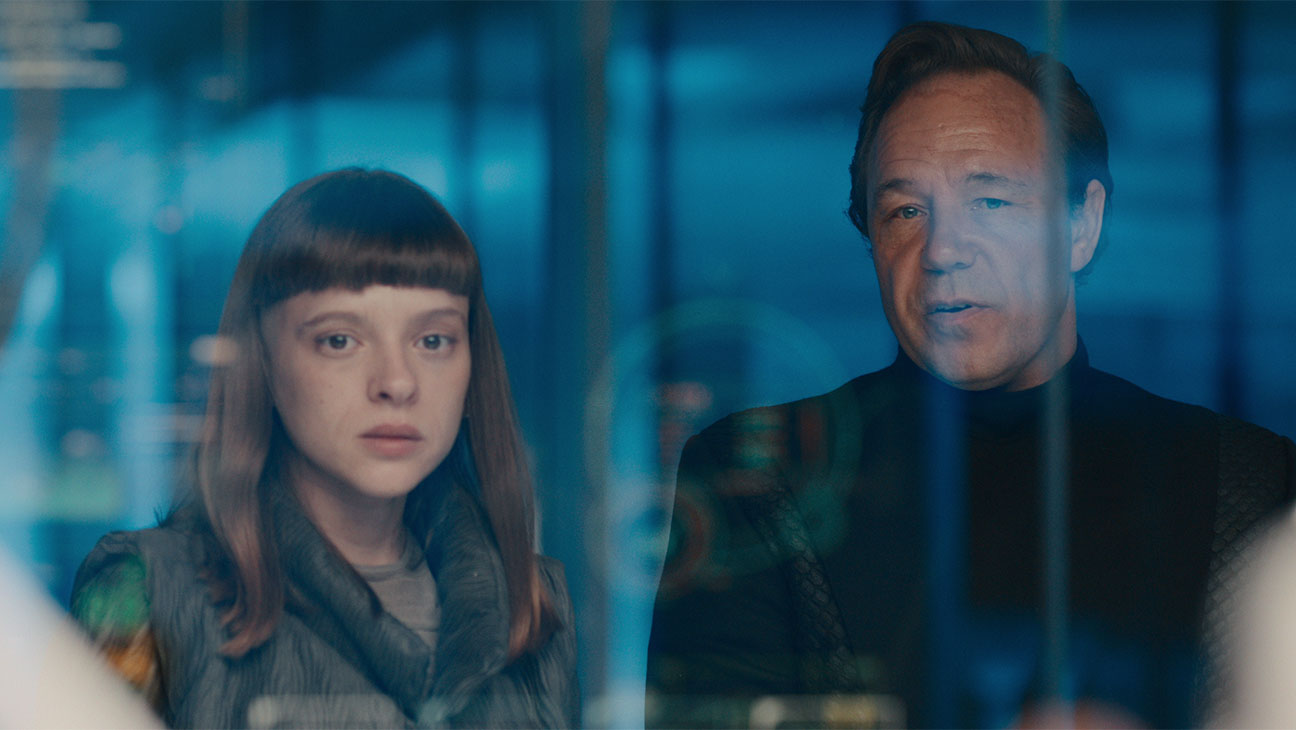
Based on the DC Vertigo comic, Bodies is an intriguing crime thriller with a unique twist – one body, in four separate time periods, being solved simultaneously all at once. While the show is triggered by the same body, the mini-series feels like four separate shows at the same time, marrying the classic Victorian detective mystery, war-torn film noir, and modern day police procedural through post-apocalyptic science fiction. And the four separate detectives take the helm of their respective side of the case, as well as how they deal with the discrimination against them. With four excellent strands to the same mystery, Bodies is an exceptional adaptation that demonstrates how even though details change, some things still remain the same.
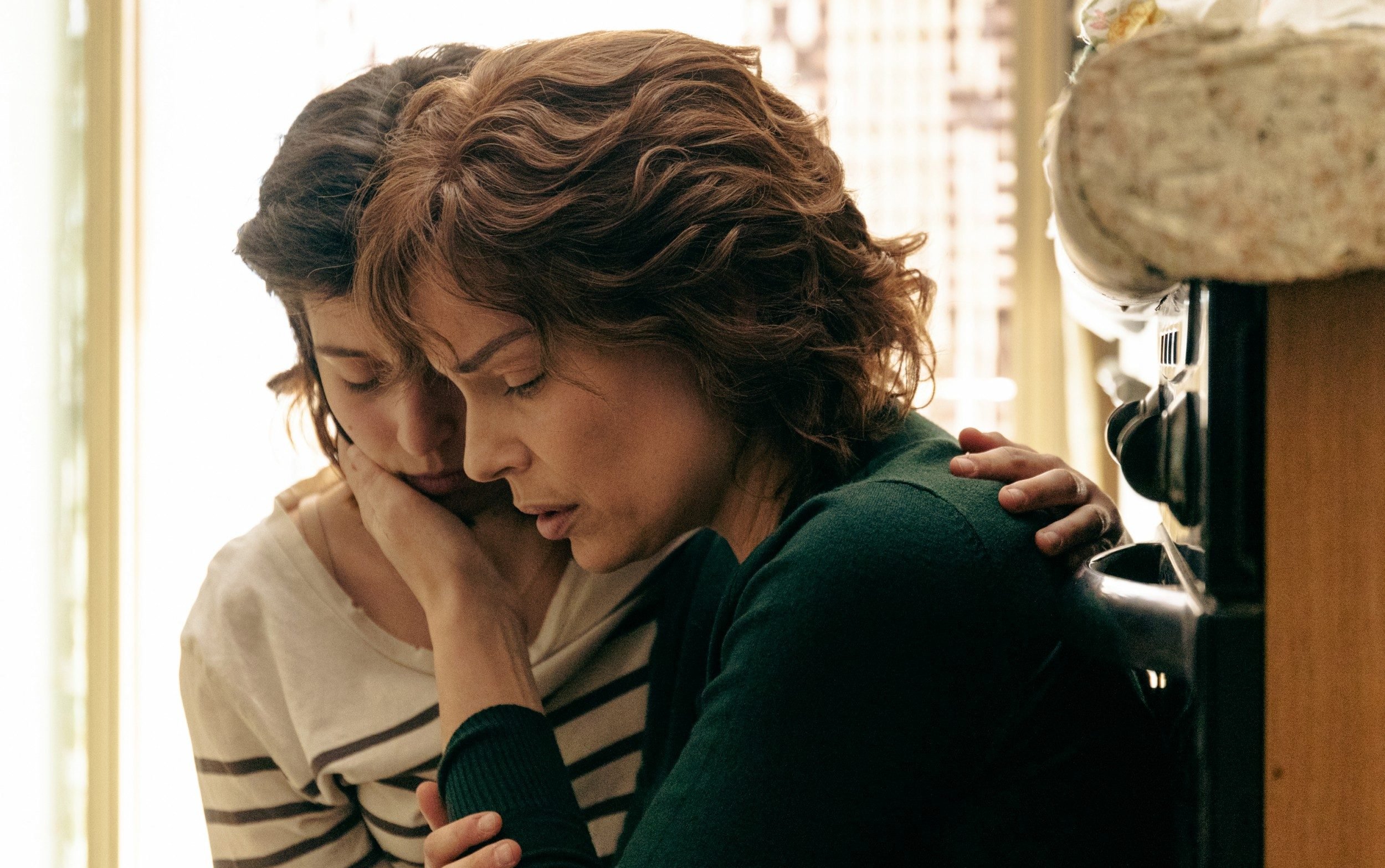
With years of films depicting Italian crime syndicates, most focus on their leaders – the Dons, the Capos, and the Consiglieres. Most of them focus on the mafia’s men. However, in this series, it’s the women who are the stars of the show. Based on the novel of the same name, The Good Mothers is a compelling crime drama, focused on the women, not the men, of the ‘Ndrangheta clan. It’s from their perspective we see the mafia. The masterful way the series unfolds makes it clear that their lives are constrained, that this dated way of life still prioritizes the family over their individual women. It makes it all the more satisfying when they’re given the opportunity to retaliate, and when they choose to take that opportunity. And it’s so much better knowing that this was real.

Watching the trailers, and even the first ten minutes, Scott Pilgrim Takes Off just seems like a rehash of the prominent Edgar Wright film, especially since his cast reprise their roles in this new anime. However, when that episode ends, even the most ardent fans of both the film and the original comic book series would have no idea where this would go. It’s a fearless, daring approach, from the original creator Bryan Lee O’Malley, and it’s met with the wackiest, spectacular animation from Japanese animation studio Science SARU, remixing O’Malley’s designs with 8-bit, fighting video game action.

The Royal Hotel sees Hanna (Julia Garner) and Liv (Jessica Henwick) resorting to take up a dire live-in job behind the bar in a remote desert part of Western Australia. Although they’re warned that they’d “have to be okay with a little male attention” in the outcast mining town, their financial precarity overrides the potential fear. Curiously enough, the fiction film is based on a real story, already told in the 2016 documentary Hotel Coolgardie by Pete Gleeson, but The Assistant director Kitty Green pulls no punches when representing how suffocating it must feel to be encircled by such unmediated male aggression. The brawls, the spilled beer, the c-word as a greeting all form the unnerving paraphernalia of life then and there. For Australian independent film devotees, there is actor Toby Wallace, who reprises his bad boy role from Babyteeth, and he’s joined by the ranks of Herbert Nordrum (The Worst Person in the World) and an utterly terrifying Hugo Weaving (The Matrix).
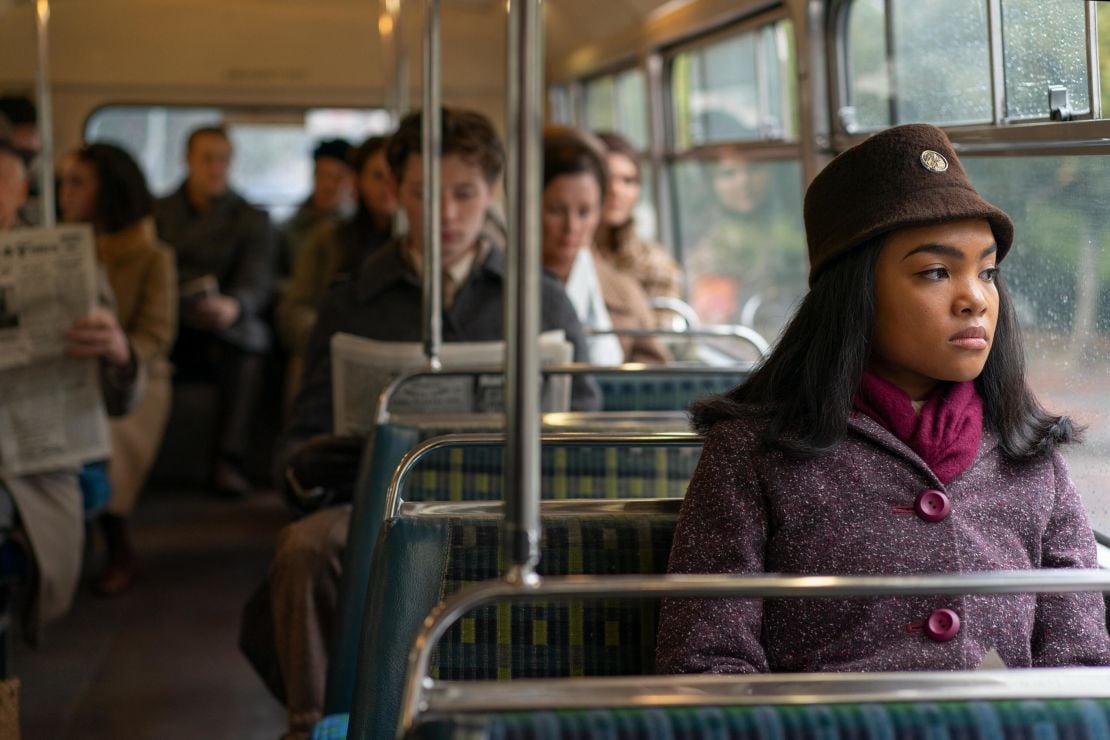
We don’t really know our parents the same way they know about us. Black Cake recognizes this, and takes that discrepancy to create a compelling mystery, expanding on that hidden world with themes of generational trauma, intercultural dynamics, and lost heritage. With the show doing justice to the book’s moments, the mystery of Eleanor Bennett’s former life is already compelling in and of itself, but it’s made even more so as her children try to make sense of it, changing their strained dynamic. It’s layered, well-written and deeply personal. It’s a unique story that has to be told.

Given the genre being centered on a child protagonist, many coming-of-age stories sideline parents in the narrative, sometimes to the point they’re not mentioned at all. So when Andrea Arnold returned to fiction filmmaking with coming-of-age story Bird, it was surprising to see how true it delves into parenthood, albeit from the eyes of the teenager being parented. Maybe it shouldn’t have been a surprise, considering Barry Keoghan, fresh off of Saltburn, was casted as the protagonist’s single dad, but Arnold structures the entire story to fit in different stages of parenthood in a rundown town, through the strong way she characterizes the people Bailey gets to know in her journey and through the brilliant incorporation of magic in a not-so-magical place. The parents here may not be perfect, but Bird takes flight precisely because of the film’s empathy and understanding.
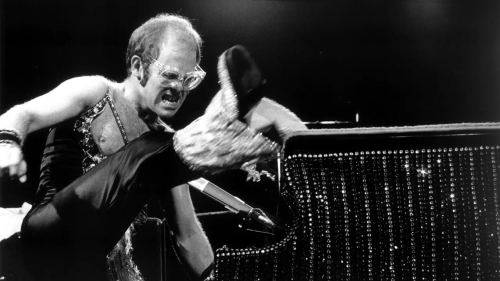
Elton John’s latest concert film follows the same structure as most current music documentaries: it splices present-day footage of the musician doing his latest (and final tour) with flashbacks of his past. In either rare archival footage or lovely animation, we see snippets of his troubled childhood, his serendipitous meet-up with writing partner Bernie Taupin, his rise to fame as an unlikely rock star, and his rocky relationships with different men. If you’re an avid fan of the singer, you likely won’t see anything new here, save for excerpts from his final tour. But whether you’re familiar with John’s music or not, this documentary is sure to be a pleaser, especially aurally.
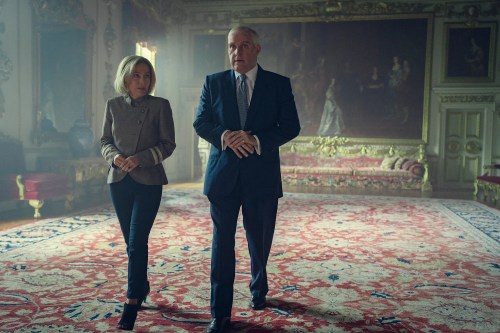
To the untrained eye, a TV interview is just that: an interview, a simple (and at times rehearsed) back-to-back between a reporter and their subject. But Scoop is a thrilling reminder of how complex this process can get, beginning with the legwork to the questioning, and even after airing. In the UK, that quest for truth is complicated by stringent palace rules and the fact that the BBC, which McAlister and her colleagues work for, is a publicly funded institution. How free is the free press when a Royal can call off a story before it airs? And how far are reporters willing to go to protect their piece? Scoop is bolstered by a smart script and a wealth of strong performances—Sewell is almost unrecognizable as Prince Andrew and Gillian Anderson is commanding as anchor Emily Maitlis. But the movie won’t be as strong as it is without Piper leading it; she’s entirely entrancing as she works her way from underestimated underdog to compelling champion.
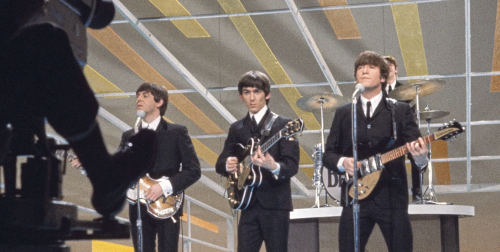
The Beatles ‘64 zeroes in on a precise moment in The Beatles timeline: their American debut, which propelled them from English boyband to Global sensation. Since their appearance in The Ed Sullivan Show in 1964, they’ve been on a nonstop upward trajectory to success. The documentary, co-produced by Martin Scorsese, explores why that is by expanding their two-week trip in the US into food for thought: why did they blow up the way they did? Was it because the country was in shambles and needed an escape? Was it because developments in tech and media unwittingly jumpstarted the fandom/parasocial craze? The documentary considers all this by having historians, experts, music icons, and even fans weigh in. In that sense, it can be all over the place, but the music and the pristine, restored clips of interviews with the Beatles and their performances onstage make it a worthwhile watch.
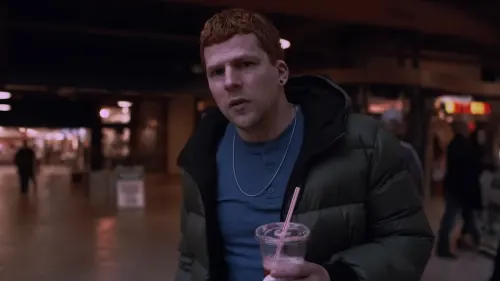
South African director John Trengove follows-up his debut The Wound with another take on masculinity, this time set in the States. Manodrome stars Jesse Eisenberg and Adrien Brody as a newbie and a veteran in a support group for men who have been emasculated by women and feminism. That’s right, this is a film about incel culture, but one you haven’t seen before. In tandem with Taxi Driver, Fight Club, or Joker, Manodrome represents a new era for the incel movie, as it confronts all the terror and aggression feeding into the community head on. Ralphie (Eisenberg) insists that his girlfriend Sal (Odessa Young) keeps their unplanned baby and deep down the rabbit hole he goes. Mental health struggles that have no outlet, worries, disappointment, alienation: all these facets of Ralphie’s character come to the fore and bring him to the Manodrome clan, where Dad Dan (Brody) promises two miracles—absolution and acceptance—in exchange for celibacy. Trengove’s sophomore feature is a blood-curdling psychological thriller that is not afraid to go to extremes (content warning!) to show that incels are not, in fact, a dorky online minority of youngsters, but a real wound in the body of our patriarchal world.

The agonizing tug of war between dogma and desire is sharply illustrated in writer-director Laurel Parmet’s feature debut, set inside the claustrophobic confines of a conservative Christian community in Kentucky. Seventeen-year-old Jem (Eliza Scanlen) is at the age her elders believe is the right time to start thinking about a lifelong partner — a choice they’ve pretty much already made for her by setting her up with the pastor’s youngest son. But it’s his brooding older brother, married youth leader Owen (Lewis Pullman), who catches Jem’s eye.
The attraction is returned — but, while The Starling Girl does subtly indicate the toxicity of their relationship, it never lets this point eclipse either the more interesting coming-of-age story at its heart or its keen exploration of the wholesale damage that the cult-like church has done to all of its congregants (including Owen). While some of those threads threaten to distract the film’s focus away from its greatest strengths at times, the anguish of that central tussle between Jem’s burgeoning sexuality and her otherwise rigidly controlled existence is brought to aching life by sensitive writing and direction and a brilliantly complex lead performance — qualities that ultimately win out to let The Starling Girl fly.

Witches begins as an innocuous exploration into witchery: how they’re depicted and why they’re alluring. Director Elizabeth Sankey builds an amusing collage of witches from films like The Craft and shows like Bewitched. At this point, you expect it to go a certain way–it resembles the many documentaries that are delightful yet detached, educational yet nowhere near novel. But then it makes a fearless and interesting turn. Sankey tells a deeply personal story about her struggles with childbirth and motherhood, connects it to how past societies crucified witches (many of whom were misunderstood and misdiagnosed mothers), and invites friends, experts, doctors, and historians in on the conversation to create something more holistic, historical, and honest than your typical documentary. It’s equal parts moving and enlightening, but most importantly it rouses you into empathy and action. Hopefully, the belittling of the child-bearing and child-rearing experience ends now.