
The Best TV-MA Movies to Watch
Put the kids to bed before you go through this list of great titles to stream. These are the very best movies and shows with a TV-MA ratings, intended for mature audiences only.
To access filters, visit our homepage.











 x2
x2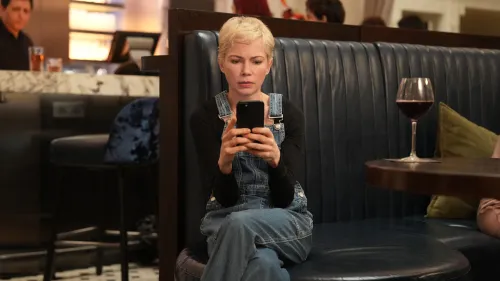
Dying for Sex feels like two shows in one. Mainly, it follows Molly (Williams), a 40-something diagnosed with Stage 4 breast cancer, and Nikki (Jenny Slate), her messy but fun-loving best friend who is trying to keep up with Molly’s increasing needs. It gets into the gritty reality of Molly’s emotional and physical pain and explores how her relationship with Nikki both fractures and solidifies as her cancer advances. But the show is also largely about sex. It sheds light on the unique struggle people like Molly have to go through to satisfy sexual needs, which, if anything, only intensifies when one is ill. Instead of being desired, Molly is pitied by her husband, who is too afraid to be intimate with her. So Molly, with nothing to lose, explores sex and sexuality. She touches herself, watches videos, goes on dating apps, and starts a BDSM-esque relationship with her neighbor. The series is raunchy and mines a lot of humor from Molly’s journey, but it’s equally sobering and enlightening. It expertly blends these seemingly opposing scenarios and still comes out feeling solidly made. It will make you go through a roller coaster of emotions, which feels apt for a show about life and death.
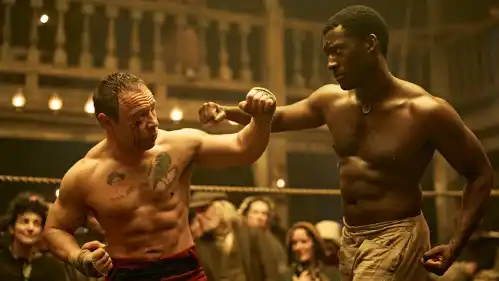
Created by Peaky Blinders showrunner Steven Knight, A Thousand Blows zooms in on the London Victorian underworld and follows three outsiders trying to uplift themselves in different, often illegal ways. There’s Mary Carr (Erin Rachael Doherty), an ambitious pickpocket who heads an all-female crime syndicate; Sugar Goodson (Stephen Graham), a merchant by day and bare-knuckle boxing champion by night; and London newcomer Hezekiah Moscow (Malachi Kirby), a Jamaican lion tamer who gets roped into Mary and Sugar’s complicated world. The conflicts the show takes onshow’s conflicts are as old as time: wealth inequality, gender divide, and racial discrimination. But Knight gives them a modern refresh so, coupled with razor-sharp dialogue, impressive choreography, gorgeous 1880s details, and stellar performances (particularly from Kirby), the show is invigorating to watch. Peaky Blinders fans who are missing the show will especially appreciate its grit and dark humor.
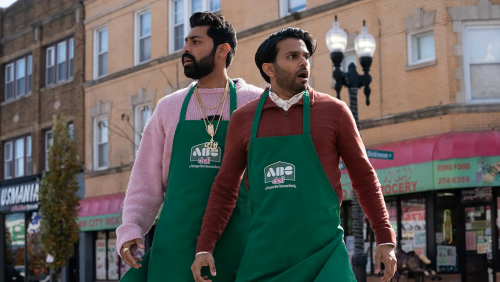
Deli Boys moves fast. It starts out as a simple succession story, then it quickly evolves into a crime caper that’s also, subtly, a commentary on being brown and Muslim in America. It’s impressive enough in those respects, but above all else, Deli Boys is a well-written comedy. The fast pace helps, but it’s the characters’ ability to effortlessly quip and riff off one another that makes it highly watchable, if not downright addictive. The only downside to the show’s easygoing humor and cool capers is that the characters, though likable, lack real depth. But that’s easy enough to mine if the show is (hopefully) given a shot at another season.
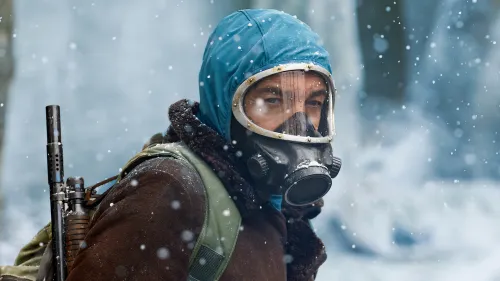
After decades of copyright disputes, The Eternaut finally makes its way on screen, right in time to echo certain worldwide events. Who knew that a comic seventy years ago would do this? Perhaps the comic needed the time for the technology to catch up, with the usually-sunny Buenos Aires transformed with incredible SFX into this cold and fatal place. Still, we would say it’s the characters that do the story justice. As Juan Salvo and his companions try to survive the elements, this series adaptation recognizes the same mystery and confusion that the world has recently gone through, evoking that same tension by holding back information and revealing unexpected twists at key moments. Of course, there are some key differences, with the deadly snow being the cause not to go outside, but The Eternaut reintroduces this classic sci-fi story at the right time, reminding the world to survive together.
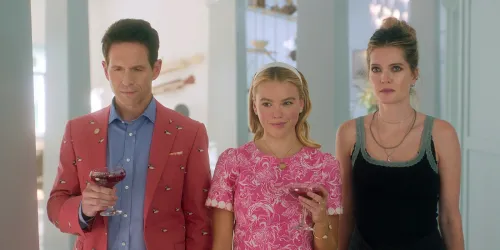
Sirens is a psychological drama that follows Devon (Fahy) as she retrieves her sister from the grasp of her cultish, billionaire boss, Michaela (Moore). The five-part series is addictive, not just because of the juicy drama and the dagger-sharp, class-conscious dialogue, but also because of its deep understanding of the contradictions of womanhood. The women are alternately jealous and empathetic, pained and ambitious. And they’re led by a trifecta of compelling performances: it’s a thrill to watch Fahy, Moore, and Alcock go at each other’s throats.
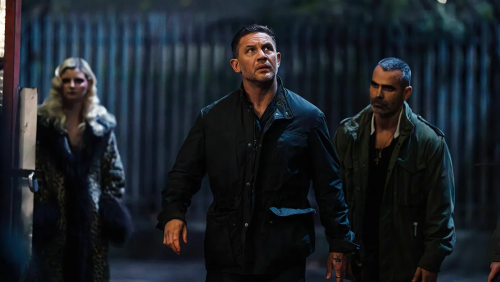
It’s easy to feel like you’ll know exactly what you’ll get once you see stills from Guy Ritchie’s MobLand, which stars Tom Hardy, Pierce Brosnan, and Helen Mirren. But while it features cliches of the mafia genre, MobLand is far from boring. Plenty of things are happening all at once, and in lesser hands, these storylines would’ve been a mess. But under Ritchie’s veteran guidance, things come together elegantly. It helps that Hardy is the perfect lead. Sure, he’s tough as the London underground’s main fixer, but he’s also surprisingly polite at times and quick-wittedly humorous at others. In the show’s quieter moments, he even manages to be poignant. The changes in tone are never jarring, instead always arriving at the right time. Even if Ritchie and Hardy have directed and starred in too-many-to-mention mob stories, they still delight and surprise in this enjoyable British series.
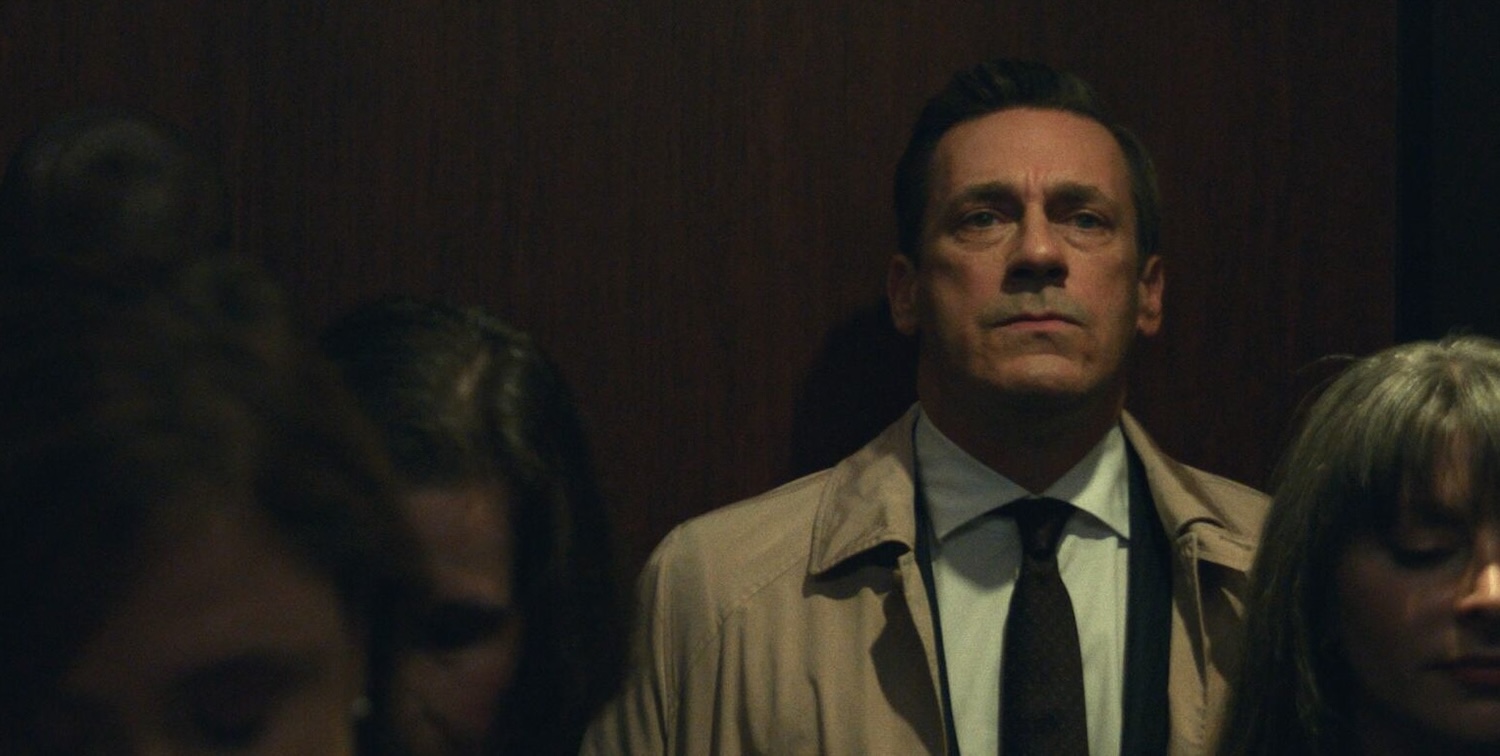
It’s always fascinating to see how the ultra-rich live, but it’s even more fun to see them ruin themselves with greed. That’s what happens in Your Friends and Neighbors when Coop (Hamm) loses his main source of income and decides to rob his wealthy friends and neighbors. He starts slow as to remain inconspicuous: luxury watches they barely wear, paintings they pass by every day. Disposable for them, but worth a living to the increasingly broke Coop. But soon, petty thievery gives way to something more dangerous and compromising, endangering not just Coop’s status but his life. It’s a smart, entertaining show, given much heft by Jon Hamm. It’s nice to see him donning a similar character to the iconic one he gave life to in Mad Men. Here, again, he injects pathos in what would otherwise seem like a typical rich sad sack. Hamm turns Coop into someone complicated, sympathetic even, as he hides his emotional implosion behind a sleek suit. Though its class commentary is not as sharp as it should be, Your Friends and Neighbors is nonetheless a worthwhile watch—if only to see Hamm back in his element.

Toxic Town tells the true story of how toxic waste in the steel-making town of Corby, England led a group of affected mothers to pursue justice. Helping them out is pro-bono lawyer Des Collins (Rory Kinnear), while on the other end of the case is Corby’s local government, who (unsurprisingly) are in cahoots with the steel mill responsible for the poisoning. The show’s beats are familiar; it’s a classic legal drama with streaks of political corruption and conspiracy, while also being an underdog story about victims rising to the powers that be. But its familiarity is easily forgiven thanks to the heartwarming performances of Jodie Whittaker and Aimee Lou Wood, who play two of the mothers with disabled children. The show, though short at just four episodes, gives them ample space to grieve, celebrate, and essentially be human–as opposed to just angry women serving as plot points to a drama. Their humanization and compassion for one another, as well as the thrilling pace and intelligent back-and-forths, are what make the show worth watching.

Murderbot takes time finding its pace—the first three episodes are bogged down by heavy narration, which isn’t always helped by Skarsgård’s deadpan delivery. But once it settles into its groove, the show turns into a delightful smorgasbord of different genres. It’s sci-fi, sure, but it’s also a workplace comedy, a thriller, and perhaps indirectly, a heartwarming tribute to how outcasts can find comfort in communities and found families. Don’t be fooled by Murderbot’s name: this is a sweet show, one where an anti-human killer robot (who presumably stands in for the pessimists among us) is eventually endeared to a group of quirky, lovable, and frequently funny humans.
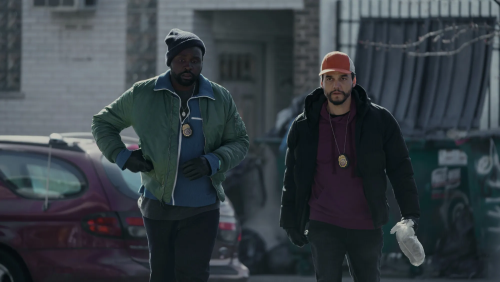
Led by Brian Tyree Henry (Atlanta, The Fire Inside, Bullet Train), Dope Thief is a thrilling if uneven crime comedy following two grifters (the other played by Wagner Moura) who get into deep trouble after a fake drug bust goes wrong. With cartel men and the feds chasing them, Henry and Moura’s characters must find a way to protect themselves and their loved ones, all while they process some unresolved grief and trauma. Moura is reliably great, but Henry juggles plenty of hats here—he is the emotional core, as well as often the funniest guy in the room. It gets uneven midway, but nothing some impressive and enjoyable performances can’t fix.
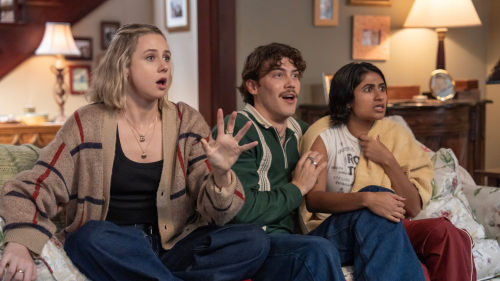
Adults is a show that tries to capture its generation’s specific joys and woes, much like what Friends did in the 90s, How I Met Your Mother did in the 2000s, Girls did in the 2010s…you get it. Like them, Adults’ core cast is comprised of a group of friends who are funny, relatable, confused, and frustrating—sometimes, to the point of annoying obnoxiousness, but it all goes back to age: these are people in their 20s. They (we) rarely make sense. At least in the 30-minute episodes the show offers, that mayhem is wrapped in bittersweet delight. It’s not without its faults, to be sure. The characters and plots are thinly sketched, saved only by the cast’s charisma and chemistry. But the first season is promising; like any young adult, it just needs time to figure out its voice.
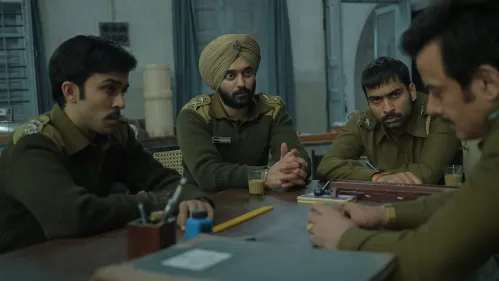
With the fresh-faced cast and the sleek camerawork, Black Warrant, at first, didn’t seem to be the gritty adaptation of the exposé outlining the systemic corruption of the Tihar Jail in the 1980s. But, aesthetic aside, that’s precisely what Black Warrant is. Opening to Zahan Kapoor as Sunil Gupta being interviewed for the job as jailer, the show takes him and the audience to the tour of the notorious prison, and it’s a gripping one not because of the usual prisoner shenanigans, but because of the way the officers themselves happen to be in on the drugs and alcohol trade inside– and they’re ready to pin it all on Gupta if things go down. Showrunner Vikramaditya Motwane pulls it all together with excellent performances from the cast, an eerie score, and the real life headlines of some of India’s notorious prisoners.
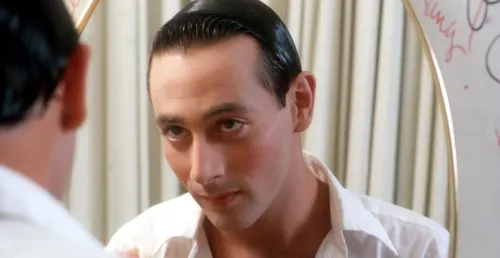
In Pee-wee as Himself, actor Paul Reubens tells all about his notoriously private life. He sets the record straight about his sexuality. He addresses the scandals that broke out during the peak of his fame. But most importantly and interestingly, he talks about his creative process and how he created the iconic character, Pee-wee Herman. Here, too, Rubens talks about how the character consumed him to the point where he didn’t know where he started and Pee-wee ended. His insights are illuminating for any aspiring artist and actor. But the film, directed by Matt Wolf (Teenage), is also a masterclass in documentary-making. Wolf melds archival footage and photograps with Ruebens’ dreamy absurdist aesthetic, all while going head-to-head with Ruebens on the interview. Both want to control the narrative, and while their exchanges are initially playful, they turn increasingly tense and culminate in a surprising and moving ending.
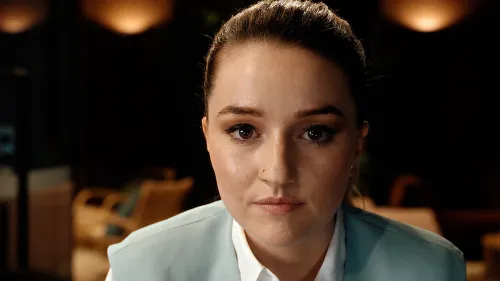
Apple Cider Vinegar follows Belle Gibson, the real-life convicted scammer who founded a wellness empire based on alternative medicine. The series is an interesting character study as it paints Gibson in different shades, which Dever brings so much life into. Here she’s an exploitative scammer, tech visionary, psychopathic liar, hustler, and mother all rolled into one, so it’s not as easy as hating or feeling sorry for her character. Along with Gibson, we also follow Milli (Alycia Debnam-Carey) and Lucy (Tilda Cobham-Hervey), actual cancer patients battling the sickness in their own ways. At times, the show takes on a Mean Girls tone as Milli and Belle go head to girlboss head, but the show is at its strongest when it softens up and gives the women space to feel their specific pains. The show is sharp, entertaining, and moving enough, but I do wish it didn’t have to bury its message in layers of satire. It revels too much in that gray area between alternative living and pseudoscience when it should’ve made the dangers of the latter explicit.
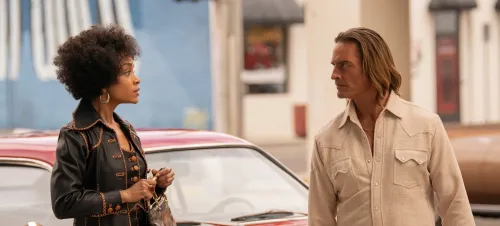
Duster isn’t doing anything new by taking on organized crime and cloaking it in vibrant retro garb. But it does spin something familiar into something enjoyable to watch. The period drama is reminiscent of 1970s exploitation films—it’s funny, fast-paced, and stylish—but it never feels like a caricature of the genre. Holloway and Hilson inject their characters with plenty of heart, so whether you’re following his rugged anti-hero or her rule-breaking FBI agent, it still makes for a thrilling ride.

In many ways, the NBA is the face of basketball. They don’t just develop athletes, they create superstars—idols that people turn to for hope and inspiration. But even though the NBA is technically American, it’s never been more populated with international players than today. When it comes to the Olympics, that means fierce and exciting global competition. It’s hard to capture the enormity of all that, but Court of Gold succeeds with flying colors. The show strays from run-of-the-mill narration and generic footage. Instead, it gives us what we want: inside access into what goes down behind the scenes. We follow the top four teams in the games—USA, France, Serbia, and Canada—and hear from the athletes themselves. Kevin Durant, Victor Wembanyama, Nikola Jokić, and Shai Gilgeous-Alexander are some of the representatives who stand out the most. Some of these interviews and fly-on-the-wall moments prove to be even just as (if not more) exciting than the showdown on the court. But the latter is undeniably thrilling. It doesn’t matter that you know who takes the gold, or even that you care enough about the game. Court of Gold is a well-made example of showmanship and athleticism, as well as a wonderful attempt at humanizing larger-than-life stars.
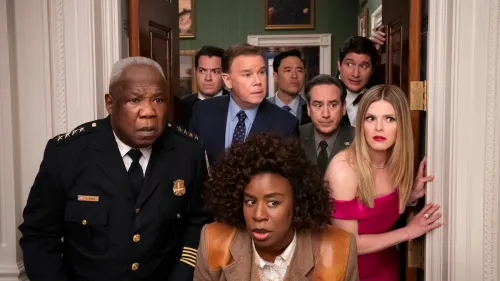
The Residence is a treat for fans of whodunnit mysteries, primarily because it plays homage to the genre more than anything. Each episode is titled after a well-known mystery, like “Dial M for Murder” and “Knives Out,” which speaks to its self-awareness. But the show is more than just a Sherlock knock-off. It boasts a colorful cast of characters, many of whom are given enough backstory and depth for us to empathize with. Most striking of all is Detective Cupp herself, who is eccentric, confident, and very easy to like. She whizzes through The White House’s hundreds of rooms equipped with quirky one-liners and a jazzy score, so it never feels like she overstays her welcome. As far as murder mysteries go, The Residence may not present the trickiest puzzle nor the most cerebral dialogue, but it’s smart, funny, and likable. By the end of the finale, you’ll wish to see more of the cast.
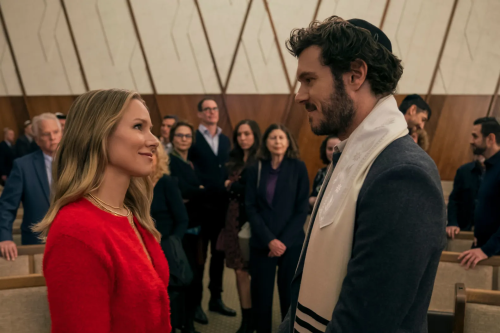
Romantic comedies used to be a dime a dozen in the 2000s, but now it seems like a dying genre, filled with mere shadows of what once was. That’s why when a good one comes along, you recognize it immediately: a good romcom revitalizes our ideas of love and life. It’s injected with a freshness that makes old feelings seem brand new. You get that in the British film Rye Lane, the Apple TV+ series Platonic series, and the Aussie gem Colin from Accounts, to name some recent examples. You can also find that same spark in Nobody Wants This, a breezy and effortlessly funny romantic comedy about two star-crossed adults trying to make their relationship work despite family disapproval, work demands, and that nagging fear of being hurt once more. The series is helmed by an impressive roster of writers and directors including Greg Mottola (Adventureland, Superbad), Karen Maine (Obvious Child), and Oz Rodriguez (The Last Man on Earth). It’s reminiscent of the indie romcoms of the last decade while shedding some much-needed spotlight on middle-aged dating. My only gripe is that this would’ve worked so much better as a punchy feature film. Instead, it’s dragged to the typical Netflix length of 10 episodes, but at least each runs only for a breezy 30 minutes.
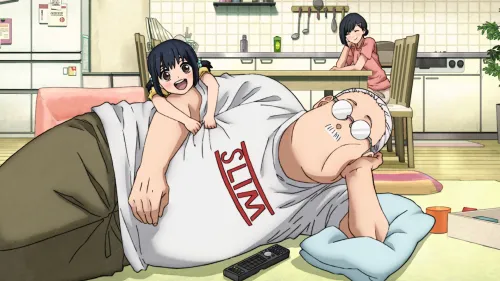
Hitmen are just cool. But rather than bring us the same fists and bullets that we usually see with these killers, Sakamoto of Sakamoto Days does his best to keep to his normal humdrum life, rather than jump back into the bloodshed. It’s an interesting twist to the gangster thriller. Rather than try to surpass any choreographed fights, or bring up the angst by killing everyone dear, the series humorously contrasts the over-the-top drama these assassins have over the straightforward ordinary life, which, as Shin realizes, is actually great. Sakamoto Days celebrates ordinary life as something worth protecting, and it’s pretty fun to see the crew do so.
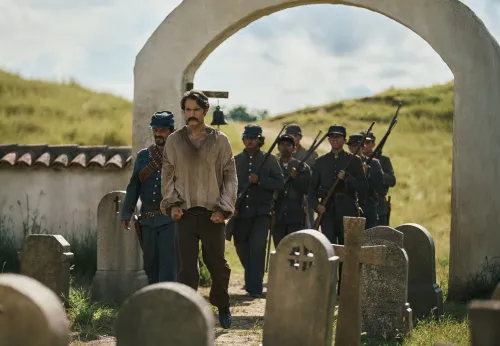
It’s a tall order to depict One Hundred Years of Solitude. Considered to be one of the world’s most important novels to read, expectations were high, the magic realism required a hefty budget, and the sprawling seven-generation plotline felt like it couldn’t fit within a feature film, or around 90-120 minutes. It’s because of this that author Gabriel García Márquez held out on selling the rights, and the family followed suit after his death. Luckily, more than half a century later, streaming television garnered enough prestige and profit to finally adapt the classic. Netflix thankfully stuck to the family’s wishes of having it filmed in Spanish, in Colombia, with Colombian actors, but it also expanded on the layered text in ways video can only do so– like fleshing out the story visually and aurally, having an omniscient narrator, and taking advantage of the medium through editing, direction, and excellent performances from the cast. Cien años de soledad doesn’t just work– it makes it so much easier to understand hype and the themes for people completely new to the text.
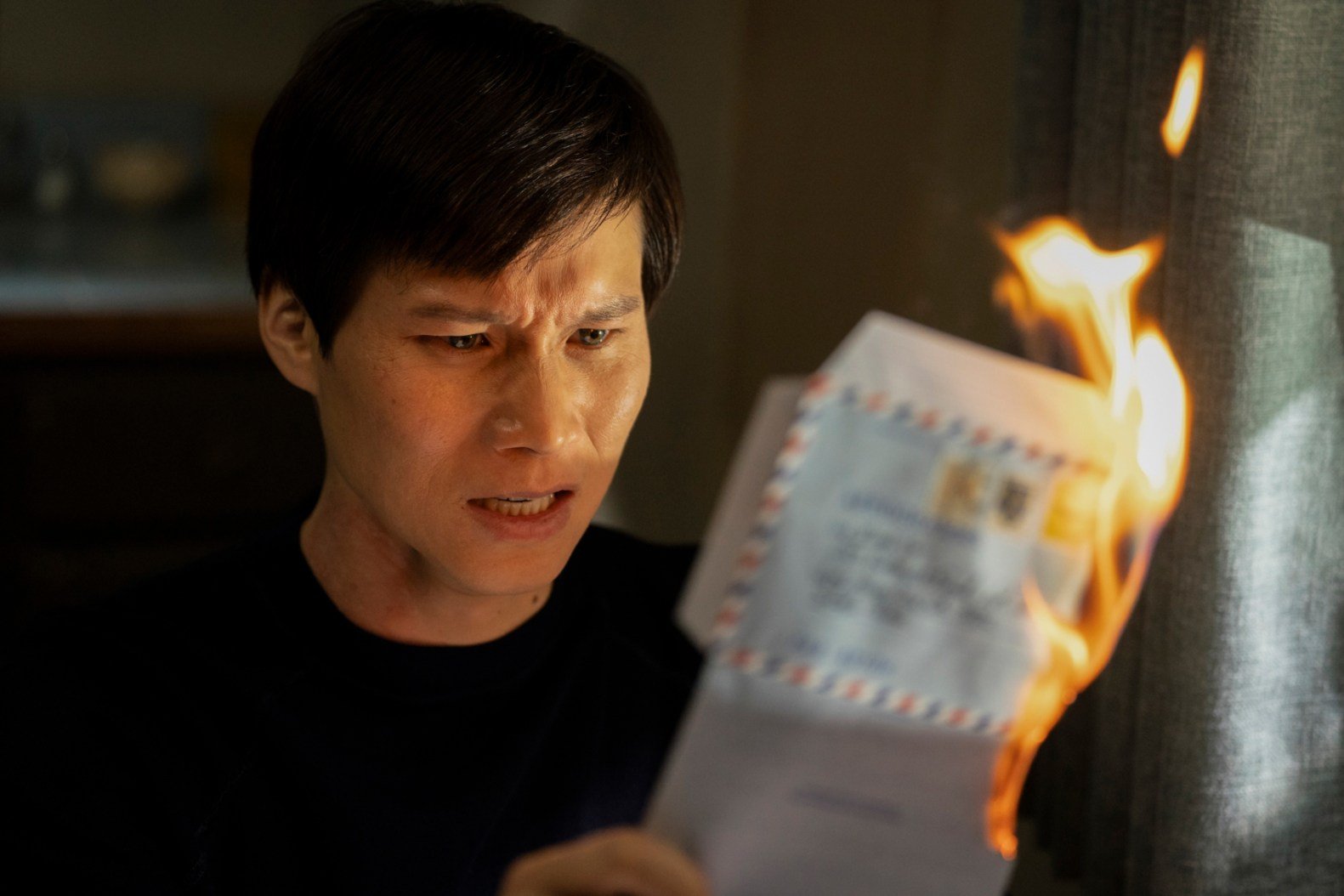
After the only war the Americans have lost, American post-Vietnam war portrayals tend to lean as patriotic revenge fantasies or romanticized disillusionment, but rarely do they portray the people caught in between. HBO’s The Sympathizer is an adaptation of the Pulitzer winning novel of the same name, and while it’s mainly an American production, Park Chan-wook and Robert Downey Jr.’s collaboration sticks to the Captain’s perspective, as the unnamed mole protagonist writes his confession years after from a jail in Vietnam. Chan-wook excellently mirrors his approach to Viet Thanh Nguyen’s agile storytelling, shifting time periods and languages the same way the Captain shifts perspectives, though Nguyen’s dry humor sometimes wavers when translated to the screen. Still, it’s certainly a well-crafted, ambitious depiction coming from a unique perspective.
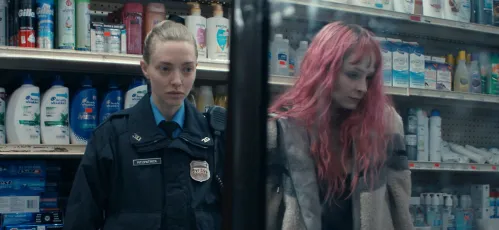
Set in a high-crime neighborhood in Philadelphia, the series follows Mickey (Seyfried), a cop in search of her missing sister Kacey (Ashleigh Cummings), a struggling addict. Mickey believes her disappearance is connected to the strange series of deaths among female addicts in the city, but because her department would rather keep a blind eye, she has to investigate both cases in secret. All the while, she’s raising a child on her own and battling personal demons that trace back to her childhood. The premise, admittedly, is nothing you haven’t seen before. It even looks like the many other police thrillers out there, what with its grayed coloring and serious demeanors. It’s also paced similarly: slowly and surely. But what the series lacks in originality and speed, it more than makes up for in heart. It reframes common narratives about addicts—do they deserve help?—and urges us to sympathize with them, instead of ignoring or altogether ostracizing them.
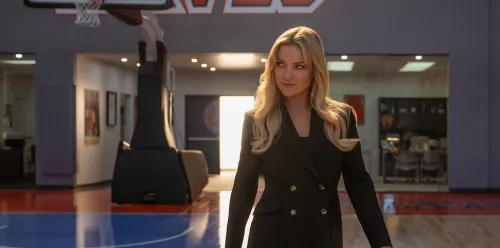
If you combined the family business shenanigans of Arrested Development with the behind-the-scenes league drama of Ted Lasso, then you’d have Running Point, which is less funny than those two sitcoms, but just as watchable and full of heart. The half-hour comedy series is co-created by Mindy Kaling (The Office, The Sex Lives of College Girls) so you can expect the same feminist-streaked brand of humor here, which amusingly tempers with the athletes’ (initial) machoness. Along with being funny, it’s often informational, like when it takes us into the gritty business of trading and dealing within the league, or when it reveals the pressure—financial, societal, or otherwise—athletes have to go through. Its satire of rich people isn’t as sharp as it could be, but it’s still an enjoyable series nonetheless. Hudson and Chet Hanks, who plays the hardheaded star player Travis Bugg, are charming standouts.

It’s hard not to be swept away by the epicness of Masters of the Air. Produced by Steven Spielberg and Tom Hanks, with the first four episodes directed by Cary Joji Fukunaga (No Time to Die, True Detective), it’s made sure to flex its massive $250-million budget. Everything is accounted for here, from the sweeping and historically accurate production design to the stacked cast of rising male stars (Oscar nominees Austin Butler and Barry Keoghan easily steal the show). Even the rousing score and sound design, while bordering on melodrama at times, build up tension and add a premium air to it. It’s a visual and sonic feast bolstered by upstanding performances and an endearing show of brotherhood. Whenever it risks being propagandistic or misguidedly patriotic, it’s the believable relationship between the boys and their grave understanding of war that ground it and give it heart. And of course, the air combats are edge-of-your-seat thrilling. Like Band of Brothers and The Pacific before it, it’s a visceral entry in the genre of World War II must-sees.
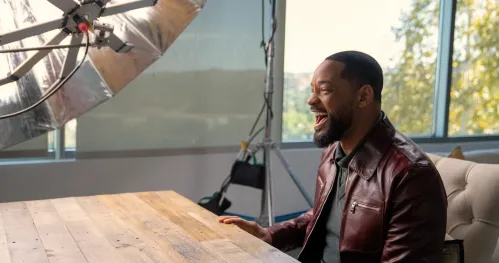
Right off the bat, Number One on the Call Sheet is impressive because of the sheer number of stars it has onscreen. Eddie Murphy, Whoopi Goldberg, Morgan Freeman, Denzel Washington, Will Smith, Viola Davis, and so much more sit down for a candid interview about who their idols were, what their journeys were like as Black artists, and what they think of the future generation of actors (here represented by the likes of Daniel Kaluuya, Tessa Thompson, and Jurnee Smollett). It’s a joyful celebration of success as well as a sobering reminder of a painful, racist past. Ocassionally, director Reginald Hudlin spends too long on the careers of certain actors and loses sight of the documentary’s purpose—is this a tribute to Black actors or a tabloid celebrity biography? But, ultimately, it gets back on its feet and leaves you with a stirring and hopeful message about the impact and potential of Black Hollywood.
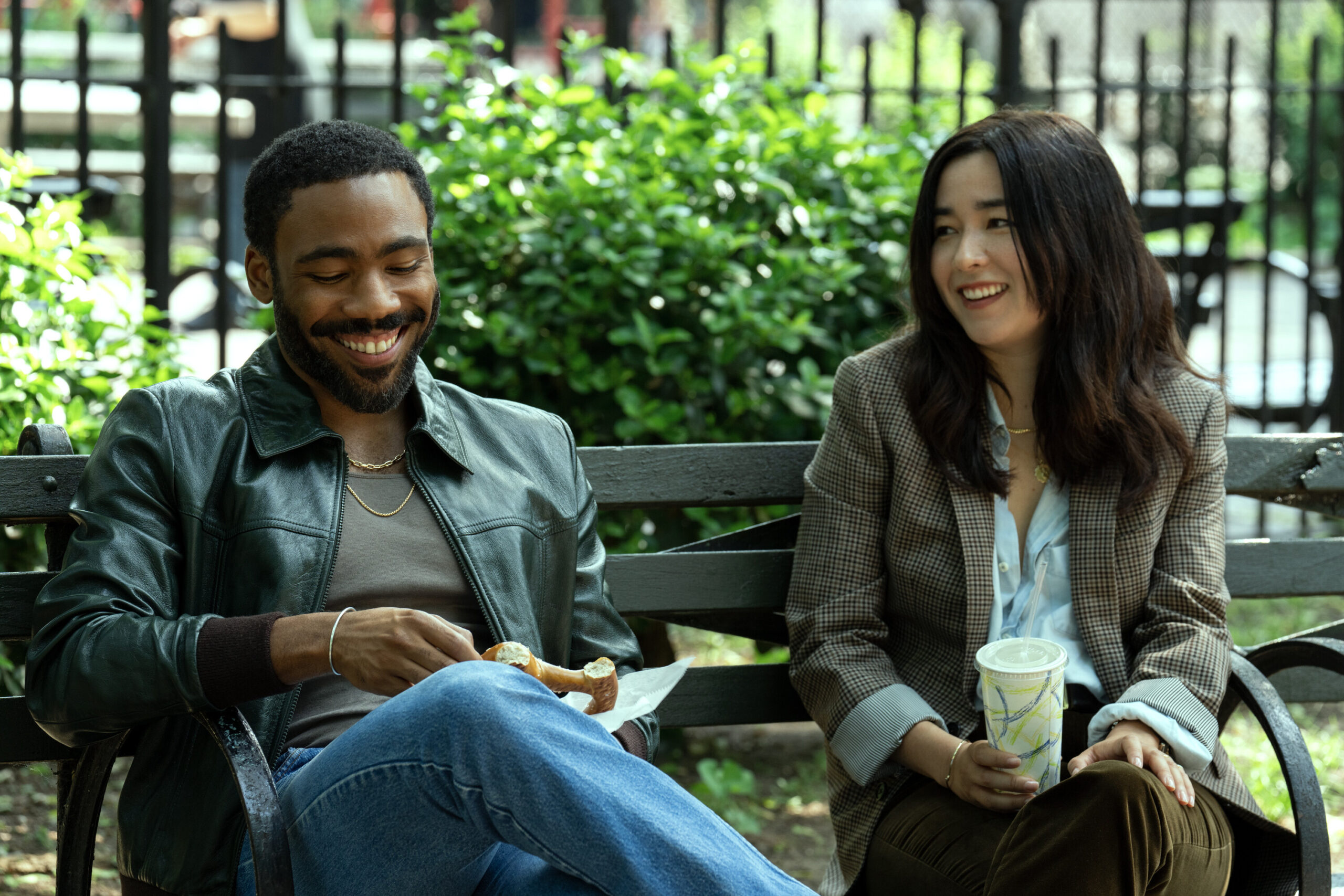
If you’re expecting the sleek, playful, and totally over-the-top spy shenanigans of 2005’s Mr. & Mrs. Smith, you’re not going to find it in this 2024 version, not that it’s a bad thing. In fact, this show stands on its own, reinventing the spy couple into a professional partnership rather than an immediate spark that leads to marriage. This decision makes the show feel like the film’s opposite– as the longer runtime and naturalistic aura enables more focus on the incomparable Donald Glover and Maya Erskine rather than the explosions– but it makes the danger feel more unpredictable and not just action set pieces. Mr. & Mrs. Smith may not be the star-powered, guns-blazing action comedy we’re familiar with, but it’s certainly a more thoughtful, fresh take that improves on the concept.
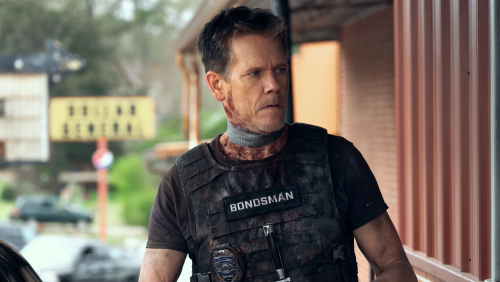
The premise of The Bondsman is fun enough. In a small Southern town, Bacon plays a bad-ass bounty hunter who sends demons back to hell. And the episodes are easy to watch, too. Each runs for about 30 minutes, featuring a new monster for Bacon to slay. Inexplicably, the show is also, occasionally, a musical. But for the most part, The Bondsman is a straightforward horror thriller with comedic inflections. It’s most reminiscent of Supernatural, but somehow less charming. It’s nothing new or noteworthy, but it is an enjoyable way to spend some time, especially if you’ve been missing Bacon on screen. It’s Bacon and Beth Grant, who plays his mother and unlikely demon-hunting partner (cutely nicknamed “Momma Bear”), who elevate the series into a worthwhile watch.
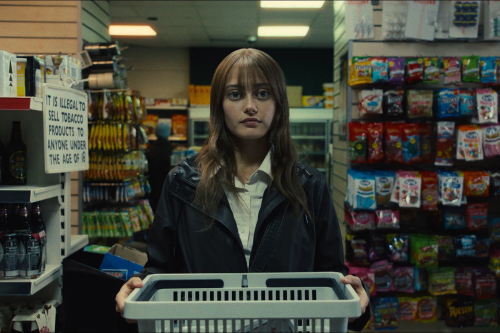
In Sweetpea, every element comes together to make an addictive watch. The premise is amusing on its own—a shy girl is pushed so far into the edge she sees murder as a viable option—but brought to life by stylish direction, witty lines, and an irresistibly endearing Ella Purnell, you get great TV. It’s not exactly novel (the underrated Hulu series Obituary has a similar premise) but it benefits from having more than a few twists hidden up its sleeve, not to mention a complex anti-hero in Purnell, who you know is wrong but feel bad for anyway. Who doesn’t want to root for the little girl standing up to her bully, the girl who stomps her foot down and demands her hard-earned respect at the workplace? Of course, it’s never that simple, and it’s that conflicting feeling of liking and abhorrent Purnell’s character that makes it an intriguing show.

During adolescence, teenagers get to learn and discover themselves and the world, but for most people, this means going through puberty, maybe taking up a sport or hobby, and not the occult vs alien shenanigans of DAN DA DAN. The science fiction-fantasy mix is unhinged and chaotic, throwing Momo and Ken directly into the worlds they didn’t believe in, and with each crazy encounter, they gain insane powers that are rendered into (literally) out-of-this-world, kaleidoscopic animation. But it’s their comedic dynamic that makes the show work, as each absurd situation pushes them to share what makes them vulnerable and challenge each other on their beliefs. DAN DA DAN is spectacularly unpredictable, and is a standout from 2024’s anime fall lineup.
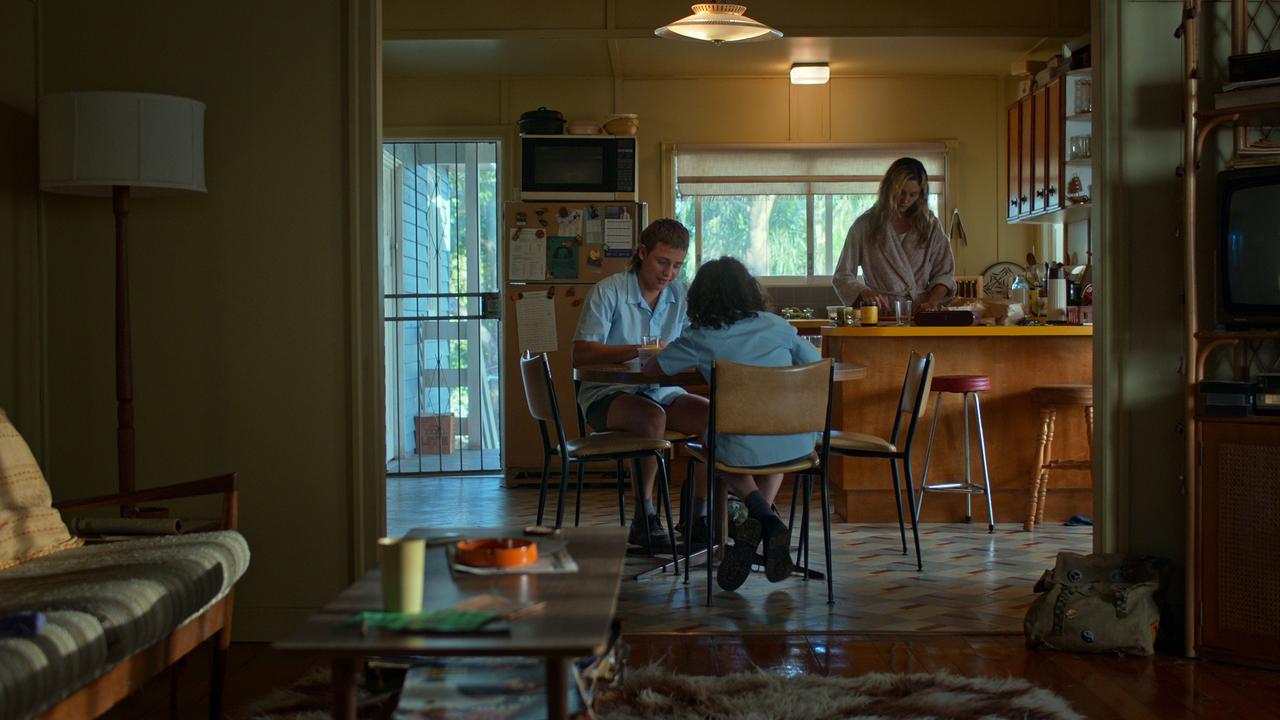
Coming-of-age shows are practically Netflix’s bread-and-butter, but the working class side of Brisbane in the 80’s is a suburb we didn’t expect the international streamer to visit. Based on the semi-autobiographical novel with the same name, Boy Swallows Universe is centered on the precocious Eli Bell, whose age and curiosity naturally pushes him to try and figure out how he fits in the world. There are some magic realist elements, and the crimes escalate as we go further and further into the miniseries, but the show shines best when depicting the slow, day-to-day moments in Bell’s family. The show never judges them, nor does it totally excuse their actions. Instead, Boy Swallows Universe depicts a certain nostalgic compassion one could only have for their hometown, regardless of how downtrodden it is.
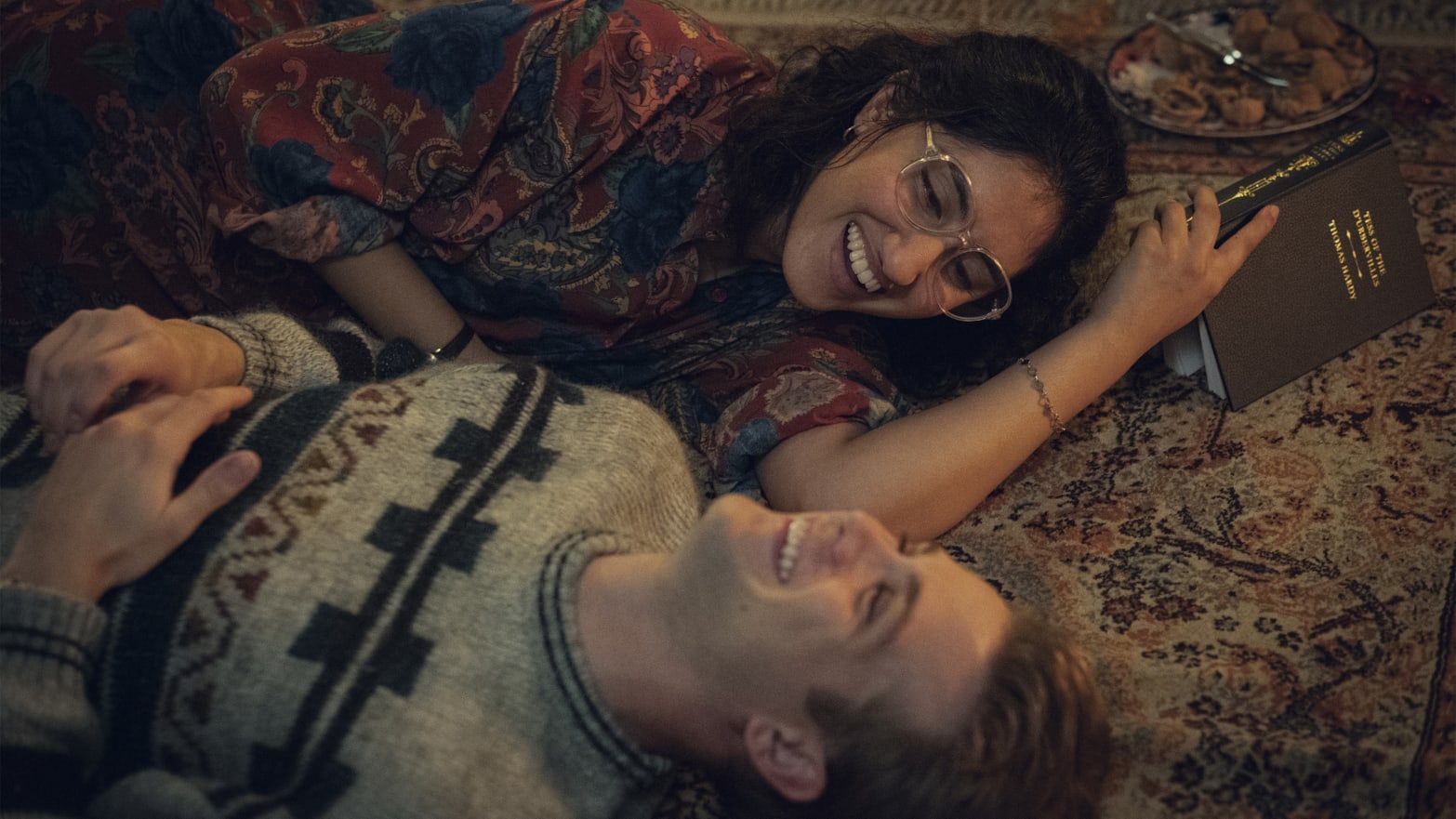
With a film version that didn’t live up to the hype of the original novel, Netflix’s adaptation of One Day released just in time to wreck the fans’ hearts all over again, but this time, it’s a good thing. The expanded runtime allowed Netflix to delve more into the moments in the novel, with each episode dedicated to a day in the year in Emma’s and Dexter’s lives, contrasting their respective worlds and opportunities available to them as different members of London society. And the couple is played beautifully by Leo Woodall and Ambika Mod, with a believable chemistry that isn’t formed in a single spark, but made in multiple moments. If you’re needing a good cry just right before Valentine’s Day, One Day is a superb slow burn romance to let those tears out.
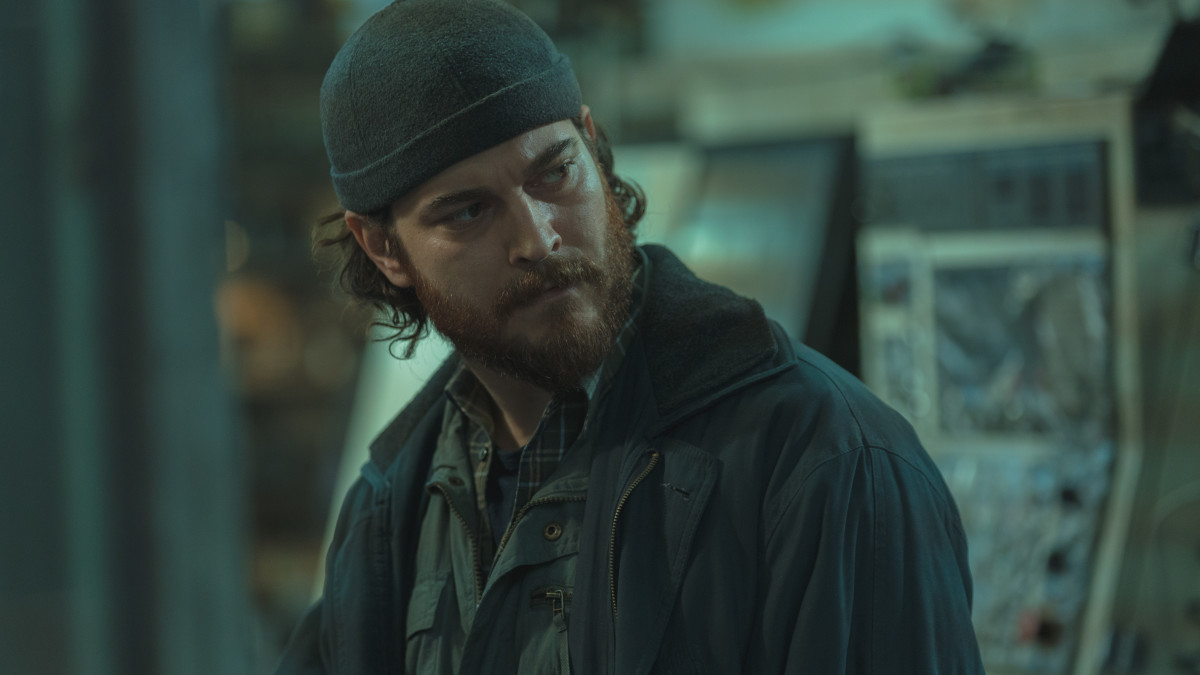
Saints used to be given divine messages, but in the modern age, what if God, or any higher power, communicated to us through social media? Kübra explores this idea in serious contemplation, with fewer intelligence agencies than Netflix’s 2020 Messiah, and more interest in the chosen messenger himself. The show is surprisingly more meditative than thrilling, as the lost ex-militaryman Gokhan and his loved ones quibble over the messages possibly from Allah, through the titular screen name. Of course, they point out that the very idea is ludicrous. At worst, it could be a delusion influenced by a stranger that wants to manipulate a war veteran for nefarious purposes. But the journey and the excellent performances allow us to ponder how prophets came to be– how faith and purpose are intertwined, and how much life’s difficulties can push us to hope for a miracle.
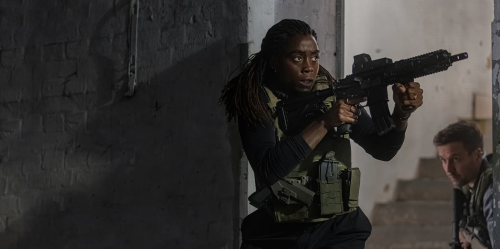
Watching The Day of the Jackal feels like watching a film; it’s taut, fast-paced, and flashy, featuring incredible dual performances by Redmayne and Lynch. Like many thrillers before it, The Day of the Jackal centers on a cat-and-mouse chase between an official and a transgressor, but the series smartly blurs the line between good and evil. Redmayne’s Jackal is by all accounts the bad guy—he’s a hitman after all—but we’re shown his humane side and the lives he works hard to protect. Meanwhile, Lynch’s Bianca is a government agent, but her hands are dirtied with just as much (if not more) blood than the Jackal. Who’s really at fault here? Part of the fun in watching this is figuring that out, but it’s also just as enjoyable to see what disguise the Jackal whips out, and what moral quandary Bianca finds herself deep in, next.
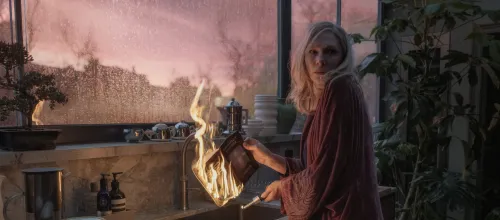
Starring the Cate Blanchett and directed by Alfonso Cuaron, Disclaimer is every bit as cinematic and enjoyable as you’d imagine it to be. It’s juicy and well-performed (Hoyeon’s unnatural acting notwithstanding), filled with enough twists and turns to keep you seated despite the occasionally melodramatic plot. It’s designed to make you crave more: more rich acting, more pulpy mystery, more explosive secrets, and more emotional breakdowns, which Blanchett has certainly mastered. It’s not as deep as it thinks itself to be, and the script can be overwrought at times (do we really need every single movement narrated?) but the fun twists, great performances, and beautiful cinematography more than makes up for them.
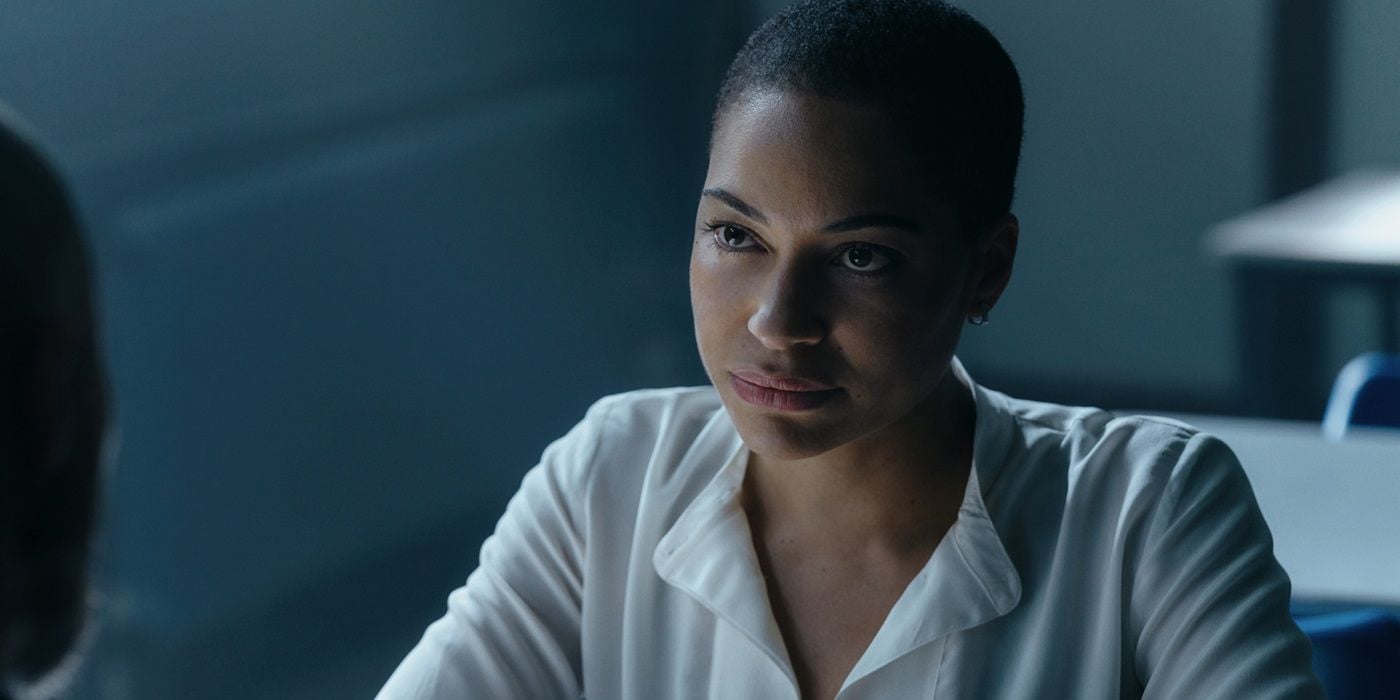
With the various police procedurals available online, it can feel like an oversaturated genre, at best. At worst, with the struggles the world has to do with regards to the justice system, police procedurals can glorify the institution. Criminal Record examines this, but it doesn’t give the easy answers other shows have when discussing the systemic failure of the police, especially when it comes to race, age, and sex. Peter Capaldi stands in as the old guard, though his skin-crawling presence keeps Dan Hegarty’s real intentions an enigma until the very end. However, it’s Cush Jumbo as the empathetic June Lenker that drives the show, with her persistence meeting Hegarty’s every move, and her frustrations mirroring the real rage the world feels with regards to past injustices. The way the two clash creates a novel rookie-veteran dynamic that makes Criminal Record so striking.
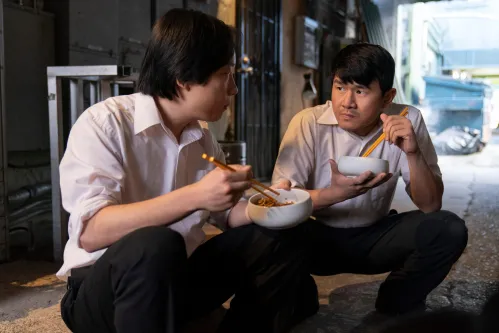
When adapting a novel, television showrunners have to transform the text into video, so sometimes, things get cut, lines get shortened, and sometimes what you and the author imagine from the book doesn’t match up on screen. Luckily, for Interior Chinatown, that’s not the case– the novel is already in a screenplay format, and the mini-series is being handled by the very same guy who wrote it, Charles Wu. The satire novel was pretty experimental, so it’s no surprise that the series holds the same playful energy as the book, but this time, playing with stylistic expectations (see: every time the faux leads enters a room) and genre expectations to create a meta levelling up quest for a background character to finally shine through. And with a stacked cast (Jimmy O. Yang, Ronny Chieng, and Chloe Bennet), the humorous plot cleverly challenges the ways Hollywood has excluded and stereotyped Asian Americans, and the way this plays out in real life.

Succession, whether that be of family assets or of job titles, is always a tricky situation to navigate– often, those choosing a successor would have to check in with the possible choices next in line in order to make sure there are no resentment, otherwise, it could drive the hillside horror present in The Bequeathed. From passive-aggressive co-workers to mourning relatives, Yoon Seo-ha is having a terrible time dealing with the succession situation, both being resented by a superstitious half-brother for the land and resentful of a co-worker who got promoted before her. It’s so easy to suspect potential rivals, especially when murder strikes those around you, but The Bequeathed also recognizes something scarier– the fear of what you could do with that resentment.

Partially due to the surviving Norse myths, as well as certain modernized cinematic depictions, most people think of the Norse gods as fairly benevolent, if a bit violent, entities. With Zack Synder at the helm, it’s unsurprising that he would take an edgier approach to the Twilight of the Gods, but this time, it works well, transforming these arbitrarily powerful beings as the villains they would actually be, at least in the perspective of the humans trampled by their thoughtlessness. It’s beautifully depicted, with lovely character designs and great voice performances, and it’s an interesting depiction of a mythology not often depicted.

That The Curse is squirm-inducingly awkward won’t be news to anyone who’s watched a Nathan Fielder show before, but TV’s king of cringe digs his heels in on that approach here. The Curse chronicles the making of another show: HGTV’s inelegantly named “Flipanthropy,” which follows Fielder’s Asher and wife Whitney Siegel (Emma Stone) as they perform (the operative word) good deeds in a struggling New Mexico town. Flipanthropy is also a means through which the well-to-do white couple can shill the eco-friendly homes they’re gentrifying the town with — a galling conflict of interest that plays as a running satire of TV.
The uneasy tension between what the Siegels say they want to do versus what they actually do is the heart of the show. In true Fielder fashion, their hypocrisy is revealed through excruciatingly awkward, tortuously long scenes takes, such as the one that gives the show its title (the socially inept Asher angers a little girl, who puts a curse on him). This scene is also an example of the insane left takes The Curse constantly takes, which speak to Fielder’s ability to make his shows feel like they’re falling apart all while building to towering complexity. Suffice it to say, there’s nothing else like this on TV.
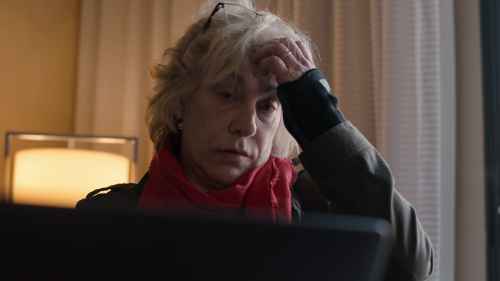
It’s easy to forget that Netflix helped boost the popularity of the true crime genre, especially since it’s pumping out a new series almost daily. A lot of them are rushed and sensationalized, but there are a few that are worthwhile. Into the Fire is thankfully the latter. Showrunner Jenna Lamia and Director Susanne Bier tell Terkanian and her daughter’s story in a refreshingly measured way, making sure to hone in on Terkanian’s restless energy. It’s that energy that rallies the community behind her in breaking open the case and uncovering many more missing persons besides her daughter. The same energy makes the show feel more dynamic and alive than other true crime documentaries. It’s also more restrained and respectful. No overdramatized suspense or sensationalized twists here, just an incredibly true story, cleverly and humanely told.
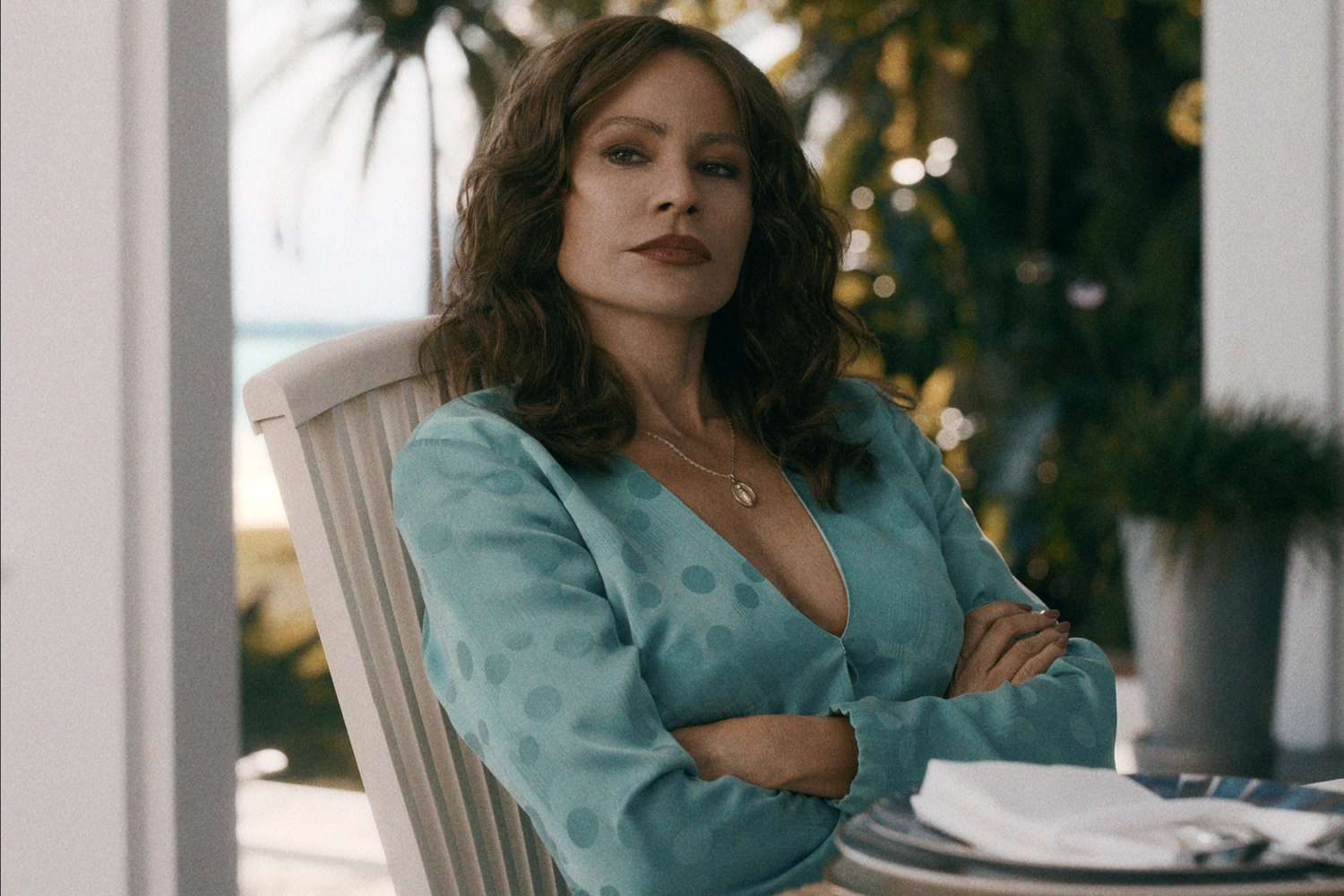
With the success of Narcos, Netflix has created multiple shows about drugs in Latin America to the point that the genre is a tad oversaturated, but with Sofia Vergara heading the miniseries on the real-life cocaine queenpin, Griselda is one that you have to watch. Unlike other depictions of Blanco, Vergara’s series puts her front and center, focusing on the initial struggles it took for her to be taken seriously and the darkness that emerged once she got her way. And of course, Vergara is fantastic, sliding into the drama with an ease that makes us want to see more. While the show isn’t fully accurate, and six episodes are too short to tackle her decades-long rule, Griselda nonetheless is compelling television.
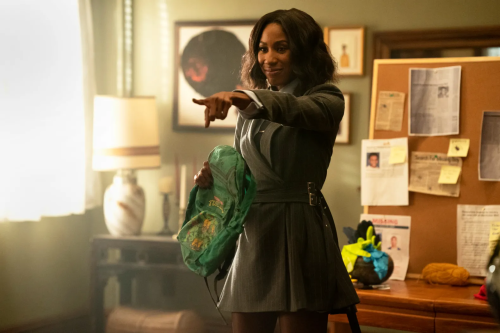
It’s best to go into Diarra from Detroit with zero knowledge and expectations, but even if you do know a bit about its comedian star, writer, and director, Diarra still comes at you with wild but always funny curveballs. Some parts of the story are implausible, but it doesn’t matter: Diarra sells them with gusto. And the series has so many other things going for it, not least of which is Diarra’s internal turmoil, which often bleeds into the mystery she obsesses over. It’s crazy but humane, and Diarra’s one-liners are always home runs.

Messier than Heartstopper, but tamer than Skins, Everything Now has everything you’d expect from a British teen show. Sexuality, vices, and experimentation is what the series shares with other coming-of-age series, but at its heart is Mia Polanco as she tries to get back to her regular life after anorexia recovery. Cutting between her life now and her seven-month hospital stint, the show feels like a realistic depiction of a non-linear healing journey. It’s a show that makes sense to release right now, as the world’s teens try to get back to normal and try to reach standard teen touchstones.
From the fantasy-powered folktales to superhero-like depictions, ninjas have captivated the world, but seem to be a relic of the past, with modern day warfare and weaponry turning them obsolete. House of Ninjas imagines a world where ninjas still exist, centering a clan stuck between wanting to abandon the old ways but also having skills that seem wasted in contemporary life. Because of this, the show at first seems boring– the family is severely demotivated, with some members acting out through petty theft, and with out-of-place jazzy musical tracks that undercut the action of the first few episodes. However, House of Ninjas gets better as the Tawara clan gets its act together, revealing the hidden heart each of them has for each other, one that’s been hidden because of the grief that struck the family. The show may be less action-packed than expected, but House of Ninjas comes across as an off-kilter family drama with just enough heart to work.
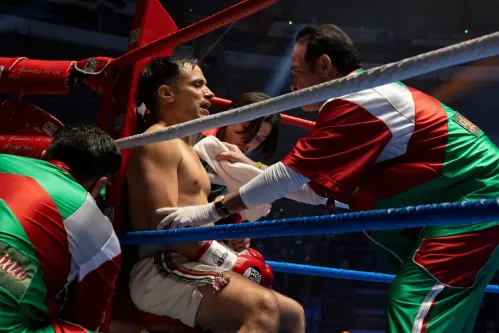
After more than a decade apart on-screen, Gael Garcia Bernal and Diego Luna finally reunite in La Máquina. While they maintained their friendship off-screen, it’s just so fun to see them take on a more comedic dynamic as they snipe at each other, get into trouble, and scramble to get things right. It’s the best part of this series, and with Gabriel Ripstein’s direction, the series is never boring, continuing to move in unexpected directions with swiveling camera movements and such a slick score. While there are some issues with the pacing, La Máquina is fun to watch, especially when focused on their leads.
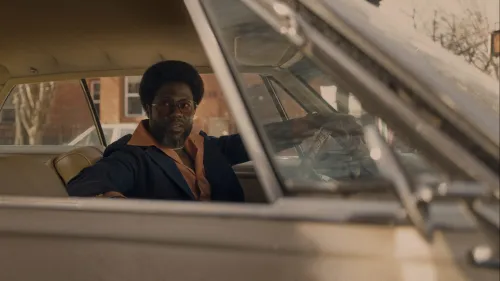
Taking a cue from Blaxploitation films, Fight Night looks every bit like the ‘70s movies that screamed fun and danger. But the eight-part series starring Kevin Hart is more than just a schtick. It’s a thoughtfully constructed heist thriller that doubles as a showcase for its stacked cast and a love letter, of sorts, to Atlanta and how it came to be the Black-powered city that it is today. There’s never a dull moment in the show; if it’s not pulling the rug from under you by showing you a heist-within-a-heist, or one backstabber from another, then it’s entertaining you with a wide range of equally compelling performances. There’s the competent Hart, the reliably commanding Taraji P. Henson, the likable straight man Don Cheadle, the surprisingly subdued Samuel L. Jackson, and the impressive ingenue Chloe Bailey, among many, many others. Then there’s Hart’s character’s vision of Atlanta, at once inspiring and chillingly accurate. It’s not a perfect show—it has its cartoonish moments—but it’s enjoyable and insightful as a whole.

By now, it’s pretty clear that Apple TV+ follows a less-is-more philosophy when it comes to content. Sure, it doesn’t release a million new titles in a year like Netflix or Prime, but the few originals that it does put out are almost always good (and occasionally great), backed by an astounding budget and ambitious vision. Sunny is the latest addition to that category. The multi-genre show is a deceptively simple robo-buddy comedy that is engaging through and through. Yes, it’s futuristic—and fantastic in that regard—but it’s also funny, heartwarming, thrilling, and tragic. And it juggles all these effortlessly so that the other aspects of the show, such as the artful blend of tradition and tech, can shine through.

If you’ve seen one too many true crime documentaries, you might shake your head at the things sixteen-year-old Penelope does upon running away from her high school camp. You might (rightly) ask, why is she camping in the middle of nowhere all alone? Why is she trusting all these different strangers who, for all she knows, could be a serial killer or a trafficker? And why approach that bear? Why sleep in that clearing? But the sooner you let go of those worries and accept that Penelope is more of a fable about growing up and finding yourself than it is a literal survival tale, the better. Which isn’t to say it fails as the latter—Penelope is surprisingly watchable as she learns the ways of the wilderness. In fact, one near-silent episode is dedicated to just Penelope learning the ropes, literally, and it’s one of the season’s best. As long as you don’t get stuck in the details of Penelope’s journey and take aside your cynicism for just a while, you’ll find something touching and humanizing in this short but sweet series.
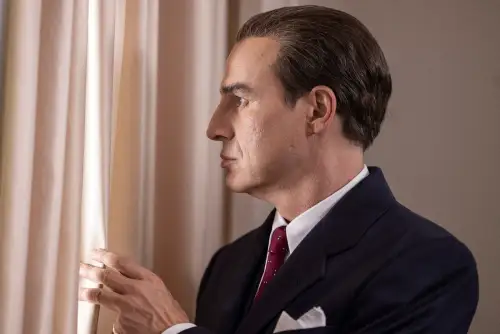
When Cristobal Balenciaga was in his prime, the courtier was lauded for his technique. More than anything, his dedication to the tiniest detail of dressmaking, not just design, made his sculptural dresses stand out. This titular miniseries about his years in Paris is made in the same vein. It has a strong foundational form, from smart camerawork and beautiful lighting to period-accurate backdrops and tight storytelling. But it has plenty of substance too as it’s clearly, and endearingly, in love with haute couture. Every scene is dripping with elegance, and every gown (even the supposed bad ones!) is so gorgeous that you must pause and take a moment to marvel at it. But perhaps the most impressive thing about the series is that it doesn’t shy away from history; in fact, it welcomes it fully, even the controversial parts of Balenciaga’s past. What we get isn’t a glorified icon, but a flawed human being who is all the more resplendent in his wholeness.
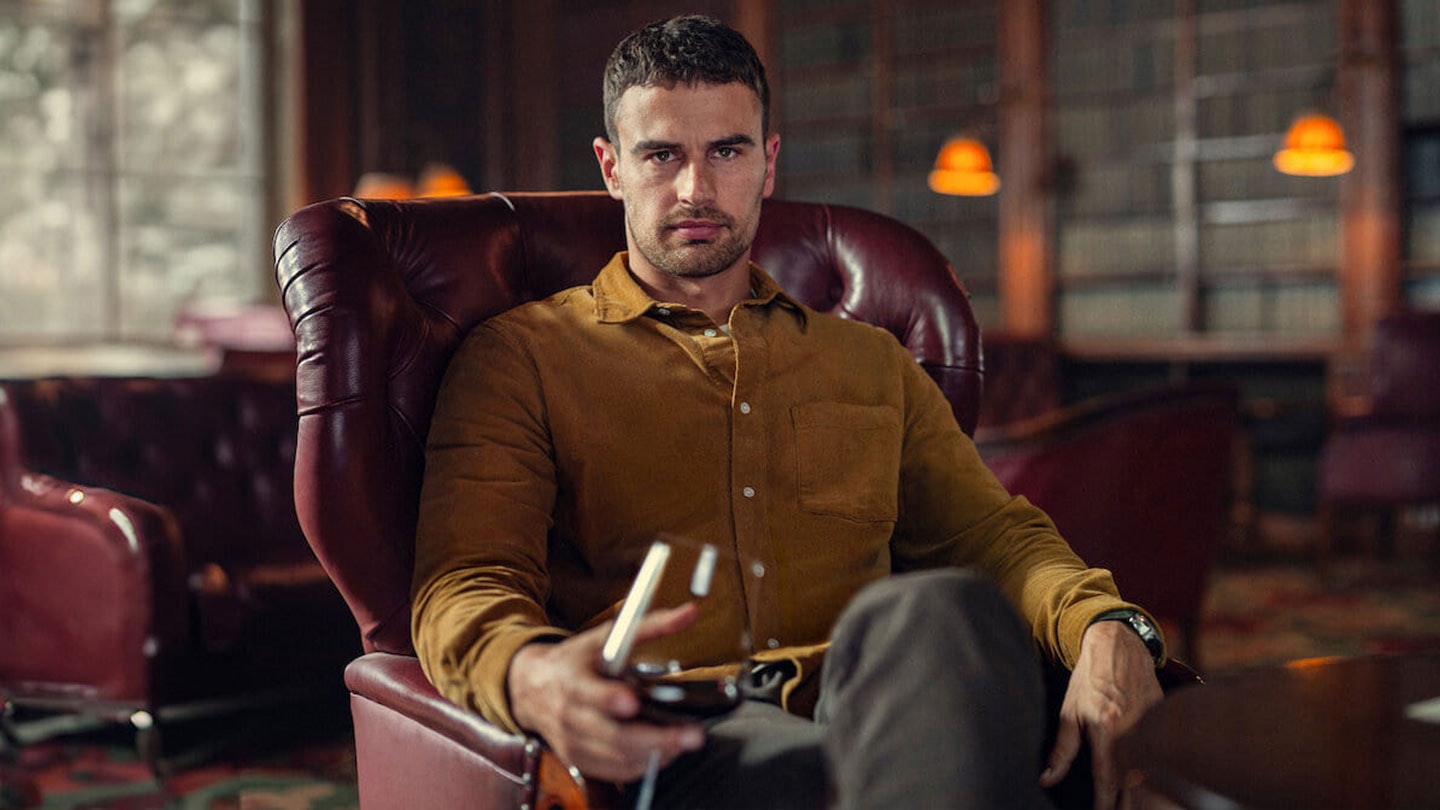
After the successful release of The Gentlemen (2019), it would have been easy to just continue the story with the same cast of characters, but instead Guy Ritchie makes a spinoff with the same cannibis chaos, but instead expands it to a startlingly funny depiction of the British aristocracy and the criminal underworld. It has all the action-packed styling Ritchie is known for, with each episode bringing up a new inheritance issue Theo James as Eddie Halstead has to solve, with the help of a cool and cunning Kara Scodelario. While the episodic troubles do feel a bit tired after eight long episodes, The Gentlemen keeps the intrigue through never losing sight of the tension occurring between the main duo.
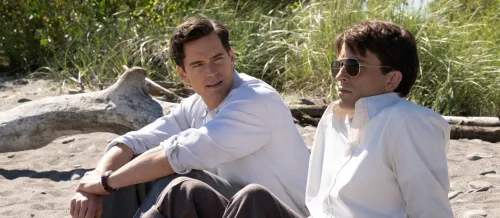
In just eight episodes, this densely packed miniseries manages to be a beautifully told queer romance, a riveting political thriller, and an important snapshot of 20th-century America. It’s nothing short of an epic. Matt Bomer and Jonathan Bailey effortlessly carry the series on their backs. Their chemistry is undeniable, but they shine just as well in their political scenes. McCarthyism and the Lavander Scare in the ‘50s, the rampant protests in the ‘60s, the carefree parties of the ‘70s, and finally the AIDs crisis in the ‘80s, where present-day Hawk and Tim live in—all are consistently compelling thanks to the actor’s powerful, decades-spanning performances and showrunner Daniel Minahan’s stable direction. The end may be (unsurprisingly) tragic, but it’s nonetheless moving because of the strong storytelling that preceded it.
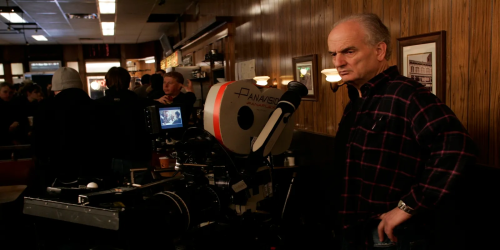
If Wise Guy reads like a biography of David Chase and an oral history of The Sopranos, that’s because it is simultaneously both those things. Chase’s story is The Sopranos’ and vice versa. As Chase reveals in this two-part documentary, The Sopranos was initially based on his mother and his childhood in New Jersey. But then the show evolved into something more profound and complex than anyone could’ve imagined. Free from the reins of network TV, it relished in its R-rating creativity and quickly became a cultural phenomenon. People tuned into it every night. It was celebrated and parodied in equal measure. Most important of all, it ushered in a new era of prestige television that valued substance more than anything else. There’s no better person to guide us through the ins and outs and behind-the-scenes of The Sopranos than the showrunner himself. Director Alex Gibney parallels his interview with Chase with scenes from the show, even matching its colors and texture, to further prove how inextricable Chase is from his creation. We see never-before-seen clips of casting, script writing, reception—the works. Wise Guy must be heaven-sent to hardcore Sopranos fans, but it’s also the perfect introduction for the uninitiated.
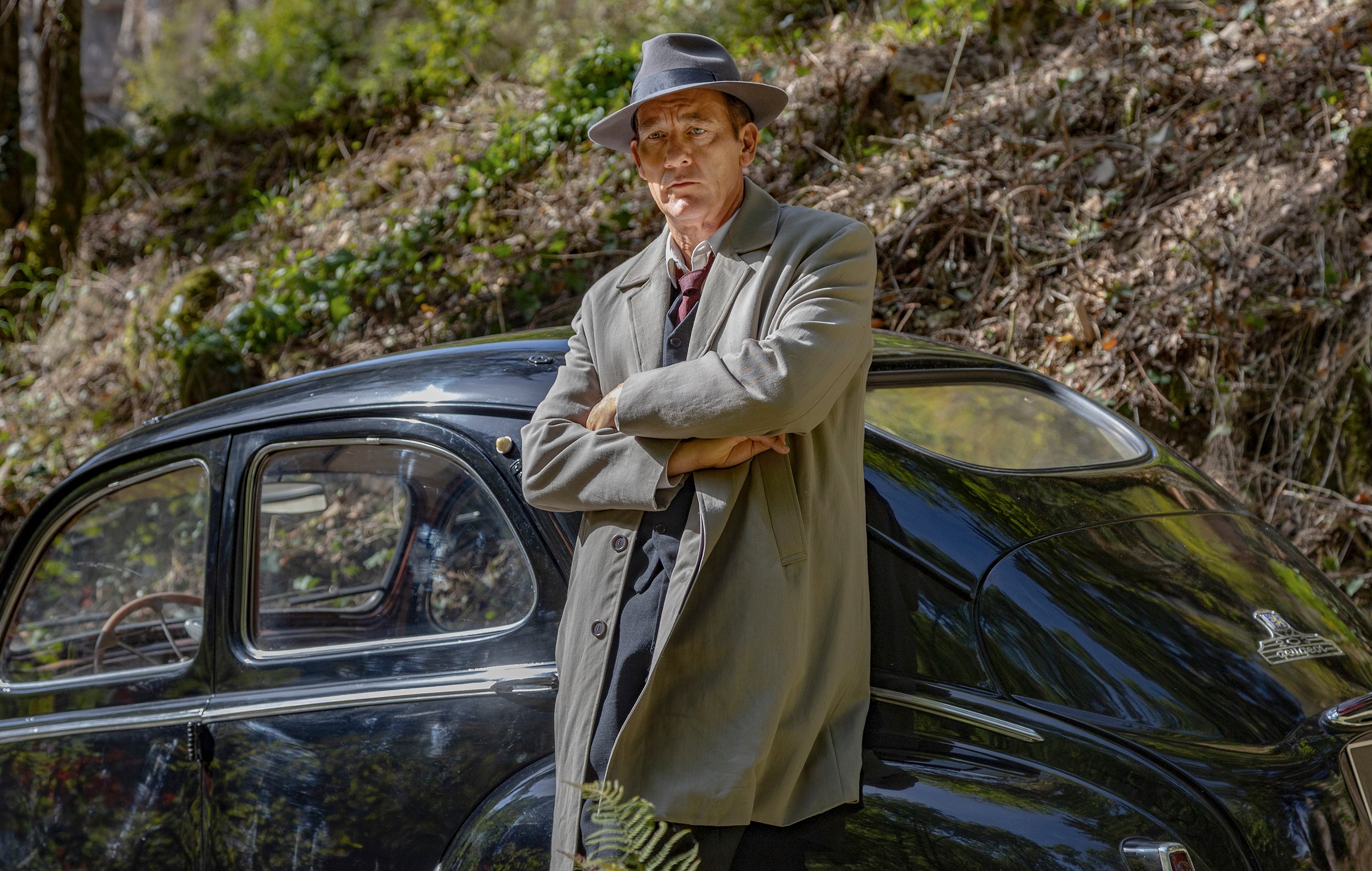
It takes Monsieur Spade some time to settle into its skin. The first few hours are dedicated to introducing as many side characters and backstories as possible, and though this could have been more elegantly executed, it eventually pays off. The main mystery, once you get to it, is layered and complex, and watching Spade physically and verbally spar with Philippe is its own kind of reward. Their curt but cutting dialogue harkens back to past noirs, and it’s a delight to see that tradition live on in the genre.
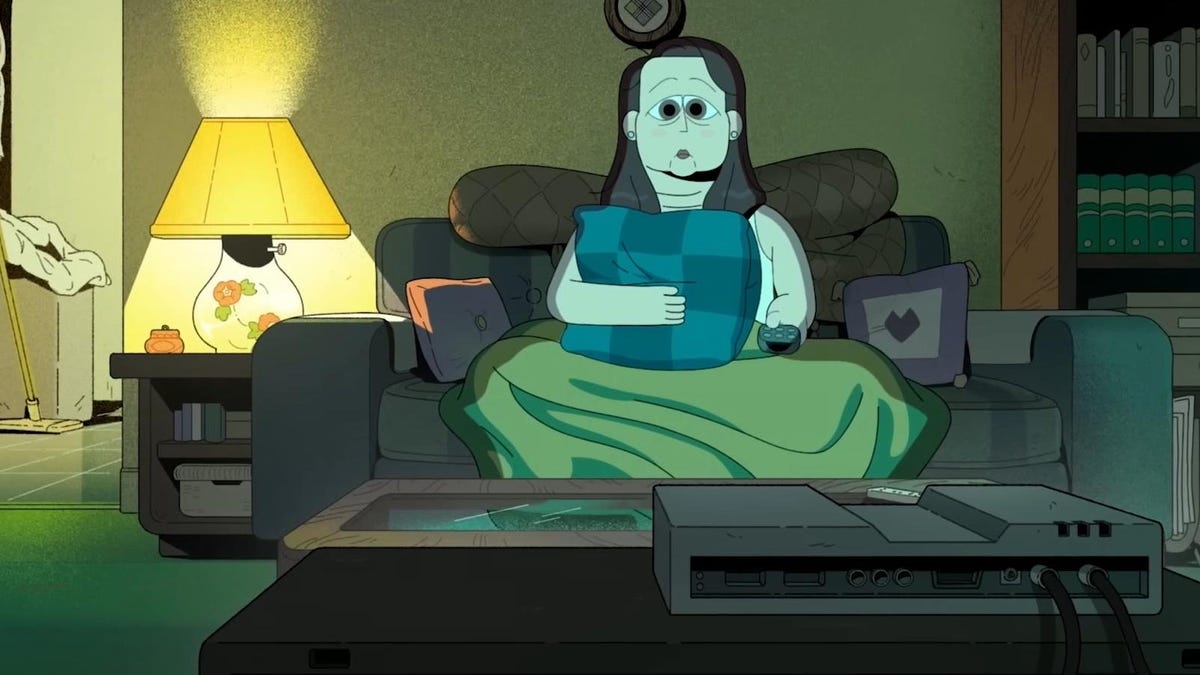
The end of the world isn’t the most optimistic thing to think about, but the scenario leads you to thinking about unrealized dreams, pleasures, and aspirations: the way you want your life to be, if things have gone the way they planned. Dan Guterman, from Community and Rick and Morty, reimagines this idea in Carol and the End of the World. Carol is that mundane, downright boring character that we wouldn’t take notice of in real life, only because she actively chooses the ordinary life, but this show is extraordinary, shifting perspectives and even genres between episodes, taking unexpected turns, and celebrating the day-to-day monotony of life.