
Rated 7+ IMDb · 70%+ RT Little-known finds Curated by humans
Rated 7+ IMDb · 70%+ RT Little-known finds Curated by humans
 1980 Movie
Dir. Robert Redford · United States of America · English
This Best Picture Oscar-winner captures one family at a breaking point


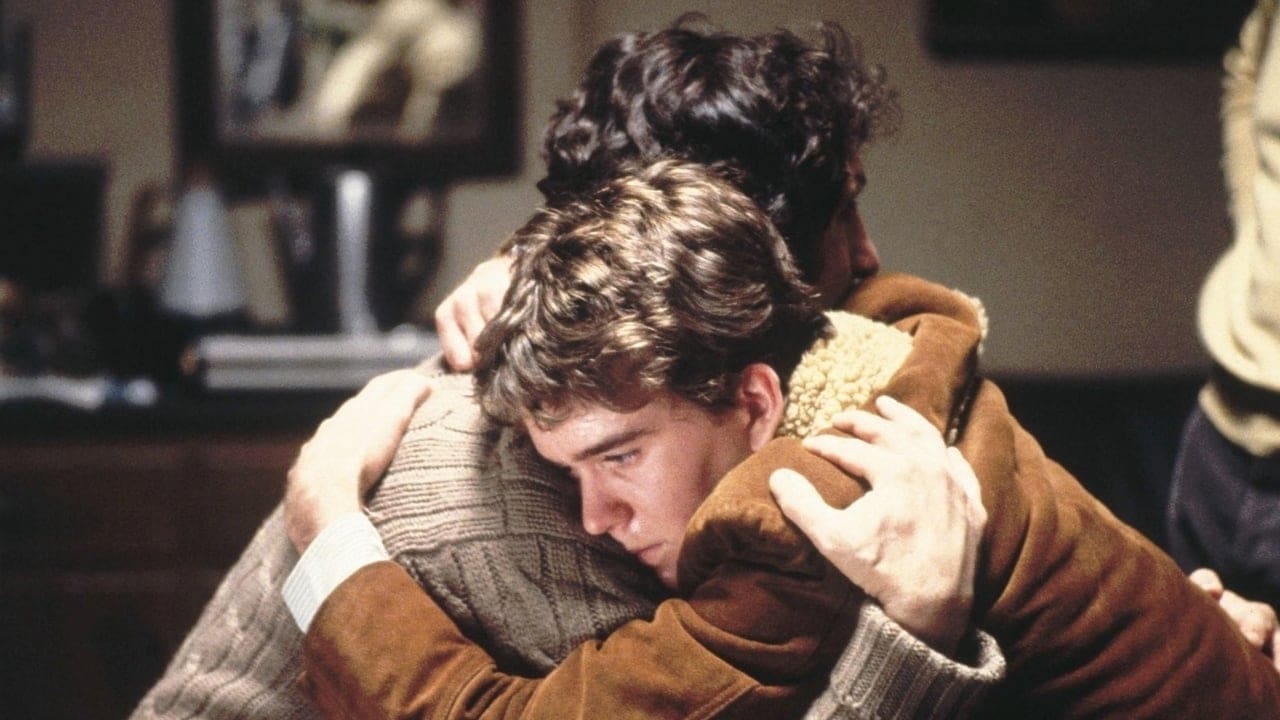
Based on the 1976 novel of the same name, Ordinary People is an emotionally wrought film about a family on the brink of collapse. Upon the tragic death of eldest son Buck, the youngest and now only son Conrad (Hutton) reluctantly enters psychiatric care while his mother, Beth (Mary Tyler Moore), tries to force things back to the way they were with overwhelming positivity. Keeping things together as best he can is the father Calvin (Donald Sutherland), who is battling demons of his own. Before films like Good Will Hunting and shows like 13 Reasons Why made tropes like “caring therapist” and “angsty teen” into the cliches they are now, it was films like Ordinary People that broke barriers and dared to put up a mirror to our stark realities. Things like grief and depression, as well as strained parenthood and unhappy families, were taboo back day in the day, so it was somewhat of a miracle that Ordinary People didn’t just talk about them openly, but started a discourse surrounding them that continues to this day.
Beth, Calvin, and their son Conrad are living in the aftermath of the death of the other son. Conrad is overcome by grief and misplaced guilt to the extent of a suicide attempt. He is in therapy. Beth had always preferred his brother and is having difficulty being supportive to Conrad. Calvin is trapped between the two trying to hold the family together.

"A powerfully intimate domestic drama."
— Todd McCarthy
Eighteen-year-old Conrad (Timothy Hutton) is a mess after the death of his brother in a sailing accident, but despite his efforts to get better, suicidal thoughts and a difficult relationship with his parents prevent him from moving on.
Mary Tyler Moore. Moore gave her character new depths with the simplest gestures. What was simply described as “unpredictable” in the book, Moore turned into nuanced and meaningful acts.
It’s best known for being *the* movie that won against Raging Bull back in ‘80, when it should be known as *the* movie that predated classics like Good Will Hunting and Dead Poets Society.

Oscars
4 wins · 2 noms

Golden Globes
8 noms

BAFTA
2 noms

DGA
1 win

WGA
1 win

Nat. Board of Review
3 wins

NYFCC
1 win · 3 noms

LAFCA
1 win

Renee Cuisia is the lead curator at A Good Movie to Watch. In her spare time, she likes to watch K-dramas and analyze them to death. She's also seen You've Got Mail one too many times but is still convinced it's one of the greatest films out there.







Comments