
Pluto TV Suggestions - Highly-Rated Movies & Shows on Pluto TV
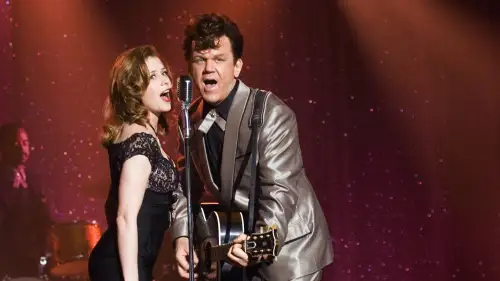
If you’ve never seen Walk Hard before but still get déjà vu from just its first 10 minutes, that’s the point. This riotous pastiche parodies every musician biopic ever made — and even many that came after it. Its ability to predict the future is thanks to its sharp observation of all the clichés that are typically wheeled out when a musical artist’s life story gets the big screen treatment. Walk Hard skewers everything from the tropes of preternatural musical abilities and galvanizing childhood trauma to the formulaic three-act structure that follows the musician’s rise, inevitable fall, and triumphant rise again.
Absolutely no chances are left unseized to lampoon the genre: the film is told in an incredibly long flashback, for example, and features multiple groan-including moments in which characters say the movie’s title out loud, all but winking at the camera. The danger with a parody is that the joke can get old quickly, but Walk Hard is blessedly full of laughs that would stand up even outside of the spoof framework, displaying incredible devotion to even the most throwaway of jokes (as when The Temptations make a cameo for one five-second gag). Not just a brilliant satire, then, but a terrific comedy of its own.
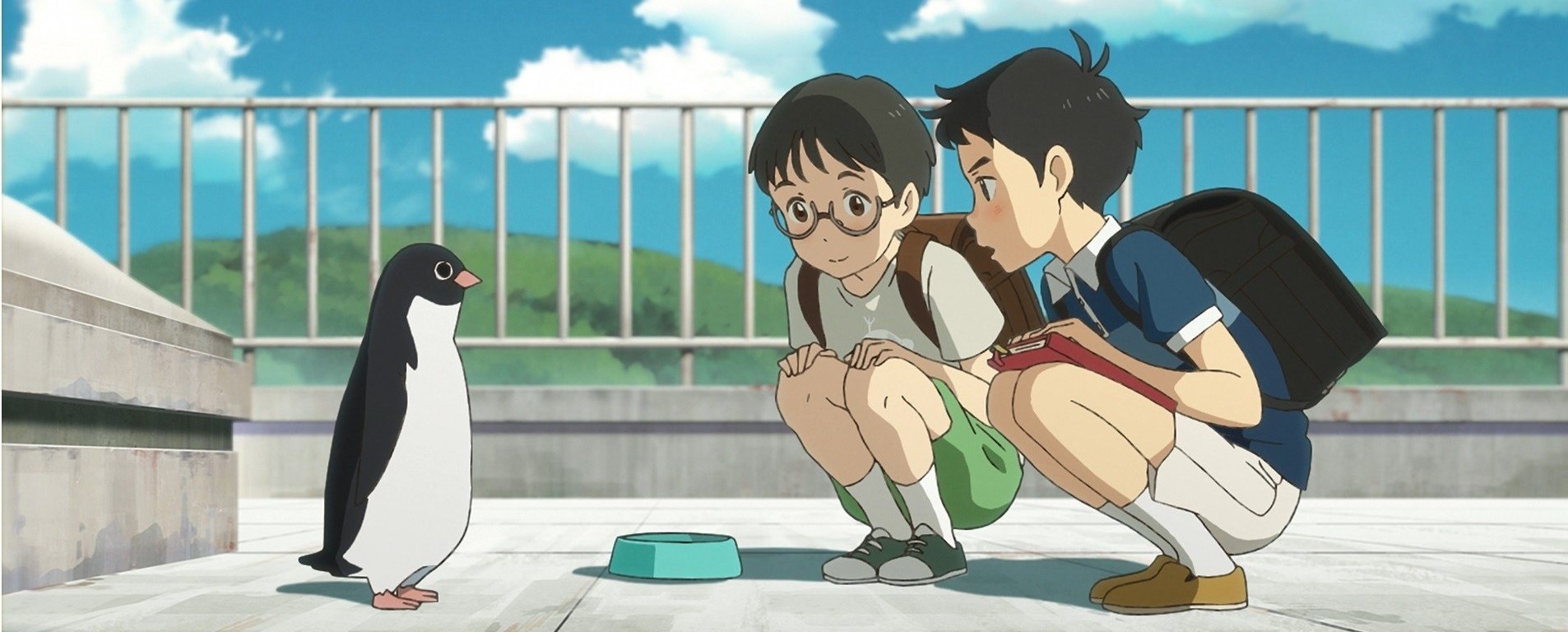
Surreal, strange, yet wondrous, Penguin Highway never takes a straightforward approach to its story. Penguins pop up out of nowhere, leading the nerdy and precocious Aoyama to study them via empirical observation and logical deduction. These studies don’t end up with a feasible explanation– in fact, by the final act, the film abandons all laws of physics. But the journey to that act feels intuitively right. This journey feels like an indescribable formative experience. Aoyama may be obsessed with growing up and committing to the reasonable adult mindset, but he is still a child. From fending off bullies to forming connections with others, his childhood imagination served him better than science could. The film reveres this discovery as well as it should.

This is a hilarious political comedy starring the ever-great Steve Buscemi. Set in the last days before Stalin’s death and the chaos that followed, it portrays the lack of trust and the random assassinations that characterized the Stalinist Soviet Union. Think of it as Veep meets Sacha Baron Cohen’s The Dictator. Although to be fair, its dark comedy props are very different from the comedy that comes out today: where there are jokes they’re really smart, but what’s actually funny is the atmosphere and absurd situations that end up developing.

Based on Michael Lewis’ 2011 non-fiction book, The Big Short follows several disparate Wall Street insiders who predicted the housing market crash of 2007-2008, and bet against the market for huge financial gains. It’s a fascinating look into the inner workings and disrepair of the modern banking industry. A great cast of big names (Bale, Carell, Gosling, Pitt) carry the viewer through all of the intricate complexities of mortgage backed securities, collateralized debt obligations, etc.— and make it all both enthralling and highly enjoyable. Kudos to director/co-writer Adam McKay for making it work so well: balancing the humor, frustration and absurdity, punching it up with off-the-wall yet effective asides, and giving us a comprehensible education on the economic meltdown that affected so many millions of people so dramatically. It’s a legitimately important film that everyone should see.
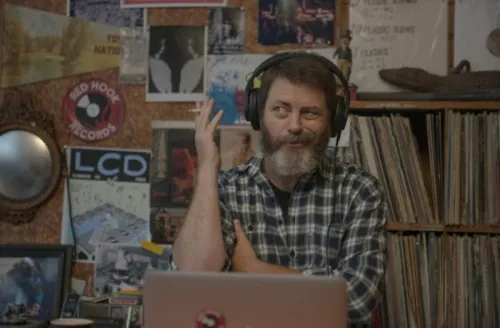
A sweet feel-good movie starring Nick Offerman as a dad who has to deal with his only daughter leaving for college and his record store struggling. The daughter is played by Kiersey Clemons who you might recognize from the show Easy. And Ted Danson has a great role too. This is a relatable and heartwarming movie, one of the best the so-called “indie” genre has known in a long time.
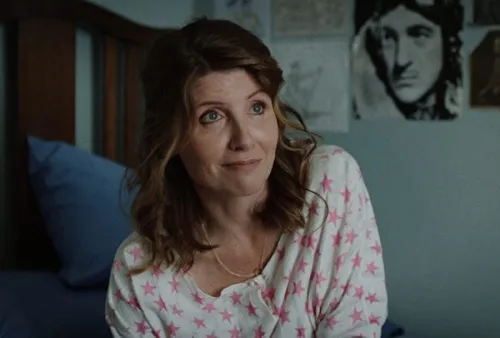
This lovely comedy-romance from Ireland is about a closeted gay teen and his lesbian schoolmate who pretend to be in a relationship to avoid being bullied at their school.
This premise makes Dating Amber an original story in a genre in which that’s increasingly rare. This is added to the setting, in 1995 rural Ireland, which is executed to gorgeous perfection in everything from the clothes to the music.
Dating Amber ends up being more coming-of-age than a comedy-romance. It’s a tale of friendship and self-acceptance.
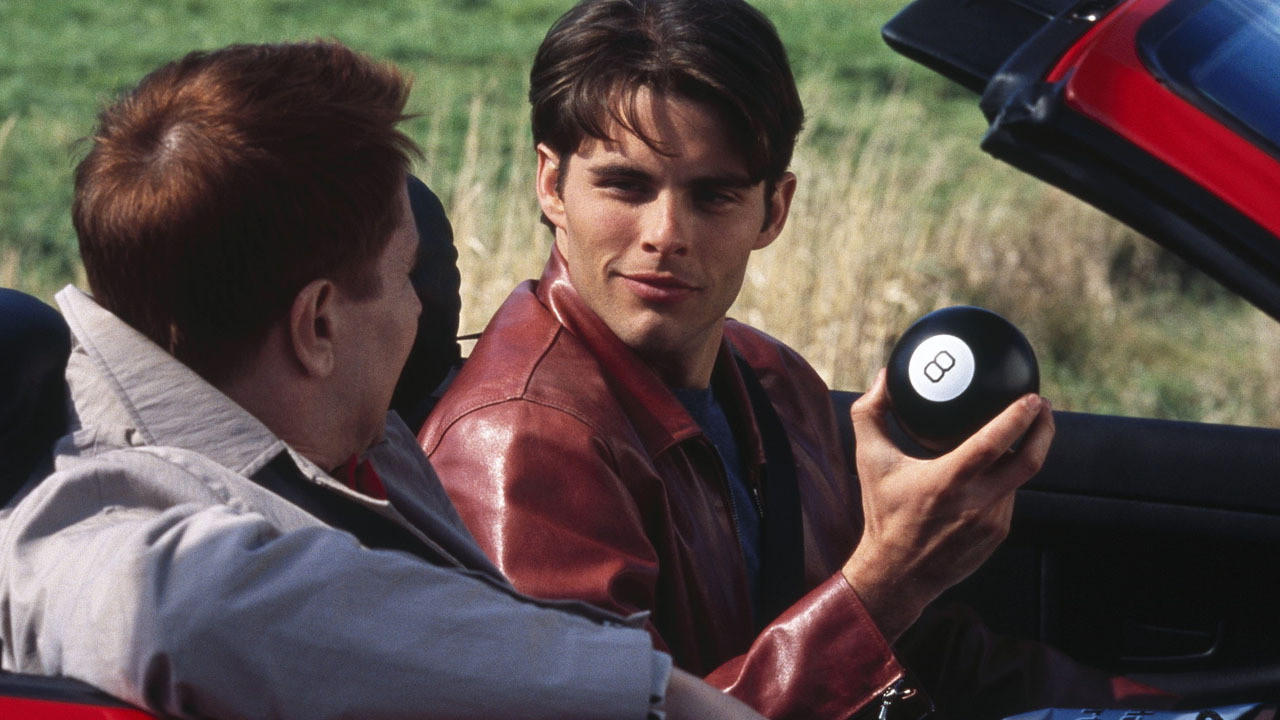
Without wish-granting mythical creatures like genies or fairies, it can seem that America has no one but themselves in life, and things can come only through one’s own efforts. Interstate 60 plays with that idea, with a fictional O.W. Grant (Gary Oldman) that supposedly grants wishes, though how it manifests depends on how much he likes you. It’s a fantastical investor for the aspiring artist lead, played by James Marsden, who would usually have to depend on some form of investor, nepotism, or patron to get a leg up, but writer-director Bob Gale pushes him into a topsy-turvy road trip that pushes him to meet interesting, quirky characters and learn life lessons. It can get a bit eccentric, but nonetheless Interstate 60 takes surprising detours that make this road film stand out from the rest.
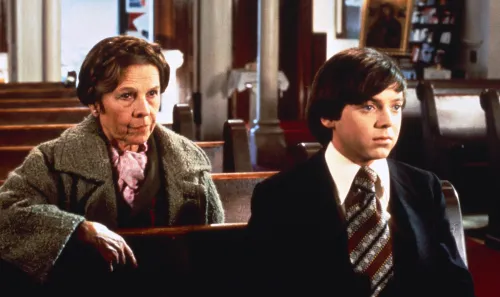
Harold and Maude may ostensibly be about death—so much so, that by Harold’s 10th fake suicide attempt, you’ll be rolling your eyes—but it’s also a sweet tale that celebrates life’s small joys and everyday people. The film’s two sides are personified by the titular characters. Harold seems tired of life, while Maude is all about it. And yet, Harold comes from privilege, while Maude hides a dark past. They learn about and from each other, but ultimately it’s the kindness they show one another, in a society that treats them as outsiders, that gives the film its heart. It sounds simple on paper, but Harold and Maude is packed with the kind of style, sound, and deadpan wit that dominates modern independent cinema (see: The Submarine, or Rushmore). It didn’t make waves back in 1971 when it premiered, but decades later, it remains a cult favorite for these reasons.

Modern day coming-of-age ennui isn’t a new subject at all, but there’s a charm to the way this was presented in Güeros. In his first film, Alonso Ruizpalacios beautifully shoots each scene in black and white, forming striking images of what the capital used to be and taking new approaches in depicting certain scenes (for example, that panic attack with the POV shot covered in feathers!). The cast also excellently portray this millennial emotion well, with their eyes glazed over as they try to seek moments of connection and grounding, as they try to make sense of it all. While some of the politics might fly under the radar to people outside the country, Güeros nevertheless serves as an interesting portrait of the time, as well as an interesting debut for one of Mexico’s avant-garde filmmakers.
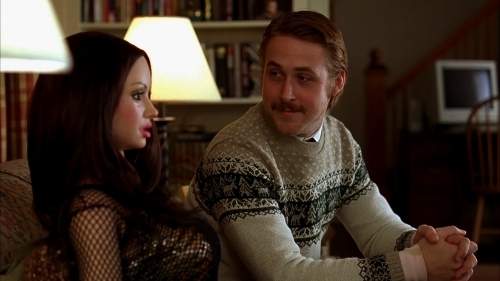
Starring Ryan Gosling, Emily Mortimer, Paul Schneider, Kelli Garner and Patricia Clarkson. Lars and the Real Girl is a funny and thought-provoking look at the psychology of loneliness and the healing power of love. I rented this a few years back because of Ryan Gosling – he had just blown me away in Fracture so I was trying to catch up on his other movies. It was an unexpected gem. One of the sweetest movies I have ever seen – it was kind of like a fairy tale. With a blow-up doll. Yes, that’s right.
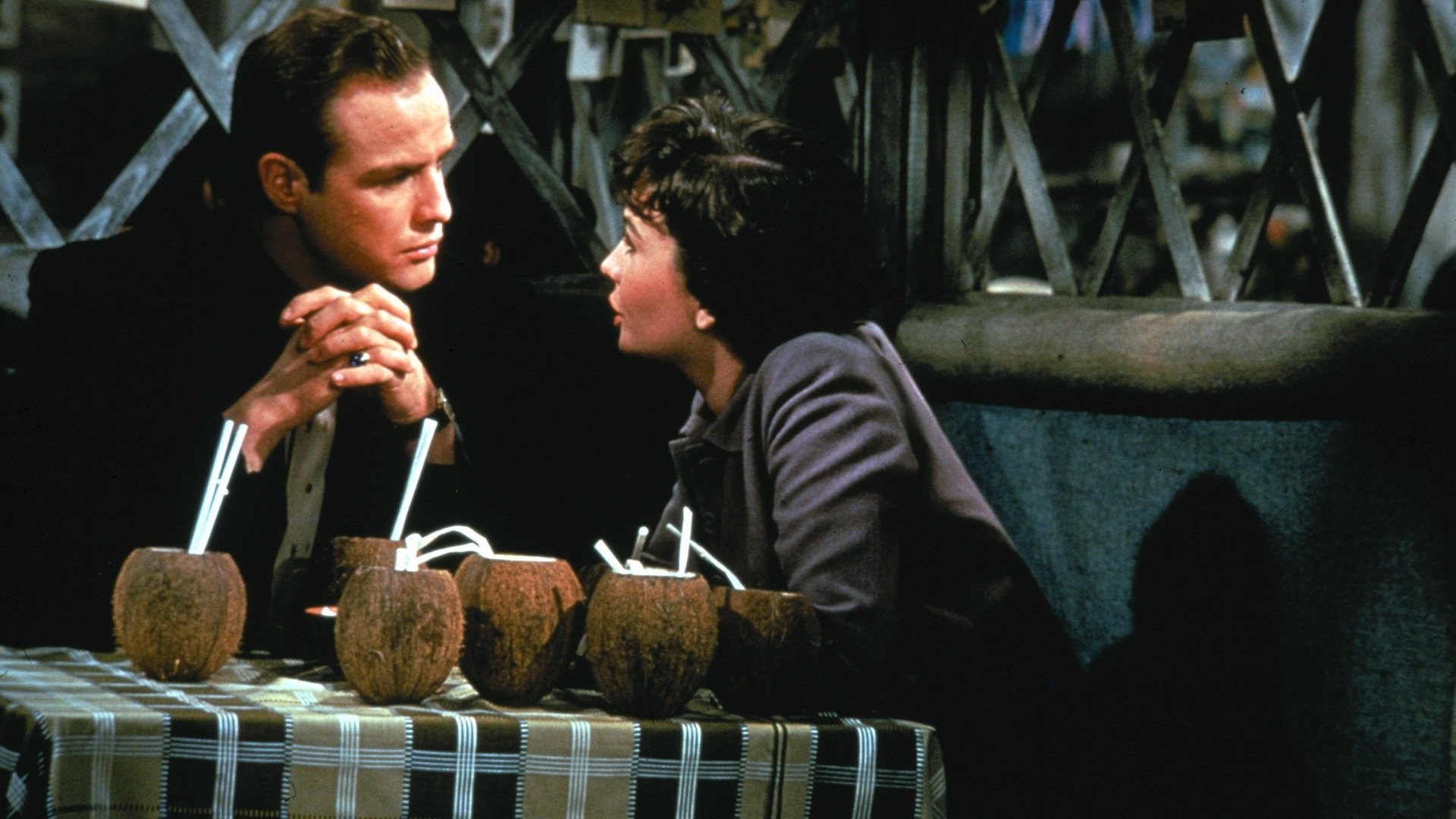
There are plenty of great Hollywood movie musicals from the 1950s that are still held in high regard today. Guys and Dolls is one such musical, though perhaps it hasn’t gotten the iconic status that other MGM musicals garnered due to its uneven casting. Nevertheless, the film version of the popular stage musical adapts it well, adding incredible synchronization, excellent choreography, and a charismatic cast (as well as their behind-the-scenes drama) to a familiar, but well-made plotline of guys challenged to keep their word, whether that be in terms of gambling or of love. Guys and Dolls might not have the iconic status due to certain song performances, but it nonetheless still remains a classic for a reason– it’s just a good film.
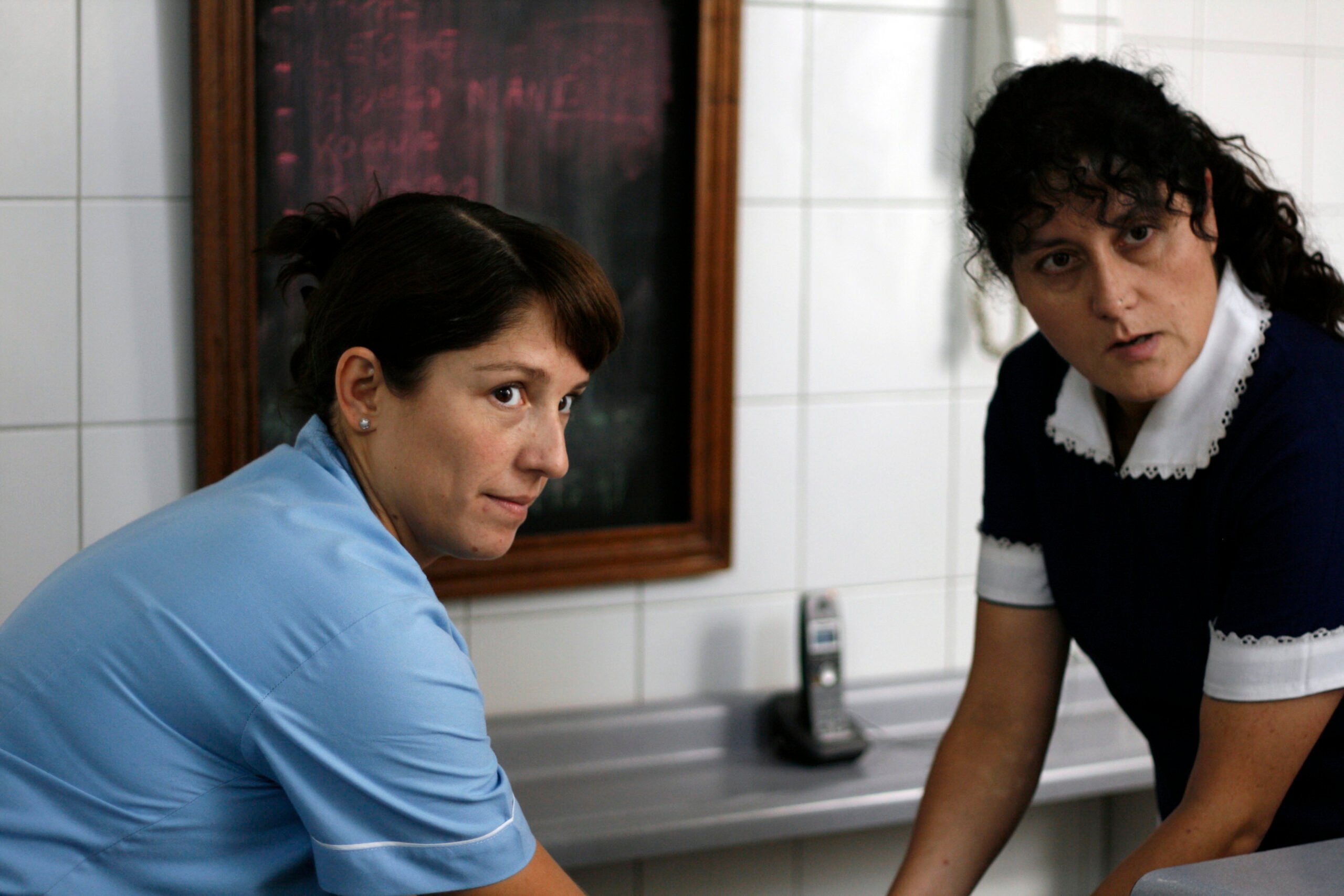
No one likes to be replaced. Even when it gets difficult, hardwork and years put in effort to take and keep these roles makes it feel precious, and that’s exactly how househelp Raquel feels in The Maid. It’s a funny domestic comedy, with a scowling Catalina Saavedra ready to protect the role she’s held onto for years, but Saavedra and writer-director Sebastián Silva crafts an empathetic, realistic character study of a woman so worn down from poverty, power imbalance, and having had no breaks that the rare instance of compassion feels like a threat. La Nana doesn’t quite critique the entire system that keeps Raquel in her role, but it’s a rare film that acknowledges the importance of rest and empathy in order to feel human.
No highly-rated titles found for this combination.
If you’ve never seen Walk Hard before but still get déjà vu from just its first 10 minutes, that’s the point. This riotous pastiche parodies every musician biopic ever made — and even many that came after it. Its ability to predict the future is thanks to its sharp observation of all the clichés that are typically wheeled out when a musical artist’s life story gets the big screen treatment. Walk Hard skewers everything from the tropes of preternatural musical abilities and galvanizing childhood trauma to the formulaic three-act structure that follows the musician’s rise, inevitable fall, and triumphant rise again.
Absolutely no chances are left unseized to lampoon the genre: the film is told in an incredibly long flashback, for example, and features multiple groan-including moments in which characters say the movie’s title out loud, all but winking at the camera. The danger with a parody is that the joke can get old quickly, but Walk Hard is blessedly full of laughs that would stand up even outside of the spoof framework, displaying incredible devotion to even the most throwaway of jokes (as when The Temptations make a cameo for one five-second gag). Not just a brilliant satire, then, but a terrific comedy of its own.

Remarkably for a movie about women being shunned and exploited by those more powerful than them, I Am Not A Witch is often wryly funny. That’s because this satire about Zambia’s labor camps for “witches” is told with a matter-of-fact-ness that brings out both the heartbreak and absurdity of the film’s events. The bitter gravity of the predicament nine-year-old Shula (Maggie Mulubwa) finds herself in — she’s been accused of witchcraft on the back of some very flimsy evidence — is never glossed over, but neither is its farcicality. Appropriately for its subject, there are also touches of magical realism here, notes that elevate the film into something even more complex than a wry commentary on this morbidly fascinating form of misogyny. This hybrid tonal approach is executed with the kind of fluidity filmmakers might hope to one day master late on in their career — which makes the fact that this is director Rungano Nyoni’s debut all the more extraordinary.
This is a hilarious political comedy starring the ever-great Steve Buscemi. Set in the last days before Stalin’s death and the chaos that followed, it portrays the lack of trust and the random assassinations that characterized the Stalinist Soviet Union. Think of it as Veep meets Sacha Baron Cohen’s The Dictator. Although to be fair, its dark comedy props are very different from the comedy that comes out today: where there are jokes they’re really smart, but what’s actually funny is the atmosphere and absurd situations that end up developing.
A sweet feel-good movie starring Nick Offerman as a dad who has to deal with his only daughter leaving for college and his record store struggling. The daughter is played by Kiersey Clemons who you might recognize from the show Easy. And Ted Danson has a great role too. This is a relatable and heartwarming movie, one of the best the so-called “indie” genre has known in a long time.

When citizenship and rights can only be achieved through federal service, you have no choice but to militarize. Johnny Rico is young, impressionable, but noble; in other words, he is an archetypal hero even if he initially enlists just to be close to his girlfriend Carmen (Denise Richards). From then on, Starship Troopers unfolds as a high-strung high school drama, but in the middle of a space colonization. During one such mission, a highly evolved insectoid race, Arachnids, proves to be the most dangerous enemy to human supremacy and the fight is on. What’s interesting about Starship Troopers is that it shows how a well-oiled propaganda machine works and for that reason, it was accused of indoctrination and army endorsement. Even more, it was dubbed fascist, instead of the fascist satire it claimed to be. But today, it’s indisputably a cult film and a great introduction to the Paul Verhoeven’s work in Hollywood.
This lovely comedy-romance from Ireland is about a closeted gay teen and his lesbian schoolmate who pretend to be in a relationship to avoid being bullied at their school.
This premise makes Dating Amber an original story in a genre in which that’s increasingly rare. This is added to the setting, in 1995 rural Ireland, which is executed to gorgeous perfection in everything from the clothes to the music.
Dating Amber ends up being more coming-of-age than a comedy-romance. It’s a tale of friendship and self-acceptance.
No one likes to be replaced. Even when it gets difficult, hardwork and years put in effort to take and keep these roles makes it feel precious, and that’s exactly how househelp Raquel feels in The Maid. It’s a funny domestic comedy, with a scowling Catalina Saavedra ready to protect the role she’s held onto for years, but Saavedra and writer-director Sebastián Silva crafts an empathetic, realistic character study of a woman so worn down from poverty, power imbalance, and having had no breaks that the rare instance of compassion feels like a threat. La Nana doesn’t quite critique the entire system that keeps Raquel in her role, but it’s a rare film that acknowledges the importance of rest and empathy in order to feel human.
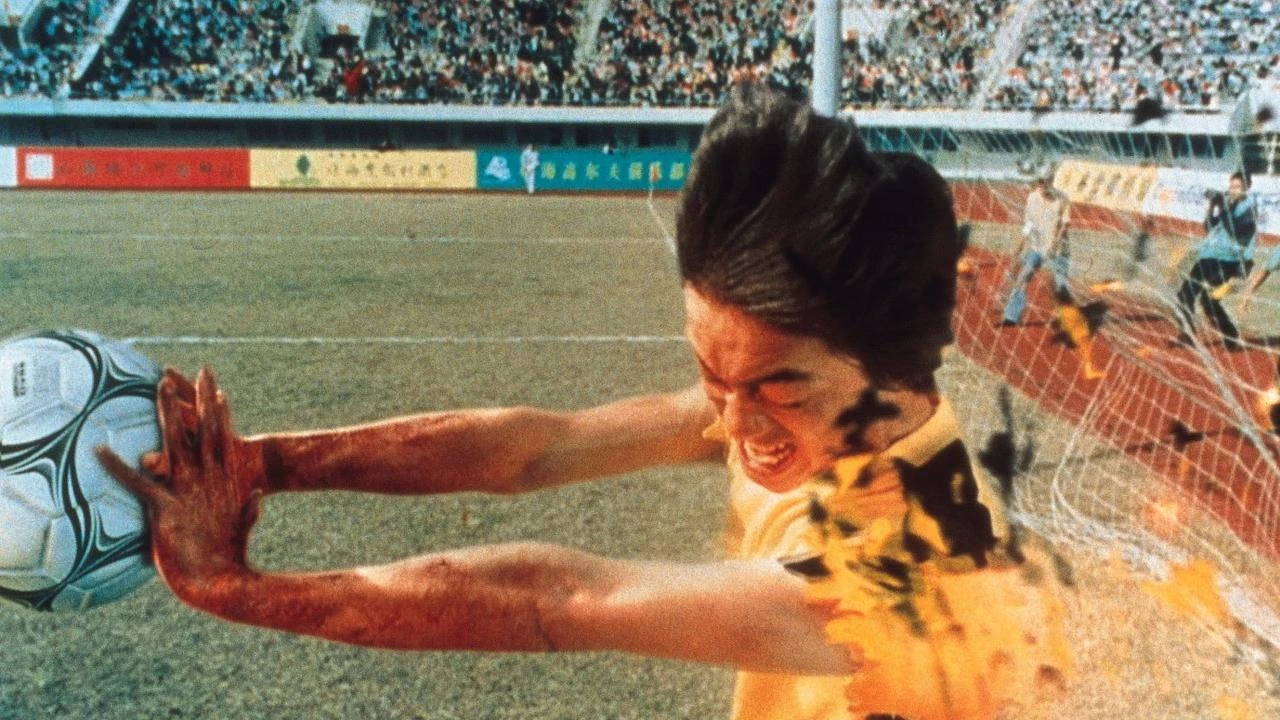
Shaolin Soccer is hilarious. It takes all the familiar elements of the sports drama and kung-fu action flicks, and uses it to create ludicrous stunts, jokes, and slapstick that poke fun at how self-serious the genres tend to be. It helps that the jagged edges of both types fit quite well– “Golden Leg” Fung may not know kung-fu, but the former athlete turned coach makes for a great unexpected mentor that Shaolin monk Sing could learn from. Likewise, Sing having learned a different craft makes him the perfect underdog Fung can teach. However, what makes Shaolin Soccer work is its heart. As the Shaolin style of kung fu has been ignored for more marketable, fighting-focused styles, and as Fung’s career has ended due to sabotage, their team-up allows them to fight for their respective passions. It just so happens to be downright hilarious.
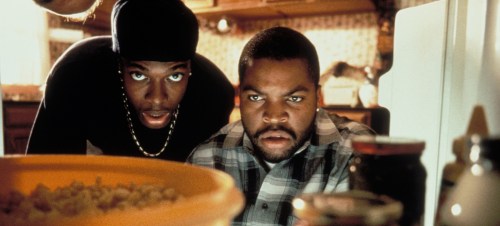
A few years before Friday came out, films like Boyz N the Hood and Colors depicted Black neighborhoods as something purely scary. These were rightfully gritty films that shed light on the bleak reality of poverty and gang violence. But for many, the hood was also a source of communal joy and neighborly friendship; a setting that saw people come of age, fall in love, and learn the ways of adulthood. Ice Cube, who also starred in Boyz N the Hood, recognized the lack of joyful, lighthearted representation and immediately went to work on the script for Friday, which follows two friends, Craig (Ice Cube) and Smokey (Chris Tucker), watch their neighbors go about their day from their front porch. It’s a simple premise that yields plenty of laughs, thanks in large part to how nosy Craig and Smokey are. Their livewire performances and ridiculous stoner jokes give the film hilarious heft, while the specificities of their lives color the entire thing with a realism that makes it less stereotypical and more believable than other movies. The film was made by and for Black communities all over the country, but there’s a universality to it, too, that makes it very easy to appreciate. Whether it’s Craig trying to win over a woman out of his league or Smokey standing up to the neighborhood bully, there’s sure to be something to relate to and love about in Friday.
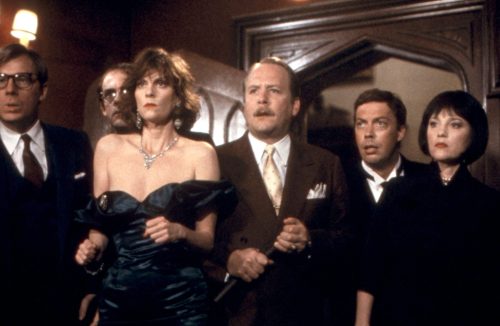
Before Jumanji, there was Clue, a film based on the murder mystery board game of the same name. This film iteration takes place in a grand mansion in 1954, where dinner guests collaborate with the house’s staff to learn who killed the host. Though it didn’t do well when it was released in 1985, Clue has since garnered a cult following, and rightly so. An eclectic ensemble and an enjoyable, whirldwind whodunnit journey that delivers not one, not two, but three possible endings make Clue a must-watch. Few films these days are as recklessly fun and theatric as this film by Jonathan Lynn, who went on to direct other comedies like the award-winning My Cousin Vinny and The Whole Nine Yards.

June Again is quite a charmer. The Aussie comedy can be a bit predictable, but even as it goes through familiar family fare, there’s something refreshing about the way the film tries to resolve the Wilton family’s conflicts. It could be that the film keeps things realistic. Everything that happens is within the realm of possibilities and within that short time frame. However, June Again mostly works because it understands the devastation of losing one’s self to dementia, of having to live in a world that’s completely changed without any context behind it. The film softens the blow with the comedy, like the way June “borrows” things, but the drama keeps its focus to what’s at the heart of each family member, and balances it quite adeptly.
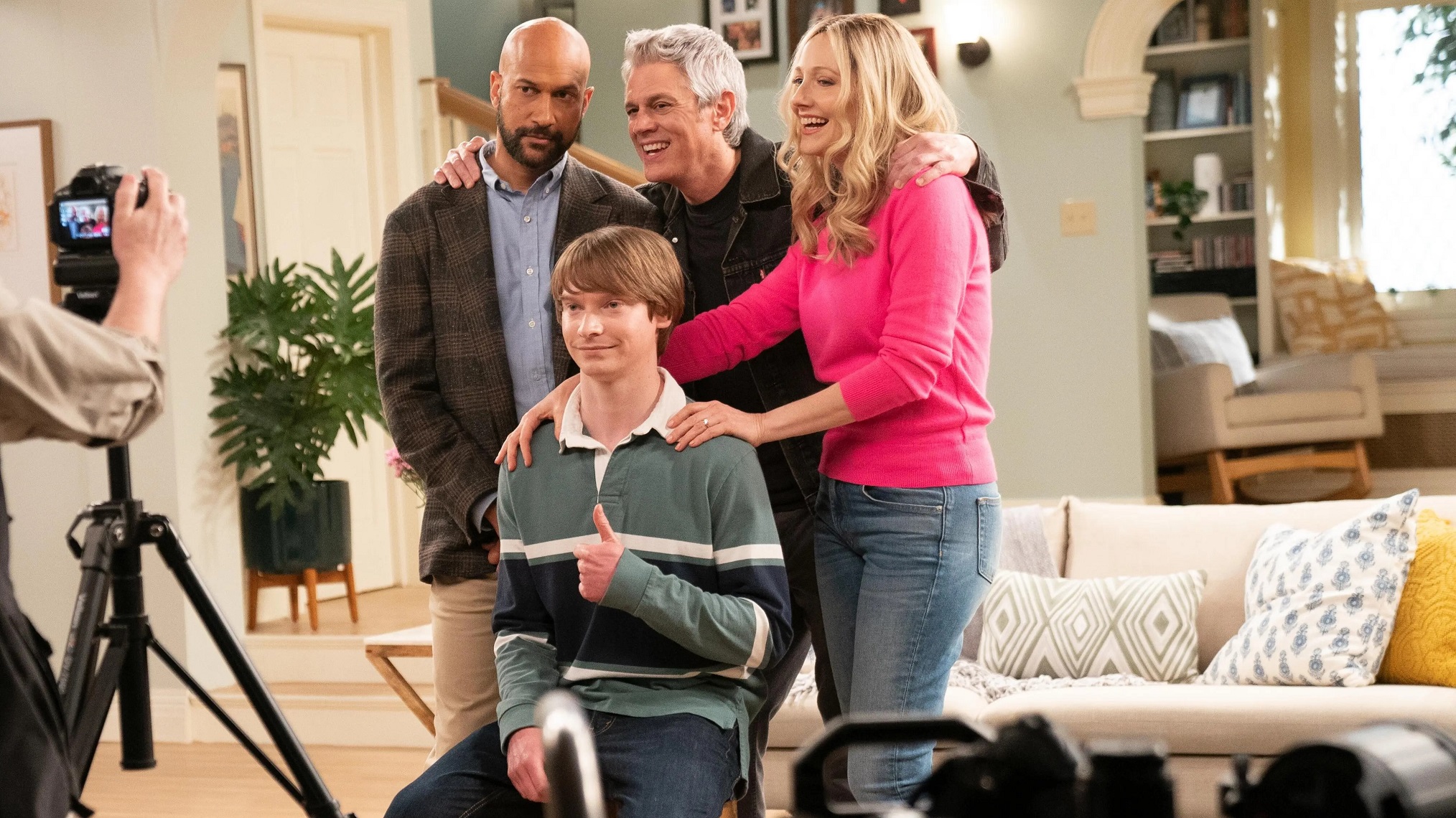
In Reboot, a famous sitcom from the early 2000s is revived for a modern audience. While members of the cast attempt to rekindle their fame, the writers behind the show stir up endless debates about what constitutes “funny” in an age of political correctness. The hijinks and meta-humor that arise from this are admirable, but what really makes Reboot tick is its obvious love for the sitcom format. Underneath all the jokes is a commitment to TV comedies; like the most typical of them, Reboot switches from laugh-out-loud hilarity to tender moments of joy and sorrow. The only difference is that Reboot benefits from being self-aware—it’s unafraid to make fun of itself and all the people and shows that came before it.
Remarkably for a movie about women being shunned and exploited by those more powerful than them, I Am Not A Witch is often wryly funny. That’s because this satire about Zambia’s labor camps for “witches” is told with a matter-of-fact-ness that brings out both the heartbreak and absurdity of the film’s events. The bitter gravity of the predicament nine-year-old Shula (Maggie Mulubwa) finds herself in — she’s been accused of witchcraft on the back of some very flimsy evidence — is never glossed over, but neither is its farcicality. Appropriately for its subject, there are also touches of magical realism here, notes that elevate the film into something even more complex than a wry commentary on this morbidly fascinating form of misogyny. This hybrid tonal approach is executed with the kind of fluidity filmmakers might hope to one day master late on in their career — which makes the fact that this is director Rungano Nyoni’s debut all the more extraordinary.
This is a hilarious political comedy starring the ever-great Steve Buscemi. Set in the last days before Stalin’s death and the chaos that followed, it portrays the lack of trust and the random assassinations that characterized the Stalinist Soviet Union. Think of it as Veep meets Sacha Baron Cohen’s The Dictator. Although to be fair, its dark comedy props are very different from the comedy that comes out today: where there are jokes they’re really smart, but what’s actually funny is the atmosphere and absurd situations that end up developing.
Based on Michael Lewis’ 2011 non-fiction book, The Big Short follows several disparate Wall Street insiders who predicted the housing market crash of 2007-2008, and bet against the market for huge financial gains. It’s a fascinating look into the inner workings and disrepair of the modern banking industry. A great cast of big names (Bale, Carell, Gosling, Pitt) carry the viewer through all of the intricate complexities of mortgage backed securities, collateralized debt obligations, etc.— and make it all both enthralling and highly enjoyable. Kudos to director/co-writer Adam McKay for making it work so well: balancing the humor, frustration and absurdity, punching it up with off-the-wall yet effective asides, and giving us a comprehensible education on the economic meltdown that affected so many millions of people so dramatically. It’s a legitimately important film that everyone should see.
Harold and Maude may ostensibly be about death—so much so, that by Harold’s 10th fake suicide attempt, you’ll be rolling your eyes—but it’s also a sweet tale that celebrates life’s small joys and everyday people. The film’s two sides are personified by the titular characters. Harold seems tired of life, while Maude is all about it. And yet, Harold comes from privilege, while Maude hides a dark past. They learn about and from each other, but ultimately it’s the kindness they show one another, in a society that treats them as outsiders, that gives the film its heart. It sounds simple on paper, but Harold and Maude is packed with the kind of style, sound, and deadpan wit that dominates modern independent cinema (see: The Submarine, or Rushmore). It didn’t make waves back in 1971 when it premiered, but decades later, it remains a cult favorite for these reasons.
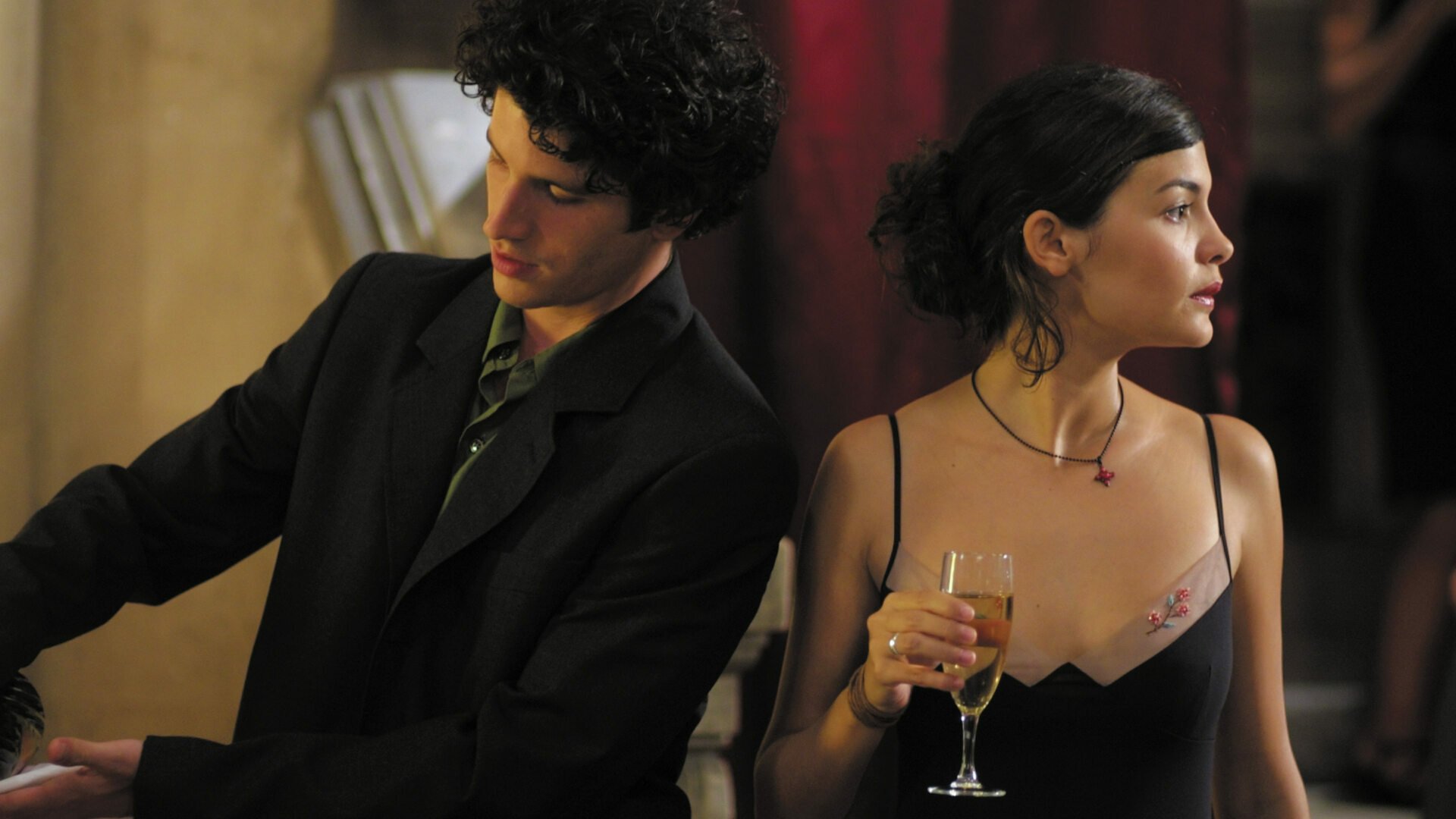
With plenty of old men having extramarital affairs, taking advantage of younger women and leaving them forlorn in love, it can feel deceptively easy to take sides in the first forty minutes of He Loves Me… He Loves Me Not. Who wouldn’t side with Angélique, especially with the innocent, childlike face of Audrey Tautou? And yet, when the twist occurs, the film fills the gaps in totally unexpected ways, gradually escalating to a terrible and sad conclusion about this seemingly romantic girl. It’s hard to further talk about He Loves Me… He Loves Me Not without getting into spoiler territory, so if this is the first time you’ve heard of the movie, go and watch it without any context.

This anthology of 18 short films — directed by the likes of the Coen brothers, Gurinder Chadha, Wes Craven, and Olivier Assayas — is a cinematic charcuterie board. Each director offers their own creative interpretation of one north star: love in Paris. Romantic love is heavily represented, naturally, but in diverse forms: love that’s run its course, dormant love in need of rekindling, electric chance encounters, and, apt given the location, honeymoon love. Segments like the one starring Juliette Binoche and Alfonso Cuarón’s five-minute-long continuous take opt to focus on parental love instead, with the former also exploring love through the frame of grief.
If this all sounds a little syrupy and sentimental, fear not: there are dashes of bubble-bursting humor from the Coens, whose short stars a silent Steve Buscemi as a stereotypically Mona Lisa-obsessed American tourist who commits a grave faux pas in a metro station. Instead of sightseers, some directors offer more sober reflections on the experience of migrants in the city, which help ground the film so it doesn’t feel quite so indulgent. Still, the limited runtime of each vignette (sub-10 minutes) doesn’t let any one note linger too long, meaning the anthology feels like a series of light, short courses rather than a gorge of something sickly.
This lovely comedy-romance from Ireland is about a closeted gay teen and his lesbian schoolmate who pretend to be in a relationship to avoid being bullied at their school.
This premise makes Dating Amber an original story in a genre in which that’s increasingly rare. This is added to the setting, in 1995 rural Ireland, which is executed to gorgeous perfection in everything from the clothes to the music.
Dating Amber ends up being more coming-of-age than a comedy-romance. It’s a tale of friendship and self-acceptance.
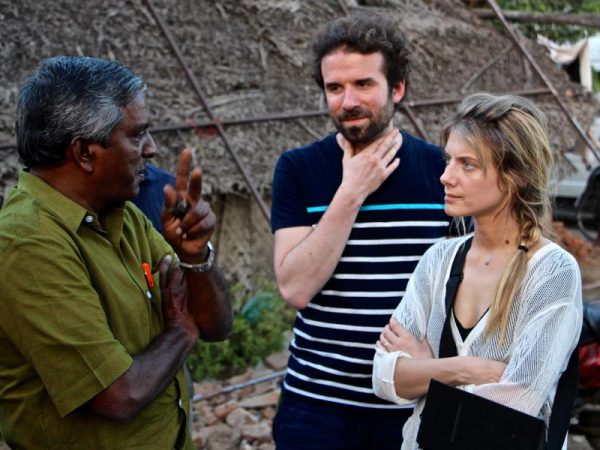
When filmmaker and actress Mélanie Laurent (Breathe, Inglorious Basterds) was pregnant with her son, she learned about a study that predicted that climate change would cause human civilization to crumble by 2050. Like many soon-to-be parents, she worried about what it means to bring a child to a world where that’s a scientific forecast.
Instead of despairing, she chose to make this movie about solutions. She traveled the world with an activist friend documenting how human ingenuity is getting in the way of the situation worsening. The documentary goes to 10 countries to investigate solutions on five levels: agriculture (food), energy, economy, education, and democracy.

Has there ever been a romance film more iconic than Love Affair? Modern moviegoers might find the plot a tad simple, the scenes too reliant on dialogue, and the pace a bit slow, but this film is a classic for a reason. Love Affair works through good ol’ fashioned chemistry. It’s easy to credit this dynamic through the performances, which, yes, Irene Dunne and Charles Boyer deliver. But this dynamic was helped by the writing, with its natural slow build, great structure, and a relaxed demeanor that could only come about on vacation. It’s what makes the initial spark believable, and it’s so satisfying to prove that spark to be worth it when they continue to think the best of each other even when they have reason to believe otherwise. While its remake An Affair to Remember surpassed it in popularity, Love Affair still stands the test of time, setting the standard for all romance films to follow.
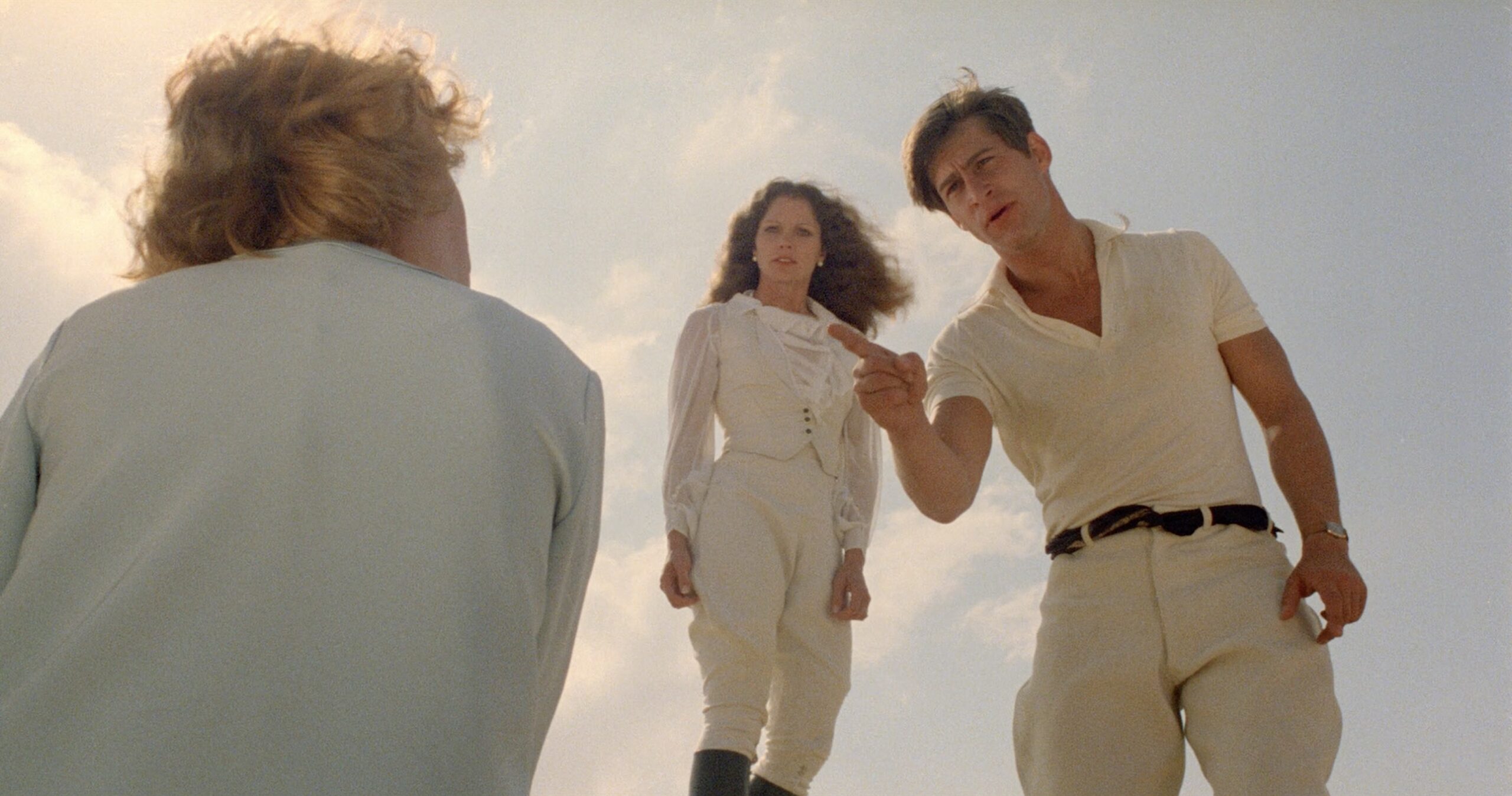
Comparison to the latest adaptation aside, there’s plenty to enjoy from the 1978 version of Death on the Nile. For one, the cast is stacked– Maggie Smith, Angela Lansbury, Bette Davis, Mia Farrow, and Jane Birkin join Peter Ustinov in his first stint as the detective Hercule Poirot. And for another, as Poirot goes through his murder investigation, the humorous script allows the cast to shine. The combination, along with the Academy Award winning costumes, spectacular locations and great cinematography, made this adaptation an enjoyable one. Death on the Nile might not live up to Murder on the Orient Express, but nonetheless it was a fun time seeing these stars suspect each other in this riverside cruise.
Before Jumanji, there was Clue, a film based on the murder mystery board game of the same name. This film iteration takes place in a grand mansion in 1954, where dinner guests collaborate with the house’s staff to learn who killed the host. Though it didn’t do well when it was released in 1985, Clue has since garnered a cult following, and rightly so. An eclectic ensemble and an enjoyable, whirldwind whodunnit journey that delivers not one, not two, but three possible endings make Clue a must-watch. Few films these days are as recklessly fun and theatric as this film by Jonathan Lynn, who went on to direct other comedies like the award-winning My Cousin Vinny and The Whole Nine Yards.
With plenty of old men having extramarital affairs, taking advantage of younger women and leaving them forlorn in love, it can feel deceptively easy to take sides in the first forty minutes of He Loves Me… He Loves Me Not. Who wouldn’t side with Angélique, especially with the innocent, childlike face of Audrey Tautou? And yet, when the twist occurs, the film fills the gaps in totally unexpected ways, gradually escalating to a terrible and sad conclusion about this seemingly romantic girl. It’s hard to further talk about He Loves Me… He Loves Me Not without getting into spoiler territory, so if this is the first time you’ve heard of the movie, go and watch it without any context.
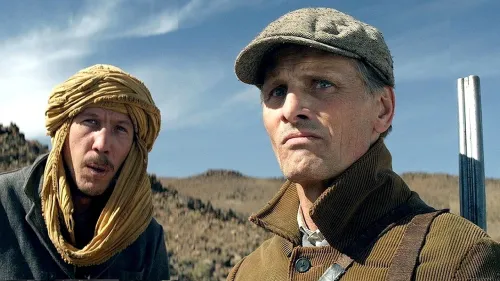
Far from Men adapts Albert Camus’ The Guest, but while the events of the story occurred half a century ago, the absurdist themes in the face of political upheavals continue to resonate long after its publication. That’s because, as with many stories, Daru is called to make a choice. Here, in the Algerian War of Independence, Daru is tasked to take an Arab prisoner named Mohamed to the police in Tinguit. To do so means Mohamed’s death, but to refuse means to go against what is supposed to be his side. Keeping this moral dilemma intact while updating some key elements, this adaptation may erase some of the ambiguities that were in the original story. Doing so, however, grounds their journey with its political realities, helped by the knowledge of what the country has since transformed to. Far from Men understands the conflict Camus faced as a Frenchman born in Algeria, while demonstrating the futility of remaining neutral.
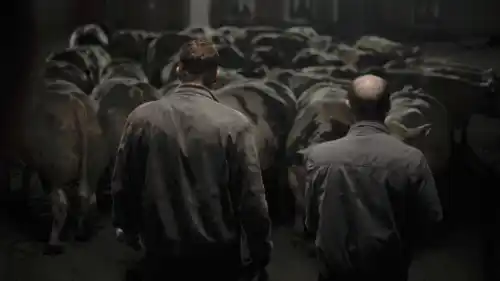
Gangsters usually deal in guns and drugs, but occasionally they branch out into other paraphernalia. Bullhead depicts one such gang. Nicknamed by the media as the Hormone Mafia, the crime thriller captures an organized crime network that threatens local cattle farmers to buy their stock of illegal growth hormones. Of course, the setting makes for a distinctly pastoral twist to the usually urban-set gangster thriller. The protagonist’s traumatic incident and the way he attempts to resolve it could only happen in a farm like this. However, fans of the genre will still enjoy the familiar themes of masculinity, revenge, and betrayal, especially with the intense breakthrough performance of Matthias Schoenaerts.
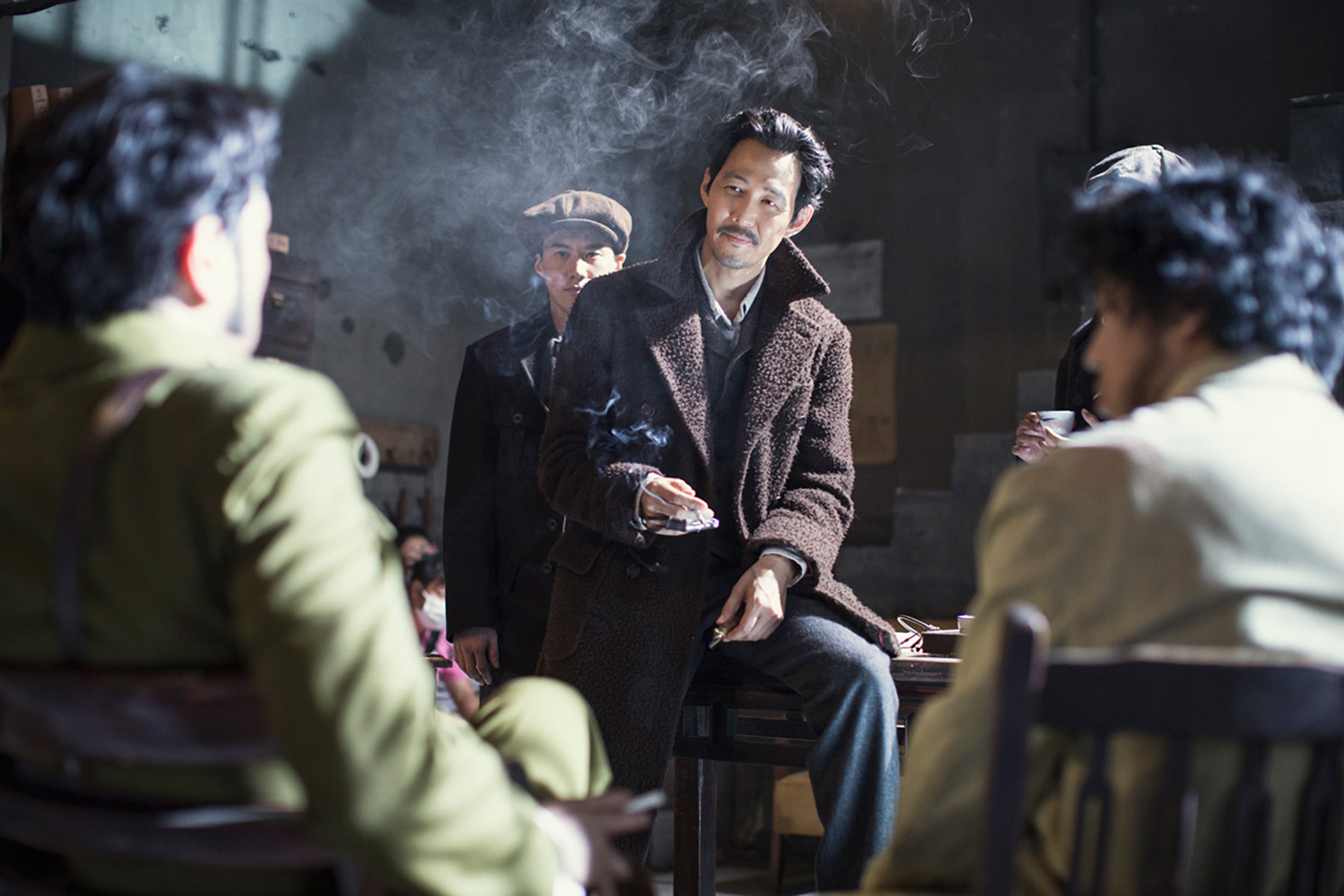
War movies aren’t all guns and glory on the battlefield– sometimes, to win the war, one gets pushed to betray each other for the sake of the country, or for one’s survival. This is what happens in Assassination, where a group of resistance fighters have to spy and lie in order to gain enough information to assassinate a high ranking Japanese officer. It’s the sort of wartime espionage thriller that Hollywood started to get sick of, but it’s the kind of plot that works with Korea’s 2010 mystery thriller streak, adding a historical epic touch to the genre that helped make Korean cinema popular. It’s matched with a complex script, stellar action setpieces, and excellent production design.
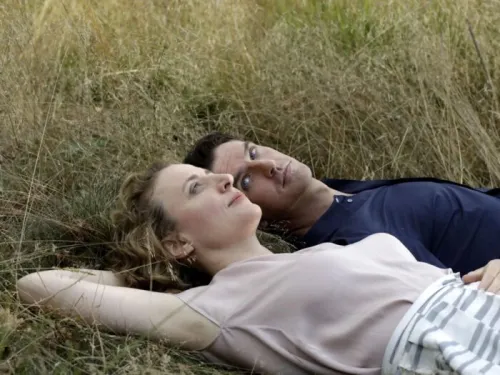
Romantically pairing up AI with humans is hardly new, and I’m Your Man is aware of that. Instead of spending way too much time explaining the advanced tech that makes the perfect mate possible, the movie zeroes in on its charismatic leads Tom the robot (Dan Stevens) and Alma the indifferent academic (Maren Eggert). Tom is the curious, humanoid automaton who is designed to worship Alma, and Alma is the disillusioned human who is conflicted with the authenticity of her growing feelings for Tom. I’m Your Man is smart and empathetic enough to stay afloat amidst its swirling genres and ethical dilemmas, but it is mostly the chemistry between Tom and Alma that anchors it to the love story that it actually is.
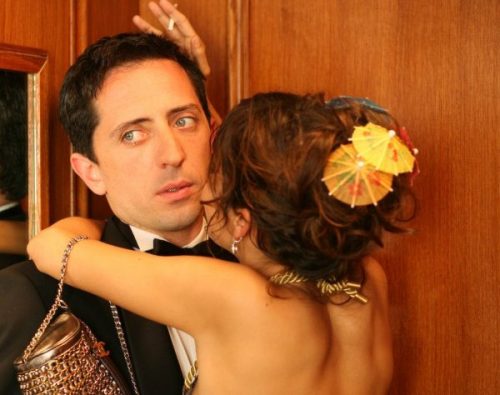
This easy French rom-com from 2006 is about Jean, a poor barman played Gad Elmaleh, who lies about his profession to date Irène, played by Audrey Tautou.
Irène has the habit of dating wealthy men to fund her lifestyle, she quickly realizes that Jean does not fit that description. Determined to do everything he can to win her over, Jean himself starts dating wealthy women.
Priceless, or Hors de prix, is a fun and light romcom with excellent lead performances.
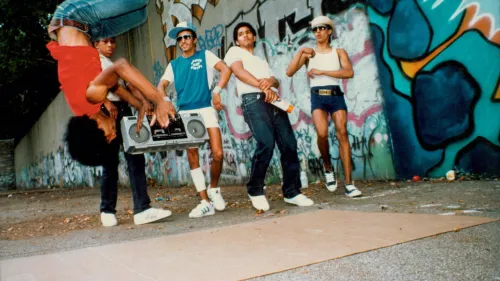
This cult classic is the first hip-hop movie in cinema’s history — and, aptly, one of the most sampled movies in rap music. With a cast drawn exclusively from the NYC graffiti, breakdancing, and rap subcultures that it spotlights, Wild Style wisely doesn’t try too hard to construct a conventional drama. Instead, there are toe-tapping scenes in neon-lit, smoke-filled clubs that stretch far beyond usual cinematic limits because they’re following the dynamic pace and infectious rhythm of the battling emcees, not film’s rules.
In lieu of a plot, Wild Style captures the singular atmosphere of the period it was filmed in, when hip-hop culture was thriving and art curators had begun to look to graffiti artists to fill their galleries. That uneasy turning point in the culture is chronicled here through the perspective of Zoro (real graffiti “writer” Lee Quiñones), a young artist who looks on with disdain as his peers embrace the commercialization of their medium by NYC’s art world. (As he shrewdly puts it, risk is central to graffiti’s identity — made for subway cars and walls, not framed canvases.) Brilliantly capturing the freewheeling spirit of NYC’s hip-hop scene, this is a time capsule that never feels dusty thanks to the appropriately off-the-cuff filmmaking.
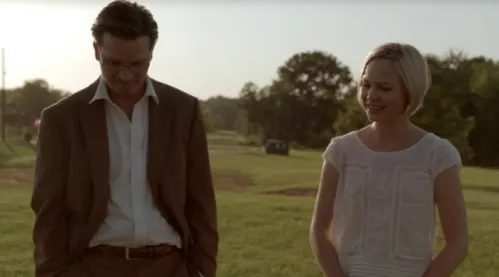
Some of the best novels of all time will probably take a few pages to introduce their premise, backstory, and key characters, and might demand some patience until the plot fully unfolds. This might be a hard sell in today’s world of short attention-spans, but some stories just need the time. Rectify is one of those stories. We meet Daniel Holden, played by Aden Young, after he is released from death-row prison after 19 years. While smart and thoughtful, Holden is obviously a damaged man, slightly out of synch with the world outside. His release affects his family very differently – some, like his sister, Agatha, had been fighting for his release since the day he was arrested. Others, like his brother-in-law, suspect he’s guilty of the crime he was accused of. Still others, like the fictional town’s sheriff, are bent on finding new evidence to lock him away again. So, in addition to awe-striking Southern landscapes, thought-provoking themes, subtle writing, you get a deep and detailed character-driven plot played by amazing actors. It might be too slow for some. This is not a who-dunnit or true-crime voyeurism. But you will be hard-pressed to find someone who isn’t enveloped by torrent of emotion when Daniel meets his mother and sister outside of a prison cell for the first time in nearly twenty years in the very first episode. And it really gets better and better with every season.
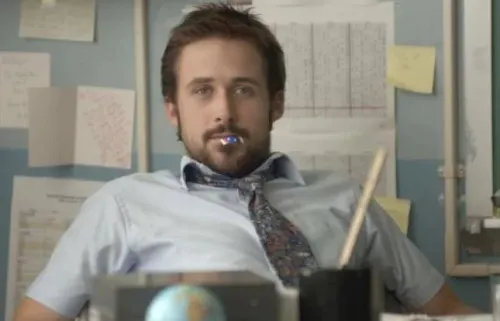
The self destructive, substance abusing history teacher Dan (Ryan Gosling) works in a Brooklyn middle-school and is constantly at odds with the curriculum, preferring to teach 13 year old kids Marxist theory in class. Meanwhile, his student Drey (Shareeka Epps) has to go through struggles of her own, her brother being in jail on drug charges and her single mother having to work long hours to make ends meet. Slowly, an unlikely and tender friendship between teacher and student evolves, in which it becomes less and less clear who of them is the adult part. Steering away from cliches, Half Neslon is not your typical social drama. Its intelligent plot twists, great cast (with outstanding performances by both Gossling and Epps) and slow, non dramatic storytelling makes this a highly underestimated movie that, although treating depressive topics without any easy relief for the viewer, will leave with an inner smile, albeit a sad one.
If you’ve never seen Walk Hard before but still get déjà vu from just its first 10 minutes, that’s the point. This riotous pastiche parodies every musician biopic ever made — and even many that came after it. Its ability to predict the future is thanks to its sharp observation of all the clichés that are typically wheeled out when a musical artist’s life story gets the big screen treatment. Walk Hard skewers everything from the tropes of preternatural musical abilities and galvanizing childhood trauma to the formulaic three-act structure that follows the musician’s rise, inevitable fall, and triumphant rise again.
Absolutely no chances are left unseized to lampoon the genre: the film is told in an incredibly long flashback, for example, and features multiple groan-including moments in which characters say the movie’s title out loud, all but winking at the camera. The danger with a parody is that the joke can get old quickly, but Walk Hard is blessedly full of laughs that would stand up even outside of the spoof framework, displaying incredible devotion to even the most throwaway of jokes (as when The Temptations make a cameo for one five-second gag). Not just a brilliant satire, then, but a terrific comedy of its own.
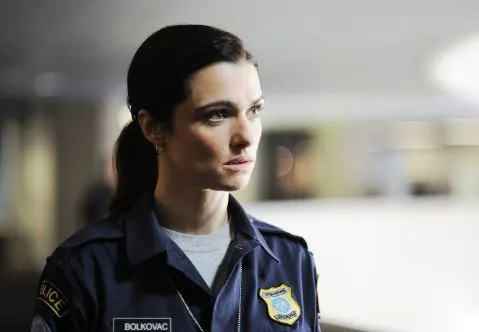
Based on a true story, The Whistleblower is the biography of a once Nebraskan police officer who volunteers for the U.N. peacekeeping mission in post-war Bosnia. Once there, she uncovers a human trafficking scandal involving peacekeeping officials, and finds herself alone against a hostile system in a devastated country. Rachel Weisz plays the whistleblower in a powerful lead role, but the true star of the movie is its director, Larysa Kondracki, who thanks to near documentary-style film-making delivers a perfectly executed political thriller with utmost authenticity.
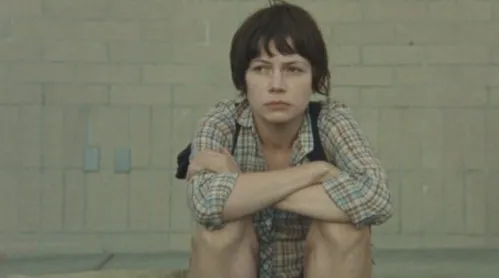
Wendy (Michelle Williams) is a drifter driving up to Alaska in hopes of finding work. When her car breaks down, she and her dog Lucy are stranded and forced to scrounge for food and repairs, hitting one roadblock after another on her path to an uncertain dream. This sympathetic and solemn look at poverty from director Kelly Reichardt serves as a reminder of how easy it is to fall through the fragile American safety net.
Reichardt’s uncompromising approach paired with Williams’s restrained performance makes the experience authentic and intense, recalling the work of Ken Loach. This natural sharpness makes for an engrossing watch that builds in power until the emotional release of the film’s heartbreaking conclusion.
This is a hilarious political comedy starring the ever-great Steve Buscemi. Set in the last days before Stalin’s death and the chaos that followed, it portrays the lack of trust and the random assassinations that characterized the Stalinist Soviet Union. Think of it as Veep meets Sacha Baron Cohen’s The Dictator. Although to be fair, its dark comedy props are very different from the comedy that comes out today: where there are jokes they’re really smart, but what’s actually funny is the atmosphere and absurd situations that end up developing.
Based on Michael Lewis’ 2011 non-fiction book, The Big Short follows several disparate Wall Street insiders who predicted the housing market crash of 2007-2008, and bet against the market for huge financial gains. It’s a fascinating look into the inner workings and disrepair of the modern banking industry. A great cast of big names (Bale, Carell, Gosling, Pitt) carry the viewer through all of the intricate complexities of mortgage backed securities, collateralized debt obligations, etc.— and make it all both enthralling and highly enjoyable. Kudos to director/co-writer Adam McKay for making it work so well: balancing the humor, frustration and absurdity, punching it up with off-the-wall yet effective asides, and giving us a comprehensible education on the economic meltdown that affected so many millions of people so dramatically. It’s a legitimately important film that everyone should see.
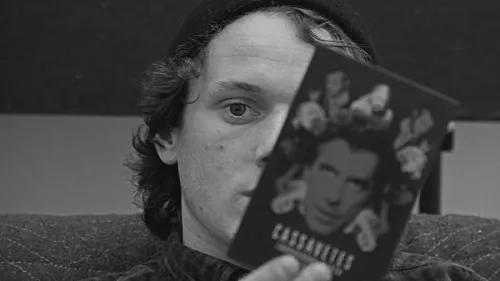
This movie narrated by Nicolas Cage is the incredible story of actor Anton Yelchin (Star Trek, Like Crazy): from being born to a Jewish Russian family in Leningrad to moving to the U.S. and ending with his sudden death at age 27. Anton, or Antosha as his loved ones called him, was a gifted kid: he was making his own movies at seven years old, taking highly sophisticated notes on Fellini movies, and picking up playing guitar in a short time. He took photographs that still show in exhibitions around the world. He led an extraordinary life, portrayed here, one that was cut way too short.
A sweet feel-good movie starring Nick Offerman as a dad who has to deal with his only daughter leaving for college and his record store struggling. The daughter is played by Kiersey Clemons who you might recognize from the show Easy. And Ted Danson has a great role too. This is a relatable and heartwarming movie, one of the best the so-called “indie” genre has known in a long time.
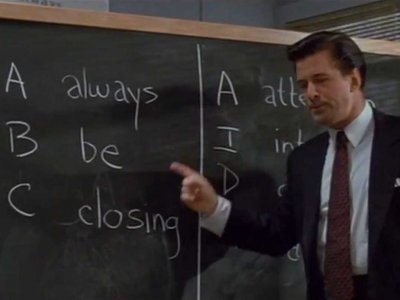
Al Pacino and Alec Baldwin are part of the ensemble cast that is one of two things that make this movie so great. The second is dialogue, profane, harsh, yet hilarious dialogue. A motivational agent (Baldwin) is sent to a real estate agency with the goal of improving sales. His approach is simple: everyone but the top two salesmen will be fired within one week. All of them are provided with prospective clients, most of which have no interest in buying real estate.The amazing script is adapted from a Pulitzer Prize and Tony award winning play by David Mamet. If you’ve never seen it, drop everything and go watch it, and if you’ve already seen it, you should go watch it again.
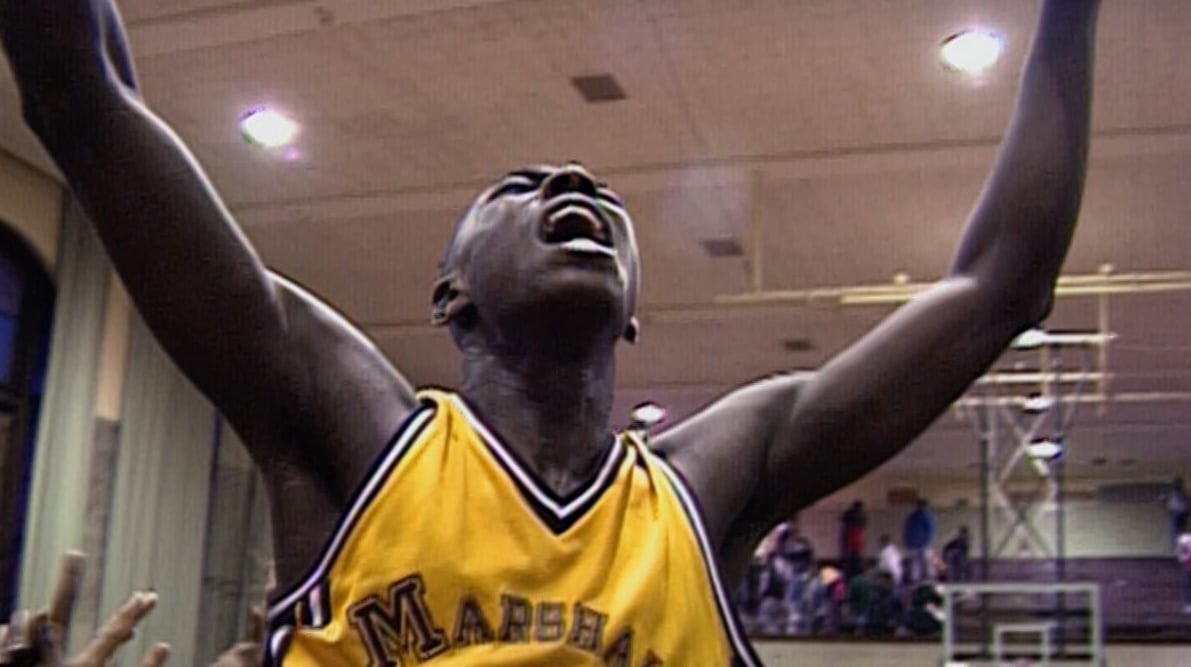
Don’t be fooled—despite being a three-hour documentary, Hoop Dreams is just as thrilling, heartbreaking, and cinematic as any sports film out there. Unlike them, however, Hoop Dreams is less of an uplifting feel-good story than it is an honest and sobering look at how the education system has failed Black communities. It’s not a complete downer, though, since we follow two hardworking and inspiring boys committed to lifting their families from poverty. While more privileged players can afford to treat basketball as a hobby, to Arthur and William, basketball is a lifeline, a rare chance to enjoy better opportunities and give their families a better life. Imagine carrying that on your shoulders while training, studying, looking for colleges, and surviving teenhood. It’s a lot, but director Steve James weaves it all beautifully. James divides the chapter into freshman, sophomore, junior, and senior years, following Arthur and William as they start on the same footing, diverge and live parallel lives (one in private school, the other in public), and eventually meet again during their final years in school. Their journeys are riveting, not least because we also get to know their families, friends, hopes, and dreams. This is riveting cinema, as socially conscious as it is competitively thrilling.
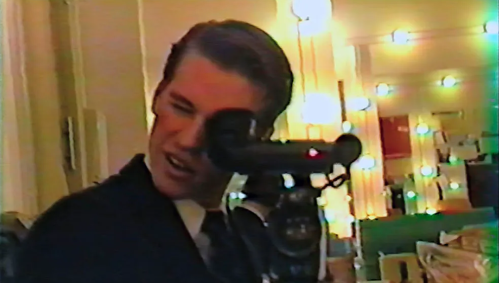
The late Val Kilmer is best known for his roles in Top Gun and Batman. If you’re from an earlier generation, you might also recognize him in the tabloids as that famously difficult actor to work with, always demanding perfection in every scene. The documentary Val sheds those outer layers to reveal a man who was, above all else, sensitive, ambitious, creative, and resilient. Through intimate home videos, which Kilmer started taking when he was very young, we see him as a playful kid, a talented prodigy, a playwright, a painter, a father, and a deeply committed actor. Misunderstood and miscast, yes (for reasons that will be divulged in the film), but undeniably talented and committed as well. Val is a beautiful portrait of a complicated man in his twilight years. He’s an actor who could’ve done more if the industry had been kinder and who, thankfully, had the good sense to document almost every minute of his life with a good ol’ camera.
This cult classic is the first hip-hop movie in cinema’s history — and, aptly, one of the most sampled movies in rap music. With a cast drawn exclusively from the NYC graffiti, breakdancing, and rap subcultures that it spotlights, Wild Style wisely doesn’t try too hard to construct a conventional drama. Instead, there are toe-tapping scenes in neon-lit, smoke-filled clubs that stretch far beyond usual cinematic limits because they’re following the dynamic pace and infectious rhythm of the battling emcees, not film’s rules.
In lieu of a plot, Wild Style captures the singular atmosphere of the period it was filmed in, when hip-hop culture was thriving and art curators had begun to look to graffiti artists to fill their galleries. That uneasy turning point in the culture is chronicled here through the perspective of Zoro (real graffiti “writer” Lee Quiñones), a young artist who looks on with disdain as his peers embrace the commercialization of their medium by NYC’s art world. (As he shrewdly puts it, risk is central to graffiti’s identity — made for subway cars and walls, not framed canvases.) Brilliantly capturing the freewheeling spirit of NYC’s hip-hop scene, this is a time capsule that never feels dusty thanks to the appropriately off-the-cuff filmmaking.
The self destructive, substance abusing history teacher Dan (Ryan Gosling) works in a Brooklyn middle-school and is constantly at odds with the curriculum, preferring to teach 13 year old kids Marxist theory in class. Meanwhile, his student Drey (Shareeka Epps) has to go through struggles of her own, her brother being in jail on drug charges and her single mother having to work long hours to make ends meet. Slowly, an unlikely and tender friendship between teacher and student evolves, in which it becomes less and less clear who of them is the adult part. Steering away from cliches, Half Neslon is not your typical social drama. Its intelligent plot twists, great cast (with outstanding performances by both Gossling and Epps) and slow, non dramatic storytelling makes this a highly underestimated movie that, although treating depressive topics without any easy relief for the viewer, will leave with an inner smile, albeit a sad one.
If you’ve never seen Walk Hard before but still get déjà vu from just its first 10 minutes, that’s the point. This riotous pastiche parodies every musician biopic ever made — and even many that came after it. Its ability to predict the future is thanks to its sharp observation of all the clichés that are typically wheeled out when a musical artist’s life story gets the big screen treatment. Walk Hard skewers everything from the tropes of preternatural musical abilities and galvanizing childhood trauma to the formulaic three-act structure that follows the musician’s rise, inevitable fall, and triumphant rise again.
Absolutely no chances are left unseized to lampoon the genre: the film is told in an incredibly long flashback, for example, and features multiple groan-including moments in which characters say the movie’s title out loud, all but winking at the camera. The danger with a parody is that the joke can get old quickly, but Walk Hard is blessedly full of laughs that would stand up even outside of the spoof framework, displaying incredible devotion to even the most throwaway of jokes (as when The Temptations make a cameo for one five-second gag). Not just a brilliant satire, then, but a terrific comedy of its own.
Based on a true story, The Whistleblower is the biography of a once Nebraskan police officer who volunteers for the U.N. peacekeeping mission in post-war Bosnia. Once there, she uncovers a human trafficking scandal involving peacekeeping officials, and finds herself alone against a hostile system in a devastated country. Rachel Weisz plays the whistleblower in a powerful lead role, but the true star of the movie is its director, Larysa Kondracki, who thanks to near documentary-style film-making delivers a perfectly executed political thriller with utmost authenticity.

This Park Chan-Wook classic is the third part of a trilogy of films around the theme of revenge, following Sympathy for Mr. Vengeance and Oldboy. While ultimately unique, Lady Vengeance is a thriller set in a prison, in the vein of films such as the Japanese action drama Female Prisoner #701: Scorpion. After being framed and wrongly convicted for murder, our protagonist seeks out the true perpetrator of the crime –– but more than anything else, she seeks vengeance.
This film’s run time is 115 minutes and every second is essential. There is often gratuitous violence perpetrated by men against women in film, however Lady Vengeance takes back control and for that reason it remains one of my favorite revenge films.
Wendy (Michelle Williams) is a drifter driving up to Alaska in hopes of finding work. When her car breaks down, she and her dog Lucy are stranded and forced to scrounge for food and repairs, hitting one roadblock after another on her path to an uncertain dream. This sympathetic and solemn look at poverty from director Kelly Reichardt serves as a reminder of how easy it is to fall through the fragile American safety net.
Reichardt’s uncompromising approach paired with Williams’s restrained performance makes the experience authentic and intense, recalling the work of Ken Loach. This natural sharpness makes for an engrossing watch that builds in power until the emotional release of the film’s heartbreaking conclusion.
This is a hilarious political comedy starring the ever-great Steve Buscemi. Set in the last days before Stalin’s death and the chaos that followed, it portrays the lack of trust and the random assassinations that characterized the Stalinist Soviet Union. Think of it as Veep meets Sacha Baron Cohen’s The Dictator. Although to be fair, its dark comedy props are very different from the comedy that comes out today: where there are jokes they’re really smart, but what’s actually funny is the atmosphere and absurd situations that end up developing.
Based on Michael Lewis’ 2011 non-fiction book, The Big Short follows several disparate Wall Street insiders who predicted the housing market crash of 2007-2008, and bet against the market for huge financial gains. It’s a fascinating look into the inner workings and disrepair of the modern banking industry. A great cast of big names (Bale, Carell, Gosling, Pitt) carry the viewer through all of the intricate complexities of mortgage backed securities, collateralized debt obligations, etc.— and make it all both enthralling and highly enjoyable. Kudos to director/co-writer Adam McKay for making it work so well: balancing the humor, frustration and absurdity, punching it up with off-the-wall yet effective asides, and giving us a comprehensible education on the economic meltdown that affected so many millions of people so dramatically. It’s a legitimately important film that everyone should see.
This movie narrated by Nicolas Cage is the incredible story of actor Anton Yelchin (Star Trek, Like Crazy): from being born to a Jewish Russian family in Leningrad to moving to the U.S. and ending with his sudden death at age 27. Anton, or Antosha as his loved ones called him, was a gifted kid: he was making his own movies at seven years old, taking highly sophisticated notes on Fellini movies, and picking up playing guitar in a short time. He took photographs that still show in exhibitions around the world. He led an extraordinary life, portrayed here, one that was cut way too short.
Al Pacino and Alec Baldwin are part of the ensemble cast that is one of two things that make this movie so great. The second is dialogue, profane, harsh, yet hilarious dialogue. A motivational agent (Baldwin) is sent to a real estate agency with the goal of improving sales. His approach is simple: everyone but the top two salesmen will be fired within one week. All of them are provided with prospective clients, most of which have no interest in buying real estate.The amazing script is adapted from a Pulitzer Prize and Tony award winning play by David Mamet. If you’ve never seen it, drop everything and go watch it, and if you’ve already seen it, you should go watch it again.
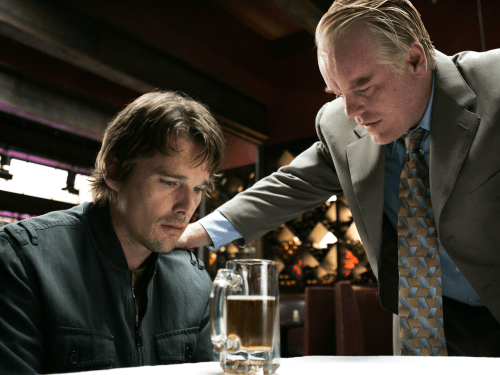
Before the Devil Knows You’re Dead is Sidney Lumet’s last film, and in many ways, it distills what the director explored in his prolific body of work: What is justice? And does everyone deserve it? Shot digitally at a time when the concept was still quite new, Before the Devil moves fast and takes us uncomfortably close to the lives of three desperate men: cash-strapped Hank (Hawke), corrupt Andy (Seymour-Hoffman), and vengeful Charles (Finney). The same tragic events unfold through their perspectives, but in any case, we get to see what drives them to do such horrid things. Are we suppose to sympathize with them? It’s a question that will nag you long after the credits roll.
When citizenship and rights can only be achieved through federal service, you have no choice but to militarize. Johnny Rico is young, impressionable, but noble; in other words, he is an archetypal hero even if he initially enlists just to be close to his girlfriend Carmen (Denise Richards). From then on, Starship Troopers unfolds as a high-strung high school drama, but in the middle of a space colonization. During one such mission, a highly evolved insectoid race, Arachnids, proves to be the most dangerous enemy to human supremacy and the fight is on. What’s interesting about Starship Troopers is that it shows how a well-oiled propaganda machine works and for that reason, it was accused of indoctrination and army endorsement. Even more, it was dubbed fascist, instead of the fascist satire it claimed to be. But today, it’s indisputably a cult film and a great introduction to the Paul Verhoeven’s work in Hollywood.