
Rated 7+ IMDb · 70%+ RT Little-known finds Curated by humans
Rated 7+ IMDb · 70%+ RT Little-known finds Curated by humans
 2012 Movie
Dir. Wayne Blair · Australia · English
An Aboriginal girl group take on soul in this uplifting musical comedy-drama


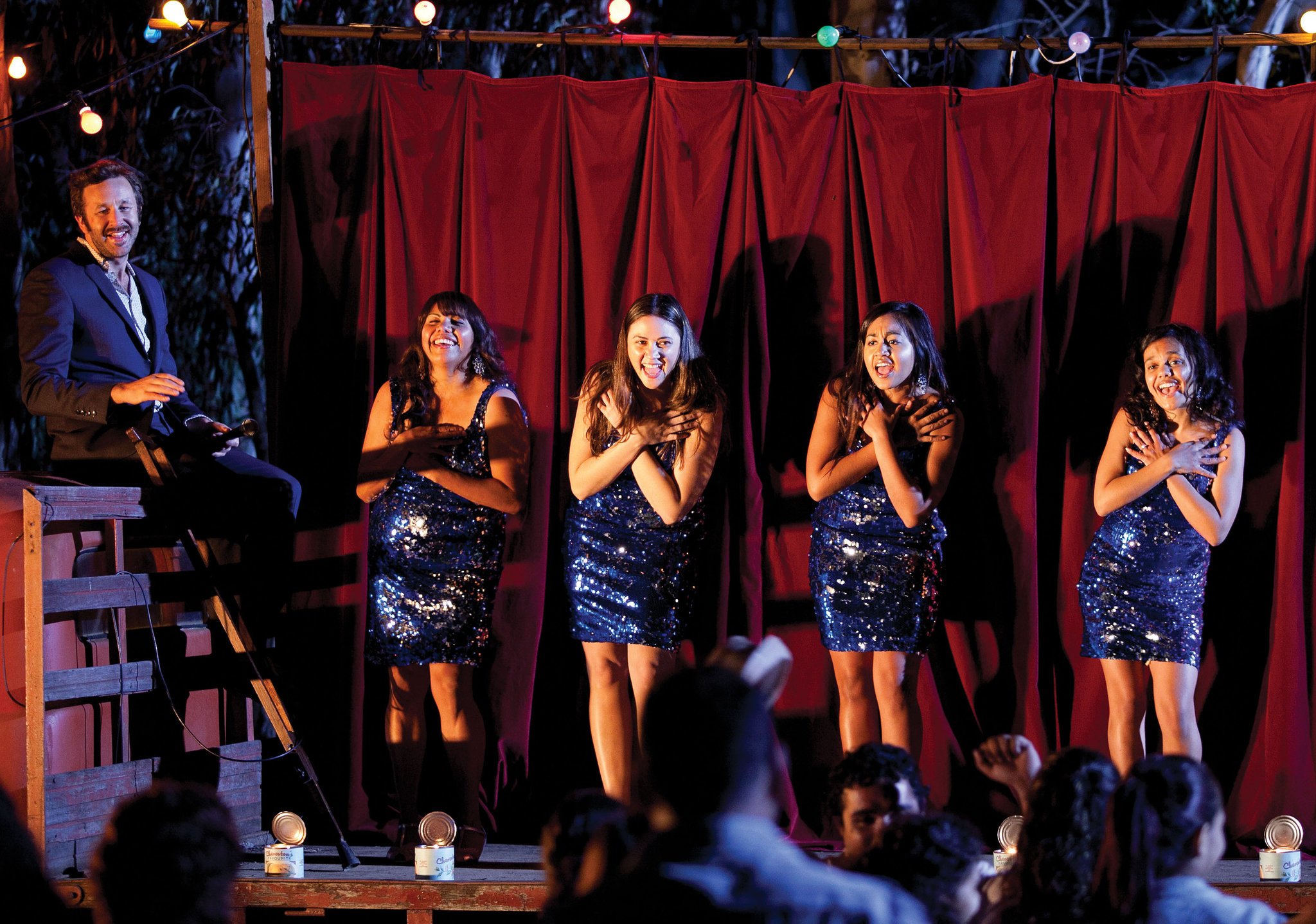
Is Australia’s The Sapphires better than America’s Dreamgirls? Well, in terms of the films about these girl groups, it’s a bit of a challenge to compare considering historical inaccuracy. Nevertheless, writer Tony Briggs tells his family’s story with finesse, taking the real life narrative to tell us a surprisingly multilayered story of Aboriginal Australia in the 70s, of singers inspired by soul across the Pacific, and of a family torn apart by forced adoptions and state-sanctioned separation of white-passing mixed-race children. There are times when it stumbles into the usual biopic traps, and some of the inaccuracies do detract focus from the central ladies, but The Sapphires still works with its sweet, wholehearted characters, and the way they present their songs.
It's 1968, and four young, talented Australian Aboriginal girls learn about love, friendship, and war when they entertain the US troops in Vietnam as singing group The Sapphires.

"Fluffy, infectious fun."
— Adam Woodward

"Soul music's alleged redemptive powers are fully at work in this jumbled, sketchily written but vastly appealing true-life musical comedy."
— Guy Lodge
Australia, 1968. After bumping into alcoholic Irish talent scout Dave Lovelace, four talented young Australian Aboriginal girls– Gail, Julie, Kay, and Cynthia– gain an opportunity of a lifetime when invited to entertain the US troops in Vietnam as all-girl group The Sapphires.
Given the target audience, it’s easy to understand the addition of a fictional white manager character– having a manager clears up some of the logistics that we don’t really need to see on-screen, and it helps flesh out Gail’s resentment for half-white Kay on account of her race. Chris O’Dowd was also pretty charming as Dave. That being said, there are moments where it feels like the film focused a bit too much on Dave when they could have focused more time on the girls themselves.
It’s not terrible, but I wish they focused more on the girls instead of their relationships!

Cannes
1 nom

Isabella Endrinal is a curator at A Good Movie to Watch. She's now free from the corporate night shift. Previous articles have been published in outlets such as NANG Magazine. She's currently catching up on some classic films… if she isn't coping with the fact that the Haikyu anime will end soon.

Comments