The Best Movies of the 2020s So Far
Updated
Saying that 2020 came with a bang just might be the understatement of the century. The year ushered in a global pandemic that upended all of what we knew in the modern world, forcing us to reconsider what we deemed as valuable and even good.
With more content than ever before, both filmmaker and filmgoer have seen a growth in discernment, and with that, a boost in standards. So far, this has meant more solid techniques, diverse perspectives, and empathetic takes. Below, we list the most notable titles that uphold these qualities—in other words, the very best movies of the 2020s.
How we make these lists
No AI. No algorithms.
We are 100% human-curated. Everything you see here has been handpicked by a team of experts.
At least 7/10 on IMDb
So you know they are appreciated by viewers, not just high-brow critics.
At least 70% on Rotten Tomatoes
We combine this with the IMDb bar to keep only the best of the best.
Find more to watch
The Best Movies of the 2020s So Far
Kneecap (2024)
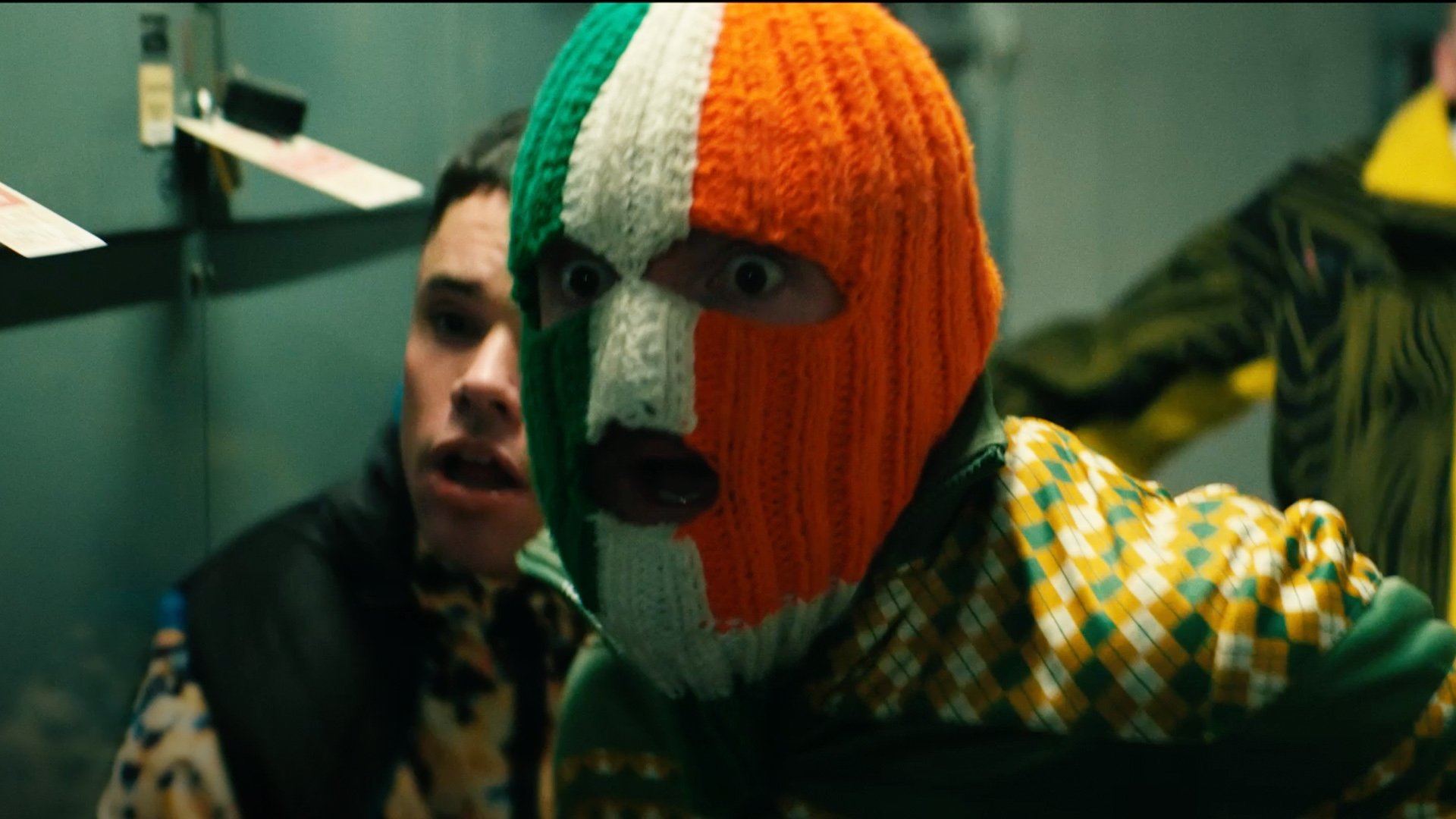
This untamed, high-octane portrait of the Belfast hip-hop trio Kneecap follows real-life members —aliases Móglaí Bap, Mo Chara, and DJ Próvaí, all playing themselves—as they forge a path from lost teens to unlikely cultural icons. Being the first hip-hop act is their native Irish, they’re met with disdain both from their community who think they are misrepresenting the Irish cause (DJ Próvaí translates to DJ Drug Dealer), and from the British for things like playing the same venue where King Charles spoke the night before and one of them exposing their butt with the words “BRITS” and “OUT” written on either cheek.
The story ends up being as much as about the group as it is about identity, artistic freedom, even the Ireland of today – and yet the core of Kneecap, perhaps not just the movie but the group itself, seems focused solely on the importance of having fun while dealing with all of it. The ride is exhilarating, often very funny, and even in tough moments, upbeat. Hang tight.
The Worst Person in the World (2021)
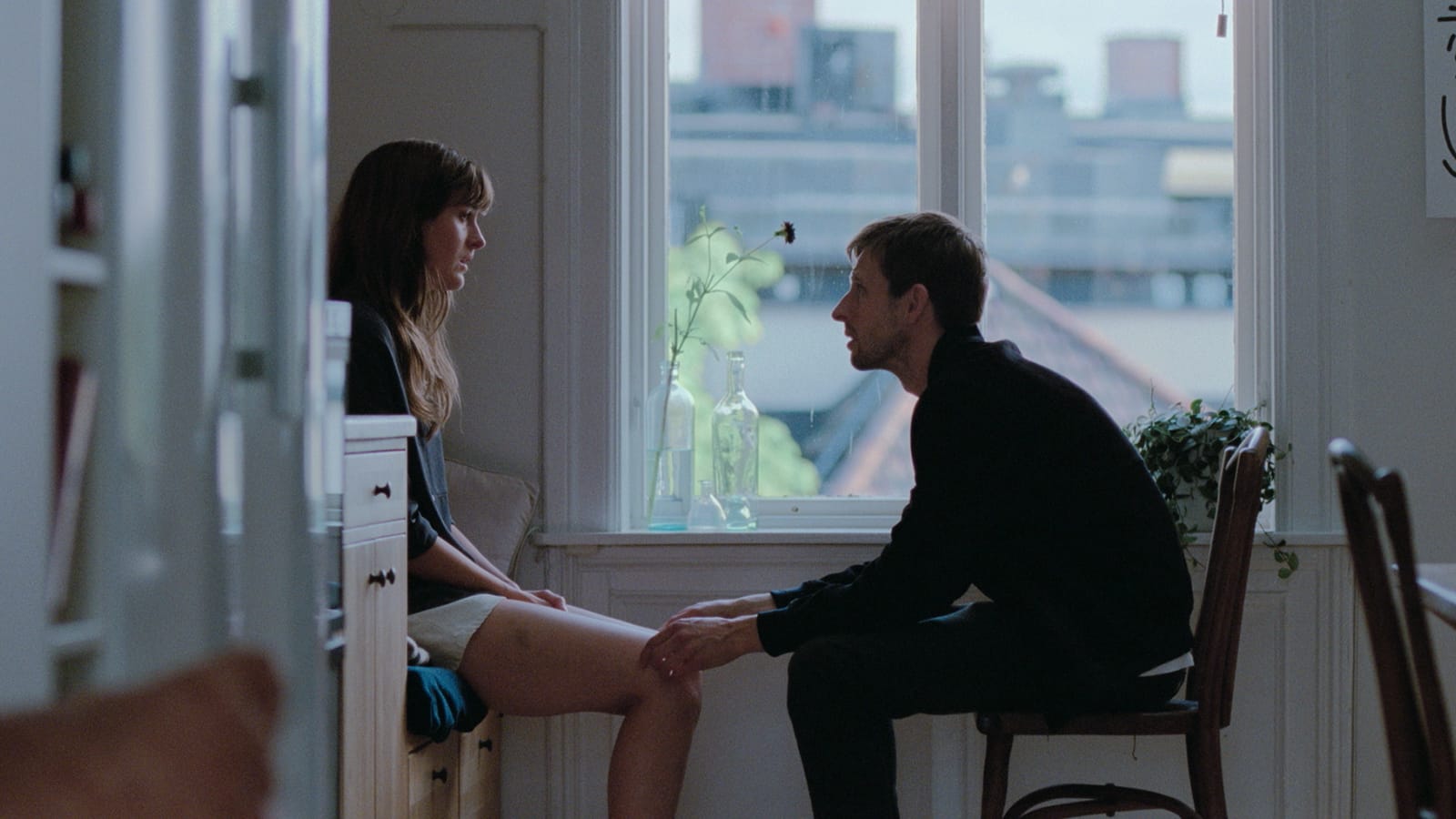
The film opens with Julie in her early twenties, longing to pursue a career in medical school. But after briefly testing the waters, she switches over to psychology, only to drop completely out of school and transform her hobby of photography into a professional career. This indecisiveness carries over in most aspects of her life, including and especially in romance, where impulse and desire drive her to run after what she believes to be love. The movie follows Julie as she navigates adulthood in modern Oslo—at once a specific yet universally relatable story about the growing pains of growing up.
With The Worst Person in the World, Joachim Trier scores again with another life-changing Norwegian drama about longing, love, grief, and finding your place in the world. His films can be quite sad but amidst all the drama, moments of happiness and hope are scattered throughout, as it is in real life.
Aftersun (2022)
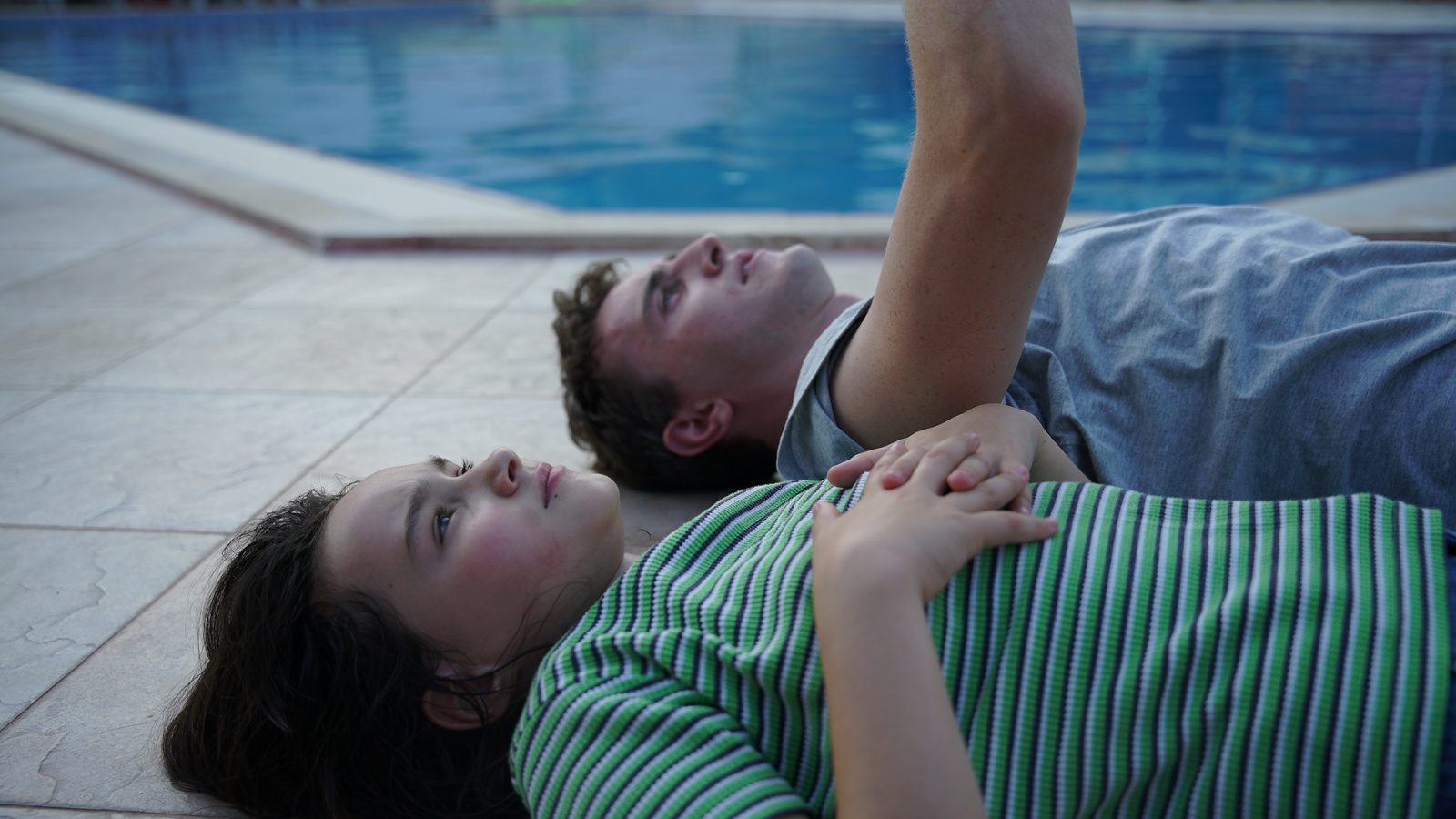
In Aftersun, Sophie recalls a holiday she took as an eleven-year-old in the ‘90s with her father. Video recordings help jog her memory, but she’s looking for more than just a blast from the past. Rather, she seems to be seeking answers to fill in the gaps between who she knew as her father and who he really was: an immensely nice but deeply troubled man.
At first, Aftersun looks like a simple but beautiful story about father and daughter bonding over the course of a summer trip. But within minutes, it’s clear that there are layers to Aftersun, emotionally and editorially, that aren’t always explained but nonetheless enrich the movie with profound meaning. Stirring, complex, and surprisingly inventive, it’s not surprising that Aftersun is one of the most beloved films of the past year.
Fire of Love (2022)
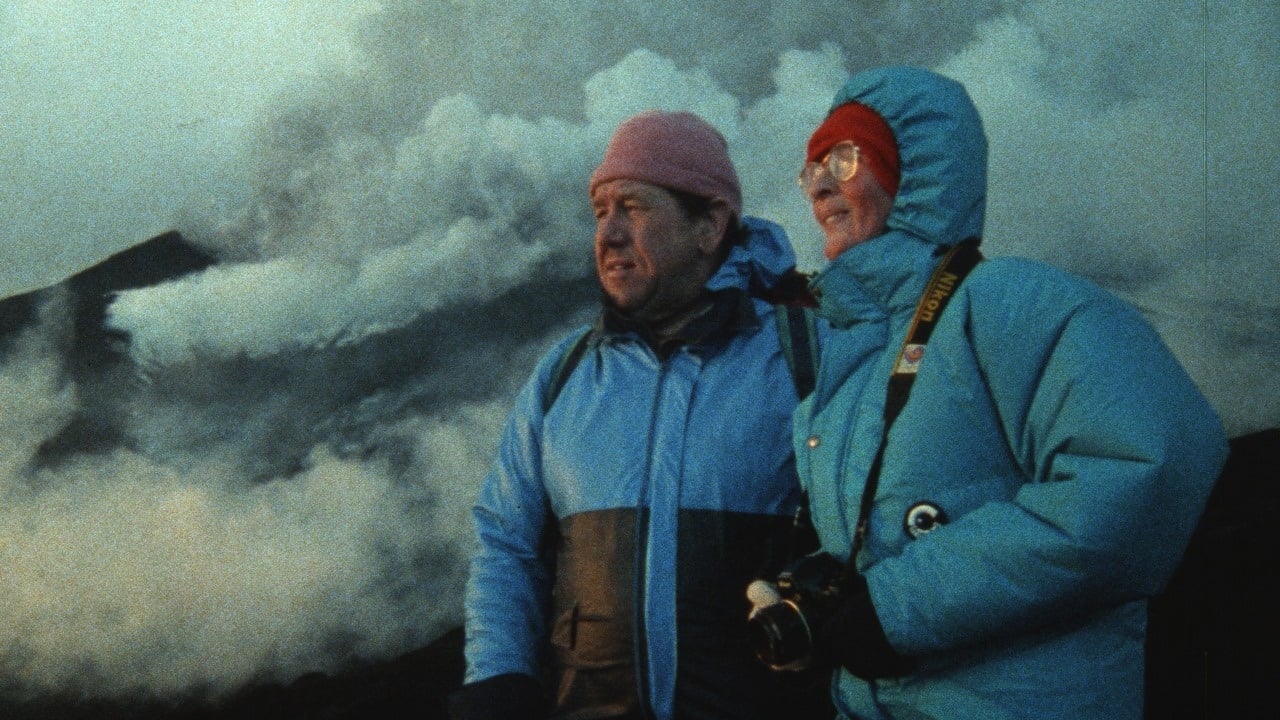
Fire of Love is a documentary that follows Maurice and Katia Krafft, a scientist couple who’ve dedicated their entire professional lives to studying (and marveling at) volcanoes. The two met at university and have been inseparable ever since, chasing explosions around the world until their death at the Mount Unzen eruption in 1991.
The fiery passion the title refers to is as much about Maurice and Katia as it is about their dedication to volcanoes. Like any love story, it tracks how they were first wonderstruck by the formation and how that awe shaped their lives and led them to each other, as well as how they came to discover hard truths about it and dealt with the heartbreak that soon followed.
Combining the breathtaking footage the couple left behind with lovely writing and artful animation, director Sara Dosa creates a moving documentary about passion, adventure, and the world itself.
The Teachers’ Lounge (2023)
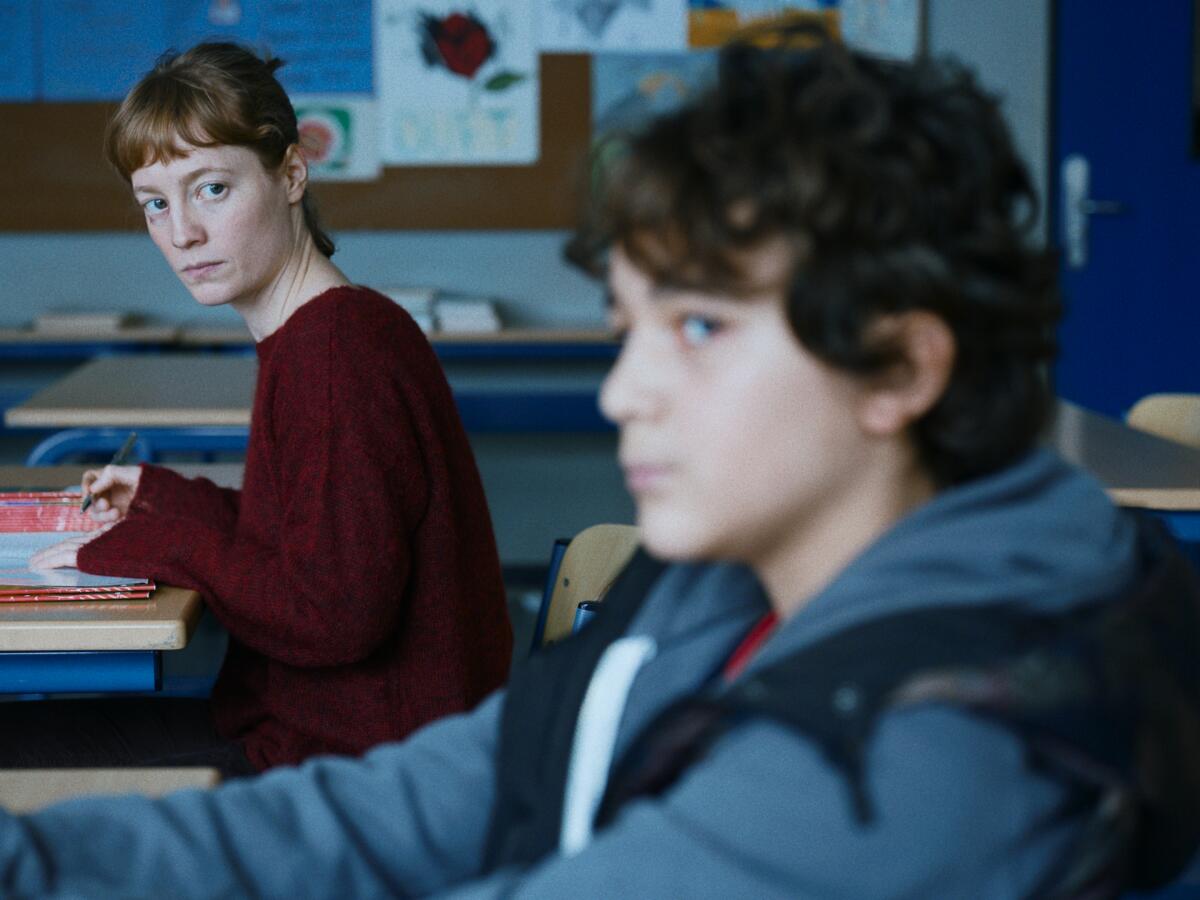
The Teacher’s Lounge is one of those movies where a simple misunderstanding is blown out of proportion, so much so that it causes the fabric of a community to unravel into chaos. Aided by a precise score, it ticks like a timebomb, with every second filled with so much dread and anxiety you have to remind yourself to breathe. It’s an impeccable and taut thriller, but it also works as an allegory about modern-day surveillance and authority. Director İlker Çatak gives the Gen-Z students and their much older teachers a level field where they struggle for control, and the result is both bleak and funny. It’s often said that schools are a microcosm of the real world, but nowhere is that more apparent than here.
Petite Maman (2022)
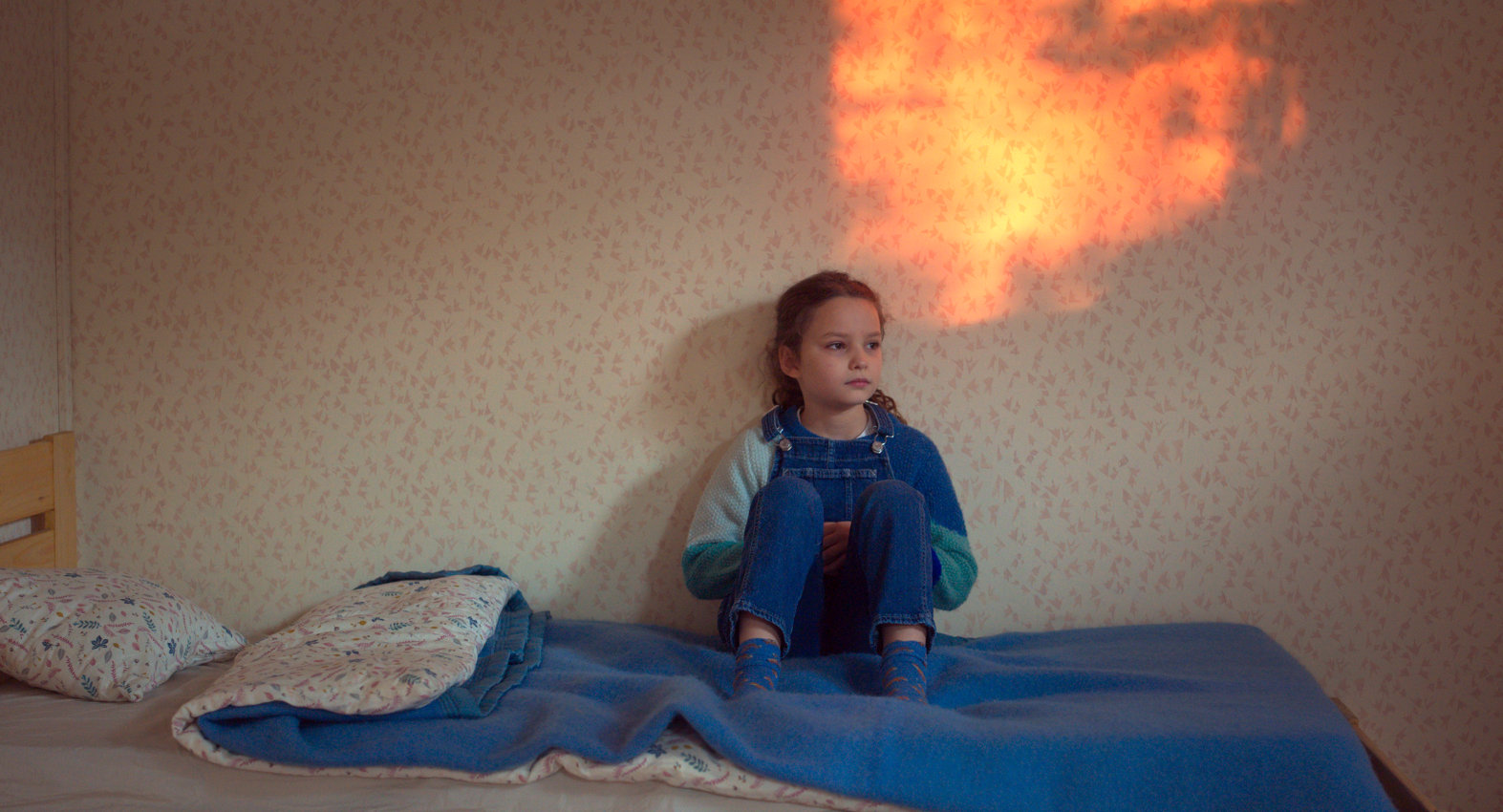
Many films have tried to decipher the indecipherable bond between mothers and daughters. Lady Bird, Everything Everywhere All at Once, and Turning Red, to name a few, center on this particular relationship, which to outsiders may seem strange at best and dysfunctional at worst. How can mothers yell at their daughters one second and coddle them the next? How can daughters treat mothers like their best friend and enemy all at once?
One of the best films to explore this complexity is Petite Maman, a fantasy-like film that brings together mother and daughter in a unique situation, forcing them both to regard the other in otherwise impossible ways. It succeeds where others haven’t precisely because it accepts that this relationship is beyond dissecting, and the only way to honor it is in the poignant, poetic, and otherworldly way that it does. It’s a quiet film that manages to say a lot, not least of which is that it’s okay to feel and love and hurt as much as one does.
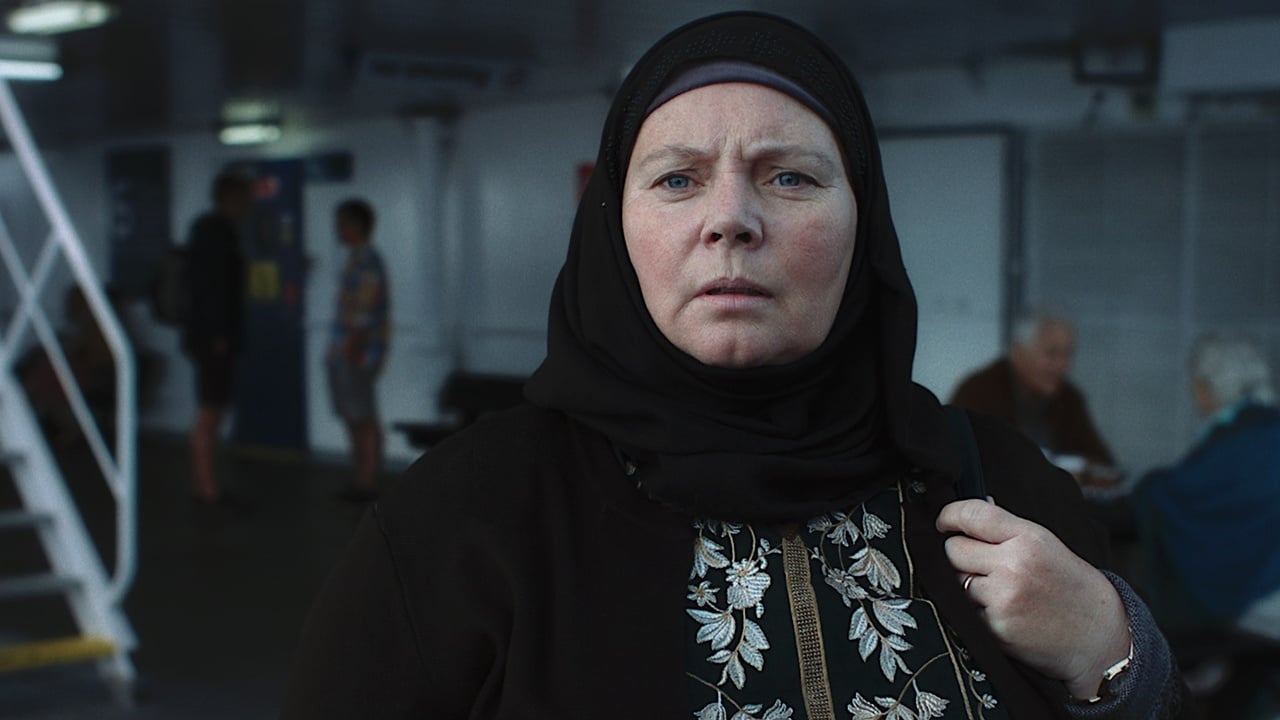
After Love (2020)
After Love is a beautifully powerful and quietly moving outing by emerging British filmmaker Aleem Khan. It follows Mary (Joanna Scanlan), a white Muslim convert who discovers a life-changing secret her husband has managed to keep from her all these years.
Without spoiling anything, I will say that After Love is charged with the sort of deep-seated emotion we sometimes don’t know how to express. It’s also a powerful reminder that there’s no one way to love or grieve or celebrate the people around us; sometimes, there’s just feeling. And Scanlan does a wonderful job of restraining then conveying all of that in devastating and commanding moments throughout the film, a feat that earned her the much-deserved best actress award at the 2021 BAFTAs.
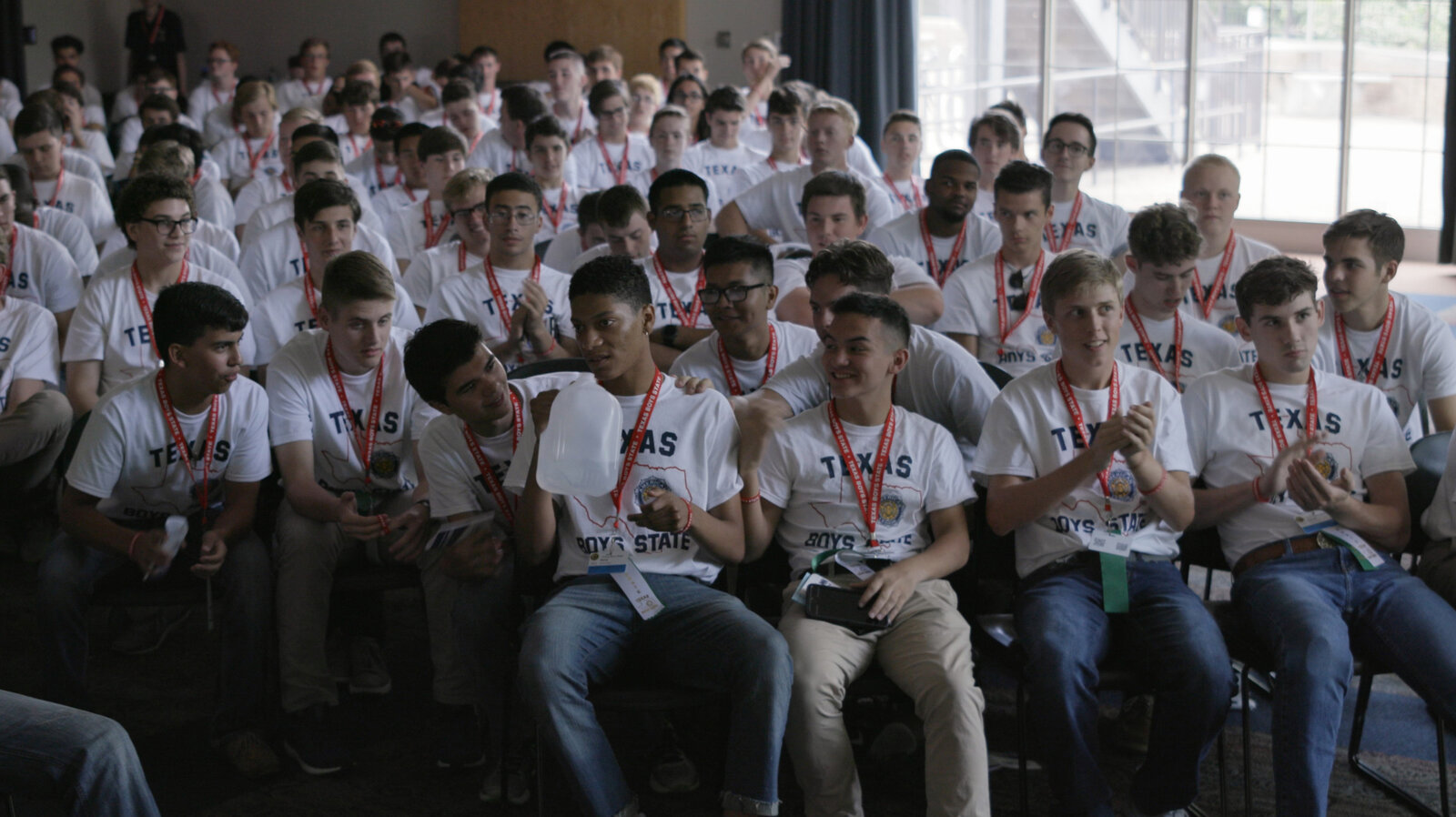
Boys State (2020)
What starts out as as a summer camp of teenage boys not taking anything seriously grows into a rousing portrait of their hopes and dreams for the future. You wouldn’t expect a documentary like this—shot like a reality TV show—to carry so much weight, but Boys State knows how to unearth the values that drive each of its incredibly well-rounded characters. So by the time these young men have assembled their mock governments and are casting their votes, it feels like the spirit of an entire generation is on the line. This is powerful, entertaining, and ultimately tear-jerking filmmaking that shows us how much work we still have to do and how much hope there still is.
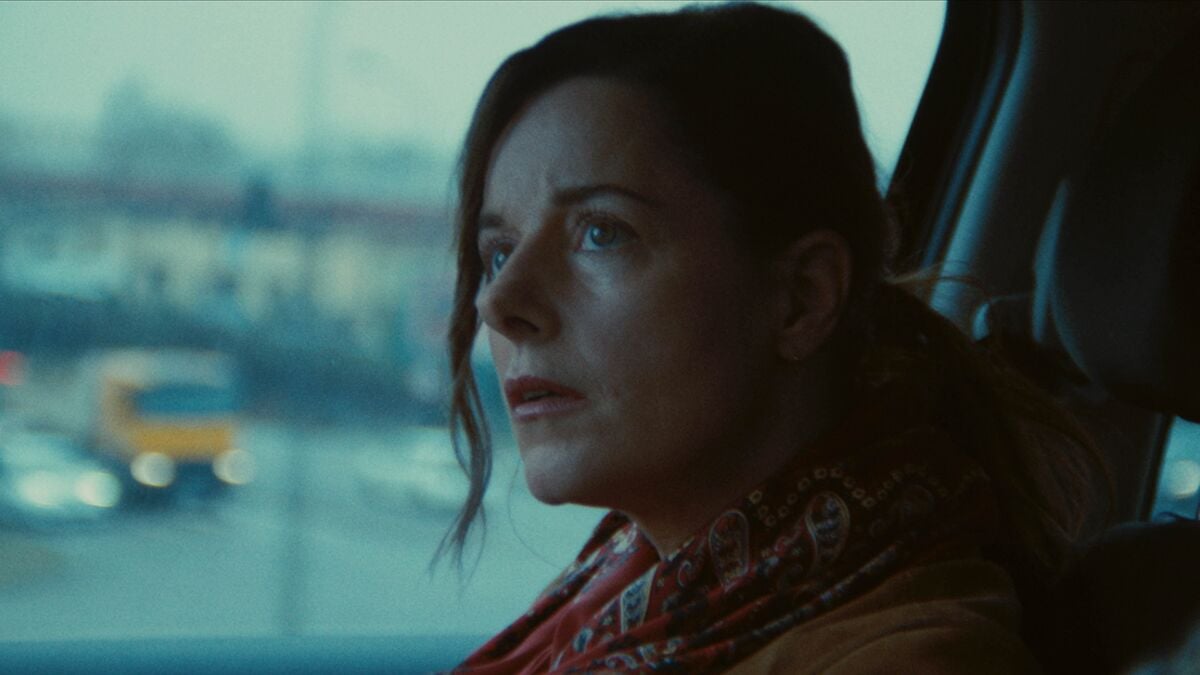
Full Time (2021)
Full Time is about the Herculean task that is getting through the day. For Julie Roy (the incredible Laure Calamy), that means keeping a job in the city as a single mother living in the suburbs. In this particular week, she has to attend to childcare, work a job below her skill set, apply for a job that actually matches her skill set, and get home before her children’s bedtime, all while a transport strike immobilizes the city.
Protests aside, Julie’s reality is an everyday feat some of us don’t even bother to question, but the film—edited and scored like a thriller—makes a vital point about the overlooked difficulties of juggling career, family, and self.
It’s unrelenting, intense, and truly gripping from start to end, kind of like Uncut Gems for the everywoman. It’s rare to see social commentary at this pace, but it’s also unexpectedly powerful, a necessary portrait of the times.
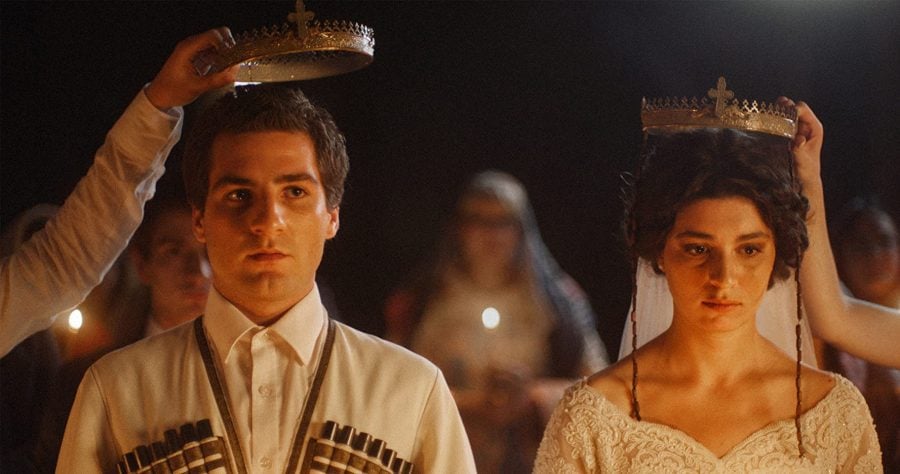
And Then We Danced (2020)
Georgian dance has cut-throat competition: the art form is dying even within Gerogia, and to make it, dancers compete to join the one duo that represents the country. The chance finally comes and the spot opens up, igniting the hopes of performers from around the country. Mervan is one of them, a young dancer from a poor background who takes food from his restaurant job to feed his family. His main competition is a newcomer, Irakli, who also comes from a difficult background and hopes to secure the spot to provide for his ill father.
When their lives hang on them competing against one another, Mervan and Irakli fall for each other.
And Then We Danced is full of incredible dance sequences that add to the beauty of the romance at its center; but it’s also a heartbreaking exploration of unfulfilled ambition.
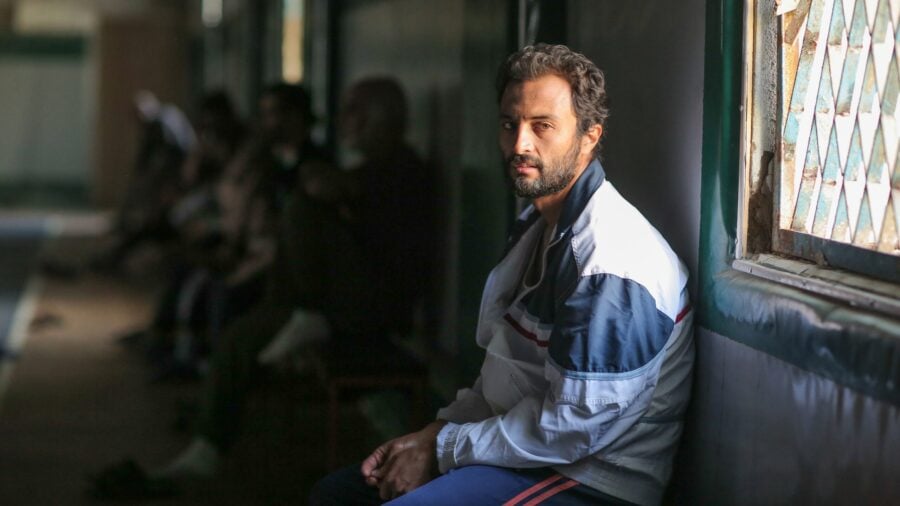
A Hero (2021)
Celebrated Iranian director Asghar Farhadi’s latest movie is about Rahim, a man who is in jail because he was unable to repay a debt. He gets a temporary release from prison, and with a big smile on his face, he leaves his confinement with a plan not to come back.
His secret girlfriend hands him a pack of gold coins, which they plan to sell to repay the creditor. But, as is custom with Farhadi’s movies, the center of the story is a moral dilemma that comes from one of the characters trying to be a good person. The gold coins are not Rahim’s or his girlfriend’s, but it’s life-changing for both of them.
Selected as Iran’s official submission to the Oscars.

Summer of Soul (…Or, When the Revolution Could Not Be Televised) (2021)
Summer of Soul would already be remarkable if it was just a collection of some of the greatest live performances ever put to film. Boasting a roster that includes Stevie Wonder, Nina Simone, Gladys Knight, and Sly and the Family Stone, the nearly-forgotten 1969 Harlem Cultural Festival featured in the documentary was an all-star catalog of some of the biggest names in popular music, all at pivotal moments in their careers. Seeing them at the height of their powers, in front of a Black audience that meant so much to them, makes for an unexpectedly emotional experience.
But Summer of Soul also expands beyond the actual concert, using the Harlem Cultural Festival to represent a turning point in Black culture and history, especially after the death of Martin Luther King Jr. Through the film’s pristine, electric editing and gorgeous archival restoration, music becomes a communal act of mourning, a rallying cry to face the uncertain future, and a celebration of a people and a heritage continuing to fight against erasure and persecution.
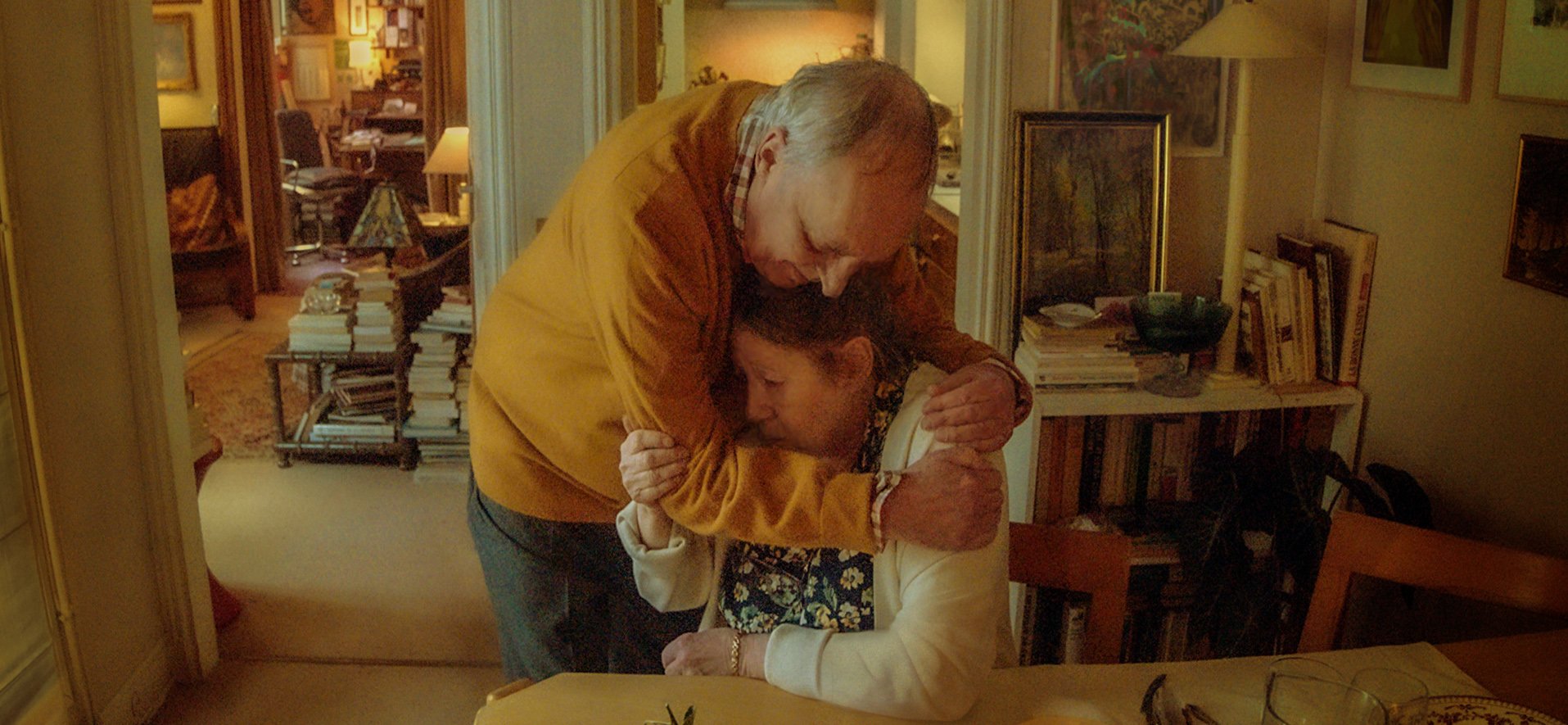
Vortex (2021)
Vortex, Gaspar Noé’s haunting exploration of death and dementia, begins with a dedication: “to all those whose brains will decompose before their hearts.” The statement sets the heartwrenching tone of the film, which follows an elderly couple—one with dementia and the other with a heart ailment—during their last days together. Noé cleverly depicts all this in a split-screen design, which evokes the fractured pattern of old-age thought.
Noé’s mother struggled with dementia, and Noé’ himself suffered from a brain hemorrhage that nearly killed him, so Vortex is clearly a personal film. But even without knowing this, Vortex feels effortlessly dear and deeply intimate, like it could’ve only been done by a person with a first-hand experience of this tragedy. At once personal and universal, Vortex is a haunting and inventive ode to love, death, and everything in between.
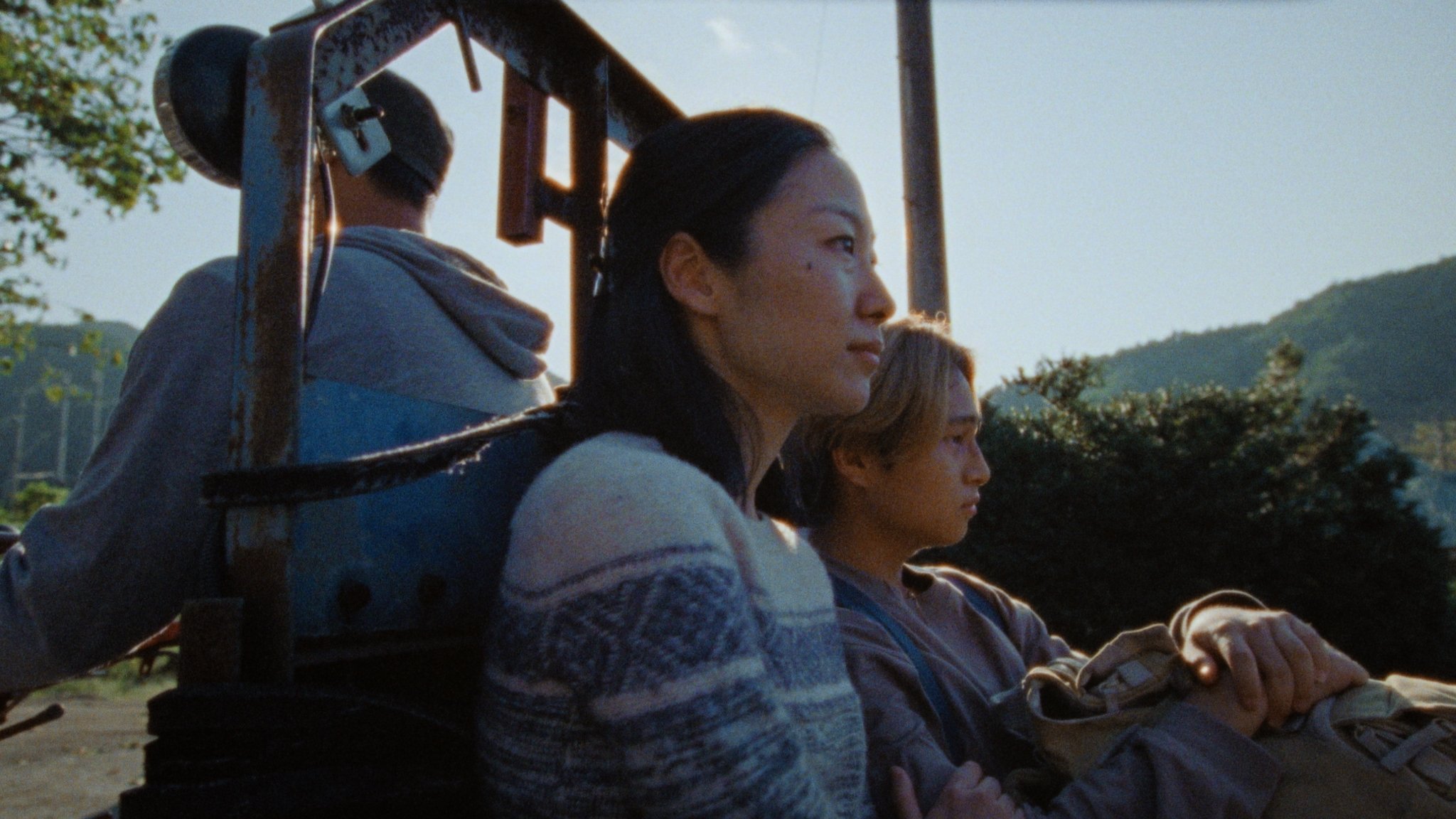
Riceboy Sleeps (2022)
Riceboy Sleeps looks like a fairy tale. Taken in 16mm and colored to pastel-grain perfection, it’s a captivating picture that moves like a happy memory. And occasionally, the action matches the air. Mother So-young (Choi Seung-yoon) and son Dong-hyun (Ethan Hwang) share a fierce, us-against-the-world bond as they strive to make it in a Canadian suburb without a lick of help.
The film is beautiful that way, but it also importantly doesn’t spare us from the harsh-edged realities of immigrant life. There are assimilation attempts, cultural divides, and on Dong-hyun’s part, a perpetual longing to know about an unknowable past. It’s a lovely picture, to be sure, but it’s also a tear-jerker, as heartbreaking as it is heartwarming.
Coupled with writing and performances that are resonant but restrained (they never verge on melodrama), Riceboy Sleeps makes for a powerful debut and a truly unforgettable watch.
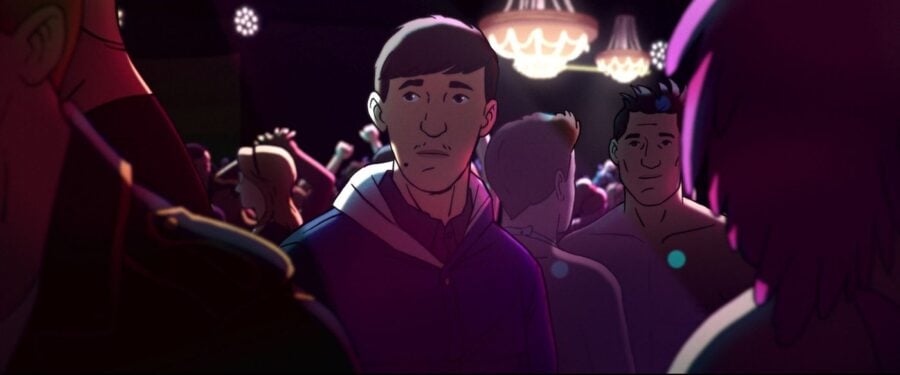
Flee (2021)
When Amin sits down for a tell-all interview about his troubling past, his memories come to life in vivid animation. Sometimes they are sweet and intimate, like when he recounts his time as a playful boy in a much freer Afghanistan. But often, they’re marred by the unbelievable horrors of refugee life. Now a successful academic and soon-to-be husband, Amin discovers the inescapability of his status and identity, the reality of which continues to threaten his safety to this day.
Relevant and vital, Flee sheds some much-needed light on an often-overlooked phenomenon. More than just displaying factoids and numbers, it relays the specific unease and constant vigilance that comes with fleeing one’s home. But as Amin’s story, it is also richly detailed and wonderfully personal; for all its harsh exposés, the film leaves enough room for Amin’s stirring realizations about love, identity, and sexuality.
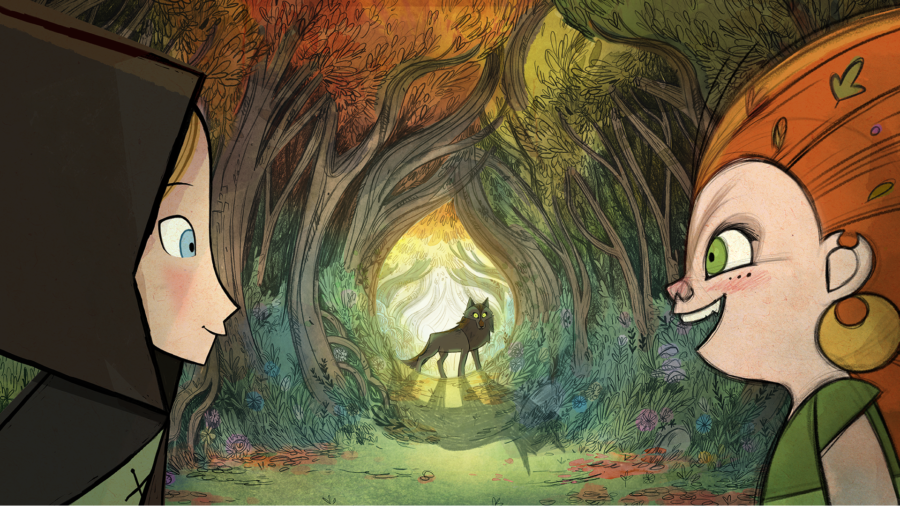
Wolfwalkers (2020)
Set in 1650 against the backdrop of the English colonization of Ireland, Wolfwalkers follows the story of Robyn, a young apprentice hunter who arrives in Ireland with her father to wipe out the last wolf pack. Completing the “Irish Folklore Trilogy,” Tomm Moore’s film is a tale of sisterhood, friendship, and acceptance told with phenomenal artistry. Beautifully animated, with warm autumn colors and refined attention to detail, the film is beyond pleasing to the eye. The outstanding voice work from Honor Kneafsey and Eva Whittaker, along with a well-written and emotionally compelling story, make Wolfwalkers a unique animation experience for young viewers and adults alike.
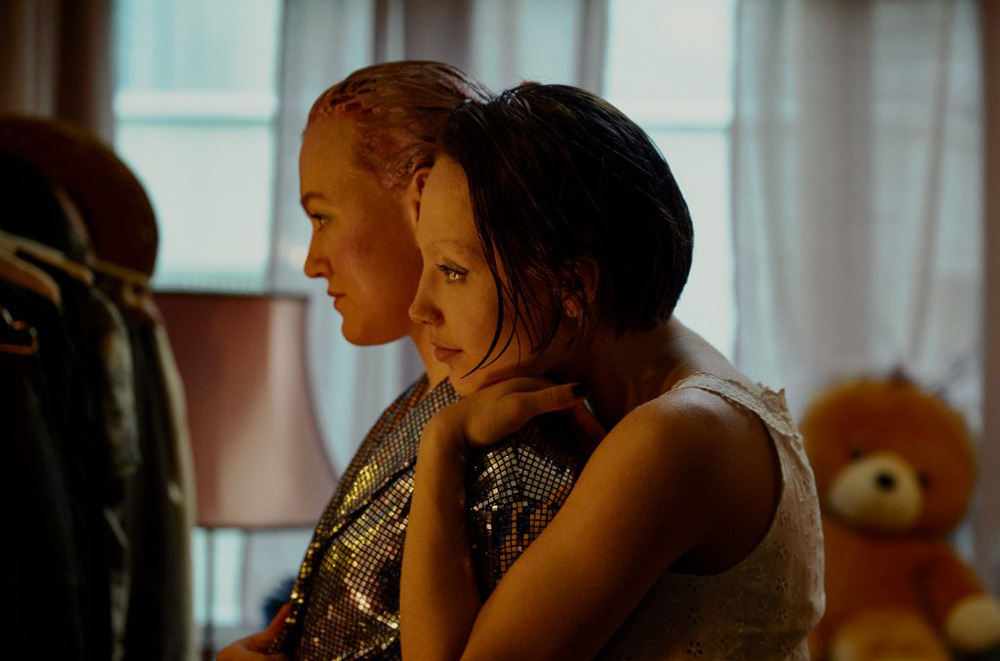
Girl Picture (2022)
Understandably, Mimmi, Rönkkö, and Emma, the teenage girls who lead this Finnish coming-of-age drama, are bursting with emotional urgency. On the cusp of adulthood, they plunge into house parties and romantic affairs in the hope that exploring love, sex, and adventure leads them closer to being self-aware adults.
Of course, that’s a lifelong process, but they don’t need to know that just yet. For now, they’re explosive and ecstatic and awkward and angry. They’re at a point in their lives where falling head over heels is still an endearingly fresh experience and not a frustratingly repeated mistake.
The film is intense in this way, but it’s leavened by a beautiful naturalism that’s seen in the young cast’s performances, the setting’s soft lighting, and the camera’s boxy ratio and grainy finish, the latter of which recall a disposable camera capturing the indiscriminate moments shared between teens. Girl Picture is an intimate and authentic portrait of girlhood—see it if you can.
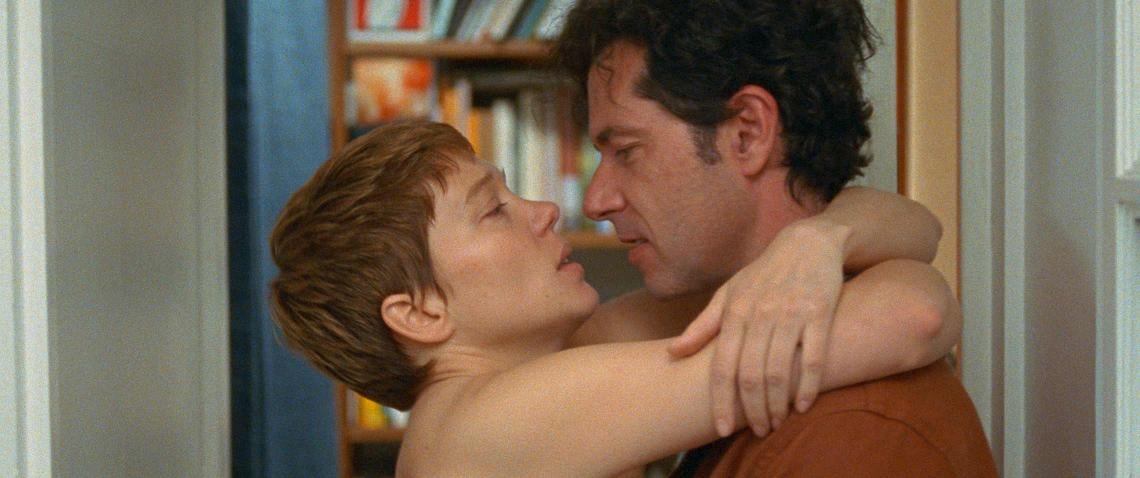
One Fine Morning (2022)
French director Mia Hansen-Løve is a master at gently capturing the full bittersweetness of life, and that’s no more evident than in One Fine Morning. Léa Seydoux gives a quietly powerful performance as Sandra, a mother-of-one who is grappling with the slow, devastating decline of her philosophy professor father at the hands of a neurodegenerative disease. As she deals with the crushing trauma of watching her father deteriorate — and the logistical stress of getting him the care he needs — life grants her an oasis through a chance meeting with an old acquaintance (Clément, played by Melvil Poupaud). Despite Clément being married, the two are hurled into a passionate romance, one that re-ignites something in Sandra she thought she’d lost forever.
What’s so remarkable about One Fine Morning is its gentle empathy: Hansen-Løve appreciates that, in the context of Sandra’s life, her affair with Clément is something life-affirming and vital, worthy of sensitive consideration rather than easy judgment or melodrama. What’s more, One Fine Morning extends that thoughtful attention to the other people around Sandra, with digressions that recognize the fullness and complexity of their lives, too. This is a film that overflows with compassion and curiosity for everyone in its frame, and one that has a contagiously heart-expanding effect on its audiences.
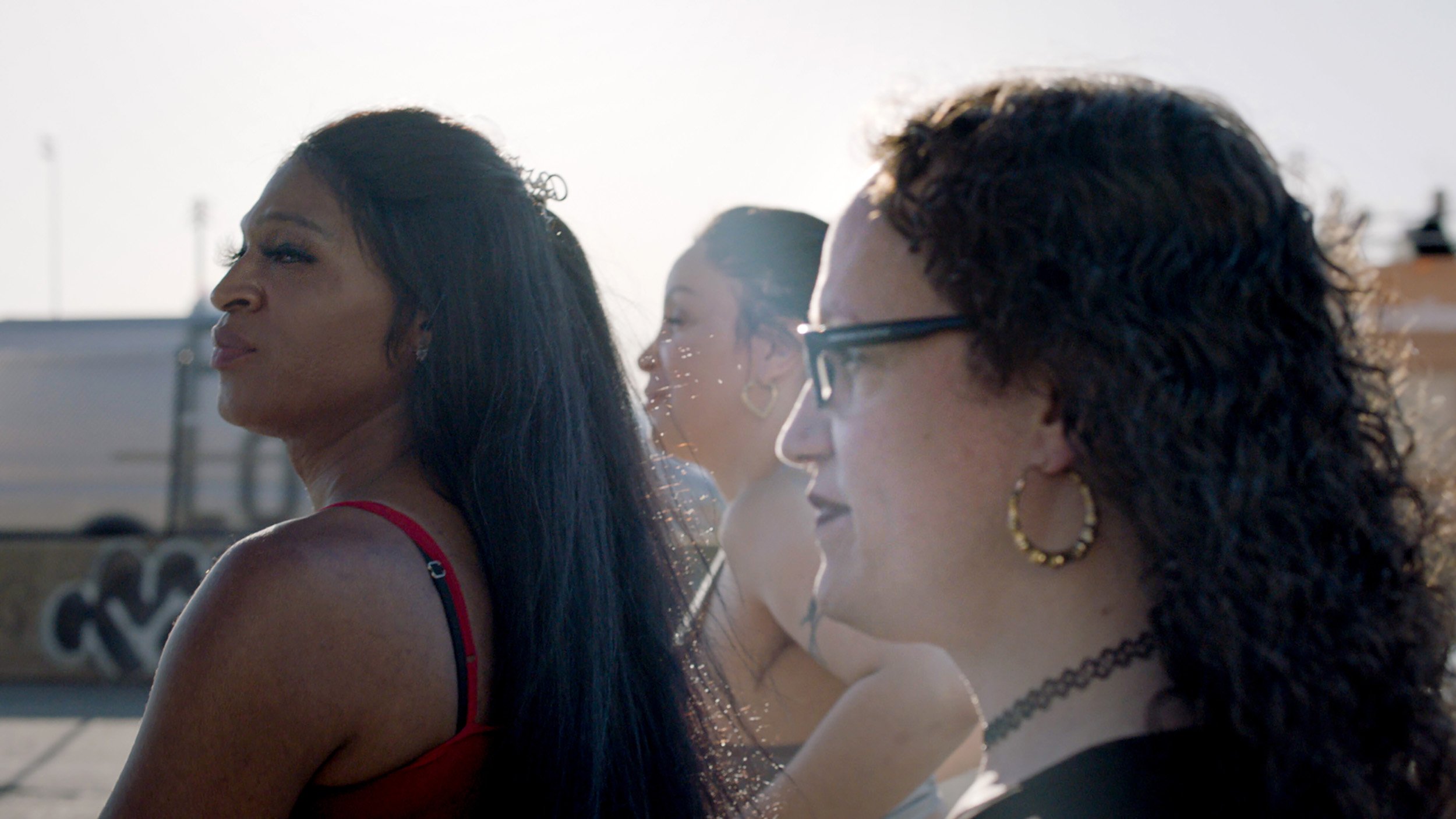
The Stroll (2023)
At one point in the documentary, director Kristen Lovell says, “I wanted to archive the movement that was building between transwomen and sex workers,” and that’s exactly what she achieves with The Stroll, a well-researched, creatively edited, and deeply moving account of the trans-sex-work experience that defined New York for a good chunk of the 20th century. It’s both historical and personal, touching and rousing, as it recounts a history that’s often been forgotten even among the LGBTQ+ community. To do this, Lovell digs up archival footage, brings to life long-buried data, and strikes up heartfelt conversations with survivors of The Stroll, that street in New York where Lovell and her fellow homeless escorts used to pick customers up. Thanks to Lovell’s hard work in telling this extraordinary story of struggle and success, there isn’t a moment in this film where you’re not shocked, frustrated, or exhilarated along with them.
Ghostlight (2024)
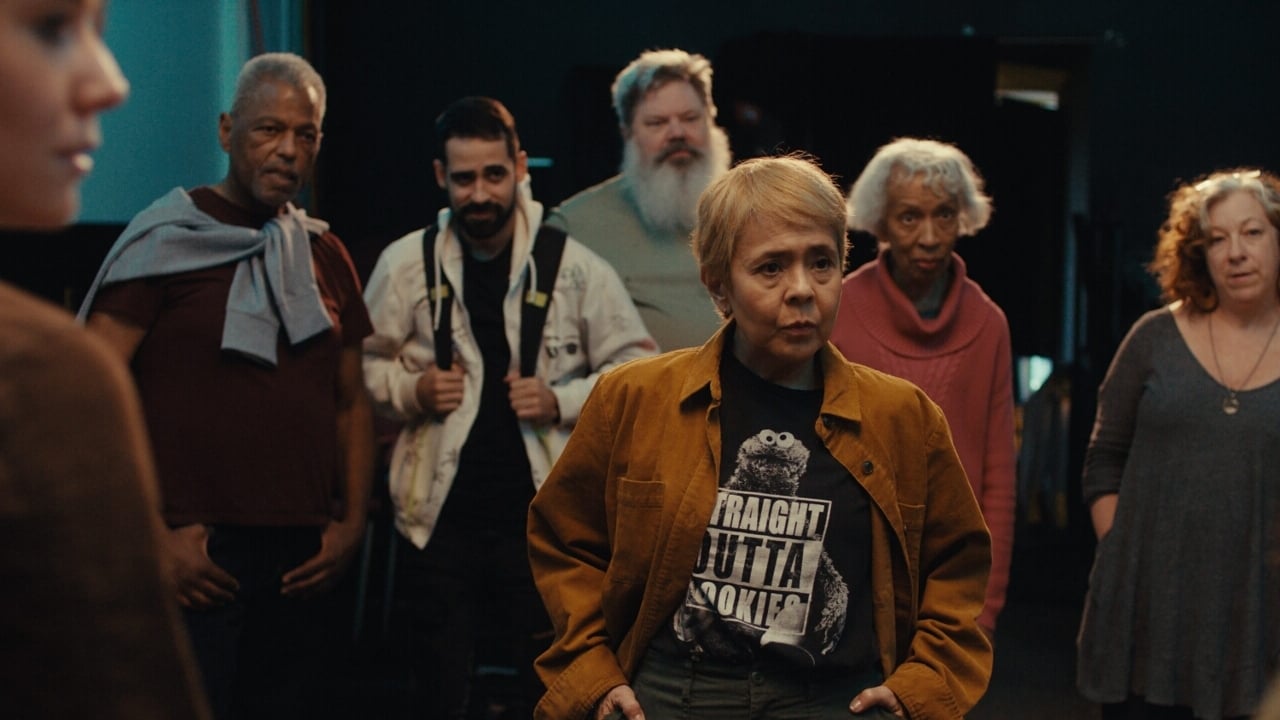
“The healing power of art” sounds cheesy, but it’s a statement made beautiful and true in Ghostlight. It’s the sensitively told and wonderfully performed story of an ordinary man who, up until this point, doesn’t even know how Romeo and Juliet ends. That’s how detached he is from art. But when Rita (Dolly de Leon) pushes him into the arena, he surprises himself and his family by being receptive to it. It’s the only way he can get in touch with his feelings, which is vital since he’s gone through an unspeakable loss recently. What that loss is isn’t immediately revealed in the film, but the small details snowball and eventually pummel you to the ground with its sheer tragedy. You’re either grinning or crying watching this, there’s no in-between. But if there were, you’d probably be marveling at the trio at the heart of this film: the family played by a real-life family. Keith Kupferer, who plays Dan, Tara Mallen, who plays Sharon, and Katherine Mallen Kupferer, who plays their daughter Daisy, are all compelling and dazzling in their own ways.
Look Back (2024)
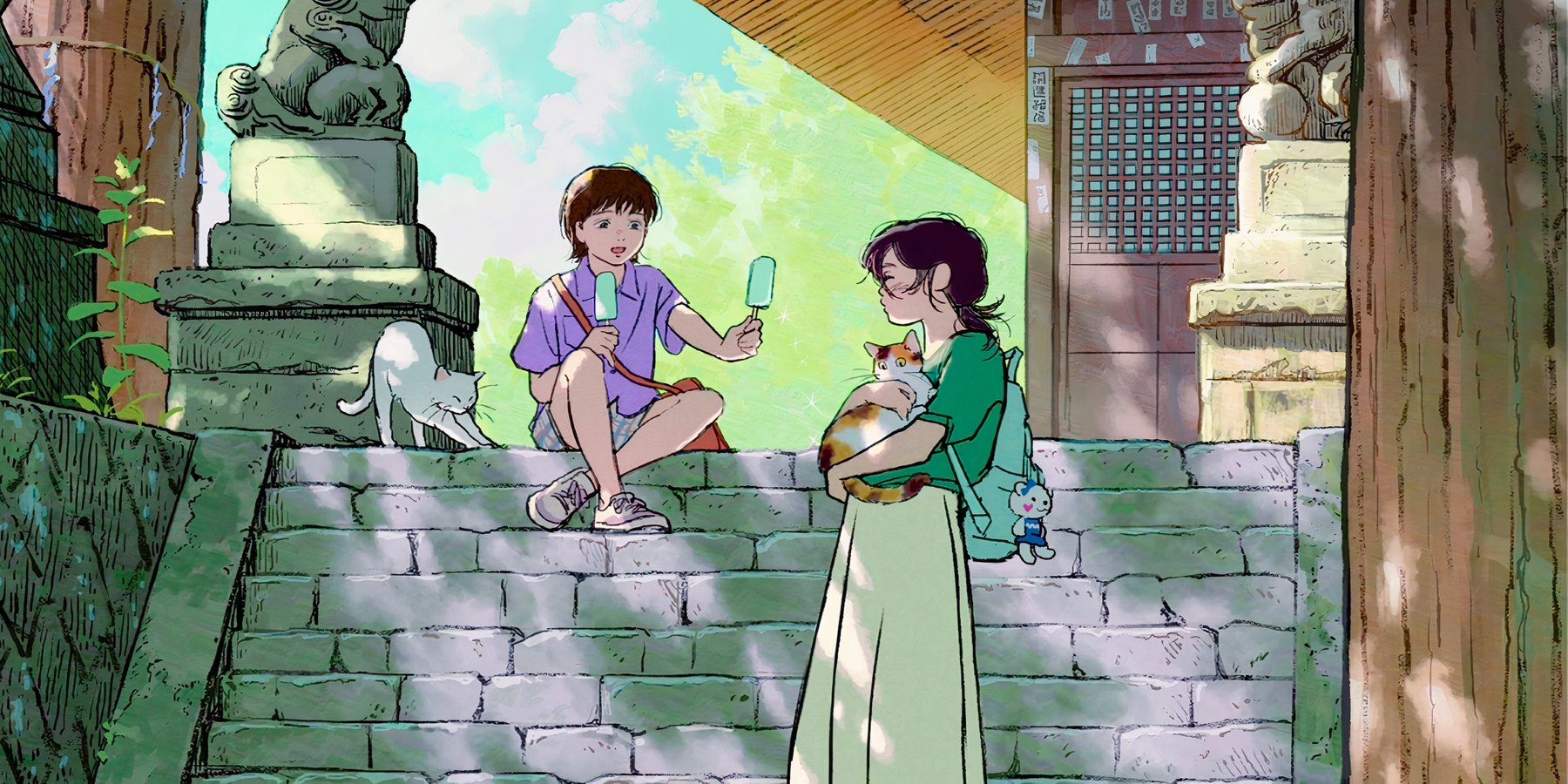
When the world gets dark– when something bad happens that makes you lose your faith in the world around you– it can be hard to think that art would be of any help. After all, a piece of paper with scribbles on it can’t undo the wrong that’s happened, or help out directly with the concrete, solidified systems and solutions to the world’s problems. Look Back even acknowledges the possibility of art harming its creators, but through the friendship forged by Fujino and Kyomoto, it also acknowledges the way art can save you and the people who share that love, through some of the most beautiful animation ever created.
The Seed of the Sacred Fig (2024)
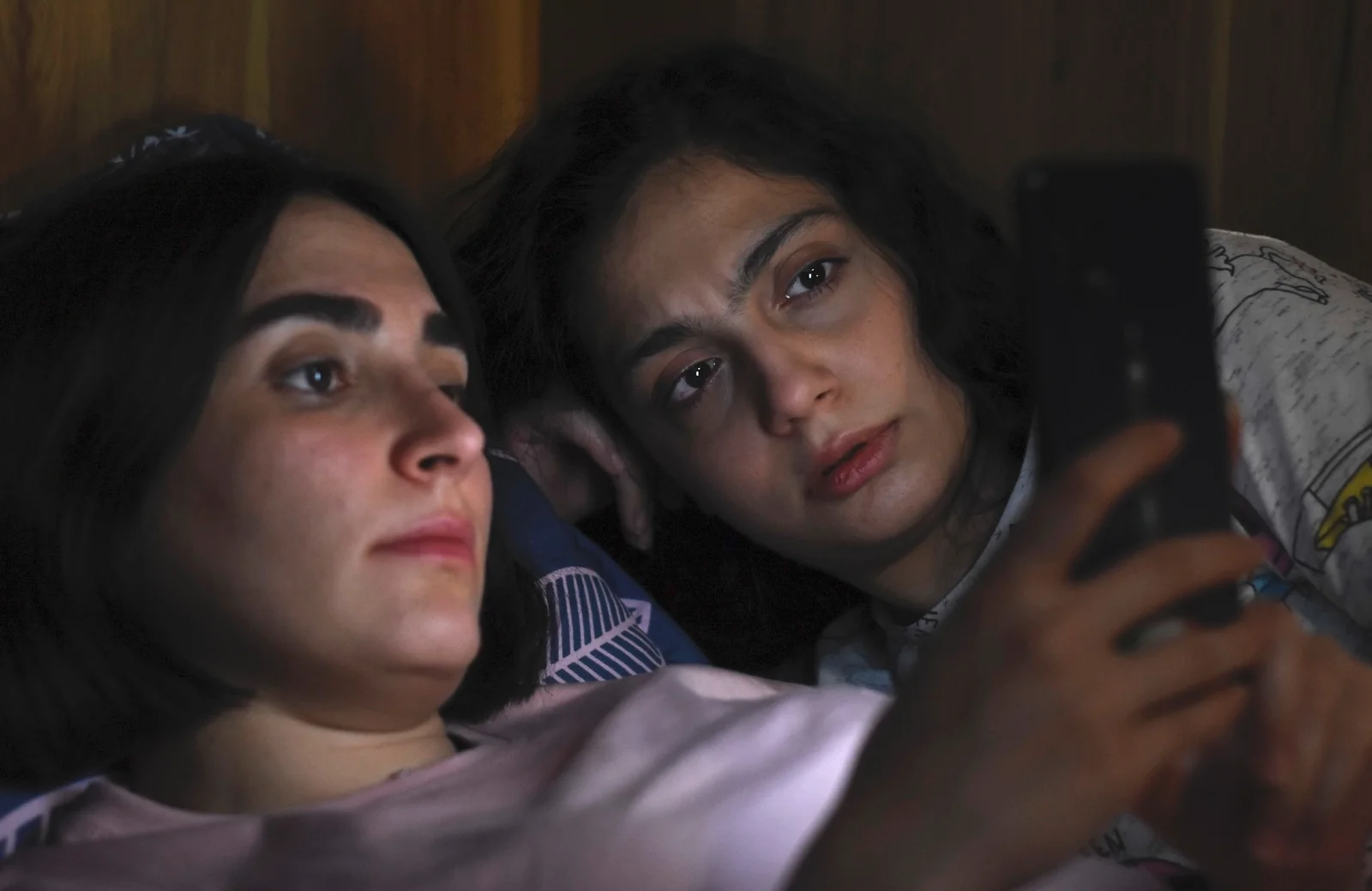
The Seed of the Sacred Fig bravely takes on the increasingly violent patriarchy and theocracy in modern-day Iran. It follows a family of four—Iman, Najmeh (Soheila Golestani), Rezvan (Mahsa Rostami), and Sana (Setareh Maleki)—and reveals how the political can creep into the personal. Iman, the father, has just been promoted at work (he’s one step closer to being a judge), while his two daughters are budding revolutionaries. The educated girls see through the lies of state television and challenge their conservative parents’ ideas on government and religion. It sounds straightforward, but director Mohammad Rasoulof lets everything unfold subtly and sharply. By the second half, the film transforms into a slow-burn thriller as the family home becomes a microcosm of Iran itself. It’s a brave film helmed by even braver people. Rasoulof and his cast, who filmed in secret to avoid the film ban in Iran, had to escape to Europe after they were interrogated and sentenced in their home country. The Seed of the Sacred Fig can’t encapsulate the entirety of Iran’s troubles, nor does it try, but it’s a good place to start.
Laapataa Ladies (2024)
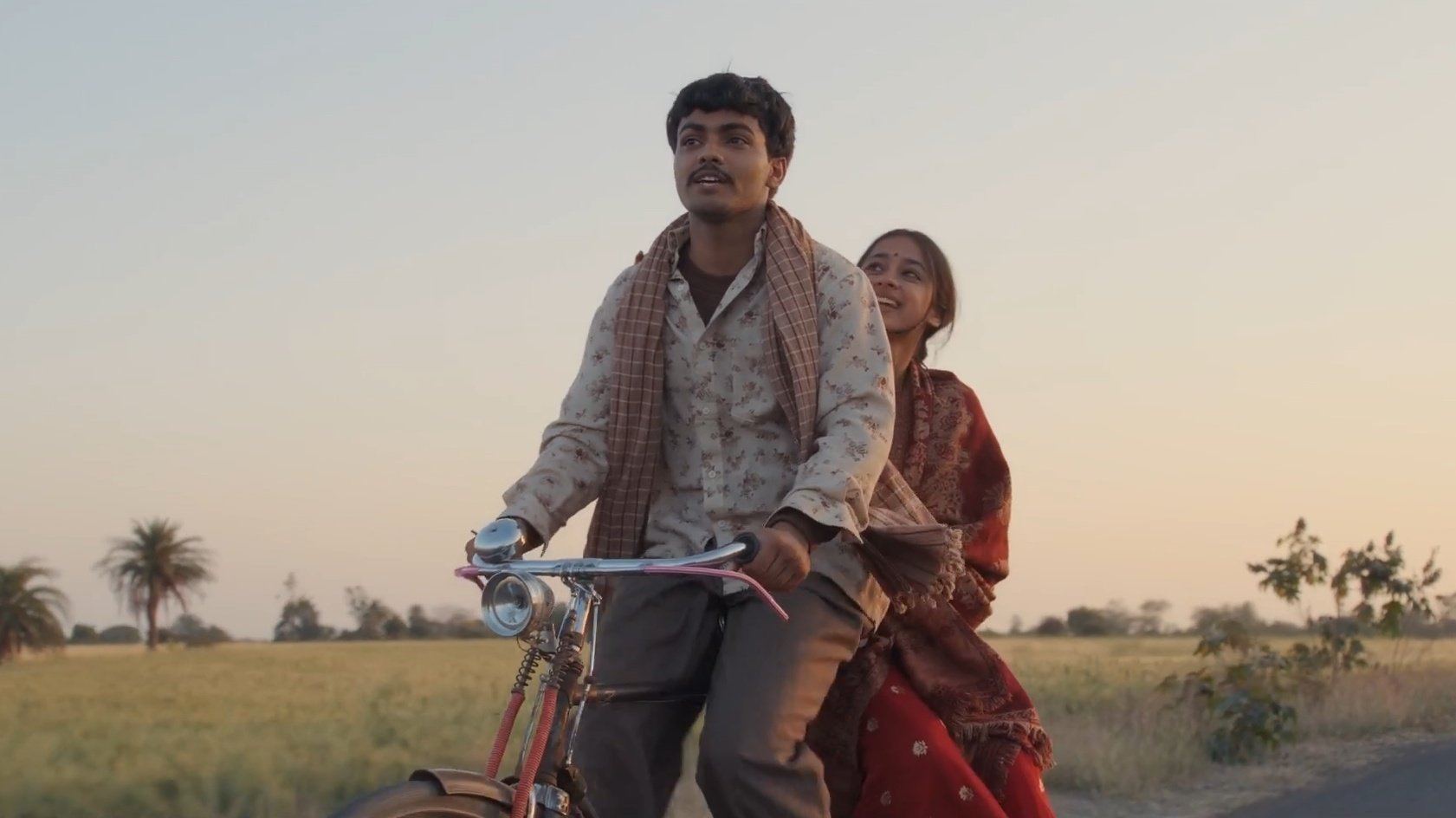
When two young brides are mistakenly swapped on a train, it’s a difficult situation, much more so when the brides in question are both veiled and wearing the same red bridal attire. This seemingly simple swap is the entire plot of Laapataa Ladies, but director Kiran Rao transforms this mishap into a hilarious, yet realistic, satire that challenges plenty of the norms enforced on women in the country. As Phool and Jaya switch places, the film understands where their respective mindsets come from– Phool having not learned much about the world, and Jaya having been jaded by it– but the film doesn’t stop there. It brings them to places that challenge those mindsets, and in turn, they challenge the people around them too, by actively making choices from the mindsets they had to hold to survive. Laapataa Ladies is what it says on the tin– Laapataa is the word for lost– but the sharply written characters, the witty dialogue, and the subtle social commentary make this charming love story one of a kind.
On the Record (2020)
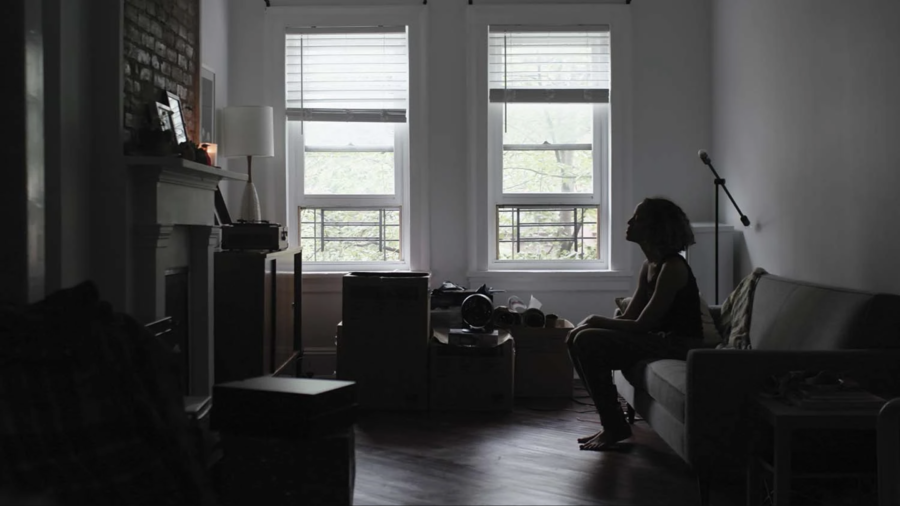
This searing allegation of sexual abuse against Def Jam Recordings’ Russell Simmons unfolds with the intelligence and tenacity of a world-class prosecution. But more importantly, On the Record remembers to fight for a justice that’s restorative, too—paying proper tribute to Drew Dixon and many other equally creative and talented women behind the scenes in the American hip hop industry. With every new argument it introduces, this documentary encourages us not only to be open to new information, but to rewire our very way of thinking about race, intersectional feminism, and the music business. It may be a bit of a cliché, but On the Record really does leave you smarter than when you started, with a heightened awareness of how the present moment is inseparable from our history.
Godland (2022)
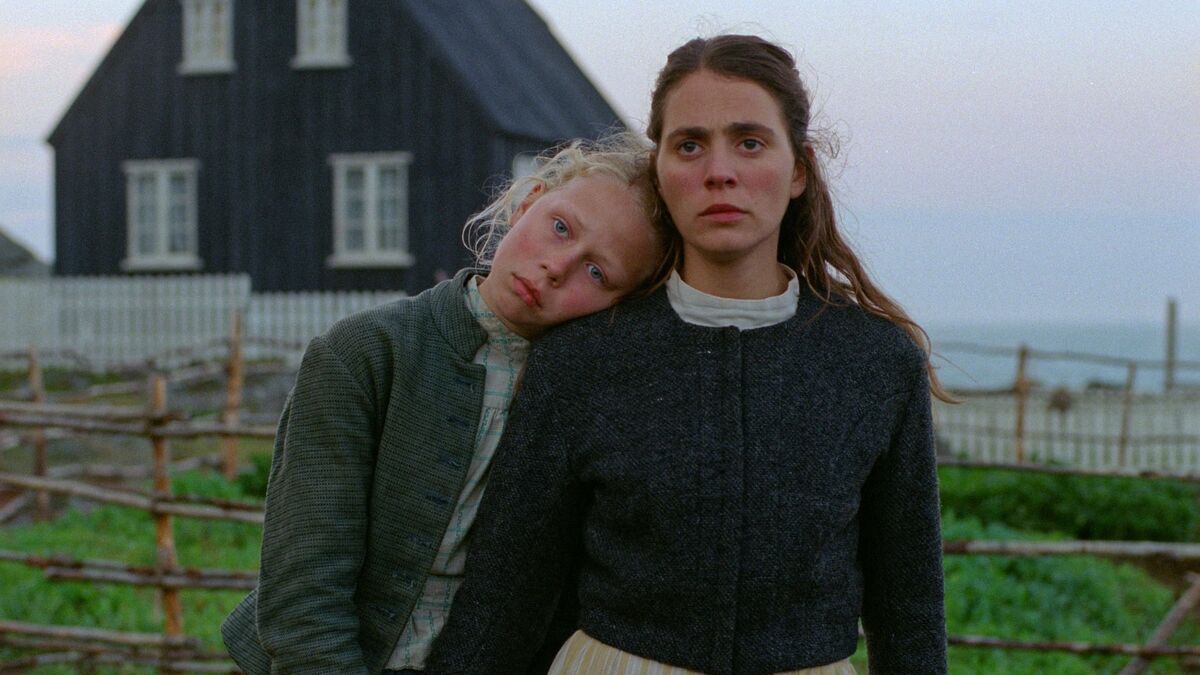
On the one hand, Godland is a film about nature’s unforgiving beauty. Like the photographs the priest Lucas (Elliott Crosset Hove) takes, these quietly superb scenes speak for themselves. The Earth moves in mysterious and harsh ways, and we are but mere specks, organic matter to be folded in and absorbed, in the grand scheme of things. It would’ve worked with just this message alone, but Godland also treads on political ground. Through Lucas, who is Danish, and his travel guide Ragnar (Ingvar Sigurdsson), who is Icelandic, we sense a palpable tension that electrifies the film with a colonial strain. There are layers to their deep aversion (and dependence) on one another, and director Hlynur Pálmason does well to pair this with imagery that is just complex, profound, and packed with meaning.
Fallen Leaves (2023)
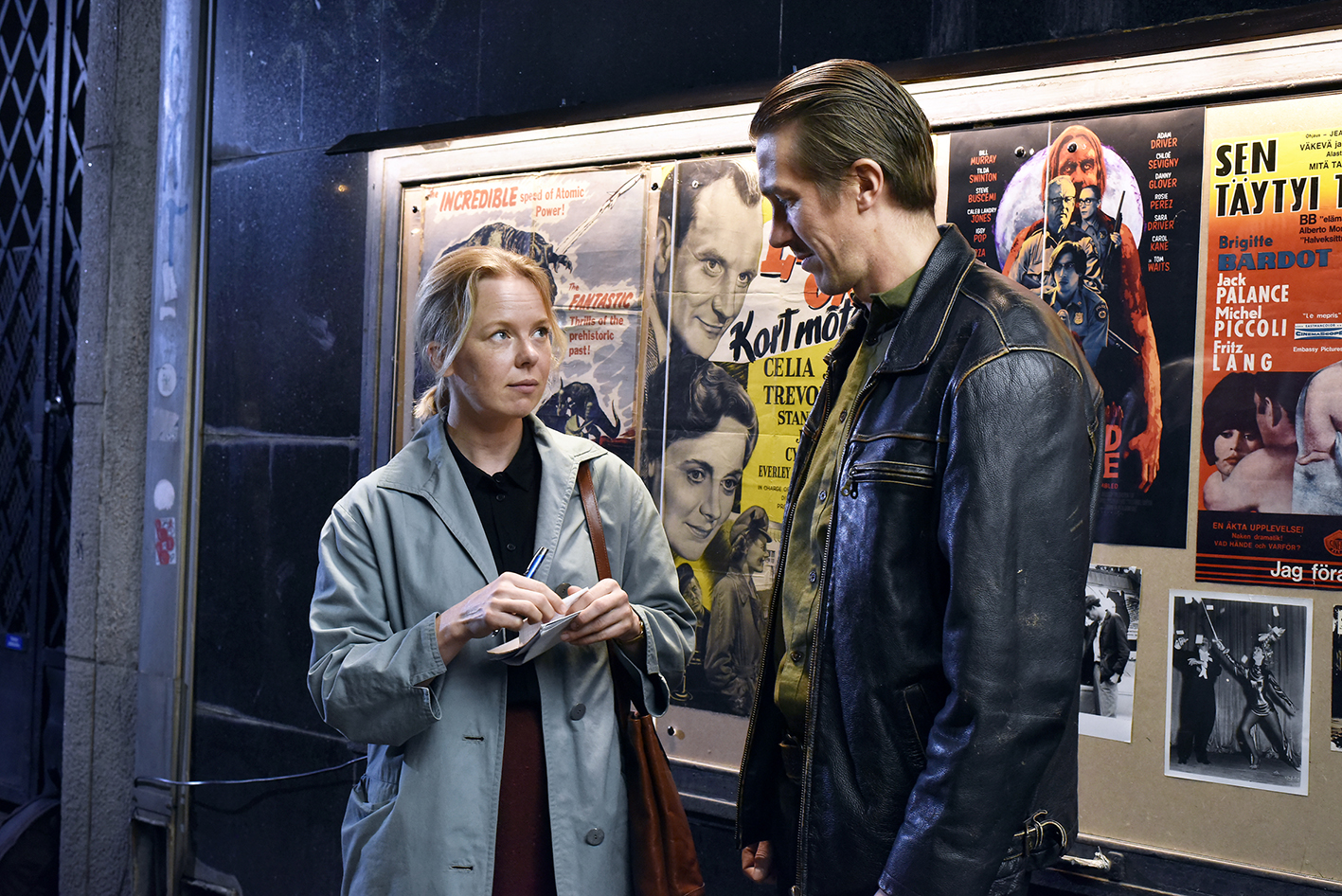
Simple but lovely movies like Fallen Leaves are hard to come by these days. While others rely on complicated dialogue or overly ambitious premises to be deemed deep or important, Director Aki Kaurismäki trusts that his material is strong enough. After all, its silence speaks volumes; the characters don’t say much but when they do, you can be sure it’s something hard-hitting or funny. The plot doesn’t contain a lot of surprises, but when it makes a turn, it moves you instantly. And the leads, Ansa (Alma Pöysti) and Holappa (Jussi Vatanen) barely move their features, but their eyes convey more emotion, more longing and ache and joy, than one can hope for. Some movies can be challenging, exhilarating, or exhausting to watch. This one is simply delightful.
Perfect Days (2023)
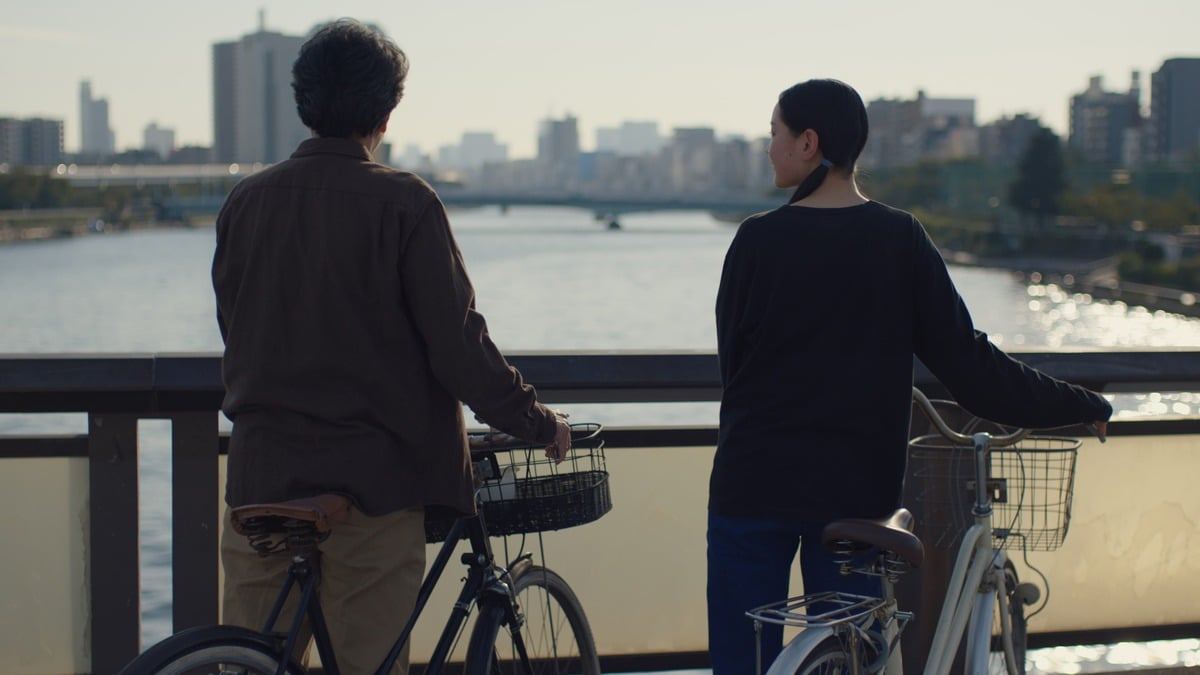
For public toilet cleaner Hirayama, “enjoy the little things in life” is more than just an adage: it’s a philosophy. Every day, he follows a strict routine of watering his plants, going to work, taking a break at a nearby shrine, and having dinner at his favorite stalls. It seems unexceptional, and yet Hirayama manages to find small, meaningful joys in between (and at) those very moments. A tree branch dancing in the breeze and shadows making funny shapes are enough to make him chuckle, while it seems like a good book and a trusty cassette are all he needs to be at peace. Hirayama’s mundane miracles are life-affirming, but make no mistake: this isn’t one of those cheesy films that push you to be happy no matter what. Director Wim Wenders (Paris, Texas, Wings of Desire) infuses the film with a certain gloom so that the overall tone is one of deep, poignant melancholy. Through vague clues about Hirayama’s past, we learn that his attempts at capturing joy might also be bids to escape a traumatic life. All this builds to a powerful ending that speaks to the complexity of human emotion. We can be happy and sad, peaceful and troubled, lonely and content all at the same time, and it’s okay. At the end of the day, we’ll still have our favorite book passage, our favorite singer, a great artwork, or a beautiful park to return to, and sometimes that’s all the reminder you need that life can be worth living.
To Kill a Tiger (2022)
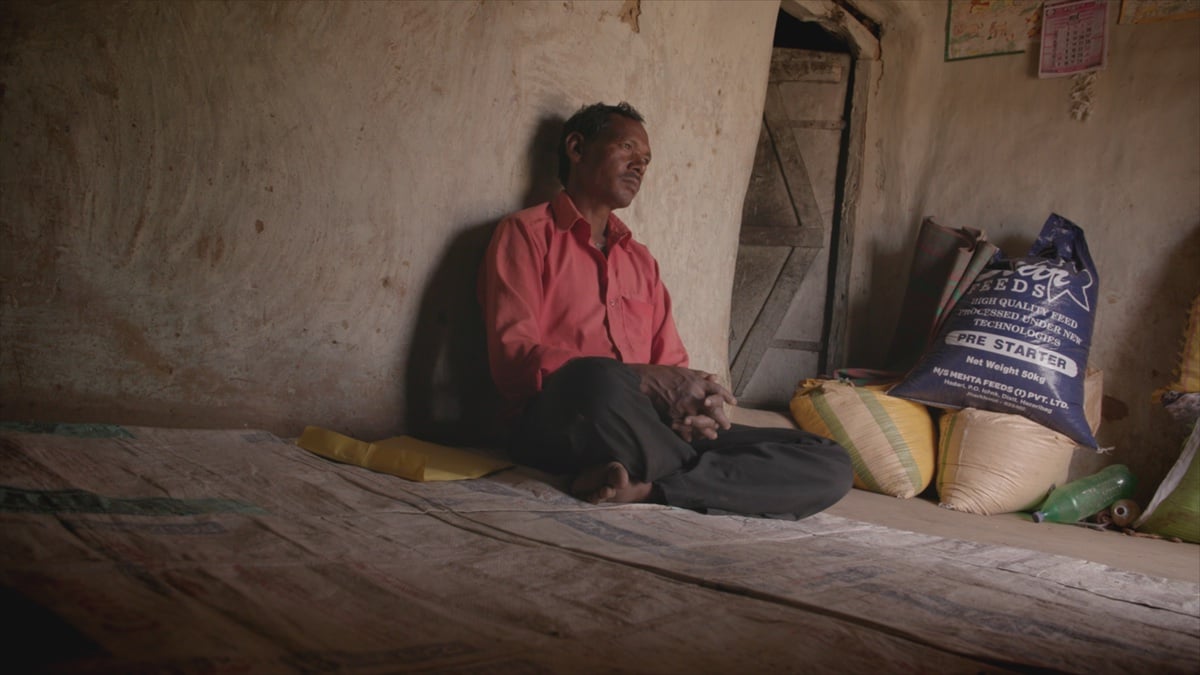
To Kill a Tiger should not be an easy watch. It’s about the gang rape of 13-year-old Kiran, a girl whose small village has shunned and blamed her for “not knowing better,” and who is being forced by community leaders to marry her abuser to “erase the stain” on herself. But instead of leaning on sensationalism, Director Nisha Pahuja tells Kiran’s story with so much care and sensitivity that it feels refreshing and ultimately inspiring to watch. Pahuja hones in on Kiran’s relationship with her father, Ranjit, who stands by her daughter despite the pressure imposed by his community to do otherwise. The filmmakers note that he’s the rare man to pursue justice for his wronged daughter, and we can see through intimate conversations among the villagers, lawmakers, and social workers how brave and novel Kiran and Ranjit’s journey is. To Kill a Tiger is not an easy watch, but under Pahuja’s deft direction, the discomfort feels necessary, and the relationships heart-aching but uplifting.
La Chimera (2023)
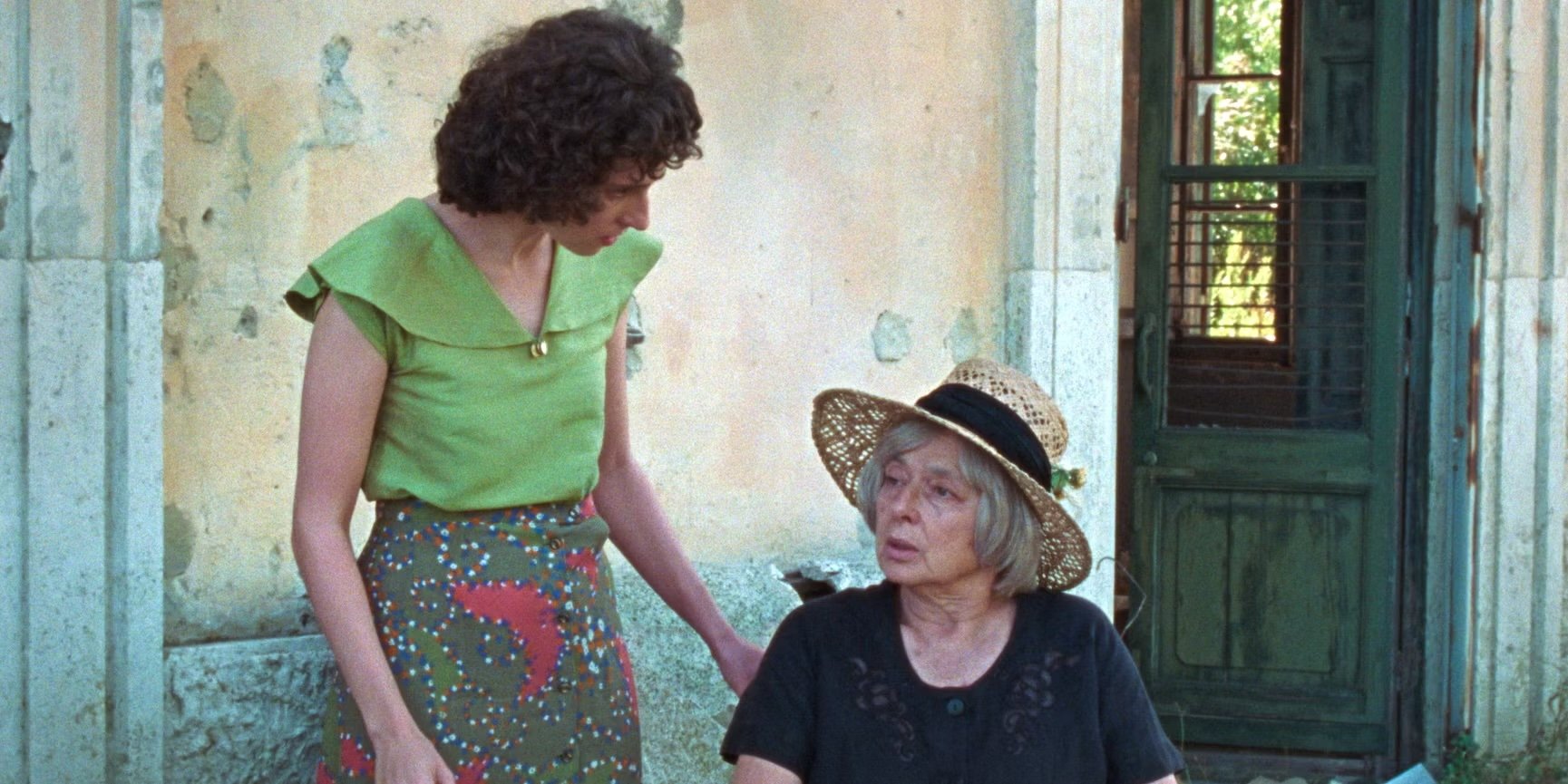
La Chimera is often meandering. Scenes flitter about and move at different paces, resembling dreams more than they do reality, but they’re hardly trivial. Just the opposite, they enchant you with their beauty and confront you with deep, existential questions that haunt you long after the film’s run. You won’t find obvious answers here though, and you might even leave more perplexed than when you began. But that is the beauty of a film like La Chimera, it cracks you open to different realms and possibilities.
Uppity: The Willy T. Ribbs Story (2020)
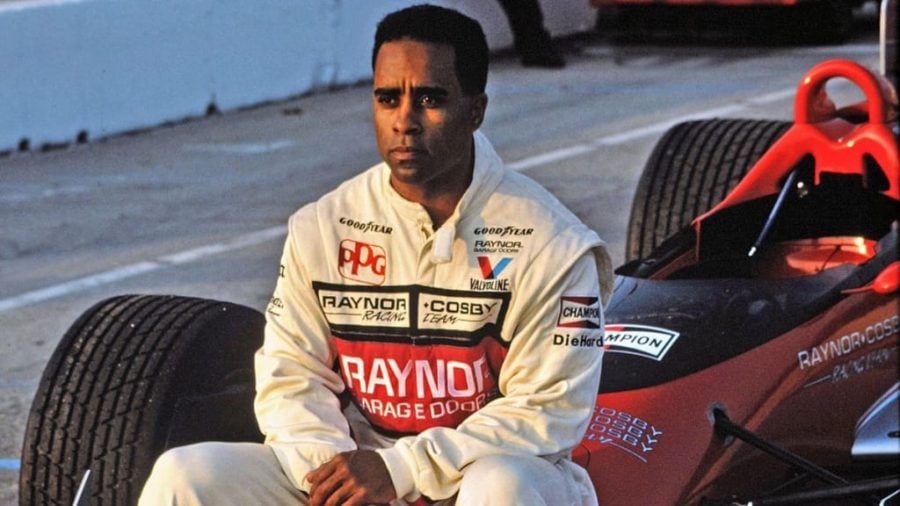
“They called me uppity. Uppity n*****. And I loved it”. That’s how this excellent documentary, about the first professional black racing driver Willy T. Ribbs, starts. It summarizes the strong personality of a champion who excelled in tracks that were filled with confederate flags.
The documentary explains the details of the difficulties that Ribbs went through in the 70s and 80s, but also the people who supported him and recognized his talent. It’s by no way a sad movie, on the contrary, even when Ribbs is talking about people spitting wherever he walks or about the death threats escalating, his unharmed determination is at the center of the story.
This is an inspiring documentary about a character who never got his worth in the history books. I was full of shivers by the first half-hour mark.
Quo Vadis Aida? (2020)
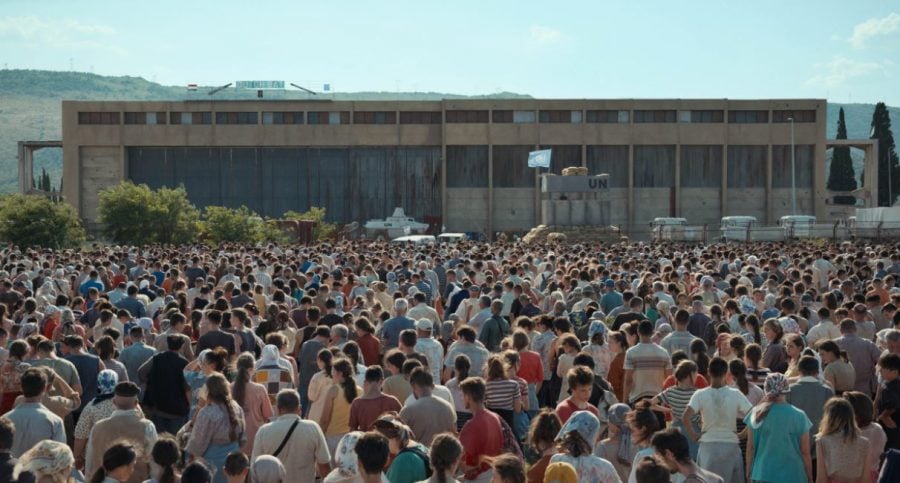
This Oscar-nominated drama tells the story of the events leading up to the Srebrenica massacre, in which 8372 Bosnian Muslims were killed. It focuses on one U.N. worker who was caught between trying to protect her family, herself, and helping people in need.
The film is as horrific as it is relevant: up until the actual killing starts, people are constantly being assured that everything is under control and that there is no reason to panic. This gives an eerie feeling of resemblance to the tone many minorities in distress receive nowadays.
Still, Quo Vadis, Aida? stops at depicting any of the acts that were committed that day. Instead, it focuses on Aida’s unrelenting race against the clock to save whatever she can.
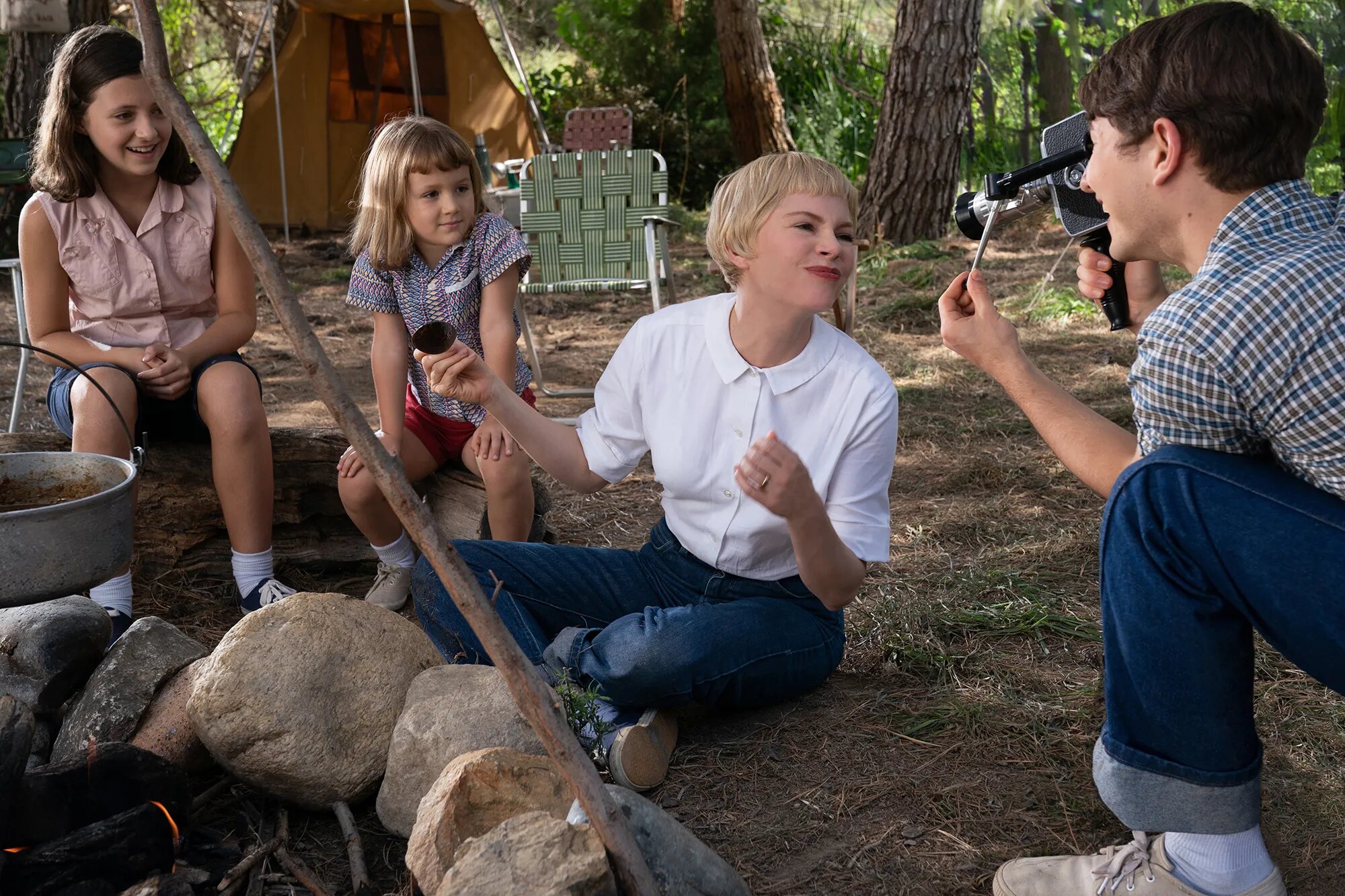
The Fabelmans (2022)
The Fabelmans is often described as director Steven Spielberg’s semi-autobiographical movie about his inauguration into filmmaking, and while it certainly is that, I’d venture to say that it also functions as a universal coming-of-age tale, with protagonist and Spielberg stand-in Sammy Fabelman (Gabriel LaBelle) learning harsh truths about identity, family, and passion for the first time.
Here, we see how so much of filmmaking is intertwined with his life, and how the movies inspire his personality (and vice versa). Whether you’re a fan of Spielberg or not, this movie will surely win you over with its beautiful imagery, impressive technique, and big, big heart.
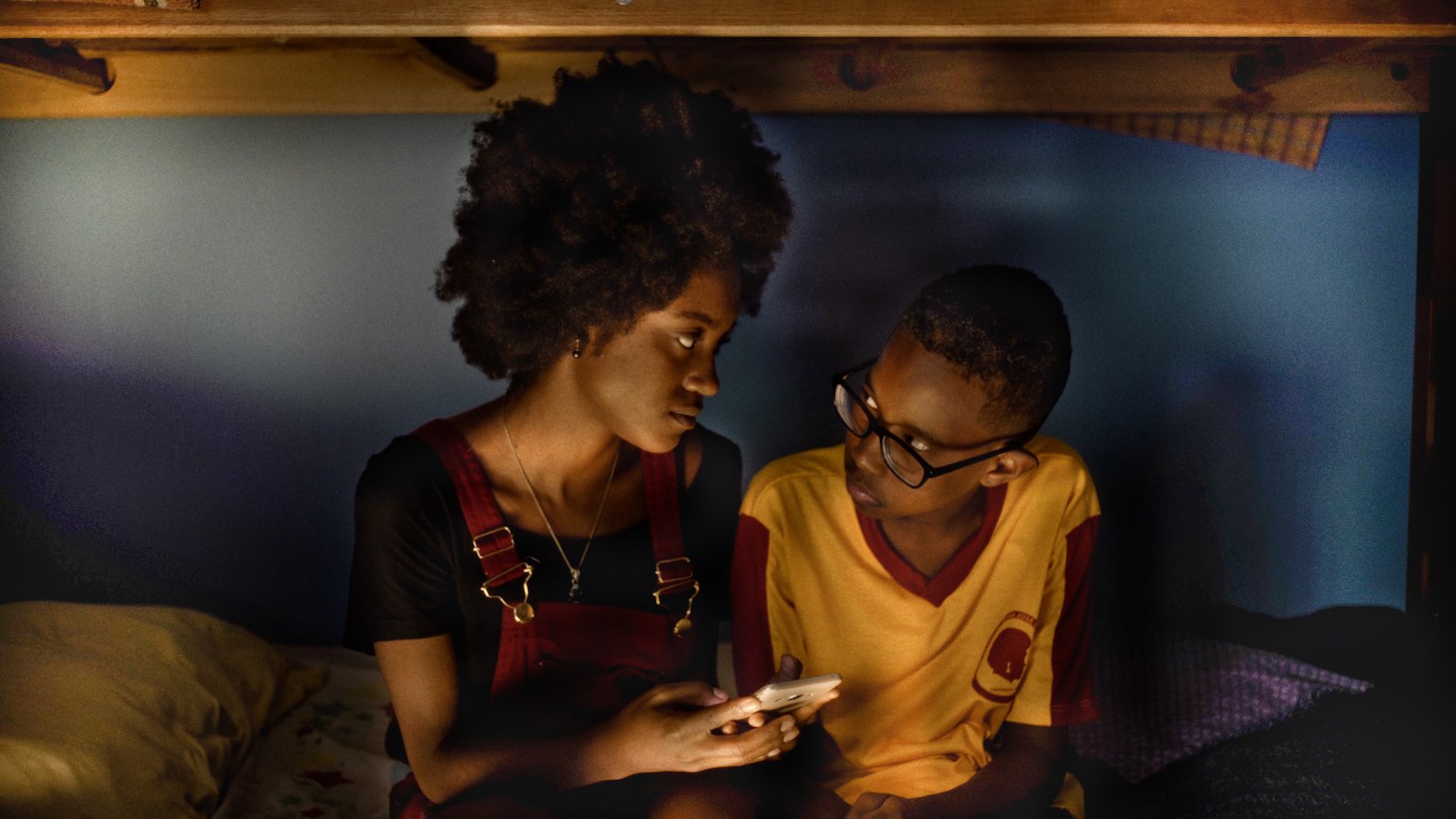
Mars One (2023)
Mars One is a tender, wholesome drama that centers on The Martins, a family of four living on the fringes of a major Brazilian city. Their lower-middle-class status puts them in an odd position—they’re settled enough to have big dreams and occasionally lead lavish lives (the mother and the daughter like to party) but they barely have the means to pursue that kind of lifestyle. As a result, they’re always searching and wanting, aiming high but almost always falling flat on the ground.
There is no actual plot in Mars One. Instead, it studies its characters in a leisurely and almost offhand manner. The approach is so naturalistic, you’ll almost forget you’re watching a movie. But it’s still gorgeously shot and staged, Brazil being an inevitably striking background. At once gentle and vibrant, this big-hearted film is a must for those who are suckers for well-made family dramas.
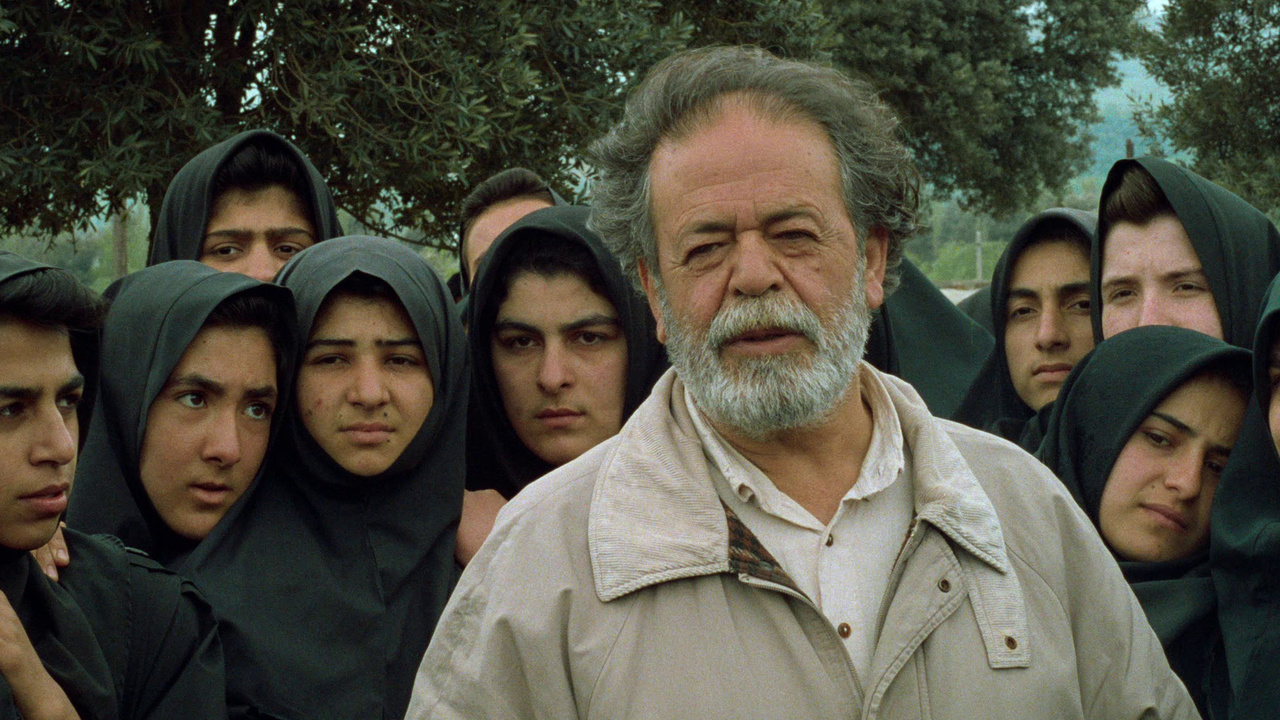
Through the Olive Trees (1994)
We’ve heard of films within a film, but it’s crazy how many layers Through the Olive Trees operates in. Writer-director Abbas Kiarostami completes his metanarrative journey in the Koker trilogy through a slice-of-life comedy about a couple in the periphery of the previous installment And Life Goes On. As the young man Hossein repeats his plea for marriage to Tahereh, casted as his wife, the insistence can be slightly grating, but in doing so, the everyday dealings of the Iranian village hint at what’s underneath– the earthquake from four years ago that still shapes their lives, the socioeconomic and culture barriers, and the mirrored struggle of creating the artistic vision of the film within the film.
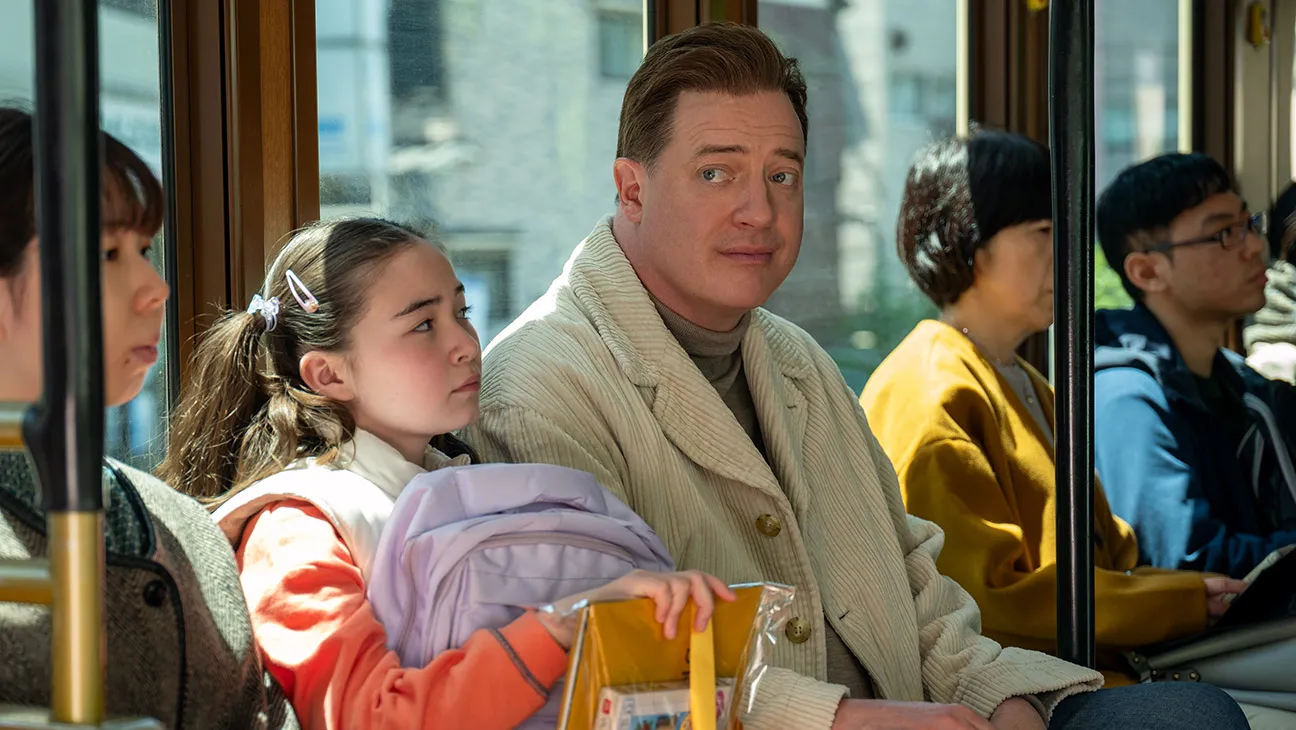
Rental Family (2025)
Since the 1990s, Japan has offered the service of pretending to be one’s family, friend, or lover. Rental Family isn’t the first time the West has ever depicted this service, but at a time of increased isolation, division, and loneliness worldwide, the very concept directly addresses that need for perceived connection. Why is there a need to fake it, rather than to form it for real? With Hollywood’s own Brendan Fraser, this comedy-drama considers how that perception has been tied closely to the outcomes of one’s life, gently recognizing how difficult it is to balance it with other concerns. Rental Family doesn’t fully resolve its client characters, but like director Hikari’s previous work, it asks its audience to reconsider the notions surrounding the rental family service.
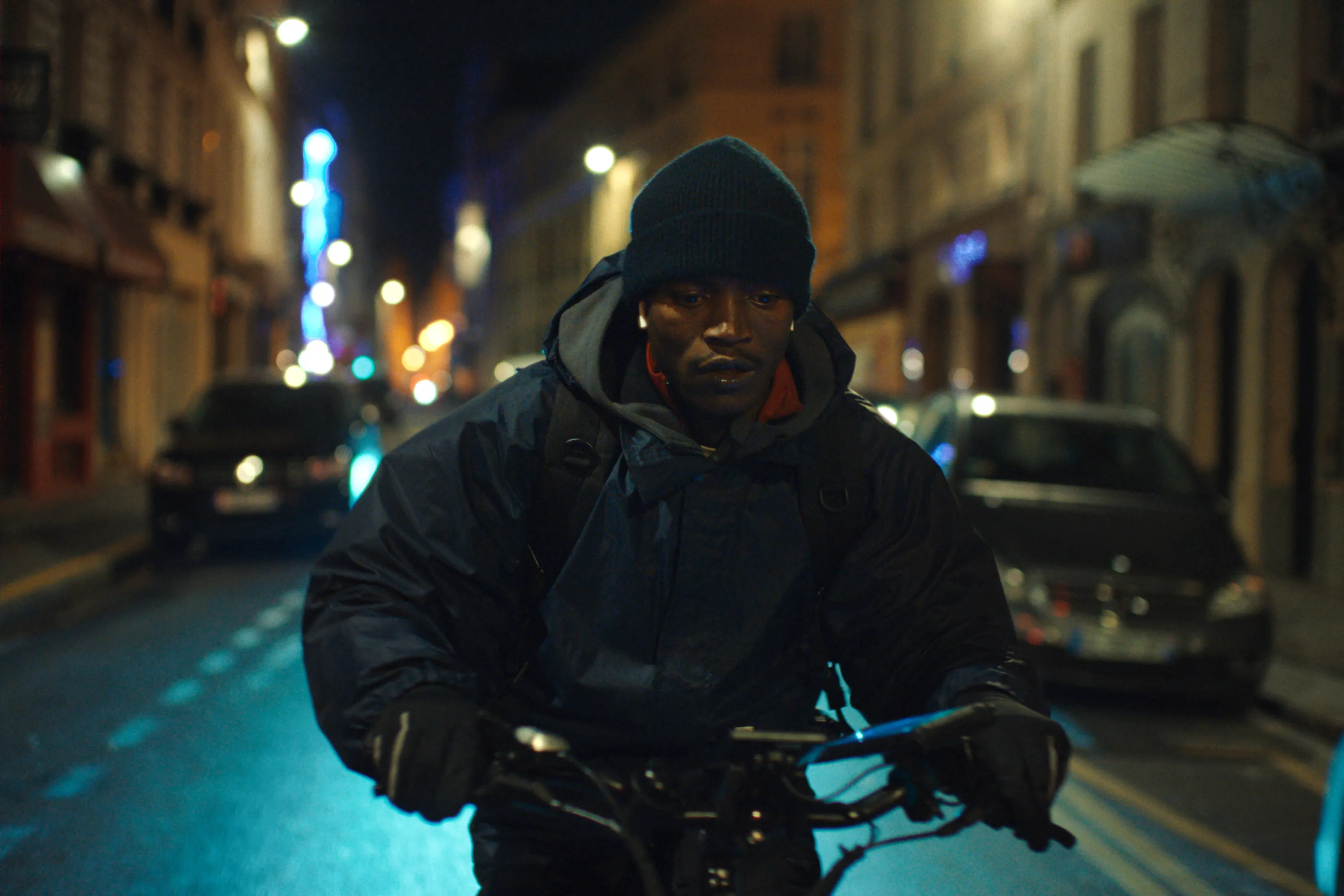
Souleymane’s Story (2024)
What is Souleymane’s Story? Right off the bat, that’s what everyone asks from Souleymane. It’s what his fellow immigrant asks, while he’s being coached to recite a completely different tale. It’s what his food delivery customers ask, when the app profile doesn’t match his details. And, in an outstanding sequence between newcomer Abou Sangaré and an inscrutably efficient Nina Meurisse, it’s what the OFPRA officer asks, in order for him to secure asylum. The motions of his struggles are familiar. Souleymane rushing all over the city is somewhat reminiscent of Take Out and Man Push Cart. However, the structure and framing highlights exactly why he needs control over that narrative. The story he tells– true or untrue, delivered with a practiced air or stuttering out his mouth– is the only thread he could hang onto for a better life.
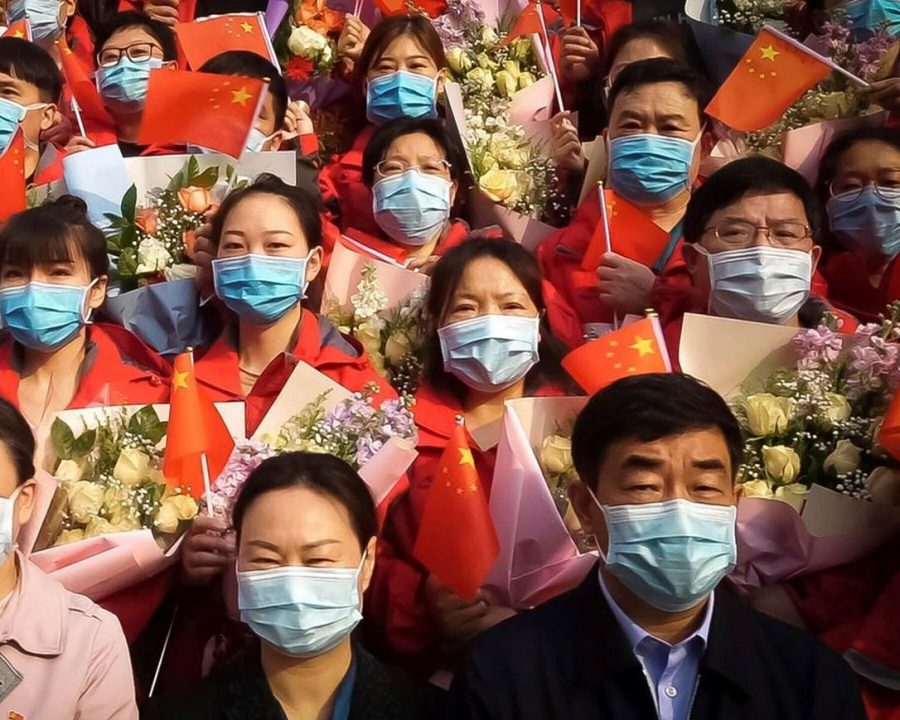
In the Same Breath (2021)
The culture of propaganda and cover-ups that kicked off the pandemic is the subject of this compelling documentary by award-winning director Nanfu Wang (One Child Nation). Wang, who traveled with her family to China in January 2020, saw and filmed the pandemic firsthand, and wrote to major newspapers like The New York Times to convince them to write about it. They never did.
Media and government in both China and the U.S. played down the threat, and this documentary asks how different everything would have gone otherwise. More dauntingly, it’s an examination of how the Communist Party in China managed to use the event to its advantage.
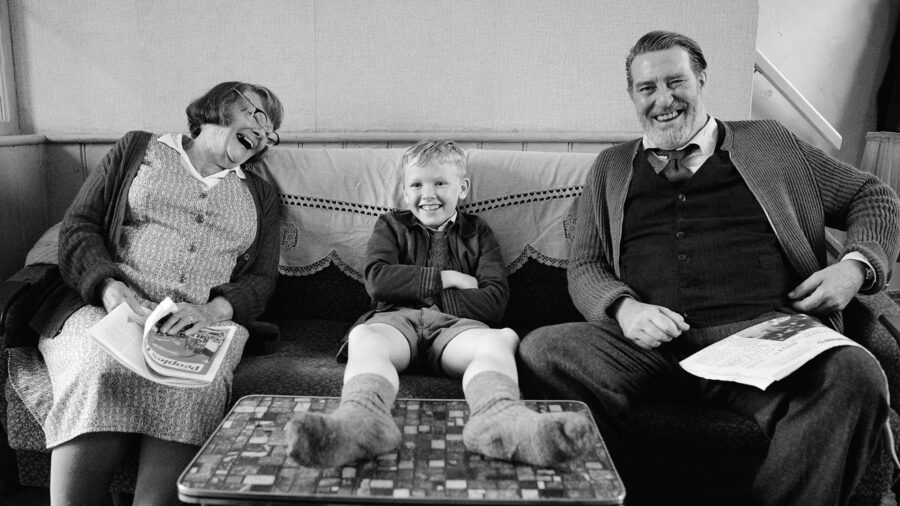
Belfast (2021)
Belfast stars Outlander’s Caitríona Balfe as the mother of a working-class Northern Irish family during The Troubles. Religious tension and the lack of opportunities put the family in a difficult position: they’re the first in many generations to think about leaving the city of Belfast. They all have to navigate so many difficult questions on belonging, religion, and identity.
The story, based on the director’s own childhood, is packaged in a noise-canceling black and white format. Also stars Judi Dench.
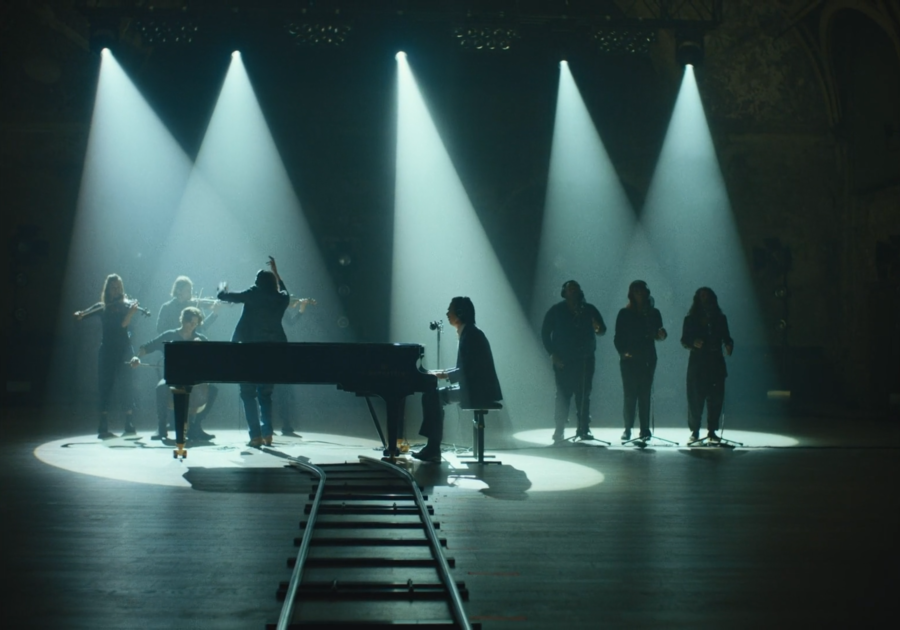
This Much I Know to Be True (2022)
Whether or not you’re a fan of Nick Cave’s contemplative, idiosyncratic style of music, This Much I Know to Be True still works on a purely experiential level. There’s confusion, then a rush of euphoria, then an overwhelming sense of peace when listening to Cave’s (and musical collaborator Warren Ellis’s) cryptic lyrics and delicate compositions—shot with breathtaking use of studio lights by director Andrew Dominik and cinematographer Robbie Ryan.
And things only get more emotional when you consider how far Cave has come, that these performances are happening several rough years from the untimely death of his son. And suddenly even all the unrelated B-roll footage included in the film—of Cave talking about his sculptures, talking to Ellis, answering profound fan emails—takes on a greater urgency. This sounds like music for mourning, but in its own way it’s music for celebration, too, and gratitude despite everything.
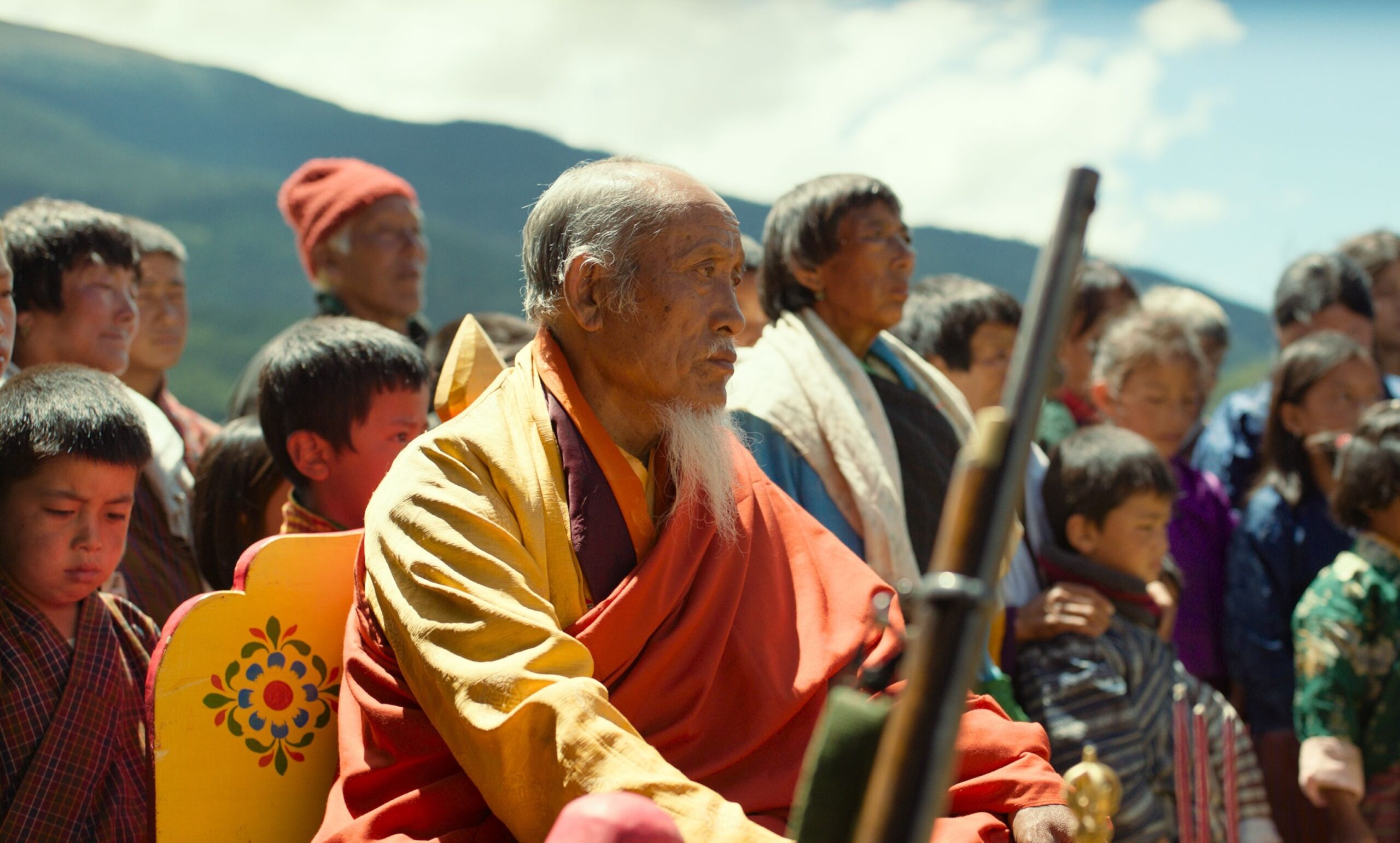
The Monk and the Gun (2024)
To plenty of countries around the globe, democracy has become so ubiquitous that we forget it’s relatively new, at least relative to the rest of human history. Bhutan is one of the last countries that became a democracy, and writer-director Pawo Choyning Dorji chose to depict a slice of how they made the shift in The Monk and the Gun. As Tashi sets out to obtain two weapons for his mentor, and Ron seeks a specific antique gun, Dorji presents slice-of-life moments of the beautiful Bhutan countryside, intercut with the subtle ways tradition still persists amidst modernity, and the funny ways change can clash with culture. It’s no wonder The Monk and the Gun was chosen as the Bhutanese entry for the Best International Feature at the 96th Academy Awards.
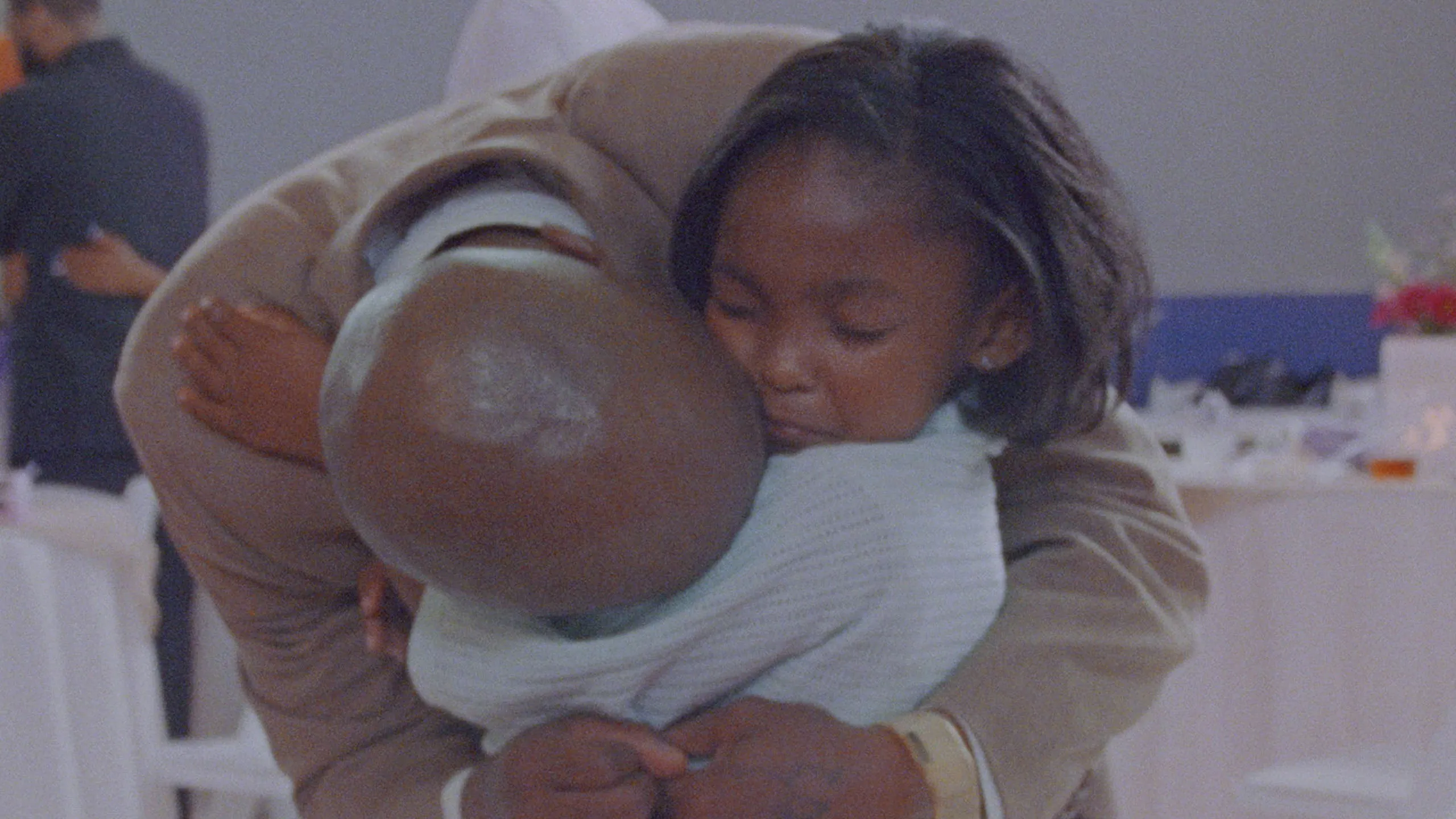
Daughters (2024)
There are three threads in Daughters that directors Natalie Rae and Angela Patton weave beautifully together. The first thread follows the incarcerated men who gather every week to talk about fatherhood, mostly, because of the program that they’re in, but also: masculinity, race, systemic poverty, social mobility, and the skewed prison system in America. The discussions are raw and enlightening. “This isn’t normal, that we’re all in here,” one of the men wisely says, and it feels special to witness that moment of shared empowerment. The second thread follows the daughters, whose ages range from 5 to 15. In line with the film’s honesty, it shows us girls who miss their fathers and girls who don’t; girls who know everything about them and those who can’t even remember their faces. One is oblivious, the other suicidal. This part is enlightening in a different way: you hope the kids are too young to realize what’s going on, but that’s almost never the case. The final thread is where the two others meet: it offers the most heartbreaking parts of the film, but also the most beautiful. Both parties dress up, take pictures, move on the dancefloor, and say their inevitable goodbyes, and all this is captured in the same darklit, grainy color as the film cameras the fathers and daughters are given to document the dance. The direction and editing is artistic, but never in a gratuitious way. Instead, like other parts of the film, it’s filled with gentleness and empathy.
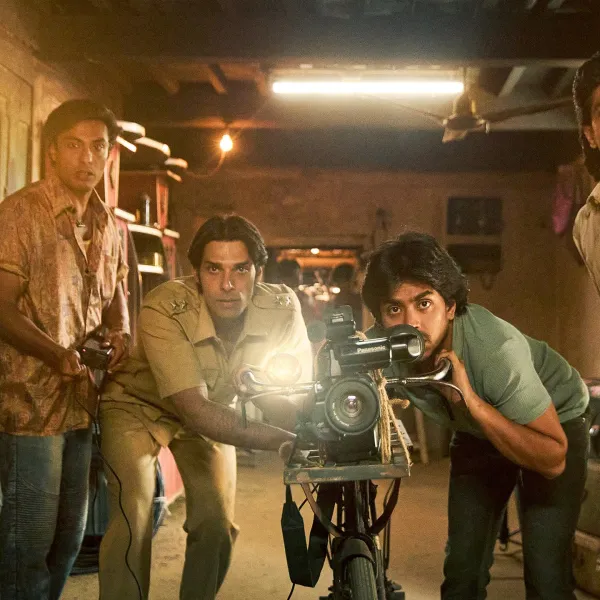
Superboys of Malegaon (2025)
Based on the life of a real small town filmmaker, this coming-of-age film is a familiar underdog story. After their small movie theater shut down due to piracy, Nasir and his friends decide to create their own, in spite of not having the money or connections to do it. You can probably tell what happens next, given the numerous films about artists with humble beginnings. But despite the tropes, the rushed reconciliation, and not delving into some of the religious tension behind Nasir’s retirement, Superboys of Malegaon still feels refreshing, because it truly understands why the underdog is so compelling. With only their love for the craft to guide them, these boys capture the fun and wonder of making films in their own community, for their own community. Superboys of Malegaon truly listened to their story.
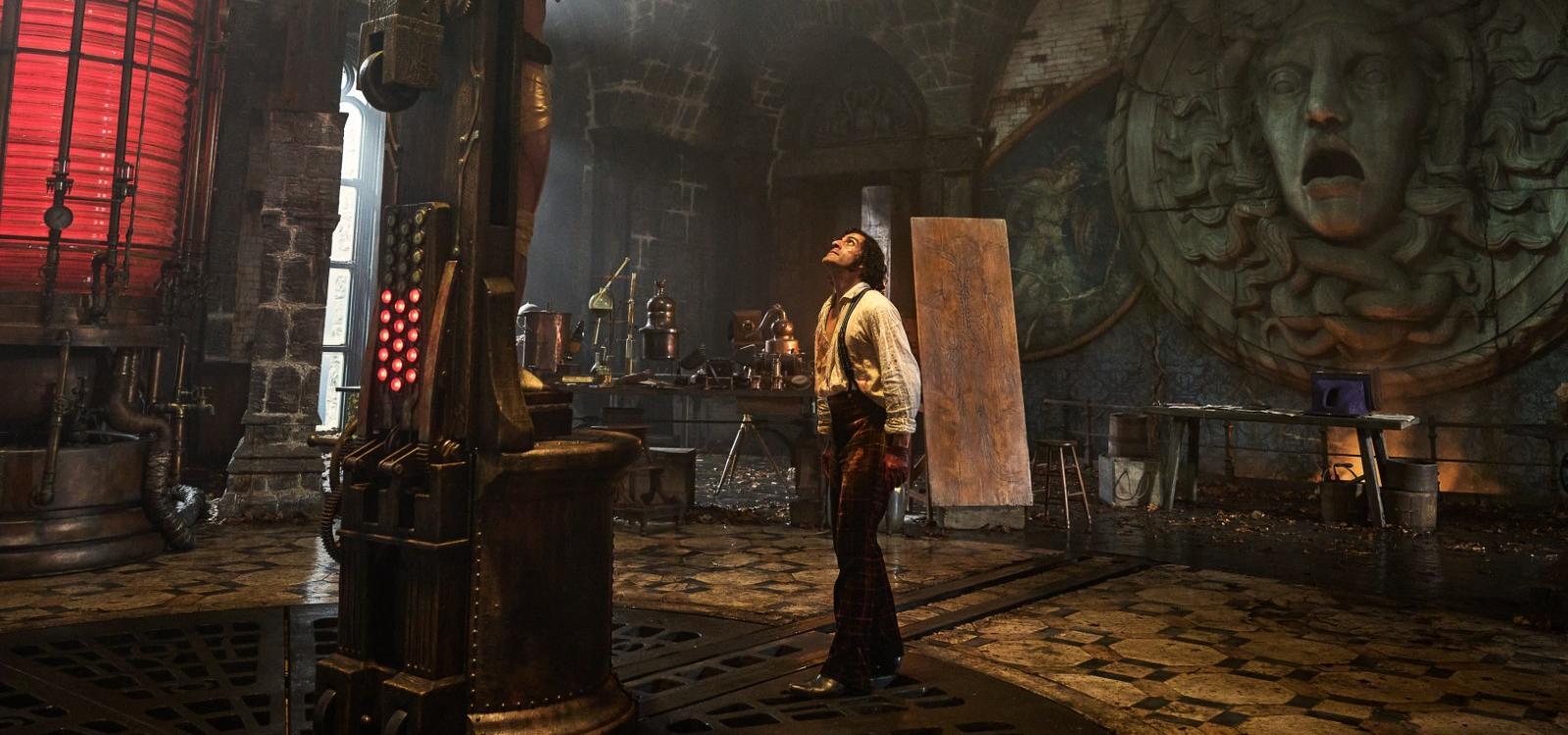
Frankenstein (2025)
After more than 400 separate film adaptations, is there anything new to say about the monster that birthed the sci-fi genre? Turns out, yes, there is. Writer-director Guillermo del Toro has long dreamed about adapting his favorite movie monster, and it shows, with the few changes he makes to the story. Some book purists may find these changes off-putting, but the way del Toro structures the film actually lines his version closer to the original novel, remixing its epistolary form through a POV shift halfway the film. The shift does erase some of the ambiguity, as film adaptations often do, but overall, it’s a move that makes sense for del Toro. It’s a change that highlights his fascination for the human in the monster, and it’s a change that the cast gamely takes on with their excellent performances.
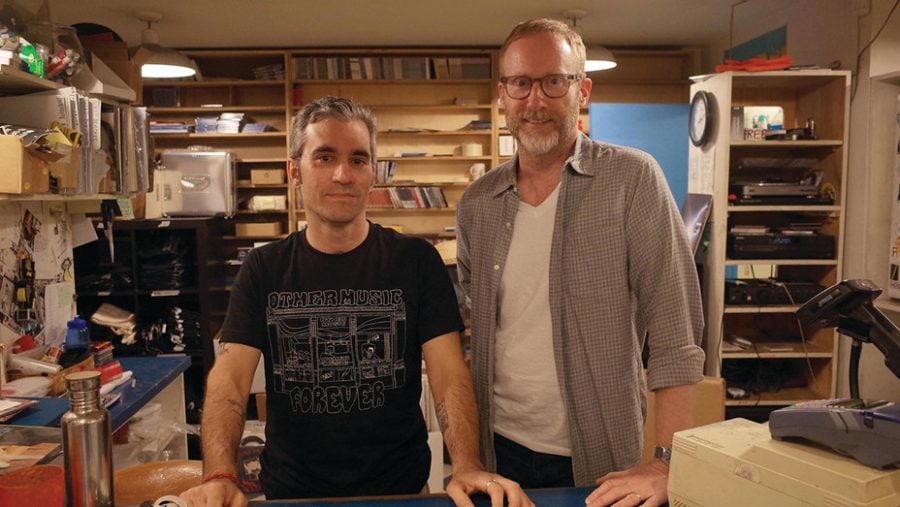
Other Music (2020)
This immersive documentary is about a beloved independent record store that opened in front of a major music chain in Manhattan in 1995. Its founders called it Other Music, a jab at the chain and a reference to the music it would carry.
Other Music would go on to become a mecca that welcomes music fanatics from around the world. Its clerks would become legendary for their shaman-like knowledge, many famous bands would have their start at shows in the store, and Other Music would even re-issue artists who were forgotten.
But in today’s hostile world towards independent cultural institutions, can anything, however influential or successful it may be, live?
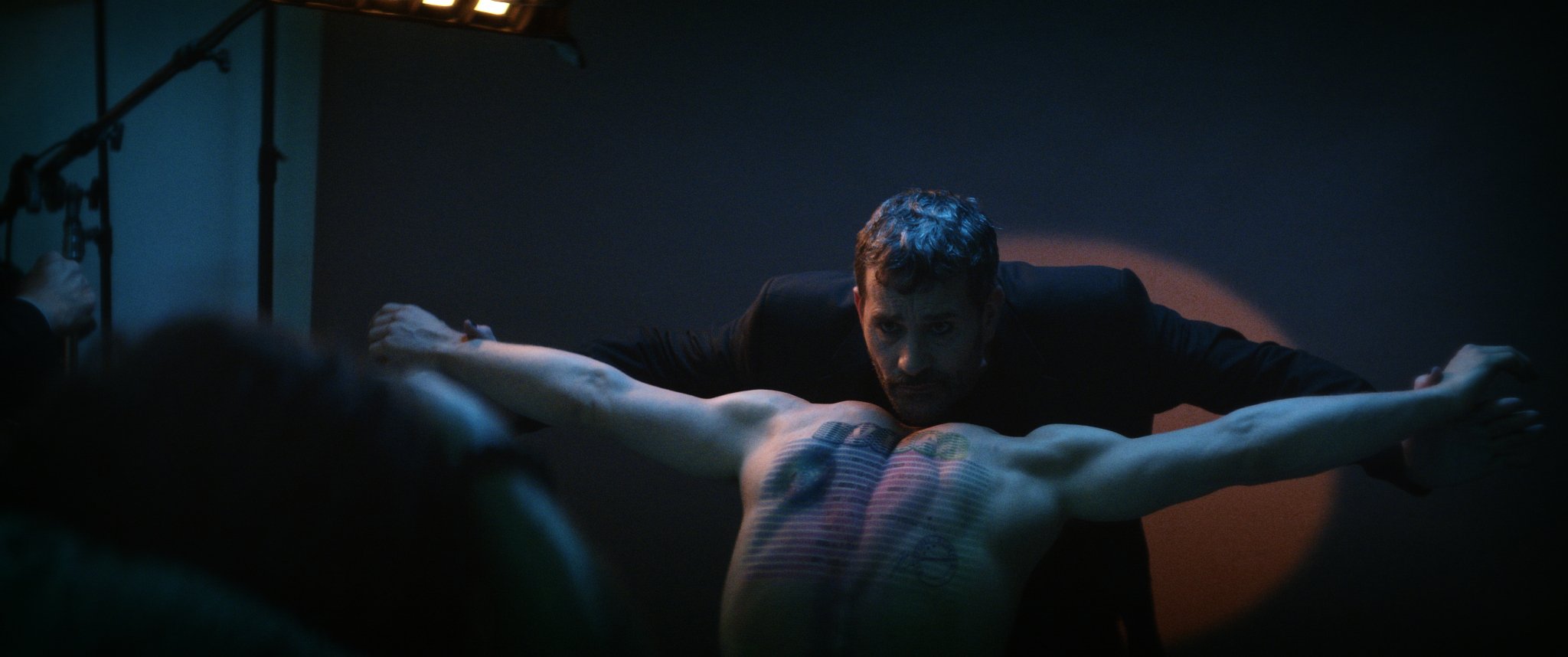
The Man Who Sold His Skin (2020)
Tunisian director Kaouther Ben Hania’s new movie is about an arrogant European artist who tattoos a Syrian man’s back, essentially turning the man’s body into artwork.
The man, as a commodity, is able to travel the world freely to be in art galleries, something as a simple human with a Syrian passport he couldn’t do. Seems unlikely? It’s based on a true story.
But Ben Hania is not really interested in the political statement aspect of this unlikely stunt. Instead, she looks at what this would do to a human-being, to the man’s self-esteem, his relationships, and the turns his life takes. It’s a fascinating movie.
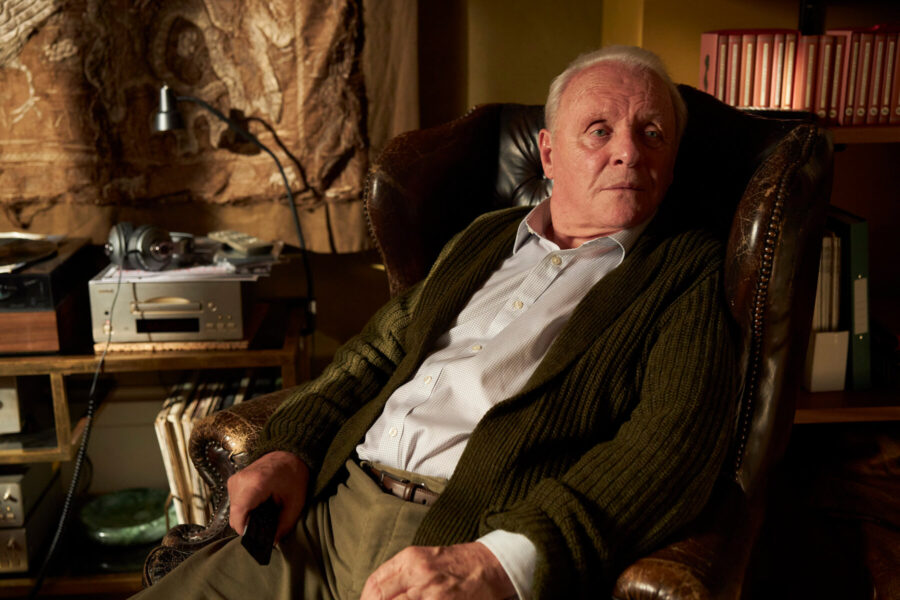
The Father (2020)
The Father is a compelling inner look at the ways dementia distorts memories. By occupying the unstable headspace of 80-year-old Anthony (Anthony Hopkins), the film allows us to experience his frustration and confusion firsthand. We, too, are unsure about the ever-shifting details we’re presented with. Conversations are circular and time seems inexistent. The faces we know are swapped with names we don’t know. Even the tiniest elements, such as the wall tiles and door handles, are constantly changing in the background. We grasp for the slippery truth with Anthony but always come up empty and unsure.
In a thoughtful move by director Florian Zeller, we also get a glimpse of the lives surrounding Anthony. The daughter Anne (Olivia Colman), in particular, is often the victim of her father’s tirades, but she takes care of him still, conflicted as to where to draw the line between his needs and hers.
With its fluid editing, subtle detail-swaps, and empathic portrayal of characters, The Father is just as technically impressive as it is movingly kind.
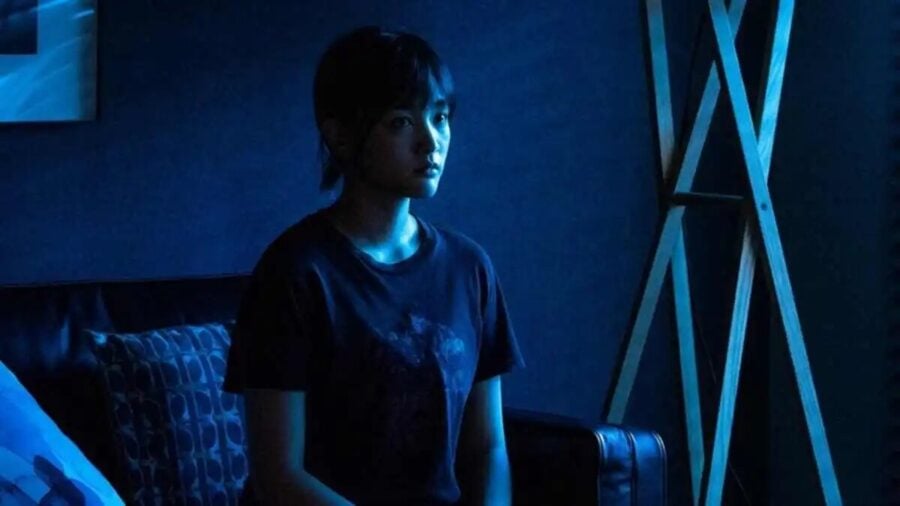
The Falls (2021)
All the synopses going around the internet won’t fail to let you know that The Falls takes place at the height of the COVID-19 crisis. The film is certainly marketed that way, with commercial posters featuring the leads in ubiquitous face masks, socially distanced from the blurred crowd.
But interestingly, The Falls is not just a situational, pandemic-era story. More than anything else, it tells the story of Pin-wen and Xiao Jing, mother and daughter who, despite previously living a life of comfort, are now dealt with unfavorable circumstances (exacerbated but not entirely caused by the pandemic). Now, they are forced to navigate life with only each other, and it’s in the isolation they instate from the rest of the world do they forge a genuine and heartwrenching bond any and all family members will immediately recognize and perhaps even sympathize with.
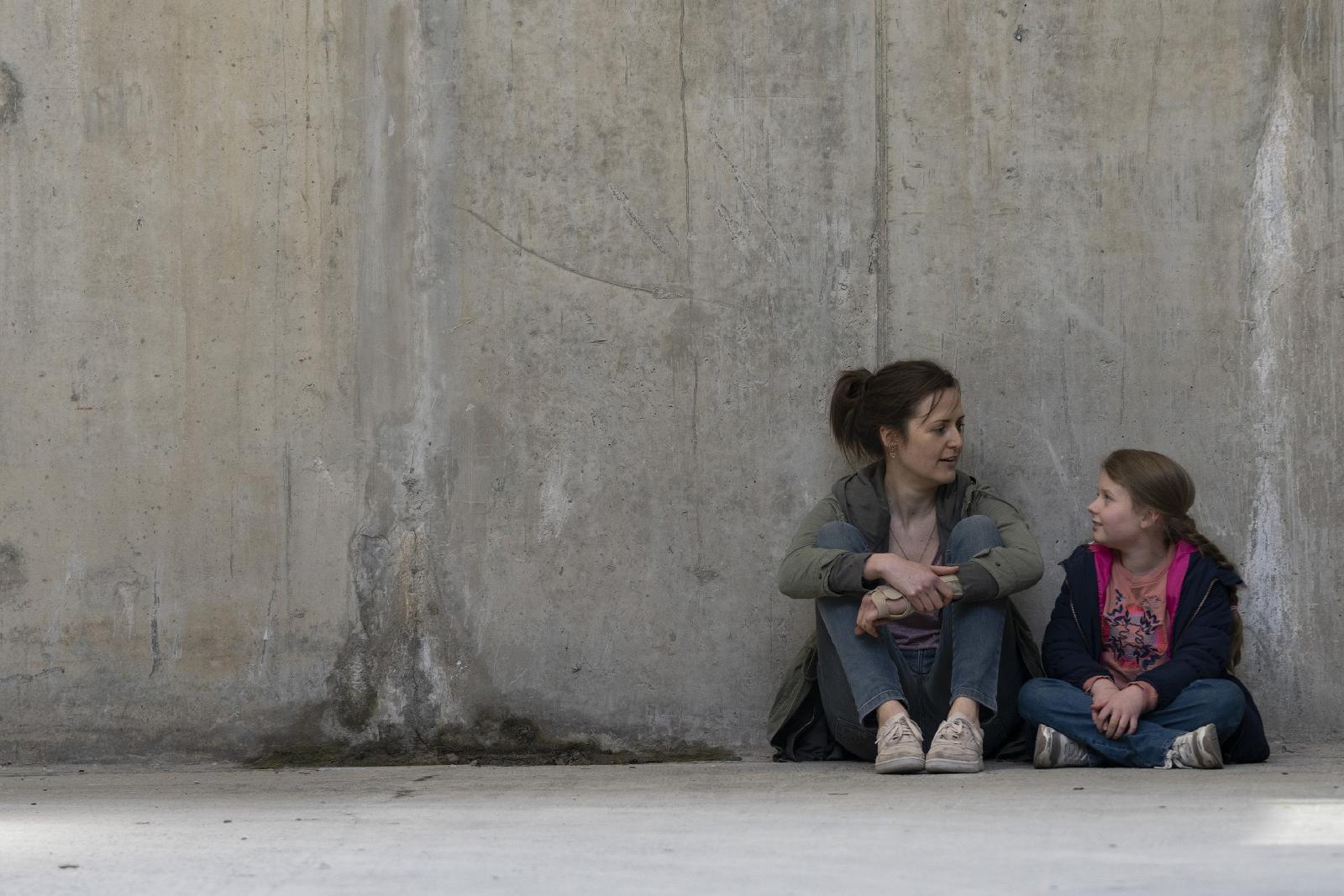
Herself (2021)
Herself tells the story of Sandra (Clare Dunne), a single mother who runs away from her abusive husband to start a new life with her children. When welfare and charity prove to be insufficient with their help, she takes things into her hands by building a house of her own.
This Irish movie, co-written by star Clare Dunne, may be small in scale and budget, but it is affecting in big and powerful ways. Despite what girlbosses might tell you, chasing full independence isn’t always as easy or even empowering as it looks, especially when you’re stuck in the lower rungs of society like Sandra; Herself takes the honest approach by showing us the unglamorous side of making it on your own. It also has meaningful things to say about marriage and divorce, so if you were moved by Marriage Story or Kramer vs Kramer, you may feel the same about Herself, which references the latter two’s iconic courtroom scenes.
No titles match these filters.