The Best Biographical Documentaries Movies to Watch
To access filters, visit our homepage.












Unlike the other documentaries depicting “Hollywood’s smartest dumb blonde”, My Mom Jayne takes on a different approach to Jayne Mansfield. Already the title tells you that it’s from the perspective of one of her children– namely, her youngest daughter Mariska Hargitay– so naturally, it takes a more respectful depiction than what’s been shown of her peers. Hargitay and her siblings present a different kind of retrospective, reassembling the remaining fragments with a more personal touch and an unexpected family mystery. My Mom Jayne is such an excellent portrait of Jayne Mansfield, one that opens surprising layers to the person behind the bombshell persona.
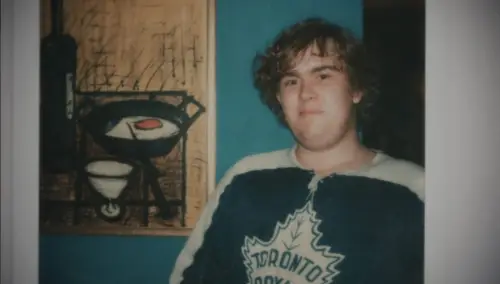
John Candy: I Like Me takes a somewhat standard approach in remembering the titular comedian. The film pulls out old footage, brings together his loved ones, and they sing praises of what a good guy he was. Given his profession, there were also certain moments where the film explains some jokes, which kills some of the humor. However, it’s a testament to Candy that it doesn’t come across as totally boring, even for non-comedy buffs. Like looking through old photo albums, and rewatching an actor’s old work, John Candy: I Like Me genuinely likes the guy, celebrating the gentle soul and consummate performer that helped define his generation’s comedy.

Come See Me in the Good Light takes a somewhat conventional approach in documenting poet Andrea Gibson’s battle against cancer, though that doesn’t mean it’s boring. It works because of the people this documentary follows. It won’t be surprising to hear that Gibson and their partner Megan Falley have the precise words to express this journey– They are poets, after all– but the way each conversation is arranged builds upon each other, easily capturing the context for some of Gibson’s works, as well as how their love transformed the both of them, in spite of all odds. Come See Me in the Good Light does exactly what it says in the title, transforming a familiar battle with illness into an uplifting inspiration of a life well lived.
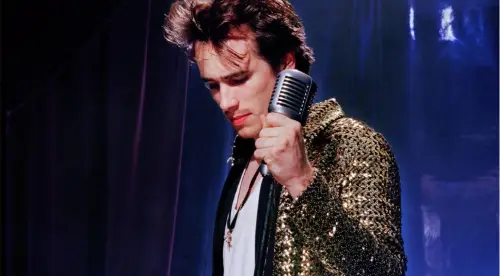
It’s Never Over, Jeff Buckley depicts the life of a musician whose time was cut too short. It’s a tale you might have heard before. He fell in love with the guitar at a young age, busked in small cafes and downtown bars, and won over fans and record labels to create one excellent album, but died just before stardom. This documentary depicts this somewhat conventionally. That being said, while it lacks in original approach, it captures the emotions well, understanding what moved Buckley to his craft. Tackling the loss of his father, music as his refuge, and his conflicted thoughts about fame, It’s Never Over unpacks the artist in a deeply personal way.
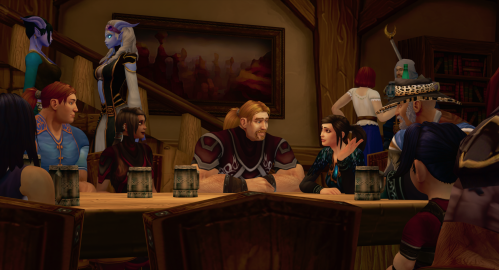
In the first twenty minutes, The Remarkable Life of Ibelin seemed to be quite unremarkable, with the usual way a biographical documentary would go, that is, loved ones waxing poetic about how great the dead person was in life. But the documentary takes this to introduce Ibelin the same way his parents discovered the online life Mats Steen lived. It’s a unique documentary, mixing in the usual home videos with the animated gameplay of the archived life Steen lived in Ibelin, but it’s grounded by, and somewhat co-created through the words Steen himself typed about his life as a disabled man, and the game history he shared with the community he formed online. The Remarkable Life of Ibelin ends up being quite a remarkable depiction of living online, that feels much more honest, human, and creative than the condescending or cautious narratives we’ve previously heard about the online world.
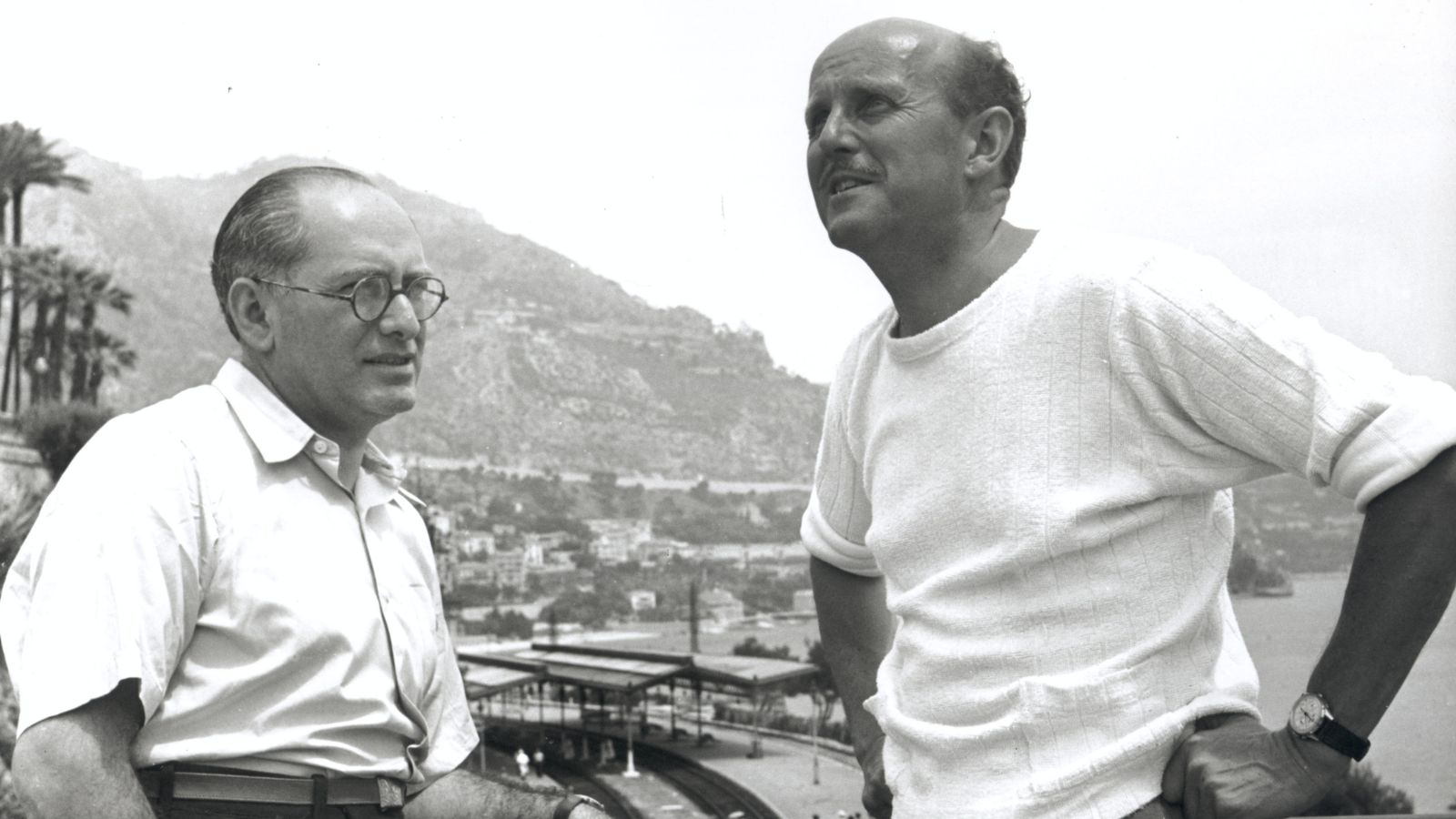
Is there anything more lovely than hearing Martin Scorsese talk about cinema? Maybe it’s just the film nerds in us– we are, after all, always on the hunt for A Good Movie to Watch– but it’s just wonderful to hear Scorsese talk about movies, especially from directors he loves and are inspired by. Made in England: The Films of Powell and Pressburger is about the influence of The Archers, and while it’s mostly a straightforward documentary, director David Hinton makes it something like a cohesive film course on the directors, with Scorsese as lecturer. Oftentimes letting the directors’ shots and music speak for themselves, with Scorsese adding needed context, it won’t be a surprise that Made In England would be a treat for film nerds, but it also would be a great introduction for casual viewers, or viewers that want to start watching classic films, like those of The Archers.
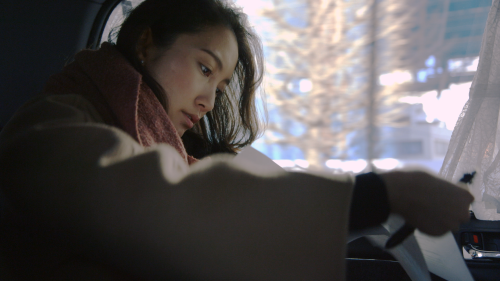
Continuing her fight to tell the world the truth about her sexual assault case, journalist Shiori Ito released Black Box Diaries. Like her book, it’s a powerful documentary. Filmed with actual CCTV evidence, with some witness accounts, and with recordings she made while investigating her case, Ito’s first foray into film is personal, vulnerable, and intimate, going through the events as it naturally unfolds. While it is depressing to witness the ways investigators, lawyers, politicians and other people have failed her, Black Box Diaries immediately reveals Ito’s resolve for the truth, and how taxing the toll was for survivors that chose to take the same path.
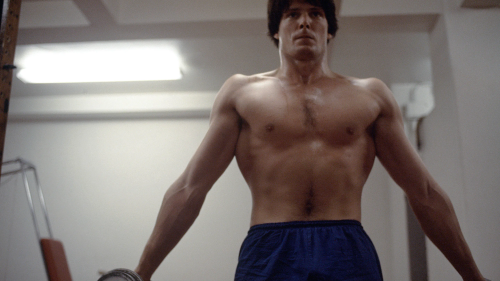
At the peak of his fame in the 80s, Christopher Reeve was constantly seen as his onscreen character, Superman. Like him, Reeve could fly (planes). He was full of charm and stood for what was right. But in this revealing documentary, we learn the whole truth about Reeve; his troubled childhood, his initial struggles with commitment, his physical talents, his love for family, and—as many a superhero star will sympathize with—his deep yearning for a creative career outside of the comic book character who made him famous. Of course, a significant chunk of the documentary also deals with Reeve’s unfortunate paralysis. We witness, through home movies and narrated biographies, how he coped with the tragedy. Making the film even more special is the input of his three children, who look back at the time with generous honesty and vulnerability. This film is made for fans of the actor, but it’s also a great example of the power of advocacy (Reeve became a disability rights activist after the accident), love (his wife Dana is a superhero on her own), and legacy (his children run his foundation to this day).
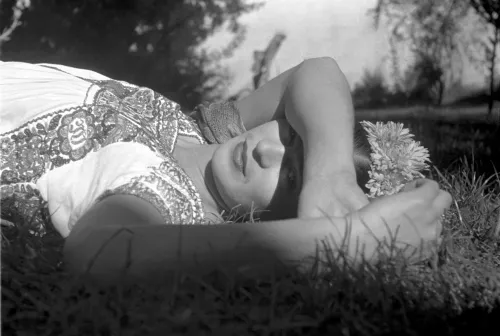
Frida Kahlo is an iconic Mexican painter, not just because of her outstanding art, but also because of her outlook in life, despite her ill health and tragic accident. Because of this, she has been talked about in multiple books, movies, and exhibitions, but a new documentary has popped up, this time from her own words. Carla Gutierrez’s directorial debut is a revelation, voiced primarily in Frida’s native Spanish and paired with key archival footage, vivid animations of her paintings, and an excellent acoustic score plucked from classical guitar. Being a biographical documentary, fans of the artist would, of course, be familiar with her life events, but Gutierrez’s approach is still worth watching, mostly because it’s Frida’s own words driving the film.
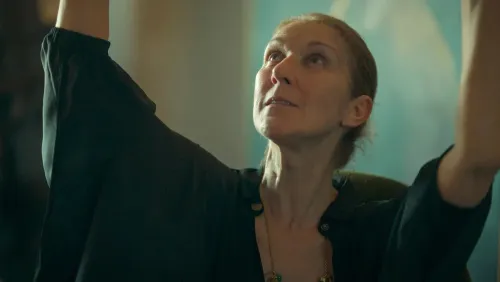
Celebrities are often described as being “vulnerable” in documentaries, but it’s never been more fitting in this case. Here, Celine Dion opens up about her near-paralyzing illness, which affects her vocal cords and muscles and consequently prohibits her from performing on stage. We see clips of the star having spasms and breakdowns as she tries and fails and tries again to get her voice back. More than just a simple biography of what Dion has achieved, which we already know is massive, the film is largely about the doubt that creeps in and threatens to rock your sense of self, and the strength of the human spirit to persevere despite all that. The film is bracingly, unflinchingly raw, but it’s never exploitative, thanks partly to director Irene Taylor’s gentle direction and to Dion’s unwavering resilience.
 x1
x1 x1
x1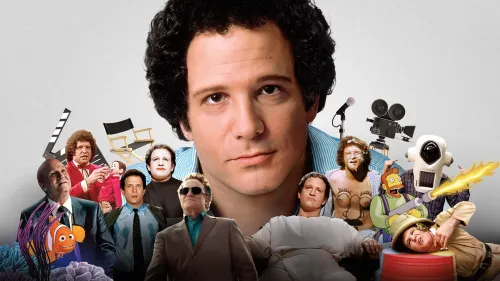
This charming documentary about one of the most brilliant, groundbreaking comedians alive strikes a delicate balance between accessible and deeply appreciative, making it both a great gateway for those yet to be uninitiated into the Albert Brooks fan club and a satisfying retrospective for us confirmed devotees. It’s directed and fronted by Rob Reiner, celebrated director himself and one of Albert Brooks’ oldest friends, and the choice is perfect: his rapport with Brooks is warm and easy, extracting real sincerity from the famously deadpan comedian-writer-actor-director.
Defending My Life features plenty of talking heads gushing about Brooks’ dazzling multi-hyphenate talents (among them Steven Spielberg and Sharon Stone), a standard convention for documentaries of this kind. But what elevates this into a portrait worthy of its subject are the scenes from a dinner shared by Brooks and Reiner, during which the former opens up about his childhood, reflects on his career, and divulges the autobiographical elements that informed his work. Their tete-a-tete flows with all the unforced rhythm of conversation between good friends; Reiner’s presence coaxes illuminating insight from Brooks, which makes watching the documentary feel as close to pulling up a seat at their table as you’d hope for. The 90 minutes just fly by.
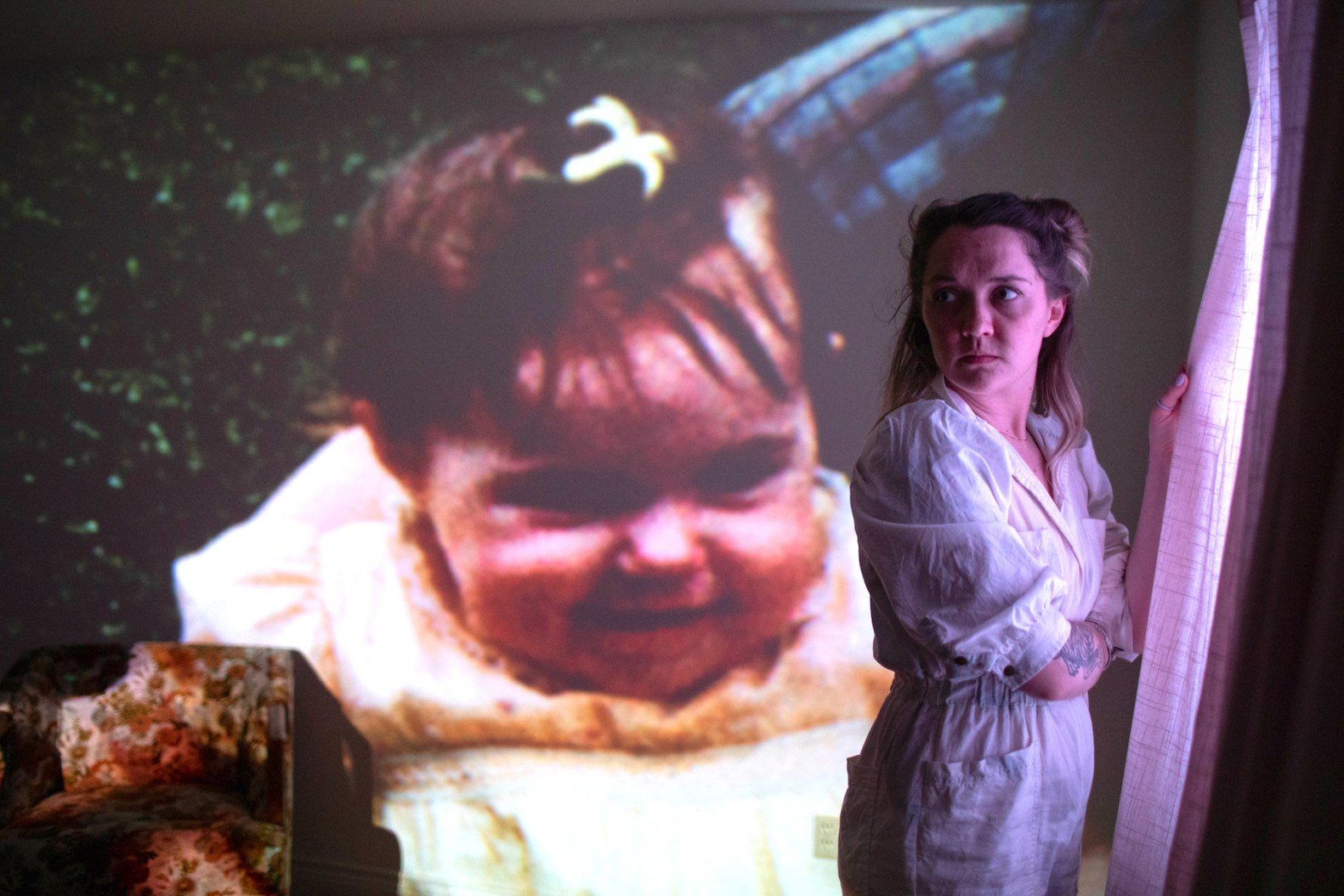
Biographical documentaries tend to depict exceptional people– people who are so great that everyone wants to know about them, and people who are so terrible that they serve as a warning. Great Photo, Lovely Life depicts a serial sexual abuser in photojournalist Amanda Mustard’s family, able to get away with nearly all his crimes each time he skips over state lines. It’s not an easy film. It’s deeply uncomfortable. There are certain interviews that will trigger anger, despair, and bewilderment over how someone so evil can remain out of bars all his life. Great Photo, Lovely Life doesn’t provide any easy, comforting sequence as a balm to sexual abuse survivors around the world, but it’s an urgent reminder of the consequences of maintaining silence.
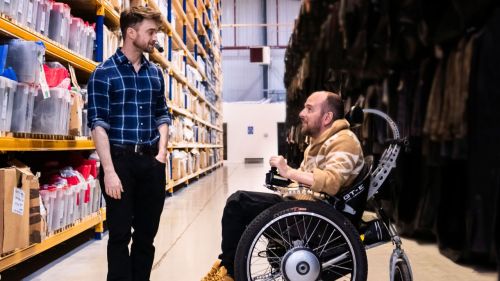
The Harry Potter movies undoubtedly changed the lives of its young stars forever — but a stuntman whose future the films had more tragic consequences for is the deserved focus of this moving documentary. David Holmes was just 17 when he was hired as Daniel Radcliffe’s stunt double, a role he held throughout the series. The two formed a close brotherly bond on set, growing up alongside one another for 10 years until a terrible accident during the final movie’s filming left him paralyzed from the chest down, a condition that has deteriorated over the years following post-surgery complications.
This doc is an inspiring portrait of David, from his fearless childhood and dream-fulfilling work to the incredible resilience he’s shown since the accident. It’s also, though, a poignant testament to the loving, supportive community that Holmes inspired at work — friendships that only reached greater depths following the accident and the end of the movies. The doc’s focus empathetically expands from Holmes’ story to include its impact on his bond with Radcliffe (who features prominently here) and Holmes’ fellow stunt doubles — and, while the sheer force of Holmes’ personality would make for a compelling documentary on its own, it’s the tenderness and honesty that all of these participants show that makes this so poignant.
I love when a misunderstood woman reclaims her narrative with her own words, and that’s exactly what Pamela: A Love Story is too, a tell-all documentary told by Pamela Anderson herself.
The documentary bares it all—the scandalous sex tape, Anderson’s troubled past, the disgusting misogyny that continues to tarnish her career. She even touches on the Hulu miniseries made about her demise (which Netflix must feel so smug about). But this isn’t a pity party. Just the opposite, the documentary is a testament to resilience. “My life is not a woe-is-me story,” Anderson says at one point, and truly, this is an inspiring and humanizing story about a woman taking charge of her own life. An absolute must-see.
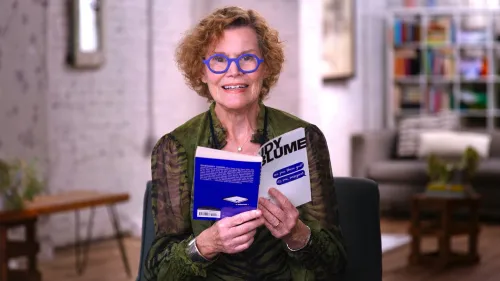
Judy Blume, the author behind enduring classics like Are You There God? It’s Me, Margaret, Superfudge, and Forever, gifts us with her comforting presence and precise insight in Judy Blume Forever, a delightful documentary about a delightful woman.
Here, Blume looks back and lets us in on the eventful private life that inspired her prolific work life. Each book has a behind-the-scenes story, which the documentary pairs with commentary from well-known fans like Molly Ringwald, Lena Dunham, and Samantha Bee. Additionally (and most memorably), the documentary also features the years-old correspondence Blume has kept with the children who wrote and confided in her. Whether or not you’ve read her work, watching this film is a heartwarming experience that will soon have you grabbing the nearest Blume classic.
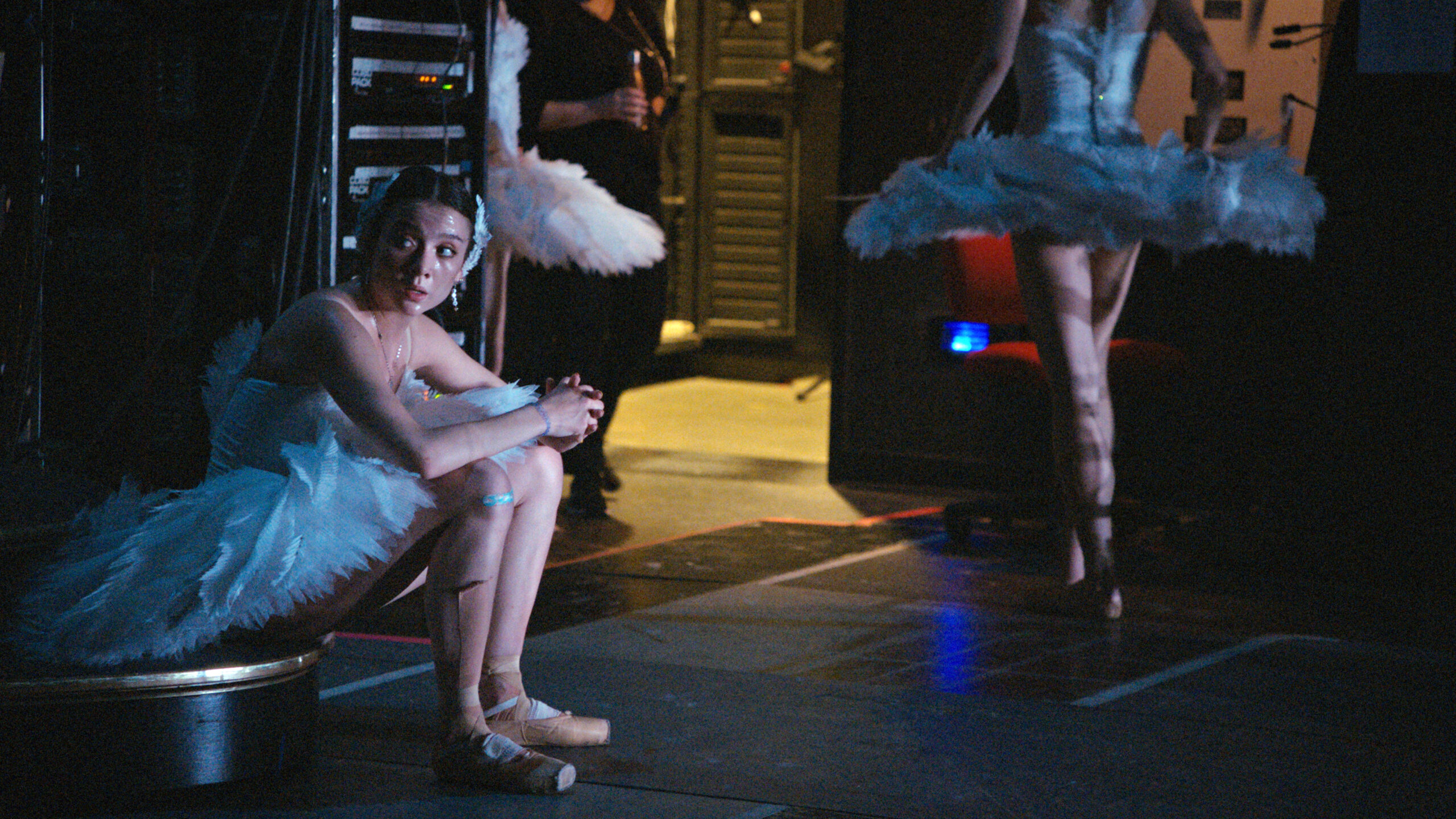
If you’re hard working and well-situated enough, you get to chase and achieve and live out your dreams for your whole life. But if you’re lucky enough, you get to choose how you’ll leave. Swan Song is the journey Canadian ballet icon Karen Kain took to direct one last production of Swan Lake just before retiring as artistic director of National Ballet of Canada. Director Chelsea McMullan takes a fairly standard approach in her documentary, but to be fair, the subject matter is interesting by itself. The beauty of the ballet has long captivated cinema, so it’s unsurprising that the beauty is present, but McMullan effortlessly highlights the way Kain shaped her directorial style based on her own experience, with more humane and collaborative leadership that allowed the country’s troupe to shine.
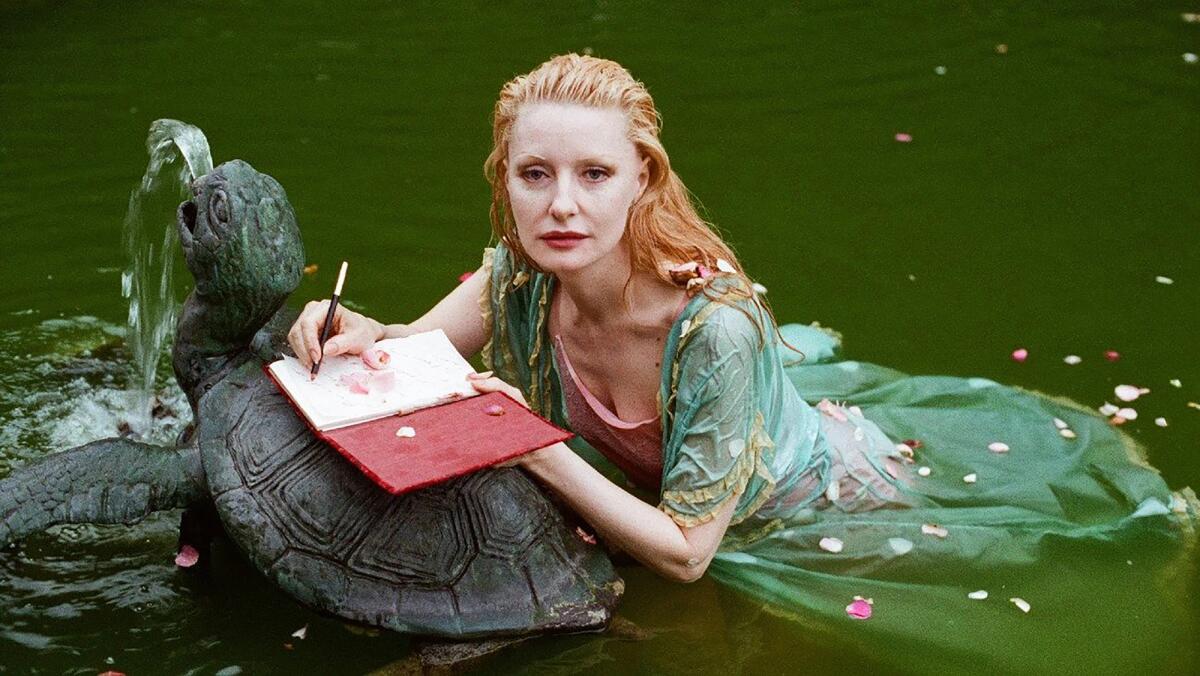
Feminism has made plenty of strides in multiple areas, but even in the era of free love, talking about sex was difficult, and certain figures were dismissed just because of it. The Disappearance of Shere Hite reexamines the titular forgotten feminist figure that simply focused on the female orgasm, giving a second look at her immediate rise and fall in the American media, and the reasons for her leaving the country. With Dakota Johnson’s soft voice, an excellent selection of archival footage, and Hite’s deeply personal words, the film paints a portrait of a mild-mannered, self-possessed woman, but it also reveals the heartbreakingly repetitive vitriol that affects these open discussions today.
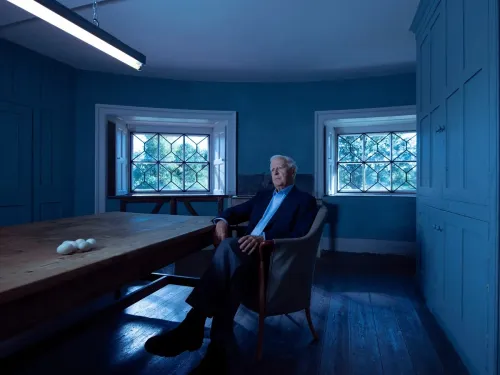
You may not know the name of Errol Morris, but you must have seen either Tinker Tailor Soldier Spy or The Night Manager, as films and TV have offered ripe adaptations of 20th century espionage novels under the disguise of simple entertainment. What you may not know is that the author of the books they are based on has been a spy himself, for most of his life. David John Moore Cornwell, better known as John le Carré (his pen name), is the subject of the latest work of detective-turned-filmmaker Errol Morris whose penchant for exploring the limits between fact and fiction has propelled the documentary form numerous times over the last decades. The film is a quasi-biographical doc with some exceptional reenactments that color Le Carré’s own tales to try and outmanoeuvre the viewer’s ceaseless desire to fix what one sees into either category: fact or fiction. With an ex-spy and a documentarian, you never know.
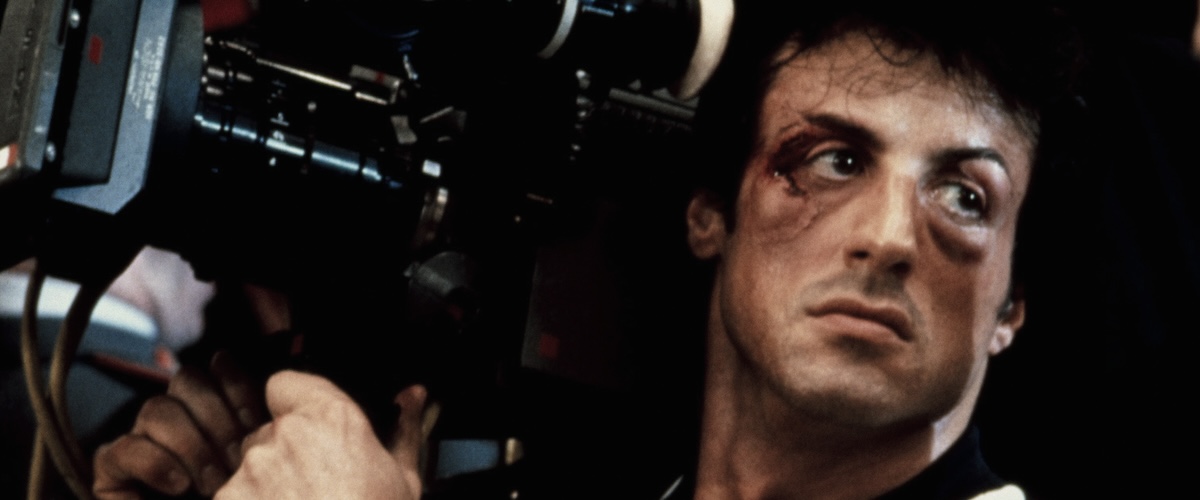
The mythology surrounding Sylvester Stallone: the action hero is so big and successful that many people, including myself, often forget about Sylvester Stallone: the prolific writer. He failed to bag roles as a young actor in the 1970s, so he whipped out a script (in a span of three days!) that became the iconic film Rocky. Later on, after witnessing the power of elderly entertainers, Stallone rewrote a screenplay that would become the ongoing franchise The Expendables. He’s a hunk in many people’s eyes, nothing more and nothing less, but Sly successfully steers you away from that one-dimensional reputation and reintroduces you to the dramatist and artist Stallone has been all along. The film begins as an immigrant story (Stallone hails from Italy), then turns into a rags-to-riches story (he grew up in a tough New York neighborhood without formal education) before finally transforming into an honest and earnest meditation on superstardom and artistry. Going in, I was wary that this would be just another puff piece on a Hollywood has-been. And while it does have its fair share of schmaltz, I now believe it’s a well-deserved and long overdue ode to Stallone’s unwavering commitment to the power of movies.
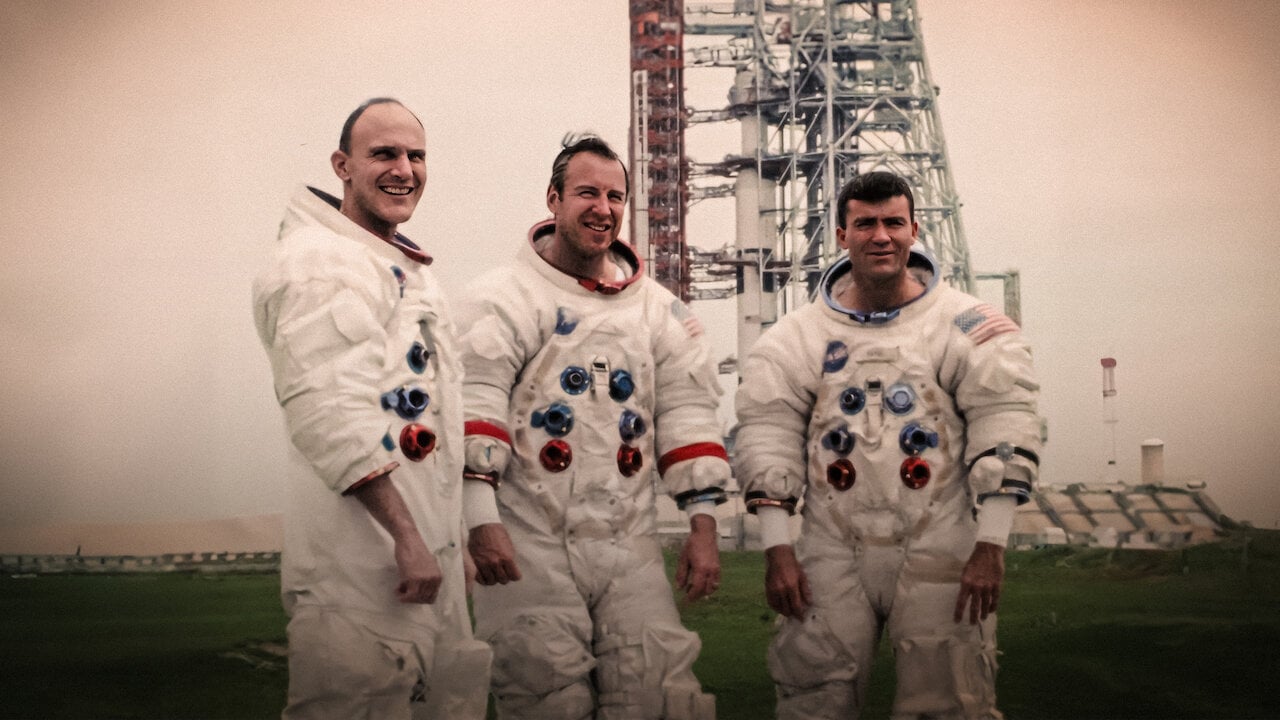
If you want a powerful, masterful rendition of the ill-fated space mission, go and watch Apollo 13 (1995). But the documentary more than half a century after the mission, and two decades after the feature film, is not half bad. Of course, being a documentary, Apollo 13: Survival is much more factual, but the true tale still manages to hold the tension, the high stakes, and the emotional pull of the actual spaceflight, with excellent editing stitching the never-before-seen archival footage and key interviews into an exciting, compelling account. That being said, older viewers that already watched the Tom Hanks drama would likely not find anything new in this film, but Apollo 13: Survival would be a decent documentary to those who have never heard of the spacecraft.

If you’re familiar with the upscale Chinese restaurant chain owner, or that Chinese boy in old 60s British films, or with his paintings, Aka Mr. Chow might surprise you because they’re one and the same. Born with two names, Zhou Yinghua and Michael Chow, Mr. Chow is just so cool that telling his life story is already interesting. From the tough immigrant experience, living alone as a boy, to his current worldwide success in film, food, and painting, it’s interesting to know that it’s possible. But the documentary dives into it, using the film medium to mirror his own creative style and artistic sensibilities. The film is able to link each of his opinions, not just with his life, but also with the historic changes in his home country. It’s an intriguing approach, if a bit superficial in certain areas, but it’s very entertaining.
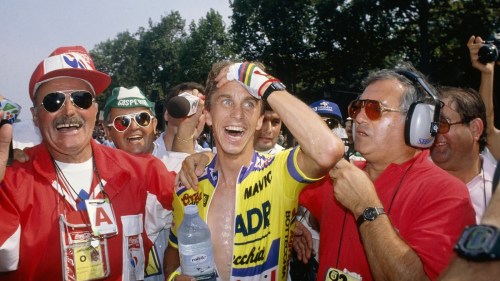
American cyclist Greg LeMond, who in 1986 won the Tour de France has been a legend in the sports world, but filmmaker Alex Holmes presents him to the wider audience with a brand-new inspirational documentary. The Last Rider is everything this kind of film can be—its hook is courage and hard work that pays off, its mode of storytelling is personal, intimate interviews, and its framework is a “modern hero” kind of narrative. By stringing together conversations with LeMond himself, his friends, family, and colleagues, Holmes tells a chronologically-sound, emotional version of a landmark career. For many, the 1986 or 1989 win wouldn’t mean much (unless you’re a sports fan or French), but the educational bits of The Last Rider make for good trivia material. If you need a courage boost, here’s the story of a professional cyclist, injuries, perseverance, and fame, to cheer you up.
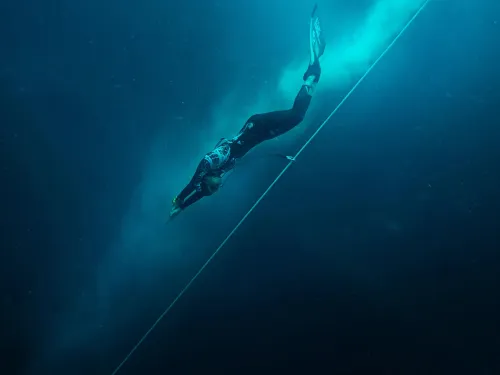
Freediving is a particularly cinematic sport because it taps into something beyond what the human body is capable of. Skilled divers hold their breath for long enough to reach more than 100 meters deep, and watching footage of that incredible feat is exhilarating, to say the least. The Deepest Breath capitalizes on that very spectacle—being exposed to death and conquering it—and banks on using archival footage of world records and training. It’s a smart move, as it keeps the spectator on edge, but it can also be a cruel way to put thrills over ethics. The editing is kept suggestive, but sometimes, shamefully, at the cost of misrepresenting Alessia Zecchini and toying with the viewer’s expectations to the point of callousness.
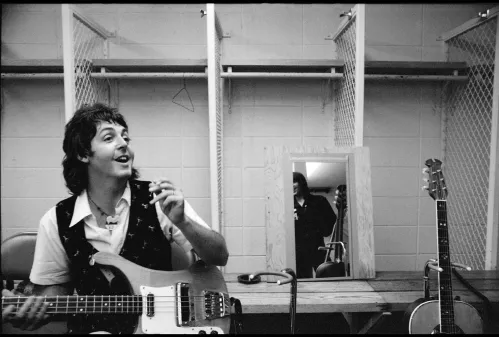
The Beatles is the greatest musical band ever created, or at least the one with the most success, most influence, and most impact in the industry. So, what do they do when that same band breaks up? Fans that have followed their careers since are likely to know what has happened, but the perspective Man on the Run presents is fascinating. Focusing entirely on Paul McCartney, this documentary clears up some of the mystery and confusion that surrounded him, the weight of the expectations and the disappointment of the fans over the break-up. Of course, the archive alone would already please fans. Filmmaker Morgan Neville simply takes that footage to celebrate McCartney’s reinvention.
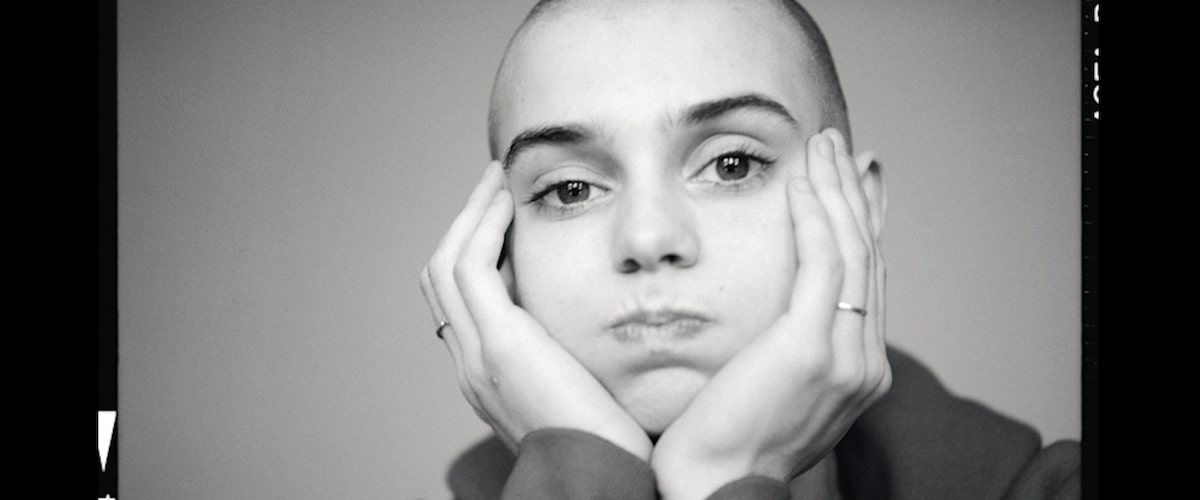
Nothing Compares weaves a poignant story about one of the most misunderstood artists of our time, Sinéad O’Connor. The iconoclast first made waves in the ’80s with her catchy music, but she quickly reclaimed the reins of her own fame and used her platform to champion marginalized causes, long before pop stars were expected to do so.
The documentary zeroes in on this part of O’Connor’s life: what prompted her to music and how she used it as a tool of activism. The answers are multi-faceted and handled here with extreme grace. Like the many from her generation, O’Connor struggled with religion and abuse, such was the Catholic Church’s hold on Ireland at the time time.
The film contextualizes her once-shocking moments and reveals how they were all grounded on things she cared about. It’s a beautiful piece of work that reassesses and redeems a wronged artist who was ahead of her time.
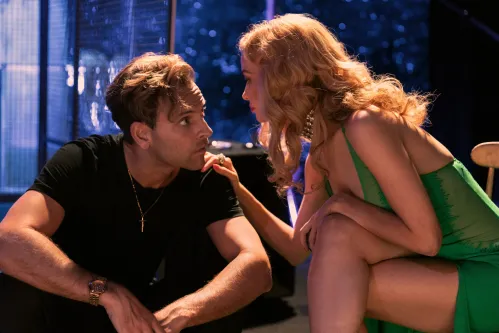
The way we are introduced to sex does shape the way sex features in our lives, whether that be an unintended glimpse into the wrong room, or an accidental encounter to NSFW media, or a proper discussion towards sex. Being inspired by, but not entirely accurate to the life of prolific Italian porn star Rocco Siffredi, sex is central to Supersex not just as his job, but as the way his family, relationships, and his concept of love is irrevocably affected by it. It’s fixated on sex, yes, but showrunner Francesca Manieri stirs the discussion not towards how hot it can be, but towards the various ways sex affirms and negates his masculinity, as well as the conceptions that determine that, and how it can slip into vice rather than healthy pleasure. There are moments where the series falters, particularly the way it depicts internalized homophobia, but overall, Supersex is a well-meaning exploration of sex work and masculinity.
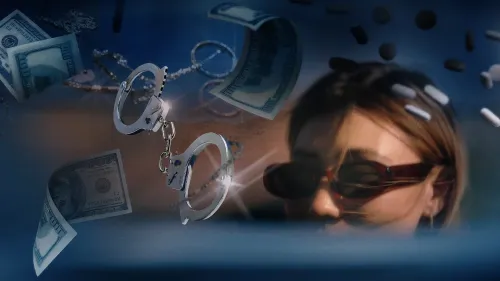
Erin Lee Carr, the director of Britney vs Spears, returns with a scoop. Ringleader is not just another pop culture doc, because it features a first-time interview with the young woman at the center of The Bling Ring robberies in Hollywood, Rachel Lee. But this is not the kind of film that tries to pick the brains of a perpetrator. Instead, the director positions herself as a journalist in front of her subject and questions her frankly, an approach resulting in amusing frankness. However, the rest of the doc feels too formulaic in the way it stitches together personal archive footage that is more or less neutral. Banking too much on exclusivity when it comes to the interview, already clouds it with expectations. One is led to ask whether Lee is good, bad, repentant or sociopathic and project onto her such qualities—a move which invites a similar fascination with celebrity life the film tries to untangle.
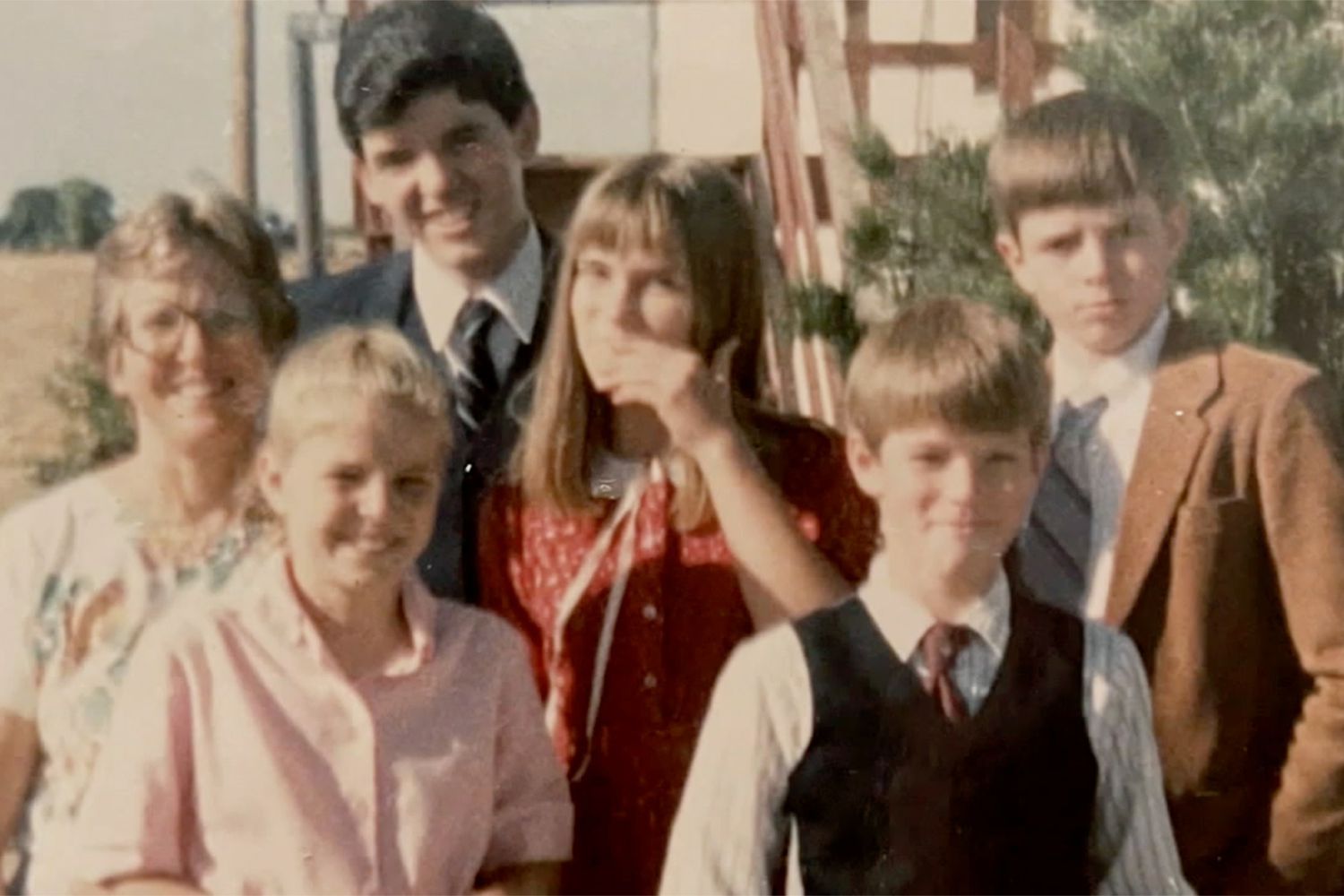
The true crime genre tends to sensationalize cult leaders like these, but Daughters of the Cult takes a more journalistic approach towards Ervil LeBaron, the leader of a splinter Mormon cult group. Primarily showing interviews, archived media, and blurry, out of angle re-enactments, the docuseries doesn’t exaggerate, knowing how horrifying the story already was, but it’s no less emotional as it comes from the perspective of the family this cult leader has tormented. Daughters of the Cult isn’t easy to watch, but it’s definitely a sobering, grounded perspective in a sea of colored cult crime depictions.
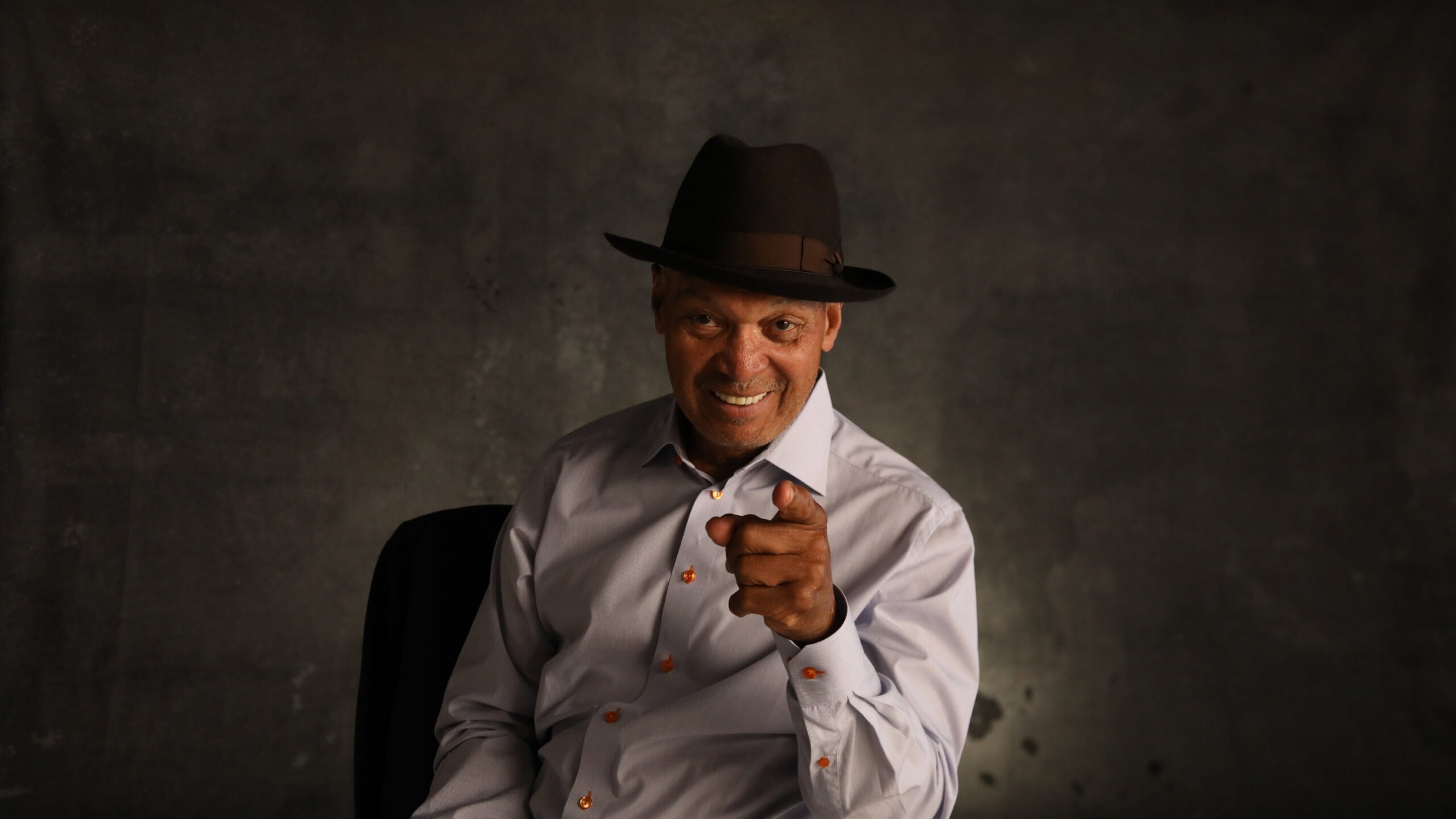
Those who grew up watching baseball legend Reggie Jackson will know that his was a name you read all over the news. One of America’s first athlete superstars, Jackson had a reputation that preceded him—he was a celebrity you’d just as soon find in Studio 54 than in the gym, wearing diamond bracelets more than baseball mittens. But in his self-titled documentary Reggie, he finally tells his story in his own words.
Reggie tracks his career in the context of the constant racism he and his fellow Black players in the league faced for many years. He explains why building the tough persona the media condemned him for years was necessary. It’s as autobiographical as it is historical, with Jackson often discussing how race informed every part of the sport, whether he wanted it to or not. The documentary is fascinating and informative, and it serves as an essential reminder of the inequality and double standards POC players faced and continue to face today.
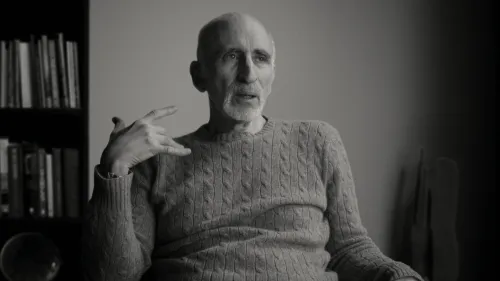
Stutz is Jonah Hill’s loving tribute to his therapist Phil Stutz, a smart and empathetic man who’s dedicated his entire life to helping people. The conversations between them, deeply personal and vulnerable, are meaningful in themselves, but Stutz also works as a helpful instruction on how to be your best self and as a metanarrative on telling honest stories on a medium as seemingly artificial as film (it is similar to Bo Burnham’s Inside in that way).
Stutz is at once experimental and comforting, a real gem especially for people with an interest in psychoanalysis and alternative psychiatry. It’s at its best when the two men deal with uncomfortable truths in the kindest of ways, and it’s sure to be something people will return to often for advice and solace. Fun fact: the documentary was co-produced by Joaquin Phoenix and Rooney Mara.
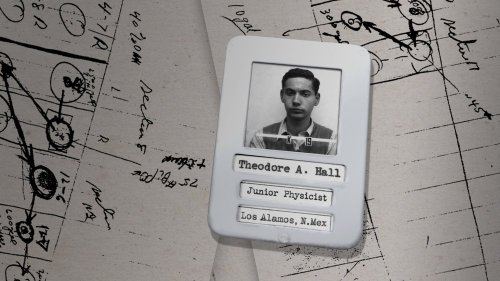
As its title suggests, Steve James’ documentary isn’t shy about its sympathy for its subject. Physicist Ted Hall was just 18 when he was recruited to the Manhattan Project and underwent a crisis of conscience when it became apparent that the atomic bomb’s ostensible target — Nazi Germany — was on the brink of defeat. Concerned by the possibility that, post-WW2, the US would achieve a nuclear monopoly and become a new kind of imperialist power, Ted and friend Saville Sax leaked key information to the USSR.
James’ film takes a decidedly intimate approach: while it dips into archival interviews Ted gave before his death and provides background context via scholars, it’s mostly led by Ted’s wife Joan, a spirited interviewee. Her moving contributions expand the film’s scope, making it as much a portrait of a marriage as a study of the political impact his actions had. James also interviews their children — as well as those of his partner-in-espionage, Saville — to explore the conflicted personal legacy their actions left. In not limiting itself to a macro perspective, the film opens itself up to be more than a look in history’s dusty rear-view mirror, making it a welcome tonic to the Wikipedia-style approach commonly employed for subjects like this.
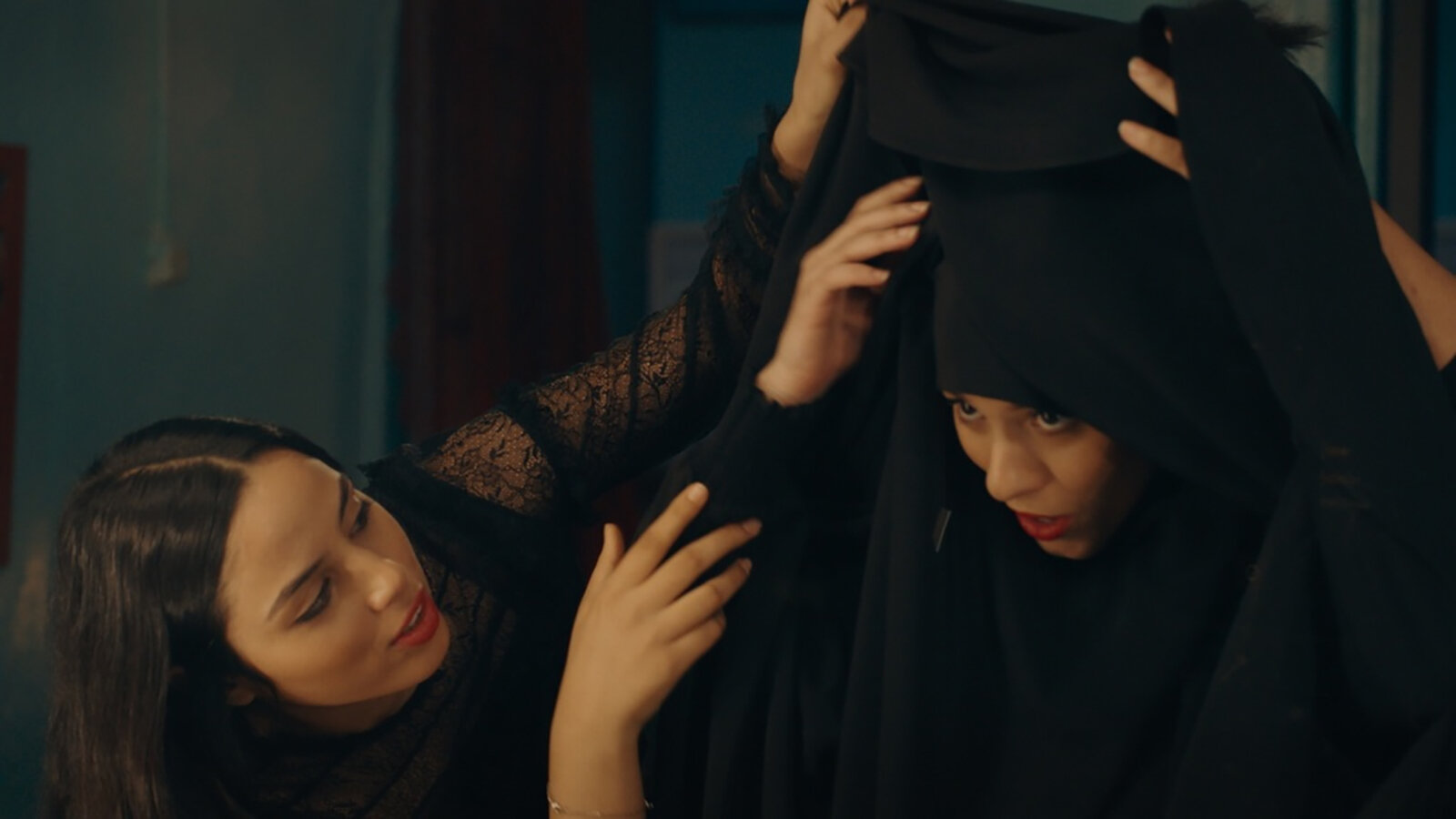
Normally, a film like this would be a straightforward documentary with archival footage and key interviews with experts in the issue. But instead of taking that approach in Four Daughters, writer-director Kaouther Ben Hania takes a more personal approach, understanding that the topic in question isn’t just about extremism, but that this is a tragedy experienced by the Hamrouni family. As such, the approach doesn’t try to mine the drama to make the film more engaging. Hania just tries to introduce us to the family, with the archival footage interspersed with conversations filmed behind-the-scenes of the documentary, and with the past recreated by both the real family and by actors. It’s because of this that Hania cedes unparalleled control for Olfa Hamrouni to tell her story. With this issue spreading throughout the globe, Four Daughters is a necessary documentary. The personal, compelling approach helps drive that home.
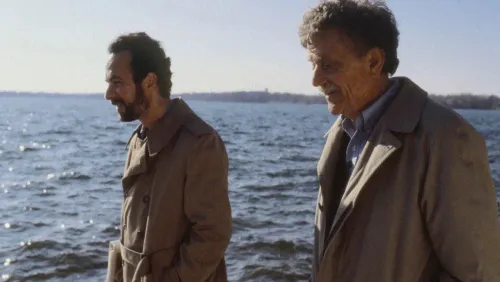
Imagine a fanboy makes a film about his hero—you’d expect something mawkish and fawning, a tribute that praises the icon but sidesteps the flaws. Maybe in less expert hands, that could be the case. But despite being a longtime admirer of writer Kurt Vonnegut, Robert B. Weide’s documentary isn’t any of those things. Sure, it’s lovingly made, but it’s balanced and objective as it sketches a profile of Vonnegut not a lot of us have seen before. It’s also more than just a chronological account of his life; it’s simultaneously a film about this film, which has been in the making for 40 years, ever since Weide first met Vonnegut in 1988 and followed him through his death in 2007. At some point, their lives become tightly intertwined, and it’s impressive to see not just that friendship blossom but to watch it seamlessly fuse into the documentary. When Weide pitches the documentary to Vonnegut, he optimistically promises that it’ll be the definitive guide to his life. He’s right, it’s all that and a bit more.
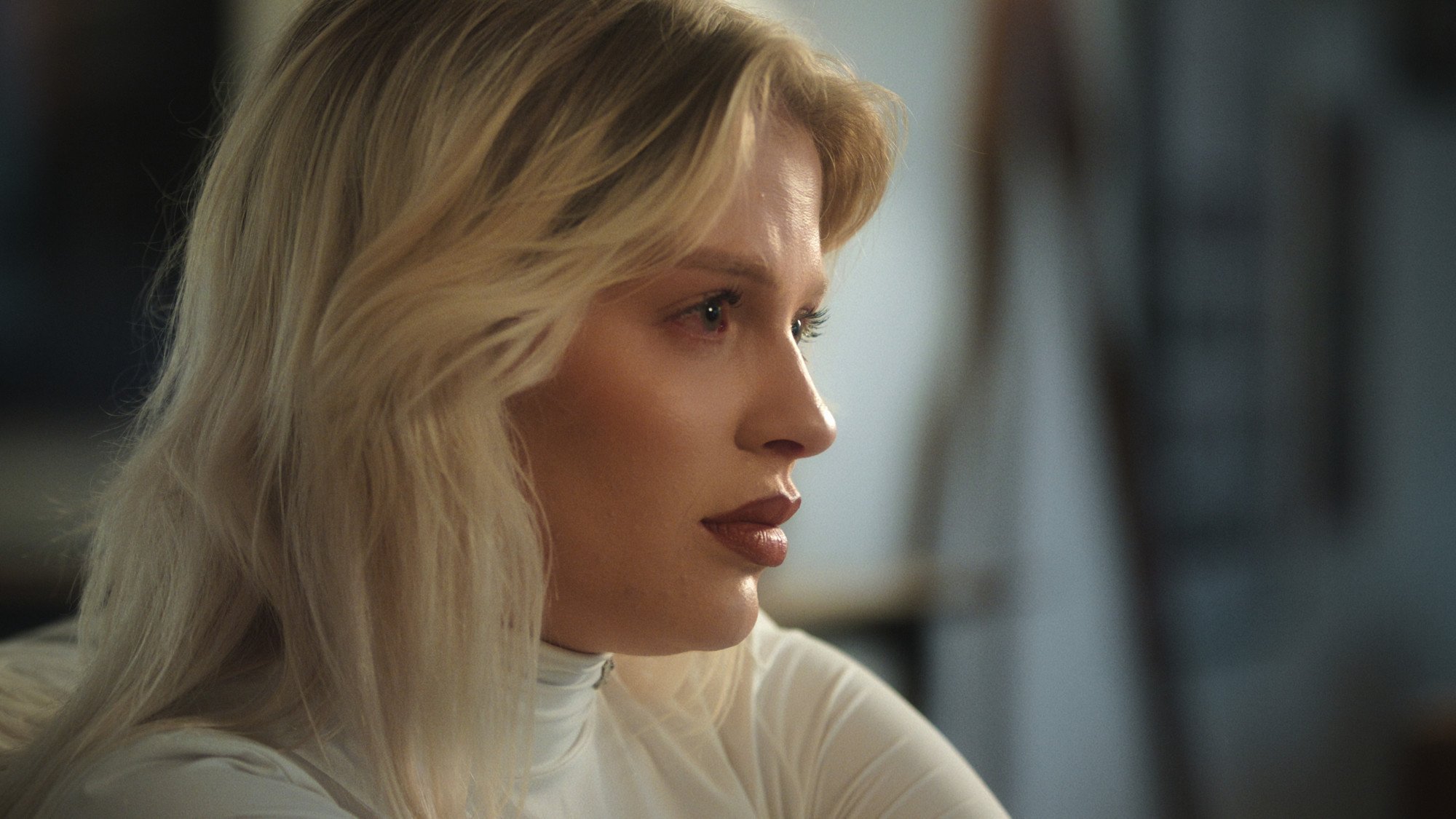
Today’s child pop stars have a lot on their plate. On top of the already strenuous touring schedule, they have to deal with the fact that every move they make can be recorded, saved, and spread online just to cause their own downfall. Brazilian popstar Luisa Sonza grew up with the spotlight, and at the ripe old age of 25, has gone through two messy break-ups, a nude leak, and a racist controversy, all while creating two of her most captivating albums so far. If I Were Luisa Sonza portrays her at her most vulnerable– through the creating process, and the team meetings, and the doctor visits– but also at her most defiant, as she turns her scandals into art. The resulting intimate documentary might just be one part of her life, as she declares, but it’s just the precise viewpoint from this generation’s artists that is needed to question what it means to be a young artist in this day and age.
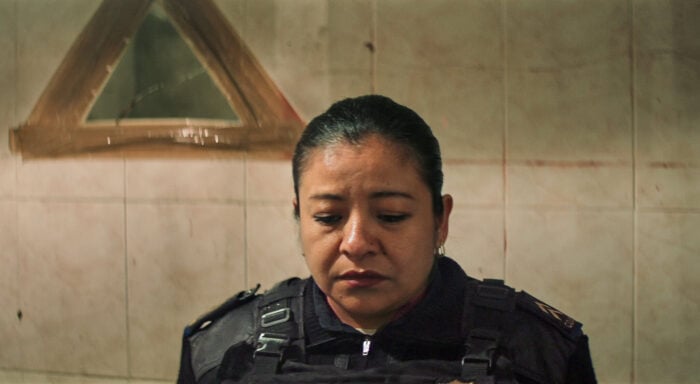
In the Mexican film A Cop Movie, director Alonso Ruizpalacios mixes fact and fiction, documentary and narrative, to tell the tale of Teresa and Montoya, two police officers whose dreams are dashed by the corruption of their trade and who, eventually, find love and comfort in each other.
Ruizpalacios takes thrilling risks in structuring this genre-bending story—cutting stories into parts, jumping back and forth between the harrowingly real and captivatingly non-real. For all the experimental maneuvers he makes, however, the through-line is always Teresa and Montoya: particularly, their love for each other and for an institution that should have, in an ideal world, supported them and the people they vowed to protect.
To its credit, instead of merely humanizing the controversial police force, A Cop Movie adds some much-needed nuance to the big picture. At the end of the day, they’re no different than any other underpaid laborers working desperately to make end meets. A Cop Movie doesn’t gloss over the fact that the police, like so many other workers, are stuck in a rotten system that’s long overdue for a major overhauling.
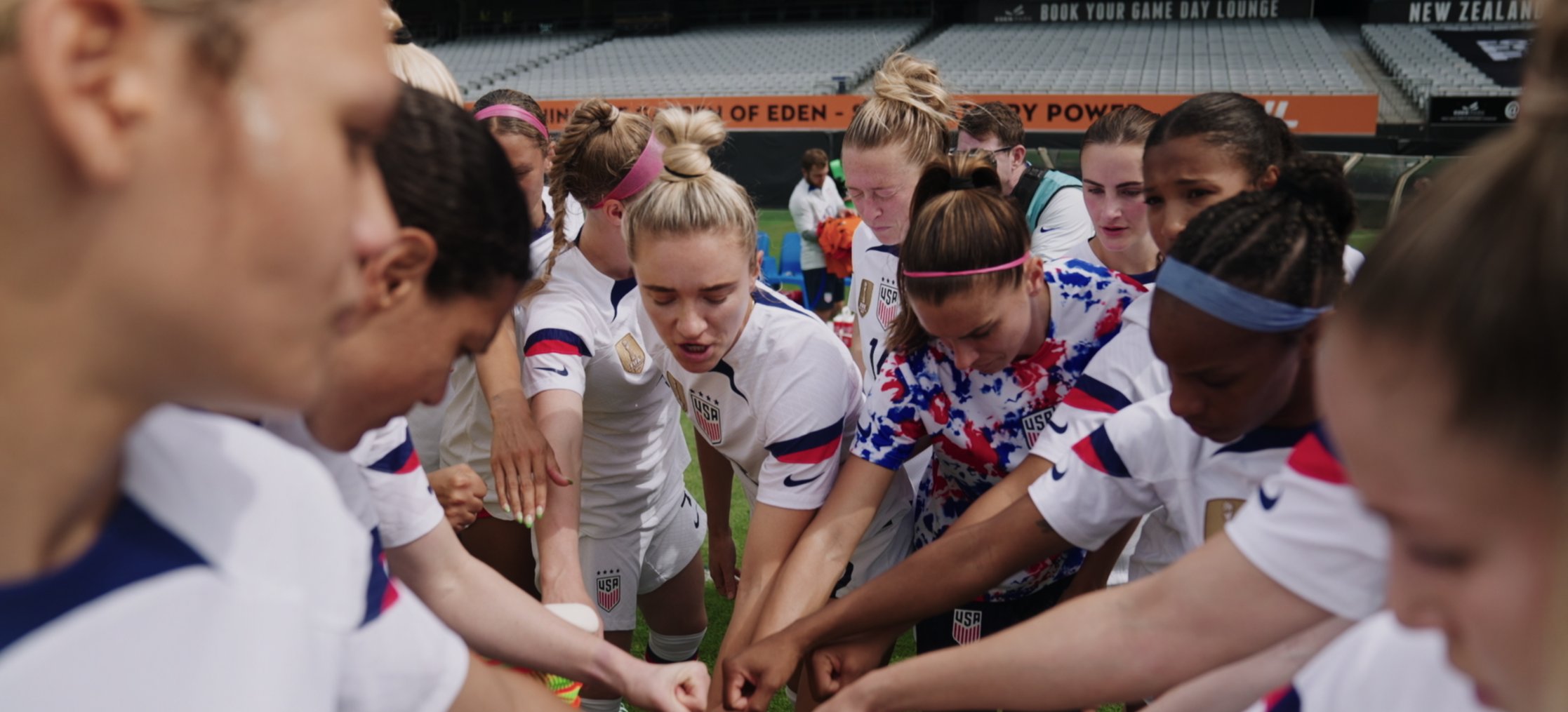
With the U.S. the clear favorites for the 2023 Women’s World Cup, Netflix immediately grabbed the chance to depict their third consecutive win… But with the surprise defeat in the round of 16, Netflix had to show a different story, and they delivered a personal and empathetic behind-the-scenes look in Under Pressure. The limited series is definitely dedicated to the fans, as the four episodes show plenty of the famous personalities that America has been rooting for, but even new viewers can appreciate the immense hard work and dedication the team devotes to their dream. Even if that goal has been cut short for some team members, Under Pressure is a reminder that the U.S. Women’s team is still in the running, and can aim for the three-peat dream again.
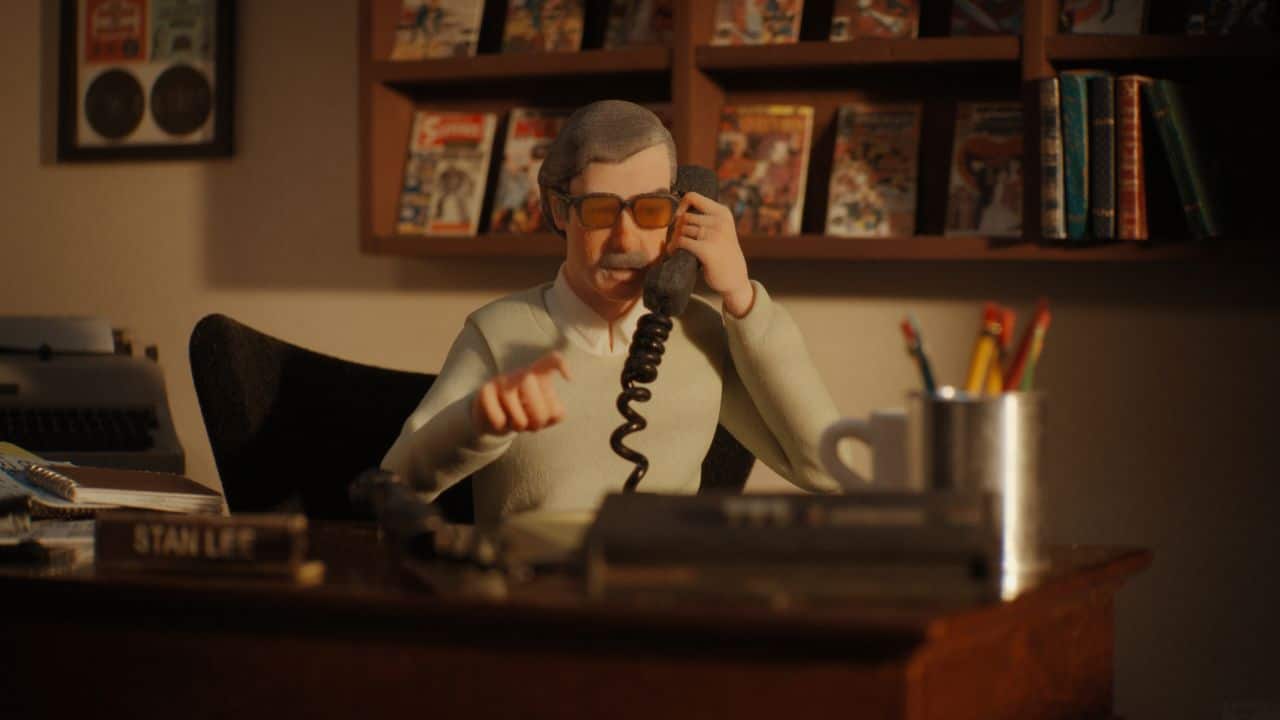
Stan Lee, the documentary, is a charming introduction to the iconic creator. He enthusiastically narrates his journey into comics – from lowly intern to famous publisher – giving a seemingly modest account of events. With his voice making most of the narrative, Lee’s voice reveals his creative process and mindset, detailing the day-to-day writing process and the Marvel method. However, the documentary isn’t Lee’s voice alone. Director David Gelb brings a charming approach to this documentary, as seen in his previous work, that helps turn his subject palatable, despite the disagreement displayed by other people. Overall, the film is an okay introduction, though the full story behind Lee’s most contentious events, deserves a documentary of its own.
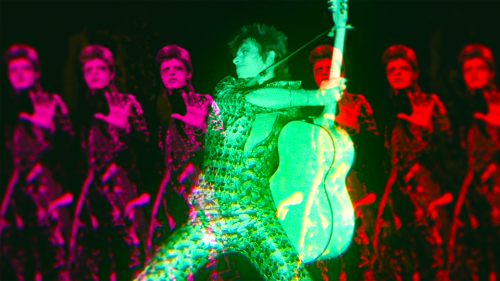
Forget everything you know about the music biopic. One-on-one interviews, chronological storytelling, silent moments with the subjects—Moonage Daydream isn’t that kind of movie. Just as David Bowie isn’t your typical pop star, this documentary about him, directed by Brett Morgen, forgoes the usual beats for something extraordinary and fun.
Moonage Daydream is a concert, a light show, and a masterclass in collage editing. It’s a feast for the senses, a fantastic neon fever dream that paints a picture of Bowie in his own words, drawn from archival footage, interviews, and concerts past.
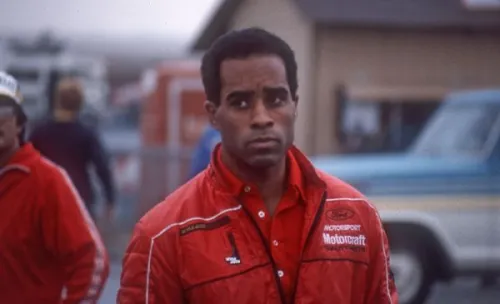
“They called me uppity. Uppity n*****. And I loved it”. That’s how this excellent documentary, about the first professional black racing driver Willy T. Ribbs, starts. It summarizes the strong personality of a champion who excelled in tracks that were filled with confederate flags.
The documentary explains the details of the difficulties that Ribbs went through in the 70s and 80s, but also the people who supported him and recognized his talent. It’s by no way a sad movie, on the contrary, even when Ribbs is talking about people spitting wherever he walks or about the death threats escalating, his unharmed determination is at the center of the story.
This is an inspiring documentary about a character who never got his worth in the history books. I was full of shivers by the first half-hour mark.
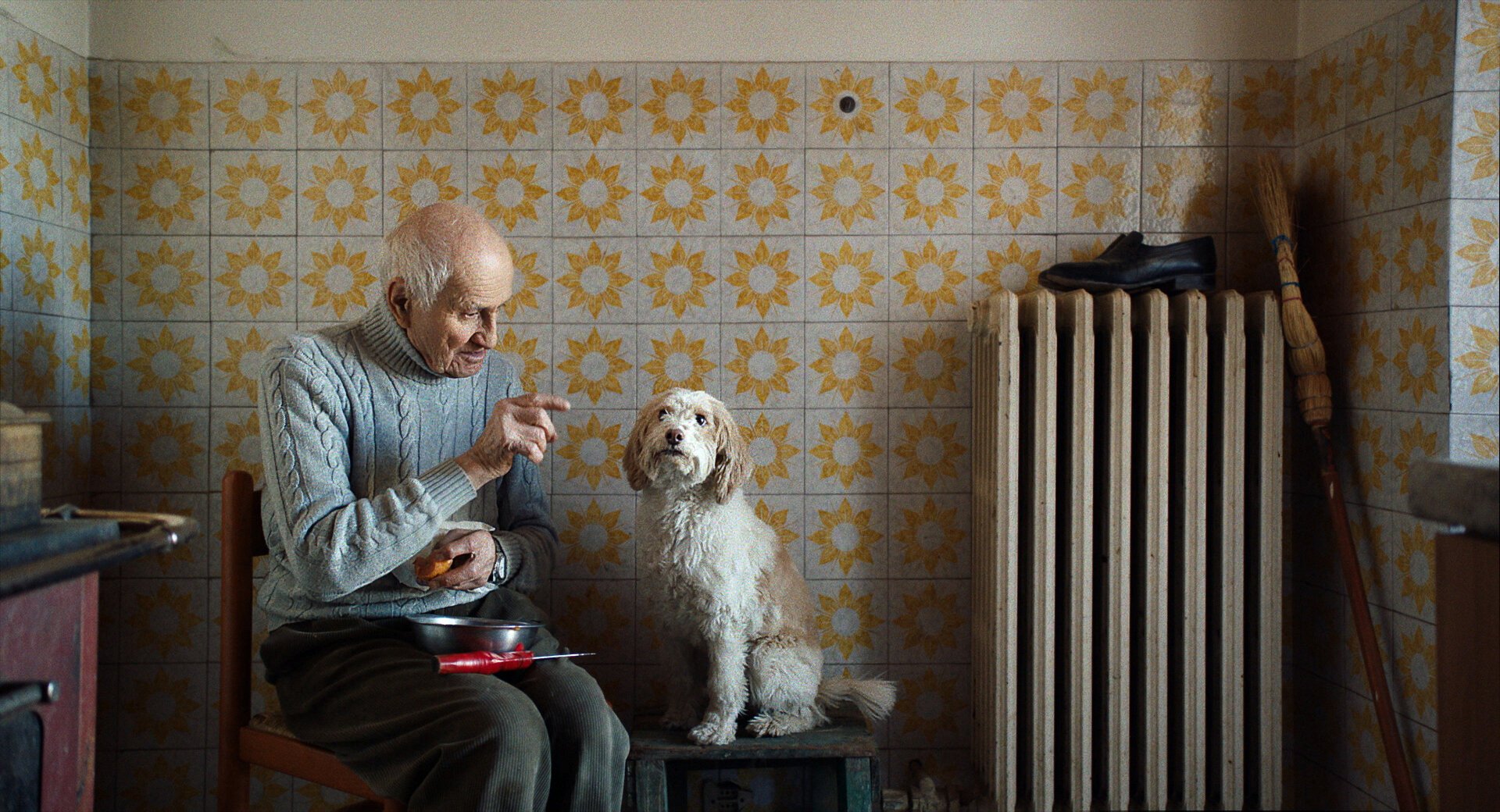
With truffle being so expensive, you would think that the world would eventually figure out how to get this tasty fungi in a more efficient way. Yet, the finicky nature of truffle eludes scientific research, improved cultivation, and strategic supply logistics, only allowing access to a select group of senior men and their very good dogs. The Truffle Hunters depicts the precariousness of this industry, how the entire endeavor can be easily lost to time, climate, and secrecy, but through delving into their lives, through unobstrusively capturing their day-to-day lives in gorgeous, meticulously framed shots that quietly celebrates their charming personalities, The Truffle Hunters becomes a small glimpse into a life that’s lost to urban living, a life that, perhaps, might be worth returning to.
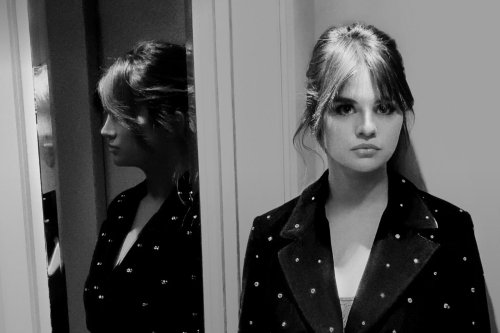
As the title suggests, My Mind & Me is a documentary that reckons with the mental state of a pop star who shot to fame at an early age and who, now in her 30s, continues to deal with the destabilizing pressures of celebrity. This is Selena Gomez in her most open state, frankly sharing her experiences with bipolar disorder and self-harm, as well as self-love and acceptance.
Stylistically, this isn’t something you haven’t seen before, and it’s as straightforward as documentaries can get. But it is endearing in its commitment to staying personal and raw, and this alone makes it a worthwhile and ultimately illuminating watch.
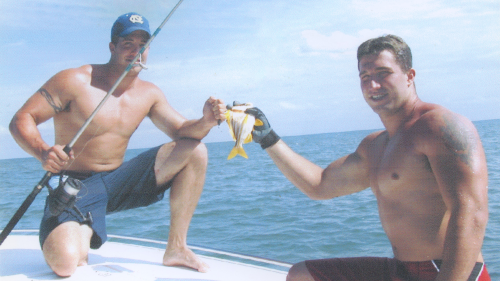
From its title and premise, the hope for this kind of documentary would be for it to show some respect for the people who died from the Floridian opioid epidemic. At the very least, the film should dissuade people from the crimes documented here, by emphasizing the consequences of these actions. American Pain does not do this. It’s interesting to view how quickly the business gets out of hand for these unethical entrepreneurs – director Darren Foster reveals each development with enough style and flourish to be entertaining – but the film is clearly more fascinated with how the twins got away with drug dealing for so long. It’s a fun watch… if you forget people died from the events of this film.
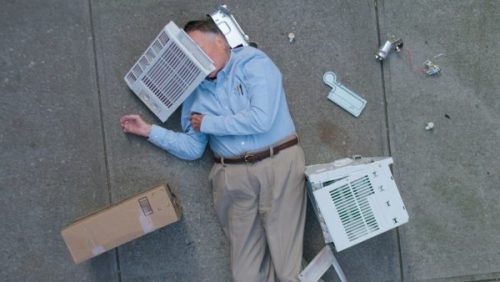
Dick Johnson Is Dead is a heartfelt and unconventional portrait of how one can live life to the fullest even in their darkest days. Kristen Johnson’s follow-up to the highly acclaimed documentary Cameraperson, Johnson shows that her skills are no fluke as she crafts a witty film where she masterfully balances surreal tonal shifts to create a compelling experience. While it does have a repetitive nature, the final thirty minutes are heartbreakingly comedic, and make this one worth a watch!
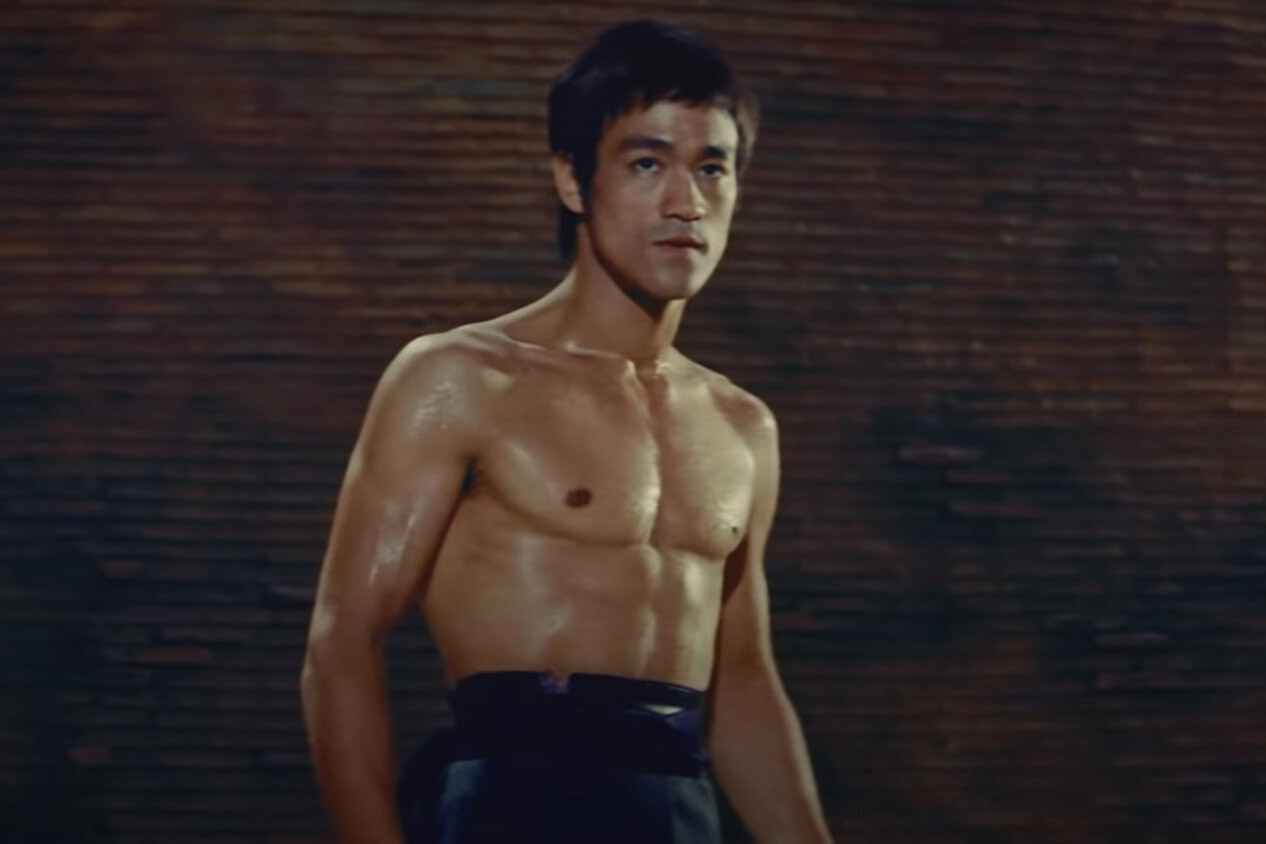
As the face of kung fu, a sports documentary on Bruce Lee is practically expected for ESPN’s 30 for 30 series. So many of them have been produced since the actor’s death in 1973. However, in Be Water, director Bao Nguyen captures the icon not through his works, but through his philosophy. Starting with his first screen test, the camera rarely strays from him, keeping us hooked on his magnetic presence even during voice-overs of interviews from his friends and family. This, mixed with readings of letters he’s written, reveals a man whose self-discipline and attitude power through obstacles against him. The film only diverts its attention to identifying those obstacles, but it only better proves the actor’s strength. In martial arts and in film, Be Water respects Lee as a force of nature– the rare force that broke barriers and bridged the gap between East and West.

In Motherwell, you either “get locked up or knocked up,” or so says Gemma, a teenager on the cusp of adulthood growing up in an old Scottish steel town. Gemma runs among a tight-knit group of friends, at the center of which is ordinary mischief, routine, and roughhousing. And beneath that lies a certain kind of everyday violence.
As Gemma enters young motherhood, she reckons with how to reconcile her own aggressions with the protective tenderness she feels toward her newborn. Beautifully and thoughtfully directed by Ellen Fiske and Ellinor Hallin, Scheme Birds never feels invasive. Rather, their documentary lets Gemma speak for herself—and in doing so, illuminates not just her life, but the complicated lives that intersect hers, too.
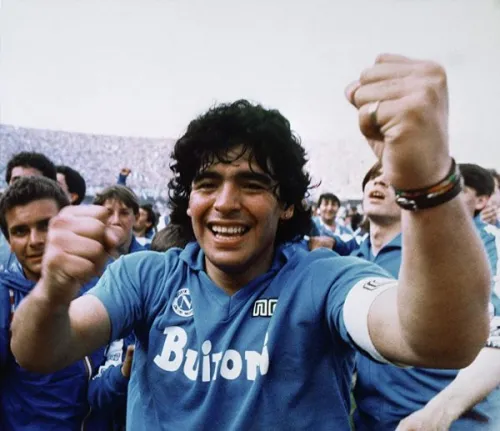
Asif Kapadia, the genius of biopics who gave us Senna, is back with this documentary on an even bigger sports personality: Argentinian soccer player Diego Armando Maradona. Considered as possibly the best soccer player of all time, Maradona’s footage on the pitch is pure wizardry, and you’ll feel that way whether you are a soccer fan or not. But that’s not the focus of this documentary. What happens outside the pitch is more interesting: from Maradona’s modest beginnings to the passionate hatred (and love) that entire countries develop of him. And it doesn’t make his story less interesting that during his time in Naples he was affiliated with the mafia.
This is an excellent documentary that distills 500 hours of footage into 2, giving you all you need to know about a character who captured the imagination of a big part of the world for decades.
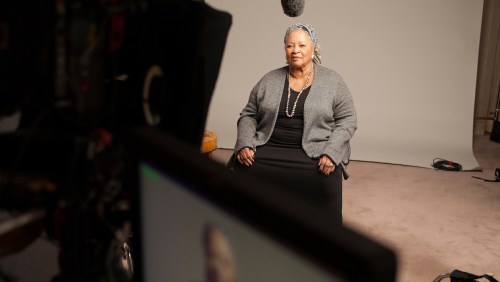
When Toni Morrison taught at Princeton, she told her students, “Don’t write about your little life. Create something.” This documentary follows her instruction by being more than a simple biography. Apart from telling the story of her rich, fully-lived life, The Pieces I Am doubles as an artful and educational history lesson about the unique African-American experience. It’s dotted with beautiful artworks and insightful anecdotes shared by Morrison’s colleagues from the various schools and publishing houses she worked at. But most important of all, Morrison gets to narrate the film in her own beautiful, poetic words and, in the process, reveals different facets of herself. There’s Morrison the teacher, editor, writer, and mother, but also: the delightful baker, the supportive friend, the party enjoyer, the critical philosopher. The Pieces I Am is a great collection of many things, a moving collage that pieces together the most interesting parts about the beloved writer in question.
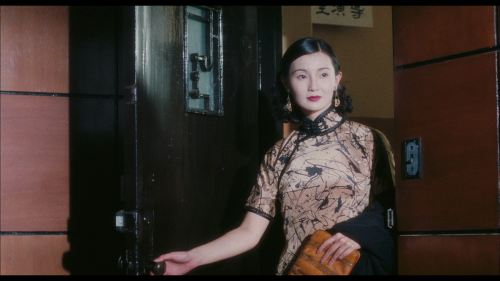
What would be the best medium for depicting the life and legacy of an icon? Would a biopic be best, or would the documentary do better? Well, for silent film star Ruan Lingyu, director Stanley Kwan fused both in Center Stage. It makes for a unique experience. Rather than putting Maggie Cheung through the motions, Center Stage alternates between recreating the scenes of Ruan’s life, the few fragments of her works, and what’s behind it, which was rather fitting for the way her life and work eerily coincided. Consciously recognizing the gap between depiction and reality, Kwan and Cheung refrain from overdramatizing her life’s tragedies. Instead, Center Stage focuses on her craft and the act of performing itself.

Going deep undercover, integrating one’s self into a group without any suspicion, and passing out information to another party… That’s the job of a mole. While they mostly lurk in various government agencies, laboratories, and other special circles of power, The Mole Agent instead goes deep undercover in a Chilean retirement home, having stakes that may not be world-ending, but take more personal, domestic weight as Sergio befriends the residents, records and reports on their well-being, and tries to figure out what exactly Romulo wants as evidence. It’s a funny situation, one that depicts the resident home with warmth, albeit with the occasional spy cams and an old-fashioned piano score, but it can be difficult to figure out where the line is between truth and fiction, as some scenes can feel a bit staged. Still, The Mole Agent is a charming portrait of old age, made so compelling with director Maite Alberdi’s unusual perspective.
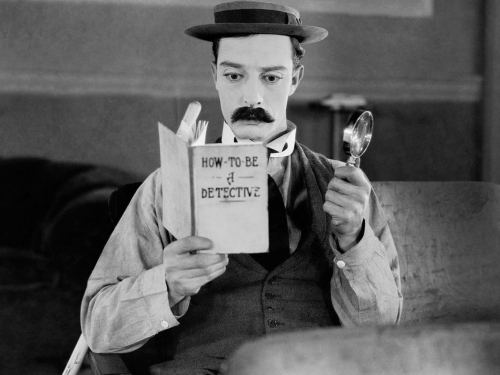
In his last film, American Serb film historian Peter Bogdanovich celebrates silver screen legend Buster Keaton. The subject alone is compelling to watch. It would be easy to pull clips from Keaton’s works, dig through the headlines, pull in some celebrity interviews, and call it a day. However, in Bogdanovich’s hands, this documentary handles Keaton with respect. Instead of focusing on the scandals, Bogdanovich focuses on Keaton’s brilliant work. Instead of reciting facts, Bogdanovich highlights how his bits influenced film today. Excellent editing – cuts, structure, and scoring – helps us glide through Keaton’s work. The film truly understands Keaton’s life and exactly why he’s brilliant. Comprehensive yet very focused, this documentary honestly feels better than film school.
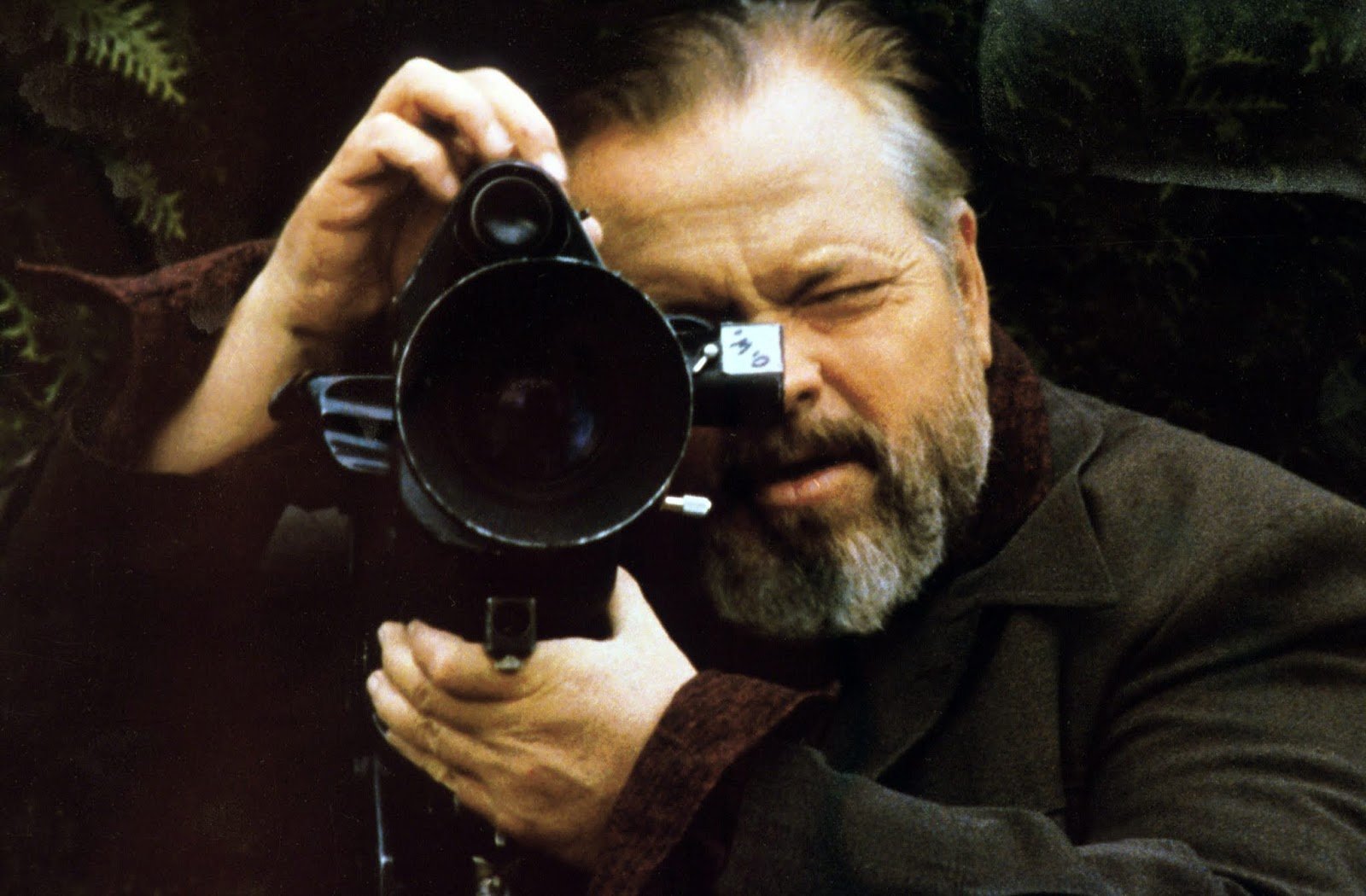
It’s bold to make a film about a legendary icon of cinema, but it’s even bolder to make one about Orson Welles. Best known for making Citizen Kane (universally agreed upon as one of the best movies ever made), Orson Welles is the renegade filmmaker whose works and techniques form the foundation of modern narrative filmmaking today. In his eyes, he asserts that the best films are made by accident. However, armed with archival footage and interviews with those closest to Welles, director Morgan Neville dares to question one of cinema’s biggest geniuses by examining the production of his last unfinished film, the Hollywood satire The Other Side of the Wind. While Welles was undeniably genius – able to inscrutably visualize a film without scripts – it’s easy to see how his tendency to stoke conflict for art could be so self-destructive. This film presents Welles as he is – both a cinema maverick and also an overly demanding artistic tyrant.
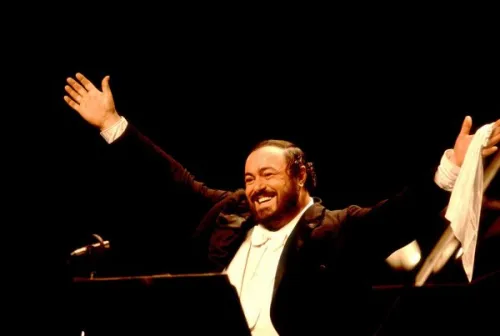
A biopic is only as big as the personality at its center, and what a personality Pavarotti had. The Opera singer that crossed into the mainstream from his humble upbringings in Modena, Italy, exuded happiness and had a great outlook on life. And even as the attention he would eventually attract takes its tole, he’s able to maintain his positivity and his dedication to his art. This documentary on his life and his work will be even more interesting to you if like me you didn’t know who Pavarotti was, or the impact he’s had.

Few lived a life as extraordinary as the late Jane Goodall had, and even fewer are captured with such tenderness as this 2017 documentary. Of course, that’s partially because of the material. This film came about when Nat Geo unearthed around 140 hours of lost footage from wildlife photographer Hugo van Lawick, who shot Goodall’s expeditions after intense scientific scrutiny over her observations and methods. But what makes this film compelling is the way director Brett Morgen pieces together that footage. As Goodall fell deeper in love studying chimpanzees, Morgen pairs this devotion with the glimpses van Lawick captured as he and Goodall were falling in love with each other. So even without the insistent score, it’s easy to get swept by Jane’s passion and the confident way she set forth towards her calling.