The Best Documentaries Movies to Watch
To access filters, visit our homepage.












Unlike the other documentaries depicting “Hollywood’s smartest dumb blonde”, My Mom Jayne takes on a different approach to Jayne Mansfield. Already the title tells you that it’s from the perspective of one of her children– namely, her youngest daughter Mariska Hargitay– so naturally, it takes a more respectful depiction than what’s been shown of her peers. Hargitay and her siblings present a different kind of retrospective, reassembling the remaining fragments with a more personal touch and an unexpected family mystery. My Mom Jayne is such an excellent portrait of Jayne Mansfield, one that opens surprising layers to the person behind the bombshell persona.

John Candy: I Like Me takes a somewhat standard approach in remembering the titular comedian. The film pulls out old footage, brings together his loved ones, and they sing praises of what a good guy he was. Given his profession, there were also certain moments where the film explains some jokes, which kills some of the humor. However, it’s a testament to Candy that it doesn’t come across as totally boring, even for non-comedy buffs. Like looking through old photo albums, and rewatching an actor’s old work, John Candy: I Like Me genuinely likes the guy, celebrating the gentle soul and consummate performer that helped define his generation’s comedy.
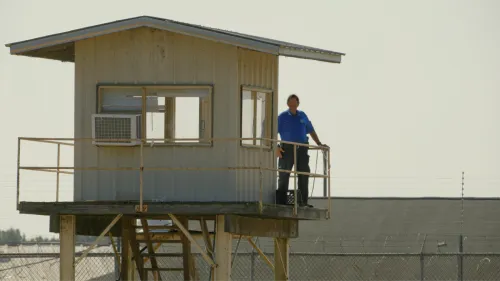
Depicting the horrifying cycle of abuse in the state’s prison system, The Alabama Solution is tough to watch. It was already hard to reckon with the related news reports, but what makes this documentary necessary is the way filmmakers Andrew Jarecki and Charlotte Kaufman teamed up with activists inside to get a deeper look into the prisons themselves. We mean this literally. A third of the footage comes straight from smuggled phones by the inmates, compiled for more than a decade, with much higher stakes than other works that employed guerilla filmmaking. Piecing together their footage with case reviews, news releases, and the state government’s wasteful, lackluster response, The Alabama Solution reveals the need for a better approach.

From Ground Zero doesn’t have the most number of shorts within an anthology film, though it comes pretty close with 22 segments, ranging from 3-6 minutes from different directors in Gaza. That’s a lot of shorts, with not a lot of time for each story. Most anthologies tend to be a set of three, but given the media suppression, the more, the better it gets at capturing life in the area. Every short balances the other in tone, style, and in approach. It’s harder to deny the truth it portrays, not with this many shorts, and this many eyes, on the ground.

Come See Me in the Good Light takes a somewhat conventional approach in documenting poet Andrea Gibson’s battle against cancer, though that doesn’t mean it’s boring. It works because of the people this documentary follows. It won’t be surprising to hear that Gibson and their partner Megan Falley have the precise words to express this journey– They are poets, after all– but the way each conversation is arranged builds upon each other, easily capturing the context for some of Gibson’s works, as well as how their love transformed the both of them, in spite of all odds. Come See Me in the Good Light does exactly what it says in the title, transforming a familiar battle with illness into an uplifting inspiration of a life well lived.
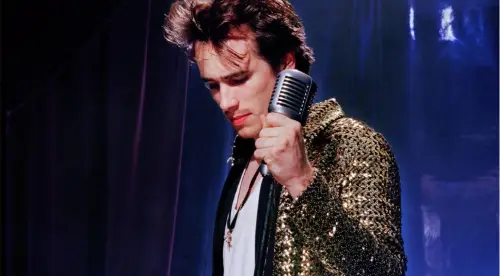
It’s Never Over, Jeff Buckley depicts the life of a musician whose time was cut too short. It’s a tale you might have heard before. He fell in love with the guitar at a young age, busked in small cafes and downtown bars, and won over fans and record labels to create one excellent album, but died just before stardom. This documentary depicts this somewhat conventionally. That being said, while it lacks in original approach, it captures the emotions well, understanding what moved Buckley to his craft. Tackling the loss of his father, music as his refuge, and his conflicted thoughts about fame, It’s Never Over unpacks the artist in a deeply personal way.
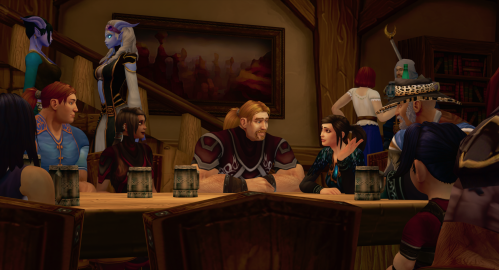
In the first twenty minutes, The Remarkable Life of Ibelin seemed to be quite unremarkable, with the usual way a biographical documentary would go, that is, loved ones waxing poetic about how great the dead person was in life. But the documentary takes this to introduce Ibelin the same way his parents discovered the online life Mats Steen lived. It’s a unique documentary, mixing in the usual home videos with the animated gameplay of the archived life Steen lived in Ibelin, but it’s grounded by, and somewhat co-created through the words Steen himself typed about his life as a disabled man, and the game history he shared with the community he formed online. The Remarkable Life of Ibelin ends up being quite a remarkable depiction of living online, that feels much more honest, human, and creative than the condescending or cautious narratives we’ve previously heard about the online world.
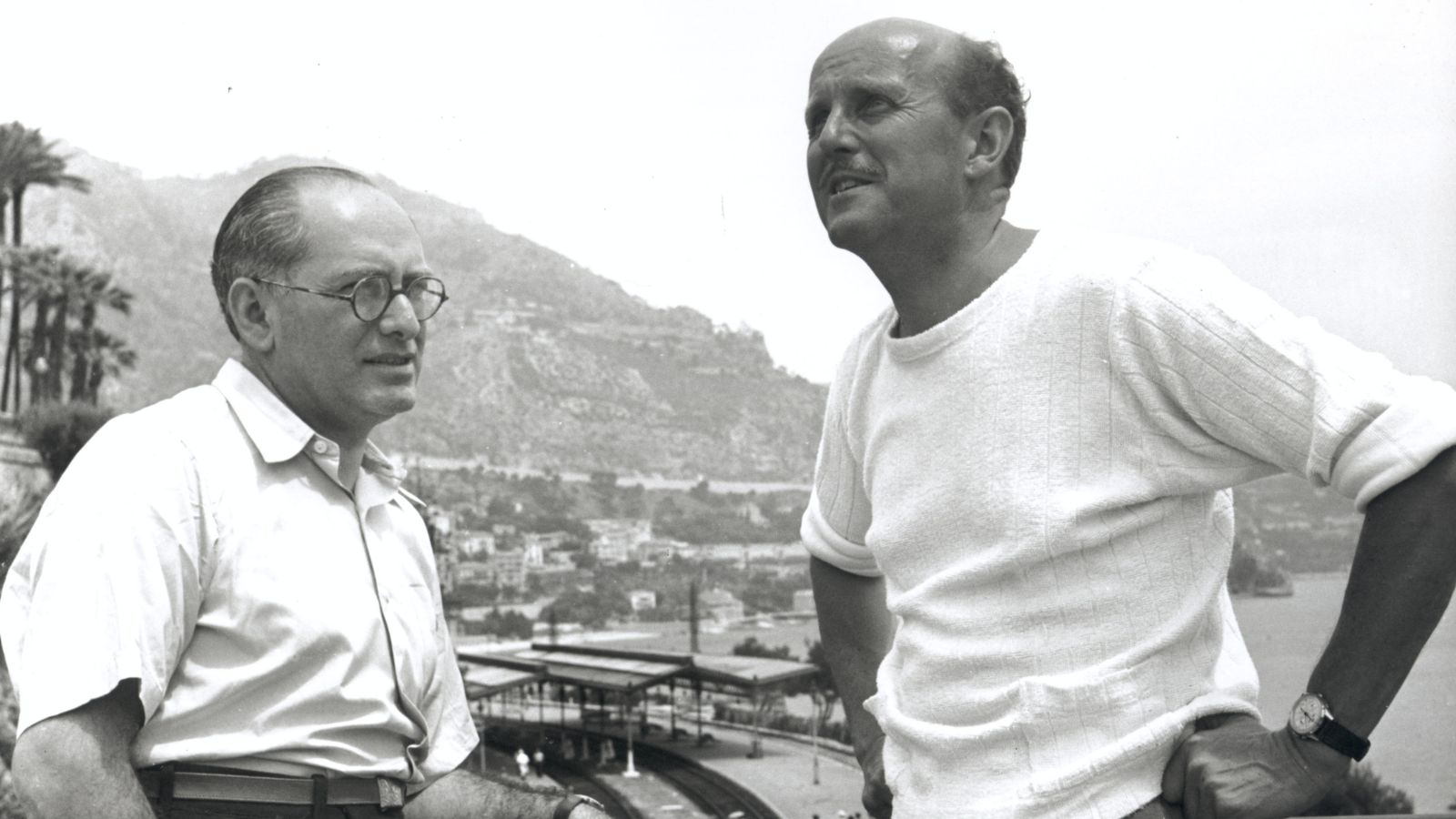
Is there anything more lovely than hearing Martin Scorsese talk about cinema? Maybe it’s just the film nerds in us– we are, after all, always on the hunt for A Good Movie to Watch– but it’s just wonderful to hear Scorsese talk about movies, especially from directors he loves and are inspired by. Made in England: The Films of Powell and Pressburger is about the influence of The Archers, and while it’s mostly a straightforward documentary, director David Hinton makes it something like a cohesive film course on the directors, with Scorsese as lecturer. Oftentimes letting the directors’ shots and music speak for themselves, with Scorsese adding needed context, it won’t be a surprise that Made In England would be a treat for film nerds, but it also would be a great introduction for casual viewers, or viewers that want to start watching classic films, like those of The Archers.
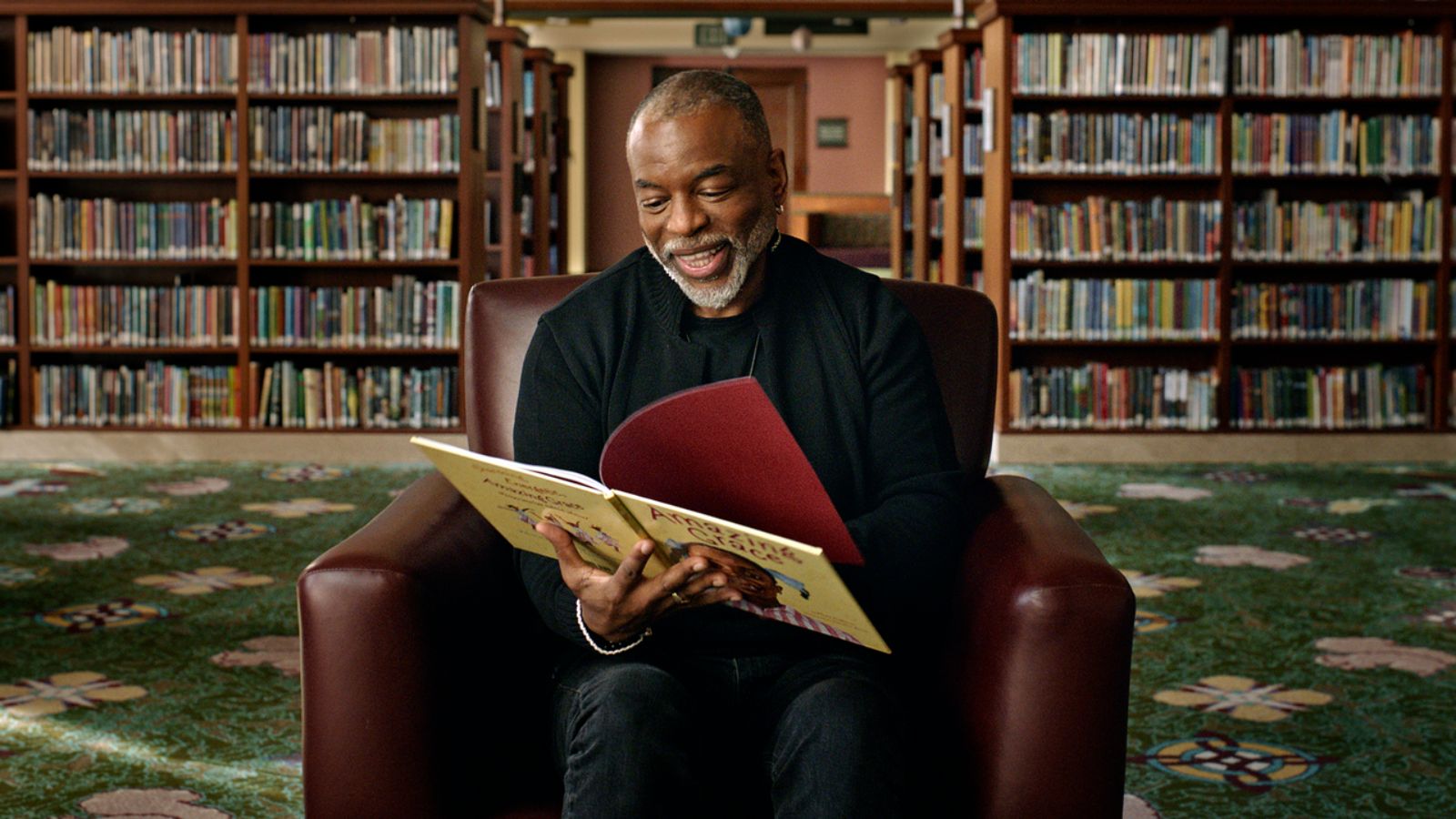
For the longest time, television seemed to be the antithesis to reading– part of that belief still lingers to this day. However, just before the turn of the millennium, there was a show that didn’t find itself opposite to it, instead, it wanted to be its ally. That show was Reading Rainbow. Butterfly in the Sky tells its story. It’s quite nostalgic, as the show’s former cast and crew recall what it was like, and the way the film structured its sequences captures not just the show itself, but the cultural weight it represented, as it encouraged reading not just as a skill you need to learn, but as a way to interact with the wider world around us, which is worth protecting. Butterfly in the Sky believes in stories, and believes in the story that it wants to tell about Reading Rainbow.

Continuing her fight to tell the world the truth about her sexual assault case, journalist Shiori Ito released Black Box Diaries. Like her book, it’s a powerful documentary. Filmed with actual CCTV evidence, with some witness accounts, and with recordings she made while investigating her case, Ito’s first foray into film is personal, vulnerable, and intimate, going through the events as it naturally unfolds. While it is depressing to witness the ways investigators, lawyers, politicians and other people have failed her, Black Box Diaries immediately reveals Ito’s resolve for the truth, and how taxing the toll was for survivors that chose to take the same path.
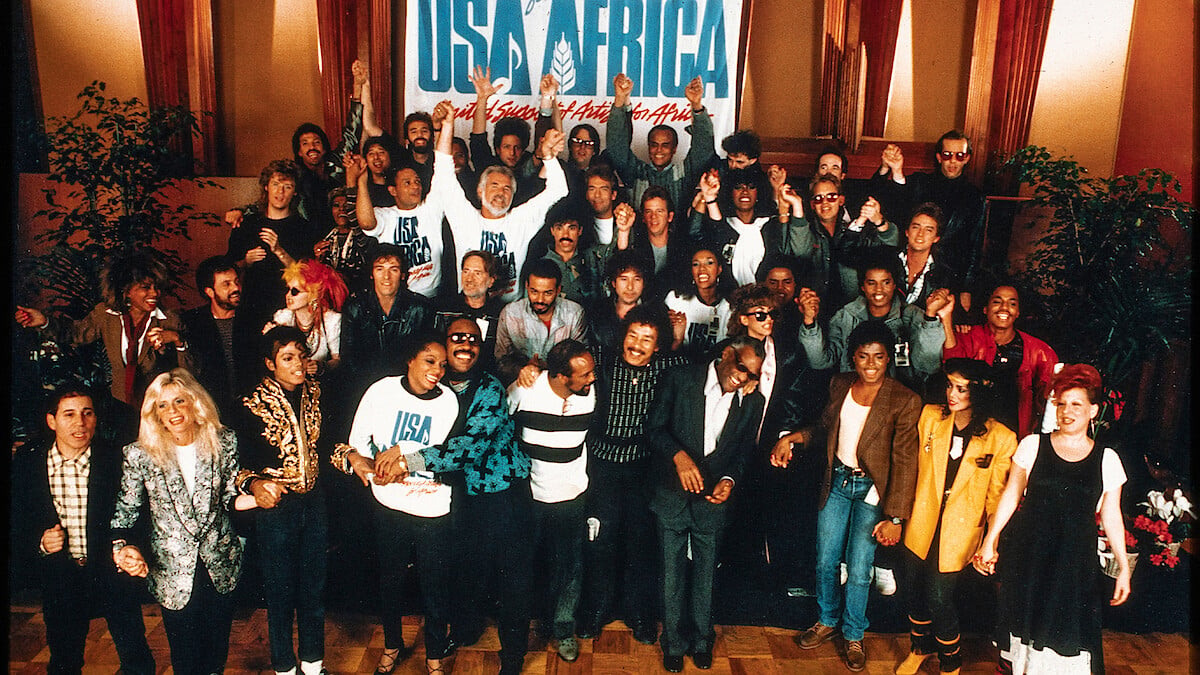
We Are the World is a charity single created for African famine relief. It was a smash success– it inspired plenty of other charity singles and already has a TV documentary about it. But The Greatest Night in Pop reveals new behind-the-scenes footage with a home video flair, intercut with interviews from those who were in the booth on that fateful day. The anecdotes about that night might have already been said elsewhere, but director Bao Nguyen manages to capture the energy in the room, peeking into the emotions of the various personalities that helped shape the song. It’s an intriguing, if straightforward documentary, and it’s certainly a treat watching the decade’s best voices collaborate to make this one track.
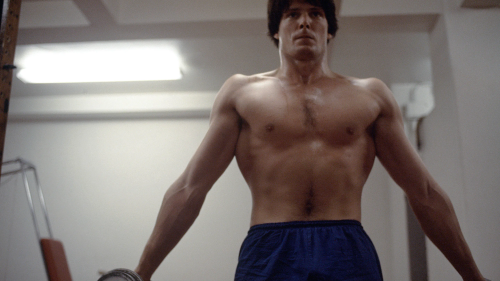
At the peak of his fame in the 80s, Christopher Reeve was constantly seen as his onscreen character, Superman. Like him, Reeve could fly (planes). He was full of charm and stood for what was right. But in this revealing documentary, we learn the whole truth about Reeve; his troubled childhood, his initial struggles with commitment, his physical talents, his love for family, and—as many a superhero star will sympathize with—his deep yearning for a creative career outside of the comic book character who made him famous. Of course, a significant chunk of the documentary also deals with Reeve’s unfortunate paralysis. We witness, through home movies and narrated biographies, how he coped with the tragedy. Making the film even more special is the input of his three children, who look back at the time with generous honesty and vulnerability. This film is made for fans of the actor, but it’s also a great example of the power of advocacy (Reeve became a disability rights activist after the accident), love (his wife Dana is a superhero on her own), and legacy (his children run his foundation to this day).
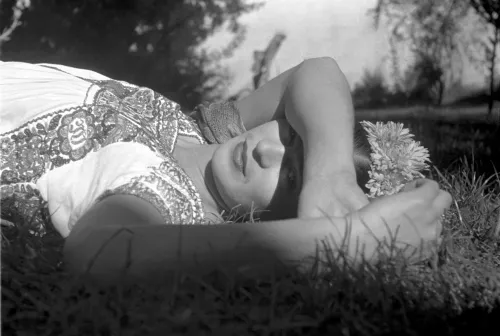
Frida Kahlo is an iconic Mexican painter, not just because of her outstanding art, but also because of her outlook in life, despite her ill health and tragic accident. Because of this, she has been talked about in multiple books, movies, and exhibitions, but a new documentary has popped up, this time from her own words. Carla Gutierrez’s directorial debut is a revelation, voiced primarily in Frida’s native Spanish and paired with key archival footage, vivid animations of her paintings, and an excellent acoustic score plucked from classical guitar. Being a biographical documentary, fans of the artist would, of course, be familiar with her life events, but Gutierrez’s approach is still worth watching, mostly because it’s Frida’s own words driving the film.
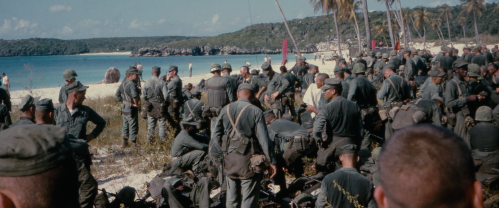
If you are a historian, a communist, a capitalist, a Russian or American citizen, you would likely already have opinions about the Cold War. But regardless of your knowledge on the topic, there’s no denying that Netflix docuseries Turning Point: The Bomb and the Cold War is such an ambitious documentary, dedicating a whopping 9 hours to explain the Cold War and its ramifications in such a comprehensive, well-paced way, trying to balance between various perspectives from all over the world. Of course, being from an American production company, it does slightly lean towards the American perspective, with some of the Netflix flair that you can see in their other documentaries. Nonetheless, The Bomb and the Cold War is a handy explainer to the history that still shapes many of today’s conflicts.
 x1
x1 x1
x1
If you’re expecting a documentary about the particular U2 concert in Sarajevo, to focus exclusively on U2, you’re not really going to get it in Kiss the Future. But that’s not necessarily a bad thing. In fact, it’s probably the best approach for this particular documentary, as it focuses more on the way Sarajevans found solidarity with each other through the music U2 made in response to the Northern Ireland troubles, and thus, of course, the film needed to focus as well on the Sarajevans’ conflict. Director Nenad Cicin-Sain got key viewpoints on the Bosnian War in Sarajevo, such as Christiane Amanpour, who covered the war, and former President Bill Clinton, but Kiss the Future shines when we hear from the people on the ground, from the Sarajevans that gone through this harrowing time.

Sometimes thinking about your home state can feel complicated, because while it’s your home, the events and issues and controversies of the state can make people think differently of it. With plenty of controversies but also having the most residents, Texas does have a distinct cultural identity, and Texan native director Richard Linklater explores its different sides, including the sides unheard of, through the three-part God Save Texas. Teaming up with Alex Stapleton and Iliana Sosa, they tackle the Huntsville prison complex, the Houston oil industry, and the borders of El Paso, but they do so through a compassionate, personal perspective that simply and subtly shifts our understanding of the Lone Star State, and America as a whole.

For people having difficulty bearing a child, artificial insemination is one way to go for parenthood, but going to sperm banks can be expensive, shrouded with too much anonymity, and have had many incidents of malpractice. Some people would rather take things into their own hands. Spermworld explores the journeys of three different internet sperm donors, who meet with hopeful parents. It can be awkward, even when the donors are fairly ordinary guys with fairly decent motives, but the way director Lance Oppenheim approaches the community is disarmingly human, acknowledging the strange quirks that come with the donation, but also the interesting parental desires human beings do have.
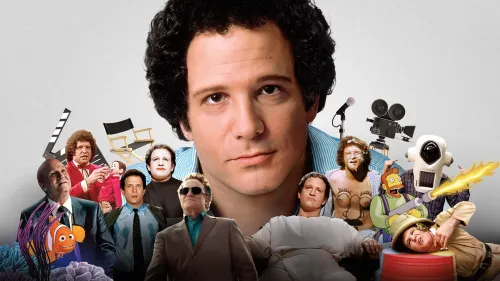
This charming documentary about one of the most brilliant, groundbreaking comedians alive strikes a delicate balance between accessible and deeply appreciative, making it both a great gateway for those yet to be uninitiated into the Albert Brooks fan club and a satisfying retrospective for us confirmed devotees. It’s directed and fronted by Rob Reiner, celebrated director himself and one of Albert Brooks’ oldest friends, and the choice is perfect: his rapport with Brooks is warm and easy, extracting real sincerity from the famously deadpan comedian-writer-actor-director.
Defending My Life features plenty of talking heads gushing about Brooks’ dazzling multi-hyphenate talents (among them Steven Spielberg and Sharon Stone), a standard convention for documentaries of this kind. But what elevates this into a portrait worthy of its subject are the scenes from a dinner shared by Brooks and Reiner, during which the former opens up about his childhood, reflects on his career, and divulges the autobiographical elements that informed his work. Their tete-a-tete flows with all the unforced rhythm of conversation between good friends; Reiner’s presence coaxes illuminating insight from Brooks, which makes watching the documentary feel as close to pulling up a seat at their table as you’d hope for. The 90 minutes just fly by.
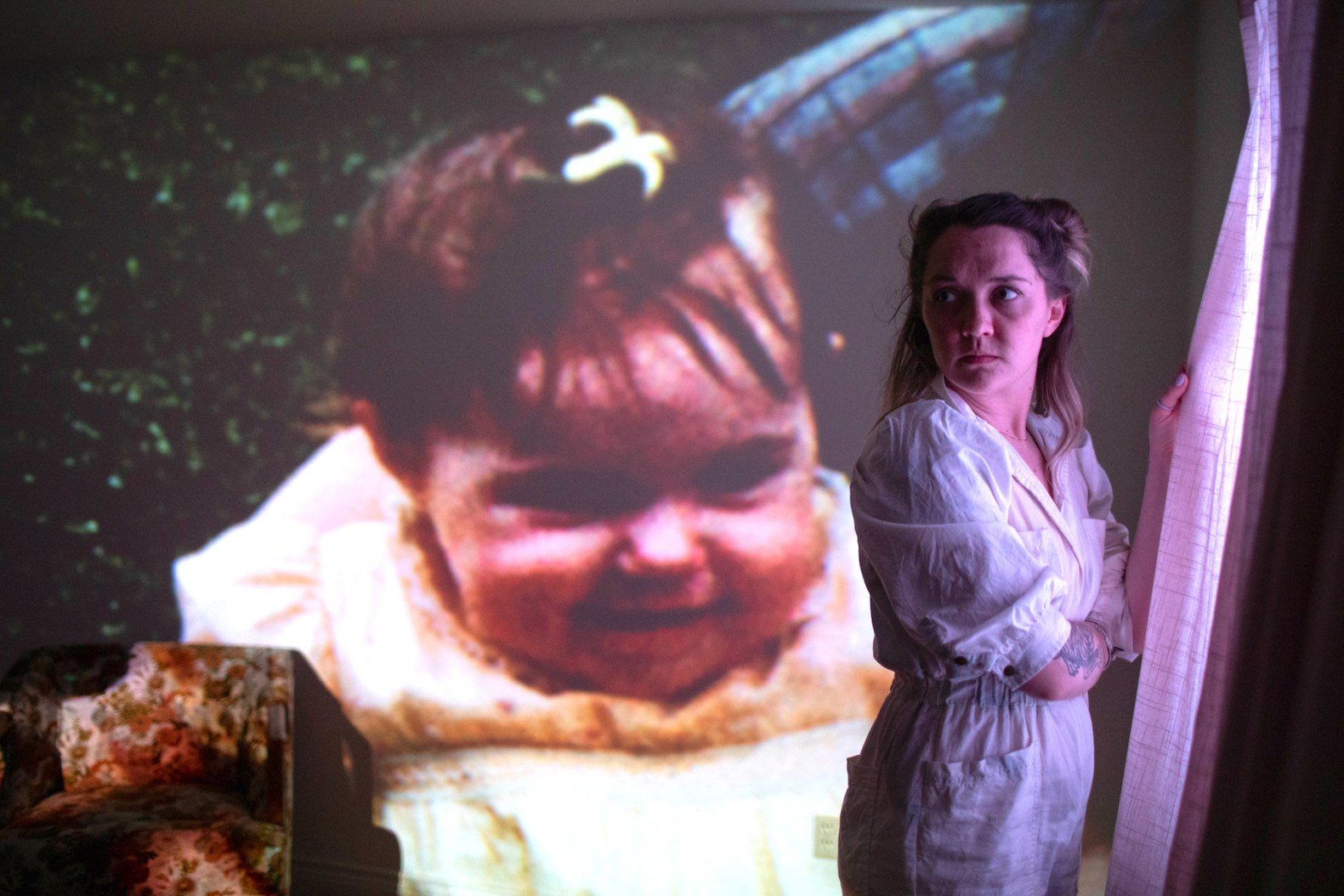
Biographical documentaries tend to depict exceptional people– people who are so great that everyone wants to know about them, and people who are so terrible that they serve as a warning. Great Photo, Lovely Life depicts a serial sexual abuser in photojournalist Amanda Mustard’s family, able to get away with nearly all his crimes each time he skips over state lines. It’s not an easy film. It’s deeply uncomfortable. There are certain interviews that will trigger anger, despair, and bewilderment over how someone so evil can remain out of bars all his life. Great Photo, Lovely Life doesn’t provide any easy, comforting sequence as a balm to sexual abuse survivors around the world, but it’s an urgent reminder of the consequences of maintaining silence.
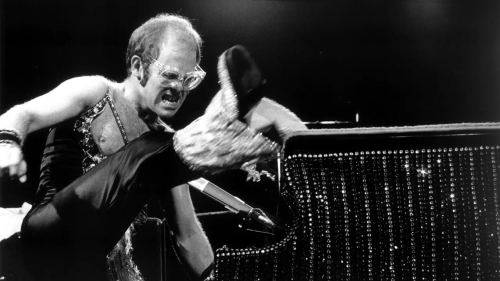
Elton John’s latest concert film follows the same structure as most current music documentaries: it splices present-day footage of the musician doing his latest (and final tour) with flashbacks of his past. In either rare archival footage or lovely animation, we see snippets of his troubled childhood, his serendipitous meet-up with writing partner Bernie Taupin, his rise to fame as an unlikely rock star, and his rocky relationships with different men. If you’re an avid fan of the singer, you likely won’t see anything new here, save for excerpts from his final tour. But whether you’re familiar with John’s music or not, this documentary is sure to be a pleaser, especially aurally.
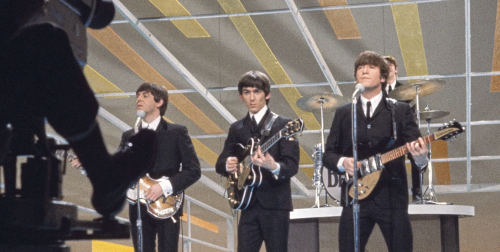
The Beatles ‘64 zeroes in on a precise moment in The Beatles timeline: their American debut, which propelled them from English boyband to Global sensation. Since their appearance in The Ed Sullivan Show in 1964, they’ve been on a nonstop upward trajectory to success. The documentary, co-produced by Martin Scorsese, explores why that is by expanding their two-week trip in the US into food for thought: why did they blow up the way they did? Was it because the country was in shambles and needed an escape? Was it because developments in tech and media unwittingly jumpstarted the fandom/parasocial craze? The documentary considers all this by having historians, experts, music icons, and even fans weigh in. In that sense, it can be all over the place, but the music and the pristine, restored clips of interviews with the Beatles and their performances onstage make it a worthwhile watch.
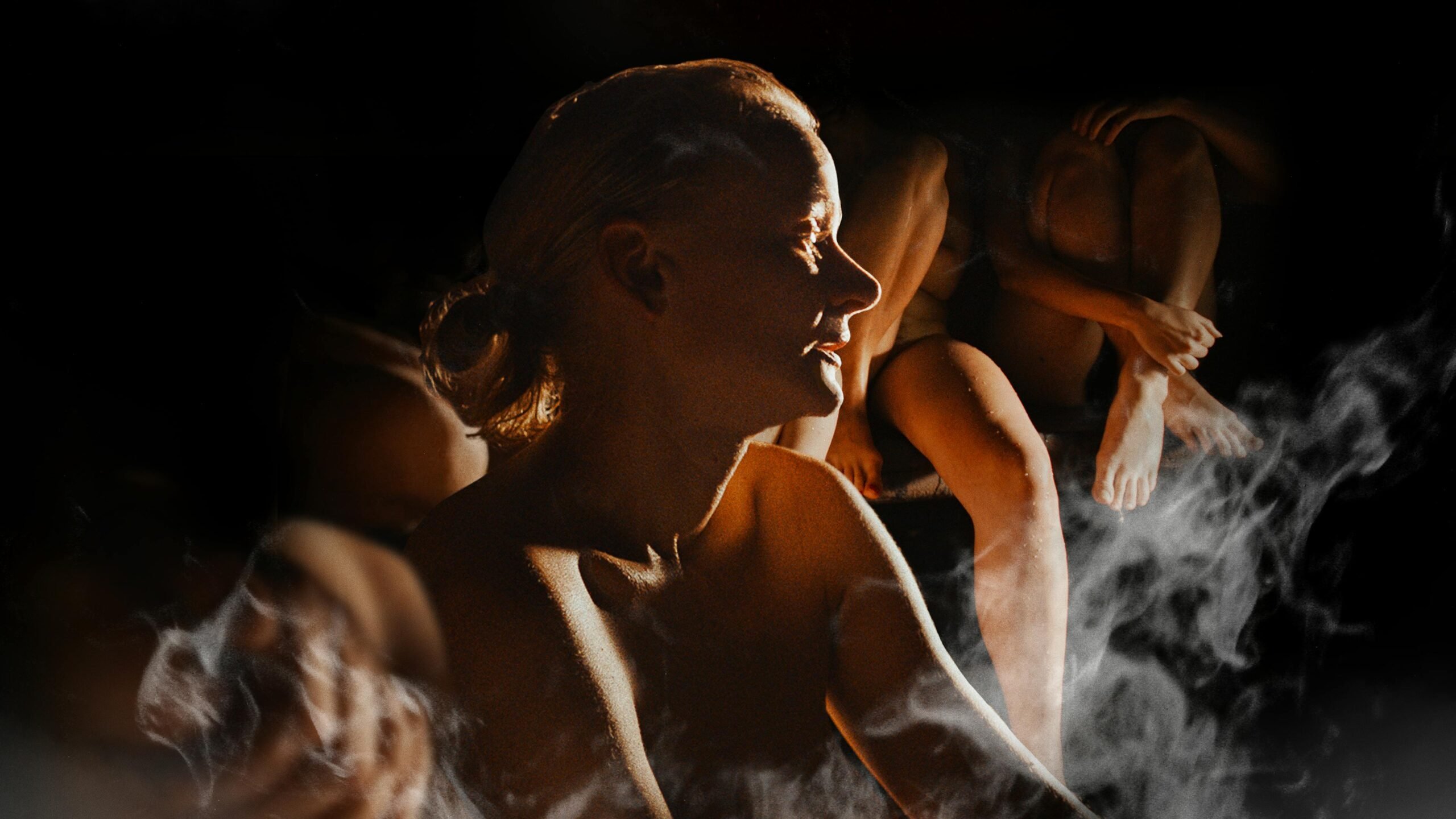
Nakedness has been demonized or at least, has been considered inappropriate outside of certain situations. One such situation is the sauna, as the steam and high heat is considered therapeutic, especially in colder regions. In her directorial debut, Anna Hints documents the Estonian smoke sauna, not just as a cultural tradition, but as a sanctuary for women to bare their bodies and their troubles. The women are, of course, naked, but the sauna’s smoke and darkness obscures and keeps identities hidden, focusing on their stories and allowing a glimpse of women’s bodies at their most natural, without the sexualization often placed with the male gaze. Smoke Sauna Sisterhood is a refreshing take, one where plenty of women can finally see themselves in.
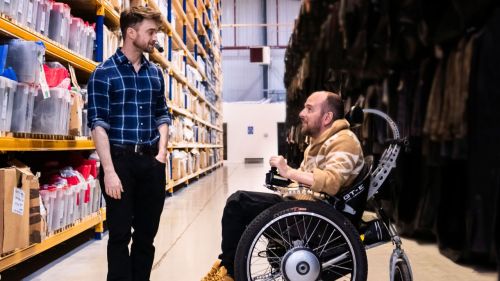
The Harry Potter movies undoubtedly changed the lives of its young stars forever — but a stuntman whose future the films had more tragic consequences for is the deserved focus of this moving documentary. David Holmes was just 17 when he was hired as Daniel Radcliffe’s stunt double, a role he held throughout the series. The two formed a close brotherly bond on set, growing up alongside one another for 10 years until a terrible accident during the final movie’s filming left him paralyzed from the chest down, a condition that has deteriorated over the years following post-surgery complications.
This doc is an inspiring portrait of David, from his fearless childhood and dream-fulfilling work to the incredible resilience he’s shown since the accident. It’s also, though, a poignant testament to the loving, supportive community that Holmes inspired at work — friendships that only reached greater depths following the accident and the end of the movies. The doc’s focus empathetically expands from Holmes’ story to include its impact on his bond with Radcliffe (who features prominently here) and Holmes’ fellow stunt doubles — and, while the sheer force of Holmes’ personality would make for a compelling documentary on its own, it’s the tenderness and honesty that all of these participants show that makes this so poignant.

Given a budget from Netflix to make a documentary on Korean film, some would have chosen instead to make one for big Korean filmmaking personalities like Academy Award winner Bong Joon-ho, who is featured here. However, director Lee Hyuk-rae instead creates Yellow Door, a love letter to the ‘90s film club that inspired a generation. The warm way each member tries to remember the club made decades ago, and the handy, almost cheeky, animations makes it feel like we’re there in the club with them, just listening to friends reminisce about the way they obsessed about film, even if it wasn’t the major they were studying in. It’s so nostalgic and sentimental, and in shifting its focus, it celebrates the lovely experience of finding a community of like-minded people that’s just obsessed with film as you are.
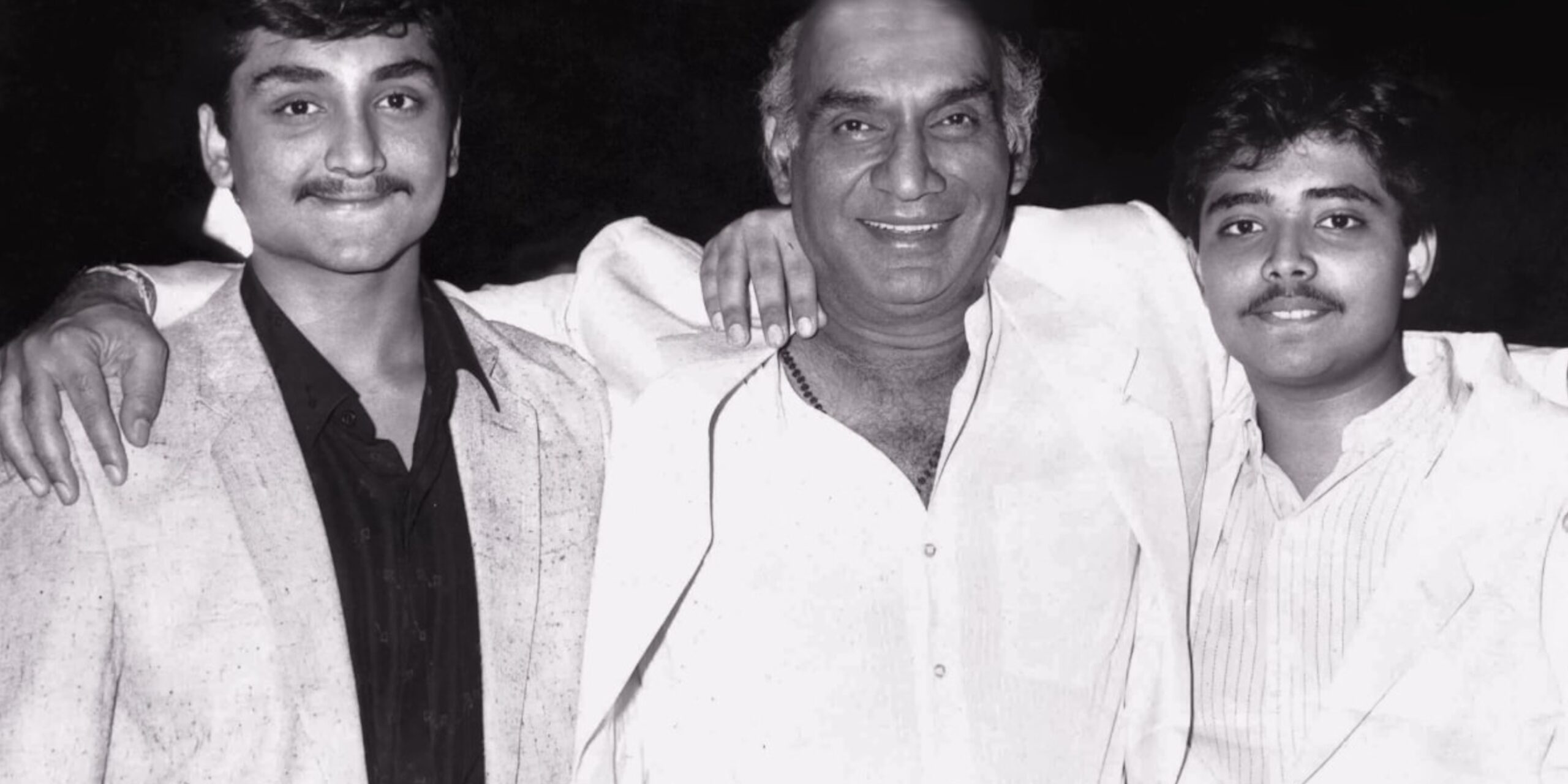
Bollywood is the biggest film industry in the world, in terms of output. After all, the Indian film industry churns out 700-800 films per year. Because of sheer output, there are plenty of excellent hidden gems from the South Asian country, some of which we try to cover here in A Good Movie to Watch. However, for a fairly comprehensive introduction to the industry, the English-language miniseries The Romantics is a great place to start. There’s no better filmmaker to take notes from other than Yash Raj Chopra, whose media conglomerate shifted the industry for the past 50 years, so the show tackles his legacy through archival footage and interviews from India’s current roster of film stars. Footage of his films alone are already a compelling watch, but director Smriti Mundra keeps an excellent balance between these films’ personal impact, as well as the corresponding political and film history in which his works were released to. It’s an excellent introduction to the colorful and rich film history of India.
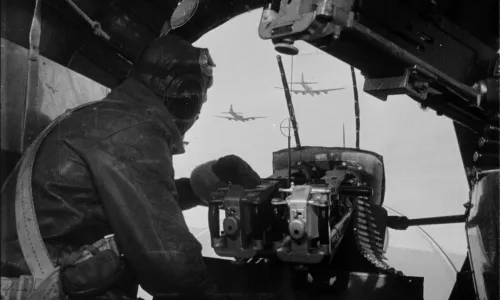
The Bloody Hundredth was produced as an accompaniment to fellow Apple TV+ production Masters of the Air, and it shows. In writing and editing, it doesn’t feel grand enough to stand on its own despite having big stars like Tom Hanks and Steven Spielberg come in and lend their presence. That said, it’s still a compelling story, made even more valuable by the real-life heroes who recall their experiences onscreen. This, plus the rich archival footage that accompanies them, is what makes an otherwise straightforward documentary well worth watching.

Teenagers forced to grow up quickly and spend their prime years wiling away at garment factories sounds like a grim reality, and it is, but in Youth (Spring), Chinese documentarist Wang Bing captures more than just the inherent tragedy of young labor. Here, they build friendships, find love, discover an affinity for their craft, stand up for themselves against exploitative bosses, and look for ways to have fun. Even if it’s just as simple as eating street food, spending the night at an internet cafe, or finding nice clothes, we’re with them in every way. Though it’s never explicitly political, the documentary makes you think about the conditions that put the kids there in the first place, such as our insatiable need for cheap and trendy clothes, governments turning a blind eye to child labor, and a skewed system that favors these above people’s—especially young people’s—well-being and welfare.
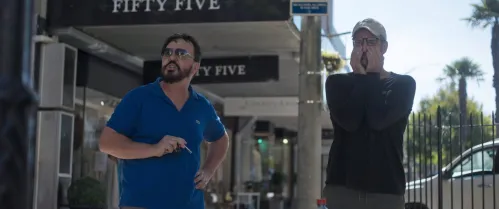
This documentary from journalist David Farrier, New Zealand’s answer to Louis Theroux, plays more like an out-and-out horror movie. But don’t be fooled by the serial killer connotations of its title — the real Mister Organ’s crimes are (mostly) psychological and have no obvious motive, making him quite a bit scarier than your usual screen villain. Described as a “parasite,” “terrorist,” and a “black hole” by the few traumatized victims of his who agree to talk on record about him, Organ is clearly a master at weaving a sticky web around everyone who comes near him — including, as it turns out, Farrier himself, who soon becomes a casualty of his own investigation.
Though the doc never really punctures the nebulous aura of this deeply creepy — and yet somehow deeply dull — character, that’s what makes it such an arresting watch: Farrier takes us along for the ride as he’s sucked into the disorienting orbit of an energy vampire, largely denying us the relief of a clarifying explanation so that we, too, get a taste of the claustrophobia and psychological torture that come with dealing firsthand with someone like Organ.

You don’t need to know a lot about baseball to appreciate The Saint of Second Chances. It has enough going on to keep you hooked from start to end, beginning with Jeff Daniels’ inimitable voice as the narrator and Charlie Day’s inspired casting as the younger Veeck, all the way down to the Veecks’ fascinating ties with American sports history and Mike’s inspiring and heartwarming second-chance philosophy. It all gets a bit too much at times, as if the filmmakers themselves were overwhelmed with their abundant material and creative decisions, but it’s executed with so much care and love that it seems as if this is the only way it could’ve come out: a wonderful mess.

We all learned that it’s good to have a free press, but most of us rarely consider why it’s good, why we should fight for it, and how to do so, in the first place. Bad Press tackles one such fight, specifically the battle for free press in the Muscogee Nation, and while it only tackles government control specifically, the documentary is a reminder of how fragile press freedom can be, broken in mere minutes, and how long and difficult it is to get it back. Has Bad Press figured out how to bring back free press? Perhaps, though the struggles were made much more murky with the way fake news outlets take advantage of the narrative, the way politicians keep their silence to maintain innocence, and the way the masses could have voted against it. But nonetheless, Bad Press was a necessary reminder of how much could have been lost.
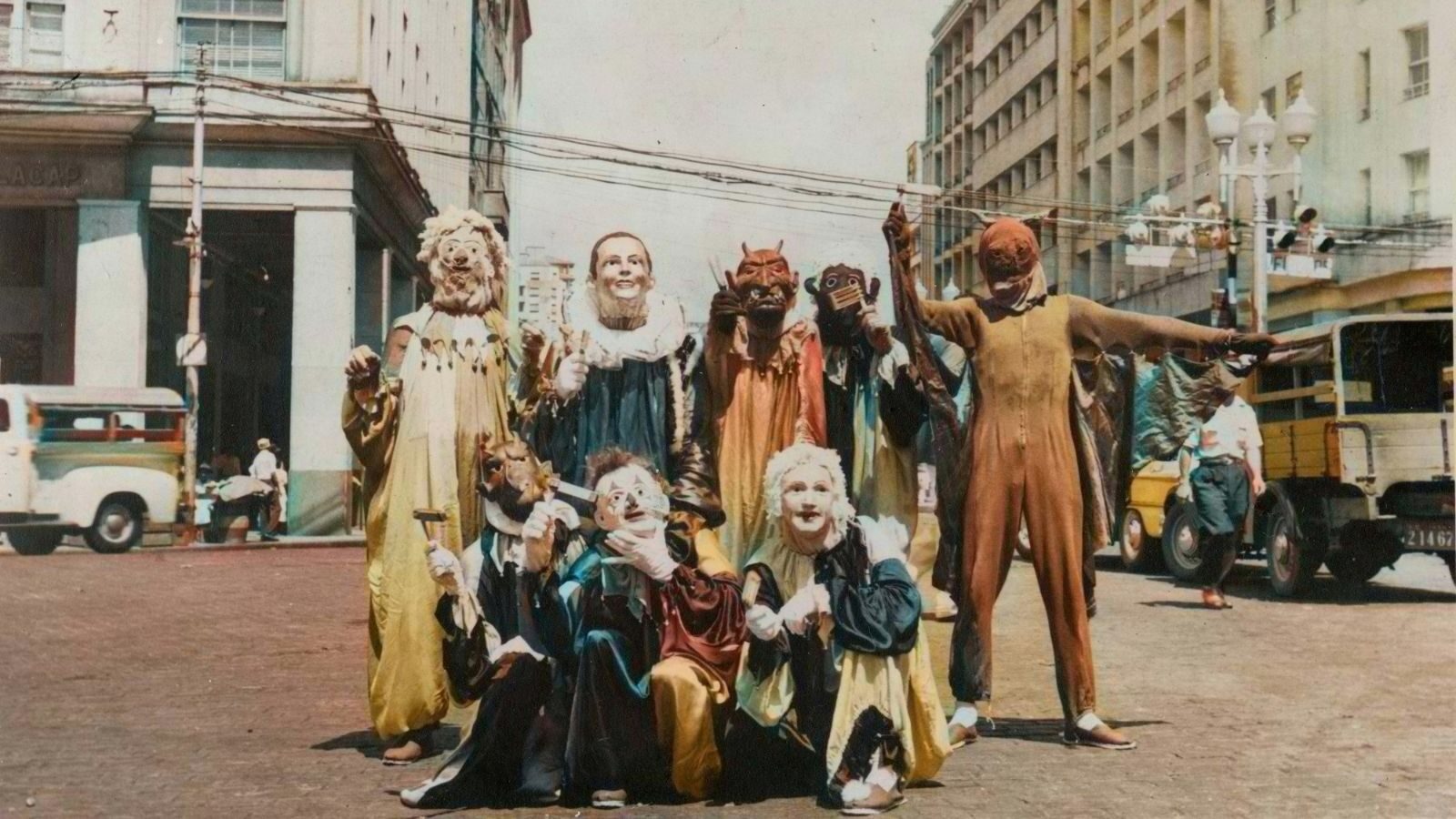
Like people, places have things that change and things that remain the same. Most of us keep our thoughts about our hometowns to wistful conversations and the recesses of our memory, but Brazilian director Kleber Mendonça Filho instead captures Recife in Pictures of Ghosts. It’s a meandering tour, shifting from topic to topic, place to place with not that much structure, but through the journey, Kleber shares so much of himself (his home, his film sets, the theaters he formed his taste in), and Brazilian society, combining archived clips, personal memories, and even a ghostly mystery into one interesting map of Recife.

I love when a misunderstood woman reclaims her narrative with her own words, and that’s exactly what Pamela: A Love Story is too, a tell-all documentary told by Pamela Anderson herself.
The documentary bares it all—the scandalous sex tape, Anderson’s troubled past, the disgusting misogyny that continues to tarnish her career. She even touches on the Hulu miniseries made about her demise (which Netflix must feel so smug about). But this isn’t a pity party. Just the opposite, the documentary is a testament to resilience. “My life is not a woe-is-me story,” Anderson says at one point, and truly, this is an inspiring and humanizing story about a woman taking charge of her own life. An absolute must-see.
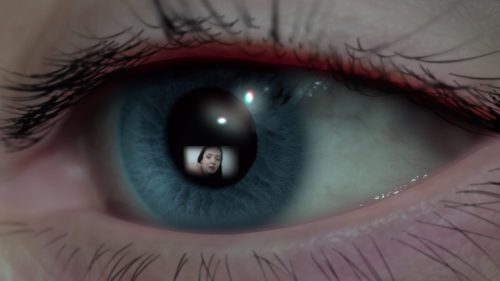
Sophie Compton and Reubyn Hamlyn’s British-American documentary about the harm of deepfakes won the SXSW Special Jury Award for its innovative storytelling and deservingly so. The two filmmakers use a clever and considerate way to let a young woman fictitiously named Taylor share her story of how she found deepfake pornography of herself online. With testaments, desktop form reconstructions, and lots of deepfakes, Compton and Hamlyn alert the audience to how terrifyingly widespread this kind of abuse is, and even more: how unregulated it is. Across the globe and 48 US states deepfake pornography is legal to make and spread, while victims remain helpless and unprotected. More than 90% of them are women. These chilling statistics are only part of the reason this documentary takes an activist stance and wants to raise awareness against the uncontrolled spread of face-swapping algorhythms amidst heated discussions around AI and ethics.
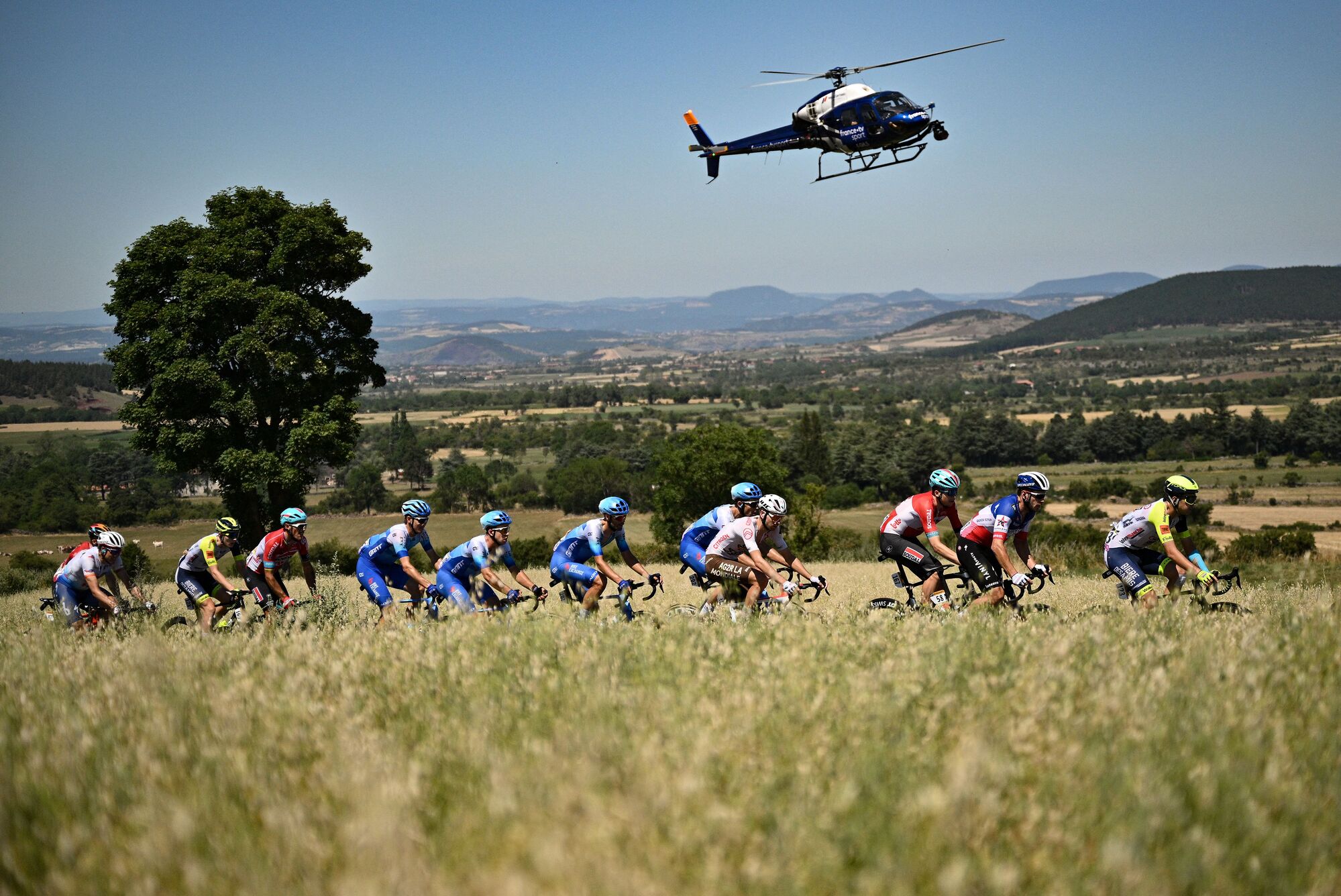
Tour de France: Unchained is an intense sports docuseries depicting the ins and outs of the prominent cycling race. While cycling is an individual activity, Tour de France is structured to be a team sport — usually comprising around 20 teams with eight riders each. The first season depicts the 2022 run from Copenhagen to Champs-Élysées, the comeback after the pandemic, with players looking to defeat two-time defending champion Tadej Pogačar (UAE Team Emirates). If you’re up to date with cycling news, you’ll know how this one ends. However, it’s still a worthwhile watch, as the show goes behind the scenes to witness the team dynamics, the severe falls, and the steep challenges. With this in mind, Tour de France is very watchable, especially for fans of the sport.

Silver Dollar Road isn’t a new story– it’s one of many that comes as a consequence of systematic Black land loss that continues to happen to this day. Director Raoul Peck tells it in a new way, completely focusing on the Reels family and hearing their story entirely, from the initial confusion to two of the homeowners’ incarceration, and remembering the good old days when they used to enjoy the land. The land dispute has escalated to years of harassment, imprisonment, and being taken advantage of from opportunistic legal counsel. While it could have benefitted from from detailed legal proceedings, Silver Dollar Road still powerfully depicts an intimate family story that outlines the systemic racism enabling Black land loss today.
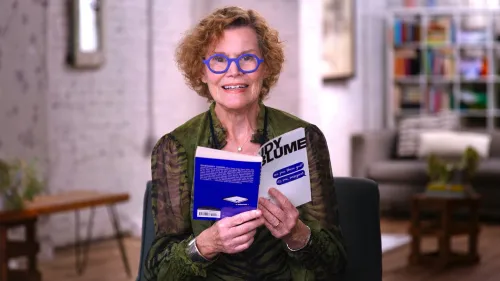
Judy Blume, the author behind enduring classics like Are You There God? It’s Me, Margaret, Superfudge, and Forever, gifts us with her comforting presence and precise insight in Judy Blume Forever, a delightful documentary about a delightful woman.
Here, Blume looks back and lets us in on the eventful private life that inspired her prolific work life. Each book has a behind-the-scenes story, which the documentary pairs with commentary from well-known fans like Molly Ringwald, Lena Dunham, and Samantha Bee. Additionally (and most memorably), the documentary also features the years-old correspondence Blume has kept with the children who wrote and confided in her. Whether or not you’ve read her work, watching this film is a heartwarming experience that will soon have you grabbing the nearest Blume classic.
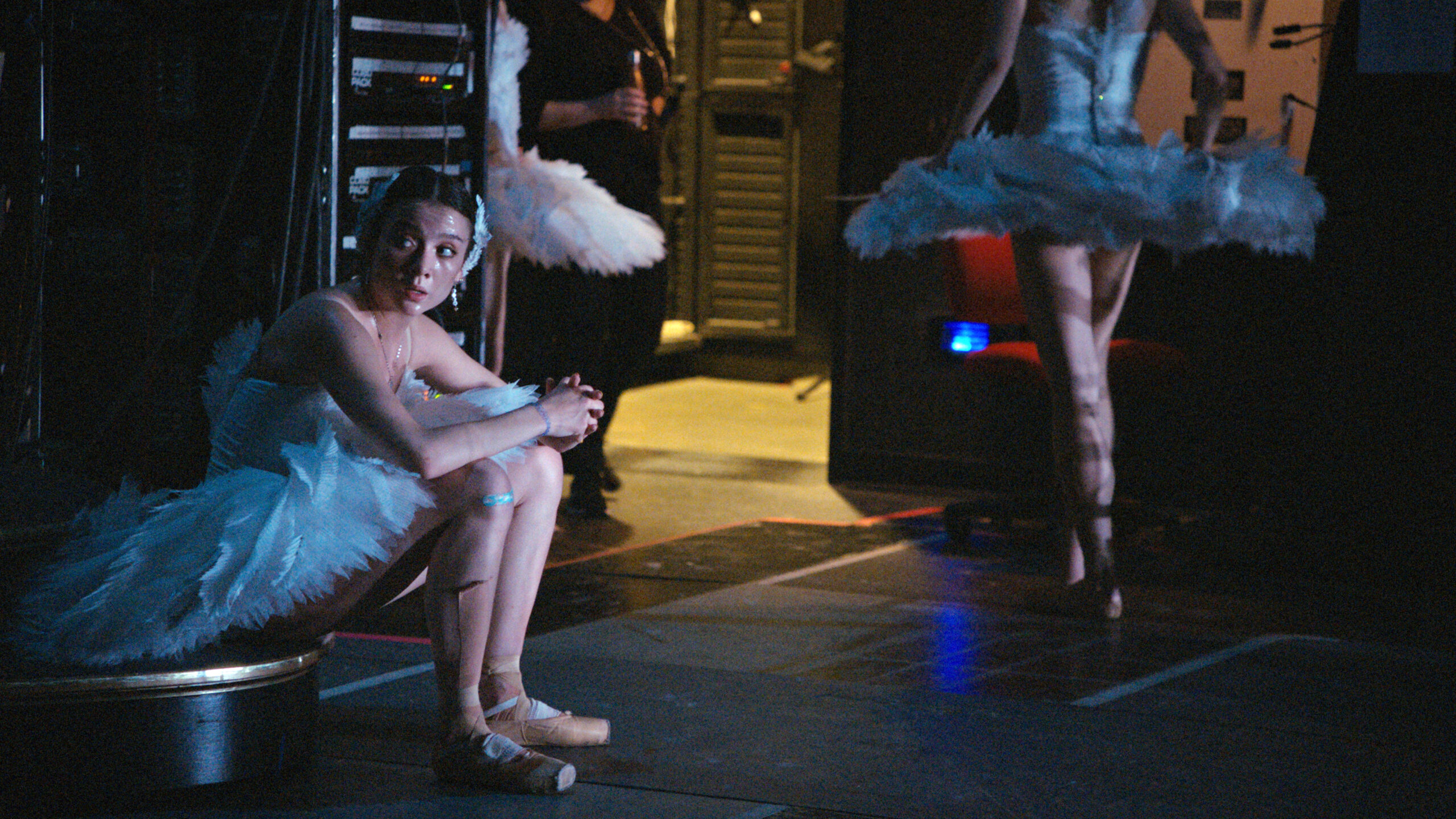
If you’re hard working and well-situated enough, you get to chase and achieve and live out your dreams for your whole life. But if you’re lucky enough, you get to choose how you’ll leave. Swan Song is the journey Canadian ballet icon Karen Kain took to direct one last production of Swan Lake just before retiring as artistic director of National Ballet of Canada. Director Chelsea McMullan takes a fairly standard approach in her documentary, but to be fair, the subject matter is interesting by itself. The beauty of the ballet has long captivated cinema, so it’s unsurprising that the beauty is present, but McMullan effortlessly highlights the way Kain shaped her directorial style based on her own experience, with more humane and collaborative leadership that allowed the country’s troupe to shine.
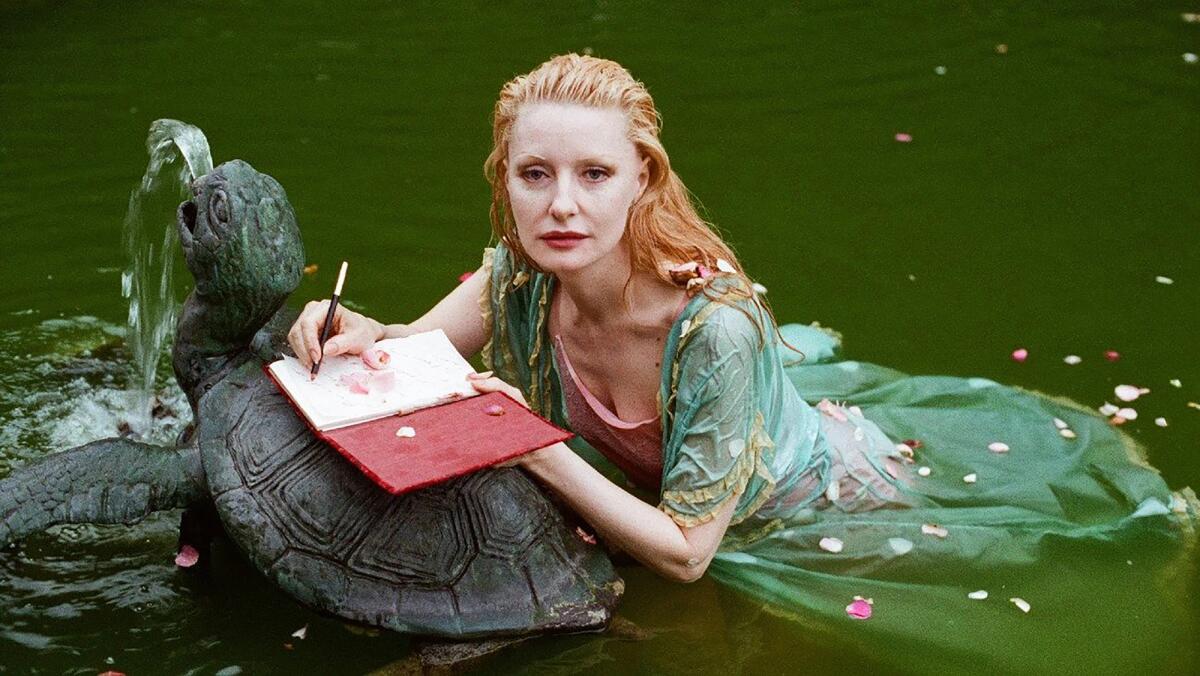
Feminism has made plenty of strides in multiple areas, but even in the era of free love, talking about sex was difficult, and certain figures were dismissed just because of it. The Disappearance of Shere Hite reexamines the titular forgotten feminist figure that simply focused on the female orgasm, giving a second look at her immediate rise and fall in the American media, and the reasons for her leaving the country. With Dakota Johnson’s soft voice, an excellent selection of archival footage, and Hite’s deeply personal words, the film paints a portrait of a mild-mannered, self-possessed woman, but it also reveals the heartbreakingly repetitive vitriol that affects these open discussions today.
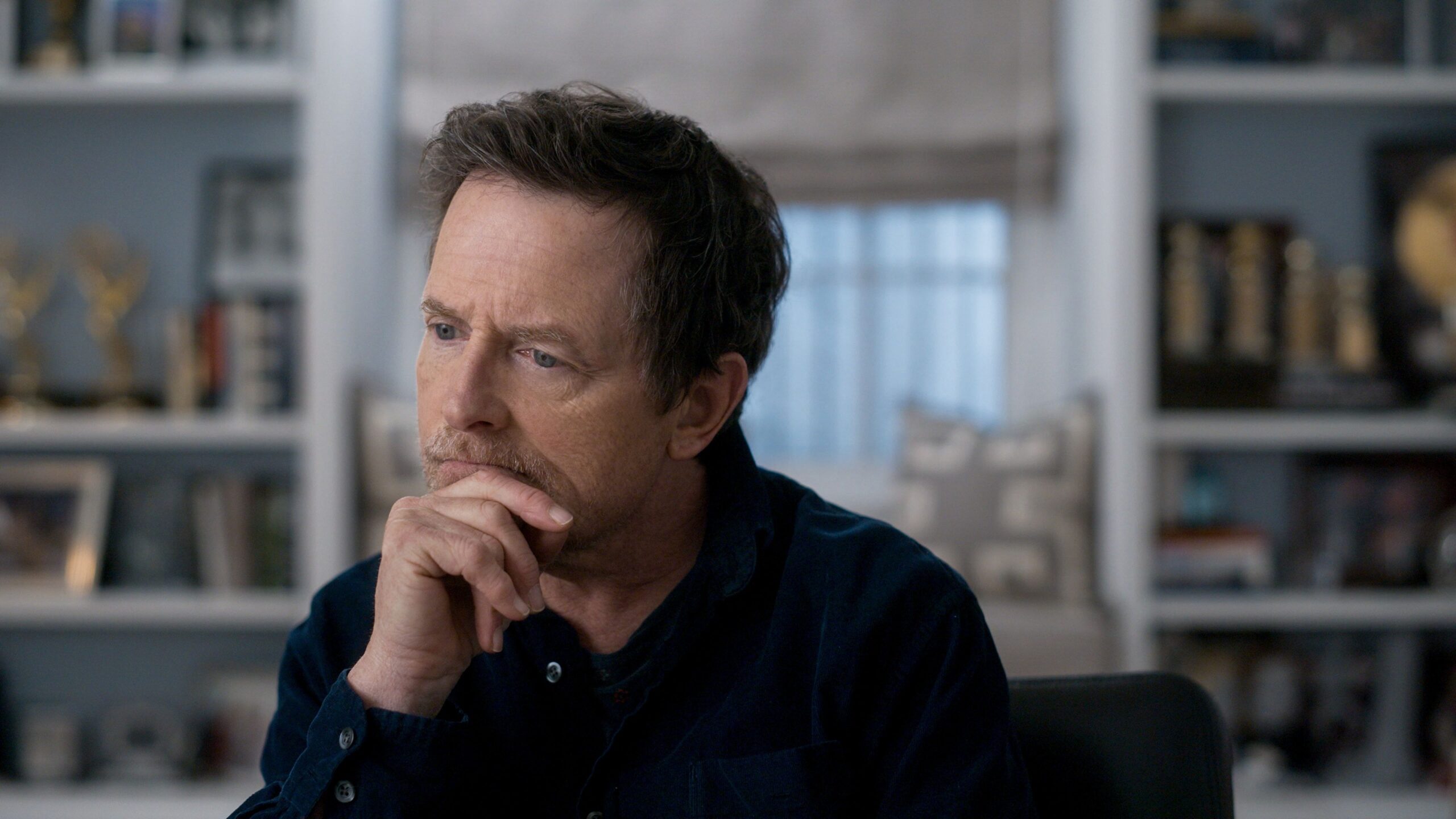
There’s a scene early in the documentary when present-day Michael J. Fox, who famously suffers from Parkinson’s Disease, swaggers along a street and greets a fan, only to stumble at that very moment and have people surround him with concern. Instead of giving into their pity or pretending nothing happened, he cooly tells the fan, “It was so nice meeting you, you knocked me off of my feet!”
This brief moment tells you all you need to know about the ‘80s icon—Fox refuses to be a victim. Still is his brilliant and admirable attempt at telling his well-known story on his own terms. It covers everything from his childhood and early work in Hollywood to his life-changing roles in Family Ties, Teen Wolf, and most memorably, Back to the Future. It also sheds light on Fox’s life as a husband, father, and Parkinson’s sufferer. Director Davis Guggenheim (An Inconvenient Truth) does a genius job of using faceless reenactments and cuts from films and TV shows to accompany Fox’s narration, which pumps the film with a dynamism that matches Fox’s resilient spirit.
Urgent, clever, and exciting, Still is one of the rare celebrity biographies that serves a higher purpose than just recounting a famous person’s life. Anyone who understands the importance of constantly moving and evolving will appreciate this film’s existence.
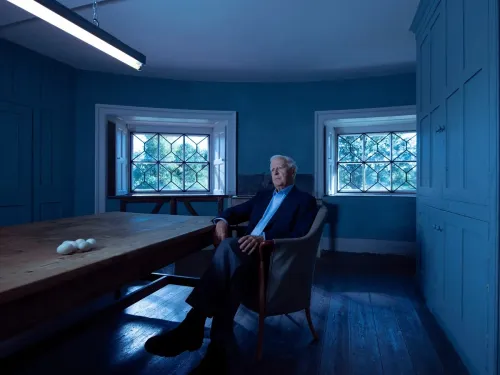
You may not know the name of Errol Morris, but you must have seen either Tinker Tailor Soldier Spy or The Night Manager, as films and TV have offered ripe adaptations of 20th century espionage novels under the disguise of simple entertainment. What you may not know is that the author of the books they are based on has been a spy himself, for most of his life. David John Moore Cornwell, better known as John le Carré (his pen name), is the subject of the latest work of detective-turned-filmmaker Errol Morris whose penchant for exploring the limits between fact and fiction has propelled the documentary form numerous times over the last decades. The film is a quasi-biographical doc with some exceptional reenactments that color Le Carré’s own tales to try and outmanoeuvre the viewer’s ceaseless desire to fix what one sees into either category: fact or fiction. With an ex-spy and a documentarian, you never know.

With a long and chaotic 30 years in the industry, it’s hard to encapsulate Robbie Williams’ whole musical career in a documentary. There are plenty of songs to tackle, plenty of scandals to explain, and Netflix tries to portray it all through its latest four part docuseries. Given its lengthy subject matter, it’s impossible to tackle everything, of course, so it mainly focuses on the artists’ mindset and mental health as Robbie Williams himself looks back at previous footage of himself. There’s some comfort in the fact that the singer now feels more settled in himself, something comforting in the idea that depression can be handled and overcome, but it makes this docuseries a fairly vulnerable one for the artist, and it’s an intriguing behind the scenes look for his fans.
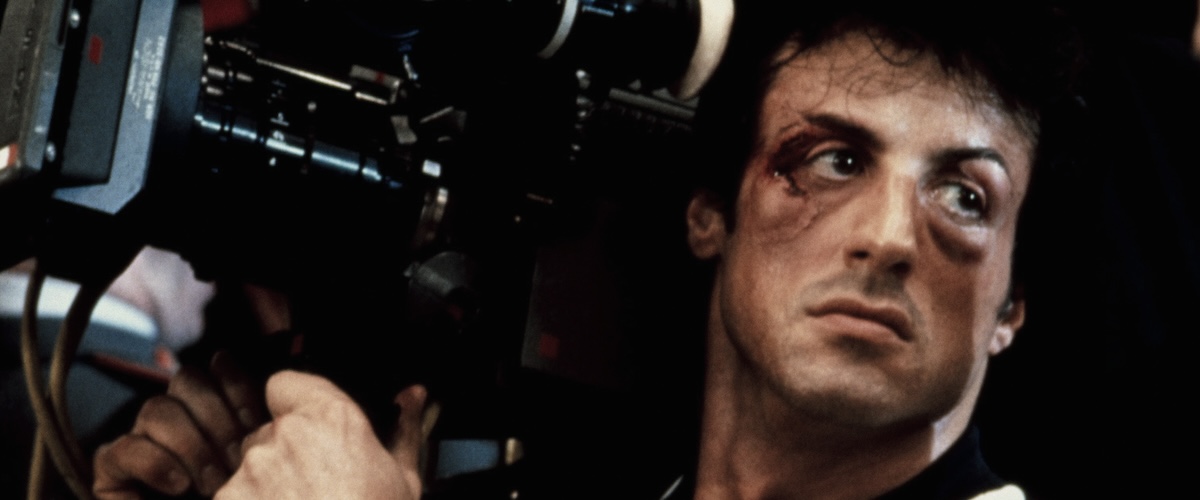
The mythology surrounding Sylvester Stallone: the action hero is so big and successful that many people, including myself, often forget about Sylvester Stallone: the prolific writer. He failed to bag roles as a young actor in the 1970s, so he whipped out a script (in a span of three days!) that became the iconic film Rocky. Later on, after witnessing the power of elderly entertainers, Stallone rewrote a screenplay that would become the ongoing franchise The Expendables. He’s a hunk in many people’s eyes, nothing more and nothing less, but Sly successfully steers you away from that one-dimensional reputation and reintroduces you to the dramatist and artist Stallone has been all along. The film begins as an immigrant story (Stallone hails from Italy), then turns into a rags-to-riches story (he grew up in a tough New York neighborhood without formal education) before finally transforming into an honest and earnest meditation on superstardom and artistry. Going in, I was wary that this would be just another puff piece on a Hollywood has-been. And while it does have its fair share of schmaltz, I now believe it’s a well-deserved and long overdue ode to Stallone’s unwavering commitment to the power of movies.
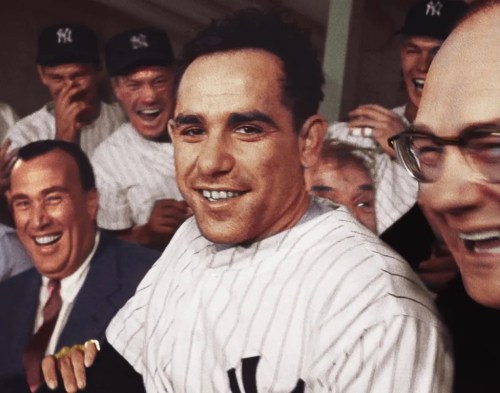
Nowadays, more people might know the cartoon character Yogi Bear or the saying “It ain’t over ‘till its over,” more than they know Yogi Berra, the larger-than-life baseball player who originated the character and the phrase. But in his prime, Berra was one of the most recognizable faces of major league baseball. He was so beloved that he appeared in countless commercials and effortlessly won the hearts of Americans. It Ain’t Over, however, makes a case about Berra being more than just a public figure and how he was one of the best players of all time. The documentary, which is equal parts stats, archival footage, and anecdotes, is convincing without ever being forceful or desperate about its arguments. Berra’s innate warmth and charm carry over in this biography, regardless of whether he’s telling the stories himself or his friends and family regale us with tales of the icon. You don’t have to know much about baseball to enjoy Berra’s life story unfold; having a basic appreciation of storytelling and kindhearted people will suffice.
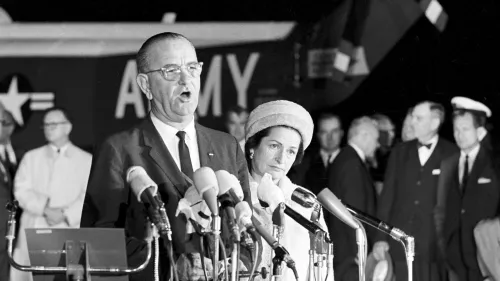
Partially based on the 860-page memoir, “A White House Diary”, and on the actual audio recordings Claudia Alta Taylor Johnson made during her time as first lady, The Lady Bird Diaries is an intimate reworking of a past we still know very little about. Told from the vantage point of First Lady Johnson candidly and in detail, the audio track shapes the whole film. All the archival footage is nicely complemented by hand-drawn animations to fit the missing images, but all the visuals are always in service of the narration. In this way, the documentary becomes a piece of history and an archive in itself, its illustrative functions – a crucial storytelling tool for posteriority.
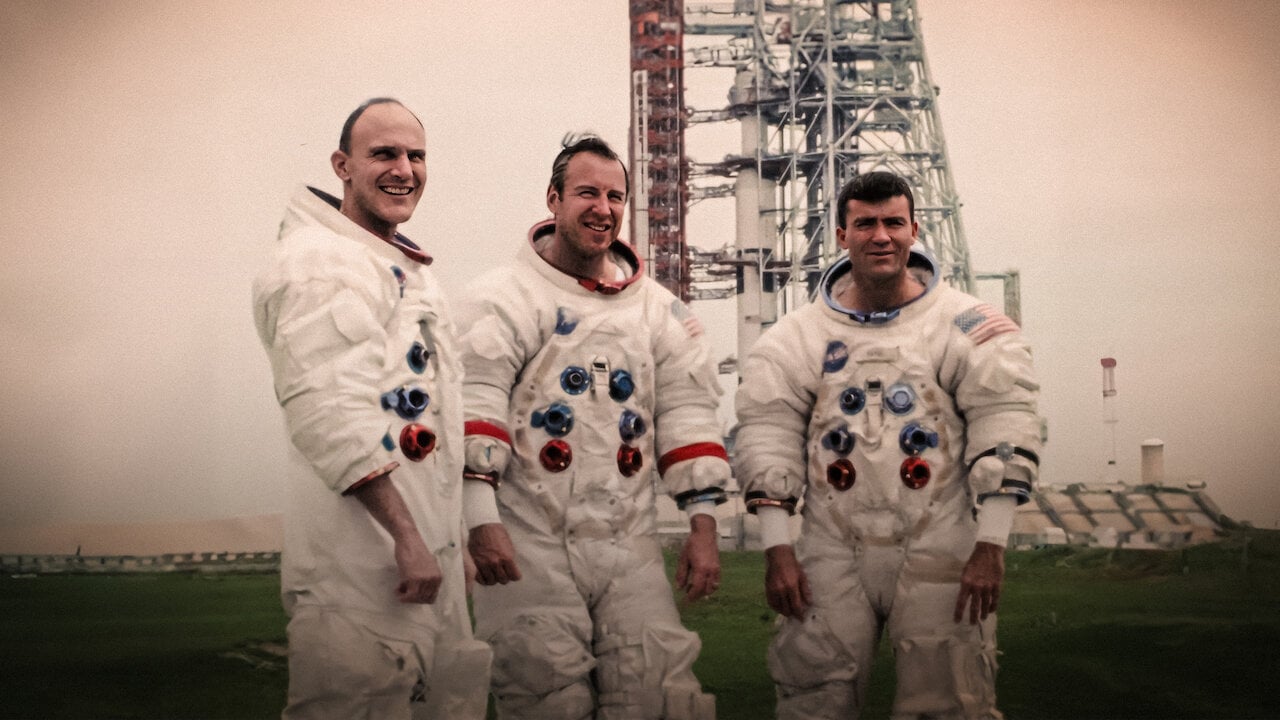
If you want a powerful, masterful rendition of the ill-fated space mission, go and watch Apollo 13 (1995). But the documentary more than half a century after the mission, and two decades after the feature film, is not half bad. Of course, being a documentary, Apollo 13: Survival is much more factual, but the true tale still manages to hold the tension, the high stakes, and the emotional pull of the actual spaceflight, with excellent editing stitching the never-before-seen archival footage and key interviews into an exciting, compelling account. That being said, older viewers that already watched the Tom Hanks drama would likely not find anything new in this film, but Apollo 13: Survival would be a decent documentary to those who have never heard of the spacecraft.
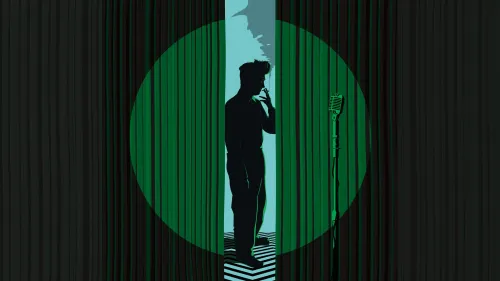
Swiss filmmaker Alexandre O. Philippe gave us the free-flowing fandom doc The People vs. George Lucas in 2010 and hasn’t stopped obsessing over his favorite filmmakers ever since. Can you blame him? Dedicating years of your life to research of the the weird Lynch-verse is a mammoth task, especially since the kernel of his new doc can be found in a single line uttered by the director. At a Q&A in 2001, he said:”There is not a day that goes by that I don’t think about The Wizard of Oz,” and that was reason enough to conceive of the 1939 Technicolor film as a lens to read Lynch’s whole filmography through. Philippe is dedicated beyond measure, which is both an advantage and a disadvantage for the whimsical exploration of such a fascinating body of work deserves complete devotion. Perhaps even bordering on obsession. A wildcard documentary for the Lynchheads, Lynch/Oz includes not only excerpts from shorts, features, and TV he made, but also clips from various appearances. Plus, the six chapters feature different filmmakers and critics who imbue the film with their own interpretation of the enigma that Lynchian cinema is.

If you’re familiar with the upscale Chinese restaurant chain owner, or that Chinese boy in old 60s British films, or with his paintings, Aka Mr. Chow might surprise you because they’re one and the same. Born with two names, Zhou Yinghua and Michael Chow, Mr. Chow is just so cool that telling his life story is already interesting. From the tough immigrant experience, living alone as a boy, to his current worldwide success in film, food, and painting, it’s interesting to know that it’s possible. But the documentary dives into it, using the film medium to mirror his own creative style and artistic sensibilities. The film is able to link each of his opinions, not just with his life, but also with the historic changes in his home country. It’s an intriguing approach, if a bit superficial in certain areas, but it’s very entertaining.
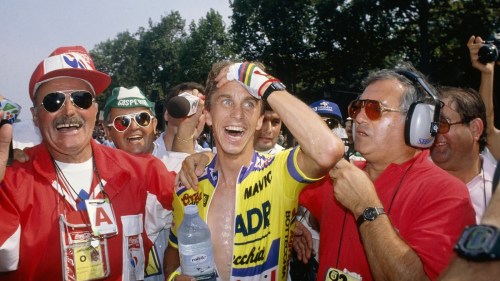
American cyclist Greg LeMond, who in 1986 won the Tour de France has been a legend in the sports world, but filmmaker Alex Holmes presents him to the wider audience with a brand-new inspirational documentary. The Last Rider is everything this kind of film can be—its hook is courage and hard work that pays off, its mode of storytelling is personal, intimate interviews, and its framework is a “modern hero” kind of narrative. By stringing together conversations with LeMond himself, his friends, family, and colleagues, Holmes tells a chronologically-sound, emotional version of a landmark career. For many, the 1986 or 1989 win wouldn’t mean much (unless you’re a sports fan or French), but the educational bits of The Last Rider make for good trivia material. If you need a courage boost, here’s the story of a professional cyclist, injuries, perseverance, and fame, to cheer you up.
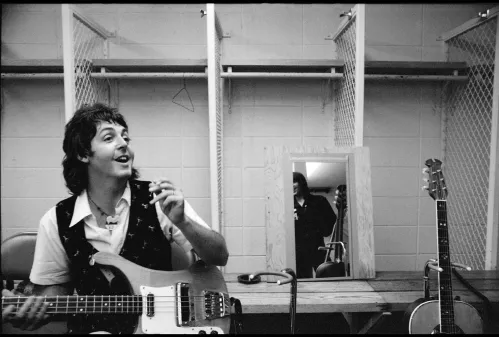
The Beatles is the greatest musical band ever created, or at least the one with the most success, most influence, and most impact in the industry. So, what do they do when that same band breaks up? Fans that have followed their careers since are likely to know what has happened, but the perspective Man on the Run presents is fascinating. Focusing entirely on Paul McCartney, this documentary clears up some of the mystery and confusion that surrounded him, the weight of the expectations and the disappointment of the fans over the break-up. Of course, the archive alone would already please fans. Filmmaker Morgan Neville simply takes that footage to celebrate McCartney’s reinvention.
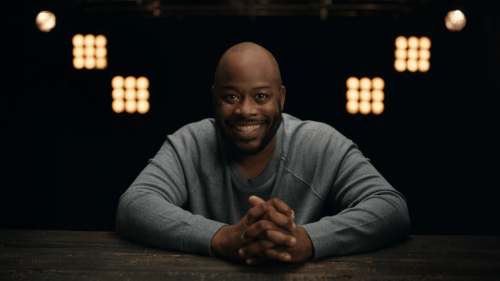
The particulars of the scandal are enough to shock, enrage, and move anyone, but the directors of BS High also put Johnson in the hot seat and skewer the guy until they wring all ego and delusion out of him. The result is a compelling and terrifying look into a con man’s mind. Johnson alternates between justifying and denying his fraudulent ways and even tries to draw empathy from the audience by explaining his upbringing. But cleverly, the directors intercut his wild speeches with heartfelt testimonies from the real victims of this scam: the young recruits who were promised a better life if they played in Johnson’s team, only to be abused and marked for life. It’s impossible not to feel for the young men, who even up until the documentary’s end, wonder out loud how they could possibly move on from such a traumatic experience.
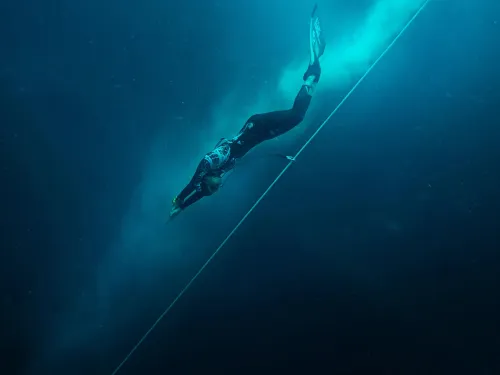
Freediving is a particularly cinematic sport because it taps into something beyond what the human body is capable of. Skilled divers hold their breath for long enough to reach more than 100 meters deep, and watching footage of that incredible feat is exhilarating, to say the least. The Deepest Breath capitalizes on that very spectacle—being exposed to death and conquering it—and banks on using archival footage of world records and training. It’s a smart move, as it keeps the spectator on edge, but it can also be a cruel way to put thrills over ethics. The editing is kept suggestive, but sometimes, shamefully, at the cost of misrepresenting Alessia Zecchini and toying with the viewer’s expectations to the point of callousness.

The film unfolds in the rhythm of a cow’s life: birth, mating, feeding, milking, checkups. Soon, these events become regular occurrences. Instead of showcasing the more ‘spectacular’ parts of these animal lives in order to build a narrative that’s engaging in a more conventional sense, British director Andrea Arnold opts for intimacy through banal instances. Even if female cows are symbolic of labour (reared for milk, meat, and reproduction), the actual cows in the documentary are not actors in a traditional sense. Yet, Cow opens up the dialogue about the on-screen role of animals beyond the call for activism. In it, the protagonists dictate the camera movements and positions just as any other human subject would, but since Arnold is an intuitive and sharp filmmaker, she embraces the opportunity to challenge cinema’s status quo. A beautiful addition here is the presence of pop music needle drops, through which the film jolts us into being more attentive, helping us to experience everything we consume in everyday life unperturbed (milk, meat, or pop songs) anew.
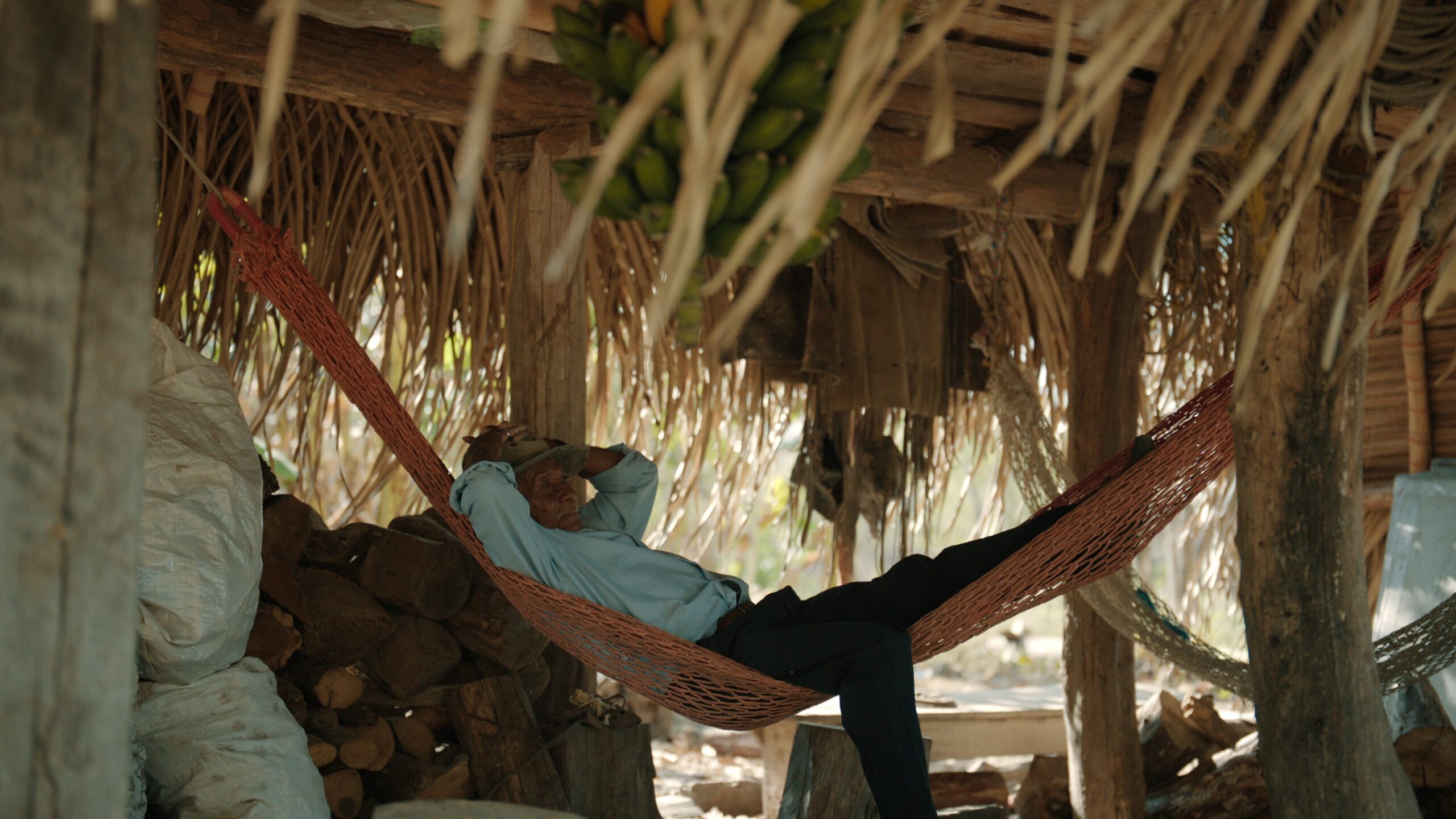
Best known for his research in blue zones, Dan Buettner brings us to these communities through his new Netflix docuseries. Live to 100: Secrets of the Blue Zones is a short and straight-to-the-point miniseries depicting the five designated blue zones around the world. Detailing differences in diet, mindsets, and activities, the series obviously advocates for a certain type of healthy living, written extensively about by the host. However, rather than the host constantly lecturing about what he learned, the show is mostly composed of moments where he interviews the residents directly. The travelog feels more like asking your elders for life advice, more so than a longevity tip info dump, or advertisement for Buettner’s other books.
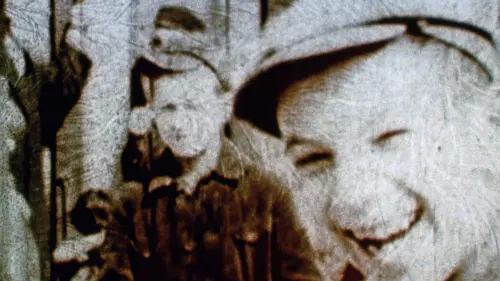
In this documentary by Bianca Stigter, a three-minute home video of a nondescript Jewish town in Poland is examined in great detail to reveal the history and humanity behind it. Taken just before the Holocaust, it’s one of the few remaining proofs of life the town has before its population was decimated in the war. And so the footage is repeated and stretched in this documentary, because as the narrator puts it, “as long as we are watching, history is not over yet,” and the people have yet to be gone.
Glenn Kurtz, the grandson of the person who shot the home video, takes it upon himself to investigate the history of the town and its citizens: what they were and what became of them. The results are often grim and unsettling, and the eerie editing matches them with great effect. But when it’s not haunting, the film is oddly hopeful—for a future that remembers its past and preserves it in meaningful ways. Couple this sentiment with the narrator’s own poetic observations, and you get a powerfully moving elegy about loss and memory.
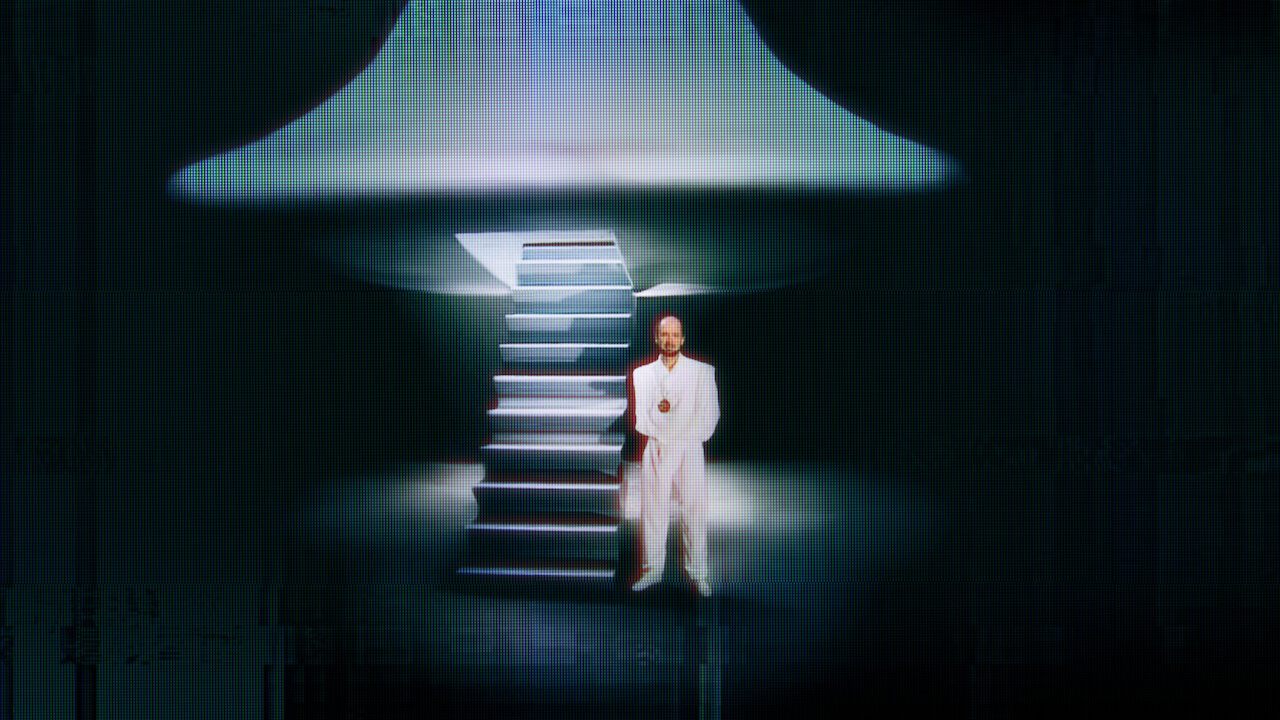
Stories about cults have fascinated viewers because of how absurd their ideas can get… And how easy these ideas can lure in lost and broken people. Plenty of these cults tend to stick with ideas that sound similar with the world’s major religions, but not many claim to be able to clone humans. Raël: The Alien Prophet plays out like the regular cult playbook, with a regular man suddenly amassing riches, power, and fame through charisma, and abusing his followers to obtain more, but the show keeps the viewers’ interest by primarily focusing on what sets the movement apart: the aliens and the human cloning.
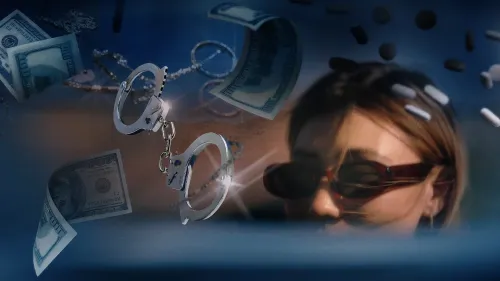
Erin Lee Carr, the director of Britney vs Spears, returns with a scoop. Ringleader is not just another pop culture doc, because it features a first-time interview with the young woman at the center of The Bling Ring robberies in Hollywood, Rachel Lee. But this is not the kind of film that tries to pick the brains of a perpetrator. Instead, the director positions herself as a journalist in front of her subject and questions her frankly, an approach resulting in amusing frankness. However, the rest of the doc feels too formulaic in the way it stitches together personal archive footage that is more or less neutral. Banking too much on exclusivity when it comes to the interview, already clouds it with expectations. One is led to ask whether Lee is good, bad, repentant or sociopathic and project onto her such qualities—a move which invites a similar fascination with celebrity life the film tries to untangle.
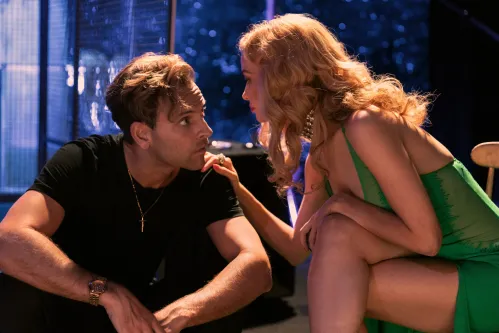
The way we are introduced to sex does shape the way sex features in our lives, whether that be an unintended glimpse into the wrong room, or an accidental encounter to NSFW media, or a proper discussion towards sex. Being inspired by, but not entirely accurate to the life of prolific Italian porn star Rocco Siffredi, sex is central to Supersex not just as his job, but as the way his family, relationships, and his concept of love is irrevocably affected by it. It’s fixated on sex, yes, but showrunner Francesca Manieri stirs the discussion not towards how hot it can be, but towards the various ways sex affirms and negates his masculinity, as well as the conceptions that determine that, and how it can slip into vice rather than healthy pleasure. There are moments where the series falters, particularly the way it depicts internalized homophobia, but overall, Supersex is a well-meaning exploration of sex work and masculinity.

As a psychological profile of its subject, this documentary about the so-called “mastermind” behind the Bling Ring burglaries isn’t as rigorous as it should be — but as a portrait of that hyper-materialistic era and our never-ending obsession with fame, it fares much better. Rachel Lee was identified as the “ringleader” of the teenagers’ crime spree by some of her accomplices but had never spoken in public until this documentary. That suggests a juicy exposé; in line with this impression, Lee initially presents as starkly self-aware. However, our trust in her ability to give us a truly honest account soon crumbles as she lists off rather weak reasons for her crimes: her middle-class upbringing and parental divorce (though her teenage experiences with drug abuse are more plausible explanations).
Though the film points out the logical flaws and inaccuracies in Lee’s account, it never really takes her to task for them, compromising the rest of her contributions. What is more incisive is its treatment of ancillary figures in the scandal (a fame-obsessed investigating officer and a Bling Ring victim-influencer) — examples which, coupled with the doc’s examination of the flashy excess of the ‘00s, lay out a much clearer picture of the kids’ motivations than much of what Lee offers.