Hoopla Suggestions - Highly-Rated Movies & Shows on Hoopla
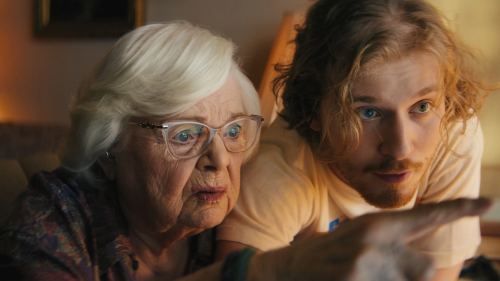
It’s easy to laugh about an old lady being an unwitting lead in an action film, the joke being that they can’t possibly be that. But June Squibb’s Thelma is. She refuses to be infantilized and undertakes a journey that’s dramatized to great effect. It’s still funny, but without Squibb’s character being the butt of the joke. It’s also immensely charming, smart, and moving, without ever being too saccharine or pandering. The performances are wonderful across the board, but it’s Thelma’s intergenerational bond with her 24-year-old grandson Daniel (Fred Hechinger) that’s at the heart of the film. In some ways, both Thelma and Daniel have to prove their worth to a world that gives them little credit for their idleness, even though they’re both happy and make other people happy that way. Parker Posey, who plays Thelma’s daughter and Daniel’s mother, is equally commendable as the seeingly stable but perpetually harried “adult” that keeps the two grounded in reality. Equal parts sweet and bad-ass, Thelma is the movie to see if you want to feel the warm fuzzies (minus the cheese) with the family.
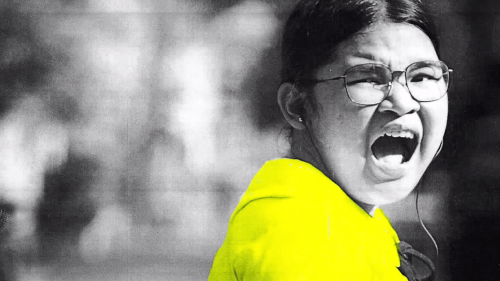
In Letterboxd, Cleaners was once the highest rated film of 2021, and was once in the list of the top 250 narrative features overall before the rating system changed in 2023. To viewers outside the Philippines, this might have been mind-boggling, especially since the film wasn’t yet released internationally the year it premiered, but it shot up the ranks for a reason. The coming-of-age anthology just looks so different, being filmed live, then xeroxed and highlighted, frame by frame, just like print-outs for school. The unique approach evokes a sense of nostalgia in high contrast print and blurred movement, and it’s matched with the classic Filipino coming-of-age moments that has rarely been seen before.
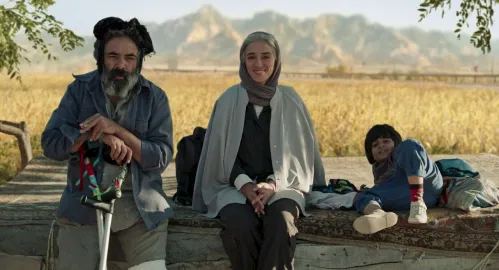
A road trip movie with an unknown destination, Hit the Road plays with our expectations by avoiding any obvious questions we might have, and making us focus on the real important things. Informed by the censorship and persecution faced by critics of Iran’s government—including director Panah Panahi’s own filmmaker father, Jafar—the film places more focus on the very act of escape and what that can take from a family. And most importantly, through Panahi’s skillful direction of rural Iran’s varied, beautiful landscapes, he creates a conflicted relationship between character and setting, with entire emotional crescendos playing out just through a single shot of the environment. It’s one of the most underappreciated movies of the year.
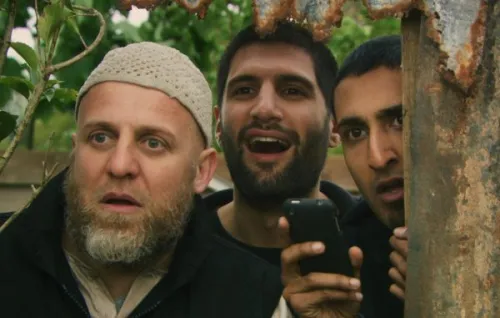
Four Lions is as black and as dark as a movie can ever get, mixing cultural relevancy with humor and ridiculousness. It is insensitive to Islam, insensitive to terrorism and insensitive to the viewer. But it is hilarious. The director spent three years talking to Imams, terrorism experts and basically everyone. The result? A legit 97 minutes that will dazzle even extremists with its knowledge of Islam and the accuracy of its lines. Needless to say that it will upset quite a few people, but that is always a good sign for black comedy movies, right?
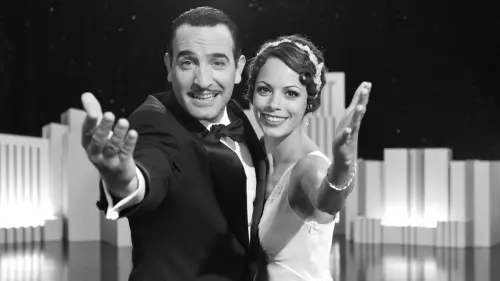
What was popular back then isn’t popular today for a reason. In film, that’s because the technology’s improved, the audience gets too used to the trend, and what once worked fades into the background. Once in a while, however, someone brings back nostalgia for a certain style. This happened when filmmaker Michel Hazanavicius created The Artist. Set in the transition between silent film and talkies, The Artist cleverly takes on the silent film form, but makes it suitable for today’s moviegoers. The ears are never left empty, thanks to the bouts of score and few foley that focuses attention. The camera shoots mostly in black and white, but shoots in various styles across the Golden Age. Even the story itself is classic melodrama– Sunset Boulevards and A Star is Born comes to mind– but it’s treated with the genre mixing the 2010s started to play with, the postmodern revue that recontextualizes the past. The Artist brings back what cinema has long discarded, and remembers what made these styles classic.
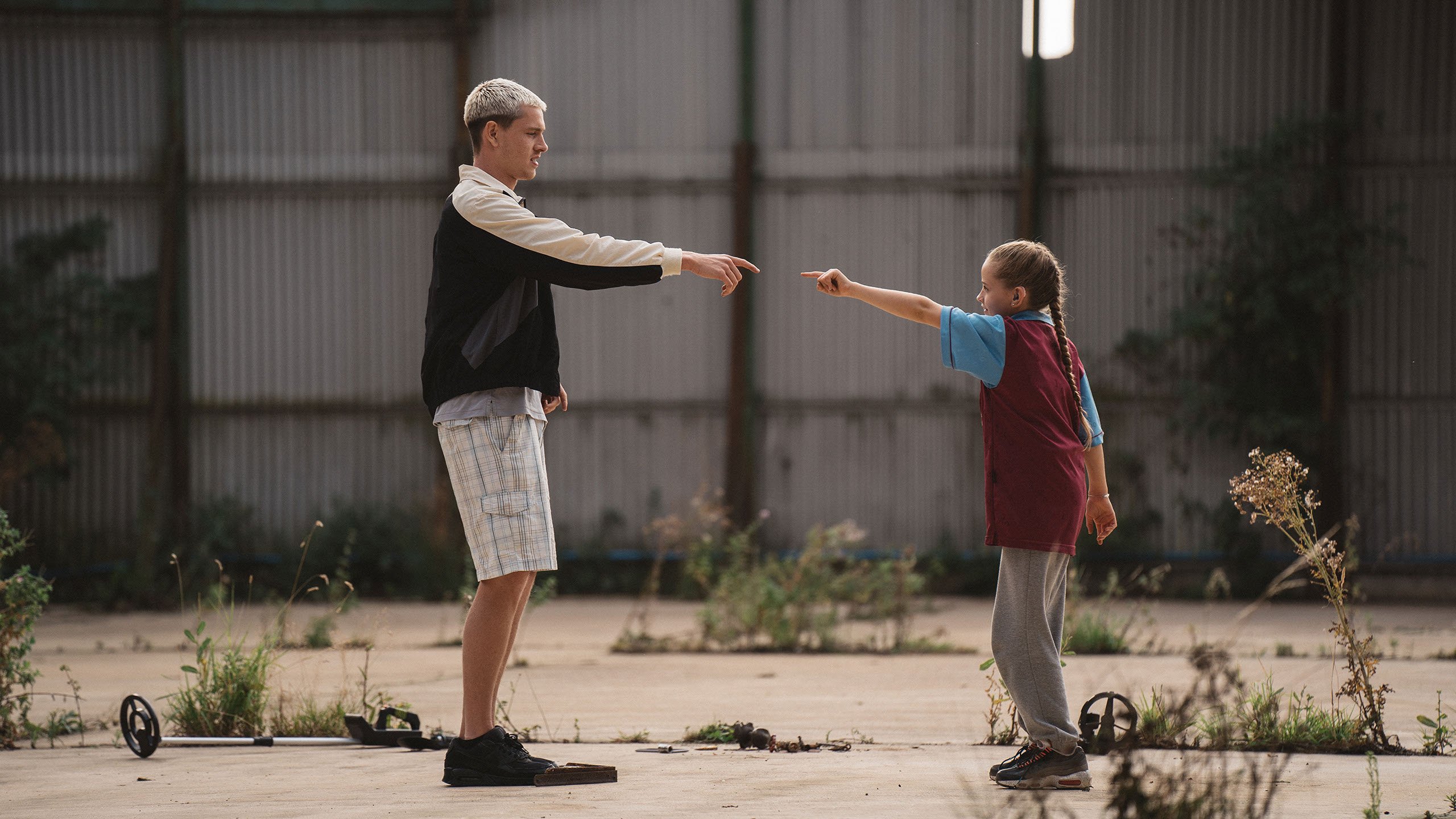
Be prepared to have the expectations you form after reading Scrapper’s synopsis shattered: though it is about a 12-year-old dealing with grief following her mother’s death, it’s remarkably upbeat. It gets that quality by positioning itself in the buoyant headspace of young Georgie, a resilient, cheeky youngster who retains much of her whimsical childlike spirit in spite of her profound bereavement. Director Charlotte Regan’s debut feature is bursting with imagination: there are surreal stylized touches all over the movie, from talking video-game-style spiders to magical realist metaphors of Georgie’s grief.
That’s not to say that Scrapper is flippant about the inherent tragedy of its story, though. As in The Florida Project, you can feel the escapist motivations of Georgie’s colorful imagination, which only deepens the poignancy of her situation and the precarious relationship she forms with her father, a barely-old-enough manchild who only makes an effort to meet Georgie after her mother’s death. Amidst all the intentional artificiality of the filmmaking, their largely improvised interactions never ring false — a dynamic that’s also crucial to making the movie feel genuinely touching and real rather than saccharine and shallow. A very impressive debut, and a much-deserved recipient of Sundance’s World Cinema Grand Jury prize and a whopping 14 nominations at the BIFAs.

What’s great about this highly inventive film is that it doesn’t look like it was shot through three iPhone 5s. Instead of using shaky cameras and static shots, Tangerine glides us through saturated, orange-toned scenes that evoke the Los Angeles sunset. Launching director Sean Baker into prominence, Tangerine is an innovative film that, at heart, is a nuanced comedy about the trans sex worker community. Newcomers Kitana Kiki Rodriguez and Mya Taylor run the show, and their performances create a vivid, electric drive that powers the whole movie. But it’s the quieter moments, the moments after betrayal, the moments of recovery, that make this movie truly special.

Director Thomas Vinterberg (The Hunt) reunites with Mads Mikkelsen to tell the story of four teachers going through a mid-life crisis. They’re not sad, exactly—they have homes and jobs and are good friends with each other—but they’re not happy either. Unlike the ebullient youth they teach, they seem to have lost their lust for life, and it’s silently eating away at them, rendering them glassy-eyed and mechanic in their everyday lives.
Enter an experiment: what if, as one scholar suggests, humans were meant to fulfill a certain alcohol concentration in order to live as fully and present as possible? The teachers use themselves as the subjects and the tide slowly starts to turn to mixed effects. Are they actually getting better or worse?
With an always-satisfying performance by Mikkelsen and an instant classic of an ender, it’s no surprise Another Round took home the award for Best Foreign Film in the 2020 Academy Awards.
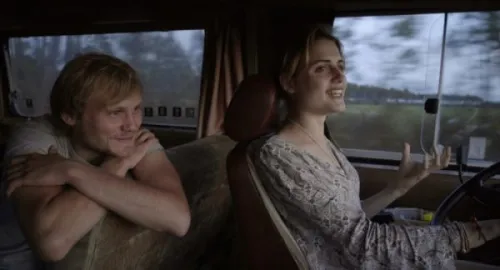
A sweet and romantic German movie about two Berliners who meet randomly and go on a road trip to the south of Europe. It might seem like a silly premise but it’s actually a philosophical movie, one that feels very realistic. The two characters debate human nature, politics, relationships, etc; almost throughout their trip. And they’re played by excellent newcomers who ooze charisma and make the question of what will happen between them incredibly thrilling.
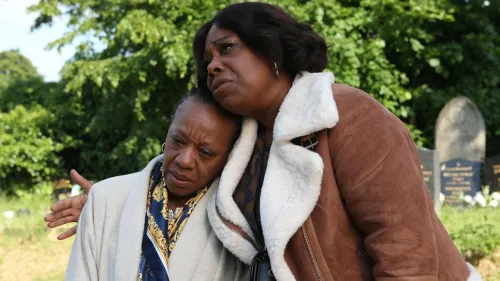
Hurt people hurt people, the saying goes, and nowhere is that more evident than in Hard Truths. Directed by Mike Leigh (Secrets & Lies, Vera Drake, Happy-Go-Lucky), Hard Truths follows two sisters who couldn’t be more different. One is Chantelle, a cheerful hairdresser who has raised equally ebullient daughters, and the other is Pansy, a hardened woman who lashes out at everyone from her family to the people queuing up in the grocery. Pansy is brutal, the sort of person you’d roll your eyes at if you were unlucky enough to encounter her in public. But Leigh gives us a glimpse into her internal struggle; nothing too obvious, as is the naturalistic director’s style, but we feel her pain whenever she goes out of her way to avoid the people closest to her, or when she savors a moment alone and hides her tears. There is no linear plot in Hard Truths; instead, it’s a collection of lived moments and ordinary joys and sorrows. It’s also a welcome reflection of our fractured reality. Loneliness, grief, anger, anxiety—these feelings are often inexplicable, and they come out of us in ways that are never immediately understandable or direct. So why should Pansy be? The film is an exercise in sympathy as well as a mirror to our own complicated and invisible hurt.
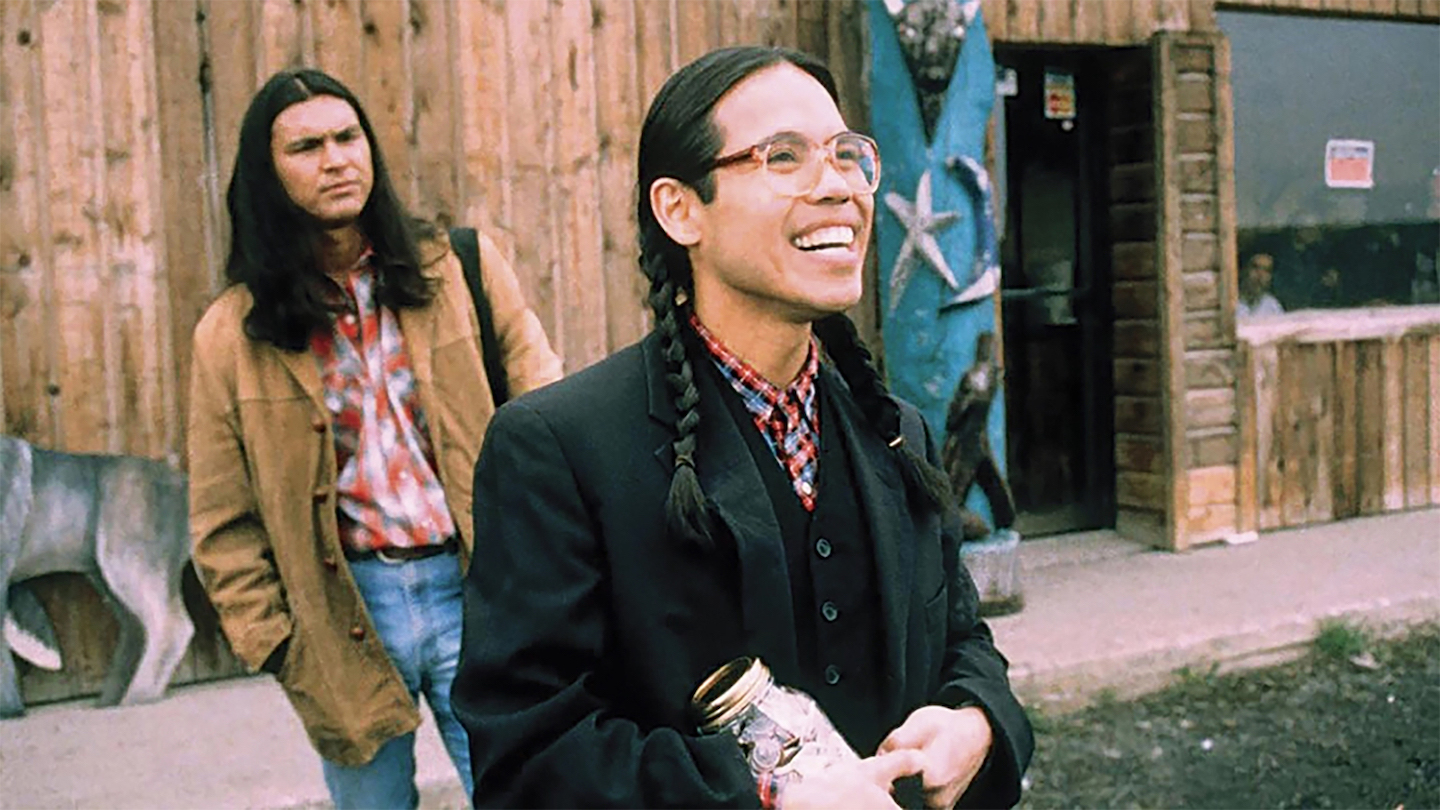
To Hollywood’s shame, it wasn’t until 1998 that a major feature made by Native American filmmakers was released. It was this charming indie gem that belatedly broke that new ground: based on author Sherman Alexie’s The Lone Ranger and Tonto Fistfight in Heaven, Smoke Signals retains the irreverent humor hinted at in its source material’s title while also being a genuinely heartfelt drama. Set across two cleverly interweaving timelines, it follows the fraught relationship between Victor and Thomas, two young men living on Idaho’s Coeur d’Alene Reservation who are forever linked by tragedy: as a baby, Thomas was saved from the house fire that killed his parents by Victor’s father Arnold (a great Gary Farmer), who soon spiraled into alcoholism and abandoned his young son. When Arnold dies suddenly, then, the duo embark on a perspective-changing road trip to collect his ashes.
Thomas’ nerdy earnestness and happy-go-lucky personality have always gotten on the nerves of the stoic Victor — who’s eaten up by resentment at his father for leaving — but the trip brings the disparate duo together. Though the movie honors their meaningful journey with a serious dramatic focus, it’s also shot through with sharp humor satirizing clichés about Native American people — a tonal complexity that makes it uncommonly accomplished, even without the added value of its all-too-rare perspective.
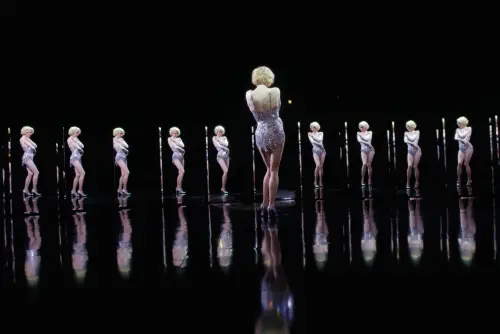
From a 1926 play to the iconic 1975 stage musical to Rob Marshall’s 2002 extravaganza, Chicag0 has had a strong hold on popular culture. In a way, it’s existed almost as long as cinema itself and its transformation across mediums and modes of expression has been well documented. The film carries all the marks of its theatrical predecessors, the expansive sets, the luscious costumes, the sleek characters whose banter and songs alike testify to their great chemistry — there’s a lot to admire in such a self-referential spectacle. A black-comedy-fuelled musical about corruption and deceit set during the Jazz Age, Chicago fulfils all its promises. With a stellar ensemble cast featuring Renée Zellweger, Catherine Zeta-Jones, Richard Gere, and John C. Reily, in tandem with dazzling camerawork and most exquisite chiaroscuro lighting, this one brings the stage to the movies. I mean it in the best possible way!

Even without doing the important and long overdue work of uplifting Native American voices, Dark Winds manages to be an intriguing mystery, layered with complex performances and bolstered by the majestic expanse of the American Southwest (in the ‘70s no less!). Finally released from the shackles of supporting roles, Zahn McClarnon shines here; he’s in top form as the gritty but softhearted police officer who protects his tribe from encroaching federal forces. The mysteries that propel the show are compelling too; they have the same beats as any you’d expect from a crime thriller, but they’re seeped deep into Native American mysticism, making them intriguing and wholly unique.
It’s easy to laugh about an old lady being an unwitting lead in an action film, the joke being that they can’t possibly be that. But June Squibb’s Thelma is. She refuses to be infantilized and undertakes a journey that’s dramatized to great effect. It’s still funny, but without Squibb’s character being the butt of the joke. It’s also immensely charming, smart, and moving, without ever being too saccharine or pandering. The performances are wonderful across the board, but it’s Thelma’s intergenerational bond with her 24-year-old grandson Daniel (Fred Hechinger) that’s at the heart of the film. In some ways, both Thelma and Daniel have to prove their worth to a world that gives them little credit for their idleness, even though they’re both happy and make other people happy that way. Parker Posey, who plays Thelma’s daughter and Daniel’s mother, is equally commendable as the seeingly stable but perpetually harried “adult” that keeps the two grounded in reality. Equal parts sweet and bad-ass, Thelma is the movie to see if you want to feel the warm fuzzies (minus the cheese) with the family.
Four Lions is as black and as dark as a movie can ever get, mixing cultural relevancy with humor and ridiculousness. It is insensitive to Islam, insensitive to terrorism and insensitive to the viewer. But it is hilarious. The director spent three years talking to Imams, terrorism experts and basically everyone. The result? A legit 97 minutes that will dazzle even extremists with its knowledge of Islam and the accuracy of its lines. Needless to say that it will upset quite a few people, but that is always a good sign for black comedy movies, right?
What was popular back then isn’t popular today for a reason. In film, that’s because the technology’s improved, the audience gets too used to the trend, and what once worked fades into the background. Once in a while, however, someone brings back nostalgia for a certain style. This happened when filmmaker Michel Hazanavicius created The Artist. Set in the transition between silent film and talkies, The Artist cleverly takes on the silent film form, but makes it suitable for today’s moviegoers. The ears are never left empty, thanks to the bouts of score and few foley that focuses attention. The camera shoots mostly in black and white, but shoots in various styles across the Golden Age. Even the story itself is classic melodrama– Sunset Boulevards and A Star is Born comes to mind– but it’s treated with the genre mixing the 2010s started to play with, the postmodern revue that recontextualizes the past. The Artist brings back what cinema has long discarded, and remembers what made these styles classic.
Be prepared to have the expectations you form after reading Scrapper’s synopsis shattered: though it is about a 12-year-old dealing with grief following her mother’s death, it’s remarkably upbeat. It gets that quality by positioning itself in the buoyant headspace of young Georgie, a resilient, cheeky youngster who retains much of her whimsical childlike spirit in spite of her profound bereavement. Director Charlotte Regan’s debut feature is bursting with imagination: there are surreal stylized touches all over the movie, from talking video-game-style spiders to magical realist metaphors of Georgie’s grief.
That’s not to say that Scrapper is flippant about the inherent tragedy of its story, though. As in The Florida Project, you can feel the escapist motivations of Georgie’s colorful imagination, which only deepens the poignancy of her situation and the precarious relationship she forms with her father, a barely-old-enough manchild who only makes an effort to meet Georgie after her mother’s death. Amidst all the intentional artificiality of the filmmaking, their largely improvised interactions never ring false — a dynamic that’s also crucial to making the movie feel genuinely touching and real rather than saccharine and shallow. A very impressive debut, and a much-deserved recipient of Sundance’s World Cinema Grand Jury prize and a whopping 14 nominations at the BIFAs.
What’s great about this highly inventive film is that it doesn’t look like it was shot through three iPhone 5s. Instead of using shaky cameras and static shots, Tangerine glides us through saturated, orange-toned scenes that evoke the Los Angeles sunset. Launching director Sean Baker into prominence, Tangerine is an innovative film that, at heart, is a nuanced comedy about the trans sex worker community. Newcomers Kitana Kiki Rodriguez and Mya Taylor run the show, and their performances create a vivid, electric drive that powers the whole movie. But it’s the quieter moments, the moments after betrayal, the moments of recovery, that make this movie truly special.
To Hollywood’s shame, it wasn’t until 1998 that a major feature made by Native American filmmakers was released. It was this charming indie gem that belatedly broke that new ground: based on author Sherman Alexie’s The Lone Ranger and Tonto Fistfight in Heaven, Smoke Signals retains the irreverent humor hinted at in its source material’s title while also being a genuinely heartfelt drama. Set across two cleverly interweaving timelines, it follows the fraught relationship between Victor and Thomas, two young men living on Idaho’s Coeur d’Alene Reservation who are forever linked by tragedy: as a baby, Thomas was saved from the house fire that killed his parents by Victor’s father Arnold (a great Gary Farmer), who soon spiraled into alcoholism and abandoned his young son. When Arnold dies suddenly, then, the duo embark on a perspective-changing road trip to collect his ashes.
Thomas’ nerdy earnestness and happy-go-lucky personality have always gotten on the nerves of the stoic Victor — who’s eaten up by resentment at his father for leaving — but the trip brings the disparate duo together. Though the movie honors their meaningful journey with a serious dramatic focus, it’s also shot through with sharp humor satirizing clichés about Native American people — a tonal complexity that makes it uncommonly accomplished, even without the added value of its all-too-rare perspective.
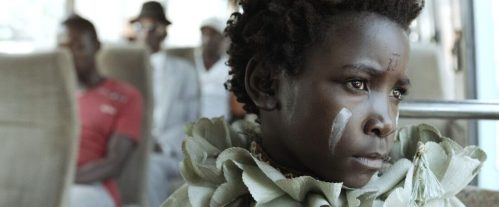
Remarkably for a movie about women being shunned and exploited by those more powerful than them, I Am Not A Witch is often wryly funny. That’s because this satire about Zambia’s labor camps for “witches” is told with a matter-of-fact-ness that brings out both the heartbreak and absurdity of the film’s events. The bitter gravity of the predicament nine-year-old Shula (Maggie Mulubwa) finds herself in — she’s been accused of witchcraft on the back of some very flimsy evidence — is never glossed over, but neither is its farcicality. Appropriately for its subject, there are also touches of magical realism here, notes that elevate the film into something even more complex than a wry commentary on this morbidly fascinating form of misogyny. This hybrid tonal approach is executed with the kind of fluidity filmmakers might hope to one day master late on in their career — which makes the fact that this is director Rungano Nyoni’s debut all the more extraordinary.
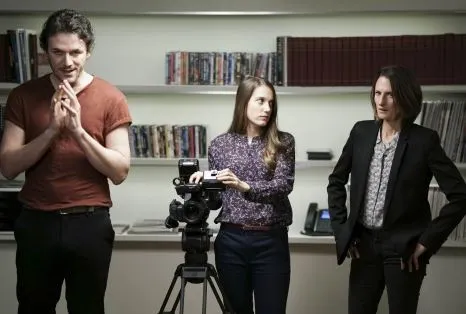
Think of Dix pour cent, or Call My Agent!, as it was so horribly translated, as a smart French version of Mark Wahlberg’s Entourage or, as the director once quipped, Desperate Housewives with actors and their agents. Ten percent (dix pour cent) is the fee that said French agents receive as compensation from the actor’s fee. It chronicles the life of an aspiring talent agent at a French casting agency. New to Paris, she lands her dream job, but now has to deal with a variety of very stressed-out, capricious characters on both sides of the bargain. It is one of those shows that finds hilarity in the fact that nobody actually talks to each other over sometimes simple issues. On the actor’s side, many of the appearing A-listers star as themselves. The countless cameos include the likes of Jean Reno, Monica Belucci, and Charlotte Gainsbourg. It’s basically a soap opera but so well-written and complex, you might refrain from binging it too hard just to make it last longer.
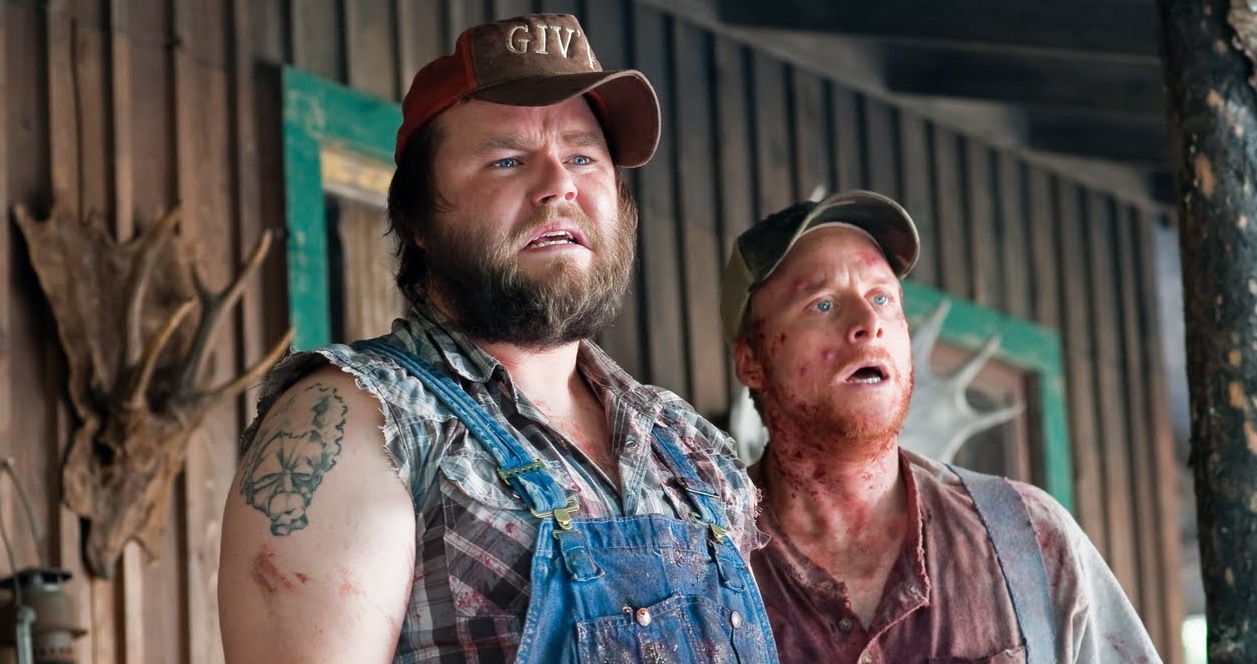
Full of twists on classic horror themes, this hilarious and gory comedy will have your sides aching, and still you’ll want more. The plot centers on two rednecks who are trying to have a good time while fixing up a summer home. True to horror movie form, a group of college kids set up camp nearby, and naturally evil begins to happen. This well-written, entertaining story even has some heart to it.
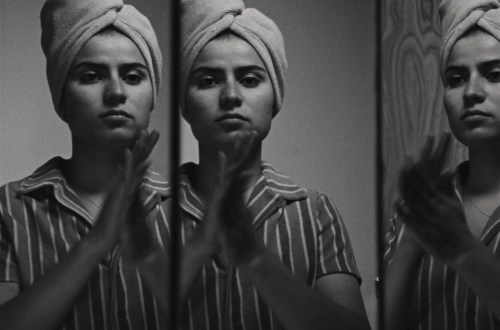
Aptly for a film partly set in a fortune cookie factory, Fremont deals with luck — specifically, the other side of good luck: survivor’s guilt. Donya (played by real-life Afghan refugee Anaita Wali Zada) is a former translator for the US Army who fled her home city of Kabul on an emergency evacuation flight when the Taliban took over in 2021. Now living a safe, if drab, existence in the titular Californian town, insomniac Donya struggles to embrace her freedom, tormented by the knowledge that she lost some of her old colleagues to reprisal attacks and that her loved ones are still living under repressive rule in Afghanistan.
As Donya shuttles between her little apartment in Fremont, her job writing cryptic one-liners for a fortune cookie factory in San Francisco, and appointments with her eccentric psychiatrist (Gregg Turkington), Fremont balances a moving study of her melancholy with deadpan humor. Despite its black-and-white cinematography and tight Academy ratio, this is no austere drama, but an endlessly warm and understated portrait of someone rediscovering themselves and all of life’s unexpected moments of connection, like chance romantic encounters and sudden tears at karaoke.
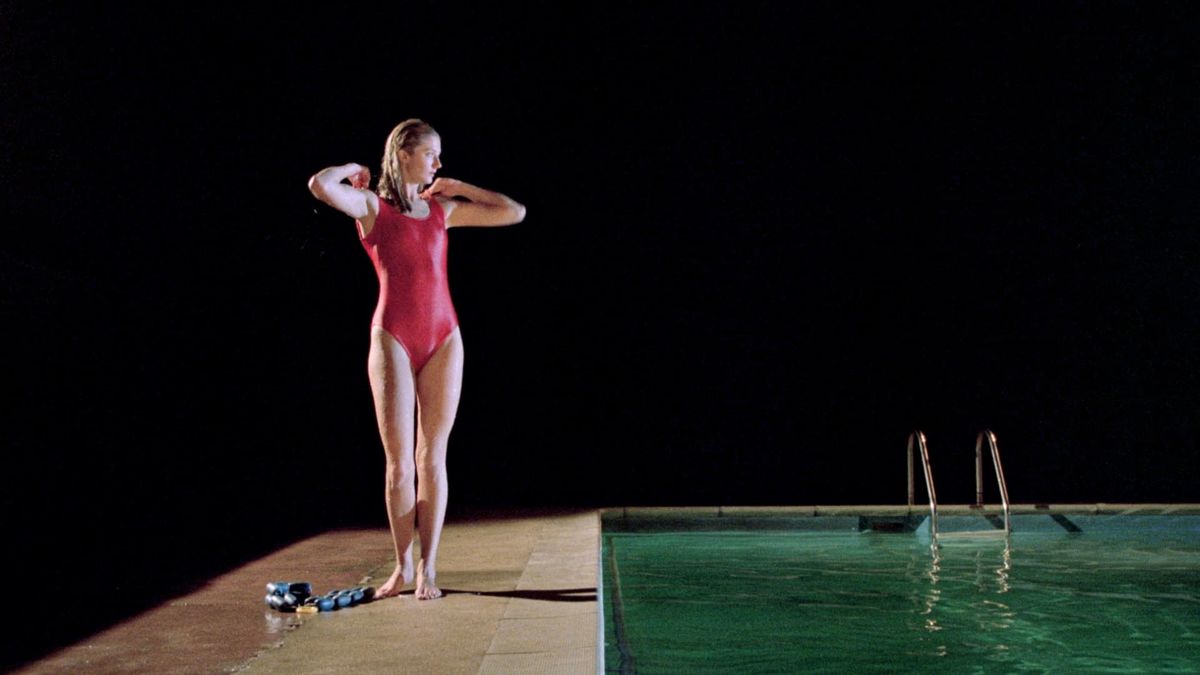
Murdering your spouse is bad, so it’s slightly bizarre how Drowning by Numbers has an unbothered, even amused, attitude towards its murders. Moments seem randomly placed, like the first scene of a girl jumping rope while listing the stars by name, and the film can be hard to follow, even if the production design and cinematography keep you drawn in. But as the film progresses, and Madgett’s son Smut enumerates the fictional games as if he was a historian of sorts, writer-director Peter Greenaway meticulously crafts a quirky, twisty crime comedy, where, like children’s games and the men in their lives, the murdering wives do what they do because they can get away with it. Drowning by Numbers cleverly plays with the way we treat folklore, structure, and rules, even down to the very medium Greenaway works with.
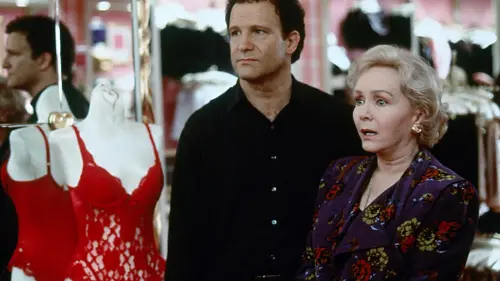
Only a writer of Albert Brooks’ comedic and perceptive talents could turn the premise of an insecure middle-aged man having romantic trouble into something genuinely funny and poignant. Brooks appears as his signature brand of self-loathing boomer here: he plays John Henderson, a middling novelist who’s recently gone through a second divorce. When he finds himself in the unenviable position of having to start afresh in his forties, John first decides he needs to get to the bottom of his recurring failures with women. In keeping with the neurotic preoccupations of his characters, Brooks has John take the psychoanalytic approach by going back to the source: his mother.
To better get to the root of his hang-ups, John temporarily moves back in with Mrs Henderson, whom Debbie Reynolds plays as a hilariously blithe foil to her manic, insecure son. Brooks and Reynolds’ fractious rapport is tortuously true to life: John finds her petty habits maddening, while she doesn’t seem to understand his life or his work — an obliviousness that, it turns out, might run the other way, too. Cleverly turning the self-obsessions of its lead character on its head, Mother is a wry comedy full of insight and unexpected sweetness.
Four Lions is as black and as dark as a movie can ever get, mixing cultural relevancy with humor and ridiculousness. It is insensitive to Islam, insensitive to terrorism and insensitive to the viewer. But it is hilarious. The director spent three years talking to Imams, terrorism experts and basically everyone. The result? A legit 97 minutes that will dazzle even extremists with its knowledge of Islam and the accuracy of its lines. Needless to say that it will upset quite a few people, but that is always a good sign for black comedy movies, right?
Director Thomas Vinterberg (The Hunt) reunites with Mads Mikkelsen to tell the story of four teachers going through a mid-life crisis. They’re not sad, exactly—they have homes and jobs and are good friends with each other—but they’re not happy either. Unlike the ebullient youth they teach, they seem to have lost their lust for life, and it’s silently eating away at them, rendering them glassy-eyed and mechanic in their everyday lives.
Enter an experiment: what if, as one scholar suggests, humans were meant to fulfill a certain alcohol concentration in order to live as fully and present as possible? The teachers use themselves as the subjects and the tide slowly starts to turn to mixed effects. Are they actually getting better or worse?
With an always-satisfying performance by Mikkelsen and an instant classic of an ender, it’s no surprise Another Round took home the award for Best Foreign Film in the 2020 Academy Awards.
Remarkably for a movie about women being shunned and exploited by those more powerful than them, I Am Not A Witch is often wryly funny. That’s because this satire about Zambia’s labor camps for “witches” is told with a matter-of-fact-ness that brings out both the heartbreak and absurdity of the film’s events. The bitter gravity of the predicament nine-year-old Shula (Maggie Mulubwa) finds herself in — she’s been accused of witchcraft on the back of some very flimsy evidence — is never glossed over, but neither is its farcicality. Appropriately for its subject, there are also touches of magical realism here, notes that elevate the film into something even more complex than a wry commentary on this morbidly fascinating form of misogyny. This hybrid tonal approach is executed with the kind of fluidity filmmakers might hope to one day master late on in their career — which makes the fact that this is director Rungano Nyoni’s debut all the more extraordinary.

Based on Michael Lewis’ 2011 non-fiction book, The Big Short follows several disparate Wall Street insiders who predicted the housing market crash of 2007-2008, and bet against the market for huge financial gains. It’s a fascinating look into the inner workings and disrepair of the modern banking industry. A great cast of big names (Bale, Carell, Gosling, Pitt) carry the viewer through all of the intricate complexities of mortgage backed securities, collateralized debt obligations, etc.— and make it all both enthralling and highly enjoyable. Kudos to director/co-writer Adam McKay for making it work so well: balancing the humor, frustration and absurdity, punching it up with off-the-wall yet effective asides, and giving us a comprehensible education on the economic meltdown that affected so many millions of people so dramatically. It’s a legitimately important film that everyone should see.
Full of twists on classic horror themes, this hilarious and gory comedy will have your sides aching, and still you’ll want more. The plot centers on two rednecks who are trying to have a good time while fixing up a summer home. True to horror movie form, a group of college kids set up camp nearby, and naturally evil begins to happen. This well-written, entertaining story even has some heart to it.
Murdering your spouse is bad, so it’s slightly bizarre how Drowning by Numbers has an unbothered, even amused, attitude towards its murders. Moments seem randomly placed, like the first scene of a girl jumping rope while listing the stars by name, and the film can be hard to follow, even if the production design and cinematography keep you drawn in. But as the film progresses, and Madgett’s son Smut enumerates the fictional games as if he was a historian of sorts, writer-director Peter Greenaway meticulously crafts a quirky, twisty crime comedy, where, like children’s games and the men in their lives, the murdering wives do what they do because they can get away with it. Drowning by Numbers cleverly plays with the way we treat folklore, structure, and rules, even down to the very medium Greenaway works with.
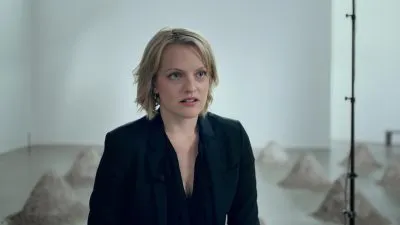
The Square is a peculiar movie about a respected contemporary art museum curator as he goes through a few very specific events. He loses his wallet, his children fight, the art he oversees is does not make sense to an interviewer… Each one of these events would usually require a precise response but all they do is bring out his insecurities and his illusions about life. These reactions lead him to very unusual situations. A thought-provoking and incredibly intelligent film that’s just a treat to watch. If you liked Force Majeure by the same director, The Square is even better!
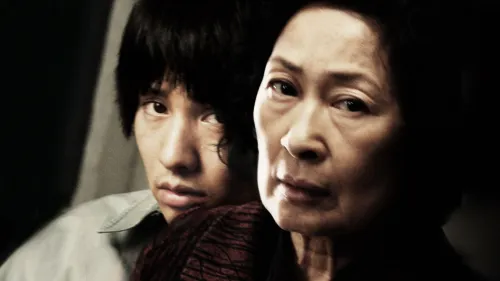
Many films centered around a mother’s love rarely dares to question it. For most people, the fundamental relationship between mother and child is a given, so viewers might be shocked at the way this murder mystery explores how much this bond can be tested. Centered on a murder case with a mentally disabled suspect, Mother unfolds in ways we rarely expect, with the unnamed protagonist going so far in her devotion that leads to darker and terrible discoveries for this small town, not just about the family in question. It’s not the cathartic pursuit of justice Hollywood is accustomed to, but it’s what makes Mother such an outstanding crime thriller.
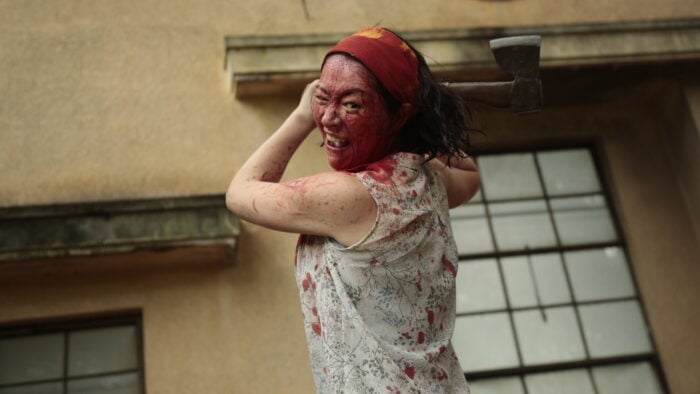
Another indie zombie movie? Far from it. One Cut of the Dead, written and directed by Shin’ichirô Ueda, became a global sensation following its small theatrical run in Japan for its creative and original screenplay. A hack director and film crew are shooting a low-budget zombie movie in an abandoned WWII Japanese facility when they are attacked by real zombies. That’s all you need to know about the plot, as the film is full of surprises that will catch you off guard. Wondering how an independent film with a budget of just $25,000 was able to gross over $30 million worldwide? The answer lies in the film itself.

Of the many violence-inflected black comedies that Pulp Fiction spawned, Grosse Pointe Blank ranks among the best. Though it’s patently inspired by Tarantino’s magnum opus — John Cusack plays a sardonic, amoral hitman, and the film features bursts of stylized violence and a retro soundtrack — it never feels derivative. The film finds its own identity as a quirky romcom when Cusack’s character, Martin Blank, returns to his hometown for a 10-year high-school reunion on the advice of his terrified therapist (Alan Arkin).
Martin is experiencing professional disillusionment as part of the quarter-life crisis that often takes hold when one realizes it’s been a whole decade since high school. His profession puts a darkly comic spin on that convention, but the film doesn’t treat that element entirely flippantly. Unlike Martin — and so many of the film’s Pulp Fiction-inspired brethren — Grosse Pointe Blank isn’t nihilistic, but quite sincerely romantic. Its hybrid nature and surprising heart come to the fore in Martin’s renewed relationship with the girlfriend he jilted at prom: Debi (Minnie Driver), now a ska-loving radio DJ. Cusack and Driver have sparkling chemistry, which makes the sincerity with which their characters grapple with the possibility of a second chance at happiness all the more absorbing to watch.

Two brothers played by Channing Tatum and Adam Driver decide to rob a local NASCAR event, the Charlotte Motor Speedway in North Carolina.
They put together a team to help them, with Daniel Craig as the demolition expert and Katie Holmes as the gateway driver. Other big names behind this project are actors Seth MacFarlane and Hilary Swank; and director Steven Soderbergh, who is best known for Ocean’s Eleven, Ocean’s Thirteen, and Magic Mike.
The main characters are cheerful and just goofy enough to be completely unpredictable. Their heist is as chaotic as it is random, which inevitably leads to many funny moments. The performances by the whole cast are amazing, Daniel Craig is almost unrecognizable.
A friend once described this movie as Ocean’s 7 Eleven, and it’s hard to come up with a better line.
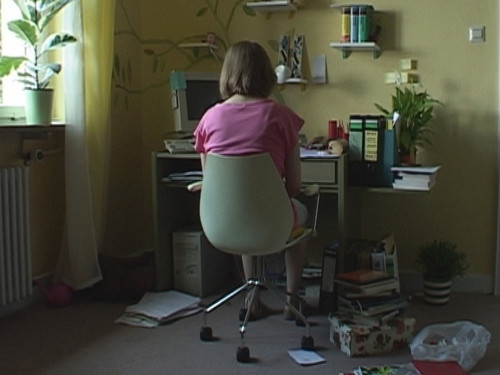
More than a decade before she made Toni Erdmann, German filmmaker Maren Ade turned her eye on a small-town school, a socially awkward teacher, and the inarticulate in between. Even with her debut, Ade showcased a talent for spotting the hidden comic potential of situations that can be wounding, turning vulnerabilities into power through comedy. The Forest For the Trees is a dilemma-film, in the ways in which it both invites and rejects identification with Melanie. A frighteningly optimistic person, she misreads most if not all social cues and finds herself in embarrassing situations. Even more, her devotion to making it all work, after moving away from the big city for said teaching job, is something a lot of viewers can recognize and support, but her borderline unlikeability is sometimes too hard to ignore. However, a majestic finale crowns the film with a scene that is worth rewatching again and again, like a dream you wish to appropriate for yourself.
What was popular back then isn’t popular today for a reason. In film, that’s because the technology’s improved, the audience gets too used to the trend, and what once worked fades into the background. Once in a while, however, someone brings back nostalgia for a certain style. This happened when filmmaker Michel Hazanavicius created The Artist. Set in the transition between silent film and talkies, The Artist cleverly takes on the silent film form, but makes it suitable for today’s moviegoers. The ears are never left empty, thanks to the bouts of score and few foley that focuses attention. The camera shoots mostly in black and white, but shoots in various styles across the Golden Age. Even the story itself is classic melodrama– Sunset Boulevards and A Star is Born comes to mind– but it’s treated with the genre mixing the 2010s started to play with, the postmodern revue that recontextualizes the past. The Artist brings back what cinema has long discarded, and remembers what made these styles classic.
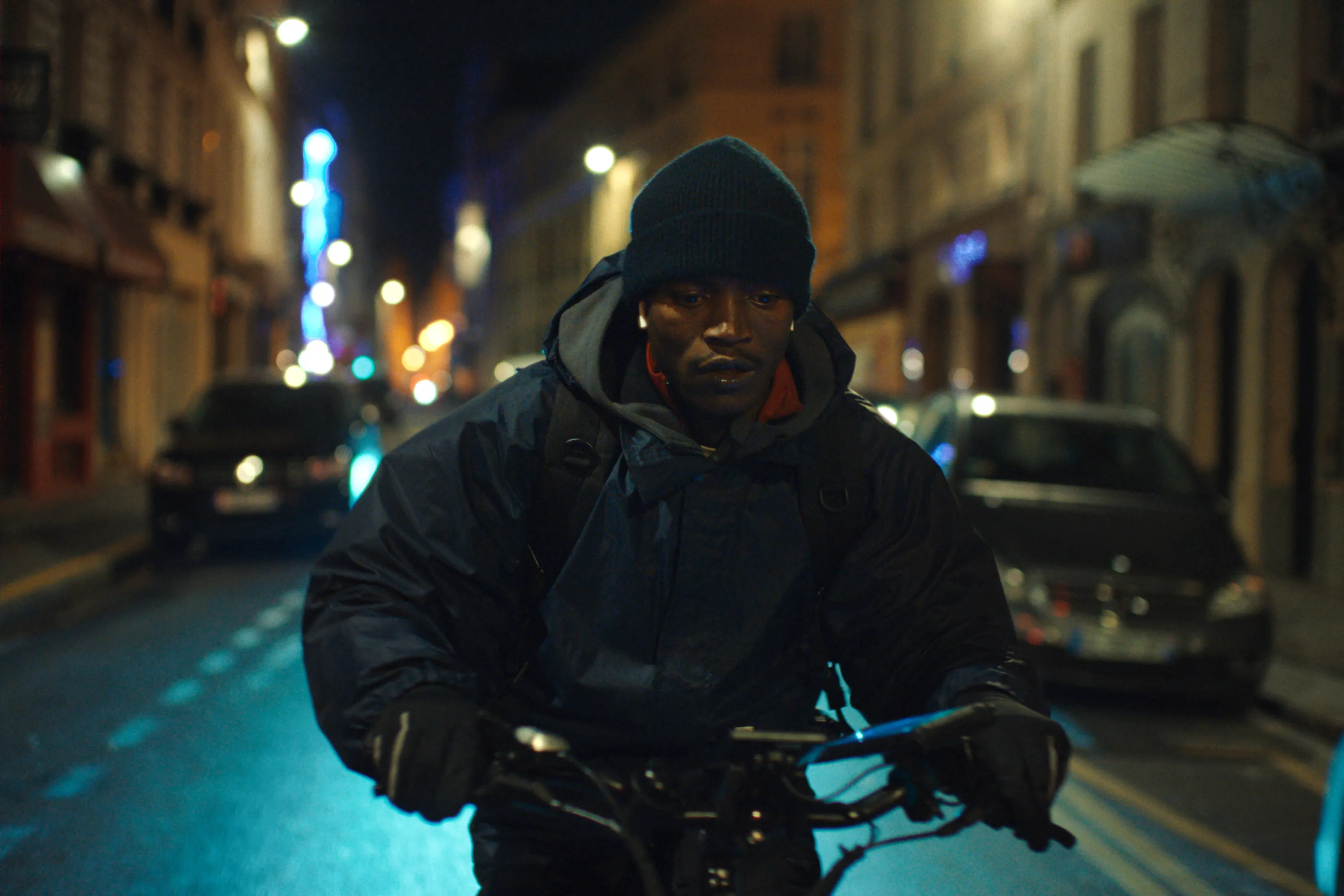
What is Souleymane’s Story? Right off the bat, that’s what everyone asks from Souleymane. It’s what his fellow immigrant asks, while he’s being coached to recite a completely different tale. It’s what his food delivery customers ask, when the app profile doesn’t match his details. And, in an outstanding sequence between newcomer Abou Sangaré and an inscrutably efficient Nina Meurisse, it’s what the OFPRA officer asks, in order for him to secure asylum. The motions of his struggles are familiar. Souleymane rushing all over the city is somewhat reminiscent of Take Out and Man Push Cart. However, the structure and framing highlights exactly why he needs control over that narrative. The story he tells– true or untrue, delivered with a practiced air or stuttering out his mouth– is the only thread he could hang onto for a better life.
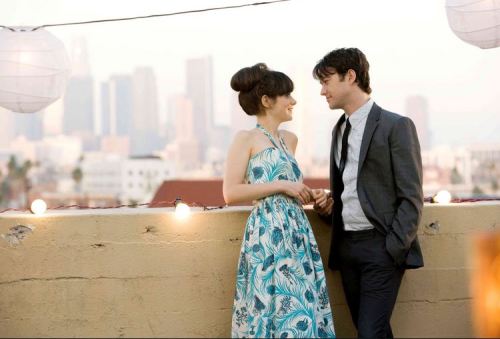
An unusual romantic comedy about a woman who doesn’t believe true love exists, and the young man who falls for her. Joseph Gordon-Levitt and Zooey Deschanel star in director Marc Webb’s wry, nonlinear romantic comedy about a man who falls head over heels for a woman who doesn’t believe in love. Tom is an aspiring architect who currently earns his living as a greeting card writer. Upon encountering his boss’ beautiful new secretary, Summer, Tom discovers that the pair have plenty in common despite the fact that she’s seemingly out of his league. Tom believes deeply in the concept of soul mates, and he’s finally found his. Unfortunately for Tom, Summer sees true love as the stuff of fairy tales, and isn’t looking for romance. Undaunted and undeterred by his breezy lover’s casual stance on relationships, Tom summons all of his might and courage to pursue Summer and convince her that their love is real. 500 Days of Summer is however a different kind of romantic comedy, one that doesn’t stop at falling in love. It’s almost an un-romantic romantic comedy, focusing with both honesty and heart on the manifestations and real-life mechanisms of incompatible love.
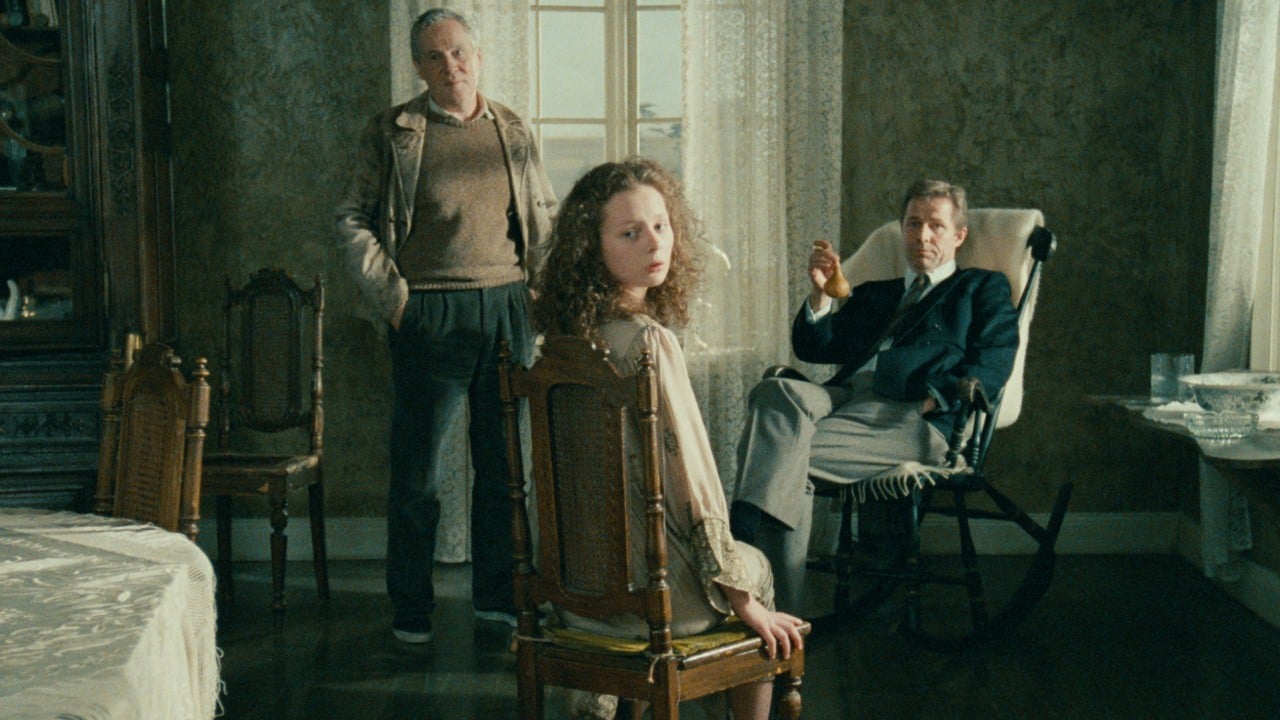
The end of the world, of course, forces people to contemplate one’s life purpose, the choices they made, and the opportunities they chose over others. Andrei Tarkovsky examines this idea in The Sacrifice– juxtaposing a hypothetical third World War with main character Alexander’s choices, the choices that led him to a successful acting career, but also led him to regret that he hasn’t done more to take action, until the deal he made with a cross between the Christian God and pagan sacrifice. The ideas are philosophically heavy, marked with Tarkovsky’s dreamlike imagery, long takes, and slow pacing, but it feels much more personal considering the sacrifice he made in leaving his family to create his last two films abroad. The Sacrifice is a masterful meditation on life itself, a deeply moving anti-war film that was a decent send-off of one of the greatest filmmakers ever to have existed.
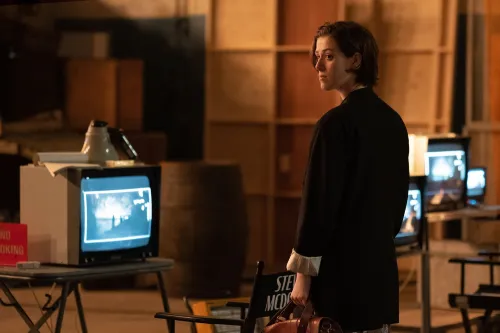
After 2019’s The Souvenir—a drama about a toxic, suffocating relationship—director Joanna Hogg brings back her protagonist (played by a superb Honor Swinton Byrne) and sees her attempting to communicate the experience of this failed romance through her thesis film. Anybody with an interest in the production process of cinema should glean a ton of useful advice from The Souvenir Part II’s mundane on-set interactions and difficult conversations about the line between compromise and practicality. And through increasingly surreal images of stages within stages and reflections within reflections, Hogg paints a complex, intelligent portrait of cinema as a place of ultimate self-examination.
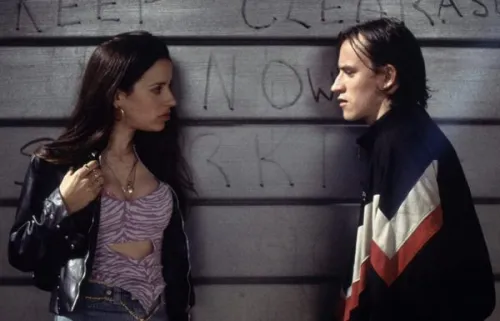
Grounded by Lesley Manville and Timothy Spall’s powerhouse performances, this gut-wrenching family drama from Mike Leigh is an acting juggernaut. Penny and Phil are a working-class couple whose marriage is rapidly deteriorating and pushed to the brink when their son, played by a young James Corden, is hospitalized.
While Manville and Spall are centered as the leads, Leigh draws a staggering amount of depth from Corden as well as a young Sally Hawkins who plays a neighbor. Despite being one of Leigh’s grimmest films, there is still a profound sweetness lingering at the edges as the story teeters between despondency and hope.
Think of Dix pour cent, or Call My Agent!, as it was so horribly translated, as a smart French version of Mark Wahlberg’s Entourage or, as the director once quipped, Desperate Housewives with actors and their agents. Ten percent (dix pour cent) is the fee that said French agents receive as compensation from the actor’s fee. It chronicles the life of an aspiring talent agent at a French casting agency. New to Paris, she lands her dream job, but now has to deal with a variety of very stressed-out, capricious characters on both sides of the bargain. It is one of those shows that finds hilarity in the fact that nobody actually talks to each other over sometimes simple issues. On the actor’s side, many of the appearing A-listers star as themselves. The countless cameos include the likes of Jean Reno, Monica Belucci, and Charlotte Gainsbourg. It’s basically a soap opera but so well-written and complex, you might refrain from binging it too hard just to make it last longer.
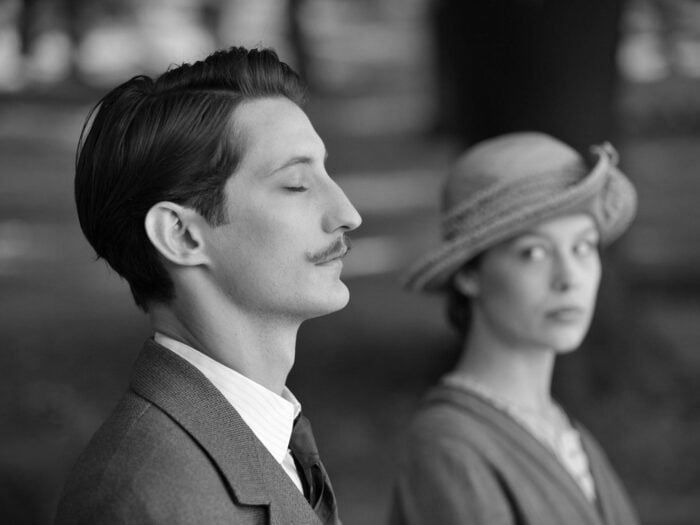
It’s always fun to watch something that makes you second guess each move, that shifts seamlessly from one thing to another. Frantz is that kind of film, and as the deceptively simple premise unfolds—a widow befriends her late husband’s friend—you’re never really sure if what you’re watching is a romance, a mystery, or a sly combination of both.
It helps that Frantz is also more than just a period piece, packed as it is with tiny but thoughtful details. When it is filled with color, for example, it does so in the muted palette of 1900s portraits, making each shot look like a picture come to life. When it talks about love, it goes beyond heterosexual norms and hints at something more potent and, at times, political. And when it takes a swing at melodrama, its actors ground the moment with enough restraint and reserve so that it never teeters on excess. All this results in a well-executed, gripping, and overall lovely film to watch.
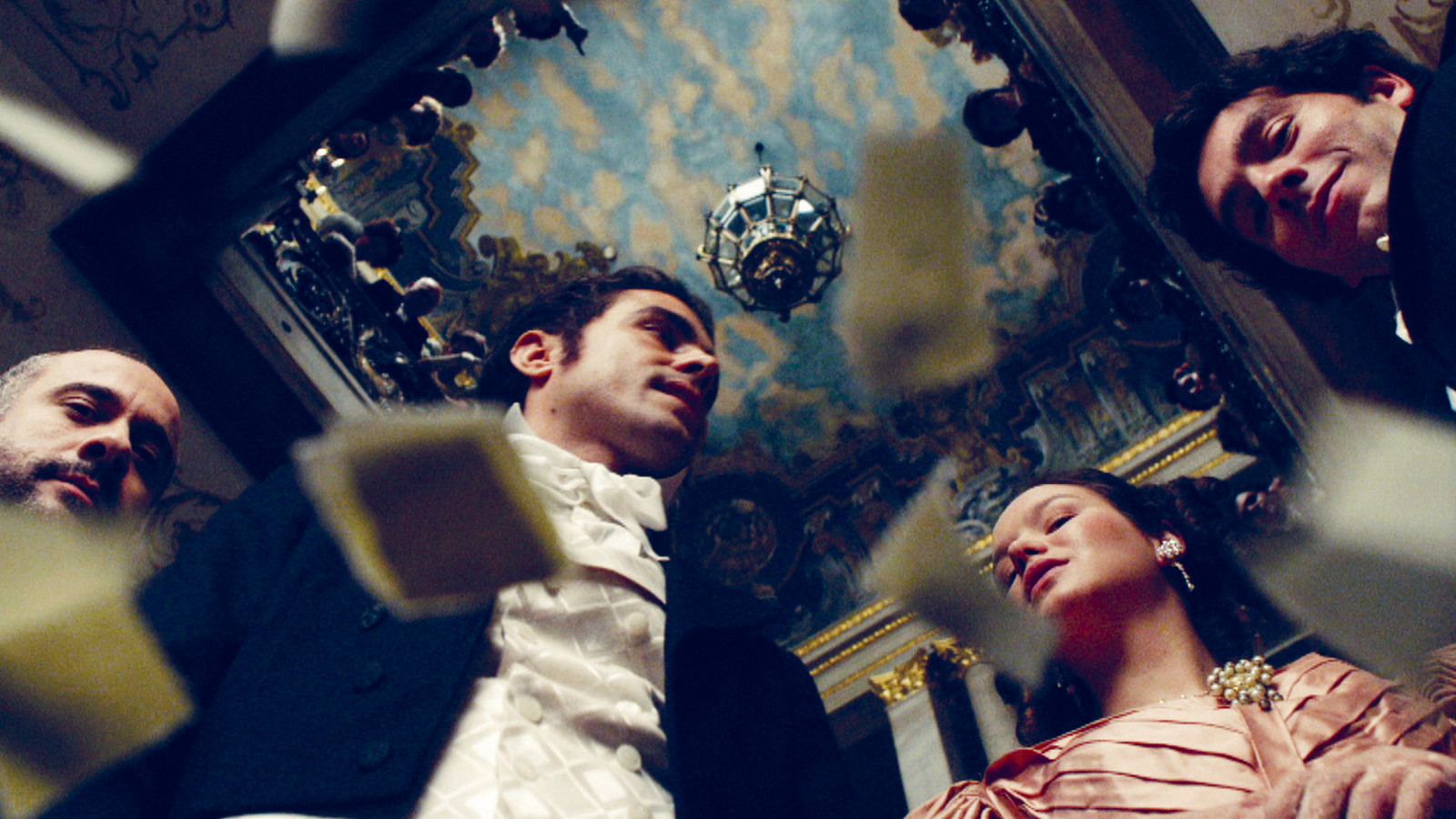
For better or worse, there is a lot that has been decided about your life even before you were born– the circumstances of your childhood are a direct reflection of the choices your parents made, as well as their parents, and their parents before them. This idea made for an intriguing Portuguese novel, which was later adapted into the sprawling 272-minute Mysteries of Lisbon. Chilean filmmaker Raúl Ruiz renders the plot into an intricate mystery, slowly and steadily unravelling its secrets in multiple layers, coincidences, and synchronities in love, war, trauma, and betrayal. The lengthy runtime might be daunting for some viewers, but once immersed, it’s so easy to be mesmerized by Ruiz’s stunning shots, the narratives shared by the characters, and the memories that they find themselves lost in. Mistérios de Lisboa was a daunting novel to adapt because of the multinarrative tale, but Ruiz translates the narrative into a surreal masterpiece to behold.
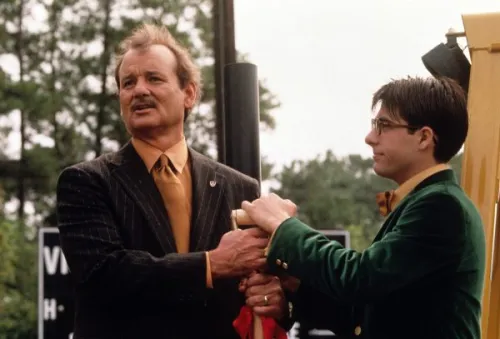
If it weren’t for his knack for writing, Max Fischer (Jason Schwartzman) would never have gotten into a prep school like Rushmore. But his art secures him a scholarship, and what he lacks in smarts and money, he makes up for in school pride. As he flunks more and more of his academics, however, he is eventually kicked out, and it’s outside the halls of his beloved Rushmore, stripped of all titles and insignia, where he learns to be his true self.
As the film’s comedic and emotional core, Schwartzman is a revelation as the ambitious and sharp-tongued Max. Equally captivating is Bill Murray’s deadpan but lovable turn as Max’s millionaire friend, Herman Blume. It’s a role so fitting, in fact, that the poor-rich-man character will follow Murray well into his career, long after the curtains close on Mr. Blume. Meanwhile, Wes Anderson will go on to do more colorful and stylized pictures than Rushmore, but thanks to its unbeatable wit and down-to-earth charm, the film remains to be one of the auteur’s most delightful and hilarious works to date.
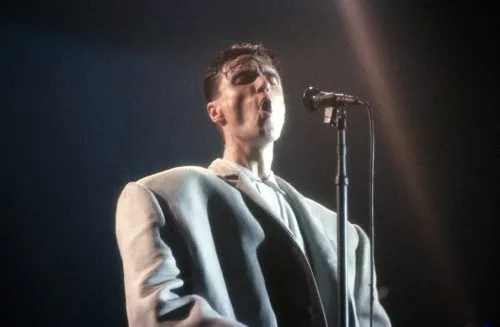
Widely regarded as one of the finest concert movies of all time, Stop Making Sense depicts musical innovators The Talking Heads at the height of their game. Directed by Jonathan Demme (The Silence of the Lambs, Philadelphia), and starring the eccentric and energetic David Byrne, the show is a marvel of perfectly executed choreography and mid-eighties musicality. Halfway through the set, one might think they’ve heard all of the hits, but they keep coming and coming. Before Beyonce was Queen, before Bieber was conceived, this film shows what is capable with a camera, a guitar, and some genius.
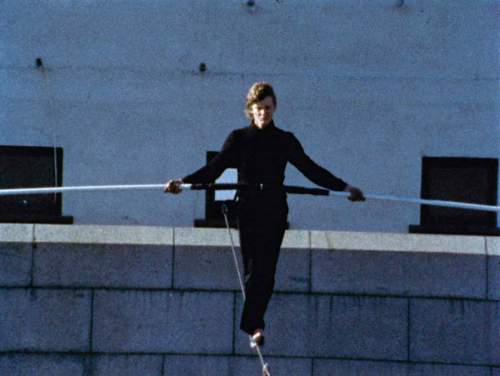
Man on Wire is a true technical masterpiece. You can almost feel the director telling the cameraman what angle to choose, or thinking about the questions that will generate the most resounding answers. However, this does not diminish the story this documentary tells one bit. It’s one that is glorious, riveting, and fun. It’s one where you feel like an insider to a world lived on and below wires, with high-stake risks. Hopefully the edge of your seat is comfortable, because this is where the movie will keep you till the very end.
It’s easy to laugh about an old lady being an unwitting lead in an action film, the joke being that they can’t possibly be that. But June Squibb’s Thelma is. She refuses to be infantilized and undertakes a journey that’s dramatized to great effect. It’s still funny, but without Squibb’s character being the butt of the joke. It’s also immensely charming, smart, and moving, without ever being too saccharine or pandering. The performances are wonderful across the board, but it’s Thelma’s intergenerational bond with her 24-year-old grandson Daniel (Fred Hechinger) that’s at the heart of the film. In some ways, both Thelma and Daniel have to prove their worth to a world that gives them little credit for their idleness, even though they’re both happy and make other people happy that way. Parker Posey, who plays Thelma’s daughter and Daniel’s mother, is equally commendable as the seeingly stable but perpetually harried “adult” that keeps the two grounded in reality. Equal parts sweet and bad-ass, Thelma is the movie to see if you want to feel the warm fuzzies (minus the cheese) with the family.
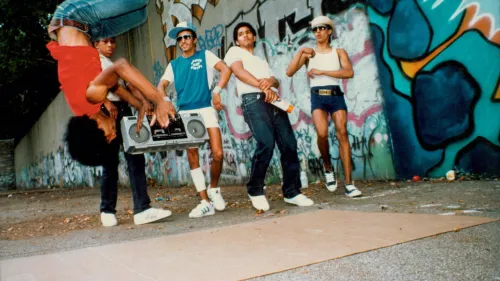
This cult classic is the first hip-hop movie in cinema’s history — and, aptly, one of the most sampled movies in rap music. With a cast drawn exclusively from the NYC graffiti, breakdancing, and rap subcultures that it spotlights, Wild Style wisely doesn’t try too hard to construct a conventional drama. Instead, there are toe-tapping scenes in neon-lit, smoke-filled clubs that stretch far beyond usual cinematic limits because they’re following the dynamic pace and infectious rhythm of the battling emcees, not film’s rules.
In lieu of a plot, Wild Style captures the singular atmosphere of the period it was filmed in, when hip-hop culture was thriving and art curators had begun to look to graffiti artists to fill their galleries. That uneasy turning point in the culture is chronicled here through the perspective of Zoro (real graffiti “writer” Lee Quiñones), a young artist who looks on with disdain as his peers embrace the commercialization of their medium by NYC’s art world. (As he shrewdly puts it, risk is central to graffiti’s identity — made for subway cars and walls, not framed canvases.) Brilliantly capturing the freewheeling spirit of NYC’s hip-hop scene, this is a time capsule that never feels dusty thanks to the appropriately off-the-cuff filmmaking.
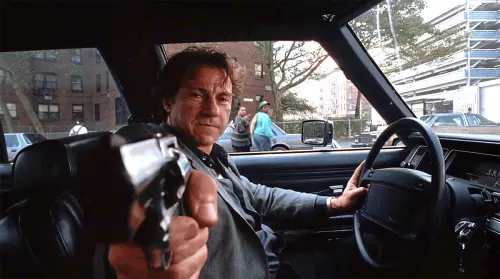
Bad Lieutenant is no misnomer: Harvey Keitel’s policeman really is one of NYPD’s worst. Already corrupt, abrasive, and abusive at the film’s outset, the movie chronicles his coked-out descent into total depravity after he’s called to investigate a heinous crime amid rapidly worsening personal circumstances. The brilliance of Bad Lieutenant is therefore a counterintuitive one: as awful as the Lieutenant is, we can’t help but feel emotionally involved because, in Keitel’s bravura performance, we can see the glint of pain — and thus of a person — within.
Always one for provocation, director Abel Ferrara pushes our empathy to — and maybe even beyond — its natural limits, only to break with the film’s hitherto unrelenting grit and dangle the glinting possibility of transcendent redemption in front of us. Anyone familiar with Catholic guilt cinema (movies like Martin Scorsese’s Who’s That Knocking At My Door and Mean Streets) will instantly recognize the same undercurrent running through Bad Lieutenant — even if Ferrara takes the idea of juxtaposing the profane with the sacred to the extreme here.
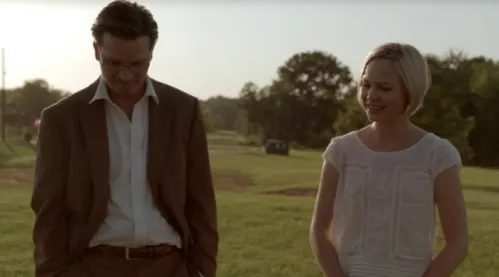
Some of the best novels of all time will probably take a few pages to introduce their premise, backstory, and key characters, and might demand some patience until the plot fully unfolds. This might be a hard sell in today’s world of short attention-spans, but some stories just need the time. Rectify is one of those stories. We meet Daniel Holden, played by Aden Young, after he is released from death-row prison after 19 years. While smart and thoughtful, Holden is obviously a damaged man, slightly out of synch with the world outside. His release affects his family very differently – some, like his sister, Agatha, had been fighting for his release since the day he was arrested. Others, like his brother-in-law, suspect he’s guilty of the crime he was accused of. Still others, like the fictional town’s sheriff, are bent on finding new evidence to lock him away again. So, in addition to awe-striking Southern landscapes, thought-provoking themes, subtle writing, you get a deep and detailed character-driven plot played by amazing actors. It might be too slow for some. This is not a who-dunnit or true-crime voyeurism. But you will be hard-pressed to find someone who isn’t enveloped by torrent of emotion when Daniel meets his mother and sister outside of a prison cell for the first time in nearly twenty years in the very first episode. And it really gets better and better with every season.
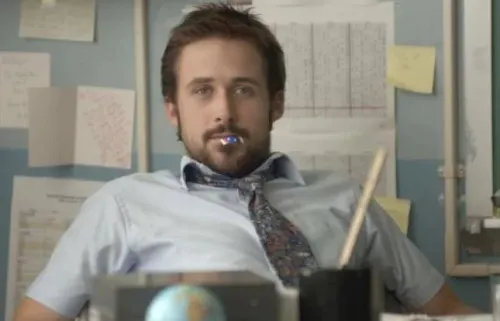
The self destructive, substance abusing history teacher Dan (Ryan Gosling) works in a Brooklyn middle-school and is constantly at odds with the curriculum, preferring to teach 13 year old kids Marxist theory in class. Meanwhile, his student Drey (Shareeka Epps) has to go through struggles of her own, her brother being in jail on drug charges and her single mother having to work long hours to make ends meet. Slowly, an unlikely and tender friendship between teacher and student evolves, in which it becomes less and less clear who of them is the adult part. Steering away from cliches, Half Neslon is not your typical social drama. Its intelligent plot twists, great cast (with outstanding performances by both Gossling and Epps) and slow, non dramatic storytelling makes this a highly underestimated movie that, although treating depressive topics without any easy relief for the viewer, will leave with an inner smile, albeit a sad one.
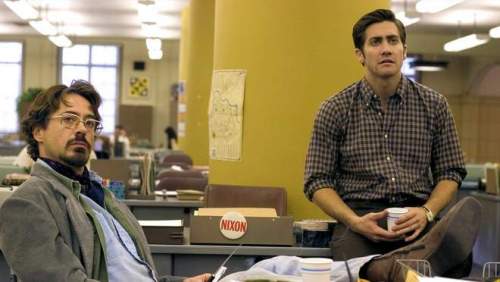
Zodiac is an edge-of-your-seat thriller that knows exactly when to be slow and when to pick up the pace. Director David Fincher delivers what he was admired for in movies like Se7en and Fight Club (and more recently Gone Girl), and that is an intelligent, not necessarily satisfactory, gripping film. The ensemble cast including a surprisingly fitting Jake Gyllenhaal and Robert Downey Jr. gives a great performance that helps embody the true-life mystery around San Francisco’s Zodiac killer. Fans of the series True Detective will love this film.
Be prepared to have the expectations you form after reading Scrapper’s synopsis shattered: though it is about a 12-year-old dealing with grief following her mother’s death, it’s remarkably upbeat. It gets that quality by positioning itself in the buoyant headspace of young Georgie, a resilient, cheeky youngster who retains much of her whimsical childlike spirit in spite of her profound bereavement. Director Charlotte Regan’s debut feature is bursting with imagination: there are surreal stylized touches all over the movie, from talking video-game-style spiders to magical realist metaphors of Georgie’s grief.
That’s not to say that Scrapper is flippant about the inherent tragedy of its story, though. As in The Florida Project, you can feel the escapist motivations of Georgie’s colorful imagination, which only deepens the poignancy of her situation and the precarious relationship she forms with her father, a barely-old-enough manchild who only makes an effort to meet Georgie after her mother’s death. Amidst all the intentional artificiality of the filmmaking, their largely improvised interactions never ring false — a dynamic that’s also crucial to making the movie feel genuinely touching and real rather than saccharine and shallow. A very impressive debut, and a much-deserved recipient of Sundance’s World Cinema Grand Jury prize and a whopping 14 nominations at the BIFAs.
What’s great about this highly inventive film is that it doesn’t look like it was shot through three iPhone 5s. Instead of using shaky cameras and static shots, Tangerine glides us through saturated, orange-toned scenes that evoke the Los Angeles sunset. Launching director Sean Baker into prominence, Tangerine is an innovative film that, at heart, is a nuanced comedy about the trans sex worker community. Newcomers Kitana Kiki Rodriguez and Mya Taylor run the show, and their performances create a vivid, electric drive that powers the whole movie. But it’s the quieter moments, the moments after betrayal, the moments of recovery, that make this movie truly special.
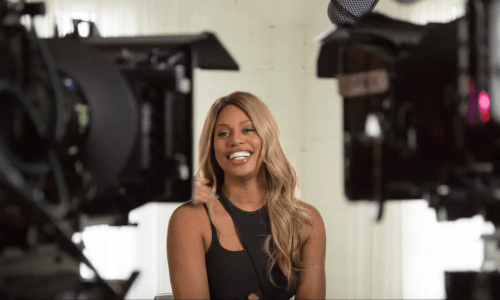
Disclosure is a patient and articulate study of the ways movies have physically conditioned us to respond to certain expressions of queerness with fear, disgust, or laughter. But it also serves as a reminder that trans bodies have been represented on screen for as long as movies have existed—making it all the more unacceptable that we still often only see reductive and harmful stereotypes of trans people over 100 years since the birth of cinema. However, Disclosure is far from a “takedown” designed to make viewers feel bad. At the end of it all this remains a celebration film’s power to dignify perspectives we rarely get to see through, and it’s one of the nerdiest and most passionate trips through film history you could hope to have.
Director Thomas Vinterberg (The Hunt) reunites with Mads Mikkelsen to tell the story of four teachers going through a mid-life crisis. They’re not sad, exactly—they have homes and jobs and are good friends with each other—but they’re not happy either. Unlike the ebullient youth they teach, they seem to have lost their lust for life, and it’s silently eating away at them, rendering them glassy-eyed and mechanic in their everyday lives.
Enter an experiment: what if, as one scholar suggests, humans were meant to fulfill a certain alcohol concentration in order to live as fully and present as possible? The teachers use themselves as the subjects and the tide slowly starts to turn to mixed effects. Are they actually getting better or worse?
With an always-satisfying performance by Mikkelsen and an instant classic of an ender, it’s no surprise Another Round took home the award for Best Foreign Film in the 2020 Academy Awards.

Every once in a while there are movies that expand the definition of quality film-making. This is one of those movies.
Here is an incredible, yet delicate film that follows three children from poor families who are stuck living in subpar motels. Their lives and friendships are portrayed with honesty and precise aesthetics. It’s a story that at first seems as plot-free as life itself.
It succeeds in capturing an innocence that is usually reserved to a child’s imagination: a precarious living condition full of adventures and fun. It’s hard to describe it beyond that; it’s the kind of film that must be seen to be fully understood.
And it ends on a very high note.
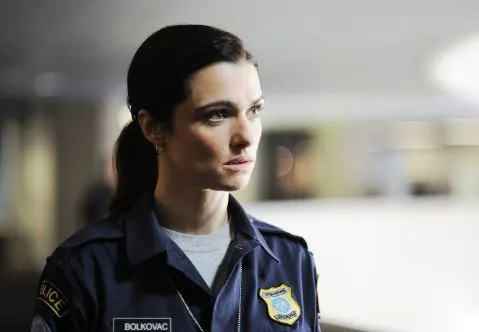
Based on a true story, The Whistleblower is the biography of a once Nebraskan police officer who volunteers for the U.N. peacekeeping mission in post-war Bosnia. Once there, she uncovers a human trafficking scandal involving peacekeeping officials, and finds herself alone against a hostile system in a devastated country. Rachel Weisz plays the whistleblower in a powerful lead role, but the true star of the movie is its director, Larysa Kondracki, who thanks to near documentary-style film-making delivers a perfectly executed political thriller with utmost authenticity.
Every once in a while there are movies that expand the definition of quality film-making. This is one of those movies.
Here is an incredible, yet delicate film that follows three children from poor families who are stuck living in subpar motels. Their lives and friendships are portrayed with honesty and precise aesthetics. It’s a story that at first seems as plot-free as life itself.
It succeeds in capturing an innocence that is usually reserved to a child’s imagination: a precarious living condition full of adventures and fun. It’s hard to describe it beyond that; it’s the kind of film that must be seen to be fully understood.
And it ends on a very high note.
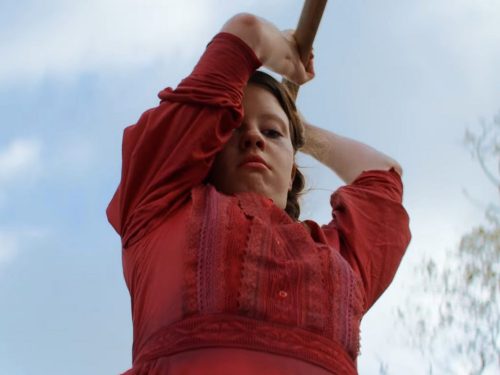
It’s rare to see a prequel surpass its antecedent, but Pearl is that exception. You can watch it before or after X and still get the same satisfaction from piecing together the puzzle of Mia Goth’s many roles (three in total across the trilogy). If the first film owed a lot to slasher classics like the Texas Chainsaw Massacre, the second (surprise!) channels The Wizard of Oz and nods to the splendiferous melodramas of Douglas Sirk. The jarring form-content opposition here makes sense, as we’re seeing through the eyes of the main character, who most of all dreams of being in a movie. Because of that very same whimsy, everything has to change: the violence is not as explicit and the role of sex is brought to the forefront. All hail the new kind of final girl: a farm girl-turned-star.
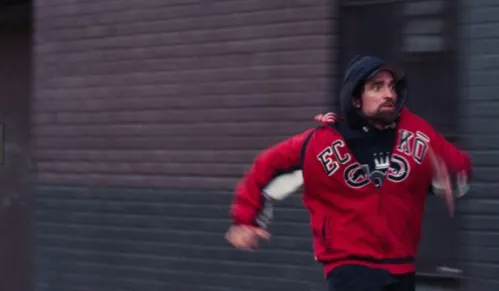
A fast-paced thriller, and “actually dangerous” movie as envisioned by its directors, Good Time is about a bank robbery gone wrong and one brother trying to get his other brother out of jail in its aftermath. It’s a deep and fast dive into New York’s criminal underworld that will not give you the time to catch a single full breath. The rhythm here is, without exaggeration, unlike anything I’ve seen before. It’s anxiety-inducing and very… primal. Incredible work featuring a career-pivoting performance from Robert Pattinson as the loose criminal that will do literally anything in the pursuit of seeing his brother free.
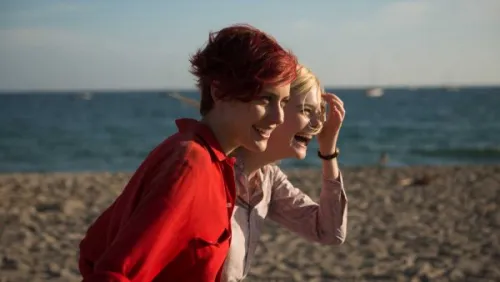
Annette Bening, Greta Gerwig, and many other big names star in this comedy-drama directed by Mike Mills (Beginners, Thumbsucker.) The story spans multiple generations but starts in 1979, where Dorothea Fields (Bening) is finding it increasingly difficult to raise her son alone. She enlists the help of two other women, one her son’s age and the other a New Yorker in her twenties who is very active in the punk scene. The three women, of three different generations and personalities as well as takes on the concept of “only a man can raise a man,” play different roles in this kid’s life. 20th Century Women is based on director Mike Mill’s own upbringing in Southern California.
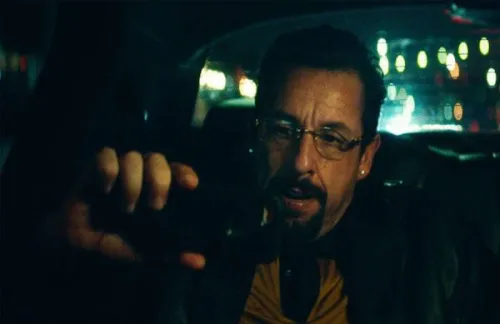
A crazy, anxiety-inducing thriller that turns Adam Sandler into a thrill-generating machine, which in its own speaks volumes about the rhythm of this movie. It follows a jeweler who gets himself in trouble with what feels like all of New York – a gang, Kevin Garnett (the NBA player), other jewelers, his family, odd twins that appear out of nowhere – everyone. This all happens in the backdrop of him feeling he has “hit big” and is on the verge of receiving a lot of money.
If you watched Good Time, you know what to expect from directors Safdie brothers: excruciating tension that keeps building up when you thought it wasn’t possible. And that might be the only problem with Uncut Gems; the tension doesn’t feel that different from Good Time, and having watched one you can guess where the other one is going.
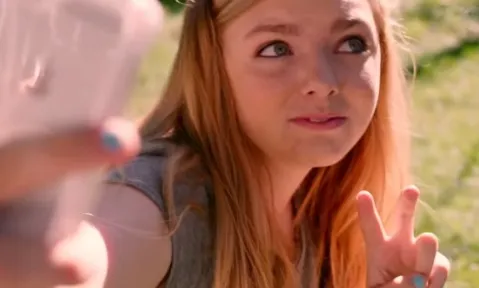
You live in a strange world. Or at least, that’s what the generation before you thinks. Eight Grade is a movie that follows a girl going through her generation’s strange world. Social media, selfies, Youtube; you name it. But also, the weight of her expectations (as shaped by the internet) versus her reality. Written and directed by famous comedian Bo Burnham, it’s a gentle and often funny look at our anxieties and how they shape our growth. Prepare for a lot of cringes.
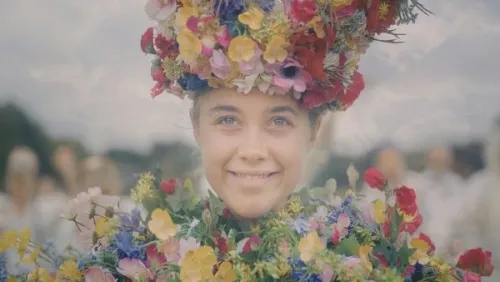
You may have heard about this 2019 critic-favorite from clips like this one of a kid running to flee the movie theater during a screening. “little billy ran the f**k out the door”, the caption reads.
You will want to do the same. Recovering from losing her sister and her parents in a single incident, a young girl goes on a trip to Sweden to observe a ritual within a bizarre commune that occurs every 90 years. This cult’s idea of death and their traditions intersect with the girl’s grief to create unthinkable monstrosities.
Note: while some readers praise the movie for its depiction of anxiety, I highly recommend against watching Midsommar if you suffer from panic attacks.
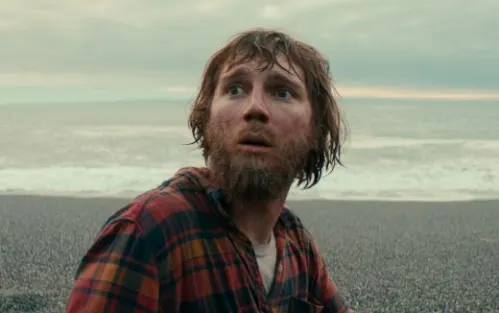
Probably the weirdest film you’ll ever see. Paul Dano plays a borderline suicidal man who befriends a farting corpse that washed up from the sea as played by Daniel Radcliffe. It’s an adventurous, witty and hilarious film yet it is filled with discreet and very deep lessons about society and norms. The soundtrack is so charmingly unique as well, it’s a definite must-watch for anyone looking for a refreshing comedy.
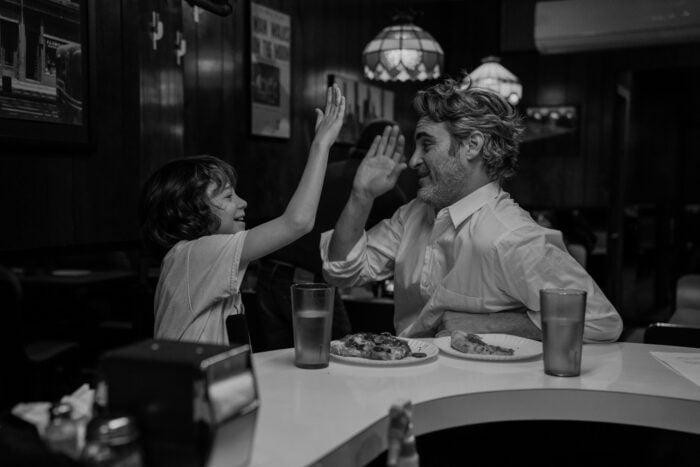
Mike Mills has always had an obsession with childhood and parenthood, often honing in on the beautiful, frustrating, and inevitable mess that comes with them. C’mon C’mon is no exception, but here, Mills blurs the lines between the two even more. Sometimes the kid acts more like an adult, and the adult more like a kid; sometimes the uncle acts as a surrogate mother, and the mother (unsurprisingly) takes on the role of an everywoman, attempting to be breadwinner, caretaker, and friend all at once.
C’mon C’mon has no allegiances; it simply shows us the dynamics between one family and mirrors what we already know about ours. Shot in black and white, grounded in simple conversations, and interwoven with moving essay excerpts and real interviews, C’mon C’mon feels at once personal and universal; a moving feat of a film.
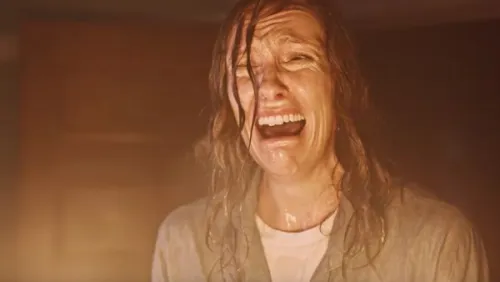
A chilling and dark movie to be especially appreciated by true suspense lovers. At the funeral of the family’s matriarch, no one is emotional except the granddaughter, whose grieving is disturbing, to say the least. When both grieving and not grieving are unsettling, you can tell what kind of family (and movie) this will be.
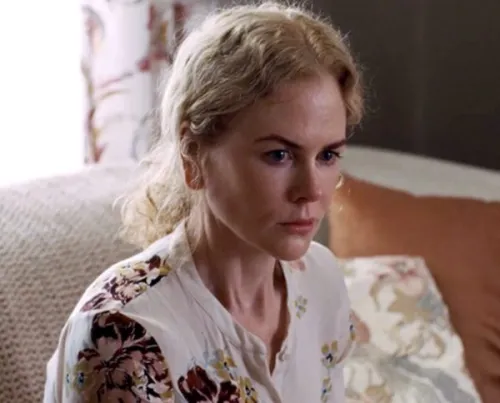
This is a really weird movie starring Colin Farrell and Nicole Kidman. They play a wholesome and well-off couple where Farrell is a heart surgeon. The movie starts with him taking care of a teenager called Martin, who’s not related to him or seems to have any real connection with him. It later turns out that Martin shares a special bond with the surgeon, a bond that will threaten his family in unexpected ways. The camera work and direction by Yorgos Lanthimos (The Lobster, The Favourite) offset the weirdness to offer an intriguing experience.
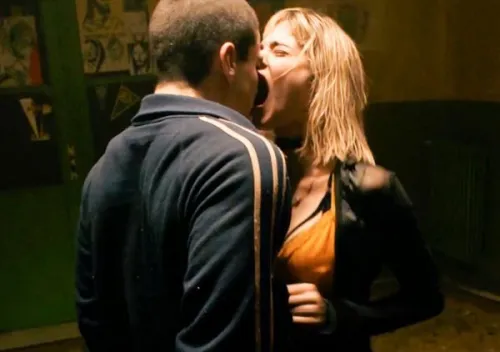
This twisted movie is actually two movies, the credits even roll in between. The first half is gorgeous: talented dancers get together for a party and perform beautiful contemporary dance sequences. They introduce themselves through their audition tapes to join the dance group, but also through conversations at the party. The second half is less fun. It turns out someone had laced the sangria they’ve been drinking with a psychedelic drug. Not for the faint of heart or anyone who didn’t like director Gaspar Noé’s past movies (Enter the Void, I Stand Alone, etc).
This cult classic is the first hip-hop movie in cinema’s history — and, aptly, one of the most sampled movies in rap music. With a cast drawn exclusively from the NYC graffiti, breakdancing, and rap subcultures that it spotlights, Wild Style wisely doesn’t try too hard to construct a conventional drama. Instead, there are toe-tapping scenes in neon-lit, smoke-filled clubs that stretch far beyond usual cinematic limits because they’re following the dynamic pace and infectious rhythm of the battling emcees, not film’s rules.
In lieu of a plot, Wild Style captures the singular atmosphere of the period it was filmed in, when hip-hop culture was thriving and art curators had begun to look to graffiti artists to fill their galleries. That uneasy turning point in the culture is chronicled here through the perspective of Zoro (real graffiti “writer” Lee Quiñones), a young artist who looks on with disdain as his peers embrace the commercialization of their medium by NYC’s art world. (As he shrewdly puts it, risk is central to graffiti’s identity — made for subway cars and walls, not framed canvases.) Brilliantly capturing the freewheeling spirit of NYC’s hip-hop scene, this is a time capsule that never feels dusty thanks to the appropriately off-the-cuff filmmaking.
Four Lions is as black and as dark as a movie can ever get, mixing cultural relevancy with humor and ridiculousness. It is insensitive to Islam, insensitive to terrorism and insensitive to the viewer. But it is hilarious. The director spent three years talking to Imams, terrorism experts and basically everyone. The result? A legit 97 minutes that will dazzle even extremists with its knowledge of Islam and the accuracy of its lines. Needless to say that it will upset quite a few people, but that is always a good sign for black comedy movies, right?
The self destructive, substance abusing history teacher Dan (Ryan Gosling) works in a Brooklyn middle-school and is constantly at odds with the curriculum, preferring to teach 13 year old kids Marxist theory in class. Meanwhile, his student Drey (Shareeka Epps) has to go through struggles of her own, her brother being in jail on drug charges and her single mother having to work long hours to make ends meet. Slowly, an unlikely and tender friendship between teacher and student evolves, in which it becomes less and less clear who of them is the adult part. Steering away from cliches, Half Neslon is not your typical social drama. Its intelligent plot twists, great cast (with outstanding performances by both Gossling and Epps) and slow, non dramatic storytelling makes this a highly underestimated movie that, although treating depressive topics without any easy relief for the viewer, will leave with an inner smile, albeit a sad one.
Zodiac is an edge-of-your-seat thriller that knows exactly when to be slow and when to pick up the pace. Director David Fincher delivers what he was admired for in movies like Se7en and Fight Club (and more recently Gone Girl), and that is an intelligent, not necessarily satisfactory, gripping film. The ensemble cast including a surprisingly fitting Jake Gyllenhaal and Robert Downey Jr. gives a great performance that helps embody the true-life mystery around San Francisco’s Zodiac killer. Fans of the series True Detective will love this film.
What’s great about this highly inventive film is that it doesn’t look like it was shot through three iPhone 5s. Instead of using shaky cameras and static shots, Tangerine glides us through saturated, orange-toned scenes that evoke the Los Angeles sunset. Launching director Sean Baker into prominence, Tangerine is an innovative film that, at heart, is a nuanced comedy about the trans sex worker community. Newcomers Kitana Kiki Rodriguez and Mya Taylor run the show, and their performances create a vivid, electric drive that powers the whole movie. But it’s the quieter moments, the moments after betrayal, the moments of recovery, that make this movie truly special.
Disclosure is a patient and articulate study of the ways movies have physically conditioned us to respond to certain expressions of queerness with fear, disgust, or laughter. But it also serves as a reminder that trans bodies have been represented on screen for as long as movies have existed—making it all the more unacceptable that we still often only see reductive and harmful stereotypes of trans people over 100 years since the birth of cinema. However, Disclosure is far from a “takedown” designed to make viewers feel bad. At the end of it all this remains a celebration film’s power to dignify perspectives we rarely get to see through, and it’s one of the nerdiest and most passionate trips through film history you could hope to have.
Every once in a while there are movies that expand the definition of quality film-making. This is one of those movies.
Here is an incredible, yet delicate film that follows three children from poor families who are stuck living in subpar motels. Their lives and friendships are portrayed with honesty and precise aesthetics. It’s a story that at first seems as plot-free as life itself.
It succeeds in capturing an innocence that is usually reserved to a child’s imagination: a precarious living condition full of adventures and fun. It’s hard to describe it beyond that; it’s the kind of film that must be seen to be fully understood.
And it ends on a very high note.
Based on a true story, The Whistleblower is the biography of a once Nebraskan police officer who volunteers for the U.N. peacekeeping mission in post-war Bosnia. Once there, she uncovers a human trafficking scandal involving peacekeeping officials, and finds herself alone against a hostile system in a devastated country. Rachel Weisz plays the whistleblower in a powerful lead role, but the true star of the movie is its director, Larysa Kondracki, who thanks to near documentary-style film-making delivers a perfectly executed political thriller with utmost authenticity.
Hurt people hurt people, the saying goes, and nowhere is that more evident than in Hard Truths. Directed by Mike Leigh (Secrets & Lies, Vera Drake, Happy-Go-Lucky), Hard Truths follows two sisters who couldn’t be more different. One is Chantelle, a cheerful hairdresser who has raised equally ebullient daughters, and the other is Pansy, a hardened woman who lashes out at everyone from her family to the people queuing up in the grocery. Pansy is brutal, the sort of person you’d roll your eyes at if you were unlucky enough to encounter her in public. But Leigh gives us a glimpse into her internal struggle; nothing too obvious, as is the naturalistic director’s style, but we feel her pain whenever she goes out of her way to avoid the people closest to her, or when she savors a moment alone and hides her tears. There is no linear plot in Hard Truths; instead, it’s a collection of lived moments and ordinary joys and sorrows. It’s also a welcome reflection of our fractured reality. Loneliness, grief, anger, anxiety—these feelings are often inexplicable, and they come out of us in ways that are never immediately understandable or direct. So why should Pansy be? The film is an exercise in sympathy as well as a mirror to our own complicated and invisible hurt.
It’s rare to see a prequel surpass its antecedent, but Pearl is that exception. You can watch it before or after X and still get the same satisfaction from piecing together the puzzle of Mia Goth’s many roles (three in total across the trilogy). If the first film owed a lot to slasher classics like the Texas Chainsaw Massacre, the second (surprise!) channels The Wizard of Oz and nods to the splendiferous melodramas of Douglas Sirk. The jarring form-content opposition here makes sense, as we’re seeing through the eyes of the main character, who most of all dreams of being in a movie. Because of that very same whimsy, everything has to change: the violence is not as explicit and the role of sex is brought to the forefront. All hail the new kind of final girl: a farm girl-turned-star.
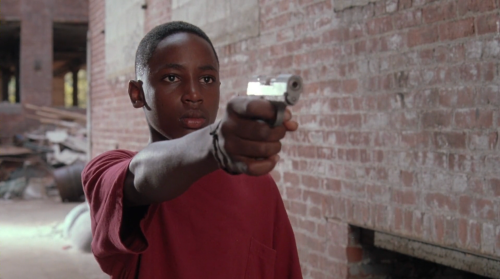
Filmed with a perfect blend of realism and embellished style, Fresh is a coming-of-age story set in the poverty of the New York City projects, wherein the protagonist “grows up” only by learning to become dangerous and losing his sense of self. There’s no satisfaction in watching 12-year-old Michael (or “Fresh,” as he’s called) use his supposed innocence as a tool to manipulate his way to a safer position. The system continues to reign supreme and Fresh only buries himself into a deeper hole. Boaz Yakin’s direction is direct and expressive, the city stirring to vibrant life in every scene, and the tremendous performances from Giancarlo Esposito and a then-teenage Sean Nelson drive home the tragedy with full force.
Grounded by Lesley Manville and Timothy Spall’s powerhouse performances, this gut-wrenching family drama from Mike Leigh is an acting juggernaut. Penny and Phil are a working-class couple whose marriage is rapidly deteriorating and pushed to the brink when their son, played by a young James Corden, is hospitalized.
While Manville and Spall are centered as the leads, Leigh draws a staggering amount of depth from Corden as well as a young Sally Hawkins who plays a neighbor. Despite being one of Leigh’s grimmest films, there is still a profound sweetness lingering at the edges as the story teeters between despondency and hope.