The Best R Movies to Watch
You might want to wait until the geds are in bed before going through this list of great titles to stream. Here are the very best movies and shows with an R rating, intended for audiences over 17 or with parental guidance.
To access filters, visit our homepage.











 x8
x8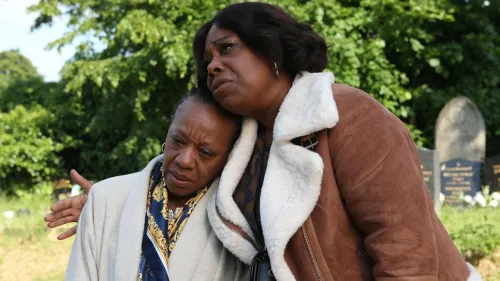
Hurt people hurt people, the saying goes, and nowhere is that more evident than in Hard Truths. Directed by Mike Leigh (Secrets & Lies, Vera Drake, Happy-Go-Lucky), Hard Truths follows two sisters who couldn’t be more different. One is Chantelle, a cheerful hairdresser who has raised equally ebullient daughters, and the other is Pansy, a hardened woman who lashes out at everyone from her family to the people queuing up in the grocery. Pansy is brutal, the sort of person you’d roll your eyes at if you were unlucky enough to encounter her in public. But Leigh gives us a glimpse into her internal struggle; nothing too obvious, as is the naturalistic director’s style, but we feel her pain whenever she goes out of her way to avoid the people closest to her, or when she savors a moment alone and hides her tears. There is no linear plot in Hard Truths; instead, it’s a collection of lived moments and ordinary joys and sorrows. It’s also a welcome reflection of our fractured reality. Loneliness, grief, anger, anxiety—these feelings are often inexplicable, and they come out of us in ways that are never immediately understandable or direct. So why should Pansy be? The film is an exercise in sympathy as well as a mirror to our own complicated and invisible hurt.
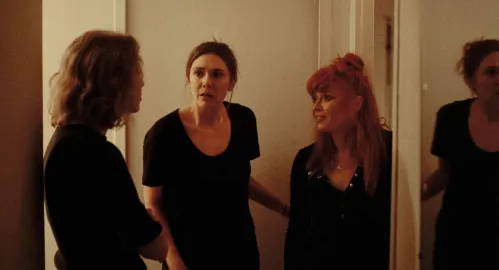
Not everybody holds a good relationship with their sisters, but ideally, we get to reunite and repair things in a good time. Unfortunately, for some families, the only time they reunite is due to a parent nearly dying. This is the case in His Three Daughters, where the three sisters meet after years living apart. It’s a common plotline, mostly depicted in the feel-good, family friendly variation, but writer-director Azazel Jacobs makes the three sisters distinct by taking the easy assumptions many people would make about them, and naturally push them to reveal the opposite. Carrie Coon, Natasha Lyonne, and Elizabeth Olsen form a great trio, delivering equally excellent performances under the same roof.
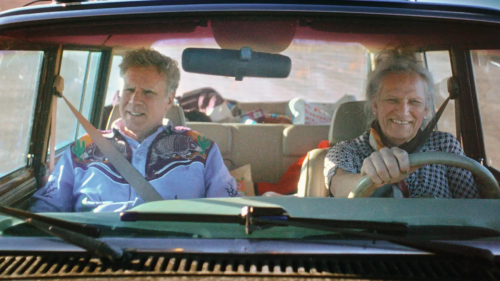
Will and Harper’s premise is simple: two friends journey from one end of the States to another and, amid pit stops and bar hops, sunsets and beers, they talk about life, from its biggest concepts down to its tiniest details. The only difference in this case is that Will and Harper are navigating their friendship as well as the roads; since Harper has only recently transitioned (formerly, she was the comedy screenwriter Andrew Steele), she and Will feel the need to settle more than a few questions. When did this all start? What kept Harper from coming out? Will the friendship still be the same? Does Harper still like bad beer? Will, for his part, is earnest and curious, and though he fumbles along the way—at one point, he inadvertently exposes Harper to a transphobic crowd—he’s quick to recognize his mistakes, learn from them, and recenter our attention to Harper, who is the real star of this film. We learn about her childhood and how she grappled with identity throughout her life. We even visit her home in Iowa and get to know her family. The film keeps it light by smartly relying on their naturally funny tandem and the beautiful American country backdrop. It’s been said that to know the real American pulse, you’d have to go to the Midwest, and that’s exactly what they do. It’s not always pretty, but there are bubbles of joy there that present hope not just to Harper but to the many transpeople out there waiting to know if it’s finally time to head out (it is).
 x1
x1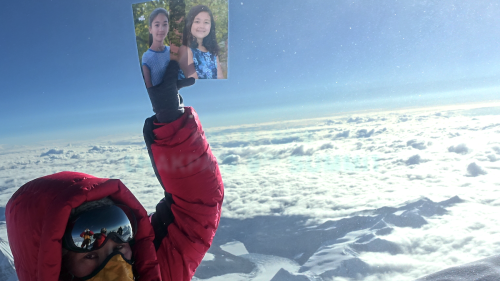
Mountain Queen isn’t just a movie about a professional mountain climber, although Lhakpa Sherpa is certainly impressive as she trudges through the deathly terrain of Everest (and at 50 years old at that!). It’s also the heartbreaking story of a broken family in repair. Sherpa reveals shocking details about her abusive husband, fellow climber Gheorghe Dijmărescu, and we see how it’s affected her two daughters, one of which is so hurt, she can’t bring herself to speak to her mother. The main thread of the movie is her 10th attempt to scale the tallest peak in the world, but Director Lucy Walker smartly intercuts this with tales of Sherpa’s own life—a laborious obstacle on its own—rightfully framing Sherpa as the strong woman that she is.

Only a few people in Dita’s house are related by blood, but you wouldn’t know that by how they move. They’re tight-knit but argumentative, loving at times but spiteful in other instances. In other words, they’re complicated just like any other family. Housekeeping for Beginners makes a compelling case for the validity—and at times necessity—of found families like Dita’s, who all found each other after being shunned by their race and sexuality. As in his previous works, Director Goran Stolevski paints a realistic and relevant portrait here, one tinted with striking pain and poignancy, bound to leave your heart aching long after the credits roll.
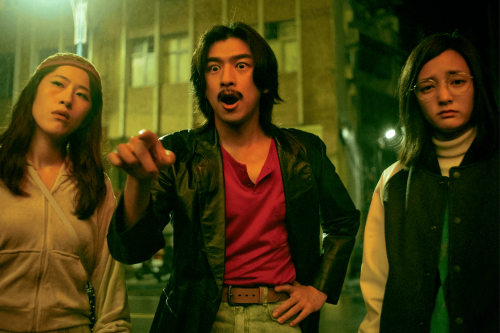
In the Dead Talents Society, ghosts haunting humans are less of a scare, and more a performance that can grant fame and fortune in the underworld. It makes for incredibly charming comedy. It affectionately satirizes East Asian horror in such a fresh way, comparing a ghost being remembered to today’s social media influencers, with views and validation directly tied to survival. However, as these ghosts scramble to scare unwitting humans, writer-director John Hsu resolves their need to be seen through the familiar path of fun and friendship, an approach that works with its offbeat humor and incredible performances. Dead Talents Society is very goofy, but it’s a unique horror comedy that won’t easily be forgotten.
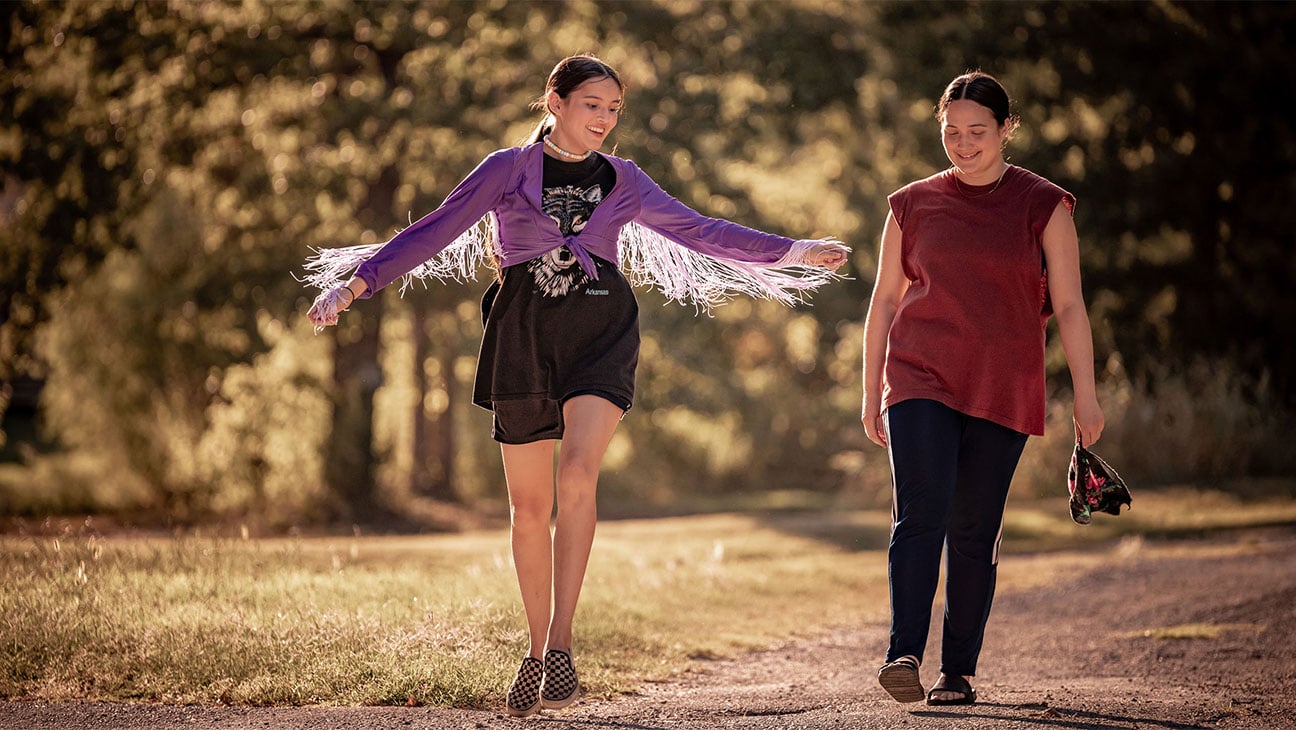
Before she captivated the film world with her performance in Scorcese’s crime drama Killers of the Flower Moon, Lily Gladstone starred in Erica Tremblay’s feature film debut Fancy Dance, earlier in 2023. It’s a tragic drama, wherein Gladstone portrays Jax, a lesbian woman dealing with the government that failed to find her sister, and that currently seeks to transfer her niece’s custody to her white father. But it’s also an uplifting drama, one that celebrates the connection between Jax and her niece Roki, the Cayuga culture and language, and the connection with their community and tribe that continues to persist despite state disenfranchisement. Pacing issues do make the film a tad rushed, but nevertheless, Fancy Dance is a subtle and poignant debut, made much more grounded with the excellent lead performances.

With the internet able to connect people from miles away, the concept of the one that got away has become unromantic– after all, with instant messaging, their distance just means that you’ve been ghosted. But for the longest time, romance stemmed from the fated circumstances that kept or lost love, and this is excellently portrayed in Touch, a surprising romantic drama from writer-director Baltasar Kormákur best known for his action thrillers. Kormákur infuses the drama with a delicate touch, much more focused on the moments of connection between immigrants from different cultures, with the freedom of the late 60s that marks Kristófer’s youth versus the urgency of the world’s restrictions and Kristófer’s memory. Touch remembers the real romance of the one that got away.
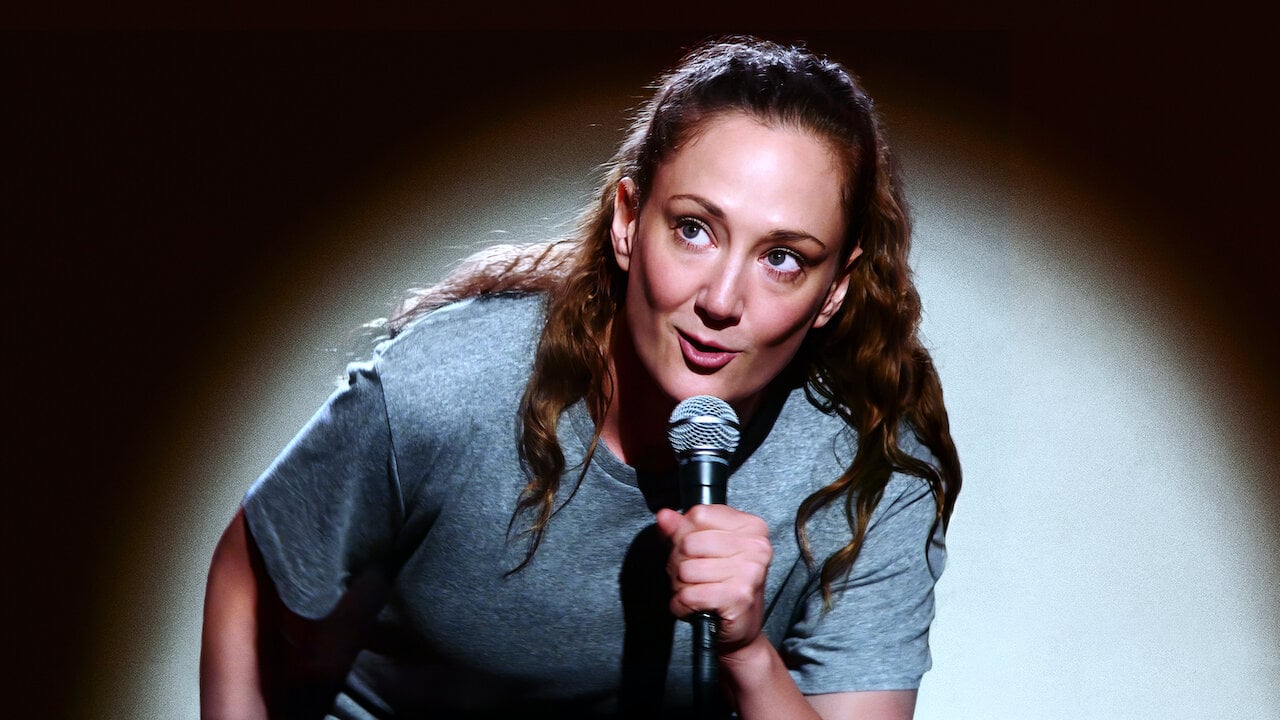
We’re familiar with dick jokes from stand-up comedians, especially male stand-up, but Jacqueline Novak’s 90-minute show about the blow job feels completely new. Get on Your Knees feels like casual storytelling from someone experienced yet distant enough to be a cool authority on it (say, your best friend’s older sister’s best friend), but funnier. It’s like a gossip session about a first experience, except the breathless, dizzying stream of thought is peppered with philosophical thought and points out the absurdity around the language and common attitudes about sex. And as she does so, and as she talks about self-conscious fumbling and unanswered questions, she strides back and forth, in an easy, self-assured way, the way we’d like to feel going into the act.
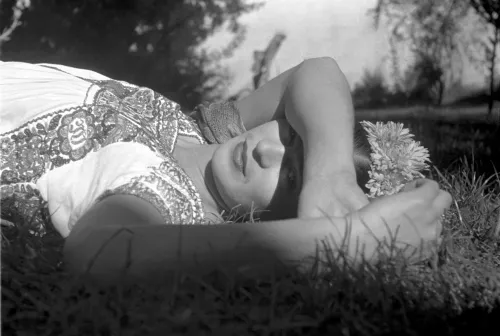
Frida Kahlo is an iconic Mexican painter, not just because of her outstanding art, but also because of her outlook in life, despite her ill health and tragic accident. Because of this, she has been talked about in multiple books, movies, and exhibitions, but a new documentary has popped up, this time from her own words. Carla Gutierrez’s directorial debut is a revelation, voiced primarily in Frida’s native Spanish and paired with key archival footage, vivid animations of her paintings, and an excellent acoustic score plucked from classical guitar. Being a biographical documentary, fans of the artist would, of course, be familiar with her life events, but Gutierrez’s approach is still worth watching, mostly because it’s Frida’s own words driving the film.
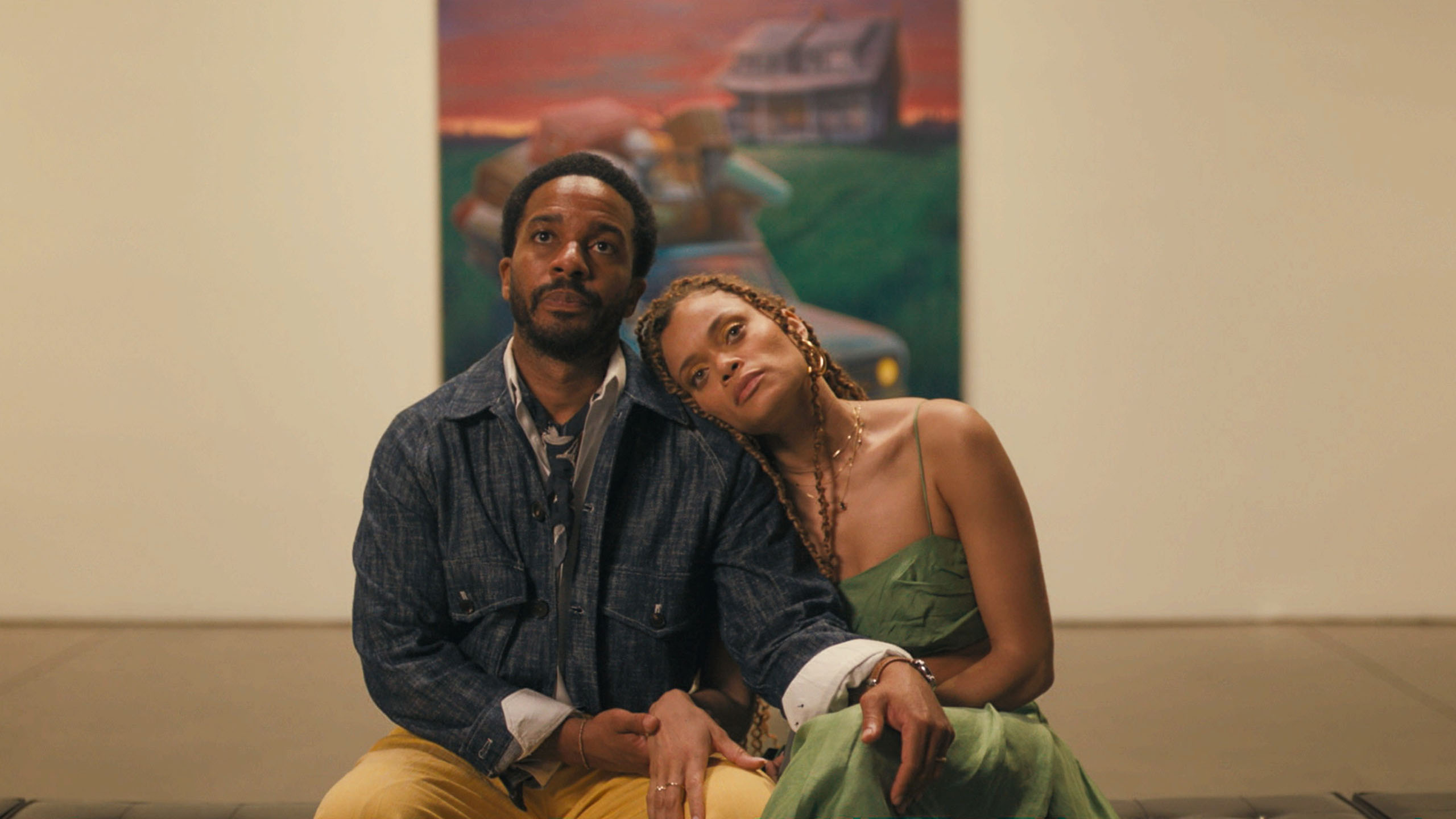
Exhibiting Forgiveness does what it says in the title. The plot moves when a repentant family member returns to the protagonist’s life to reconcile with them, and in doing so, there’s hope that things would work out between them. Many a depiction would often treat this moment as a simple hurdle to jump over, but like what he does in other mediums, writer-director Titus Kaphar reconfigures this moment with a lived-in understanding of what other depictions gloss over. Through contrasting the present day actions of Tarrell with harrowing flashbacks of the past, and through an incredible cast, Exhibiting Forgiveness paints a more honest, heartwrenching depiction of what it means to truly forgive a parent.

In what is only his second feature, Greek director Christos Nikou crafts a singular universe that is orderly and enticing. The dystopian premise that you can now scientifically test for love may be bizarre, but it answers to one of the biggest anxieties humans share. That said, this particular world feels so close to ours today, that you want to dive right in it, weirdness and all. Even the topos of the love clinic, where couples get evaluated and take on exercises before they take the test is framed as a space for hope. There’s no underlying cynicism in Nikou’s film, which is perhaps the most surprising fact about it; on the contrary, longing—however painful it may be—abounds and seeps through the carefully composed images of shared doubt and suspect intimacy. Last, but not least, the chemistry shared by Buckley-Ahmed-White is nothing short of explosive.
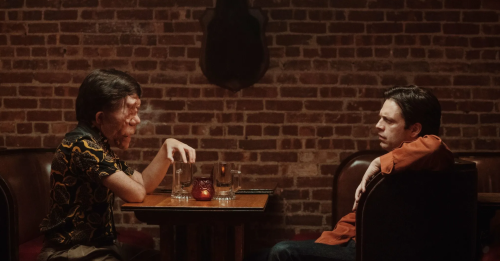
“Inner beauty is what counts” is a cliche many films have tried and failed to tackle, but A Different Man manages to make it feel unsettlingly new. The film follows Edward, a disfigured man who lives a normal but lonely life. No one is overtly mean to Edward—in fact, many are nice—but he’s consumed by the thought of What If. What if he looked like everyone else? Would his neighbor Ingrid finally make a move on him? Would he be the actor he dreamed he’d be? Would he finally get fewer stares on the street? Those questions are answered when a medical trial transforms his face, but they’re rarely pleasant. A Different Man is a dark comedy with some hints of meta; Stan’s character provides the tragedy, Pearson delivers the wry humor, while Reinsve, as the playwright in charge of dramatizing Edward’s life, is the source of the film’s meta-commentary. It’s the weakest link of the three–it feels like a cop-out when it forgives itself for being “exploitative” but the rest of the film’s elements gel to make a modern parable of sorts about appearance and contentment.
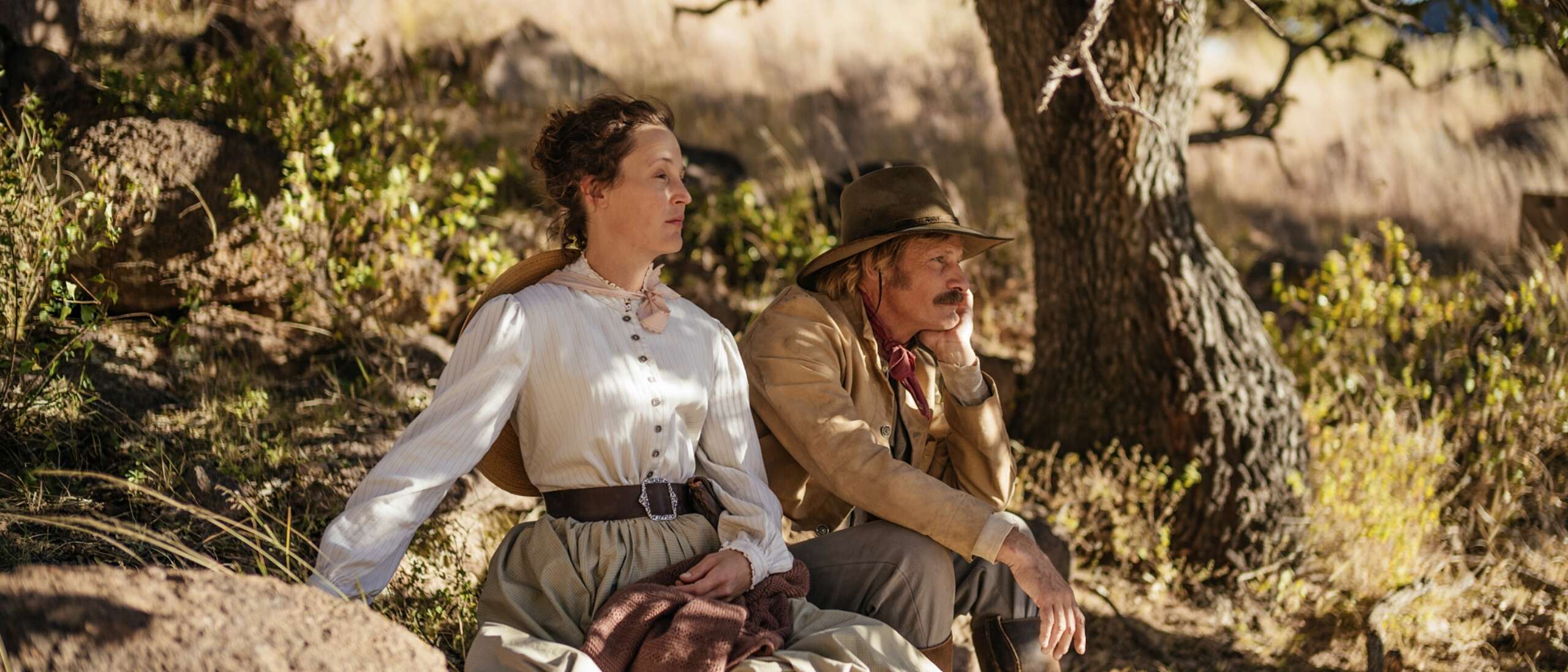
Written, directed, and scored by Viggo Mortensen, The Dead Don’t Hurt is a visually stunning, emotionally potent, but still impressively restrained period drama that flips the script on typical Westerns. On the surface, it looks like it could be one—there’s even a bad guy clad in black who slings guns outside a saloon—but the film decidedly focuses on Vivienne and her everyday life. Viewers might think nothing is happening, but in fact, everything is happening, such is Mortensen’s framing of the value of these overlooked aspects of life. Immigrants, too, who are usually just extras in Westerns populate this movie and make it their own—as they should. They’re the backbone of America after all, and yet they’re usually relegated to the background in period dramas. The icing on the cake is that the film is breathtakingly beautiful, each frame a transportive picture of 19th-century America.
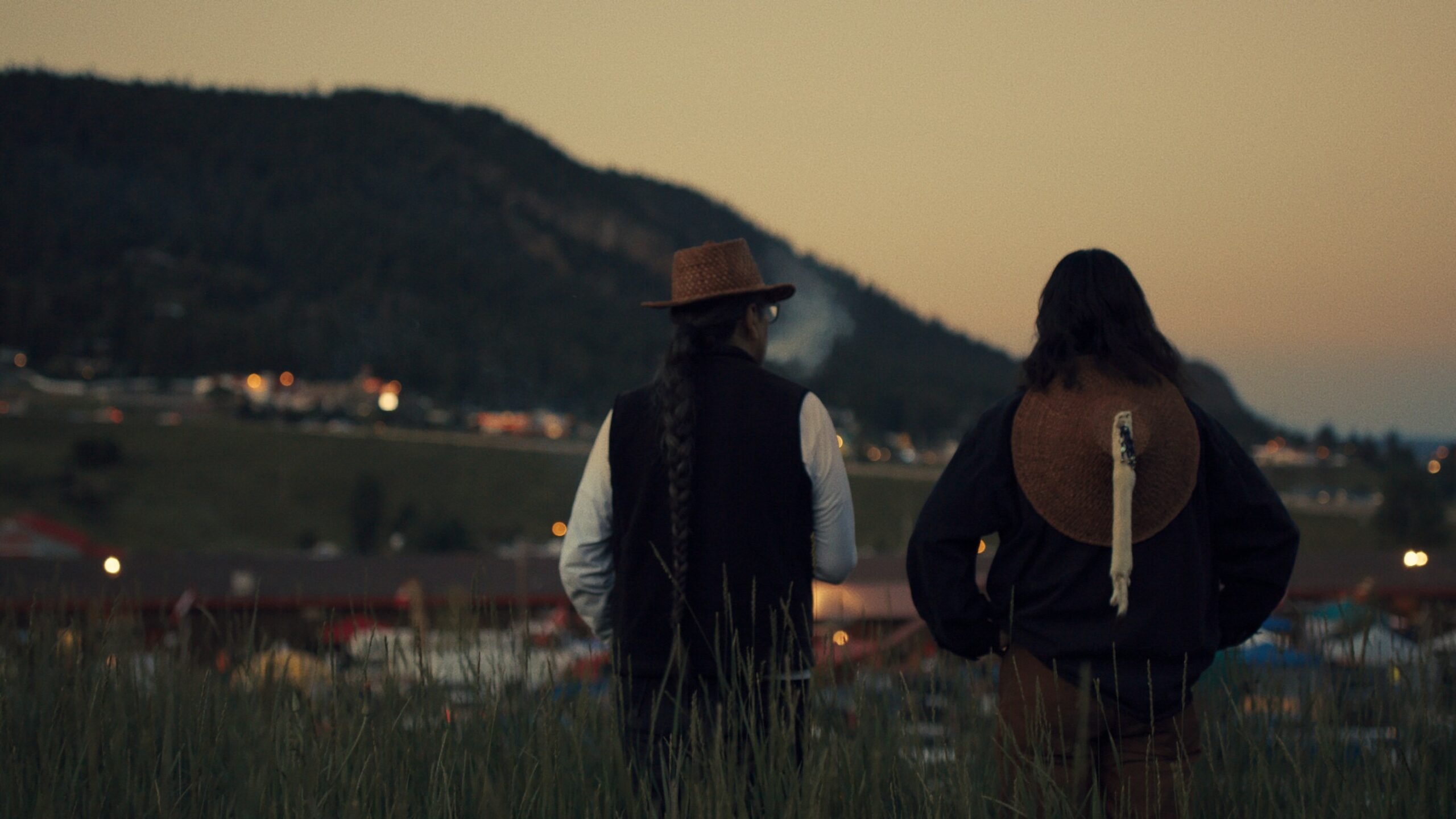
Everything about Sugarcane is arresting, whether it’s the epic shots of the sweeping reservation (“Canada is our land,” one native announces), the emotional moments shared by survivors of the abusive residential schools, or the damning discoveries they find in an investigation into the Catholic priests. Every second of it is sure to shock and infuriate. Not everything is tragic though. There are slivers of hope, especially from the independently assembled team leading the investigation. The police are apathetic and the suspects are evasive, but despite the deep trauma, pain, and violence the community of Sugarcane has gone through, they persist.
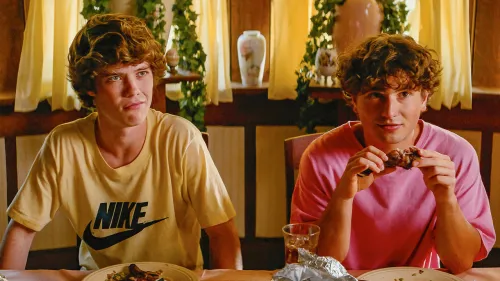
Snack Shack is the quintessential summer movie. It’s sun-soaked and full of mirth as it follows two rowdy boys fighting off bullies and scheming their way to profit, one ingenious scam at a time. But it’s also a tender coming-of-age film, one filled with realistic friendships and painfully awkward romantic encounters. In both instances, Snack Shack doesn’t reinvent the wheel—in fact it’s formulaic almost to a fault. But it’s saved by endearing performances and an effectively nostalgic backdrop. Many times, it feels like any John Hughes movie by way of Superbad. But for the most part, it’s its own distinctive, chlorine-tinged, popsicle-sweet thing.

For people having difficulty bearing a child, artificial insemination is one way to go for parenthood, but going to sperm banks can be expensive, shrouded with too much anonymity, and have had many incidents of malpractice. Some people would rather take things into their own hands. Spermworld explores the journeys of three different internet sperm donors, who meet with hopeful parents. It can be awkward, even when the donors are fairly ordinary guys with fairly decent motives, but the way director Lance Oppenheim approaches the community is disarmingly human, acknowledging the strange quirks that come with the donation, but also the interesting parental desires human beings do have.
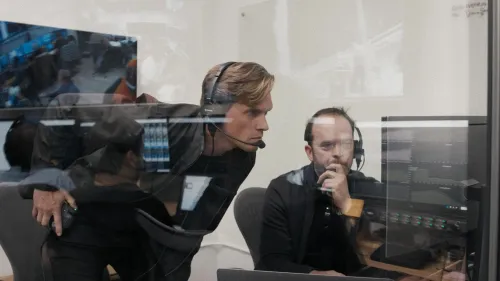
Backed by hefty research, dramatized by great players, and made relevant by the current and future impact aerospace has on the human race, Wild Wild Space makes for a surprisingly thrilling watch. Like the title suggests, outer space is a gold mine of opportunity right now, and the three startups the film zeros in on—Astra, Planet Labs, and Rocket Lab—are competing much in the same way the cowboys of the Old West are, full of ambition and lacking any mercy. It’s packed with drama, which you wouldn’t normally expect from a film that’s largely about physics, finance, and politics, but here we are. And the simultaneous storytelling works, too. They’re all equally interesting and overlap in smart ways, thanks to Kauffman’s deft editing and Vance’s knowledgable takes that tie it all together. Scientist vs capitalist vs madcap underdog is a story you’d never know to watch till the end till now.

Frybread Face and Me is a little indie gem: though rough around the edges, it’s full of charm and heart. Drawn from its director’s own childhood experiences, the movie charts a formative moment in the life of Benny, a city boy of Navajo, Hopi, and Laguna Pueblo heritage who’s carted off to his grandmother’s ranch on a Navajo reservation for a summer. It’s suffused with all the specificity of real memories in a way that never distances us from it, only enfolding us closer into its nostalgic embrace. That effect largely comes from the tender bonds between Benny and his cousin Dawn (unsympathetically nicknamed Frybread Face and played by newcomer Charley Hogan), who acts as translator between him and their non-English-speaking grandmother (Sarah H. Natani, also a non-professional actor). Though he’s constantly berated by male family members for not being “masculine” enough, Benny finds unconditional acceptance from his grandmother and misfit camaraderie with Frybread, who also gives the film a dry comedic edge — a welcome touch in a usually saccharine genre. Ultimately, though, it’s the movie’s soft sweetness and intimate depths that are most distinctive: it’s so gently told, and with such genuine feeling behind it, that it’s impossible not to be swept away by its charms.
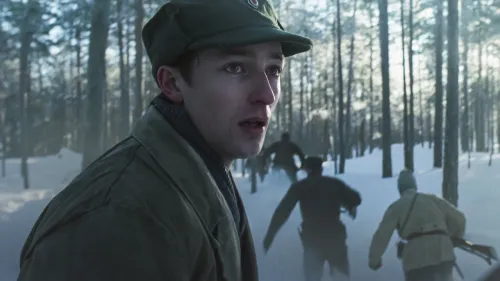
A good biography remains fully faithful to the actual history, but a great one understands what their life story means as a whole, on a larger scale. Number 24 could have been one of many World War II biopics. It could have just celebrated Norwegian resistance fighter Gunnar Sønsteby and his numerous deeds. By simply being a biopic, it does so. However, by alternating between Sønsteby in a talk during his last years and him during his saboteur career, Number 24 also recontextualizes their more dubious tactics for a generation that holds violence as unthinkable. Number 24 is a well-paced, engaging biopic that not only commemorates the hero, but also explores his lasting legacy.
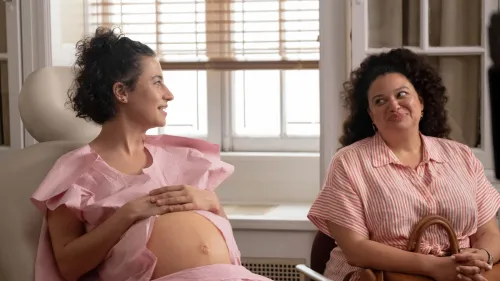
Babes tells the story of Eden (Ilana Glazer) and Dawn (Michelle Buteau), codependent best friends who are forced to reevaluate their relationship when Eden finally joins Dawn in becoming a mother. While Eden learns how to be more mature and independent, Dawn struggles to feel like herself again after two exhausting pregnancies. Burdened by these personal problems, they evaluate the boundaries of their friendship and ask themselves, what do they owe each other? It sounds like heavy stuff, but the script—co-written by Glazer and Josh Rabinowitz—has an uncanny ability to make even the most serious parts of the film feather-light. Glazer and Buteau are fiercely funny, charming, lovable, and relatable, and everything comes together seamlessly with Pamela Adlon, who makes her directorial debut with Babes, on the helm. Fans of Glazer’s Broad City and Buteau’s Survival of the Thickest will find much to laugh (and cry) at here.
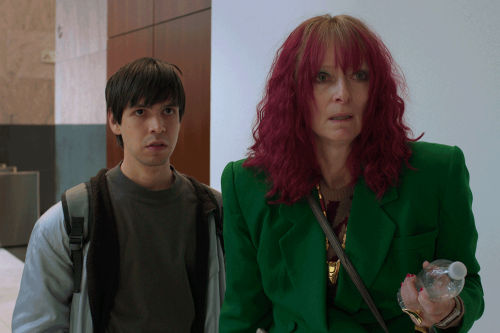
Some films struggle to balance style with substance, but Problemista isn’t one of them. It’s brandished with Torres’ unique brand of surrealist aesthetic, which is colorful, freakish, and fun, while also accurately relaying the pains of coming to and making it in America as an outsider. We see Alejandro accept increasingly debasing gigs as he runs out of time and money in the deep maze that is America’s immigration bureaucracy. And all the while, he’s being both genuinely funny and painfully incisive. Torres is not the first person to point out that in this day and age, the monsters we face are overbearing employers, greedy bankers, and exploitative companies, but he just might be one of the few to do it with such imaginative grace.

The Royal Hotel sees Hanna (Julia Garner) and Liv (Jessica Henwick) resorting to take up a dire live-in job behind the bar in a remote desert part of Western Australia. Although they’re warned that they’d “have to be okay with a little male attention” in the outcast mining town, their financial precarity overrides the potential fear. Curiously enough, the fiction film is based on a real story, already told in the 2016 documentary Hotel Coolgardie by Pete Gleeson, but The Assistant director Kitty Green pulls no punches when representing how suffocating it must feel to be encircled by such unmediated male aggression. The brawls, the spilled beer, the c-word as a greeting all form the unnerving paraphernalia of life then and there. For Australian independent film devotees, there is actor Toby Wallace, who reprises his bad boy role from Babyteeth, and he’s joined by the ranks of Herbert Nordrum (The Worst Person in the World) and an utterly terrifying Hugo Weaving (The Matrix).
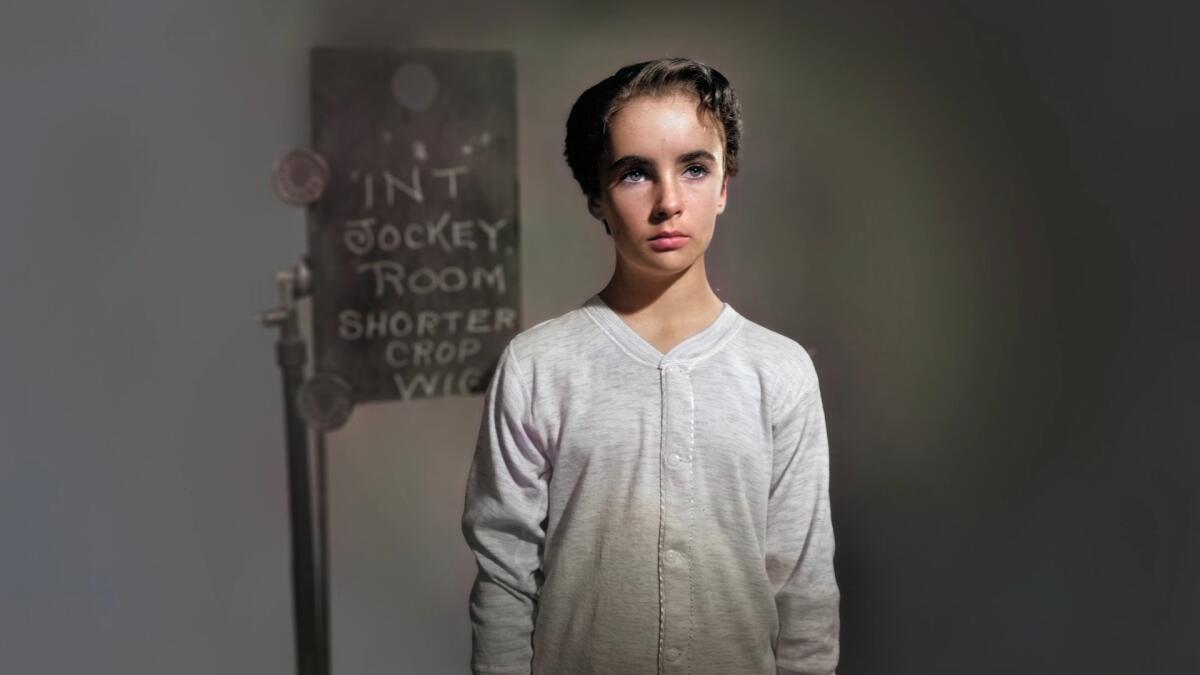
In 1966, Elizabeth Taylor and her friends recorded themselves talking about the ups and downs of her life. These candid conversations are the basis of The Lost Tapes, a revealing tell-all that allows Taylor to set the record straight in her own words. Here, you get to see and hear the many parts of Taylor–her romanticism, activism, and passion, as well as her fun banter with the journalists, friends, and lovers who alternately interview her. Of course, the downside to having Taylor and her loved ones narrate a biography is you only get one side of the story, while the thornier parts of her life are skated over. Things like child labor and having to play a married-24-year-old at 16 years old, or being physically abused and suffering a miscarriage, these are things Taylor, and therefore the documentary, shy away from expounding. But while it may not be the definitive documentary on Taylor, it certainly is the most personal and intimate. It also serves as a reminder of how we’d all like to be remembered—in our own and our cherished friends’ words.
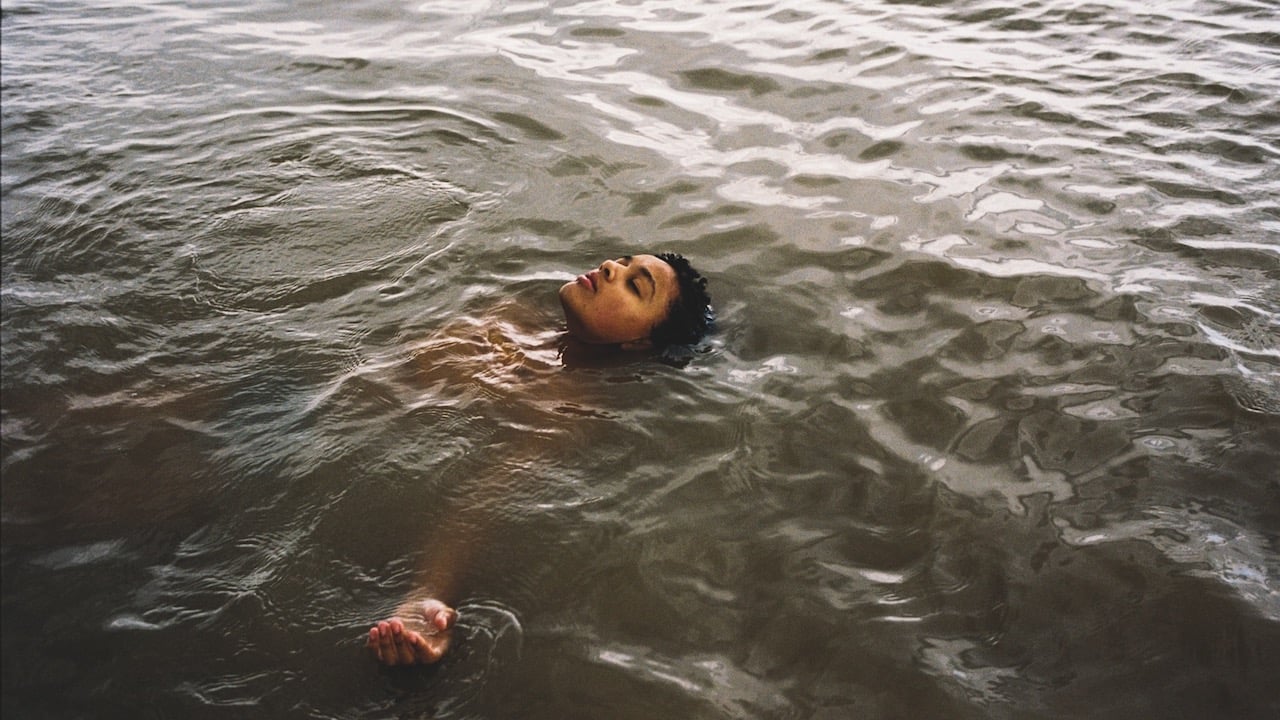
Given the genre being centered on a child protagonist, many coming-of-age stories sideline parents in the narrative, sometimes to the point they’re not mentioned at all. So when Andrea Arnold returned to fiction filmmaking with coming-of-age story Bird, it was surprising to see how true it delves into parenthood, albeit from the eyes of the teenager being parented. Maybe it shouldn’t have been a surprise, considering Barry Keoghan, fresh off of Saltburn, was casted as the protagonist’s single dad, but Arnold structures the entire story to fit in different stages of parenthood in a rundown town, through the strong way she characterizes the people Bailey gets to know in her journey and through the brilliant incorporation of magic in a not-so-magical place. The parents here may not be perfect, but Bird takes flight precisely because of the film’s empathy and understanding.
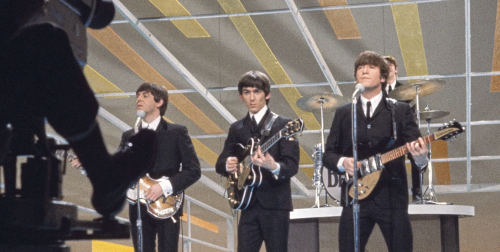
The Beatles ‘64 zeroes in on a precise moment in The Beatles timeline: their American debut, which propelled them from English boyband to Global sensation. Since their appearance in The Ed Sullivan Show in 1964, they’ve been on a nonstop upward trajectory to success. The documentary, co-produced by Martin Scorsese, explores why that is by expanding their two-week trip in the US into food for thought: why did they blow up the way they did? Was it because the country was in shambles and needed an escape? Was it because developments in tech and media unwittingly jumpstarted the fandom/parasocial craze? The documentary considers all this by having historians, experts, music icons, and even fans weigh in. In that sense, it can be all over the place, but the music and the pristine, restored clips of interviews with the Beatles and their performances onstage make it a worthwhile watch.
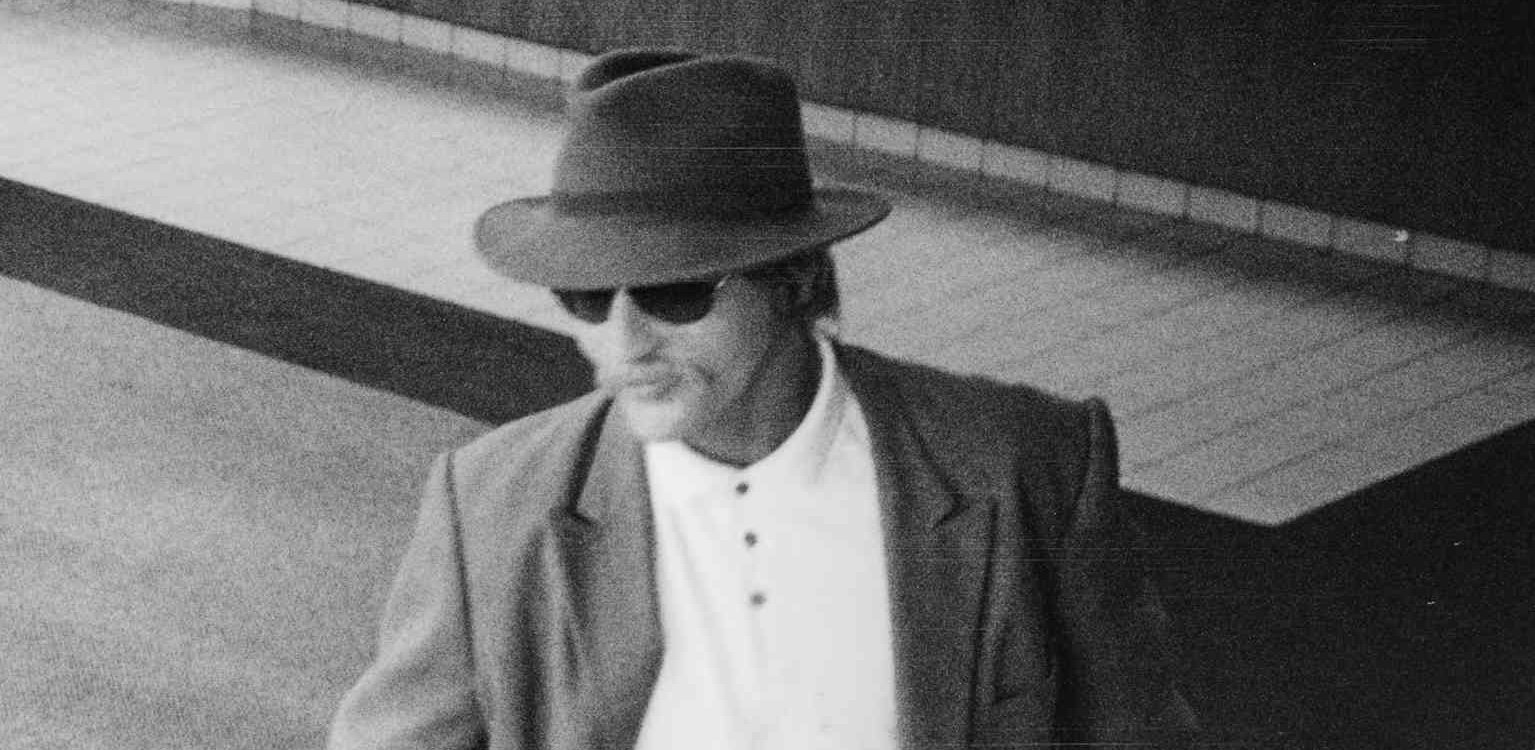
With Netflix producing countless true crime documentaries, you’d be forgiven for dismissing How to Rob a Bank as usual, forgettable fare. But the documentary ever so slightly curbs cliches by focusing on a theme—in this case Hollywood, in honor of Scurlock’s pseudonym and love of movies—without losing sight of the bigger picture. Which is to say, directors Seth Porges and Stephen Robert Morse go all in the movie theme without giving way to cheesiness, mostly by honing in on Scurlock’s favorite films like Heat and Point Blank and effectively replicating the thrill of those action classics. It uses fine, storyboard-like illustrations that are mostly entertaining and nostalgic but occasionally quite beautiful, and borrows the same synth soundtrack from the said films. But it even though it initially sets Scurlock as the anti-hero, a Robin Hood of the times, its sympathies lie with the victims, the traumatized bank tellers and goers. It’s a smartly made and engaging film, complete with the quintessential shootouts and elaborate heists, and it thankfully doesn’t let the talking heads do all the work.
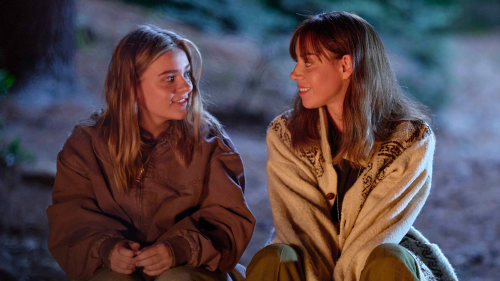
My Old Ass has a very simple premise, one it doesn’t even take the effort of explaining. For whatever reason, 18-year-old Elliot meets her 39-year-old self, and they talk at length about life. Naturally, older Elliot gives her younger self some advice to improve her life. But she also gives her a grave warning: under no circumstances must she be with a man named Chad. The film then follows younger Elliot as she tries to heed her advice and learn a lot about life in the process. Now, on paper, that may sound like sentimental schmaltz, but the two actresses playing Elliot—Stella and Plaza—are what make the film so grounded and enjoyable. Stella is bursting with life and energetic humor, while Plaza delivers her signature stoic wit. That’s not to say she’s lifeless though. By the time the climax rolls in, you’ll be struggling to keep the tears in.
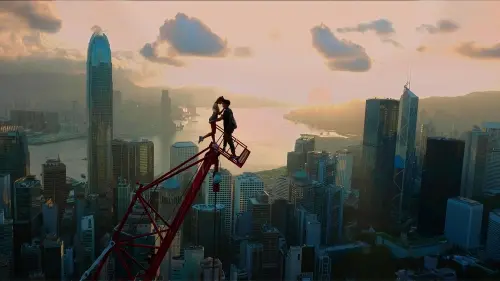
Far from a typical documentary, Skywalkers is as relentless and fast-paced as the climbers it follows. As Angela Nikolau and Ivan Beerkus illegally scale towers and skyscrapers with little more than the clothes on their back, Director Jeff Zimbalist throws viewers into the next thrilling scenario whether they’re ready to or not. It’s amazing how much of the breathless editing replicates the energy between Nikolau and Beerkus, regardless of whether they’re in action rooftopping or deep in an argument about trust and relationships. The film has a deep emotional core that makes it resonate more than it should; people might come in for the extremity of their sport, but they’ll leave learning something worthwhile about love.
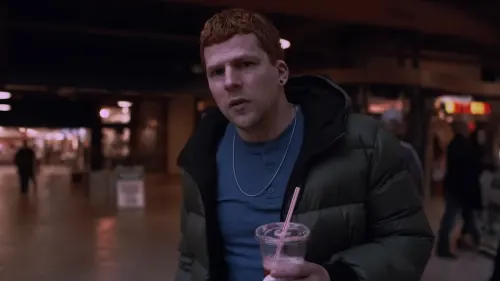
South African director John Trengove follows-up his debut The Wound with another take on masculinity, this time set in the States. Manodrome stars Jesse Eisenberg and Adrien Brody as a newbie and a veteran in a support group for men who have been emasculated by women and feminism. That’s right, this is a film about incel culture, but one you haven’t seen before. In tandem with Taxi Driver, Fight Club, or Joker, Manodrome represents a new era for the incel movie, as it confronts all the terror and aggression feeding into the community head on. Ralphie (Eisenberg) insists that his girlfriend Sal (Odessa Young) keeps their unplanned baby and deep down the rabbit hole he goes. Mental health struggles that have no outlet, worries, disappointment, alienation: all these facets of Ralphie’s character come to the fore and bring him to the Manodrome clan, where Dad Dan (Brody) promises two miracles—absolution and acceptance—in exchange for celibacy. Trengove’s sophomore feature is a blood-curdling psychological thriller that is not afraid to go to extremes (content warning!) to show that incels are not, in fact, a dorky online minority of youngsters, but a real wound in the body of our patriarchal world.
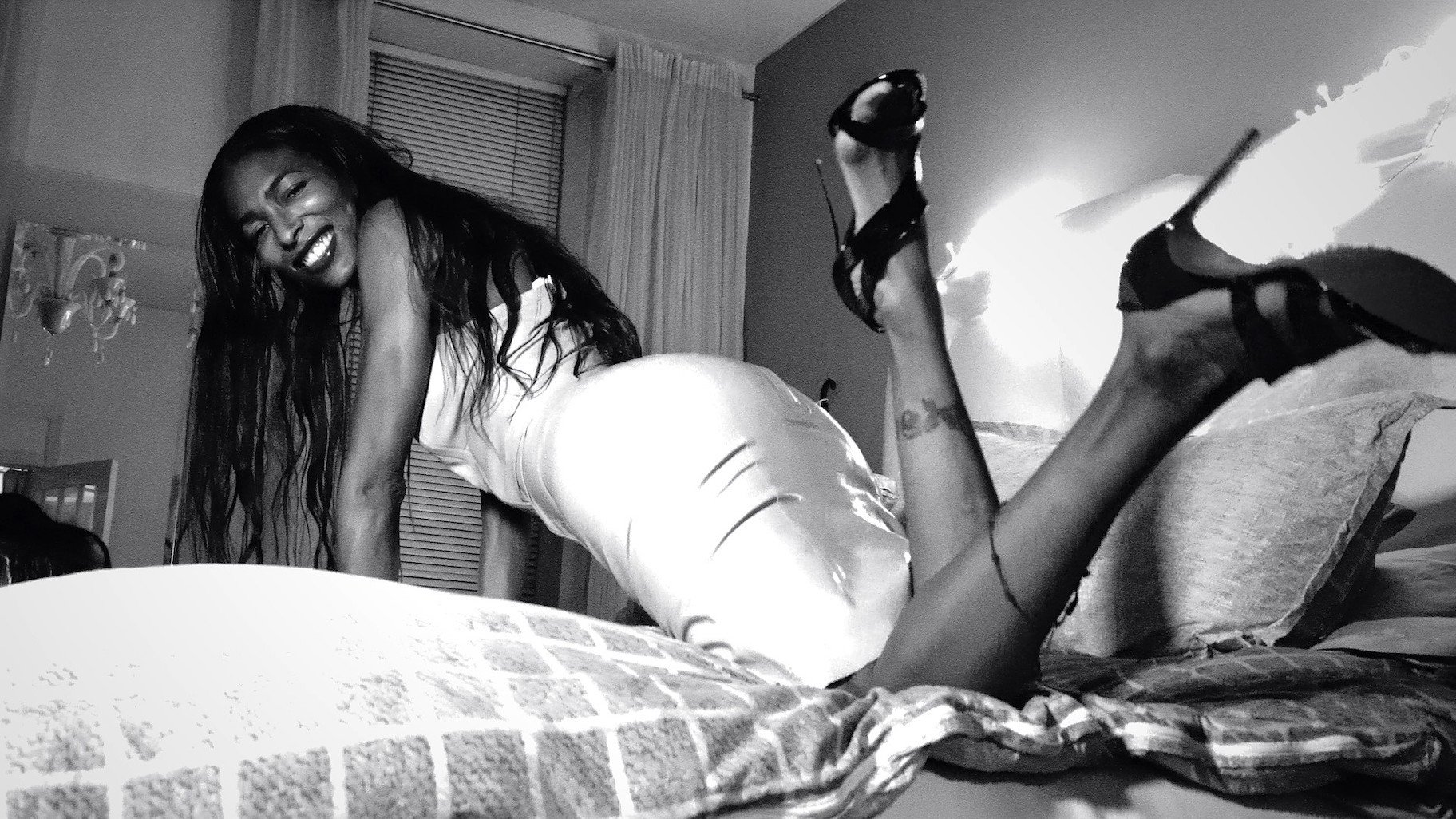
The idea of representation in movies is often limited to superficial gestures of putting on screen people who look a certain way. Kokomo City is a reminder of cinema’s possibilities when one really tries to queer filmmaking itself, with genuine queer voices driving a production. This documentary is messy and incredibly playful in its style—in ways that might read to some as lacking cohesiveness, or as tonally inconsistent. But the way director D. Smith is able to capture the dynamic energy of a series of conversations makes these powerful, funny, tragic anecdotes and dialogues feel truly grounded in people’s everyday experiences, and makes the plea for protection of trans lives all the more urgent.
Throughout Kokomo City, this collection of individuals goes off on various tangents that never become difficult to follow. They speak about the nature of sex work, hidden desires felt by traditionally masculine male clients, and various degrees of acceptance within the Black community. And between these statements alternating from impassioned to emotional to humorously candid, Smith injects cheeky cutaway footage, layers text on screen, and plays an eclectic rotation of music throughout. It’s about as real and as three-dimensional as these trans lives have ever been shown on screen.
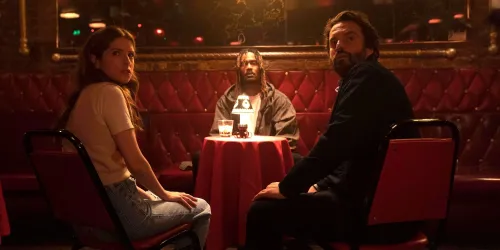
It’s kind of amazing how Johnson, who writes, directs, and stars in this feature, narrowly escapes narrative holes by being so darn self-effacing and likable. The female lead Maddy (Anna Kendrick) should be denounced as a Manic Pixie Girl, but because of Johnson and Kendrick’s overflowing charm, you don’t question the flimsiness of her character until much later on. The game itself should not make sense, but because Johnson is so committed in his physical performance, and so arresting in his charisma, all is forgiven. Self Reliance is like a tasty souffle that looks great at the moment, but left for longer, poofs and deflates. As long as you don’t take it too seriously, the film should be a fun if forgettable ride.
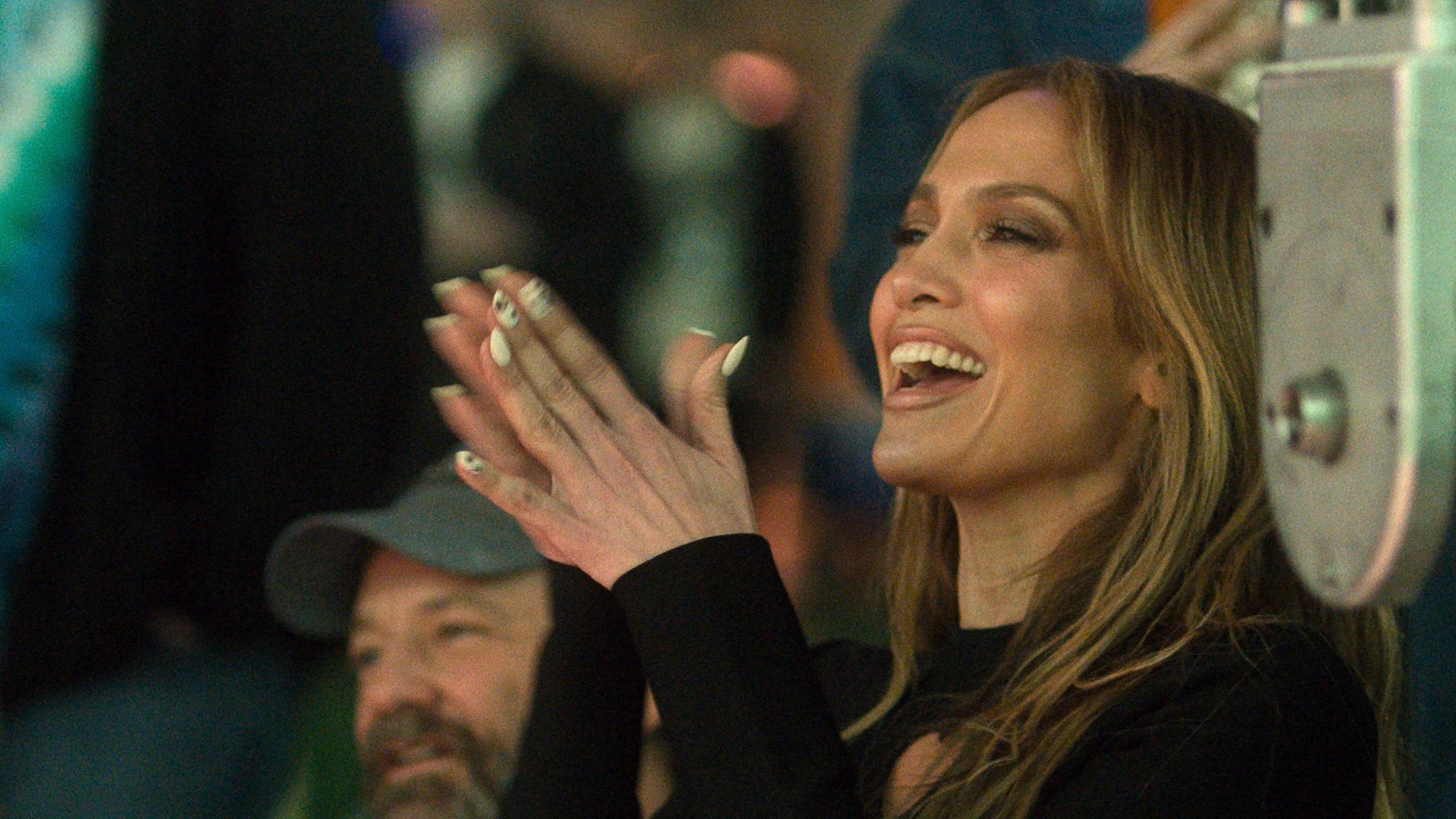
Jennifer Lopez believes that her latest album and its movie accompaniment, This Is Me…Now, are her magnum opus, so she gives the joint project her all. She funds, writes, produces, directs, and choreographs everything with the help of her team, which amusingly includes her lover and muse Ben Affleck. Whether or not it actually is her greatest work of all time doesn’t matter; it doesn’t even matter that people get it. What matters is that she creates it with the undivided fervor of an artist possessed with the knowledge that this is their last chance to make a mark. And it’s that energy that makes this documentary, which is a behind-the-scenes look at This Is Me…Now, so captivating. Lopez is in her element directing the movie-musical of her life. At 54 years old, she’s completely candid (sometimes, amusingly, to Affleck’s dismay) and abandons all need to conform to industry norms. She follows her heart first and her mind second, which explains why her project is as big-hearted and relatable as it is bonkers and all over the place. It’s a bit like The Disaster Artist in that way: watching Lopez’s creative chaos is far more interesting than the creation itself.
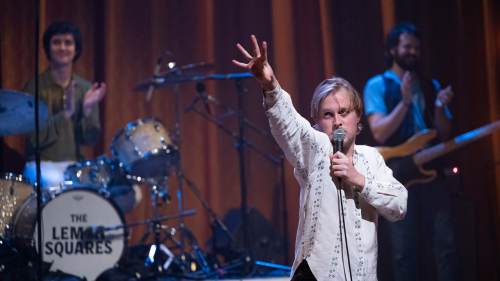
Comedy special John Early: Now More Than Ever is shot like a monumental concert documentary: it’s all nostalgic ‘70s cinematography, with intercutting backstage scenes that detail pretentious pre-show prayers and spikes of tension melodramatically flaring up between the performers. All this self-aggrandizement is the special’s overarching joke, though — it literalizes what Early does with his ultra-narcissist onscreen persona, last explored in sketch special Would It Kill You To Laugh? with Kate Berlant.
Early’s decision to blend comedy and musical performance here means you can count the actual stand-up bits on one hand. It’s also true that his observations on subjects like the Access Hollywood tape and app permissions would struggle to carry a conventional special (sharp and heightened by physical comedy though they may be). But the interplay between music, outright jokes, and the tongue-in-cheek framing of the special is what makes Now More Than Ever such a rich and layered show. Early is a master at character-building, and the way he manages to unearth sincerity even amidst all this self-satirization speaks to both his comedic and dramatic genius, making this hourlong show a testament to just how deserving he is of the spotlight.
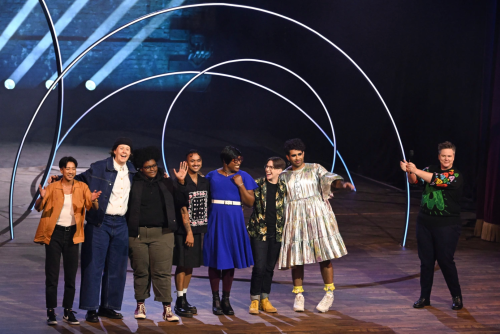
As host Hannah Gadsby explains at the beginning of this stand-up showcase, Netflix only really gave her and these other queer comedians this special after Gadsby sent a strongly worded message to the streaming service first. So as expected from a move that feels more like a business decision than a sincere gesture, Hannah Gadsby’s Gender Agenda doesn’t dive too deeply into trans rights or totally reignite the conversation surrounding the issue. It does, however, give us generally consistent laughs over the course of its 75 minutes, from seven comics with very distinct personalities and perspectives.
No comedy showcase is perfectly coherent, and Gender Agenda definitely has its share of awkward moments. But even in its weaker moments, there’s still something refreshing about watching these queer comics simply exist as themselves, separate from all the cartoonish vitriol that transphobic comedians have for them on the same type of stage. And while these seven comedians center their routines on their respective identities, they’re never obnoxious or angry (like those other comedians may want you to believe). There’s a generosity in how they educate and deconstruct things for the audience, and a self-awareness of the conflicts that continue to exist around them—which they still look at with good humor.
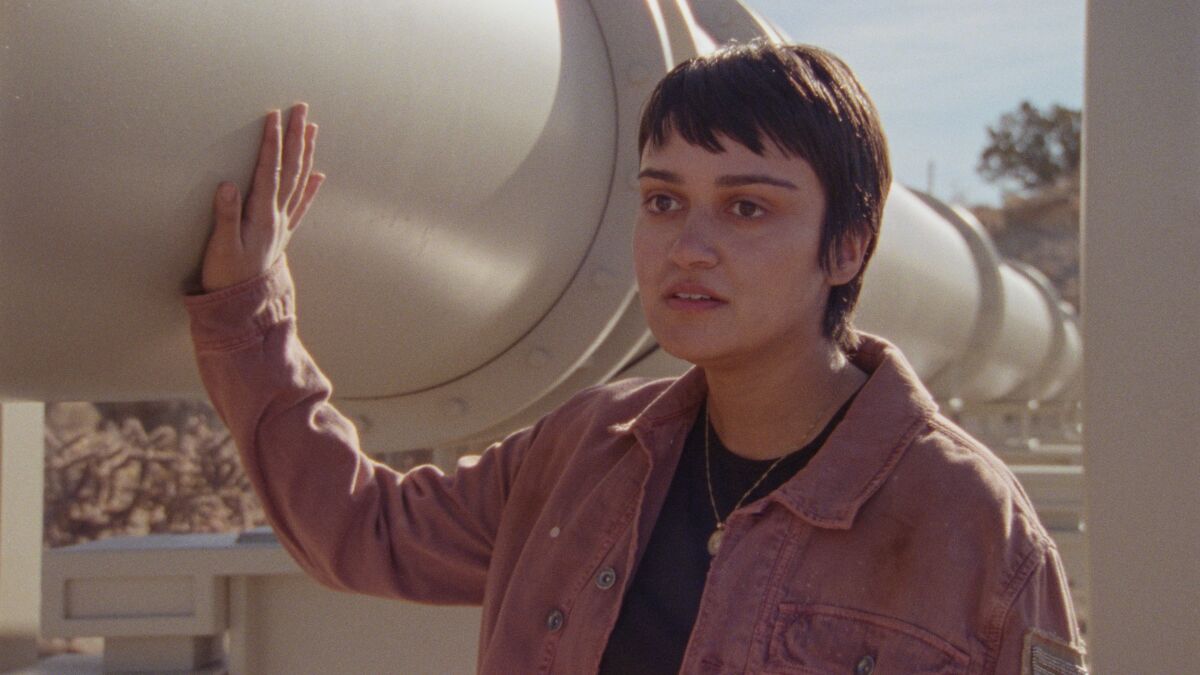
On the one hand, How to Blow Up a Pipeline is a tense thriller—an excellently set-up heist that makes you wonder, until the end, whether the low-budget operation succeeds or not. On the other hand, it’s a thoughtful rumination on the evil and influence of Big Oil, which despite its relentless destruction of environments and communities, continues to run scot-free.
Together, these parts make for a powerful, nerve-racking film about both the danger and necessity of eco-terrorism—a radical act that is impressively humanized and spared from caricature here. How to Blow Up a Pipeline’s themes may be big and its means explosive, but its rich characterizations of the young activists ground it into a relatable reality. One is dying due to toxins released by the nearby plant, another is forced to give up his property to make way for the construction of a pipeline. All are tired of the fruitlessness of government promises and peaceful protests. Rousing and relevant, there’s never been a more timelier film than this.
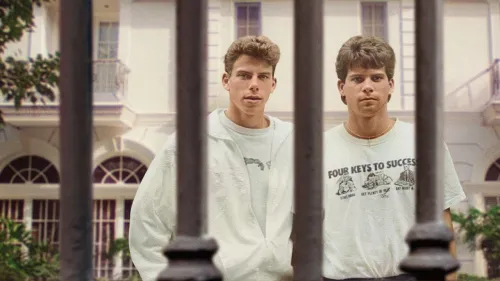
More than anything, Netflix’s 116-minute Menendez Brothers documentary feels like a PR shield to protect the streamer against the onslaught of criticism its dramatized series (Ryan Murhphy’s Monsters) received. Netflix wants to have its cake and eat it too. If Monsters painted the brothers as evil and spoiled, The Menendez Brothers takes a more humane approach by shedding much-needed light on male sexual abuse. It also literally gives the brothers a voice by having their present-day selves, through exclusive phone calls, weigh in on the events that led to that fateful day they killed their parents, as well as on the heated legal proceedings themselves. The series is at its best when it focuses on the present (How are the brothers faring in prison? Why is this generation so passionate about protecting them?) and when it gives us a legal breakdown of the complicated case. Since many other documentaries about the brothers tend to focus on the scandal and psychology of such a case, it helps to see what went down in this new light, with input from the brothers no less.
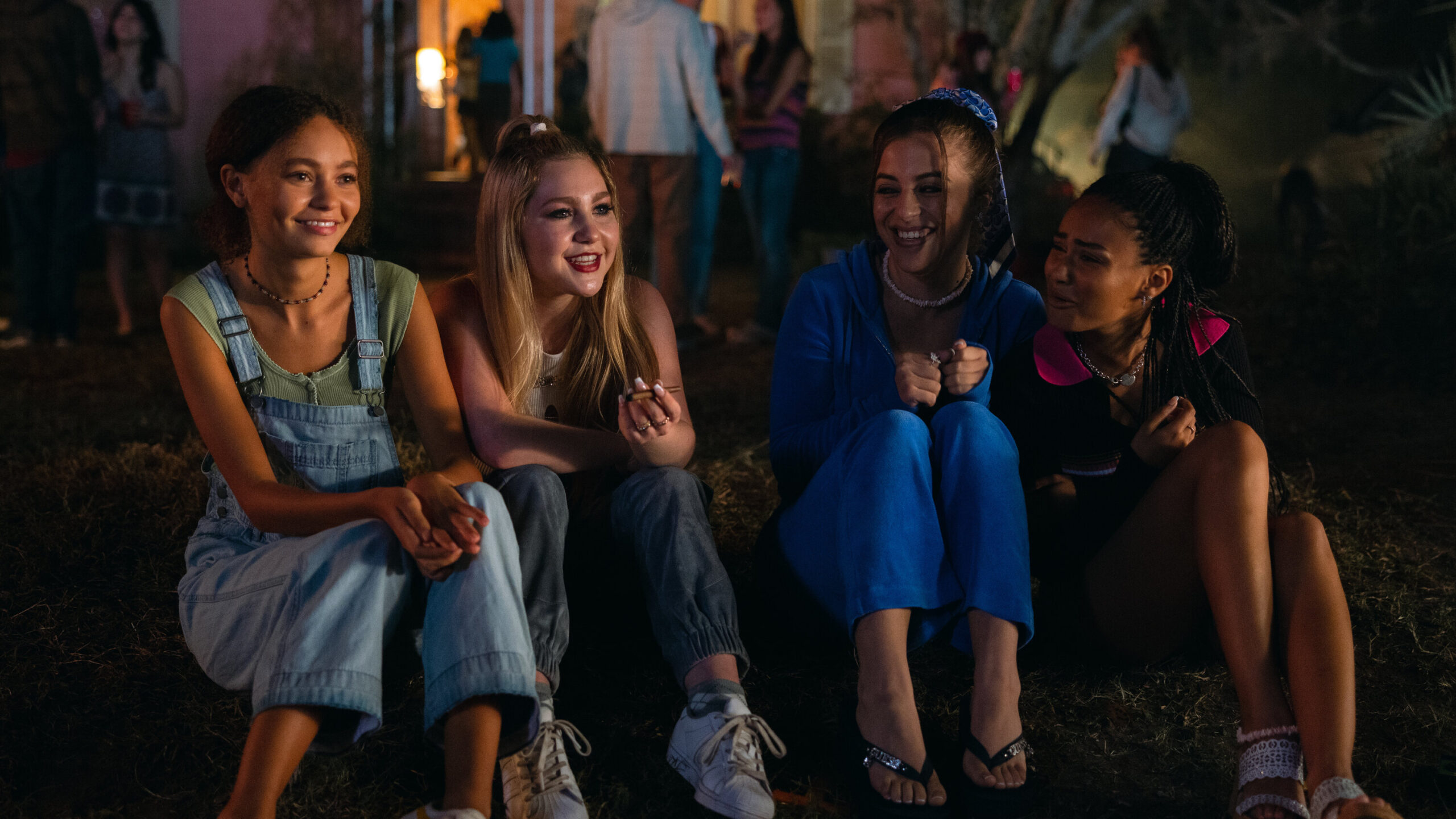
In Suncoast, writer-director Laura Chinn takes the personal tragedy of losing her brother to cancer and weaves it into something meaningful. The film is a sensitive meditation on death and grief, but it isn’t all grim. It’s also a coming-of-age story, one that focuses on Doris (Nico Parker), a version of Chinn’s younger self aching for normal teen experiences. The film is at its best when it zeroes in on Doris’ interiority and examines the duality of having to deal with so much death while still wanting to live a vibrant life. The surprising friendship that blooms between her and the popular kids as she chases after this life is one of the best depictions of authentic teen dynamics in recent memory. But the film is at its weakest when it tries to be something it’s not—that is, your usual tear-jerker indie fare that’s rife with lessons from a magical stranger (in this case played genially, but unnecessarily, by Woody Harrelson) and grievances from a grief-stricken mother (played powerfully by Laura Linney). To be sure, Harrelson and Linney (especially) deliver top-notch performances, but they feel shoehorned in an otherwise pitch-perfect film about a girl finding her place in the real world.
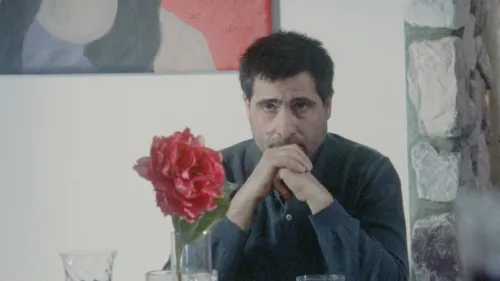
Many movies try to be nostalgic, but few have come as close as Between the Temples. Directed by Nathan Silver, it channels classics like The Graduate, Harold and Maude, and early Woody Allen dramedies without trying too hard. It has the grain, patina, and camera movements of 60s and 70s movies, and its central love story–though not quite shocking now–might’ve been subversive then. But more than just a pleasant trip to the past, Between the Temples is a reassuring film about the deep and healing bond two people can forge amidst grief and loneliness. It also tackles faith and tradition without being preachy or stifling. Many scenes can feel overwhelming, but the moments after feel cathartic, even if—as in religion and as in life—they rarely give you a sure answer.
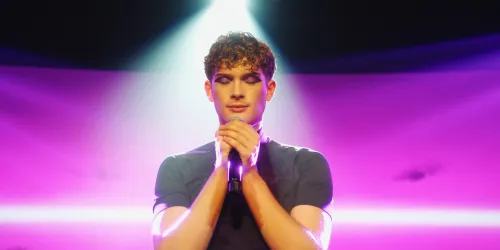
Generation-centric comedy is often of the “kids these days” variety — in which comedians make uninspired jibes about the youth of today while spectacularly lacking self-awareness of their own — but twenty-something stand-up Leo Reich thankfully upends that trend with his self-lampooning debut show. Reich takes a risk by unabashedly casting himself as a self-absorbed nepo baby in the opening — narcissism as a bit can become grating pretty quickly — but his perceptive abilities and readiness to both embody and commentate on Gen Z stereotypes are the saviors of this hour-long comedy special.
Stand-up isn’t the only medium he makes use of: the show is also part-musical, as Reich belts out wry musings on the contradictions of his generation — at once self-loathing but tending towards narcissism, cripplingly self-aware but no more enlightened for it — at intervals throughout. If there’s anything to lament here, it’s that Reich’s main character syndrome is so effectively paired with the doom-and-gloom context he paints (as he puts it, he’s spent way too much of his youth Googling “death toll”) that the show’s aftertaste is a little too bitter — but then again, nihilism is another characteristic typically associated with zoomers, so you could argue this is simply supreme commitment to the bit.
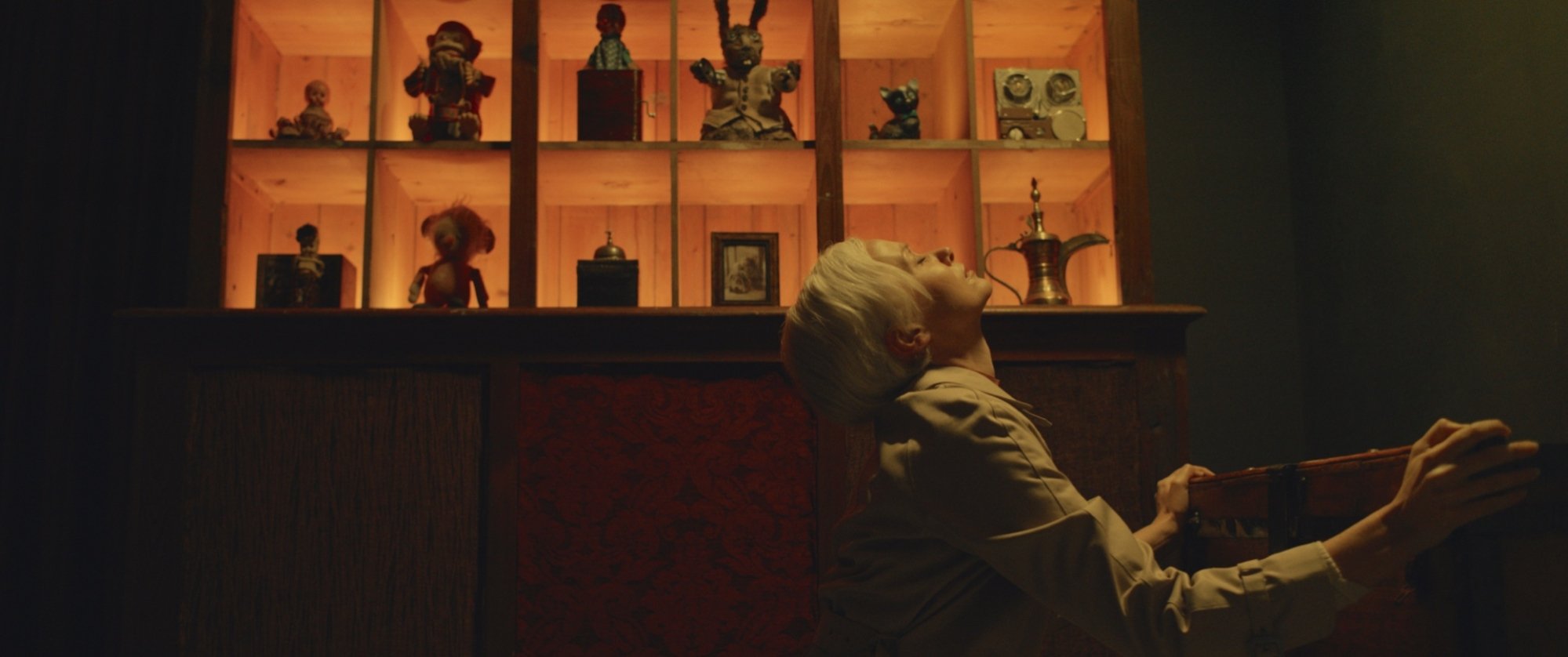
When modern systems like law enforcement and forensics fail to come up with definite answers to a murder, loved ones of the victim usually have no recourse, which is the fear at the heart of Irish horror film Oddity. To lose someone you care about, forever, hurts. So when Darcy takes more strange and esoteric means of investigation, and when writer-director Damian Mc Carthy slowly reveals through personal effects, psychic images, and an excellent pace, the hurt and the pain intensifies the murder mystery and the hope that she would receive justice for her loss. Oddity feels genuinely unsettling, because Mc Carthy understands what’s truly scary about losing a loved one.
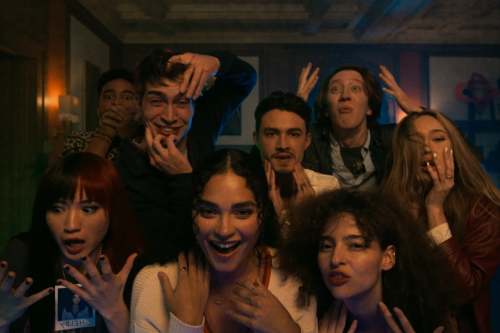
It’s What Inside can seem like another obnoxious movie about adults acting like teens, edited with enough neon glare and social media cuts to make it palatable to a younger crowd. But the horror comedy is more than just streaming fodder; it’s fun, funny, and clever, unfolding like a game night gone terribly wrong. There are romantic entanglements, identity crises, steamy role play, and welcome jabs at our generation’s increasing tendency to replace personality with social media presence. Its critique may not be as sharp as other horror comedies that have come before it (most recently, Bodies Bodies Bodies and The Blackening), so it can feel a bit dated. But it’s still an enjoyable watch, one best seen with friends who you haven’t seen in a long while and who have maybe, once or twice, made you feel painfully, irrationally, (murderously?) jealous.
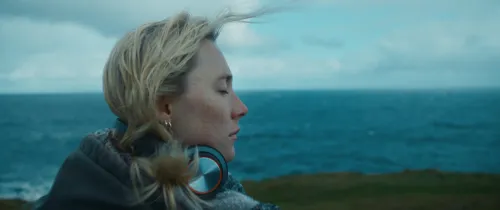
The Outrun, which follows Rona as she struggles to acknowledge and eventually overcome her alcoholism, is understandably in shambles. It’s non-linear (our only cues are her hair color) and occasionally fractured to show just how messed up Rona’s headspace is. These decisions may or may not feel necessary to the viewer, but what centers the film and makes it nonetheless worthwhile is Ronan’s performance. She is convincing and compelling as an addict—no overacting here or disrespectful flairs, just a simple performance carried by the weight of her eyes, the pain of gestures, and the occasional creak in her voice. It’s not always clear what’s happening in The Outrun despite its simple plot, but it is always watchable thanks to Ronan’s magnificent turn.
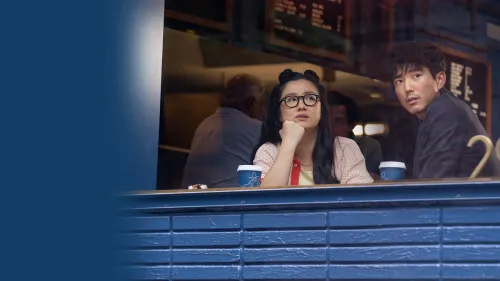
It’s always tricky translating literature to screen. In Shortcomings’ case, it struggles to make its Berkeley and New York settings appear more lived-in than just a few postcard-like frames. You could also tell that the conversations it stirs up about things like representation and mixed-race relationships began in the early aughts, when the novel it was adapted from was first released. But those lapses are small and forgivable in the face of a lovely ensemble cast and a whipsmart script.
It also takes a special kind of skill to make a character as fiercely unlikeable as Ben (Min) watchable, to hold up a mirror to the audience and make them stay. Thankfully, it’s a skill that Tomine and first-time director Randall Park display with such grace. Ben, Alice (Sherry Cola), and Miko (Ally Maki) are flawed and often pathetic, but they’re also honest reflections of who we become when the demands of self-preservation and romantic openness clash. It’s a little unnerving to hear them verbalize what we’ve always feared about ourselves, but it’s also exhilarating, not to mention comforting, knowing that we’re not alone in feeling this way. Shortcomings works because it doesn’t confine itself to genre: it’s a character study first, and a romantic comedy second.
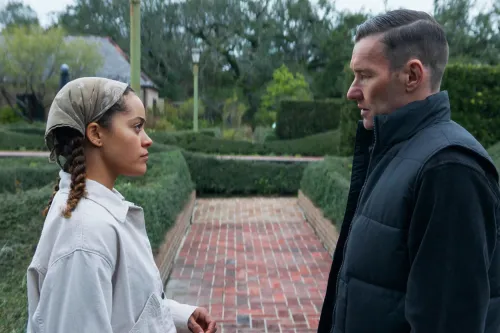
As the third instalment in Paul Schrader’s “man in a room” trilogy after First Reformed (2017) and The Card Counter (2021), Master Gardner rounds up the issues at stake in a most profound way. For anyone who’s seen a film either scripted by Schrader (such as Taxi Driver) or directed by him, there will be no surprises here: lost men, despairing men, men who are desperate to believe in something. But the salvation of love lurks around the corner and the new film makes no exception. An unconventional couple, Joel Edgerton and Quintessa Swindell (as Maya) make up the beating heart of this suspenseful drama with an emotional push and pull delivered in small doses. What could have been a kitschy, insensitive work blossoms into a treatise on how gentle the harshness of life can be.
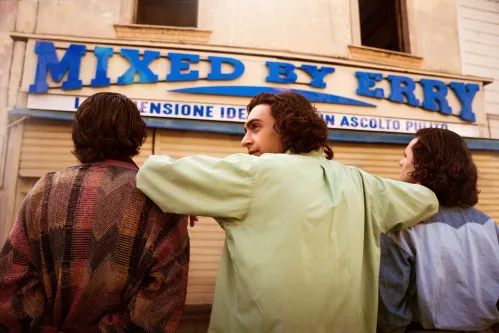
Fast and funny with surprisingly tender moments in between, Mixed by Erry doubles as a fascinating period piece and a heartfelt family comedy. On a larger scale, it tracks the rise of musical piracy, which Erry and his brothers accidentally stumble onto with their cassette-copying business, Mixed by Erry. But what starts out as an innovative trade fueled by Erry’s love for music—Erry himself is like a Spotify algorithm come to life, instantly creating mix tapes for people based on what they like—soon transforms into a legal threat that catches the ire of record labels and finance regulators alike. It sounds thrilling and complicated, but the film’s lofty premise is grounded by the relatable dreams Erry and his brothers share. They genuinely believe they’re doing nothing wrong by distributing music and boosting the local economy, and as naive and misguided as that may be, there’s something heartwarming about their intentions. The film itself doesn’t take sides. Instead, it acknowledges the situation for what it is—a landmark case in musical history ripe with educational and entertaining moments.
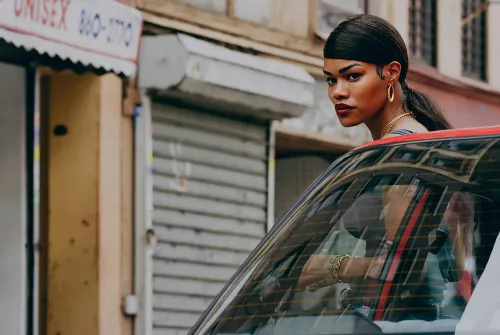
At once intimate and sweeping, A Thousand and One seamlessly weaves Inez’s personal turmoil and familial troubles with the systemic inequality that was rampant in ’90s New York. The hideous faces of gentrification, poverty, and police brutality are constantly appearing in the film, not merely because they lend weight to the story, but because they are inevitable for people like Inez. People who, despite their best efforts at achieving upward mobility are continually pushed down by self-serving institutions.
It’s easy for social issue dramas like this to buckle under the weight of their lofty goals, but nothing about A Thousand and One feels forced. Just the opposite, the film has an authentic quality to it—almost documentary-like in its precise depiction of Harlem throughout the years. It’s deeply personal and achingly tender, and everything else—the social commentary and the political beats—stems from that specificity.
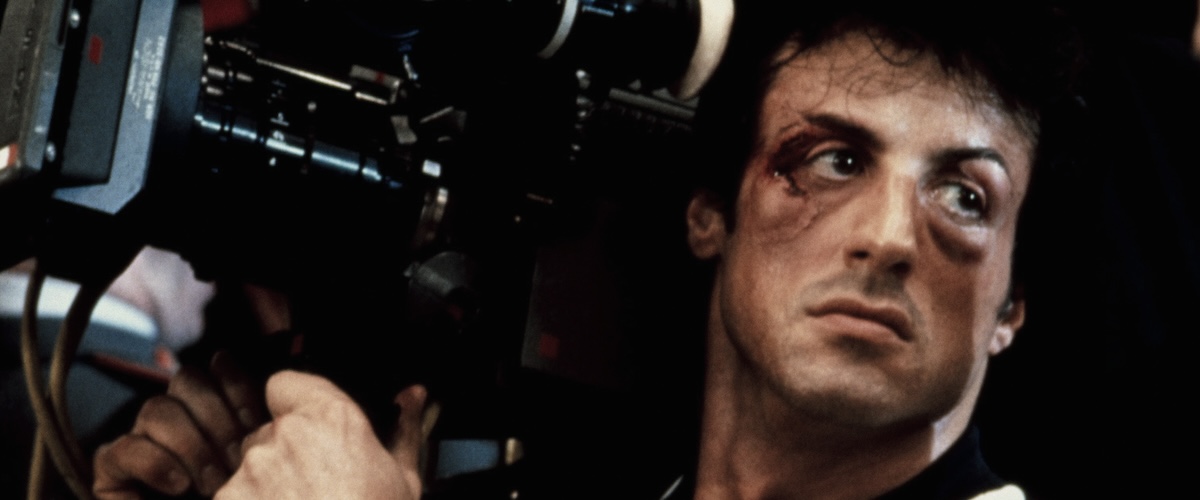
The mythology surrounding Sylvester Stallone: the action hero is so big and successful that many people, including myself, often forget about Sylvester Stallone: the prolific writer. He failed to bag roles as a young actor in the 1970s, so he whipped out a script (in a span of three days!) that became the iconic film Rocky. Later on, after witnessing the power of elderly entertainers, Stallone rewrote a screenplay that would become the ongoing franchise The Expendables. He’s a hunk in many people’s eyes, nothing more and nothing less, but Sly successfully steers you away from that one-dimensional reputation and reintroduces you to the dramatist and artist Stallone has been all along. The film begins as an immigrant story (Stallone hails from Italy), then turns into a rags-to-riches story (he grew up in a tough New York neighborhood without formal education) before finally transforming into an honest and earnest meditation on superstardom and artistry. Going in, I was wary that this would be just another puff piece on a Hollywood has-been. And while it does have its fair share of schmaltz, I now believe it’s a well-deserved and long overdue ode to Stallone’s unwavering commitment to the power of movies.
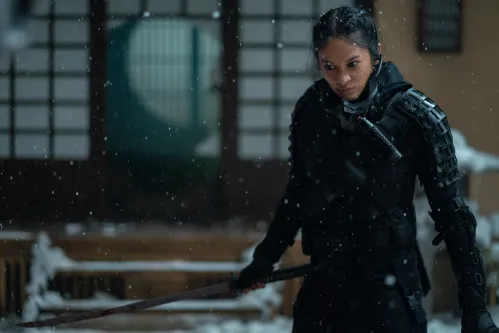
Real life violence is usually not a good idea, but when those in power would do anything to gain more power at the expense of those more vulnerable, sometimes those with the strength should wreak violence. After a fruitful action-comedy collaboration with Netflix, writer-director Timo Tjahjanto teams up with them again for a darker crime thriller The Shadow Strays. It’s a straightforward rescue crime thriller that follows the trend set by John Wick, but with Tjahjanto’s insane horror-inspired, gore-filled kills and Aurora Ribero’s dynamic performance, The Shadow Strays is brutal, exciting, and a cathartic watch in a world betrayed by those at the top.
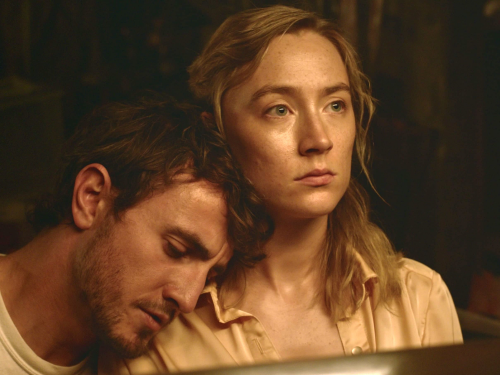
Director Garth Davis (who worked with Jane Campion on Top of the Lake) adapts Iain Reid’s novel Foe with little concern about realism and veracity. The psychologically dense event at the film’s centre—an impending separation of husband and wife—renders the whole world around them meaningless. Saoirse Ronan stars as the self-assured Henrietta (Hen) and Paul Mescal, as the belligerent Junior, two of the last remaining people in rural and farm areas. The year is 2065 and Earth is unrecognizable (peak Anthropocene) and life can be reduced to the impossibility of letting go. One fine day, a stranger comes to visit (Aaron Pierre), informing the couple that Junior has been drafted not to the military, but to a space colonization mission. A most curious triangle forms when Pierre’s character decides to stay in the family guest room: there is no telling where Foe will take you, but it will be a long, hard fall; either to the pits of despair or desire, ambivalence galore.
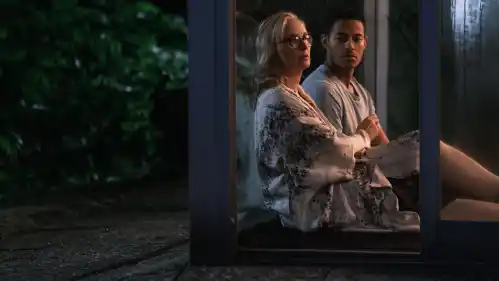
Appropriately for its literary focus, The Lesson feels, in places, like the gripping adaptation of a bestselling psychological thriller. Unfortunately, though, its initial cleverness peters out in a contrived ending that ironically feels like it belongs to the pulpy airport fiction that one character accuses another of writing.
The Lesson’s early chapters (another way the movie’s form mirrors its content) crackle with tension, as Oxford grad and aspiring writer Liam observes the icy dynamics of the Sinclair family, whose son he’s been hired to provide university admission tuition to. The Sinclairs are still grieving the loss of another child, a process made more painful by the brittle ego of their patriarch — JM (Richard E. Grant), a celebrated author who happens to be Liam’s literary hero. Liam’s career ambitions complicate his position: he’s as much an enthusiastic student as he is a teacher here, and among the screenplay’s many suggestions is also Tom Ripley-style envy. The Lesson ultimately scuppers this complexity, though, as the writing eventually abandons its psychological study aspirations and swerves into melodrama, leaving the cast struggling to make it all believable. Still, while the ending may disappoint, there are juicy, intelligent ideas to be pondered over — not quite a bestseller, then, but definitely not airport fiction either.
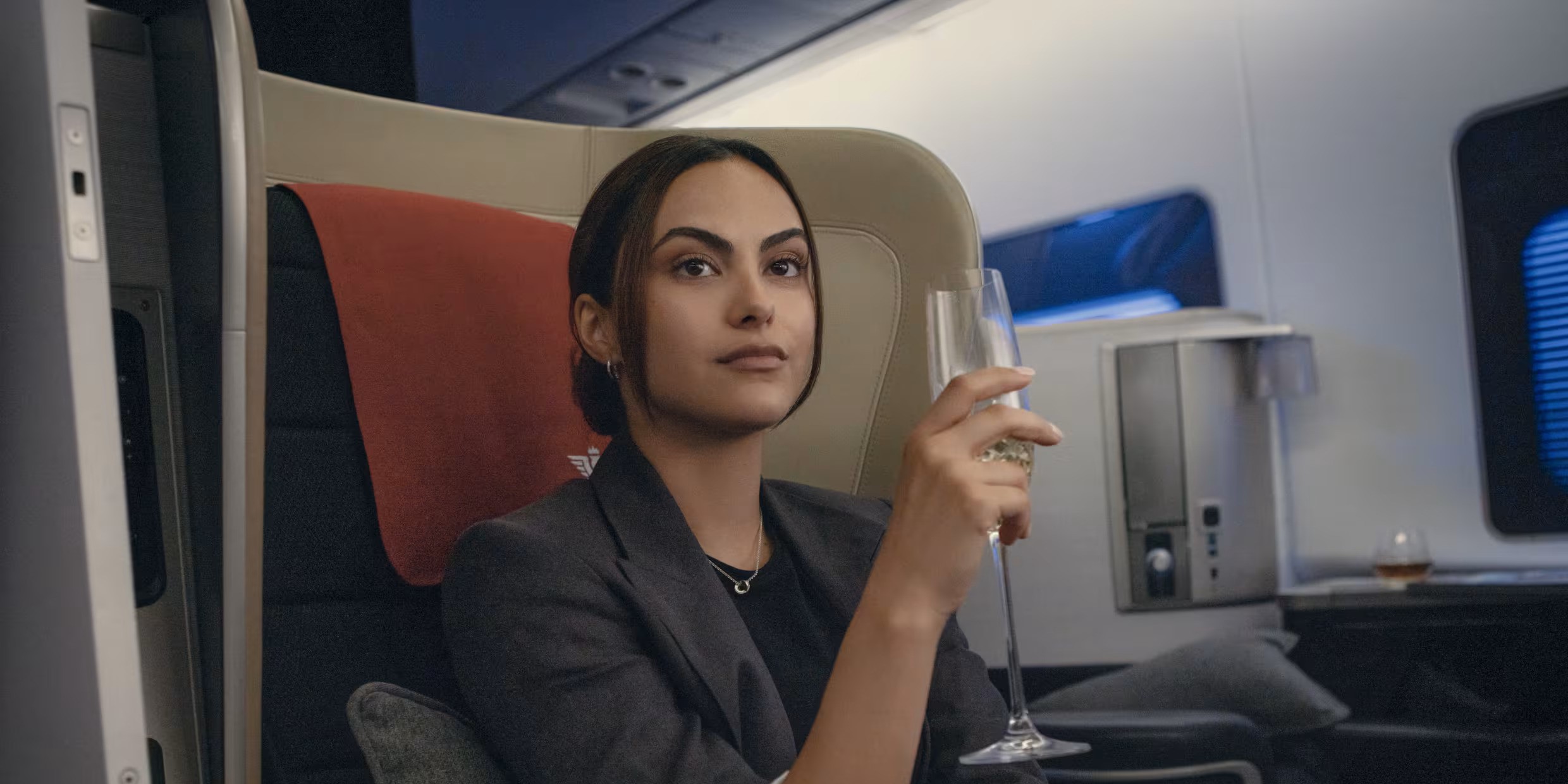
No one watches a romantic comedy expecting anything novel, although it’s nice to be surprised once in a while. In the past years, we’ve seen movies like Rye Lane and Palm Springs subvert expectations and give the genre a pleasant, refreshing twist. Upgraded isn’t like those movies. It’s pretty standard and formulaic, but I would be lying if I said it wasn’t enjoyable—Amazon Prime’s latest romcom is breezy good fun from start to end. The predictable parts of the film are buoyed by vibrant performances. As leading lady Ana, Camila Mendes expertly toes the line between approachable and aspirational, while Marisa Tomei delivers campy goodness as Ana’s boss Claire Dupree, who is like a less serious, more humorous Miranda Priestly. In fact, the entire film is like a pleasant blend of The Devil Wears Prada and every single Cinderella story in Hollywood, from Pretty Woman to What a Girl Wants. If you’re looking for something new, you can skip this film, but if you like recalling your favorites and are satisfied by performances before anything else, then Upgraded comes highly recommended.
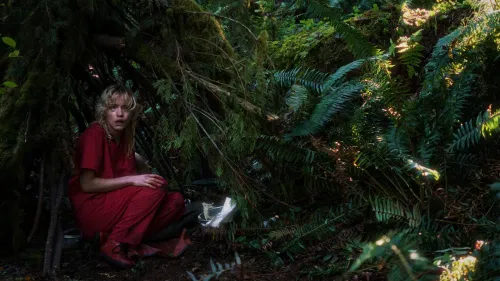
A big part of Strange Darling’s charm is its ability to surprise you with one twist after another, so it’s best not to get into too many details here. What we will say is that director J.T. Mollner and his cast execute those twists with great finesse, making sure not to waste even a second of your time. The non-linear approach might seem gimmicky at first, but once Mollner presents all the pieces of the puzzle, it ends up feeling like a satisfying payoff. Even if you manage to guess where the film is headed, it still makes for an entertaining watch. Willa Fitzgerald is especially captivating.
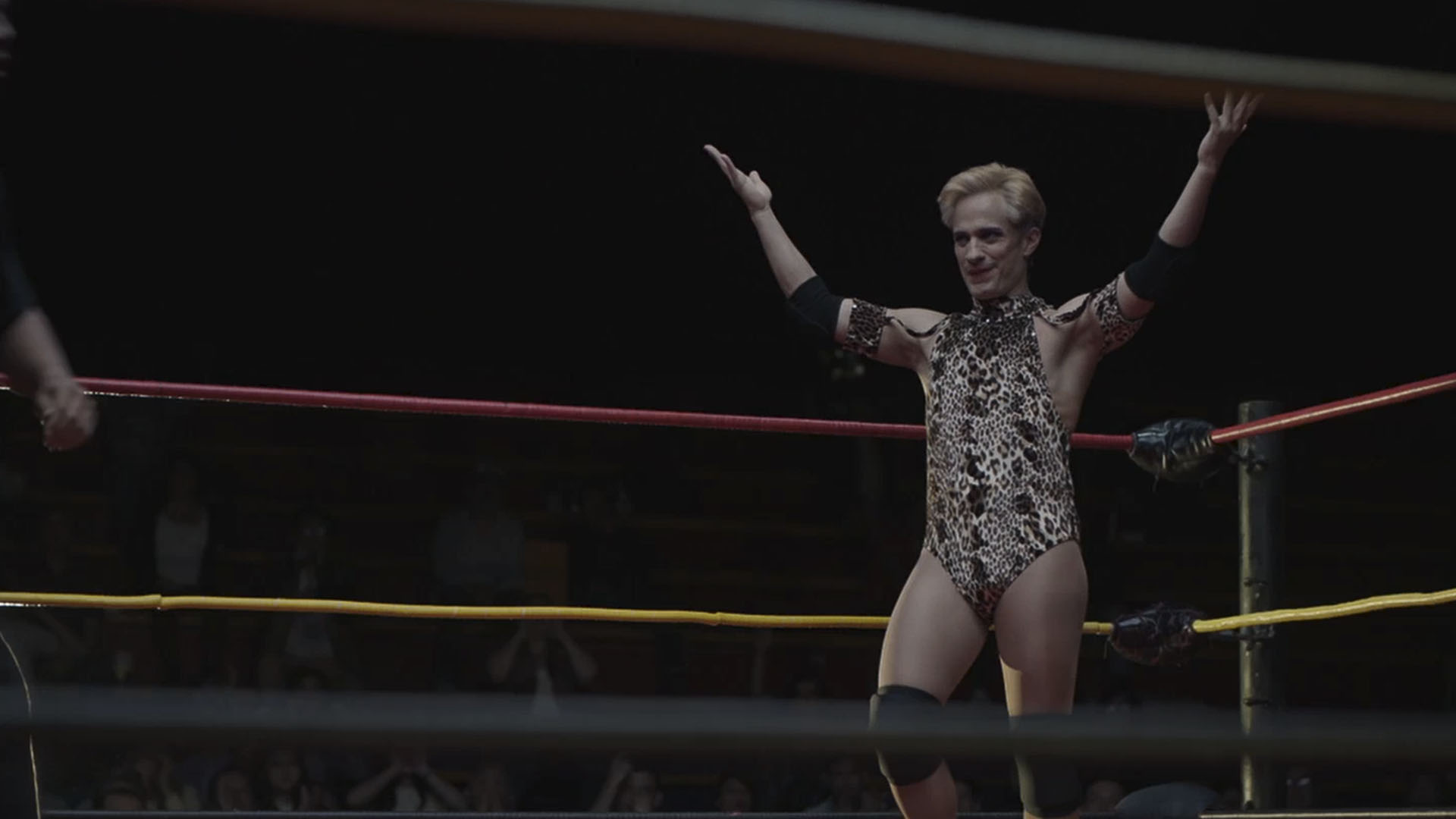
As biopics go, Cassandro skews towards the conventional. It follows a template familiar to anyone who has seen a life-story movie about the underdog climbing up the ranks thanks to their unmatchable heart and talent. But it’s also a template that’s elevated by Bernal’s wonderful performance and Roger Ross Williams’ careful and naturalistic direction. Save for a few melodramatic moments, many parts of Cassandro feel fresh and authentic, not least of which is Saúl’s heartwarming relationship with his mother Yocasta (Perla De La Rosa). It’s unapologetic joy is another element that sets it apart: instead of being punished for his flamboyance and cheer, Saúl is rewarded for it. This seems like a rare triumph in LGBTQ+ stories, and on that merit alone Cassandro deserves to be seen.
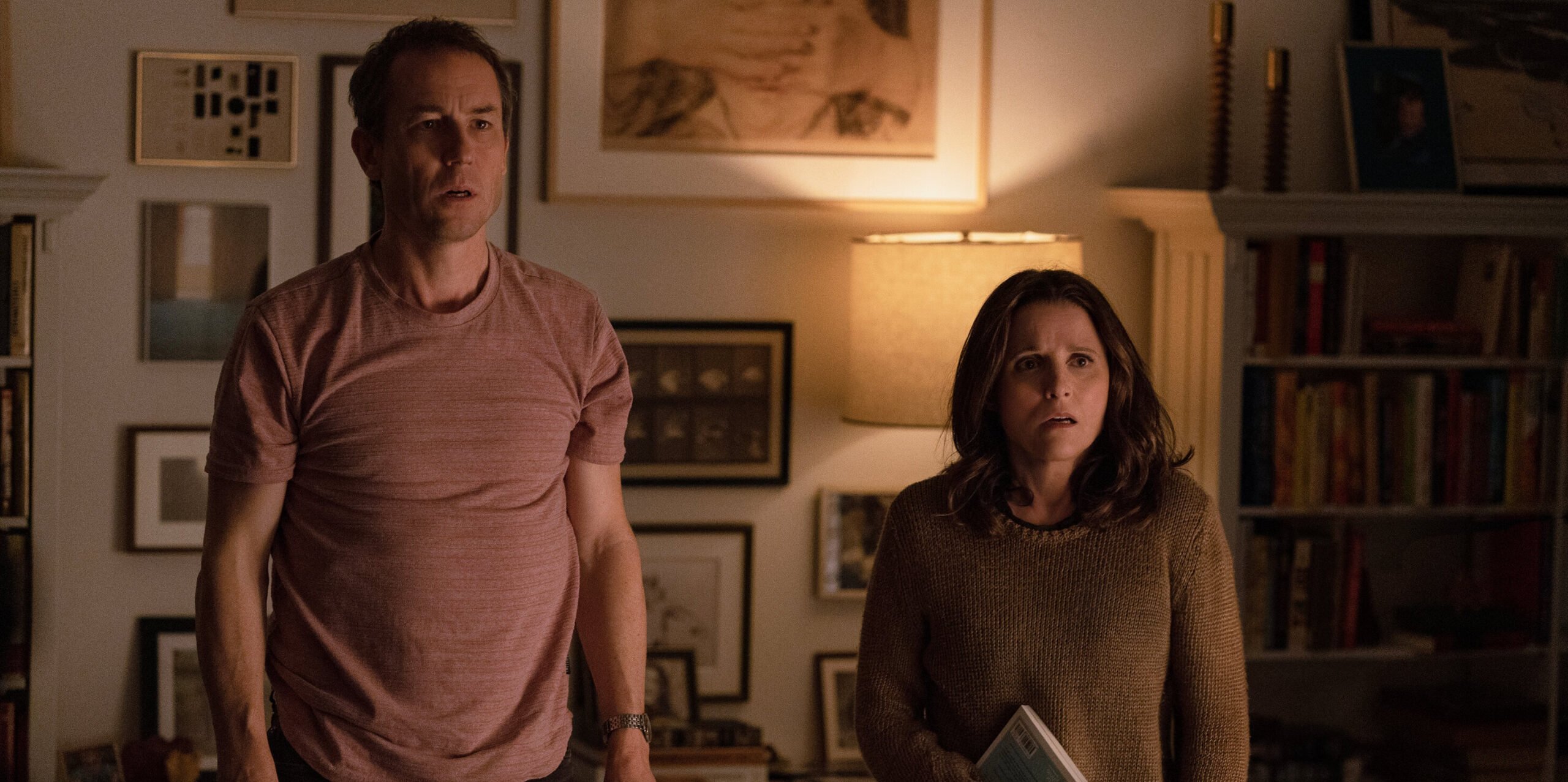
Who among us hasn’t committed a white lie to save a relationship? And who among us hasn’t yearned for the full and brutal truth? In You Hurt My Feelings, Nicole Holofcener digs into that paradox and delivers a film that is honest and funny in equal measure. Here, the writer-director doesn’t just use a hilarious situation to make relatable observations and clever witticisms; she also extracts the nuances of it. She is aware, for instance, that her well-to-do characters exist in a world where it’s possible to only care about this, and not much else. And she likewise knows that Beth’s (Julia Louis-Dreyfuss) and Don’s (Tobias Menzies) trust issues are complicated by their age and respective mid-life career troubles. But rather than stay stuck in the specificity of those details, Holofcener uses her perceptive script to highlight the relatable and the universal. These characters hurt just the same—they’re plagued with the same insecurities and seek the same validation—and they express that hurt in the petty and unvarnished language everyone else does. Watching all this come to play is a comforting delight.