Women Stories to Watch (Page 2)
Gender representation in film is severely lacking. In any year, the top 250 movies have less than 5% of cinematographers, 10% of directors, and 20% of writers who are women (Study of Women in Television and Film).
Ultimately, this means that women’s stories get told less where it matters: in movies that get the most exposure. The goal of this section is to shine a light on women’s stories in movies that are available on popular streaming services.
To access filters, visit our homepage.
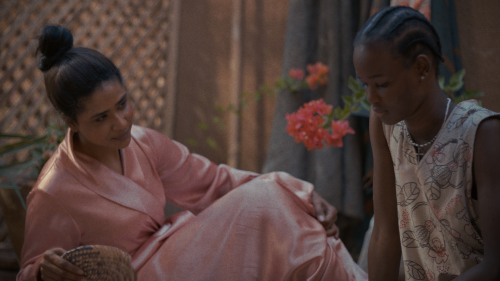
There are horrors in the world that people have faced, and if they survive, they live with the trauma for a long, long time. But what happens when the perpetrator of that trauma has moved on? What happens when they resolve to be better, and pursue a different path? Our Father, the Devil is a psychological drama where an African refugee has to deal with seeing the warlord that once destroyed her entire village, but it unfolds in such a unique way, with the riveting Babetida Sadjo living a split life between her chef and caretaking career in the day, and being tormented by the past at night. It’s a fascinating portrait, one that we haven’t seen in a while, of a traumatized refugee granted the rare opportunity to exact retribution.
Education is a human right, but for many girls around the world, this isn’t necessarily guaranteed– especially if they want to learn past the required years of basic education. Yuni is a coming-of-age drama that depicts a girl in West Java, Indonesia who wants to go to university, but due to the marriage and virginity culture in the area, her main problem isn’t having to pass the entrance exams, or figuring out how to get financial aid. Instead, it’s having to fend off marriage proposals that clearly don’t come from a place of love. Writer-director Kamila Andini depicts the titular protagonist with the freedoms rarely granted to a girl like her, with the happiness and belonging all girls should be able to find solace in, but she also depicts the casual ways oppression lingers in the background, with society just waiting to kill women’s dreams, hopes, and personal goals. Yuni is an honest and powerful portrait of many women around the globe.
Small Things Like These is the kind of film that doesn’t have a grand resolution, a dramatic climax, or a widespread shift that would change the world forever. What happens might not even change the country, or the town Bill Furlong lives in. But that doesn’t mean the film is unimportant. While Cillian Murphy masterfully reckons with Furlong’s conscience, the community is silent… So too is the score, but it challenges the automatic flinch when we hear the background– the screams, the wailing, and the pain. It challenges the way we, and the town of New Ross, try to make sense of the sounds, explaining it away with more plausible, more palatable reasons, or justifying them with excuses. Small Things Like These can be a tad understated in its approach, but it’s a smart comparison to the way community can silence the conscience, and how abuse can lay rampant in secret.
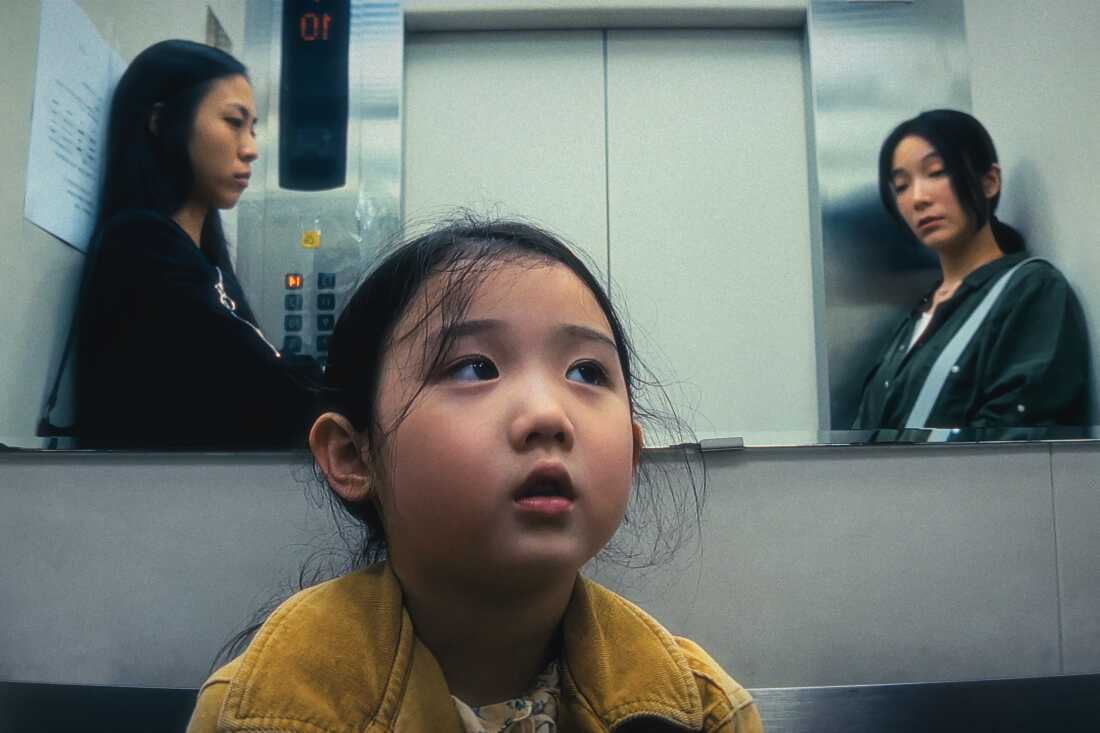
All the synopses going around the internet won’t fail to let you know that The Falls takes place at the height of the COVID-19 crisis. The film is certainly marketed that way, with commercial posters featuring the leads in ubiquitous face masks, socially distanced from the blurred crowd.
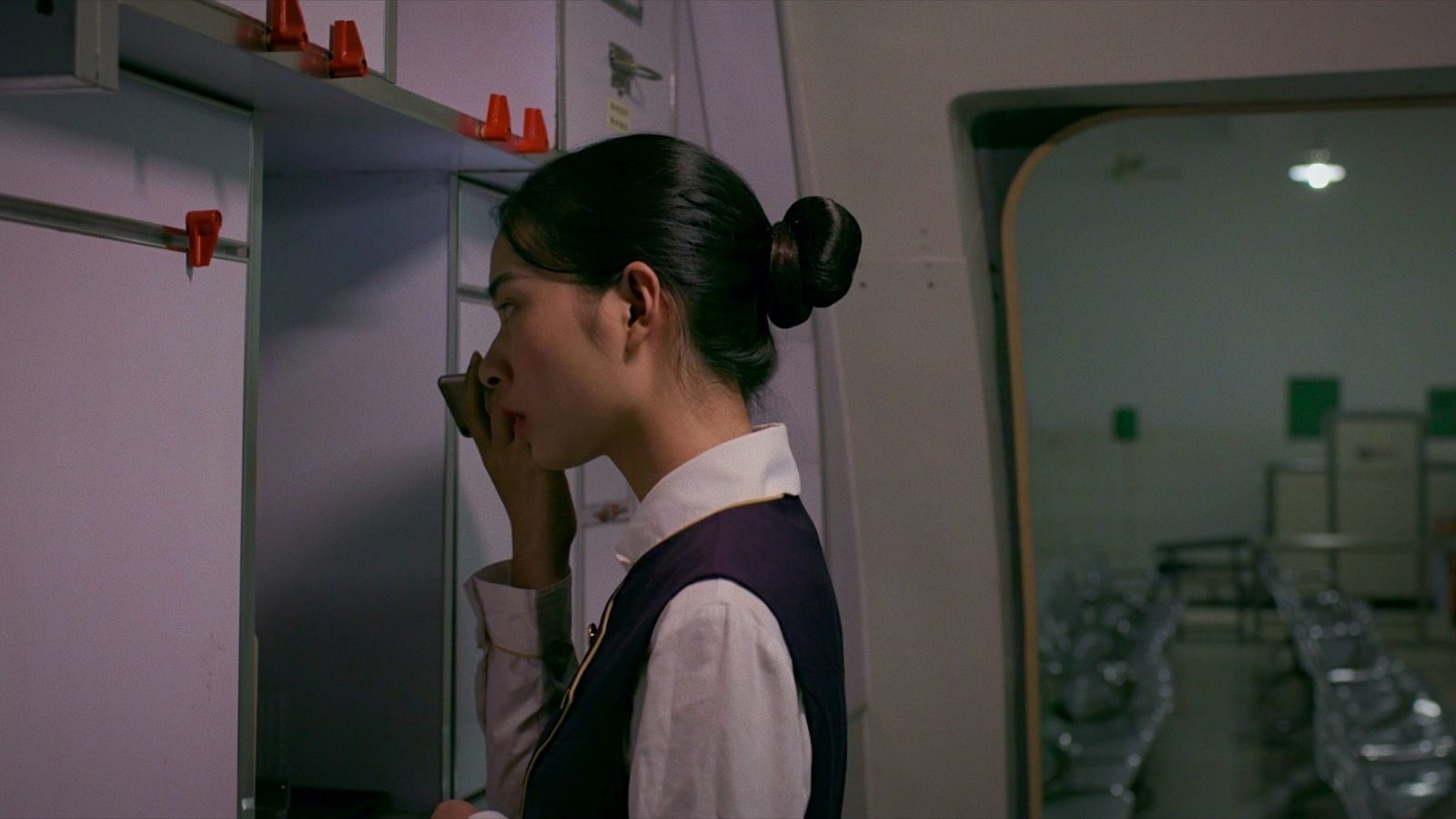
But interestingly, The Falls is not just a situational, pandemic-era story. More than anything else, it tells the story of Pin-wen and Xiao Jing, mother and daughter who, despite previously living a life of comfort, are now dealt with unfavorable circumstances (exacerbated but not entirely caused by the pandemic). Now, they are forced to navigate life with only each other, and it’s in the isolation they instate from the rest of the world do they forge a genuine and heartwrenching bond any and all family members will immediately recognize and perhaps even sympathize with.
Prayers for the Stolen takes more time to observe life in its rural town, than to showcase the action and violence inflicted by the cartels that pass by. It’s a needed perspective. This move drives home how long these cartels were left unaddressed, as the women of the town have gotten used to the danger and were unable to leave for whole generations. It makes clear how their lives have been interrupted, limited, and held hostage at the whims of whichever group takes over the village. But it also allows writer-director Tatiana Huezo to help us witness the love and tenderness Ana holds for her mom and friends. Prayers for the Stolen is tough to watch because of the safety they lack, but it’s also a beautiful tribute to the relationships they’ve forged despite that.
The colloquial phrase “May-December” refers to romantic partners with a large age gap, but leave it to Todd Haynes to craft a poetic and unsettling world out of this (slightly troubling) banality of life. His new film is loosely based on the real case of Mary Kay Letourneau, who in 1997 was convicted as a sex offender after being caught having a relationship with a minor, a student of hers, 12 years old (22 years her junior). May December begins twenty years after the tabloid scandal surrounding the marriage of Joe and Gracie has died down. Elizabeth, an actress, is conducting research in preparation to play Gracie in a film production, but she doesn’t know what to expect. Alongside her, we are welcomed into the family home, meet their teenage children, sit through their family dinners, marvelling at the levity and nonchalant atmosphere in the air. Something is missing, or at least that’s what Elizabeth suspects. A psychological drama-thriller-black comedy, May December is impossible to pin down. A profound film on human confusion, identities, and past traumas, it unites two of the best Hollywood stars, Julianne Moore and Natalie Portman, in a delightfully eerie play of doubling and revelations.
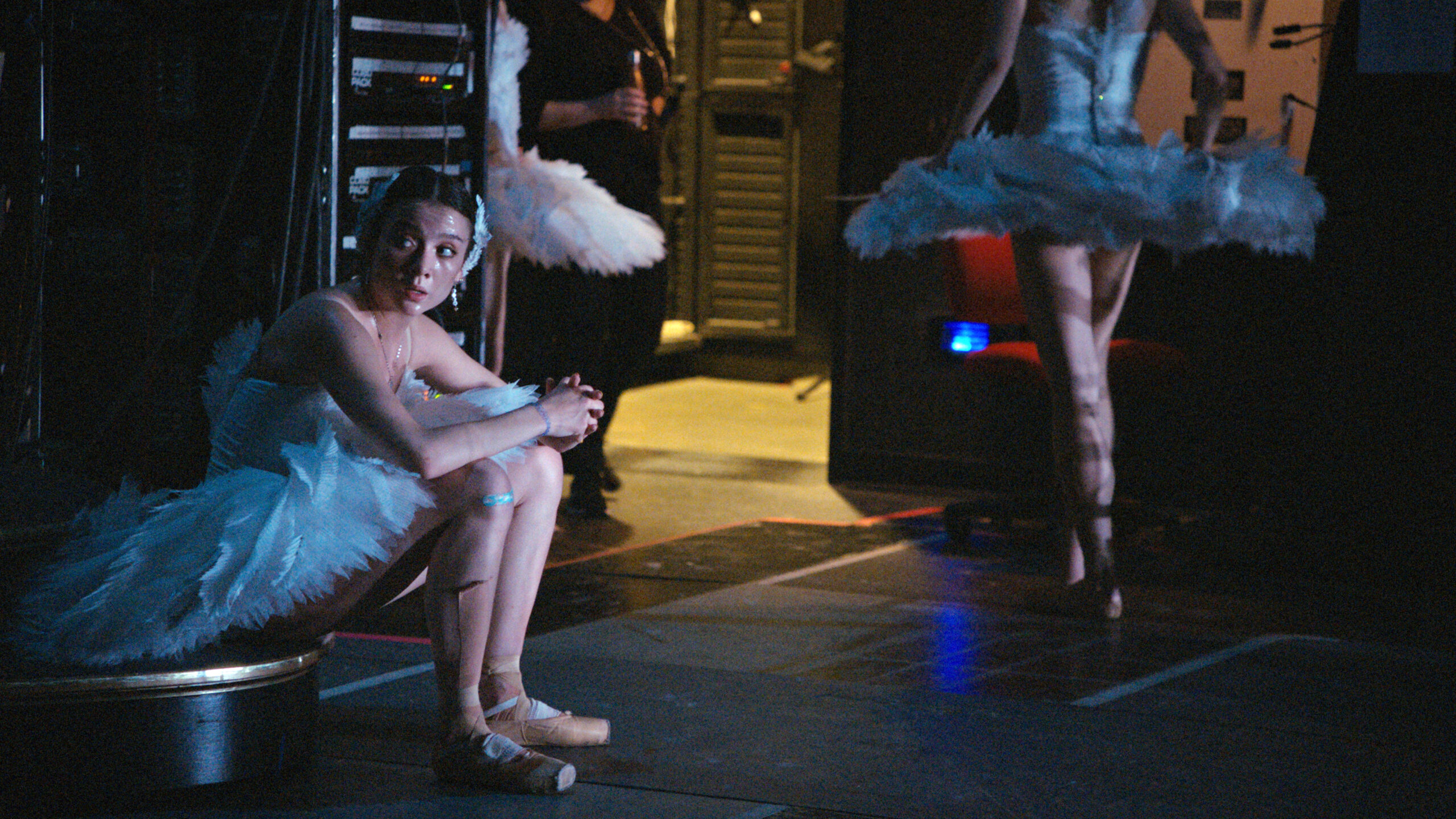
Ballet has always captivated with its grace and poise, so of course it captivated cinema as well, with classics such as The Red Shoes and Black Swan centered on the dance, the culture, and of course, the drama. The juxtaposition of the ideal feminine form and the ugliness of competition, the sabotage, and the objectification are regular topics, but The American adds the national identity into its themes, tackling the anxieties of a young American in an academy that isn’t friendly to outsiders. It’s stunning. It gives justice to the journey of the real ballerina Joy Womack, portrayed excellently by Talia Ryder with breathtaking ease, and given dramatic flourish through the direction of James Napier Robertson. While it doesn’t quite surpass classic ballet films, Joika proves that real life ballet can be more emotional, more traumatic than any drama made about the dance.
After Loving Vincent, DK and Hugh Welchman’s iconic oil paint animation initially seems like old hat, but this time the style is actually more fitting for their second feature. As an adaptation of the iconic Polish novel, The Peasants had to live up to the book’s reputation as the Nobel-winning depiction of the Polish countryside, one of the first to take an intimate look into the lives of the commonfolk, their customs, beliefs, and traditions. The Welchmans’ naturalist, impressionist art style lines up with the way the original Chłopi was inspired by these movements, as does L.U.C’s selection of mesmerizing, haunting Polish folk songs. While the plot is a tad cliché, it only does so in the way folklore tends to weave the same threads. It just so happens that the threads in The Peasants lead to violent ends.
Documentaries tend to depict real subjects through grounded, true-to-life ways, but the subject matter of Beyond the Light Barrier feels quite fantastic. Based on the autobiography of a South African meteorologist, this documentary isn’t about the science of weather watching – instead, it’s about Elizabeth Klarer and her strange account of her alien lover. Director Uga Carlini reimagines her encounters through 50’s style graphics, comic book-like illustrations, and John Kani’s serene narration. The film doesn’t make the conclusion whether aliens are true, as the film’s interviews vary between believers and skeptics. However, it’s an interesting look into these encounters, and how people use these unusual accounts to express certain fears and ideologies, especially in its last fifteen minutes.
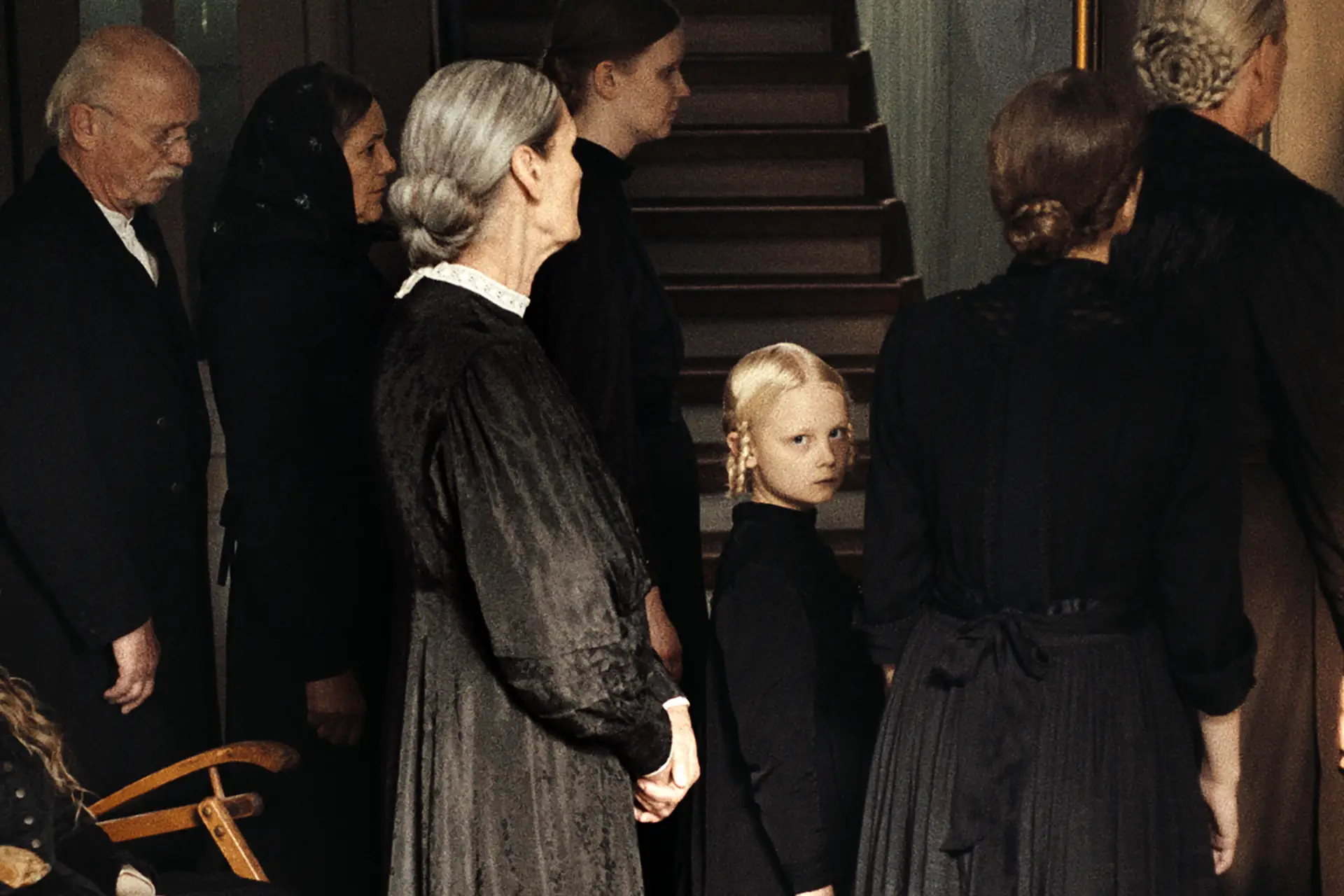
Not much happens in Women Talking, but what it lacks in action it more than makes up for in message. As the wronged women of an insular Christian colony decide whether they should leave or stay in their community, valuable points on each side are raised and debated fiercely. Are the men at fault or is there a bigger problem at hand? Is it sacrilegious to refuse forgiveness? Will leaving really solve anything?
The women of this ultraconservative and anti-modern community may not know how to read or write, but years of toiling away on land, family, and faith have made them wise beyond their years, which makes their discussion all the more captivating and powerful. Relevant themes, coupled with director Sarah Polley’s poetic shots and the cast’s all-around stellar performances, make Women Talking a uniquely compelling and timeless watch.
A music documentary with its star as one of its main talking heads runs the risk of coming off like cheap PR, but Tina Turner’s own articulate insights never restrict this retrospective on her life. If anything, she assists directors Dan Lindsay and TJ Martin in expanding the film’s scope to cover the origins of rock music and the struggles of so many women in the public eye who only ever seem to be defined according to their abusers. Even if Tina is still ultimately a conventional doc that relies on interviews and archival footage, it has a strong emotional core that gives the film a relatively unique psychological edge.
Full of charm and nostalgia, Bang Woo-ri’s first feature film is a love letter to the late 90s—and to the heartstopping experience of first love, as high school student Na Bo-ra tries to get to know her friend’s crush Baek Hyun-jin. While at times immature, she comes across as endearing through Kim Yoo-jung’s charismatic, devoted performance. And as Na Bo-ra goes through all the ways people wooed each other in the 90s—figuring out each other’s phone numbers, filming each other through old camcorders, renting out VHS tapes—the film evokes memories of our own first loves. Even with some underdeveloped characters and certain contrived moments, 20th Century Girl is still a stunning picture of young love at the turn of the century.
Rather than talking about what it takes to get to the other side of the border, Identifying Features instead focuses its attention back home. It’s part of the reason why the film actually highlights how difficult this actually is– Before even reaching it, people hoping to enter America go through a dangerous journey, many of whom disappear without any resolution for the loved ones left behind. But in focusing on what happens back behind the border, the social issue drama becomes more compelling, as the mystery of what happened to the son that left easily strikes a cord and drives the plot forward rather than straightforwardly talking about the journey. As she does so, writer-director Fernanda Valadez sets a spine-tingling mood, with striking, cryptic shots paired with the sober, difficult explanations the loved one who have been left behind with her have tried to formulate. Sin Señas Particulares captures that painful story in such a bold and thoughtful debut.
It would be easy to define Rose Plays Julie as a cross between Promising Young Woman and Killing Eve, but this psychological thriller turns the camp factor down to zero and makes even just the act of watching somebody else an existential experience. Directors Joe Lawlor and Christine Molloy treat this story with stone-cold intensity (perhaps to a fault), transforming their title character from a confused girl to somebody who relishes the power they have to disrupt other people’s lives through her mere existence. There’s something eerie about it that crawls under your skin if you let it, like a ghost story told among the living.
There are only two main characters in Good Luck to You, Leo Grande: Nancy, a retired teacher who was recently widowed, and Leo, an adept sex worker with a mysterious past. They’re almost always in one place and work on a single goal: pleasure. But despite the seeming monotony, the movie is crackling with wit and sensuality every step of the way. It doesn’t waste any time getting to the heart of the matter. Nancy and Leo go back and forth about their past, with Nancy divulging much about the stigma of aging and Leo about the stigma of sex work. They also dive into the shame attached to pleasure, ultimately revealing more than just their naked bodies to each other and to the audience.
This fun comedy-drama is about a New York playwright called Radha who never hit big. When she turns 40, she decides to reinvent herself as RadhaMUSPrime, a rapper.
And it’s all a personal affair: Radha Blank plays the main character (named after herself) and is also the writer, director, and producer.
The story is about rap and theater, but being so connected to reality, it feels like it’s about Blank making the movie itself. Its very existence feels like a triumph against the pressure of age, the misunderstanding of others, and the weight of unreached goals.
This groundbreaking documentary follows the USA Olympics sexual abuse case that made headlines in 2015. Through interviews with Olympians, their families, and investigative reporters, it’s also a documentary on the overall culture of abuse in gymnastics: sexual, physical, and emotional.
In one scene from the 1996 Olympics, gold medalist Kerri Strug has to run, vault, and land – all with a severe foot injury that was covered up by her coaches. She does this twice, limping between attempts and crawling off the mat on the second, crying. Meanwhile, her family, her coaches, the spectators – the World – is celebrating.
When she’s carried off, it’s Larry Nassar, the pedophile at the center of the documentary, who carries her.
Athlete A is groundbreaking exactly because it illustrates that the problem is not only with one doctor, or the 54 coaches who were also found guilty of sexual abuse, or the morally bankrupt leadership of USA Gymastics; it’s also about what went so wrong with society to see the abuse of young girls as cause for celebration.
This searing allegation of sexual abuse against Def Jam Recordings’ Russell Simmons unfolds with the intelligence and tenacity of a world-class prosecution. But more importantly, On the Record remembers to fight for a justice that’s restorative, too—paying proper tribute to Drew Dixon and many other equally creative and talented women behind the scenes in the American hip hop industry. With every new argument it introduces, this documentary encourages us not only to be open to new information, but to rewire our very way of thinking about race, intersectional feminism, and the music business. It may be a bit of a cliché, but On the Record really does leave you smarter than when you started, with a heightened awareness of how the present moment is inseparable from our history.
Dramatizing the murder of Hatun “Aynur” Sürücü, A Regular Woman frames her story from her dispassionate narration after she’s passed. This results in a harrowing tale. Knowing her death before she returns home paints every single moment with her family in fury, as they pin every frustration and blame on Aynur for numerous reasons, the biggest is due to not aligning to their ideal of a Muslim wife. It also highlights the failures the German government committed in addressing this issue, the same failures that they could repeat if nothing has changed since her death. A Regular Woman is harrowing, not just because Aynur’s tale is true, but because it acknowledges right on the bat how it can happen again.
What do you do when you fall in love with your teacher? It’s not unheard of that a student gets a crush, but given the age gap, the power dynamic, and the obvious ethical ramifications, normally, nothing should come of it. But in Dreams, this crush becomes the muse for Johanne to create an unexpected literary masterpiece. For those squeamish about the possibilities, there’s no need to worry, everything’s all above board. Even so, director Dag Johan Haugerud manages to capture that intensity a crush does spur on, especially in that age. This coming-of-age drama dances around some of the dilemmas, but it does honor Johanne’s interiority in a clear-headed, nuanced way.
This sensitive and elegantly crafted melodrama recognizes that a death in the family doesn’t have to lead to the same expressions of mourning we expect from movies; there might not be any real sadness at all. But when different family members come together again and bring their own personal conflicts with them, suddenly everyone else’s little griefs fill the space, and the road to recovery becomes even messier. Little Big Women understands all this with an understated touch and brilliant, naturalistic performances from its cast. It makes for a loving tribute to the generations of tough and complicated women who often hold a family together.
It’s been years since Fahrije and the women of her village lost their husbands to the war. It’s one thing to move on after their passing, but quite another to never be sure about their whereabouts, dead or alive. Hive tells the story of how, in the wake of this inexplicable loss, the women of a Kosovo village reluctantly band together and make a new life for themselves and their families.
Thanks to its grit and restraint, Hive avoids the cheesy trappings of a melodrama. The dialogues are straightforward and the performances taut but affecting. Their battle with poverty and misogyny is sadly a familiar tale, but told through the lens of single mother/burgeoning entrepreneur Fahrije, it is rendered deeply personal and illuminating.
Named after the Celtic concept of heaven, Summerland is a rare queer period drama that feels hopeful rather than despairing. The film takes us to the countryside in World War II, where our protagonist, the reclusive writer Alice Lamb (Gemma Arterton), studies the folklore about Summerland. We know that her isolation wasn’t fully chosen; her refusal to marry causes adults to gossip and causes children to speculate that she’s a witch. But this all changes when a young evacuee is entrusted to Alice’s care.
Gemma Arterton shines as a reluctant guardian stifled by repressed grief, and she makes Alice’s dynamic with Frank (Lucas Bond) and her former lover Vera (Gugu Mbatha-Raw) incredibly believable. And while it would have been lovely to see more of Vera, even just their first meeting easily captures that heady sense of pure enchantment with another person. It’s no wonder that Alice has to cling to folklore the same way we do. For many of us, it’s the only way we can express our hopes, fears, and dreams.
In Motherwell, you either “get locked up or knocked up,” or so says Gemma, a teenager on the cusp of adulthood growing up in an old Scottish steel town. Gemma runs among a tight-knit group of friends, at the center of which is ordinary mischief, routine, and roughhousing. And beneath that lies a certain kind of everyday violence.
As Gemma enters young motherhood, she reckons with how to reconcile her own aggressions with the protective tenderness she feels toward her newborn. Beautifully and thoughtfully directed by Ellen Fiske and Ellinor Hallin, Scheme Birds never feels invasive. Rather, their documentary lets Gemma speak for herself—and in doing so, illuminates not just her life, but the complicated lives that intersect hers, too.
This fun comedy-drama is about Bridget, a 34-year-old who hasn’t quite got it all figured out, but at least she’s trying: after terminating an accidental pregnancy, she gets herself a summer gig as a nanny for a fearless six-year-old by the name of Frances.
Tackling a myriad of “taboo” topics including abortion, menstruation, and depression, the movie visually normalizes human experiences that remain underrepresented in mainstream cinema. And writer Kelly O’Sullivan, who also plays Bridget, has a screenplay that manages to do it all without feeling didactic.
The journey of transitioning can be tough, but it’s not likely to be as wild as the journey undertaken by the titular rich mob boss of the crime thriller romance musical Emilia Pérez. It’s pretty surprising, with the incredibly stylish and totally unpredictable ways the plot unfolds, all made possible by the ridiculous all-or-nothing methods and means of a Mexican mob, and it’s a delight to see Zoe Saldaña and Selena Gomez feel at home in their respective Spanish-speaking roles. There are certain moments where the film bites off more than it can chew, but the visuals are stunning, the story is daring, and there’s really nothing like Emilia Pérez right now.
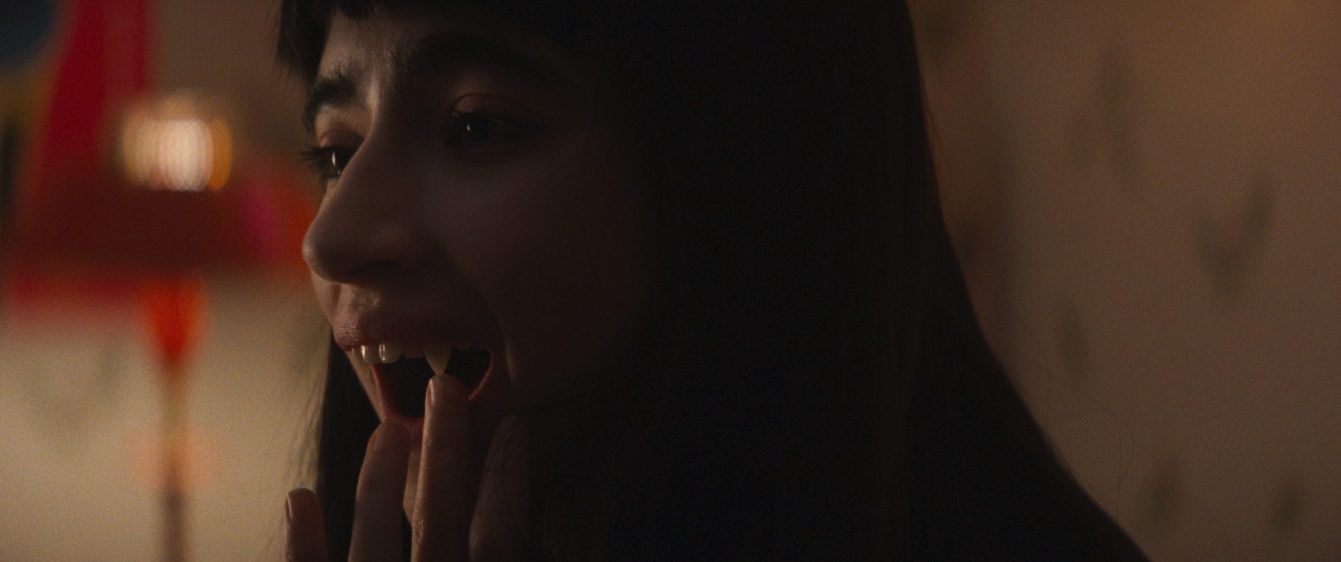
After years of relatively tame, tearjerking LGBTQ+ dramas, finally comes a sexy, erotic thriller made for and by sapphic women that pushes past convention. Love Lies Bleeding is an unexpected sophomore film from British director Rose Glass, not just because it’s set in New Mexico, but because of the 80s B-movie vibe literally on steroids that seems drastically different from her debut film Saint Maud. But both have the altered, surreal moments that blur the line between real and imagined, this time with a desperate edge of star-crossed lovers and the rage fuelled by familial trauma, jealousy, and overdosing on steroids. Kristen Stewart and new leading lady Katy O’Brian are delightful to watch with their immediate chemistry.
Antoneta Kastrati’s debut feature film Zana follows Lume, who appears guarded and subdued as she goes about her daily routine: milking the cows, harvesting crops and flowers, hanging laundry out to dry. Part of Lume’s routine also includes visits to the doctor, accompanied by her mother-in-law and husband, who pressure her to conceive.
When conventional medical advice does not yield a viable pregnancy, Lume is brought to a witch doctor, and later a televangelist. The former suggests Lume may be cursed, while the latter insists she is possessed by a supernatural creature called a jinn. Lume appears largely apathetic, at least outwardly. But slowly, she starts to unravel—and with her undoing comes the reveal of the war that traumatized her.
Kastrati’s family drama has elements of horror, but the real terror here is psychological. It makes for an important exploration of a deeply patriarchal society that is only beginning to heal the collective traumas of a complicated war, and how its violence continues to ripple through time and into domestic life.
At times of political strife, how can one seek justice? Song Without a Name could have presented its case in a straightforward biopic. Inspired by her journalist father’s story, writer-director Melina León could have presented a hard-hitting docudrama that celebrated the smart journalists who brought the traffickers to justice. However, León doesn’t do that. She focuses instead on Georgina, the indigenous mother who lost her child. Her journey is beautifully shot in vignetted black-and-white, but the images and the lullabies she sings are striking, haunting reminders of what was lost, even as the traffickers get imprisoned. Song Without a Name remembers how this injustice was only half resolved.
This artistic Australian coming-of-age drama stars Eliza Scanlen (Little Women, Sharp Objects) as Milla, a teen from a dysfunctional family. The father is a psychologist and the mother suffers from depression, so he medicates her under the table. Meanwhile, Milla, a 16 year old, starts dating a charismatic almost-homeless 24 year old drug dealer. Unusual circumstances make the family tolerate the relationship in this story where every character feels like the main one.
If you’re looking for something different, you will love Babyteeth. Something happens to Milla in the 10 minute mark that descriptions and reviews online all mention – but is definitely a spoiler. Just know that it’s not all romance and coming-of-age, there is slow-burning darkness to this movie.
The four chapters of Only the Animals could make separate films on their own, but the combination that forms this non-linear crime thriller creates a uniquely layered murder mystery. Based on the novel of the same name, the film is centered on the disappearance of the wealthy Evelyne Ducat. Her disappearance affects the characters named in each chapter title, though the alternate timelines tease the means, method, and motivation. Starting from the one living closest to the snowy mountains she was last seen in, all the way to the sunny Côte d’Ivoire, all their lives interlock in unexpected ways, chief of which is the same loneliness that moves them to the foolish actions they take. Only the Animals balance all their stories with tight-rope suspense.
This 140-minute Brazilian drama is an epic and touching tale of two sisters torn apart. In 1950s Rio de Janeiro, Eurídice, 18, and Guida, 20, are inseparable, but their dreams soon take them away from each other, from their conservative family, and from Brazil.
After they are separated, each one of them believes the other is achieving her dreams when often the opposite was happening. Family betrayal, silence, and a suffocating social climate shatter the aspiration of the sisters but also highlight their strength.
What would be the best medium for depicting the life and legacy of an icon? Would a biopic be best, or would the documentary do better? Well, for silent film star Ruan Lingyu, director Stanley Kwan fused both in Center Stage. It makes for a unique experience. Rather than putting Maggie Cheung through the motions, Center Stage alternates between recreating the scenes of Ruan’s life, the few fragments of her works, and what’s behind it, which was rather fitting for the way her life and work eerily coincided. Consciously recognizing the gap between depiction and reality, Kwan and Cheung refrain from overdramatizing her life’s tragedies. Instead, Center Stage focuses on her craft and the act of performing itself.
After drawing controversy for the embellished, modern day-set Sound of Freedom, director Alejandro Monteverde and writer Rod Barr pivoted to the past to tell the story of Cabrini. It’s a straightforward biopic. It seemed like a safer story to tell, with the protagonist being a literal Catholic saint, who also happened to have an undisputed historical record of uplifting deeds. Francesca Cabrini is the sort of main character whose story writes itself. That being said, choosing to tell her particular story of helping immigrant orphans through her women-led order is an interesting choice at a time when immigration has become a point of contention. While rough in some scenes, Cabrini’s story proves to hold relevance in modern day America.
This difficult movie is about a seventeen-year-old from the U.S. underclass who has to deal with an unplanned pregnancy. Autumn is creative, reserved, and quiet, but those are not qualities that her environment in rural Pennsylvania seems to value. On the opposite, she is surrounded by threats, including disturbing step-father and boss characters.
Dangers escalate as Autumn decides to travel to New York to have an abortion. Never Rarely Sometimes Always is about unplanned pregnancies as much as it is about just how dangerous it is to be a teenage girl living in America.
While adoption doesn’t have the same stigma as it did back in the day, it doesn’t mean that the process is worry-free. There’s still a host of issues surrounding the process, plenty of which have been depicted in film. So, it’s no surprise that True Mothers holds more or less the same themes we’ve seen before, but where some films focus on mining the melodrama, filmmaker Naomi Kawase’s writing is much more restrained, keeping its take as naturalistic and detail-oriented as possible, and thus, demystifying the process. The slow pace may not be to everyone’s taste, but True Mothers is a thoughtful, sensitive portrayal of Japan’s adoption system today.
It’s rare to see a prequel surpass its antecedent, but Pearl is that exception. You can watch it before or after X and still get the same satisfaction from piecing together the puzzle of Mia Goth’s many roles (three in total across the trilogy). If the first film owed a lot to slasher classics like the Texas Chainsaw Massacre, the second (surprise!) channels The Wizard of Oz and nods to the splendiferous melodramas of Douglas Sirk. The jarring form-content opposition here makes sense, as we’re seeing through the eyes of the main character, who most of all dreams of being in a movie. Because of that very same whimsy, everything has to change: the violence is not as explicit and the role of sex is brought to the forefront. All hail the new kind of final girl: a farm girl-turned-star.
Dementia has been depicted in film before, but writer-director Sarah Friedland’s debut feature takes a stronger interest in Ruth’s journey, more so than the illness’ impact on the family. It’s a refreshing take. Other portrayals of the condition emphasize the tragedy of slowly losing one’s sense of self, sometimes to the point the film forgets that self. Here, Ruth still feels like a person. Part of it is the way she’s introduced just before her move to the new community, but the screenplay and direction respects the life that she’s lived, with lead Kathleen Chalfant portraying her strong personality, even as the context behind her responses slowly fade from her mind. Familiar Touch remembers the person behind the memory loss, making the grief all the more heartwrenching.
A calm choir leader lives a secret life as eco-warrior in this visually stunning and intelligent story about our complex times. If you’re familiar with Icelandic movies, this one has just the right amount of that Icelandic quirkiness – making it a proper feel-good movie with a message. This is added to the superb acting and an off-beat musical score. Not to be missed.
This coming-of-age drama set near Sept-Îles in Quebec, Canada is about two indigenous Innu best friends who grow up together. One day, one of them meets a white guy and starts planning a life with him, which is seen by both her best friend and her community as a rupture with them.
“If everybody did the same thing you’re doing, we wouldn’t exist,” her friend tells her. Kuessipan is about that intersection between friends growing apart and indigenous identity, all set in the backdrop of Canadian reserve life. Won the Grand Prix at the Québec City Film Festival.
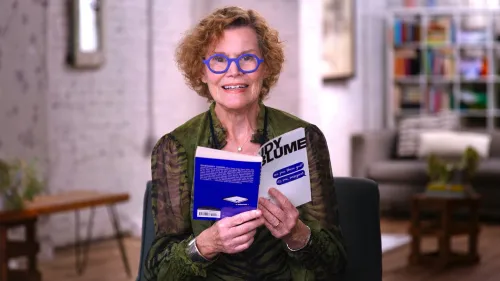
That this film, an adaptation of a beloved classic and girlhood staple for 50 years and counting, is able to retain the same power, charm, and wisdom as the source material by Judy Blume is impressive in and of itself.
Director Kelly Fremon Craig (Edge of Seventeen) turns the must-read novel into a must-see film, as urgent and relevant as ever in its frank portrayal of feminine woes and joys. Buying your first bra, getting your first period, losing a friend, doubting your faith, seeing—really seeing—your family for the first time, and knowing in your heart what you stand for…these are some of the thorny requisites of womanhood, and Craig navigates them with a bittersweet ease that never feels pandering nor patronizing. Like the book, the film honors this young person’s big feelings by centering them in a sprawling story that involves other characters, who are just as fleshed-out as the lead. Rachel McAdams deserves special mention for turning in a sweetly nuanced performance as Margaret’s mother Barbara, an artist attempting to balance her domestic role with her career goals.
The film may be 50 years in the making, but it tells a timeless tale that will continue to hold the hands of teenage girls for generations to come.
This heartbreaking Russian drama takes place in Leningrad six months after the end of the war. A boy is asked to do an impression of an animal, any animal, but the boy stands still. “Just do a dog then”, one person says, to which another remarks “he’s never seen one, they’ve all been eaten.”
In this bleak context, two friends meet again and try to restart their lives. Masha is a soldier who has just come back from the war in Berlin, and Iya, a tall woman nicknamed “Beanpole”, is a nurse who suffers from PTSD episodes that freeze her body. Both characters, so brilliantly acted, personify the thin line between desperation and hopefulness in this difficult but incredibly well-made drama.
A simple movie about a Scottish country singer with a dream to go to Nashville, U.S.A and reach stardom. It starts with her leaving prison to return to her mom’s house, where her kid was being raised in her absence. Heavy stuff, but this girl is determined to let nothing get in the way of realizing her dreams. Will she make it? At what cost? Wild Rose answers those questions with a warm script that’s designed to make you feel good without completely misleading you. Think of it as a more grounded A Star is Born.
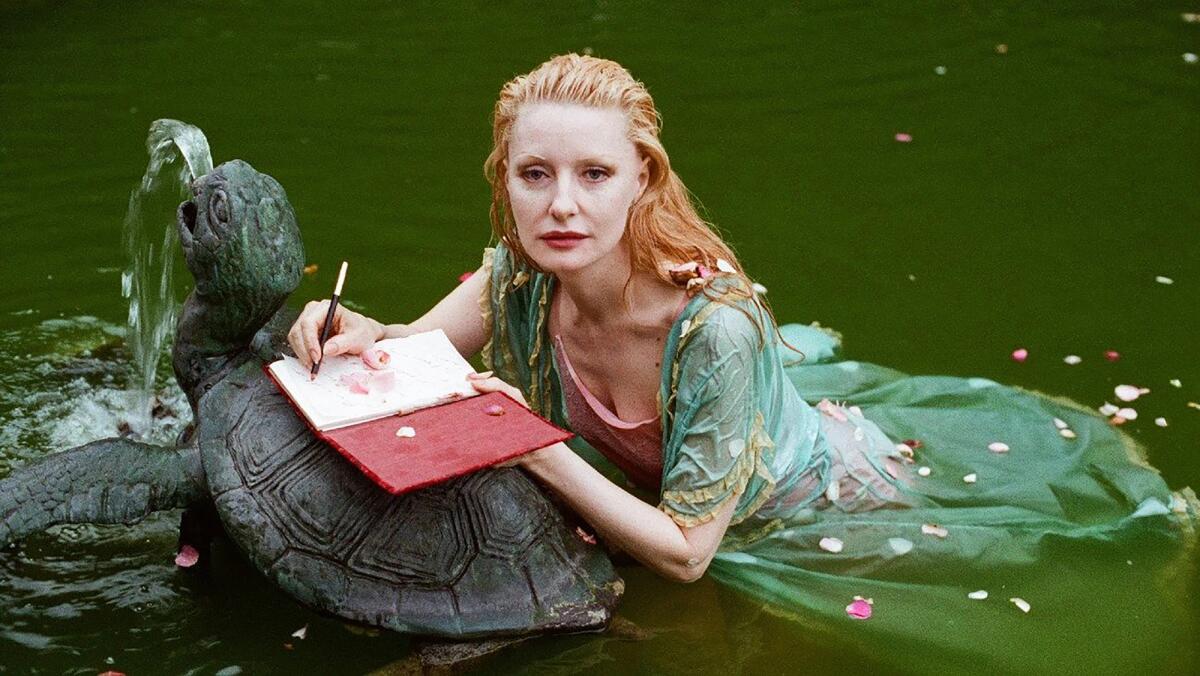
Séraphine is a biopic, but it’s not your ordinary rags-to-riches story where a cleaning lady’s paintings lead her to getting plucked from obscurity and living happily ever after. It’s a bit more tragic than that. If anything, the life she’s lived before she was famous is calmer, peaceful, and more fulfilling. Carving up time from her housekeeping job to create unique pigments and use them for her own artworks, Séraphine doesn’t paint for fame, fortune, or reputation. Instead, she paints because she can. Something about the way she goes through her mundane life opens up insights most people don’t get. Séraphine attempts to capture that genius in some of the most beautiful candlelit images ever put to screen.
How do we explain Peking Opera Blues? It’s a film set earlier in history, but it’s not as sepia-toned, slow, and depressing as other historical dramas. In fact, it’s the exact opposite. It’s colorful, with all the bright reds and blues on all sets and costumes. It’s comedic, as the three leads– Brigitte Lin, Cherie Chung, and Sally Yeh– get roped into each other’s affairs through unfortunate coincidence. And because of Tsao Wan’s mission, it’s quite fast-paced, driving the action towards a stellar operatic climax. While juggling the frenzy of this thrilling tale, Peking Opera Blues looks to the past to contemplate Hong Kong’s future.
At first, Little Forest seemed to just be a gentle film extolling the beauty of the countryside. Many a story has been based on that idea, and sure enough, the film does have aesthetic, gorgeous shots of the orchard, the lake, and the garden Hye-won ran back to, albeit with much more delicious food making scenes. But, as we get to learn more about her, the script subtly unfolds to reveal a personal family drama at the center. Moving back home, therefore, isn’t just to take a vacation– it becomes a meditative break for Hye-won to recreate, and thus, understand the choices her mother made, and it becomes a potent reminder of not just the pain, but also the good things that she left behind. Little Forest has plenty of the familiar countryside virtues of self-sufficiency, mindfulness, and community, but it approaches these themes in a more compelling way.
Sometimes you can just tell a movie means way too much to the people who made it. That makes me want to watch it more than once, which is what I wanted to do with The Tale. But while I think it’s such an amazing movie and everyone should watch it, I don’t think I can stomach a second watch.. It is based on the director/writer Jennifer Fox’s own story – recounting her first sexual experience at a very young age. It’s about the stories we tell ourselves to deal with trauma, and in that sense, and with utmost honesty, it invites grief and closure for similar experiences. A powerful movie led by a powerful performance by Laura Dern as Jennifer.
This lovely romance is about Ellie, a straight-A student who takes money from a classmate, Paul, to write love letters for him. Ellie does this to help with the household bills but there is one big problem: the girl Paul is in love with is also the girl Ellie has a crush on.
This might seem like the set-up for a standard Netflix comedy (and if you’re thinking Bergerac, you’re right, it is based on the famous play) but as the introduction of the film reads: “This is not a love story … not one where anyone gets what they want.”
It is in fact, personal work from a brilliant and quality-focused director, Alice Wu. Her last movie, Saving Face, a pioneering lesbian romance set in an Asian American context, was released a long 15 years ago.
After the La Manada rape case in 2016, it was necessary to document this event, especially since the widespread national outrage and demonstrations managed to move the country to change the way Spain defines consent. You Are Not Alone: Fighting the Wolf Pack documents this arduous journey. While it’s done through the familiar Netflix true crime approach, there’s some respect given to the victim that hasn’t been given previously by the media. The film sticks to the actual verbatim words used by the victim, albeit edited for clarity, but they ensured that their words were not accompanied with photos or similar looking actors, keeping the truth of their words without risking their safety. While the documentary’s direction isn’t new, the outrage is still felt, as well as the genuine hope of a country that came together to ensure justice.
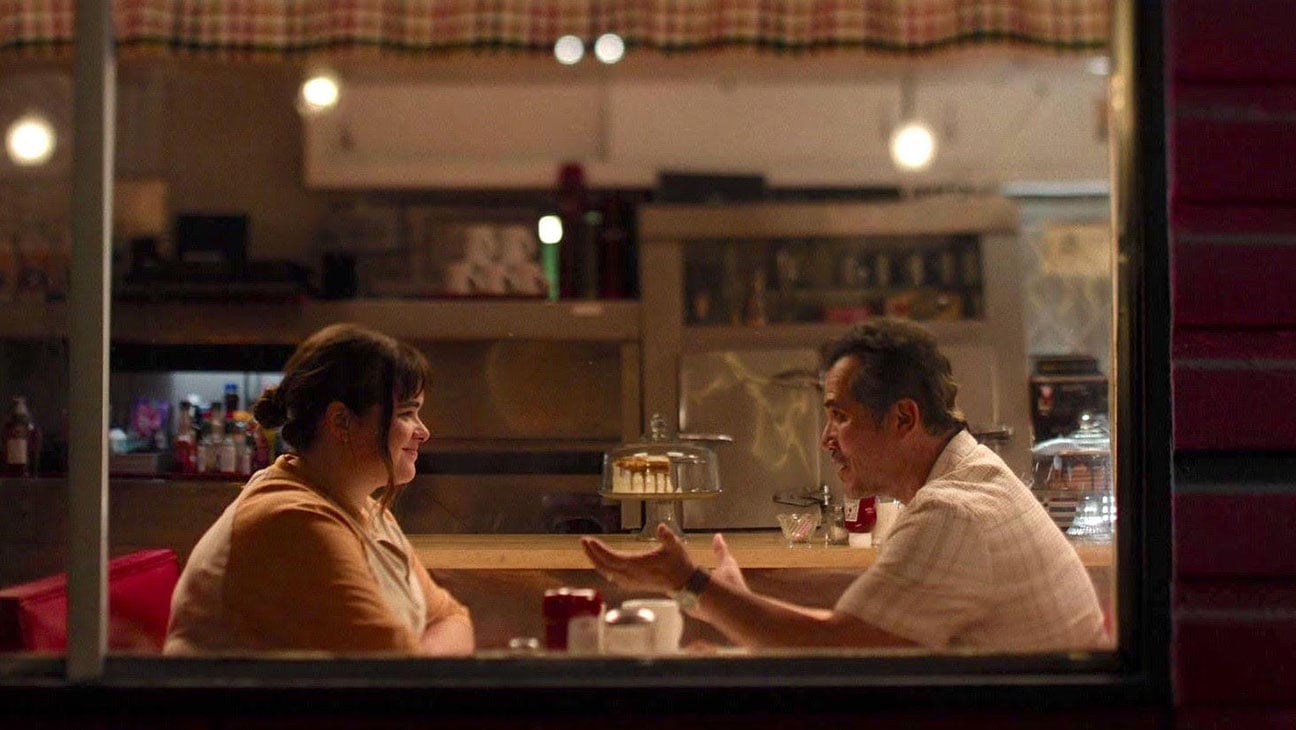
Present-day Mexico City—Ariela comes from a Jewish family that insists on getting married only to people of the same religion. This rule is complicated when Ariela falls in love with the non-Jewish Iván. She is then faced with the dilemma of choosing herself or her family, who for all their severity, she still loves deeply.
Leona’s modern-day retelling of Romeo and Juliet recalls the likes of Crazy Rich Asians and The Big Sick, but unlike those big-budgeted movies, this intimate Spanish-language film exchanges melodrama for restraint, and it’s all the better for it. Leona is a quietly moving story that’s easy to relate to, despite the specificity of its premise.
In the early 1990s, Singaporean teens Sandi, Jasmine, and Sophie set out to make the country’s first indie movie. Incredibly, in between college, day jobs, and very limited funding, they manage to do just that with the help of their wise but mysterious mentor, Georges. Shirkers, as the project came to be called, seemed primed to revolutionize the burgeoning Singaporean film industry. It was ambitious and bonkers, unlike anything the country has seen before, and it lovingly contained tributes to the makers’ cinematic heroes (among them Wim Wenders and David Lynch). But before it could see the light of the day, before it could even be viewed and edited by the girls who conceptualized it, Shirkers’ raw footage was whisked away by Georges, who fled the country without a trace.
The potentially pioneering film was never to be seen again—that is, until 20 years later when it resurfaces in near-mint condition (sadly, the audio could not be recovered). Fascinated by the journey of the lost film and mystified by Georges’ motives, Sandi decides to remake Shirkers as a documentary. The result is an artistic and personal interrogation into what made their small beloved film possible, how its loss affected the people behind it, and how this all led to Shirkers, the documentary, which is a testament to how art always prevails in the end.
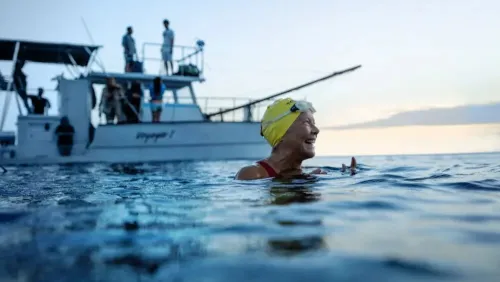
Few lived a life as extraordinary as the late Jane Goodall had, and even fewer are captured with such tenderness as this 2017 documentary. Of course, that’s partially because of the material. This film came about when Nat Geo unearthed around 140 hours of lost footage from wildlife photographer Hugo van Lawick, who shot Goodall’s expeditions after intense scientific scrutiny over her observations and methods. But what makes this film compelling is the way director Brett Morgen pieces together that footage. As Goodall fell deeper in love studying chimpanzees, Morgen pairs this devotion with the glimpses van Lawick captured as he and Goodall were falling in love with each other. So even without the insistent score, it’s easy to get swept by Jane’s passion and the confident way she set forth towards her calling.
The bond between parent and child is fundamental to the child’s life, but not necessarily the other way around. Even when the parents chose to have them into their lives, the child will always live within the parent’s context, not the other way around. Based on a book by Christine Angot, An Impossible Love is centered on that relationship, with the daughter reckoning with her parents’ love story through narration, reckoning with the betrayals both of them have done onto her. It’s a risky story for writer-director Catherine Corsini, one she made picturesque and nostalgic with period-accurate production design, but behind the beautiful scenery lies the emotionally touching exploration of this difficult dynamic, made much more heartbreaking with Virginie Efira and Jehnny Beth’s excellent performances.
Iceland is a country of vast lands but limited population – only about 300,000 people can call themselves Icelandic. On the other hand, 8 million people have connecting flights through Iceland every year.
In this setting of mass movement, a single mother dealing with poverty is offered a chance to turn things around – a job as a border agent. One of her first days, she comes across an asylum seeker on a connecting flight from Guinea Bissau to Canada, trying to cross with a fake passport.
Their stories don’t only intertwine as border agent and asylum seeker, but as two mothers. And Breathe Normally is about struggling with poverty both in Europe and coming from a place like Guinea Bissau. It’s a beautiful, plot-heavy statement on the importance of solidarity and of seeing the human behind the country of origin or race.
Shot almost entirely in one take and on a tiny budget, and yet the central performance in this movie is still better than most big-budget dramas I’ve seen this year.
Two indigenous women, one upper-class and the other impoverished, meet on the day that the rich one gets an IUD and the other one, pregnant, finds herself kicked out of her home. They spend a few hours together: they talk, they take cabs, walk, etc; and you as a viewer, follow them throughout their intimate yet difficult moments.
If you like subtle movies that showcase how people live and interact with one another, beyond plot-obsessiveness, this is for you.
With the nostalgia and the twin love triangle, at first glance, You & Me & Me seems like nothing new. However, this Thai coming-of-age drama is done so well that it feels entirely unique. Taking inspiration from the childhood of twin writer-directors, You & Me & Me brings us to a summer vacation in Isan, north Thailand, where the twins, distinguishable only by a mole and by dual-sided acting of Thitiya Jirapornsilp, encounter a boy named Mark. Amidst test taking, phin lute playing, and rowing in lotus filled lakes, their summer evokes some nostalgia, but also some drama, as their first forays into love threaten their bond. While the pacing is slow, and it does focus on the love triangle, You & Me & Me cares about each twin as they start to delve into new experiences outside of their duo. The film is a sweet and nuanced tale of twin sisterhood, but also a love letter to the Hongvivatanas’ childhood summer home.


x2