
Good Movies to Watch – Highly-Rated Movies
To access filters, visit our homepage.











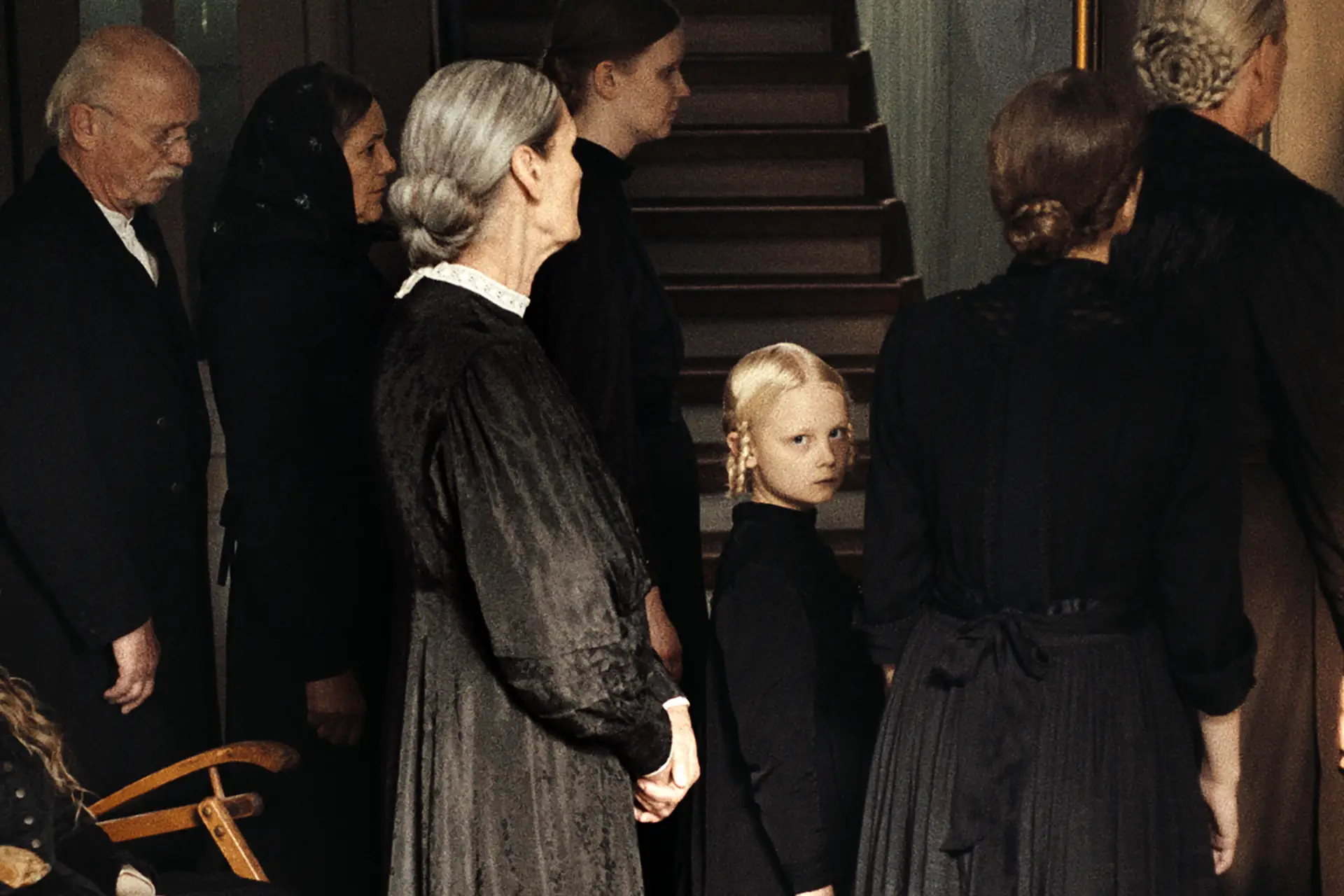
Previous depictions of provincial living tend to paint the pastoral experience as idyllic, simple, and much more innocent compared to their city counterparts. Sound of Falling does the opposite. While it still beautifully captures the German countryside, this drama also acknowledges its terrible secrets– the ways the family maintains itself, and sidebrushes death, at the expense of the women in the family. Cutting across time and circumstance, the haunting narrative sees the rhyme in each story. Unbeknownst to each four women, their pain echoes in similar ways, even if their particular histories differentiate their extent. Sound of Falling captures how the past never fully fades, only passing down like a curse recalled in folklore.
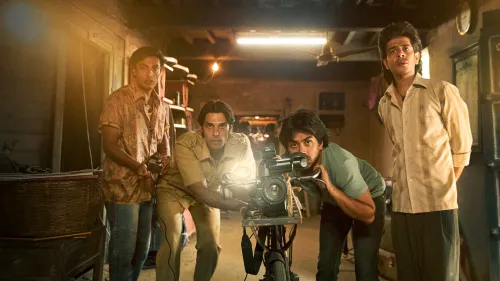
Based on the life of a real small town filmmaker, this coming-of-age film is a familiar underdog story. After their small movie theater shut down due to piracy, Nasir and his friends decide to create their own, in spite of not having the money or connections to do it. You can probably tell what happens next, given the numerous films about artists with humble beginnings. But despite the tropes, the rushed reconciliation, and not delving into some of the religious tension behind Nasir’s retirement, Superboys of Malegaon still feels refreshing, because it truly understands why the underdog is so compelling. With only their love for the craft to guide them, these boys capture the fun and wonder of making films in their own community, for their own community. Superboys of Malegaon truly listened to their story.
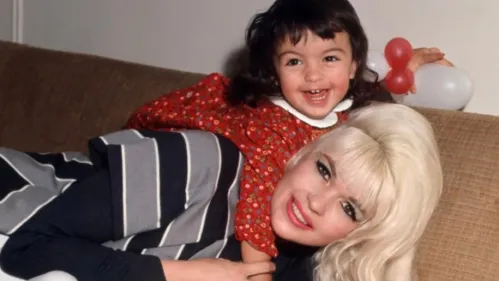
Unlike the other documentaries depicting “Hollywood’s smartest dumb blonde”, My Mom Jayne takes on a different approach to Jayne Mansfield. Already the title tells you that it’s from the perspective of one of her children– namely, her youngest daughter Mariska Hargitay– so naturally, it takes a more respectful depiction than what’s been shown of her peers. Hargitay and her siblings present a different kind of retrospective, reassembling the remaining fragments with a more personal touch and an unexpected family mystery. My Mom Jayne is such an excellent portrait of Jayne Mansfield, one that opens surprising layers to the person behind the bombshell persona.
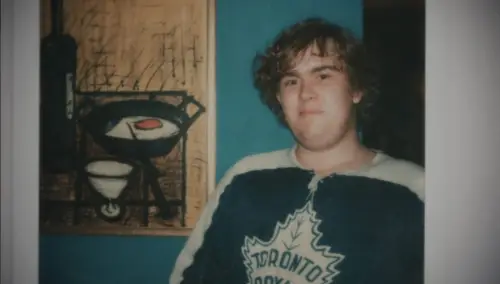
John Candy: I Like Me takes a somewhat standard approach in remembering the titular comedian. The film pulls out old footage, brings together his loved ones, and they sing praises of what a good guy he was. Given his profession, there were also certain moments where the film explains some jokes, which kills some of the humor. However, it’s a testament to Candy that it doesn’t come across as totally boring, even for non-comedy buffs. Like looking through old photo albums, and rewatching an actor’s old work, John Candy: I Like Me genuinely likes the guy, celebrating the gentle soul and consummate performer that helped define his generation’s comedy.
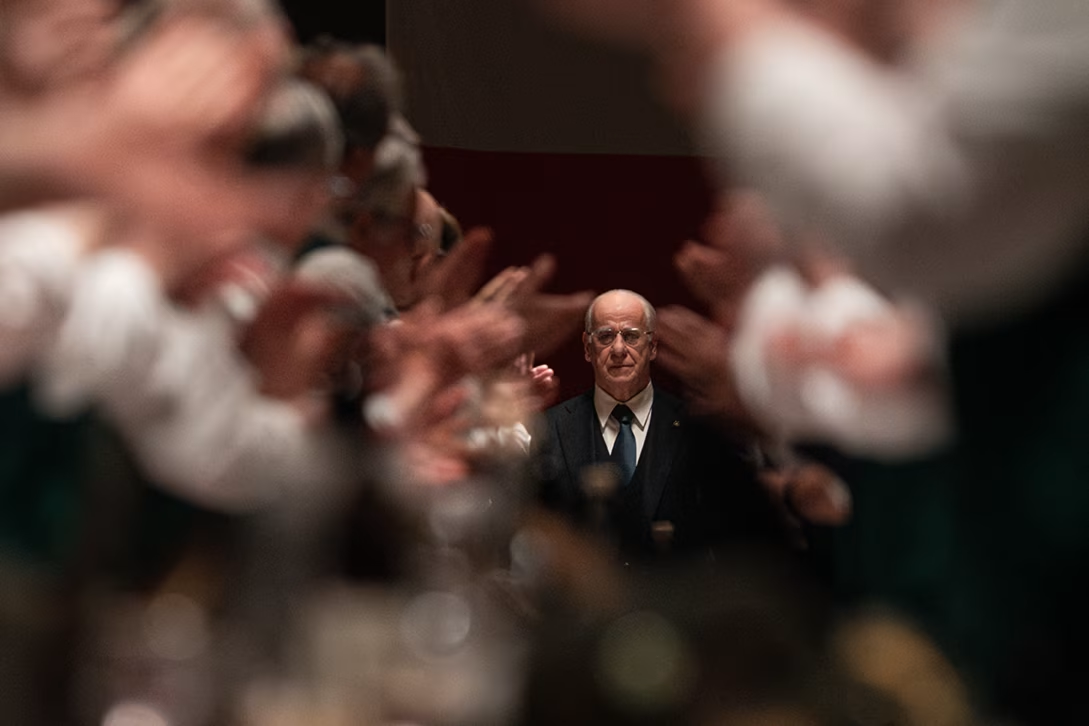
In his last few months as president, Mariano de Santis has a few loose ends to tie up. This includes the pardon of two murderers and the signing of a euthanasia bill into law. Both are important topics, yes, but La Grazia is more interested in how reluctant this fictional president is in finishing up his term. In lingering shots and moments of silent contemplation, director Paolo Sorrentino studies this man in his despair, honing into Toni Servillo’s every expression in the wider spaces we find him in. It’s clear that part of his hesitancy stems from his personal despair. De Santis is painted as a dutiful jurist, who has diligently pursued the spirit of the law, but his unresolved agony– the infidelity of his late wife– confounds him, pushes him to cling onto that injustice while blinding him to his children, his best friend, and other personal relationships. Where other films separate the personal and political, La Grazia understands how both bleed into each other, through crafting a unique existential crisis from the most important man in the country.

Depicting the horrifying cycle of abuse in the state’s prison system, The Alabama Solution is tough to watch. It was already hard to reckon with the related news reports, but what makes this documentary necessary is the way filmmakers Andrew Jarecki and Charlotte Kaufman teamed up with activists inside to get a deeper look into the prisons themselves. We mean this literally. A third of the footage comes straight from smuggled phones by the inmates, compiled for more than a decade, with much higher stakes than other works that employed guerilla filmmaking. Piecing together their footage with case reviews, news releases, and the state government’s wasteful, lackluster response, The Alabama Solution reveals the need for a better approach.

From Ground Zero doesn’t have the most number of shorts within an anthology film, though it comes pretty close with 22 segments, ranging from 3-6 minutes from different directors in Gaza. That’s a lot of shorts, with not a lot of time for each story. Most anthologies tend to be a set of three, but given the media suppression, the more, the better it gets at capturing life in the area. Every short balances the other in tone, style, and in approach. It’s harder to deny the truth it portrays, not with this many shorts, and this many eyes, on the ground.
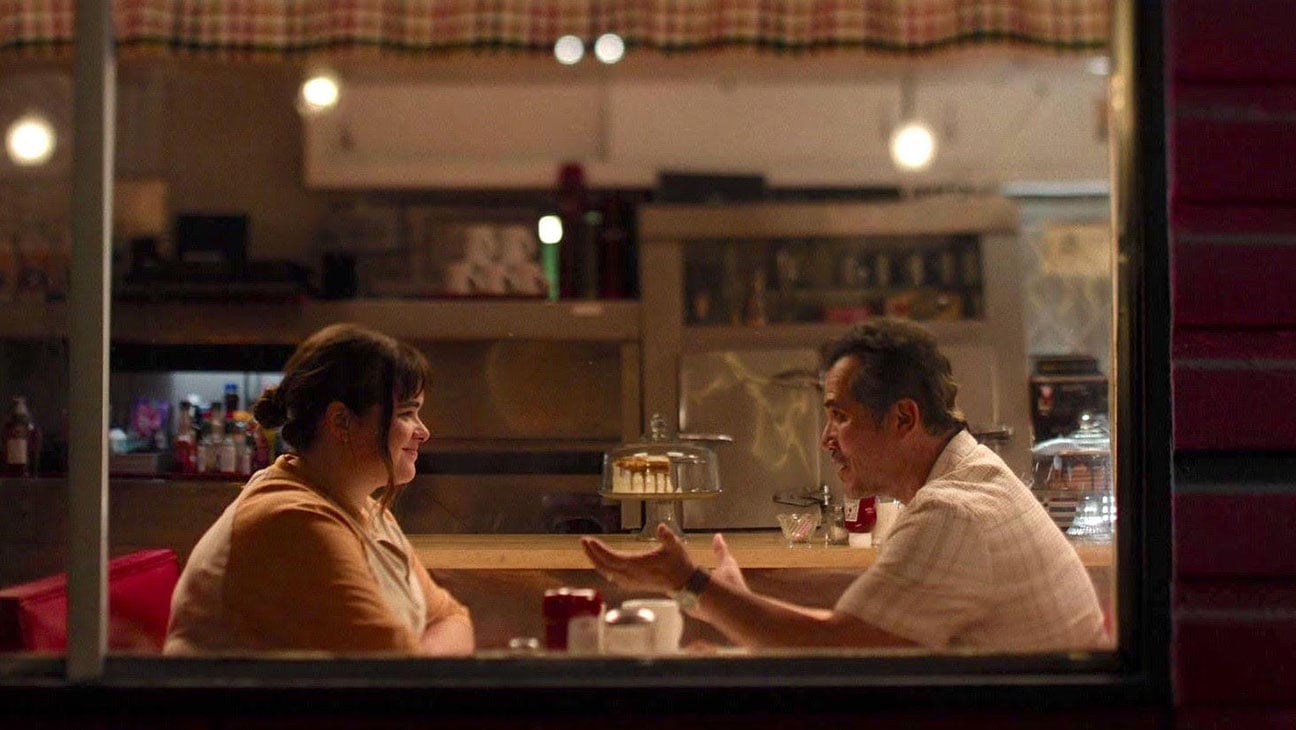
With the anonymity of the internet, it’s hard to trust that the stranger on the other side would be a good person. There’s catfishers and scammers and trolls, oh my! Once in a while, however, you do meet someone cool. Bob Trevino Likes It was inspired by a real life friendship writer-director Tracie Laymon had, and that lends to how personal the entire film feels. Bob and Lily feel real. It’s in part to how Laymon introduces their loneliness in a world that doesn’t treat them right, but the tender, pseudo-parental chemistry formed between Barbie Ferreira and John Leguizamo carries the writing in such a realistic way. The kindness that they share feels transformative, and it’s genuinely moving to see them work towards caring for themselves because of it.
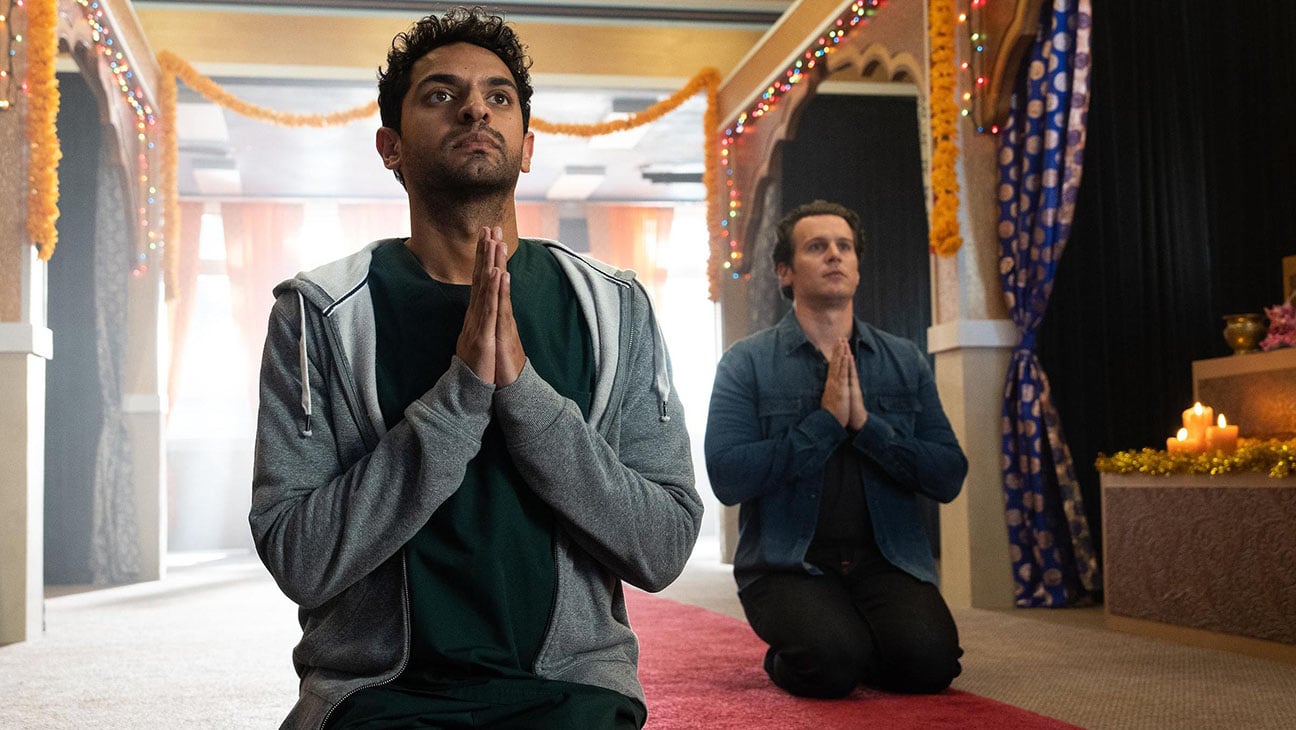
Sure, many of the tropes in this feel-good romcom would be familiar. Naveen, a shy Indian doctor, loves Jay, a white photographer, though of course, like in many gay and interracial romances, his family is reluctant to support them. However, writers Eric Randall and Madhuri Shekar take these tropes and weave them into something new. Like the oft-referenced Dilwale Dulhania Le Jayenge, A Nice Indian Boy sets out to resolve the conflict by emotional honesty not just expressed by its characters but also by the unabashed sincerity the filmmakers have for their story. A Nice Indian Boy remains funny and sweet all the way through, without sacrificing any respect for all of the characters.

Come See Me in the Good Light takes a somewhat conventional approach in documenting poet Andrea Gibson’s battle against cancer, though that doesn’t mean it’s boring. It works because of the people this documentary follows. It won’t be surprising to hear that Gibson and their partner Megan Falley have the precise words to express this journey– They are poets, after all– but the way each conversation is arranged builds upon each other, easily capturing the context for some of Gibson’s works, as well as how their love transformed the both of them, in spite of all odds. Come See Me in the Good Light does exactly what it says in the title, transforming a familiar battle with illness into an uplifting inspiration of a life well lived.
 x8
x8
Twinless starts off something like one of those quirky indies in the 2010s about awkwardly navigating grief and sharing that with someone, unexpectedly. Roman meets Dennis in a support group like The Fault in Our Stars, though with a sibling dynamic a la The Skeleton Twins, filling the void of losing their other half. It’s wholesome, it’s cute, and Dylan O’ Brien and James Sweeney have an instant chemistry that makes their friendship easy to root for. But after the twenty minute mark, this comedy veers into an unexpected direction. For the sake of spoilers, we won’t elaborate, but Twinless cleverly twists what could have been a millennial mumblecore drama into a clever, provocative Gen Z dark comedy that isn’t afraid to go there. Twinless is truly one of its kind.
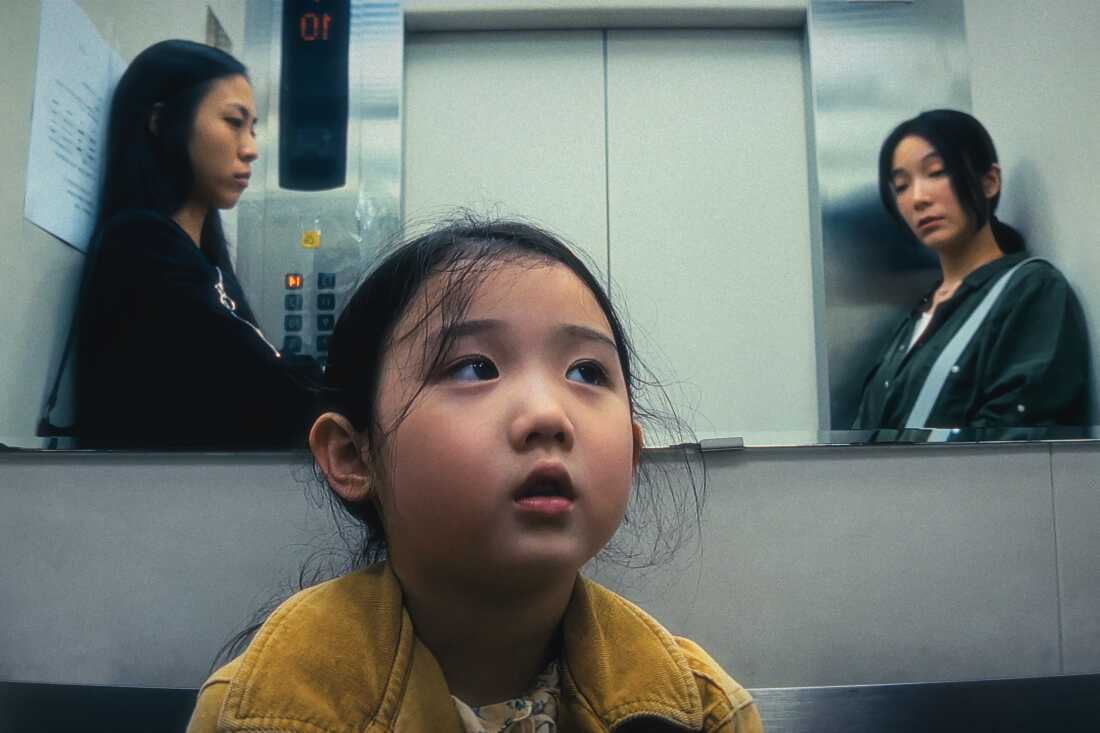
Left-Handed Girl is titled after I-Jing, the youngest daughter of the Ching family, whose left-handedness puts her at odds with her more traditional grandparents. That’s because left-handedness used to be associated with the devil. The idea is clearly outdated, but it hints at this family drama’s greater theme of being on the margin, of falling short of expectations placed by others. Of course, I-Jing’s left-handedness is easy to reconcile. The notion is considered outdated, and she’s portrayed by precocious newcomer Nina Ye. But what makes Left-Handed Girl so special is the way writer-director Shih-Ching Tsou deconstructs other expectations, such as Sho-Fen’s unfortunate marriage and the rebellion of her teenage daughter I-Ann. As the film unfolds, slowly revealing the fractures between them, Tsou subtly critiques how women carry the burden of saving face.

In Sorry, Baby, an unspeakable act of cruelty disrupts Agnes’ ambitious rise to the top. Despite being a literature professor, she struggles to find the words to describe what happened to her. Likewise, the audience isn’t made privy to the details of the incident and relies only on what Agnes chooses to show. It’s a far cry from the sensationalist way trauma is often depicted in films. In place of sexy or valiant acts of revenge, Sorry, Baby focuses on the slow, circular, and confusing process of healing. It hides more than it shows, which, oddly, says more about the reality of assault than most post #MeToo films. Sorry, Baby is an unassuming film, but its honest writing, poetic cinematography, and rich expressions pack a powerful punch.
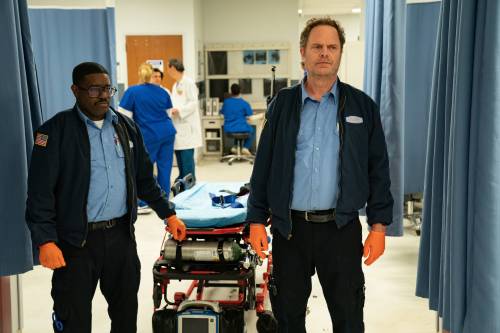
Code 3 is a comedy about a crazy night out, though the craziness doesn’t stem from drunkenness, drugs, or bad decisions– it comes from the way anything can happen in the shift of a paramedic. And we mean, anything. That means the needle stabbing and projectile vomiting occurs organically. But the crazy night that happens isn’t presented for comedy’s sake only. At the heart of the humor is the understanding of how thankless the job can get, and how much strain the healthcare system is handling even without a pandemic. Code 3 acknowledges their troubles and rightfully honors their work.
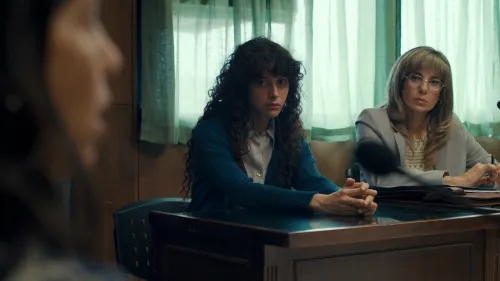
Given that this is based on a recent, real life case, and the defendant has chosen to remain behind the titular pseudonym, it makes sense why Belén doesn’t focus entirely on her. We don’t get to know much about the defendant other than the case reveals. That being said, what was given is already infuriating enough. Filmmaker Dolores Fonzi, who also stars as her lawyer Soledad Deza, gathers a compelling defense, starting everything off with the terror and confusion Belén’s hospital check-up turns into her arrest. It strengthens the somewhat standard legal proceedings that is to follow, but nonetheless effectively highlights the multiple ways Argentina’s institutions have failed Belén. But what makes Belén so compelling is the way it also celebrates the movement formed around her case. Belén strikes at the core of the injustice made, with the same determination that secured her freedom, and the rights of every woman in the nation.
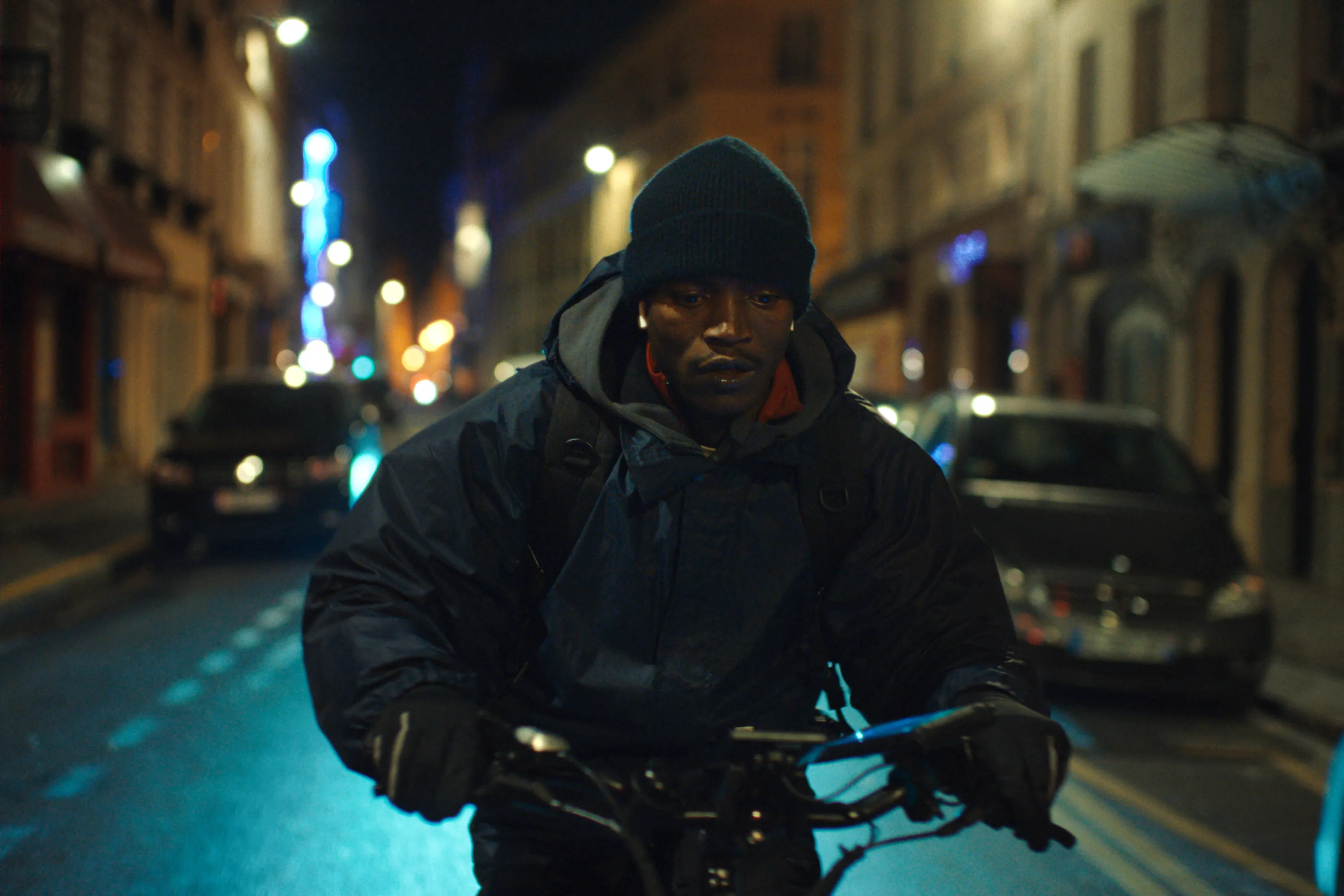
What is Souleymane’s Story? Right off the bat, that’s what everyone asks from Souleymane. It’s what his fellow immigrant asks, while he’s being coached to recite a completely different tale. It’s what his food delivery customers ask, when the app profile doesn’t match his details. And, in an outstanding sequence between newcomer Abou Sangaré and an inscrutably efficient Nina Meurisse, it’s what the OFPRA officer asks, in order for him to secure asylum. The motions of his struggles are familiar. Souleymane rushing all over the city is somewhat reminiscent of Take Out and Man Push Cart. However, the structure and framing highlights exactly why he needs control over that narrative. The story he tells– true or untrue, delivered with a practiced air or stuttering out his mouth– is the only thread he could hang onto for a better life.
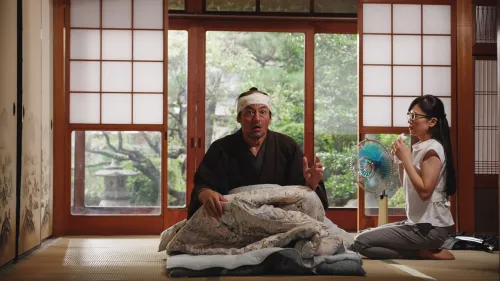
Usually, time travellers journey back to the past. This indie comedy takes the other path instead, with one samurai travelling forward to the 2000s. Luckily, he’s transported to the most fitting place in the modern era– a film set for a period drama set in the same time he came from. This unexpected journey is rather entertaining. On one hand, it’s hilarious to see him stumble, trying to make sense of the new Japan he’s in. His appreciation for today’s modern-day conveniences highlights how freedom ordinary folk now experience. On the other hand, the film juxtaposes his predicament with national history and the jidaigeki genre, grounding the comedy with the sincere belief in Japan’s ability to transform. A Samurai in Time takes a pretty funny premise to an entirely surprising conclusion.
Based on the 2011 novella of the same name, Train Dreams depicts the life of Robert Grainier in the first half of the 20th century. It’s a pretty ordinary life. Born without parents, and not quite sociable, Grainier lives a lonely existence, a loneliness that’s interrupted occasionally by talks with his fellow co-workers and the limited time he gets with his family. However, that doesn’t mean it’s boring. Joel Edgerton delivers one of his best performances that subtly depicts his inner world, while writer-director Clint Bentley pairs Grainier’s day-to-day with surreal dreams, feverish imaginings that captures Grainier’s deepest hopes for the people he’s lost. Train Dreams depicts an ordinary life with extraordinary sensitivity.
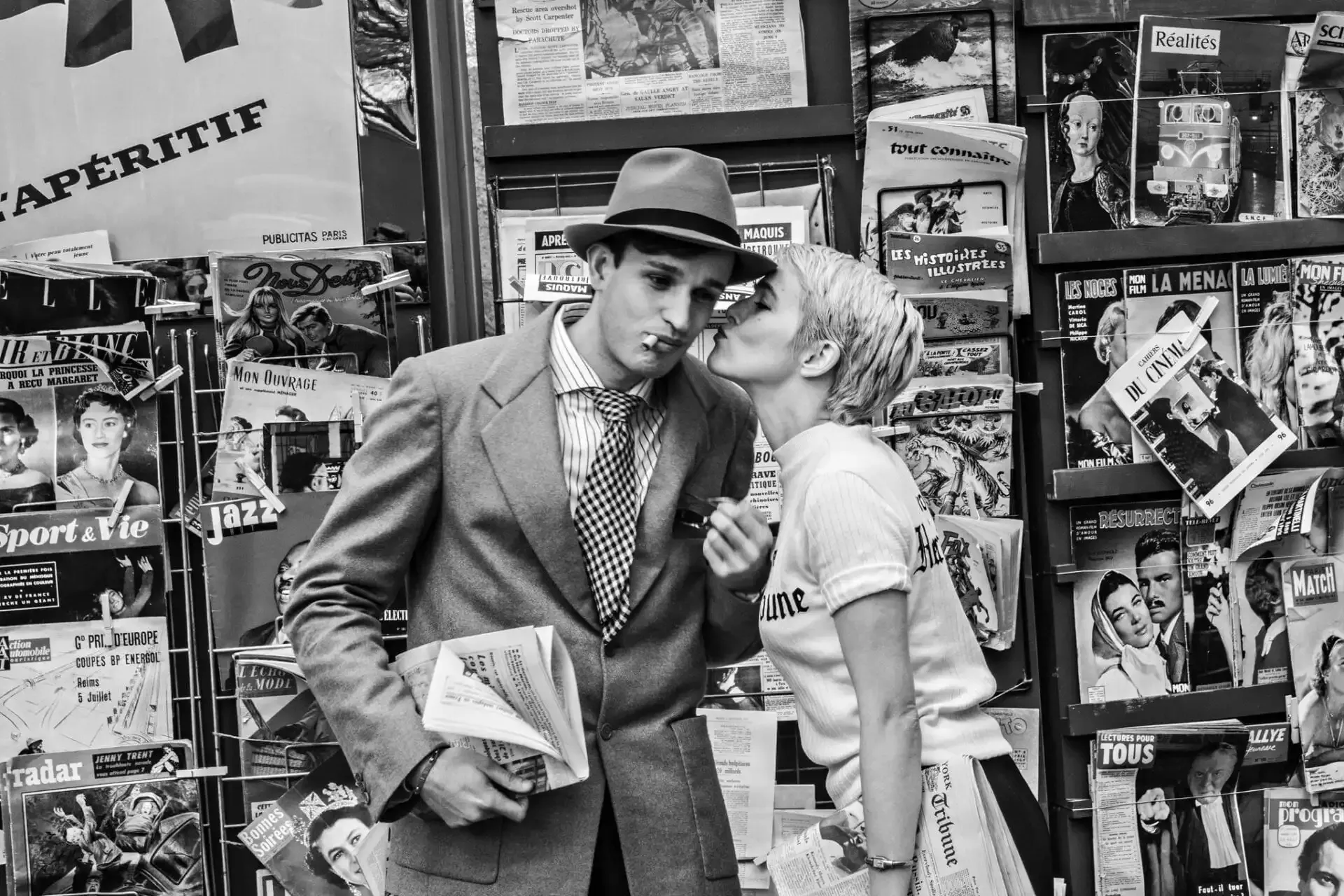
Admittedly, half the fun of Nouvelle Vague would only be understood by cinephiles, film history students, or anyone with a passion for the titular film movement. The naturalistic, black-and-white style mirrors the very style Jean-Luc Godard employs in Breathless, which is fitting for a film about the making of said movie, and considering his own oeuvre, it’s clearly a style director Richard Linklater is at home in. Still, even without the full context, there’s undeniably funny about the way Linklater depicts Godard behind the scenes. He’s presented as this baffling figure that does things simply because it’s different, which ironically echoes many artists’ biopics, but Nouvelle Vague pulls everything all together with a charm only Linklater could bring.

What pushes humanity to reach for the stars? Lost in Starlight is centered on an astronaut hoping to go to Mars, but before she can go, life keeps her back on Earth and makes her have something to return to. As such, it’s more a romantic drama than a sci-fi adventure. It’s easy to recognize many of the moments, especially if you’re well-versed with the K-drama genre. However, the film masterfully stitches both the romance and the space together through thoughtful characterization, as the current relationship echoes the same sacrifice her parents made in the name of her mom’s work and that spurred Nan-young’s own ambition to space. It’s also beautifully animated with atmospheric music and a stunning art style that renders a more hopeful vision of the future. The first animated Korean Netflix Original takes on a familiar romance, but through an unfamiliar mix of genres that makes it quite unique.
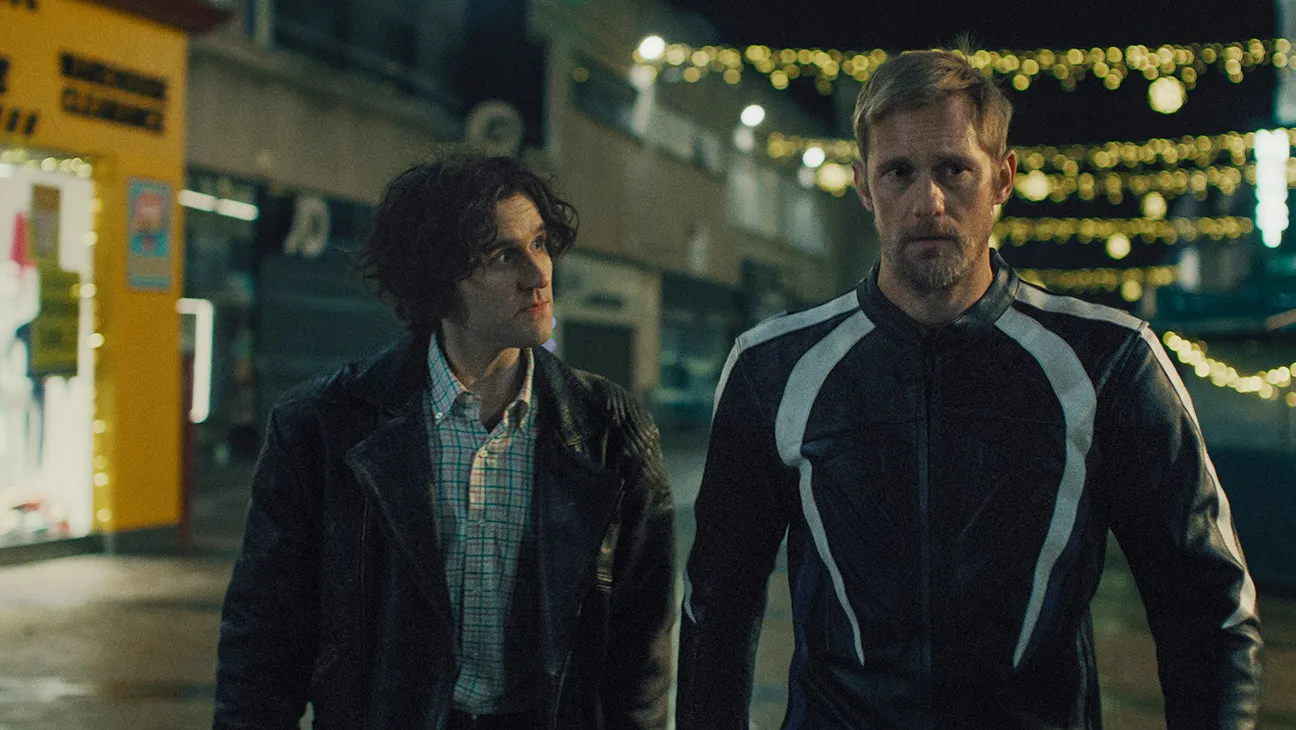
Given the other depictions of BDSM on film, we weren’t sure how Pillion would turn out. Much more so with a first-time feature director and two actors taking on their first leading gay roles. Thankfully, the way they portray this unconventional relationship is undeniably stellar. It’s non-judgemental, yes, but it’s not cloying; Sweet, while still fully recognizant of their incompatible desires; Humorous, though not at the community’s expense. Like Colin, Pillion takes on a wide-eyed curiosity towards a world whose few portrayals only focus on the salacious, and brings us to feel his yearning for more than what Ray is willing to give. Ray shouldn’t be your personal example of what a good dom should be and Colin was definitely unprepared for their dynamic, but Pillion ultimately works because of how freely it lets them explore their wants and change as a result.
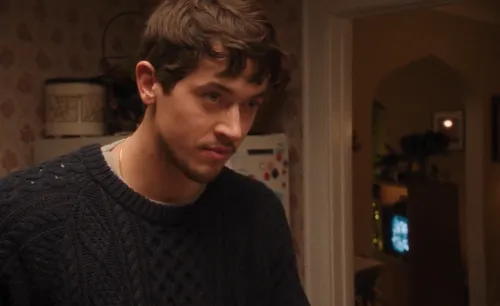
The strength of Plainclothes is the way it captures a memory. Fitting, for a film primarily set on New Year’s Eve. Memories of loved ones often replay during the holidays, and, when for some reason or another, the relationship got cut off, they replay like a supercut highlighting all of the possible reasons why it ended. So while it does take a while to settle into, writer-director Carmen Emmi’s mishmash of VHS footage, shots from a distance, and the nineties setting strengthens Lucas’ guilt over the police work he was assigned to as an undercover officer, the kind of cruelty widely accepted by most institutions of the time. Plainclothes remembers this pain, the tension, and the isolation that many have denied existed.
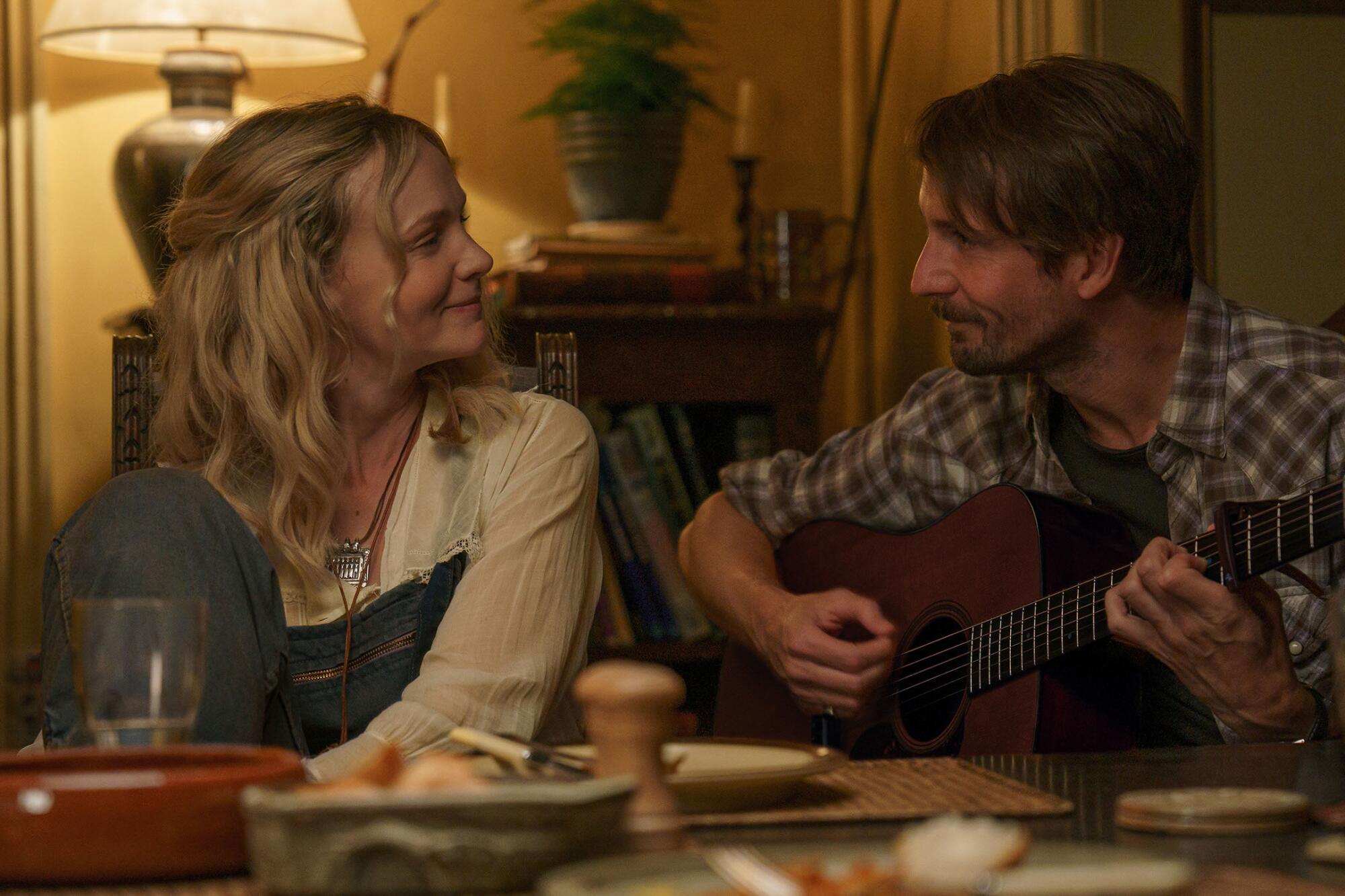
What would you do when you win the lottery? Most people would travel, buy a home, spend it on all the things you love, and maybe invest it somewhere. In The Ballad of Wallis Island, Charles Heath does this and uses the remaining pot to bring together the separated folk duo he loves. It makes for a kooky premise, but instead of forcing Herb and Nell back together, the film pushes them to reconsider their stances in love and life. It’s all played out in a surprisingly warm and peaceful way. The Ballad of Wallis Island is quite a charming film.
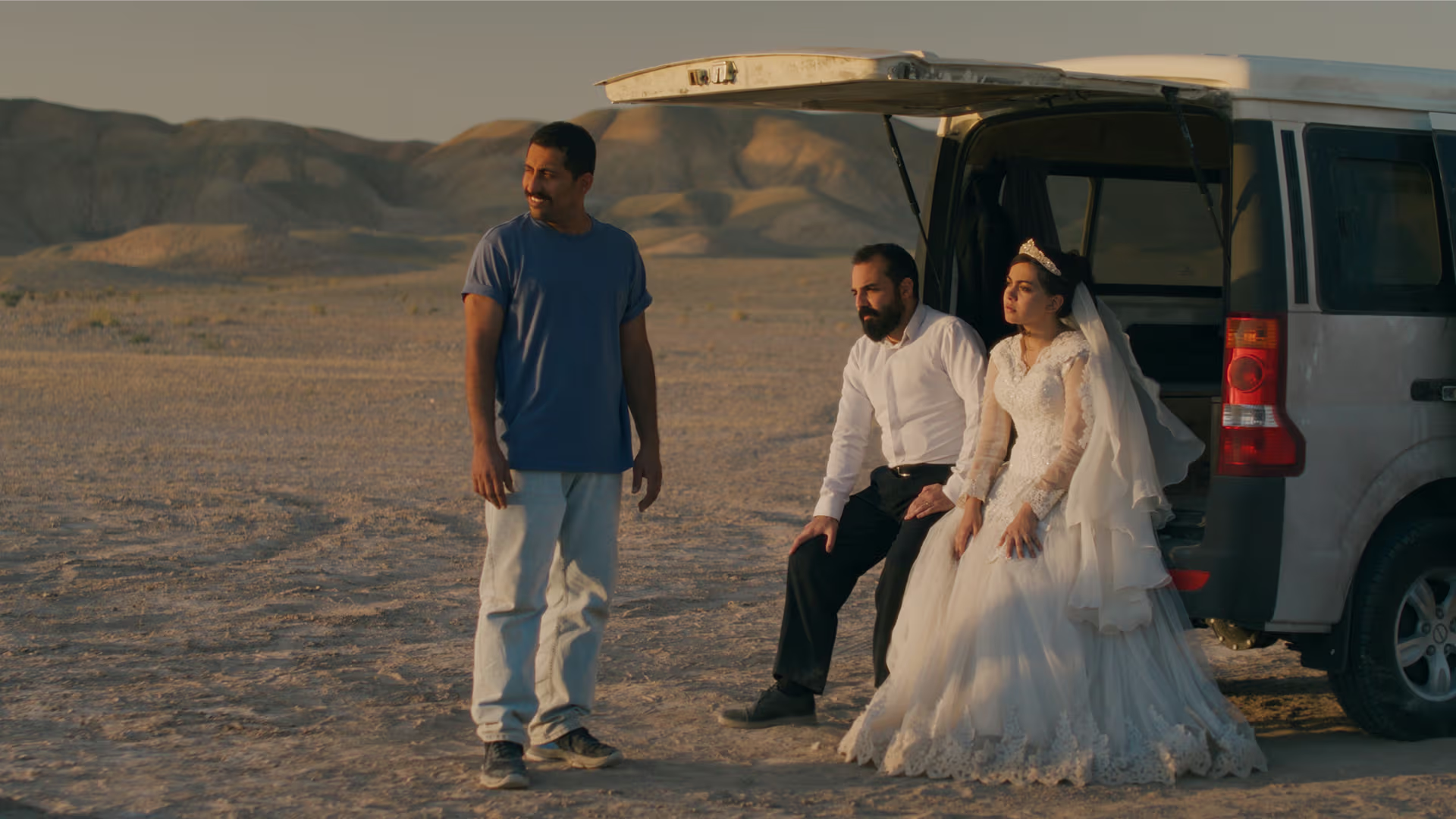
You can probably predict from the title that an accident starts this thriller but what happens after is totally unexpected. Of course, a car accident requires a visit to the auto mechanic, but in this film, this car check-up ends up becoming an unintended encounter with unexpected consequences. That’s because the mechanic recognizes the customer’s peg leg, the very same leg that he’s heard while being tortured in prison. Everything that happens, then, is a result of that past. Part of it is actually funny, with the tragicomedy poking fun at how totally unprepared Vahid is to enact his revenge, to the point he’s not even 100% sure he got the correct man. Still, however messy it gets, It Was Just An Accident never forgets the wrong that’s been done, and highlights the reparations Vahid and his fellow inmates should’ve gotten.
 x1
x1
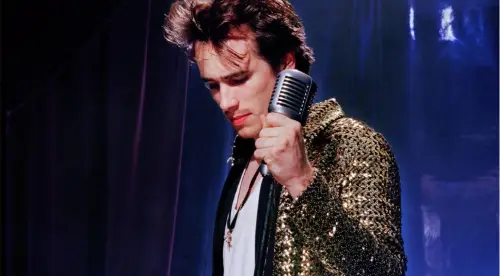
It’s Never Over, Jeff Buckley depicts the life of a musician whose time was cut too short. It’s a tale you might have heard before. He fell in love with the guitar at a young age, busked in small cafes and downtown bars, and won over fans and record labels to create one excellent album, but died just before stardom. This documentary depicts this somewhat conventionally. That being said, while it lacks in original approach, it captures the emotions well, understanding what moved Buckley to his craft. Tackling the loss of his father, music as his refuge, and his conflicted thoughts about fame, It’s Never Over unpacks the artist in a deeply personal way.
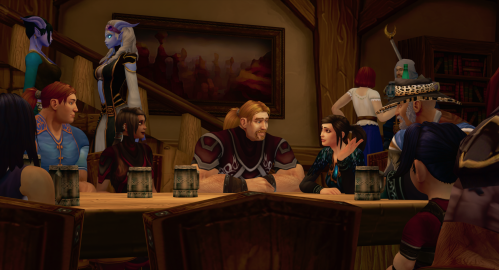
In the first twenty minutes, The Remarkable Life of Ibelin seemed to be quite unremarkable, with the usual way a biographical documentary would go, that is, loved ones waxing poetic about how great the dead person was in life. But the documentary takes this to introduce Ibelin the same way his parents discovered the online life Mats Steen lived. It’s a unique documentary, mixing in the usual home videos with the animated gameplay of the archived life Steen lived in Ibelin, but it’s grounded by, and somewhat co-created through the words Steen himself typed about his life as a disabled man, and the game history he shared with the community he formed online. The Remarkable Life of Ibelin ends up being quite a remarkable depiction of living online, that feels much more honest, human, and creative than the condescending or cautious narratives we’ve previously heard about the online world.
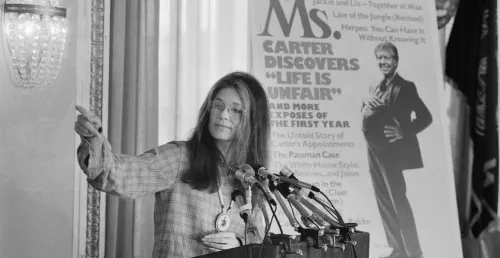
In the 1970s, at the height of the women’s liberation movement, there emerged a publication that sought to bridge the gap between activists and everyday women. Led by Gloria Steinem, Ms. magazine brought the revolution to women’s doorsteps—it reminded them of their rights, empowered them to stand up for themselves, and encouraged them to live full, independent lives. Dear Ms. is a beautiful tribute to the magazine, as well as a timely reminder of how powerful women’s voices can be. The documentary is divided into three parts, each of which discusses iconic issues Ms. magazine has released over the years. The first part tackles race and intersectionality; the second, sexual harassment; and the third, pornography. The film welcomes both praise and backlash, celebration and criticism—there is nuance, yet it still feels incomplete at times. Dear Ms. sometimes feels like a visualized Wikipedia page, repeating what has already been said in the past. But its messages are so potent and relevant to today’s atmosphere, it’s quite easy to look past those gaps and just enjoy the documentary for what it is.
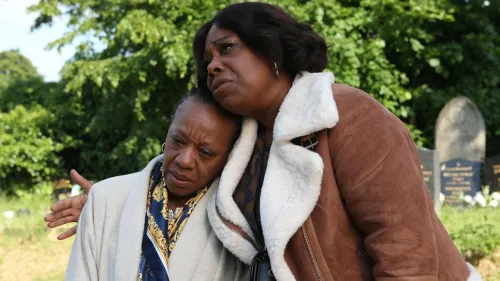
Hurt people hurt people, the saying goes, and nowhere is that more evident than in Hard Truths. Directed by Mike Leigh (Secrets & Lies, Vera Drake, Happy-Go-Lucky), Hard Truths follows two sisters who couldn’t be more different. One is Chantelle, a cheerful hairdresser who has raised equally ebullient daughters, and the other is Pansy, a hardened woman who lashes out at everyone from her family to the people queuing up in the grocery. Pansy is brutal, the sort of person you’d roll your eyes at if you were unlucky enough to encounter her in public. But Leigh gives us a glimpse into her internal struggle; nothing too obvious, as is the naturalistic director’s style, but we feel her pain whenever she goes out of her way to avoid the people closest to her, or when she savors a moment alone and hides her tears. There is no linear plot in Hard Truths; instead, it’s a collection of lived moments and ordinary joys and sorrows. It’s also a welcome reflection of our fractured reality. Loneliness, grief, anger, anxiety—these feelings are often inexplicable, and they come out of us in ways that are never immediately understandable or direct. So why should Pansy be? The film is an exercise in sympathy as well as a mirror to our own complicated and invisible hurt.
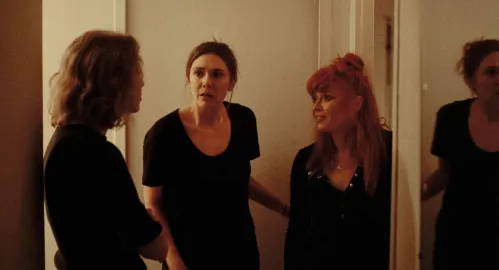
Not everybody holds a good relationship with their sisters, but ideally, we get to reunite and repair things in a good time. Unfortunately, for some families, the only time they reunite is due to a parent nearly dying. This is the case in His Three Daughters, where the three sisters meet after years living apart. It’s a common plotline, mostly depicted in the feel-good, family friendly variation, but writer-director Azazel Jacobs makes the three sisters distinct by taking the easy assumptions many people would make about them, and naturally push them to reveal the opposite. Carrie Coon, Natasha Lyonne, and Elizabeth Olsen form a great trio, delivering equally excellent performances under the same roof.
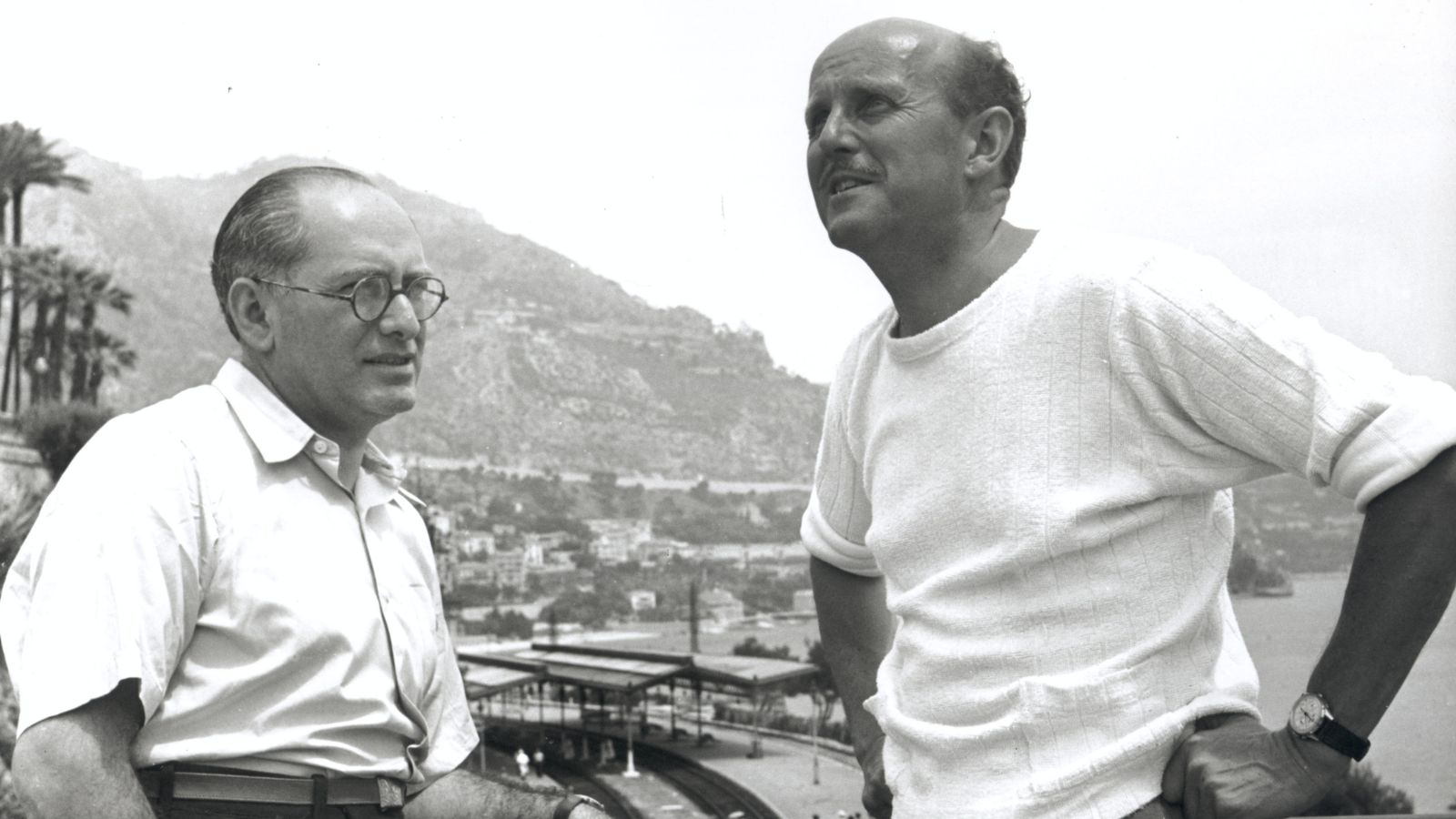
Is there anything more lovely than hearing Martin Scorsese talk about cinema? Maybe it’s just the film nerds in us– we are, after all, always on the hunt for A Good Movie to Watch– but it’s just wonderful to hear Scorsese talk about movies, especially from directors he loves and are inspired by. Made in England: The Films of Powell and Pressburger is about the influence of The Archers, and while it’s mostly a straightforward documentary, director David Hinton makes it something like a cohesive film course on the directors, with Scorsese as lecturer. Oftentimes letting the directors’ shots and music speak for themselves, with Scorsese adding needed context, it won’t be a surprise that Made In England would be a treat for film nerds, but it also would be a great introduction for casual viewers, or viewers that want to start watching classic films, like those of The Archers.
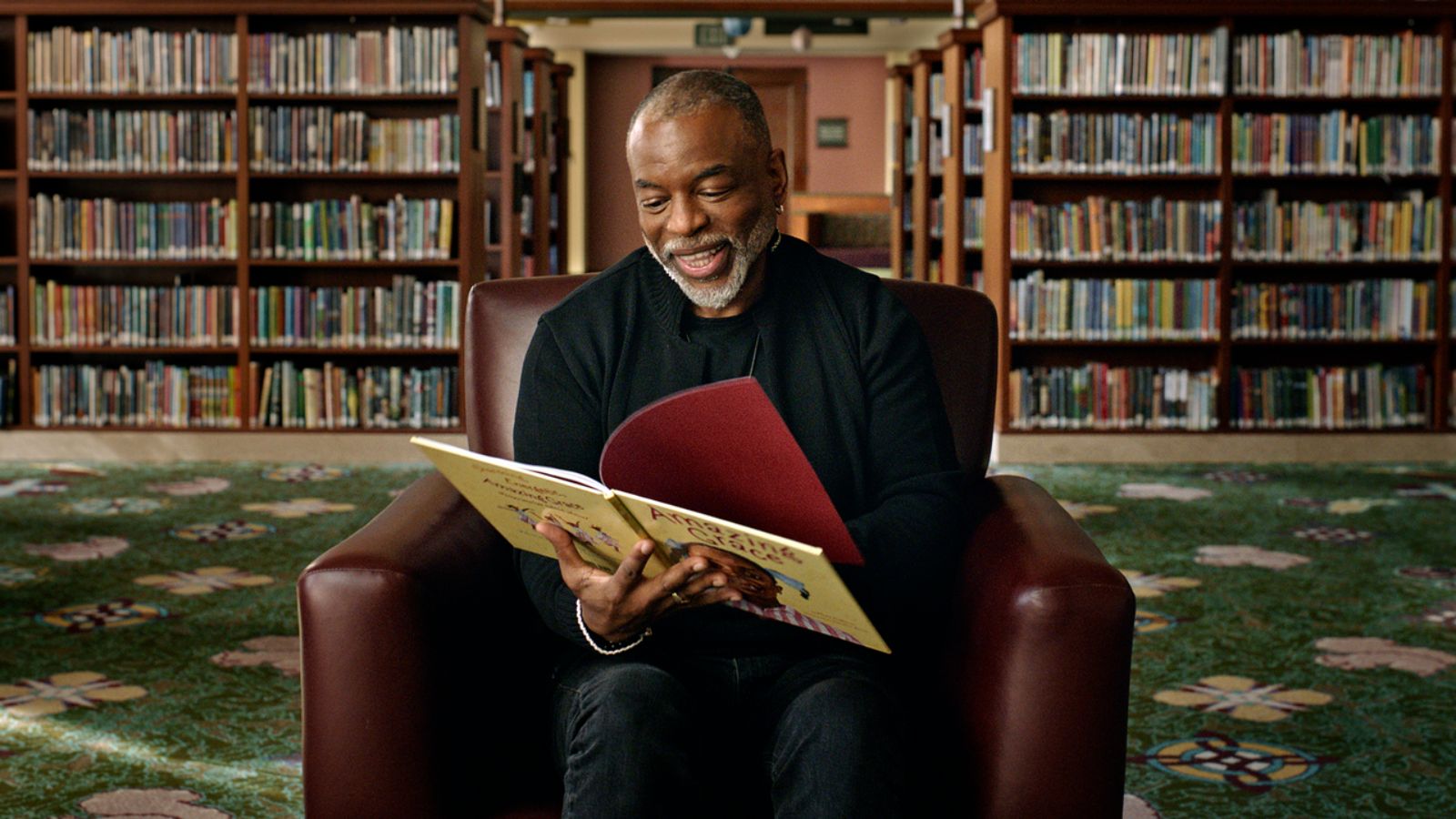
For the longest time, television seemed to be the antithesis to reading– part of that belief still lingers to this day. However, just before the turn of the millennium, there was a show that didn’t find itself opposite to it, instead, it wanted to be its ally. That show was Reading Rainbow. Butterfly in the Sky tells its story. It’s quite nostalgic, as the show’s former cast and crew recall what it was like, and the way the film structured its sequences captures not just the show itself, but the cultural weight it represented, as it encouraged reading not just as a skill you need to learn, but as a way to interact with the wider world around us, which is worth protecting. Butterfly in the Sky believes in stories, and believes in the story that it wants to tell about Reading Rainbow.
Before this documentary, I didn’t have the faintest clue that the formative films of my childhood—Star Wars, Superman, Indiana Jones, ET, and Harry Potter, to name a few—were scored by one man: John Williams. This film is a loving tribute to Williams, who at 92, is still as lively as ever as he shares how he stumbled into Hollywood and found his calling as the definitive movie composer. It features interviews with frequent collaborators like Steven Spielberg and Yoyo Ma and fans like Chris Martin and Seth MacFarlane, but it’s truly Williams’ music that makes watching this a special experience. As soon as you hear the chilling first notes of Jaws, the brash opening of Star Wars, and the melodic strings of Jurassic Park, you’re hooked. Then Williams, often along with the directors, go on and recount how those came to be, and you find yourself seated, eyes wide with wonder.
The first things that grab your attention in Nickel Boys are its beauty and technicality. Director RaMell Ross, a large-format photographer, ensures every frame relays something deep, intimate, and moving. Then there’s how he takes these shots: we see things unfold through the POV of Elwood and Turner, students at an abusive reform school in Tallahassee, Florida. The year is 1962, and even though the civil rights movement inspires Elwood and his peers to stand up for themselves, the political climate is as skewed and violent as ever. Nickel Boys tells the unfortunately common story of how Black men, in particular, had to endure unimaginable abuse during the Jim Crow era in the South. What is uncommon, though, is the sensitivity and boundless inventiveness with which Ross tells this story. Yes, violence is unavoidable in a story like this, but Ross swaps trauma porn with something more effective and chilling—a mixture of silence, archival photographs, time jumps, and that immersive POV, which forces you to be in Elwood and Turner’s shoes. The world before them may be brutal, but inside, they hold space for beauty, fun, relationships, and wonder, manifested in the film in dreamy visual sequences. What Ross does is art in the highest form, an unforgettable balance between style and substance.
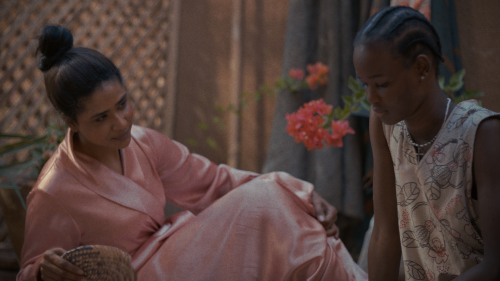
Amidst the chaos that occurred when South Sudan split from the nation, a man is shot dead. To make up for the family’s loss, Northern ex-singer Mona hires his South Sudanese widow as her househelp, a widow unaware of her husband’s true fate, without an actual body. This widow is who Goodbye Julia is named after. Through this personal wrong, writer-director Mohamed Kordofani reckons with the religious and racial tensions that led to the division, a conflict that continues to displace millions of Sudanese to this day. While the ending pulls its punches, the film still works through the emotional tension and the compelling bond formed between actual singer Eiman Yousif and acting newcomer Siran Riak. Goodbye Julia depicts their sorrow with a graceful touch.

While based on the Mononoke series, which is in turn, a spin-off of Ayakashi: Samurai Horror Tales, it might seem that Mononoke The Movie: The Phantom in the Rain would require some background reading for people new to the story. Thankfully, there’s no need to do homework for this beautifully designed masterpiece, as the Medicine Seller takes on a new case with every installment. 2024’s Phantom in the Rain (also known as Paper Umbrella) unfolds its world with ease, with doors opening and closing to a select few for a high-pressure, hierarchical imperial household. Immediately, the visuals are stunning, with traditional ukiyo ink and paper mixed with modern kaleidoscopic fill and movement, but even without the gorgeous art, the first Mononoke movie works with its eerie horror, intense sound design, and a compelling mystery driven by court intrigue and vengeful spirits.
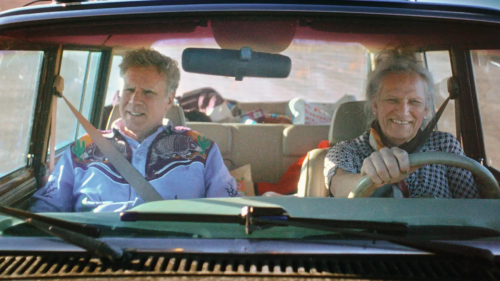
Will and Harper’s premise is simple: two friends journey from one end of the States to another and, amid pit stops and bar hops, sunsets and beers, they talk about life, from its biggest concepts down to its tiniest details. The only difference in this case is that Will and Harper are navigating their friendship as well as the roads; since Harper has only recently transitioned (formerly, she was the comedy screenwriter Andrew Steele), she and Will feel the need to settle more than a few questions. When did this all start? What kept Harper from coming out? Will the friendship still be the same? Does Harper still like bad beer? Will, for his part, is earnest and curious, and though he fumbles along the way—at one point, he inadvertently exposes Harper to a transphobic crowd—he’s quick to recognize his mistakes, learn from them, and recenter our attention to Harper, who is the real star of this film. We learn about her childhood and how she grappled with identity throughout her life. We even visit her home in Iowa and get to know her family. The film keeps it light by smartly relying on their naturally funny tandem and the beautiful American country backdrop. It’s been said that to know the real American pulse, you’d have to go to the Midwest, and that’s exactly what they do. It’s not always pretty, but there are bubbles of joy there that present hope not just to Harper but to the many transpeople out there waiting to know if it’s finally time to head out (it is).

Only a few people in Dita’s house are related by blood, but you wouldn’t know that by how they move. They’re tight-knit but argumentative, loving at times but spiteful in other instances. In other words, they’re complicated just like any other family. Housekeeping for Beginners makes a compelling case for the validity—and at times necessity—of found families like Dita’s, who all found each other after being shunned by their race and sexuality. As in his previous works, Director Goran Stolevski paints a realistic and relevant portrait here, one tinted with striking pain and poignancy, bound to leave your heart aching long after the credits roll.
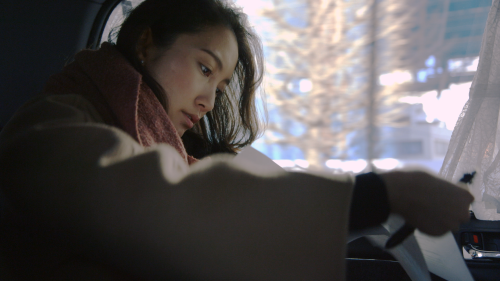
Continuing her fight to tell the world the truth about her sexual assault case, journalist Shiori Ito released Black Box Diaries. Like her book, it’s a powerful documentary. Filmed with actual CCTV evidence, with some witness accounts, and with recordings she made while investigating her case, Ito’s first foray into film is personal, vulnerable, and intimate, going through the events as it naturally unfolds. While it is depressing to witness the ways investigators, lawyers, politicians and other people have failed her, Black Box Diaries immediately reveals Ito’s resolve for the truth, and how taxing the toll was for survivors that chose to take the same path.
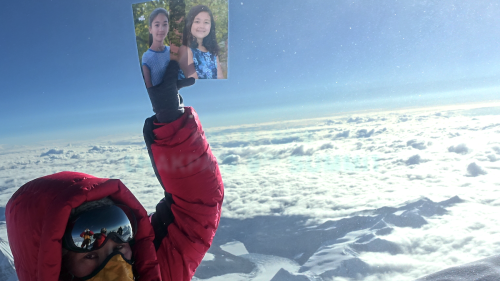
Mountain Queen isn’t just a movie about a professional mountain climber, although Lhakpa Sherpa is certainly impressive as she trudges through the deathly terrain of Everest (and at 50 years old at that!). It’s also the heartbreaking story of a broken family in repair. Sherpa reveals shocking details about her abusive husband, fellow climber Gheorghe Dijmărescu, and we see how it’s affected her two daughters, one of which is so hurt, she can’t bring herself to speak to her mother. The main thread of the movie is her 10th attempt to scale the tallest peak in the world, but Director Lucy Walker smartly intercuts this with tales of Sherpa’s own life—a laborious obstacle on its own—rightfully framing Sherpa as the strong woman that she is.
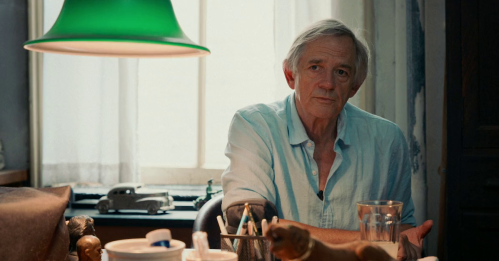
Those unfamiliar with James Hamilton would be forgiven for asking “Why him?” Why does he get a documentary? What makes this photographer so special? But a few minutes in, those questions are immediately replaced with the more appropriate, “Well, why not him?” Hamilton’s work spans decades, and they capture in rich detail a New York that’s long gone, as well as an alternative form of journalism that used to thrive back then (in print no less!), but can now only be found few and far between. It’s enough to see his work, sectioned here in order of their appearance in iconic publications like Harper’s Bazaar, The Village Voice, and New York Observer. Still, they’re complemented by moving images and illuminating interviews beautifully shot in 35mm. Uncropped is reminiscent of other documentaries that also capture New York in its heyday, a distinguished roster that includes films like All The Beauty and the Bloodshed, Paris is Burning, and The Automat. But Uncropped, like Hamilton, has a distinctive edge that marks it as an instant classic. By the end, you can’t help but think, what a rich life Hamilton’s lived, and how lucky we are to see through his vivid, imaginative lens.
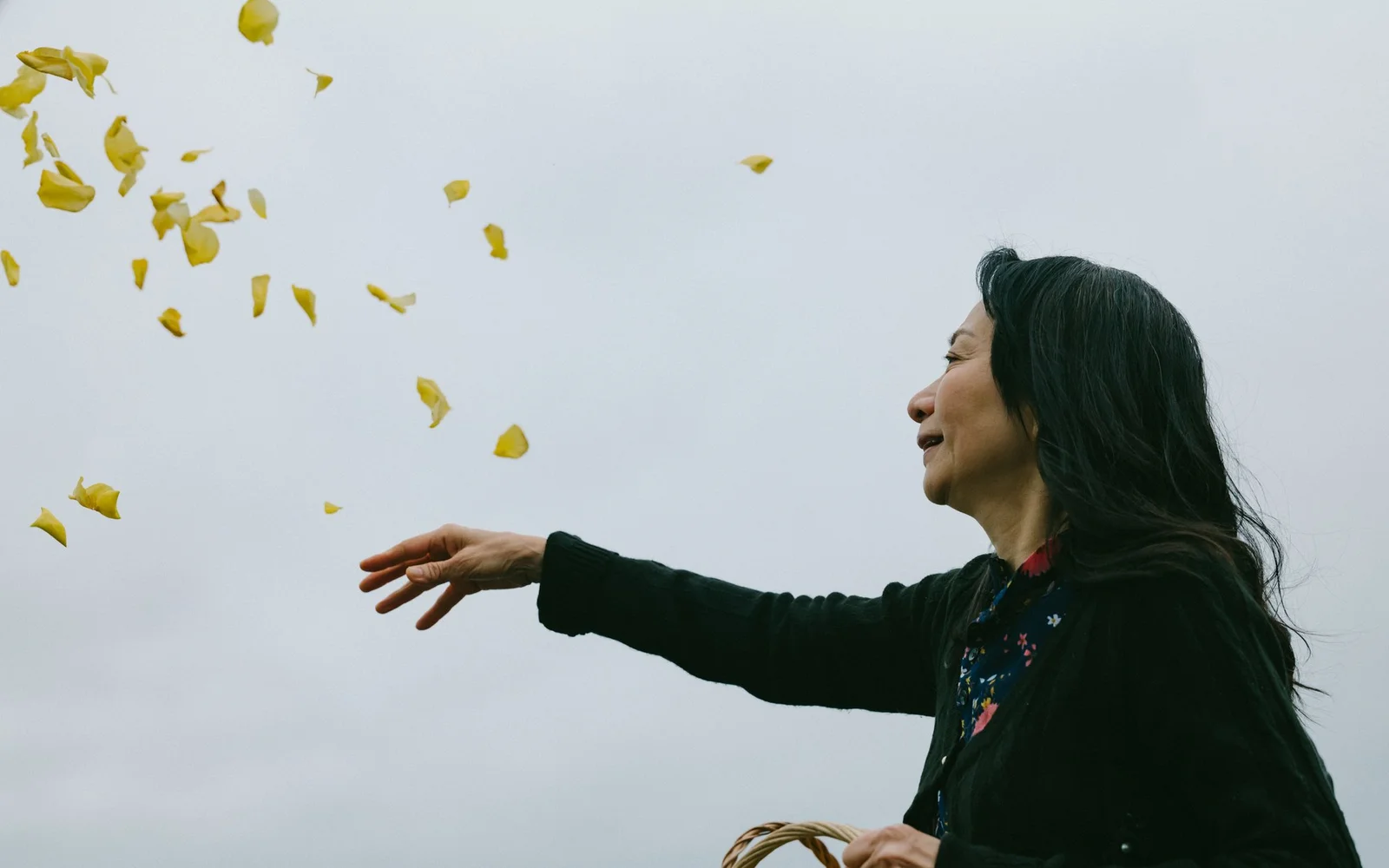
While the film is calm, contemplative, and never goes into histrionics, there’s a deep-seated anger in All Shall Be Well that powers every scene. Sure, most of the scenes revolve around estate planning, talking with lawyers, and hashing things out through civil discussion. And sure, Pat’s biological family calmly explain their reasons behind their decisions. However, while dressed up in logic, All Shall Be Well understands the real weight of what they’re asking for from Pat’s life partner Angie. Every request reveals the limit of the family’s acceptance of Pat, how willing they are to ignore Pat’s wishes just to take advantage of a financial deal, just so they benefit from the home Pat and Angie built. With Patra Au’s brilliant performance, the drama underlines how the system is stacked against Pat and Angie’s love, but also how their love still transcends past the material.
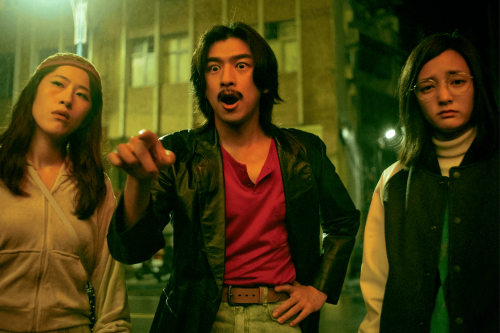
In the Dead Talents Society, ghosts haunting humans are less of a scare, and more a performance that can grant fame and fortune in the underworld. It makes for incredibly charming comedy. It affectionately satirizes East Asian horror in such a fresh way, comparing a ghost being remembered to today’s social media influencers, with views and validation directly tied to survival. However, as these ghosts scramble to scare unwitting humans, writer-director John Hsu resolves their need to be seen through the familiar path of fun and friendship, an approach that works with its offbeat humor and incredible performances. Dead Talents Society is very goofy, but it’s a unique horror comedy that won’t easily be forgotten.
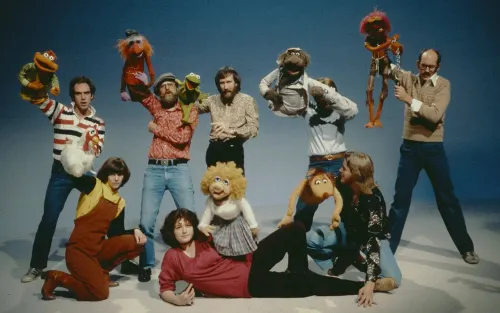
It’s hard not to be enchanted by Henson’s furtively creative world, which here is charmingly sectioned into nostalgic archival footage, stop motion art, and clips of Henson’s own experimental films early in his career. Those unfamiliar with Henson might think his story is simply the history of the Muppets and Sesame Street (though even then it would be a full one), but Henson has plenty of other creations too. He’s part of a line of chronically dissatisfied artists who are constantly reinventing and restlessly one-upping themselves, which is why his work evolved into early CGI, as well as The Dark Crystal franchise and films like Labyrinth. This lovingly told documentary tries to match Henson’s heart and creativity, while also showing the darker aspects of his life, such as the effect his nonstop artistry had on his family and health.
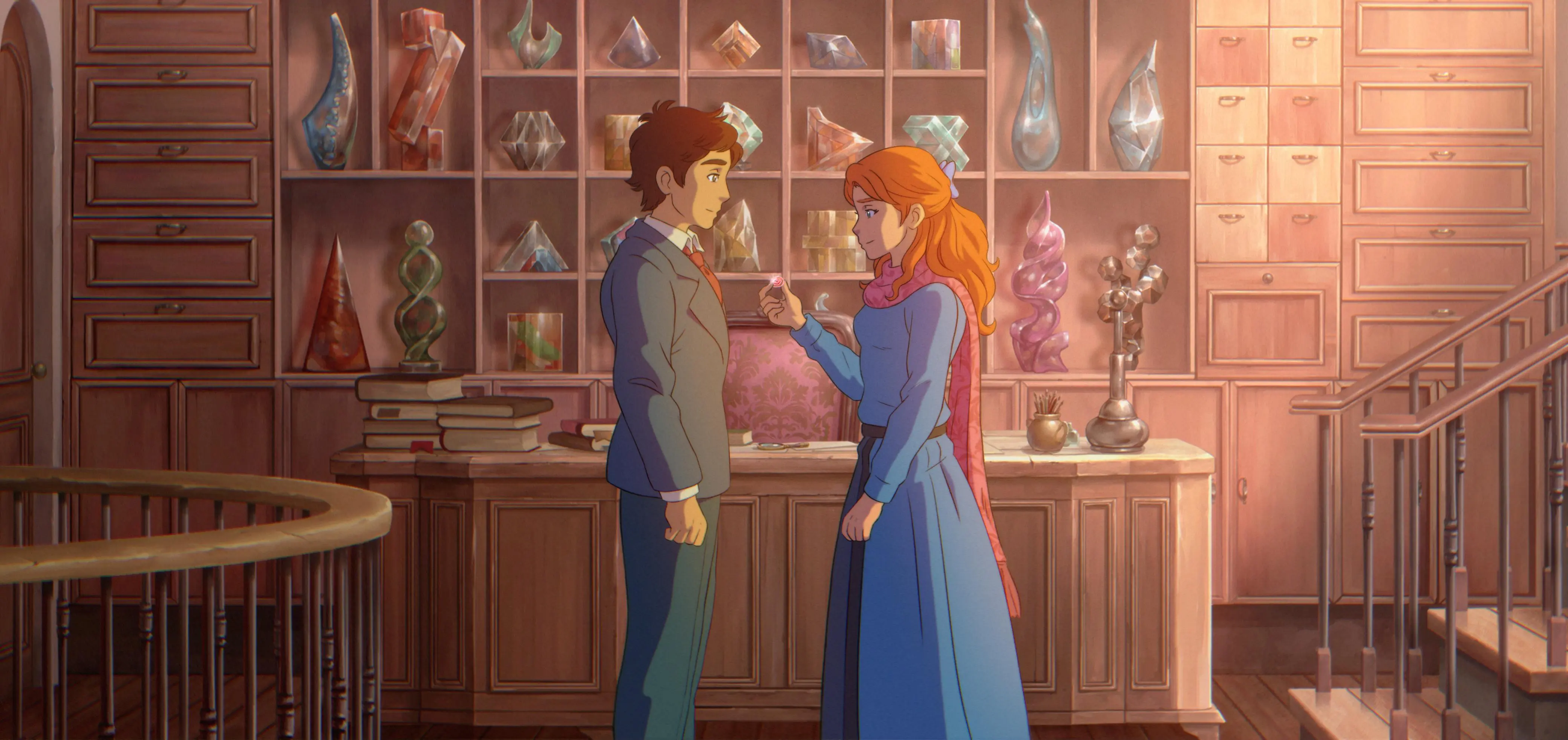
Who hasn’t been inspired by Studio Ghibli? Pakistan’s first ever hand-drawn animated feature clearly takes inspiration from the famed film studio, especially with the gorgeous detail work. However, what we find interesting is how The Glassworker doesn’t just take notes on their art style. The filmmakers also follow their ethos. While hesitant in referencing real-world conflicts, the childhood romance with a general’s violinist daughter and a craftsman echoes Ghibli’s own anti-war stance. Pairing this first love with the conflict between pursuing the craft and being complicit in the war reminds us of The Wind Rises. But ultimately, The Glassworker understands and celebrates ordinary life. And it’s this respect for life that pushes them to stand against war. While the film doesn’t go above and beyond Ghibli, The Glassworker is a much more heartfelt homage to the studio compared to the widespread copy-pasting done by generative AI.

Given the original real-life story behind it, perhaps it shouldn’t be surprising that The Girl with the Needle was so bleak. Serial killing, after all, is bad. But rather than focus on the historical killer, writer-director Magnus von Horn hones the camera to focus on one such mother that would have sought for help from Dagmar Overbye, on the circumstances that would have pushed them there, and the terror that they felt once they realized the truth. With gothic black-and-white shots, impeccable framing, and an excellent performance from Vic Carmen Sonne, The Girl with the Needle is harrowing and heartbreaking, especially with how it still remains relevant to our time.
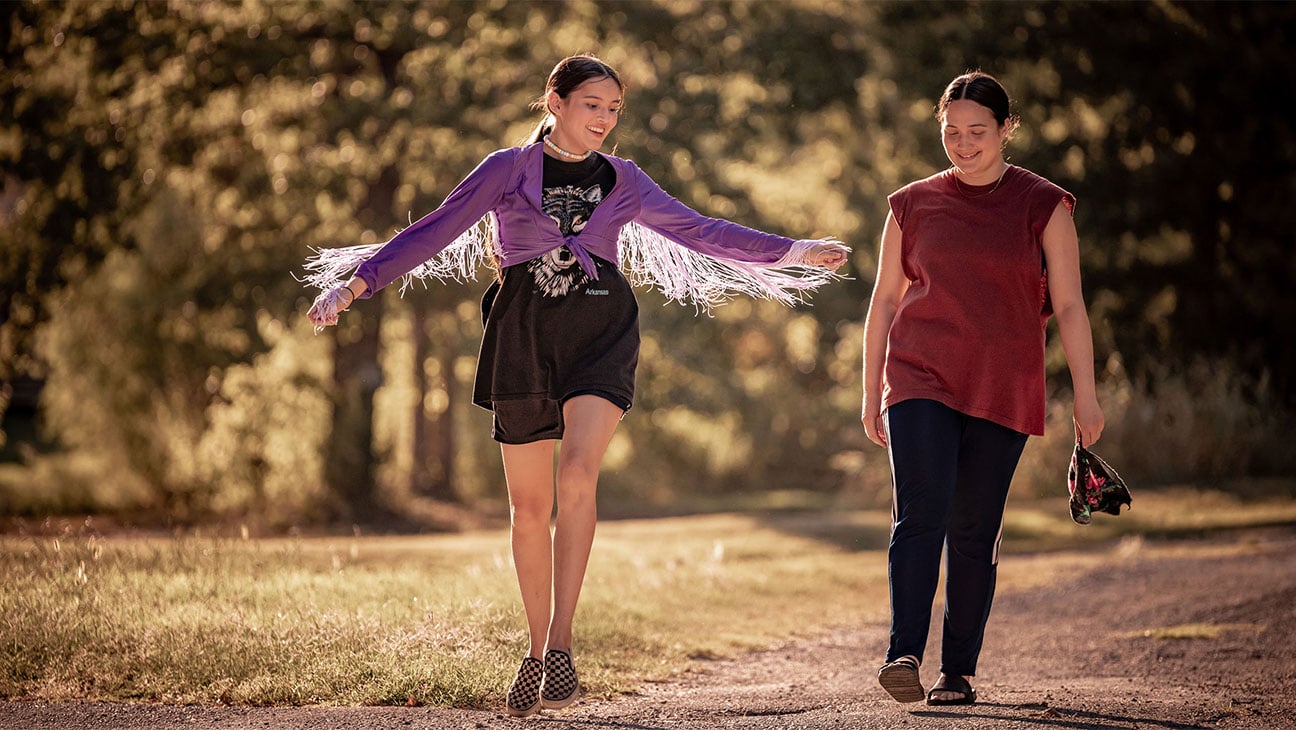
Before she captivated the film world with her performance in Scorcese’s crime drama Killers of the Flower Moon, Lily Gladstone starred in Erica Tremblay’s feature film debut Fancy Dance, earlier in 2023. It’s a tragic drama, wherein Gladstone portrays Jax, a lesbian woman dealing with the government that failed to find her sister, and that currently seeks to transfer her niece’s custody to her white father. But it’s also an uplifting drama, one that celebrates the connection between Jax and her niece Roki, the Cayuga culture and language, and the connection with their community and tribe that continues to persist despite state disenfranchisement. Pacing issues do make the film a tad rushed, but nevertheless, Fancy Dance is a subtle and poignant debut, made much more grounded with the excellent lead performances.

With the internet able to connect people from miles away, the concept of the one that got away has become unromantic– after all, with instant messaging, their distance just means that you’ve been ghosted. But for the longest time, romance stemmed from the fated circumstances that kept or lost love, and this is excellently portrayed in Touch, a surprising romantic drama from writer-director Baltasar Kormákur best known for his action thrillers. Kormákur infuses the drama with a delicate touch, much more focused on the moments of connection between immigrants from different cultures, with the freedom of the late 60s that marks Kristófer’s youth versus the urgency of the world’s restrictions and Kristófer’s memory. Touch remembers the real romance of the one that got away.
Just based off its title, Mutt is already a film that tackles a state of in-between, and perhaps what makes it already precious is how honest and personal it can get, while remaining a good fictional story. This striking debut took Chilean-Serbian filmmaker Vuk Lungulov-Klotz more than six years to make, at least from the initial stages of the script as he was working through his own transition, how that felt and how he dealt with it in life and art. That said, Mutt is a film that stands on its own feet, without the need for any such context: the script, the performances, the frantic pacing of it, they are all top-level stuff. A generous, open film that has its trans protagonist be who they are, whatever that may be, and gives as much insight as it allows for curiosity and empathy. If Mutt is educational in any way, it is through it’s apt storytelling and truthfulness that bleeds through the screen; its significance for trans cinema cannot be overstated, but it is also once of the most accomplished debuts of 2023.
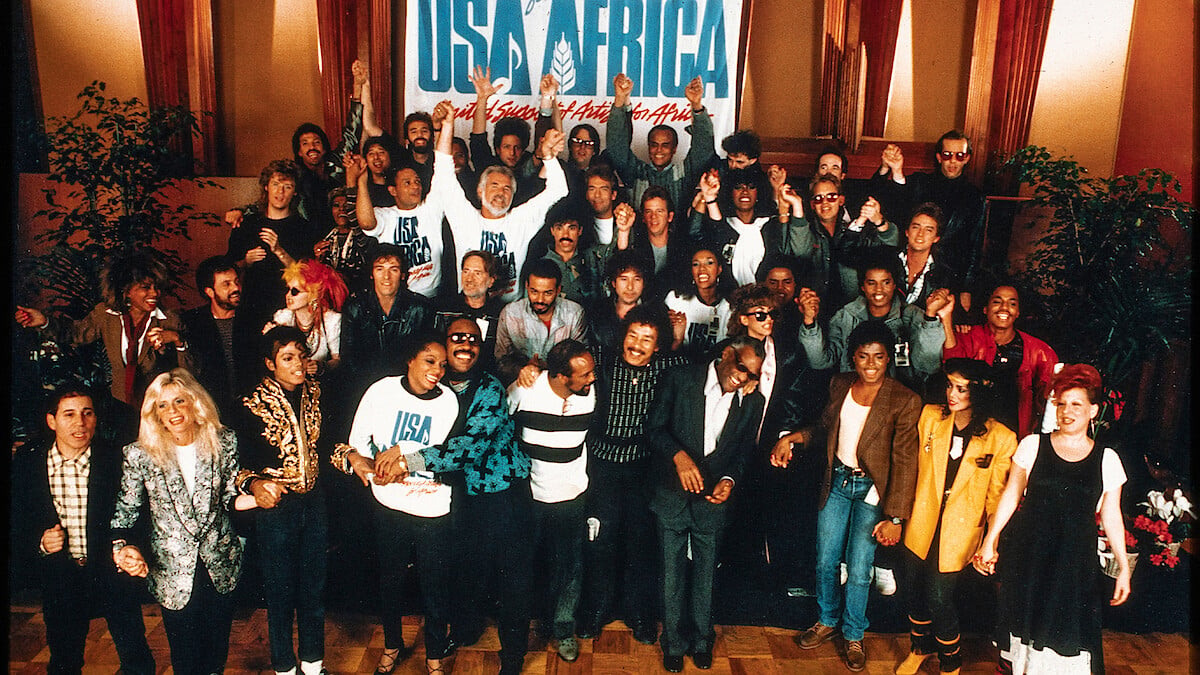
We Are the World is a charity single created for African famine relief. It was a smash success– it inspired plenty of other charity singles and already has a TV documentary about it. But The Greatest Night in Pop reveals new behind-the-scenes footage with a home video flair, intercut with interviews from those who were in the booth on that fateful day. The anecdotes about that night might have already been said elsewhere, but director Bao Nguyen manages to capture the energy in the room, peeking into the emotions of the various personalities that helped shape the song. It’s an intriguing, if straightforward documentary, and it’s certainly a treat watching the decade’s best voices collaborate to make this one track.
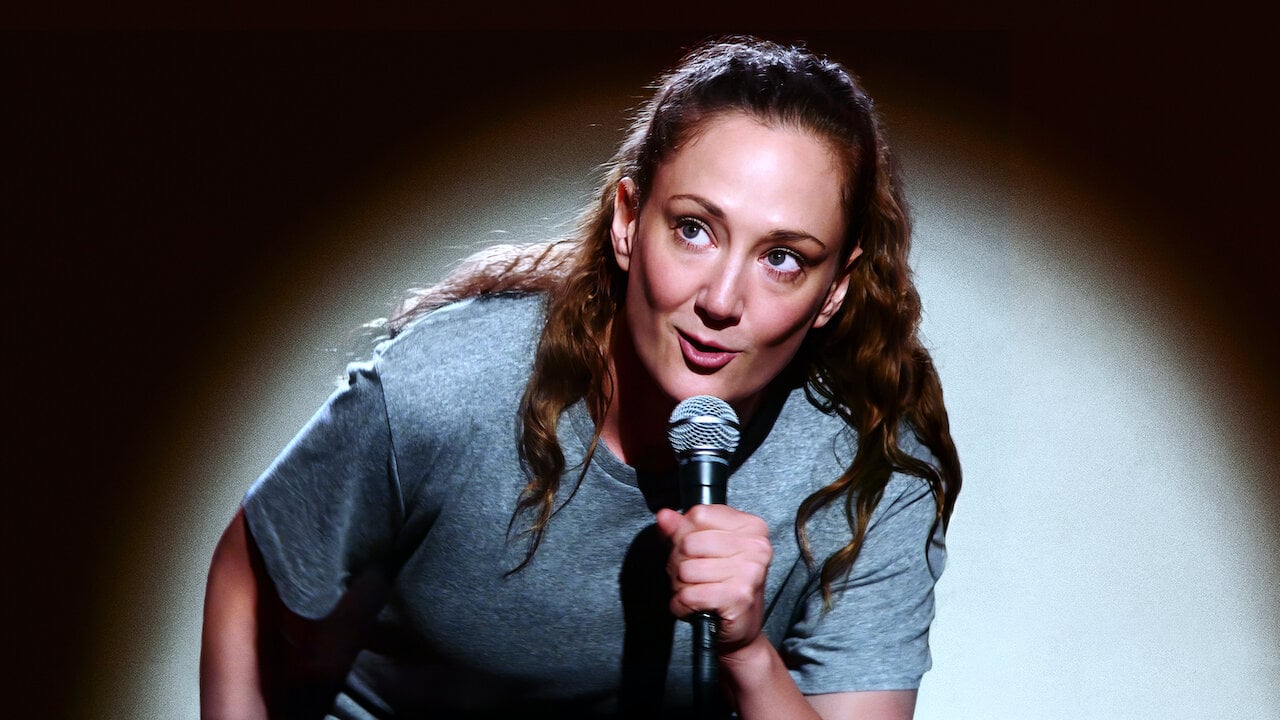
We’re familiar with dick jokes from stand-up comedians, especially male stand-up, but Jacqueline Novak’s 90-minute show about the blow job feels completely new. Get on Your Knees feels like casual storytelling from someone experienced yet distant enough to be a cool authority on it (say, your best friend’s older sister’s best friend), but funnier. It’s like a gossip session about a first experience, except the breathless, dizzying stream of thought is peppered with philosophical thought and points out the absurdity around the language and common attitudes about sex. And as she does so, and as she talks about self-conscious fumbling and unanswered questions, she strides back and forth, in an easy, self-assured way, the way we’d like to feel going into the act.
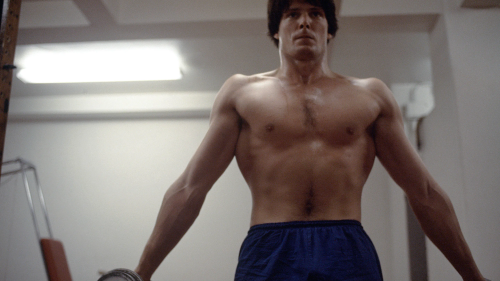
At the peak of his fame in the 80s, Christopher Reeve was constantly seen as his onscreen character, Superman. Like him, Reeve could fly (planes). He was full of charm and stood for what was right. But in this revealing documentary, we learn the whole truth about Reeve; his troubled childhood, his initial struggles with commitment, his physical talents, his love for family, and—as many a superhero star will sympathize with—his deep yearning for a creative career outside of the comic book character who made him famous. Of course, a significant chunk of the documentary also deals with Reeve’s unfortunate paralysis. We witness, through home movies and narrated biographies, how he coped with the tragedy. Making the film even more special is the input of his three children, who look back at the time with generous honesty and vulnerability. This film is made for fans of the actor, but it’s also a great example of the power of advocacy (Reeve became a disability rights activist after the accident), love (his wife Dana is a superhero on her own), and legacy (his children run his foundation to this day).
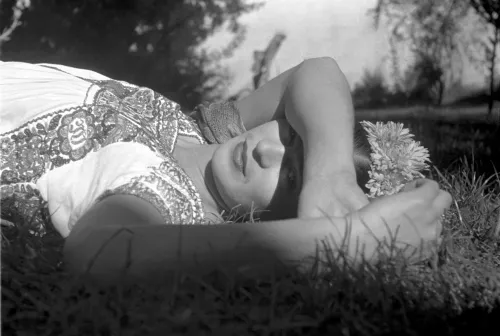
Frida Kahlo is an iconic Mexican painter, not just because of her outstanding art, but also because of her outlook in life, despite her ill health and tragic accident. Because of this, she has been talked about in multiple books, movies, and exhibitions, but a new documentary has popped up, this time from her own words. Carla Gutierrez’s directorial debut is a revelation, voiced primarily in Frida’s native Spanish and paired with key archival footage, vivid animations of her paintings, and an excellent acoustic score plucked from classical guitar. Being a biographical documentary, fans of the artist would, of course, be familiar with her life events, but Gutierrez’s approach is still worth watching, mostly because it’s Frida’s own words driving the film.