75 Best Anti-Capitalist Movies to Watch
Updated
The anti-capitalist movement has been swelling in recent years, especially as more workers realize their worth in an economy that continually denies it to them. The sentiment is so strong now that it’s manifested itself in mainstream media—a phenomenon that arguably reached its peak with the knockout win of Parasite in the 2020 Academy Awards.
There’s been an outpouring of sharp class-conscious content since then, and we’ve gathered the greatest of them in this list. Some are bleak, some are funny, but all are rousing in their social commentaries. Read on to see the best anti-capitalist movies you can watch right now online.
How we make these lists
No AI. No algorithms.
We are 100% human-curated. Everything you see here has been handpicked by a team of experts.
At least 7/10 on IMDb
So you know they are appreciated by viewers, not just high-brow critics.
At least 70% on Rotten Tomatoes
We combine this with the IMDb bar to keep only the best of the best.
We have grouped the list by where you can stream each title right now, most popular service first. Titles on more than one service appear under the biggest one. Use the menu to jump around.
The Best Anti-Capitalist Movies on Netflix 1 title

The Big Short (2015)
Based on Michael Lewis’ 2011 non-fiction book, The Big Short follows several disparate Wall Street insiders who predicted the housing market crash of 2007-2008, and bet against the market for huge financial gains. It’s a fascinating look into the inner workings and disrepair of the modern banking industry. A great cast of big names (Bale, Carell, Gosling, Pitt) carry the viewer through all of the intricate complexities of mortgage backed securities, collateralized debt obligations, etc.— and make it all both enthralling and highly enjoyable. Kudos to director/co-writer Adam McKay for making it work so well: balancing the humor, frustration and absurdity, punching it up with off-the-wall yet effective asides, and giving us a comprehensible education on the economic meltdown that affected so many millions of people so dramatically. It’s a legitimately important film that everyone should see.
The Best Anti-Capitalist Movies on The Criterion Channel 1 title

The Death of Mr. Lazarescu (2005)
Mr. Lazarescu is a widower living with his cats in a small Bucharest apartment. One night when he begins to feel sick and calls for help, he sets in motion a kafkaesque parade of nurses, doctors, and hospitals as he is ferried through a bureaucratic maze unable to get treatment for his rapidly deteriorating condition. Cristi Puiu’s searing indictment of a failed healthcare system mixes kitchen-sink realism with tinges of gallows humor for a remarkable one-of-a-kind experience.
Beneath its grim demeanor is a clear-eyed portrait of the heart-rending weariness of paramedics and hospital staff that speaks spectacularly to our current mid-pandemic moment of exhausted doctors and overflowing facilities. This focus on the toll of the system on paramedics, in particular, makes this a fantastic pairing with Martin Scorcese’s’ underrated Bringing Out the Dead.
The Best Anti-Capitalist Movies on Sundance Now 1 title

The Black Power Mixtape 1967-1975 (2011)
Between 1967-1975, a group of Swedish filmmakers traveled to America to document the Black Power movement. The resulting archival footage of Black activists and intellectuals, including Bobby Seale, Huey P. Newton, Eldridge Cleaver, and the amazing Angela Davis, was hidden in an archive until it was unearthed and woven together by Göran Olsson, a Swedish director. Angela Davis also supplies some contemporary voice commentary alongside many others, such as Erykah Badu, Harry Belafonte, and The Roots drummer and rap culture’s No. 1 record keeper Questlove, who also co-scored the film. This adds to the mixtape feel of the film as does the raw and unfiltered piecing together of the historic footage, giving the viewer an authentic impression of the movement and the struggles of the time. Being Swedish, the filmmakers dared to go where American mainstream TV might have never gone.
The Best Anti-Capitalist Movies on Hoopla 3 titles

The Maid (2009)
No one likes to be replaced. Even when it gets difficult, hardwork and years put in effort to take and keep these roles makes it feel precious, and that’s exactly how househelp Raquel feels in The Maid. It’s a funny domestic comedy, with a scowling Catalina Saavedra ready to protect the role she’s held onto for years, but Saavedra and writer-director Sebastián Silva crafts an empathetic, realistic character study of a woman so worn down from poverty, power imbalance, and having had no breaks that the rare instance of compassion feels like a threat. La Nana doesn’t quite critique the entire system that keeps Raquel in her role, but it’s a rare film that acknowledges the importance of rest and empathy in order to feel human.

Blood Vessel (2023)
Pollution disproportionately affects developing nations, and when governments continue to allow the lackluster waste management processes of large-scale industries, sometimes the only option is to leave. That’s what the six protagonists do in Blood Vessel, though escaping the situation isn’t as easy as it sounds. The first half starts out fairly slow, as we get to know the group, but it’s all to bring about emotional devastation as the film unfolds into violent ends. While certain plot elements don’t have a neat resolution, and certain technical aspects sometimes feel distracting, Blood Vessel works through the strength of its six lead performances.

Requiem for the American Dream (2015)
On par with the best documentaries of the 21st Century thus far, “Requiem for the American Dream” is an essential viewing for the discerning viewer in search of a more complete understanding of how American society has evolved to such a dramatic point of polarization, and how both politics and big business have played a role in this process. In his introductory remarks to the film, celebrated intellectual and linguistics professor Noam Chomsky expounds: “Inequality has highly negative consequences on society as a whole, because the very fact of inequality has a corrosive, harmful effect on democracy.” Chomsky spells out his perspective regarding the modern political machine and the downfall of democracy, with a keen eye to the historical decisions and influences that have sabotaged the “common good” and shaped America’s current political, financial and social landscape.
The Best Anti-Capitalist Movies on Tubi 1 title

Paris Is Burning (1991)
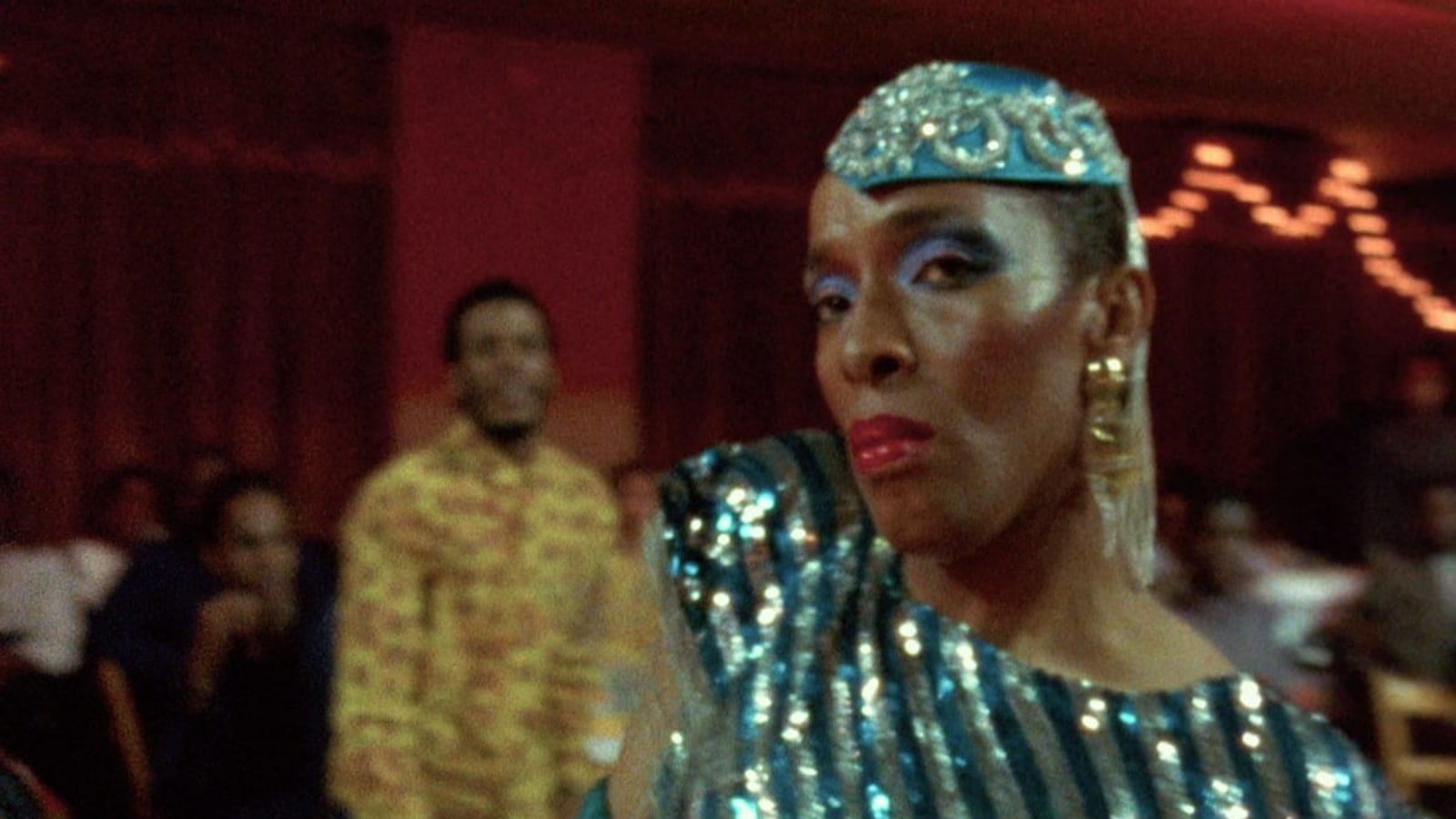
Though the drag scene is alive and well today, Paris is Burning is an important reminder that it didn’t always used to be that way. Over the course of seven years, Director Jennie Livingston leads us underneath the crime-ridden streets of 80s New York, where a glittery drag subculture is flourishing, despite all odds. Leading the community are the so-called mothers, the best performers and most fashionable of them all, tasked with inspiring and caring for newcomers. Nevermind that they’re shunned by society and suffocated (sometimes literally) by hateful homophobes and racists; when there is a ball, all that matters is that they strut, dance, and put on the best damn show of their lives. What they do is art, and Livingston makes sure to exalt the craft and pride that goes into it. At the same time, intimate interviews with iconic queens like Pepper LaBeija and Willi Ninja reveal the heartbreaking nature of the community. Most, if not all, have endured some form of abuse, and many risk their lives to earn a decent living. But again, Livingston refuses to reduce them to pure tragedy; she gets them to share their wonderfully big dreams, then gets us to hope along with them that they might just come true.
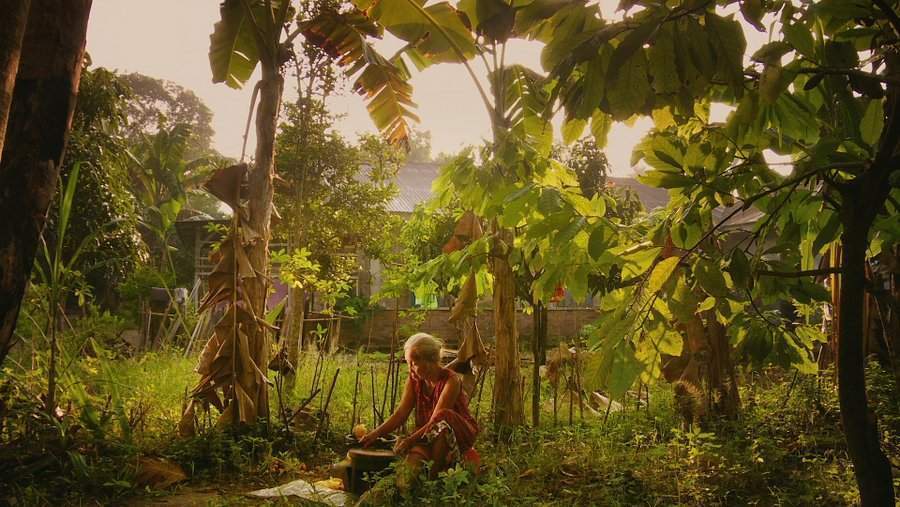
The Best Anti-Capitalist Movies on Pluto TV 2 titles

The Florida Project (2017)
Every once in a while there are movies that expand the definition of quality film-making. This is one of those movies.
Here is an incredible, yet delicate film that follows three children from poor families who are stuck living in subpar motels. Their lives and friendships are portrayed with honesty and precise aesthetics. It’s a story that at first seems as plot-free as life itself.
It succeeds in capturing an innocence that is usually reserved to a child’s imagination: a precarious living condition full of adventures and fun. It’s hard to describe it beyond that; it’s the kind of film that must be seen to be fully understood.
And it ends on a very high note.

99 Homes (2015)
Andrew Garfield is a single father living with his own single mother in their family home. In the aftermath of the financial crisis, they find themselves evicted from their home by a businessman – Michael Shannon in a role as intriguing as Gordon Gekko in Wall Street, if not more. Desperate for work, Garfield’s character starts working for the same businessman, ultimately evicting other people. A star-packed, gritty and sobering tale on capitalism and our the lengths to which we’re ready to go to save face – while at the same time risking our most important relationships.
The Best Anti-Capitalist Movies on Plex 6 titles

Sorry to Bother You (2018)
In the year of the Netflix TV Show Maniac, another absurdist title stole critics’ hearts. Sorry to Bother You is a movie set in an alternate reality, where capitalism and greed are accentuated. Lakeith Stanfield (Atlanta) is a guy called Cassius who struggles to pay his bills. However, when at a tele-marketing job an old-timer tells him to use a “white voice”, he starts moving up the ranks of his bizarre society. A really smart movie that will be mostly enjoyed by those who watch it for its entertaining value, and not so much for its commentary. It is like a Black Mirror episode stretched into a movie.

The Host (2006)
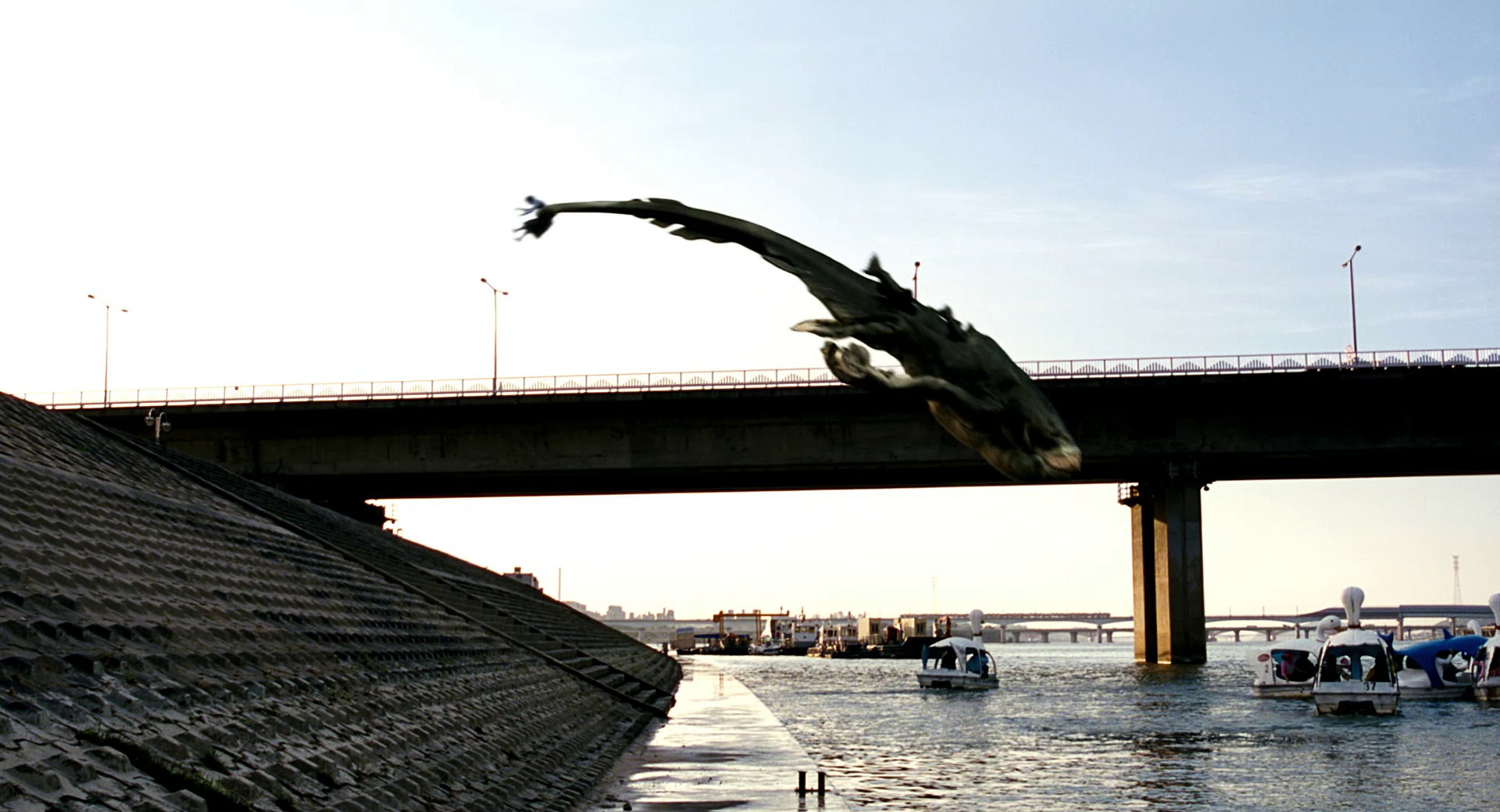
So far, chemical waste hasn’t mutated amphibious creatures enough to create giant monsters large enough to swallow people whole… yet. This sort of monster film premise is familiar, especially for fans of 1950s sci-fi movies, but in the hands of director Bong Joon-ho, The Host transforms what could have been B-movie schlock into a drama examining the ways generations within a family, as well as generations within a country and within the world, have failed each other. As the Park family try to save their own, the actions they take feel all the more important, knowing what’s at stake on multiple levels. While at the time, there were doubts that Bong Joon-ho and the Korean film industry could pull off the monster, The Host proved that there was more to come from the then emerging film giant.

American Honey (2016)
British filmmaker extraordinaire Andrea Arnold (Fish Tank) draws the perfect portrait of two young American drifters who fall in love.
Star (Sasha Lane) runs away with Jake (Shia Laboeuf), a traveling magazine salesman with more experience on the road. The freedom is tempting at first, especially given her difficult situation at home, but Star is quickly confronted with the risks that come with running away.
American Honey is shot in a succession of moments that take place almost entirely during golden hour, as if to say that the best part of the day comes right before dark.

The Queen of Versailles (2012)
Lauren Greenfield’s film follows the Siegel family’s decline from opulent abundance to gaudy ruin. Mega wealth, delusions of grandeur, and grotesquely opulent taste—the Siegel family were the perfect subjects for the film, which sets out to document their most lavish expense: their Versailles home, a mansion sprawling more than 85,000 square feet and modeled after the Palace of Versailles.
The Siegels, no doubt, are entirely out of touch with reality. David Siegel, the owner of one of the world’s largest timeshare developers, married Jackie, a former Mrs. Florida who is 30 years younger. The Versailles home is to be Jackie’s castle, an enormous home for her eight kids and numerous pets.
But the 2008 recession does not spare the Siegels, and their company is devastated. After layoffs and desperate attempts to recover financially, the family struggles to pay back the banks. Construction halts. The Versailles home remains vacant and unfinished.
While the film does not sympathize with the Siegels, Greenfield creates a space where pity is possible as well as criticism. And from there comes the universal: desperation, longing, hope for better, if not also more, more, more.

Lawn Dogs (1997)
Adults and kids can be friends, but there’s obviously a line that shouldn’t be crossed. This line is why most people would look at a friendship like this and automatically assume terrible things, but Lawn Dogs depicts one such connection in such a way that it’s clear how easy and disproportionate these assumptions are made for marginalized and less powerful people, over the affluent sociopaths that can and have gotten away with the accusations they lobby against others. The fairy tale ending, and of course, the disgusting behavior done by the rich guys, might turn some viewers off from the movie, but there’s also something genuine with the way screenwriter Naomi Wallace depicts a girl with a literally different heart who just wants to befriend someone real.

The Beekeeper (2024)
With phone scams becoming more elaborate, it’s easy to understand and empathize with the wrath Jason Statham as The Beekeeper has when his elderly friend gets drained out of her entire life savings. It’s thrilling to see him punch his way into the scammers’ headquarters and burn the whole place to the ground. And when director David Ayer uses his extra hour to dial up the low stakes tech scheme into a nationwide scandal that implicates the entire U.S. government, it’s ludicrous, sure, but it’s somehow wildly entertaining. That being said, your mileage of the film highly depends on your tolerance for randomly dropped bee facts and silly bee puns, but The Beekeeper isn’t a terrible choice to watch.
The Best Anti-Capitalist Movies on CBC Gem 11 titles

Nightcrawler (2014)
The film stars Jake Gyllenhaal as Lou Bloom, an impromptu freelance videographer who begins covering the crime world in LA for a local TV station. Almost as dark as a mystery can get, it is disturbing, and plays out as a combination of “Drive” and “The Network”. The film is visually stunning as well as immensely suspenseful. It then becomes almost impossible to look away, even when you’re the most horrified by just how far Bloom is willing to go to reach success. Gyllenhaal’s performance is widely compared to that of Robert De Niro in Taxi Driver, which should give you an idea of its caliber.

Phone Booth (2003)
We love to see Colin Farrell playing an unlikeable guy, it feels like there is balance in the universe. Stu is quite annoying and often offensive, and he’s been having an extra-marital affair, which he then gets punished for. Phone Booth carries over this remnant of 2000s morale with a sadistic twist, but that’s not what defines it. Instead, the film is a rollicking ride that appeals to both cinephiles and entertainment-seeking viewers alike, a box-office hit that would be just as thrilling and triumphant if it was released today, with the added nostalgia value of the phone booth as a thing of the past. Could it be that in 2002, Schumacher pre-empted our fears regarding internet privacy and cancel culture?

A Hidden Life (2019)
Terrence Malick (The Tree of Life) is back in full form with this three-hour movie based on a true story. His creation has one of the most beautiful depictions of happiness ever seen in film, portraying the simple yet joyous life of a farmer in the Austrian mountains. You’d have to see it for yourself to understand, but how Malick depicts this character’s love for his wife (and her love for him), their children, and even their farming rituals are nothing short of cinematic wizardry.
This peaceful existence changes when World War 2 intensifies and this farmer is called to serve for the Nazis. He refuses to enroll out of principle and puts himself and his family at great danger and alienation from their village. The question at the center of the film is one that other villagers and the church ask him a lot: what good can his actions do? And the title of the movie is taken from A George Eliot quote: “The growing good of the world is partly dependent on unhistoric acts; and that things are not so ill with you and me as they might have been, is half owing to the number who lived faithfully a hidden life, and rest in unvisited tombs.”

Triangle Of Sadness (2022)
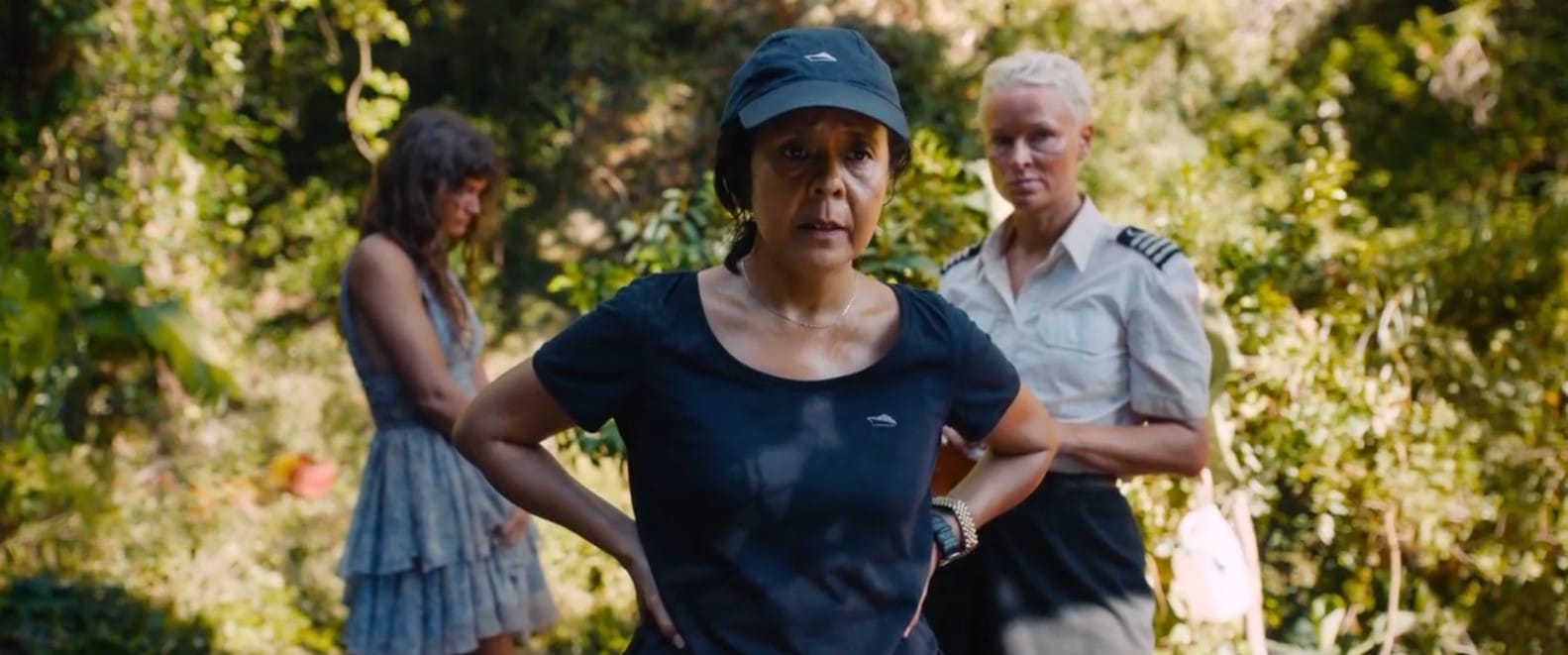
Among the sea of class satires released in the last year, Triangle of Sadness is one of the better ones. Directed by Ruben Östlund (The Square, Force Majeure), the film follows an ultra-rich group of people who get stranded on an island after their luxury cruise ship sinks. The social pyramid that has long favored them suddenly turns upside down when a crew member (a glowing Dolly de Leon) effectively runs the group of sheltered castaways.
Triangle of Sadness may not be as sharp as Östlund’s previous work, and it may not add anything particularly new to the saturated discussions of social class, but it remains a darkly humorous and engaging watch, masterfully helmed by a strong script and ensemble.

First Cow (2020)
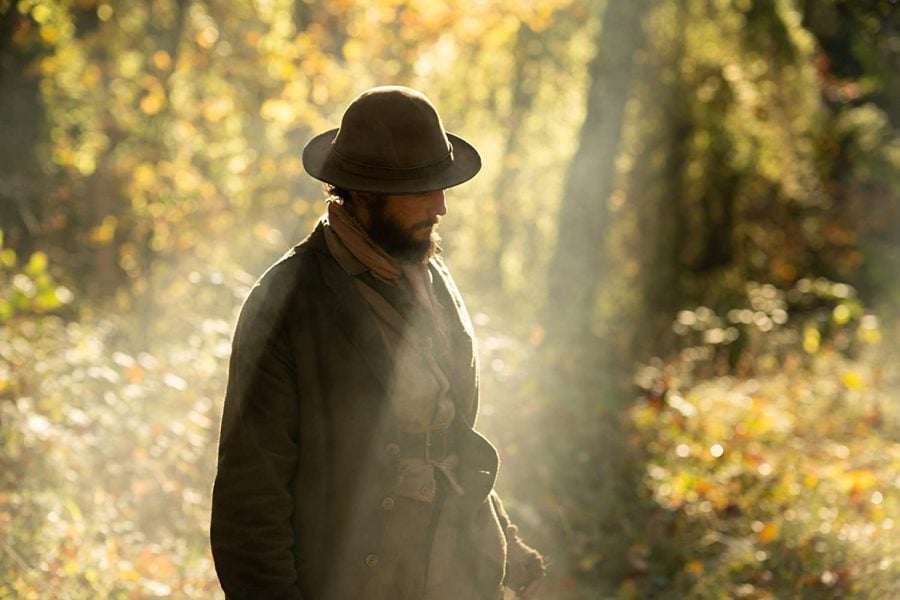
Two misfits, an immigrant and a traveling cook, team up to start an unlikely enterprise in this slow but captivating drama. The story, set in 19th century Pacific Northwest, evolves around the arrival of the first cow to that part of the world. This presents a unique opportunity that the two main characters try to benefit from.
First Cow is a mix between a Western and a modern-day plot-less indie drama. It has likable characters, stunning scenery, and a fascinating look into how social outcasts lived back then.

The Truffle Hunters (2020)
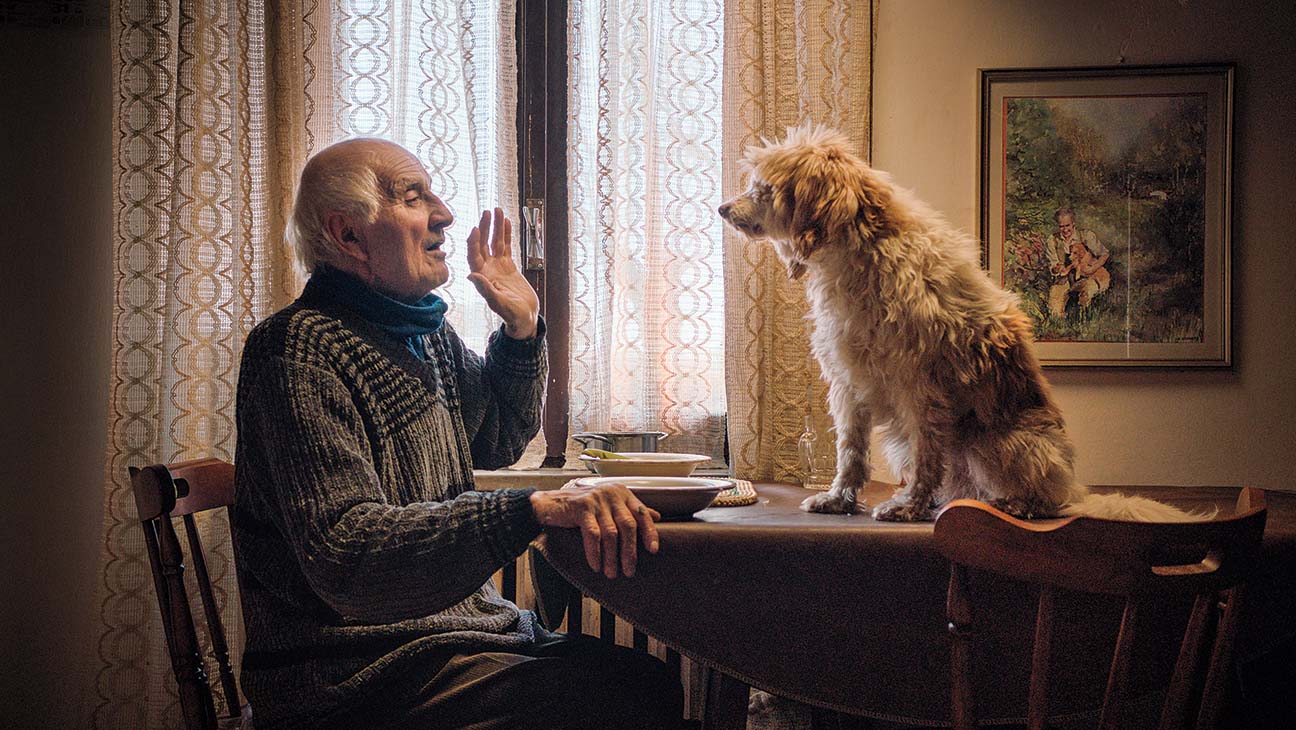
With truffle being so expensive, you would think that the world would eventually figure out how to get this tasty fungi in a more efficient way. Yet, the finicky nature of truffle eludes scientific research, improved cultivation, and strategic supply logistics, only allowing access to a select group of senior men and their very good dogs. The Truffle Hunters depicts the precariousness of this industry, how the entire endeavor can be easily lost to time, climate, and secrecy, but through delving into their lives, through unobstrusively capturing their day-to-day lives in gorgeous, meticulously framed shots that quietly celebrates their charming personalities, The Truffle Hunters becomes a small glimpse into a life that’s lost to urban living, a life that, perhaps, might be worth returning to.

Problemista (2024)
Some films struggle to balance style with substance, but Problemista isn’t one of them. It’s brandished with Torres’ unique brand of surrealist aesthetic, which is colorful, freakish, and fun, while also accurately relaying the pains of coming to and making it in America as an outsider. We see Alejandro accept increasingly debasing gigs as he runs out of time and money in the deep maze that is America’s immigration bureaucracy. And all the while, he’s being both genuinely funny and painfully incisive. Torres is not the first person to point out that in this day and age, the monsters we face are overbearing employers, greedy bankers, and exploitative companies, but he just might be one of the few to do it with such imaginative grace.

Leviathan (2014)
With laws, education, and modern day systems, it seems like the modern man has some means for recourse, at least more than the average person centuries ago. However, despite this, injustices still remain. Leviathan depicts Kolya, a modern day Job, set out to keep his land from the clutches of a corrupt mayor. It’s bleak and depressing, somewhat neorealistic as Kolya goes through various hardships due to political greed, but there’s some wry sense of humor, one that bitterly points out how much hasn’t changed since biblical times. While it’s quite long, Leviathan is likely to move most viewers to tears, and maybe to shots of vodka, due to its depiction of the everyday man.

Caché (2005)
Beginning with a great opening shot of townhouse on a side street in Paris, only ti discovers that the shot is actually from a video sent to Anne and Georges Laurent (Juliette Binoche and Daniel Auteuil). The married couple who live in that house have no idea who sent the video. More videos appear and events unfold. I can’t say much more about this film without ruining it, it’s definitely one of those films better enjoyed if you go into it not knowing a lot. Directed by Michael Haneke who won the Cannes Best Director Award for it.

Infinity Pool (2023)
Surreal, off-putting, and extremely disturbing, Infinity Pool plays with the concepts of cloning and the death penalty to craft an examination on colonial tourism. It’s a thematically rich horror film, with hazy neon-lit sex scenes and absolutely terrible behavior, enabled by their wealth and advanced technology that could have been put to better use. Mia Goth, in particular, is strikingly unhinged, as Gabi taunts and lures James into bigger and more terrible crimes, crimes that he can only pay off with the wealth of his father-in-law. And Alexander Skarsgård as James believably gets sucked into this extremely libertine lifestyle, fuelled by the nepotistic anxiety of not living up to his own potential. The film presents a scary notion that pushed by wealth and playground tactics, one will willingly kill their own conscience, again and again, to belong to their cohort.

Office Space (1999)
Before “burnout,” “bullshit jobs,” and “quiet quitting” became part of our everyday lexicon, there was a film in the ‘90s that prophesied the rise of these workplace problems. Office Space follows three co-workers who, having had enough of their dreary low-paying jobs, fight back against their company via an embezzlement scheme.
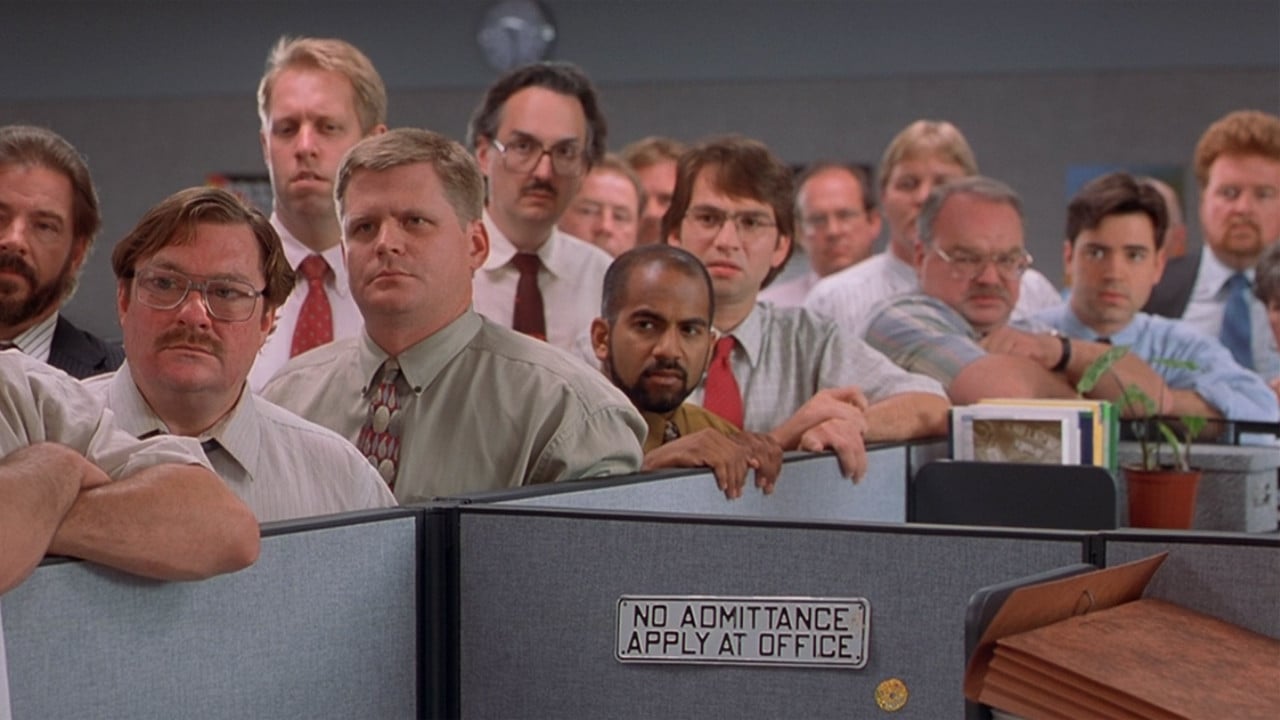
Office Space makes the most out of its indie budget as it mostly takes place in the cramped quarters of a company, effectively bottling us into the cubicled windowless world of the characters. But the real beauty of the film is in the details, from its quick zingers and thoughtful takes on the essence of work down to its elaborate “planning to plan” scheme in the background and the employees’ forced politeness singing happy birthday to their boss. Modern viewers will notice that Office Space sits right in between the dystopian thriller Severance and the beloved sitcom The Office—a dark comedy that highlights the necessity of humanity in everyday work.
Not currently streaming 49 titles
Still worth watching, but not on a subscription service right now. Check for a digital rental or buy.

The Look of Silence (2015)
A follow-up/companion piece to the award-winning The Act of Killing, The Look of Silence is another compelling documentary from Director Joshua Oppenheimer. Both films aim attention at the Indonesian Genocide of 1965-66, when the military government systematically purged up to one million communists. While the first film’s focus was on the culprits and on providing facts, the second one lets us meet the victims. One victim in particular: a soft-spoken optician named Adi Rukun, who meets with various members of the death squad who murdered his elder brother Ramli, under the guise of giving them an eye test. As he questions them about the killings, the murderers, again, show little remorse and eagerly provide the lurid details to the many executions. It’s a stunning and provocative look at the legacy of historical mass killings, along with the insidious propaganda that provokes them, and continues to justify them to younger generations. A testament to the power of cinema to remember the forgotten.
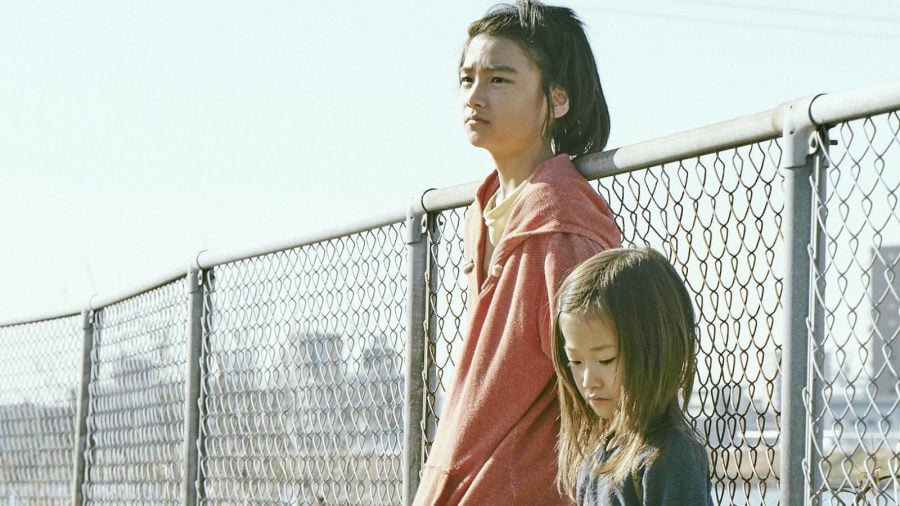
Shoplifters (2018)
The title of this 2018 Palme D’or winner is not to be taken metaphorically: Shoplifters is about a marginalized family of day workers, crooks, and small-time outlaws, who live on the fringes of Japanese society. Osamu (Lily Franky) and Nobuyo (Sakura Andô) both have jobs but spruce up their low-wage income by committing petty crimes. One day in winter, Osamu takes in a bruised girl he finds outside in the cold and introduces her to the family in his ramshackle house. But when the second-youngest member of the family, Shota (Kairi Jyo), finds himself teaching her how to shoplift, he faces a moral dilemma that threatens to unravel the family’s fabric. If you were hitherto unfamiliar with the unique storytelling and social realism of Hirokazu Koreeda, we really recommend checking it out—as well as his other movies, namely, Still Walking, Like Father, Like Son, I Wish, and After the Storm. His 2018 outing features the last ever performance of Kirin Kiki, who plays the elderly matriarch and passed away that same year. Like many of Koreeda’s works, Shoplifters is an understated, beautiful, and mysterious study of the effects of poverty and trauma and a delicate portrait of a family in Japan’s urban underbelly.

Sorry We Missed You (2020)
The British social-critical director of I, Daniel Blake and The Wind That Shakes the Barley, Ken Loach, delivers another scathing indictment of our economic system, the slashing of worker protection, and the gig economy. While these are indeed the themes of this affecting drama, Loach always makes it about the people. In this case, a struggling family man who tries to turn his life around by working in package delivery. Gig economy workers are usually freelancers who own their trucks and are made fully responsible for packages until they reach their respective recipients. From peeing in a bottle to save time to seamless monitoring by an overlord hand-held device, Sorry We Missed You manages to capture the indignity and gives you an intimate introduction to the human cost of having everything delivered to your doorstep at a moment’s notice. Thanks to Loach’s use of amateur actors, it has a raw and real feel to it without being melodramatic. Sorry We Missed You makes sure that the habitually unseen take center stage.

Princess Mononoke (Mononoke-hime) (1999)
From the legendary Hayao Miyazaki, and courtesy of Studio Ghibli, which also brought you Spirited Away, comes this epic whirlwind of a story. Set during a fantastical late Muromachi period, the medieval era of Japan, in a time when many humans were still living among nature, while others set out to conquer and tame it, the movie follows a young man named Ashitaka, who he seeks cure for the curse of a boar god, giving him superhuman powers but eventually killing him. He rides west on a fantastic beast, where he eventually sees a young woman named San, also known as Princess Mononoke. What unfolds from here, is an epic tale of mythical war on many fronts, between the nature gods and humans. While this may sound like a dichotomy, it never is that morally simplistic. The story is action-packed and fast-paced, drawing freely from Japanese mythology as well as modern hot-topic political issues. Add to this the fantastic visuals: Hayao Miyazaki uses a mixture of hand drawings and 3D rendering that are nothing short of spectacular. In short, Princess Mononoke is movie history. If you haven’t seen it yet, do it now.

The Act of Killing (2012)
Joshua Oppenheimer’s daring feat is a documentary unlike anything ever done. Despite it being one of the most difficult things to watch for any human being (or because of it), The Act of Killing received praise across the board, including an Academy Award nomination. Without Oppenheimer’s efforts, you might have never heard of the unspeakable events that happened when, in 1965-66, Suharto overthrew the then-president of Indonesia and a gangster-led death squad killed almost a million people. Did they pay for their crimes? Quite the contrary: said gangsters went on becoming political mainstays in modern-day Indonesia, are still now heralded as heroes, and admit to all these crimes with a smile and not a hint of regret. The gruesome twist of this documentary is that Oppenheimer asks them to re-enact the killings in surreal, sadistic snuff movies inspired by the murderer’s favorite action movies. You are forced to stand idly by as they re-create brutal mass murder and joke about raping a 14-year-old. However, somewhere amidst this terrifying farce, the killers, too, have fleeting moments of realization that what they’re doing is wrong. If you make it through this in one piece, try watching its more victim-focused follow-up The Look of Silence. Bone-chilling but very powerful stuff.

Children of Heaven (1997)
After third-grader Ali loses the only pair of shoes his sister Zahra owns, the siblings agree to share Ali’s sneakers for school. Zahra uses the tattered, ill-fitting footwear in the morning, and in the afternoon, she hands them over to Ali, who then races to get into school in time. The siblings wait for things to get better at home before they mention anything to their already-burdened parents, but in the meantime, they persevere, scooping up every bit of silver lining they find, whether it’s popping soap bubbles or taking in the city’s ultramodern sights.
In this way, Children of Heaven is neither cynical nor cheesy. It presents the harsh reality of Tehran’s poor without robbing them of hope and agency, giving the movie the right amount of self-aware and feel-good that elevates it into a classic. Thanks to this masterful balance, plus many awe-inspiring shots and lines, it should come as no surprise that Children of Heaven is the first Iranian film to be nominated for Best Foreign Language Feature at the Oscars.

L’Argent (1983)
With his final film, octogenarian master filmmaker Robert Bresson found the violent, chilling truth in that old cliché, “money is the root of all evil.” L’Argent extends the simplicity of its title (literally, “Money”) into the fabric of the film, using an extremely bare style to track the devastating domino effect that a childish ruse has on one man’s life. When a shopkeeper realizes two schoolboys swindled him out of 500 francs with a counterfeit note, he decides to pass the problem on by paying delivery man Yvon (Christian Patey) with the false note. But when Yvon tries to pay for his lunch with the money, the police are called and his life unravels.
This is just the start of L’Argent’s clinical exploration of the meanness and littleness of man’s greedy spirit. Yvon’s downfall is chronicled with matter-of-fact coldness: everything onscreen is minimal, from the precise cinematography and frugal editing to the non-professional actors’ expressionlessness. This detached style encourages us to absorb all the bitter emotion of the story, which feels — in such an economical format as this — like a moral tale as old as time, but no less cutting.

La Ceremonie (1995)
La Cérémonie is the kind of thriller you can watch repeatedly and glean new insight from each time. Right from its first scene, there’s something puzzling about the buttoned-up Sophie (Sandrine Bonnaire) that narrows your focus and pulls you in. What’s remarkable is that, even after the secret Sophie’s keeping that seems to explain her strangeness is revealed, our intrigue never dips. Director Claude Chabrol and his cast construct a gripping twin character study and biting social commentary around that initial hook, as Sophie finds a kindred spirit in the equally uncanny Jeanne (Isabelle Huppert), who opens her eyes to the slyly patronizing way Sophie’s employers treat her.
The film’s study of class relations is always subtle, never veering into over-pronounced territory. That much is clear from the fact that, although some of Sophie’s employer’s family are quite likable, you still understand the ways they’re inextricably embroiled in the film’s quiet indictment of the power dynamics that rule this lofty mansion. More nuance comes by way of the strikingly nonchalant ways evil is depicted in La Cérémonie — just another example of the movie turning something expected (violence is foreshadowed early on) into something that remains viscerally shocking, no matter how many times you watch it.

Drifting Clouds (1996)
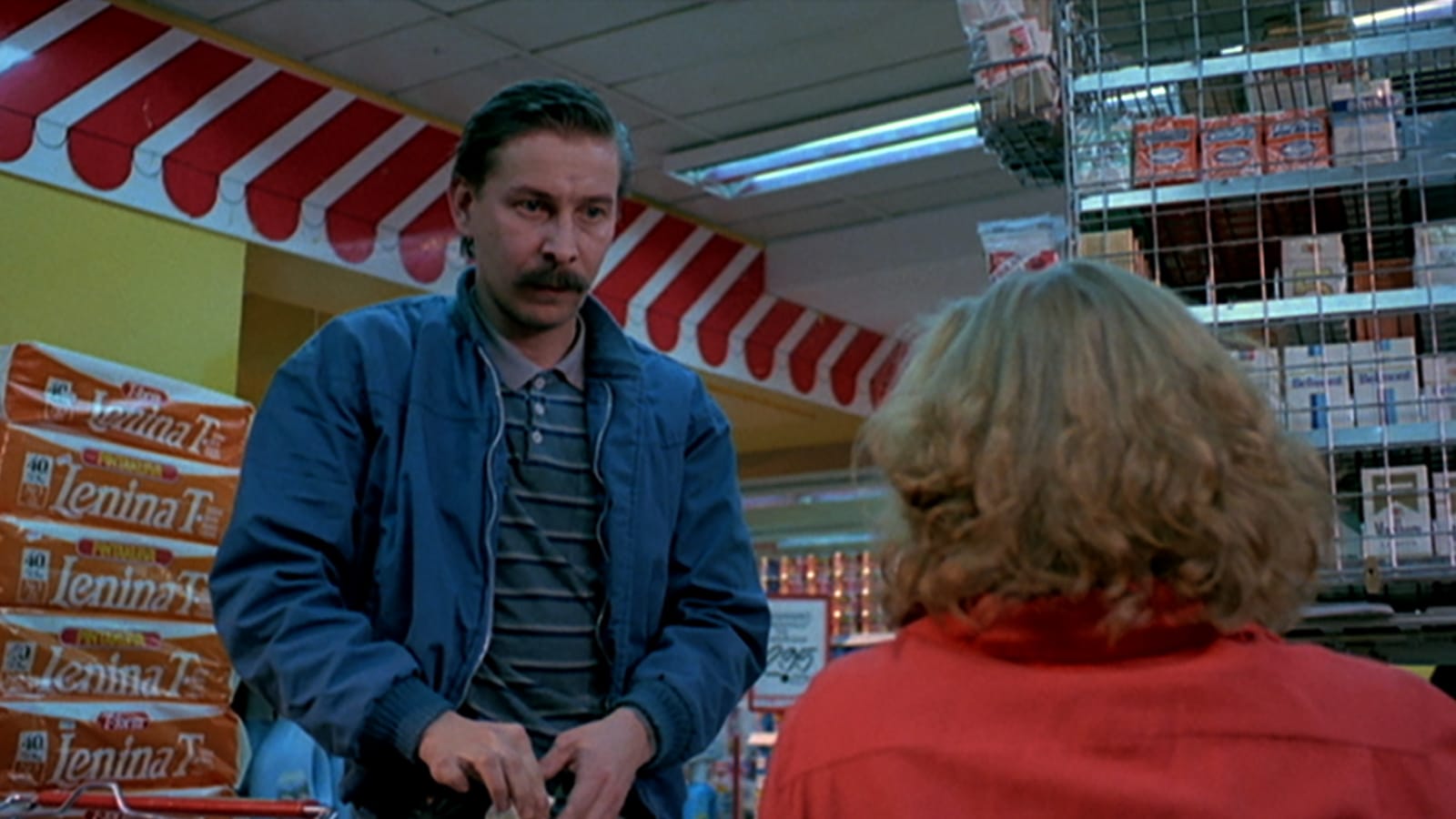
An early gem from Finnish maestro Aki Kaurismäki, Drifting Clouds is a deceptively simple story. The aftermath of job losses for wife Ilona (Kati Outinen) and husband Lauri (Kari Väänänen) holds a series of misfortunes, all of them tests to their marital bond. But this is only the beginning: as with Kaurismäki’s endearing use of flat irony and detached performances by regular actors of his, things can only get worse before they get better. Humanism has always shined through the director’s films, and this first part of a “Finland” trilogy makes no exception to the rule: the fact that labor and closeness are the two main themes (and are equally important for one’s survival) already elevates the absurdist comedy to something way more caring, engaged, and ultimately, tender.

La Haine (1995)
At the risk of being cliché, I’m going to state that only the French could have made a movie about racial issues and the troubles of youngsters in the suburbs and still make it elegant. I’ve tried looking for other adjectives, but I couldn’t find one that better describes those long takes shot in a moody black and white. But despite the elegance of the footage, the power of the narrative and the acting makes the violence and hate realistic as hell, dragging you into the story and empathizing with the characters until you want to raise your arm and fight for your rights. Aside from this unusual combination of fine art and explicit violence, the most shocking thing about La Haine is how much the issues it addresses still make sense right now, even though the movie was released 20 years ago.

Mustang (2015)
Five orphaned sisters are put under house arrest by their uncle and grandmother after they are seen horsing around with local boys from school. While their actions were purely innocent, their behavior is viewed as scandalous and shameful by the conservative elders in their small Turkish village. After this incident, their grandmother turns her attention towards marrying off her granddaughters. Each of the five sisters rebel in their own way, but it is the youngest and rowdiest sister, Lale, who is the central protagonist of the film. She watches helplessly as each of her older sisters is married off with an increasing sense of dread and desperation. While this may sound hopelessly depressing, the movie is equal parts beautiful and tragic and floats across the screen in a dreamlike manner. Not all of the sisters escape their oppressive surroundings or their assigned fate, but the message is clear: it’s crucial to try.

Wendy and Lucy (2008)
Wendy (Michelle Williams) is a drifter driving up to Alaska in hopes of finding work. When her car breaks down, she and her dog Lucy are stranded and forced to scrounge for food and repairs, hitting one roadblock after another on her path to an uncertain dream. This sympathetic and solemn look at poverty from director Kelly Reichardt serves as a reminder of how easy it is to fall through the fragile American safety net.
Reichardt’s uncompromising approach paired with Williams’s restrained performance makes the experience authentic and intense, recalling the work of Ken Loach. This natural sharpness makes for an engrossing watch that builds in power until the emotional release of the film’s heartbreaking conclusion.

If Beale Street Could Talk (2019)
Barry Jenkins’ follow up to his award-winning film Moonlight, If Beale Street Could Talk is a highly compelling tale that explores the extent of the emotional consequences of racial injustices through the lens of a young couple torn apart by the judicial system. Staying faithful to James Baldwin’s original novel while adopting Jenkins’ signature melancholic style, it fails to reach the brilliance of Moonlight, but still stands strong enough on its own and successfully tugs on your heartstrings.

The Measure of a Man (2015)
If you’ve ever seen a movie by kings of social realism Ken Loach or the Dardenne brothers, you’ll recognize the cinematic tradition The Measure of a Man is coming from, but if you haven’t, don’t fear. The filmmaking here isn’t complicated, academic, or laden with references — in fact, the opposite is true. Stylistically pared back, the intensely modern and human story at the movie’s center expands to fill the frame so we have nowhere else to look.
With a disabled son to provide for, middle-aged Thierry (Vincent Lindon) desperately searches for a job, undergoing several state-required indignities — such as practice interview sessions in which fellow jobseekers critique everything from his body language to his tone of voice — just for a shot at being able to pay his bills. So many scenes and conversations here are palpably laden with the anxieties of real life, both economic and personal. And yet, for all the dehumanization and desperation clouding its edges, Measure of a Man isn’t a hopeless movie. We’re reminded by happy scenes at home just how rich Thierry’s life is, unemployed or not — but it’s perhaps his moral compass, which begins to twitch when he takes a security job with an unscrupulous corporate employer, that’s most heartening of all.

Okja (2017)
Director Bong Joon-ho (Snowpiercer) does something quite amazing with the $50 million budget Netflix gave him: he makes a simplistic movie. But man, is it good. Okja tells the story of a “super pig” experiment that sends genetically modified pigs to top farmers around the world. In Korea, a farmer’s granddaughter forms a special relationship with one of these super pigs (Okja). When the company who originally ran the experiment want their pig back (performances by Jake Gyllenhaal and Tilda Swinton) – the two find an ally in an animal advocacy group led by Jay (Paul Dano). This is a straightforward movie, but nevertheless it is entertaining and full of thought-provoking themes and performances from an excellent cast.

The Man Without a Past (2002)
The magic of this movie — and every other one directed by Aki Kaurismäki — is in the way it inspires so much hope despite the darkness of its subject. When a man (Markku Peltola) is beaten and robbed one night, he wakes up without any memory of who he is. Forced to start life all over again, he’s subjected to yet more cruelty at the hands of a greedy slum landlord and callous authorities, but finds sympathy and support from his equally downtrodden neighbors. Though the street thugs have emptied his wallet, the unquestioning generosity of the people around him suggests he’s now richer than he was at the film’s outset — as does the sweetly simple romance he strikes up with a lonely Salvation Army worker (Kati Outinen).
Kaurismäki doesn’t just make films about the disenfranchised for the sake of it: he shows us how easy — and yet momentous — acts of human kindness and solidarity can be, how radical they are in a bleak world. It’s not often a movie can so persuasively reassure us of people’s inherent goodness, but it’s even rarer still for it to be done with as much deceptive, charming simplicity as here.

Cow (2022)
The film unfolds in the rhythm of a cow’s life: birth, mating, feeding, milking, checkups. Soon, these events become regular occurrences. Instead of showcasing the more ‘spectacular’ parts of these animal lives in order to build a narrative that’s engaging in a more conventional sense, British director Andrea Arnold opts for intimacy through banal instances. Even if female cows are symbolic of labour (reared for milk, meat, and reproduction), the actual cows in the documentary are not actors in a traditional sense. Yet, Cow opens up the dialogue about the on-screen role of animals beyond the call for activism. In it, the protagonists dictate the camera movements and positions just as any other human subject would, but since Arnold is an intuitive and sharp filmmaker, she embraces the opportunity to challenge cinema’s status quo. A beautiful addition here is the presence of pop music needle drops, through which the film jolts us into being more attentive, helping us to experience everything we consume in everyday life unperturbed (milk, meat, or pop songs) anew.
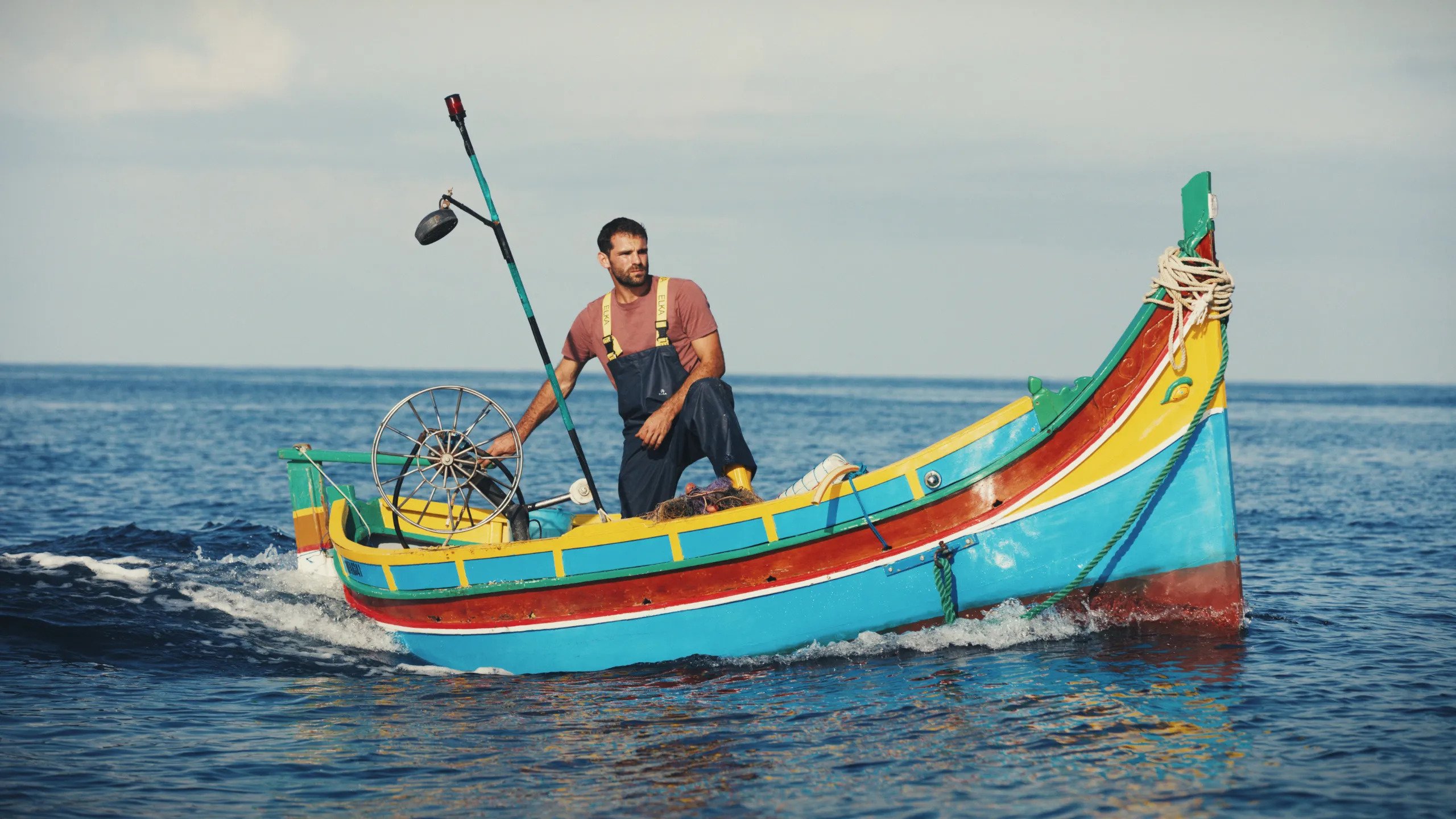
Luzzu (2021)
In Luzzu, tradition and modernity — plus principles and necessity — come crashing up against each other like waves in a raging storm. Trying to navigate his way through the tempest is Jesmark (Jesmark Scicluna), a Maltese fisherman proudly descended from a long family line of the profession. But Jesmark’s work — and his identity, which is tightly bound up with it — is reaching a crisis point, as fishing’s dwindling returns can no longer provide his family with a living. His baby son needs expensive medical care, and his wife (Michela Farrugia) sees little choice but to abandon their independence and lean on her family (who have been hostile to her choice of spouse) to get by.
And so Jesmark finds himself pricing his principles: does he struggle on in vain, or give in to the pull of the lucrative black market, which respects neither EU fishing laws nor the sanctity of the seabed? With the weight of his family legacy on his back, Jesmark’s crisis feels like a crushing existential one. As visually stunning as the titular brightly painted wooden boat passed down by Jesmark’s great-grandfather, Luzzu also feels as preciously crafted, with its raw look at the realities of economic survival recalling the acutely painful dilemmas of classic neorealist cinema.
Miracle in Milan (1951)
Best known for Italian neorealist classic Bicycle Thieves, Vittorio De Sica followed it up with a surprisingly hopeful fantasy comedy in Miracle in Milan. It’s very charming. It’s much more cheerful than his previous work, with fairytale-like happening and wishes coming true by angels. It’s also pretty funny to see the landlords and police fall flat in the face of magic. But underneath the town’s endearing optimism is a sadness that understands the magic’s improbability, a melancholy that playfully laughs at life’s sorrows with compassion reminiscent of Charlie Chaplin. Miracle in Milan might be happier than Bicycle Thieves, sure, but it’s no less powerful in depicting the common man.

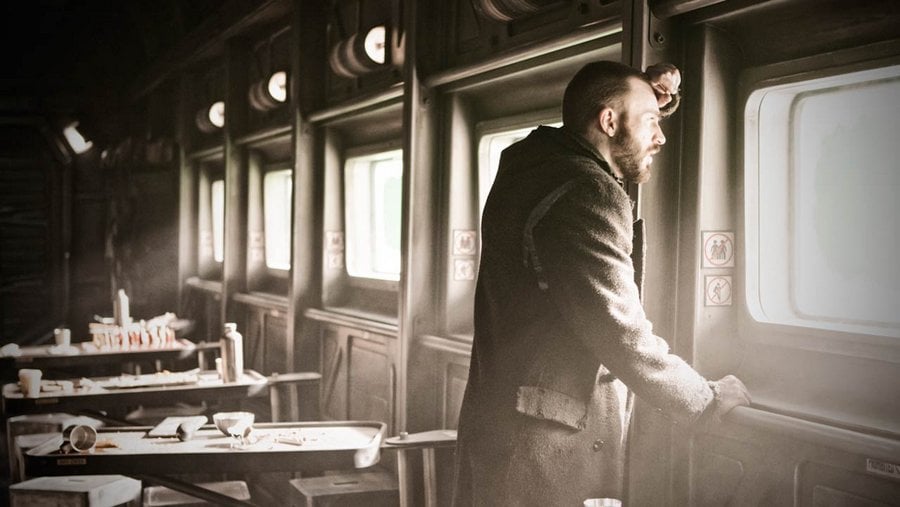
Snowpiercer (2014)
Snowpiercer is an under-the-rader post-apocalyptic thriller that offers the grittiness that many times only Asian cinema may achieve. South Korean director Joon-ho Bong forces audiences to forget that Chris Evans was ever a Marvel superhero, as he leads a revolt of his fellow “low-class” citizens against the self-appointed gentry in a train that contains all remaining members of the planet. With immersive environments and a layered script, this film melds together social commentary and moral discourse in a visually arresting and vastly entertaining package.

Vagabond (1985)
Even before Agnès Varda pivoted to documentary filmmaking, she was a pioneer of French cinema. Her film Sans toit ni loi (Vagabond) is one of her most harrowing dramas.
Varda’s sensibilities as a burgeoning documentarian are apparent as the film opens on the corpse of a woman lying dead in a snow-covered ditch. Through flashbacks, we trace the titular vagabond’s steps to uncover how she ended up alone and dead. The camera follows its subject from a safe distance, as if tracking a wild animal. Alongside the woman, we hitchhike across the French countryside, encountering hostile men, treacherous winter weather, and occasional glimpses of hope, connection, and familiarity. Vagabond succeeds at portraying a complicated woman—Varda understood that women, above all else, are people, with dark interiors, difficult choices, and uncertain impulses.
High Hopes (1988)
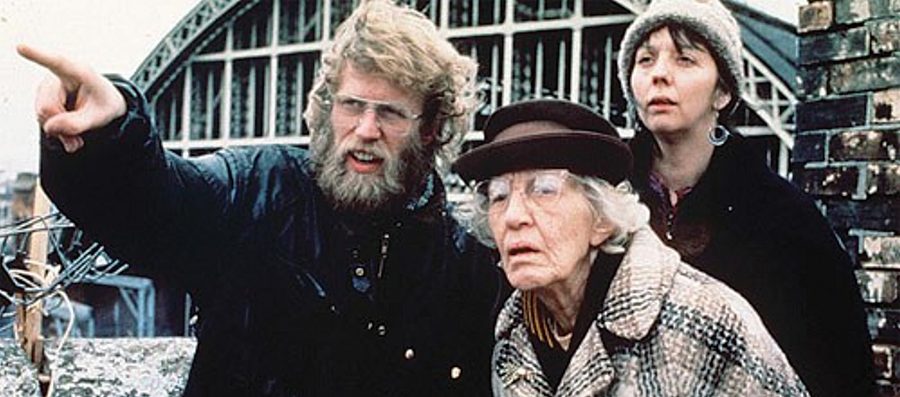
Mike Leigh’s films have always touched on class politics, but seldom as directly as in this lowkey portrait of Thatcher-era London. Cyril and Shirley are a sweet working-class couple at a crossroads in their relationship. Their lifestyle is contrasted with Cyril’s sister and her husband who exist in a more comfortable middle-class setting, and then paralleled again with an upper-class couple living next door from Cyril’s mother.
Even at this early stage of his career Leigh gracefully entwines these stories to create a moving and coherent narrative. ‘High Hopes’ as a title might be largely sarcastic, but the film is full-hearted and occasionally even optimistic as it strides its snarky way through the grim facades of 80s London.

Nobody Knows (Dare Mo Shiranai) (2004)
A very touching film about Japanese children who are abandoned by their mother in their apartment and left on their own. It’s movie that perfectly encapsulates the world of kids and its alignment with this story is both heartbreaking and joyful. Their innocence will make you smile from ear to ear until moments come where you will shed tears. This is a film everyone should have watched, it breaks my heart how little-known it is.
Under the Shadow (2016)
Horror movies have always been creepier to me when they play on our fear of the “unknown” rather than gore. Under The Shadow does exactly that. The story is based around the relationship of a woman, Shideh, and her daughter, Dorsa, under the backdrop of the Iran-Iraq war. As widespread bombings shake the ground beneath their feet, the two grapple with a more insidious evil that is faceless and traceless, coming and going only with the wind. The movie’s dread-effect plays strongly on feelings of isolation and helplessness. The scares are slow and it’s obvious the director takes great care in making every single second count and in raising the unpredictableness of the action. Like the bombs, the audience never knows when or how the next apparition will materialize. The former is always on the edge of fear, wondering what is no doubt there, but is yet to be shown on the frame. In terms of significance, Under The Shadow features too many symbolisms to count and will most likely resonate with each person differently. But one thing remains relatively unarguable: this is a wonderful movie.

Heart Attack (2015)
Heart Attack is a romantic comedy, but instead of the hijinks being caused by the usual dating, miscommunication, and wooing, Yoon’s struggle here is to finally get a hold of his overbearing schedule and figure out how to relax and recover from burnout, and it’s all inspired by wanting to impress his doctor Imm. It’s funny, but it’s also all too real. Writer-director Nawapol Thamrongrattanarit recreates the overwhelming frenzy to complete a job through a magnificent jazz soundscape and Sunny Suwanmethanon’s internalized monologue, and it’s such an effective cinematic translation that the moments of rest, the moments where Yoon and Imm finally take a break feels like a relief. Heart Attack works precisely because it empathizes and understands the experience of workers in today’s gig economy.

Two Days, One Night (2014)
This movie originally caught my eye for all the attention it got at the Cannes festival, but I assure you, all of the hype is more than warranted. Two Days, One Night takes you on an emotional journey with Sandra, recovering from depression and ready to get back to work, when she discovers that her co-workers, having to choose between receiving a bonus and Sandra keeping her job, hold her fate in their hands. And thus, barely convinced herself and with her husband as her only support, she sets out on an unlikely mission to convince the people to vote against the bonus so that she still has a salary.
This movie will strike a chord for anyone who has encountered depression or even simply tried to understand the abstract concept that it is. Marion Cotillard flawlessly portrays through Sandra the desperate struggle of having to put up a fight despite the utter hopelessness that she finds herself drowning in. At strife with herself, watching her try even though every cell in her body has given up, is gut-wrenching and awe-inspiring at the same time. Before long Sandra’s fight on the lay-off and on her own hopelessness seem to blur together. Whether she wins, is what keeps you hooked to the very end.

An Inspector Calls (2015)
A classic text of English literature classes is handsomely brought to life in this screen translation of the still-radical play An Inspector Calls. The Birlings, a wealthy industrialist family thriving in 1912 England, have a cozy family celebration shattered by the arrival of a police inspector investigating the suicide of a young working-class woman. But that’s not the only bubble that’s burst: as Inspector Goole (David Thewlis) interviews the family — gradually revealing the part each played in forcing the woman to such a desperate state — he holds a mirror up to the casual cruelty and entitlement with which the Birlings move through the world. Part of what makes JB Priestley’s original play so enduring is how these characters are used as a wider metaphor for their social classes, and that translates with delicate but undeniable force here. A damning indictment of individualism and blind privilege on original publication in 1945, this is a story that retains the same relevance and power today.

Mona Lisa (1986)
With a driver protagonist, trying to reintegrate with the rougher parts of his home city, forming a connection with a woman way out of his league, Soho-based Mona Lisa has spawned comparisons to the New York-classic Taxi Driver (1976), but this British neo-noir has a completely different tone and spirit, with a completely different conclusion. Mona Lisa has, of course, Nat King Cole crooning the similarly named tune, and as George gets enamored with Simone, both roles played fantastically by Bob Hoskins and Cathy Tyson respectively, they both keep their cards to their chest, as if similar to the famous painted smile. The ending may be a tad abrupt, but Mona Lisa has a lot of compassion and hope for these two trying to make a better life for themselves, a lot more than expected from the genre.
Wadjda (2012)
Wadjda is a smart, spirited 10-year-old girl who wants nothing more than to own her own bike, something that is frowned upon in the Saudi Arabian suburb where she lives. While it’s not technically illegal for women to own bikes, it is thought of as something that is “dangerous to a girl’s virtue,” and it’s worth noting that this is a society where women are also not allowed to drive their own cars. Wadjda devises numerous schemes to earn enough money to buy a bike (selling bracelets, making mixes of Western pop songs, delivering clandestine messages between men and women), before getting caught by the headmistress at her school. It is then that Wadjda hits on the ultimate money-making scheme: there is to be a Koran-reciting contest at her school with a hefty cash prize, and she’s determined to win. There is a subplot involving a growing rift between Wadjda’s parents; while there is clearly a lot of love between both parties, it becomes increasingly clear that her father may be leaving her mother for another woman who could potentially bear him a son (a common practice). This subplot is handled with respect and little judgement though, as it is simply the way things work in this culture. Yet, as Wadjda is coming-of-age and learning about the limitations placed on her as a girl, she is obviously negotiating ingenious ways of pushing back against those limitations. The film is subtle and humane in how it handles the slowly changing cultural and gender dynamics in a traditionally conservative, patriarchal society. It wouldn’t work without a strong central performance from first-time actor Waad Mohammed though — she is never less than believable as a clever, determined and joyful 10-year-old, and her journey towards adulthood is both heartbreaking and inspiring.

The Selfish Giant (2013)
A Ken Loach type of vibe drives The Selfish Giant to be an interesting mix between anger, desperation, and the beauty and humor often found in tough circumstances (think I, Daniel Blake but with kids as main characters). This sort of contemporary fable tells the story of two friends who skip school and hustle for work from a local scrap-dealer. As they get more and more involved with him and his entourage, the grim realities of what once seemed a way out start to cast a shadow over their lives. The script is based on a short story by Oscar Wilde, it’s a beautiful, ultimately sad portrayal of the British underclass.

Aloners (2023)
The emotional sterility of modern life comes under the microscope of this understated Korean drama in which a young woman who has built self-preserving walls around her lonely existence begins to wonder if the trade-off is worth it. Outside of the soul-sucking call center job at which Jina (Gong Seung-Yeon) excels, her interactions with others are purely parasocial: she streams mukbangs on her phone as she eats alone, wakes up to the blare of her always-on TV, and checks in on her aging father via the security camera she’s surreptitiously installed in his home. When she reluctantly agrees to train the chatty, warm newbie (Jeong Da-eun) at work, Jina is confronted with a direct challenge to her aloofness, but the provocation is easily ignored until a similarly withdrawn neighbor is discovered long after his death.
This triggers a quarter-life crisis for Jina that’s predictably resolved, but Aloners transcends the neatness of this arc thanks to its quietly persistent challenging of the instinct to contort oneself to fit an inhumane world. Hong Sung-eun’s thoughtful first-time direction and Gong’s nuanced performance as a young woman waking up to the creeping dehumanization of herself make Aloners a genuinely thought-provoking reflection on 21st-century life.

Silver Dollar Road (2023)
Silver Dollar Road isn’t a new story– it’s one of many that comes as a consequence of systematic Black land loss that continues to happen to this day. Director Raoul Peck tells it in a new way, completely focusing on the Reels family and hearing their story entirely, from the initial confusion to two of the homeowners’ incarceration, and remembering the good old days when they used to enjoy the land. The land dispute has escalated to years of harassment, imprisonment, and being taken advantage of from opportunistic legal counsel. While it could have benefitted from from detailed legal proceedings, Silver Dollar Road still powerfully depicts an intimate family story that outlines the systemic racism enabling Black land loss today.

Stonewalling (2024)
At two hours and nearly 30 minutes, Stonewalling is quite long. The third film from spouses Ryuji Otsuka and Huang Ji takes place in slow, slice-of-life moments, centered around a female lead that mostly doesn’t actively make choices for her own life, so it can feel frustrating to watch. But as the film unfolds, Lynn’s passivity turns out to be the tragically familiar surrender of today’s working class. Lynn tries to make choices to pay out her mother’s debt, to ensure that she’s not indebted herself, through jobs that commodify her youth, her beauty, and even her body, but each move consequently limits her next options. She tries to bargain for other solutions, but it turns out these solutions were never there in the first place. All she can do is quietly adapt, with each failed promise culminating into a baby’s cry.
Songs from the Second Floor (2000)
We’ve seen anthology films with three, four, sometimes even five parts, but Songs from the Second Floor comprises forty six separate vignettes, quickly shifting in and out without any connecting thread inbetween, except for the dull gray color palette. Yet, even as the film abruptly transitions between vignettes, from tanning beds, construction sites, cars, trains, or buildings, writer-director Roy Andersson crafts meticulously framed breakdowns of modern day living, some of which works based on individual experiences, but all coming together as several miniature portraits of how absurd and depressing our lives have become. Songs from the Second Floor is a bold way to return after a twenty five year hiatus.

Shadows in Paradise (1986)
Grand gestures, over-the-top declarations of love, and elaborate gifts… These normal romcom acts can sometimes make it seem that romance can only be done by the wealthy. But, in reality, love can happen anytime, and the first film of Aki Kaurismäki’s Proletariat Trilogy suggests that love is ultimately necessary in a world where two lovers are disenfranchised. As Nikander tries to woo a slightly disinterested Ilona, and as Ilona decides to depend on him for support, Shadows in Paradise might not have the usual frills of a romcom, but Kaurismäki finds the bare essentials in a depressing Finnish town, and captures the small ways it blooms in spite of it, through the lovers’ humorous blunt dialogue and the color their love adds to their world.

Bacurau (2019)
This incredibly creative and unique movie is set in a fictional small town in the Brazilian Backcountry. It has a realistic first half but things quickly get crazy.
Even in that realistic half, you can clearly tell that something is off about the town of Bacurau. An accident involving a truck carrying coffins turns into an impromptu coffin shop. A dam was built to divert water from people. The village doctor seems to be the least sane person in the village. It’s all wrong.
Bacurau is funny, it’s politically charged, it’s thrilling, and it’s sweet, all at once. It’s that one in a thousand weird movies that actually works, and will inevitably become a classic.
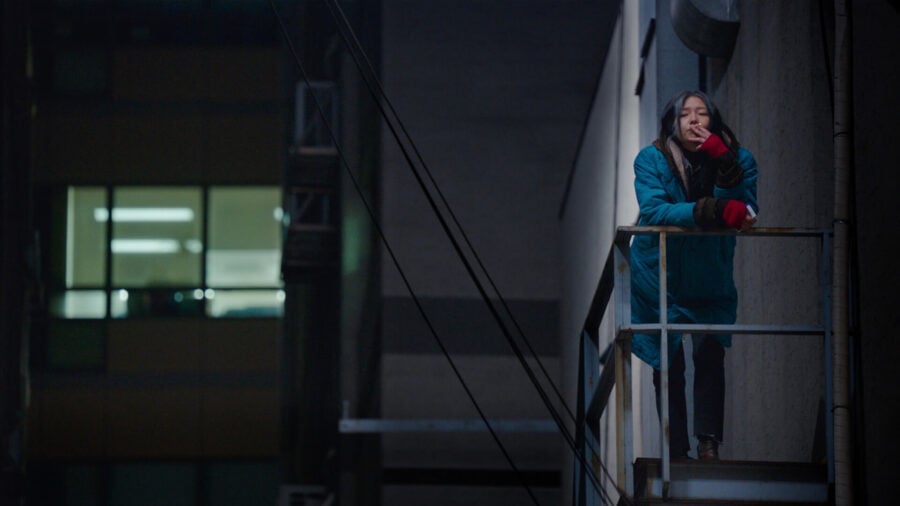
Microhabitat (2017)
Miso may be living day to day on her meager earnings as a cleaner, but she is decidedly content. She insists that all she needs to get by are cigarettes, whiskey, and time with her boyfriend, so when a spike in rent and prices invites her to reassess her priorities, she doesn’t budge. Instead of forgoing these luxuries, she gives up her tiny place and couch surfs with her old bandmates. What follows is a reunion of sorts, where darkly humorous epiphanies are had on both ends about adulthood, responsibilities, and what it really means to be happy in an increasingly indifferent, profit-oriented world.
Microhabitat treads on very grave themes, and the images it conjures can be unsettling. But it is also surprisingly light on its feet, displaying sharp satire and sweet empathy for its unyielding protagonist. Miso is portrayed with a smartness and softness that evades rational judgment, and this endearment makes the story, especially the ending, all the more painfulul, poignant, and impactful.
Marmalade (2024)
At first, Marmalade just seemed like a good ol’ fashioned Bonnie and Clyde story being told by one inmate to another. As Baron tells Otis about his titular Bonnie in Joe Keery’s Southern drawl, there’s a charming bittersweet romance about a man pushed into crime because of healthcare costs and a compelling Camila Marrone as a manic pixie dream girl-flavored femme fatale. By its own, it’s already an intriguing twist to the film noir plot. But the second half turns this romance into something completely unexpected, pulling an insane set of interconnected plot twists that’s just fun to experience. There are certain moments that could have been tighter, but the performances were great, the images were stunning, and the plot was surprising. It’s such a daring move for first time writer-director Keir O’Donnell.

Bank of Dave (2023)
Bank of Dave is a simple but well-told film that feels utterly satisfying from start to end. Dave is the little guy who only wants to give back to his community, but stopping him from achieving his noble goals are the big guys in suits with vested interests and too narrow a focus to appreciate the good that Dave is after. The film is David versus Goliath, countryside versus cityside, socialist versus capitalist (or, if you like, ethical capitalism versus unethical capitalism). You know who will triumph in the end, but that doesn’t detract from the film’s overall enjoyability. The dialogue is smart and stirring, and you can’t help but root for the film’s small heroes to win big.

Birdboy: The Forgotten Children (2015)
Looking at the animated character designs, it seemed like Birdboy: The Forgotten Children would be a cutesy, creepy cartoon for children with a defanged Halloween aesthetic. But the cute animals of the island face a horror much scarier than plenty of terrifying tales, because their horrors mirror everyday poverty in a fictional island taken, destroyed, and tossed aside by an industry producing garbage. It immediately starts off bleak, with a father telling his son what became of the island as they pick up copper scraps for food, and as the film continues, desperation starts closing in, shifting the colors into a red, white, and black nightmare. Birdboy: The Forgotten Children takes on a different tone than what animation lovers are used to seeing, but it’s a welcome difference in a media landscape made to distract from today’s troubles.
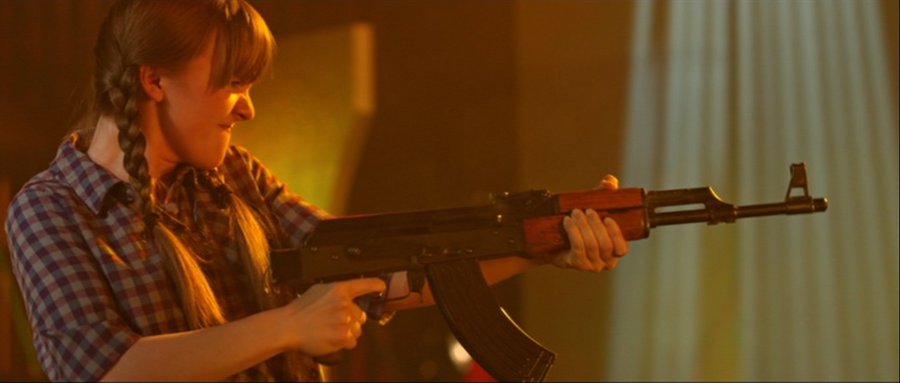
God Bless America (2011)
Good Bless America is a deeply ironic and violent action comedy from folk legend Bobcat Goldthwait. In a turn of events sure to ring true to many viewers, the protagonist, Frank Murdoch (Joel Murray), after being informed of his terminal brain cancer, sets out on a killing spree out of sheer distaste for the vile, rude, and materialistic culture that surrounds him. Large swaths of the movie are pure rage fantasy, a cathartic blend of violence and humor as the cretinous bogeymen of the modern era are gleefully dispatched. Obviously not a fantastic date movie, but perhaps a good one for a bad mood.
Atlantics (2019)
A poetic and peculiar movie from Senegal about a girl who is forced to marry a wealthy businessman instead of her love interest. The latter, a poor construction worker, embarks on a risky journey across the sea to Europe. The story takes a supernatural turn thereafter, one that is unlike anything seen before in stories around immigration, but one which makes sense. Still, the excellent acting and the long takes that immerse you in what life is like in Senegal, both in and out of the margins of society, are the reasons to watch here. Atlantics’ characters are believable and will capture your interest throughout the usual and unusual parts of the movie. They provide rare insight into narratives that most of us have never been exposed to.

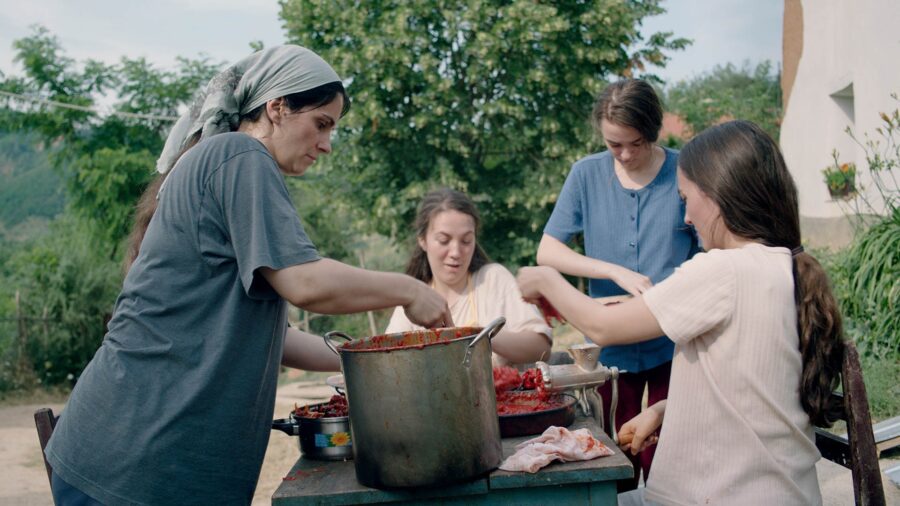
Hive (2021)
It’s been years since Fahrije and the women of her village lost their husbands to the war. It’s one thing to move on after their passing, but quite another to never be sure about their whereabouts, dead or alive. Hive tells the story of how, in the wake of this inexplicable loss, the women of a Kosovo village reluctantly band together and make a new life for themselves and their families.
Thanks to its grit and restraint, Hive avoids the cheesy trappings of a melodrama. The dialogues are straightforward and the performances taut but affecting. Their battle with poverty and misogyny is sadly a familiar tale, but told through the lens of single mother/burgeoning entrepreneur Fahrije, it is rendered deeply personal and illuminating.
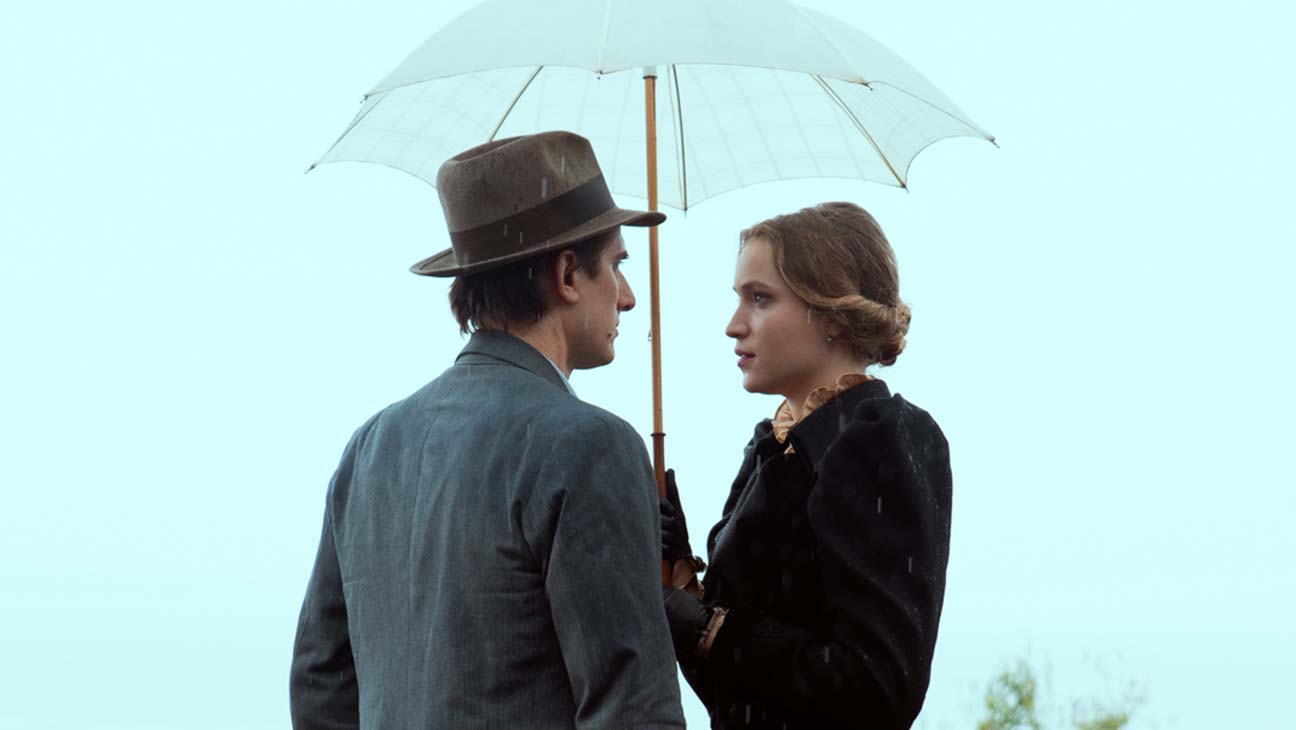
Martin Eden (2019)
Loosely based on the 1909 novel, Martin Eden is a stunning film about the hollow success of individualism. The plot points remain the same: Eden, a self-taught sailor, wants to win the heart of the wealthy Elena Orsini. To do this, he strives to break into the upper class with his writing. However, in this film, writer-director Pietro Marcello adds another dimension to the anti-individualist story: he transports Eden from his original California setting to Naples—allowing for views of different cultures, languages, and classes. By intercutting between old film stock and lingering close-ups, Marcello draws from his documentary background to masterfully evokes the process of remembering. And in refusing to define the time period, Marcello recognizes that Eden’s struggle is still ongoing today—and that his success is still hollow.

Listen (2020)
Sincere and direct, Ana Rocha de Sousa’s debut feature is a tragic portrayal of an immigrant family in the United Kingdom. Known best abroad for her role in Love Actually, Lúcia Moniz shines as devoted mother Bela, who, along with Jota (Ruben Garcia) struggles to keep their family together. The couple and their three children, including the deaf middle child Lu (Sophia Myles), come under the scrutiny of social services, especially after the unexplained bruises. While at times heavy-handed, the film raises important questions on family separation and social services, especially with their limitations with children with disabilities.

Nicholas Nickleby (2002)
While writing the classic novel Oliver Twist, Charles Dickens was also writing Nicholas Nickleby, with volumes released every month. His third novel was adapted in 2002 in a film adaptation that smooths out Dickens’ elaborate plot, with beautiful sets and costumes, and the classic good vs evil themes the classic novelist is known for. There’s a bit of a mismatch with Charlie Hunnam as the titular protagonist, but the rest of the cast slips into their characters well, most notably Christopher Plummer as the incredibly stingy uncle Ralph, and Jamie Bell, whose rendition of Smike makes his dynamic with Nickleby compelling. Nicholas Nickleby isn’t the most transformative adaptation, but it’s one that still works, especially for young viewers wanting a simplified plot for their book reports.

Letter from Masanjia (2019)
When thinking about buying something, it’s easy to only think about price and quality, but with many investigations around the world about inhumane labor practices, it’s no wonder that more people would like to look at the companies they’re buying from, or at least buy secondhand when possible. One such investigation is depicted in Letter from Masanjia. While it starts first at the discovery of the letter in Oregon, the true story continues on the other side of the world, through the difficult experiences Sun Yi and his fellow detainees were forced to go through when the Falun Gong movement grew greater in number than the Chinese Communist Party. It’s a harrowing tale, with certain sequences being animated due to a natural lack of footage, and it’s one that needed to be made.

The Kitchen (2024)
Besides the futuristic tech that pops in and out, there’s not a lot about The Kitchen that signals it as a sci-fi film. Neglected housing projects and violent raids have become too common to count as dystopian, so it often feels like The Kitchen could’ve gone without labeling itself as part of the genre (the real world is bad enough). But underneath those layers is a subtle but sublimely tender story about father and son finding each other amid the rubble of real life. First-time directors Daniel Kaluuya (Get Out, The Black Panther) and Kibwe Tavares delicately balance the personal and the political, never undermining the former as many socially aware films do. If Kaluuya and Tavares had fleshed the world it built a little more and removed the parts, such as the sci-fi elements, that did not work out, then Izi and Benji’s story would have been memorably devastating, instead of just affecting.

The Mill (2023)
Producer-turned director Sean King O’Grady has some fresh ideas about what can shake up the dystopia genre, but The Mill needs more than a corporate critique to lift it off the ground. Even with Lil Rel Howery’s apt acting skills (you’ll probably remember him from Get Out), the film falls flat in its second half, losing the momentum built up by the original idea of the gristmill as an exteriorization of the corporate grind and its meaningless nature. The issue is that, aside from this smart use of symbolism, The Mill plays it rather safe by relating dystopia to capitalism. It’s almost like O’Grady hasn’t the slightest clue that capitalism and dystopia have been one and the same thing for decades now; if only he would have taken the equation to much, much darker places…