Movies to Watch From Belgium
To access filters, visit our homepage.
Because of the progress society has made, modern day gay romances don’t need to rely on tragedy for conflict. That’s because many of the societal barriers gay people used to face are now broken. But that doesn’t mean it’s now easy to come out and call it a day. In this Belgian-Dutch drama, Elias still has to figure out his own feelings, a struggle that any kid goes through when they have their first crush, same sex or otherwise. Young Hearts simply acknowledges that it’s normal, and shows to those still figuring it out that it’s all part of the process.
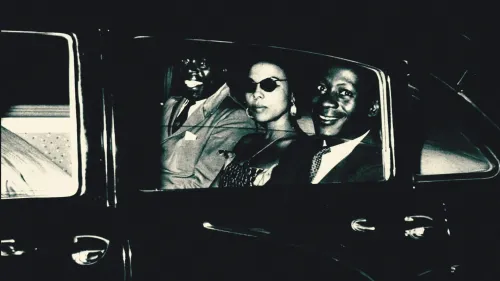
In the 1950s and 60s, as Congo freed itself from Western rule, it also played a vital role in the Cold War and worldwide emancipation of colonized countries. The documentary unearths this often-forgotten part of history in an unconventional manner. Instead of using talking heads and chronologically going through past events, it uses activist musicians Abbey Lincoln and Max Roach as a starting point. It borrows their language—jazz—to tell their story. The result is mesmerizing. Many things are happening all at once; there’s the quick flash of images, the jarring cut from archival footage to live performances; and the bold text on screen, which serves as our narrator in a way. There are excerpts from newspapers as well as poets, diplomats as well as musicians. Then there’s the music, of course, whose fast-paced and unpredictable beats match the anger mounting in the film. Soundtrack to a Coup is strong, inventive, and further proof that there are more ways than one to teach history.
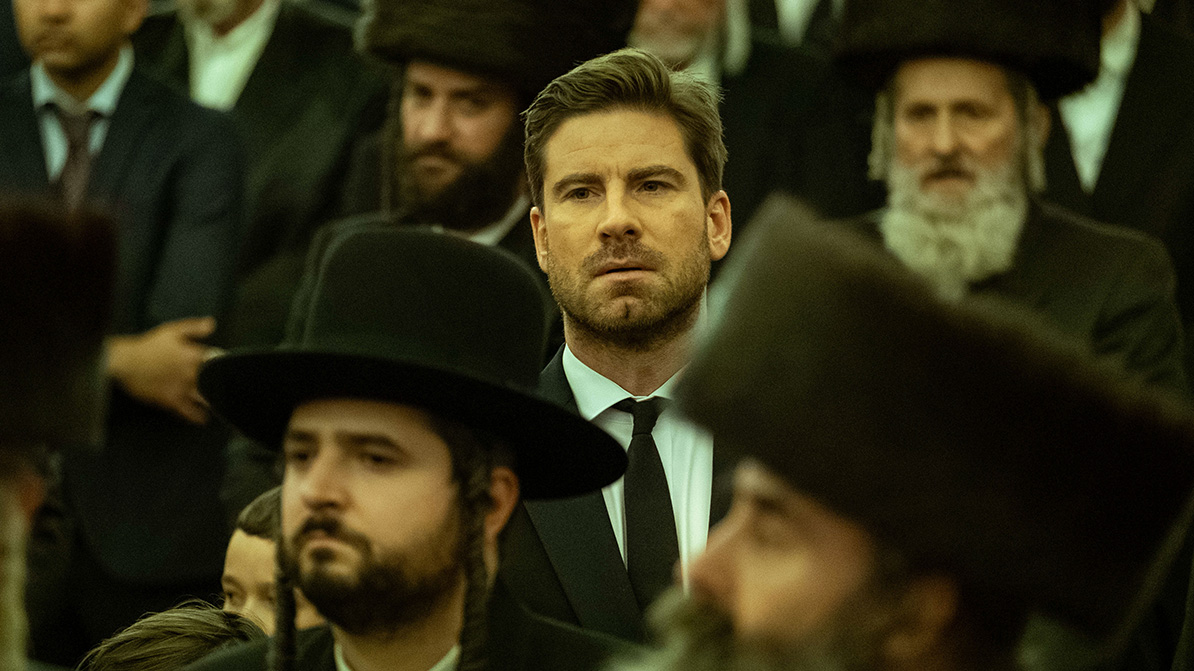
At first glance, Rough Diamonds seems to be a standard Netflix thriller with debts, deaths, and dirty deals. However, this Flemish-Yiddish series happens to also be a compelling family drama, centered around Antwerp’s Haredi Jewish diamond community. The series starts the season strong with the death that puts the family into chaos. It continues the series’ suspense with the return of prodigal son Noah, who, like Godfather’s Michael Corleone, initially disagrees with the family’s orthodox lifestyle, but can’t help but be drawn back to the family business. As the family scrambles to figure out their dead brother’s debt, they squabble with each other in a dynamic reminiscent of Succession, with an added organized crime twist. The resulting mix creates an intriguing thriller series that also happens to be a nuanced portrayal of a rarely portrayed community.
If given the outline of this film, it might be easy to just call it poverty porn. But there’s a genuineness to Mambar Pierrette that keeps this film from sliding into melodrama, a certain subtlety that captures the everyday life in Douala, Cameroon. Filmmaker Rosine Mbakam, who made her start through documentary films, brings her naturalistic style here, placing the titular seamstress front and center as she responds to each and every difficulty that comes her way. And as the flood comes, and so too her troubles, Pierrette Aboheu Njeuthat shines with a subtle charisma, a performance full of dignity for the titular single mother that carved out a life through her craft. Mambar Pierrette might have a familiar neo-realist story, but it’s done well due to its excellent balance.
You would think that a movie about making soup for your friends and studying moss would be a strange mix, but there’s just something so beautifully delicate about the way writer-director Bas Devos links the lives of two immigrants in Brussels, with the contrast between the length of their stay, the things they make, and how long their work would last. It’s a slow burn connection, and with the pending move, it’s a fleeting one, but the runtime is just right to capture the quiet grace of their connection, the one they share as strangers in a stopping point from different places. Here is subtle and transcendent.
While named as a “how-to”, How to Have Sex is less of an instruction manual, and more of a collection of summer break moments presented as is. At the start, when Tara, Em, and Skye run to the freezing ocean water, the film seemed like it would have all the nostalgic coming-of-age moments that they would remember forever. But as the film progresses, and the girls meet other teenagers at the resort, there’s an eerie, foreboding feel that starts to build up, with every beer bottle, with every whisper, and with every insinuation Tara receives. And rather than preach about consent, writer-director Molly Manning Walker makes them fumble around without the concept of it, the same way teens tend to do, making it much more potent than a cautionary tale.
Continuing on the 2021 film, which in turn, was the prequel to the Belgian-Dutch series Undercover, Ferry: the Series now delves into the titular mob boss’ start of his ecstasy empire. While the drug lord was suitably menacing in Undercover, Bouman in his beginnings is broke, trying to create bigger deals that would allow him to continue sustaining his small-scale drug pushing, and personally bumping with the cops in some botched buyings. As the future kingpin deals with day-to-day mishaps, there’s an old-school, lightly comedic tone as Bouman tries to gain the same respect he’ll get in Undercover. It makes for a goofier and less serious side on the all-too-familiar organized crime plotlines, and makes it a fun series to watch.
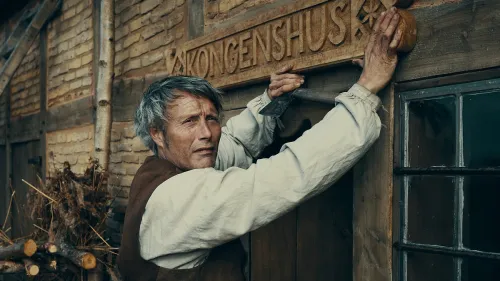
In The Promised Land, director Nikolaj Arcel (A Royal Affair) and Mads Mikkelsen reunite to create another intense, enjoyable drama based on true historical events. Mikkelsen is reliably gripping as Captain Ludwig Kahlen, but it’s his back-and-forths with the diabolical landowner Frederik Schinkel (Simon Bennebjerg) that are the standout scenes here. And though The Promised Land resembles modern Westerns in its macho standoffs and sweeping backdrops, it has a surprising and satisfying feminist bent to it. It’s a historical epic that doubles as a revenge thriller and succeeds in both cases.
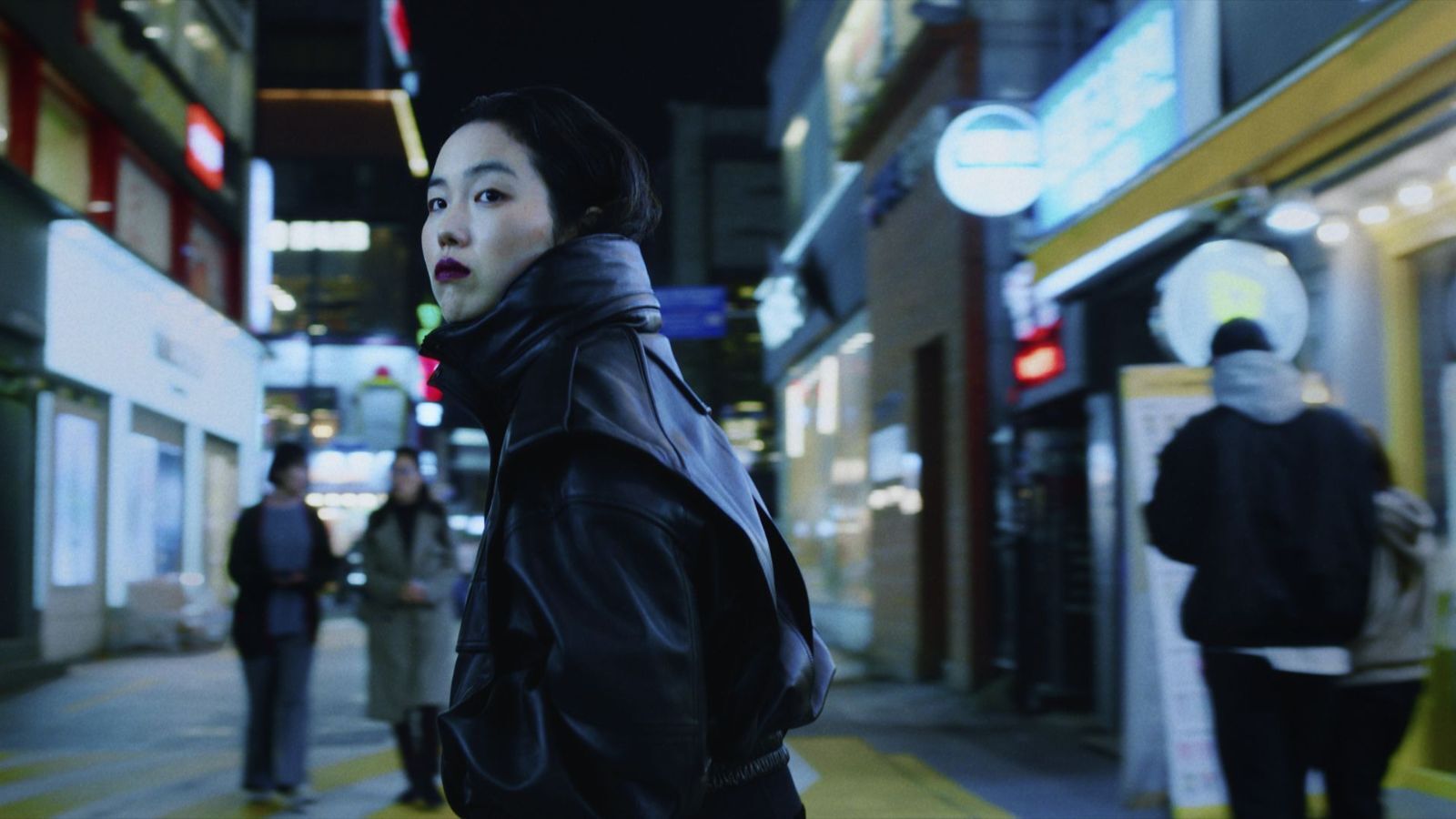
In both documentaries and films, adoptees meeting their biological parents for the first time is an event often painted in a sweet light. Never mind the child’s mixed feelings about it or the tragic reality that caused the split in the first place—it’s a reunion between family members, so it must be unequivocally special. In Return to Seoul, director Davy Chou doesn’t just debunk that myth, he subverts it by making the adoptee, Freddie, as unapologetically complex and emotionally enigmatic as possible. She resists affection but wallows in loneliness. She craves reinvention but stays in the same place for years. She’s in constant motion while being absolutely stuck in life. In other words, she’s a realistic embodiment of a person struggling to find some semblance of home. Chou displays an intimate understanding of the foreign experience, and he couples it with captivating cinematography, a rousing soundtrack, and fantastic performances across the board to make a daring, inventive, and thoroughly exciting film.
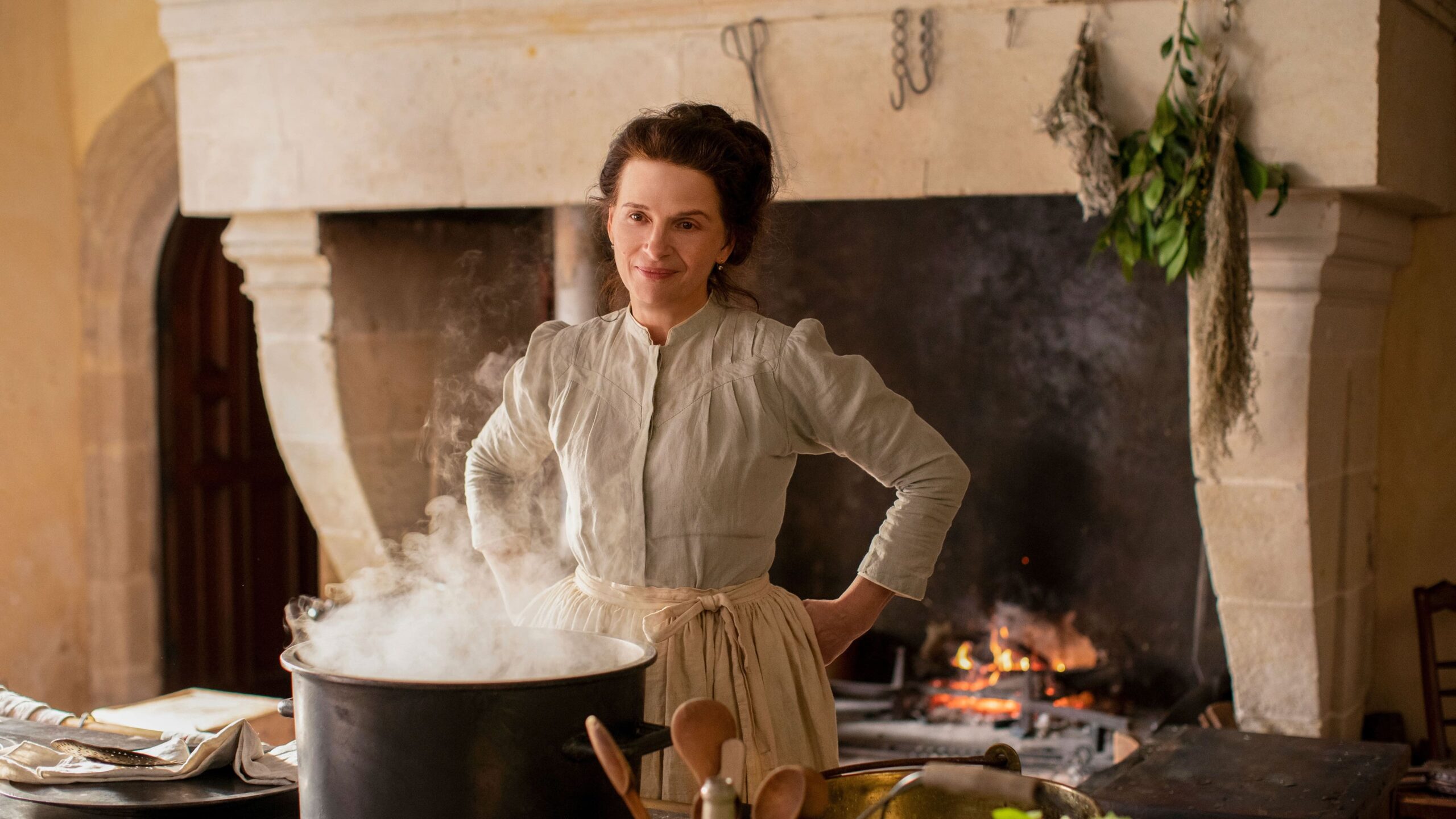
If it’s true that to cook is to love, then Dodin and Eugenie must be enraptured by one another. They use the exquisite language of food to express their feelings for one another, and watching their exchange, you can’t help but feel honored, if not embarrassed, to witness such an intimate and love-filled act. Food is everywhere here, delicately prepared and sumptuously consumed, but the film is more than just a glorified Food Network program. It’s a painting come to life, a love letter to craft, and a beautiful example of a life fully lived.
Renowned British director Ken Loach’s signature traits are present in The Old Oak: simple, humanistic, and unapologetically hopeful. But this time, we see things unfold through the eyes of Turner’s TJ and Ebla Mari’s Yara, whose endearing friendship anchors the film. They prove that seemingly conflicting things can coexist, like workers’ and immigrants’ rights, local and newcomer needs, old and new ideals. Loach hones in on his characters’ rich and specific lives so that his message doesn’t come across like an advocacy poster, but a richly woven tapestry filled with beautiful and complex meanings. Because it tackles heavy themes, The Old Oak might sound like it’d be heavy to watch, but as in most of the director’s work, you’ll no sooner be uplifted by an outpouring of hope and love.
Small Things Like These is the kind of film that doesn’t have a grand resolution, a dramatic climax, or a widespread shift that would change the world forever. What happens might not even change the country, or the town Bill Furlong lives in. But that doesn’t mean the film is unimportant. While Cillian Murphy masterfully reckons with Furlong’s conscience, the community is silent… So too is the score, but it challenges the automatic flinch when we hear the background– the screams, the wailing, and the pain. It challenges the way we, and the town of New Ross, try to make sense of the sounds, explaining it away with more plausible, more palatable reasons, or justifying them with excuses. Small Things Like These can be a tad understated in its approach, but it’s a smart comparison to the way community can silence the conscience, and how abuse can lay rampant in secret.
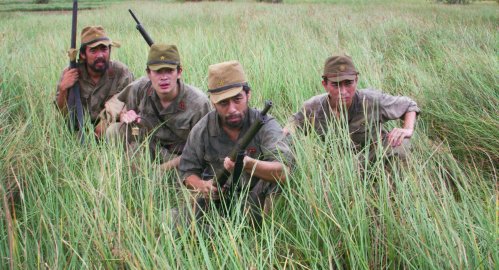
It’s an incredible story, but it’s one that only really deserves to be told a certain way, which director Arthur Harari gets right. Onoda’s one-man crusade to continue World War II is nothing short of delusional, and Harari spends most of the film following the soldier as his companions die one by one, worsening his delusions even further. Unfortunately, even with how impressively strange this story is, 10,000 Nights in the Jungle still misses the opportunity to look through the lens of Onoda’s victims. He is, after all, a literal embodiment of colonization’s lingering effects, so it’s sad that the Philippines here is just window dressing more than anything.
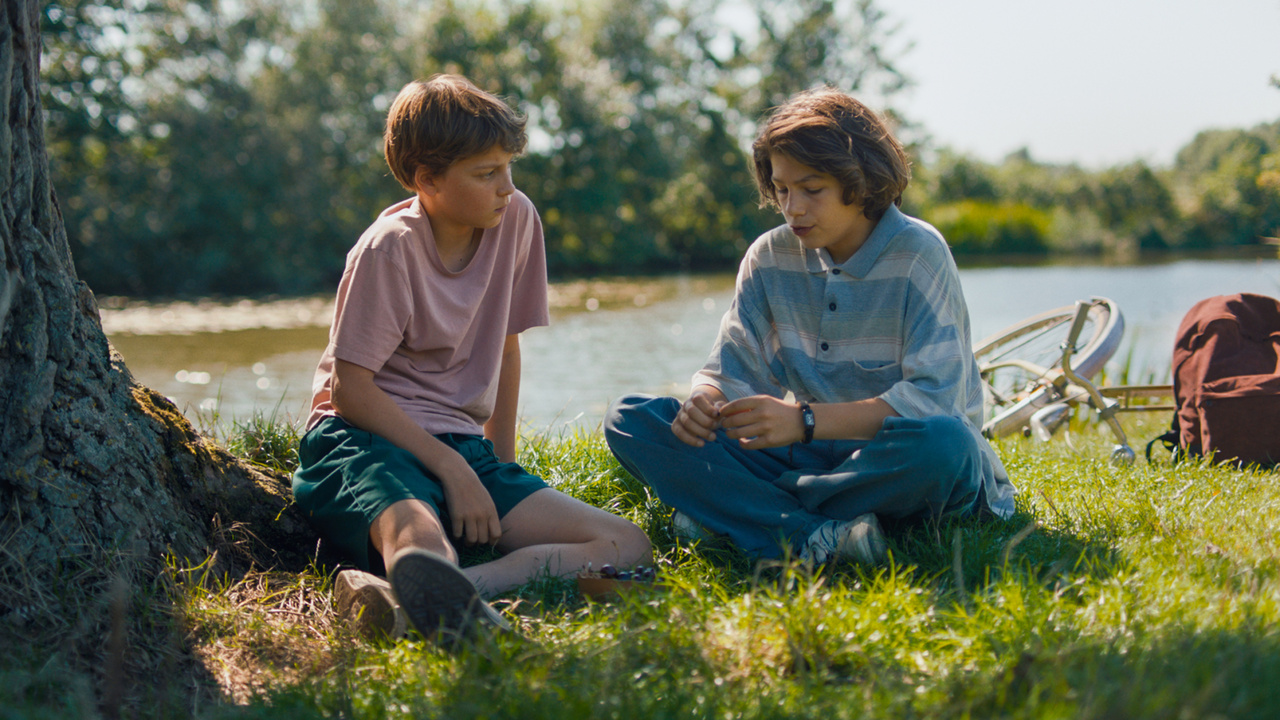
Leo and Remi are close. They play, eat, and sleep together, and in between those moments, they share every thought they have with each other, no matter how big or small. Theirs is a precious friendship, as pure and as intimate as can be, but all that changes when they begin middle school. Subject to heteronormative norms and preteen mockery, their friendship starts to crack as Leo and Remi’s different definitions of manhood emerge.
Subtle but evocative, quiet but deeply powerful, Close takes a closer look at boyhood and male friendships—how they’re lived, defined, and seen. Plenty of questions go unanswered in this film, but if you’re comfortable with simply empathizing with the characters rather than knowing every answer, then Close comes highly recommended.
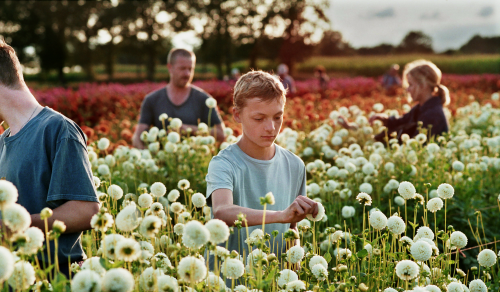
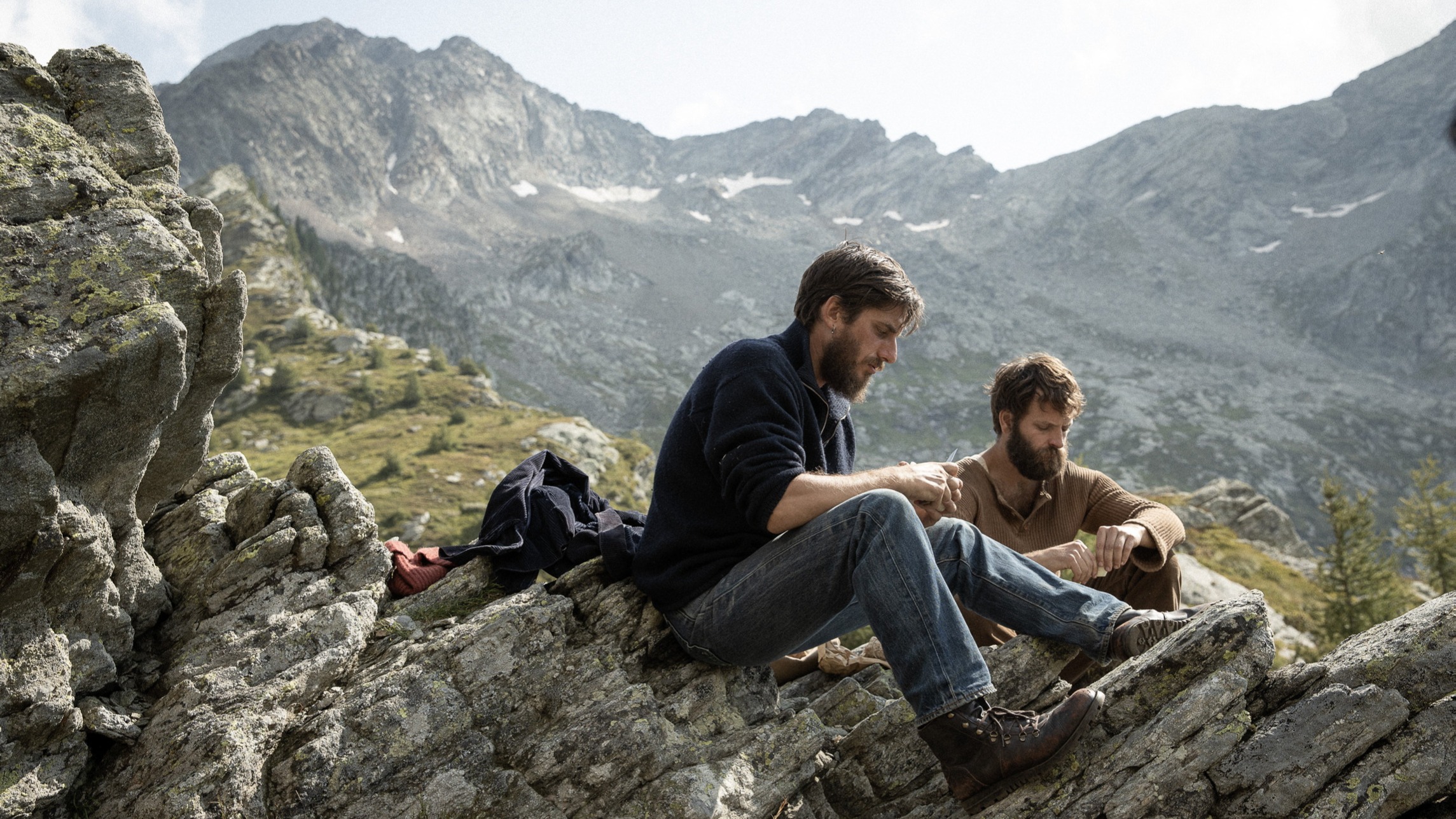
Spanning over decades and continents, The Eight Mountains depicts the kind of childhood friendship that remains central to one’s whole world. While city boy Pietro (Luca Marinelli) treks from the Alps to the Himalayas, the mountain pasture of Grana remains special as his father’s old refuge and as the hometown of childhood best friend Bruno (Alessandro Borghi). When they were younger, the two struck a summer friendship as the only two boys in the small town. However, their friendship isn’t the kind formed through day-to-day, routine interactions. Instead, each moment they share is fleeting, cut short by circumstances, but therefore, all the more precious. Co-directors Felix van Groeningen and Charlotte Vandermeersch slowly and patiently craft intermittent moments that form a lifelong friendship. And at the end, when they last bring us back to Grana, these moments are all we have left of this profound, meaningful connection.
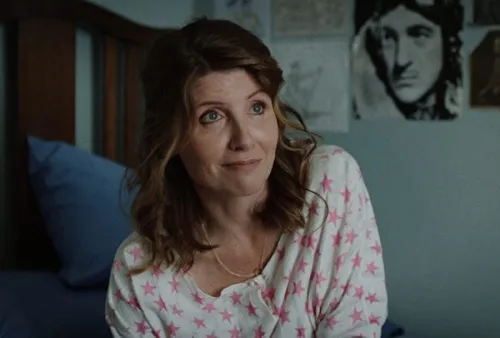
This lovely comedy-romance from Ireland is about a closeted gay teen and his lesbian schoolmate who pretend to be in a relationship to avoid being bullied at their school.
This premise makes Dating Amber an original story in a genre in which that’s increasingly rare. This is added to the setting, in 1995 rural Ireland, which is executed to gorgeous perfection in everything from the clothes to the music.
Dating Amber ends up being more coming-of-age than a comedy-romance. It’s a tale of friendship and self-acceptance.
The journey of transitioning can be tough, but it’s not likely to be as wild as the journey undertaken by the titular rich mob boss of the crime thriller romance musical Emilia Pérez. It’s pretty surprising, with the incredibly stylish and totally unpredictable ways the plot unfolds, all made possible by the ridiculous all-or-nothing methods and means of a Mexican mob, and it’s a delight to see Zoe Saldaña and Selena Gomez feel at home in their respective Spanish-speaking roles. There are certain moments where the film bites off more than it can chew, but the visuals are stunning, the story is daring, and there’s really nothing like Emilia Pérez right now.
Despite being based on a 19th-century serial novel, Lost Illusions feels remarkably close to contemporary concerns about fake news and the devaluing of art for profit. But as the story is also, obviously, set in the 19th century, all this bribery and these backdoor dealings are done entirely through the written word and by sending runners from one Parisian theater to the next—and the result is uniquely thrilling. Nearly every character is a terrible person (like in an old-timey Goodfellas way) and it can get tiring seeing the film glorify their hustle, but the energy it brings is rare to find in any other period drama.
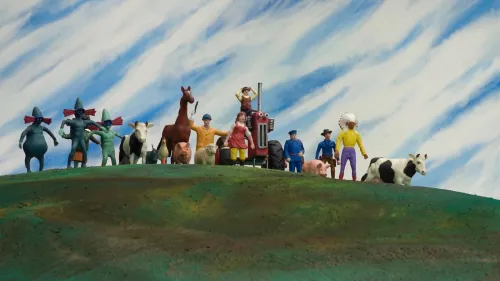
If you’re looking for a straightforward, reasonable plot for children, you’re not going to find it in this eccentric stop-motion animated comedy. That’s because from the reasonable panic over forgetting a friend’s birthday, A Town Called Panic spirals into a series of fantastical consequences, including an order of 50 million bricks, a journey to the center of the earth, and their unexpected detour to the northern tundra. But to be fair, logic is not really what children look for. If anything, the weirdness of Cowboy, Indian, and Horse’s adventures feels reminiscent of a child playing with mishmashed toy sets. Like the stop-motion medium, anything can happen, with enough imagination, and A Town Called Panic has quite the amount of frenzy to spare.
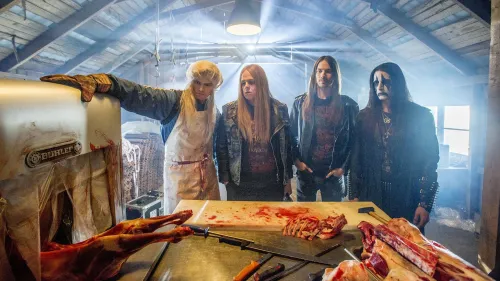
Heavy Trip is a comedy about a heavy metal band, but unlike many mainstream portrayals, it doesn’t dismiss the genre and its fans as overly aggressive, overly serious, or satanic. Instead, these misfits are endearingly goofy. While they growl over their frustrations, they’re totally sincere about their passion, willing to headbang even in the places they earn their living. So when they finally get a chance of a lifetime, it’s so easy to root for their success in spite of all the things that go wrong (maybe even because of all the ridiculous incidents that happen). While it won’t be the smoothest watch for non-metal fans, Hevi Reissu is a crowdpleaser. Just make sure to prepare your ears.
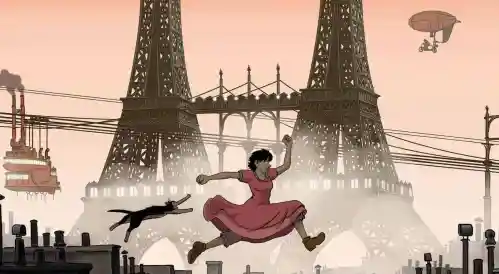
Contrary to other sci-fi films, this oddball animated feature reimagines a different history. Rather than envisioning where tech can take us, it imagines a world still held back by the limits of steam. That’s because scientists like Tesla, Edison, and Einstein are forced underground. Because of it, April and the Extraordinary World feels quite unique. It doesn’t slap on the aesthetic of steampunk for the heck of it, it just naturally allows steampunk to inform the story, adopting a makeshift, rebellious attitude that embodies the best of science. Like its title character, April bucks against expectations to create something distinctly original.
Séraphine is a biopic, but it’s not your ordinary rags-to-riches story where a cleaning lady’s paintings lead her to getting plucked from obscurity and living happily ever after. It’s a bit more tragic than that. If anything, the life she’s lived before she was famous is calmer, peaceful, and more fulfilling. Carving up time from her housekeeping job to create unique pigments and use them for her own artworks, Séraphine doesn’t paint for fame, fortune, or reputation. Instead, she paints because she can. Something about the way she goes through her mundane life opens up insights most people don’t get. Séraphine attempts to capture that genius in some of the most beautiful candlelit images ever put to screen.
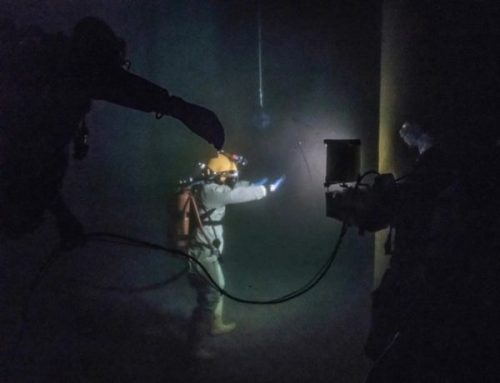
An 80-minute documentary about a diver who gets stranded in the deep sea with 5 minutes of oxygen left, while the nearest rescue team was 30 minutes away. This type of diving in the depths of the sea, as someone explains, is like “going into space but underwater”.
The documentary uses genuine footage from the dive as well as interviews of people who were present. Still, some parts of this incredible story can’t be explained. And if like me you’re not familiar with diving, everything will have more appeal. The vessel they use is quite impressive, the duration of its dive is obscene (28 days!), and lastly: the divers inhale helium (and speak with a funny voice) the whole time they are down there.
This wonderful Italian epic made by HBO was a huge hit in Italy but remains little-known elsewhere. It’s based on four famous books that tell the coming-of-age story of two brilliant girls who grow up in a poor suburb on Naples in the 1950s. It also has scenes from the current time where one of them mysteriously disappears. Amazing production value, acting, and story make this show so easy to get hooked to.
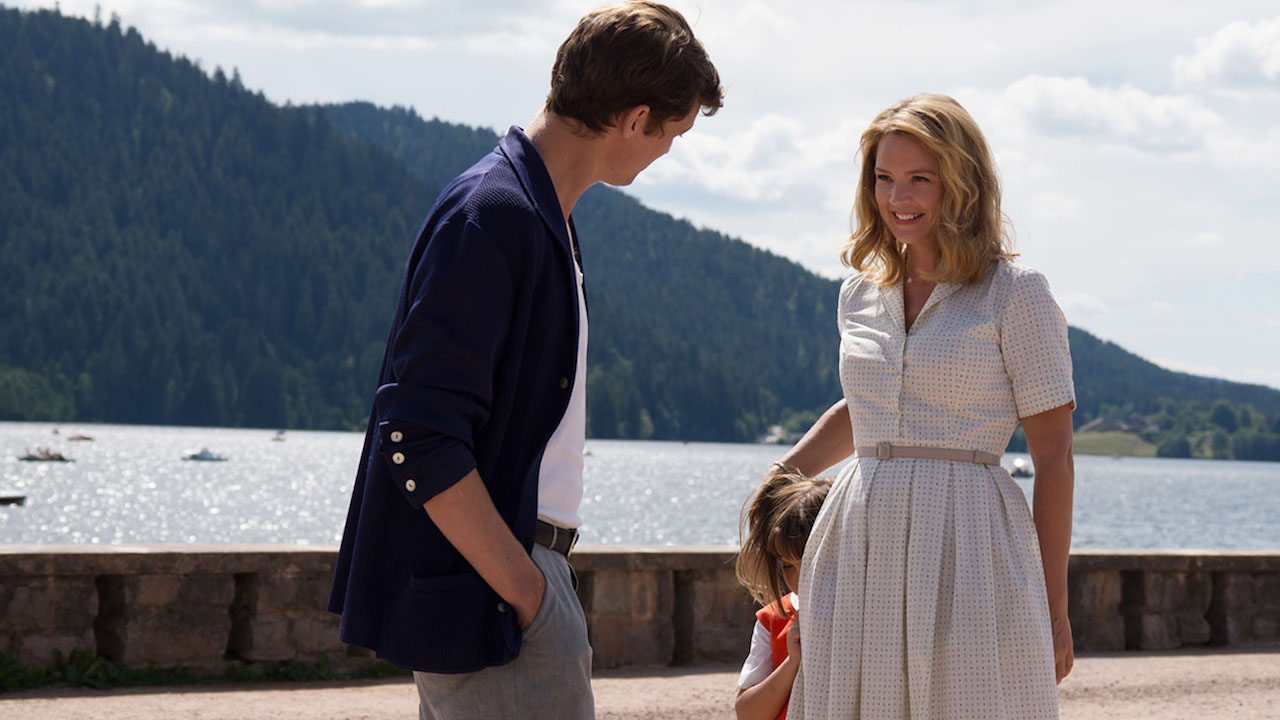
The bond between parent and child is fundamental to the child’s life, but not necessarily the other way around. Even when the parents chose to have them into their lives, the child will always live within the parent’s context, not the other way around. Based on a book by Christine Angot, An Impossible Love is centered on that relationship, with the daughter reckoning with her parents’ love story through narration, reckoning with the betrayals both of them have done onto her. It’s a risky story for writer-director Catherine Corsini, one she made picturesque and nostalgic with period-accurate production design, but behind the beautiful scenery lies the emotionally touching exploration of this difficult dynamic, made much more heartbreaking with Virginie Efira and Jehnny Beth’s excellent performances.
Iceland is a country of vast lands but limited population – only about 300,000 people can call themselves Icelandic. On the other hand, 8 million people have connecting flights through Iceland every year.
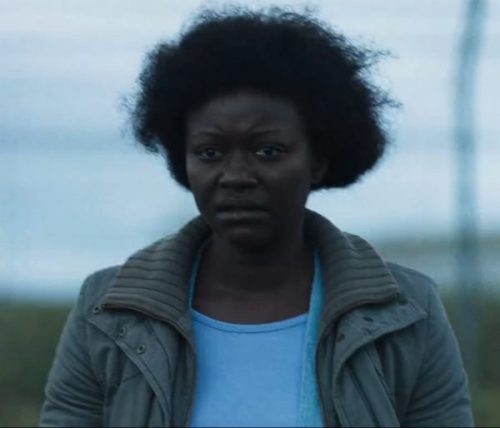
In this setting of mass movement, a single mother dealing with poverty is offered a chance to turn things around – a job as a border agent. One of her first days, she comes across an asylum seeker on a connecting flight from Guinea Bissau to Canada, trying to cross with a fake passport.
Their stories don’t only intertwine as border agent and asylum seeker, but as two mothers. And Breathe Normally is about struggling with poverty both in Europe and coming from a place like Guinea Bissau. It’s a beautiful, plot-heavy statement on the importance of solidarity and of seeing the human behind the country of origin or race.
A poetic and peculiar movie from Senegal about a girl who is forced to marry a wealthy businessman instead of her love interest. The latter, a poor construction worker, embarks on a risky journey across the sea to Europe. The story takes a supernatural turn thereafter, one that is unlike anything seen before in stories around immigration, but one which makes sense. Still, the excellent acting and the long takes that immerse you in what life is like in Senegal, both in and out of the margins of society, are the reasons to watch here. Atlantics’ characters are believable and will capture your interest throughout the usual and unusual parts of the movie. They provide rare insight into narratives that most of us have never been exposed to.
While Shakespeare has written most of the romantic plays that dominate theater today, there was one play from across the English Channel that also keeps its hold in the public consciousness, namely Cyrano de Bergerac by Edmond Rostand. Cyrano, My Love depicts the process of creating the iconic play a la Shakespeare in Love, that is, by taking the actual play’s history and jumbling it up with the plot of Cyrano, with art reinventing life and vice versa. It’s a bit of a corny approach, but the way writer-director Alexis Michalik adapts his play is entertaining, leaning more on the frenzy of creation and collaboration rather than cramming Rostand’s romance with his wife into a cinematic plot. This makes Edmond a much more dynamic profile of the titular playwright.
A quiet movie about an unpredictable convict who gets enrolled in a wild mustang taming program. These initiatives, common around the country, offer fascinating parallels: both the horses and the inmates are emprisoned, both innately fight against their condition but are actively being made to comply. The central performance by Matthias Schoenaerts is nothing short of a masterpiece. He doesn’t speak much and you almost don’t want him to: everything else he does communicates so much more than words. Watching this movie just for him is reason enough.
There’s a remarkable harshness to every moment of I Have Electric Dreams, even if it doesn’t seem like much is happening. Beautiful textures in its cinematography and the dreamlike movement of its editing can’t mask the pain that protagonist Eva feels, as she drifts through the ruin of her own family in search of any shred of comfort or anything she can still call her own. There’s tension in every interaction she has, as this messy divorce has torn down any divide between parent and child—revealing Eva to be both more mature and more naive than she realizes, and revealing her parents as still stuck in their own insecurities. It’s frequently difficult viewing that gets surprisingly graphic, but the film’s ear for character is undeniable.
The medium of cinema has been used as a tool for revolution, but so too was it complicit in genocide. That was true of the Khmer Rouge regime, as the remaining footage of the time came entirely from the state, to be used in re-education programs and propaganda to hide the difficult realities caused by the administration. In response, three decades later, documentarian Rithy Panh reclaims the medium, juxtaposing archival footage of Pol Pot’s programs and Cambodia before, with clay figurines formed from his memories. It’s a grim recollection, but The Missing Picture takes back cinema to keep a collective memory that must be preserved.
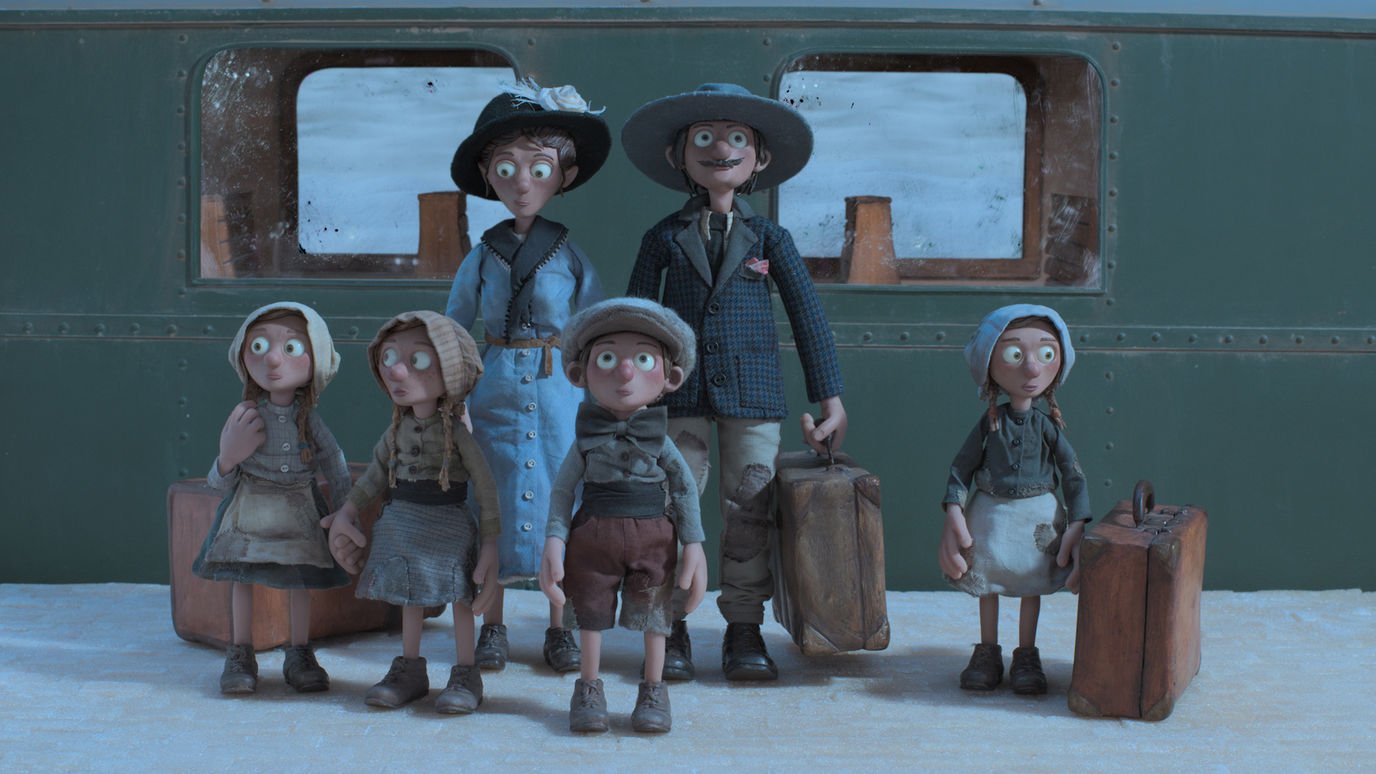
With cardboard houses, sugar winters, and broccoli trees, No Dogs or Italians Allowed at first seems lighthearted, playful, and not too serious. Alain Ughetto casts himself asking his grandmother Cesira about his family, but we only see his hands moving and interacting with the characters as if he was crafting clay model miniatures. However, the whimsical approach sugarcoats the very tragedies that struck his family– from the multiple wars to the discrimination they’ve faced as immigrants– with excellent animation and puppetry that feels much more lifelike than 3D CGI. In telling his family’s story, Ughetto also retells 20th century European history, reframing the worldwide events and movements through a personal perspective.
Our Children opens at the harrowing end of the true story it’s based on: with the image of a distraught mother (Émilie Dequenne) in a hospital bed, begging a police officer to ensure that her children — who have just predeceased her — are buried in Morocco. From this ominous beginning, the film rewinds into a jarringly sunny flashback of lovebirds Murielle (Dequenne) and Mounir (Tahar Rahim) to tell this horrifying story from the start.
What follows is much less obviously dramatic: Our Children shifts into slow-burn psychological thriller territory as we watch the gradual breaking down of Murielle at the hands of Mounir’s adoptive father André (Niels Arestrup), a wealthy white doctor who has used his status to insinuate himself into the lives of Mounir and his family back home in Morocco. This is a very subtle study of manipulation, one that hinges entirely on the performances of the trio, who fill with nuance roles that could easily have been tabloid caricatures. Above all, though, this is Dequenne’s film, and it’s the devastating ways she shows the life gradually being sucked out of Murielle that makes Our Children so difficult to shake off.
While best known for his provocative, existential dramas, Lars von Trier also made a provocative mini-series with surprising supernatural horror. Set at Denmark’s leading public hospital, The Kingdom takes familiar medical drama conflicts in handheld camera and sepia tone, but infused with an unsettling understanding of how the finest minds can fail, and how small science can feel in the face of the unexplained. That being said, the horror is much more wacky than spine-tingling or terrifying, but it’s played off through von Trier’s signature absurdism, taking a more humorous and sardonic approach. Riget may be an unexpected entry for those who have heard of von Trier, but it’s a must-watch for the auteur’s fans, showing a different side to the notorious director.
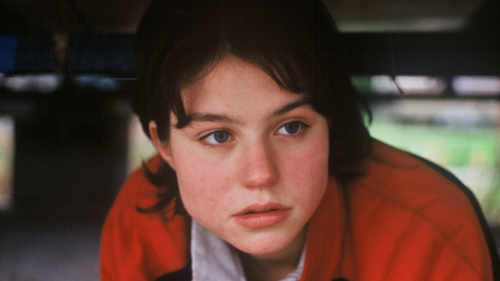
Rosetta begins fiercely, with a shaky handheld camera chasing the eponymous teenager (Émilie Dequenne) as she storms across a factory floor and bursts into a room to confront the person she believes has just lost her her job. The film seldom relents from this tone of desperate fury, as we watch Rosetta — whose mother is a barely functioning alcoholic — fight to find the job that she needs to keep the two alive.
As tough as their situation is, though, Rosetta’s fierce sense of dignity refuses to allow her to accept any charity. A stranger to kindness and vulnerability, her abject desperation leads her to mistake these qualities for opportunities to exploit, leading her to make a gutting decision. But for all her apparent unlikeability, the movie (an early film from empathy endurance testers the Dardenne brothers) slots in slivers of startling vulnerability amongst the grimness so that we never lose sight of Rosetta’s ultimate blamelessness. Its profound emotional effect is corroborated by two things: that it won the Palme d’Or at Cannes, and that it helped usher in a law protecting the rights of teenage employees in its setting of Belgium.
Director Ziad Doueiri is one of the first filmmakers to successfully break through to the global stage out of Lebanon, and West Beirut, which was selected as the country’s entry for the Best Foreign Language Film at the 1999 Academy Awards, is one of his most accomplished films.
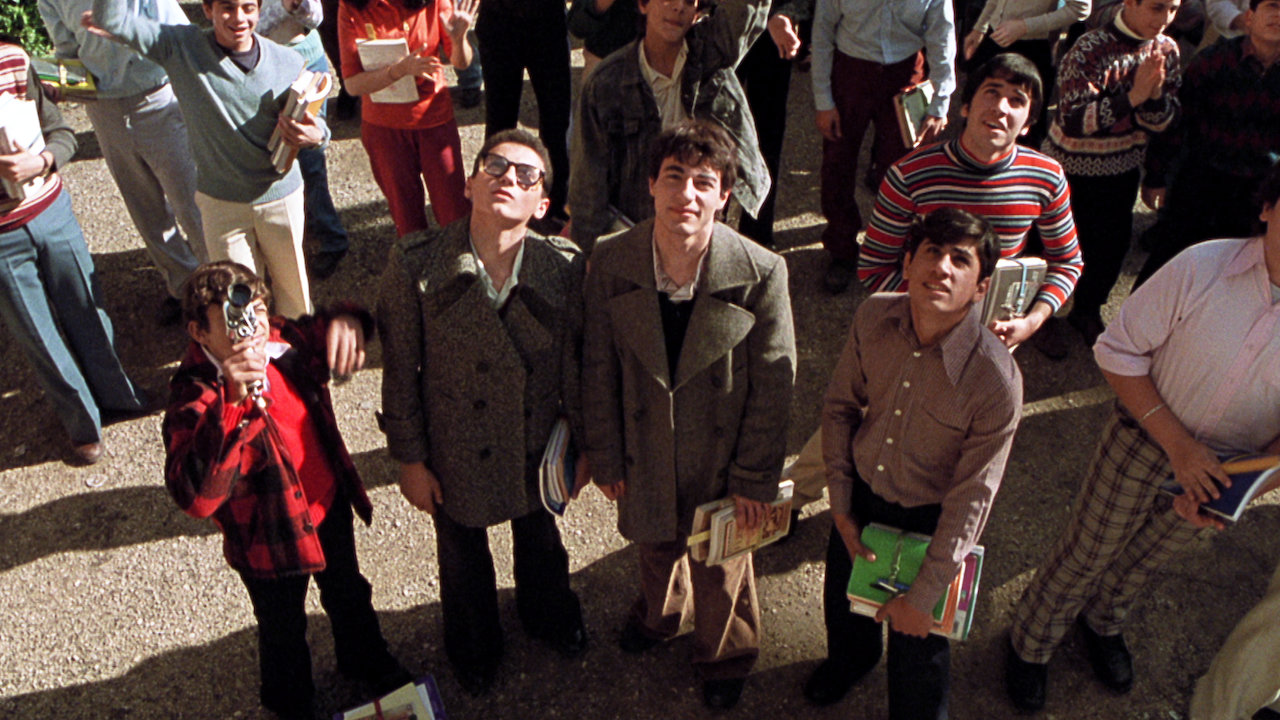
The film stars the director’s son Rami Doueiri as Tarek, a young Lebanese boy who loves to shoot with his Super 8 camera and go on small adventures with his friends Omar and May in the streets of Beirut. But one day, he is faced with the ugly truth of the Lebanese civil war. As he learns more and more about the divided state of his country, he sets out on a mission in search of any lingering hope to help keep the beautiful idea he has of his country locked safe and sound in his brain. “Whoever asks about your religion, you tell them I’m Lebanese.”
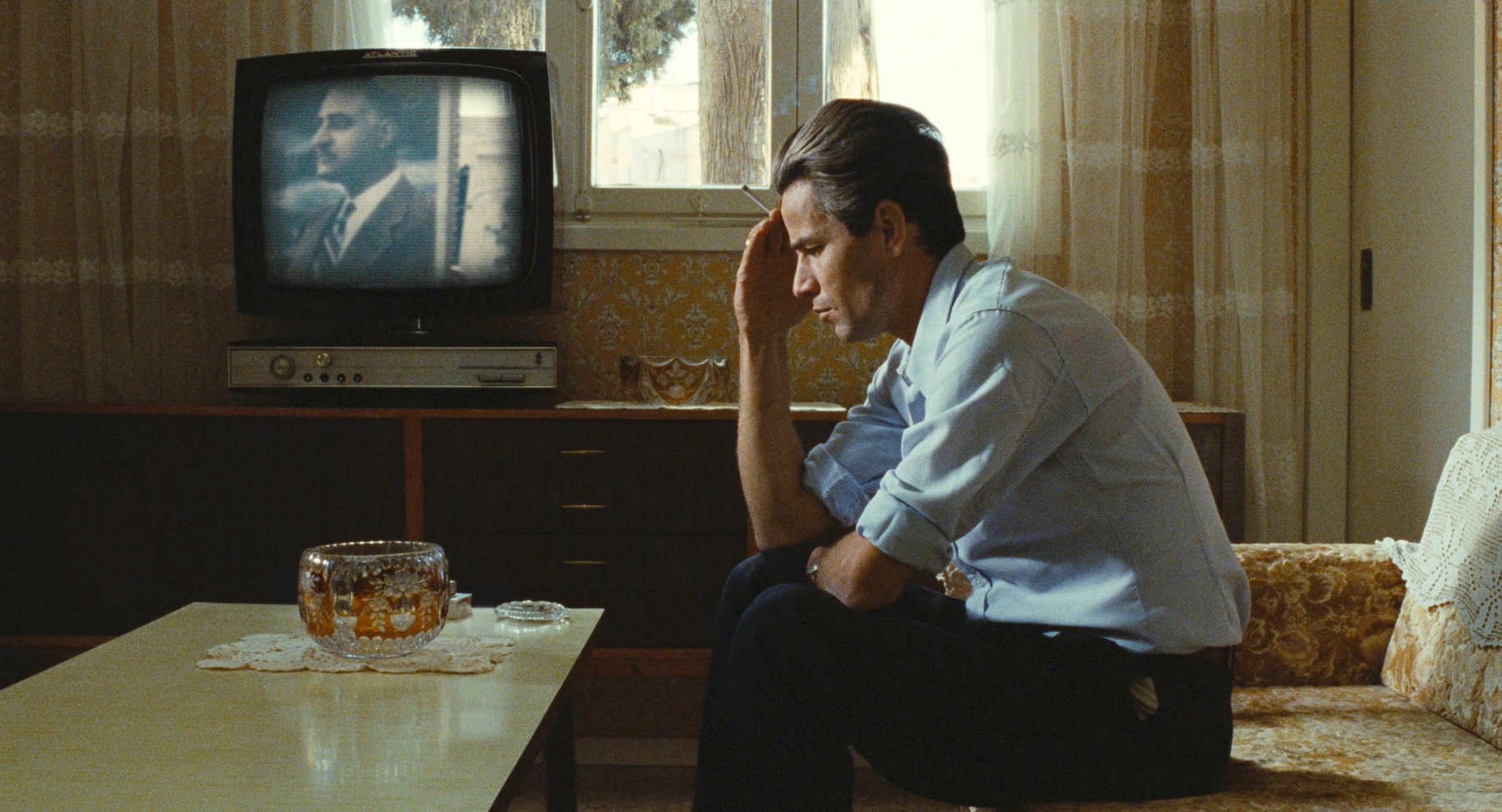
While many Palestinians had to leave their homeland, there are some families that stayed within the region. One such family is that of Palestinian director Elia Suleiman. The Time That Remains is a semi-biographical film that depicts each generation of the family in excellently framed, colorful shots, but while each scene is a beauty to watch, there’s an ugly undercurrent with the way one group is treated over the other. The film contrasts the stoic actions of Elia’s father Fuad and that of the Israeli soldiers, teachers, and nurses around them, and the contrast channels a dry sort of humor that pokes at the absurdity the occupation places 20% of its citizens through. It’s a smart, subtle way to depict the rage felt by the many people that remained in the area, as well as the sadness they must have felt with the loss, the pain, and the displacement they’ve gone through.
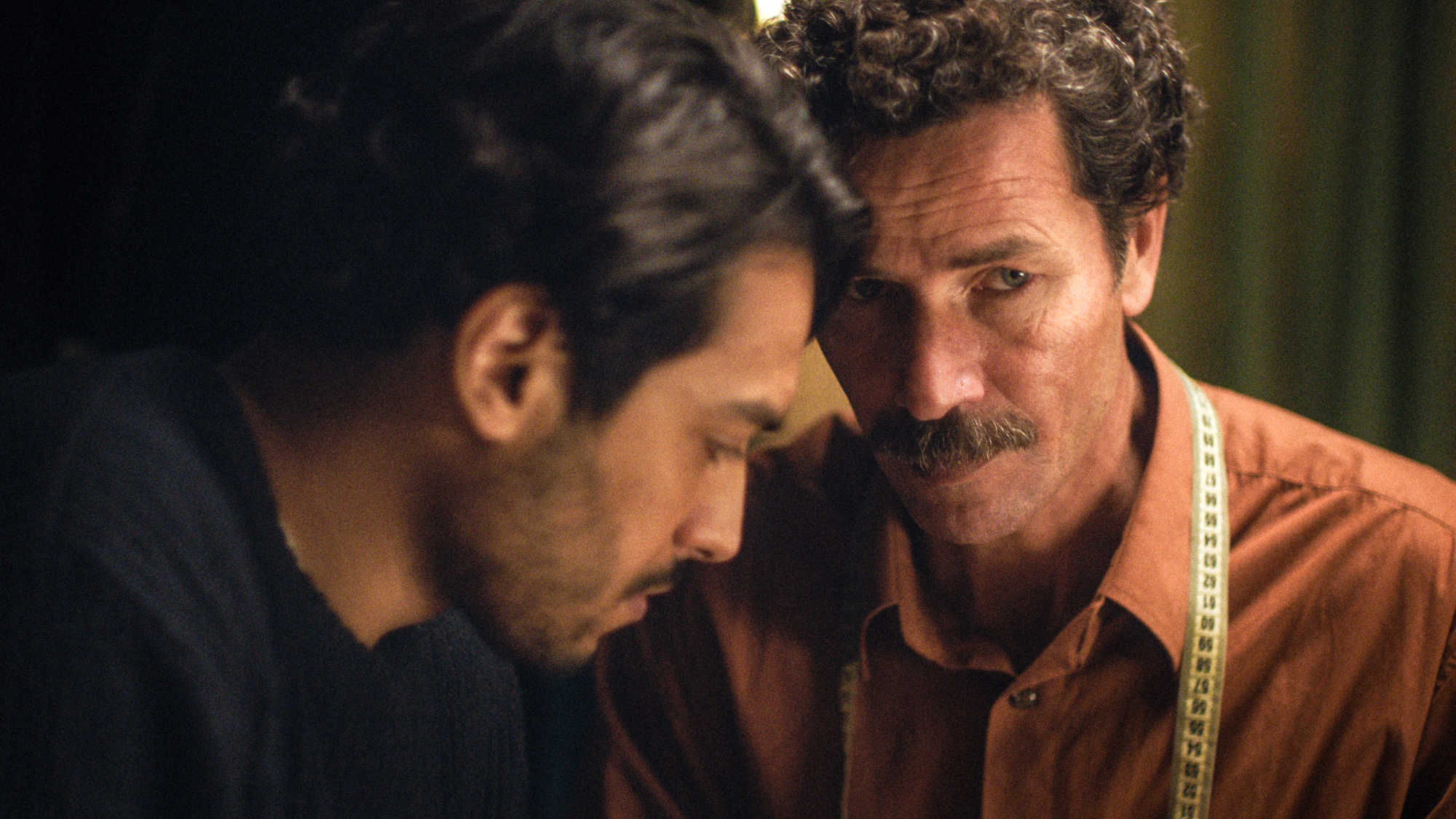
Set in one of Morocco’s oldest medinas, Blue Caftan is a tender portrayal of pure love and the different forms it takes. It follows traditional tailor Halim (Saleh Bakri) and his wife Mina (Lubna Azabal) who, despite their imperfect marriage, prove their affection in small but moving ways. He peels tangerines for her and washes her hair, she preps his meals and defends his craft from demanding customers. When a third person, Youssef (Ayoub Missioui), enters the picture, even more manifestations of passion (and the lack and longing and excess of it) emerge.
It’s a dramatic film, but never overly so. Like the silky fabric Halim handles with expert care, it’s rich but soft, detailed but delicate. In the face of poverty, sickness, and discrimination, the film mines moments of joy, friendship, and pleasure, subverting the expectation that tragic circumstances must mean tragic outcomes.
Blue Caftan, even in its saddest moments—and there are plenty—is a film full of love, made even more memorable by the deft performances and palpable chemistry of its three leads.
When the film publication Sight and Sound dubbed it “the greatest film of all time,” movie fans were quick to give their opinion. Those opposed complained about its simplicity, while those favoring the film praised the same trait. It’s true the film is simple—the camera is static and far away, and all it does is follow the titular Jeanne as she goes through the strict routines of her life. But nothing about it is plain or easy. You could mine a thousand things from a single scene alone, to say nothing about the woman at the center of it all. As Jeanne juggles her duties as a homekeeper, mother, and breadwinner, she eventually unravels, and the film rewards us with one of the most memorable climaxes of all time. There’s complexity in the ordinary, Akerman reminds us in her mundane epic, and there’s always something political motivating our choices, no matter how normal they seem.
When someone does everything they can to stop you, even to the point of irrationality, that’s hater behavior. This is exactly what drives Dutch-Belgian drama Character. The murder mystery, that is, whether or not Katadreuffe actually killed Dreverhaven, is surprisingly not the most interesting part about this movie– it’s actually what the hell Dreverhaven has against Katadreuffe, because, as the film unfolds, the petty, irrational actions the older bailiff done against the newbie lawyer starts to add up, piece by piece, to the point that this actually starts to matter in Katadreuffe’s life, to the point that it wouldn’t be a surprise if Katadreuffe actually killed him. Gloomy, moody zoom-ins into their faces emphasize the leads’ intense performances, which they infuse with an understanding of the stakes that aren’t obvious to even their own characters. Karakter adapts the bestselling Dickens-like novel with style and subtlety.
In 1994, Danish auteur Lars von Trier came up with a TV series called The Kingdom, an absurd supernatural comedy that takes place in a rundown hospital in Copenhagen. The show was well-received enough to warrant a second season, but just as von Trier was polishing up the third and final installment, the deaths of more than one lead actor pressed pause on the project, till now.
More than 10 years in the making, The Kingdom part III, also called Exodus, is still very much centered on the weird patients and staff members that populate the Riget hospital, as well as the possible evil buried beneath it. The comedy/horror has a robot dishwasher and a giant head. Danes and Swedes are perennially at war with each other. Willem Dafoe and Alexander Skarsgard make odd cameos.
I’m not sure it’s possible to write a coherent synopsis without sounding like I’ve fallen off the rails, but know that it is a unique headscratcher of a show, more interesting as an experience than anything else. Von Trier was also openly inspired by Twin Peaks, in making it, so David Lynch fans in particular will truly enjoy diving into this world.
The situation in No Man’s Land isn’t something we usually see in war movies, considering how often the genre has been used to criticize war, to examine people’s true nature, and to affirm a deeper love for humanity. There’s no time to have fun when these ideas are at stake. Yet, the awkward situation of being stuck where you shouldn’t have is likely to be true in reality. Wars like the Bosnian War did use landmines, causing situations for soldiers on both sides to unexpectedly end up stuck with each other. But if anything, the humor highlights the very same war film themes, albeit in a fresh way. Mirroring the historical indecision of the world leaders outside the trench, No Man’s Land takes this possible scenario to contemplate war’s absurdities.
As a popular fairytale, Snow White has been depicted many, many times, but never quite like the 2012 Spanish film Blancanieves. For starters, it’s the only version where the titular lady is a bullfighter. It was also made as a black-and-white silent drama at a time when color and sound are the norm. But beyond these immediate differences, Blancanieves transforms the original fairytale into a mortifying body horror, where love can’t overcome the body’s destruction, and where death isn’t the only terror that awaits. Blancanieves won’t be the Snow White you remember, but she will be a version you won’t forget.
Gangsters usually deal in guns and drugs, but occasionally they branch out into other paraphernalia. Bullhead depicts one such gang. Nicknamed by the media as the Hormone Mafia, the crime thriller captures an organized crime network that threatens local cattle farmers to buy their stock of illegal growth hormones. Of course, the setting makes for a distinctly pastoral twist to the usually urban-set gangster thriller. The protagonist’s traumatic incident and the way he attempts to resolve it could only happen in a farm like this. However, fans of the genre will still enjoy the familiar themes of masculinity, revenge, and betrayal, especially with the intense breakthrough performance of Matthias Schoenaerts.
If you like: weird movies and / or Scandinavian mythology, this movie is for you. It’s about unusual looking border agent with super-human abilities (such as smelling fear and shame) who meets someone like her for the first time There is a big revelation in Border that I can’t share but while this movie was directed by an Iranian (Ali Abbasi), it’s deeply rooted in Swedish folklore. Themes of identity, gender, and otherness intersect through a thrilling script and beautifully-shot nature scenes.
When depicting war and faith, it seems like men are the only ones that have to undertake these challenges, at least it seems, in the stories made available about these topics. But that simply isn’t true. The Innocents is one of the few reminders that, while women might have been kept from the front lines, war has spared no one. Through stark and wintry shots, and a solemn direction, writer-director Anne Fontaine crafts tense conversations between an atheist doctor and her nun patients, making all of them reckon with the ways trauma has shifted their present principles and future actions, in a sensitive way that has rarely been seen before. While the resolution can come across as a bit too sudden, The Innocents nonetheless is a compelling study of faith.
If you’ve watched any World War II film, the plot of this historical drama would be familiar. A boy grows up not fully understanding the danger he’s in, and stays shielded until he meets a wounded British soldier. Of course, he gets into a situation way over his head. However, we won’t deny this familiar story works. Anchored by then-newcomer Martijn Lakemeier’s performance, this coming-of-age drama adapts the beloved Dutch novel in an empathetic lens, with the cinematography echoing the ways the adults around him attempt to shield him, as well as the way his curiosity pushes him to bear witness to what they’re hiding. Winter in Wartime won’t be the most groundbreaking wartime drama, but it does depict its story well.
There’s a lot to like in Parade’s End, especially if you’re a fan of watching meticulous British society conventions set in the backdrop of war. There are great performances across the board, but none more compelling than the love triangle trio who headline it (the women are particularly phenomenal, so much so that Rebecca Hall has managed to make her detestable character quite the charmer). The scenes are lush, too, at once sprawling and ornate, expansive and detailed. And as a BBC2 show, Parade’s End is racier and unafraid of nudity, lending it more edge than similar dramas like Downton Abbey. My only gripes are the occasional slow-mo and repetitive use of shots, which make the show feel soapier and cheesier than it should be. Otherwise, Parade’s End is a beautiful and smart watch, one that not only surpasses but arguably, possibly, surpasses the other show mentioned above.
In modern day Europe, demonic possession seems to be a thing of the past, something most likely to be attributed to mental illness, and something that can be dealt with through modern medicine, not exorcism. Still, exorcisms are conducted in certain areas in the continent, and some instances don’t go the way they should. Inspired on the real life Tanacu exorcism, Beyond the Hills doesn’t depict the event through a horror or melodramatic lens– instead the film is stoic, naturalistic, with long single takes that linger uncomfortably and repetitively. As Alina pleads to Voichița to help her, to choose her and their bond, Voichița grapples with wanting the modern yet isolating freedom she knows Alina has found elsewhere, while still wanting the refuge religious tradition has granted her, but also has made her dependent on. It does take a while to reach its conclusion, but Beyond the Hills is a deeply unsettling and striking movie to watch.
It’s difficult to portray Cinderella stories nowadays without making them feel cliche and irrelevant, but Mrs. Harris Goes to Paris seems to have achieved the impossible: it tells a well-worn tale without losing any of its charms, and Lesley Manville is the person to thank for this surprising triumph. As the titular Mrs. Harris, Manville is so sweet and likable —thoroughly convincing in her rags-to-riches journey—that it’s impossible to watch her without grinning from ear to ear. Sure, the beats are predictable, polished to a fault even, but Manville makes every scene worth it. This is a feel-good movie if ever there was one, made even more enjoyable for fans of earnest performances, beautiful dresses, and clean, straightforward storytelling.
The Promise has all the trappings of a sleazy crime drama, but there’s a sense of innocence buried underneath all the dirt that helps set it apart. Even as Igor helps his father do the shadiest things to exploit the illegal immigrants under their care, you can see the boy slowly wake up to the realization that life can’t just be a series of transactions, rewards, and punishments. As writers and directors, the Dardenne brothers present Igor’s coming of age with frankness and without pretension—even when a hint of the mystical begins to compel him to tell the truth. It might not seem all that complex at first, but the details that make up this world are fully immersive from start to finish.
Given its beginnings as a one-act stage play, What’s in a Name? might come across as too dialogue heavy, especially for non-French speakers. Despite the language barrier, however, the situation is rather relatable. The joke that starts it all is something akin to rage-bait, and while it’s unlikely that a close friend group might escalate to the extent of this film’s ensemble, many adults might find familiarity in the way they bicker, fight, and use the intimate knowledge they have to hurt each other. If you’re looking for a sweet, lighthearted comedy, this film won’t be your jam. But What’s in a Name? might feel cathartic for adults who have bit their tongue in the name of good will and better friendships.


x1
x5