
Movies to Watch From South Korea
To access filters, visit our homepage.












Honestly, it’s a bit insulting to diminish a romance fan’s love for the genre simply due to good looks of the actors, at least in the first episode of Boyfriend on Demand. It does happen, for sure. There’s no doubt that it’s also the draw of this particular show– that is, seeing Jisoo from Blackpink team up with some of the most gorgeous actors currently working in the Korean drama industry, for her character’s virtual simulations. However, a little bit of patience, and Boyfriend on Demand goes beyond the looks, and into her character. As Jisoo’s Seo Mi-rae takes a spin on each trope, the show plays with each specific fantasy and figures out why a fan might indulge in them. Episode 3, in particular, delves into why Mi-rae gets sucked into the game, and the avoidance she relies on to protect herself from pain. Boyfriend on Demand sometimes struggles to hit the right tone (see above) and it hesitates to get in-depth into wider struggles, but ultimately it knows its own heart and delivers lighthearted entertainment.

What pushes humanity to reach for the stars? Lost in Starlight is centered on an astronaut hoping to go to Mars, but before she can go, life keeps her back on Earth and makes her have something to return to. As such, it’s more a romantic drama than a sci-fi adventure. It’s easy to recognize many of the moments, especially if you’re well-versed with the K-drama genre. However, the film masterfully stitches both the romance and the space together through thoughtful characterization, as the current relationship echoes the same sacrifice her parents made in the name of her mom’s work and that spurred Nan-young’s own ambition to space. It’s also beautifully animated with atmospheric music and a stunning art style that renders a more hopeful vision of the future. The first animated Korean Netflix Original takes on a familiar romance, but through an unfamiliar mix of genres that makes it quite unique.

 x1
x1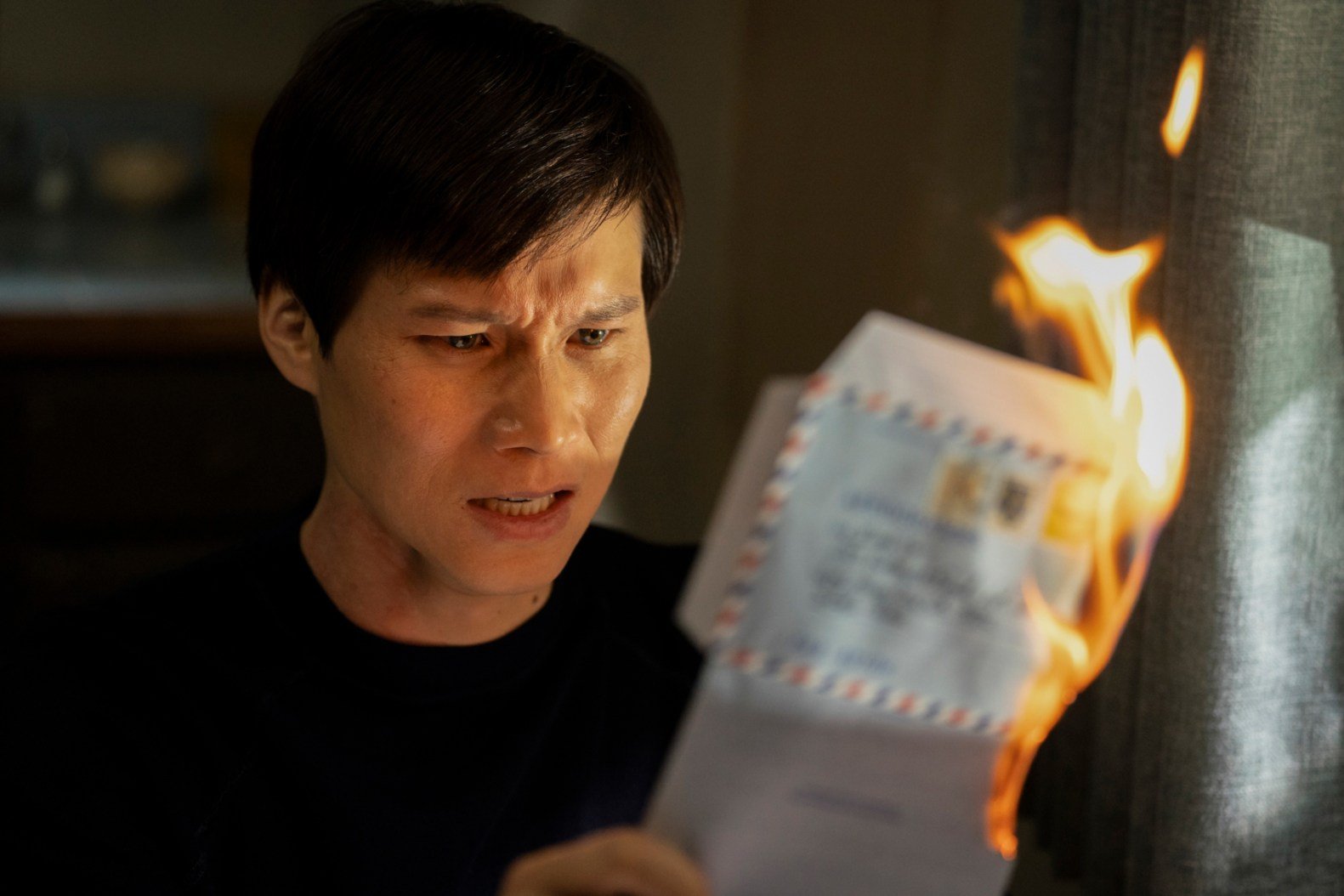
After the only war the Americans have lost, American post-Vietnam war portrayals tend to lean as patriotic revenge fantasies or romanticized disillusionment, but rarely do they portray the people caught in between. HBO’s The Sympathizer is an adaptation of the Pulitzer winning novel of the same name, and while it’s mainly an American production, Park Chan-wook and Robert Downey Jr.’s collaboration sticks to the Captain’s perspective, as the unnamed mole protagonist writes his confession years after from a jail in Vietnam. Chan-wook excellently mirrors his approach to Viet Thanh Nguyen’s agile storytelling, shifting time periods and languages the same way the Captain shifts perspectives, though Nguyen’s dry humor sometimes wavers when translated to the screen. Still, it’s certainly a well-crafted, ambitious depiction coming from a unique perspective.
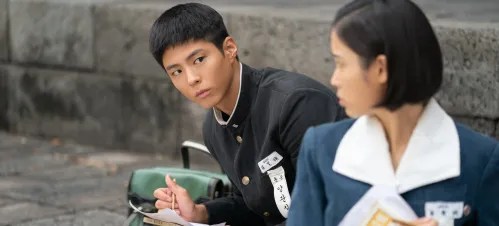
A more cynical viewer might be put off by the pity party that happens in the first hour of When Live Gives You Tangerines (although as far as K-dramas go, this one is pretty mild). There is plenty of crying, especially by the child actors who seem forced to do the act. But it’s worth sitting through; the events that follow are lovely and moving. Set in the countryside of post-war South Korea, the series follows a young couple as they elope and raise a family with little means. It gets cheesy at times but leads IU and Park Bo-gum nail their characters to the ground, always keeping them relatable, likable, and true to times. The immersive production design and the clever time jumps pull you in and keep you longing for the next episode.

Succession, whether that be of family assets or of job titles, is always a tricky situation to navigate– often, those choosing a successor would have to check in with the possible choices next in line in order to make sure there are no resentment, otherwise, it could drive the hillside horror present in The Bequeathed. From passive-aggressive co-workers to mourning relatives, Yoon Seo-ha is having a terrible time dealing with the succession situation, both being resented by a superstitious half-brother for the land and resentful of a co-worker who got promoted before her. It’s so easy to suspect potential rivals, especially when murder strikes those around you, but The Bequeathed also recognizes something scarier– the fear of what you could do with that resentment.
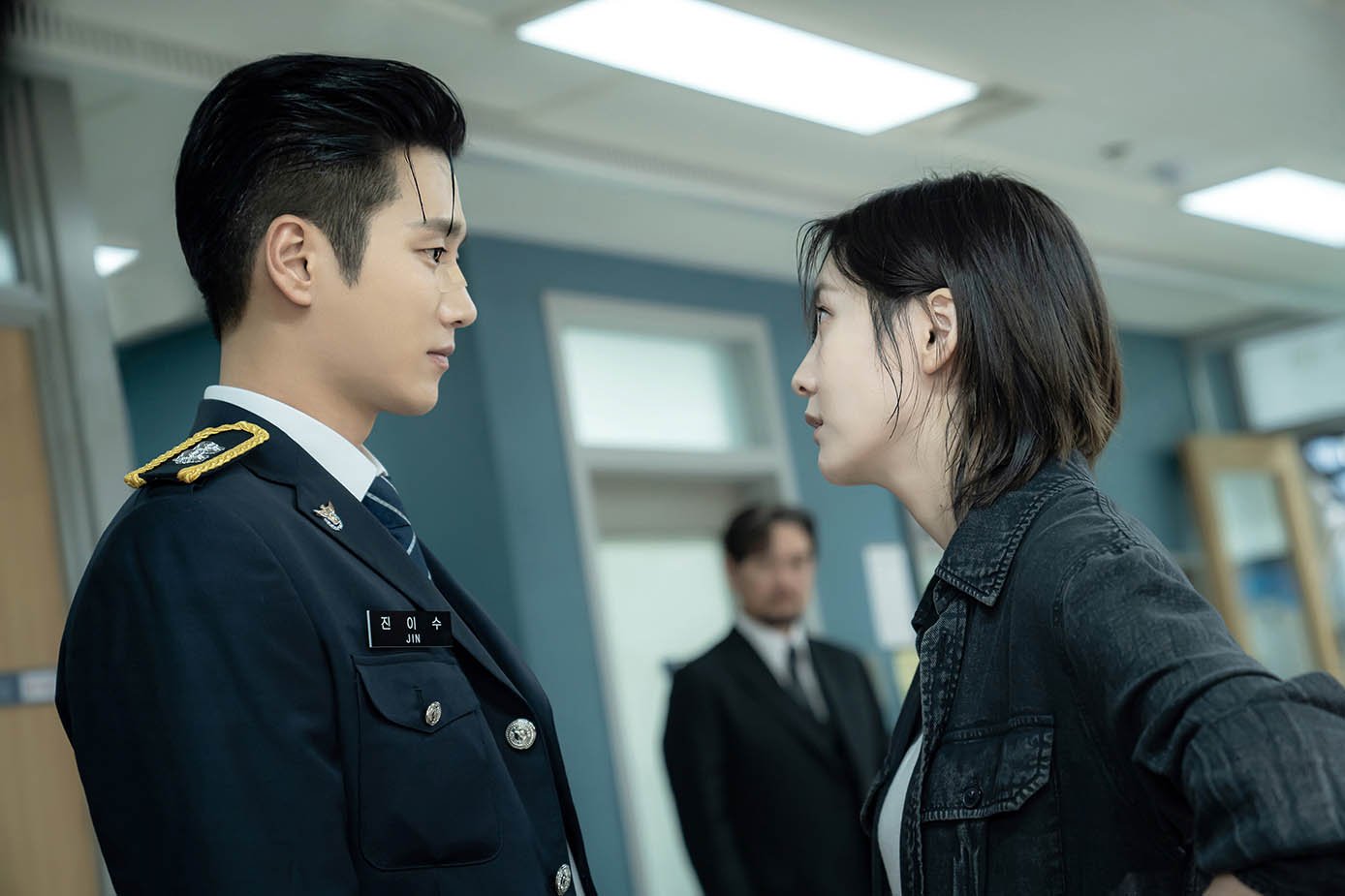
With plenty of familiar elements, Flex X Cop should feel unoriginal. After all, a rich heir that plays at being a cop to capture bad guys in response to his mother’s death? That’s practically Batman. But the show is more fun and breezy, with Ahn Bo-hyun as the charismatic Jin Yi-soo pulling out chaotic mischief that somehow doesn’t get him in trouble, paired with Park Ji-hyun in her first action role as a more stern, by-the-book detective Lee Kang-hyun. It’s an interesting buddy cop dynamic that leans more on lighthearted comedy than serious thriller, but the opening sequence hints at a more serious side, still full of action sequences expected from the genre. Flex X Cop may have plenty of familiar tropes, but the way it’s remixed feels novel and entertaining enough to watch.

Given a budget from Netflix to make a documentary on Korean film, some would have chosen instead to make one for big Korean filmmaking personalities like Academy Award winner Bong Joon-ho, who is featured here. However, director Lee Hyuk-rae instead creates Yellow Door, a love letter to the ‘90s film club that inspired a generation. The warm way each member tries to remember the club made decades ago, and the handy, almost cheeky, animations makes it feel like we’re there in the club with them, just listening to friends reminisce about the way they obsessed about film, even if it wasn’t the major they were studying in. It’s so nostalgic and sentimental, and in shifting its focus, it celebrates the lovely experience of finding a community of like-minded people that’s just obsessed with film as you are.
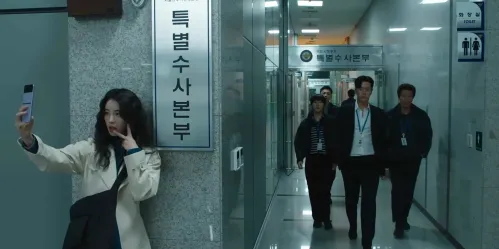
The Killing Vote takes the “vote to kill” storyline and pairs an anonymous vigilante with an ambitious yet apathetic officer, creating an intriguing setup that questions how everyday inequalities extend to the justice system. The first episode is quite disturbing as it tackles child pornography, but with this pilot, the series is able to cement an expectation it fulfills in succeeding episodes: this is a severe show that tackles severe cases and severe criminals. Coupled with immersive performances across the board (the star-studded cast includes K-drama staples Park Hae-jin, Park Sung-woong, and Lim Ji-yeon), The Killing Vote is already off to a high-intensity start. If it keeps this up, it very well could be one of 2023’s best.
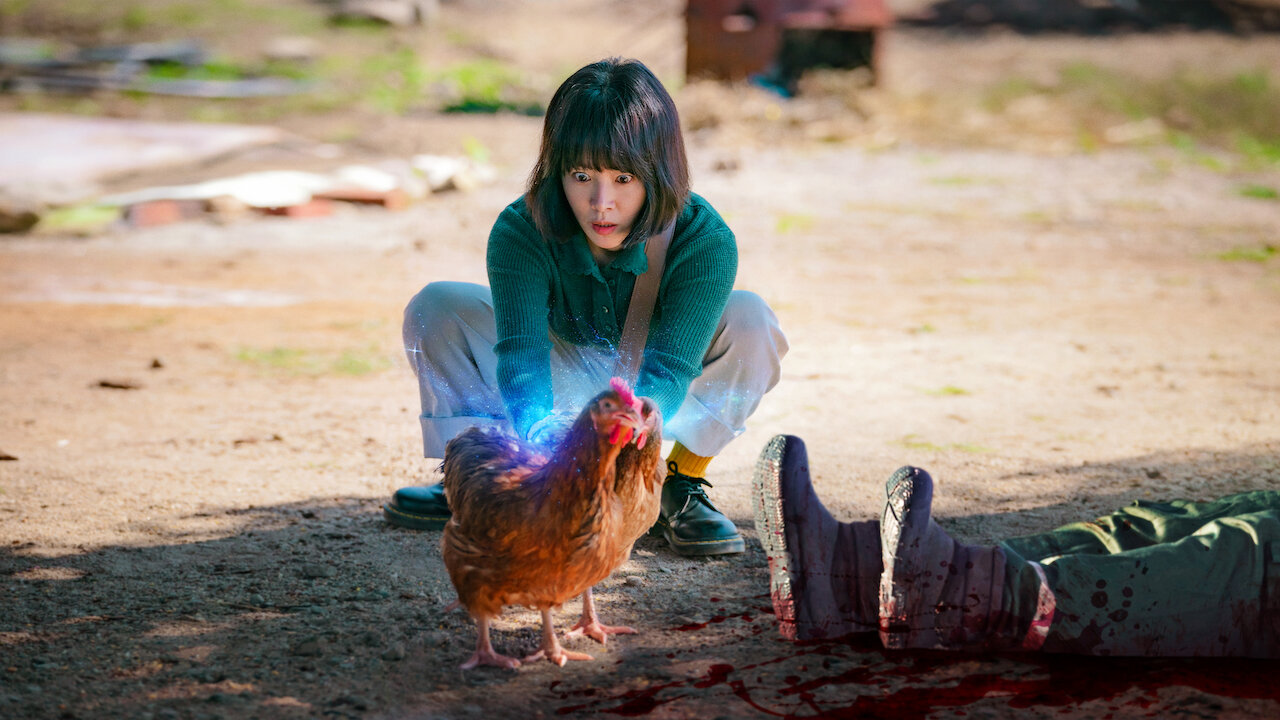
When the psychometric powers of the main character are only activated when she touches a butt, you know that Behind Your Touch will be as silly and hilarious as the show’s powers. The K-drama gets into ridiculous moments, oftentimes inspired by other dramas from the action, horror, and romance genres, but done in exaggeration for comedic effect. And the cast really gets into the action, with Han Ji-min and Lee Min-ki’s excellent chemistry and timing able to deliver the jokes written by the team. As the first season will end soon, it’s hard to say if the ending will be as good as its start, but so far, Behind Your Touch takes interesting comedic twists of the K-Drama tropes we all know and love.
Mysterious and hair-raising, Revenant is a supernatural drama whose demonic possession deals with modern-day detectives and Korean folklore. This strange mix of genres makes the show’s premise slow to unfold, taking time to introduce the complex agents in each part. At front-and-center is working-class woman Gu San-yeong, who gets possessed by a demon. Kim Tae-ri’s expert acting makes both believable, simultaneously terrified and terrifying in equal measure. To be free, Gu accepts the help of folklore professor Yeom Hae-sang, who has been hunting down this demon after his mom’s death. With his mom’s death, as well as many others, being dismissed by the police as suicides, the show questions the reasons behind Korea’s high suicide rate. Acknowledging the struggles of Hell Joseon, Revenant suggests what Yeom advises: To listen, pay attention, and learn the reasons why they’re here.
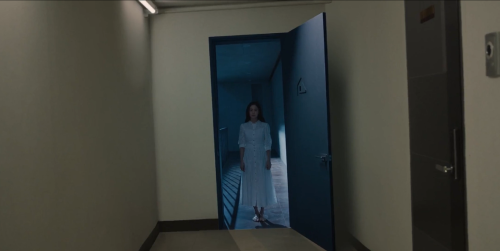
A mysterious rotting smell and hard thuds heard from above start the series off on an eerie note. Moon Joo-ran (Kim Tae-hee) is a seemingly perfect housewife, but under the guise of her well-kept home are a secretive husband and a son who possibly resents her (currently unknown) condition. Meanwhile, Chu Sang-eun (Lim Ji-yeon) is trapped in an abusive marriage and dreams of escape. As Joo-ran becomes paranoid about the smell in her backyard and Sang-eun gathers evidence to leave her husband, the two women find a harrowing revelation. Leads Kim and Lim immediately offer memorable, haunting performances, while the setup described above is a captivating start to a psychological thriller that promises a web of secrets and lies.
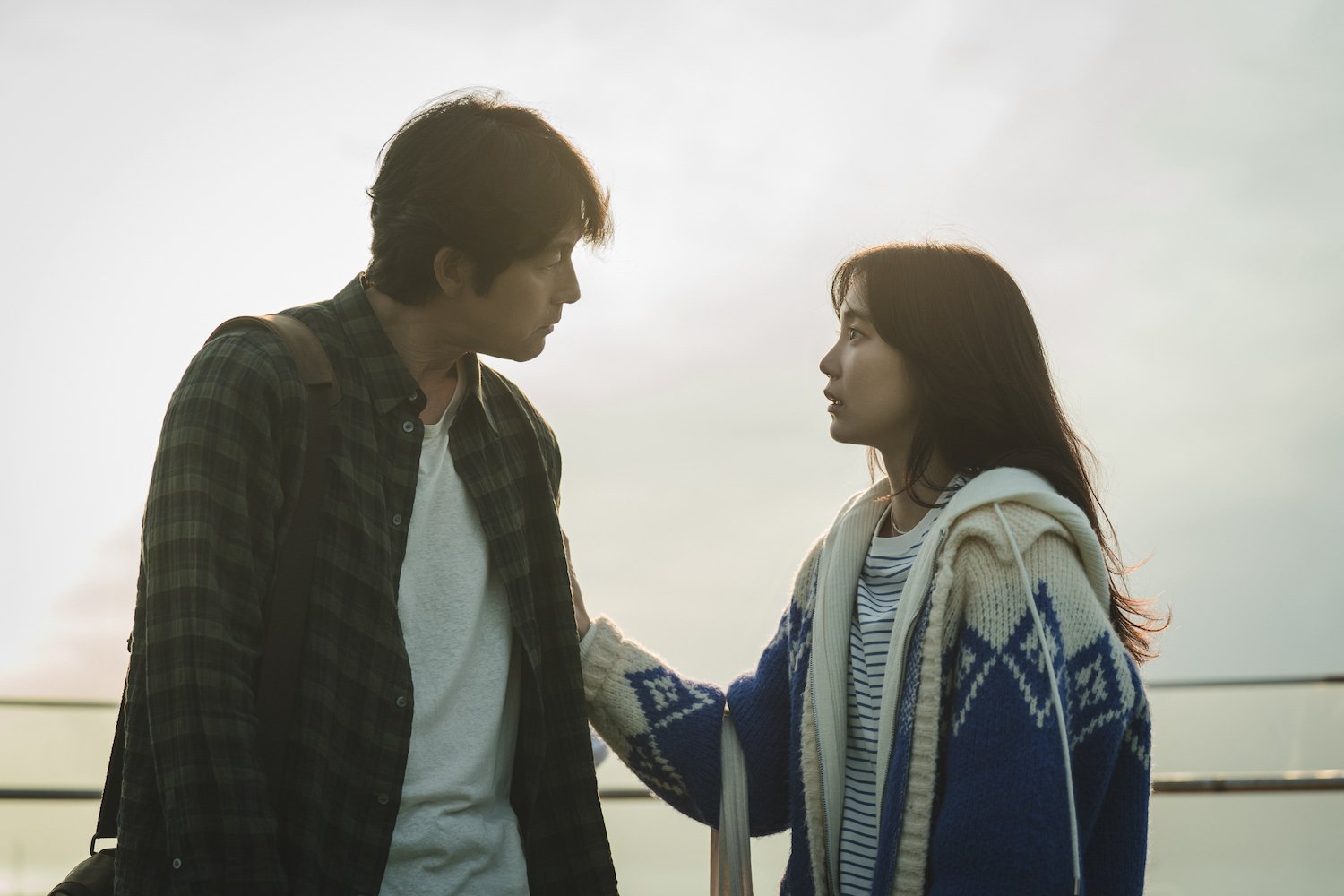
Romantic relationships can come and go, but sometimes, one partner comes along and irrevocably changes your life forever. Tell Me That You Love Me depicts one such relationship. The Korean adaptation of the trailblazing Japanese deaf romance drama has plenty of the same charms, though this rendition makes certain changes that better reflects this current time period without sacrificing the cathartic portrayal about Mo-eun’s and Jin-woo’s flaws, and the genuine difficulties a relationship like this could have. While the show’s second half falters in certain moments, Tell Me That You Love Me mostly sticks the landing in creating a healing depiction of a deaf romance.
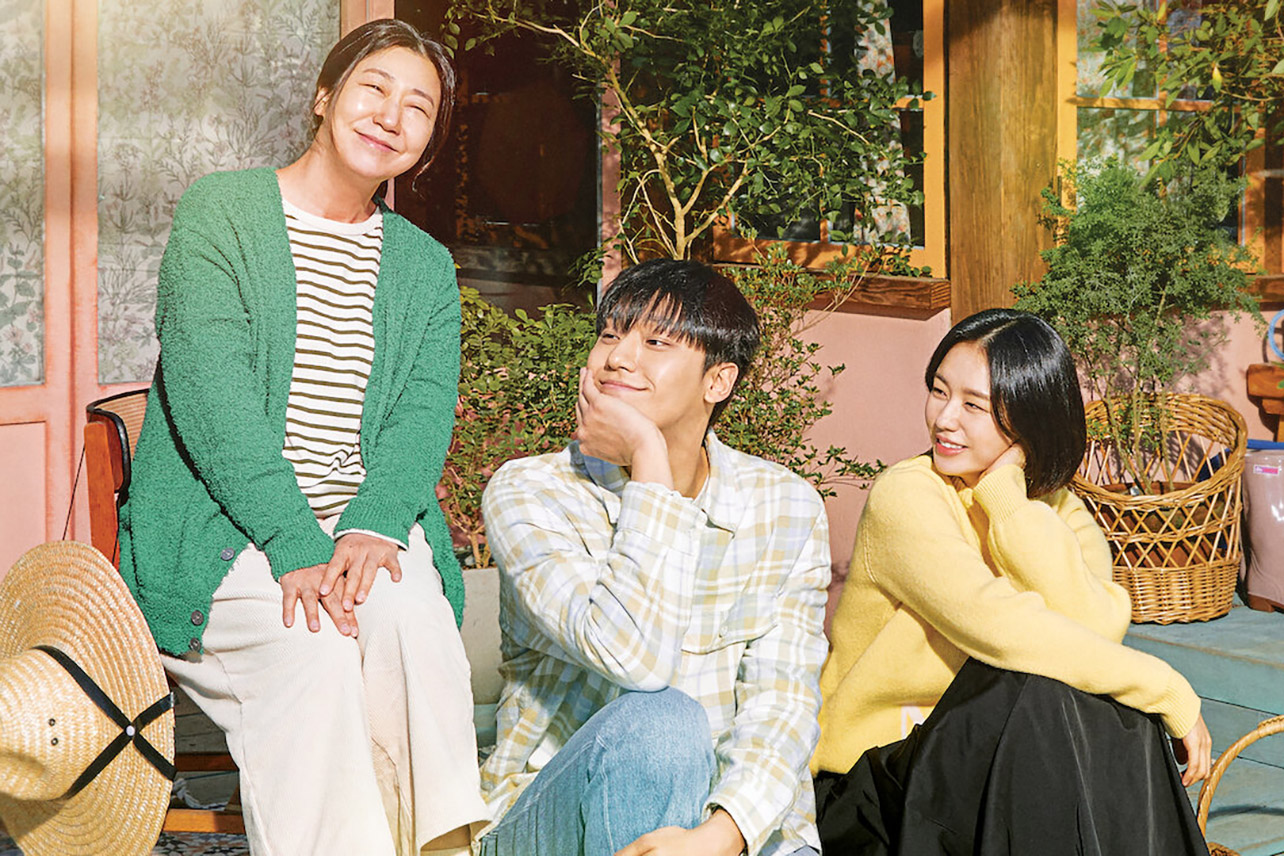
Life never goes the way we expect, especially for those who don’t have plenty of options. Because of this, parents strive to create a path for their kids to the best possible future they can manage, even if it causes some resentment. The Good Bad Mother portrays this, with some melodramatic flair, but the way the series tells its story is complex, layered, but totally compelling – as Jin Young-soon tries to reconnect with her son while also seeking justice for her husband, and Choi Kang-ho looks for family in any way he can. And it’s balanced with lighthearted humor and slice-of-life sequences that celebrate the lives of the ordinary people.
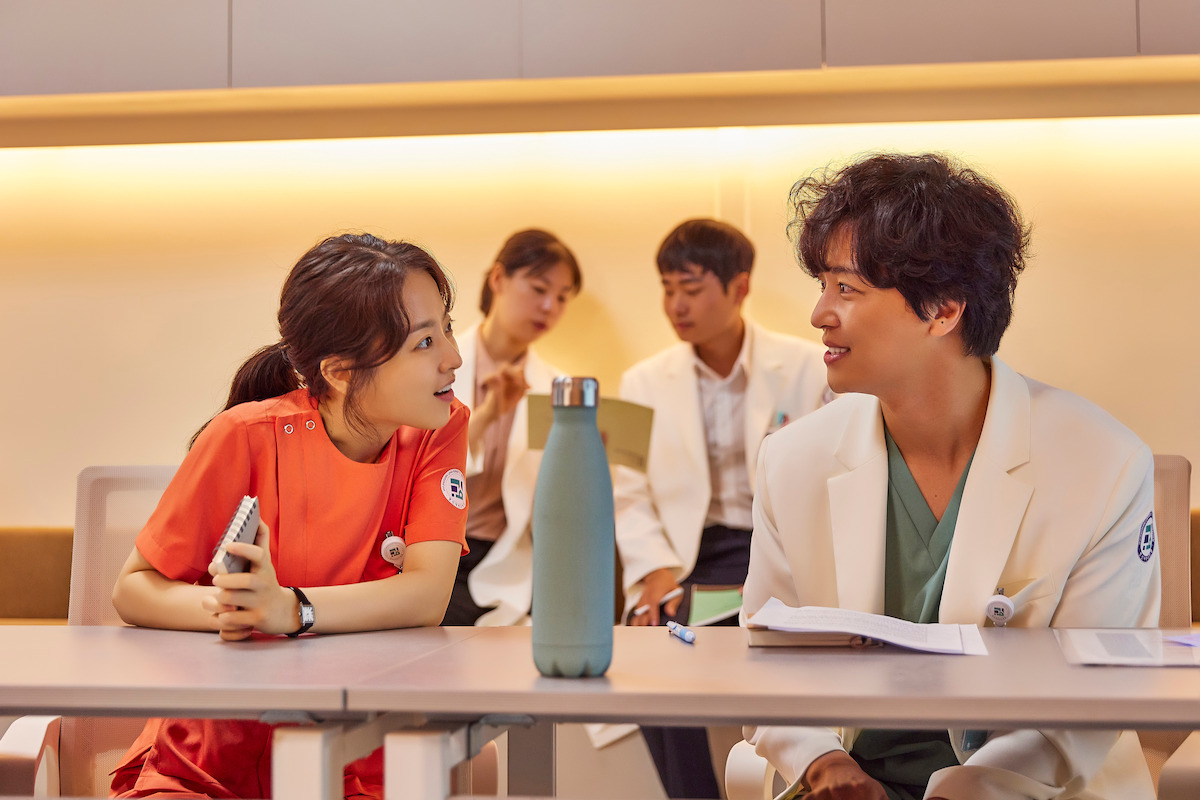
Like plenty of medical dramas, Daily Dose of Sunshine portrays the day-to-day dynamics of a hospital department, this time in the department of mental health in a country that has one of the highest suicide rates in the world. Based on the webtoon from a former nurse, the series might have some laughs from the department’s dynamics, but never at the expense of their patients. In fact, the show takes great care in depicting mental illness, taking care to visualize the patient’s episodes, as well as the way Da-eun tries to fit into her new department. It’s sweet and earnest, but not too cloying, and as substantial as the mugwort rice cakes Da-eun brings for her co-workers.
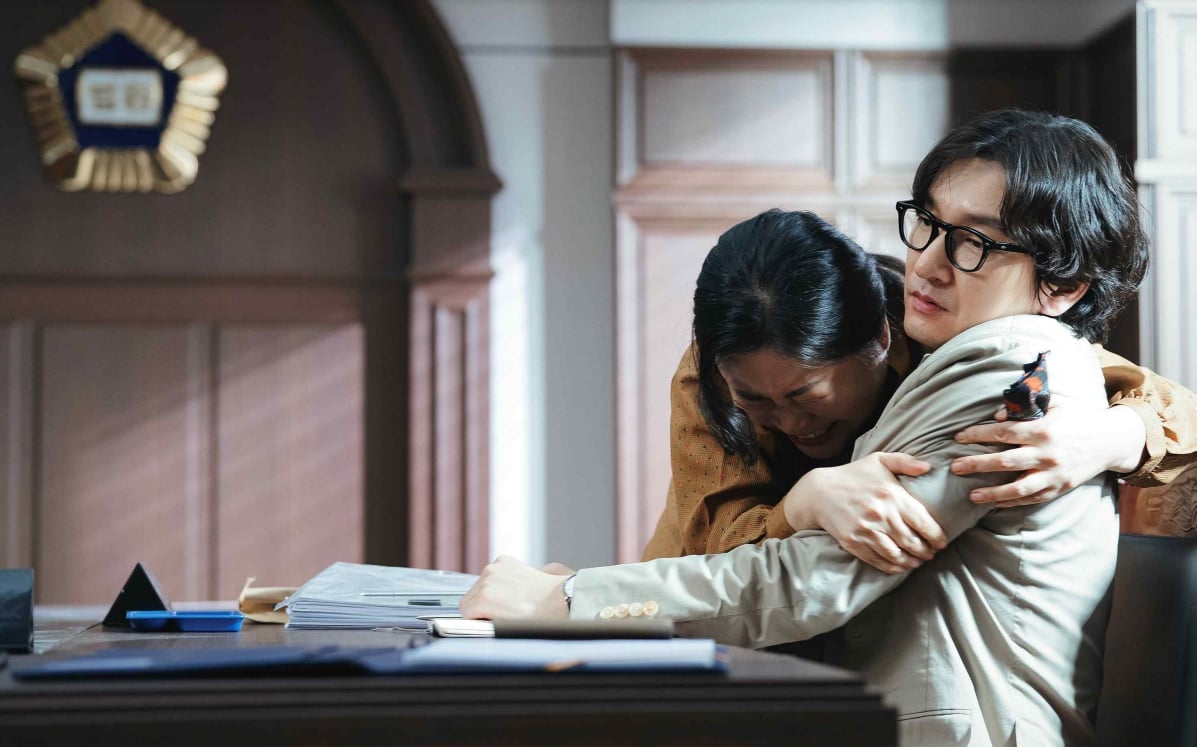
There are plenty of divorce-related Korean dramas, but Divorce Attorney Shin is a gem among them. Based on the webtoon with the same name, the show is centered on an eccentric lawyer, whose trot-dancing ways and unconventional handling of clients doesn’t detract from his winning cases. Instead of the ruthless and collected attorneys we’ve seen previously, Shin Sung-han has a human side, a side that enables him to empathize with his clients. And like the lawyer, the show does the same, handling multiple cases, without discarding them by the end of the episode, and embracing its nuances in a well-rounded way.
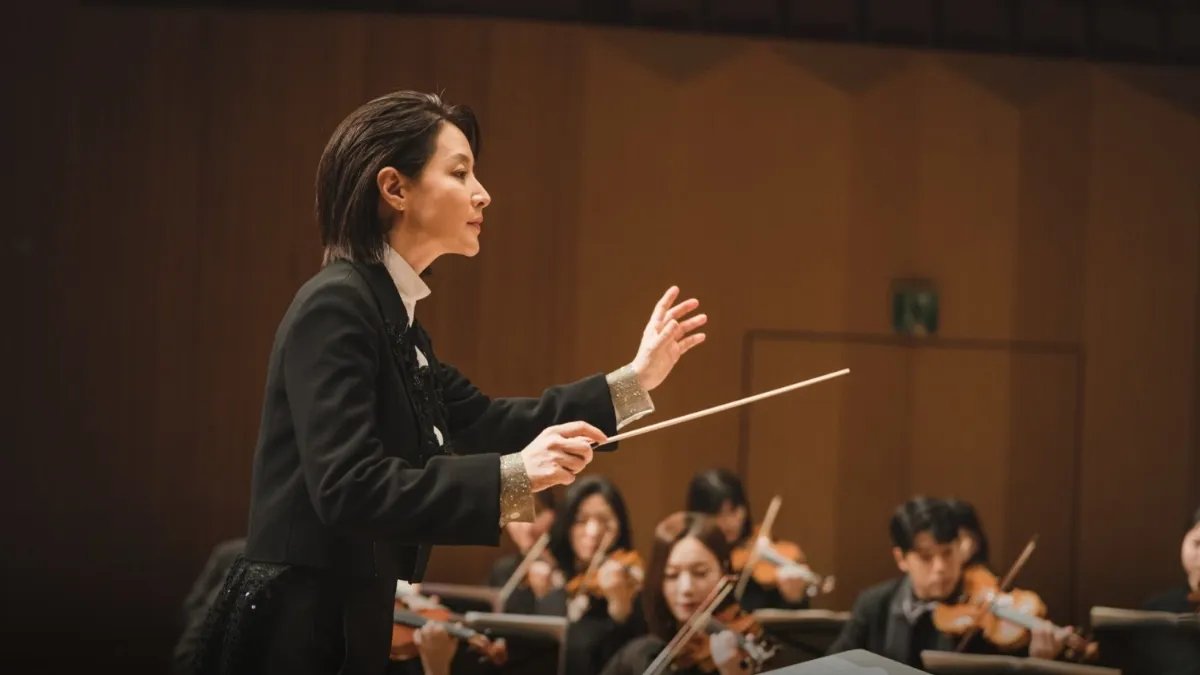
After titles like Tár (2022) and the Dutch film The Conductor (2018), Western female conductors continue to intrigue audiences as they strive to succeed in the last glass ceiling in music. But classical music isn’t restrained to the West, and South Korea’s orchestral world is now showcased in Maestra: Strings of Truth. A remake of the French television series Philharmonia, the series goes through the trials and tribulations Cha Se-eum goes through to establish her leadership in the conductor role back home, as well as the multiple mysteries that might have caused her to leave in the first place. While the show’s first two episodes slowly portray her backstory, Lee Young-ae holds the show on her shoulders, and grounds the drama with her stoic and charismatic presence. It’s a compelling drama, with such a compelling personality, and it’s scored with some of the best classical pieces in the world.
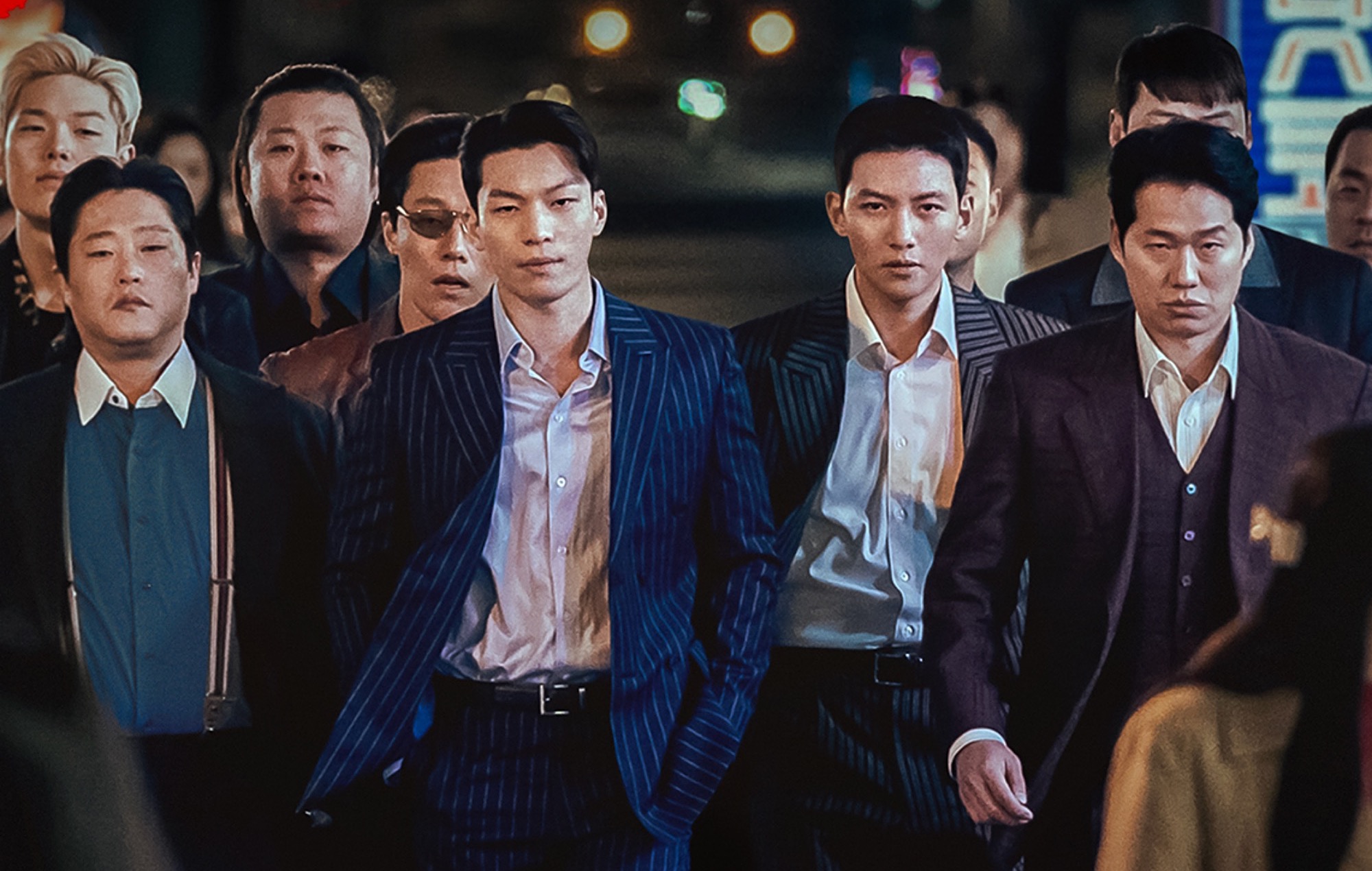
After much anticipation, The Worst of Evil has finally been released, starting off the season with a rumble between gangs underneath Gangnam. Through neon-lit streets, grimy green-tinged windows, and dimly-lit corridors, the series brings its viewers back to the 90s criminal underworld, though with modernized choreography and fairly realistic CGI blood. This set is the arena where undercover cop Park Joon-mo has to fight, in order to gain the trust of crime boss Jung Gi-cheul. As each fight gains some goodwill from each other, and as Park’s wife enters the fray, the series promises dangerous stakes, dramatic betrayals, and thrilling fight scenes. It’s a fresh take on the undercover cop, infiltrating the gritty underworld through sheer persistence, with an added emotional twist.
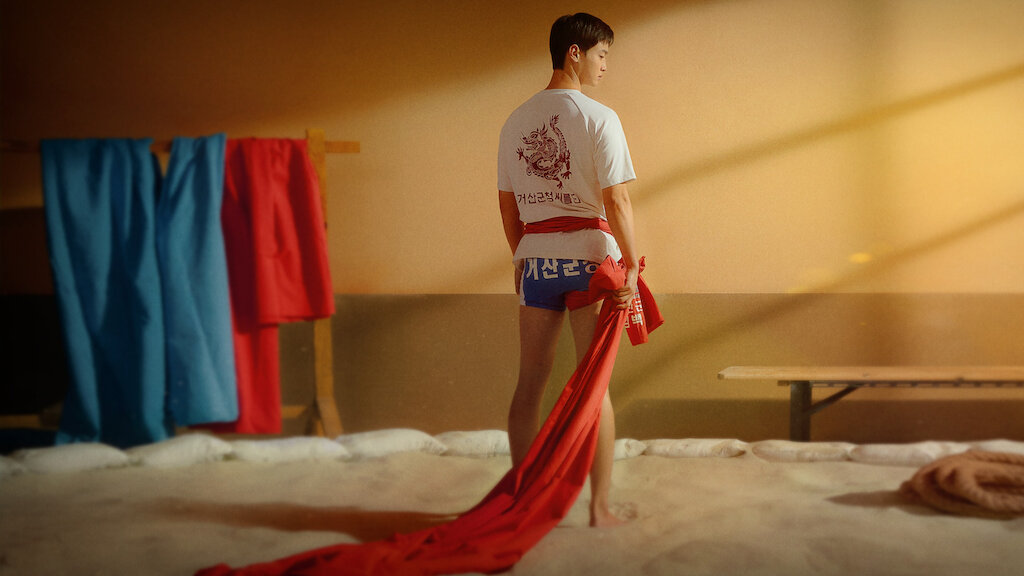
Do we need to convince you about the spectacle of half naked, handsome, buff men wrestling? Like Flowers in Sand has plenty of that, with Jang Dong-yoon at the helm, but it’s more than just eye candy. It’s a warm, down-to-earth sports drama celebrating Korea’s traditional wrestling, set in the county that is known for ssireum. It has an intricate web of relationships that realistically depict the small town friend groups of childhood. And the cast is excellent, making each ordinary slice-of-life moment still feel compelling. Like Flowers in Sand may not have the crazy fantastical premises other K-dramas are known for, but it still feels unique with its straightforward passion of ssireum.
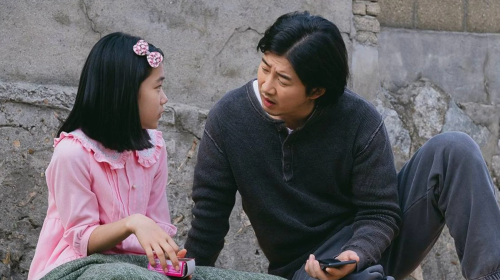
Genuinely exciting but with more than enough heart to keep its genre trappings from overwhelming the story, The Kidnapping Day wastes no time setting the stakes and its plot into motion. Several crimes occur seemingly at the same time, which not only keeps the show’s various mysteries equally interesting, but emphasizes how our protagonist (the kidnapper Myeong-joon) is ultimately just a naive person caught in the crosshairs of something larger. But because of his poverty and desperation, he becomes a natural target of suspicion by the people who don’t know his full story.
And accompanying Myeong-joon from the beginning of the series is 11-year-old Ro-hee, who wakes from a dazed state with no recollection of who she is, but with knowledge beyond her years. The somewhat antagonistic but tender bond she gradually forms with her reluctant kidnapper is the furthest thing from Stockholm syndrome. Instead, their relationship becomes a window into a particular class dynamic that runs throughout The Kidnapping Day (as well as a host of other South Korean films and shows). In these first two episodes watched for this review, the series already presents a world characterized by a deep yet normalized divide between the rich and the poor.
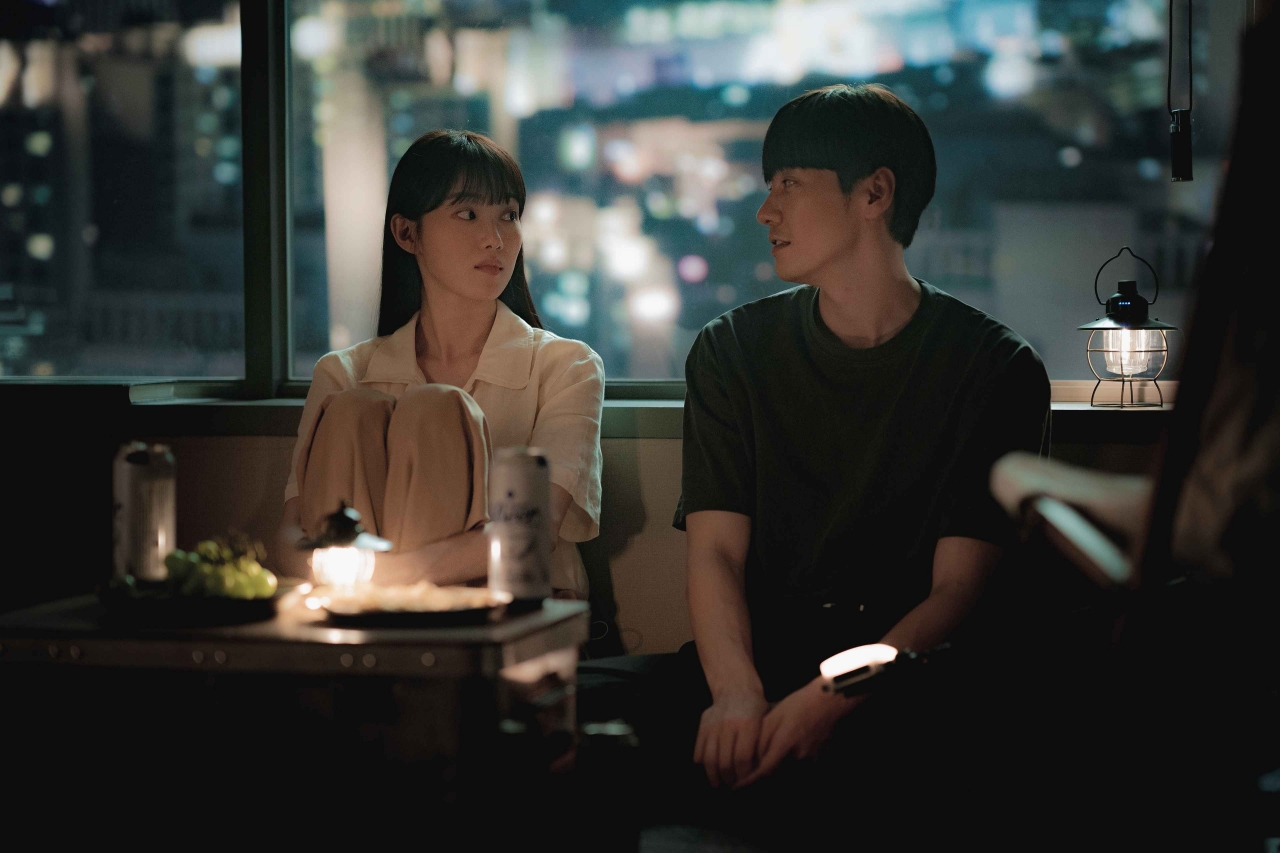
Romantic melodramas are expected in plenty of Korean shows, but Call It Love still feels surprisingly unexpected. The premise feels like a modern day Cinderella story, except the leading lady here, Shim Woo-joo (Lee Sung-kyung), takes nothing from nobody, not without planning corporate revenge. That being said, the show doesn’t unfold into a corporate sitcom, a crime thriller, or romcom. Instead, the series takes on a more melancholy slice-of-life approach, as it turns out the intended target Han Dong-jin (Kim Young-hwang) is just as hurt and lonely as she is. And as they get to know each other despite the cold, empty frames they inhabit, and despite the pain they’ve both been through, it’s amazing how surprising their healing feels, if you can handle the show’s slow pace to get there.

Full of twists and turns, Queenmaker is a corporate turned political K-drama where a corporate fixer plays campaign chess against her former employers and retail conglomerate the Eunsung Group. Centered on her and the earnest human rights lawyer she’s trying to get elected, the show has Do-hee mentoring Kyung-sook in the art of PR, this time for the good. Even as the show reuses the genre’s classic tropes, the series’ plot points are entertaining, with each new twist naturally occurring as each side tries to dig dirt on the other and use it for political clout. It’s one of the most intriguing K-dramas we’ve seen this year.

See You In My 19th Life is a stunning adaptation based on the latest webcomic from Lee Hye. Unlike other South Korean reincarnation shows, this one stays more grounded in everyday life. The memory of Ban Ji-eum’s (Shin Hye-sun) previous lives is the only fantasy element (so far!). The show is centered on Ban’s relationship with rich heir Moon Seo-ha (Ahn Bo-hyun), who she met in her 18th life, and the people around him. While this show has the trappings of a standard Korean fantasy romance, director Lee Na-jung and screenwriter Choi Young-lim skillfully mixes in history in order to fill in the blanks of Ban’s previous lives. At the same time, the show shifts between timelines seamlessly, only revealing information when needed. As such, See You In My 19th Life is a unique reincarnation story with insights on growth, connection, and love.
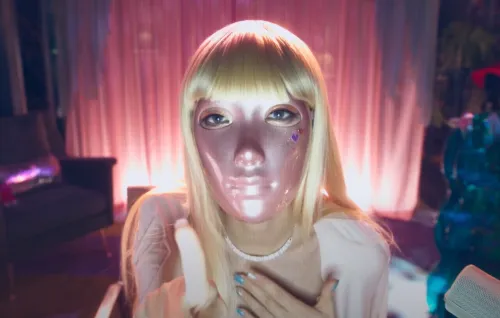
Mask Girl is a dark comedic thriller that follows people on the fringes of beauty norms trying to live with their pain and shame. Low self-esteem and a desire for attention are at the center of the drama, making it relatable and easy to empathize with even when everything goes awry. Although Mo-mi, the titular Mask Girl, is at the forefront of the narrative, subsequent episodes switch to new perspectives, allowing us to interact with Mo-mi in different ways. And with each new character’s POV, we witness how other ostracized people find comfort in and hurt each other when there’s no one else to turn to. The first three episodes are intense and surprisingly violent, but ultimately seeing the extremes of the discrimination that beauty standards perpetuate makes the story worthwhile.
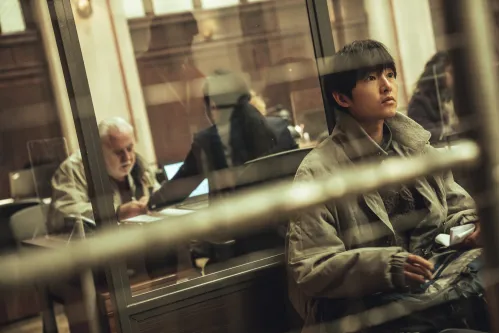
For better or for worse, we have no choice in the country we’re born in, the citizenship we first attain, and sometimes we’re forced to leave that country for our own safety. My Name is Loh Kiwan depicts a North Korean defector seeking refugee status in Belgium, but while the government deliberates, it’s a hard life he has to face, one that changes when he meets a fellow Korean who may not be an immigrant, but who’s just as lost as he is. While there are some subplots that falter halfway, My Name is Loh Kiwan still manages to stick the landing of being both a moving romance and an empathetic survival drama that highlights the struggles of refugees.

For the unfamiliar, isekai is the fantasy subgenre where a character is transported into a different world. Usually, this is just one transfer, with an everyday character being transferred to a more fantastical world. Doctor Elise isn’t just a reverse isekai– with a surgeon transported to medieval royalty– it also happens to be a double isekai– the titular doctor was initially royalty in the same country before her stint as a medical doctor. While we don’t get to see Elise’s growth as a surgeon, it’s refreshing to see an isekai anime celebrate the simple privileges of ordinary modern life, namely the medical knowledge that we take for granted, and the lack of absolute power that corrupts most characters. The ridiculously successful surgeries might be the ludicrous fantasy that drives Doctor Elise, but it’s lovely to see knowledge and power used for the common good, rather than the superiority complex common in isekaied protagonists.
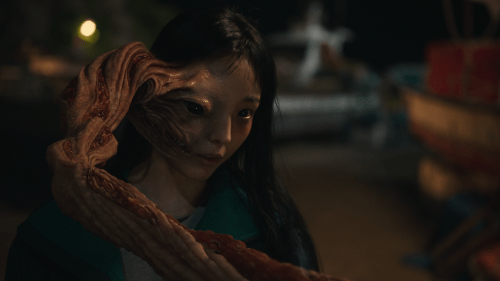
With Sweet Home and Stranger Things, we weren’t surprised that Netflix opted to create a live-action Parasyte, but we were surprised it comes from the other side of the sea. Based on the iconic Japanese manga, Parasyte: The Grey is a Korean spin-off with different characters but the same titular aliens, with a more serious approach to the concept. The series alternates between the Grey Team, the leading government agency that aims to eradicate the alien parasites at all cost, and with Jeong Su-in, who, like the original Shinichi Izumi, co-exists with her parasite, as they try to figure out their strange existence. Fans of the original might be disappointed at the lack of humor, but some viewers might appreciate the unflinching, gruesome way The Grey deals with the parasitic nature of human society, as well as the gross and scary transformations these aliens make of their hosts.

After a whole pandemic, rising inflation, and a whole climate crisis the world hasn’t yet resolved, it can be hard to feel hope towards a new day. However, the third collaboration between director Oh Choong-hwan and screenwriter Park Hye-ryun feels like a reminder to keep hope despite life’s circumstances. Castaway Diva has the classic manic pixie dream girl, but you have to admit that Seo Mok-ha’s optimism and survival instincts despite serious life circumstances makes it easy for her to root for. The way she appreciates what modern life has to offer makes it easy to appreciate how much good came up even just within 15 years. And with an unexpected mix of ecology and abuse themes, it stands out from other dramas, even when it gets instantly and unexpectedly serious.
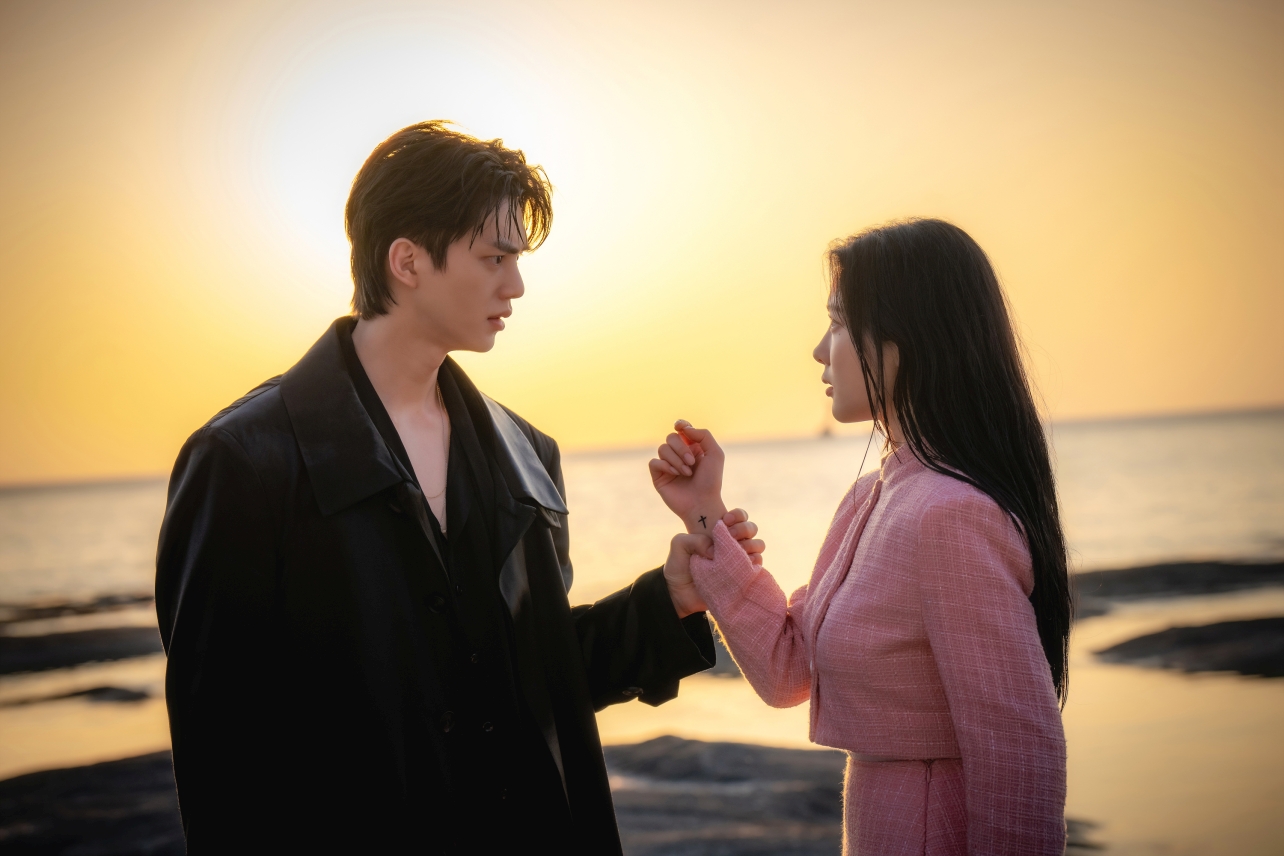
Demons don’t seem to have the same scariness that terrified previous generations. That’s because there are more immediate, realistic horrors that can possibly happen, like other people. My Demon takes a humorous approach to this diminished reputation, as the titular demon has his powers transferred to a modern day capitalist. Without these mystical powers, Jung Gu-won falters hilariously while collecting the souls he needs to obtain, while Do Do-hee remains confused as she’s dragged along to his shenanigans. All the while, they have to deal with corporate sabotage, the risk of spontaneous combustion, murder plots, and of course, the connection Jung and Do need. After all, who’s a better match for a demon than a capitalist?
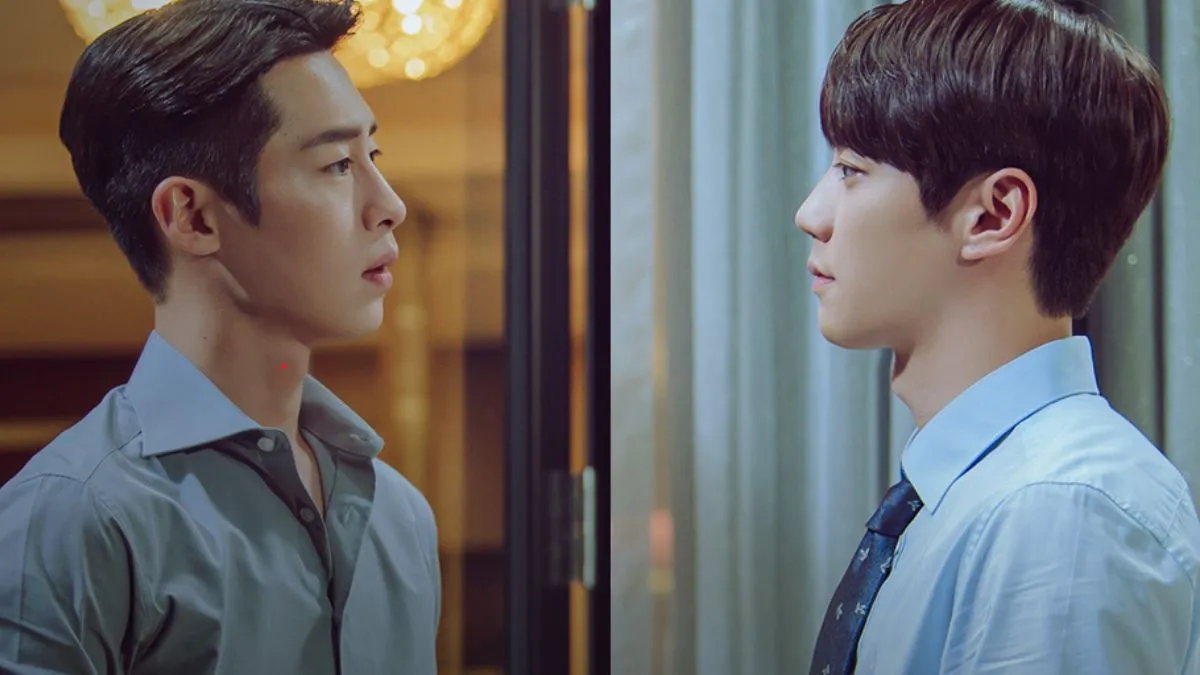
With morally grey characters, an excellent cast, and family inheritance intrigue, The Impossible Heir seemed like a unique Korean drama that isn’t afraid to get cutthroat, especially with those suspicious shots of blood splatters in the trailer. There’s some of that here– Lee Jae-wook plays Han Tae-oh with a cold, straightforward determination, even outright declaring he would use Kang In-ha, with Lee Jun-young matching Jae-wook’s intensity. However, part of the drama feels undercut by a love triangle that, as a concept, isn’t a terrible idea, but was just hastily introduced in the first two episodes. The Impossible Heir has excellent tension with its reluctant allyship, family mystery, and the likely betrayal already, but it just feels like it could be better without the romance.
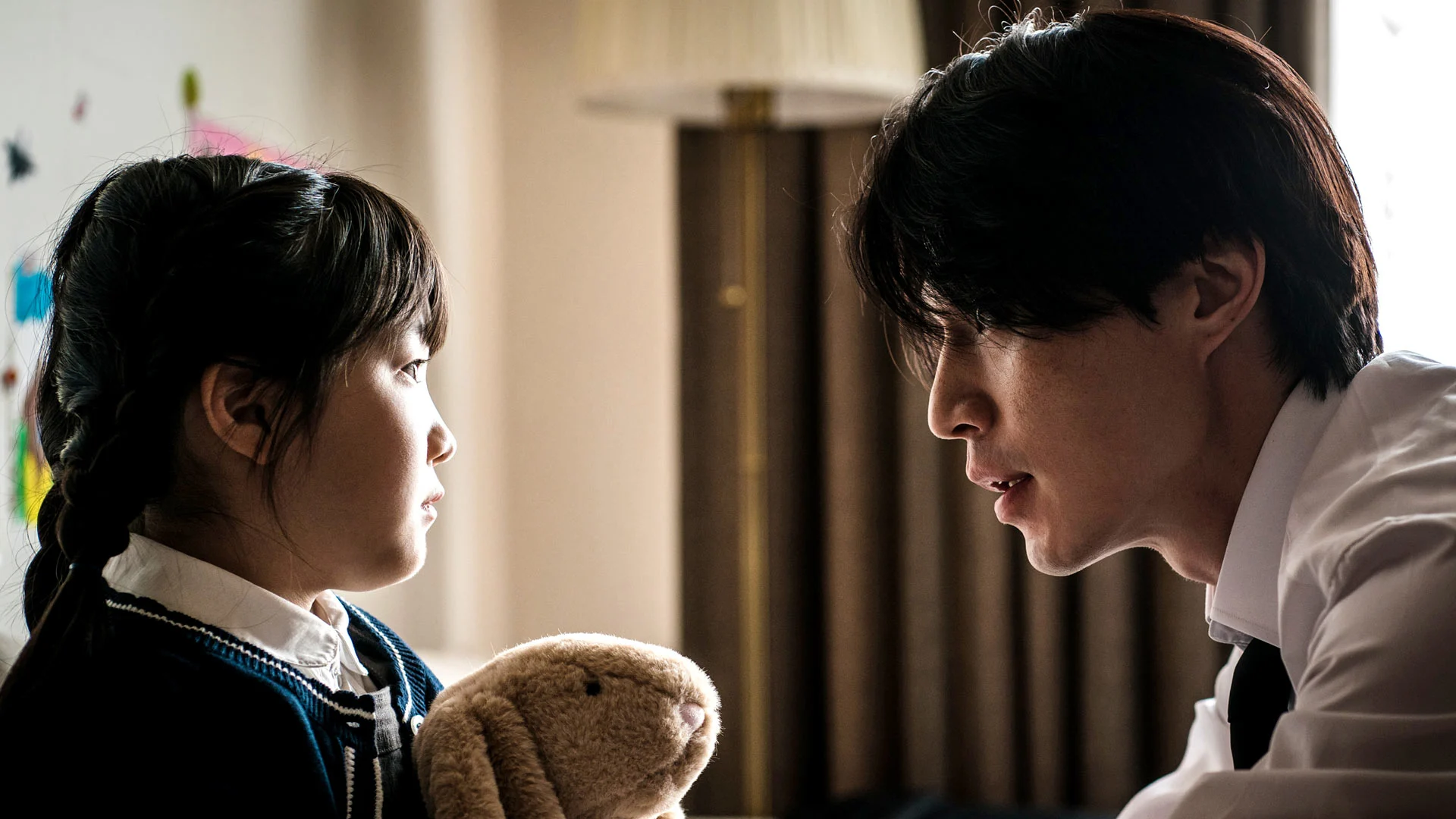
For better or for worse, we don’t know who our guardians really are, whether that be our parents or other older relatives. However, that usually means that we don’t get to know their dreams, not that they are involved with assassins, like the way Ji-an’s uncle is in A Shop for Killers. The action strikes hard and fast, starting the series off with a sniper attempt on Ji-an’s life, but luckily, the surprised girl can fight back, with the eccentric training that she didn’t anticipate she’ll need. While the time jumps can be a bit confusing, A Shop for Killers has a surprising mix of action and mystery that keeps things entertaining, even if it’s unclear for now how it’s a spin-off to The Killer’s Shopping List.
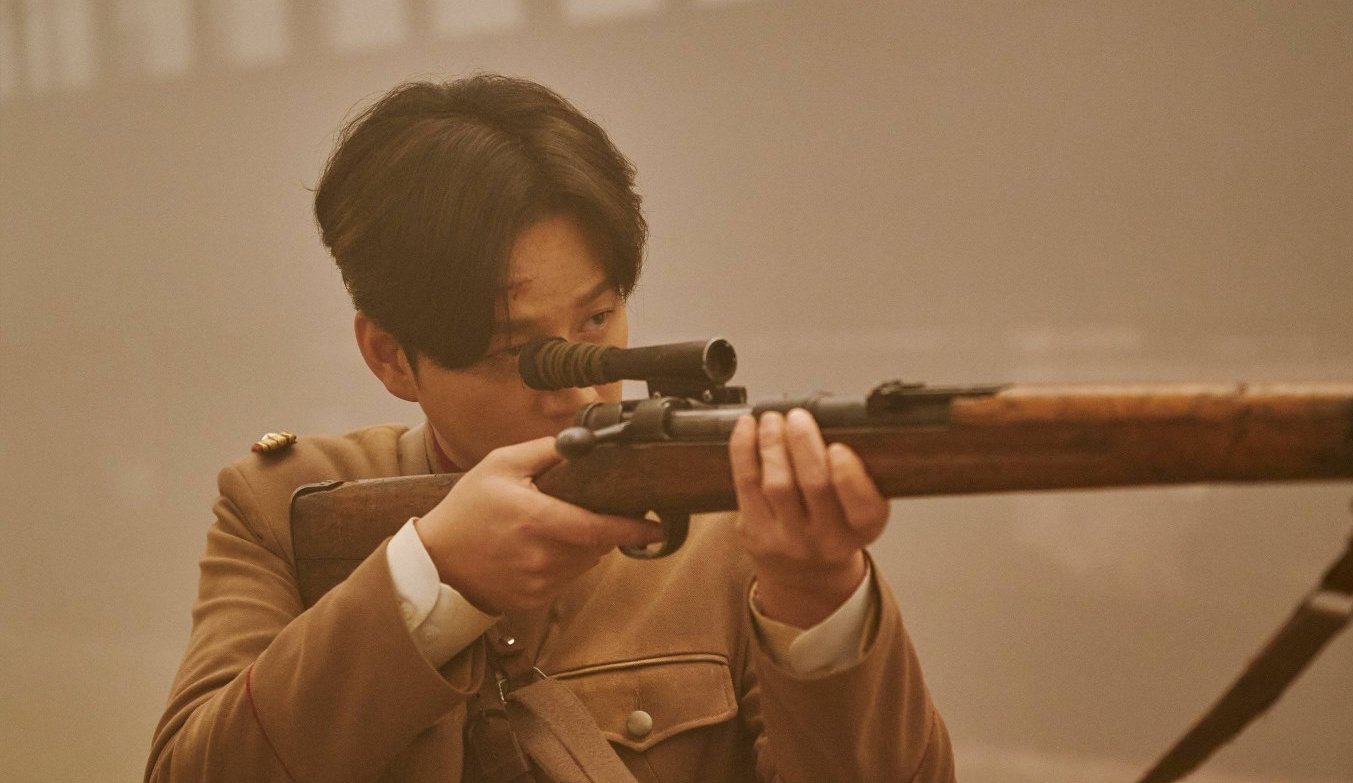
Song of the Bandits takes time to gain momentum, but when it does, it crackles like gunpowder. The first few episodes take great pains to explain occupied Korea’s complicated political situation (China, Japan, and a few Western bodies fight over its resources), and unsurprisingly, Song of the Bandits champions the motherland’s cry for independence. It’s a very patriotic show that doesn’t leave a lot of room for other sides, often even bordering on melodrama in its calls for justice, but that should be expected in any war-set story. Once it gets into gear, however, it delivers all the thrills you’d expect from a neo-Western. There’s a lot of gunslinging, backstabbing, espionage, and sure enough, bandits chasing a loaded train on horseback. Depending on where you stand, it also comes as a satisfying revenge thriller, one that distorts history to give this fictional Korean rebel army their due. It’s a bit like Inglorious Basterds in that it follows a paramilitary group comprised of offbeat but vicious characters, but I’d say it’s mostly similar to another Netflix history K-drama, Mr. Sunshine. If you like either (or better, both), then you’ll love Song of the Bandits.
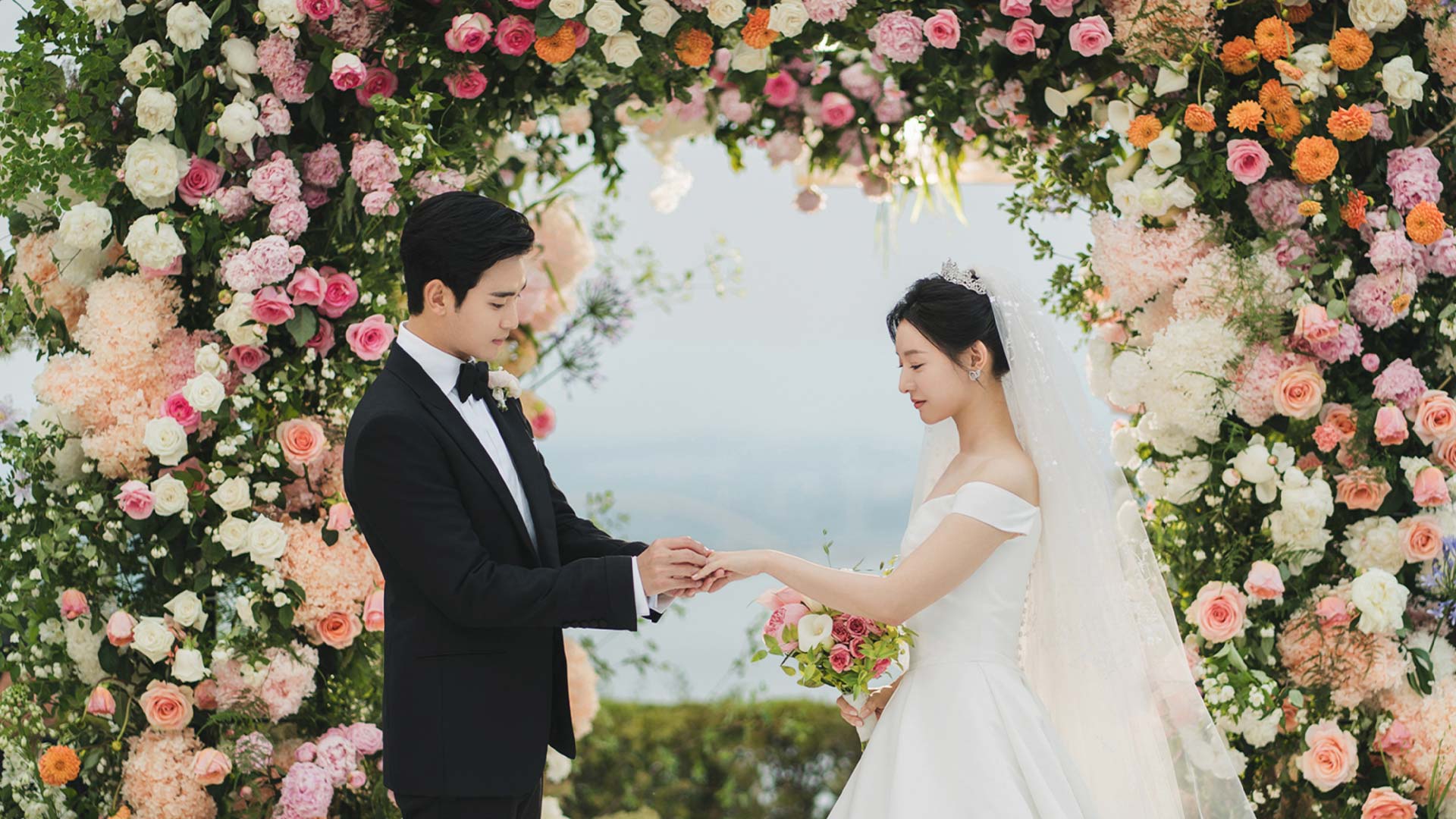
To many people, marrying a rich heiress is the dream, since all that wealth can free a man from the drudgery and struggle of work. It’s also actually possible, with real life conglomerates actually having a similar story. Queen of Tears shows a different side to this modern-day fairytale, as the riches that come with the marriage also come with being controlled, in part by the media that surrounds them and the family whose strict, but strategic moves lead to their rise. Because of this heavy central idea, it’s no wonder the show tries to aim for a more lighthearted tone with some jabs at the ridiculous lifestyle enabled by the wealth of the Queens Group Hong family, and the cast are game to play, but in prioritizing the humor, the series sometimes makes light of certain difficulties that should be given the weight it deserves. Still, Queen of Tears is fairly entertaining, and fans of the leads would like seeing the funny dynamic they share.
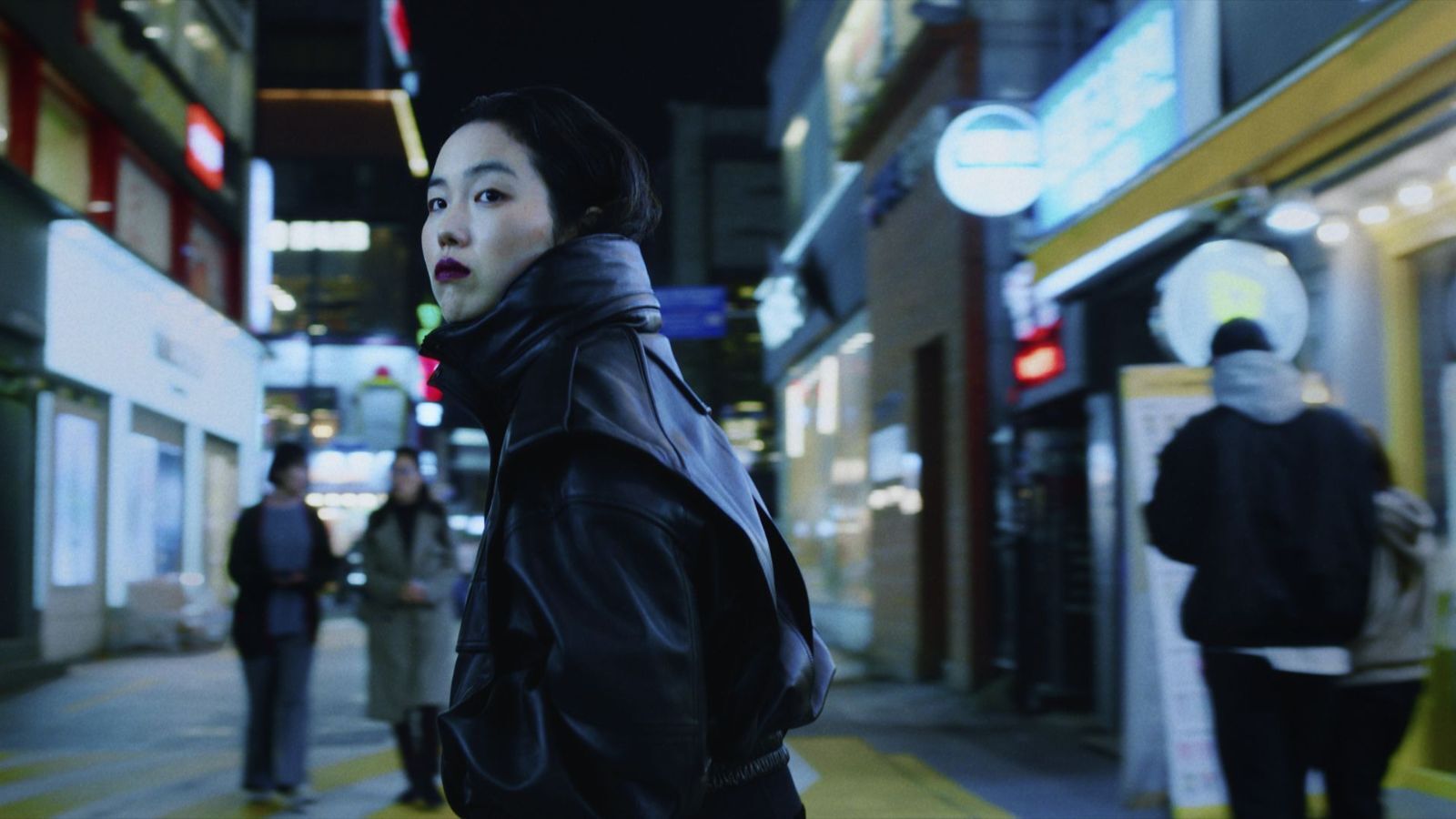
In both documentaries and films, adoptees meeting their biological parents for the first time is an event often painted in a sweet light. Never mind the child’s mixed feelings about it or the tragic reality that caused the split in the first place—it’s a reunion between family members, so it must be unequivocally special. In Return to Seoul, director Davy Chou doesn’t just debunk that myth, he subverts it by making the adoptee, Freddie, as unapologetically complex and emotionally enigmatic as possible. She resists affection but wallows in loneliness. She craves reinvention but stays in the same place for years. She’s in constant motion while being absolutely stuck in life. In other words, she’s a realistic embodiment of a person struggling to find some semblance of home. Chou displays an intimate understanding of the foreign experience, and he couples it with captivating cinematography, a rousing soundtrack, and fantastic performances across the board to make a daring, inventive, and thoroughly exciting film.
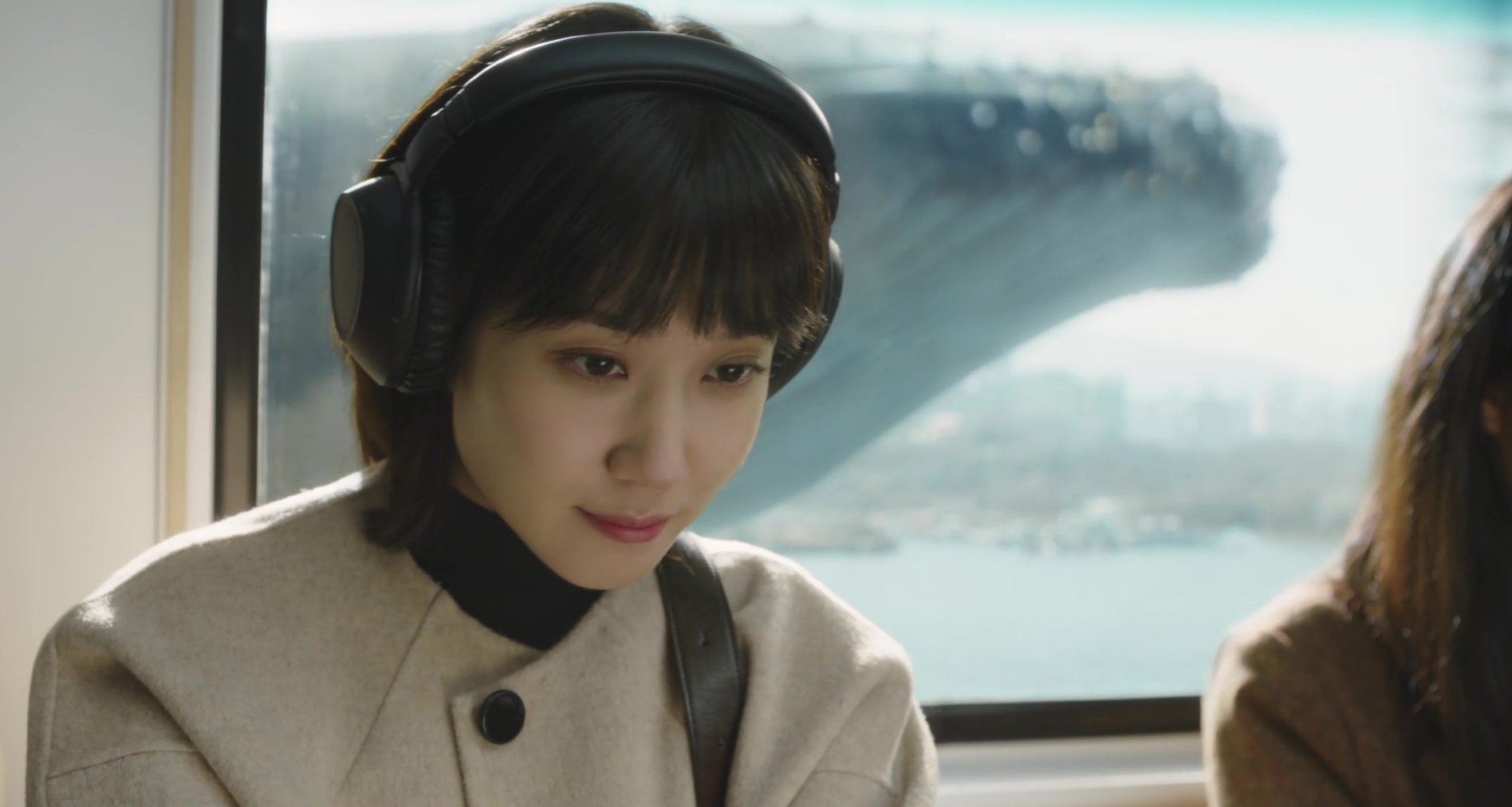
Despite their rising popularity, K-dramas have sustained a reputation for being, at times, too sentimental for their own good. Extraordinary Attorney Woo is not exempt from that tendency, but when it does shoot for schmaltz, it makes sure to aim right at your heart. Thanks to clever twists and moving performances across the board, Extraordinary Attorney Woo is an excellently emotional series. Every romantic encounter will make you swoon, every courtroom scene will have you cheer, and every ending will leave you in tears.
Moreover, it’s not a show that simply happens to be about lawyers. It is a law procedural that deals with each new case with the utmost care. It’s smart and educational, with the proceedings and resolutions blending seamlessly into the characters’ own arcs.
There’s something for everyone in this series, and it’s sure to be an easy favorite for one reason or another.

After the success of the 2017 series Strong Woman Do Bong-soon, it makes sense to try to recreate the same magic through a spin-off. Strong Girl Nam-soon has plenty of the same elements that made the original a success – the wacky humor, the love triangle with a cop and a CEO male leads, crimes to solve, and of course, the girl with superpowered strength. However, unlike the romcom approach of the original series, this spin-off is more of a family drama, as the titular strong girl gets lost in Mongolia at a young age – leading to the split of her parents, and the focus on that family dynamic. It still is able to balance the crime element too, with the family’s vigilantism. While the humor can sometimes feel forced, Strong Girl Nam-soon keeps what’s great with the original, but rewrites its plot points to have a more natural and understandable background.

Aspiring boxer Kim Gun-woo (Woo Do-hwan) befriends fellow rookie Hong Woo-jin (Lee Sang-yi) during the heights of Covid-19. After a ruthless loan shark, Kim Myung-gil (Park Sung-woong) cons Gun-woo’s mother into taking a predatory loan, they team up with a moneylender (motivated by his own painful history with Myung-gil) to shut down his schemes for good.
As with many South Korean revenge action thrillers, Bloodhounds sheds light on the economic exploitation of the working class. Standard, to the point of being predictable, the fight for justice feels formulaic and quickly paced due to its oversimplified and convenient plot. With an abundance of zestful action scenes and empathic beats, the series delivers enough on its promised premise.
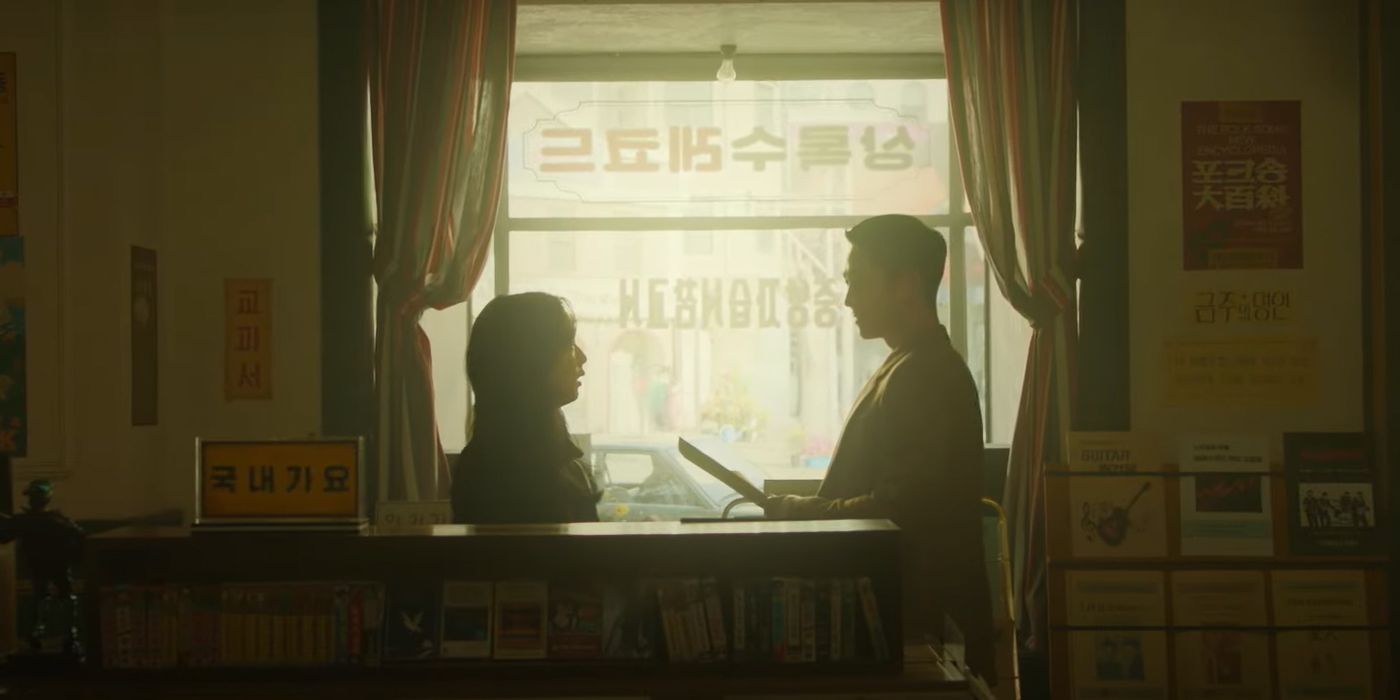
When Blackpink’s Jisoo starred in her first lead role, it was surprising that she chose a story like Snowdrop. Sure, at the time, stories set in the 1980s were a hit in Korea, with dramas such as Reply 1988 and Youth of May that nostalgically recreated the aesthetics of the time, while also re-examining the loss and the pain under the dictatorship then. Snowdrop does the same, but it adds a more controversial twist– the love story isn’t between innocent bystanders caught in the fire, it’s formed between a South Korean student and a North Korean spy. Writer Yoo Hyun-mi and director Jo Hyun-tak take this interesting premise to chaotic, unpredictable scenes, and it’s a fun ride, at least until the secrets he holds and the politics inevitably brings their childhood to heartwrenching ends. Seolganghwa isn’t a perfect drama, but it’s a story that understands how muddled and confusing the era got, and how much the country should avoid a repeat of state interests acting at the expense of personal freedoms.

This docuseries follows six couples from Japan, the U.S., Spain, Brazil, and India, as they share their stories of a lifelong partnership.
It might sound like any other Netflix Original, but there are no twists or turns, and it never feels forced or aimed at a trend. Instead, it’s a mirror of the peacefulness that the couples have built together: a tender and simple existence that’s impossible not to aspire to.
The first episode follows a couple in Vermont who maintained the last farm in their area until passing it on to their son. Once high-school sweethearts, Ginger and David went on to have six children, and stay married for 60 years.
This life of quiet doesn’t necessarily mean an easy life, especially as the two have to pick between expenses like affording care or getting their grandchildren birthday gifts. Their biggest concern at this point is making it easy for their children after their passing, which carries its own weight.
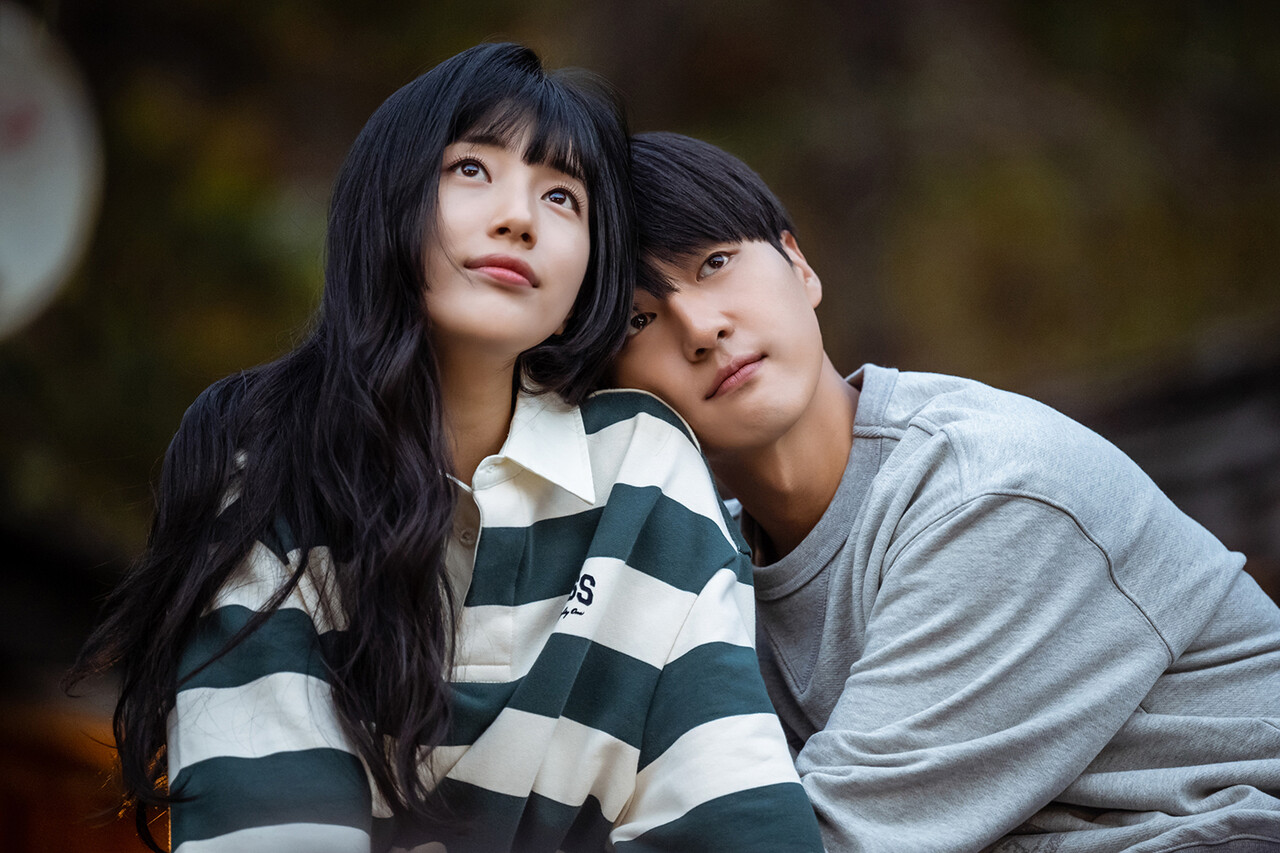
With a former girl group idol and ordinary college student as the main couple, Doona! naturally plays into the fantasy of becoming close with a K-pop star. Based on a South Korean webcomic, and the related Chinese animated series, the show has the highs and lows of other romance dramas, but it also has the coming-of-age anxieties everyone has in pursuing their dreams, and a grounded perspective on the K-pop idol machinery. With care crafted in its characters, and a perfectly matched female lead in former girl group idol Bae Suzy, Doona! presents a compelling story all about dreams and aspirations.
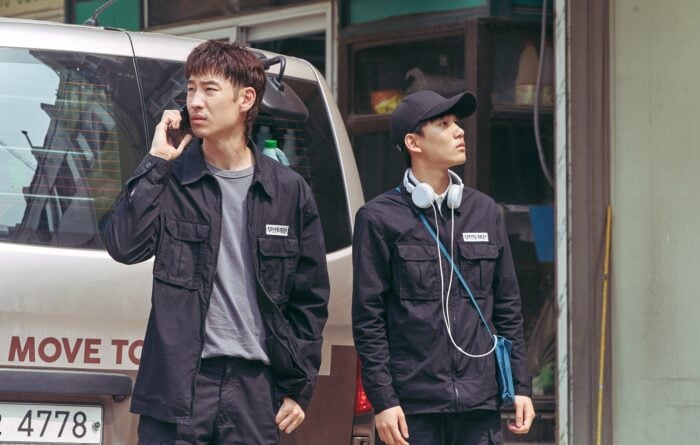
In Move to Heaven, a man and his son clean up after the dead—specifically, the dead who have no one else to look out for them. Believing that no one should be robbed of a respectable farewell, they piece together the deceased’s possessions and celebrate them postmortem. It’s a noble job, but its existence is threatened when the father passes away. It’s now up to the ruffian uncle with a heart of gold to continue the business and bond with his nephew, who himself struggles with Asperger’s.
It’s easy for Move to Heaven to feel weighed down by all the important stories it tries to tackle; represented here are disabled people, depressed people, queer people, overworked people. But it breathes so much life into these stories that they hardly feel like the drag other shows and movies make them out to be. Tragedy here is expertly blended with humanity, and the result is a moving and compassionate series that stands out even in the saturated content space that is Netflix.

More lush period piece than scary science fiction, Gyeongseong Creature promised a terrifying creature, but it starts slow, dedicating more of its time to its humans than immediately battling monsters. This helps establish the romance, especially as hardened private eye Yoon Chae-ok appeals to privileged pawn broker Jang Tae-sang’s sense of duty, as well as the historical context behind the story. In doing so, the show confronts the violence of the Japanese occupation of Korea through implication rather than directly recreating these horrors. It’s all the more satisfying when the action begins, as Chae-ok and Tae-sang shift their priorities from doing a job to actively undermining the evil hospital’s efforts. Gyeongseong Creature might not let its creature loose early, but its true horror lies not with the monster created, but with the abuses permitted by war.

Most cop shows are set on land, but Han River Police is the rare police procedural set by the river. The K-drama takes a more action-comedy approach, with the comedy depending on the standard banter between cops. The unique setting presents new action sequences aside from regular brawls, with its ship accidents, evacuations, and underwater training scenes. However, while the action is fresh, and the team dynamics keep the show from being too serious, its stereotypical villains, as well as certain cops’ machismo, keeps the show from being totally unique. Han River Police still proves to be an entertaining watch, even if its stakes are familiar.
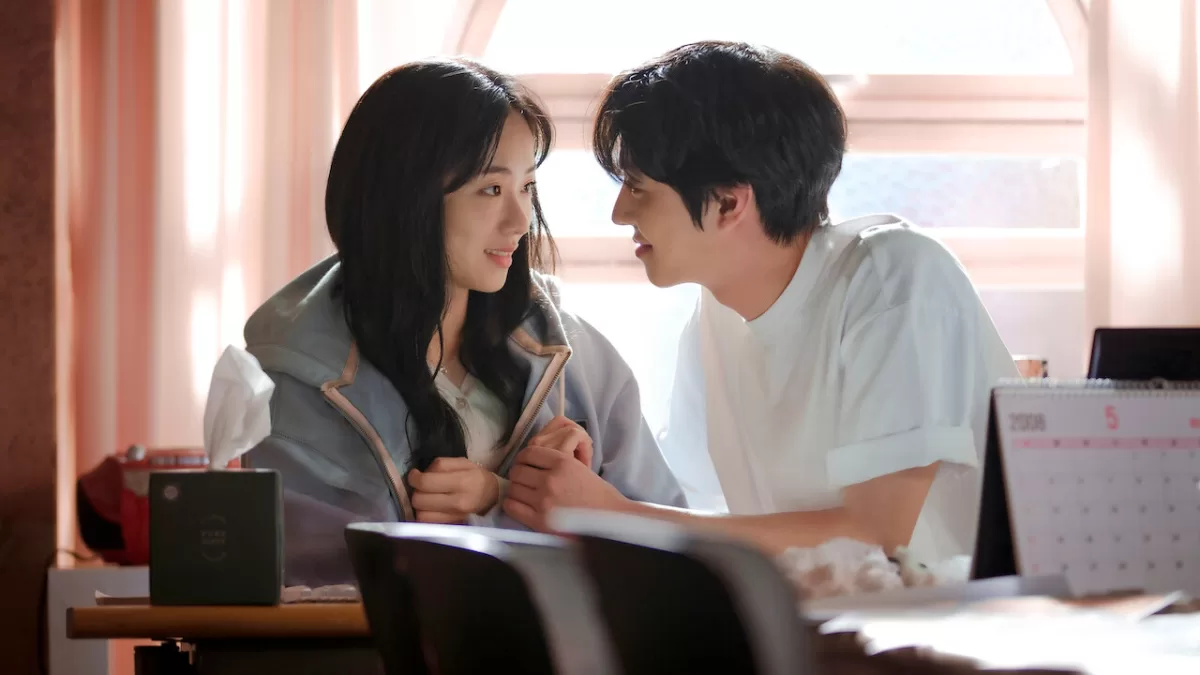
Based on the 2019 Taiwanese drama, A Time Called You is a fresh take on the time travel romance with its unique premise and structure. The series seamlessly shifts between the decades, flitting between them with ease. It simultaneously introduces both couples on separate, parallel timelines, 1998 at the start of the love triangle, with 2023 at the untimely end of Jun-hee’s. These two timelines merge through time travel via a gifted cassette tape. Because of these shifts, the show creates the expected nostalgia, but it also effectively drives the show’s mystery, as Jun-hee tries to figure out the photo and the trio on it. While the show takes its sweet time doing so, A Time Called You twists the heart in exploring the grief of lost love, and the hope for a second chance.
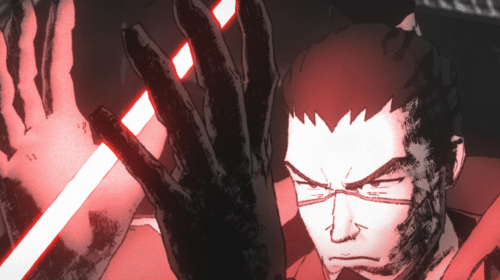
More a showcase of various styles of animation than an expansion of Star Wars lore (and all the better for it), Visions finds some of the freshest expression for these tired tropes—rendered in what are easily the best visuals this franchise has ever seen. Across the 18 episodes of its first two seasons, the series communicates the mystical nature of this universe with much more ease than the live-action films do. And even as Visions begins to repeat some of the exact same ideas and story structures in multiple episodes, the repetition also begins to feel like the reinforcement of a universal narrative throughout time and space: there will always be light that will counter the darkness, often coming from the bonds between family and friends.

Many fantasy K-dramas stick to the serious side, but Destined with You feels more lighthearted as it starts off with a light jab at the handsome grim reaper trope with SF9’s Rowoon. The show honors many of modern-day fated love tropes, and sometimes makes fun of it, but the series does it in a way that’s grounded in its characters and setting. The show first introduces the main duo as individual people, specifically, characters working with and for the public at large. Because of their jobs, Destined with You acknowledges the modern-day systems we use to deal with day-to-day injustices, but also provides the fantasy of having a second recourse in witchcraft. With the show’s pairing, there’s a hope that one way or another, the two could meet halfway.
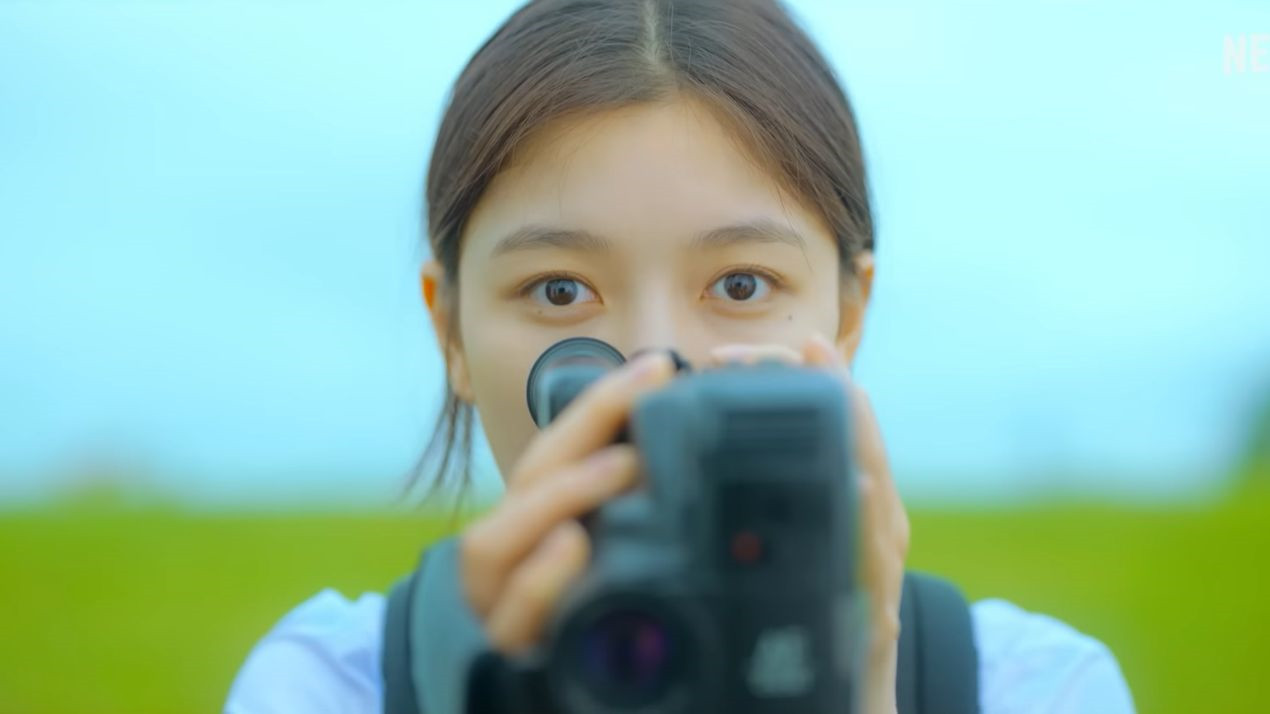
Full of charm and nostalgia, Bang Woo-ri’s first feature film is a love letter to the late 90s—and to the heartstopping experience of first love, as high school student Na Bo-ra tries to get to know her friend’s crush Baek Hyun-jin. While at times immature, she comes across as endearing through Kim Yoo-jung’s charismatic, devoted performance. And as Na Bo-ra goes through all the ways people wooed each other in the 90s—figuring out each other’s phone numbers, filming each other through old camcorders, renting out VHS tapes—the film evokes memories of our own first loves. Even with some underdeveloped characters and certain contrived moments, 20th Century Girl is still a stunning picture of young love at the turn of the century.

Slaying monsters online is definitely more exciting than typing on a computer all day, but having to do so in real life might be a different story. The highly anticipated anime adaptation Solo Leveling depicts a world where those online adventures are a mundane but dangerous day-to-day gig for some people with unique abilities set in stone, but with a twist– every player doesn’t have the video game information, stats, and structured quests, except for the world’s weakest hunter Sung Jin-woo. It’s an intriguing world that brings up themes such as gamification and inherent talent versus acquired skill, and it’s one that’s matched with great animation, thrilling fight scenes, and gory deaths.
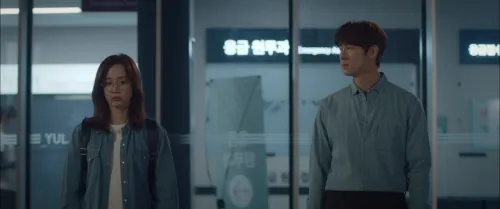
Hospital Playlist is a heartwarming and engaging South Korean series that follows the lives and friendships of five doctors who work at the same hospital. With its perfect blend of drama, humor, and genuine moments, the show offers an intimate and realistic portrayal of the challenges and joys faced by medical professionals. The characters are beautifully developed, and their personal stories are both relatable and deeply moving. The series strikes a balance between medical cases and the characters’ personal lives, creating a captivating narrative that keeps you invested from beginning to end. A must-watch for its heartfelt storytelling and compelling ensemble cast.
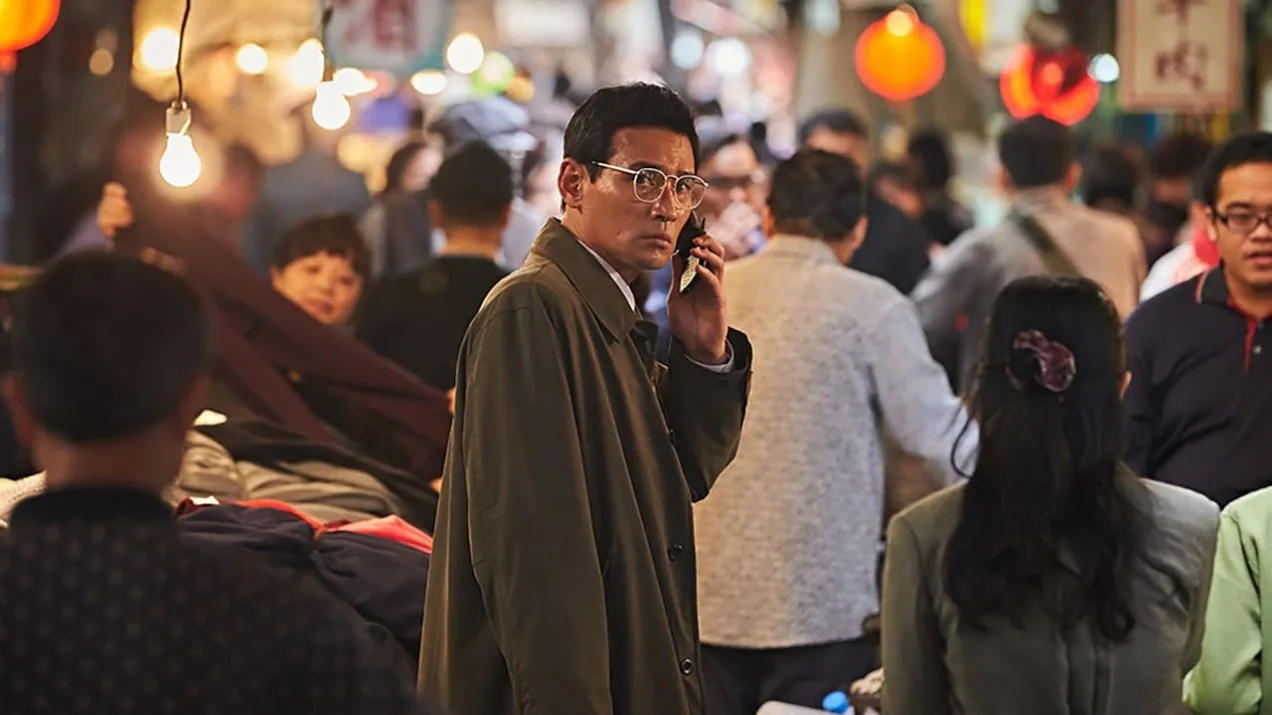
Usually, spies in movies tend to be exaggerated for action-packed spectacles, but on occasion, they’re inspired by the real deal. The Spy Gone North is one such instance. Of course, in sticking to the facts, this period piece takes on the feel of a political thriller more than an action flick. The first half, in particular, speeds through a lot of information that viewers without much context of this 90s operation may get very confused. However, the film balances these facts with a steady build-up of each person of interest. While the details may escape some, the characters are easily remembered, with the ensemble fully locked into the tangled web of cover stories, covert surveillance, and national interests. The Spy Gone North keeps the thrill of the mission through tight-knit plotting and understanding of the stakes.
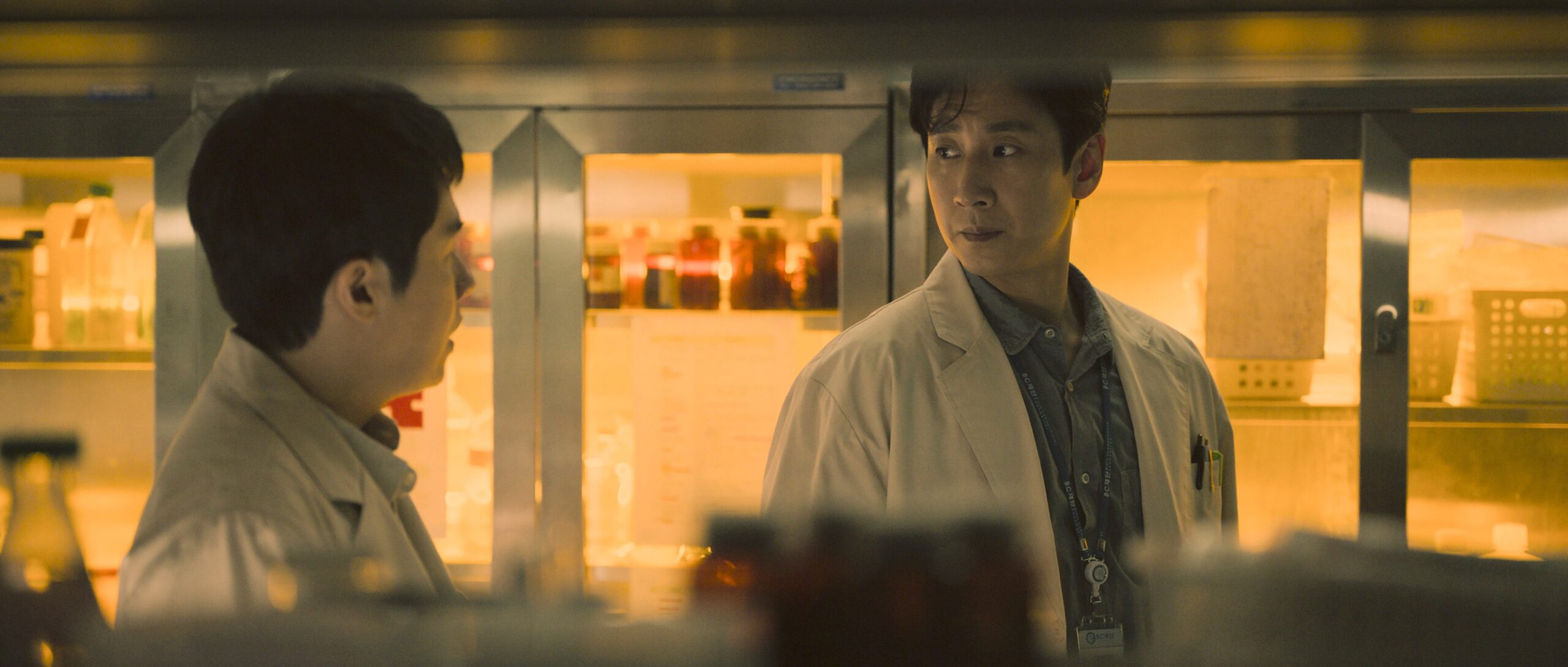
With the success of Korean dramas in international streaming services, it made sense for Apple TV+ to jump into the Hallyu wave, especially when they started to introduce their service to the Korean market. Dr. Brain was Apple TV’s first foray into the genre, and while the premise sounds something akin to modern day Frankenstein, the freaky sci-fi thriller grounds itself with its mystery, that of the disappearance of the doctor’s son, and the humanity slowly blooming in Sewon Koh’s normally stoic demeanor. It’s a drama that’s sometimes uneven, one that might be divisive to some viewers as the doctor breaks ethics for his experiments, but Dr. Brain is never boring, delving deep into a surprising drama behind the emotionless doctor.

If there’s one thing South Korea has a lock on, it’s great revenge stories. This thrilling and intense series follows the journey of a determined woman turning to a powerful crime ring to help her seek revenge for her father’s death. With a fast-paced storyline and expertly executed action sequences, the show keeps you on the edge of your seat from start to finish within a neat eight episodes.
Supported by Han So-Hee’s strong performances, a tight script, and the unrelenting bloody fights, My Name delivers a satisfying blend of suspense and drama making it a must-watch for fans of crime thrillers.
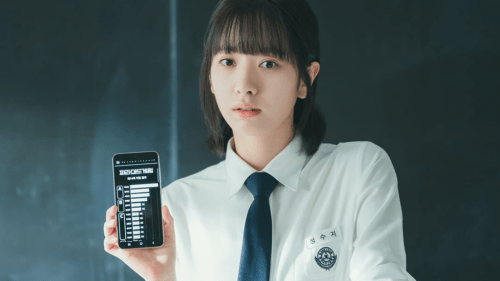
High school can be an incredibly cruel place, but it’s not as systematically cruel as the Baekyeon Girls’ High School of the Pyramid Game K-drama. It’s a terrifying twist to regular high school bullying, as it doesn’t just allow kids to bully less popular kids, it creates accomplices, encourages bullying and also gives concrete numerical proof that there’s literally no one there that would root for you, including the adults that are supposed to do better. Creator Lee Jae-gyu writes this intriguing premise, crafting a mystery surrounding the beginnings and creation, as well as the stakes each student has with playing the game, which the cast plays with their roles in such a subtle, sinister way.
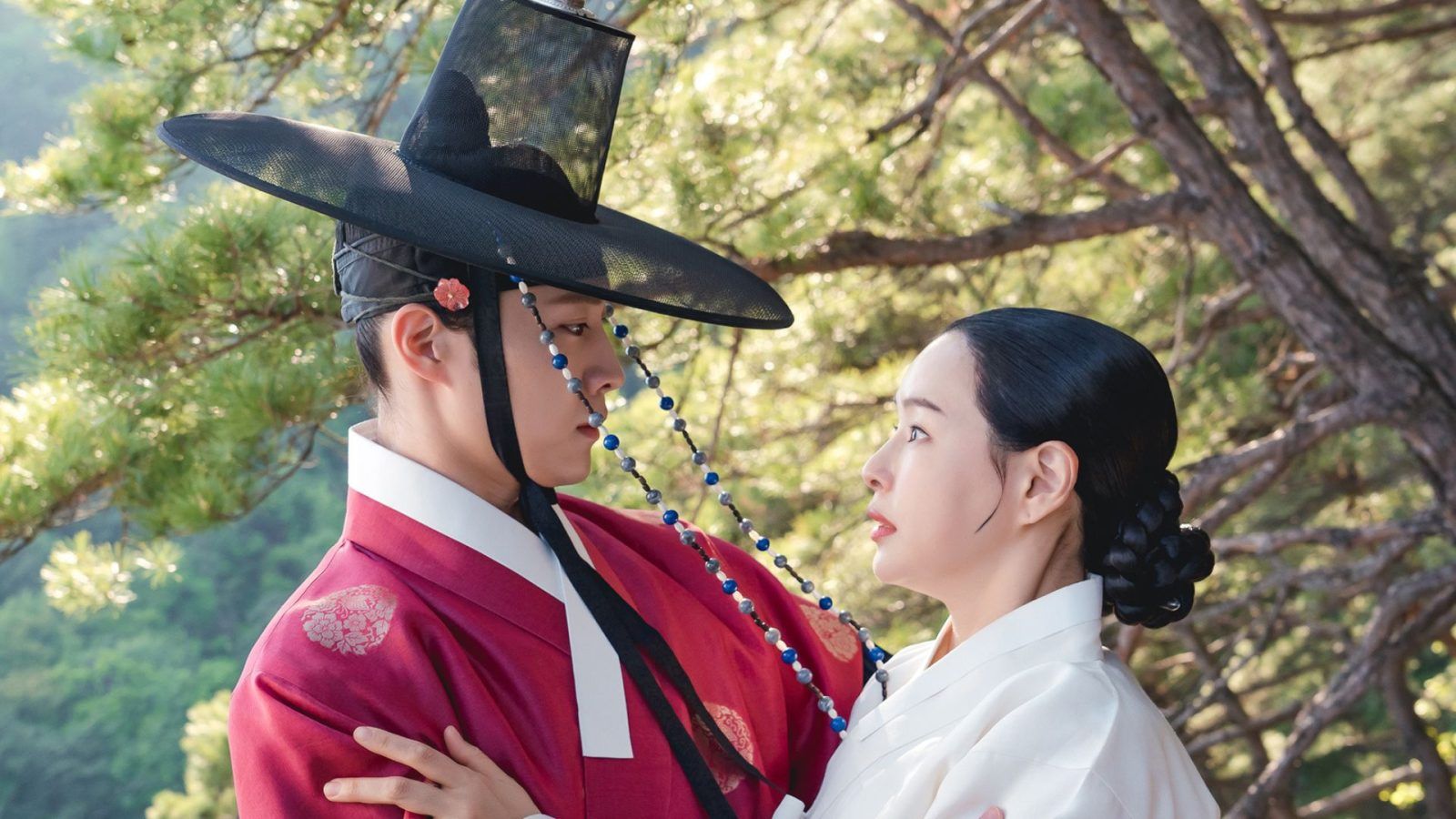
At a time when a wife’s fate lives and dies with her husband, things can get tricky for widows as they’re left between the cracks of her and her dead husband’s family. In neo-Confucian Joseon, widows were expected to maintain their chastity after their husband’s death, but Knight Flower portrays a widow that pretends to be so, while moonlighting as a vigilante at night. That being said, the drama takes a more comedic tone to this idea, critiquing how ridiculous these standards end up being without losing sight of the implications these supposed virtues have. These themes are all tied together through Lee Hanee and Lee Jong-won’s equally dynamic performances, balancing the romantic chemistry with action and humor.
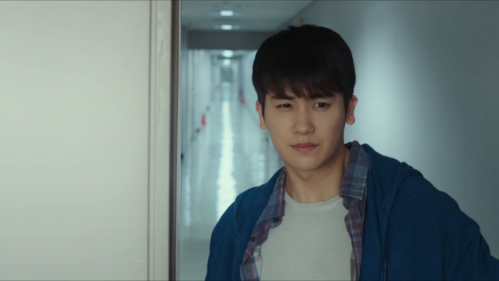
Based on the first jury trial in South Korea, Juror 8 tells the story of eight ordinary citizens with different backgrounds who are summoned to be the jurors of a case that’s believed to be a murder. These characters who have no background or knowledge in law find themselves able to decide someone’s fate. Unlike 12 Angry Men, Juror 8 delivers a lot of cunning and humorous dialogue between the characters. It’s a good mix between comedy and mystery.
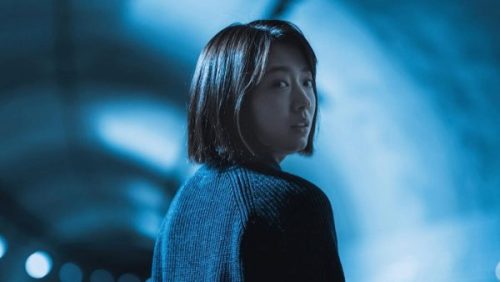
A woman loses her phone on her way back to her countryside childhood home. Once there, she connects an old landline in hopes of finding her lost mobile, only to start receiving weird calls that seem to be from 20 years ago.
On the other side of the receiver is a girl who seems to be in danger. The Call is thrilling, sometimes scary, but also brilliantly shot, and its plot is so expertly woven. It’s a proper movie-night movie.
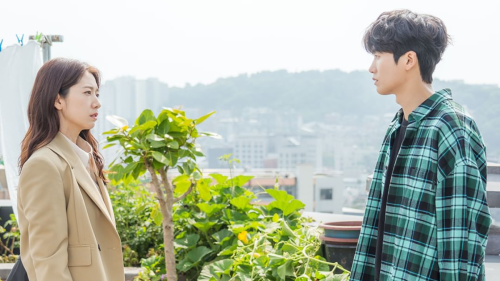
Even before the worldwide pandemic, the field of medicine isn’t anymore the straightforward profession it used to be. It’s still a respected position, that’s attached with a certain status, but the demands have risen for those with the title. Doctors don’t only have to be good at their jobs– there’s a certain push for doctors to be also good at publication, lectures, in-office politics, the business, and for some, social media influencing and politics– it’s no wonder that medical workers today are burned out. Doctor Slump explores these themes with the usual K-drama flair, but in doing so, becomes a refreshing and cathartic romance to watch.
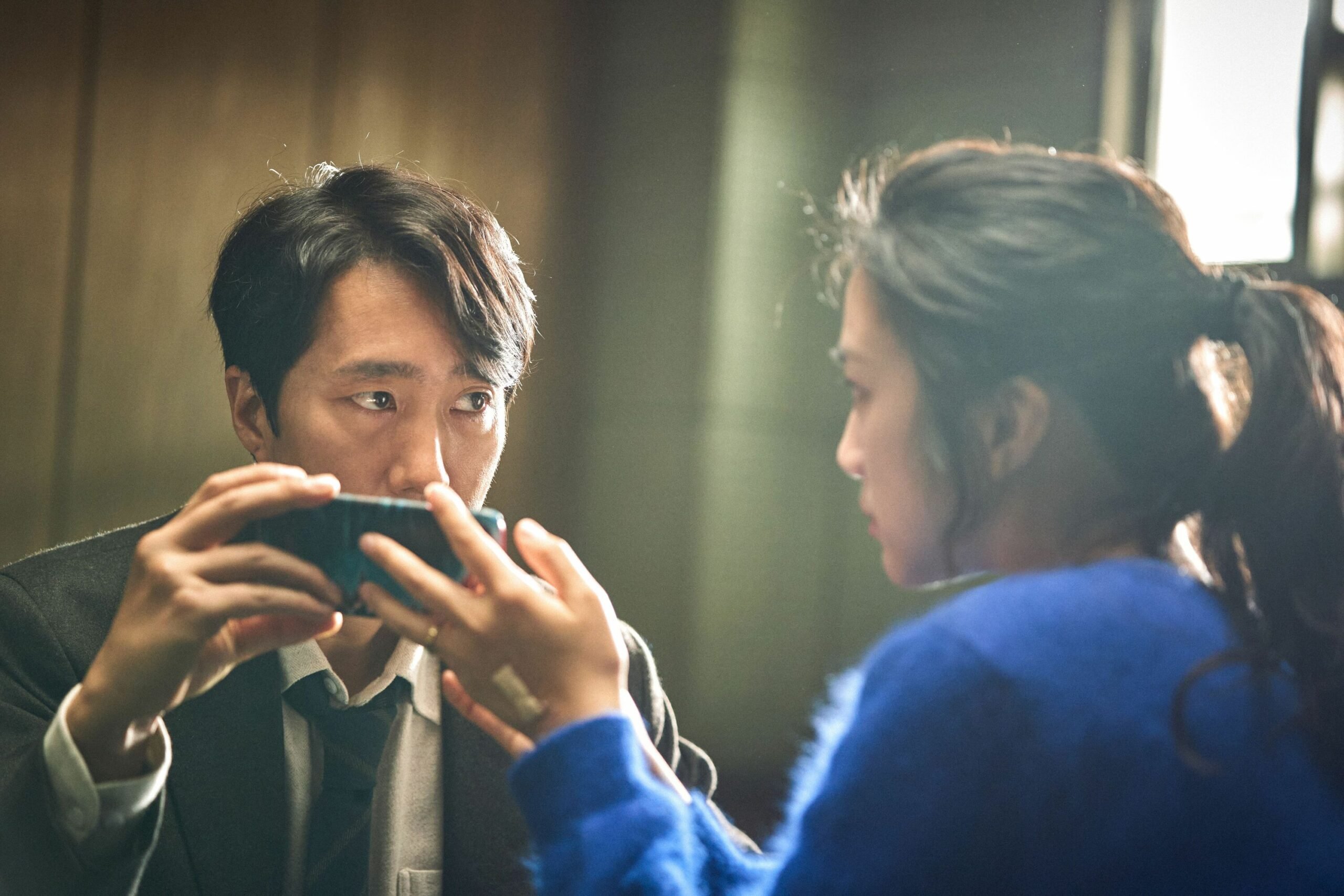
A twitchy, uncomfortable noir film for the digital age, Decision to Leave blends the trappings of a restless police procedural with an obsessive forbidden romance. Here, director Park Chan-wook flips every interrogation and piece of evidence on its head, pulling us away from the whodunit and towards the inherently invasive nature of a criminal investigation. It’s a movie that remains achingly romantic even if everything about the central relationship is wrong. For detective Hae-jun and suspect Seo-rae (played masterfully by Park Hae-il and Tang Wei, respectively), the attraction between them is built entirely on distrust and suspicion—illustrating the danger of falling for the idea of someone rather than the person themself.