
Movies to Watch From Sweden
To access filters, visit our homepage.











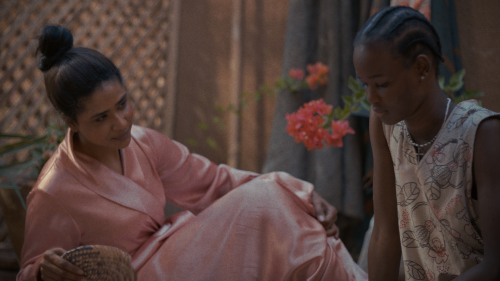
Amidst the chaos that occurred when South Sudan split from the nation, a man is shot dead. To make up for the family’s loss, Northern ex-singer Mona hires his South Sudanese widow as her househelp, a widow unaware of her husband’s true fate, without an actual body. This widow is who Goodbye Julia is named after. Through this personal wrong, writer-director Mohamed Kordofani reckons with the religious and racial tensions that led to the division, a conflict that continues to displace millions of Sudanese to this day. While the ending pulls its punches, the film still works through the emotional tension and the compelling bond formed between actual singer Eiman Yousif and acting newcomer Siran Riak. Goodbye Julia depicts their sorrow with a graceful touch.

Only a few people in Dita’s house are related by blood, but you wouldn’t know that by how they move. They’re tight-knit but argumentative, loving at times but spiteful in other instances. In other words, they’re complicated just like any other family. Housekeeping for Beginners makes a compelling case for the validity—and at times necessity—of found families like Dita’s, who all found each other after being shunned by their race and sexuality. As in his previous works, Director Goran Stolevski paints a realistic and relevant portrait here, one tinted with striking pain and poignancy, bound to leave your heart aching long after the credits roll.

Given the original real-life story behind it, perhaps it shouldn’t be surprising that The Girl with the Needle was so bleak. Serial killing, after all, is bad. But rather than focus on the historical killer, writer-director Magnus von Horn hones the camera to focus on one such mother that would have sought for help from Dagmar Overbye, on the circumstances that would have pushed them there, and the terror that they felt once they realized the truth. With gothic black-and-white shots, impeccable framing, and an excellent performance from Vic Carmen Sonne, The Girl with the Needle is harrowing and heartbreaking, especially with how it still remains relevant to our time.

Given the controversial subject matter, there’s something remarkably placid about the way About Dry Grasses proceeds. Amidst the snowy white steppes of Eastern Anatolia, writer-director Nuri Bilge Ceylan slowly lets the plot unfold through multiple conversations, where an accusation of inappropriate contact leads to a he-said, she-said investigation, all centered around a misanthropic protagonist Samet. By focusing the entire film on Samet, Ceylan takes the time to understand this difficult, exhausting character in a detached manner, with the camera oftentimes taking in the whole lived-in, rundown places where Samet lives and works in. It’s an interesting perspective, depicting the ways everyone’s fumbling around, trying to create boxes to understand one’s place in the world, but it’s not an easy one to explore. About Dry Grasses dares to do so, anyway.
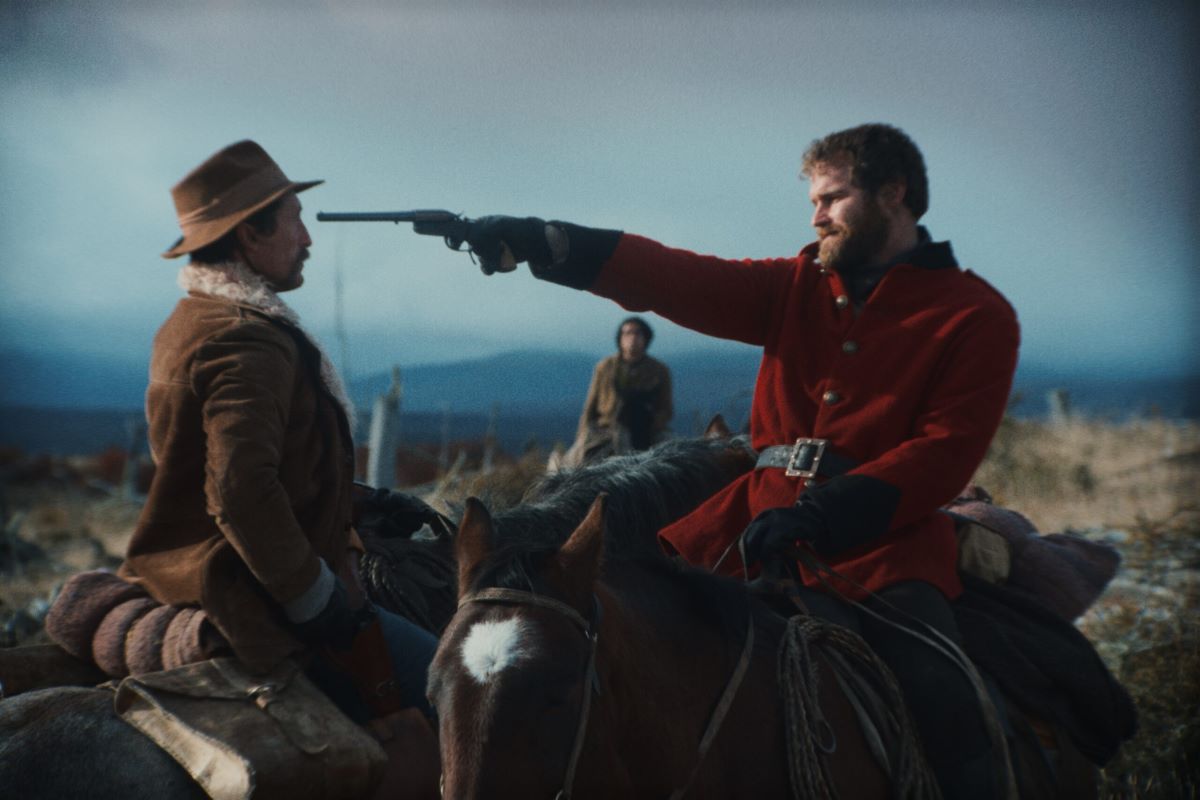
Horse riding. Gunslinging. Revenge and protection. These are notable elements in a Western, Spaghetti or otherwise. But rarely do these movies contemplate the indigenous tribes that originally lived in these desert towns, right before they were chased away and killed by white colonizers. Writer-director Felipe Gálvez Haberle takes these elements to showcase a new perspective in The Settlers, with mestizo Chilean sharpshooter Segundo forced to inflict atrocities onto his fellow native Chileans by the orders of a wealthy Spanish landowner, a British officer, and an American mercenary. The landscapes captured are sublime, the portraits are vignetted, but what’s most striking is the way Gálvez mixes in cinematic Western film style with real life colonial history, dramatic conflict with historical detail on a rarely discussed genocide.
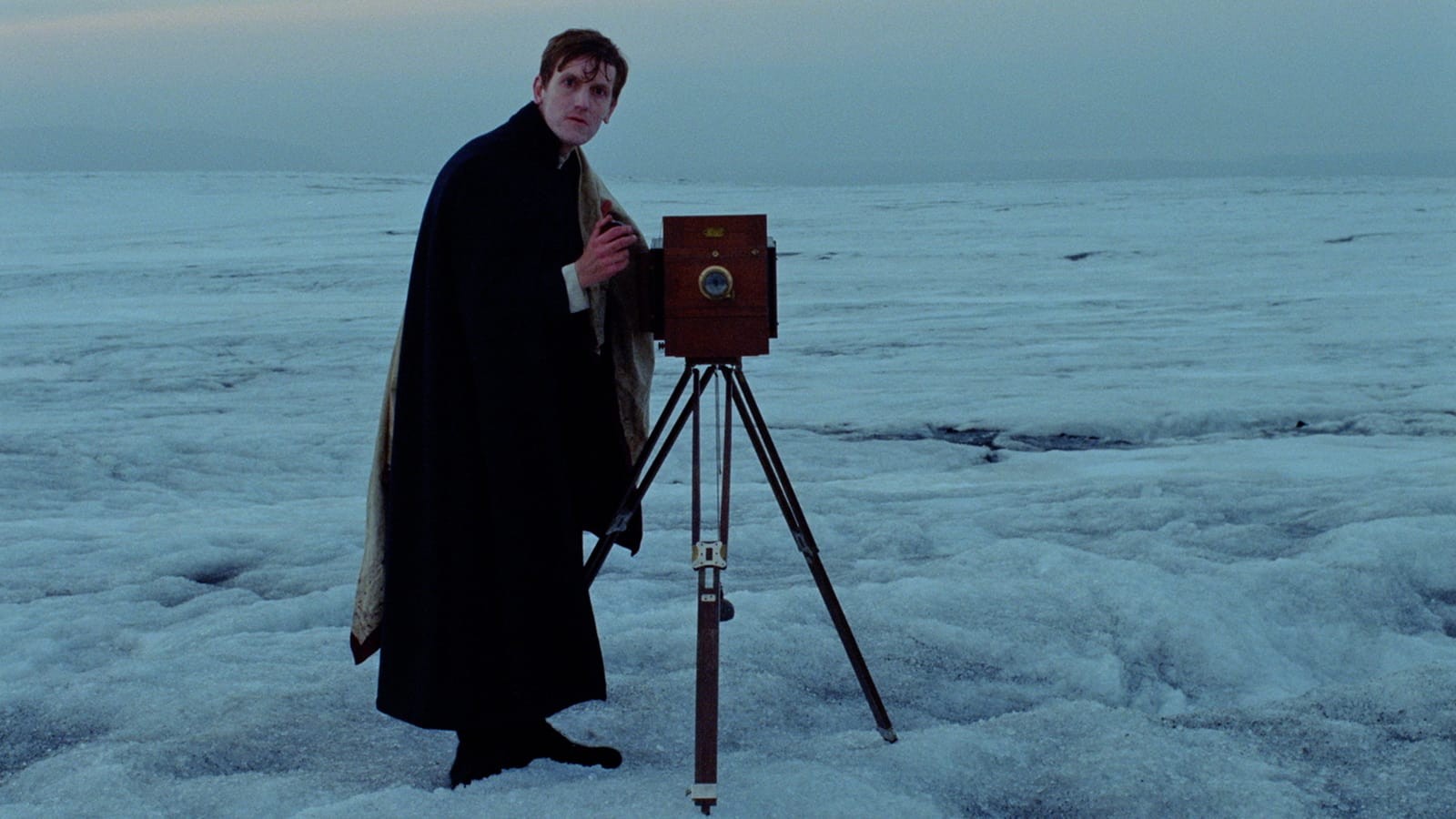
On the one hand, Godland is a film about nature’s unforgiving beauty. Like the photographs the priest Lucas (Elliott Crosset Hove) takes, these quietly superb scenes speak for themselves. The Earth moves in mysterious and harsh ways, and we are but mere specks, organic matter to be folded in and absorbed, in the grand scheme of things. It would’ve worked with just this message alone, but Godland also treads on political ground. Through Lucas, who is Danish, and his travel guide Ragnar (Ingvar Sigurdsson), who is Icelandic, we sense a palpable tension that electrifies the film with a colonial strain. There are layers to their deep aversion (and dependence) on one another, and director Hlynur Pálmason does well to pair this with imagery that is just complex, profound, and packed with meaning.
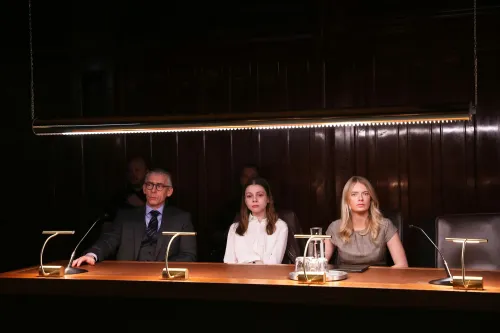
Any parent would defend their kid in court, though, sometimes it depends on the case. A Nearly Normal Family brings one such Swedish family through a case, as their nineteen year old daughter is accused of murdering a man, four years after the family decides not to prosecute their daughter’s rapist without evidence. The thriller series unfolds into a compelling murder mystery, as the show plays with the family members’ different perspectives that expands and continues the show’s intrigue, even if you think you have it all figured out. And as the investigation continues, the family’s secrets slowly get unveiled, threatening to break the Sandells apart, with their conflicting morals and unresolved trauma. While some viewers might not appreciate the slow burn, it’s an interesting crime thriller-family drama mix that questions how far we’re willing to go for our loved ones.
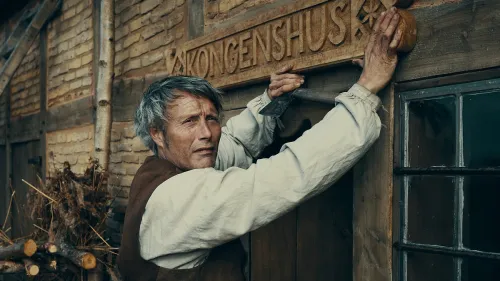
In The Promised Land, director Nikolaj Arcel (A Royal Affair) and Mads Mikkelsen reunite to create another intense, enjoyable drama based on true historical events. Mikkelsen is reliably gripping as Captain Ludwig Kahlen, but it’s his back-and-forths with the diabolical landowner Frederik Schinkel (Simon Bennebjerg) that are the standout scenes here. And though The Promised Land resembles modern Westerns in its macho standoffs and sweeping backdrops, it has a surprising and satisfying feminist bent to it. It’s a historical epic that doubles as a revenge thriller and succeeds in both cases.
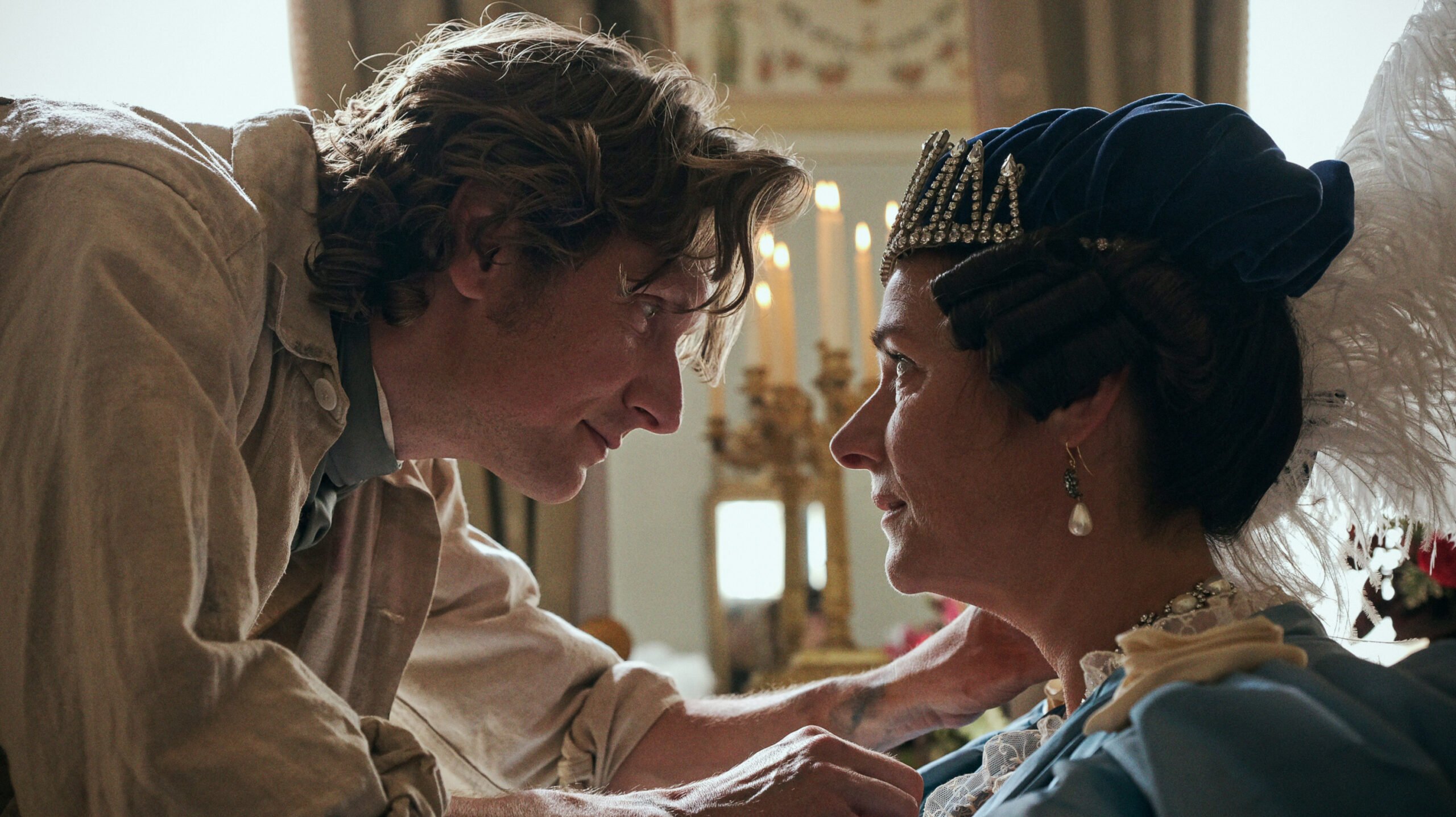
It’s slower and talkier than you’d expect from a semi-erotic film, but Ehnegard lives up to its title well enough to satisfy. It’s titillating, but in a cheeky rather than provocative way. The dialogues are lengthy, but they’re alternately witty and poetic, so despite the pace they never actually bore. Ehnegard’s real delight, however, is its beauty. Set in the old kingdom of Babenhausen, Ehnegard looks like a fairy tale come to life. The towering castles, the sprawling meadows, the twinkling forest lakes, and of course, the smartly costumed people who populate the scenery—all these and more ensure that each frame has a picturesque glow to it. And with Sidse Babett Knudsen (Borgen, Westworld) taking charge of an appealing cast, Ehnegard proves to be a charming watch.
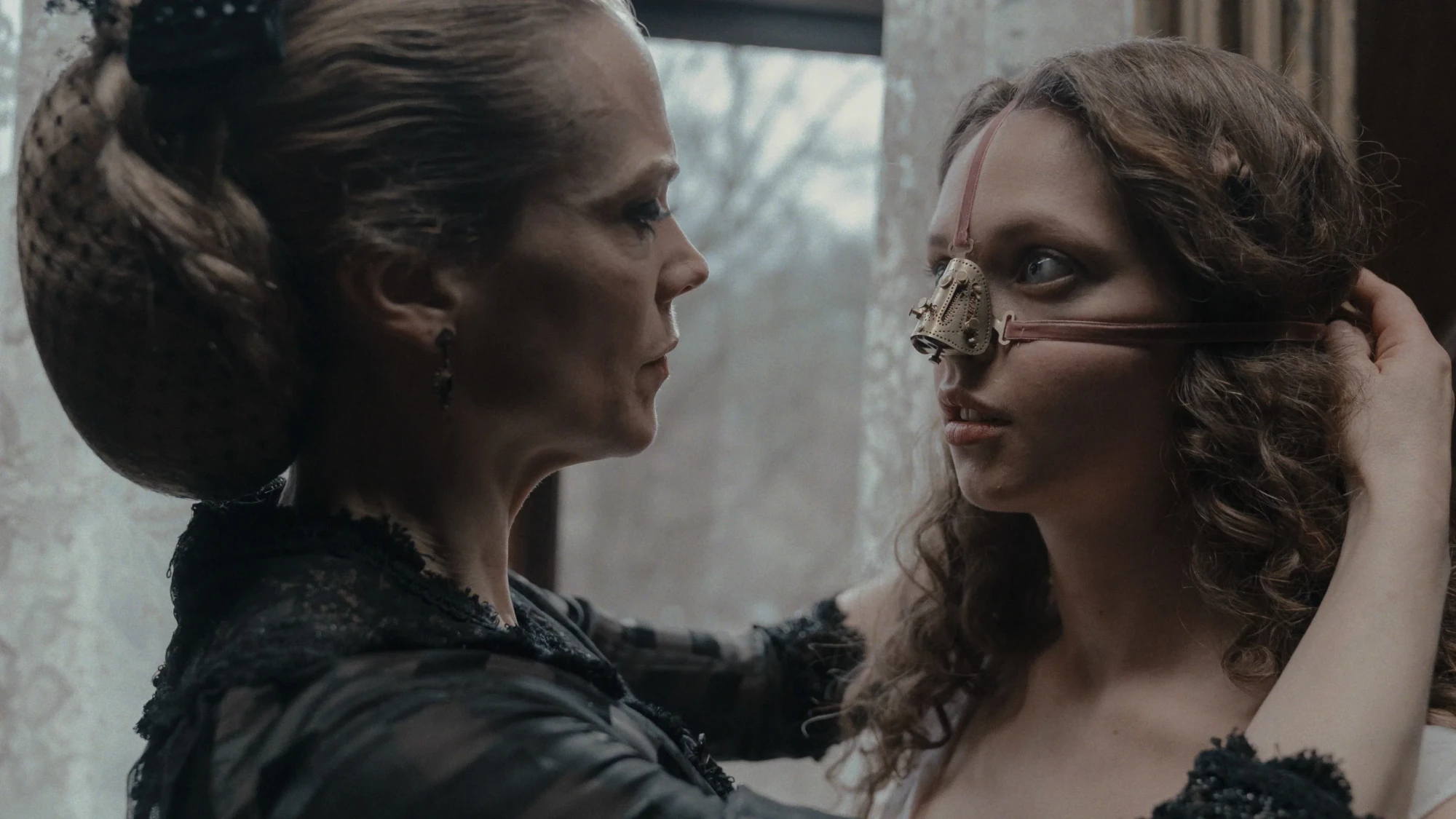
There are plenty of versions of the Cinderella story, but none as brutal and nauseating as The Ugly Stepsister. For one, it’s not a lovely fairytale that rewards the perseverance of good people through a royal romance. Instead, this European folklore inspired body horror takes the perspective of its titular character, a stepsister who is forced to undergo invasive procedures for the sake of her family. It’s absolutely gruesome. Every single terrible thing Elvira goes through eerily recalls today’s plastic surgery and diet culture except without modern-day tools and anaesthesia. Those new to horror, or those who would be triggered by these topics, would find the film hard to watch. Still, The Ugly Stepsister deeply understands the dark side of this oft-told fairytale, especially at how marriage used to be the only means to upward mobility for women.
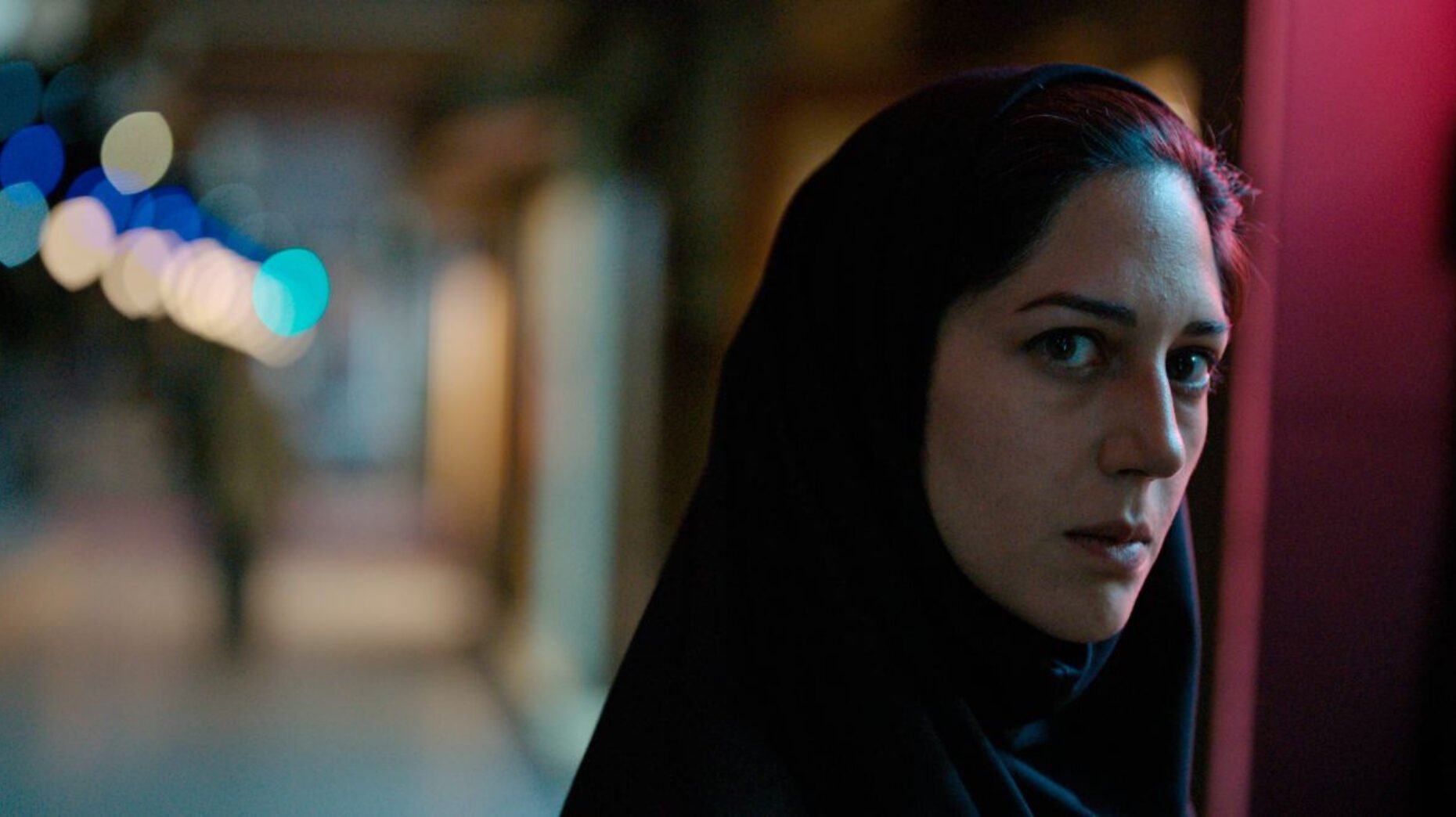
As a crime thriller, Holy Spider is taut and terrifying, a modern noir that manages to unnerve despite the familiar moves it employs. The cat and mouse chase between serial killer and investigative reporter, for instance, is a classic tale, but that doesn’t make Holy Spider any less gripping. The film benefits from artful camerawork, considered acting (as the daring journalist Rahimi, Zar Amir Ebrahimi nabbed the Best Actress award at Cannes), and most of all a nuanced take on the situation in Iran.
Despite having a clear stance against violence and corruption, nothing in Holy Spider is black and white. Contradictions abound, and even when presented with brief moments of justice, we’re left scratching our heads looking for more. Such is the case when the system, and not just an individual, is the true pest.

One woman’s main character syndrome reaches shocking lows in this vicious Norwegian satire of social-media-era narcissists. Signe (Kristine Kujath Thorp) and her artist boyfriend Thomas (Eirik Sæther) are a deeply toxic couple who torture everyone around them with their constant, petty one-upmanship. When he lands a flashy magazine spread, though, Signe’s usual tactics for slyly redirecting attention her way don’t cut it anymore, and so this compulsive liar takes drastic action and begins overdosing on pills banned for their serious dermatological side effects.
Signe’s Munchausen-esque actions have their desired effect: the physically dramatic results instantly make her the center of attention — but not indefinitely. As she craves increasingly bigger spotlights, the film toggles between reality and scenes from her imagination, including a morbid sexual fantasy in which her funeral proves so popular the priest becomes a bouncer, turning away sobbing mourners whom Signe noticed hadn’t visited her in hospital. The rampant narcissism on display here is at turns hilarious and excruciating: Sick of Myself’s sharp social observation skills make it feel, in places, like a movie by cringe-master Ruben Östlund. That stomach-turning effect carries through to the ending, which darkly suggests that, for someone like Signe, even narcissism itself is a condition that can be weaponized for attention.

When a loved one dies in front of you, immediately, suddenly, and unexpectedly, the normal reaction is to freak out. Tore portrays a man, who, upon that death, turns back to his work, focusing on the logistics of the event his company is hosting. Tore’s grief isn’t the histrionics we’re used to– instead, it spurs him to seek out experiences that he’s not used to, given that he’s still living in his parents’ house at 27. This strange disconnect is compelling to watch, as the show studies the way he avoids anything related to the death, just to keep his normal demeanor, in a steady and economical way. It makes for a unique and honest depiction of grief that still packs an emotional punch.
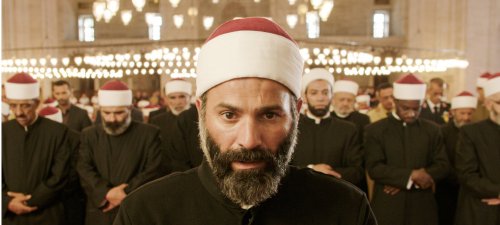
When he’s accepted into the prestigious Islamic university Al-Azhar, fisherman’s son Adam (Tawfeek Barhom) gets an eye-opening education — but not the kind he expected. A place associated with notions of purity is imagined as a hotbed of hypocrisy and corruption here, as naive young Adam finds himself unwittingly embroiled in a state plot to seize control of Al-Azhar (because, as one government official puts it, “We can’t accept having two pharaohs in the land”). Cairo Conspiracy’s intricate plot confronts monsters in government and strips away religious leaders’ veneer of divinity as a reminder that they’re merely fallible men. What’s more, the film grapples with the knotty mess of politics raging inside the institution’s walls in such a way that even its palatial courtyard feels claustrophobic. Rife with paranoia and subterfuge, Cairo Conspiracy feels utterly unique thanks to this skillful transposing of the shadowy machinations of courtly intrigue dramas and ’70s paranoid thrillers into a very contemporary Egyptian setting.
 x12
x12
With the current deluge of biopics streaming, it’s easy to overlook Clark, Netflix’s fictionalized take on Clark Olofssonm, from whom the term “Stockholm Syndrome” was coined. Bill Skarsgård, Hollywood’s favorite onscreen creep, returns to his native Sweden and plays the titular criminal with such feverish passion that it’s impossible to take your eyes off the screen.
The delirious editing (bordering on excess or camp, depending on your taste) also makes it quite the standout among all the sober real-life adaptations. Clark will surely be hit-or-miss for most people, but its riskiness alone is enough reason to watch.

There are many ways through which a friendship can form, but sometimes, it’s due to compassion for someone who needs help. Despite the somewhat fantastical clairvoyant premise, Beautiful Beings is mostly about this simple friendship formed with a bullied kid, which turns out not to be so simple at all. From a bummed cigarette, the friendship grows into a protective support system, filling up parental neglect with teaching each other how to live, but while some of these moments are totally wholesome, other moments lean into mischief, and sometimes violent danger. It may be a fairly familiar coming-of-age premise about male friendship, but Berdreymi executes it well, has a compelling cast, and isn’t afraid to go dark when necessary.
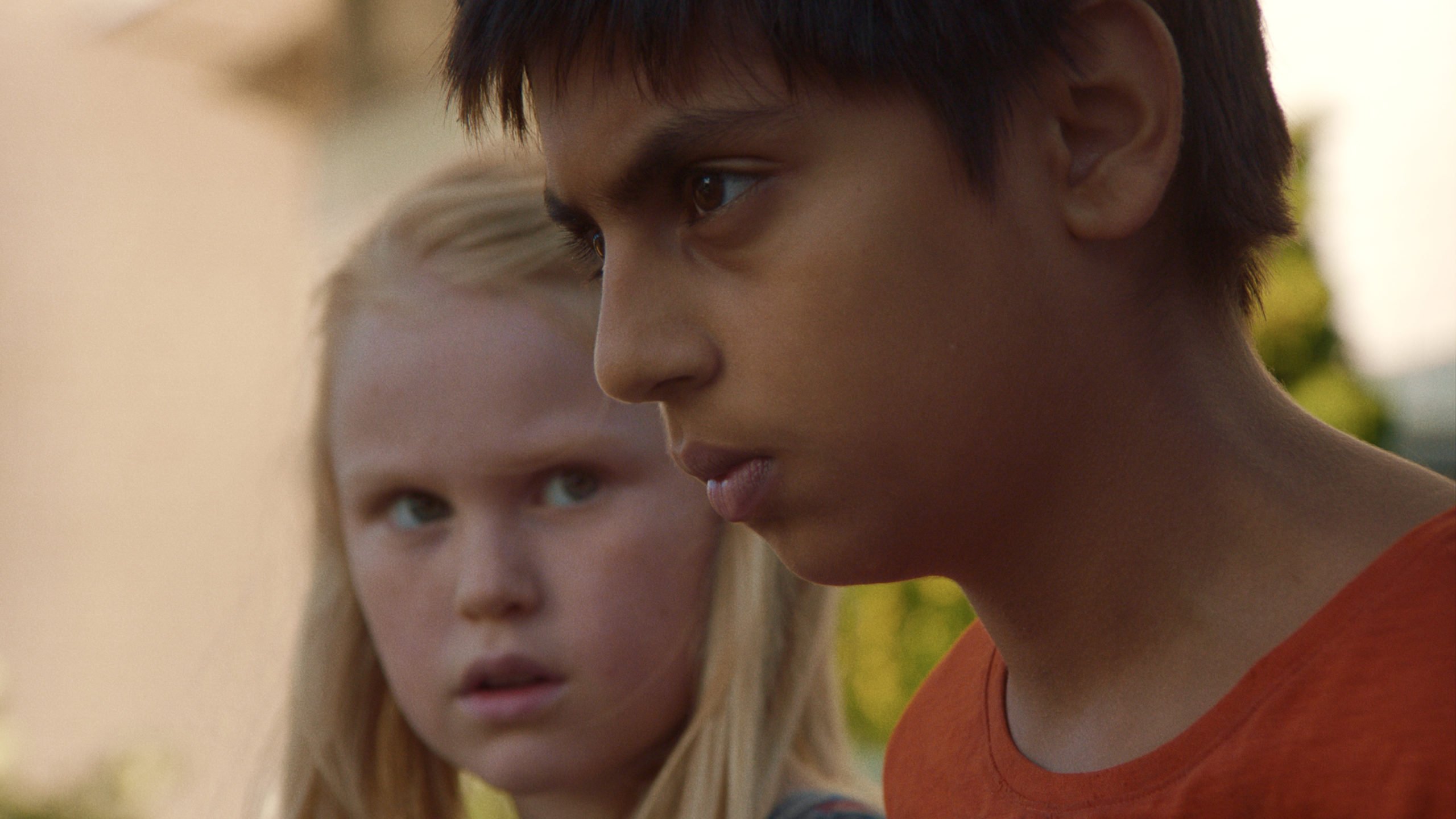
The Innocents is a Norweigan thriller that follows four kids who discover they have supernatural powers over the summer. They play around and experiment in the woods nearby, but what begins as harmless fun quickly develops into something much more disturbing and sinister.
This unnerving film, a blend of fantasy and horror, doesn’t waste time explaining the origins of its mysticism. Instead, it goes straight into action—bending, twisting, and splitting open anything and anyone that gets in its way. This kind of rawness is shocking given the age range of the characters, but it also works to subvert what we’ve come to expect from kids, youth, and goodness. The Innocents isn’t for the faint of heart, but if you can manage some bloody and unhindged scenes, then it’s sure worth checking out. Directed by Eskil Vogt, co-writer of critically-acclaimed films like Thelma and The Worst Person in the World.
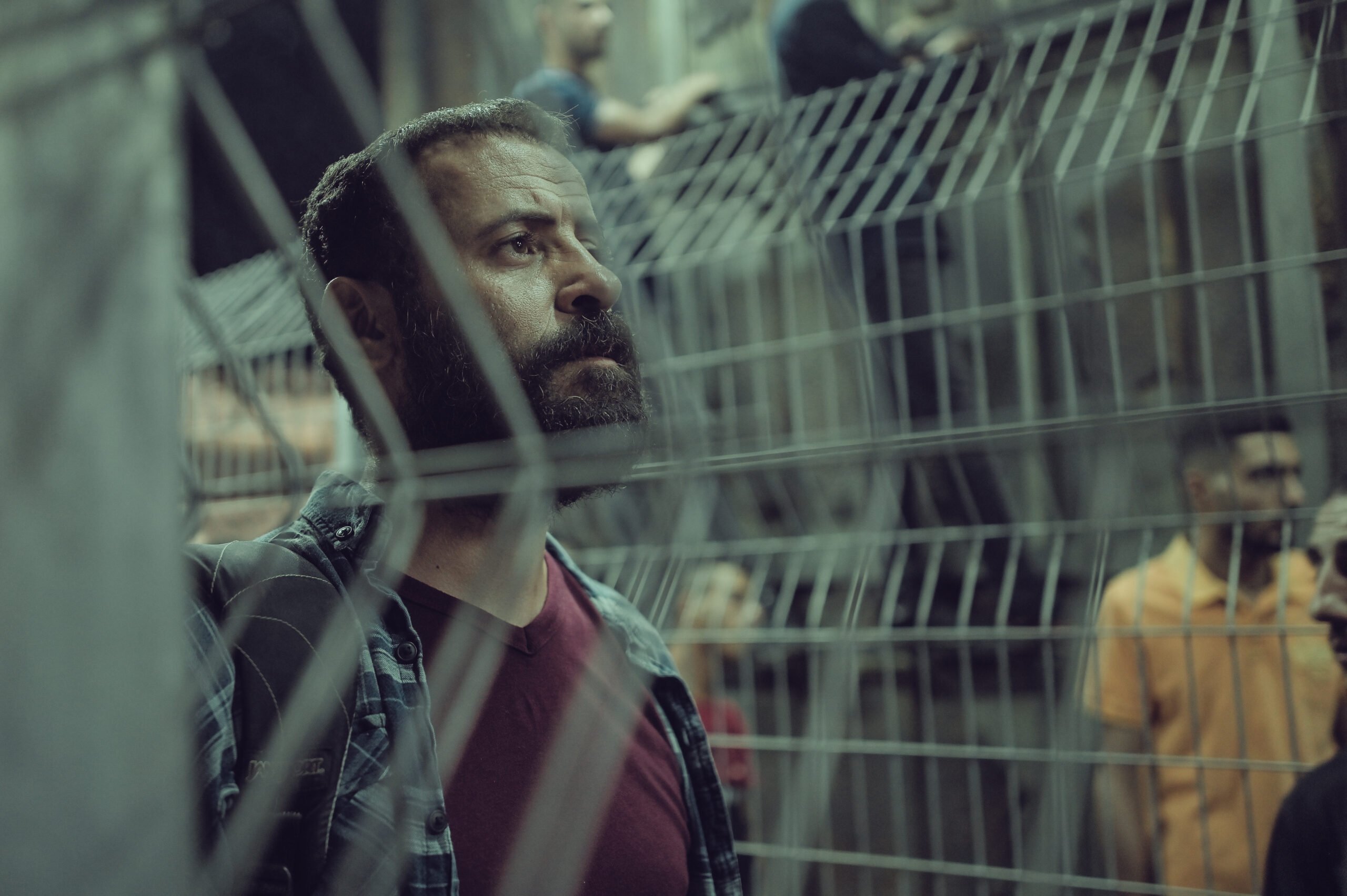
How far would you go for the people that you love? Regardless of the answer, whether that would be one mile, five hundred, or five hundred more, the distance won’t matter if there’s something that blocks you. 200 Meters is a drive with the titular length, it’s not even longer than a mile. But it feels so much longer. Writer-director Ameen Nayfeh does just straightforwardly present these hurdles– the permits required, the time limits allowed, and the tollways guarded– but that’s just because the actual path to get there isn’t straightforward at all, transforming a drive to somewhat closer to an intense rescue operation with the plot, the score, and the performances by the cast. 200 Meters isn’t as harrowing as dramas about occupation are, but it’s because of this that Nayfeh can delve into the day-to-day nuances people like Mustafa must face.

This English-language adaptation of the 1973 Swedish miniseries by Ingmar Bergman stars Oscar Isaac and Jessica Chastain, whose palpable chemistry is at full force here. It’s daunting to adapt a work from such a legend of the screen, but director Hagai Levi finds new nuances and modern situations to the story—infusing a different cultural identity into some characters, and playing with typically gendered tropes such as infidelity. While it can be frustrating to watch this couple’s failure to communicate properly, Oscar Isaac and Jessica Chastain’s powerful, heartbreaking performances should keep fans and casual viewers hooked to the screen.
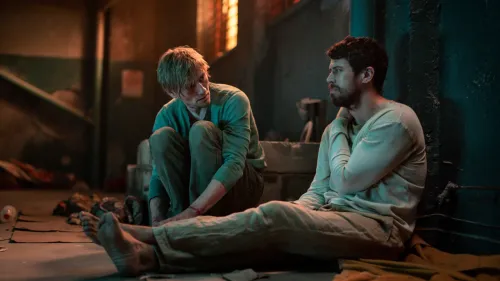
The real life situation behind this harrowing drama is quite extraordinary, so adapting Daniel Rye’s captivity straightforwardly would already intrigue viewers into watching it. However, Held for Ransom does more than depict his torture. Alternating between his captivity and the fundraising efforts back home, the film examines the way they have all responded to the unimaginable, the horrible experience that they have gone through because of extremism. The imprisonment sets the stakes, but the humanity held onto by the hostages, the fierce love of Daniel’s family that would bring him home, and the human cost of non-negotiation pushes this story into somewhere new.
 x2
x2
In Motherwell, you either “get locked up or knocked up,” or so says Gemma, a teenager on the cusp of adulthood growing up in an old Scottish steel town. Gemma runs among a tight-knit group of friends, at the center of which is ordinary mischief, routine, and roughhousing. And beneath that lies a certain kind of everyday violence.
As Gemma enters young motherhood, she reckons with how to reconcile her own aggressions with the protective tenderness she feels toward her newborn. Beautifully and thoughtfully directed by Ellen Fiske and Ellinor Hallin, Scheme Birds never feels invasive. Rather, their documentary lets Gemma speak for herself—and in doing so, illuminates not just her life, but the complicated lives that intersect hers, too.
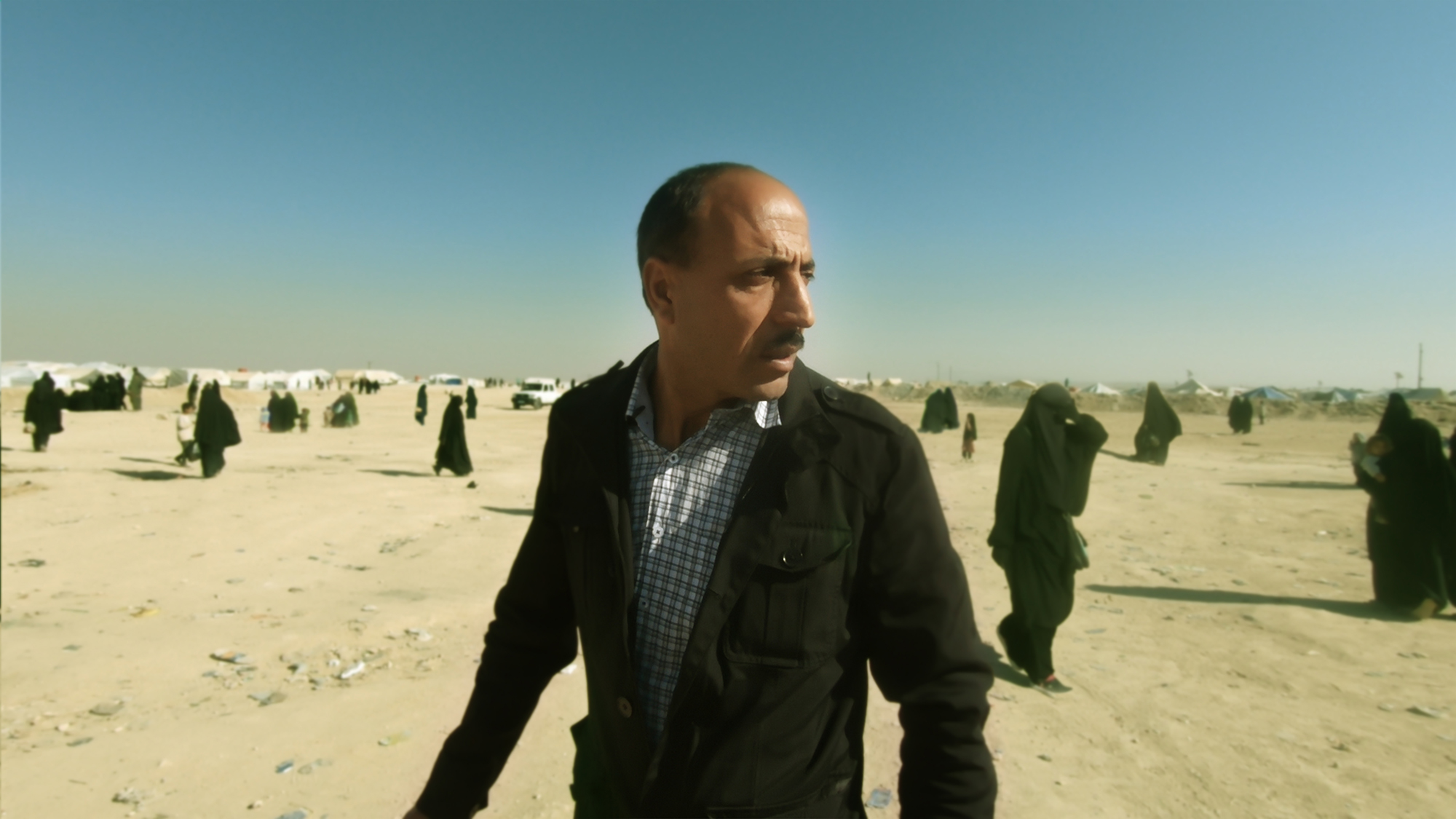
When it comes to depicting human rights violations, sometimes it’s more important to depict them as fast as you can, than it is to add some cinematic flair to the documentary, because people’s lives are at stake. Perhaps that’s why Sabaya feels as meandering as it does. It’s a dangerous story to tell. The filming itself is risky, but leaving too much information after editing can risk the next efforts of the rescuers– so it’s probably the reason why more of the mundane efforts are included, and some of the shots are shadowy, pointed to protect the people’s faces. Sabaya won’t be the most exciting way to depict its issue, but it achieves what it sets out to do: which is to remind the world of the suffering, as well as the volunteer efforts, still happening in the refugee camp.

The Apprentice is as much about Roy Cohn as it is about the titular mentee, a very green Donald Trump. It’s Cohn who teaches Trump the dirty tricks and the power moves, and it’s he who instills in him his everlasting entitlement. It’s also Cohn who arguably steals the show. As expected, Strong disappears into his character and is at once terrifying and pathetic, but always arresting. Stan is less effective as Trump, but his more subtle turn as the real estate mogul still works, especially when set against Cohn’s more hardened and vulnerable persona. The film is powered by these two; without them, it moves like any old tale about greed, power, and betrayal. It doesn’t shy away from Trump’s known grotesqueries, but it also could’ve benefited from leaning into them more, a la Wolf of Wall Street. As it stands, The Apprentice is familiar fare elevated by the engaging performances of two of Hollywood’s best-working character actors.
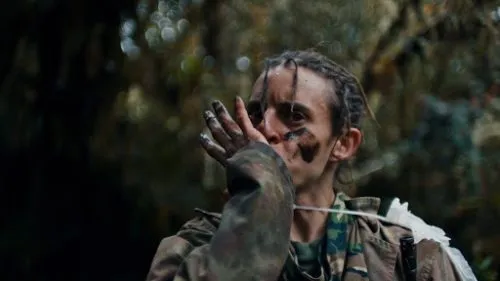
This crazy adventure thriller was Colombia’s nomination for the 2020 Oscars. “Monos” translates to monkeys, the nom de guerre of a group of teenagers holding an American hostage in an isolated bunker. Other than the occasional visit from their supervisor, they’re left to their devices, forming relationships, smoking weed, drinking, and eating psychedelic mushrooms. One day, on top of the hostage, they’re also trusted with a milk cow, named Shakira. A party goes wrong and one of the Monos accidentally kills Shakira, triggering a series of events that sends them deep into the jungle, and deep into despair.
Monos is not an action movie, it’s more of a character study. It was loosely based on The Lord of the Flies.
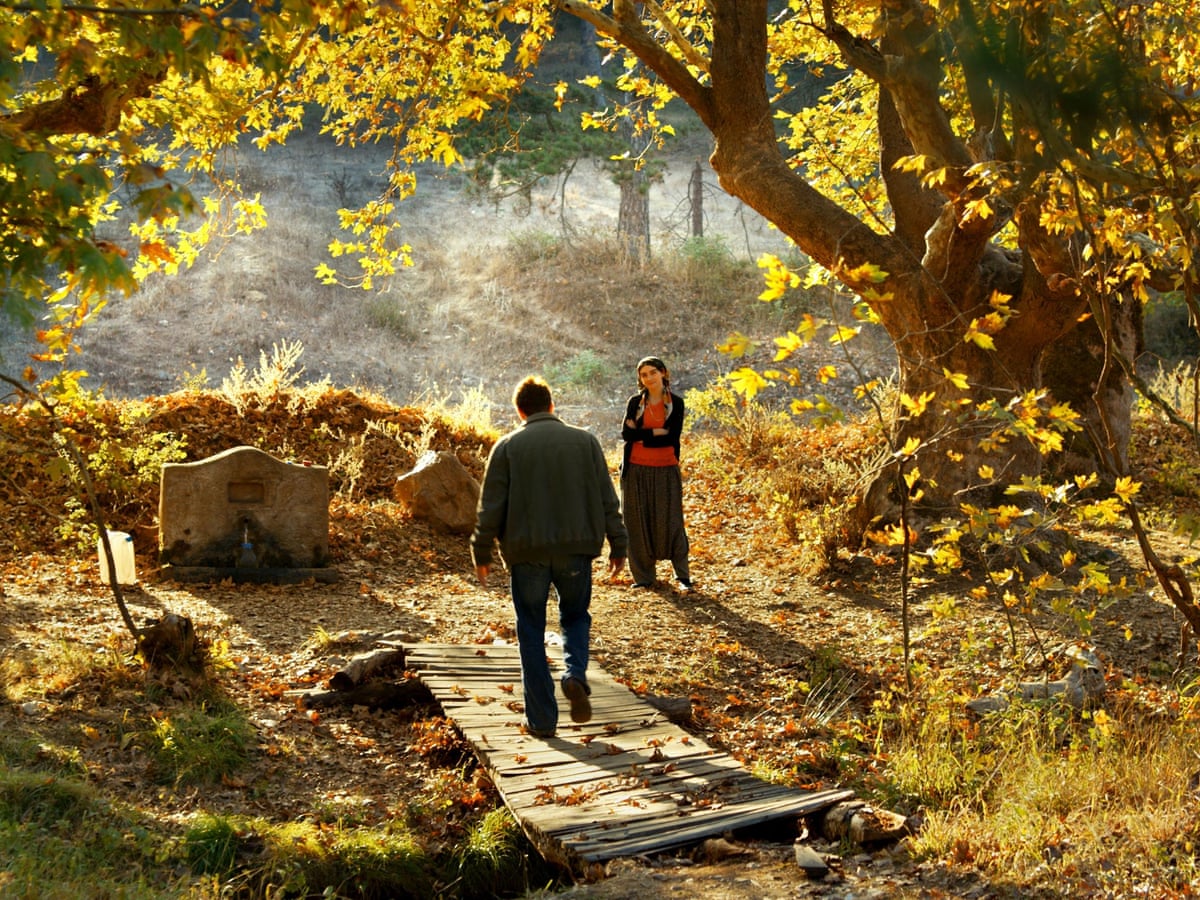
The Wild Pear Tree is somewhat like a novel made into a movie– It’s long, it’s philosophical, and it’s mostly composed of conversations a young protagonist has in order to figure out the best way to live. At first glance, the plot can seem rather mundane. But there’s a subtle anger that drives the film, as Sinan tries to make sense of the arbitrary nature of modern society, but can’t seem to find any answers that satisfy him, due to being at a different place with everyone around him, or simply because he just doesn’t know better. Most people would likely understand one or both sides each talk presents. Depending on where you’re at in life, some or more of these conversations may resonate with you, but there’s no denying that writer-director Nuri Bilge Ceylan crafted his characters well, feeling as real and as personal as the people he grew up with in his hometown.
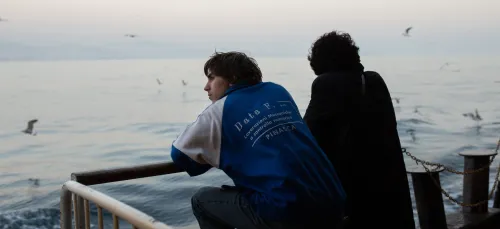
On paper, Crossing’s premise reads like a movie about two different people forging an unlikely but sweet bond. Lia is a no-nonsense grandma, after all, and Achi looks like he lives day-to-day, not really caring what the future brings. And it’s true, at first their stark differences provide amusing moments, but the pair quickly subvert expectations. Lia is almost unrelentingly distant (“Let’s be clear,” she warns Achi, “I’m not here to take care of you.”) while Achi proves to be surprisingly sweet. Then there’s Evrim (Deniz Dumanli), a local trans lawyer advocating for the marginalized. Through her and her friends, Lia grows to understand her missing trans niece, the reason she came to Turkey in the first place. There’s a meandering vibe to Crossing that fits into these three characters yearning for connections. But though it can get lost in those paths, the movie feels coherent and kind, like a comfort drama if there ever was one. All the while, Istanbul—both its fringes and its colorful center—serves as a ruggedly beautiful, kaleidoscopic backdrop.
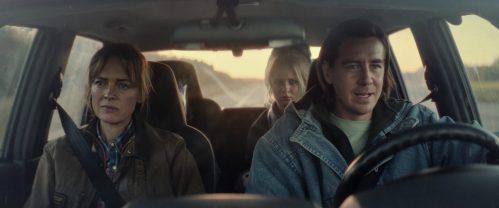
Let Go follows the same structure as many modern family dramas. You can practically tell how it ends five minutes in. Its plot is thin and predictable, and in lesser hands, it would’ve been relegated to forgettable Netflix fare. But Josephine Bornebusch‘s strong direction, the actors’ realistic performances, and the script’s sharp insight into family dynamics save it from sentimental mush. Bornebusch, who also wrote and stars in the film, displays an excellent level of control here. Just when the film threatens to teeter into melodramatic territory, Bornebusch reigns it in and trusts her talented cast to do their magic. Their easy chemistry and quiet expressions of pain and delight are a delight to watch.

Though there are ways to go when it comes to ace representation, Slow is a massive step in the right direction. It follows Elena, a carefree and non-committal lover, and Dovydas, a monogamous asexual. Can they make their relationship work? Slow is a careful exploration of that question. It’s surprisingly intimate, even more so than explicitly sensual films, and sensitive to Elena and Dovydas’ wildly different but equally valid needs. It’s never judgemental and always gentle about their sexual desires, habits, and questions. Perhaps most importantly, it addresses the inherent complexity of being asexual head-on. Asexuality here is not a joke or a coincidence, but the main thing everything else hinges on. Still, Elena and Dovydas remain universally relatable. Slow tackles issues of affection and trust that come with every relationship, regardless of sexual orientation. Their conversations will gut you, and their love will inspire you to be with someone deserving of your worth.
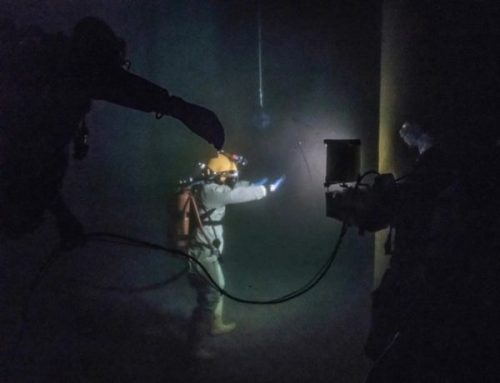
An 80-minute documentary about a diver who gets stranded in the deep sea with 5 minutes of oxygen left, while the nearest rescue team was 30 minutes away. This type of diving in the depths of the sea, as someone explains, is like “going into space but underwater”.
The documentary uses genuine footage from the dive as well as interviews of people who were present. Still, some parts of this incredible story can’t be explained. And if like me you’re not familiar with diving, everything will have more appeal. The vessel they use is quite impressive, the duration of its dive is obscene (28 days!), and lastly: the divers inhale helium (and speak with a funny voice) the whole time they are down there.
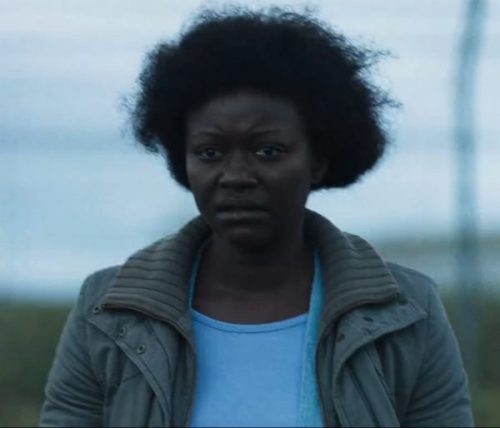
Iceland is a country of vast lands but limited population – only about 300,000 people can call themselves Icelandic. On the other hand, 8 million people have connecting flights through Iceland every year.
In this setting of mass movement, a single mother dealing with poverty is offered a chance to turn things around – a job as a border agent. One of her first days, she comes across an asylum seeker on a connecting flight from Guinea Bissau to Canada, trying to cross with a fake passport.
Their stories don’t only intertwine as border agent and asylum seeker, but as two mothers. And Breathe Normally is about struggling with poverty both in Europe and coming from a place like Guinea Bissau. It’s a beautiful, plot-heavy statement on the importance of solidarity and of seeing the human behind the country of origin or race.

This Danish film which was the country’s submission to the Oscars is about a delicate subject. A lawyer who specializes in defending children, and who is used to developing closeness with her clients including meeting with them in her home, starts having an affair with her teenage step-son.
There is inherent tension to this obviously very explicit plotline: how would a serious, non-erotic (or not-only-erotic) movie like this one portray such attraction. And of course, afterwards, what are the implications?
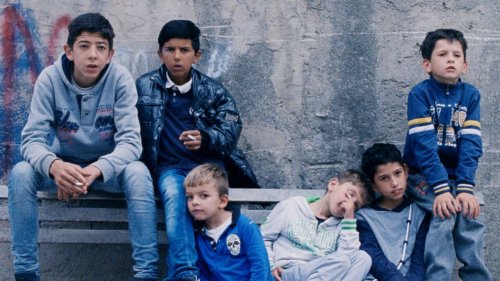
This fiery coming-of-age drama has an unlikely origin story: director Jonas Carpignano was first introduced to the sprawling Roma clan that makes up most of the movie’s cast when one of them stole his car while he shot another film. The charismatic Amato family made such an impression on him that he decided to center a movie around their real lives, naming it for the insular neighborhood they live in on the outskirts of a Southern Italian town.
The Amatos are part of a much-maligned ethnic minority, but not the only one in the film. The Ciambra pokes at the idea of solidarity between the Amatos and local African migrants: while his elders are quick to reject the idea, plucky 14-year-old Pio (Pio Amato) flits across these invisible borders and bonds with Ayiva (Koudous Seihon). But Pio is desperate to win the respect of the men in his family, who might then allow him to take part in their criminal exploits — a crisis point The Ciambra chronicles with raw emotion. This is a movie whose grit and bleakness often recall the uncompromising gaze of neo-realist classics, as a child is heartbreakingly forced to declare his allegiances in the dog-eat-dog world his elders can’t imagine an alternative to.

This Swedish movie is the story of Astrid Lindgren, one of the most translated children book writers of all time. Her work of over 100 books includes Pippi Longstocking and The Brothers Lionheart.
Away from the quiet existence of the characters she would later create, Astrid had a turbulent life. Her troubles start when she falls for the editor of the paper she worked at when she was young, a man 30 years her senior. This results in an unwanted pregnancy and Astrid is pushed to immigrate.

La Cocina is pretty chaotic. Amidst the hectic rush hour at The Grill, writer-director Alonso Ruizpalacios brings a group of tired, impoverished workers that yearn for a better life into a cramped kitchen in America that gets flooded with cherry cola halfway through the movie in an outstanding long take. While some scenes still retain its monologue heavy quality, it’s impressive to see how they adapted the stage play to film in its cast, multiple languages, and shots. The main protagonists, Raúl Briones and Rooney Mara, also deliver great performances. But what makes La Cocina ultimately work is how well it understands the power dynamics to push the story. La Cocina carries the perspectives of its ensemble characters with superb balance.

While best known for his provocative, existential dramas, Lars von Trier also made a provocative mini-series with surprising supernatural horror. Set at Denmark’s leading public hospital, The Kingdom takes familiar medical drama conflicts in handheld camera and sepia tone, but infused with an unsettling understanding of how the finest minds can fail, and how small science can feel in the face of the unexplained. That being said, the horror is much more wacky than spine-tingling or terrifying, but it’s played off through von Trier’s signature absurdism, taking a more humorous and sardonic approach. Riget may be an unexpected entry for those who have heard of von Trier, but it’s a must-watch for the auteur’s fans, showing a different side to the notorious director.

This coming-of-age story starts in the present time, where Elle Marja, now a grandmother, reluctantly goes to her sister’s funeral held by her old indigenous Sámi community in Northern Sweden. Understanding her reluctance requires going back to when Elle Marja was 14 and was preparing to go to boarding school with her little sister. These schools were racist establishments meant to integrate the Sámi children into Swedish culture and language, while at the same time limiting their prospects of seeking further education. Elle Marja and her sister chose to respond to this discrimination in two completely different ways that this movie explores without judgment. The central performance of the young girl is incredible.
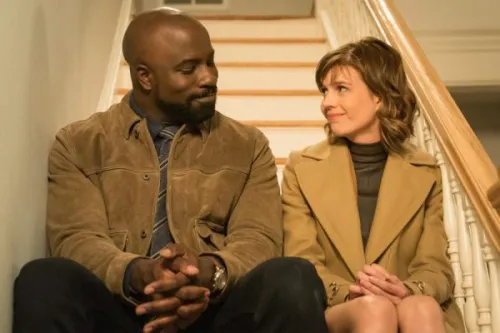
This thriller is about a modern-day Catholic “assessor” who investigates supernatural cases to see if an exorcism is needed. Don’t believe it? Neither does his partner, a prosecution psychologist.
The two join forces because, according to the assessor, “possession looks a lot like insanity”, and she can help him distinguish between the two.
The heavy religious connotations might bother some they’re nothing but a starting point (every supernatural TV show requires a supernatural premise). If you liked the X Files, for example, you will love this.
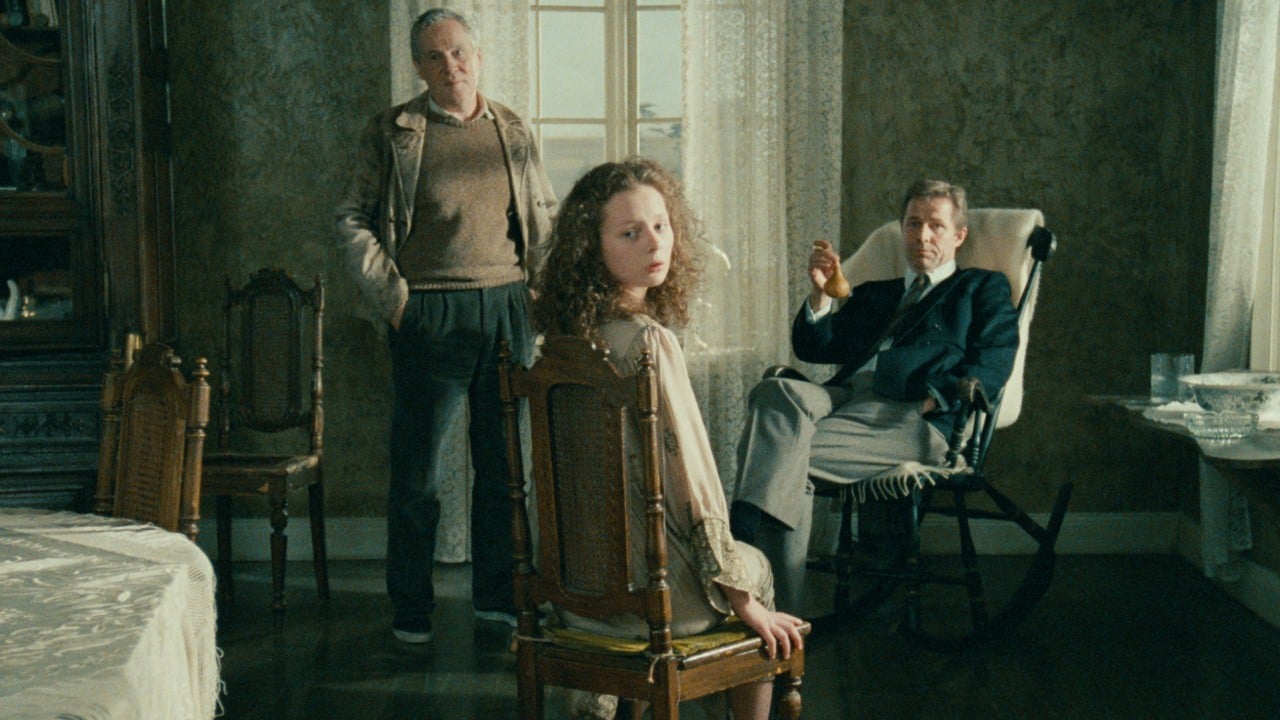
The end of the world, of course, forces people to contemplate one’s life purpose, the choices they made, and the opportunities they chose over others. Andrei Tarkovsky examines this idea in The Sacrifice– juxtaposing a hypothetical third World War with main character Alexander’s choices, the choices that led him to a successful acting career, but also led him to regret that he hasn’t done more to take action, until the deal he made with a cross between the Christian God and pagan sacrifice. The ideas are philosophically heavy, marked with Tarkovsky’s dreamlike imagery, long takes, and slow pacing, but it feels much more personal considering the sacrifice he made in leaving his family to create his last two films abroad. The Sacrifice is a masterful meditation on life itself, a deeply moving anti-war film that was a decent send-off of one of the greatest filmmakers ever to have existed.

Set in the small town of Åmål, western Sweden, the debut feature by Lukas Moodysson (We Are the Best), is itself a metonymy for the bigger questions of life. It’s playful and dead serious at the same time, in the way it portrays teenager Agnes, who, after two years of living in Åmål, still hasn’t made any friends that would attend her birthday party. Instead, she spends her time typing away on her computer, poetic diaries and love confessions to a girl from school named Elin. She’s the popular one and therefore, out of reach. The amount of tension and escalating ambivalence the film conjures with just a simple narrative decision—a bet, a kiss, an apology—is palpable throughout the 86 minutes of its runtime. A perfect capsule of lesbian desire and first love, Show Me Love is a gem of a movie; one that would make you think Close was a tad overrated. Oh, and don’t forget to add the titular song by Swedish pop star Robyn to your Spotify favorites.
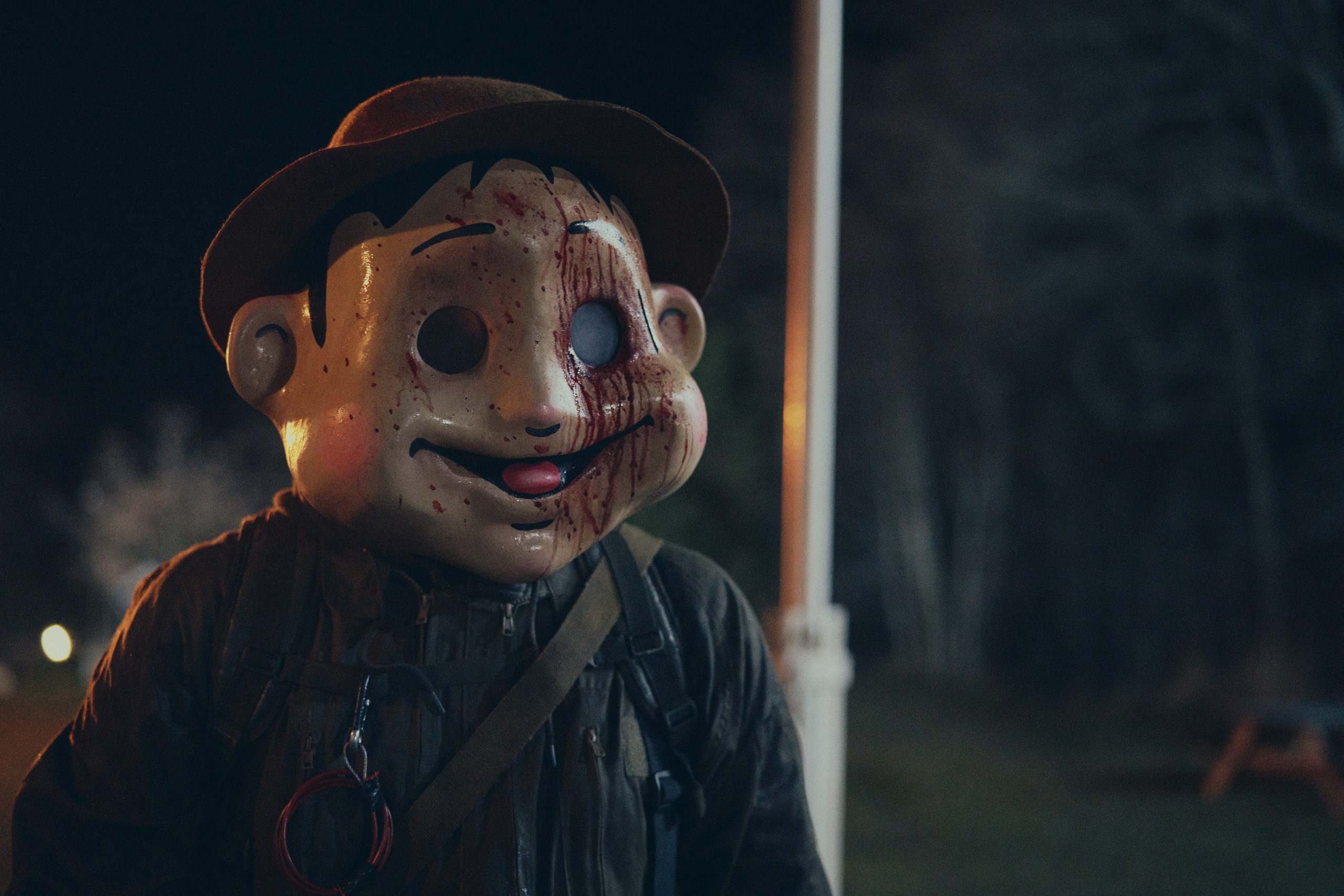
Familiarity breeds contempt, and Swedish Netflix’s new horror-comedy takes this idea to the extreme. Based on the novel by Mats Strandberg, who’s known as the Swedish Stephen King, The Conference is centered around a group of employees on their company retreat. With its ensemble, the film crafts a relatable dynamic, with the exact petty back-and-forth and the same exact corporate politics many adults have to deal with. It’s no wonder one of them snaps, and takes them out one by one. The film isn’t exactly new, with the decades’ collection of slashers all over the world, but this Swedish thriller is a fun take on it, with match cut transitions, quick paced sequences, and the gruesome murders of the group most adults spend time with – their colleagues. It’s an interesting watch as the world gets back to the office.
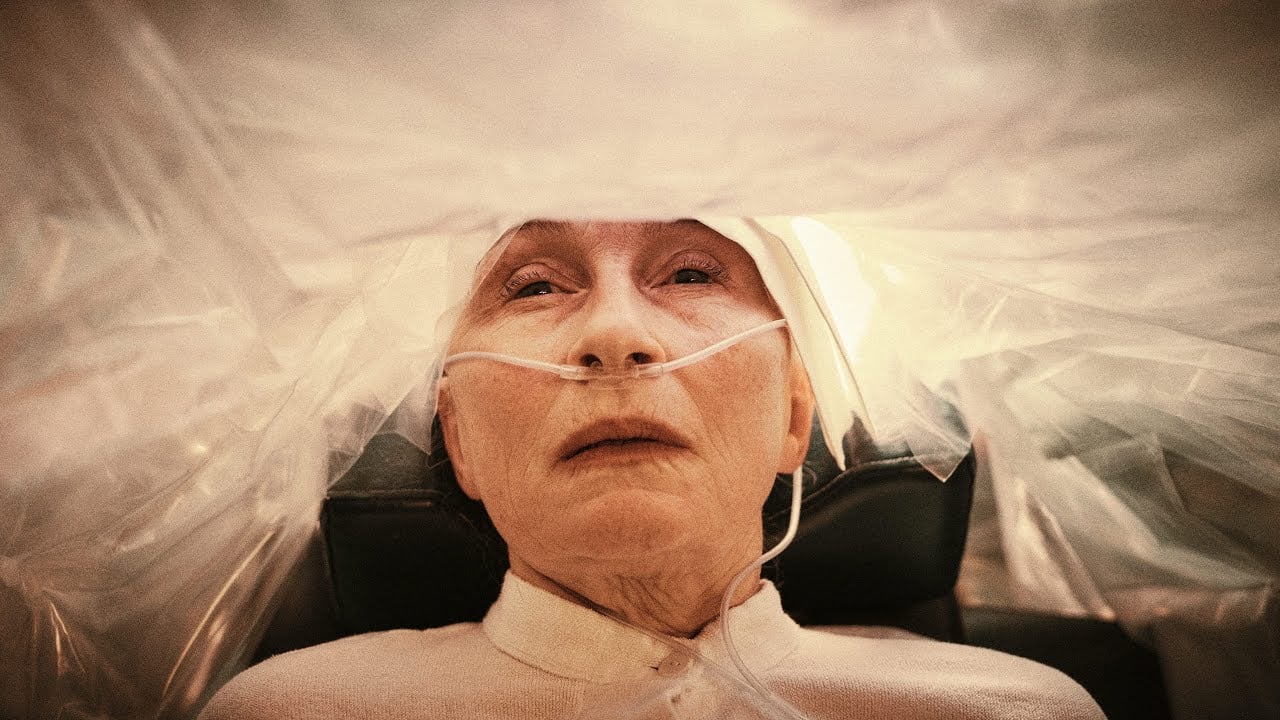
In 1994, Danish auteur Lars von Trier came up with a TV series called The Kingdom, an absurd supernatural comedy that takes place in a rundown hospital in Copenhagen. The show was well-received enough to warrant a second season, but just as von Trier was polishing up the third and final installment, the deaths of more than one lead actor pressed pause on the project, till now.
More than 10 years in the making, The Kingdom part III, also called Exodus, is still very much centered on the weird patients and staff members that populate the Riget hospital, as well as the possible evil buried beneath it. The comedy/horror has a robot dishwasher and a giant head. Danes and Swedes are perennially at war with each other. Willem Dafoe and Alexander Skarsgard make odd cameos.
I’m not sure it’s possible to write a coherent synopsis without sounding like I’ve fallen off the rails, but know that it is a unique headscratcher of a show, more interesting as an experience than anything else. Von Trier was also openly inspired by Twin Peaks, in making it, so David Lynch fans in particular will truly enjoy diving into this world.
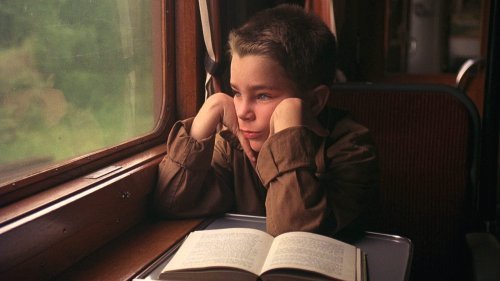
This Swedish surprise hit captivated viewers across the Atlantic because of one thing: the lead’s perspective. Okay, well, the performances are great, the time frame is nostalgic, and it’s grounded by the few incidents that could only happen in a small town. However, at the heart of the story, author and co-screenwriter Reidar Jönsson hones in on Ingemar’s uncertainty and the lack of control over his own fate. Between his mom’s illness, his separation from his older brother, the small space of his uncle’s house, and the fact he can’t even bring his dog, Ingemar is easy to sympathize with, especially as he tries to look towards the brighter side of life. But combined with his future self’s narration, My Life as a Dog cathartically pulls on the painful core memories that could only be made by growing up.
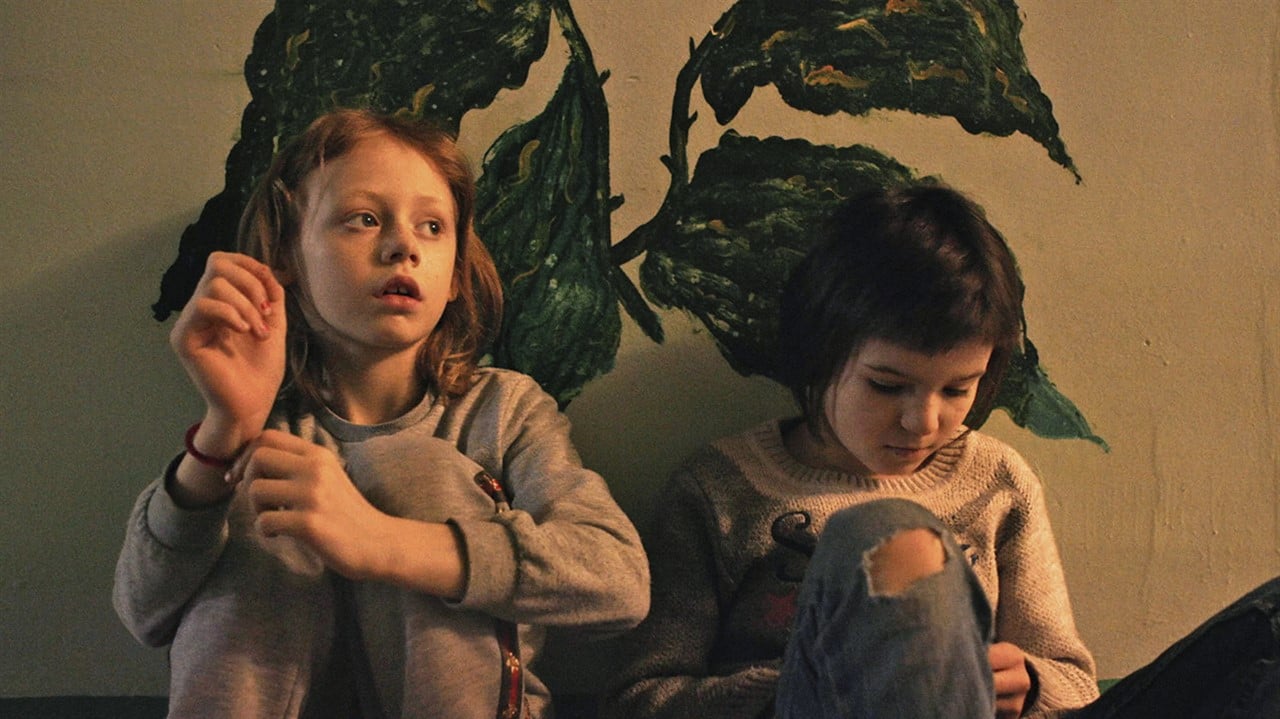
Somewhere near the border between Russia and Ukraine lies a shelter for kids coming from unstable homes. Their parents, either alcoholics or abusers, have nine months to prove that they’re fit to look after their children; otherwise, the kids are sent straight to the orphanage, with no chance of a goodbye. A House Made of Splinters is a documentary that quietly and closely follows the shelter’s occupants amid growing joys and pains, not to mention the ever-present danger of war.
Perhaps one of the most striking things about A House Made of Splinters is how attuned it is to the kids. It serves as a reminder of their immense sensitivity and observational skills (more than once, you’ll hear a child assess their home situation in the calmest of manners), as well as their clever ingenuity (there’s a lot of playing going on despite everything, which is heartwarming to watch.
If you like: weird movies and / or Scandinavian mythology, this movie is for you. It’s about unusual looking border agent with super-human abilities (such as smelling fear and shame) who meets someone like her for the first time There is a big revelation in Border that I can’t share but while this movie was directed by an Iranian (Ali Abbasi), it’s deeply rooted in Swedish folklore. Themes of identity, gender, and otherness intersect through a thrilling script and beautifully-shot nature scenes.

Children like to play, but sometimes the line between regular roughhousing and outright bullying gets blurry, especially for people watching from the outside. What happens in this Swedish drama is clearly bullying, though. However, the audience could only recognize it as bullying because of the point of view, since the camera is present from start to finish, unlike the silent adults who witness these incidents halfway, or the well-meaning bystanders that interfere without any context. It’s an interesting depiction of bullying based on multiple court cases, but writer-director Ruben Östlund and producer Erik Hemmendorff adds fuel to the fire with the character choices, unabashedly exploring the different ways leadership has failed to address this issue.
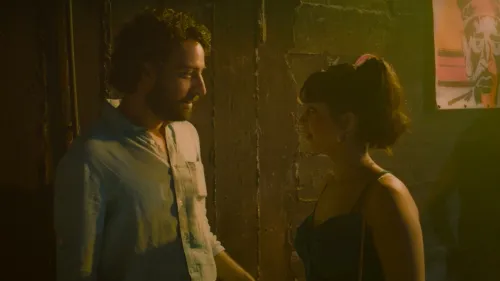
Given the topic, there’s no surprise that Beauty and the Dogs is a harrowing watch. The gang rape itself is thankfully not depicted, but the journey to getting help– trying to get medical attention, going from station to station, and finally getting a report done in the very station the police perpetrators are parked in– is absolutely horrifying. Through nine long shots, writer-director Kaouther Ben Hania shows each step in real time. It’s a brilliant way to hone into the subtle details, such as the way the police protected each other, or when some took the accusation seriously, there were no measures to ensure Mariam’s safety. Beauty and the Dogs is not an easy watch, but it’s a necessary one to highlight the system’s deficiencies in addressing this crime.

Most sports biopics are centered around winners– their drive, their spirit, and their determination to beat the competition, and maybe win some glory for their respective teams, hometowns, or countries. The Happiest Day in the Life of Olli Mäki instead focuses on a Finnish boxer that lost a match. Shot in 16mm black and white film stock, writer-director Juho Kuosmanen captures the man, not the legend, in sequences that feel like decades-old memories that draws you into his story, his humble character, and the motivations that drive him, a yearning for love rather than bragging rights, trophies, and nationalistic pride. It’s such a charming twist to the genre, one that recognizes a different kind of masculinity. While Mäki might not be the world’s best boxer, this film suggests that he might be one of the happiest, forgoing an important match for a marriage that ended up lasting his lifetime.
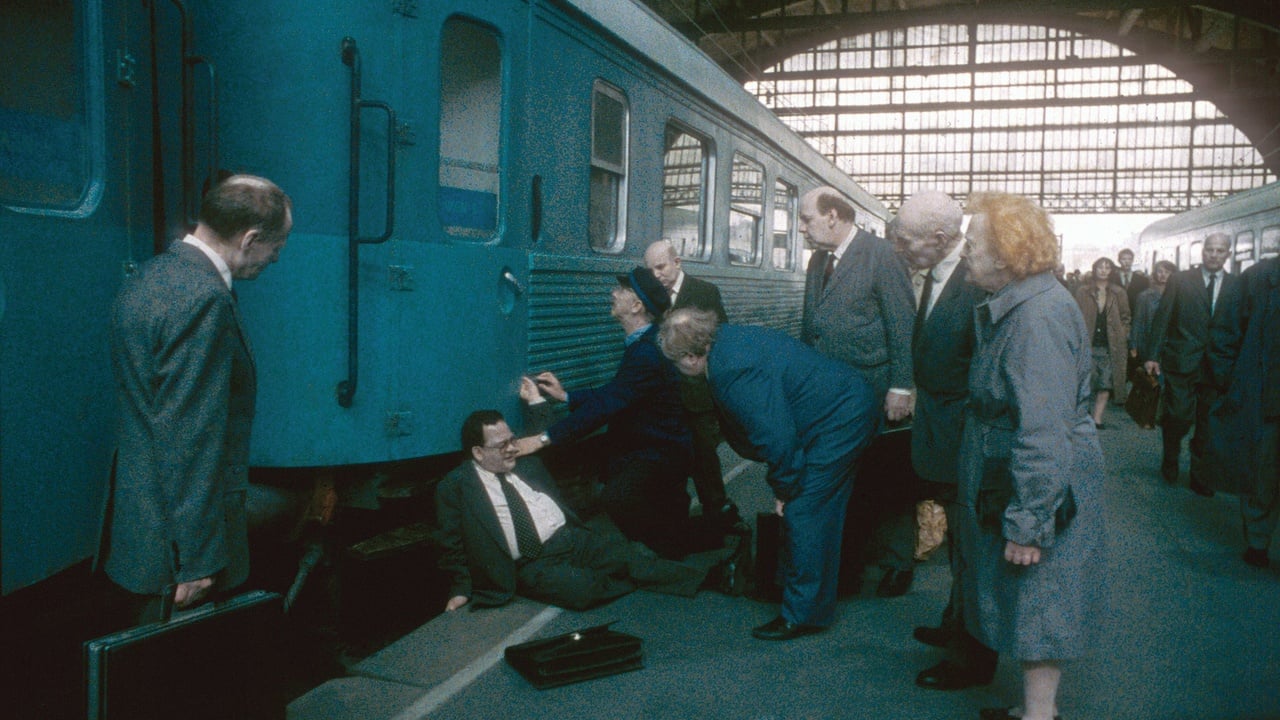
We’ve seen anthology films with three, four, sometimes even five parts, but Songs from the Second Floor comprises forty six separate vignettes, quickly shifting in and out without any connecting thread inbetween, except for the dull gray color palette. Yet, even as the film abruptly transitions between vignettes, from tanning beds, construction sites, cars, trains, or buildings, writer-director Roy Andersson crafts meticulously framed breakdowns of modern day living, some of which works based on individual experiences, but all coming together as several miniature portraits of how absurd and depressing our lives have become. Songs from the Second Floor is a bold way to return after a twenty five year hiatus.