50 French Crime Films Worth Seeking Out
Updated
French crime films are far less interested in the puzzle than in the people it ruins. The tradition runs from Melville’s silent professionals through to the banlieue thrillers of the last decade, and it almost never ends with the case tidily closed. Every title here cleared 7/10 on IMDb and 70% on Rotten Tomatoes before one of us watched it.
How we make these lists
No AI. No algorithms.
We are 100% human-curated. Everything you see here has been handpicked by a team of experts.
At least 7/10 on IMDb
So you know they are appreciated by viewers, not just high-brow critics.
At least 70% on Rotten Tomatoes
We combine this with the IMDb bar to keep only the best of the best.
We have grouped the list by where you can stream each title right now, most popular service first. Titles on more than one service appear under the biggest one. Use the menu to jump around.
The Best 50 French Crime Films Worth Seeking Out on MUBI 2 titles

The Secret Agent (2025)
From 1964-1985, Brazil was under a military dictatorship. If you’re looking for films about this period of time, you can check out 2024 Oscar winner I’m Still Here, which poignantly depicted the memoir in a straightforward manner. But if you’re looking for another approach, you should check out this political thriller. The Secret Agent takes on a more exhilarating spin, with the main character Armando right in the action. Narcos’ Wagner Moura delivers an excellent performance of a former professor who isn’t actually an agent, but is somewhat forced to act like one, with his role to forge his passport and to find information on his missing mom. And as he tries to flee the country, his story echoes the genres of the time, with slow, intense zoom-ins that remind us of Cold War spy paranoia albeit more sunny, and a series of tiger shark attacks that reminds us of thrillers like Jaws (1975). It’s this approach that makes The Secret Agent an exciting and original take on this tense time period.

It Was Just an Accident (2025)
You can probably predict from the title that an accident starts this thriller but what happens after is totally unexpected. Of course, a car accident requires a visit to the auto mechanic, but in this film, this car check-up ends up becoming an unintended encounter with unexpected consequences. That’s because the mechanic recognizes the customer’s peg leg, the very same leg that he’s heard while being tortured in prison. Everything that happens, then, is a result of that past. Part of it is actually funny, with the tragicomedy poking fun at how totally unprepared Vahid is to enact his revenge, to the point he’s not even 100% sure he got the correct man. Still, however messy it gets, It Was Just An Accident never forgets the wrong that’s been done, and highlights the reparations Vahid and his fellow inmates should’ve gotten.
The Best 50 French Crime Films Worth Seeking Out on Sundance Now 1 title

The Ciambra (2017)
This fiery coming-of-age drama has an unlikely origin story: director Jonas Carpignano was first introduced to the sprawling Roma clan that makes up most of the movie’s cast when one of them stole his car while he shot another film. The charismatic Amato family made such an impression on him that he decided to center a movie around their real lives, naming it for the insular neighborhood they live in on the outskirts of a Southern Italian town.
The Amatos are part of a much-maligned ethnic minority, but not the only one in the film. The Ciambra pokes at the idea of solidarity between the Amatos and local African migrants: while his elders are quick to reject the idea, plucky 14-year-old Pio (Pio Amato) flits across these invisible borders and bonds with Ayiva (Koudous Seihon). But Pio is desperate to win the respect of the men in his family, who might then allow him to take part in their criminal exploits — a crisis point The Ciambra chronicles with raw emotion. This is a movie whose grit and bleakness often recall the uncompromising gaze of neo-realist classics, as a child is heartbreakingly forced to declare his allegiances in the dog-eat-dog world his elders can’t imagine an alternative to.
The Best 50 French Crime Films Worth Seeking Out on Fubo 2 titles

A Simple Plan (1998)
A Simple Plan, directed by Sam Raimi (The Evil Dead, Spider-Man) is a psychological thriller that follows two brothers and a friend who stumble upon $4 million in a crashed airplane. Initially agreeing to return the money once winter is over, they start to argue among themselves and get paranoid about being found out, eventually resorting to lies, deceit, and murder. The film, which stars Bill Paxton (Aliens) and Billy Bob Thornton (Fargo, Landman) as brothers, twists into horrifying turns, each one revealing a dark truth about what humans can do when shoved into desperate circumstances. Thorton was rightfully nominated for an Oscar for his role as the weak-link brother, while writer Scott B. Smith was nominated for an Oscar for adapting his novel of the same name for this film’s script.

The Young Poisoner’s Handbook (1995)
While terrible in nature, there’s always a curiosity towards serial killers, even if only in hope to identify and protect one’s self from a potential one. The Young Poisoner’s Handbook depicts one such killer named the Teacup Murderer, but while the usual serial killing tropes are present (e.g. the fascination towards death, the disregard for others, and the possible psychosis), the film is equal parts creepy and funny. It doesn’t really delight in the gore, with poison as his weapon, but it mostly takes pleasure in how captivated he is with his experiments– the meticulous method he recorded, the thought he placed into his endeavors, and the way he was able to escape detection, even from those who knew him. One should obviously not follow The Young Poisoner’s Handbook, but one can’t deny how Hugh O’Conor makes said poisoner a fascinating watch.
The Best 50 French Crime Films Worth Seeking Out on Tubi 1 title

Coup de Chance (2023)
The humor, oh the humor! It’s a breath of fresh air to be laughing with a Woody Allen film and not at it. He is so good at capturing the cheekiness in meet-cutes, secrecies, and lies, all powdered with exaggerated Frenchness. Forgive my surprised tone, but Coup de Chance surpasses all expectations in the way it turns a rather banal plot into an entertaining game of cat and mouse, without overstepping the boundaries of good taste. In developing a story about female infidelity (or all infidelity, for that matter), one can be overly moralistic just to squeeze out laughs and empathy from the viewer, but Allen refrains from all those cheap tricks. His script is tight and at times ridiculously funny. Whether or not you get behind Fanny and her convoluted ways of seeking happiness, Coup de Chance will offer you plenty of instances to better understand the character in a constellation of other people, who are equally affected by her decisions. In a way, the film is a comedy of ethics as well — something the American director hasn’t successfully done in a long, long while.
The Best 50 French Crime Films Worth Seeking Out on Pluto TV 2 titles

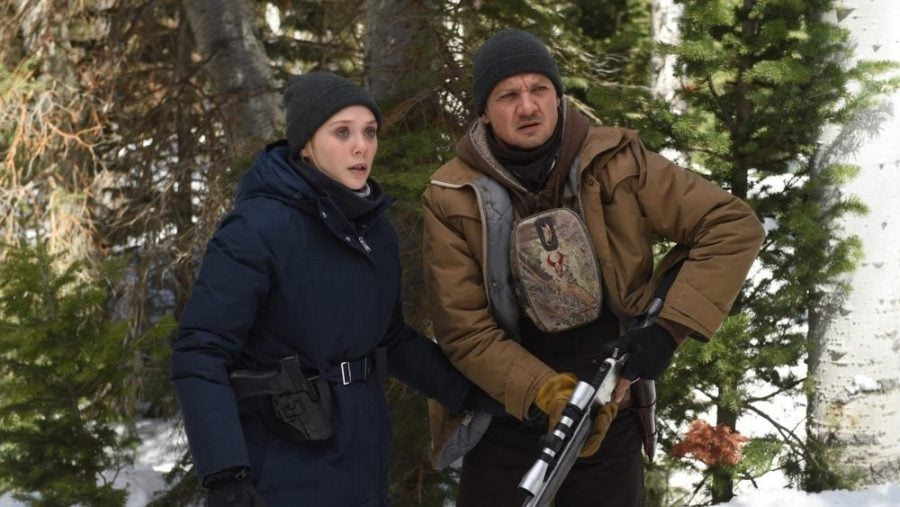
Wind River (2017)
Phenomenal and heartbreaking, Wind River is a true masterpiece by Taylor Sheridan, the man behind Sicario and Hell or High Water. In a Native American Reservation, a local girl is found dead and a young detective (Elizabeth Olsen) tries to uncover the mystery. She is accompanied by a tracker (Jeremy Renner) with his own dark history in the community. It’s not a very rewarding movie at first, so don’t expect an incredibly fast-paced story from the get-go. However, when everything unfolds, it’s not only action-packed, its reflections on indigenous communities are deep and poignant. How this remains a relatively known movie is shocking, it has to be one of the best mysteries of the past 20 years.

Miss Sloane (2016)
Jessica Chastain plays a driven Washington lobbyist called Elizabeth Sloane in this high-speed political thriller. After being pitched to work for the gun lobby, she decides to work for the opposition: an NGO trying to pass a background check bill. It’s a long movie, and even if everything happens fast, it still lags.
The events do wrap up by the end to explain the complex plot. Not to mention, Chastain’s performance something to behold and is reason enough to watch. Her character’s hidden motive and questionable methods make her an anti-hero, but Chastain always keeps a lure of hope that her character will redeem herself. That delicate balance might be the most thrilling aspect of Miss Sloan.
The Best 50 French Crime Films Worth Seeking Out on Plex 4 titles

A Prophet (2009)
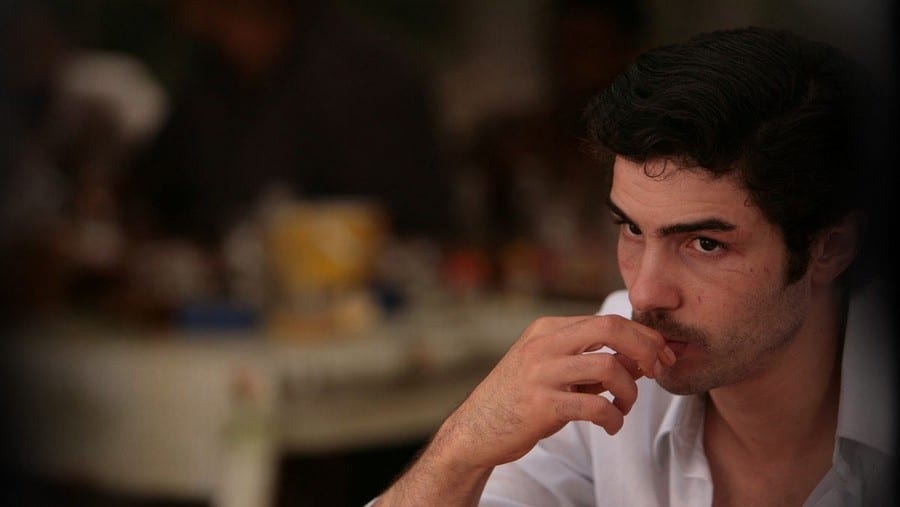
A Prophet, or Un Prophete, is an unconventional French film that combines prison drama with the Goodfellas-styled narrative of the rise to criminal power. Shot by the inimitable French director Jacques Audiard, A Prophet is a future classic from the get-go, taking age-old cliches and turning them on their heads. It’s not often that a film leaves us giddy with enthusiasm and constantly thinking back to it, but A Prophet is so intense, you won’t be able to let it go. Incredible acting, especially by then-newcomer Tahar Rahim, fantastic pacing, a great narrative arc with a brutal and uncompromising take on morality, self-realization, and life on the fringes of society. There are only two, quote unquote, action sequences in this movie and they are as brutal and realistic as they are unexpected. Look past the subtitles, do yourself a favor and watch this film.

The Seed of the Sacred Fig (2024)
The Seed of the Sacred Fig bravely takes on the increasingly violent patriarchy and theocracy in modern-day Iran. It follows a family of four—Iman, Najmeh (Soheila Golestani), Rezvan (Mahsa Rostami), and Sana (Setareh Maleki)—and reveals how the political can creep into the personal. Iman, the father, has just been promoted at work (he’s one step closer to being a judge), while his two daughters are budding revolutionaries. The educated girls see through the lies of state television and challenge their conservative parents’ ideas on government and religion. It sounds straightforward, but director Mohammad Rasoulof lets everything unfold subtly and sharply. By the second half, the film transforms into a slow-burn thriller as the family home becomes a microcosm of Iran itself. It’s a brave film helmed by even braver people. Rasoulof and his cast, who filmed in secret to avoid the film ban in Iran, had to escape to Europe after they were interrogated and sentenced in their home country. The Seed of the Sacred Fig can’t encapsulate the entirety of Iran’s troubles, nor does it try, but it’s a good place to start.

Le Doulos (1962)
Le Doulos starts with an explanation of the title. While the word refers to the specific type of hat the gentlemen of this film wear, it has become a slang word meaning police informant. As such, an expectation is set– one of the thieves will end up as an informant. Admittedly, the path to get there is a bit convoluted, with every guy wearing the same trench coat and wide-brimmed fedora betraying each other (if they haven’t already), but the journey in finding the crook of crooks is made so intriguing by the strong direction of every scene. Each frame is shot in that signature shadowy light and visual innuendo that made film noir striking. It’s also paired with such a groovy score that sets the suspense of the heist that follows. So, while it may not be the most straightforward caper film, Le Doulos nonetheless is a fun pastiche of the film noir genre.

Border (2018)
If you like: weird movies and / or Scandinavian mythology, this movie is for you. It’s about unusual looking border agent with super-human abilities (such as smelling fear and shame) who meets someone like her for the first time There is a big revelation in Border that I can’t share but while this movie was directed by an Iranian (Ali Abbasi), it’s deeply rooted in Swedish folklore. Themes of identity, gender, and otherness intersect through a thrilling script and beautifully-shot nature scenes.
The Best 50 French Crime Films Worth Seeking Out on CBC Gem 9 titles

City of God (Cidade de Deus) (2002)
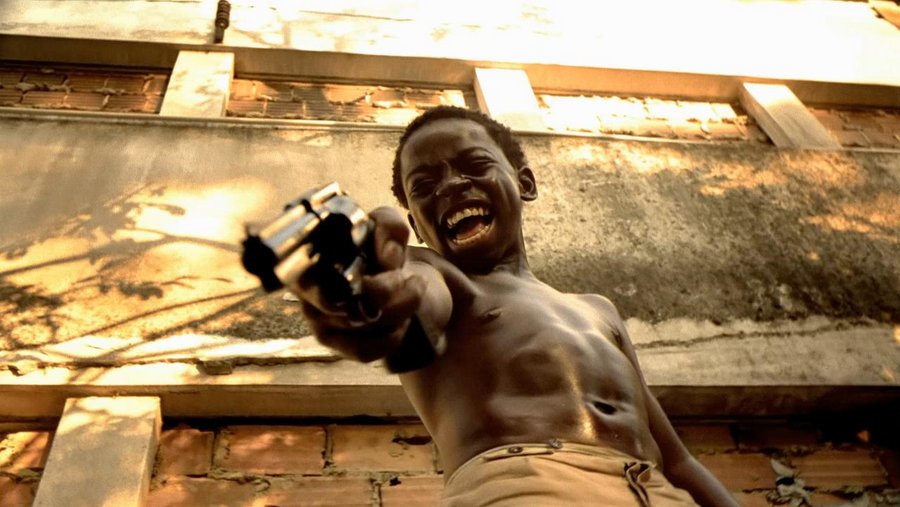
This movie will punch, kick and slap the crap out of you. Something that will be hard to believe after you watch it – it is based on a true story. Filmed and set in the poverty-stricken favelas of Rio de Janeiro, it follows two young men who choose two opposite paths; one an aspiring drug leader and the other an aspiring photographer. City of God is their story; a movie filled with great performances (from mostly non-professionals), and an experience that is as compelling as it is adrenaline-inducing.

Anatomy of a Fall (2023)
You would expect a courtroom drama to be built around damning pieces of evidence, passionate speeches, or certain social issues lending weight to the investigation. But what makes Justine Triet’s Palme d’Or-winning Anatomy of a Fall so remarkable is how direct it is. Triet doesn’t treat this case like a puzzle for the audience to participate in solving; instead she fashions this trial into a portrait of a family being eroded by even just the suggestion of distrust. It ultimately has far less to do with who’s responsible for the death of a man, and more to do with the challenge of facing the reality that the people we love are capable of being cruel and callous to others.
Which isn’t to say that Anatomy of a Fall doesn’t still possess qualities that make it a great courtroom drama—doubt only continues to pile up with every new piece of information that’s revealed to the audience, until we begin to interpret characters’ expressions and actions in a contradictory ways. But the way Triet executes these reveals is just so skillful, choosing precisely how to let details slip and obscuring everything behind faulty memory, intentional dishonesty, or any other obstacles that usually come up during an investigation.

True Romance (1993)
True Romance is a wildly entertaining and twistedly enjoyable crime film, directed by Tony Scott (Top Gun) and written by a young Quentin Tarantino. It stars Christian Slater as a young nebbish comic book store employee named Clarence who falls in love with a prostitute named Alabama (Patricia Arquette), and sets his mind to rid her of her indebtedness to a volatile pimp named Drexel (Gary Oldman). The story eventually finds them absconding to California with a suitcase full of cocaine, with the intention of selling off their illicit cache to a Hollywood bigwig in order to pursue their dreams of freedom and opportunity. Replete with a remarkable cast of famous names and familiar faces (including Brad Pitt, Christopher Walken and even Val Kilmer as the ghost of Elvis), True Romance is a true 90’s-era classic. It showcases Tarantino’s trademark witty dialogue throughout, enmeshed with the savage humor and jarring violence that he has become so well known for. It’s very much an homage to Hollywood classics such as Bonnie and Clyde and Badlands (including a rousing score by Hans Zimmer inspired by George Tipton’s score for Badlands), and ultimately serves as one of Tarantino’s most underrated career accomplishments.

Monos (2019)
This crazy adventure thriller was Colombia’s nomination for the 2020 Oscars. “Monos” translates to monkeys, the nom de guerre of a group of teenagers holding an American hostage in an isolated bunker. Other than the occasional visit from their supervisor, they’re left to their devices, forming relationships, smoking weed, drinking, and eating psychedelic mushrooms. One day, on top of the hostage, they’re also trusted with a milk cow, named Shakira. A party goes wrong and one of the Monos accidentally kills Shakira, triggering a series of events that sends them deep into the jungle, and deep into despair.
Monos is not an action movie, it’s more of a character study. It was loosely based on The Lord of the Flies.

Holy Spider (2022)
As a crime thriller, Holy Spider is taut and terrifying, a modern noir that manages to unnerve despite the familiar moves it employs. The cat and mouse chase between serial killer and investigative reporter, for instance, is a classic tale, but that doesn’t make Holy Spider any less gripping. The film benefits from artful camerawork, considered acting (as the daring journalist Rahimi, Zar Amir Ebrahimi nabbed the Best Actress award at Cannes), and most of all a nuanced take on the situation in Iran.
Despite having a clear stance against violence and corruption, nothing in Holy Spider is black and white. Contradictions abound, and even when presented with brief moments of justice, we’re left scratching our heads looking for more. Such is the case when the system, and not just an individual, is the true pest.

Spy Game (2001)
Robert Redford and Brad Pitt make quite the ensemble in this edgy game of espionage. With performances as strong as their jawlines, this action-packed rescue mission will keep you in suspense! Be sure to keep up with all the witty banter and interesting plot twists shifting between flashbacks and present-day scenarios. Keep in mind that this isn’t your average spy movie, with a more realistic approach and a character-driven storyline, most of the flash happens cinematically.

Hot Fuzz (2007)
One of the many good movies from director Edgar Wright – if you loved Shaun of the Dead, then this Buddy-Cop Homage will make you double over (and question humanity – or lack, thereof) just as much. Sandford is a small English village with the lowest crime and murder rates, so when overachieving police Nicholas Angel (Simon Pegg) gets sent there because he was so good he intimidated those around him, he just about loses it. From car-chasing, bone-thrilling, head-blowing action, he graduates to swan-calling, thrill-seeking, sleep-inducing madness. But all that’s about to change – for the worse? For the better? You decide. An obscenely funny flick that has an intriguing plot and an even greater set of characters, Hot Fuzz wasn’t named the best film of the Cornetto trilogy for nothing, clearly cementing Pegg and Nick Frost as the ultimate action duo of the genre.

Everybody Knows (2018)
Penélope Cruz and Javier Bardem star in this mystery by Asghar Farhadi, the Iranian Oscar-winning director of A Separation and The Salesman. When Laura returns to her small Spanish hometown with her two daughters, she is greeted with the warm welcome worthy of someone who once was a loved member of the community. However, when an event concerning one of her daughters happens at a wedding, secrets come to the surface about her history that threaten the fabric of the whole village. Laura is masterfully played by Penélope Cruz, who seems to shift gears in this Spanish-language movie. Farhadi is outside of his usual territory, but he does what he does best: deliver a rich, thrilling family drama.

Elle (2016)
Arch-provocateur Paul Verhoeven received widespread acclaim for his assured and darkly funny adaptation of Philippe Dijan’s award-winning novel, his first film in the French language.
It’s a controversial revenge thriller about a domineering businesswoman who is raped in her home by a masked man. Refusing to let the attack affect her life, she refuses to report the incident and tracks down the assailant herself.
Verhoeven directs the material with confidence and a troubling lightness of touch, while fearless Isabelle Huppert gives one of the best performances of her long and illustrious career. Some people found Elle empowering while others felt it perpetuated misogynistic attitudes. Either way, it makes for a passionate post-viewing discussion.
The Best 50 French Crime Films Worth Seeking Out on Crave 1 title

Fresh (1994)
Filmed with a perfect blend of realism and embellished style, Fresh is a coming-of-age story set in the poverty of the New York City projects, wherein the protagonist “grows up” only by learning to become dangerous and losing his sense of self. There’s no satisfaction in watching 12-year-old Michael (or “Fresh,” as he’s called) use his supposed innocence as a tool to manipulate his way to a safer position. The system continues to reign supreme and Fresh only buries himself into a deeper hole. Boaz Yakin’s direction is direct and expressive, the city stirring to vibrant life in every scene, and the tremendous performances from Giancarlo Esposito and a then-teenage Sean Nelson drive home the tragedy with full force.
Not currently streaming 38 titles
Still worth watching, but not on a subscription service right now. Check for a digital rental or buy.

Victoria (2015)
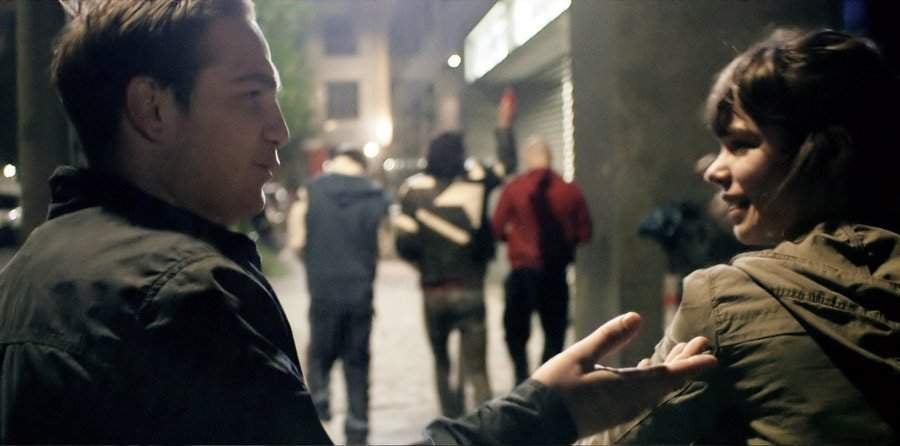
Much like Berlin’s infamous nightlife, which serves as the backdrop to the plot, this daring German real-time drama will eat you up and spit you out. After leaving a nightclub at 4am, Victoria, a runaway Spanish girl, befriends a gang of four raucous young men, climbing rooftops and drinking beers among the city’s moon-lit streets. The gang’s light-hearted banter is impressively improvised from a skeleton script, offset by Niels Frahm’s ominous original score.
But what starts out as late-night high jinks swerves into darker territory. Driven by her infatuation with the pack leader Sonne, played by Frederick Lau, Victoria ends up being recruited as a get-away driver for an ill-prepared bank robbery and loses herself in a sinister spiral of events. What sounds like a standard-issue crime drama is, in fact, a staggering cinematic experiment.
Filmed in one take, on location, and in real time, the movie’s production is indeed a gamble, but director Sebastian Schipper more than pulls it off. The claustrophobic camerawork of cinematographer Sturla Brandth Grøvlen leaves the viewer feeling like a hapless accomplice to Victoria’s plight. With Laia Costa giving an awe-striking lead performance, the high wire acting of the entire main cast only adds to this effect. Victoria is a stellar directorial debut, heart-stopping drama, and a truly immersive experience.
Dogville (2003)
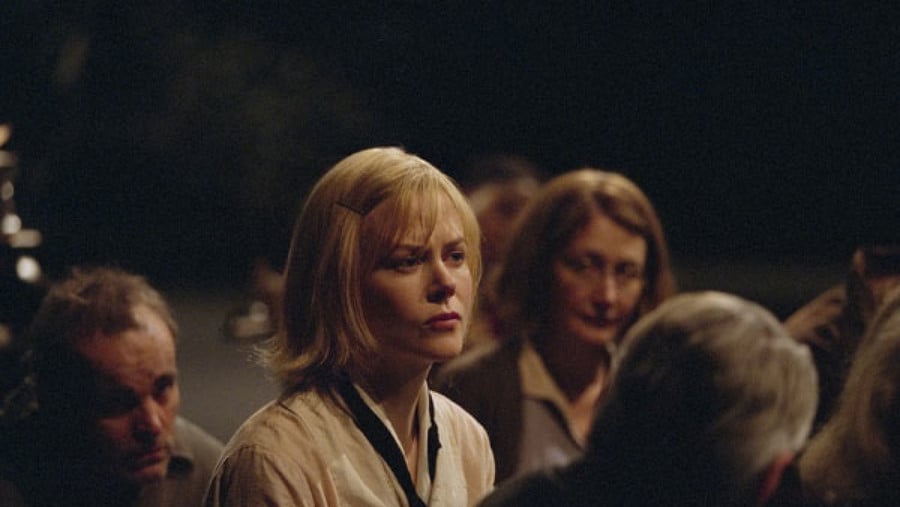
Set in a town drawn in chalk outlines on the floor of a dark studio room. However unconventional the unrealistic stage-like set, the story of Grace (Nicole Kidman), a woman who arrives at this town seeking refuge becomes real enough to absorb you in a disturbing examination of human morals. It’s unique and features powerful performances, and will be more appreciated by anyone striving for something new. Directed by Lars von Trier.
Saint Omer (2022)
Nothing about Saint Omer is easy. A female Senegalese migrant (Guslagie Malanga) is put to trial for committing infanticide, but throughout the film, it becomes clear how much of a victim she is too, of an uncaring and deeply prejudiced society. “What drove her to madness?” Her attorney asks at one point. We’re not sure. We’re not necessarily asked to side with her, nor answer the many hard-hitting questions brought up in the film, but we sit with the uneasiness of it all and, in that silence, confront our ideas about motherhood, womanhood, personhood.
This confusion is what makes the film so compelling. Despite the court’s best efforts, Laurence isn’t meant to be understood. She’s meant to be an example of the ever-ambiguous, forever-complicated, always-hurt person. It’s human nature after all to be this complex and messed up. The film shows us that the best that we can do in situations like this is to listen, understand, and as our protagonist Rama (Kayije Kagame) does, make peace with the noise.

Ghost Dog: The Way of the Samurai (1999)
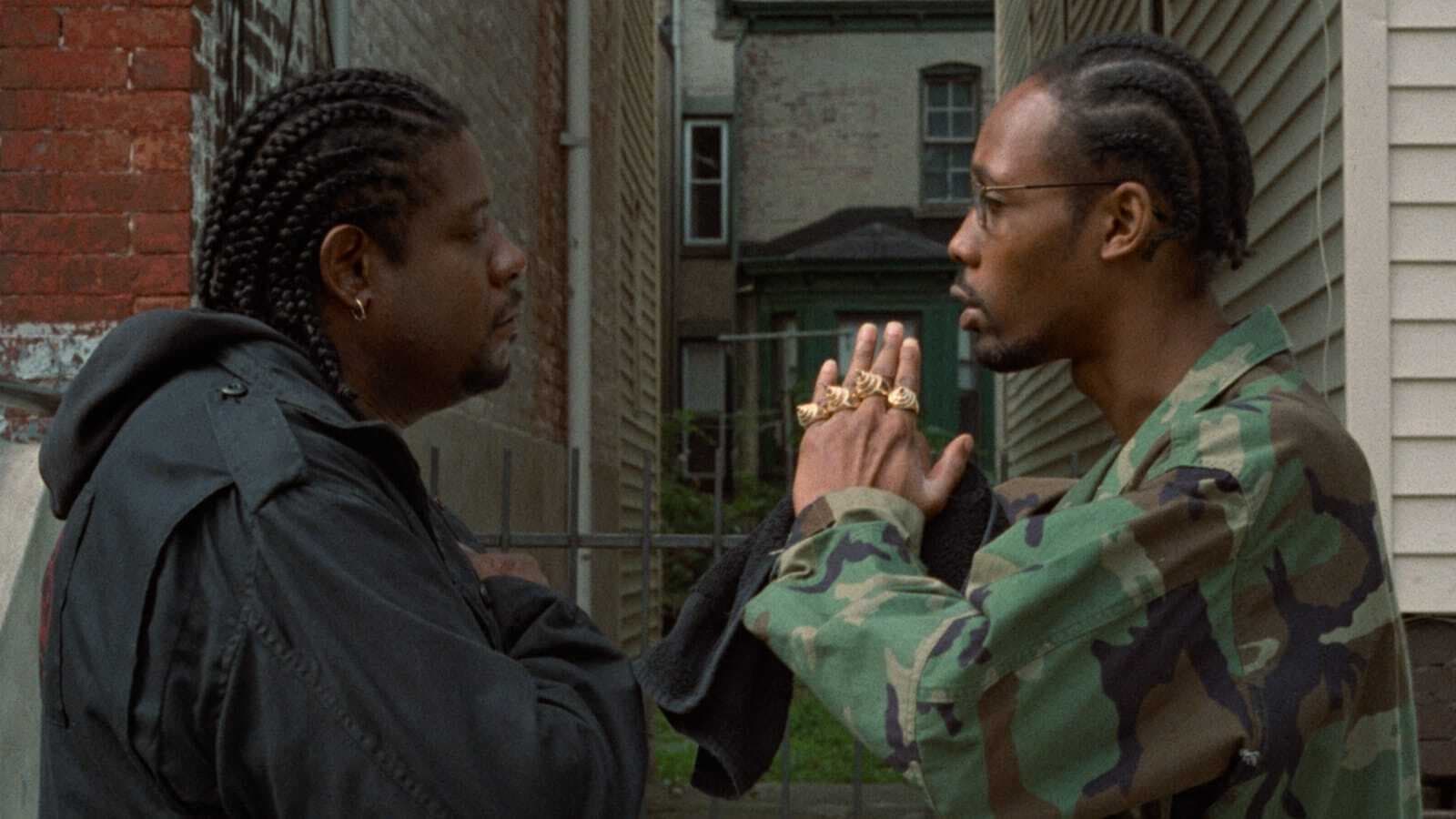
Director Jim Jarmusch audaciously combined the DNA of French noir classics with that of samurai and mafia movies to produce this utterly original film. As advised by the ancient Japanese manual it often quotes, though, Jarmusch’s movie also “makes the best” out of its own generation by adding hip-hop into its wry genre blend. The results are more than the sum of their parts, especially because the film is so eccentric: no matter how au fait with its inspirations you are, you still won’t see “Forest Whitaker plays a lonely hitman who wields and whooshes his silencer pistol like a samurai sword, lovingly tends pigeons, and can’t even speak the same language as his best friend” coming.
Ghost Dog’s strangeness is never jarring, though, thanks to Whitaker’s cool, collected performance, an atmospheric score by Wu-Tang Clan’s RZA, and the cinematography’s tendency to use smooth double exposures for scene transitions. It almost feels like we’re in another world: Jarmusch zooms in on the Bushido code obsessions of Whitaker’s single-minded character and the mafiosos’ dying laws, blurring out everything else so the movie becomes a meditation on the impulse to moralize one’s misdoings by subscribing to rigid definitions of “honor.” Not an exercise in surface style, then, but a bone-deep reflective masterpiece.
5 Broken Cameras (2011)
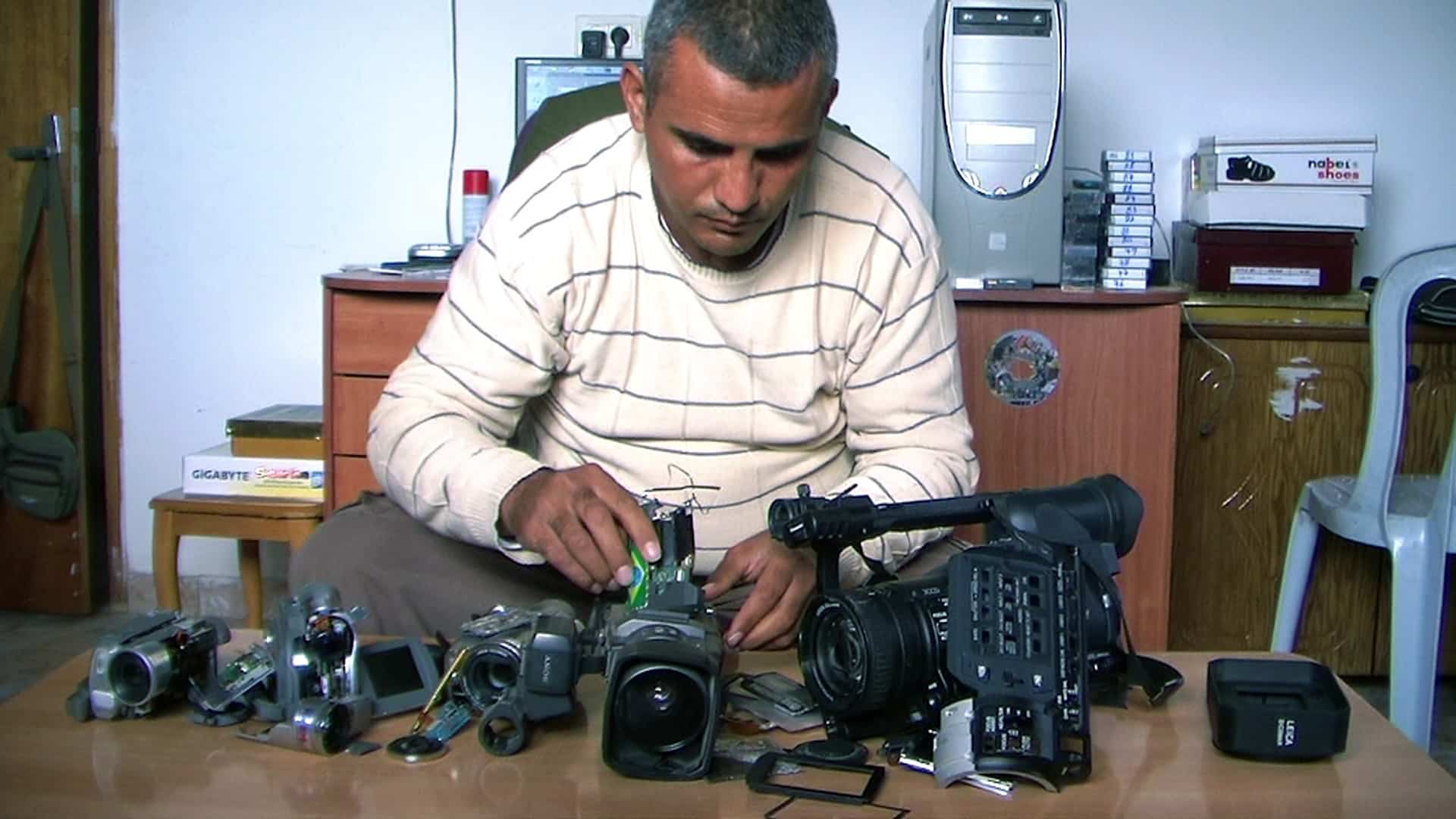
In 2005, Palestinian olive farmer Emad Burnat bought a camera to document the birth of his new son, Jibreel. But what was intended as an act of celebration quickly grew into something else, as Burnat inadvertently became a documentarian of the oppression his West Bank village faced when a wall was erected through it and Palestinian farmland illegally appropriated by Israeli settlers. As we come to witness, this reluctant pivot is just another example of everyday life in Bil’in being forcibly reoriented by the occupation, as Burnat captures the daily struggles of life in the village and charts the innocence-shattering effect the occupation has on young Jibreel’s burgeoning consciousness.
Over his footage of encroaching illegal settlements, the arrests of Palestinian children in the middle of the night, the point-blank shootings of blindfolded and handcuffed peaceful protestors — plus tender snapshots of nature and joyful events in the village — Burnat delivers a poetic, reflective narration that miraculously ties these horrible and hopeful images together. It’s this intimacy of perspective that makes 5 Broken Cameras profoundly harrowing and unexpectedly transcendent — a personal document of oppression that is also a testament to the miraculous persistence of the human spirit, the resilience of life and the urge to seek beauty even under truly awful circumstances.
L’Argent (1983)
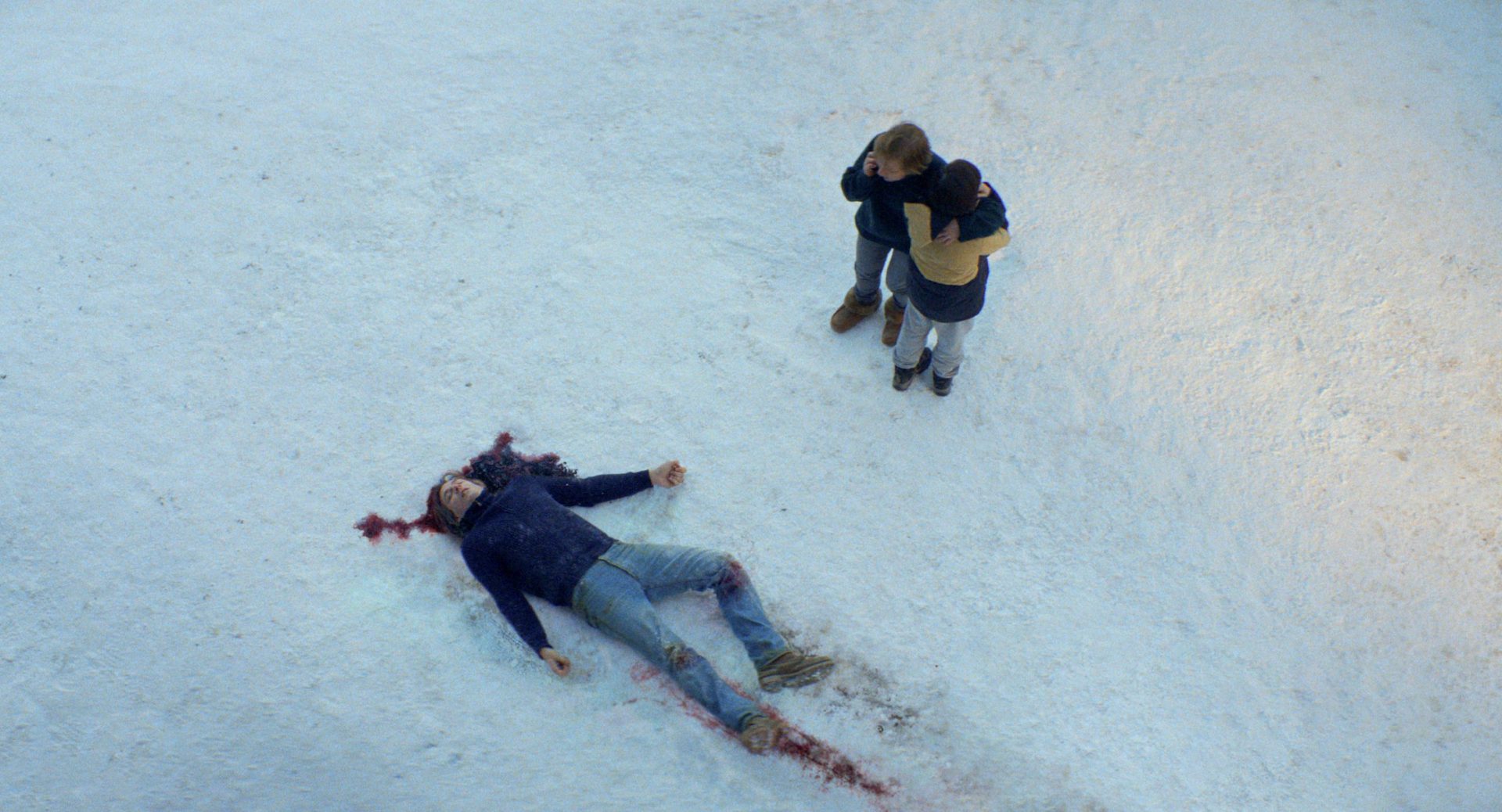
With his final film, octogenarian master filmmaker Robert Bresson found the violent, chilling truth in that old cliché, “money is the root of all evil.” L’Argent extends the simplicity of its title (literally, “Money”) into the fabric of the film, using an extremely bare style to track the devastating domino effect that a childish ruse has on one man’s life. When a shopkeeper realizes two schoolboys swindled him out of 500 francs with a counterfeit note, he decides to pass the problem on by paying delivery man Yvon (Christian Patey) with the false note. But when Yvon tries to pay for his lunch with the money, the police are called and his life unravels.
This is just the start of L’Argent’s clinical exploration of the meanness and littleness of man’s greedy spirit. Yvon’s downfall is chronicled with matter-of-fact coldness: everything onscreen is minimal, from the precise cinematography and frugal editing to the non-professional actors’ expressionlessness. This detached style encourages us to absorb all the bitter emotion of the story, which feels — in such an economical format as this — like a moral tale as old as time, but no less cutting.
Four Lions (2010)
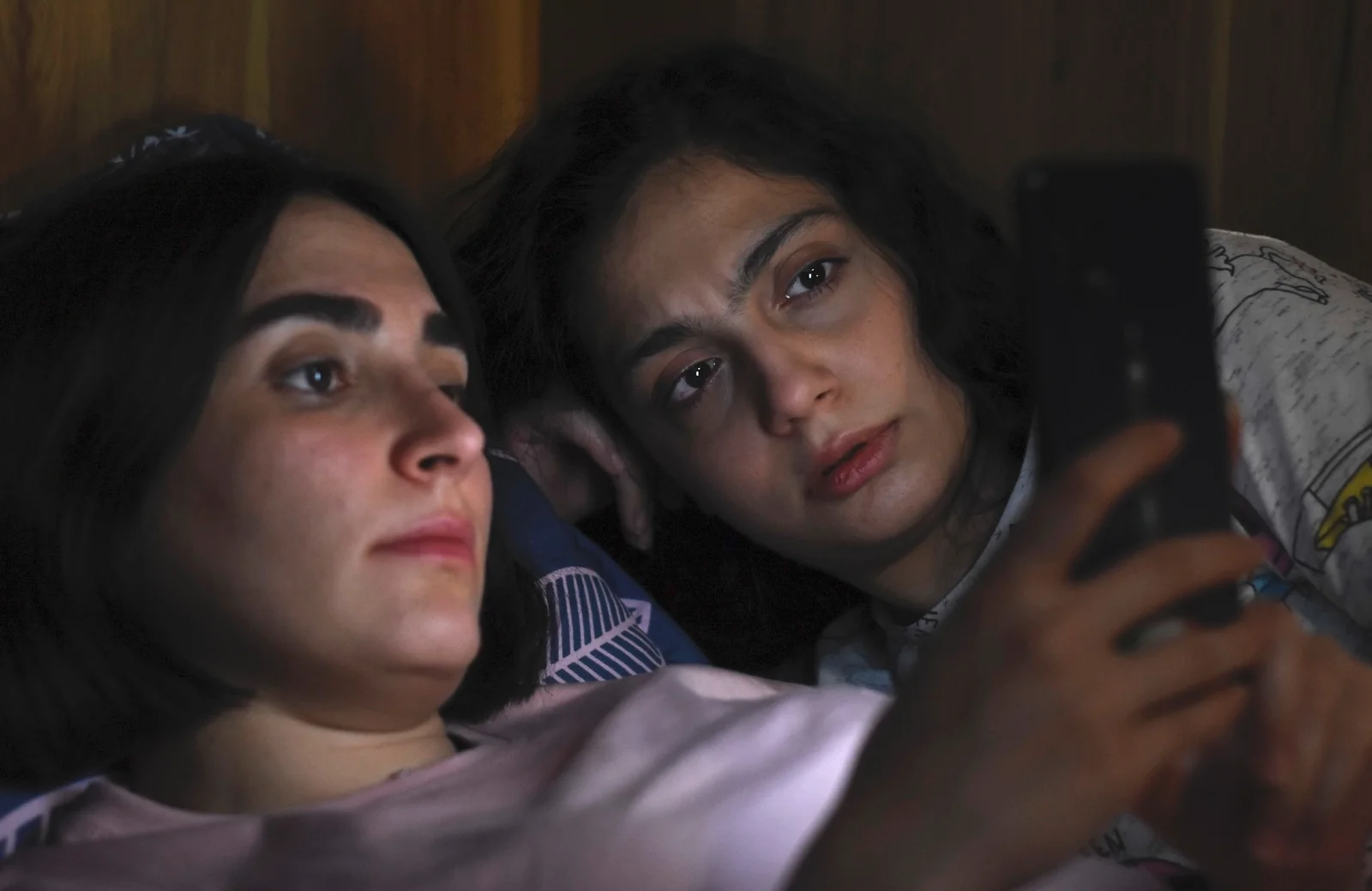
Four Lions is as black and as dark as a movie can ever get, mixing cultural relevancy with humor and ridiculousness. It is insensitive to Islam, insensitive to terrorism and insensitive to the viewer. But it is hilarious. The director spent three years talking to Imams, terrorism experts and basically everyone. The result? A legit 97 minutes that will dazzle even extremists with its knowledge of Islam and the accuracy of its lines. Needless to say that it will upset quite a few people, but that is always a good sign for black comedy movies, right?

A Touch of Sin (2013)
“It is better to live miserable than to die happy,” or so says one of the characters in Jia Zhangke’s anthology film A Touch of Sin. On its surface, the “sin” referenced in the title might pertain to the acts of murder that the four protagonists commit, but in the context of China’s rapidly changing capitalist landscape (a theme explored in the director’s other pictures), it reveals itself as a malady shared by Chinese laborers treated as dispensable resources by the powers-that-be. Murder, then, is explored as an extremity, the effectual breaking point of people no longer able to contain the injustice within themselves. Beneath the splatters of blood is a plea for empathy and understanding, at once remorseful and full of conviction.
Ne le Dis à Personne (Tell No One) (2006)
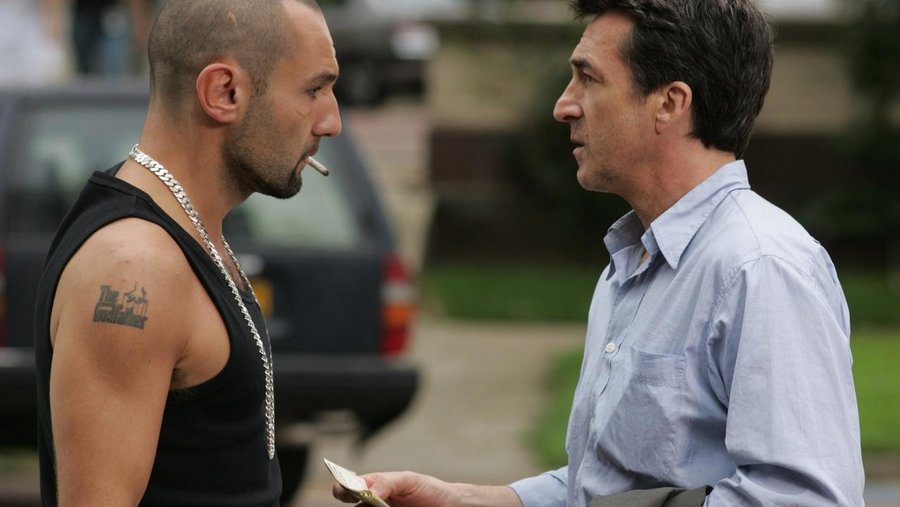
Francois Cluzet, who you may remember from The Intouchable, plays a man whose wife is killed and is accused of murdering her. To make matters even more confusing, signs that his wife is actually still alive surface. This well thought out thriller is at all times the furthest thing from boring and has, among other great components, well crafted chase scenes as the protagonist looks for 8 years of unanswered questions.
Blue Ruin (2013)
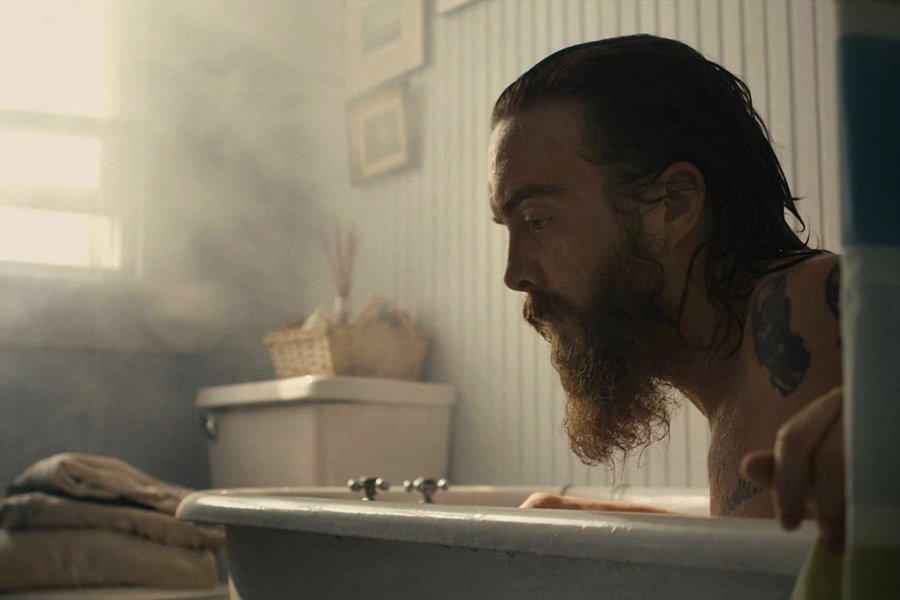
Blue Ruin is a superbly acted, visually striking drama about a man’s poignant and brutally violent journey for revenge when the culprit responsible for the murder of his father is released from prison. While it might seem like any other revenge tale, it is so well-told and smart that any other similarities with its crowded genre gently fade away.
The first 15-20 minutes are pretty slow, but the pay-off is hot fire.

The Raid: Redemption (2011)
A special forces team conducts a raid at a multi-story ghetto building where a criminal boss runs his business. Things quickly go wrong and chaos ensues. Full of pure action, with no overblown Hollywood-type CGI nonsense. It is made the way action movies should be made, full of realistic fight scenes. It is exciting, brutal and thrilling. The Raid: Redemption is definitely among the best action movies ever made.

Ernest and Celestine (2012)
Ernest is an old bear and Celestine a young mouse; he lives above ground, while she lives underground. Their kinds fear one another, and borders are set in place so that they never intermingle, but despite all the odds, Ernest and Celestine form a bond—they share one similarity, after all, which is that they’re both outcasts.
Ernest & Celestine is a classic buddy tale of outsiders finding their place in the world. The story and its messages of acceptance and equality are already charming and weighty on their own, but the hand-drawn and watercolored animation gives the film an extra rush of nostalgia and delight. Beautifully made and surprisingly relevant, it’s a children’s film for all ages. It makes sense that it was nominated for Best Animation in the 86th Academy Awards (what doesn’t is it losing to Frozen).
An English dub is available on most streaming platforms, but we highly recommend watching it in French, how it’s originally meant to be heard.

Les Misérables (2020)
This Oscar-nominated French movie is set in Montfermeil, the Paris suburb where Victor Hugo wrote Les Misérables but which today is a rough neighborhood.
Inspired by instances of police violence that happened in 2008, the movie follows a squad of police officers who try to keep the neighborhood under control. Their methods, or lack thereof, inevitably cause things to explode. This is a thriller with a message, one which sometimes feels forced; but the payoff at the end will make you forget all of that.

The Innocent (2022)
Witty, unexpected, and thrilling, The Innocent pulls off an excellent European heist film with modern sensibilities and its stylistic mix of genres. All at once, the film is a crime film, as well as a family farce, but also a screwball romantic comedy. The genres line up with the premise perfectly, but there’s something intriguing about the way director Louis Garrel uses each genre’s tropes. Abel’s clumsy spying over his mom’s ex-convict husband and drama pupil Michel is framed through noir techniques, while his friend Clémence gleefully interrupts his efforts with witty repartee. Abel’s suspicion of Michel’s schemes ironically leads to one of his own. And when his mom’s expressive acting techniques are used in that scheme, Abel expects fake emotions, only to reveal his true feelings. With each new twist, The Innocent plays with genre expectations for unexpected but delightful results.

The Cook, the Thief, His Wife & Her Lover (1989)
There’s something wrong with the Le Hollandais restaurant in London where most of the events of The Cook, the Thief, His Wife & Her Lover. When the mobster makes the sudden decision to venture into restaurant acquisition, this high class French restaurant is turned upside down, with his hot-tempered, cruel behavior so over-the-top, unnecessary, and violent that his wife’s sexual affair actually feels rather tame, and yet silently rebellious. This story is quite straightforward for director Peter Greenaway, but in his hands, the melodrama becomes highly stylized, with separate rooms assigned colors, with the dishwasher singing classical opera, and with sharp observation of how much is lost when those with money can take over at the expense of the artisans, the scholars, and those more vulnerable in society.

The Traitor (2020)
This slow Italian drama tells the true story of Mafia boss Tommaso Buscetta, who became the highest-profile Mafia informant at the time of his arrest in the 1980s.
Tommaso, while supervising a criminal network in Sicily, moved to Rio de Janeiro in Brazil to attempt a more legal and quieter life. His role catches up with him and he is quickly arrested.
As a biopic, it rarely depicts violence or glorifies organized crime. Instead, it attempts to document the life of a Mafia boss more realistically: a life of always looking over one’s shoulder and of constant loss. Eventually, the movie focuses on what it would take for a man like Tommaso to flip, and what that would cost him.
The Mafia topic might feel overdone, but watching this, it’s startling to realize how few thorough character studies have come out in film.

Birds of Passage (2018)
Organized crime and drug dealing has been a topic of many a film, sometimes even glamorizing the whole endeavor, but rarely do these depictions acknowledge the weight it can do to a culture, particularly indigenous cultures. Birds of Passage is a film about drug dealers, but it’s a much more distinct take, tackling Colombia’s reputation for the drug trade through the lens of an indigenous group that hasn’t been totally colonized, that still keeps its language, rituals, and legends, but is still pushed to the brink due to far more lucrative reasons. It does take fairly familiar plot points, but Birds of Passages transforms the narco crime drama with a different direction.

Dheepan (2015)
Dheepan is a French film from the director of A Prophet. It contrasts elements of Sri Lankan and French culture to provide interesting insights into both, while crafting a heart-wrenching and heartwarming tale of makeshift families in unimaginable circumstances. Like A Prophet, Dheepan makes occasional and shocking use of violence to underscore elements of culture and illuminate the inner workings of the characters. A fascinating and exhilarating movie, winner of the 2015 Palme d’Or at Cannes.

You Were Never Really Here (2018)
The performance of a pot-bellied Joaquin Phoenix is nothing short of perfection. He brilliantly portrays a hitman down on his luck who happens to rescue a kidnapped teenage girl. It’s a tight movie, running a short 89 minutes. It makes a point that sticks. Pure entertainment, pure acting, and amazing directing by Lynne Ramsay (who also directed We Need to Talk About Kevin).

The Beat That My Heart Skipped (2005)
The Beat That My Heart Skipped is a remake of 1978 American film Fingers, but reversed– The film brings a debt collector to piano rather than the other way around. As you can imagine, the reversal completely changes how the plot feels. It’s not great that the mom here is dead, but this choice makes Tom’s dream of piano playing more of a question and more of a subconscious character desire that drives the whole film. The change also makes the action more visceral– the film makes Tom have no choice but to start out with the violence, which, of course, leads to consequences later in the film. And on top of this, the film also adds more interest to the romance, as the language barrier pushes the connection to be bridged by music rather than words. So, sure, The Beat That My Heart Skipped is a remake, but the changes make the neo-noir a bit more original and a bit more compelling.

The Thief (1997)
Ostensibly, The Thief is about a career criminal that charms his way into the lives of a single mother and her son, as he pretends to be a soldier coming from the war. It’s not a great relationship. Far from the stable, helpful personality they meet on the train, this man is unpredictable, violent, and can never be relied upon. He only indulges the both of them when he thinks he could get something out of it. So it’s easy to see the drama ahead of them, but along with the symbolic metaphors this relationship hints at the Soviet Union post World War II, The Thief captures such a compelling tragedy with such a terrific cast.

Dogman (2019)
In a small Italian town, a dog cleaner’s wholesome days dealing with elderly owners and eager children are balanced with a series of messy nights. The small and frail man finds himself targetted by the town’s black-sheep, a strong and fearless ex-convict. Dogman is about the line between being bullied and wanting to be part of something, it’s a beautiful and often thrilling character study from Italian genius filmmaker Matte Garone. Won the Best Actor award at Cannes.

Europa (1991)
World War II changed the fate of many countries, but most prominently that of the European continent and the United States of America. Though late to the battlefield, America was one of the victors that occupied Germany after the war, and it’s this tension and setting that is at the center of Lars von Trier’s lone war drama Europa. Alternatively known as Zentropa in some territories, the film is inspired by Hollywood noir, from the black and white film to the femme fatale, but the film takes more experimental routes, starting off with lulling the viewers in a hypnotic trance, and later playing on with rear-projection and multiple layers for surreal effect. It takes noirish cynicism on a ride, exaggerating history but nonetheless reflects the way this memory is formed in the cinema of its respective countries. Europa is a fascinating breakdown of an idealist that hasn’t gone through the same terrors, one that still lingers in today’s consciousness.

Atlantic City (1980)
At first glance, Atlantic City is indistinguishable from most other crime films. It’s led by a charming gangster (Burt Lancaster) who falls for a beautiful woman (Susan Sarandon) half his age. They look good together and spend their blood money lavishly. But this coolness is deceptive. It eventually gives way to desperation and delusion as the characters prove to be more naive than they let on. Atlantic City could’ve easily been a farce or a failed mob drama; instead, it’s a crime film given heft by the film’s honesty about its characters’ pathetic circumstances. Director Louis Malle (Au Revoir Les Enfants, My Dinner with Andre) is juggling plenty of things here, but he makes it work, as do Lancaster, Sarandon, and their believable chemistry.

Pamfir (2022)
With a former smuggler struggling to break away from crime, Pamfir has a familiar crime thriller premise that you’ve probably watched before. To be fair, on its own, it works. The titular protagonist tries to live a better life for his family, though circumstances lead him to just one last gig in the underworld. However, Pamfir proves that there’s still more to explore with this premise. As the thriller proceeds in western Ukraine, Pamfir’s personal conflict eerily mirrors that of his country, and it’s reiterated by the folklorish imagery, stunning long takes, and the unsettling tension that simmers all throughout.

Gomorra (2008)
In the crowded genre of Mafia movies, Gomorrah finds its originality in not romanticizing anything. It’s authentically gripping, violent without being excessively violent, and something that can only be described as a masterpiece of Italian cinema. It follows different protagonists’ entry into organised crime in Naples, with the two main ones taking their inspiration from American gangster characters. Just to give you a sense of how well-rooted this movie is, after it was done shooting, many of the characters (including the guy who plays the clan boss in the movie), were arrested. In his case, he was caught trying to collect “pizzo”, otherwise known as mafia tax.

Ash Is Purest White (2019)
Jia Zhangke (who NPR critic John Powers once called “perhaps the most important filmmaker working in the world today”), directed this movie based on the story of a gangster he knew while growing up.
And he is far from being the only noticeable talent here. Actress Tao Zhao shines as a character called Qiao, a dancer who infiltrates the crime scene in Northern China by way of her boyfriend (the gangster). When a boss leader is assassinated, Qiao finds herself in jail after she refuses to incriminate her boyfriend.
This is a gangster movie but it’s also about how Qiao processes her time in jail and what she does once she gets out. It serves more as a character study and a picture of modern-day China.

Read My Lips (2001)
In my own wished-for parallel universe, French actors Vincent Cassell and Emanuelle Devos are voted the sexiest actors alive. I find them both transfixing and appealing in every role they’ve performed, and they are quite the pair here. Devos plays Carla, a put-upon assistant at a property management company. While good at her job, there is little room for her to advance her career, as she is one of the only women at her company and also has a hearing deficiency. Into her humdrum life walks ex-convict Paul (Cassell), who Carla hires as a personal assistant. It turns out that what Paul lacks in secretarial skills he makes up for in other ways. The first half of the film plays almost like a dark workplace comedy, before taking a dangerous turn towards psychological crime thriller. Overall, it’s a dark and sexy character study of two mismatched outsiders who turn out to complement each other perfectly.

Shanghai Triad (1995)
To pacify Chinese authorities after politically-charged drama To Live (1994), filmmaker Zhang Yimou decided to pivot to the gangster genre with Shanghai Triad. At first glance, it’s a standard period drama introducing the titular crime organization. Through the eyes of newly initiated Tang Shuisheng, Yimou paints a familiar portrait of violence underlying the city, symbolized by Shuisheng’s boss, also a Tang, and his glamorous mistress Xiao Jinbao (Gong Li). However, as the boy gets to learn the ropes, the film unfolds through the choices their characters negotiate, namely the trade-offs they have to make to make it big or to be at peace. Played out marvelously in Gong Li’s performance, Shanghai Triad contemplates the tightrope that people balance on for their own freedom.

Deep Crimson (1996)
While love and longing can transform people into their best selves, it has famously transformed couples into their worst selves too, and this change captivates our imaginations of how the relationship was formed. Deep Crimson revisits the Lonely Hearts Killers, dramatizing their exploits with a darkly comic flair. As Mexican auteur Arturo Ripstein brings their tale to Mexico, he and his screenwriter wife Paz Alicia Garciadiego dive deep into these undeniably evil characters, spotting the ways their jagged edges fit and make them whole, which creates a twisted bond that isn’t easily torn apart. Profundo Carmesí is an unforgettable take on an unforgettable crime duo.

Ong-Bak (2003)
Ong-Bak: Muay Thai Warrior is, at first glance, an action-only movie that hopes to emulate something like Bruce Lee in Thailand. The Muay Thai choreography is memorable, the chase scenes are iconic, and the plot is scant in order to fit more fight scenes in it. However, the film feels electric precisely because it strikes at the fear of how local culture is erased, snatched, and forgotten for a more urban and globalized city lifestyle. With Tony Jaa’s amazing physicality, and the film introducing him and the art of Muay Thai to international audiences, Ong-Bak literally knocks out that fear, proving that local culture can survive, and maybe even thrive, on the world stage.

Beauty and the Dogs (2017)
Given the topic, there’s no surprise that Beauty and the Dogs is a harrowing watch. The gang rape itself is thankfully not depicted, but the journey to getting help– trying to get medical attention, going from station to station, and finally getting a report done in the very station the police perpetrators are parked in– is absolutely horrifying. Through nine long shots, writer-director Kaouther Ben Hania shows each step in real time. It’s a brilliant way to hone into the subtle details, such as the way the police protected each other, or when some took the accusation seriously, there were no measures to ensure Mariam’s safety. Beauty and the Dogs is not an easy watch, but it’s a necessary one to highlight the system’s deficiencies in addressing this crime.

Micmacs (2009)
Micmacs is short for the original French title MicMacs à tire-larigot, or “non-stop shenanigans”. It is exactly that. Rather than starting with raising awareness, lobbying, or even protesting, Bazil and his friends instead play with the big headed executives through whimsical pranks. Everyone acts in the most ridiculous way here. Their brand of mischief combines old-fashioned slapstick and director Jean-Pierre Jeunet’s warm-toned style, but like the comedy greats that inspired the film, these silly scenes remind viewers of the real harm the powerful have waged, and the goodness of the common people that we ought to protect. Micmacs does it all in a twee, charming fashion.

Only the Animals (2019)
The four chapters of Only the Animals could make separate films on their own, but the combination that forms this non-linear crime thriller creates a uniquely layered murder mystery. Based on the novel of the same name, the film is centered on the disappearance of the wealthy Evelyne Ducat. Her disappearance affects the characters named in each chapter title, though the alternate timelines tease the means, method, and motivation. Starting from the one living closest to the snowy mountains she was last seen in, all the way to the sunny Côte d’Ivoire, all their lives interlock in unexpected ways, chief of which is the same loneliness that moves them to the foolish actions they take. Only the Animals balance all their stories with tight-rope suspense.

Play (2011)
Children like to play, but sometimes the line between regular roughhousing and outright bullying gets blurry, especially for people watching from the outside. What happens in this Swedish drama is clearly bullying, though. However, the audience could only recognize it as bullying because of the point of view, since the camera is present from start to finish, unlike the silent adults who witness these incidents halfway, or the well-meaning bystanders that interfere without any context. It’s an interesting depiction of bullying based on multiple court cases, but writer-director Ruben Östlund and producer Erik Hemmendorff adds fuel to the fire with the character choices, unabashedly exploring the different ways leadership has failed to address this issue.

Food, Inc (2008)
An equally interesting and terrifying must-watch documentary about the state of food in the United States, Food Inc is a sobering tour of where the stuff you eat comes from. Spoiler alert: it’s gross, and should be illegal but that shouldn’t stop you from watching this film, which showcases the food industry’s vile practices and overt corruption. Don’t worry though, even at its most muckraking, Food Inc manages to mix entertainment with its information.

Black Cat, White Cat (1998)
A crazy, high-speed movie about double-dealing crooks and thieves living along the Danube River in Serbia. Such a description probably makes this movie sound dark and menacing, trust me it is anything but. It is filled to the brim with delightful music, slapstick humor, bizarre contraptions, shotgun weddings — with a sweet romantic caper at its center. If winter weather is getting you down, consider watching this film as a fun & sunny antidote.

In the Fade (2017)
In Fatih Akin’s In the Fade, Katja is seeking justice after the killings of her Turkish husband and their young son in a terrorist bomb attack. Diane Kruger in the role of Katja delivers a powerful and rather grueling performance, for which she was awarded Best Actress at Cannes Film Festival. Her grief is vivid and forces viewers to bear witness to her inescapable pain. In the Fade also won the Golden Globe Award for Best Foreign Language Film, beating astonishing films such as Andrey Zvyagintsev’s Loveless. This moving story about a fearless woman determined to take justice into her own hands to fight the cruelty of others delivers a message that needs to be heard.