Movies to Watch With Coming of age
To access filters, visit our homepage.
Based on the life of a real small town filmmaker, this coming-of-age film is a familiar underdog story. After their small movie theater shut down due to piracy, Nasir and his friends decide to create their own, in spite of not having the money or connections to do it. You can probably tell what happens next, given the numerous films about artists with humble beginnings. But despite the tropes, the rushed reconciliation, and not delving into some of the religious tension behind Nasir’s retirement, Superboys of Malegaon still feels refreshing, because it truly understands why the underdog is so compelling. With only their love for the craft to guide them, these boys capture the fun and wonder of making films in their own community, for their own community. Superboys of Malegaon truly listened to their story.
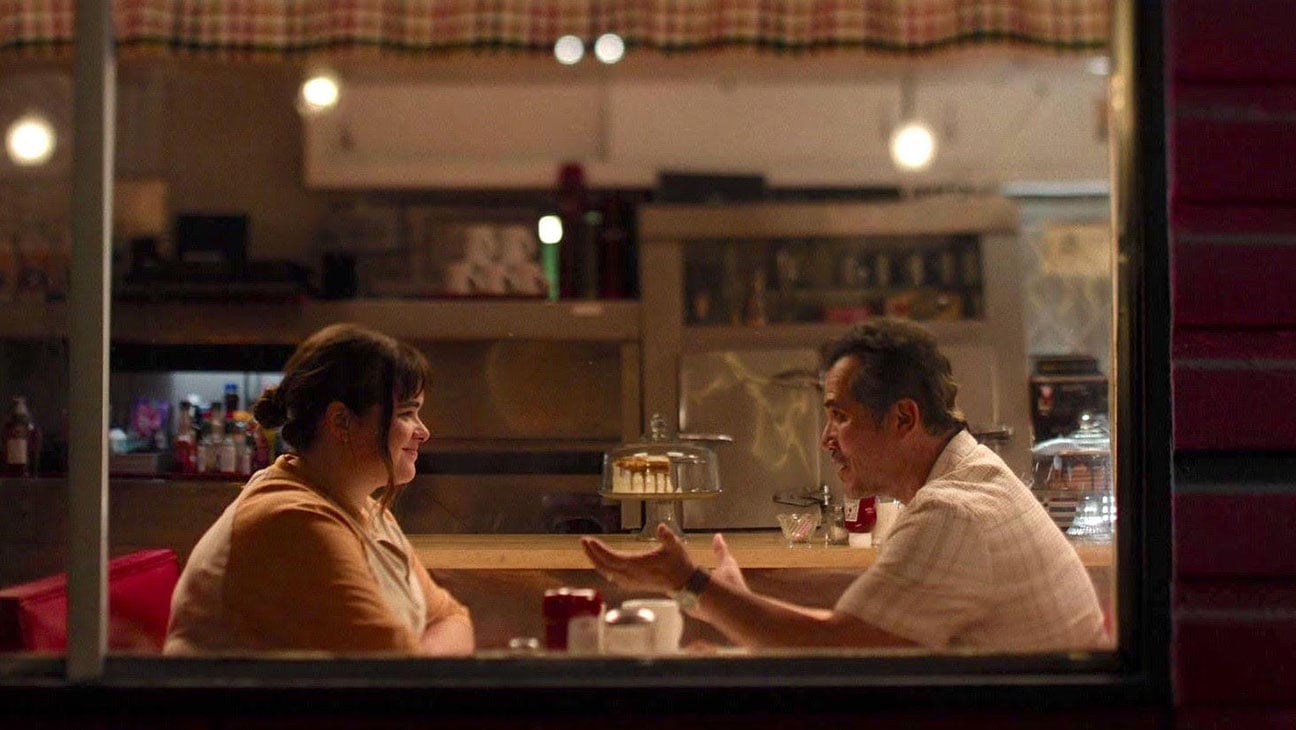
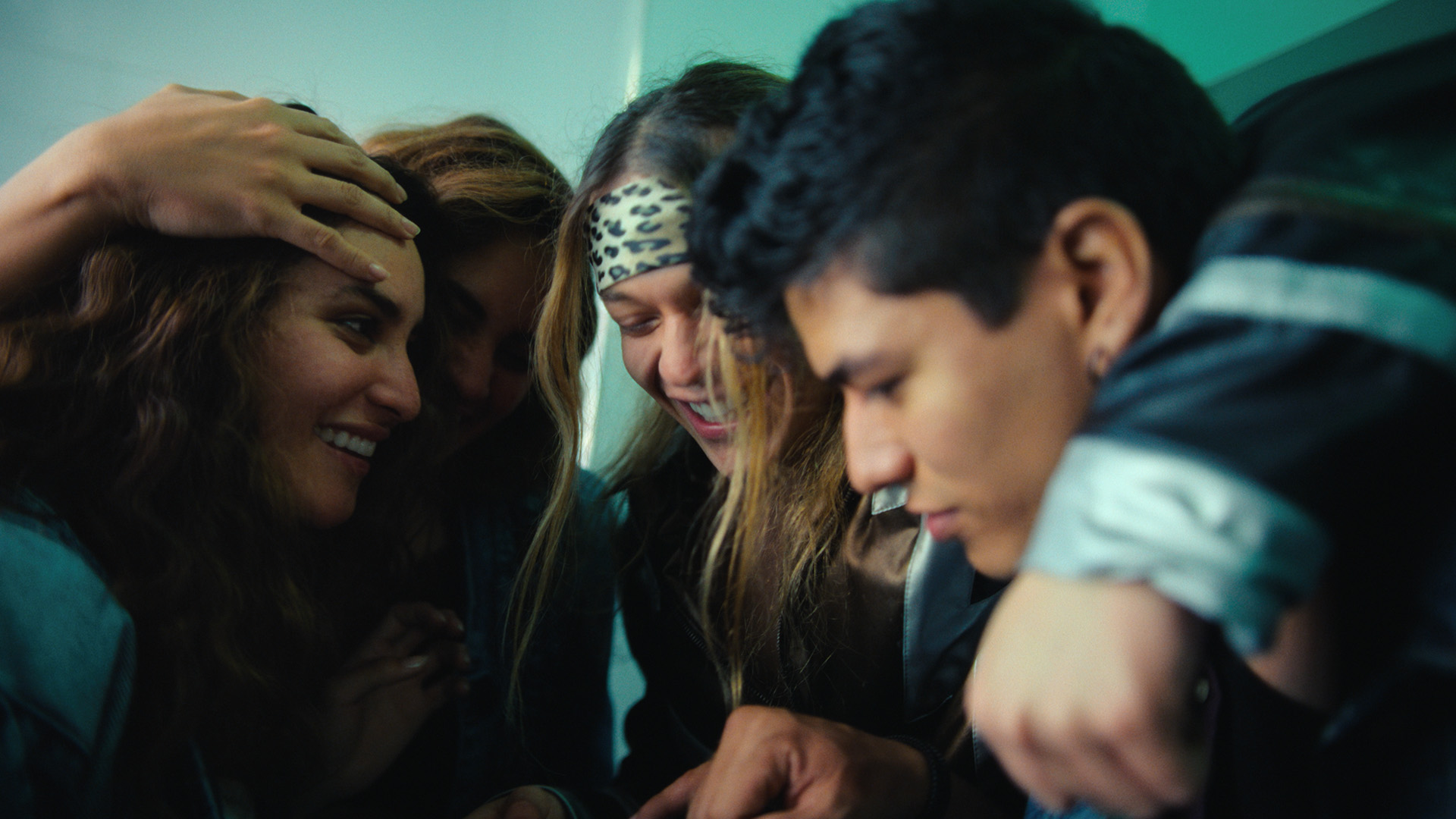
With the anonymity of the internet, it’s hard to trust that the stranger on the other side would be a good person. There’s catfishers and scammers and trolls, oh my! Once in a while, however, you do meet someone cool. Bob Trevino Likes It was inspired by a real life friendship writer-director Tracie Laymon had, and that lends to how personal the entire film feels. Bob and Lily feel real. It’s in part to how Laymon introduces their loneliness in a world that doesn’t treat them right, but the tender, pseudo-parental chemistry formed between Barbie Ferreira and John Leguizamo carries the writing in such a realistic way. The kindness that they share feels transformative, and it’s genuinely moving to see them work towards caring for themselves because of it.
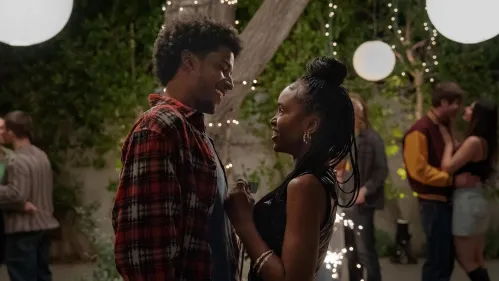
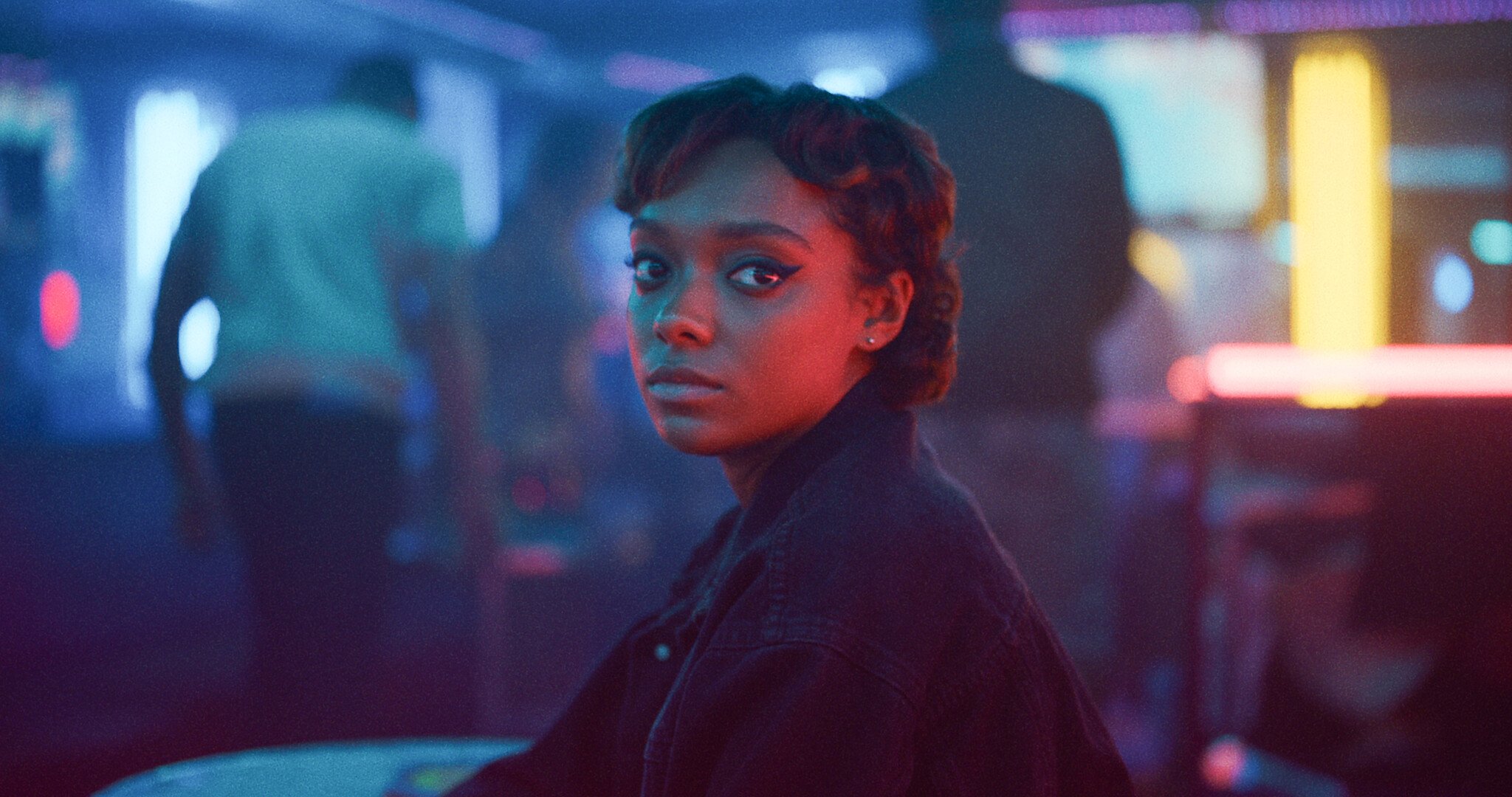
Based on the Judy Blume novel of the same name, Forever follows two teens in Los Angeles as they navigate love, sex, and their first wade into adulthood. The eight-episode series updates the novel in major ways. Instead of the white 1970s suburban setting Blume (who executive produces the series) is known for, Forever hones in on the specific experiences of Black teens. One is Justin (Michael Cooper Jr.), a wealthy boy struggling to fit in at his predominantly white private school, and the other is Keisha (Lovie Simone), an intelligent track star who lost her scholarship because of a scandal involving her ex-boyfriend, Christian (Xavier Mills). It’s very easy for Forever to turn into a cliche, a coming-of-age series you’ve already seen a thousand times. But Forever stands out because of its specificity and sensitivity in portraying Black teen love. While many young adult shows rely on heavy drama and crazy plot twists, Forever’s characters are robust, interesting, and complicated enough to power eight episodes centered on them alone. Justin and Keisha are sometimes stupid and sometimes smart, but they remain relatable throughout. You’ll find much to like here, whether you’re a young person tuning in for something sweet and comforting, or an adult hoping to remember what it was like to feel as scared and excited to be on your own.
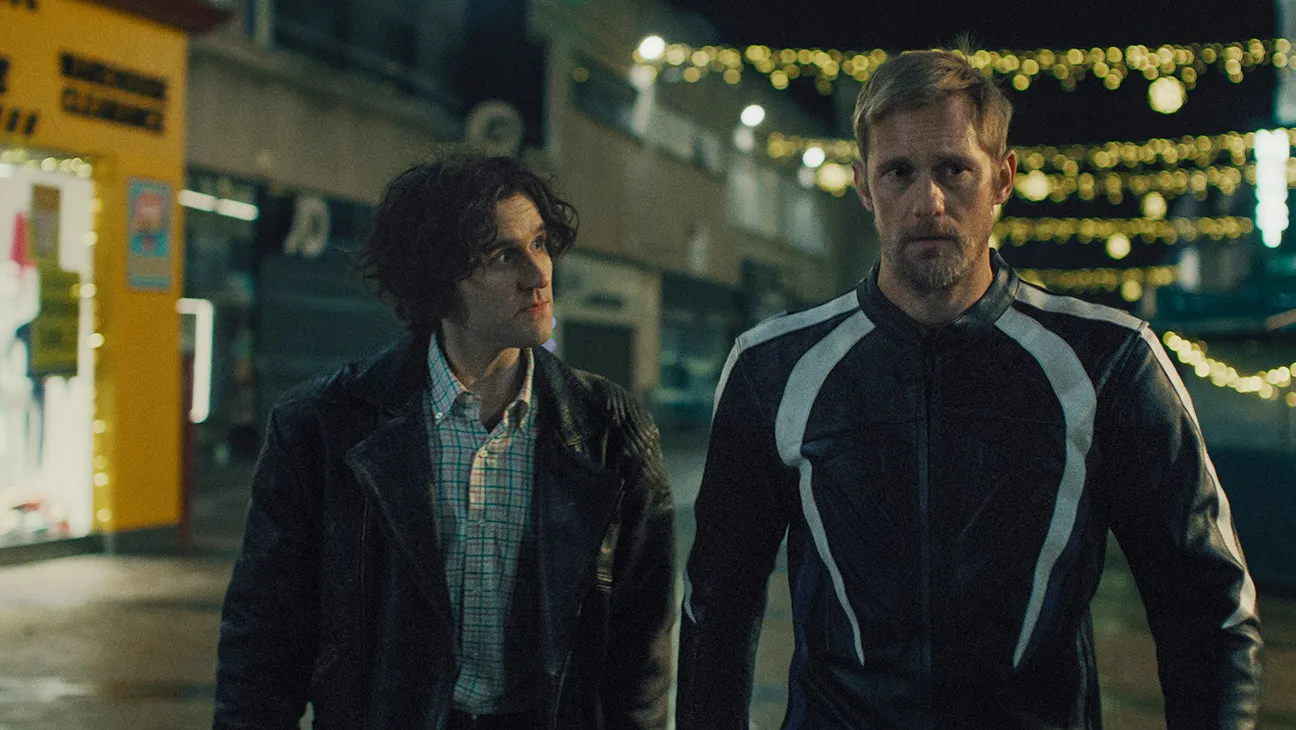
Given the other depictions of BDSM on film, we weren’t sure how Pillion would turn out. Much more so with a first-time feature director and two actors taking on their first leading gay roles. Thankfully, the way they portray this unconventional relationship is undeniably stellar. It’s non-judgemental, yes, but it’s not cloying; Sweet, while still fully recognizant of their incompatible desires; Humorous, though not at the community’s expense. Like Colin, Pillion takes on a wide-eyed curiosity towards a world whose few portrayals only focus on the salacious, and brings us to feel his yearning for more than what Ray is willing to give. Ray shouldn’t be your personal example of what a good dom should be and Colin was definitely unprepared for their dynamic, but Pillion ultimately works because of how freely it lets them explore their wants and change as a result.
Because of the progress society has made, modern day gay romances don’t need to rely on tragedy for conflict. That’s because many of the societal barriers gay people used to face are now broken. But that doesn’t mean it’s now easy to come out and call it a day. In this Belgian-Dutch drama, Elias still has to figure out his own feelings, a struggle that any kid goes through when they have their first crush, same sex or otherwise. Young Hearts simply acknowledges that it’s normal, and shows to those still figuring it out that it’s all part of the process.
The most surprising thing about Overcompensating is that, underneath the sexual romps and irreverent humor, there exists something sweet in the form of Benny and Carmen’s friendship. Yes, the show is largely about college and exploring the boundaries of freedom. It’s also about the different performances we put on in an awkward attempt to fit in and realize Who We Are. But it can also feel like it’s tackling too much at times, without a lot of novelty. College-set films and shows like Undeclared, The Sex Lives of College Girls, and even Neighbors have already treaded similar ground in sharper and funnier ways. But Overcompensating is still worth the watch, if only to see how Benny and Carmen grow and find platonic comfort in each other. Campy characters like Hallie (Holmes) and Esther (Kaia Gerber) also provide plenty of laughs and elevate it into something truly memorable.
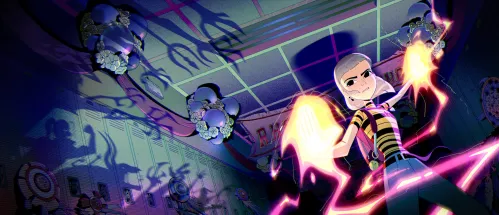
After the cool partnerships Titmouse and Netflix had, their next work was bound to be something to look forward to. Jentry Chau vs. The Underworld starts with a slow start, but the supernatural horror comedy is fun and entertaining, taking inspiration from Asian mythology and classic teen comedies, but writing these tropes and themes in exciting ways, weaving them into a cute, compelling coming-of-age story that reckons with intergenerational conflict, parental control, and self-acceptance. The story works really well, and it’s matched with bold, colorful animation, catchy K-pop soundtrack, and stunning sequences we’d love to watch more of. The lead might have trouble fitting in, but Jentry Chau stands out with its unique storytelling.
When a show is focused on a kid and their sport, chances are, the main character holds a passion for the sport itself. They saw it, they thought it was cool, and they tried it out. Blue Box, however, takes an unconventionally depicted, but no less honest, motivation– the energizing power of having a crush. The way Taiki goes about it feels reminiscent of that first childhood crush, with the excitement, the determination, and the pure mortification each time he perceives to have jumped the gun, but it’s all made endearing with the characterization, writing, and the beautiful render, and it’s easily driven by the familiar device of having to share the same residence. Blue Box is just so darn cute.
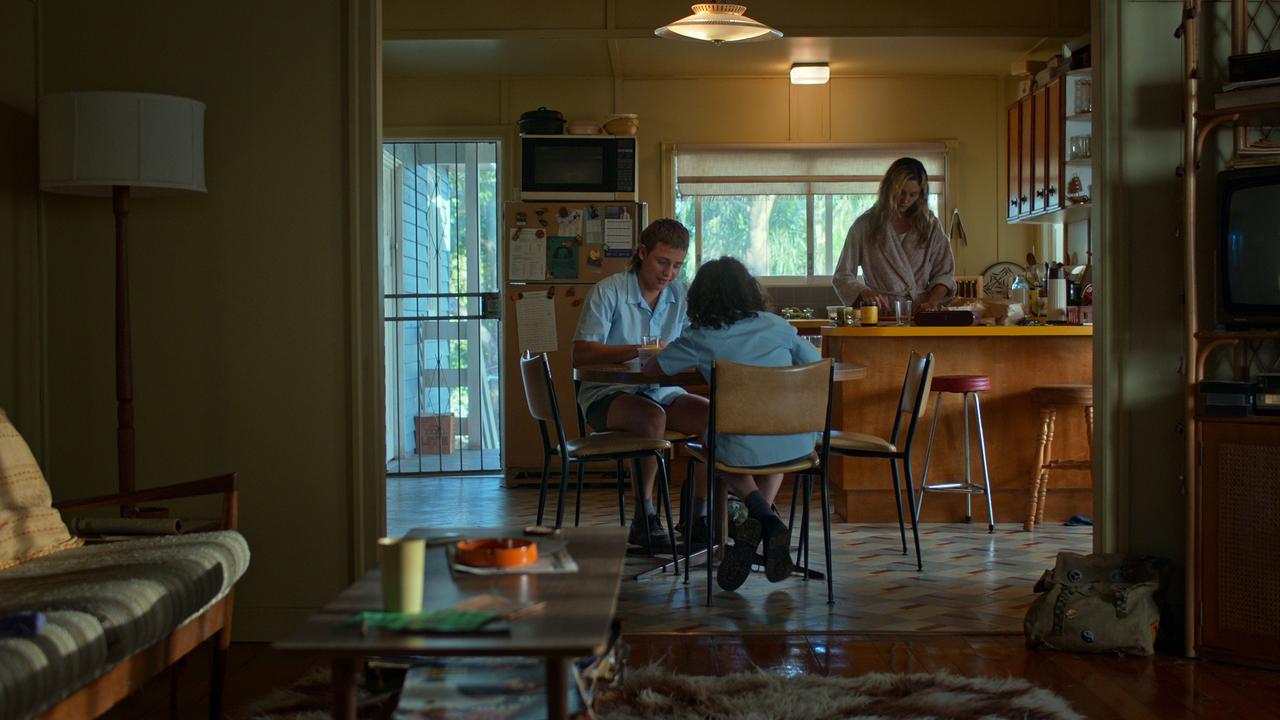
Coming-of-age shows are practically Netflix’s bread-and-butter, but the working class side of Brisbane in the 80’s is a suburb we didn’t expect the international streamer to visit. Based on the semi-autobiographical novel with the same name, Boy Swallows Universe is centered on the precocious Eli Bell, whose age and curiosity naturally pushes him to try and figure out how he fits in the world. There are some magic realist elements, and the crimes escalate as we go further and further into the miniseries, but the show shines best when depicting the slow, day-to-day moments in Bell’s family. The show never judges them, nor does it totally excuse their actions. Instead, Boy Swallows Universe depicts a certain nostalgic compassion one could only have for their hometown, regardless of how downtrodden it is.
During adolescence, teenagers get to learn and discover themselves and the world, but for most people, this means going through puberty, maybe taking up a sport or hobby, and not the occult vs alien shenanigans of DAN DA DAN. The science fiction-fantasy mix is unhinged and chaotic, throwing Momo and Ken directly into the worlds they didn’t believe in, and with each crazy encounter, they gain insane powers that are rendered into (literally) out-of-this-world, kaleidoscopic animation. But it’s their comedic dynamic that makes the show work, as each absurd situation pushes them to share what makes them vulnerable and challenge each other on their beliefs. DAN DA DAN is spectacularly unpredictable, and is a standout from 2024’s anime fall lineup.
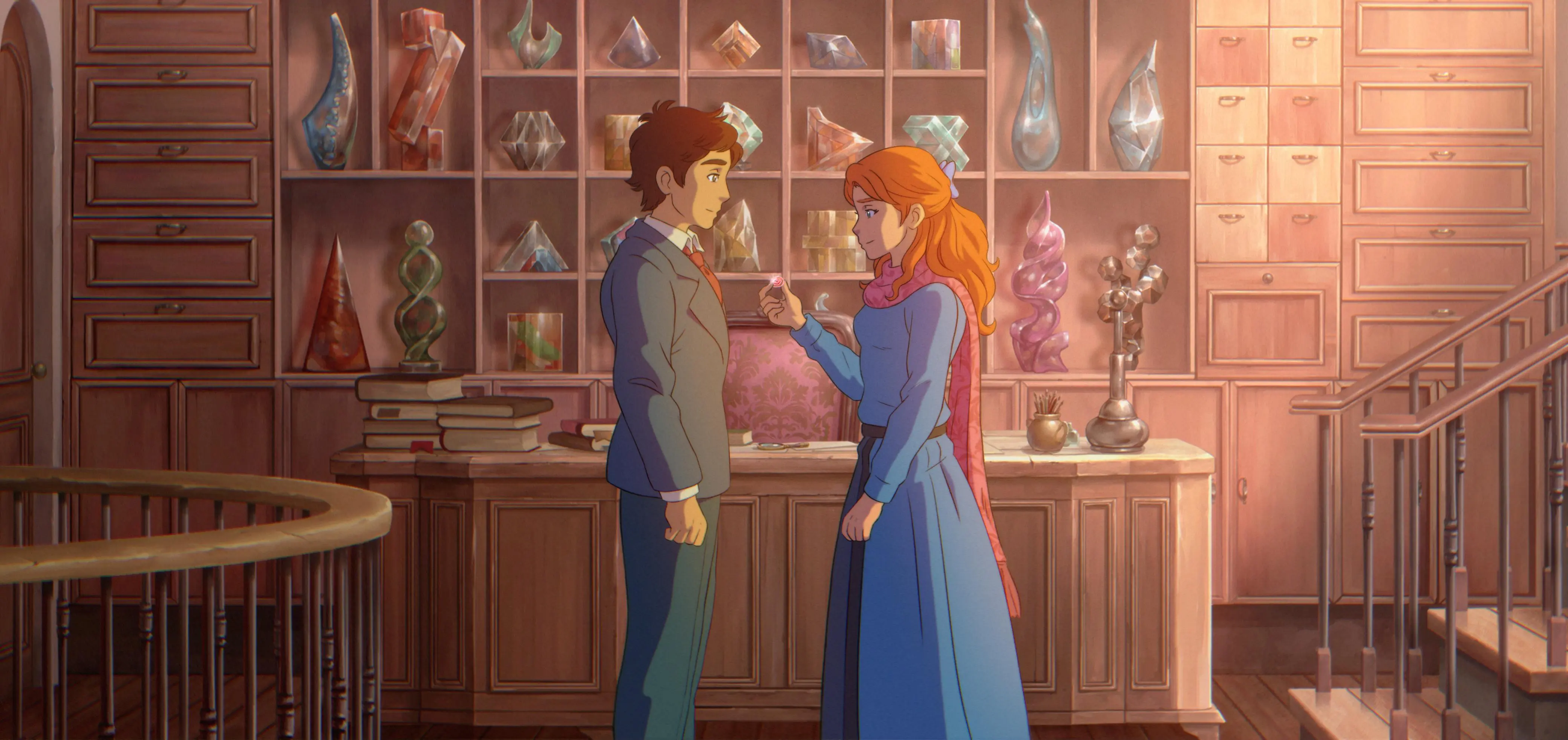
Who hasn’t been inspired by Studio Ghibli? Pakistan’s first ever hand-drawn animated feature clearly takes inspiration from the famed film studio, especially with the gorgeous detail work. However, what we find interesting is how The Glassworker doesn’t just take notes on their art style. The filmmakers also follow their ethos. While hesitant in referencing real-world conflicts, the childhood romance with a general’s violinist daughter and a craftsman echoes Ghibli’s own anti-war stance. Pairing this first love with the conflict between pursuing the craft and being complicit in the war reminds us of The Wind Rises. But ultimately, The Glassworker understands and celebrates ordinary life. And it’s this respect for life that pushes them to stand against war. While the film doesn’t go above and beyond Ghibli, The Glassworker is a much more heartfelt homage to the studio compared to the widespread copy-pasting done by generative AI.
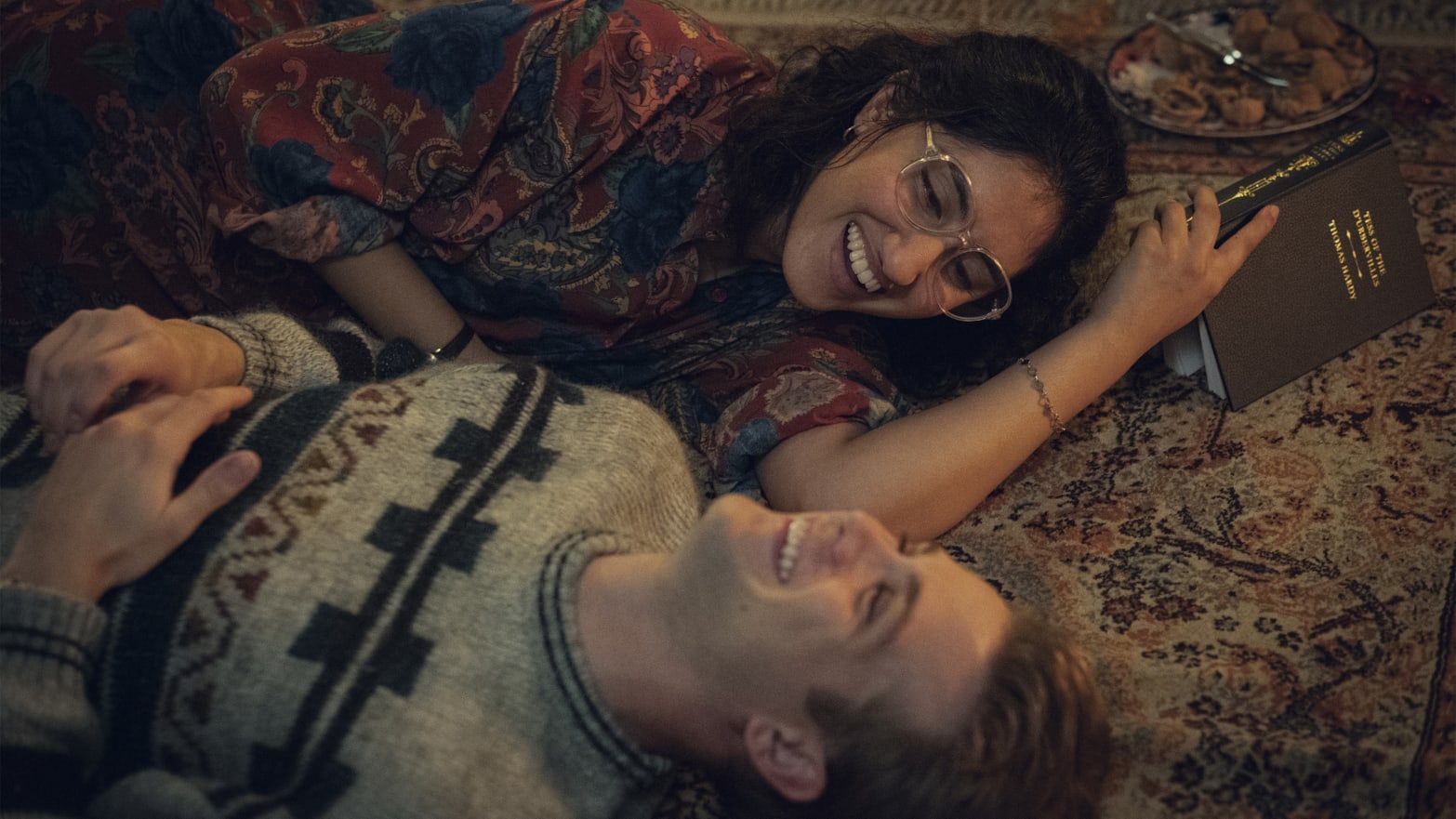
With a film version that didn’t live up to the hype of the original novel, Netflix’s adaptation of One Day released just in time to wreck the fans’ hearts all over again, but this time, it’s a good thing. The expanded runtime allowed Netflix to delve more into the moments in the novel, with each episode dedicated to a day in the year in Emma’s and Dexter’s lives, contrasting their respective worlds and opportunities available to them as different members of London society. And the couple is played beautifully by Leo Woodall and Ambika Mod, with a believable chemistry that isn’t formed in a single spark, but made in multiple moments. If you’re needing a good cry just right before Valentine’s Day, One Day is a superb slow burn romance to let those tears out.
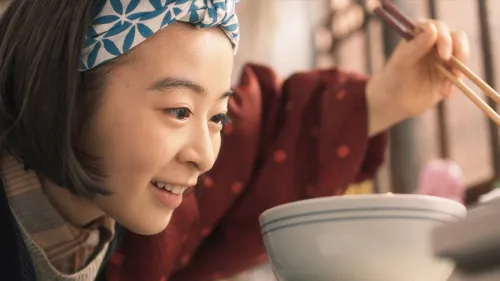
On the surface, The Makanai is a simple, slice-of-life show about food and friendship. While it is that, to be sure, it’s also a substantial drama that tackles questions about art vs. love, and love vs. companionship, and career vs. purpose. Under the gentle guidance of showrunner Hirokazu Kore-eda (Still Walking, Shoplifters, Broker), who generously allows up-and-coming directors to take the helm on certain episodes, The Makanai feels at once light and hefty, comforting and challenging. We’re seeing mundane events unfold before us as if we were bystanders, but we also understand that there is so much more happening than what meets the eye. A prolonged gaze, a lovingly prepped meal, an especially sharp wing-eye, all of these have much to say about the state of mind of these girls.
It’s a supremely gentle and culturally rich show with a tender heart; a truly great watch on all accounts.
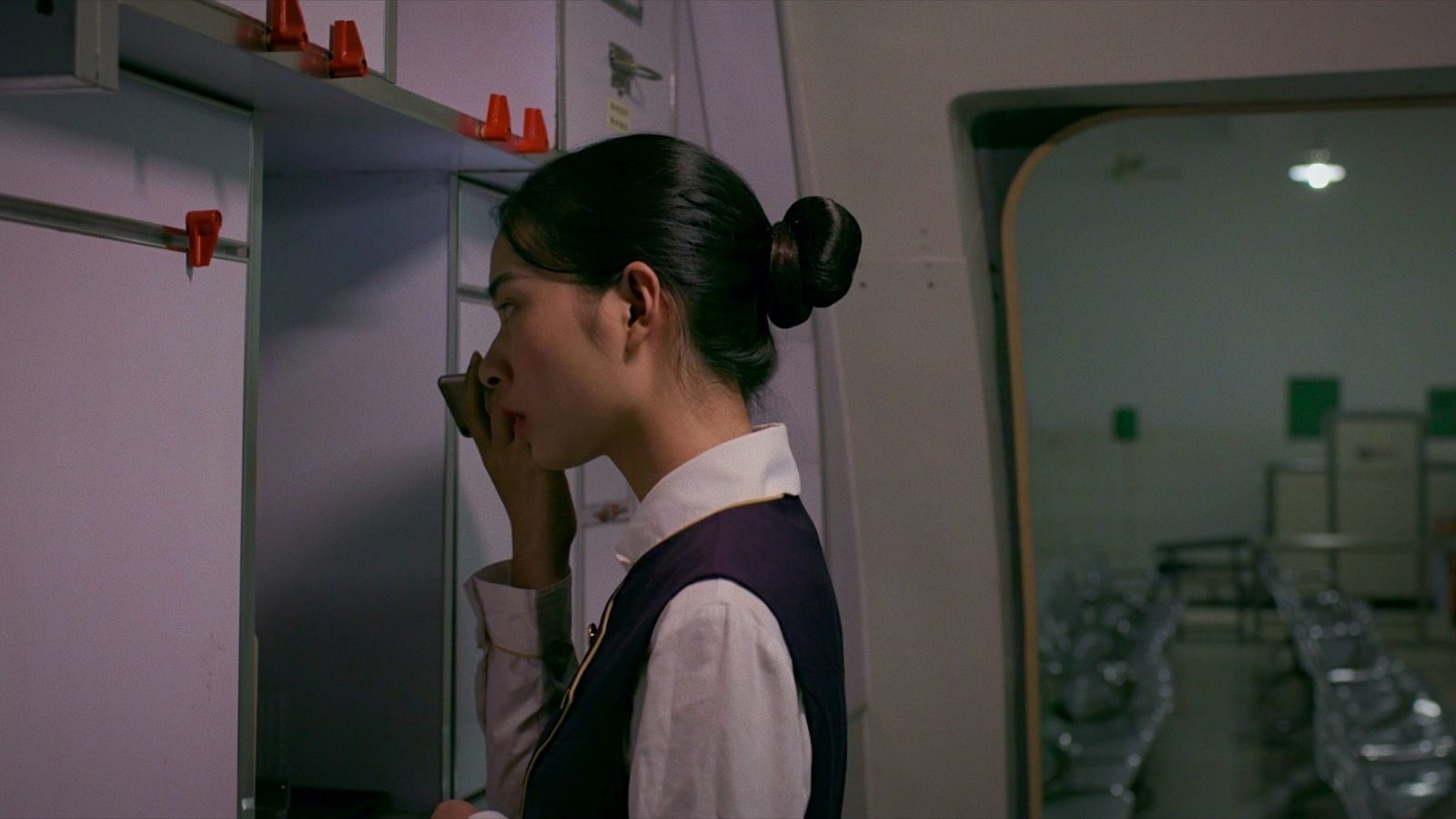
At two hours and nearly 30 minutes, Stonewalling is quite long. The third film from spouses Ryuji Otsuka and Huang Ji takes place in slow, slice-of-life moments, centered around a female lead that mostly doesn’t actively make choices for her own life, so it can feel frustrating to watch. But as the film unfolds, Lynn’s passivity turns out to be the tragically familiar surrender of today’s working class. Lynn tries to make choices to pay out her mother’s debt, to ensure that she’s not indebted herself, through jobs that commodify her youth, her beauty, and even her body, but each move consequently limits her next options. She tries to bargain for other solutions, but it turns out these solutions were never there in the first place. All she can do is quietly adapt, with each failed promise culminating into a baby’s cry.
Places evoke certain emotions, but even the most rundown, cramped projects feel special when they’re home. We Grown Now is set in Chicago’s Cabrini-Green public housing complex, an area that was notorious for its crime and poverty, but to Malik and Eric, it’s a place where they became friends. The friendship they share leads them to classic coming-of-age moments like skipping school, egging each other to ask their crush out, and having fun, but unlike other coming-of-age films, these moments aren’t as carefree and consequence-less in the place they live in. We Grown Now is a genuine, full picture of growing up in a rough neighborhood, with both the happiness and hardships the place has to offer.
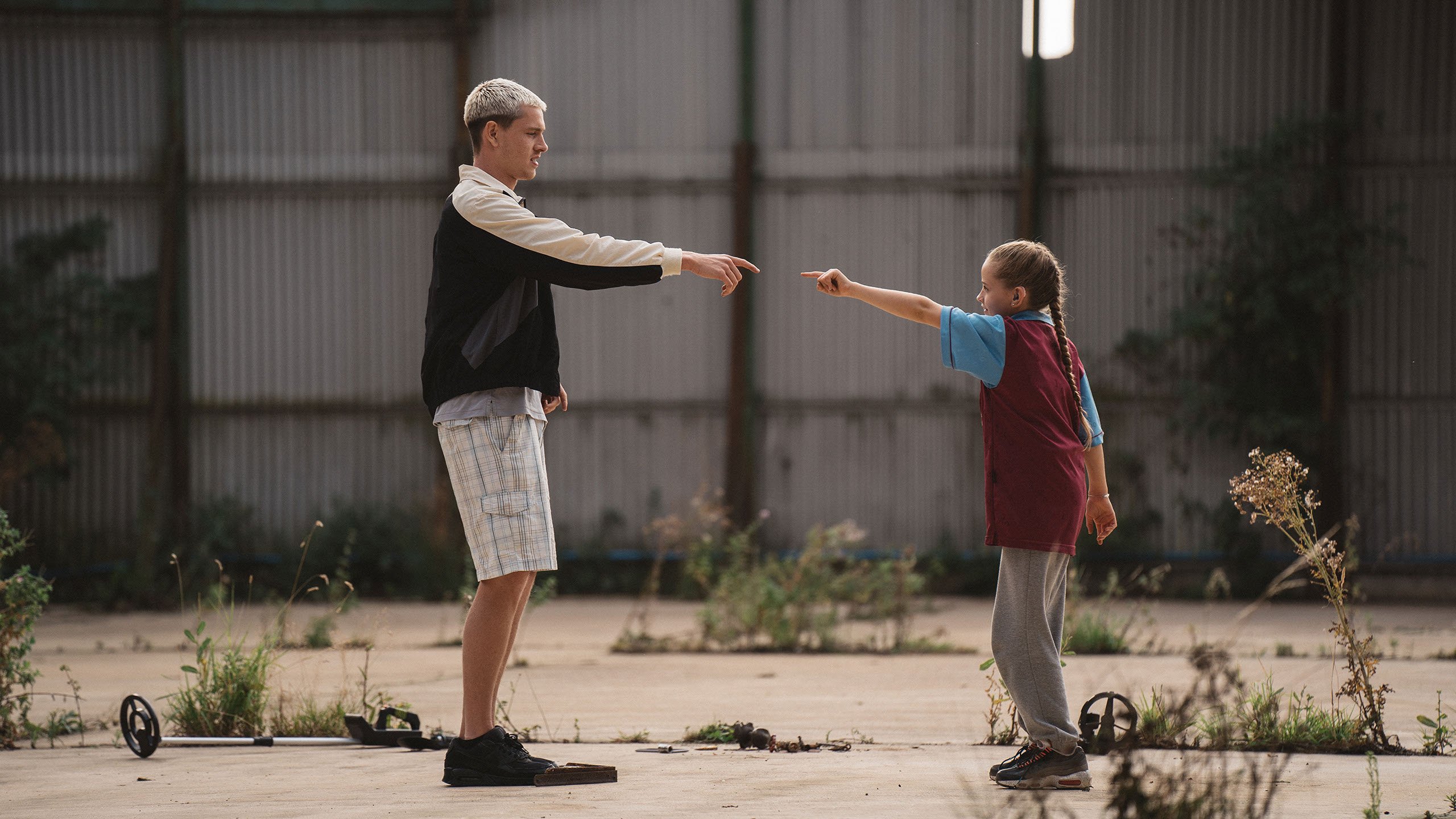
Be prepared to have the expectations you form after reading Scrapper’s synopsis shattered: though it is about a 12-year-old dealing with grief following her mother’s death, it’s remarkably upbeat. It gets that quality by positioning itself in the buoyant headspace of young Georgie, a resilient, cheeky youngster who retains much of her whimsical childlike spirit in spite of her profound bereavement. Director Charlotte Regan’s debut feature is bursting with imagination: there are surreal stylized touches all over the movie, from talking video-game-style spiders to magical realist metaphors of Georgie’s grief.
That’s not to say that Scrapper is flippant about the inherent tragedy of its story, though. As in The Florida Project, you can feel the escapist motivations of Georgie’s colorful imagination, which only deepens the poignancy of her situation and the precarious relationship she forms with her father, a barely-old-enough manchild who only makes an effort to meet Georgie after her mother’s death. Amidst all the intentional artificiality of the filmmaking, their largely improvised interactions never ring false — a dynamic that’s also crucial to making the movie feel genuinely touching and real rather than saccharine and shallow. A very impressive debut, and a much-deserved recipient of Sundance’s World Cinema Grand Jury prize and a whopping 14 nominations at the BIFAs.
Messier than Heartstopper, but tamer than Skins, Everything Now has everything you’d expect from a British teen show. Sexuality, vices, and experimentation is what the series shares with other coming-of-age series, but at its heart is Mia Polanco as she tries to get back to her regular life after anorexia recovery. Cutting between her life now and her seven-month hospital stint, the show feels like a realistic depiction of a non-linear healing journey. It’s a show that makes sense to release right now, as the world’s teens try to get back to normal and try to reach standard teen touchstones.
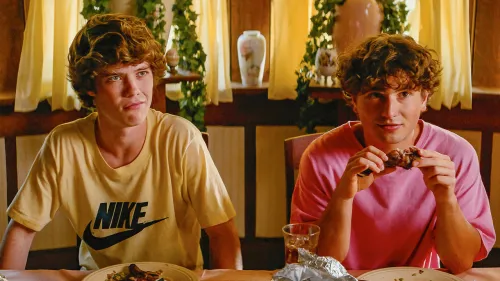
Snack Shack is the quintessential summer movie. It’s sun-soaked and full of mirth as it follows two rowdy boys fighting off bullies and scheming their way to profit, one ingenious scam at a time. But it’s also a tender coming-of-age film, one filled with realistic friendships and painfully awkward romantic encounters. In both instances, Snack Shack doesn’t reinvent the wheel—in fact it’s formulaic almost to a fault. But it’s saved by endearing performances and an effectively nostalgic backdrop. Many times, it feels like any John Hughes movie by way of Superbad. But for the most part, it’s its own distinctive, chlorine-tinged, popsicle-sweet thing.
There’s a degree of removal in Perpetrator which some viewers may find jarring: most visibly, in the performances, whose heightened sensitivity can seem unlikely for a horror film. That said, director Jennifer Reeder’s main conceit here is to entertain and make you think, and she doesn’t want you to get too comfortable. In the central concept of “Forevering,” a family curse spell that Jonny goes through, Reeder vests her character with metamorphic potential, and with that, ignites hope for a future that is better for women and for horror cinema as a whole. But the film is not overly intellectual. It’s rather intuitive in its world-building and celebrates horror’s final girl trope in a well-deserved way. A little gore, some slasher tropes, LGBTQ+ themes, and strong central characters make it a perfect pre-Halloween treat.
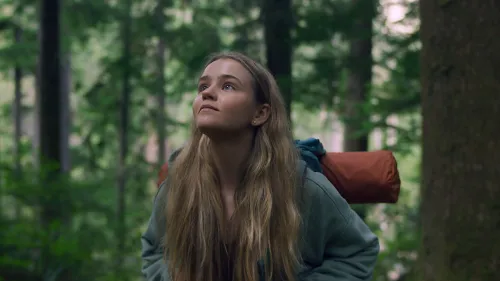
If you’ve seen one too many true crime documentaries, you might shake your head at the things sixteen-year-old Penelope does upon running away from her high school camp. You might (rightly) ask, why is she camping in the middle of nowhere all alone? Why is she trusting all these different strangers who, for all she knows, could be a serial killer or a trafficker? And why approach that bear? Why sleep in that clearing? But the sooner you let go of those worries and accept that Penelope is more of a fable about growing up and finding yourself than it is a literal survival tale, the better. Which isn’t to say it fails as the latter—Penelope is surprisingly watchable as she learns the ways of the wilderness. In fact, one near-silent episode is dedicated to just Penelope learning the ropes, literally, and it’s one of the season’s best. As long as you don’t get stuck in the details of Penelope’s journey and take aside your cynicism for just a while, you’ll find something touching and humanizing in this short but sweet series.
Kill Bill meets Bend It Like Beckham in this wild ride about a martial arts-obsessed British-Pakistani teenager who views her older sister’s impending marriage as a catastrophe to be averted at all costs. Aspiring stuntwoman Ria (Priya Kansara) can’t stomach the idea of free-spirited Lena (Ritu Arya) giving up on her creative dreams to marry a nauseatingly perfect man — not least because art school dropout Lena is her hero for refusing to conform to their community’s traditional ideas about respectability and success.
Polite Society makes room to sensitively explore Ria’s disappointment and the loneliness of rebellion, but writer-director Nida Manzoor doesn’t stop there, throwing in a sharp allegory disguised as a zany twist. Rather than upending our expectations for upending’s sake, the surprise metaphor refigures the movie as perceptive cultural commentary on the age-old devaluation of women as mere vessels for the next generation. What’s more, Manzoor takes the analogy full circle to thoughtfully imagine how this kind of dehumanizing misogyny might have affected previous generations, suggesting that the real villains lie offscreen. Movies as inventive and intelligent as this don’t come around often, but one that’s this funny, visually bold, unabashedly feminist, and full of stars-in-the-making is rarer still.
Watching the trailers, and even the first ten minutes, Scott Pilgrim Takes Off just seems like a rehash of the prominent Edgar Wright film, especially since his cast reprise their roles in this new anime. However, when that episode ends, even the most ardent fans of both the film and the original comic book series would have no idea where this would go. It’s a fearless, daring approach, from the original creator Bryan Lee O’Malley, and it’s met with the wackiest, spectacular animation from Japanese animation studio Science SARU, remixing O’Malley’s designs with 8-bit, fighting video game action.
The agonizing tug of war between dogma and desire is sharply illustrated in writer-director Laurel Parmet’s feature debut, set inside the claustrophobic confines of a conservative Christian community in Kentucky. Seventeen-year-old Jem (Eliza Scanlen) is at the age her elders believe is the right time to start thinking about a lifelong partner — a choice they’ve pretty much already made for her by setting her up with the pastor’s youngest son. But it’s his brooding older brother, married youth leader Owen (Lewis Pullman), who catches Jem’s eye.
The attraction is returned — but, while The Starling Girl does subtly indicate the toxicity of their relationship, it never lets this point eclipse either the more interesting coming-of-age story at its heart or its keen exploration of the wholesale damage that the cult-like church has done to all of its congregants (including Owen). While some of those threads threaten to distract the film’s focus away from its greatest strengths at times, the anguish of that central tussle between Jem’s burgeoning sexuality and her otherwise rigidly controlled existence is brought to aching life by sensitive writing and direction and a brilliantly complex lead performance — qualities that ultimately win out to let The Starling Girl fly.
Many films have been made about that uniquely taut mother-daughter bond, but maybe none is as delicate as Janet Planet. The film, written and directed by playwright and first-time filmmaker Annie Baker, explores that relationship in a way that may jar viewers, initially. The pauses are heavy and long as Baker lingers on mood, expressions, and the tiniest of details, like a flicker of light or a sudden movement. There are more scenes without dialogue than with it. The plot is also nonexistent as it simply follows Lacy and Janet for the whole summer, and a little during the fall. But that’s not the point. The point is that we can feel that palpable love-hate tension between mother and daughter, and relate to it too. You only need to know where to look.
Those familiar with John Green’s many book-to-movie adaptations (The Fault in Our Stars, Paper Towns) will recognize the author’s signature quirks in Turtles All the Way Down. There are kids who spout out quotable quotes and love interests too gorgeous to be real. But just the same, teenagers are given a fuller and deeper understanding here, which is Green’s best trademark and true strength. Helped by Director Hannah Mark’s strong vision, Turtles All the Way Down is a relatable and heartwarming look into the gnawing pain that can come with growing up. Specifically, the film invites us into the troubled mind of Aza, who suffers from debilitating OCD. It’s a realistic (and never pitiful) assessment of how anxious teens navigate love, friendship, and maybe most notable of all, money. There’s a focus on economic realities here that feels fitting and wise in this day and age. Many people forget how keenly aware young people are of money, and it’s refreshing to see it play out here, even if it’s just in the peripheral.
Going to sleep is something we do every day, though, when we were kids, it certainly wasn’t easy. With family-friendly source material and a new (and adorable!) sleepytime ensemble, Orion and the Dark plays with this fact of childhood, but screenwriter Charlie Kaufman transforms it into something more as the title characters journey into literal midnight dreams, tell stories-within-stories, and return back home with a poetic repetition. It still has some of his existential despair– after all, the overly imaginative Orion literally contemplates the possibility of death through his many, many anxieties– but it doesn’t just play with the classic childhood fear. Kaufman transforms the bedtime story, and the act of storytelling itself, as co-creation and connection between generations of filmmakers and viewers, with this film’s surprisingly layered writing.
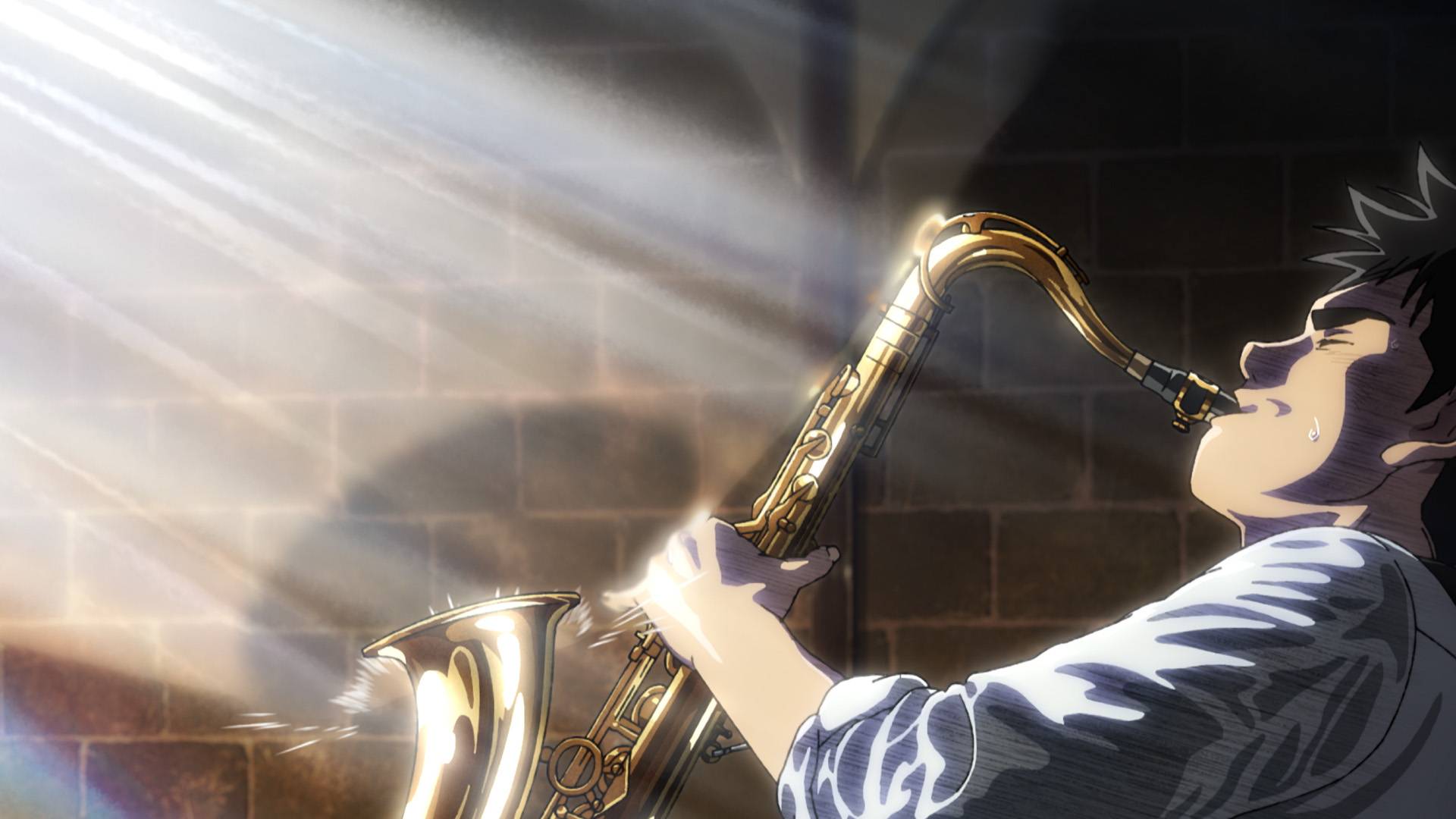
2023 was a great year for animation with films like Spider-Man: Across the Spider-Verse, Nimona, and The Boy and the Heron, but there was another animated gem that flew under the radar and that’s jazz drama Blue Giant. It’s a pleasure to both the eyes and the ears as Dai Miyamoto blows on his saxophone, adding Hiromi Uehara’s incredible soundtrack and Yūichi Takahashi’s dynamic animation to the high contrast manga visuals, and the way the story unfolds the different avenues of pure passion these three have for jazz is absolutely captivating. Blue Giant is just so well-done that it’s no surprise it garnered a bigger-budgeted encore eight months after its premiere.
In Suncoast, writer-director Laura Chinn takes the personal tragedy of losing her brother to cancer and weaves it into something meaningful. The film is a sensitive meditation on death and grief, but it isn’t all grim. It’s also a coming-of-age story, one that focuses on Doris (Nico Parker), a version of Chinn’s younger self aching for normal teen experiences. The film is at its best when it zeroes in on Doris’ interiority and examines the duality of having to deal with so much death while still wanting to live a vibrant life. The surprising friendship that blooms between her and the popular kids as she chases after this life is one of the best depictions of authentic teen dynamics in recent memory. But the film is at its weakest when it tries to be something it’s not—that is, your usual tear-jerker indie fare that’s rife with lessons from a magical stranger (in this case played genially, but unnecessarily, by Woody Harrelson) and grievances from a grief-stricken mother (played powerfully by Laura Linney). To be sure, Harrelson and Linney (especially) deliver top-notch performances, but they feel shoehorned in an otherwise pitch-perfect film about a girl finding her place in the real world.
Based on the novel from writer, producer, and lead Micaela Wittman, indie drama Remy & Arletta is deeply personal. It’s partly because it’s based directly on Wittman’s own personal coming-of-age story, but it’s also because of how confessional it feels. Many scenes feel like uncomfortable memories, like the way Remy hides her real home from Arletta, but when Arletta doesn’t give up on Remy, and tries to make it right before graduation, the film crafts a beautiful connection that was life-changing even if it was fleeting. Remy & Arletta might have felt cut short in terms of runtime and in terms of the friendship itself, but it’s nonetheless a thoughtful, earnest drama that captures how important that love must have been.
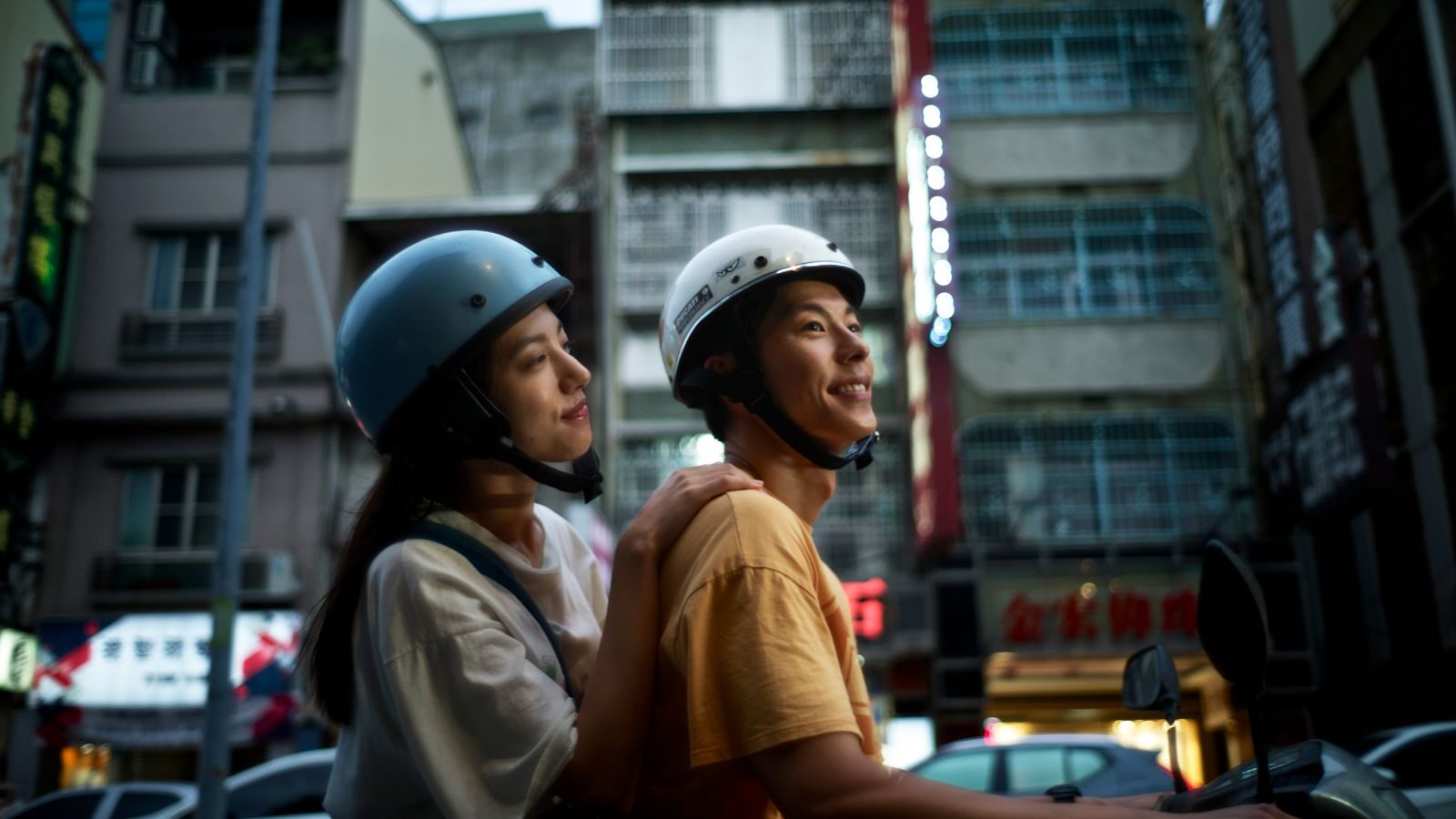
We sacrifice so much for our dreams, so if it all fails, whether that be because of ourselves or because of extenuating circumstances, sometimes, a bit of perspective is needed to get back up. The Taiwanese-Japanese romantic drama 18×2 Beyond Youthful Days is centered on two young adults that meet in a karaoke bar in Tainan, one who hopes to pass the summer with some money, and the other hoping to fulfill her dream of travelling the world. It’s a familiar coming-of-age concept, but it’s done so bittersweet and beautifully as the adult Jimmy recalls each moment they shared while on the journey to fulfill their promise to meet each other after they reach their dreams. 18×2 Beyond Youthful Days doesn’t tread new paths, but the film’s way of depicting memories as well as the charming chemistry of the leads transforms the real life travelogue into a moving testament of the connections we form while travelling.
Also known as Rabo de Peixe, after the real town where the series is based, Turn of the Tide follows a group of four friends, who dream of a life outside their hometown, where nothing ever happens. Except, something does finally happen, and it’s whole packs of cocaine washing up on the island’s shores. It’s a wild series, one where the show’s teen underdogs take advantage of sailing expertise and knowledge of the town in order to sell out one third of the stash from the mainland Italian mafia. And it’s one that is endlessly entertaining, as we hope for the four teenagers to succeed in their plan, and to escape for another life.
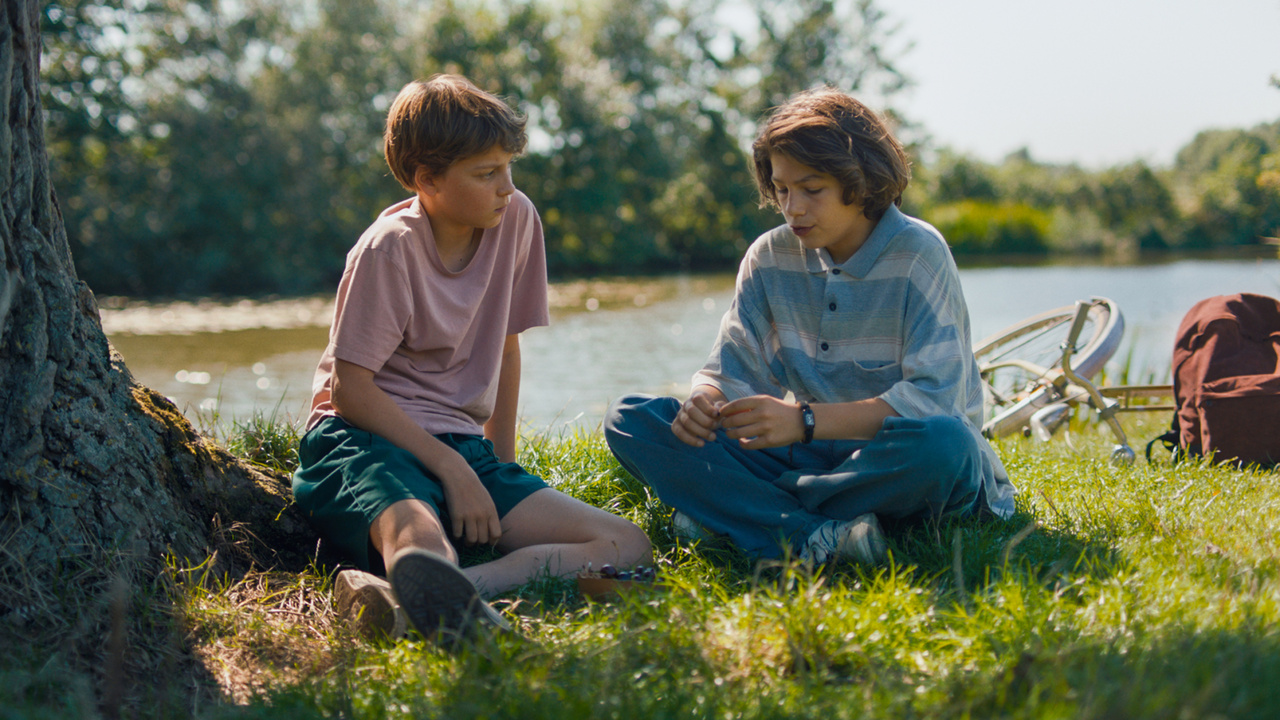
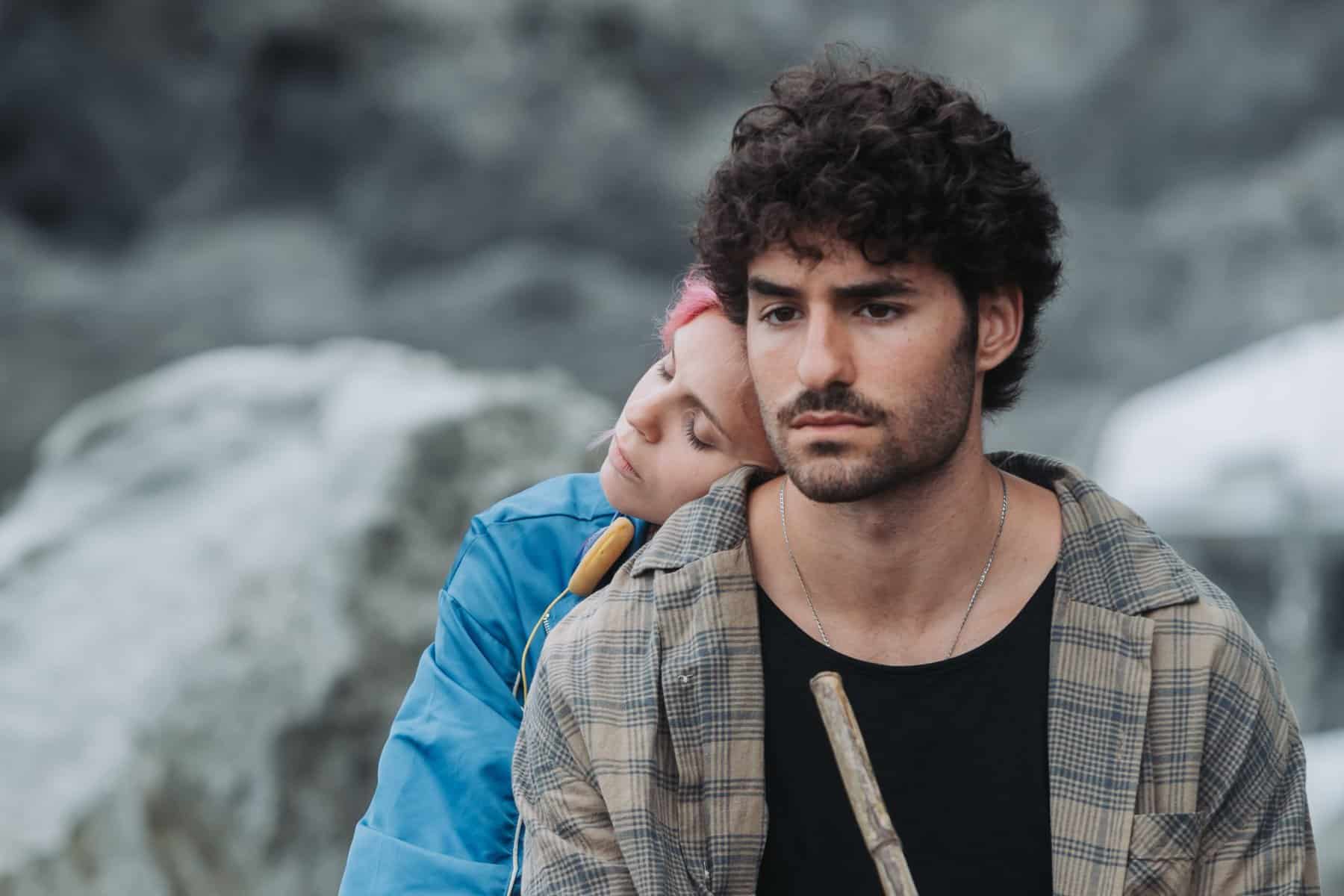
The gorgeous grain of Falcon Lake’s lush 16mm cinematography instantly gives it an air of nostalgia, as if the movie is an intimate reflection on a precious formative summer. That effect is confirmed over the film’s runtime: it takes place from the perspective of Bastien (Joseph Engel), a 13-year-old French boy whose family is being hosted at a Quebec lake cabin by their friend and her 16-year-old daughter Chloe (Sara Montpetit). The woodland setting could be idyllic or eerie, a duality brought explicitly to the fore by Chloe, whose interests lean towards the macabre.
It’s not long before Bastien becomes smitten with the assured older girl, and it’s their dynamic that gives Falcon Lake its profoundly captivating effect. Though the movie’s gothic undertones do give it a troubling air of tension, the way they come to the surface in its ending feels a little inharmonious to the delicate human drama that the teens have built up until then. Both actors turn in performances so extraordinarily nuanced and naturalistic that Falcon Lake doesn’t need that twist — it already stands as a deeply affecting coming-of-age portrait, one in which tenderness and betrayal are raw new pleasures and pains to be discovered.
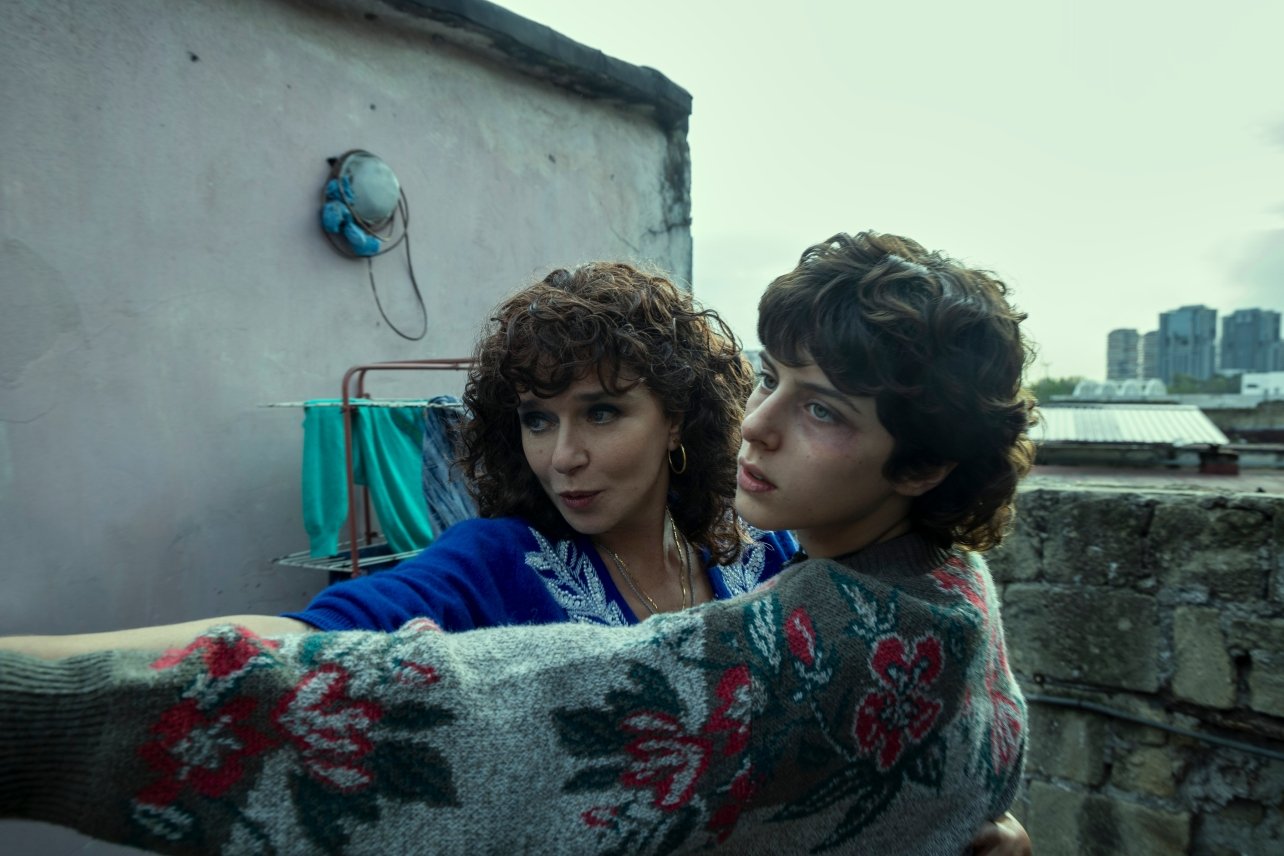
Based on a novel, The Lying Life of Adults might feel, at first, like a standard Netflix coming-of-age series, complete with vintage styling (the 90’s, this time) and teenage shenanigans, like skipping classes, preoccupation over sex, and rebelling against parental disapproval. Sure, the show does go through these moments, but the writing of original novelist Elena Ferrante, with the assistance of the writing team and showrunner Edoardo De Angelis, elevates this template through its subtleties, as Giovanna visits her estranged aunt Vittoria, and compares and contrasts the way she lives, with the way her parents approach life. It’s both a portrait of a divided family, but also one of a divided city, and it makes Giovanna’s coming-of-age a more nuanced journey that we haven’t seen before.
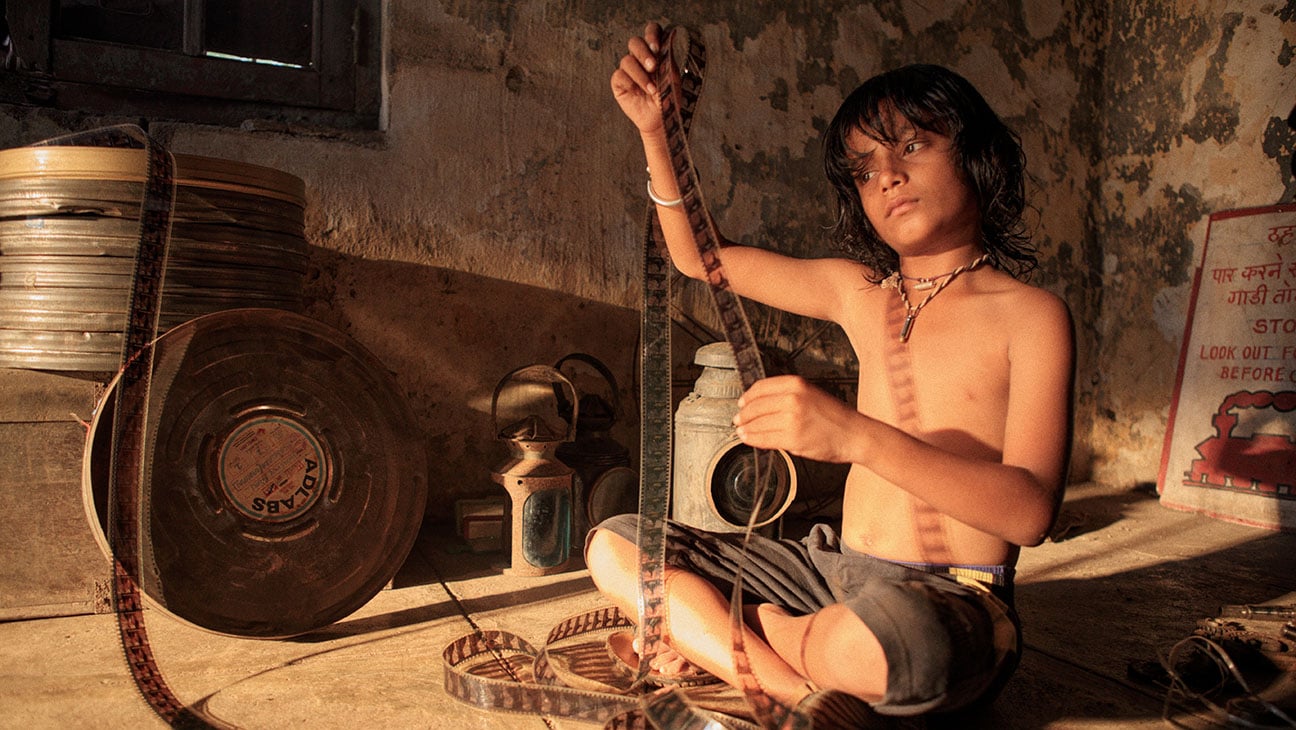
Like many coming-of-age films about films, it’s easy to assume that Last Film Show would be a derivative of all-time film classic Cinema Paradiso. Both films from opposite corners of the world, separated by more than three decades, do share that awe of cinema from a projection booth. However, unlike Paradiso, the awe of Last Film Show is also tempered by the rural poverty its young protagonist faces. Samay learns projection from a film booth, and learns community is formed through the screen, but he also learns it through snatching the few reels that passes through their village, manually experimenting with scrap material, and recreating the same light and shadows through its fundamentals. These scenes are precocious because of the children, but it makes for a more interesting take, because Samay’s journey proves that cinema truly is worth saving, even without the money. It’s undeniably awe-inducing with Pan Nalin’s stunning shots and semi-autobiographical story.
White creators handling African stories rarely turn out well, so thankfully, Disney decided to collaborate with pan-African Kugali Studio for their newest series Iwájú. This collaboration, instead of working alone, proves to be fruitful, as Iwájú dreams up of a futuristic world that is distinctly Nigerian, that still captures the real inequalities but also unique art styles and some genuine heart through its relatable characters. The series still does go through its recycled formula, with the familiar precocious pre-teen protagonist and their cute animal sidekick, but to Disney’s credit, it’s great to see them collaborate with, rather than shut down, smaller international studios, even ones that once wanted to “kick Disney’s arse” (Kugali’s words, not mine).
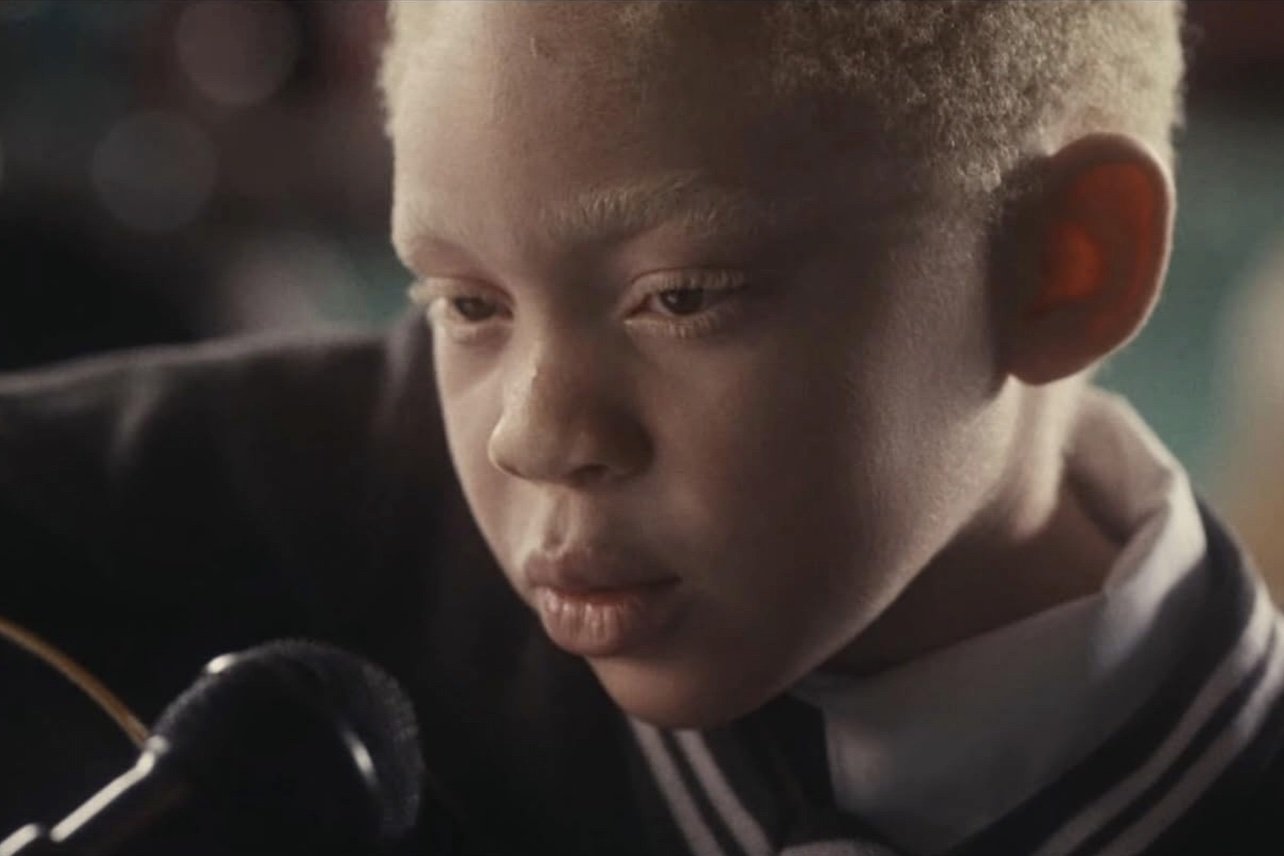
As the first Zambian film on Netflix, Can You See Us? is an interesting portrayal of albinism. Inspired by the real-life story of musician John Chiti, the film’s plot feels grounded, even if it’s similar to other stories depicting discrimination. With newcomer Thabo Kaamba at the forefront, her performance of the albino boy Joseph shines brighter than even the older actors of the film’s cast. That being said, it is held back by repetitive dialogue and sped-up character development from certain characters. Despite this, Can You See Us? is still a remarkable film that stands out from the other tearjerkers available on the streaming platform.
The Kings of the World is a surreal coming-of-age movie that follows Rá, Culebro, Sere, Winny, and Nano, street kids who are on their way to claim land that’s rightfully theirs. Their one goal is to finally make a home after living without one for so long, but they’re hindered by the inevitable tragedies that befall kids of their kind: impoverished, alone, and abandoned.
The title is ironic, but it also hints at their state of mind: these boys are unstoppable, rabble-rousers who live like there’s no tomorrow. They tear down private property and invade inns not out of spite, necessarily, but out of a knowledge that whatever they do they’re gonna be put down anyway, so they might as well live without rules.
Tackling powerful themes like land restitution and youth neglect, The Kings of the World is one of the most agonizing movies you’ll ever see. It’s also Colombia’s official Best Foreign Language Film entry in the 2022 Academy Awards.
With its slice-of-life approach, A Sign of Affection immediately tugs at the heartstrings with its sweet romance between a deaf university student and a multilingual traveller from manga duo Suu Morishita. The anime adaptation sees the world in Yuki’s eyes, with delicately lined shapes and pink-tinted watercolor paired with Sumire Morohoshi’s sweet voice, and it’s lovely to see the unjaded, kind way she interprets the world. The series does have some of the familiar romance tropes, like love triangles, wingman friends, and the glowy, bokeh lighting, but it’s sort of the point in this charming show. A Sign of Affection likens the careful, hesitant way of falling in love with the way Yuki interacts with the world, or rather, the reactions abled people have to her disability.
As a teen series, Los Billis follows a familiar structure. David, like most teen heroes, is shy, awkward, and hopelessly in love with the most popular girl in his high school. With the help of his friends, however, he learns to stand up not just against bullies but the harsh looming reality of adulthood. It sounds typical on paper, but Los Billis benefits from a rich production value and a clear theme, that of social class. There’s not a gelled hair out of place here, but more than nailing the ‘80s look, Los Billis masterfully (and never forcefully) connects nearly every problem the kids face to money. They’re constantly yearning for, losing, and fighting over it, which is the reality many teens outside the US face. Often, Los Billis will also touch on colonialism, like when David admits they all judge each other based on how closely their outfits resemble American teens. For the most part, Los Billis is textbook coming-of-age, but it’s enriched by the unique Colombian teen experience.
A young woman’s coming-of-age threatens to topple the uneasy hierarchy of her family in this striking debut from Croatian director Antoneta Alamat Kusijanović. The trigger for Julija’s (Gracija Filipović) angsty rebellion is the arrival of her parents’ enigmatic wealthy friend, Javi (Cliff Curtis), whom her controlling father Ante (Leon Lučev) is hoping to squeeze a juicy investment out of. Part of hot-headed Ante’s strategy involves playing on Javi’s still-simmering feelings for Ante’s wife Nela (Danica Čurčić) — a dicey game to play when you have a temper like his. It’s also a very manipulative one, and the film lives in the atmosphere of claustrophobia that comes with being a woman in Ante’s life. Though her mother seems resigned to acceptance, Julija yearns for liberation, and it’s her burgeoning awareness of her own power as a woman that fires this drive for freedom. With its stunning Adriatic setting and haunting underwater sequences — the family are keen spearfishers — Murina is a film of natural beauty and human ugliness, a slow burn of a psychological drama that uses volatile teenage emotions as its incendiary fuel.
With a ludicrous amount of cash, and one of the perpetrators escaping into a luxurious European life posted on Facebook, it’s no wonder Netflix decided to create Baby Bandito. The source material practically writes itself, and it’s easy to fictionalize some details for added drama. The show does this, turning the original robber into a well-meaning skateboarder Kevin Tapia that steals the plans of a mob in order to escape his rough neighborhood, but some of the characterization falters, specifically when it involves his girlfriend Génesis. There are moments it goes into generic territory, but the series is certainly well-shot, full of charm, and daring in the way it focuses more on the consequences rather than the heist itself.
Funny, refreshing, and heartwarming, You Are So Not Invited to My Bat Mitzvah gives the seminal girlhood film Are You There God? It’s Me Margaret. a Gen Z update. Stacy and her friends are constantly on social media and watch each other for potentially politically incorrect terms, but they also struggle with period pain, crushes, and falling out with former friends. It’s a confusing time in a kid’s life, and You Are So Not Invited, like Are You There God? before it, honors that. It never condescends, never strays far from the child’s perspective. It’s jubilant and heartwarming, and (to me at least) it’s always fun to see real-life families play themselves in movies. Judd Apatow experimented with this structure in his semi-autobiographical films Knocked Up and This Is 40, which first gave us a glimpse into his daughter Maude Apatow’s acting prowess. I feel You Are So Not Invited will do the same to its young star Sunny Sandler, whose effortlessly funny and charming performance will surely carve a path for a promising career in the future.
Since the 1990s, Japan has offered the service of pretending to be one’s family, friend, or lover. Rental Family isn’t the first time the West has ever depicted this service, but at a time of increased isolation, division, and loneliness worldwide, the very concept directly addresses that need for perceived connection. Why is there a need to fake it, rather than to form it for real? With Hollywood’s own Brendan Fraser, this comedy-drama considers how that perception has been tied closely to the outcomes of one’s life, gently recognizing how difficult it is to balance it with other concerns. Rental Family doesn’t fully resolve its client characters, but like director Hikari’s previous work, it asks its audience to reconsider the notions surrounding the rental family service.
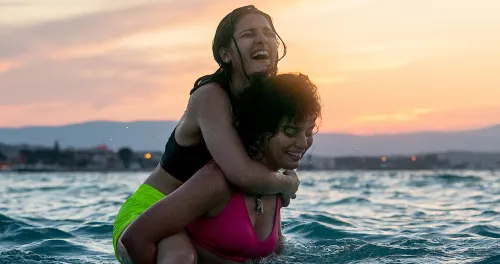
The Swimmers tells the true story of sisters Yusra and Sara Mardini (played by fellow sisters Nathalie and Manal Issa), Syrian swimmers trained to compete at the Olympics. When their athletic goals and overall safety are threatened by the increasing presence of war, the girls decide to take a chance and migrate to Europe, where they hope to live out their dreams and reunite with their family someday.
The Swimmers is a touching family drama that does right to center on the love and tension between the siblings. Yusra and Sara’s relationship perfectly encapsulates the envy and resentment but also the deep love and loyalty that are present in every sister bond. It’s tender in these moments, but it can also be equally searing—as a refugee drama, it chillingly tracks the complicated and inhumane processes of fleeing one’s country for a safer future.
The Queenstown Kings is a sports film that has plot points we’re all familiar with – alcoholic father trying to seek forgiveness from his son, a tempting offer for fame and riches, the standard training montage and more. These plot points sometimes go into melodramatic territory, but the film’s relationships make these scenes feel sincere, especially with the family dynamic that drives the film. And as Buyile strives to better himself to become a good example to the team, and Fezile makes different choices from his father, The Queenstown Kings feels sincere as a reminder of the better side of South African men, one that can be uncovered if they, and their community, believe in a higher dream.
A murder mystery on one hand and a supernatural dramedy on the other, School Spirits is an engaging teen series that recalls plenty of past movies and shows before it. Like Ghost and The Lovely Bones, the protagonist is a murder victim attempting to solve the mystery of her death, and like the BBC/CBS show Ghosts, it gathers an eclectic group of spirts from different eras and plays off their obvious differences.
It’s spirited and spunky, and though it sometimes edges on soapy territory, it’s mostly saved by the confident performances of its young actors. Watch this if you’re looking for to binge a good whodunnit or an unconventional high school drama (or both)—it’s both those things, and little more.
From Me to You: Kimi ni Todoke is a high school romance drama. It’s sweet, it’s wholesome, and it’s comfortingly familiar. It leans more on its romance than its comedy. It doesn’t have high stakes fantasy or action-packed battles, but it captures the high school experience in such a lovely way. Of course, the show would likely reach its romantic happy ending, but what makes the show compelling isn’t just the thrill of connecting with a crush– it’s the inspiration for Sawako to open up, and enable her to connect and have friends. The live action adaptation may not fully capture everything from the original and it speeds through the plot, but it retains the parts that make it work, even for viewers totally unfamiliar with the story.
Education is a human right, but for many girls around the world, this isn’t necessarily guaranteed– especially if they want to learn past the required years of basic education. Yuni is a coming-of-age drama that depicts a girl in West Java, Indonesia who wants to go to university, but due to the marriage and virginity culture in the area, her main problem isn’t having to pass the entrance exams, or figuring out how to get financial aid. Instead, it’s having to fend off marriage proposals that clearly don’t come from a place of love. Writer-director Kamila Andini depicts the titular protagonist with the freedoms rarely granted to a girl like her, with the happiness and belonging all girls should be able to find solace in, but she also depicts the casual ways oppression lingers in the background, with society just waiting to kill women’s dreams, hopes, and personal goals. Yuni is an honest and powerful portrait of many women around the globe.
Swagger could’ve easily been a generic sports drama about an ambitious prodigy who, against all odds and through sheer determination, makes it to the top. It is that, but it’s also so much more. Swagger offers biting commentary on race and economic realities, as well as heart-warming and relatable stories about family, love, and coming of age. It’s finely acted, with everyone from the kids and their parents to the coaches offering lived-in and realistic performances. The show is most reminiscent of the 2000 film Love & Basketball, which would make sense since the latter is directed by Swagger director Reggie Bythewood’s spouse, Gina Prince-Bythewood. Swagger and Love & Basketball have unique differences, of course, but both deeply understand and powerfully speak to the Black experience.
Prayers for the Stolen takes more time to observe life in its rural town, than to showcase the action and violence inflicted by the cartels that pass by. It’s a needed perspective. This move drives home how long these cartels were left unaddressed, as the women of the town have gotten used to the danger and were unable to leave for whole generations. It makes clear how their lives have been interrupted, limited, and held hostage at the whims of whichever group takes over the village. But it also allows writer-director Tatiana Huezo to help us witness the love and tenderness Ana holds for her mom and friends. Prayers for the Stolen is tough to watch because of the safety they lack, but it’s also a beautiful tribute to the relationships they’ve forged despite that.
As is sometimes the case with multi-genre shows, Paper Girls starts off slow and gives us a lot to process at the onset. But if you give it some time, the eight-episode series delivers both on the sci-fi and drama fronts. Sure, it could benefit from a bigger CGI budget, but the world it imagines about timekeepers and time benders is inspired and intriguing, certainly worth exploring as much as we do the lore behind shows like Doctor Who and Loki.
That said, the series is at its best when it centers on its mundane leads, the titular paper girls. The conversations they engage in and the epiphanies they have are gut-wrenching, not only because of their sentiment but also because of their truth. These 12-year-olds are confused and anxious and awkward and lonely—preteen girls on the brink of adolescence. The show doesn’t shy away from those qualities and parallels their volatility with sci-fi elements. The result is a nicely balanced story, equal parts thrilling and touching. It’s the perfect watch for people who enjoy fares like Back to the Future, E.T., and Stranger Things, which are themselves perfect blends of the sci-fi and coming-of-age genres.
It’s tempting to say that Heartbreak High, with its gloriously unfiltered takes on relationships of all kinds, is just another Sex Education replica, especially since both shows don the same multicolored fashion and Commonwealth accent. But while Heartbreak High isn’t breaking new ground by having kids and adults talk openly about sex and gender, it’s also bold, funny, and insightful in its own right. The characters are well-drawn and the problems are relatable; the show itself is sometimes annoying but also, more importantly, authentic. It’s perfectly imperfect in that contradictory teens can only be.
Narrated by the familiar voice of Jack Black, Apollo 10 ½ is a throwback story told with admirable specificity and imagination. Black plays a grown-up Stan, who looks back on his younger years with a mix of fondness and wonder: how did they get away with the things they did then? American suburbia in the 1960s was both loose and conservative, caught between a generation holding on to the reins of the earlier century and one eager to launch into the next.
Stan, as the youngest child of a big, rowdy family, gives us a charming look into the times, as well as a projection of his own fascination: Apollo 11 and the space age. He inserts himself in this monumental narrative and generously brings us along in his fantasy. Sometimes it’s hard to tell whether Stan’s recruitment by NASA is actually fact or fiction, but that’s part of the fun, especially since Stan himself doesn’t seem to mind at all.
When travelling to another place, another city, another town, there’s a certain anonymity that frees one’s self. No one knows who you are, so you’re not expected to maintain a certain personality, and that can be necessary for young people trying to find their way. The Breaking Ice shows this in a fairly sentimental way, juxtaposing the wintry, snowy landscape with the warm but fleeting connection forming between three lonely adults, but there’s just something honest in the way the three try to hide but still share the same youthful ennui, even if they come from vastly different backgrounds. The Breaking Ice might not be daring enough to delve into the queer aspect of this trio, but it’s still a lovely, well-crafted drama contemplating the youth’s melancholy.
Most people wouldn’t think that math is a transferable skill to the culinary arts, and in reality, it probably is. Fermat’s Cuisine disputes that, as Gaku Kitada makes the unique career shift from becoming a mathematician to becoming the head chef of the restaurant. While most people (ourselves included) won’t really understand what kind of calculations he makes in order to succeed, it’s easy to sympathize with Gaku’s troubles as he tries to make a new start. It’s also an intriguing mystery to try and figure out what happened between this start and his later success. Choosing a career path, finding a good mentor, and trying to learn something new are things everyone goes through. Fermat’s Cuisine confidently suggests math is the answer.
With teen dramas crowding not just Netflix but all of TV, it’s easy to think that the Jordanian series AlRawabi School for Girls won’t be any different. But while it may share a lot of similarities with other coming-of-age stories, it stands out for its willingness to explore dark themes and cultural specificities without a pandering tone. It’s smart, mature, and complex enough to give us a feminist lead who weaponizes misogyny against other girls, for instance, or a fierce bully who eventually earns our sympathy. It’s hard to imagine the treatment being this sensitive, nuanced, and wholly engaging without the all-female cast and crew that AlRawabi thankfully has.


x8