
Movies to Watch With Coming of age (Page 2)
To access filters, visit our homepage.
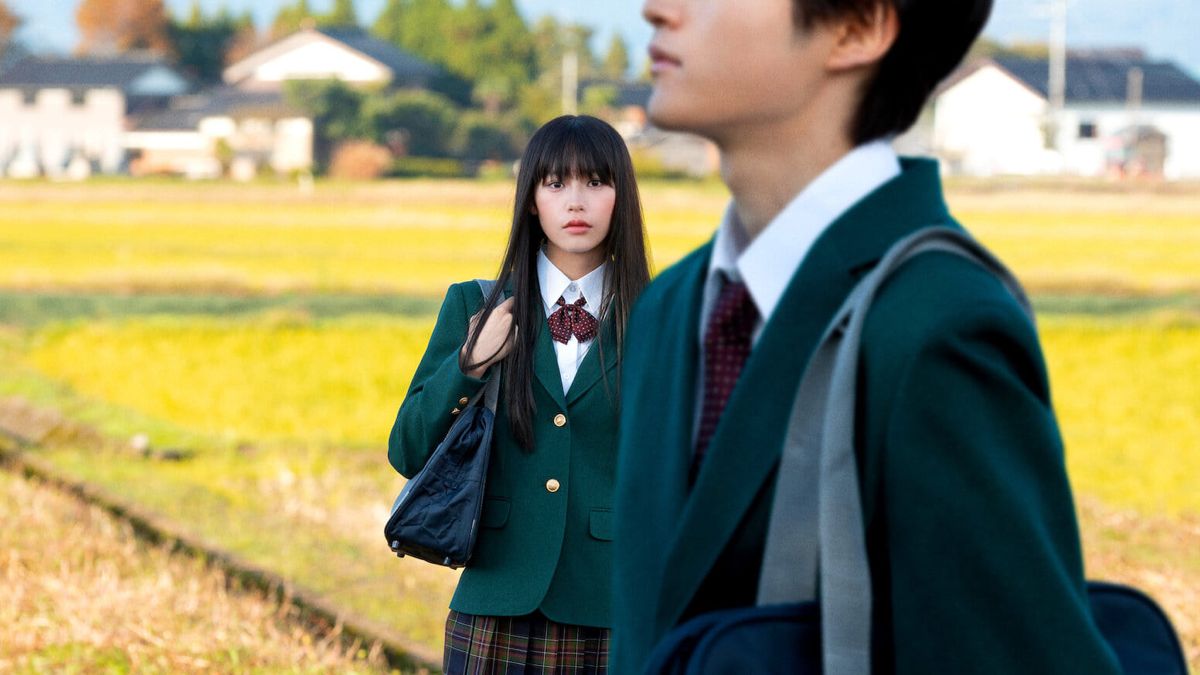
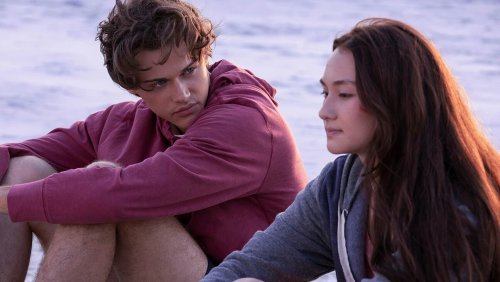
Stills and synopses of The Summer I Turned Pretty make it seem like typical teenage fluff. It isn’t. Sure, it starts off cheesy and predictable, but it quickly blossoms into something rich and earnest and far more significant than the sum of its parts. The love triangle is merely a jumping-off point to better understand these flawed characters and the people around them. Outside of Belly’s coming-of-age journey, there is her brother who encounters a rude awakening on race and class, and their mother who, fresh from a divorce, attempts to establish an identity of her own. Everyone has their own thing going on in this series, so it’s easy to feel invested in their fleshed-out failures and triumphs.
It also feels authentically young; the music sounds like it was curated by an actual teenager, while the performances are raw and believable, not stilted and forced as it often is with teen series. The Summer I Turned Pretty is familiar, but comfortingly so. Watch this if you’re yearning to re-live the magical, heartbreaking feeling of being young and in love for the first time.
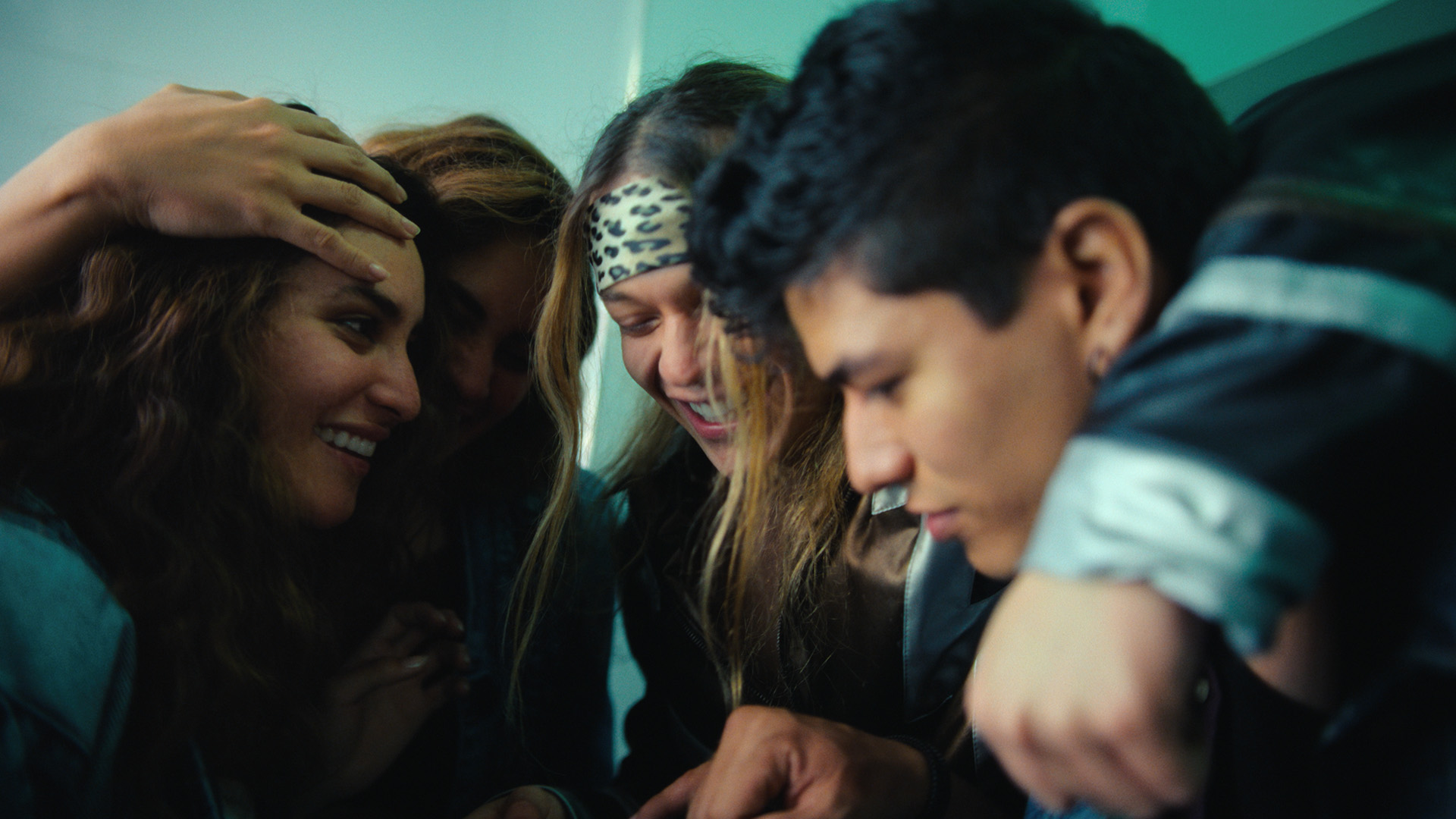
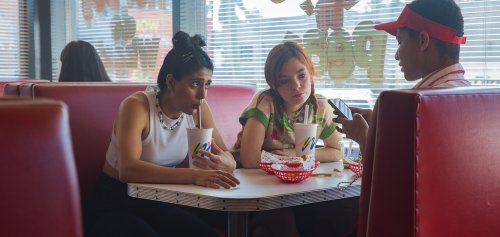
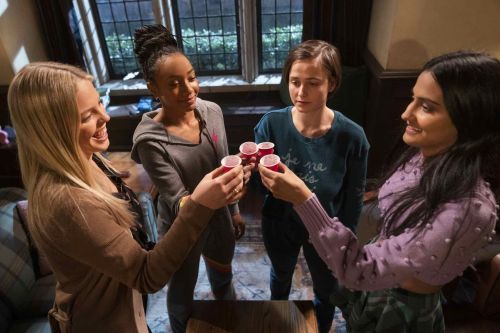
Four college freshmen from different parts of the country come together as roommates to earn their bachelor’s degree, sure, but more than that, to explore their newfound independence, experiment with each other, and establish a sense of self that they can truly be proud of. In other words, they’re out to get an education, in every sense of the word. This is The Sex Lives of College Girls, a ten-episode series that delivers everything the title promises and more.
More than just a raunchy show (although it’s exciting in that regard too), The Sex Lives of College Girls is an earnest and charming account of what it’s like to navigate that murky, undefined space between youth and adulthood. This gives way to honest and sometimes brutal experiences, but they’re always balanced with the kind of fun, flirtatious hilarity that has long defined showrunner Mindy Kaling’s work (Never Have I Ever, The Mindy Project). Hilarious, relatable, and incredibly breezy, The Sex Lives of College Girls is one perfect binge.
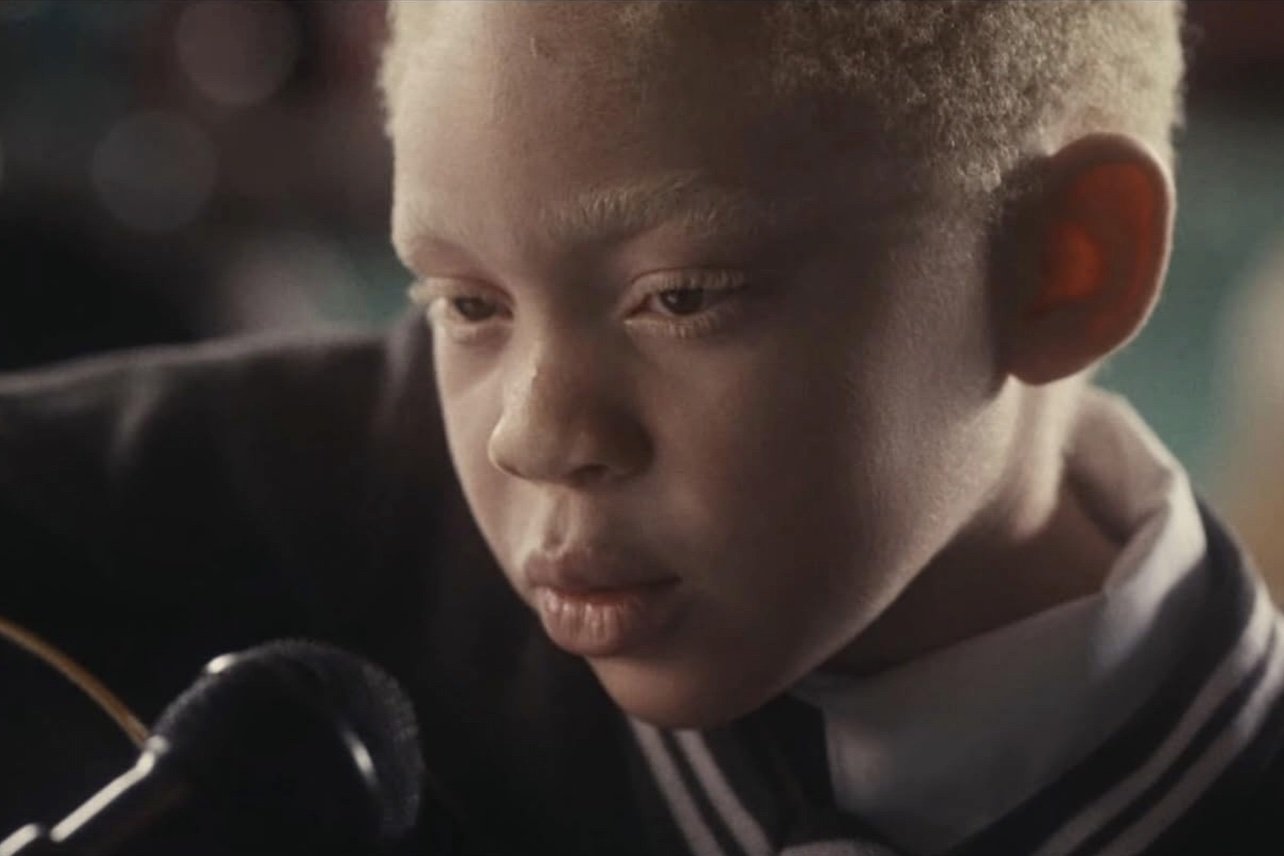
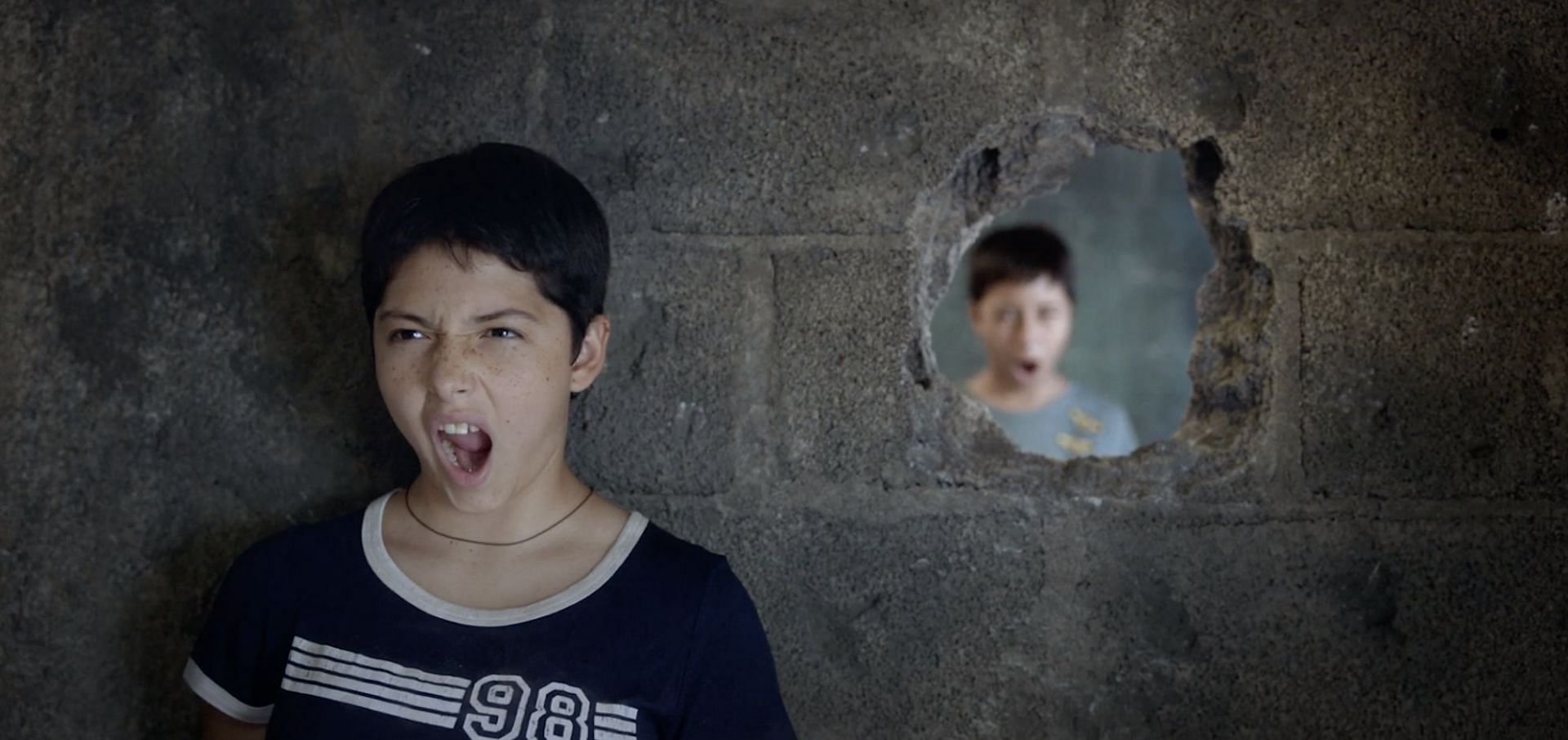
There are many ways through which a friendship can form, but sometimes, it’s due to compassion for someone who needs help. Despite the somewhat fantastical clairvoyant premise, Beautiful Beings is mostly about this simple friendship formed with a bullied kid, which turns out not to be so simple at all. From a bummed cigarette, the friendship grows into a protective support system, filling up parental neglect with teaching each other how to live, but while some of these moments are totally wholesome, other moments lean into mischief, and sometimes violent danger. It may be a fairly familiar coming-of-age premise about male friendship, but Berdreymi executes it well, has a compelling cast, and isn’t afraid to go dark when necessary.
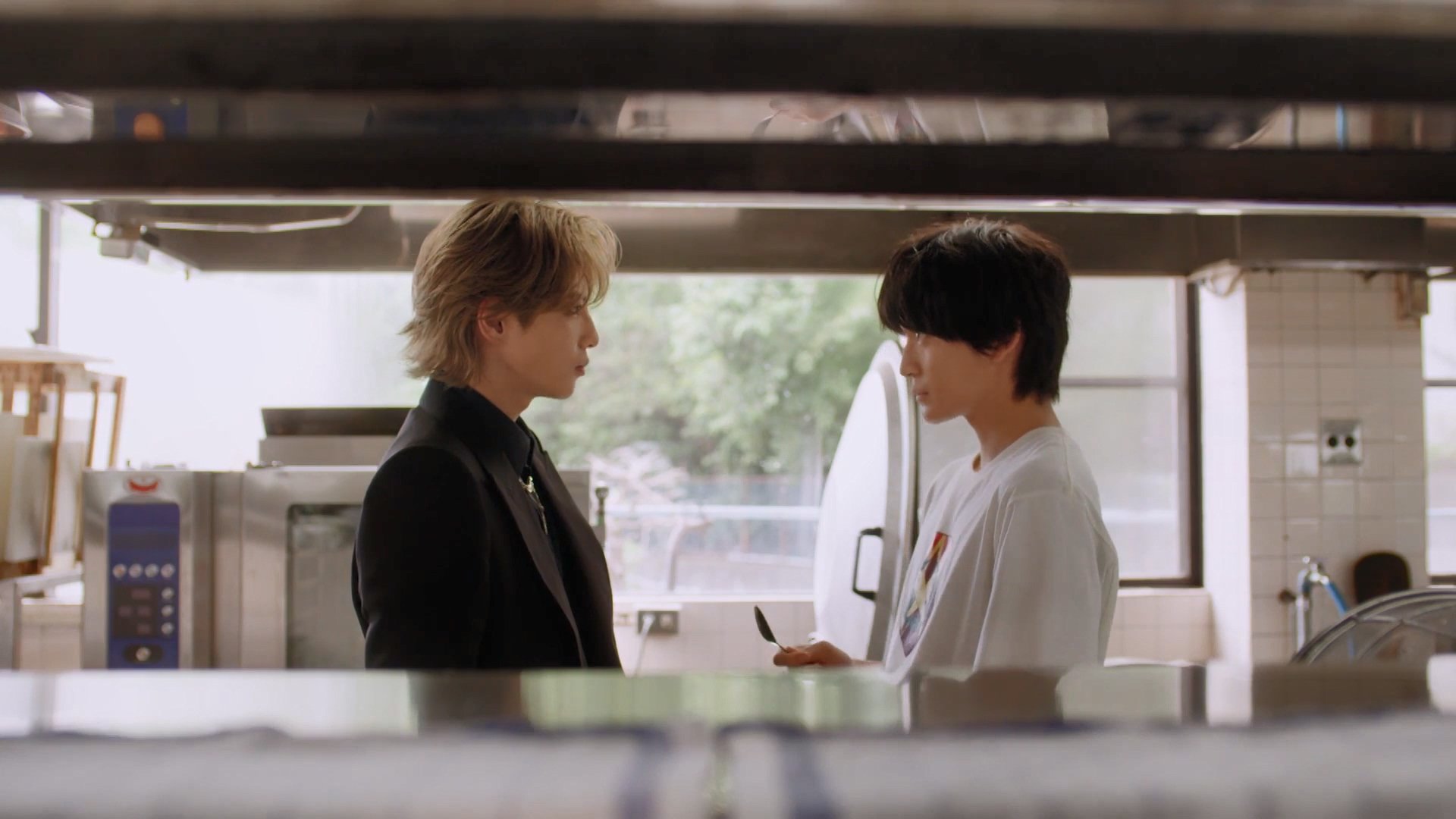
Simple yet captivating, Skip and Loafer is a slice-of-life anime with a refreshing approach to the high school experience. While the anime genre is mostly known for its bright, high-saturated colors and action-filled, fantastical plots, this show celebrates the ordinary, with its pastel toned design, sweet humor, and clean animation. The series is centered around the main duo Mitsumi and Sosuke, but it never skimps on their friendships with their group. In fact, despite the classmates’ different backgrounds, the show’s thoughtful introductions make it easy to see why they would all care for each other, even as we get to know their insecurities. Skip and Loafer feels like a hug from the childhood best friend you had (or the one that you wished you had) – the one who you hung out with after school, the one who inspired you, and the one that changed your life for the better. Every episode is just full of pure, simple joy.
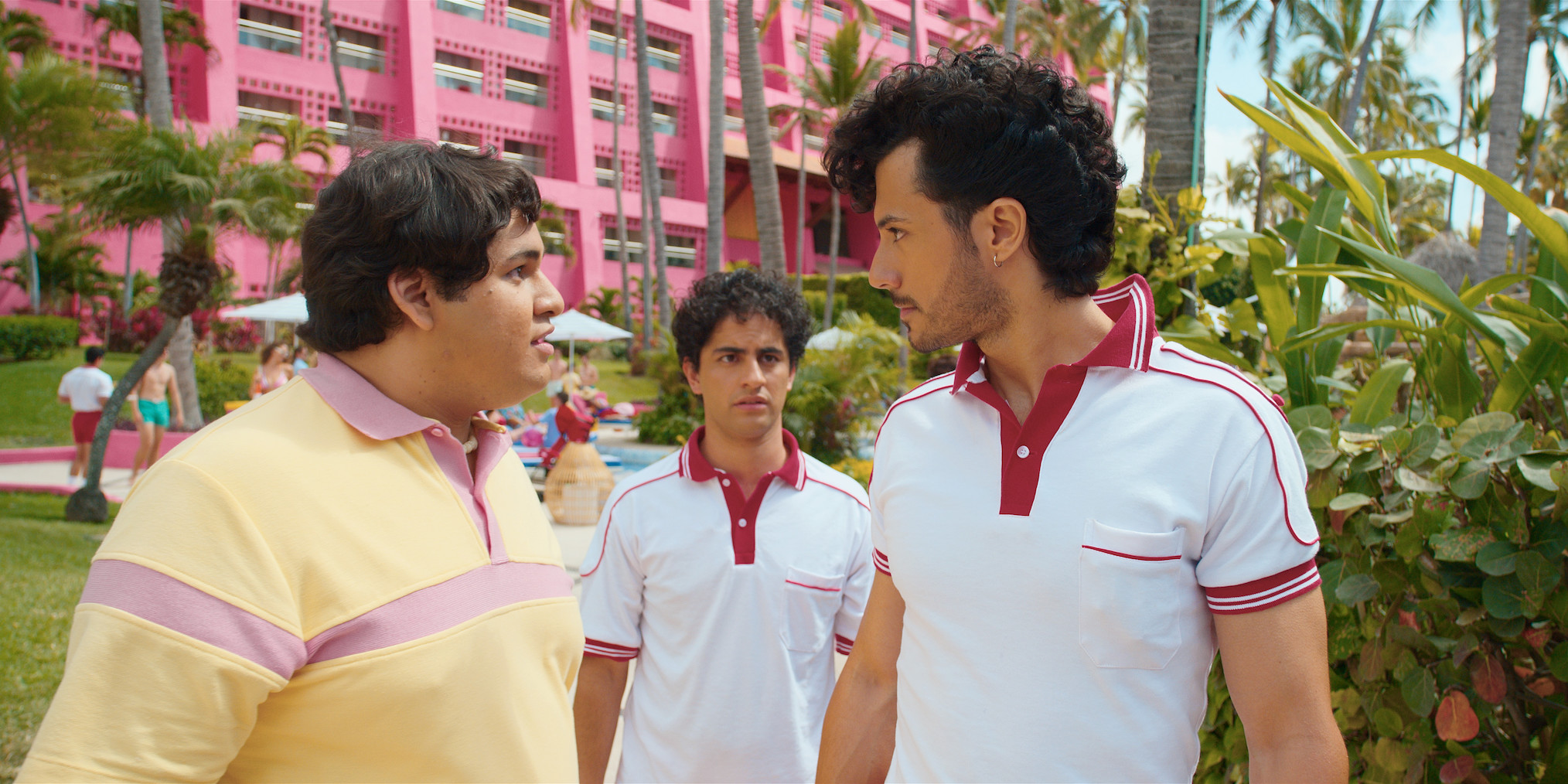
There is an art to making a comedy that can be enjoyed by all ages—a balance must be kept between mature and genial humor, serious and unserious matters—and it’s an art that Acapulco manages to execute with finesse. There’s something for everyone here, whether you’re a kid looking for a good story or an adult wishing to drive by memory lane.
The colors are vibrant, the characters are alive, and the plot, while familiar, is charming nonetheless. But perhaps the best thing about Acapulco is its call for viewers to be kind. It’s never explicit or preachy about it; it just comes naturally, by way of practice.
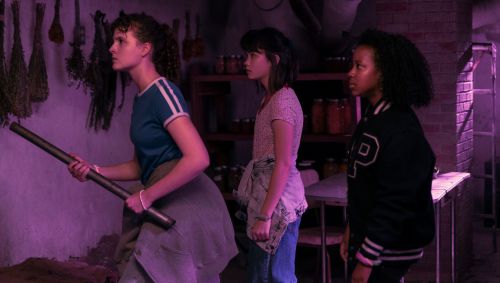
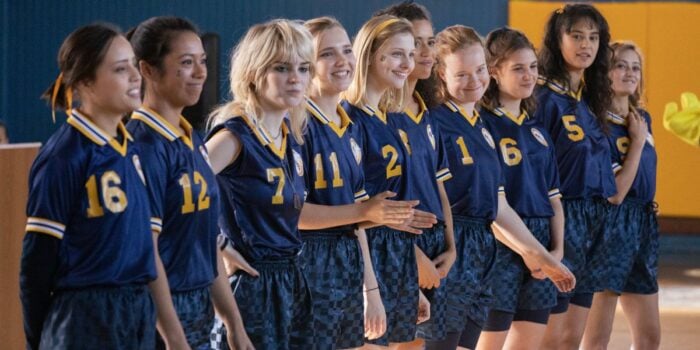
When a girls soccer team is left stranded in the wilderness, things quickly descend from worrisome to outright, delightful, and sometimes unbearably weird. It’s a classic tale of survival injected with fresh mystery and drama, and as you watch these girls navigate humanity in all its extremes—from the primal urge to live to the existential need to bond—you’re left feeling both wildly entertained and deeply disturbed all at once.
Though Yellowjackets has drawn comparisons to beloved stories like Lost and Lord of the Flies, its unique pulse on the female experience is arguably its own thing: a sure and instant classic in the making.
Leo and Remi are close. They play, eat, and sleep together, and in between those moments, they share every thought they have with each other, no matter how big or small. Theirs is a precious friendship, as pure and as intimate as can be, but all that changes when they begin middle school. Subject to heteronormative norms and preteen mockery, their friendship starts to crack as Leo and Remi’s different definitions of manhood emerge.
Subtle but evocative, quiet but deeply powerful, Close takes a closer look at boyhood and male friendships—how they’re lived, defined, and seen. Plenty of questions go unanswered in this film, but if you’re comfortable with simply empathizing with the characters rather than knowing every answer, then Close comes highly recommended.
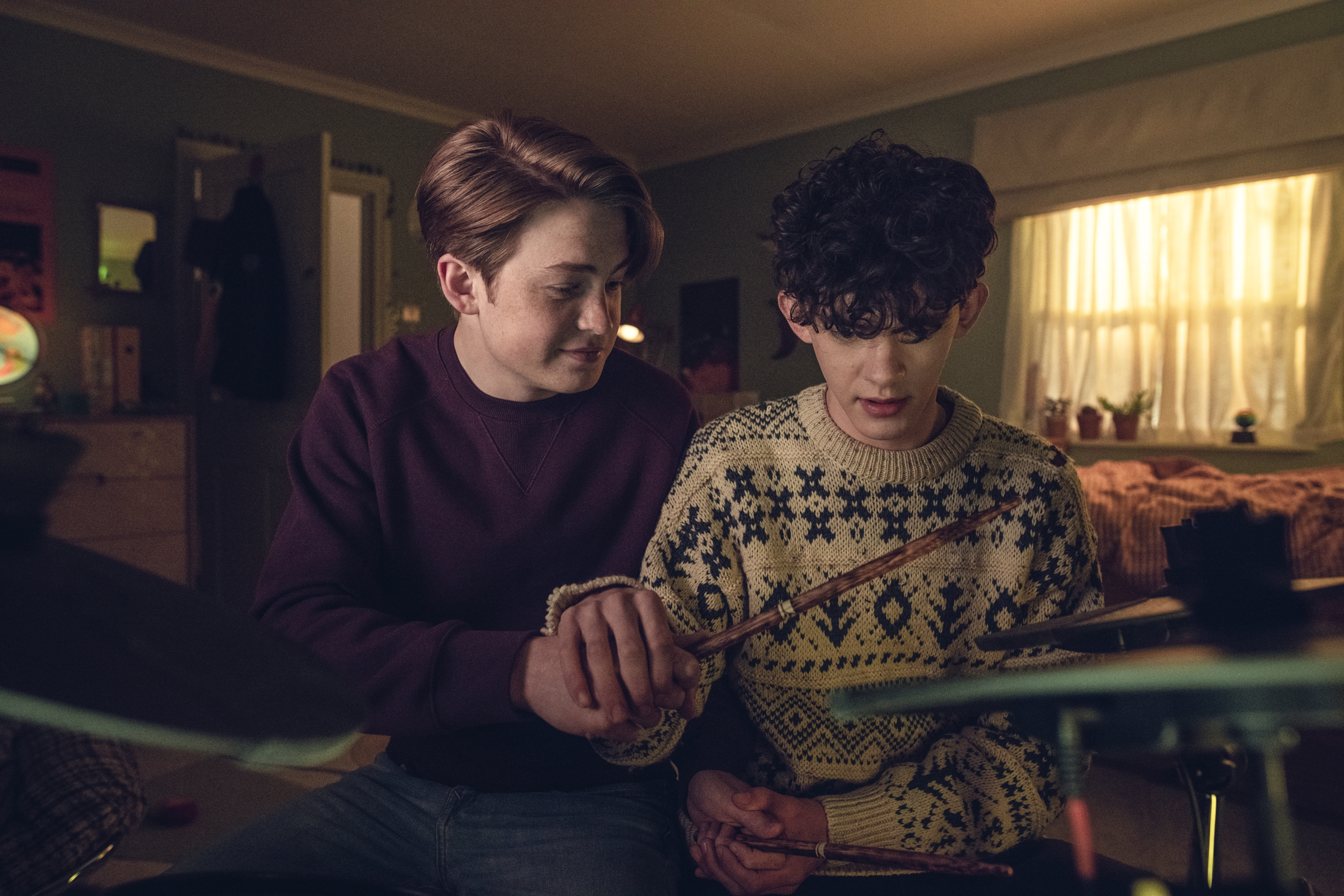
Life should be difficult for Charlie Spring, an openly gay student in an all-boys high school. And it is, to be sure—he’s mocked, ridiculed, and at times literally shoved to the sidelines. But Hearstopper doesn’t just dwell on misery; rather, it shows us the many colors, the multifaceted wonders, of Charlie’s life. His friends, family, and newfound crush, Nick, help keep him afloat in the murky waters of teenhood.
Like the show itself, Charlie and Nick are insistently sweet and charming, which can feel bold in a world that is driven by so much cynicism and hate. It’s this glowing sensitivity, coupled with the show’s inclusive characters and levelheaded insight, that make Hearstopper a heartwarmingly good watch.
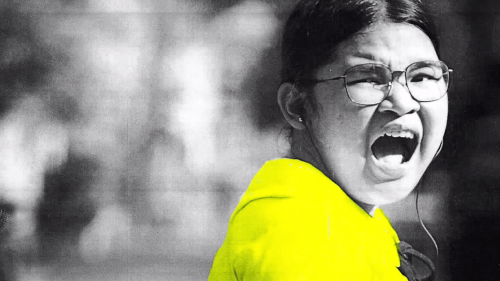
In Letterboxd, Cleaners was once the highest rated film of 2021, and was once in the list of the top 250 narrative features overall before the rating system changed in 2023. To viewers outside the Philippines, this might have been mind-boggling, especially since the film wasn’t yet released internationally the year it premiered, but it shot up the ranks for a reason. The coming-of-age anthology just looks so different, being filmed live, then xeroxed and highlighted, frame by frame, just like print-outs for school. The unique approach evokes a sense of nostalgia in high contrast print and blurred movement, and it’s matched with the classic Filipino coming-of-age moments that has rarely been seen before.
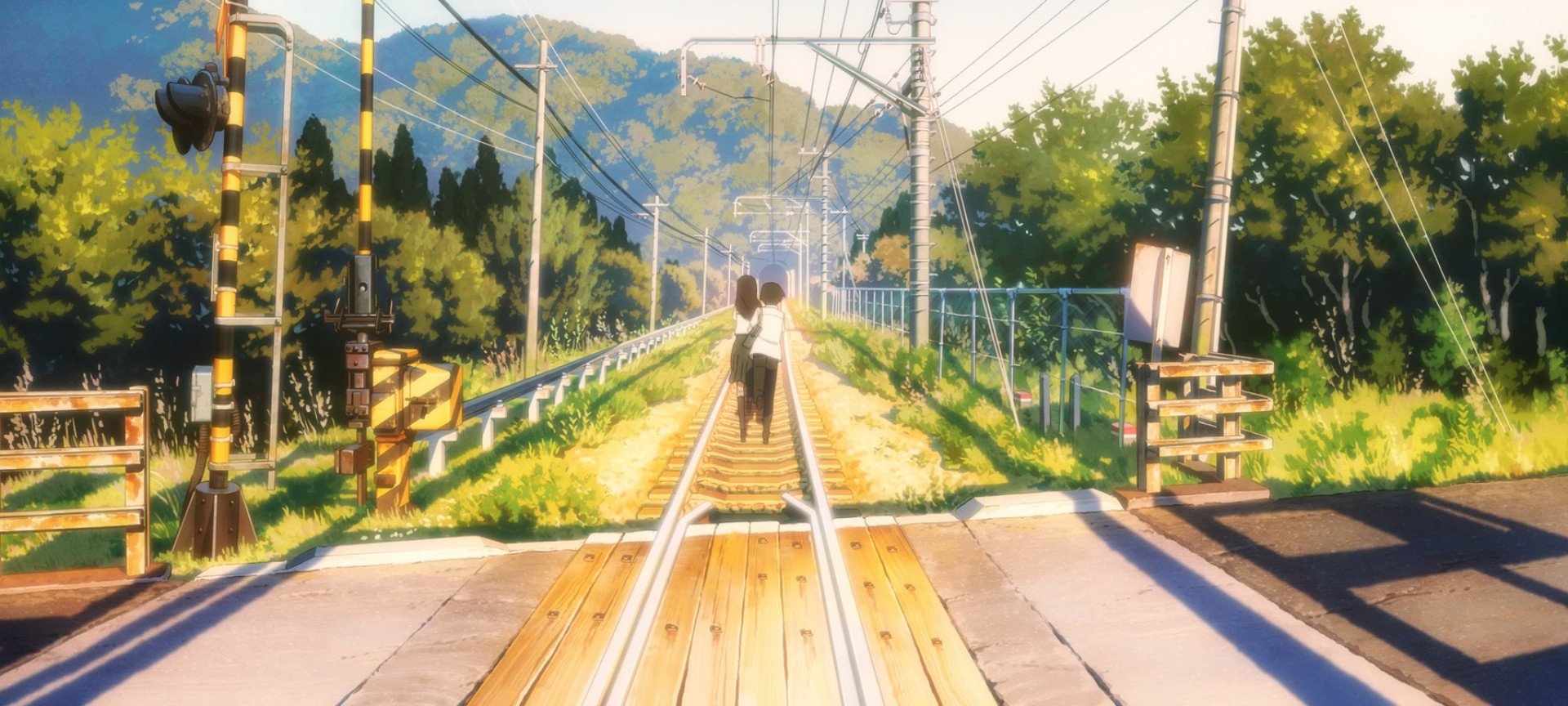
With time-bending natural phenomena linking two teenagers into a romance, there’s no denying that The Tunnel to Summer, the Exit of Goodbyes can feel a tad too similar to the internationally acclaimed Your Name (2016). Right off the bat, it doesn’t compare. Nonetheless, the film still works because of the key difference between them. Unlike the earlier film, the time travel is triggered not because of being magically bound to save a whole town from natural disaster, but due to the regret, sorrow, and personal trauma that shifted the course of their lives. It makes for an intriguing sci-fi metaphor about co-dependency and healing through one’s first relationship. The Tunnel to Summer, the Exit of Goodbyes may not compare to other anime time travel adventures, but it’s animated beautifully and it effectively captures that wistful feeling one gets with their first love.
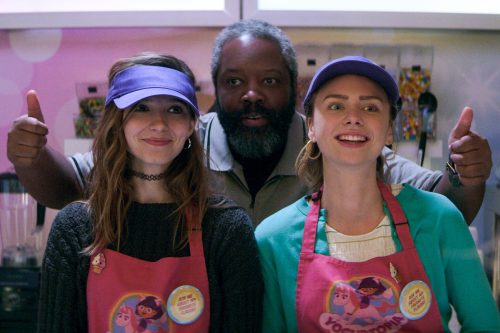
With the deluge of hyper-stylized teen shows everywhere (but especially on Netflix), Teenage Bounty Hunters comes as a refreshing and welcome surprise. Sisters Blair and Sterling, played by Anjelica Bette Fellini and Maddie Phillips respectively, strike the perfect balance between spiky and endearing, creating a chemistry that’s rare to see among TV siblings. There’s friction but also love all around.
Their interactions alone make the series thoroughly enjoyable, but their coming-of-age hijinks and comedic timing, especially around their reluctant mentor Bowser (Kadeem Hardison), make it an absolute must-watch. If you enjoyed Booksmart but wished it was more action-packed, you’ll surely love this show.
What do you do when you fall in love with your teacher? It’s not unheard of that a student gets a crush, but given the age gap, the power dynamic, and the obvious ethical ramifications, normally, nothing should come of it. But in Dreams, this crush becomes the muse for Johanne to create an unexpected literary masterpiece. For those squeamish about the possibilities, there’s no need to worry, everything’s all above board. Even so, director Dag Johan Haugerud manages to capture that intensity a crush does spur on, especially in that age. This coming-of-age drama dances around some of the dilemmas, but it does honor Johanne’s interiority in a clear-headed, nuanced way.
There is a warm glow and a languid mood about We Are Who We Are that makes it feel familiar for anyone who’s seen Luca Guadagnino’s works. But this eight-part series is longer than the auteur’s films (a stacked list that includes Call Me By Your Name and Bones and All), and so it can feel slow at times, dragging even. Still, it’s easy to forgive because of the relatable characters that lead the show. They’re confused, curious, and willing to bend their identities forward and back to learn something true about themselves. Nothing is set in stone here, neither gender, relationships, or politics, but that’s what makes it so validating to watch. It’s a complex picture—pretty but complex, as life often can be.
On-screen, we’ve seen downtrodden Cinderella-esque leads, we’ve seen humans transform into animals, and we’ve seen whole families cursed, but Fruits Basket takes all these plot devices and transforms them into something completely different. As Tohru Honda gets to learn about the mysterious Sohma family, and she and friends gets into fun and wacky hijinks with the curse, the series takes the legend of the Chinese zodiac as a unique and effortless means to discuss systemic, generational abuse and resulting trauma that can occur within a family. The classic shoujo manga was first adapted into anime in 2001, but we’re recommending the later 2019 adaptation, which goes more in depth and depicts the complete story.
Director Crystal Moselle based Skate Kitchen on NYC’s eponymous crew of young female skateboarders, who actually play fictionalized versions of themselves here. That real-life casting lends the film a documentary-esque quality: the girls’ bantering chemistry and die-hard loyalty feel warmly authentic, and the movie would be well worth a watch just to bask in this vibe alone.
The Skate Kitchen girls are an eclectic bunch, but what’s so refreshing — and therapeutic — about the film is that they’re also deeply, instinctively empathetic. These misfits don’t just tolerate but celebrate one another’s uniqueness and respect their differing boundaries (the way the girls and the movie treat shyness as a feature rather than a flaw to be resolved is particularly moving). What’s more, in its own low-key way, Skate Kitchen is an inspirational watch for its portrait of young women building the sanctuary they need themselves — not just in a largely male subculture but on a broader canvas, too. Rather than skulk anxiously on the sidelines, the girls use skating to carve out a space of their own in New York, a way to make the big, scary city feel warm and intimate. Amidst all the steezy ollies and clean rail grinds, these might just be the greatest tricks they pull off.
Dickinson takes more than a few creative liberties in telling the story of one of America’s greatest poets, Emily Dickinson (played here by the effervescent Hailee Steinfeld). As soon as the first pop song blasts in the background, followed by more than a few expletives blurted by the characters, it becomes clear that the series is more interested in making Emily’s life story not just understandable to a new generation, but timeless and universal too; it’s a tale about freeing oneself from the constraints of gender and society, and how regardless of whether you succeed or not, it’s the attempts that keep us human.
The series is funny and tender and vivacious, kept afloat by its modern sensibility and desire to showcase a whole new side of Emily. Here, she’s a fighter, a (queer) lover, and an intellectual. But she’s also spoiled, narrowminded, and selfish—she is after all, still a growing girl. Dickinson succeeds on two counts: as an enlightening biopic, artistic license notwithstanding, and as an energizing coming-of-age series, complete with awkward epiphanies and inspiring character developments.
Co-created and co-produced by an amazing duo, Maya Erskine and Anna Konkle, who play fictional versions of their 13-year-old selves among a bunch of actual adolescents, Hulu’s PEN15 is a painfully funny teen sitcom about two friends going through middle-school together. With meticulous detail, it is set in the 2000s, including the discmen, the khakis, and the AOL dial-up sounds, but you certainly don’t have to be 30+ to enjoy the masturbation, boys, overall awkwardness, and other superbly spun teen comedy tropes. Erskine and Konkle’s middle-school experience was obviously all about being the lesser cool kids and they embody this to the fullest. It’s hilarious and cringey, sometimes gross, but also insightful. A lot of fun!
Survivors are often painted in a brave light; they’re applauded for their resilience and toughness, and in the case of school shootings, many of them are also expected to take up arms and fight the good fight. While this is of course laudable, many survivors are simply trying to get by. Unable to process trauma and inexplicable loss, they become withdrawn, depressed, and reckless—not exactly noteworthy traits, but understandable and equally deserving of empathy.
The Fallout shifts the focus on this side of survival by following Vada in the aftermath of a school shooting. Unlike her peers, she fails to cope positively and becomes increasingly self-destructive. But it’s through this unsentimental portrayal that The Fallout achieves a frankness and rawness that few films like it have.
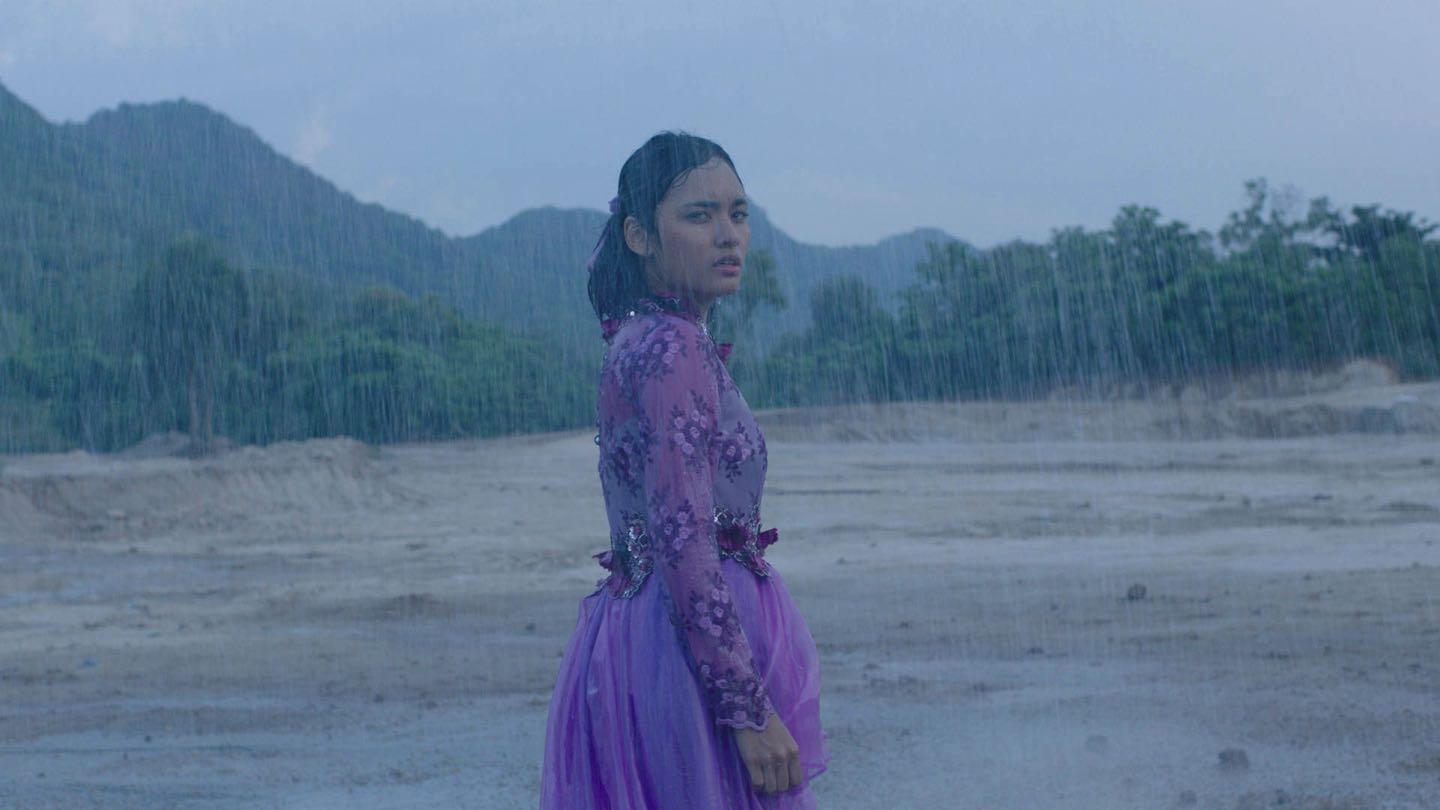
It’s rare to see a prequel surpass its antecedent, but Pearl is that exception. You can watch it before or after X and still get the same satisfaction from piecing together the puzzle of Mia Goth’s many roles (three in total across the trilogy). If the first film owed a lot to slasher classics like the Texas Chainsaw Massacre, the second (surprise!) channels The Wizard of Oz and nods to the splendiferous melodramas of Douglas Sirk. The jarring form-content opposition here makes sense, as we’re seeing through the eyes of the main character, who most of all dreams of being in a movie. Because of that very same whimsy, everything has to change: the violence is not as explicit and the role of sex is brought to the forefront. All hail the new kind of final girl: a farm girl-turned-star.
There is so much power to this story based actor Shia Laboeuf’s life. As a kid, he lived with his father on the road during the filming of Even Stevens and other star-making roles. His dad was a war veteran who goes to bikers’ AA meetings and who had a brief acting career himself. He was full of anger that made Laboeuf later suffer from PTSD, but which he was able to perceive in a fascinating way.
Putting Laboeuf’s fame aside, this is an incredible movie on emotionally abusive parent-child relationships. It’s a universal story. With Shia Laboeuf as his father and Lucas Hedges as current-day Laboeuf.
College seems to be teeming with possibility, in a more substantial way than adulthood or high school feels, since for many people, it’s the only time where one lives alone and makes decisions for their lives selfishly. Shithouse captures that moment with a candid sentimentality, all marked by a shared late night that changes the way the whole college life feels. Cooper Raiff captures this time of a freshman uncertainty with actual palpable emotions, acting, writing, and directing with a freshness that filmmakers aspire to but never seem to get on screen, and it’s this mumblecore-inspired feature debut that made him a filmmaker to look out for. Shithouse is pure college nostalgia.
That this film, an adaptation of a beloved classic and girlhood staple for 50 years and counting, is able to retain the same power, charm, and wisdom as the source material by Judy Blume is impressive in and of itself.
Director Kelly Fremon Craig (Edge of Seventeen) turns the must-read novel into a must-see film, as urgent and relevant as ever in its frank portrayal of feminine woes and joys. Buying your first bra, getting your first period, losing a friend, doubting your faith, seeing—really seeing—your family for the first time, and knowing in your heart what you stand for…these are some of the thorny requisites of womanhood, and Craig navigates them with a bittersweet ease that never feels pandering nor patronizing. Like the book, the film honors this young person’s big feelings by centering them in a sprawling story that involves other characters, who are just as fleshed-out as the lead. Rachel McAdams deserves special mention for turning in a sweetly nuanced performance as Margaret’s mother Barbara, an artist attempting to balance her domestic role with her career goals.
The film may be 50 years in the making, but it tells a timeless tale that will continue to hold the hands of teenage girls for generations to come.
Surreal, strange, yet wondrous, Penguin Highway never takes a straightforward approach to its story. Penguins pop up out of nowhere, leading the nerdy and precocious Aoyama to study them via empirical observation and logical deduction. These studies don’t end up with a feasible explanation– in fact, by the final act, the film abandons all laws of physics. But the journey to that act feels intuitively right. This journey feels like an indescribable formative experience. Aoyama may be obsessed with growing up and committing to the reasonable adult mindset, but he is still a child. From fending off bullies to forming connections with others, his childhood imagination served him better than science could. The film reveres this discovery as well as it should.
Earnest, beautiful, and tender, Luca Guadagnino’s Bones and All is many things: a road trip movie that sweeps the midwest deserts of 1980s America; a coming-of-age story that brings together two outsiders into an understanding world of their own; and a cannibal film that is unflinchingly flesh deep in its depiction of the practice. Bizarrely, these seemingly disparate elements work harmoniously to create a film that you won’t soon forget, not least because of its rawness.
As the aforementioned outsiders, Maren and Lee (Taylor Russell and Timothée Chalamet, respectively) are bewitching—individually sure but especially when they’re together. They have a bond that is quite difficult to replicate onscreen, charged as it is with so much chemistry and warmth. The background players also bring their a-game when called for, especially Mark Rylance as the disturbing stalker Sully, Michael Stuhlbarg as the creepy but good-willed Jake, and Chloë Sevigny as Maren’s stark mad mother.
It’s worth repeating that this movie goes all in on the gore, so steer clear if you don’t have the heart for these sorts of things. But if you do, the viewing experience is rewarding. Bones and All is as romantic as they get, and rather than bury its message, the many layers on top of its core serve as a meaningful puzzle to unpack and unravel long after the credits roll.
This is Breaking Bad meets The Social Network. Based on a true story that took place in Leipzig, Germany in 2015, this show is about Moritz, a high-schooler who starts Europe’s biggest drug market online. He initially does this to impress his ex-girlfriend, who had just come back from the States with new drug experiences.
The transformation of a nerd into a drug kingpin is fascinating. But because it is based on a true story, there is an important nuance to that transformation. Moritz is rarely portrayed as a hero, and his creepy side is always present. This makes for an interesting and exciting plot-heavy show.
We’ve already seen the coming-of-age conflict presented in Música in other films– namely, where parents, society, and loved ones expect things from a male protagonist, but he has a passion for his creative endeavors, only awakened by a gorgeous girl that recognizes his talent. It’s a cliché storyline, even for a musical, but we’ve never heard it this way before, the way Rudy Mancuso takes in the day-to-day noise of his Brazilian neighborhood in Newark and turns it into a musical soundscape paired with rhythmic dancing, theatrical set pieces, and a metanarrative portrayed by his puppets that he says is unfortunately real. There’s something special in the way Mancuso’s directorial debut unfolds, so visually and sonically creative, with a lot of heart that we’ve been missing.
This comedy is about a girl whose family moves to the U.S. on September 2001. She grows up to excel academically but, as she asks from the shrine in her room on her first day of sophomore year, she has yet to be cool. “I want to be invited to a party with hard drugs,” she prays, “not to do them, but just to say: no cocaine for me, thanks. I’m good.”
The show is narrated by tennis legend John McEnroe who was known for his explosive temper (played recently by Shia Laboeuf in Borg vs McEnroe). It’s a genius arc because Devi is a “hothead”, exactly like McEnroe. Instead of recoiling, Devi keeps boiling over, making for a fresh and original high-school comedy.
Present-day Mexico City—Ariela comes from a Jewish family that insists on getting married only to people of the same religion. This rule is complicated when Ariela falls in love with the non-Jewish Iván. She is then faced with the dilemma of choosing herself or her family, who for all their severity, she still loves deeply.
Leona’s modern-day retelling of Romeo and Juliet recalls the likes of Crazy Rich Asians and The Big Sick, but unlike those big-budgeted movies, this intimate Spanish-language film exchanges melodrama for restraint, and it’s all the better for it. Leona is a quietly moving story that’s easy to relate to, despite the specificity of its premise.
In the early 1990s, Singaporean teens Sandi, Jasmine, and Sophie set out to make the country’s first indie movie. Incredibly, in between college, day jobs, and very limited funding, they manage to do just that with the help of their wise but mysterious mentor, Georges. Shirkers, as the project came to be called, seemed primed to revolutionize the burgeoning Singaporean film industry. It was ambitious and bonkers, unlike anything the country has seen before, and it lovingly contained tributes to the makers’ cinematic heroes (among them Wim Wenders and David Lynch). But before it could see the light of the day, before it could even be viewed and edited by the girls who conceptualized it, Shirkers’ raw footage was whisked away by Georges, who fled the country without a trace.
The potentially pioneering film was never to be seen again—that is, until 20 years later when it resurfaces in near-mint condition (sadly, the audio could not be recovered). Fascinated by the journey of the lost film and mystified by Georges’ motives, Sandi decides to remake Shirkers as a documentary. The result is an artistic and personal interrogation into what made their small beloved film possible, how its loss affected the people behind it, and how this all led to Shirkers, the documentary, which is a testament to how art always prevails in the end.
TV has never been as diverse as it’s been today, but despite the multitude of perspectives, nailing an authentic and enjoyable story that’s outside the realm of the classic white experience continues to be tricky. How do you relay very real dangers like gang violence and poverty without undermining universal teenage concerns like heartbreak and rejection?
Enter On My Block, a series that manages to stuff many things on its small plate without compromise. It’s funny and charming, but also smart and serious when it needs to be. Unlike a number of teen sitcoms before it, On My Block is in touch with the real world, and it’s unafraid to shove its characters into difficult situations at every and any moment—not just during special episodes. This authentic setup coupled with its very likable and well-drawn leads is sure to draw in viewers of all leanings.
With the nostalgia and the twin love triangle, at first glance, You & Me & Me seems like nothing new. However, this Thai coming-of-age drama is done so well that it feels entirely unique. Taking inspiration from the childhood of twin writer-directors, You & Me & Me brings us to a summer vacation in Isan, north Thailand, where the twins, distinguishable only by a mole and by dual-sided acting of Thitiya Jirapornsilp, encounter a boy named Mark. Amidst test taking, phin lute playing, and rowing in lotus filled lakes, their summer evokes some nostalgia, but also some drama, as their first forays into love threaten their bond. While the pacing is slow, and it does focus on the love triangle, You & Me & Me cares about each twin as they start to delve into new experiences outside of their duo. The film is a sweet and nuanced tale of twin sisterhood, but also a love letter to the Hongvivatanas’ childhood summer home.
Before he was a beloved TV star, comedian Alan Carr was a young boy growing up in a small town not quite ready for his shine. In Changing Ends, he takes us through that childhood, which is sometimes sweet, sometimes tough, but always comfortingly, relatably hilarious. By appearing in it and addressing us, present-day Carr ran the risk of being cheeky, explanatory, self-indulgent, and jarring—the 1980s setting is nice and nostalgic, why ruin it?—but his presence surprisingly works. It’s interesting to see the differences and lasting similarities between Young Carr and Old Carr. The former is naive and unrelentingly himself while the latter is worldly and reflective, and also unrelentingly himself. You don’t have to know who Carr is to enjoy this short but sweet entry (I certainly didn’t), you only have to recall that time in your life when you first started growing into yourself—how simultaneously awkward, painful, and exhilarating it felt.
While the YA genre doesn’t have the best track record with regards to mental illness representation, there’s a funny, surprisingly accurate, and, dare I say, relatable approach to Words on Bathroom Walls that makes the topic of schizophrenia feel approachable. It helps that the cast was well-picked, with festival favorites Charlie Plummer and Taylor Russell forming a compelling pair, but what makes the film work is director Thor Freudenthal, whose previous experience in directing classic teen franchises can be seen through the way he portrays Adam with heart, rather than with stereotypes, just like the original novel. Words on Bathroom Walls is an unexpectedly fresh take on an often misrepresented condition.
While best known for 1977 cult horror classic House, Nobuhiko Obayashi first dreamed of adapting Hanagatami, a 1937 novella by Kazuo Dan, and it was only until the later end of his life that he got to fulfill that dream. It’s possibly the reason why Hanagatami feels like a surreal set of memories, with Karatsu’s seaside portrayed with theatrical sets and back projection, with scenes flipped and unflipped ever so often, with Bach looped and mixed with dissonant chords and children singing. And as the teenagers of Karatsu try to cling to their innocence despite the looming possibility of death, Obayashi remembers the lives cut short, not in nostalgia, but in an anxious bid for us to remember humanity’s biggest failure.
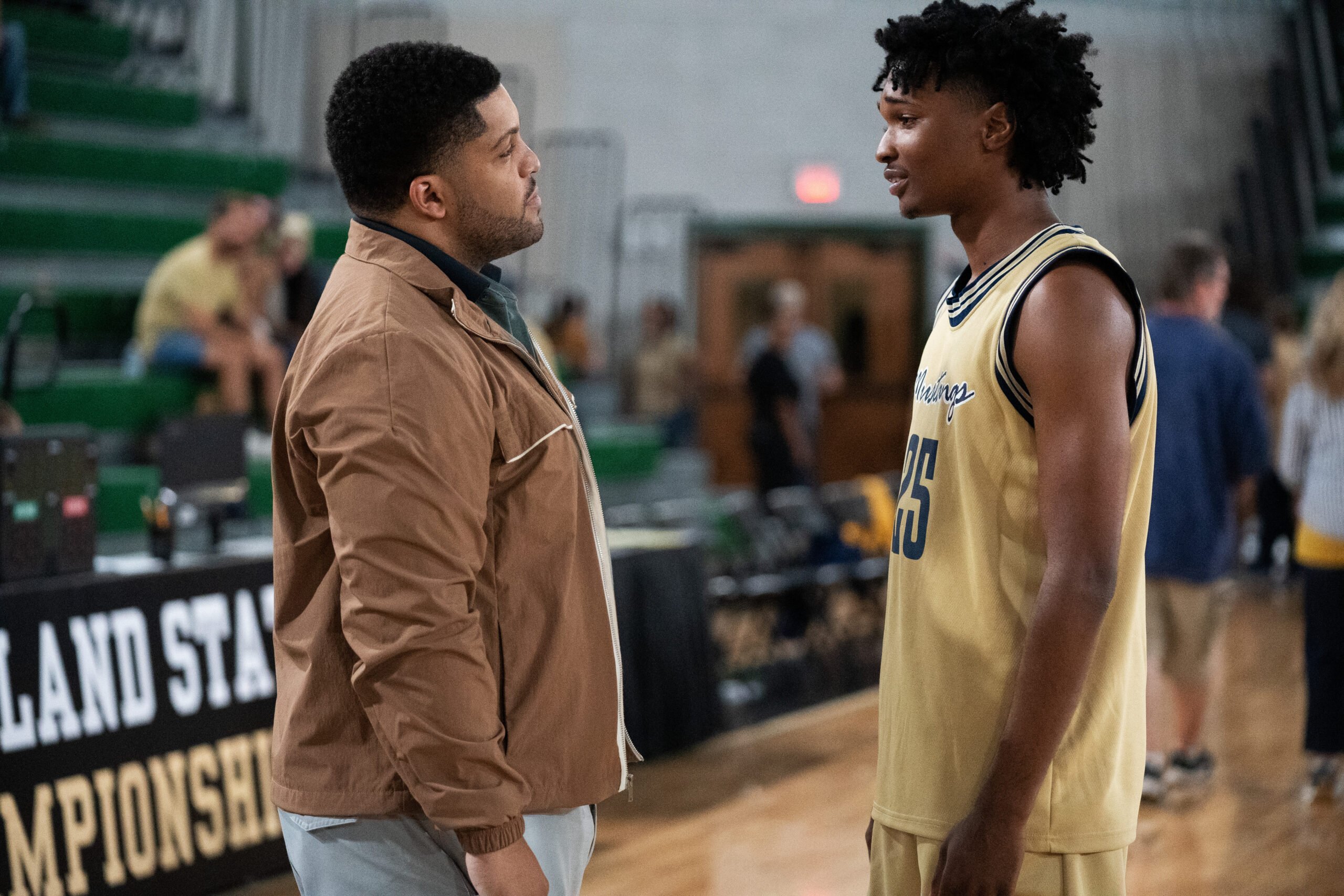
Boots Riley established himself as a wildly creative voice with 2018’s zany anti-capitalist satire Sorry To Bother You, and with his second project, he digs his heels even deeper into that singular approach. I’m A Virgo’s world feels deeply uncanny yet intimately familiar, what with its absurdly militarised authority figures, dog-whistling media, and greed-driven economy. It’s set in Oakland, where 13-foot Black teenager Cootie (Jharrel Jerome) lives in secrecy with his normal-sized family. Frustrated, Cootie decides to venture into the outside world, but he’s soon exploited, projected onto, and demonized. However, it’s also not long before he makes his first friends, falls in love, and unlearns everything he thought he knew about the world.
The biggest revelation is that Cootie’s favorite superhero, an Iron Man-esque billionaire called The Hero (Walton Goggins), isn’t actually doing good by enforcing the law to the letter. Though it takes many weird and wonderful detours, it’s this aspect of Cootie’s consciousness-widening that is the show’s ultimate destination. These radical politics give it a sharp overarching focus, meaning its mind-bending eccentricity never feels too indulgent. It all makes for a refreshingly original, gloriously weird watch that you’re guaranteed not to have seen the likes of elsewhere.
This fiery coming-of-age drama has an unlikely origin story: director Jonas Carpignano was first introduced to the sprawling Roma clan that makes up most of the movie’s cast when one of them stole his car while he shot another film. The charismatic Amato family made such an impression on him that he decided to center a movie around their real lives, naming it for the insular neighborhood they live in on the outskirts of a Southern Italian town.
The Amatos are part of a much-maligned ethnic minority, but not the only one in the film. The Ciambra pokes at the idea of solidarity between the Amatos and local African migrants: while his elders are quick to reject the idea, plucky 14-year-old Pio (Pio Amato) flits across these invisible borders and bonds with Ayiva (Koudous Seihon). But Pio is desperate to win the respect of the men in his family, who might then allow him to take part in their criminal exploits — a crisis point The Ciambra chronicles with raw emotion. This is a movie whose grit and bleakness often recall the uncompromising gaze of neo-realist classics, as a child is heartbreakingly forced to declare his allegiances in the dog-eat-dog world his elders can’t imagine an alternative to.
This bittersweet comedy centers on Sam Fox (Pamela Adlon), a single mother and working actress doing her best to get by in LA. In between juggling the pressures of both parenthood and Hollywood, Sam lets loose in brave and funny ways. Things often get the better of her and her three young daughters, but her bold, funny, and always loving approach to life is what makes Sam—and indeed the show—a true knockout.
Better Things is a semi-autobiographical story, with Adlon also having daughters of her own, so it’s no surprise that many things ring true in this big-hearted show about single motherhood.
Éric Rohmer movies are what you watch when you want to experience the thrill of someone putting into words something you might never have been able to express yourself. The magic of his characters is that they’re breezily candid, even if that honesty doesn’t protect them from committing the same contradictory foibles we all do. Pauline at the Beach is a dazzling example of that quality; it may even be more honest than usual, because it also tells a truth about its characters that they’re not even aware of themselves.
The most perceptive character is actually the youngest: 15-year-old Pauline (Amanda Langlet), who’s vacationing with her older cousin Marion (Arielle Dombasle). Having never fallen in love herself, Pauline receives a thorough education in the matter by observing the love triangle that Marion becomes entangled in with needy Pierre (Pascal Greggory) and predatory Henri (Féodor Atkine). Though the adults give the film its brilliantly articulate philosophical meditations on love — ranging from the idealistic to the dispassionate — their actions often fall short of their words. Shot through Pauline’s keen eyes, Rohmer’s film wryly reveals the decisive role that delusion and unchecked ego play in so many grown-up lives — ironically making the self-aware and measured teenager the most mature of all.
Mars One is a tender, wholesome drama that centers on The Martins, a family of four living on the fringes of a major Brazilian city. Their lower-middle-class status puts them in an odd position—they’re settled enough to have big dreams and occasionally lead lavish lives (the mother and the daughter like to party) but they barely have the means to pursue that kind of lifestyle. As a result, they’re always searching and wanting, aiming high but almost always falling flat on the ground.
There is no actual plot in Mars One. Instead, it studies its characters in a leisurely and almost offhand manner. The approach is so naturalistic, you’ll almost forget you’re watching a movie. But it’s still gorgeously shot and staged, Brazil being an inevitably striking background. At once gentle and vibrant, this big-hearted film is a must for those who are suckers for well-made family dramas.
Sixteen-year-old Rae Earl struggles with many things, among them: severe mental illness, a distorted body image, and less-than-ideal home life. In an attempt to redefine herself and pursue the teenage dream she’s always wanted, she reconnects with her estranged friend Chloe and the cool new people she’s met in Rae’s absence. As Rae gets to know this group more, she embarks on a coming-of-age journey that is, at turns, hilarious, awkward, and painfully real.
Set in ‘90s-era UK and scored to the unbeatable, headbanging tunes of English rock, My Mad Fat Diary is also an effective throwback of a show. It’s sure to be nostalgic to those who grew up in that era, while also doubling as a finely-aged portrait of a simpler time to the rest of us. Elevated, too, by diary doodles come to life and Rae’s unflinching witticisms, the series is a gem for anyone who has struggled to come to terms with their teenage self.
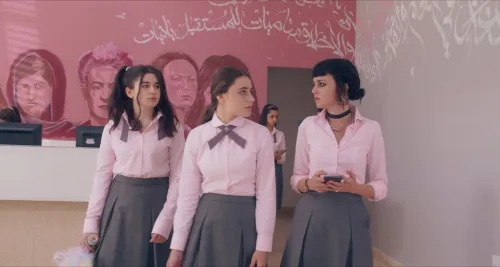
A best friendship break-up can be the most devastating thing that can happen to you in high school, especially when it’s because you’re leaving for separate colleges. Liz and the Blue Bird depicts one dynamic through two girls preparing for an orchestral concert. By pairing the two girls with the faux fairy tale that they’re playing, director Naoko Yamada subtly reveals their conflicting feelings in naturalistic, fleeting moments and watercolor fantasy. This subtle expression is helped immensely by the impeccable wind band score by composer Kensuke Ushio. While it doesn’t quite compare to A Silent Voice, Yamada’s previous work, Liz and the Blue Bird nonetheless shares that delicate symphony of art and music that genuinely capture these adolescent feelings.
The Red, White & Royal Blue film adaptation might feel familiar to some viewers, albeit with a gay twist. A rivals to hidden lovers relationship that shifted because of increased exposure to each other via PR outings is exactly the type of plot seen in romance comedies like the second Princess Diaries. However, this film keeps these tropes fresh through careful reimagining and through excellent casting. While some moments in the book are skipped or sped through, director Matthew Lopez keeps the attention where it needs to be, specifically on the US president’s son Alex (Taylor Zakhar Perez) and the UK’s Prince Henry (Nicholas Galitzine). The moments they share may not be totally relatable – after all, most teenage romances aren’t matters of state – but it’s easy to root for them when the film drives home what’s at stake for the two, as well as what’s at stake for gay couples when considering coming out.
Set in the small town of Åmål, western Sweden, the debut feature by Lukas Moodysson (We Are the Best), is itself a metonymy for the bigger questions of life. It’s playful and dead serious at the same time, in the way it portrays teenager Agnes, who, after two years of living in Åmål, still hasn’t made any friends that would attend her birthday party. Instead, she spends her time typing away on her computer, poetic diaries and love confessions to a girl from school named Elin. She’s the popular one and therefore, out of reach. The amount of tension and escalating ambivalence the film conjures with just a simple narrative decision—a bet, a kiss, an apology—is palpable throughout the 86 minutes of its runtime. A perfect capsule of lesbian desire and first love, Show Me Love is a gem of a movie; one that would make you think Close was a tad overrated. Oh, and don’t forget to add the titular song by Swedish pop star Robyn to your Spotify favorites.
Children’s television isn’t likely going to be controversial, daring, or particularly groundbreaking, but certain shows acknowledge that they can impact the way their audience views the world. Luz: The Light of the Heart has a familiar Disney-esque plot of a child going on an adventure to learn more about her roots, but through that basic formula, the first Brazilian Netflix kid series takes the opportunity to respectfully portray the indigenous Kaingang community in their plot, who takes care of and is more knowledgeable about the natural land, and whose teachings may be acknowledged if Luz, potential land heiress, manages to find out the truth. There are some of the standard childish shenanigans, like privileged boarding school drama that occurs when Luz enters the school, but overall, Luz: The Light of the Heart isn’t a bad choice if you’re looking for something to watch with children.
There are some connections that transcend definition, becoming more important and fundamental to one’s life than that of a romantic relationship. Not many people are lucky to have experienced it, but nevertheless it’s true. Soulmate is the Korean adaptation of the 2016 Chinese directorial debut, and while it’s faithful to the source material, there’s a focus to this rendition that elevates the film, with a greater emphasis on the titular soulmates rather than the boy that tore them apart. Because of this, Soulmate is much more emotionally devastating, neatly shifting some character revelations in order to grant the weight each moment deserves.
For better or worse, friendship can be the most important relationship a child can have, especially when they move into a new school. Poison for the Fairies takes a look at an unusual friendship, one that’s forged not by regular schoolgirl hobbies, but by witchcraft, spells, and superstition. It’s incredibly unnerving how Flavia and Veronica’s dynamic gets, as each morbid claim gets questioned but is never fully explained, as each unanswered question slowly adds to the terror, and as each boundary gets pushed because of those few moments of calm. But it’s also incredibly tragic, considering the ways Flavia and Veronica are characterized. Writer-director Carlos Enrique Taboada makes it all the more creepy by centering the camera through their eyes, by capturing the uncertainty of this terrible friendship.
Divorce is hard, even with a fairly civil separation and moving to another place entirely free from the divorced parent. The main emotional stakes are usually carried by the parent, but even then, children have some stake in this relationship, seeing that this permanently affects their relationship with both parents and any siblings they may have. I Wish tackles a separated family through the kids’ eyes– taking a rumored wish-making pair of bullet trains to get their family together, but in the optimistic reality kids tend to have, rather than a fantastical fairytale adventure. Through Hirokazu Kore-eda’s frames, and the precocious real life brothers portraying the main duo, I Wish effectively balances its hopeful tone all throughout, capturing the kids’ hopes and dreams in an endearing, but not overly sentimental, way.
Shrooms director Paddy Breathnach has als dipped his toes in romcoms and thrillers, but this queer Bogota-set drama has a lot of tenderness in its heart. Micro-budget and full of life as the name suggests, Viva is an inspiring story that centers around Jesus (Héctor Medina) and his own individuation. A hairdresser with the talent of a drag performer, he assumes the role of Viva in the weekend cabaret. As warm and open as his father is detached and somber, Jesus is a likeable protagonist with the vulnerability and dedication to follow his dream, that no wonder the film made the Oscar shortlist in 2016.
Coming-of-age shows are not hard to come by these days. If anything, there might be too many, with a majority of them being hit-or-miss in terms of quality. But before all this, there was one show that tested the waters and bravely went where no teen show had gone: it was called My So-Called Life, and like anything ahead of its time, it was canceled almost from the get-go.
The show was one of the first to forgo happy endings and neat tie-ups in exchange for depicting the messy, complicated, and real. Fifteen-year-old Angela Chase (Claire Danes) was hardly likable, what with her bouts of angst and anger, but she was always relatable, and you could rely on her and the rest of the Three Rivers gang to deliver the unfiltered truth about teenhood. Even though the ’90s series didn’t attract enough eyeballs to warrant a second season, it’s now getting its due among modern audiences who recognize its influence in every disaffected young lead trying their best to navigate the confusing waters of youth.
Based on a forthcoming memoir by queer music duo Tegan & Sara, High School follows the twin sisters in ’90s Canada as they figure out their place in school, in family, and ultimately in each other’s lives. Despite the well-worn premise and the throwback setting, High School feels fresh and honest in ways that are not always present in teen stories. It’s delicate and subdued while still being potent and edgy—a great alternative if Netflix’s brasher teen fare isn’t for you. High School has been likened to other great authentic coming-of-age shows like Freaks and Geeks and My So-Called Life.
Coming-of-age films are usually optimistic, but sometimes, growing up isn’t as rosy as portrayed to be, as kids start to learn the failings of the adults that should know better and the tension that lies between sexes. Typhoon Club is like an anti-Breakfast Club, with the kids stuck in school overnight, not just one morning, due to a natural typhoon instead of randomly assigned detentions, and with the kids returning home traumatized instead of triumphant. Director Shinji Sōmai crafts a raw, turbulent experience, alternating between before, during, and after their stay that steadily heightens the uneasy, sometimes dangerous, experiences where these teenagers directly confront the disappointment that is adulthood. It’s a challenging film to watch, but Typhoon Club’s early exploration of teen ennui made it to be considered one of the best Japanese films ever made.
This Swedish surprise hit captivated viewers across the Atlantic because of one thing: the lead’s perspective. Okay, well, the performances are great, the time frame is nostalgic, and it’s grounded by the few incidents that could only happen in a small town. However, at the heart of the story, author and co-screenwriter Reidar Jönsson hones in on Ingemar’s uncertainty and the lack of control over his own fate. Between his mom’s illness, his separation from his older brother, the small space of his uncle’s house, and the fact he can’t even bring his dog, Ingemar is easy to sympathize with, especially as he tries to look towards the brighter side of life. But combined with his future self’s narration, My Life as a Dog cathartically pulls on the painful core memories that could only be made by growing up.


x1
x11