
The Best Indie Romance Movies to Watch
To access filters, visit our homepage.











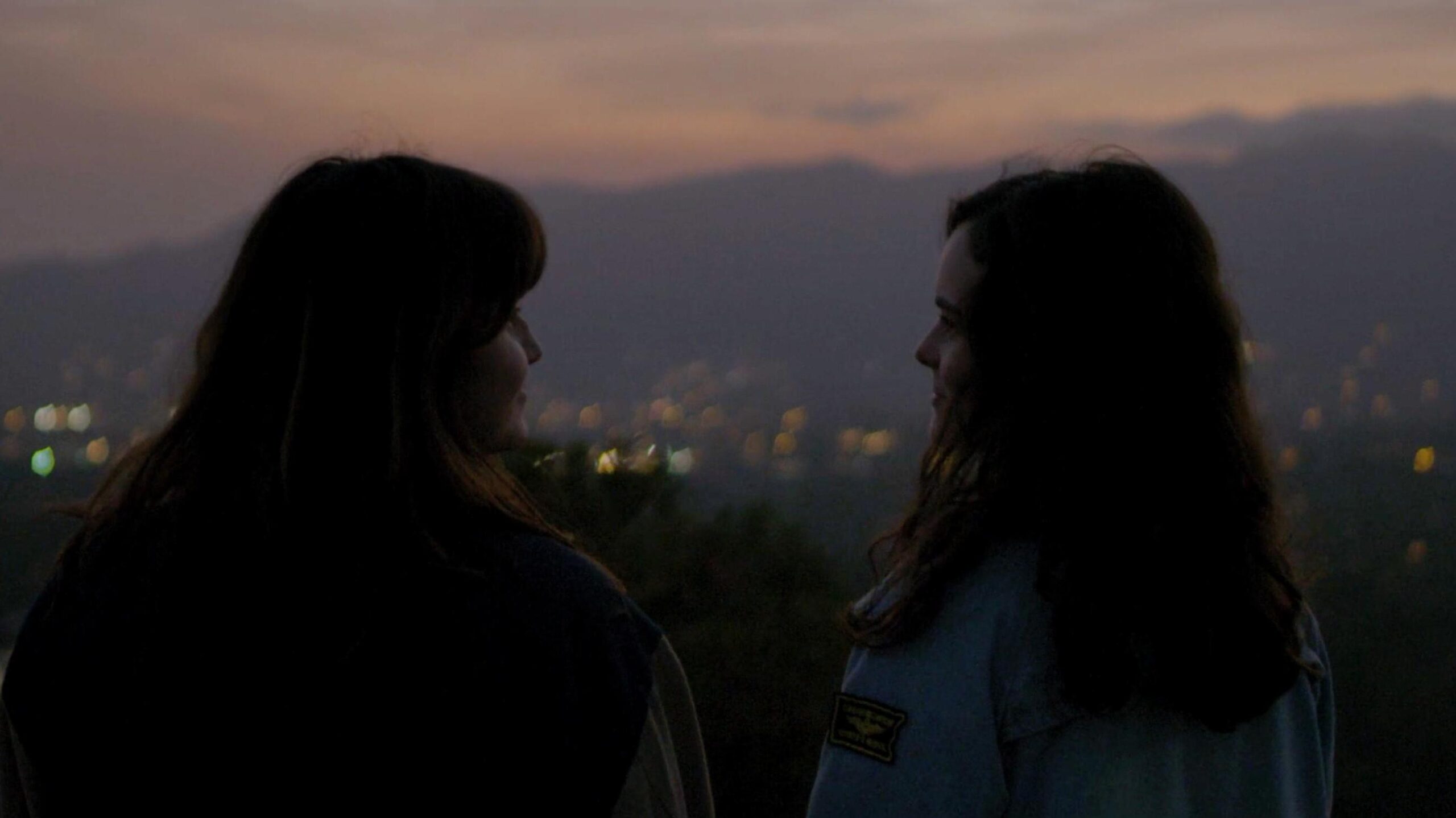
Based on the novel from writer, producer, and lead Micaela Wittman, indie drama Remy & Arletta is deeply personal. It’s partly because it’s based directly on Wittman’s own personal coming-of-age story, but it’s also because of how confessional it feels. Many scenes feel like uncomfortable memories, like the way Remy hides her real home from Arletta, but when Arletta doesn’t give up on Remy, and tries to make it right before graduation, the film crafts a beautiful connection that was life-changing even if it was fleeting. Remy & Arletta might have felt cut short in terms of runtime and in terms of the friendship itself, but it’s nonetheless a thoughtful, earnest drama that captures how important that love must have been.
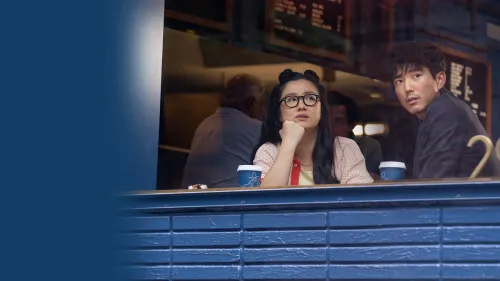
It’s always tricky translating literature to screen. In Shortcomings’ case, it struggles to make its Berkeley and New York settings appear more lived-in than just a few postcard-like frames. You could also tell that the conversations it stirs up about things like representation and mixed-race relationships began in the early aughts, when the novel it was adapted from was first released. But those lapses are small and forgivable in the face of a lovely ensemble cast and a whipsmart script.
It also takes a special kind of skill to make a character as fiercely unlikeable as Ben (Min) watchable, to hold up a mirror to the audience and make them stay. Thankfully, it’s a skill that Tomine and first-time director Randall Park display with such grace. Ben, Alice (Sherry Cola), and Miko (Ally Maki) are flawed and often pathetic, but they’re also honest reflections of who we become when the demands of self-preservation and romantic openness clash. It’s a little unnerving to hear them verbalize what we’ve always feared about ourselves, but it’s also exhilarating, not to mention comforting, knowing that we’re not alone in feeling this way. Shortcomings works because it doesn’t confine itself to genre: it’s a character study first, and a romantic comedy second.
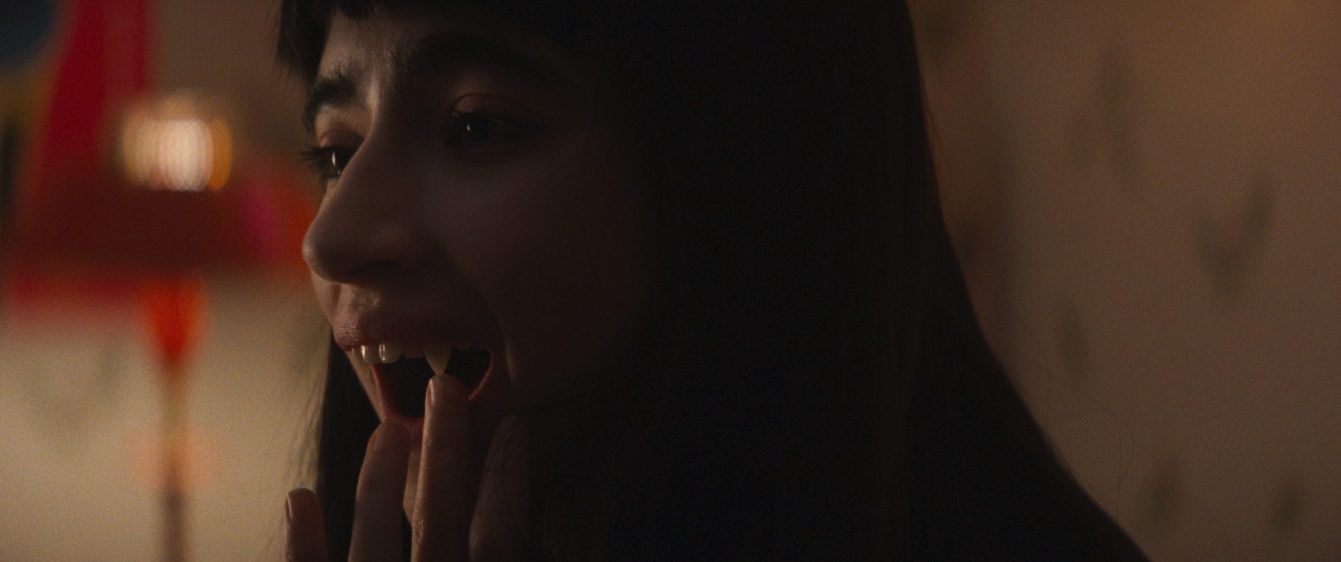
When vampires choose not to kill a human, it’s usually played up with so much drama, angst, and maybe a bit of romance. Humanist Vampire Seeking Consenting Suicidal Person on the other hand takes this choice as a comedic one. It may be a tad ludicrous for a vampire to refuse to drink blood on ethical grounds and trauma, but writer-director Ariane Louis-Seize takes this silly situation with a compelling sweetness, depicting Sasha with a familiar teen uncertainty made much more captivating with Sara Montpetit’s gothic ingénue charisma. Humanist Vampire does take a more quirky YA romance approach than expected from the title, but it’s funny, charming, and totally something new.
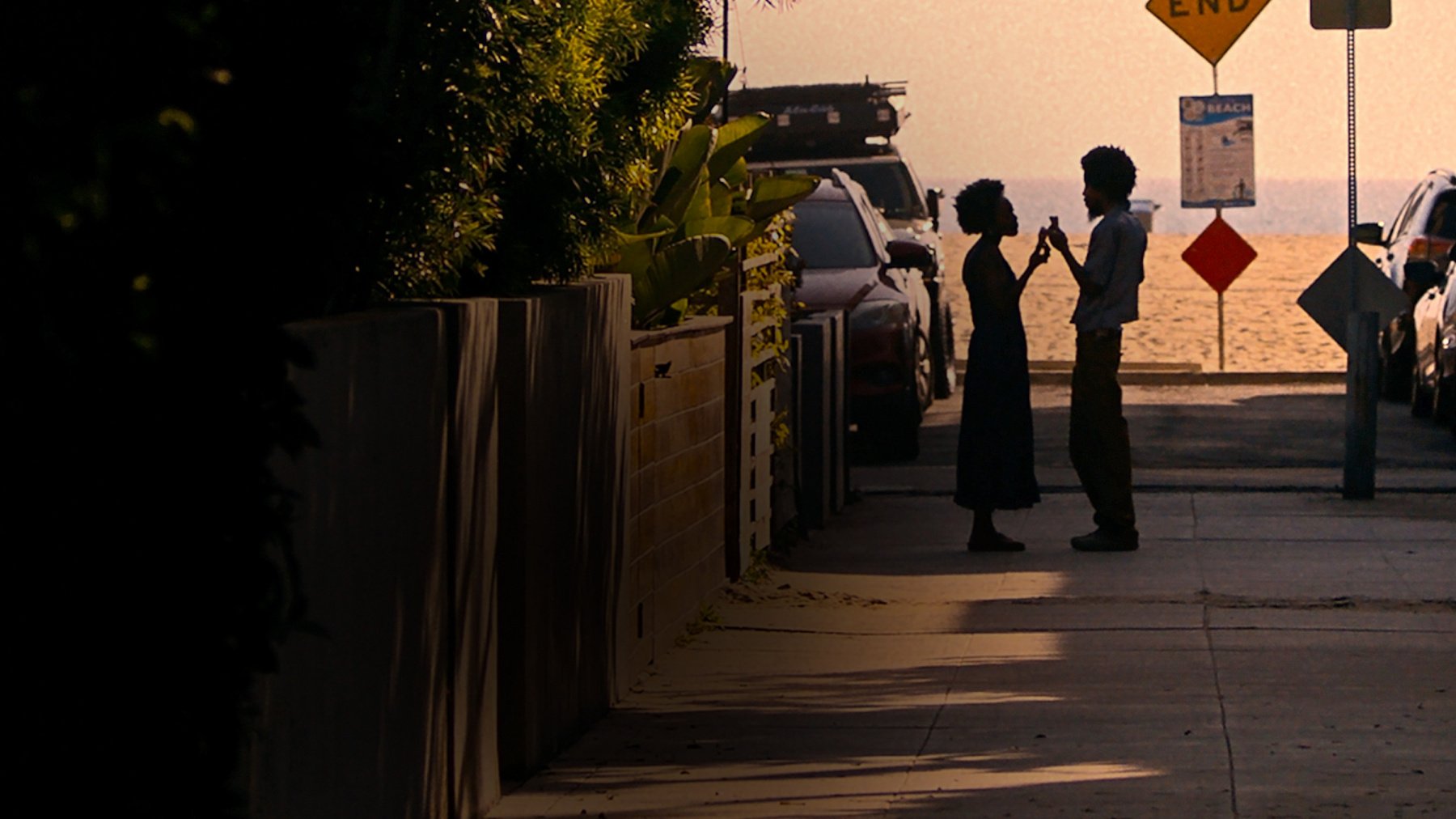
She Taught Love has a familiar romance film plotline– a guy that’s lost meets a girl that sets him straight, and through a course of a connection, they challenge each other’s perspective to become better people– but there’s a naturalness to the conversations writer and male lead Darrell Britt-Gibson creates through his performance, casual, genuine moments that is pairs well with easy, relaxed vibe formed by director Nate Edwards. It’s gorgeously graded, meticulously framed, with slow zoom-ins and pans that gradually switch between aspect ratios to create a sense of openness or restriction, depending on the moment. And with Arsema Thomas’ unshakeable poise as female lead, She Taught Love feels elegant in a way not many indie romance films are.
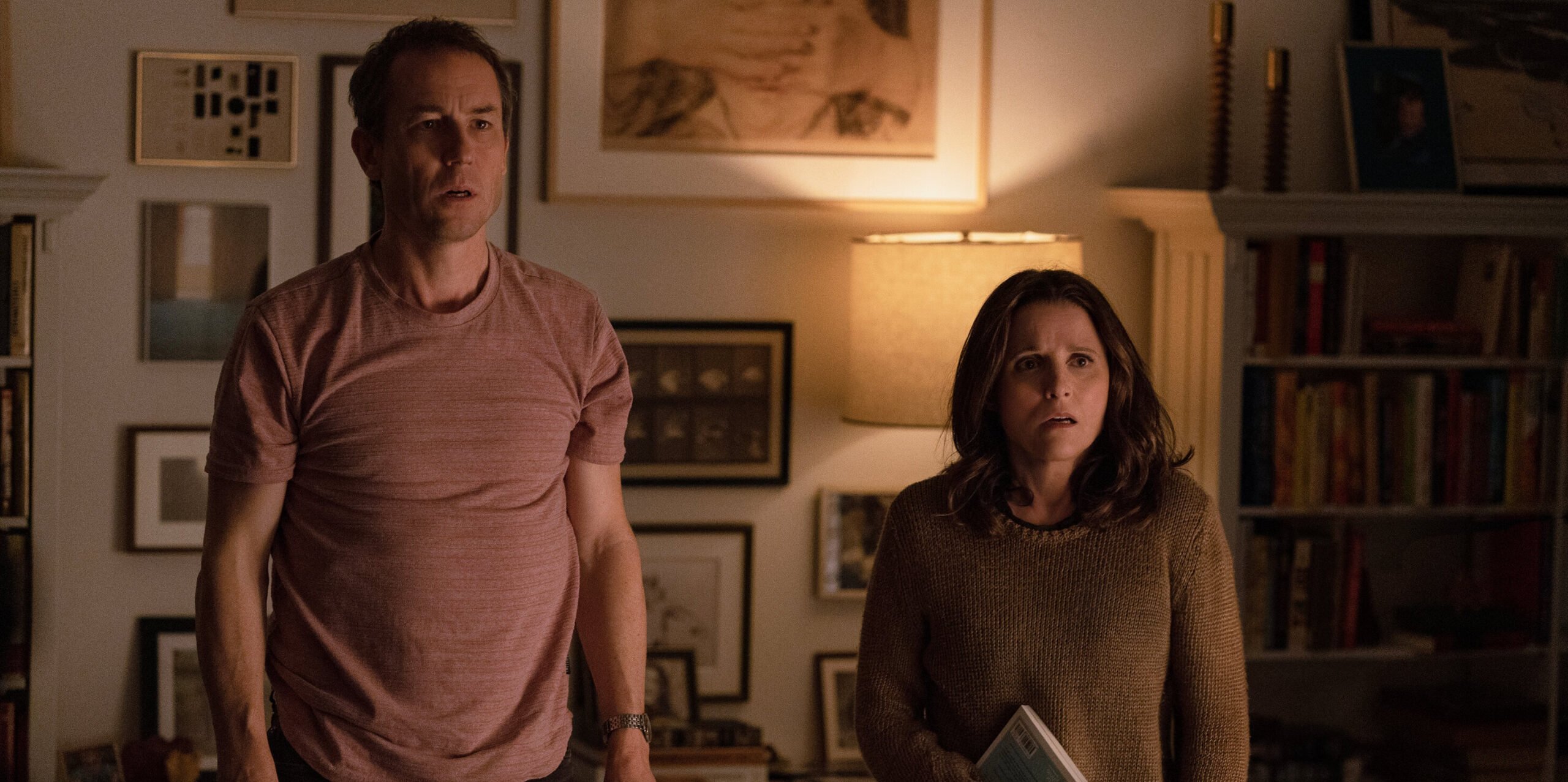
Who among us hasn’t committed a white lie to save a relationship? And who among us hasn’t yearned for the full and brutal truth? In You Hurt My Feelings, Nicole Holofcener digs into that paradox and delivers a film that is honest and funny in equal measure. Here, the writer-director doesn’t just use a hilarious situation to make relatable observations and clever witticisms; she also extracts the nuances of it. She is aware, for instance, that her well-to-do characters exist in a world where it’s possible to only care about this, and not much else. And she likewise knows that Beth’s (Julia Louis-Dreyfuss) and Don’s (Tobias Menzies) trust issues are complicated by their age and respective mid-life career troubles. But rather than stay stuck in the specificity of those details, Holofcener uses her perceptive script to highlight the relatable and the universal. These characters hurt just the same—they’re plagued with the same insecurities and seek the same validation—and they express that hurt in the petty and unvarnished language everyone else does. Watching all this come to play is a comforting delight.

Rye Lane knows it’s treading familiar ground by having its charming leads fall in love as they walk and talk their way through a beautiful city. So instead of experimenting on a tried-and-tested setup, it smartly focuses on specificity. It hones in on the characters’ Gen Z woes and cranks up the British references, giving itself character and charm for days. It also finds other ways to be inventive as it trades plot twists for bold editing and camerawork. Rye Lane is a refreshing entry into romcom cinema, but it is also obviously a big fan of it as it holds plenty of homages and subversions of the genre. This one is made for and by romcom fans, and it’s always nice to see a modern love story set during our times.
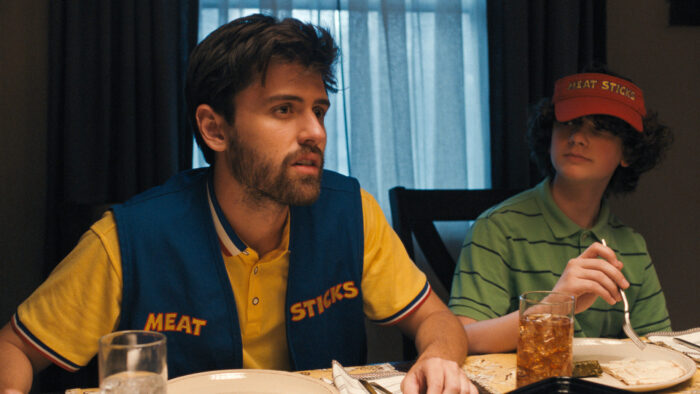
Primarily, Cha Cha Real Smooth follows Andrew (Cooper Raiff) as he figures out what to do with his life post-college. But peripherally, it’s also about love, friendship, coming of age, and parenthood. Sometimes the movie wobbles under the weight of all it wants to be and you start to wonder whether it would benefit from a leaner script and a tighter focus.
But ultimately, Cha Cha Real Smooth is endearing and a breeze to watch. Andrew is relatable as a know-it-all who doesn’t actually know it all, and Domino (Dakota Johnson) is moving as a young mother consumed by both her envy and love for Andrew. Despite its occasional unevenness, the film’s big emotional heart triumphs, and sometimes that’s the best that you can hope for in a story about one’s 20s.

When travelling to another place, another city, another town, there’s a certain anonymity that frees one’s self. No one knows who you are, so you’re not expected to maintain a certain personality, and that can be necessary for young people trying to find their way. The Breaking Ice shows this in a fairly sentimental way, juxtaposing the wintry, snowy landscape with the warm but fleeting connection forming between three lonely adults, but there’s just something honest in the way the three try to hide but still share the same youthful ennui, even if they come from vastly different backgrounds. The Breaking Ice might not be daring enough to delve into the queer aspect of this trio, but it’s still a lovely, well-crafted drama contemplating the youth’s melancholy.

 x1
x1
Romantically pairing up AI with humans is hardly new, and I’m Your Man is aware of that. Instead of spending way too much time explaining the advanced tech that makes the perfect mate possible, the movie zeroes in on its charismatic leads Tom the robot (Dan Stevens) and Alma the indifferent academic (Maren Eggert). Tom is the curious, humanoid automaton who is designed to worship Alma, and Alma is the disillusioned human who is conflicted with the authenticity of her growing feelings for Tom. I’m Your Man is smart and empathetic enough to stay afloat amidst its swirling genres and ethical dilemmas, but it is mostly the chemistry between Tom and Alma that anchors it to the love story that it actually is.

At the first few moments, Song Lang seemed to be something akin to Farewell My Concubine– the film takes a snapshot of a communist Asian country in a different time, through the lens of a regional opera form with painted faces, elaborate costumes, and captivating tunes. But there’s more to Song Lang than this. Tragedy isn’t prophesized through songs of an already existing opera (in fact, the film features all new tunes), but instead, it occurs because Dung, the loan shark, didn’t reflect on the past early enough for him to reclaim the art form his family once loved, a concern shared with cải lương as a declining genre. Song Lang is a moving drama, but it’s also a nostalgic time capsule of 1980s Saigon and cải lương as a whole.
Asako is in love with Baku—deeply and almost delusionally, in a way that can only manifest in young love. But when the freewheeling Baku ghosts Asako for good, she moves from Osaka all the way to Tokyo to start a new life. Years later, she’s startled to meet Baku’s doppelganger in Ryohei, an office man whose solid dependability and lack of artfulness, while endearing, could not place him any further from Baku. Confused and lonely, Asako tiptoes around her feelings for Ryohei and, in the process, raises thought-provoking questions about the meaning, ethics, and true purpose of love.
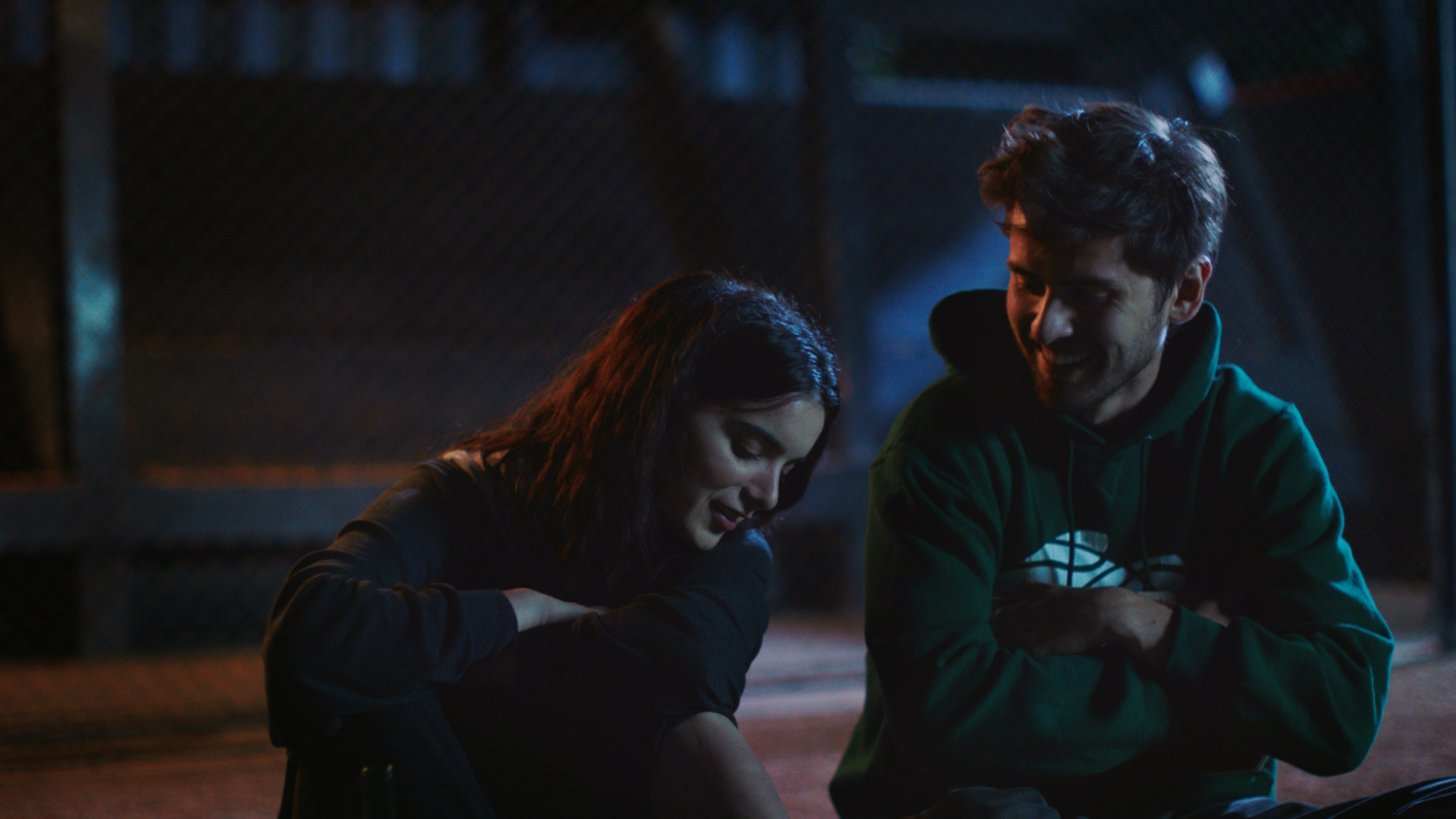
College seems to be teeming with possibility, in a more substantial way than adulthood or high school feels, since for many people, it’s the only time where one lives alone and makes decisions for their lives selfishly. Shithouse captures that moment with a candid sentimentality, all marked by a shared late night that changes the way the whole college life feels. Cooper Raiff captures this time of a freshman uncertainty with actual palpable emotions, acting, writing, and directing with a freshness that filmmakers aspire to but never seem to get on screen, and it’s this mumblecore-inspired feature debut that made him a filmmaker to look out for. Shithouse is pure college nostalgia.
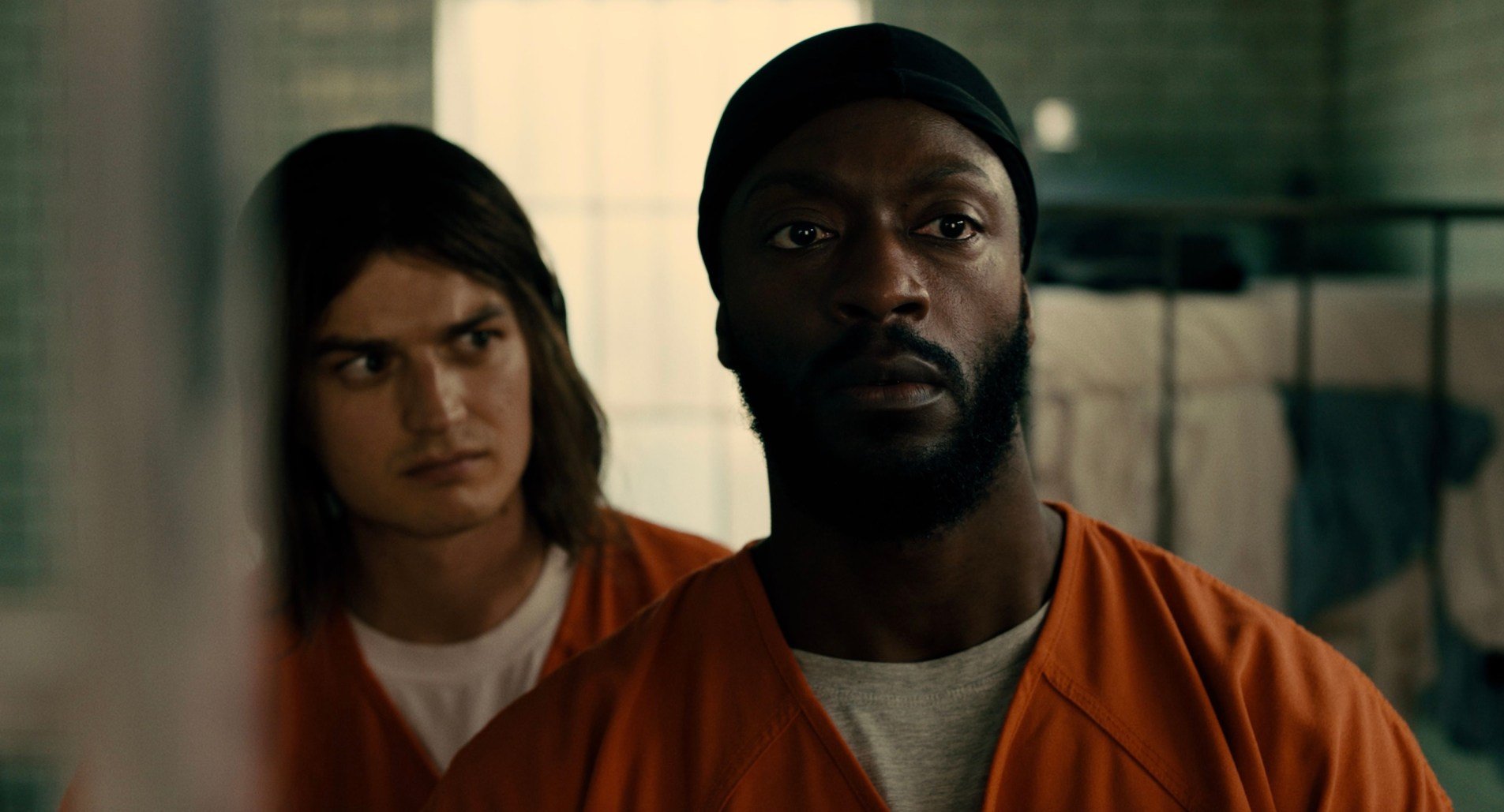
At first, Marmalade just seemed like a good ol’ fashioned Bonnie and Clyde story being told by one inmate to another. As Baron tells Otis about his titular Bonnie in Joe Keery’s Southern drawl, there’s a charming bittersweet romance about a man pushed into crime because of healthcare costs and a compelling Camila Marrone as a manic pixie dream girl-flavored femme fatale. By its own, it’s already an intriguing twist to the film noir plot. But the second half turns this romance into something completely unexpected, pulling an insane set of interconnected plot twists that’s just fun to experience. There are certain moments that could have been tighter, but the performances were great, the images were stunning, and the plot was surprising. It’s such a daring move for first time writer-director Keir O’Donnell.
Dear Ex is a family drama that explores LGBT+ issues in contemporary Taiwan. As much as it is a movie about how people cope with loss, it’s a powerful, heartwarming, and intimate portrait of the relationship between Jay and Song Zhengyuan and all the obstacles they face.
While the themes of Dear Ex are heavy, the director makes the viewing experience easier for the audience thanks to humorous and witty dialogue. Meanwhile, the history between Jay and Song Zhengyuan’s relationship unfolds in a very beautiful, almost poetic way, and by the end of the movie, we understand that everyone gets their own kind of forgiveness. The way the characters effortlessly show that love is something beyond genders is admirable, and it is great to see how everyone gets their own kind of forgiveness whether it’s from themselves or from others by the end of the movie.

In another country, you can forge a completely different life from the one you had in your hometown. For closeted LGBTQ+ individuals, moving to a more tolerant society allows you to explore facets of your sexuality that wasn’t possible previously. In Goodbye Mother, first generation immigrant Nau Van is confronted with the secrets he hid from his hometown, the secret that isn’t a secret in America. The conflict plays out in a familiar fashion, going through plenty of the usual experiences that coming out entails, but, while these are familiar, Goodbye Mother tugs at the reality Asian immigrants experience, and does so in a sweet and empathetic way.

There’s plenty of things happening in folk horror film November. With devils snatching livestock, magical automatons called kratts, and trying to trick the Plague while in the form of a pig, love surely can’t bloom strong in these circumstances. And this would be correct, but the way this tragic romance unfolds is through eerie, yet captivating, black-and-white dream sequences made up bits and pieces of Estonian folklore, and the film shines best when focused on these sequences. The love triangle will be familiar, but the approach, the offbeat humor, and the raw practical effects would be bewitching until the end.
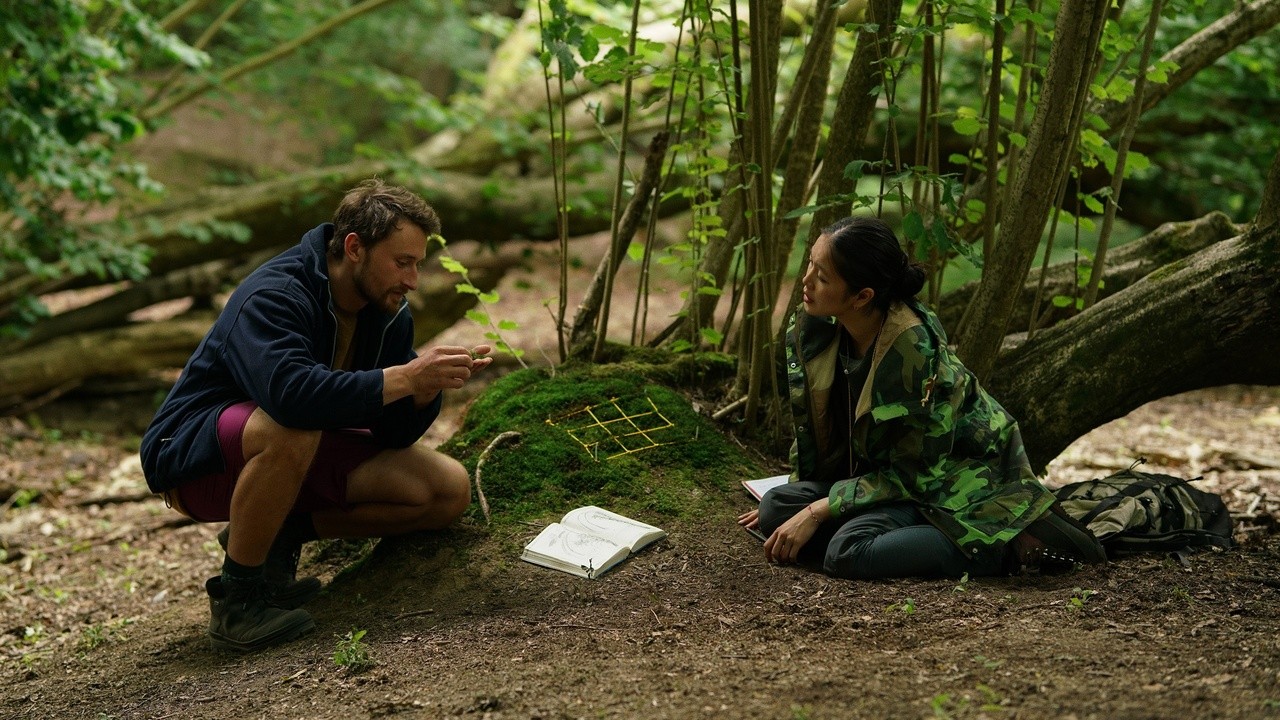
You would think that a movie about making soup for your friends and studying moss would be a strange mix, but there’s just something so beautifully delicate about the way writer-director Bas Devos links the lives of two immigrants in Brussels, with the contrast between the length of their stay, the things they make, and how long their work would last. It’s a slow burn connection, and with the pending move, it’s a fleeting one, but the runtime is just right to capture the quiet grace of their connection, the one they share as strangers in a stopping point from different places. Here is subtle and transcendent.
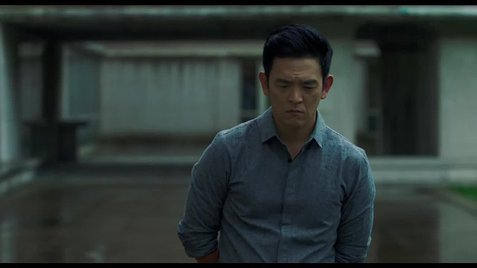
What goes well with a love story? Creative architecture. Columbus the movie is such a great and genuine exploration of this idea, filmed in Columbus the city – a weird experimental hub for architecture that actually exists in real life! After his architect father goes into a coma, Jin (John Cho), a Korean-born man finds himself stuck in Columbus without a foreseeable end. In Korean tradition when a parent dies, the son should be in the same place physically otherwise they can’t mourn. While waiting to see what will happen to his father he meets Casey (Haley Lu Richardson), an aspiring architect herself, who’s also stuck in Columbus because of her mother. This is a beautiful movie with real-life issues and situations, to be especially appreciated by viewers who don’t mind a slow narrative in exchange for a meticulously-crafted movie.
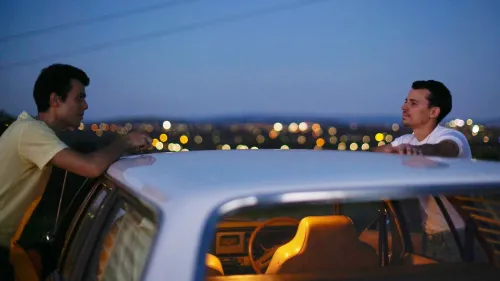
It’s difficult not to compare Of an Age to other beautifully shot and tenderly told queer love stories like Call Me By Your Name and Weekend. Like them, Of an Age gives its young lovers ample time and space for their relationship to blossom over a short while. And like them still, it’s made of intimate moments that will haunt the lovers long after their first meet, crystallized as they are with affection, longing, and the knowledge that they might not feel as deeply about anyone ever again.
But if Call Me By Your Name is awash with Italy’s grandeur and Weekend is snugged in Britain’s cold embrace, then Of an Age is distinctly Australian, all humid suburbia and sunbaked roads. The film hones in on emotional and cultural specifics alike, and by doing so, it successfully captures the immaculate and unforgettable heartache of first love.
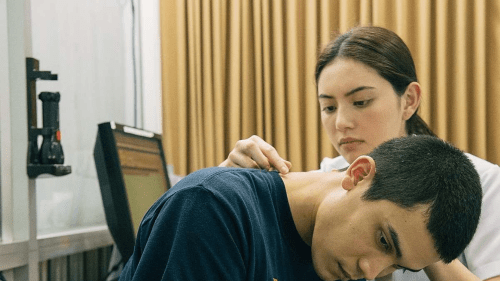
Heart Attack is a romantic comedy, but instead of the hijinks being caused by the usual dating, miscommunication, and wooing, Yoon’s struggle here is to finally get a hold of his overbearing schedule and figure out how to relax and recover from burnout, and it’s all inspired by wanting to impress his doctor Imm. It’s funny, but it’s also all too real. Writer-director Nawapol Thamrongrattanarit recreates the overwhelming frenzy to complete a job through a magnificent jazz soundscape and Sunny Suwanmethanon’s internalized monologue, and it’s such an effective cinematic translation that the moments of rest, the moments where Yoon and Imm finally take a break feels like a relief. Heart Attack works precisely because it empathizes and understands the experience of workers in today’s gig economy.
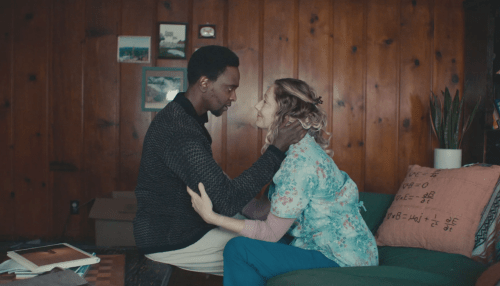
Time travelling movies tend to be flashy with its sci-fi wonder, but Aporia takes a more grounded approach to the time altering genre. Instead of time travelling, the protagonists have a mundane, almost lo-fi machine, that almost seems disappointing, but is no less life-altering. Of course, to the grieving Sophie, who lost her husband, it’s easy to understand why she would take the chance to get her husband back again. But the film takes a grounded and realistic approach as Sophie spirals into an unrelenting series of regret and trolley problems, each time she chooses to use the machine. While the pacing may be a tad slow, and the events can feel a bit mundane, Aporia is a startlingly poignant reminder of how each ordinary moment, if changed, can be completely life altering.
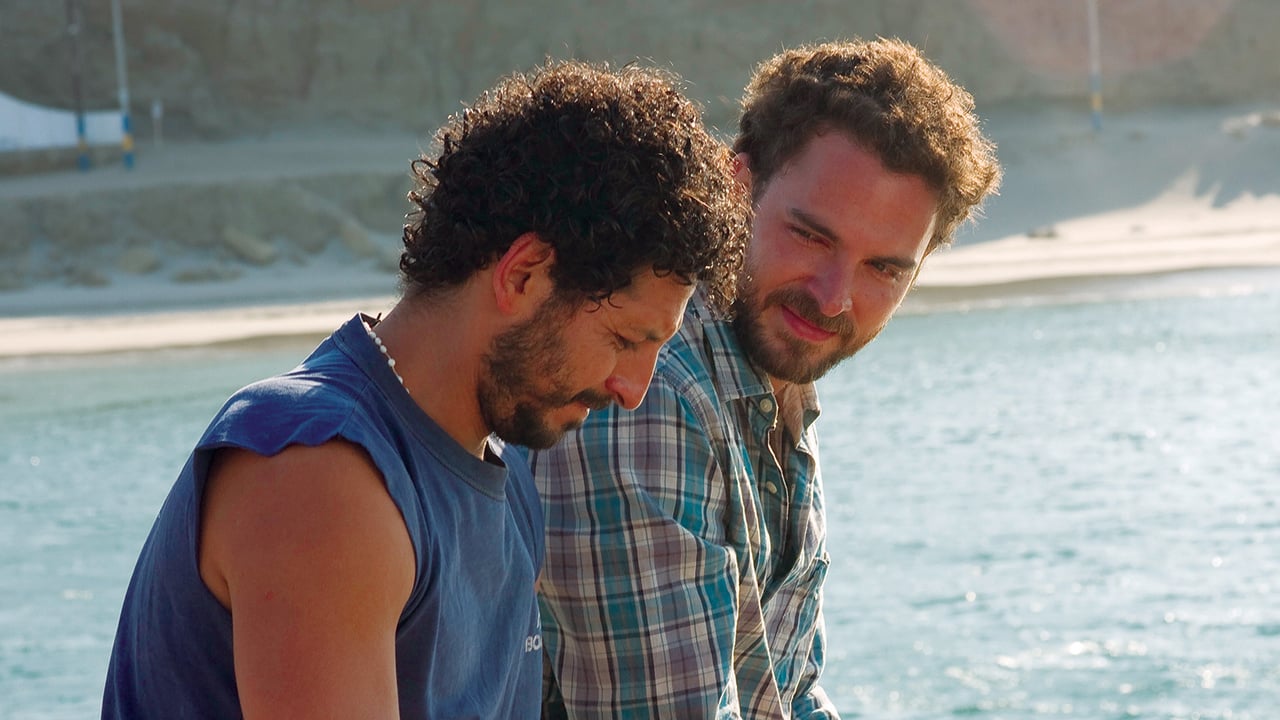
The death of a loved one is always a tragedy, but it’s always different when things have been left unresolved, and so that love lingers, not moving on, perpetually haunting the lover left alive. Undertow takes this ghost story with a gentle, magic realism that doesn’t just bring the tears, but also frees Miguel to experience the hold of Santiago’s hand in public, to experience the moments other lovers share without prejudice. And as Santiago lingers, Miguel is left to reckon with the love that he never was allowed to have, as it’s outside the straight, monogamous dynamic expected of everyone in the small town. Contracorriente beautifully transforms the ghost story with its thoughtful juxtaposition of the latino queer experience.
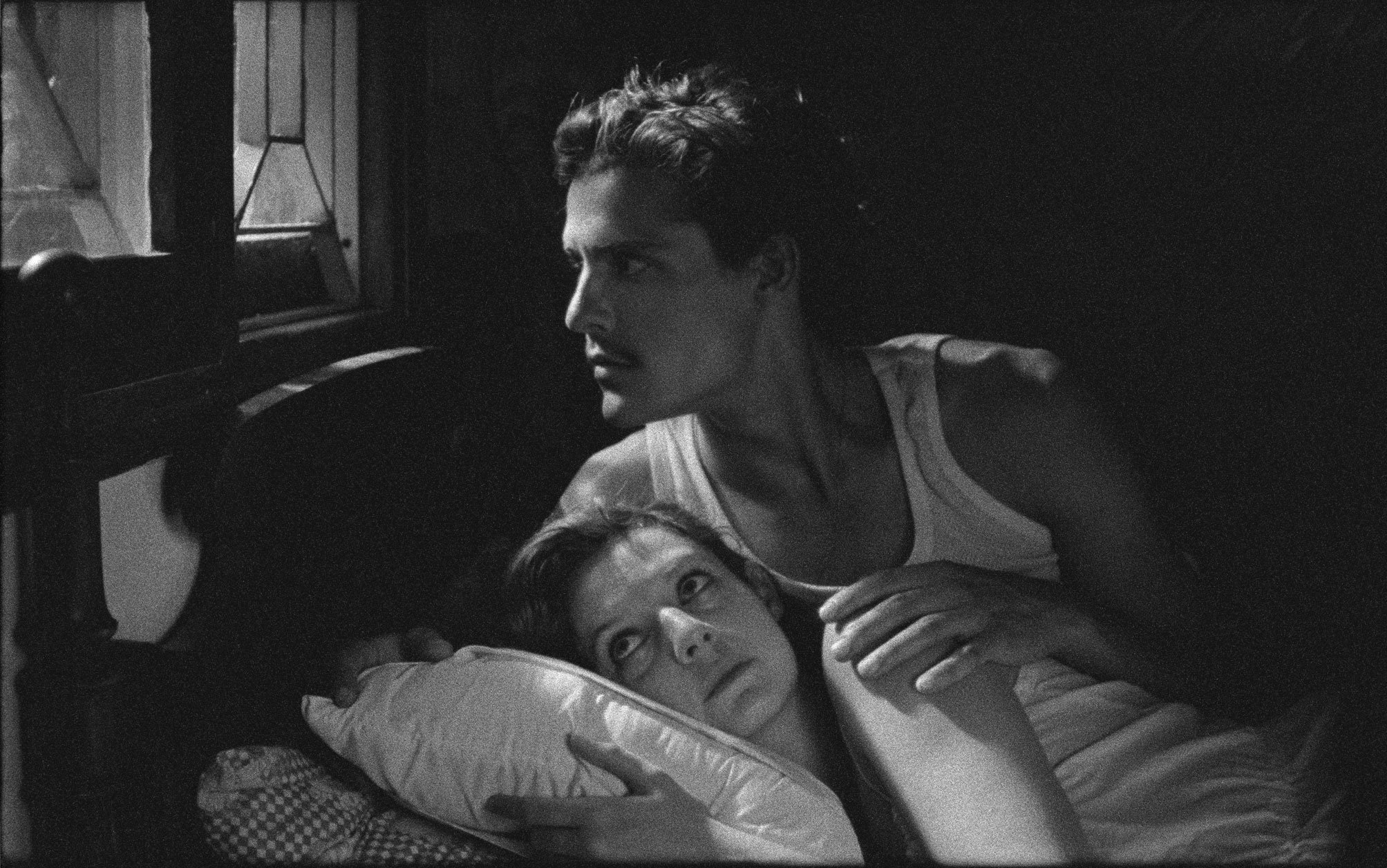
Something about falling in love in an exotic place makes it feel much more romantic, leading to plenty of classic black and white films centered on the idea, with a visual language and a set of aesthetics meticulously enacted in 2012’s Tabu. These classic films, however, rarely contemplate the actual reality behind these films– the reason that made these romantic trips possible in the first place. Tabu subtly critiques this indulgent imagination, with the silent memory melodramatically portrayed and narrated by the white lovers, but with the African natives and their homes and landscapes depicted naturally. Writer-director Miguel Gomes remixes classic cinema techniques to paint and reframe the lovers’ myopic memory, in such a striking fashion.
When forming a connection with someone, sometimes it doesn’t go the way you plan to– it’s a familiar romcom thread, something from the classics, but it’s a story that works. Trick is a witty comedy of errors with a similar thread, but through the various obstacles shy gay man Gabriel has in trying to get a one night stand, the romcom neatly introduces him, and us, to Greenwich Village’s gay community of the 1990s: the casual piano bars, the vibrant nightclubs, and the fun drag shows. It’s charming, it’s sweet, it’s humorous, and it has a lighthearted relatable struggle, one that focuses on the joys and pleasures of falling in love as a gay man.

Most sports biopics are centered around winners– their drive, their spirit, and their determination to beat the competition, and maybe win some glory for their respective teams, hometowns, or countries. The Happiest Day in the Life of Olli Mäki instead focuses on a Finnish boxer that lost a match. Shot in 16mm black and white film stock, writer-director Juho Kuosmanen captures the man, not the legend, in sequences that feel like decades-old memories that draws you into his story, his humble character, and the motivations that drive him, a yearning for love rather than bragging rights, trophies, and nationalistic pride. It’s such a charming twist to the genre, one that recognizes a different kind of masculinity. While Mäki might not be the world’s best boxer, this film suggests that he might be one of the happiest, forgoing an important match for a marriage that ended up lasting his lifetime.

Robert lies dying in hospital, an activist still raging against the lack of financial support and mainstream acknowledgment of the AIDS crisis. David volunteers to be his “buddy” while he’s bedbound, keeping him company and conversing. He’s less bothered by how the world treats homosexuality and AIDS, and although he commits to sticking by Robert, he’s doubtful of the need for his protests.
The film is firmly on Robert’s side, giving him space to shout and show frustration. What’s more, Buddies never treats sex as dirty or dangerous, allowing it to be something in which gay people find joy and solace, refusing to cast it as shameful. By the end of the decade, Geoff Edholm, who played Robert, and director Arthur J. Bressan Jr. had both lost their lives to the pandemic. It’s a snapshot of hospital rooms across the world, which were often hidden from sight, as a community was left to fend for itself, unsupported. David comes to understand.
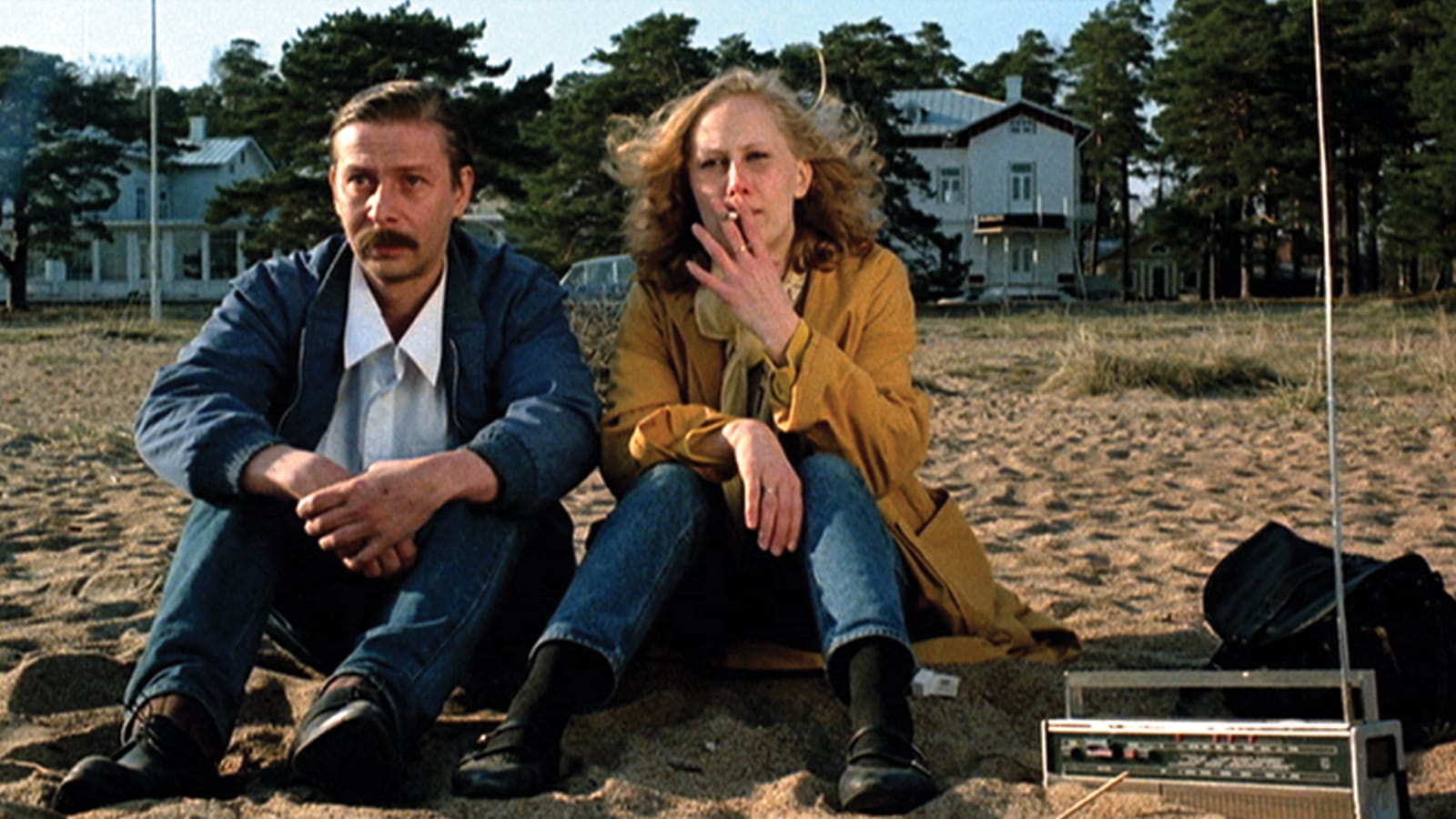
Grand gestures, over-the-top declarations of love, and elaborate gifts… These normal romcom acts can sometimes make it seem that romance can only be done by the wealthy. But, in reality, love can happen anytime, and the first film of Aki Kaurismäki’s Proletariat Trilogy suggests that love is ultimately necessary in a world where two lovers are disenfranchised. As Nikander tries to woo a slightly disinterested Ilona, and as Ilona decides to depend on him for support, Shadows in Paradise might not have the usual frills of a romcom, but Kaurismäki finds the bare essentials in a depressing Finnish town, and captures the small ways it blooms in spite of it, through the lovers’ humorous blunt dialogue and the color their love adds to their world.
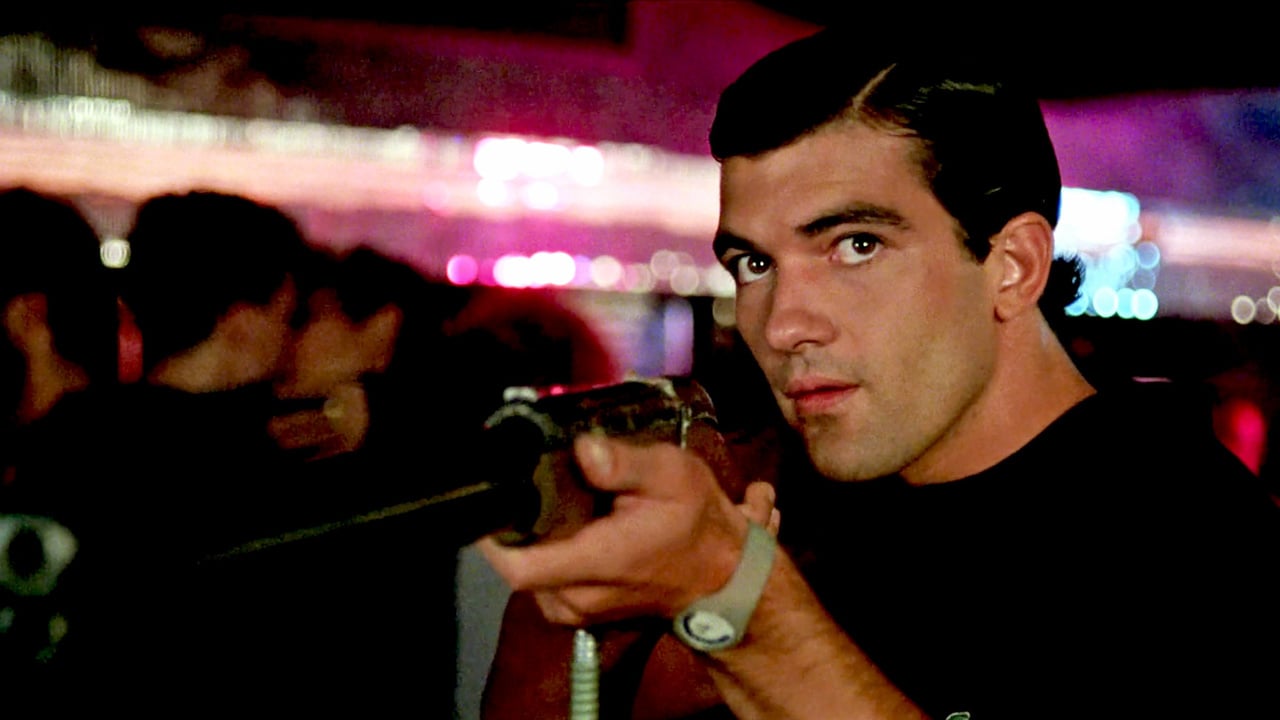
When falling in love with another, or when another person falls in love with you, the relationship is formed by the ideas in your and their heads, specifically about your dynamic, your respective personalities, and the potential outcome of this love. Law of Desire is centered on this idea, unfolding through a chaotic gay love triangle that demonstrates the ways the ideas and fantasies can differ. And as the characters inevitably go through fairly melodramatic reactions when they realize the desires of another person, in the most colorful fashion (literally and figuratively), Pedro Almodóvar creates an amusing and daring examination of the genre it’s inspired by.

Forlorn longing envelops Days of Being Wild, where the act of dreaming is as valuable as its actual fulfillment. “You’ll see me tonight in your dreams,” Yuddy tells Su Li-zhen on their first meeting, and indeed, this line of dialogue sets the film’s main contradiction: would you rather trap yourself in the trance-like beauty of dreams or face the unpleasant possibilities of reality? Wong Kar-wai’s characters each have their own answers, with varying subplots intersecting through the consequences of their decisions. In the end, happiness comes in unexpected ways, granted only to those brave enough to wake up and dream again.

Relationships mostly come and go, but to some lucky people, they find love early, hold onto it, and never let it go. Holding the Man is a drama based on a memoir on a fifteen year love affair between John Caleo and writer Tim Conigrave, who first met in high school, and chose to stay with each other despite parental disapproval, diagnoses, and same-sex activity being illegal. While Ryan Corr and Craig Stott do seem unconvincing as high school students, they share a realistic, endearing chemistry that makes you hope for a happy ending for the two, despite the knowledge of what they would have to face that decade. The film captures the nostalgia of the times in such a relaxed way, while also sticking to the frank tone of the book. Holding the Man reminds us to cling to the people we love, because there might be a time where we cannot.
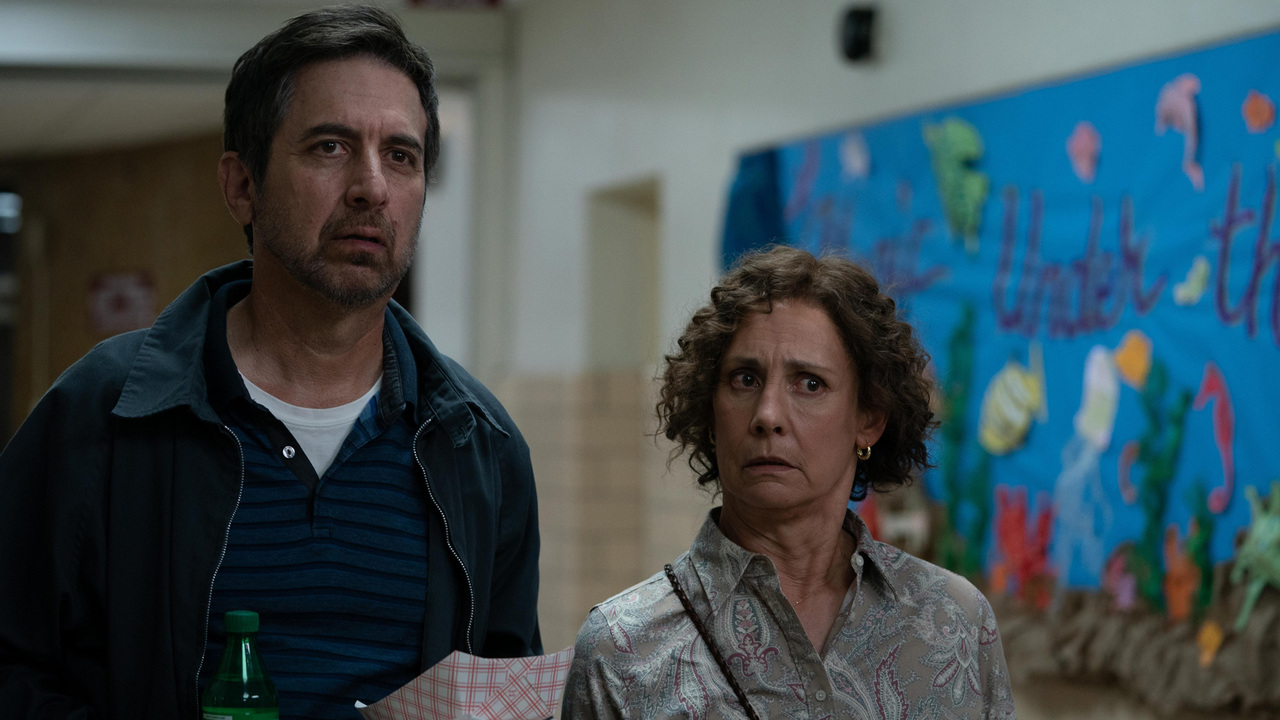
Somewhere in Queens has the familiar feel of an indie dramedy. It’s intimate and unassuming, casually funny and effortlessly moving. It has the low-key charm that evades more large-scale productions, lending the film that rare poignancy that makes something feel special.
All these boost an otherwise simple story of family and acceptance. Couple Leo and Ange (a very compelling Ray Romano and Laurie Metcalf) are getting on in years, and watching them navigate the common pitfalls of people their age is both funny and heartwarming to watch. This is cleverly paralleled with their son Sticks’ (Jacob Ward) coming-of-age journey, which is just as expected but tender as ever.
Theirs is a tight-knit family that fights as much as they love, and watching them in a modest production like this isn’t just feel apt but authentic and dear too, like an old family picture come to life.
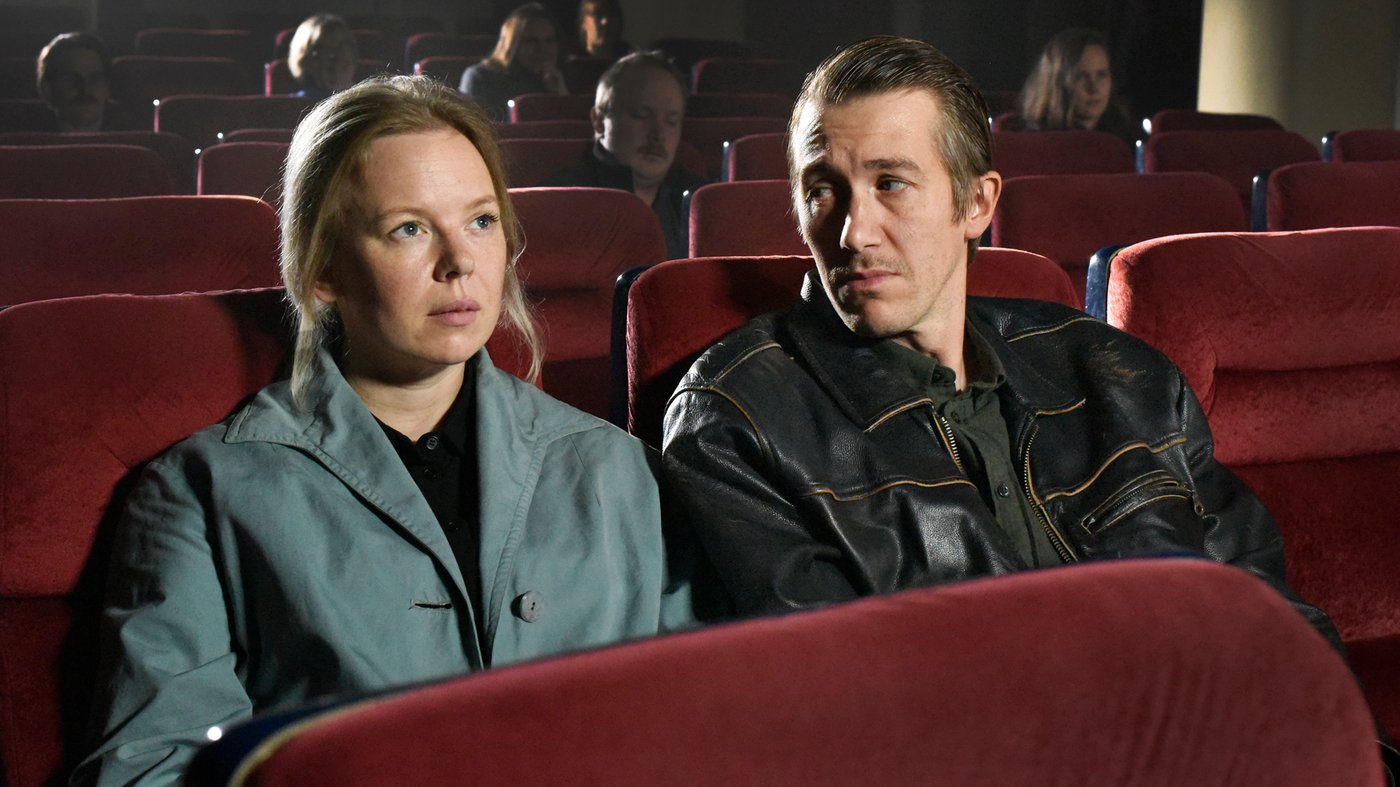
Simple but lovely movies like Fallen Leaves are hard to come by these days. While others rely on complicated dialogue or overly ambitious premises to be deemed deep or important, Director Aki Kaurismäki trusts that his material is strong enough. After all, its silence speaks volumes; the characters don’t say much but when they do, you can be sure it’s something hard-hitting or funny. The plot doesn’t contain a lot of surprises, but when it makes a turn, it moves you instantly. And the leads, Ansa (Alma Pöysti) and Holappa (Jussi Vatanen) barely move their features, but their eyes convey more emotion, more longing and ache and joy, than one can hope for. Some movies can be challenging, exhilarating, or exhausting to watch. This one is simply delightful.
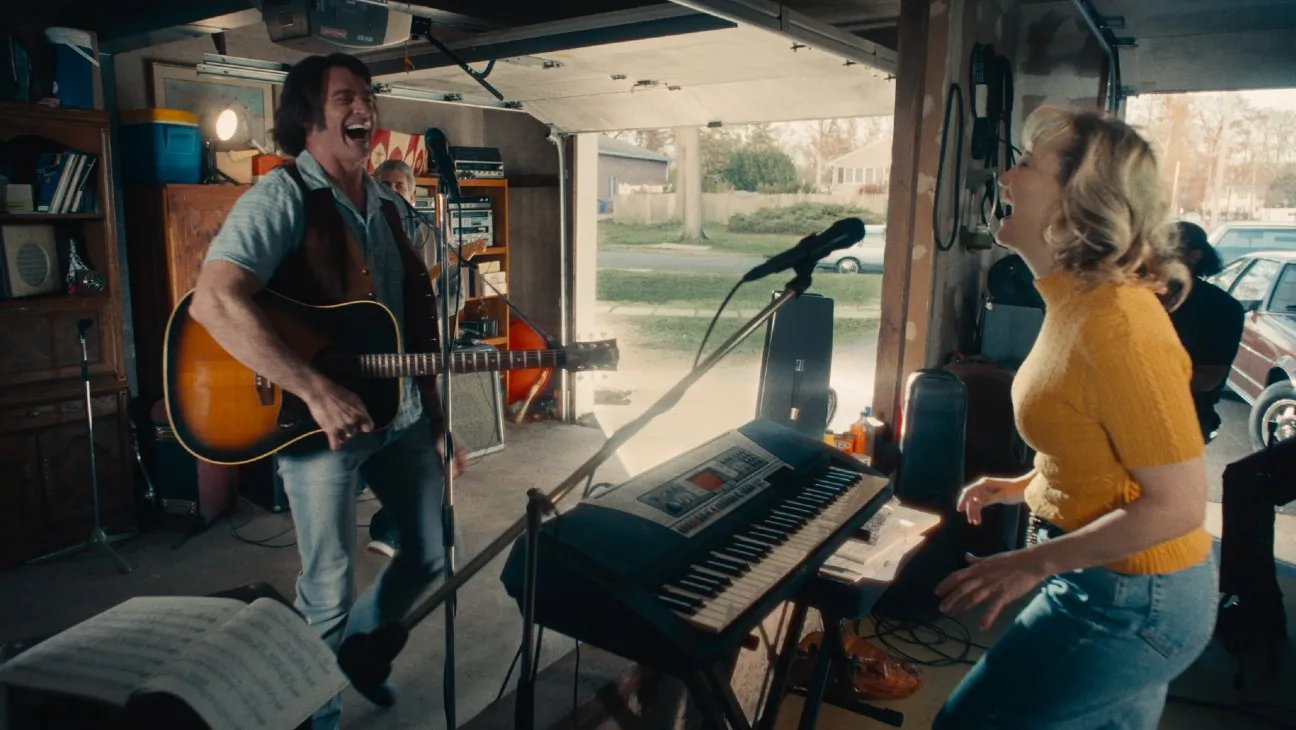
Song Sung Blue gets its name from a Neil Diamond song, but rather than depict his life in a regular ol’ biopic, it instead depicts the love story behind a tribute band that covers his work. It’s still a biopic, sure. But it captures an angle of the music business that Hollywood hasn’t honored so much before, the performers who were inspired by the greats and ended up settling for what they can have. It’s a new story, one that Hugh Jackman and Kate Hudson carry with incredible chemistry. At a time the industry was accused of being unoriginal, Song Sung Blue proves there’s still stories to be told, just by moving the spotlight to where it hasn’t shined yet.
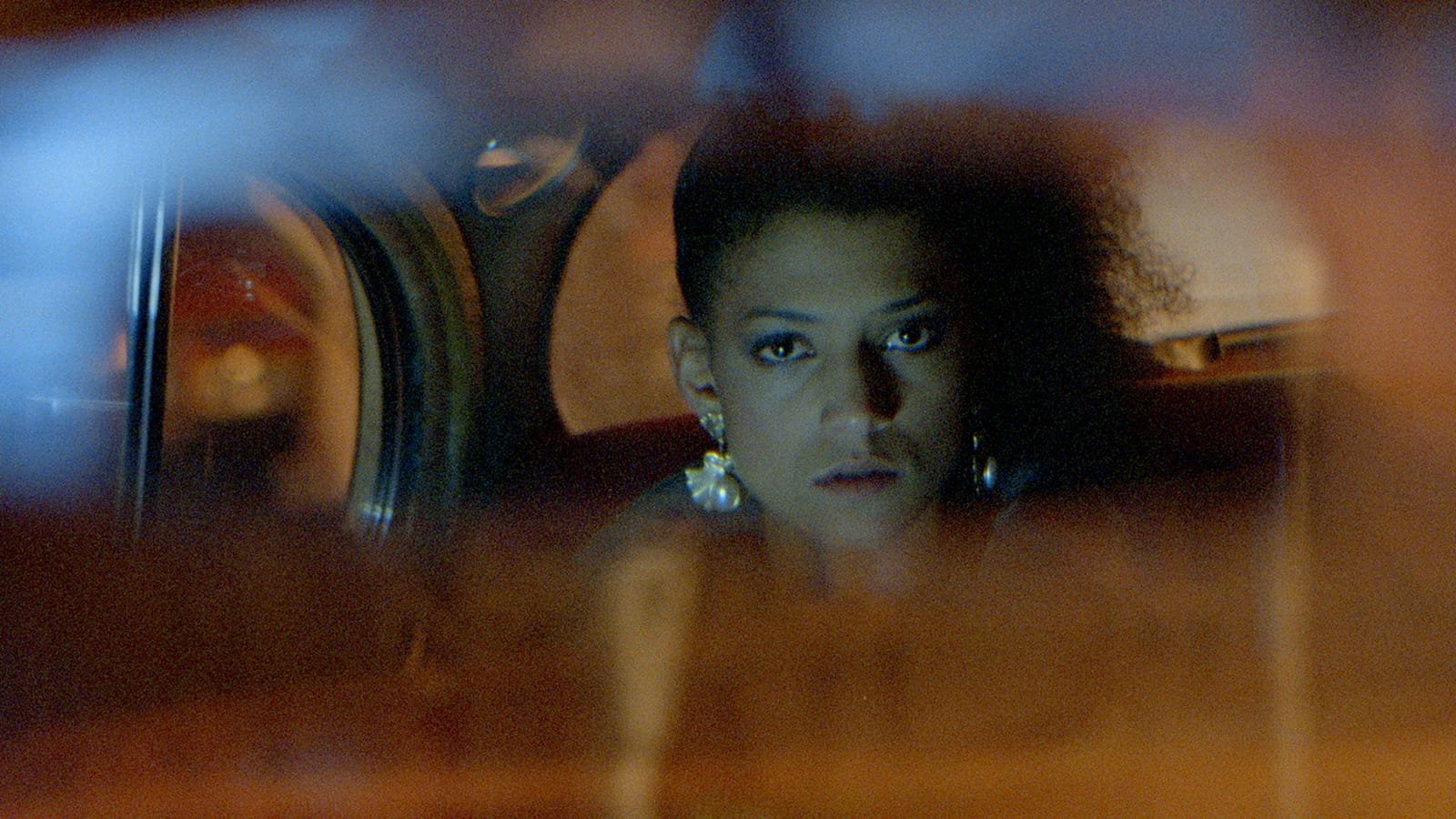
With a driver protagonist, trying to reintegrate with the rougher parts of his home city, forming a connection with a woman way out of his league, Soho-based Mona Lisa has spawned comparisons to the New York-classic Taxi Driver (1976), but this British neo-noir has a completely different tone and spirit, with a completely different conclusion. Mona Lisa has, of course, Nat King Cole crooning the similarly named tune, and as George gets enamored with Simone, both roles played fantastically by Bob Hoskins and Cathy Tyson respectively, they both keep their cards to their chest, as if similar to the famous painted smile. The ending may be a tad abrupt, but Mona Lisa has a lot of compassion and hope for these two trying to make a better life for themselves, a lot more than expected from the genre.
A simple and sweet movie about love, trust, and space. Adam is a 30-something year old with Aspergers syndrome, this film is about how he navigates his way through loneliness and love and all things in between. It is both humorous and slightly heart-breaking, and will leave you feeling that way as well. Maybe the reason we all belong together is that we don’t, and this movie is a beautiful examination of that.
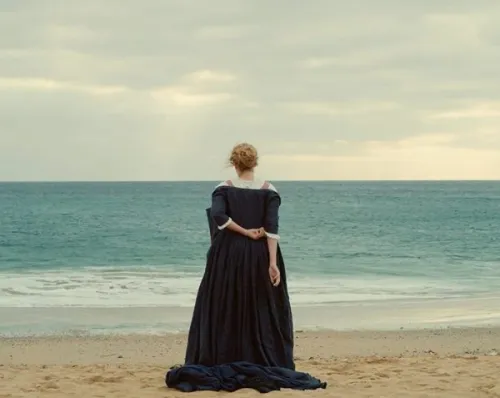
This unique romance is set during a time when a man would be sent the painting of the woman he was to marry before the wedding could take place. Héloïse, secluded with her mother and a maid on a remote island, doesn’t approve of her upcoming wedding and refuses to be painted. Her mother sends for a new painter, Marianne, to try to paint her without her noticing. Marianne has to take on this near-impossible task when she starts having feelings for Héloïse. This makes for a riveting romance where Marianne has to choose between her heart and her art while keeping a huge secret from her love interest.
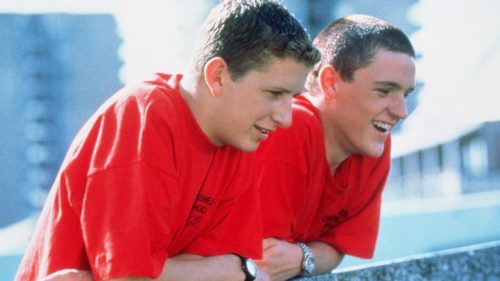
A sweet and wholesome tale of two boys falling in love against the backdrop of 90s homophobia and social issues. Jamie is a heavily bullied high schooler whose only sanctuary is his family’s low-income apartment. His mom Sandra decides to also make that apartment a sanctuary for Ste, another highschooler suffering from an abusive father and older brother. They share Jamie’s bed and their prospect of friendship quickly turns into something else.
Beautiful Thing is beautifully scripted and never too emotional. In fact, whenever the story moves towards the emotional, a funny scene is introduced to ease the tension. Many of these scenes feature Sandra’s boyfriend, a well-spoken hippie by the name of Tony. Features heavy British accents, subtitles may be necessary!

Plenty of teenage romance comes about due to mere proximity, which is not bad, but it’s not as compelling as the story told in 2008 Irish indie Kisses. That’s because their relationship comes about through trust, tested by them running away from their impoverished neighborhood and having to rely on each other in order to survive the tough city streets. It’s the kind of love story that’s somewhat contrived, but nonetheless writer-director Lance Daly captures this relationship in a sweet and tender way, understanding how rare this trust can be given the lives that they lived. The leads also share a chemistry that makes this charming indie work.
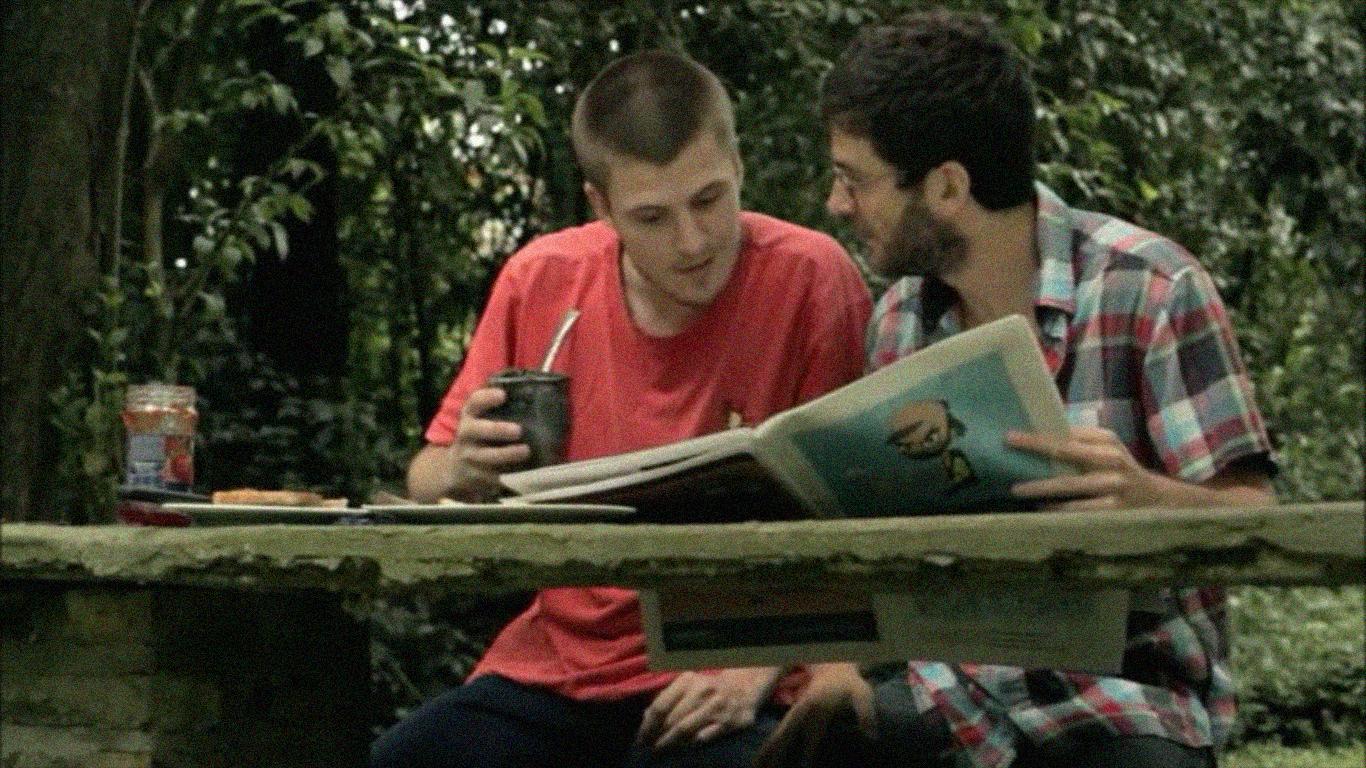
People’s first impression of us usually sticks with them, but there are some lucky instances where you meet again, and their impression of you gets updated to the point that you start to care for each other more than you do other people– you both become special to each other. This change is at the center of Hawaii, the 2013 Argentine gay drama. Writer-director Marco Berger crafts a charged, compelling connection because of that change in impression, as their dynamic holds much more at stake than just a summer romance. Through shared, natural moments, Hawaii is content in letting the tension simmer between the two men as they start to reassess the task and their attraction at hand.
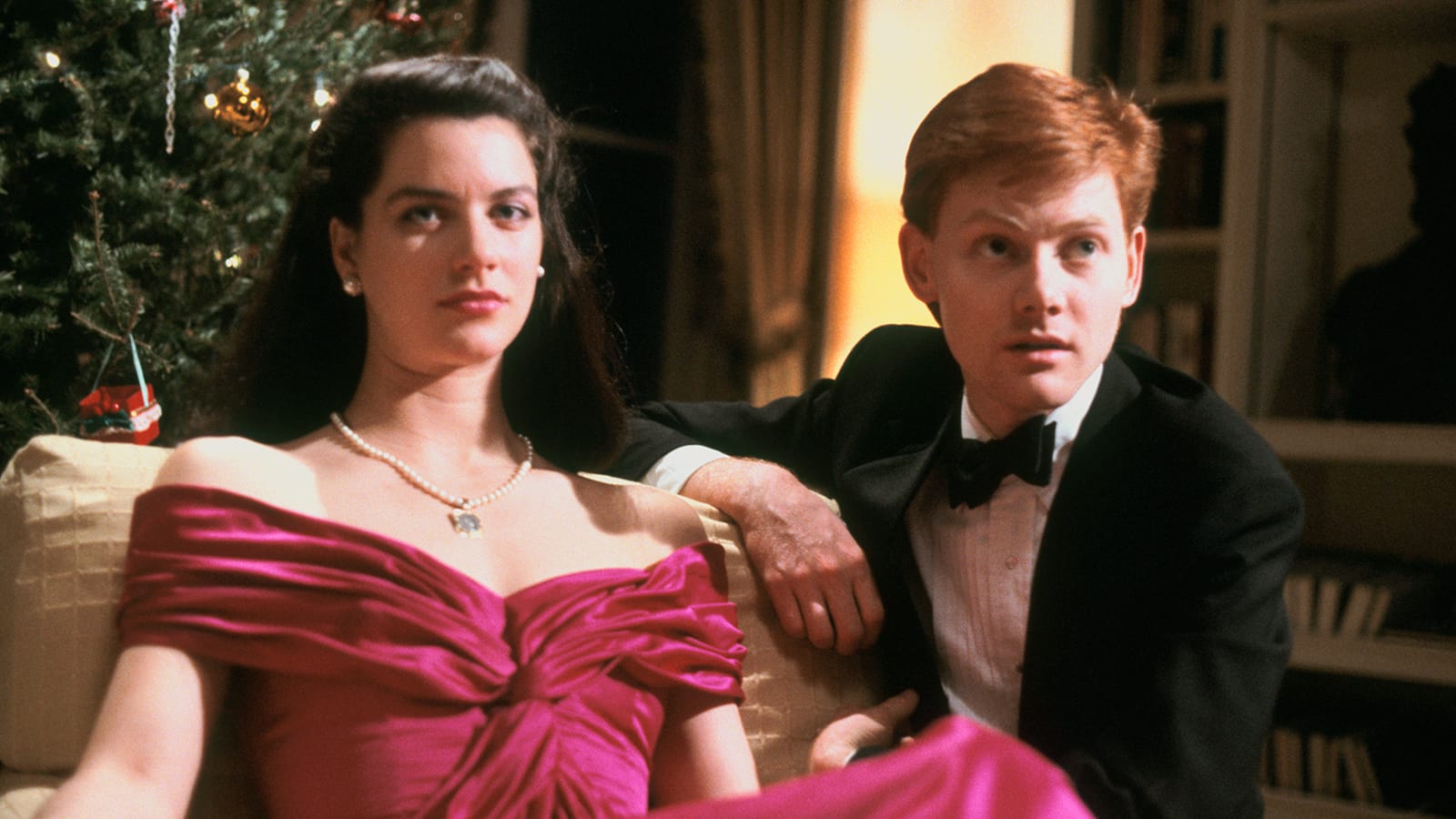
It’s very interesting, if not startling, to see an earnest movie made about the white upper class these days. Metropolitan is one such film, and even though it was released in the ’90s, it still stands the test of time precisely because it neither judges nor defends the group of WASPs it follows. It simply shows them in all their elegance and sophistication, as well as their insulation and irony.
Metropolitan takes place in the upper crust of New York debutante society, during Christmas vacation, where soirees are rampant and afterparties even more so. The young-adult leads who navigate the scene in their expensive clothes and self-important aura recall a Scott Fitzgerald novel, or if you like, Gossip Girl episode. But instead of falling into tragedies, these characters just end up in silly but relatable mishaps and misunderstandings: they’re just kids after all. And as high and mighty as they may seem, whiling away in tall Park Avenue apartments, they’re still prone to the universal pains that haunt and shape teenagers. Expect to see heartbreak, jealousy, and longing even among the brightest and wealthiest of New York.

Looking at the animated character designs, it seemed like Birdboy: The Forgotten Children would be a cutesy, creepy cartoon for children with a defanged Halloween aesthetic. But the cute animals of the island face a horror much scarier than plenty of terrifying tales, because their horrors mirror everyday poverty in a fictional island taken, destroyed, and tossed aside by an industry producing garbage. It immediately starts off bleak, with a father telling his son what became of the island as they pick up copper scraps for food, and as the film continues, desperation starts closing in, shifting the colors into a red, white, and black nightmare. Birdboy: The Forgotten Children takes on a different tone than what animation lovers are used to seeing, but it’s a welcome difference in a media landscape made to distract from today’s troubles.

See, low budget films do work! Like Crazy schools other romantic films on what they should all be: cute and sweet but also frustrating and nerve-wracking. Felicity Jones is absolutely fantastic here, she stars as a British girl who falls in love with an American, Jacob, while in college. On a whim, she overstays her visa to be with him, and then return to England to face the consequences. The intimacy this film explores really distinguishes it from others and makes for an authentic experience, as it is based on its writer/director’s own 8-year long-distance relationship. A great option if you’re in the mood for the type of suspense that pulls at your heartstrings.

There are people in life that have a one of a kind voice that you can’t help but listen to, as they provide different perspectives that challenge your own in compelling ways. The Whole Wide World tries to capture the fairly elusive pulp fiction writer Robert E. Howard, but through the perspective of the one love he once had, Novalyne Price. It’s a unique perspective, one that contrasts the choices the real life couple made that diverged their paths– pursuing the road less travelled over what’s socially expected– and director Dan Ireland crafts some pulp-like moments, especially with the rousing score and the excellent performances. That being said, Ireland does play it safe with his debut, as The Whole Wide World leaves things as vague as Howard did in his relationship with Price.
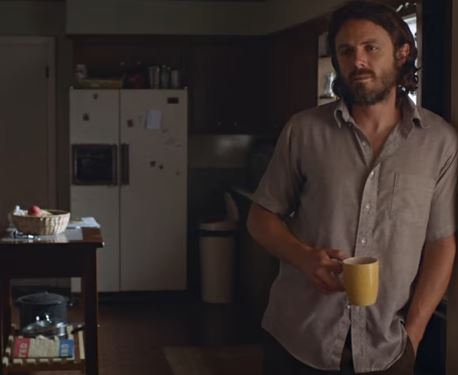
Twisted yet deep. Sad yet interesting. Slow yet exhilarating. A Ghost Story is an incredible artistic achievement. With hardly any dialog, and breathtakingly long takes in its first half, it manages to bring you in its own creepy world and not let go until you feel completely lonely. Starring Rooney Mara and Casey Affleck as a loving couple who are hit with a horrible tragedy, the beginning is slow, and it’s not a plot driven movie, but if you give it a chance it will blow your mind.

Admittedly, it’s hard to watch the first twenty minutes of Dinner in America. The slurs are gratuitous, the suburban families are superficially satiric, and it seemed at first glance the leads were, too. But when the punk singer and his awkward fan meet, and they start driving around the Midwest, there’s a charming chemistry formed between these two weirdos, portrayed with a dynamic back-and-forth between Kyle Gallner and Emily Skeggs. This chemistry makes their ridiculous character flaws work, too– as Simon’s random destructive quirks end up being the perfect response for Patty’s life and Patty’s deranged fan letters turn out to be the kind of lyrical genius Simon’s been looking for. There’s no denying that the film is brash and rough at the edges like its leads, and even with this, some viewers might still turn up their noses at the two. But the over-the-top humor, the memorable dialogue, and the surprising sweetness of Dinner in America makes for a scrappy, edgy romcom that might actually be punk.
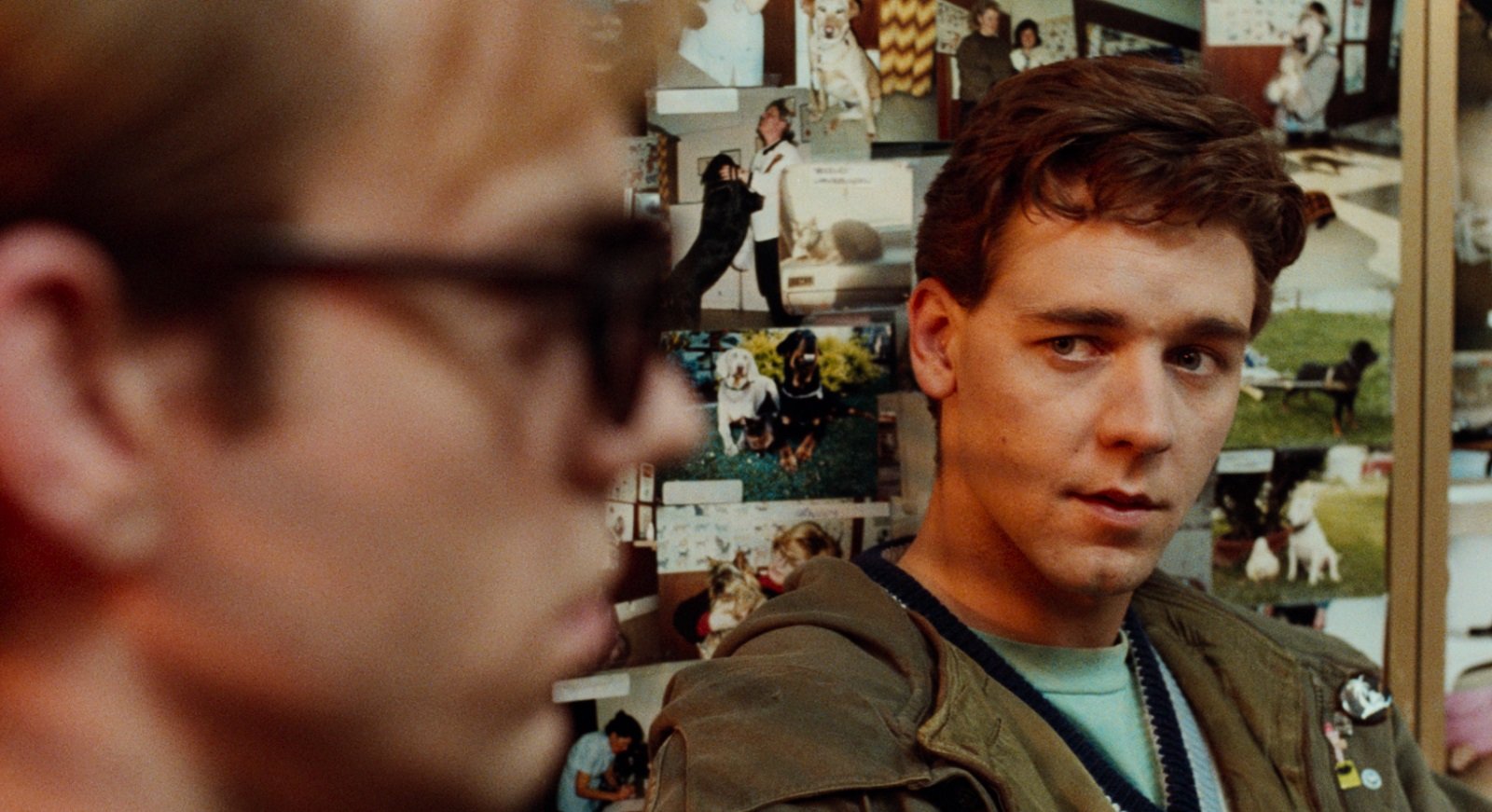
Empirical truth is something that is observable, objective, and verifiable. However, without the ability to observe, one must find other means to obtain a set of observations– repeated, consistent answers to eventually parse out the reality. One must obtain proof. Proof is an Australian drama about a blind photographer named Martin, who uses his photos to get multiple viewpoints of what was present in that specific moment. Writer-director Jocelyn Moorhouse brilliantly uses that idea to craft a character that wields objectivity in order to protect himself and keep himself distant, as seen through the way he instantly trusts Andy due to his straightforward demeanor, and the way he attempts to drive away his housekeeper Celia to get her to see the worst of him, instead of the idealized, perhaps fetishized, image she creates of him. Proof challenges the photograph as a medium of truth, as well as the idea of complete honesty and trust in another person.
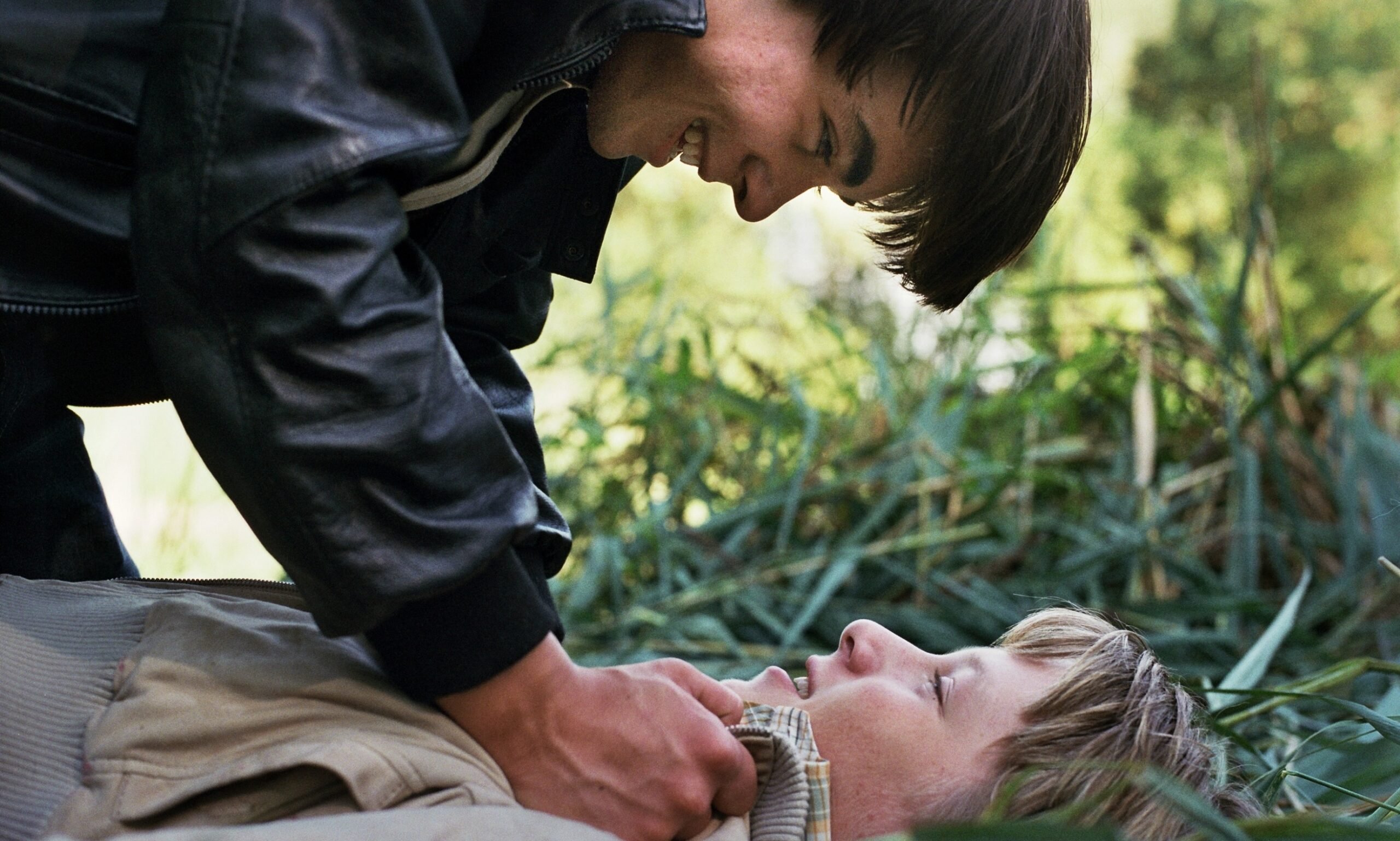
Why a bar in the middle of the Belgian countryside is named Texas, we aren’t given an explanation. But North Sea Texas has a bit of the Southern small town charm that marked plenty of old American indies, with its retro neighborhood, lovers next door, and a more grounded approach to romance compared to its European neighbors of the time. The surrounding drama is a bit convoluted and, well, melodramatic, with a love triangle involving Pim’s mom, as well as a funeral, but there’s a sweet simplicity to the way Pim and Gino’s romance unfolds. North Sea Texas doesn’t reinvent the genre, but it’s just a nice coming-of-age story that refreshingly doesn’t have to deal with discrimination.
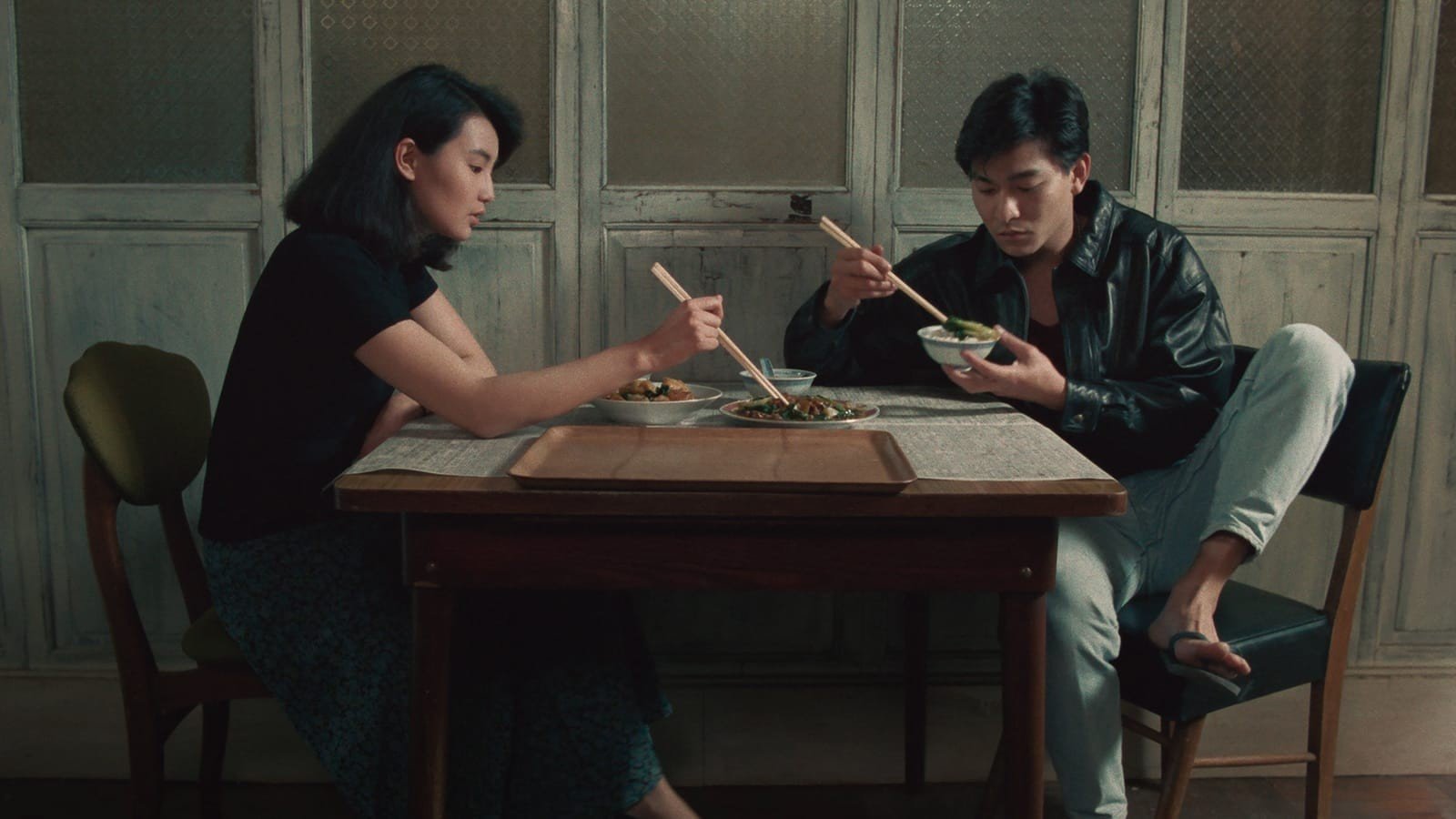
Before Wong Kar Wai made his signature romantic dramas, he first made his directorial debut As Tears Go By, a film that wouldn’t be out of place in the crime and action flicks that characterized 1980s cinema. There are moments that feel a tad derivative, such as the use of Take My Breath Away from 1986’s Top Gun, and the gangster love triangle reminiscent of Martin Scorcese’s Mean Streets, but Wong’s style starts to peek through with his use of color and light, and of course, the distinctive blurred action that transforms movement into lines. It’s not as sleek as Wong’s better known works, but As Tears Go By is still a good film to watch, marking Wong as one of the biggest names in the then-emerging Hong Kong New Wave.
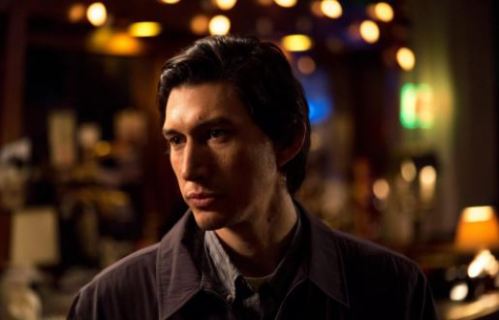
An instant essential film in the Jim Jarmusch catalog. In his traditional directing fashion, Paterson disregards plot and instead finds inspiration in deconstructing the seemingly mundane aspects of life. Adam Driver stars as a bus driver and amateur poet who leads a content life staying away from change as much as possible. His girlfriend, Laura (played by Iranian actress Golshifteh Farahani), is the complete opposite: eager to be creative, to explore new paths, and to decorate and design every object in her life. Jarmusch takes these two characters, adds only a few others, and makes a movie that celebrates similar so-called simple lives, reaching surprising levels of beauty. Again, not much happens in terms of plot, and the pace is slow. But if you are interested in the kind of movie that will let you into people’s lives, you will love Paterson.
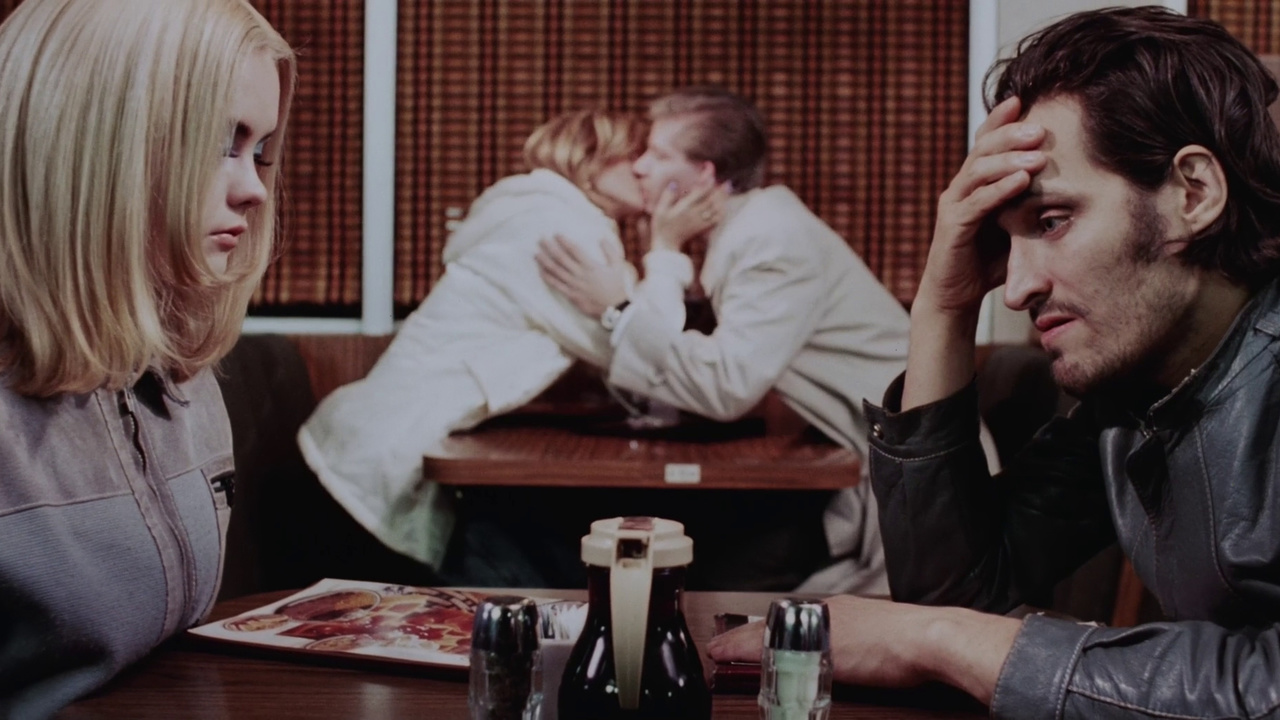
When you’re an ex-convict that wants to hide his stint in jail from his parents, among other things, fake dating is a rather strange solution. It’s usually the stuff of cheesy romcoms, but Buffalo ’66 plays out differently. The pretense doesn’t stem from jealousy or money or career status, but rather from desperation, becoming another attempt to win some semblance of self-worth from dysfunctional parents, which inevitably doesn’t work… At least in the way Billy hopes it would. While Layla’s motivations aren’t fully fleshed out, Christina Ricci brings a certain doll-like sweetness that lines up with what’s expected of her by her captor, but also happens to enliven the rest of the family, allowing just a glimpse of the good people they used to be, before they slip back into their usual unkind, thoughtless selves. This, along with Billy’s background– flashbacks of neglect and abuse in frames within frames– makes their connection a bit toxic, but Buffalo ’66 has an interesting style and excellent performances to make it a memorable watch.
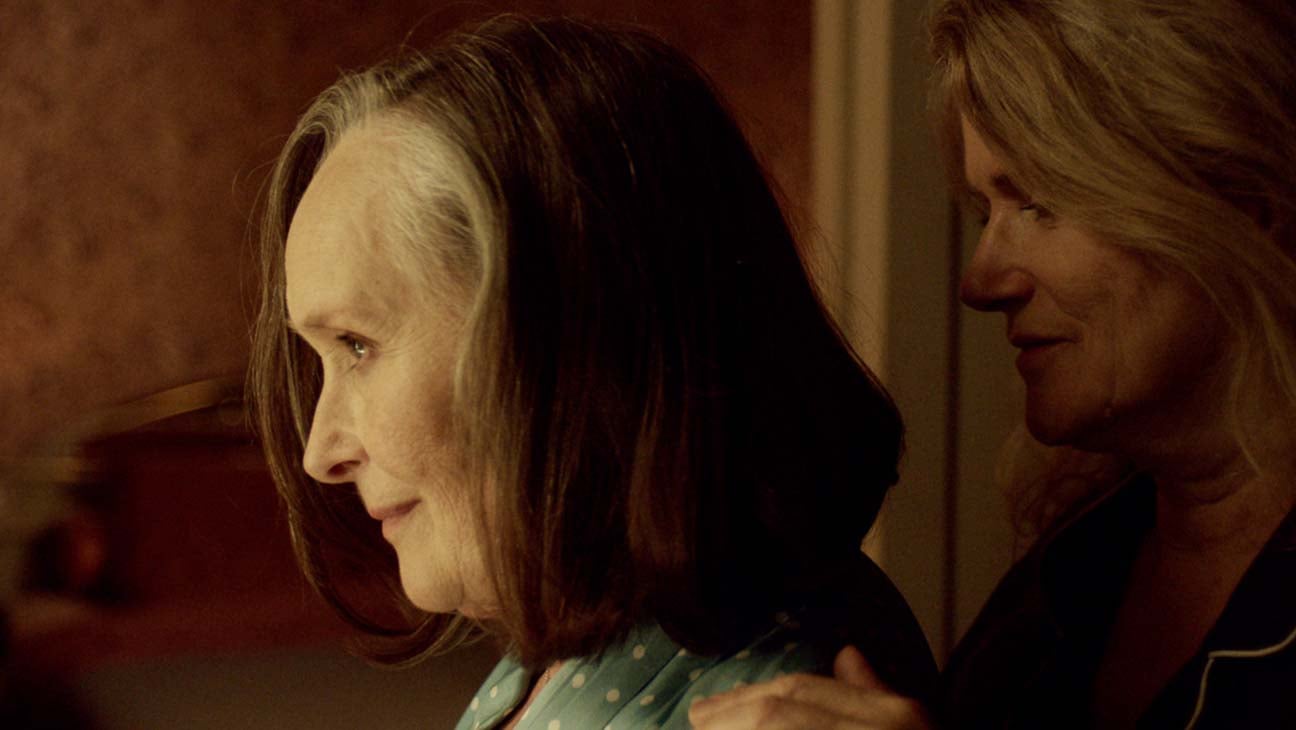
The Two of Us could have been a sweet romantic drama all about lifelong devotion regardless of the circumstances, but instead, first time director Filippo Meneghetti makes it feel more like an unsettling thriller that captures the paranoia and near insanity it feels to be closeted– with Nina having to beg Mado to tell her family, having to hide in what has become her own home, and having to bargain and manipulate her way to Madeleine’s side. Two of Us is quite a stunning debut with such a unique depiction of a lesbian relationship.
 x1
x1
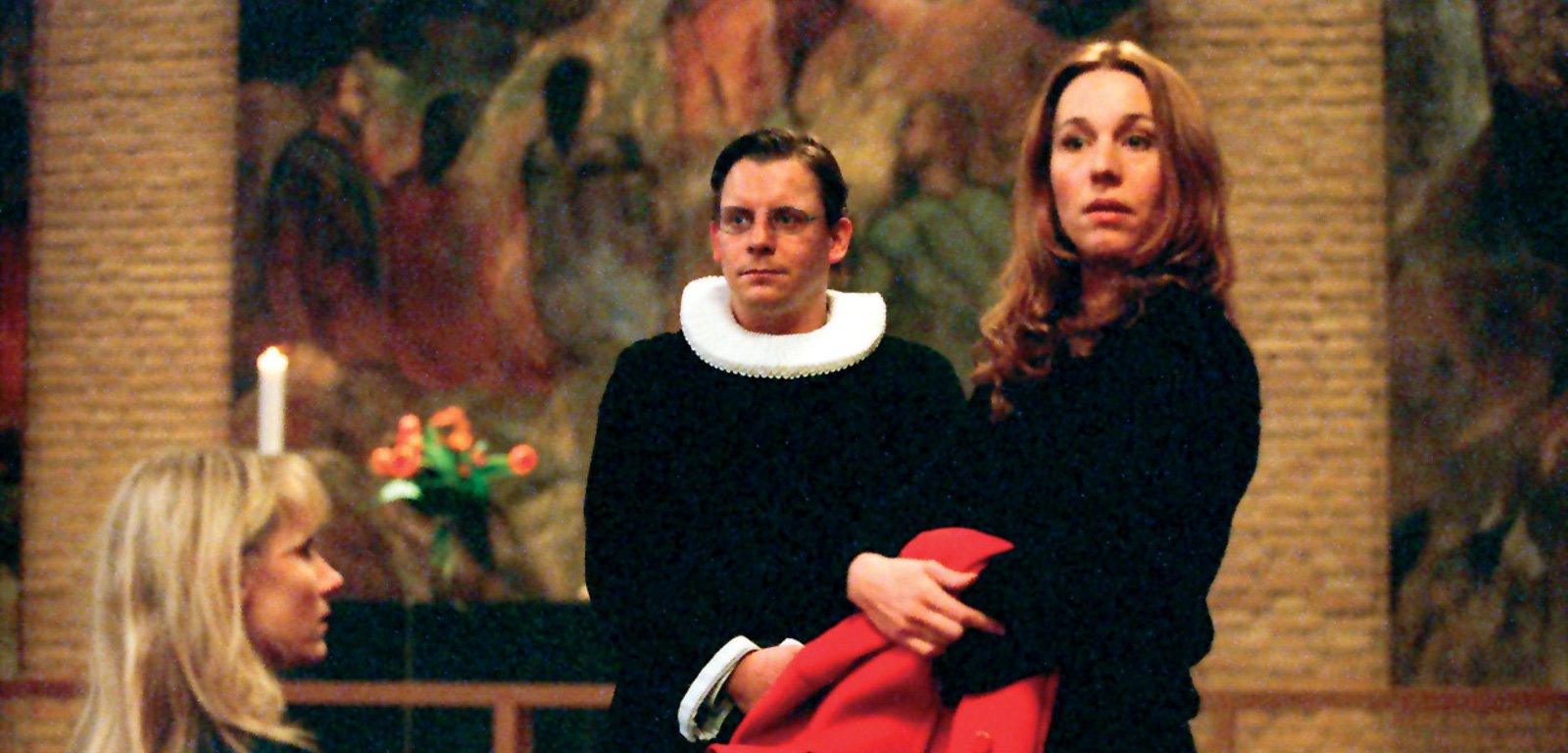
With the austere ethos of Dogme 95, most Dogme films tend to be naturalistic, serious dramas, dealing with heavy topics. Italian for Beginners is a Dogme film, but it’s one of the only lighthearted comedies considered to be one. It makes for a more casual, realistic approach to the romantic comedy, as students in an Italian class naturally build up connections through a subtle, dry humor, and consistent attempts to understand each other, as one does in a language class. It’s understated and subtle, but director and writer Lone Scherfig manages to make Italian for Beginners seem all the more charming.

Adventureland is a retro-tinged movie about teens in Pittsburgh working at a run down amusement park during the summer of 1987. It is marketed as similar to Superbad, when in fact the only thing they have in common is the Director. Adventureland is funny, but it is more sweet, tender, and intimate. Touching on themes of unrequited love, returning home, and small-town love, the film stars Jesse Eisenberg, Kristen Stewart, and the always-delightful-duo of Bill Hader and Kristen Wiig. In addition, the film’s soundtrack is a joyous blast from the past, running the gamut of all your favorite 1980’s synth-happy love songs. It is a movie that anyone can really relate to, no matter when they were born, and an amazing watch.
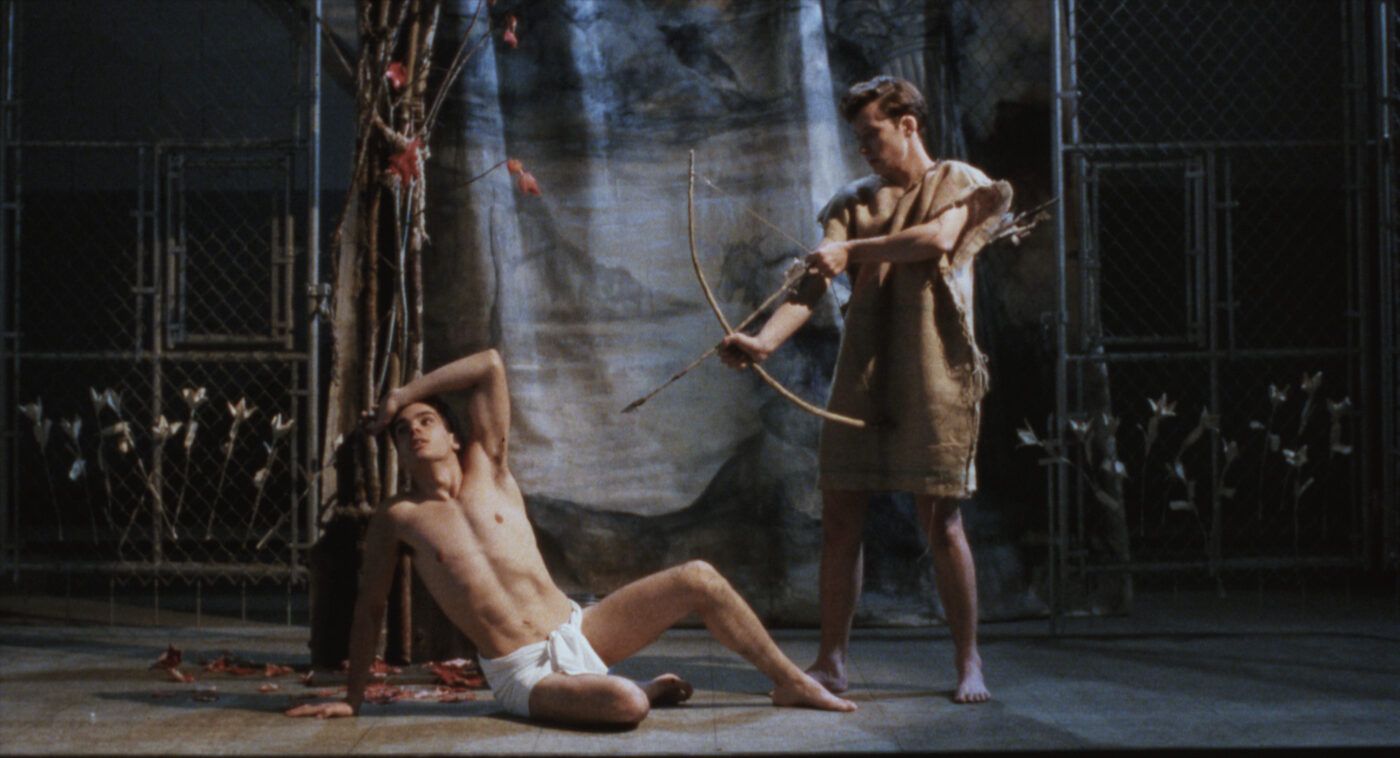
Many people have forgotten that representation and diversity in media isn’t meant just to fill a quota or to signal virtue– the push for it is in response to the way many of these stories were silenced, repressed, and shut out. Lilies might have been overlooked for quite a while, but its 2023 restoration has thankfully enabled more viewers to watch the tale of an imprisoned gay man finally telling his story, turning the tables on a long overdue confession. Michel Marc Bouchard adapts his play through this play-within-a-film, with director John Greyson playing with the confession booth as a viewing booth for both the bishop and the audience to get fully immersed in a love triangle a century ago, juxtaposed with motifs of martyred Catholic saints and French lilies and fire. Lilies is a well-crafted and deeply emotional masterpiece.

What does it mean to be the most talented? Malay drama Talentime starts out with the usual answers– the most talented would be the people who have the most skill, whether that be in singing, dancing, or performing a new and novel act. But, as writer-director Yasmin Ahmad simply depicts this fairly mundane school competition through casual observations of the contestants’ day-to-day lives, deciding who should win proves to have certain difficulties. The most obvious factor is the competition itself, or who they would have to compete against, but in comparing between scenes, Ahmad reveals life circumstances and audience bias that can get in the way, as a protagonist with different demographics is given feedback to adapt and to meet higher expectations. It seemed like a simple talent show, but Talentime paints a broad picture of Malaysia’s multicultural society, all through a seemingly simple slice-of-life romance that sweetens the message it makes.