
Movies Like All Quiet on the Western Front (2022)
To access filters, visit our homepage.












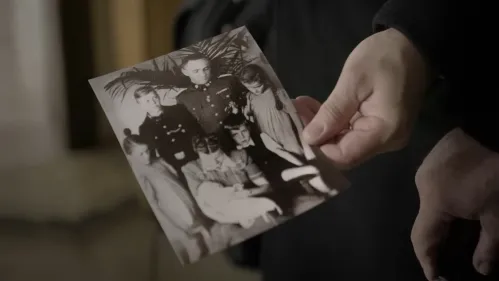
If you’ve seen the bone-chilling Oscar-winning film The Zone of Interest, then The Commandant’s Shadow isn’t just supplementary but necessary viewing. It interviews and interrogates the son of SS officer Rudolf Höss, who describes his childhood in Auschwitz as “idyllic,” and parallels his life with that of an Auschwitz survivor and her family. They’re not asked “gotcha” questions, though there are some moments where Höss’s family members’ insularity shocks you. Instead, everyone is given the time and space to reflect honestly about the pain and trauma that continues to live on in their families. It’s a difficult film to sit through, but insightful and ever-so-resonant in an age where mass torture and genocide continue in many parts of the world.
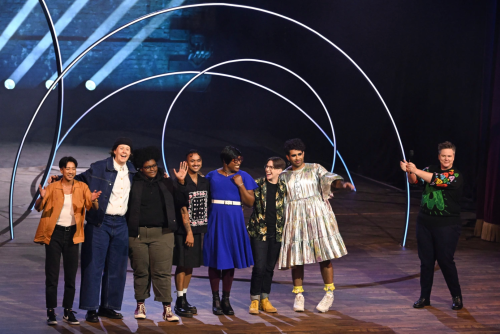
As host Hannah Gadsby explains at the beginning of this stand-up showcase, Netflix only really gave her and these other queer comedians this special after Gadsby sent a strongly worded message to the streaming service first. So as expected from a move that feels more like a business decision than a sincere gesture, Hannah Gadsby’s Gender Agenda doesn’t dive too deeply into trans rights or totally reignite the conversation surrounding the issue. It does, however, give us generally consistent laughs over the course of its 75 minutes, from seven comics with very distinct personalities and perspectives.
No comedy showcase is perfectly coherent, and Gender Agenda definitely has its share of awkward moments. But even in its weaker moments, there’s still something refreshing about watching these queer comics simply exist as themselves, separate from all the cartoonish vitriol that transphobic comedians have for them on the same type of stage. And while these seven comedians center their routines on their respective identities, they’re never obnoxious or angry (like those other comedians may want you to believe). There’s a generosity in how they educate and deconstruct things for the audience, and a self-awareness of the conflicts that continue to exist around them—which they still look at with good humor.
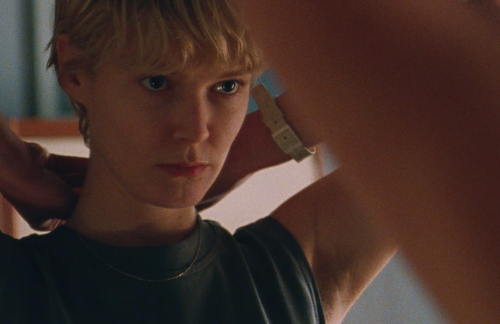
Led by Rosy McEwen’s commanding performance brimming with fear and self-loathing, Blue Jean pours all of the anguish and defiance felt by the LGBTQ+ community under Margaret Thatcher’s administration into a single character. Writer-director Georgia Oakley keeps her plot light, but through conversations with other beautifully portrayed queer women (especially those played by Kerrie Hayes and Lucy Halliday), she piles on one conflicted emotion after another about what this lesbian woman’s responsibility is toward herself and her community when they find themselves threatened. But even as the film takes a definite stance, it validates every response as authentic—borne out of a need to protect the people whom one loves.
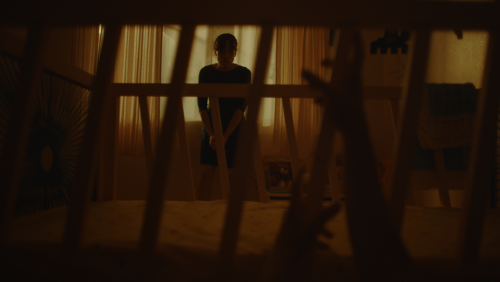
Huesera: The Bone Woman might not be the scariest film horror fans would see, but it does strike at the heart of the scary experience of motherhood. Through eerie sounds of breaking bones and weirdly contorted hands at the edge of beds, the film depicts new mother Valeria being haunted by the titular spirit, despite her prayer to the Virgin Mary. Valeria pleads for her husband and family to listen, though each time she does becomes proof of her faults as a mother. The terror in newcomer Natalia Solián’s face makes it all feel believable, but it’s the folk-inspired imagery of first-time feature director Michelle Garza Cervera that turns this film into a feminist masterpiece.

The Kings of the World is a surreal coming-of-age movie that follows Rá, Culebro, Sere, Winny, and Nano, street kids who are on their way to claim land that’s rightfully theirs. Their one goal is to finally make a home after living without one for so long, but they’re hindered by the inevitable tragedies that befall kids of their kind: impoverished, alone, and abandoned.
The title is ironic, but it also hints at their state of mind: these boys are unstoppable, rabble-rousers who live like there’s no tomorrow. They tear down private property and invade inns not out of spite, necessarily, but out of a knowledge that whatever they do they’re gonna be put down anyway, so they might as well live without rules.
Tackling powerful themes like land restitution and youth neglect, The Kings of the World is one of the most agonizing movies you’ll ever see. It’s also Colombia’s official Best Foreign Language Film entry in the 2022 Academy Awards.

Rye Lane knows it’s treading familiar ground by having its charming leads fall in love as they walk and talk their way through a beautiful city. So instead of experimenting on a tried-and-tested setup, it smartly focuses on specificity. It hones in on the characters’ Gen Z woes and cranks up the British references, giving itself character and charm for days. It also finds other ways to be inventive as it trades plot twists for bold editing and camerawork. Rye Lane is a refreshing entry into romcom cinema, but it is also obviously a big fan of it as it holds plenty of homages and subversions of the genre. This one is made for and by romcom fans, and it’s always nice to see a modern love story set during our times.
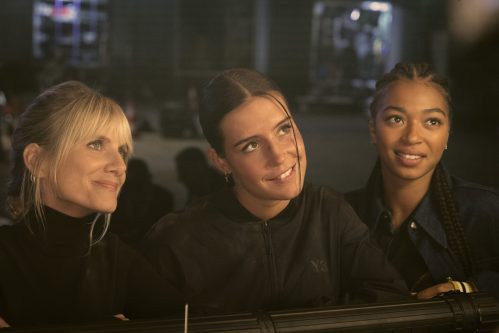
An all-female action comedy that doesn’t get self-serious about the way it’s subverting the genre — Wingwomen feels like a breath of fresh air. It wisely grasps that plot isn’t paramount for a movie like this, and so it joyously dunks on cerebral scenarios with its unabashedly silly story convolutions, like when its professional thieves take a brief pause from their momentous One Last Job™️ to sail to Italy and exact bloody, flamenco-delivered revenge on the gangsters who killed their beloved rabbit. Exotic Mediterranean location-hopping isn’t the only way Wingwomen milks Netflix’s finance department for all it can get, either: director-star Mélanie Laurent also packs in all manner of stunts, from spectacular base-jumping sequences to dramatic drone shootouts.
For all its breezy style, though, there is real heart here, and not the kind that feels crafted by an algorithm. It’s true that a late twist unwisely uses the movie’s embrace of implausibility for emotional ends, but otherwise, the relationship between its professional thieves — ostensibly platonic but very much coded otherwise (a la Bend It Like Beckham) — has surprisingly sincere warmth. Thanks to the cast’s natural chemistry and characters that feel human despite the ridiculous plot, Wingwomen is much more moving than you might believe possible for a Netflix action-comedy.
 x4
x4
The Swimmers tells the true story of sisters Yusra and Sara Mardini (played by fellow sisters Nathalie and Manal Issa), Syrian swimmers trained to compete at the Olympics. When their athletic goals and overall safety are threatened by the increasing presence of war, the girls decide to take a chance and migrate to Europe, where they hope to live out their dreams and reunite with their family someday.
The Swimmers is a touching family drama that does right to center on the love and tension between the siblings. Yusra and Sara’s relationship perfectly encapsulates the envy and resentment but also the deep love and loyalty that are present in every sister bond. It’s tender in these moments, but it can also be equally searing—as a refugee drama, it chillingly tracks the complicated and inhumane processes of fleeing one’s country for a safer future.

One woman’s main character syndrome reaches shocking lows in this vicious Norwegian satire of social-media-era narcissists. Signe (Kristine Kujath Thorp) and her artist boyfriend Thomas (Eirik Sæther) are a deeply toxic couple who torture everyone around them with their constant, petty one-upmanship. When he lands a flashy magazine spread, though, Signe’s usual tactics for slyly redirecting attention her way don’t cut it anymore, and so this compulsive liar takes drastic action and begins overdosing on pills banned for their serious dermatological side effects.
Signe’s Munchausen-esque actions have their desired effect: the physically dramatic results instantly make her the center of attention — but not indefinitely. As she craves increasingly bigger spotlights, the film toggles between reality and scenes from her imagination, including a morbid sexual fantasy in which her funeral proves so popular the priest becomes a bouncer, turning away sobbing mourners whom Signe noticed hadn’t visited her in hospital. The rampant narcissism on display here is at turns hilarious and excruciating: Sick of Myself’s sharp social observation skills make it feel, in places, like a movie by cringe-master Ruben Östlund. That stomach-turning effect carries through to the ending, which darkly suggests that, for someone like Signe, even narcissism itself is a condition that can be weaponized for attention.
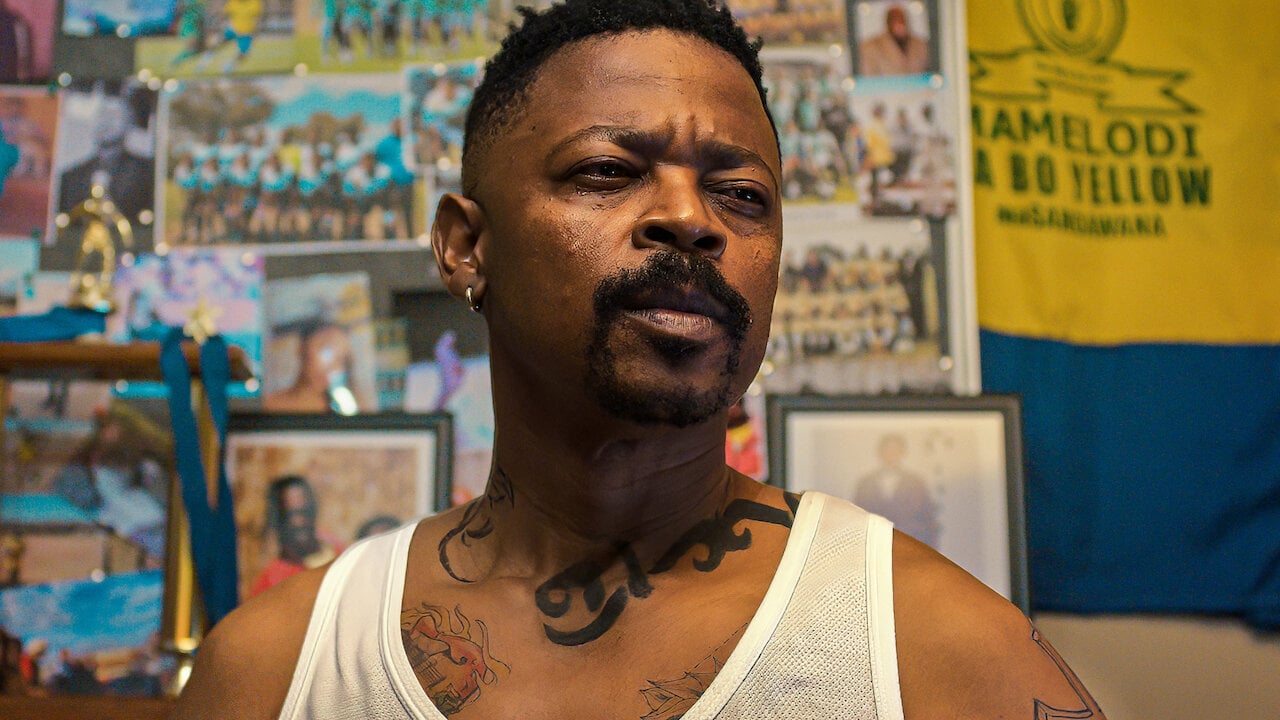
The Queenstown Kings is a sports film that has plot points we’re all familiar with – alcoholic father trying to seek forgiveness from his son, a tempting offer for fame and riches, the standard training montage and more. These plot points sometimes go into melodramatic territory, but the film’s relationships make these scenes feel sincere, especially with the family dynamic that drives the film. And as Buyile strives to better himself to become a good example to the team, and Fezile makes different choices from his father, The Queenstown Kings feels sincere as a reminder of the better side of South African men, one that can be uncovered if they, and their community, believe in a higher dream.
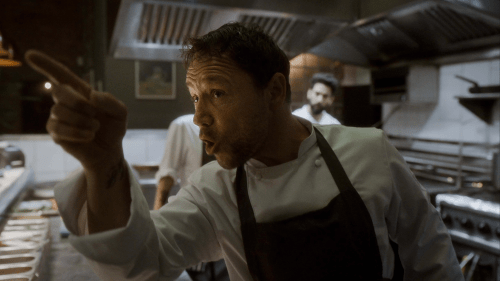
One of the most overlooked films in recent years, Boiling Point is an intense British drama about the life of a head chef. We get to view his world for exactly 90 minutes and, yes, it is all shot in one go. No camera tricks or quirks, just pure filmmaking. Many other movies have tried to capture the chaotic life inside the restaurant business, but none have worked quite well as Boiling Point.
Working alongside the phenomenal actor Stephen Graham, director Philip Barantini hits it out of the park in his second feature-length film. Together, they bring to life some of the most unnerving 90 minutes ever put to film. Think Uncut Gems but with Gordon Ramsay as the lead.

Based on the rumors, When Frank Met Carlitos is a fun reimagination of how the meeting between Carlos Gardel and Frank Sinatra went. While the meeting is entirely fictional, it’s an interesting what-if scenario, as the real-life Sinatra went into music because of American singer Bing Crosby, who in turn, was notably inspired by Gardel, the Il Muto. Split between their languages, Gardel and Sinatra still have a shared understanding, piecing together each other’s thoughts through shared loan words, and imparting knowledge through dramatic song. As the fictionalized versions of the best singers from the American continent interact, the TV special seems like a send-off from a wiser generation to their younger counterparts.

Narrated by the familiar voice of Jack Black, Apollo 10 ½ is a throwback story told with admirable specificity and imagination. Black plays a grown-up Stan, who looks back on his younger years with a mix of fondness and wonder: how did they get away with the things they did then? American suburbia in the 1960s was both loose and conservative, caught between a generation holding on to the reins of the earlier century and one eager to launch into the next.
Stan, as the youngest child of a big, rowdy family, gives us a charming look into the times, as well as a projection of his own fascination: Apollo 11 and the space age. He inserts himself in this monumental narrative and generously brings us along in his fantasy. Sometimes it’s hard to tell whether Stan’s recruitment by NASA is actually fact or fiction, but that’s part of the fun, especially since Stan himself doesn’t seem to mind at all.
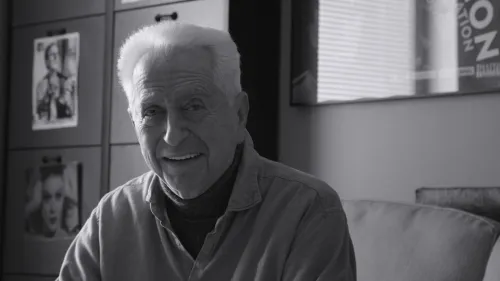
Robert Downey Sr. was a great asset to American filmmaking. An experimental creative in New York, he made countless movies with his wife and family and didn’t care (as everyone does now) whether it made money or not—only that it made him and the people around him laugh and think and scratch their heads in equal measure.
Sr. is a documentary about this prolific man, as told by his son Robert Downey Jr.
In Sr., we get an intimate look at father and son—their home life, their sometimes-testy relationship, and their different artistic philosophies. It could have delved more into that conflict for some genuinely compelling scenes, but as it is, Sr. stands as an emotionally earnest ode to one of America’s most visionary filmmakers. The love is palpable, and at least as a tribute, that’s really all that matters.
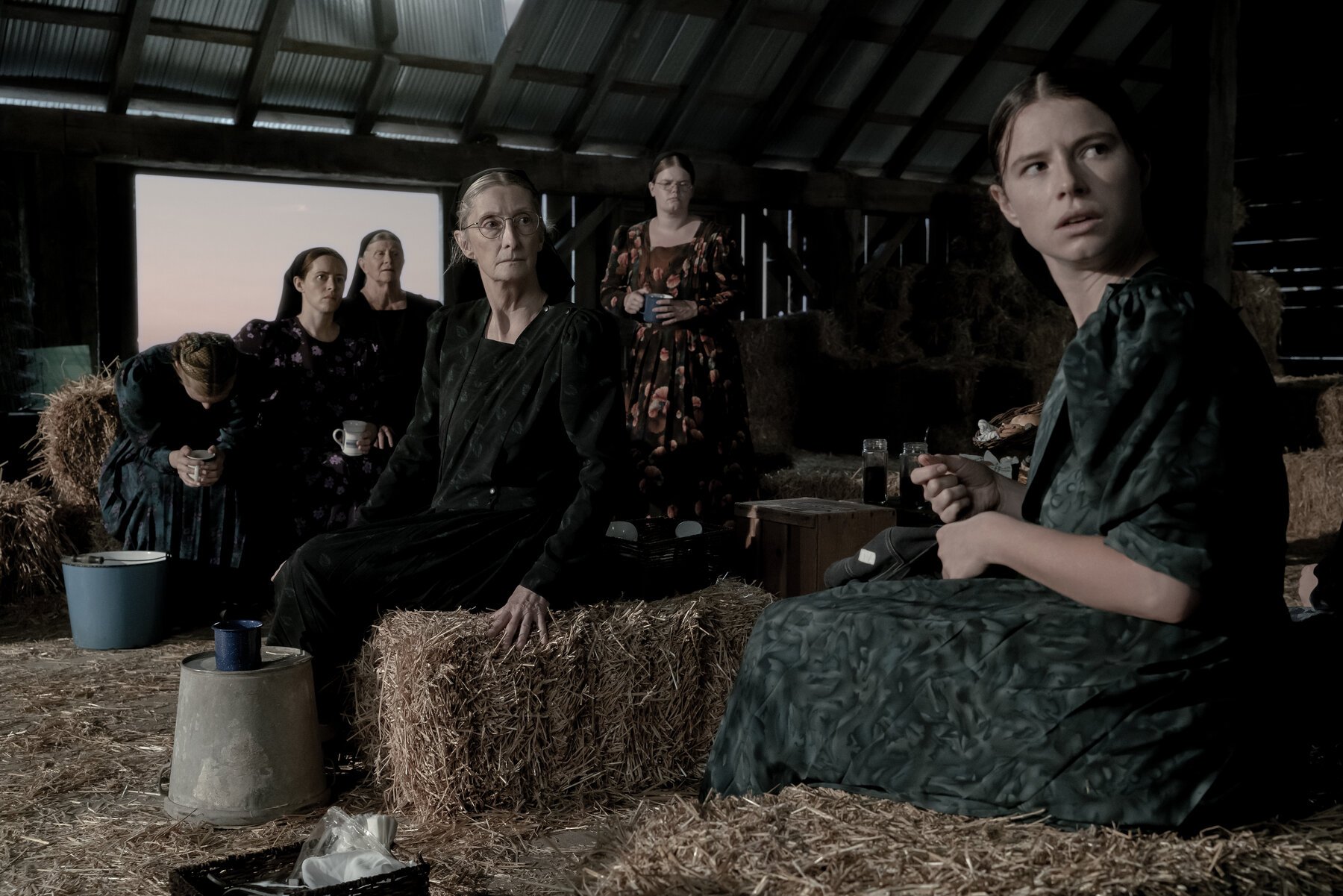
Not much happens in Women Talking, but what it lacks in action it more than makes up for in message. As the wronged women of an insular Christian colony decide whether they should leave or stay in their community, valuable points on each side are raised and debated fiercely. Are the men at fault or is there a bigger problem at hand? Is it sacrilegious to refuse forgiveness? Will leaving really solve anything?
The women of this ultraconservative and anti-modern community may not know how to read or write, but years of toiling away on land, family, and faith have made them wise beyond their years, which makes their discussion all the more captivating and powerful. Relevant themes, coupled with director Sarah Polley’s poetic shots and the cast’s all-around stellar performances, make Women Talking a uniquely compelling and timeless watch.

Entergalactic, a vibrant animated romcom from the mind of musician Kid Cudi, follows new neighbors Jabari (Cudi) and Meadow (Jessica Williams) as they navigate their way through the ups and downs of modern love. They’re both established artists at the height of their careers, but when it comes to romance, they’re still scraping for lessons, which they mostly get from equally clueless but funny friends.
Featuring songs from Cudi’s latest record of the same name, Entergalactic doubles as a visual album that comes to life with every beat and movement. It also stars many familiar names, among them Timothée Chalamet, Vanessa Hudgens, Ty Dolla $ign, Jaden Smith, and Macaulay Culkin.
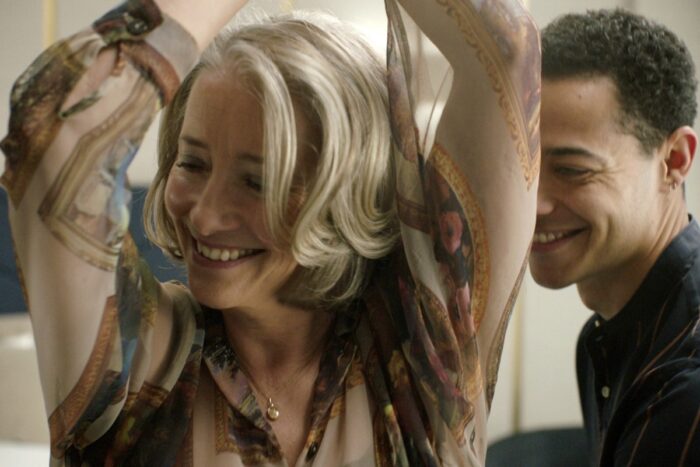
There are only two main characters in Good Luck to You, Leo Grande: Nancy, a retired teacher who was recently widowed, and Leo, an adept sex worker with a mysterious past. They’re almost always in one place and work on a single goal: pleasure. But despite the seeming monotony, the movie is crackling with wit and sensuality every step of the way. It doesn’t waste any time getting to the heart of the matter. Nancy and Leo go back and forth about their past, with Nancy divulging much about the stigma of aging and Leo about the stigma of sex work. They also dive into the shame attached to pleasure, ultimately revealing more than just their naked bodies to each other and to the audience.
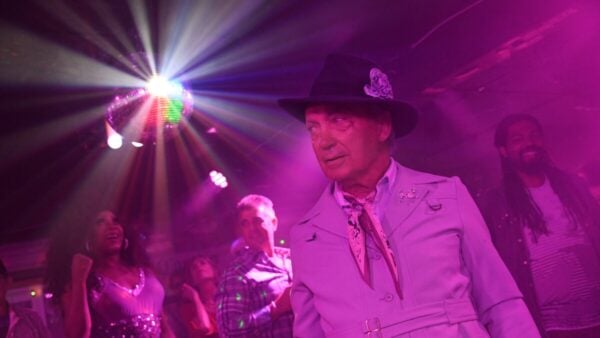
In Swan Song, acclaimed actor Udo Kier stars as the real-life Pat Pitsenbarger, a local queer legend in the small town of Sandusky. He used to live a private but joyful life, beautifying socialities by day and performing in drag at night. But now the aging icon is resigned to live out his days in a bleak retirement home, where he takes part in feeble acts of rebellion to keep himself amused. This is bound to change when Pat returns to town on an oddly specific request. There, he makes peace with old friends and grabs at the chance to revive his inner beauty queen once more.
It’s a simple story with a simple premise, but Swan Song is elevated by Krier’s powerful presence and director Todd Stephens’ obvious love for his hometown. Every diss Krier drops as the sassy Pat is to be savored, and every tribute Stephens makes to town life is to be admired. Filled, too, with colorful and euphoric moments that celebrate gay pride, Swan Song makes for quite the lovable film.
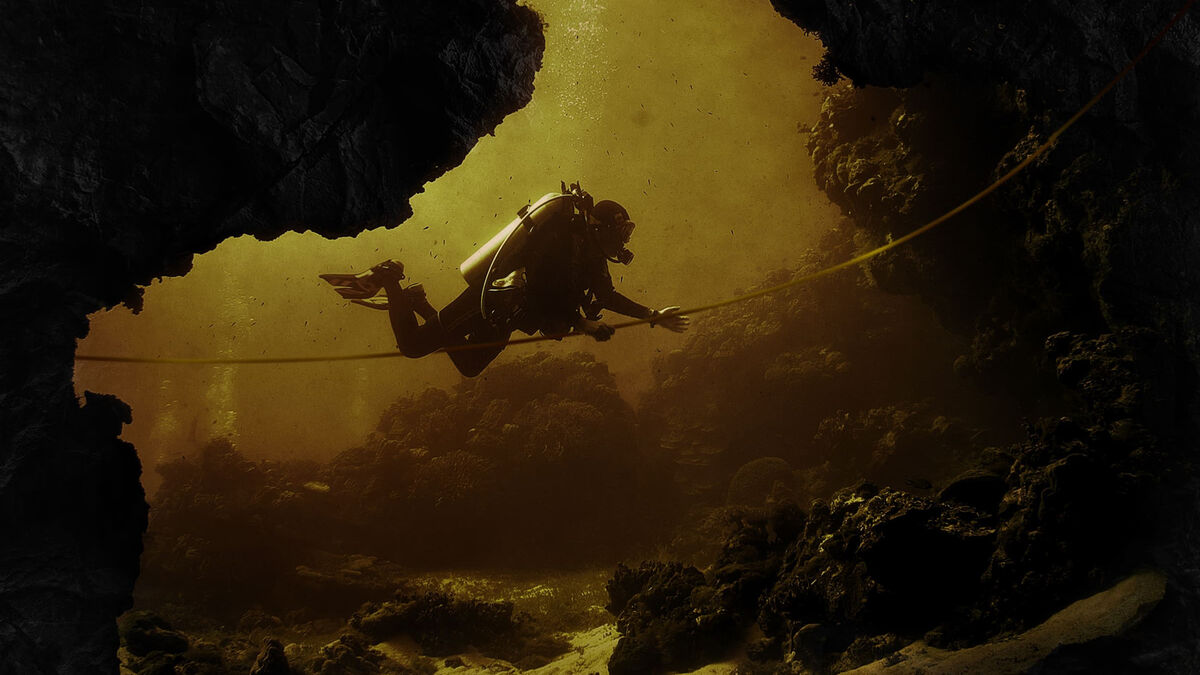
As a result of the miraculous success of the famed Tham Luang cave rescue, which saw the return of 12 kids trapped in a cave for more than 15 days, you’ll find no shortage of documentaries about the mission. Some take the point of view of the children, even others the locals and loved ones. But National Geographic’s The Rescue largely focuses on the volunteer rescuers, all of whom were foreigners who flew from different parts of the globe to risk their lives for the young victims. The film dives into their personal lives and their psyches, even going so far as their childhood to explain the motivations behind the heroic decisions they made at that moment. In less deft hands, The Rescue might seem like yet another White Savior Complex story, but directors Jimmy Chin and Elizabeth Chai Vasarhelyi (the same creative couple behind the Oscar-winning doc Free Solo) prove that the divers’ expertise, skill, and personal stakes make for a story worth telling.
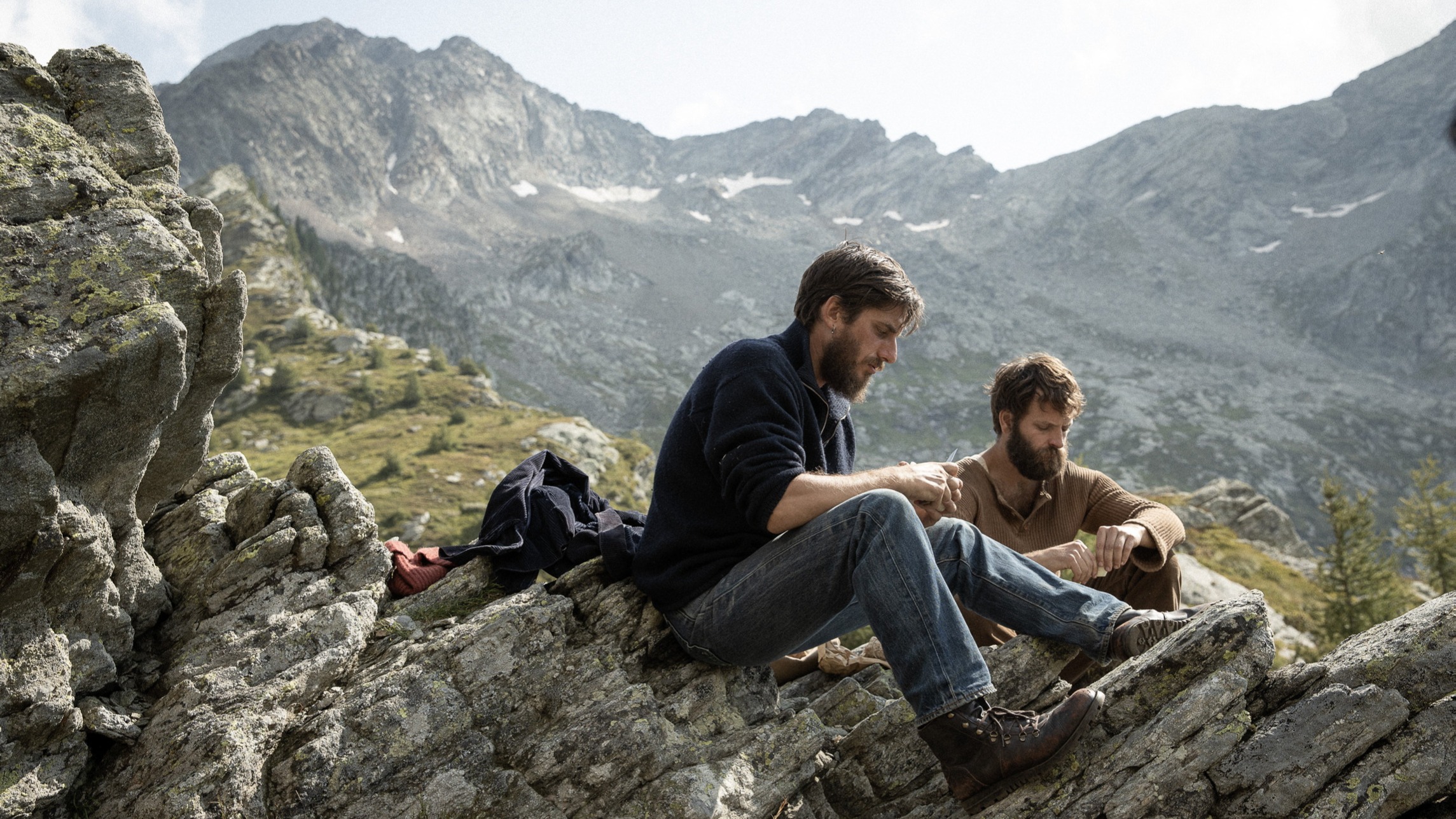
Spanning over decades and continents, The Eight Mountains depicts the kind of childhood friendship that remains central to one’s whole world. While city boy Pietro (Luca Marinelli) treks from the Alps to the Himalayas, the mountain pasture of Grana remains special as his father’s old refuge and as the hometown of childhood best friend Bruno (Alessandro Borghi). When they were younger, the two struck a summer friendship as the only two boys in the small town. However, their friendship isn’t the kind formed through day-to-day, routine interactions. Instead, each moment they share is fleeting, cut short by circumstances, but therefore, all the more precious. Co-directors Felix van Groeningen and Charlotte Vandermeersch slowly and patiently craft intermittent moments that form a lifelong friendship. And at the end, when they last bring us back to Grana, these moments are all we have left of this profound, meaningful connection.
 x2
x2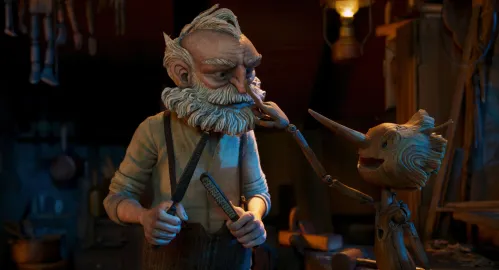
I think it’s safe to say you’ve never seen a Pinocchio adaptation quite like Guillermo del Toro’s Pinocchio. It still largely stays true to the source material, which is to stay it’s still about a father grappling with the loss of his son and a boy figuring out where he figures in the world. But the movie departs from it in significant ways too. Instead of a fairy tale setting, for instance, this Pinocchio has 1930s fascist Italy as its background, lending the film a realism and historicism that weren’t there before.
Stars Ewan McGregor, Christoph Waltz, Tilda Swinton, and newcomer Gregory Mann lend their voice in this tender and stellar stop-motion animated movie.
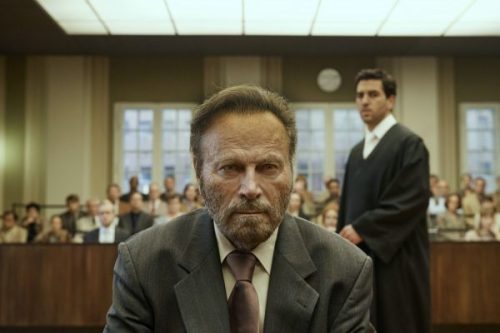
A young lawyer has to defend a murderer after passing the bar only three months prior in this satisfying German drama. To make matters worse, the victim happens to be his mentor, a wealthy and seemingly kind-hearted business man. As for the perpetrator, he refuses to say a single word. Caspar, the lawyer, is from a German-Turkish background, which is a hint to where the complexity of this legal drama lies: in Germany’s history and racial legacy. The Collini Case is satisfying to a fault, but if you’re looking for substance-filled entertainment, this is some of the best you’ll get.

It’s rare to see a prequel surpass its antecedent, but Pearl is that exception. You can watch it before or after X and still get the same satisfaction from piecing together the puzzle of Mia Goth’s many roles (three in total across the trilogy). If the first film owed a lot to slasher classics like the Texas Chainsaw Massacre, the second (surprise!) channels The Wizard of Oz and nods to the splendiferous melodramas of Douglas Sirk. The jarring form-content opposition here makes sense, as we’re seeing through the eyes of the main character, who most of all dreams of being in a movie. Because of that very same whimsy, everything has to change: the violence is not as explicit and the role of sex is brought to the forefront. All hail the new kind of final girl: a farm girl-turned-star.

Though there are ways to go when it comes to ace representation, Slow is a massive step in the right direction. It follows Elena, a carefree and non-committal lover, and Dovydas, a monogamous asexual. Can they make their relationship work? Slow is a careful exploration of that question. It’s surprisingly intimate, even more so than explicitly sensual films, and sensitive to Elena and Dovydas’ wildly different but equally valid needs. It’s never judgemental and always gentle about their sexual desires, habits, and questions. Perhaps most importantly, it addresses the inherent complexity of being asexual head-on. Asexuality here is not a joke or a coincidence, but the main thing everything else hinges on. Still, Elena and Dovydas remain universally relatable. Slow tackles issues of affection and trust that come with every relationship, regardless of sexual orientation. Their conversations will gut you, and their love will inspire you to be with someone deserving of your worth.
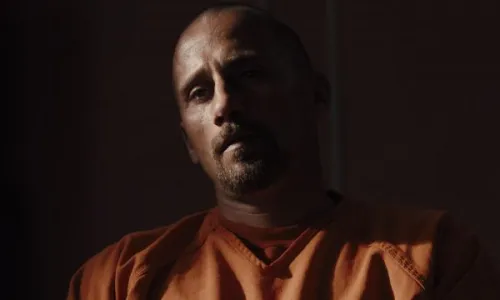
A quiet movie about an unpredictable convict who gets enrolled in a wild mustang taming program. These initiatives, common around the country, offer fascinating parallels: both the horses and the inmates are emprisoned, both innately fight against their condition but are actively being made to comply. The central performance by Matthias Schoenaerts is nothing short of a masterpiece. He doesn’t speak much and you almost don’t want him to: everything else he does communicates so much more than words. Watching this movie just for him is reason enough.

With cardboard houses, sugar winters, and broccoli trees, No Dogs or Italians Allowed at first seems lighthearted, playful, and not too serious. Alain Ughetto casts himself asking his grandmother Cesira about his family, but we only see his hands moving and interacting with the characters as if he was crafting clay model miniatures. However, the whimsical approach sugarcoats the very tragedies that struck his family– from the multiple wars to the discrimination they’ve faced as immigrants– with excellent animation and puppetry that feels much more lifelike than 3D CGI. In telling his family’s story, Ughetto also retells 20th century European history, reframing the worldwide events and movements through a personal perspective.

Mars One is a tender, wholesome drama that centers on The Martins, a family of four living on the fringes of a major Brazilian city. Their lower-middle-class status puts them in an odd position—they’re settled enough to have big dreams and occasionally lead lavish lives (the mother and the daughter like to party) but they barely have the means to pursue that kind of lifestyle. As a result, they’re always searching and wanting, aiming high but almost always falling flat on the ground.
There is no actual plot in Mars One. Instead, it studies its characters in a leisurely and almost offhand manner. The approach is so naturalistic, you’ll almost forget you’re watching a movie. But it’s still gorgeously shot and staged, Brazil being an inevitably striking background. At once gentle and vibrant, this big-hearted film is a must for those who are suckers for well-made family dramas.

Shooting Stars may be based on LeBron James’ account of his teenage years, but this adaption by Chris Robinson is more than just a vanity project. In fact, James is hardly the lead here—every one of his friends gets a chance to shine in this coming-of-age story about brotherhood and friendship. It’s closer to films like Boyz N the Hood and Stand By Me in that way, but that’s not to say it’s a letdown in the sports department. The games are choreographed beautifully; the actors display wonderful athleticism and the filmmakers employ various camera techniques that never fail to surprise. There are times, though, that these techniques distract more than excite, and there is a sense that the film could’ve benefited from a more pared-down style. But this ultimately doesn’t take away from the film’s tender and thrilling story.
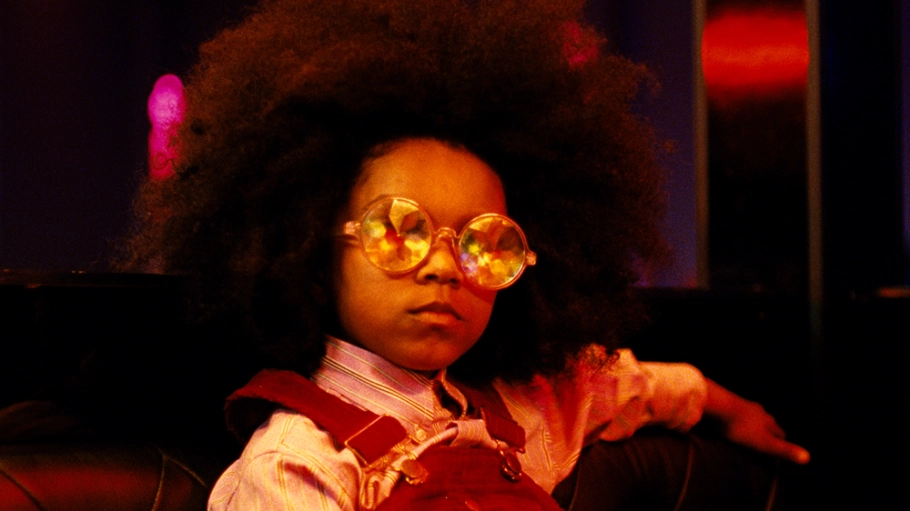
The curious link between smell and memory forms the basis of this intriguing — albeit uneven — exploration of the supernatural ties between mother and child. Eight-year-old Vicky (Sally Dramé), daughter of the unhappily married Joanne (Adèle Exarchopoulos) and Jimmy (Moustapha Mbengue), has a sense of smell so fine-tuned she can identify a catalog of notes in any scent. Smells are so evocative for Vicky that they can also send her hurtling into someone’s past, like her mother’s thorny teenage history with Jimmy’s sister Julia (Swala Emati).
The film makes mostly effective use of its fascinating premise and brilliant (partly non-professional) cast. Set in the glacial Alps, the film dives under icy exteriors to find the tension smoldering between the family and their tight-knit community. Like Céline Sciamma’s Petite Maman, it uses time-bending magical realism to articulate the elemental force of maternal bonds and a child’s shock at realizing their parents led a full life before them. It’s less illuminating about its central conceit, though, and some of the less fantastical elements are also underdone, coming off melodramatic in a way that clashes with its overall understatedness. Despite this, The Five Devils is a bewitching watch, particularly in its goosebump-inducing final shot.
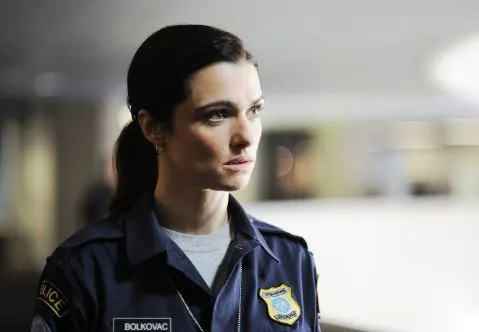
Based on a true story, The Whistleblower is the biography of a once Nebraskan police officer who volunteers for the U.N. peacekeeping mission in post-war Bosnia. Once there, she uncovers a human trafficking scandal involving peacekeeping officials, and finds herself alone against a hostile system in a devastated country. Rachel Weisz plays the whistleblower in a powerful lead role, but the true star of the movie is its director, Larysa Kondracki, who thanks to near documentary-style film-making delivers a perfectly executed political thriller with utmost authenticity.

The World of Us is a vibrant, colourful movie that follows the story of Lee Sun, a shy and sweet fifth grader who meets Ji Ah, a new girl in town. The movie is innocent, light and relatable, centered around two new friends playing in the summertime. But behind its vibrant colors, there is a very realistic commentary on how children can grow up to realise they are not of equal wealth and social status. The World of Us is not only about the fun of childhood, but also shows its bitterness. It perfectly captures the feeling of being left out by the ones who are supposed to be our friends. The movie shows that children can feel pain and jealousy toward others too, and it encapsulates the highs and lows of being young in the best way possible.
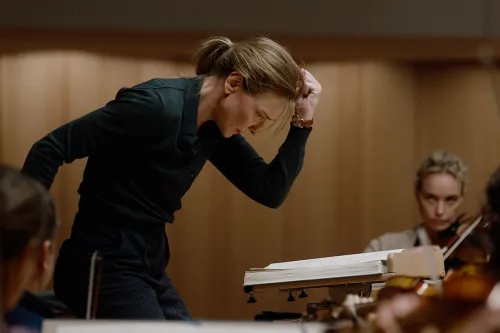
Filled with dense conversations about classical music and cryptic suggestions of a guilty conscience, Tár makes for a challenging watch that rewards patient viewing. The film is ultimately a study of power in an industry built on preserving centuries-old traditions—which makes the character of Lydia Tár, as a queer woman and as a proud, egotistical conductor, such an anomaly in this world. Certain strange choices by the end notwithstanding, this is a movie that leaves itself wide open to interpretation to its view on karma, accountability, and cycles of power. And Cate Blanchett is as good as the awards say: fully immersed in Lydia’s ways of arrogant self-preservation, and twitching at every ambient noise that reminds her how fake she truly is.

On one level, Alcarràs is a story about land, about how inextricable it is to livelihood, about how ownership of it has bred conflict since time immemorial. Director Carla Simón emphasizes this even more by hiring actual Catalan farmers as the leads. We’re not just watching the Solés sing and fight for their land, but Alcarràs natives who are also very much at risk of losing what’s theirs in real life. The acting comes off as natural because it is.
But on another level, Alcarràs is also a story about family, in particular about how family ties run so deep, they’re bound to coil around each other under the ground they’re rooted in. Like a family portrait come to life, Alcarràs shows us the beauty and the peril of loving your family and the legacy they leave behind as much as the Solés do.

Among the sea of class satires released in the last year, Triangle of Sadness is one of the better ones. Directed by Ruben Östlund (The Square, Force Majeure), the film follows an ultra-rich group of people who get stranded on an island after their luxury cruise ship sinks. The social pyramid that has long favored them suddenly turns upside down when a crew member (a glowing Dolly de Leon) effectively runs the group of sheltered castaways.
Triangle of Sadness may not be as sharp as Östlund’s previous work, and it may not add anything particularly new to the saturated discussions of social class, but it remains a darkly humorous and engaging watch, masterfully helmed by a strong script and ensemble.
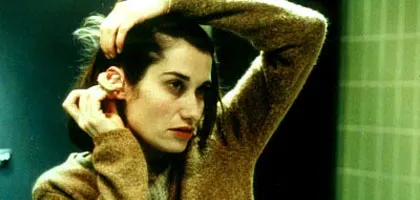
In my own wished-for parallel universe, French actors Vincent Cassell and Emanuelle Devos are voted the sexiest actors alive. I find them both transfixing and appealing in every role they’ve performed, and they are quite the pair here. Devos plays Carla, a put-upon assistant at a property management company. While good at her job, there is little room for her to advance her career, as she is one of the only women at her company and also has a hearing deficiency. Into her humdrum life walks ex-convict Paul (Cassell), who Carla hires as a personal assistant. It turns out that what Paul lacks in secretarial skills he makes up for in other ways. The first half of the film plays almost like a dark workplace comedy, before taking a dangerous turn towards psychological crime thriller. Overall, it’s a dark and sexy character study of two mismatched outsiders who turn out to complement each other perfectly.

The emotional sterility of modern life comes under the microscope of this understated Korean drama in which a young woman who has built self-preserving walls around her lonely existence begins to wonder if the trade-off is worth it. Outside of the soul-sucking call center job at which Jina (Gong Seung-Yeon) excels, her interactions with others are purely parasocial: she streams mukbangs on her phone as she eats alone, wakes up to the blare of her always-on TV, and checks in on her aging father via the security camera she’s surreptitiously installed in his home. When she reluctantly agrees to train the chatty, warm newbie (Jeong Da-eun) at work, Jina is confronted with a direct challenge to her aloofness, but the provocation is easily ignored until a similarly withdrawn neighbor is discovered long after his death.
This triggers a quarter-life crisis for Jina that’s predictably resolved, but Aloners transcends the neatness of this arc thanks to its quietly persistent challenging of the instinct to contort oneself to fit an inhumane world. Hong Sung-eun’s thoughtful first-time direction and Gong’s nuanced performance as a young woman waking up to the creeping dehumanization of herself make Aloners a genuinely thought-provoking reflection on 21st-century life.

Women are rarely depicted in prison for a serious drama– usually, it mostly happens in exploitation films. So when Lion’s Den was released in Cannes, it’s no wonder that it garnered attention, even to the point of being submitted as Argentina’s entry for the Oscars. It’s really mostly a realistic depiction of how an incarcerated mother raised her child, as per Argentine law, they remain together for only four years. However, it’s because of sticking to that fact that the law ends up becoming a time limit that helps drive the story forward. It’s a simple approach, but writer-director Pablo Trapero sticks to this straightforward style, and it ultimately works because of Martina Gusmán’s star-making performance. It’s tough to watch, with the assault, strip searches, and riots, but Leonera is a much more empathetic depiction that’s sadly rare to see.

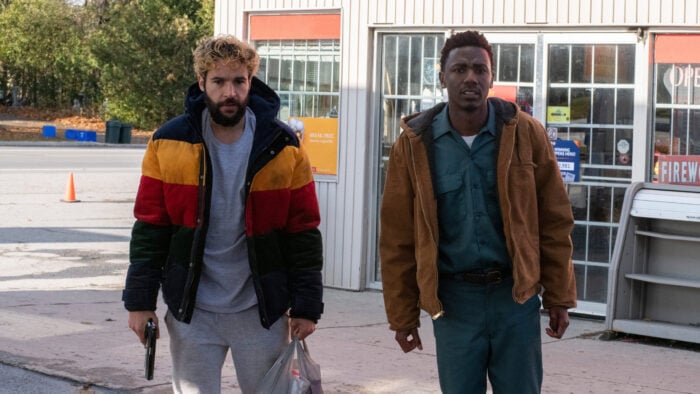
Best friends Val (Jerrod Carmichael) and Kevin (Christopher Abbott) have had enough of living; desperate and depressed, they make an agreement to kill each other. On the last day of their lives, they set out on an unlikely journey tying up loose ends and meeting up with the people who’ve impacted them the most.
Depicting suicide onscreen is already a scary gamble in itself, but to try to add some good-willed humor to it is an impossible task. Still, director and star Jerrod Carmichael pulls it off, thanks in large part to his empathetic know-how of the subject matter. Carmichael explores the nuances of his topic with impressive deft, touching on oft-overlooked factors such as mental health, class, and abuse in plain and realistic terms. What he captures most effectively is the anger that comes with this strong and sometimes irrepressible urge. Abbot is explosive and Carmichael is subtle; both turn in rich performances and, together, concoct a delicate two-hander oozing with chemistry, empathy, and thrill.

This beautiful drama is set over a summer in New York State. Kathy and her son Cody drive to her estranged sister’s house, who had just passed. Kathy plans to quickly sell the house and go back to her normal life but that doesn’t happen when she learns that her sister was a hoarder. Forced to spend more time cleaning the house, her son sparks a friendship with the next-door neighbor, an old Korean War veteran.
Now, I know what you’re thinking, Gran Torino, right? The initial set up is the same but in Driveways is much more realistic, and its characters don’t really need to be redeemed (no one is screaming “get off my lawn” with a shotgun). In fact, the actor who plays the old man, the fantastic Brian Dennehy, brings so much kindness and heart to the story. It ended up his last movie before his passing, and what a beautiful farewell his performance is.
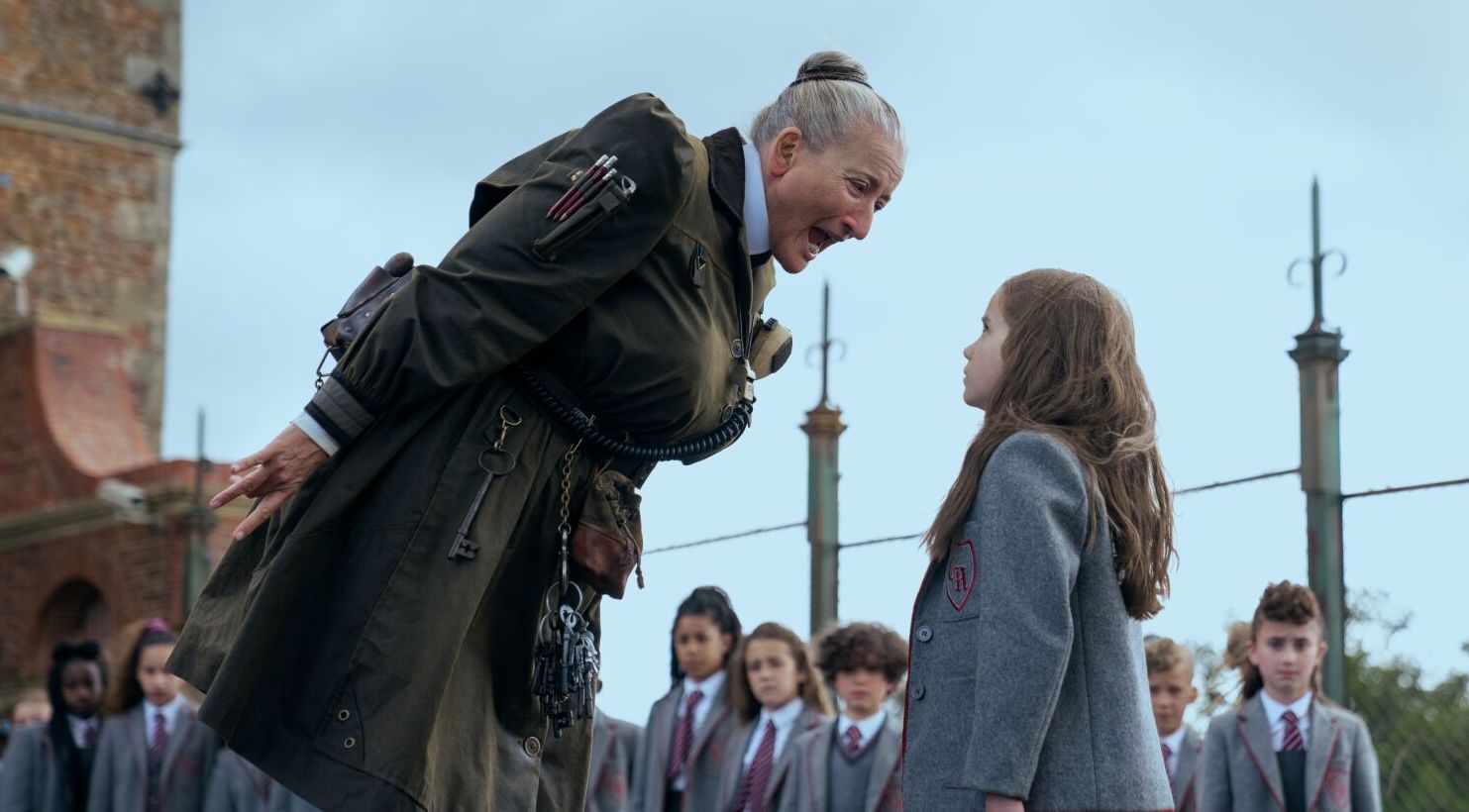
It’s very likely you already know about the fictional character Matilda, a clever but neglected child who discovers she has telekinesis and uses it for good. You may have even grown up watching the 1996 film multiple times, as I have, and secretly tried to move a random object with your mind to see if you somehow shared Matilda’s powers…as I have.
If so, I can assure you that you’ll enjoy the latest Matilda adaptation, aptly called Roald Dahl’s Matilda the Musical on Netflix. It’s pure energy, all bright colors and high-pitched emotions, but not overwhelmingly so. It is also funny and tender, and the techniques it uses to transition and transpose are eye-poppingly inventive. It stars Emma Thompson, once again prosthetic-ed to perfection; Lashana Lynch, a grounding and heartwarming presence; and Alisha Weir, a revelation of a child actor.
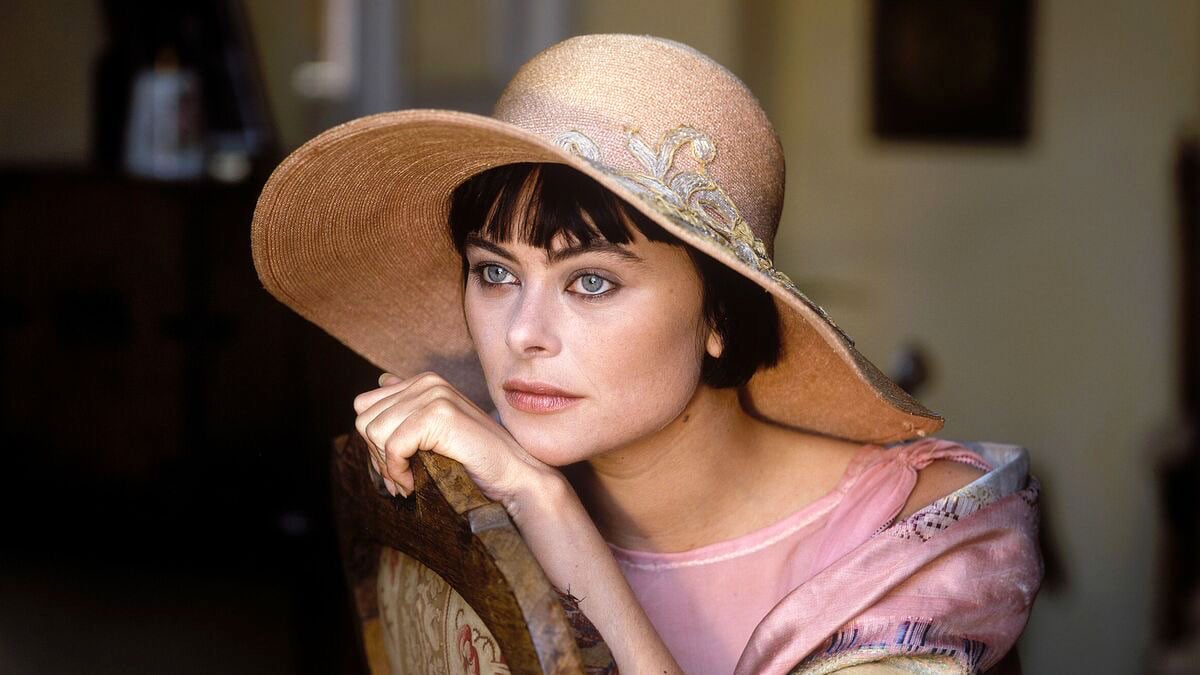
Of course, a lovely vacation in the Italian countryside will not solve all your problems. It won’t fix marital problems, or solve financial issues, or grant you respect, or suddenly make everything feel better. But Enchanted April charmingly suggests that maybe a break in a new environment, with the sun and the waves and the quiet, might grant you a new perspective and maybe lifelong friendships that can change your life, and make the day-to-day just a little better. The film might not be the most profound story ever created, but it’s a lovely little adaptation with relatable women enjoying life in the same way we probably should do once in a while.
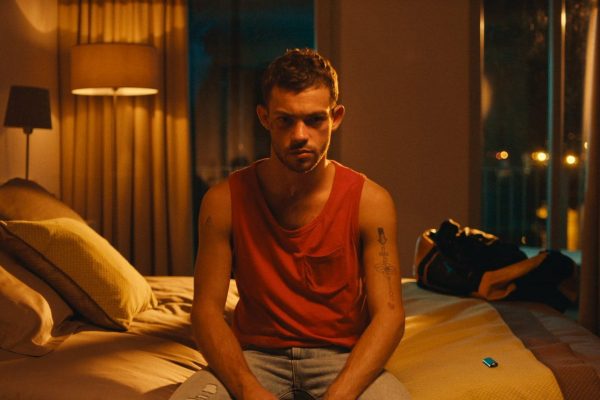
This atmospheric 82-minute French drama is set between 1995 and the present time, between a shy and lonely teenage version of the main character, Jonas, and an extroverted, chain-smoking one. The common thread between the two is a night gone wrong at a local gay bar.
I Am Jonas is a detailed portrait of a troubled, self-loathing character, and an exploration of the long-lasting impact of trauma experienced young.
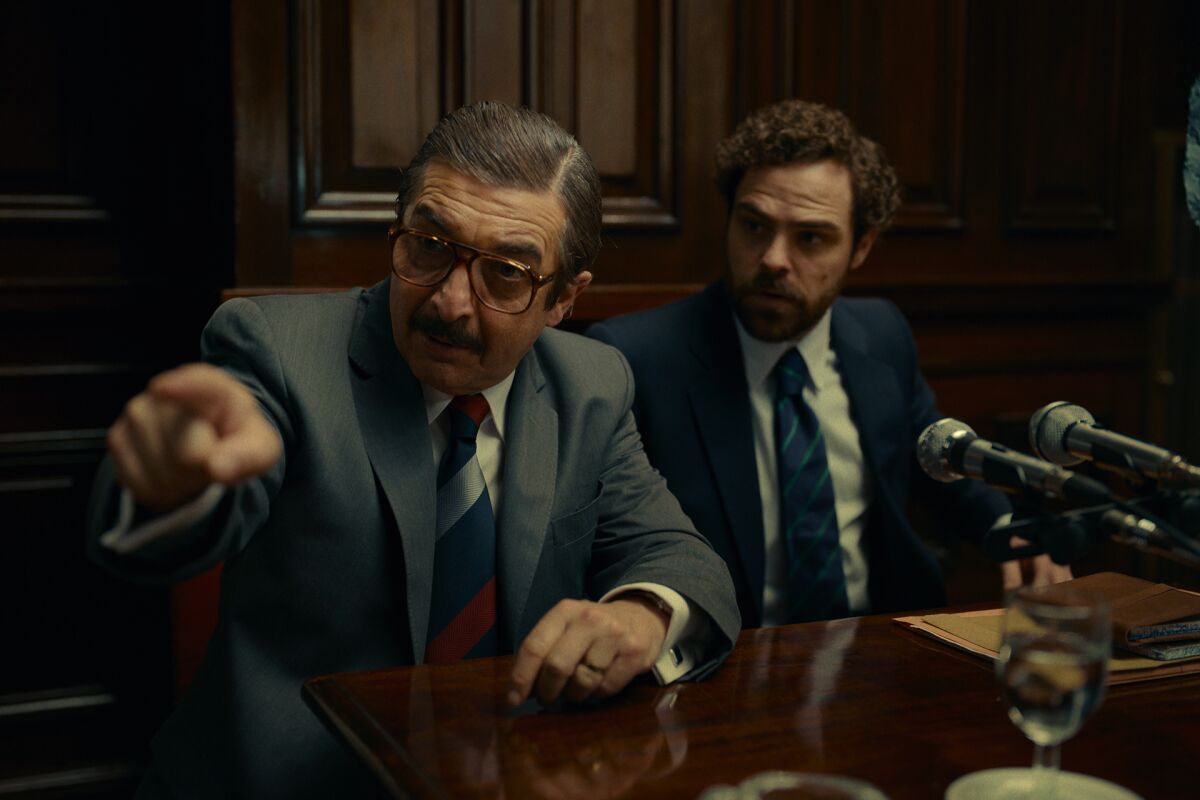
Argentina, 1985 is a legal drama about how a prosecutor and his young team were able to mount evidence—despite all threats and odds—against the officials behind a brutal military dictatorship. The public trial is supposedly the first of its kind in Latin America, a marker of true democracy that made a hero out of Julio Strassera and Moreno Ocampo, who both led the case.
Despite the presence of very serious themes, there are moments of lighthearted humor here that work to stress the film’s underlying message of goodwill and perseverance. Argentina, 1985 competed at major festivals this 2022, and it’s Argentina’s official entry at the 2023 Academy Awards.
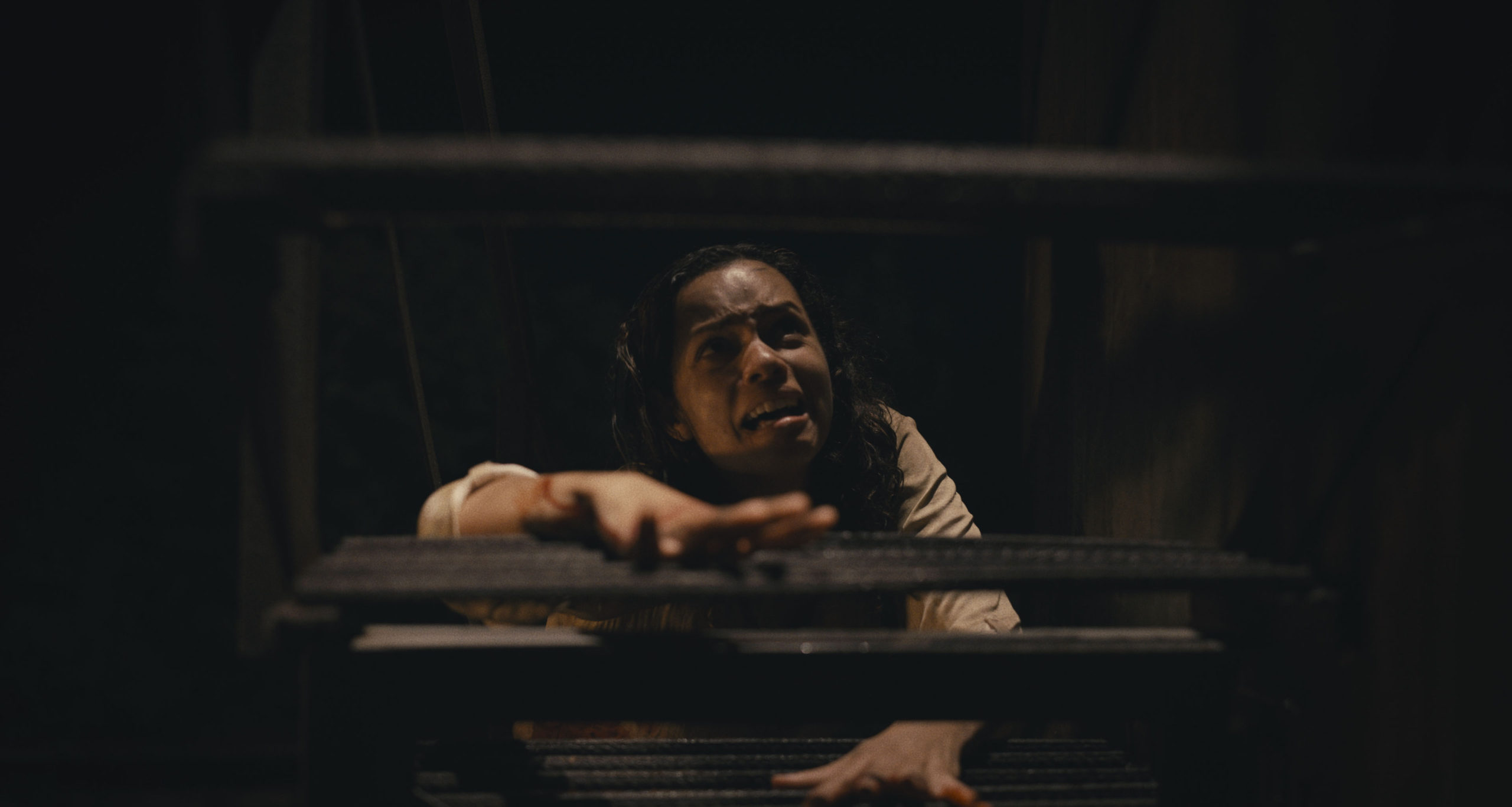
Rarely do we get horror movies that are as dedicated to toying with audience expectations as Barbarian. Even rarer is a horror movie that pays so much attention to setting, and how men and women approach and interact with physical spaces in different ways. It’s a film that’s ultimately about entitlement—except it’s delivered to us with jet-black humor and manic energy, shifting from romantic to ridiculous to raving mad. But with instantly charming performances from Georgina Campbell and Bill Skarsgård—and Justin Long doing a brilliant job playing an absolute jerk—Barbarian never leaves you grasping in the dark, even if it leads you deeper into hell.
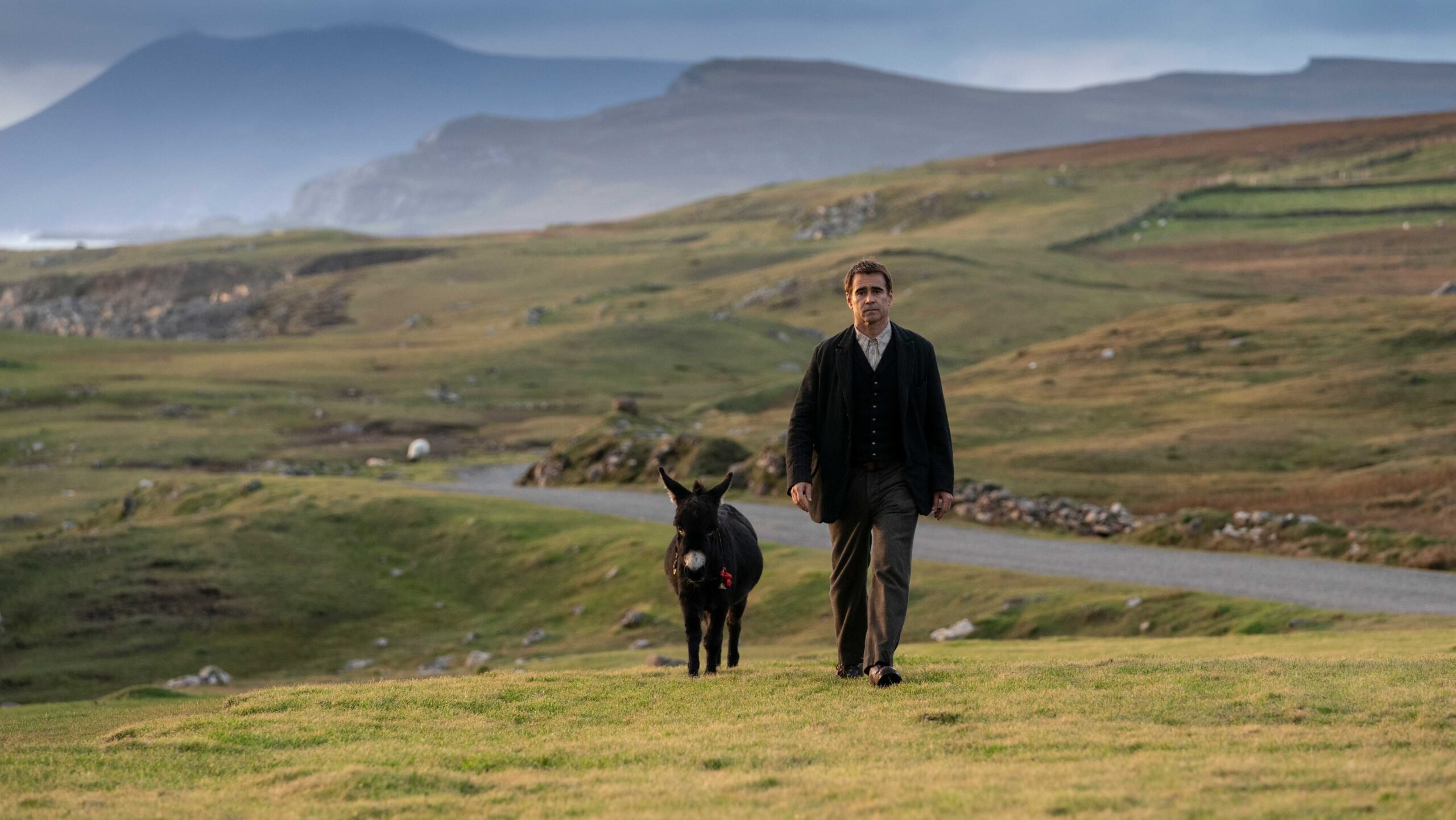
The Banshees of Inisherin is an Irish dark comedy film that begins with the breakup of longtime friends Pádraic (Colin Farrell) and Colm (Brendan Gleeson). Averse to the sudden split, Pádraic tries to repair their relationship, but instead of achieving goodwill, he inadvertently sets off even more unrest in their little town of Inisherin. Set in 1923 against the backdrop of the Irish Civil War, the film doubles as a fable about the consequences of war.
The last time Farrell and Gleeson were together was in the expert thriller In Bruges, and their reunion in The Banshees of Inisherin shows how powerful and chemistry-filled their pairing is. Theirs is a knockout turn, but it’s also far from the only good thing in the movie. Packed with gorgeously lush images of rural Ireland, strong performances from an all-Irish cast, and a whipsmart script from writer-director Martin McDonagh, The Banshees of Inisherin is an impactful watch that will give you lots to unpack long after the credits roll.
Two best friends chase the ultimate high in this Italian movie set in the 90s. Vittorio and Cesare are inseparable, they get in trouble together, fight together, and party together. Suddenly, they start moving at different speeds and one of them wants out, effectively abandoning the other.
Don’t be Bad is director Claudio Caligari’s last movie before his death, the last installment in his catalog of well-crafted drug-centered stories.

There is no shortage of offensive jokes in this comedy about a man who tries to prove to his girlfriend that he is dad-material. Think Borat, but Danish, and with brothels.
The man in question tries to change his lifestyle after his girlfriend, not thinking he is responsible enough, hides the fact that she is pregnant. To prove her wrong, he takes his nephew on a canoeing trip with his equally as disastrous friend.

As documentaries go, They Called Him Mostly Harmless is pretty standard, if not forgettable, fare. There isn’t a lot of information regarding the case it focuses on, so it relies heavily on interviews with related persons and “internet sleuths” who have taken it upon themselves to solve the mystery of this hiker’s identity. It moves slowly, bogged even further down by unnecessary backstories that do nothing to get us closer to cracking the case. To be sure, it’s impressive that the missing man in question was able to scrub all evidence of his existence in this digital age, but the documentary fails to build on that intrigue and instead gives us something that sputters till the end.

The opening titles of this French procedural drama explicitly tell us that the crime it chronicles will go unsolved, confessing that it’s about one of the approximately 160 murder cases that police don’t crack each year. An ambitious and intriguing opener — suggesting that, in the absence of a clean resolution, the film will nonetheless offer us something equally compelling, as Zodiac does.
In following the investigation of the brutal murder of 21-year-old Clara (Lula Cotton-Frapier) — for which the police interrogate various of her exes, all misogynistic potential murderers in their own ways — the film seeks to explore the society-wide “problem between men and women” that has given the police its surplus of suspects. Alas, it’s much more interested in the psychological impact cold cases have on policemen like frustrated captain Yohan (Bastien Bouillon). There’s something deeply ironic about making a movie about the systemic dehumanization of women just to center male perspectives, especially when their only insight into the epidemic of toxic masculinity is Yohan’s clunky “We can’t find the murderer because all men killed Clara.” The film’s treatment of the victim herself — incurious and downright gratuitous in the depiction of her murder — cements it as a shallow, un-self-aware, and failed attempt to reckon with a subject that deserved its full focus.

Known best for his horror films, writer-director Christopher Smith’s latest stint in the genre has dropped on Hulu. Consecration is one of many supernatural horror films set in convents and churches, as the Catholic Church’s notorious silence is easy fodder for potential fears. There’s some of that here, as Grace, portrayed by the excellent Jena Malone, tries to uncover the truth, not just for her brother’s murder but for her own past. However, there’s no secrecy in this murder mystery with the dialogue holding no subtlety at all. Even as the cast makes the most of it, Consecration drags down any possible tension or intrigue with its painfully straightforward dialogue and incoherent timeline shifts.