The Best PG Movies to Watch
Most audience members assume that PG rating automatically indicates a show for kids, but you’d be surprised at how many excellent series can be enjoyed by the whole family, across generations. Here are the very best PG-rated TV shows to stream now, whether alone or with the kids according to the MPAA standard.
To access filters, visit our homepage.
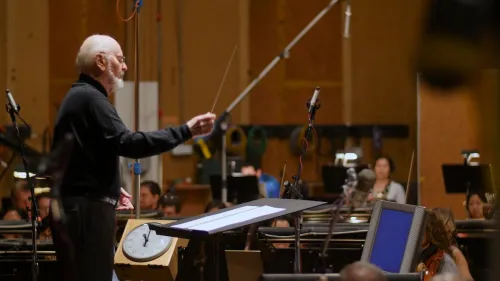
Before this documentary, I didn’t have the faintest clue that the formative films of my childhood—Star Wars, Superman, Indiana Jones, ET, and Harry Potter, to name a few—were scored by one man: John Williams. This film is a loving tribute to Williams, who at 92, is still as lively as ever as he shares how he stumbled into Hollywood and found his calling as the definitive movie composer. It features interviews with frequent collaborators like Steven Spielberg and Yoyo Ma and fans like Chris Martin and Seth MacFarlane, but it’s truly Williams’ music that makes watching this a special experience. As soon as you hear the chilling first notes of Jaws, the brash opening of Star Wars, and the melodic strings of Jurassic Park, you’re hooked. Then Williams, often along with the directors, go on and recount how those came to be, and you find yourself seated, eyes wide with wonder.
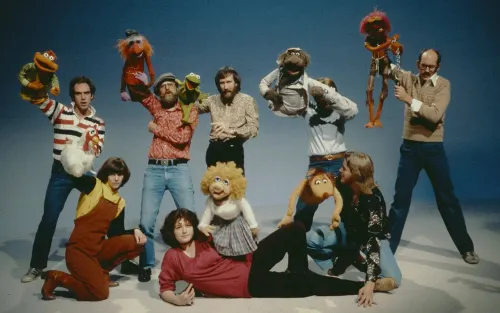
It’s hard not to be enchanted by Henson’s furtively creative world, which here is charmingly sectioned into nostalgic archival footage, stop motion art, and clips of Henson’s own experimental films early in his career. Those unfamiliar with Henson might think his story is simply the history of the Muppets and Sesame Street (though even then it would be a full one), but Henson has plenty of other creations too. He’s part of a line of chronically dissatisfied artists who are constantly reinventing and restlessly one-upping themselves, which is why his work evolved into early CGI, as well as The Dark Crystal franchise and films like Labyrinth. This lovingly told documentary tries to match Henson’s heart and creativity, while also showing the darker aspects of his life, such as the effect his nonstop artistry had on his family and health.
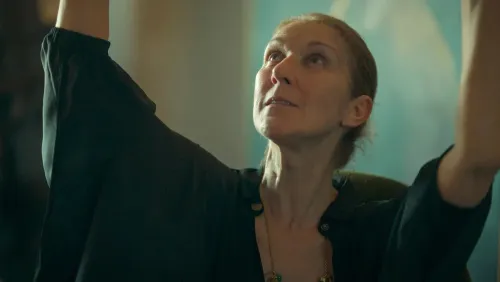
Celebrities are often described as being “vulnerable” in documentaries, but it’s never been more fitting in this case. Here, Celine Dion opens up about her near-paralyzing illness, which affects her vocal cords and muscles and consequently prohibits her from performing on stage. We see clips of the star having spasms and breakdowns as she tries and fails and tries again to get her voice back. More than just a simple biography of what Dion has achieved, which we already know is massive, the film is largely about the doubt that creeps in and threatens to rock your sense of self, and the strength of the human spirit to persevere despite all that. The film is bracingly, unflinchingly raw, but it’s never exploitative, thanks partly to director Irene Taylor’s gentle direction and to Dion’s unwavering resilience.
Places evoke certain emotions, but even the most rundown, cramped projects feel special when they’re home. We Grown Now is set in Chicago’s Cabrini-Green public housing complex, an area that was notorious for its crime and poverty, but to Malik and Eric, it’s a place where they became friends. The friendship they share leads them to classic coming-of-age moments like skipping school, egging each other to ask their crush out, and having fun, but unlike other coming-of-age films, these moments aren’t as carefree and consequence-less in the place they live in. We Grown Now is a genuine, full picture of growing up in a rough neighborhood, with both the happiness and hardships the place has to offer.
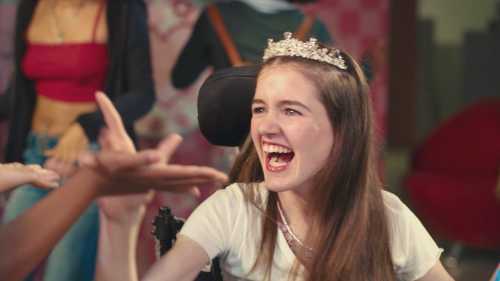
You’d think a Disney movie about a sweet kid overcoming the difficulties of cerebral palsy would be overly sweet or forcefully positive (Disney-fied, if you will), but Out of My Mind is surprisingly tempered. A smart and sensitive script and great performances across the board work to make the film a balanced and heart-warming portrait of a disabled girl coming of age. It doesn’t give you false hope that everything will be okay, but it’s not grim about the world either. Instead, it gives you a realistic and likable character in Melody (played by Phoebe-Rae Taylor and voiced, amusingly, by Jennifer Aniston), a bright 6th-grader determined to compete in a national trivia quiz with her classmates. Throughout the film, displays a toughness and an agency that not many disabled characters get to enjoy onscreen. There are cliched moments here and there, but Taylor and her co-stars make them feel true and lived in.
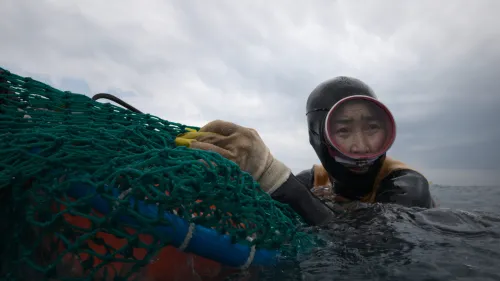
On Jeju Island, there lives a fierce group of elderly women who free-dive and catch sea creatures for a living. They’re called Haenyo, considered indigenous because of the ingenious ways they’ve kept the South Korean tradition alive for decades. In this beautiful documentary, Director Sue Kim follows them under the sea and beyond as they fight to preserve their way of life, which is threatened by global warming (the creatures have gone deeper to avoid warm waters), corporate interests (Fukushima’s radioactive waste, if dumped in the ocean, would affect the community), and waning public interest (only a handful of the Haenyo are under 70 years old). There’s also the issue of payment and protection, because as one freediver puts it, “What’s the use of being recognized by UNESCO if we can’t earn enough to sustain ourselves?” The Last of the Sea Women tackles all this and more using the most gorgeous shots I’ve seen in a while.
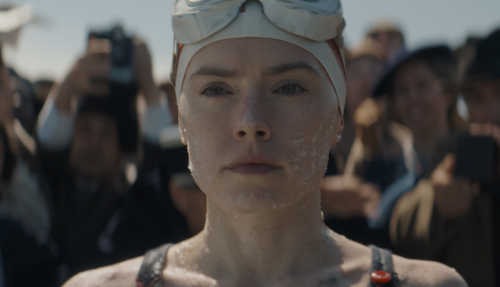
Young Woman and the Sea is a neatly told, inspiring story about a woman who went against the tide to cement her legacy as one of the most fearless athletes to exist. The movie is polished and nicely detailed, anchored by winning performances and a triumphantly dramatic script—basically everything you’d expect from a Disney movie. And like many Disney movies, Young Woman and the Sea can sometimes be too on-the-nose about its advocacies, but it’s hard to deny its charm. The movie is a treat to watch, and an especially nice segue into the upcoming Olympics.
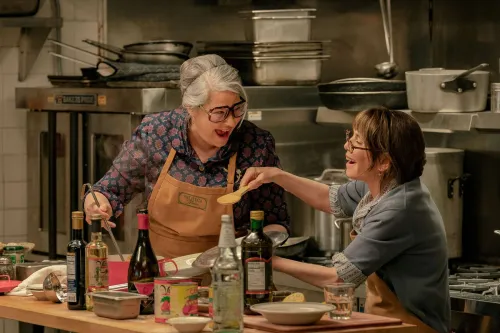
To be honest, when the film starts out with all the usual Italian soundtracks and shots of Italian food, it felt like Nonnas was going to be stereotypical. To a certain extent, it is, with all the familiar story beats we’ve seen in other biopics. However, there’s a sincere understanding of what makes this real life story work. It’s not just all beautiful shots of Italian food placed for set dressing– It’s a celebration of the food culture that continues to survive through the craft of these immigrant women. While technically a biopic about Joe Scaravella, director Stephen Chbosky and screenwriter Liz Maccie clearly recognize these women as the community that helped keep their culture alive. It’s a delight to see the talented ensemble– Susan Sarandon, Lorraine Bracco, Talia Shire, and Brenda Vaccaro– let loose and have fun here. Nonnas isn’t the most unique biopic ever created, but it’s certainly warm and hearty enough to swallow.
Silver Dollar Road isn’t a new story– it’s one of many that comes as a consequence of systematic Black land loss that continues to happen to this day. Director Raoul Peck tells it in a new way, completely focusing on the Reels family and hearing their story entirely, from the initial confusion to two of the homeowners’ incarceration, and remembering the good old days when they used to enjoy the land. The land dispute has escalated to years of harassment, imprisonment, and being taken advantage of from opportunistic legal counsel. While it could have benefitted from from detailed legal proceedings, Silver Dollar Road still powerfully depicts an intimate family story that outlines the systemic racism enabling Black land loss today.
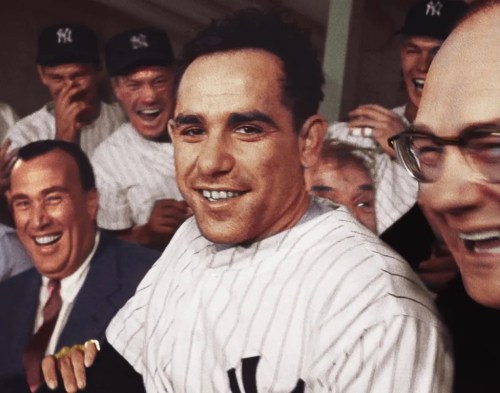
Nowadays, more people might know the cartoon character Yogi Bear or the saying “It ain’t over ‘till its over,” more than they know Yogi Berra, the larger-than-life baseball player who originated the character and the phrase. But in his prime, Berra was one of the most recognizable faces of major league baseball. He was so beloved that he appeared in countless commercials and effortlessly won the hearts of Americans. It Ain’t Over, however, makes a case about Berra being more than just a public figure and how he was one of the best players of all time. The documentary, which is equal parts stats, archival footage, and anecdotes, is convincing without ever being forceful or desperate about its arguments. Berra’s innate warmth and charm carry over in this biography, regardless of whether he’s telling the stories himself or his friends and family regale us with tales of the icon. You don’t have to know much about baseball to enjoy Berra’s life story unfold; having a basic appreciation of storytelling and kindhearted people will suffice.
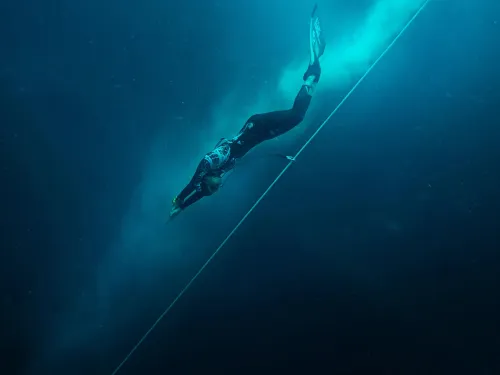
Freediving is a particularly cinematic sport because it taps into something beyond what the human body is capable of. Skilled divers hold their breath for long enough to reach more than 100 meters deep, and watching footage of that incredible feat is exhilarating, to say the least. The Deepest Breath capitalizes on that very spectacle—being exposed to death and conquering it—and banks on using archival footage of world records and training. It’s a smart move, as it keeps the spectator on edge, but it can also be a cruel way to put thrills over ethics. The editing is kept suggestive, but sometimes, shamefully, at the cost of misrepresenting Alessia Zecchini and toying with the viewer’s expectations to the point of callousness.
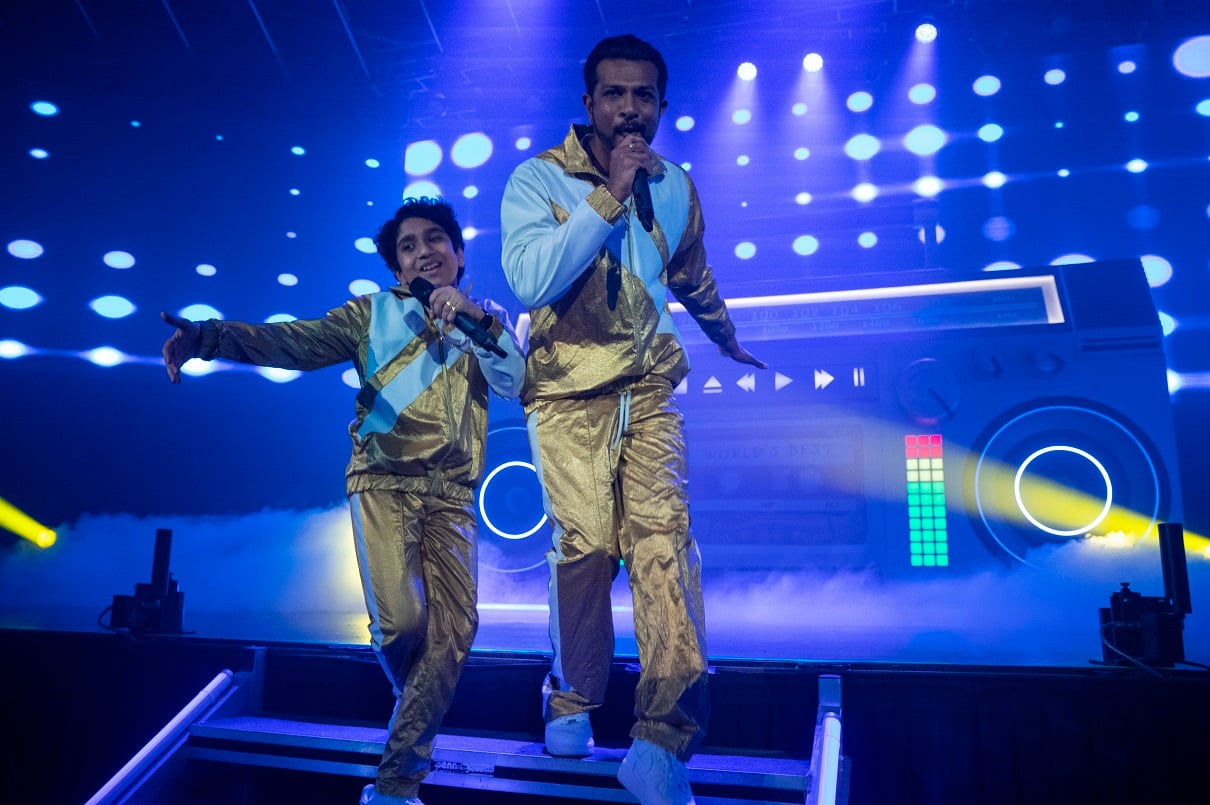
Much sweeter and much more bittersweet than one might expect, World’s Best does some deceptively clever things with its major themes of math and rap. Somehow, this pre-teen coming-of-age story finds a way to play with preconceived notions of equations always resulting in certain answers, and of modern hip hop being all about swagger and status. Unsurprisingly (or maybe disappointingly for some), the film ultimately touches on grief and loss, which an increasing number of Disney films have been doing as of late. But World’s Best keeps itself fresh through its sincere, energetic tone, colorful production design, and spirited performances by Utkarsh Ambudkar and the young Manny Magnus. So even when the rapping gets corny (which it does more often than it should), the spirit behind it is so endearing that it’s hard to be mad.
What makes people attempt to climb the tallest mountain in the world? Many might be motivated simply for the title, but in this animated adaptation, it’s the obsession that gets them going. The Summit of the Gods starts its journey with the real life mystery of George Mallory’s 1924 Everest climb, which, if answered, could reshape the history of mountaineering as we know it. So, of course, a reporter like Makoto Fukamachi has to follow the story. As we witness his investigation, and get to know the climber that might have all the answers, Habu Joji, it’s easy to get sucked into their story with the breathtaking visuals, the atmospheric soundscape, and the characters that we get to know on a personal level. The Summit of the Gods understands why they do what they do, despite each step pulling them further away from safety.
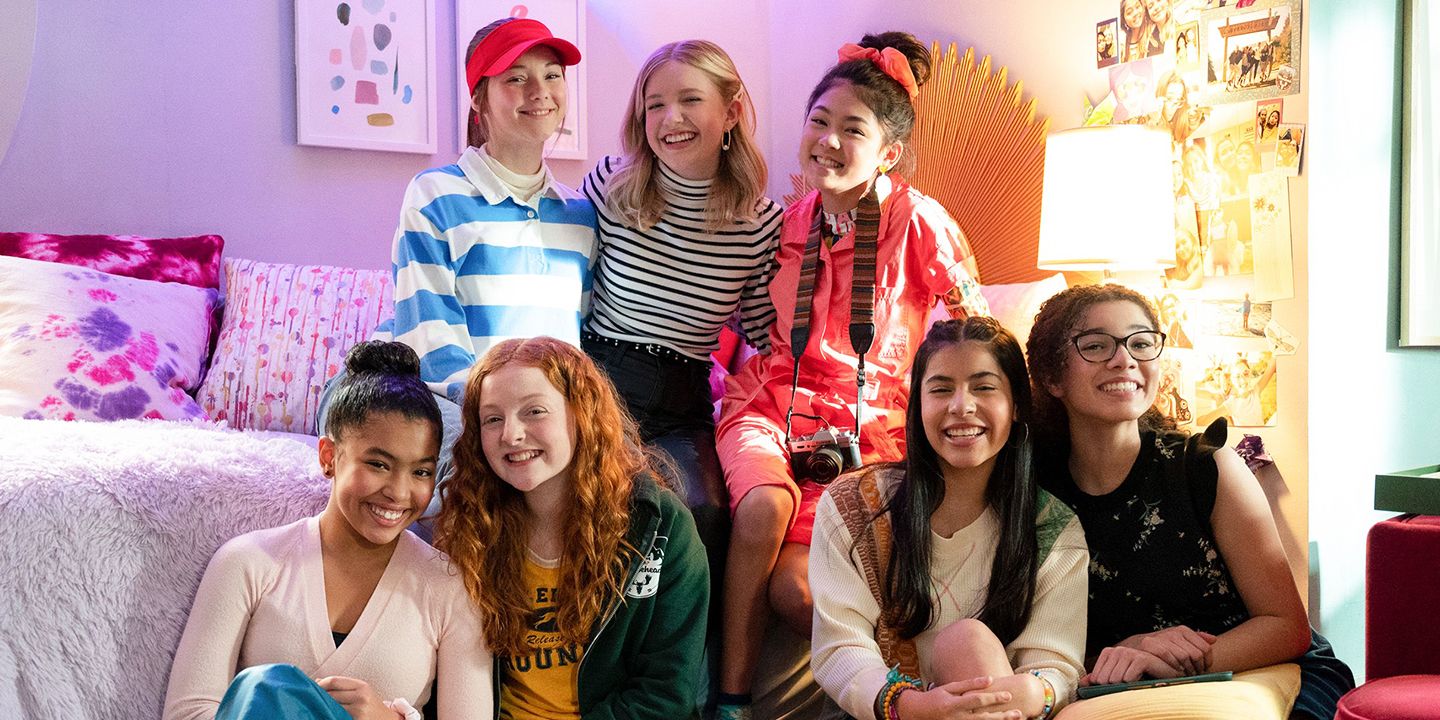
Vibrant and quirky in a way that always rings true for its plucky protagonists, this abruptly cancelled children’s series embodies the optimism and empathetic spirit that we should all hope to gain from the younger generations. By starting their own neighborhood business, the core characters of The Baby-Sitters Club (played with undeniable star power and chemistry by its young ensemble) learn how to bring joy and healing to others while facing everything from discrimination and generational trauma to their own imperfect family lives. Behind the club’s humorous, sugarcoated antics is a real sense of helplessness that each character struggles with—forging ahead and doing whatever they can to fix things that they’ve been told are out of their control. It’s an unexpectedly touching gem of a show that proves kids’ entertainment can be truly beautiful.
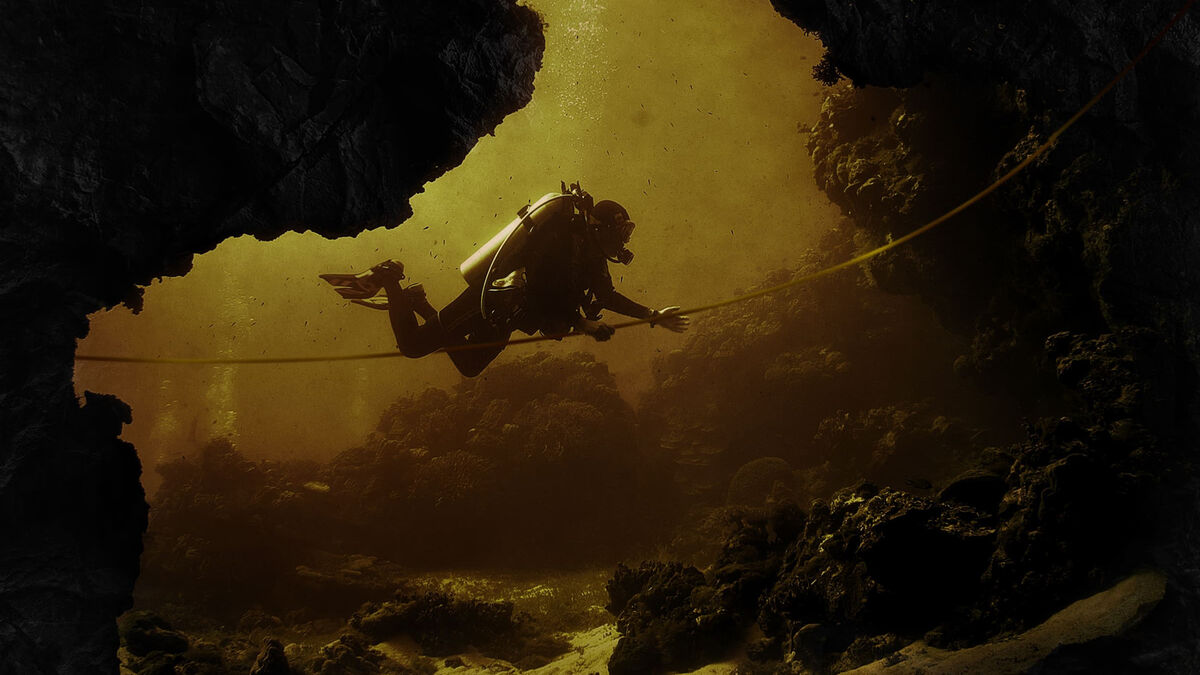
As a result of the miraculous success of the famed Tham Luang cave rescue, which saw the return of 12 kids trapped in a cave for more than 15 days, you’ll find no shortage of documentaries about the mission. Some take the point of view of the children, even others the locals and loved ones. But National Geographic’s The Rescue largely focuses on the volunteer rescuers, all of whom were foreigners who flew from different parts of the globe to risk their lives for the young victims. The film dives into their personal lives and their psyches, even going so far as their childhood to explain the motivations behind the heroic decisions they made at that moment. In less deft hands, The Rescue might seem like yet another White Savior Complex story, but directors Jimmy Chin and Elizabeth Chai Vasarhelyi (the same creative couple behind the Oscar-winning doc Free Solo) prove that the divers’ expertise, skill, and personal stakes make for a story worth telling.
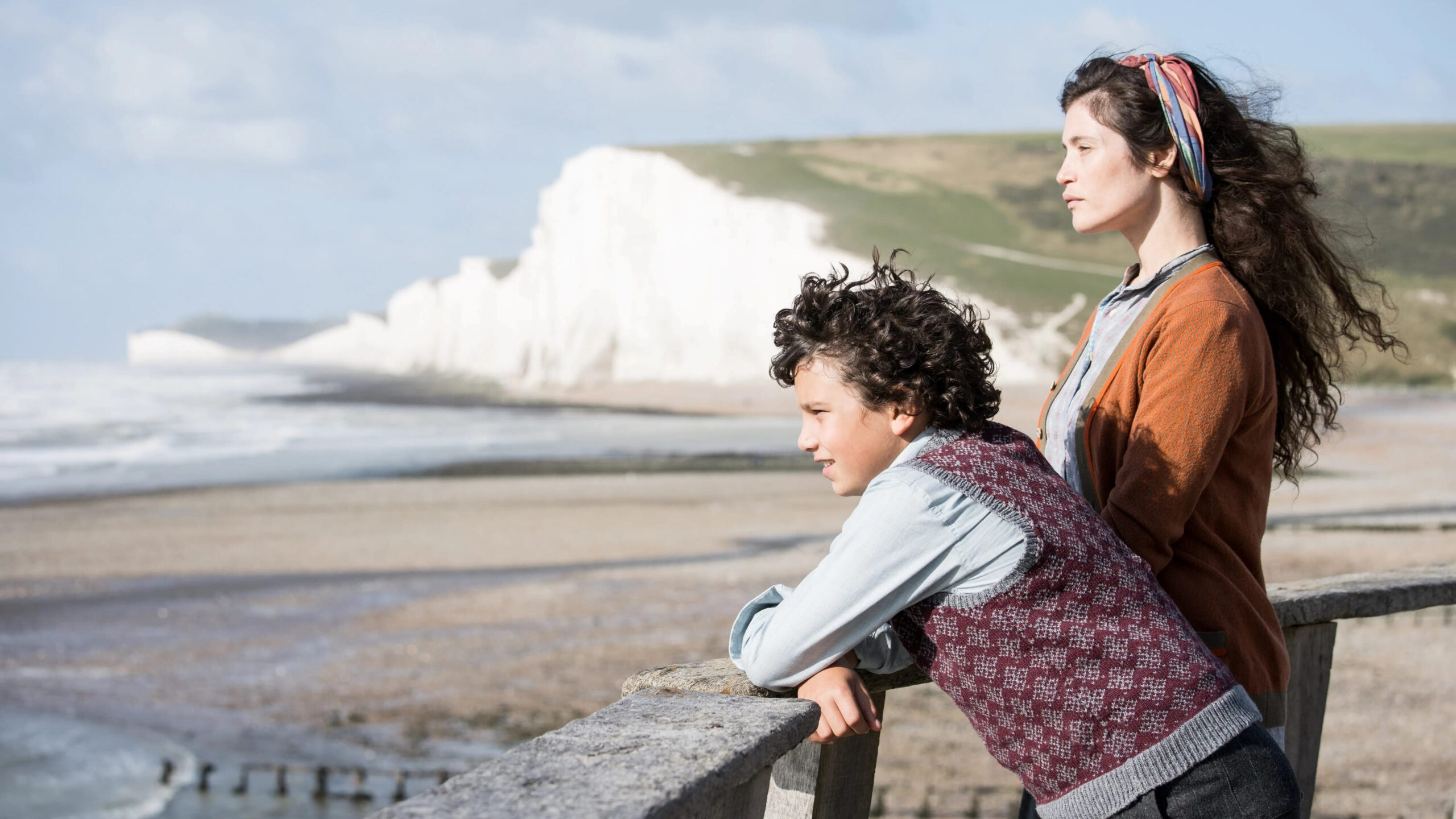
Named after the Celtic concept of heaven, Summerland is a rare queer period drama that feels hopeful rather than despairing. The film takes us to the countryside in World War II, where our protagonist, the reclusive writer Alice Lamb (Gemma Arterton), studies the folklore about Summerland. We know that her isolation wasn’t fully chosen; her refusal to marry causes adults to gossip and causes children to speculate that she’s a witch. But this all changes when a young evacuee is entrusted to Alice’s care.
Gemma Arterton shines as a reluctant guardian stifled by repressed grief, and she makes Alice’s dynamic with Frank (Lucas Bond) and her former lover Vera (Gugu Mbatha-Raw) incredibly believable. And while it would have been lovely to see more of Vera, even just their first meeting easily captures that heady sense of pure enchantment with another person. It’s no wonder that Alice has to cling to folklore the same way we do. For many of us, it’s the only way we can express our hopes, fears, and dreams.
The Sea Beast tells the story of Jacob, a legendary sea monster hunter, and Maisie, a wannabe monster hunter herself. When a dangerous encounter isolates them from the rest of the crew, they’re forced to team up and reconcile their opposing beliefs—Maisie believes there’s good in the beasts, but Jacob has yet to be convinced.
Action-packed, fast-paced, and thoroughly entertaining, The Sea Beast is a perfect weekend watch. The part-Moana, part-Pirates-of-the-Caribbean tale also has the added bonus of being age-appropriate (rated PG), making it suitable for those spending their precious movie time with kids.
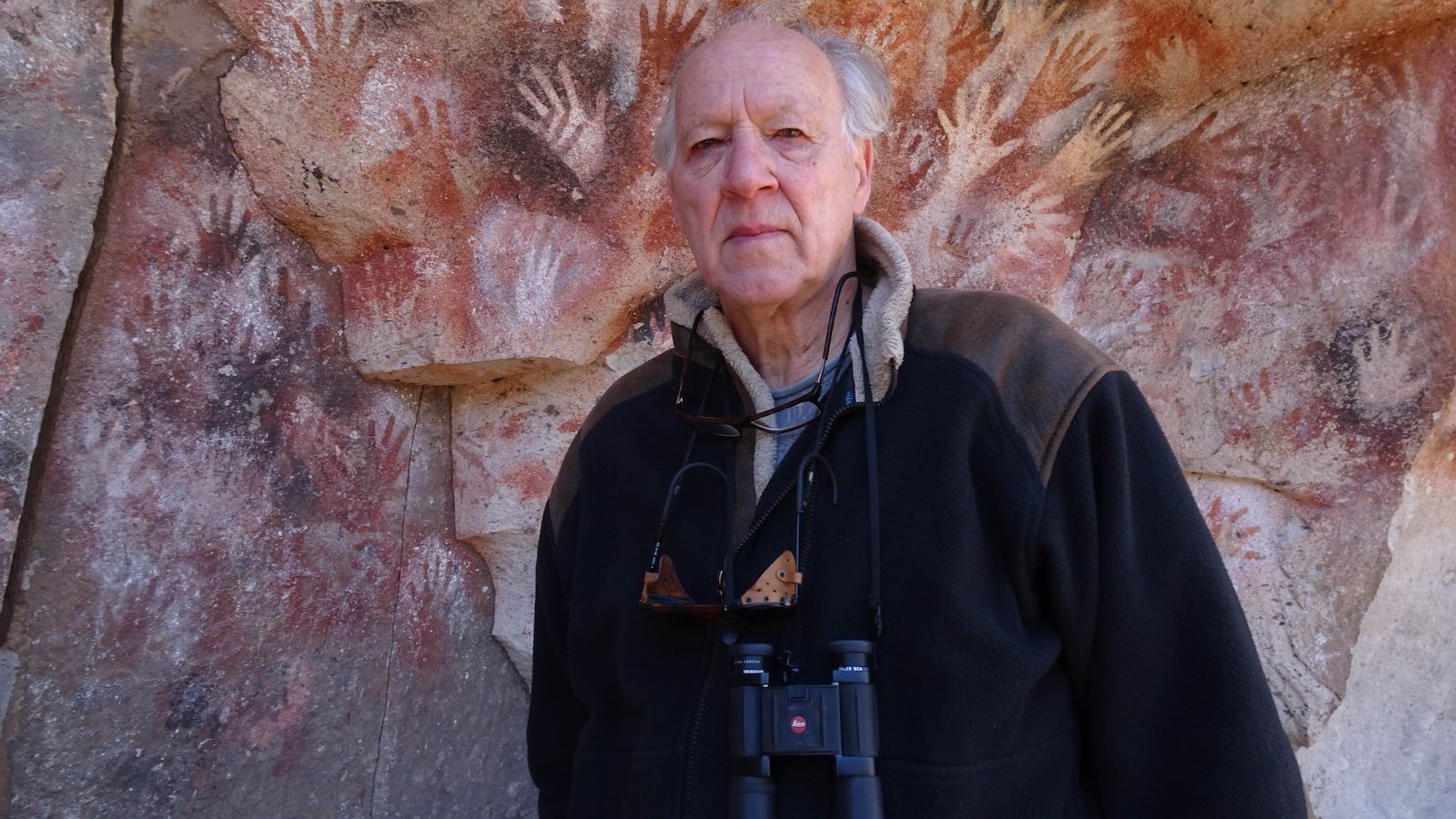
The sooner you adjust your expectations for Nomad—and realize that this isn’t a travel documentary but Werner Herzog’s own wonderfully offbeat way of remembering his dear friend—the better. Any uneven moments in this film’s construction are smoothed over by the sheer authenticity of what Herzog puts on screen, from his own distinctive narration, to gorgeous excerpts from Bruce Chatwin’s writings, to the sounds and images that make up the strange worlds that both men were fascinated in. No mysteries are solved here, but just being closer to the strange and surreal becomes a way for Herzog to come to terms with the strangest and most surreal of life’s realities: death.
You’d need to have a lot of trust in people and in movies to like this one. Ordinary Angels is the true story of how a community came together to help a five-year-old in need of a liver at a time when her father was barely making ends meet, having just recently lost his wife to cancer. The film benefits from restraint; it’s not overly sentimental, despite its tragic premise, and has a great and grounded pair of leads in Swank and Ritchson. It’s old-fashioned too and recalls the Oscar-bait sort of films that used to fly in the ‘90s and early aughts—Swank herself is dressed like Julia Roberts in Erin Brockovich. The only drawbacks of the film, really, are its unexplained motivations. Why is Sharon sacrificing so much time, energy, and money for this family? The film trusts that, because they happened in real life, her efforts need no expounding. But that leaves us feeling confused. There are also religious (Christian) references that might feel too heavy-handed for some viewers. But otherwise, the film is inspiring if occasionally cloying.
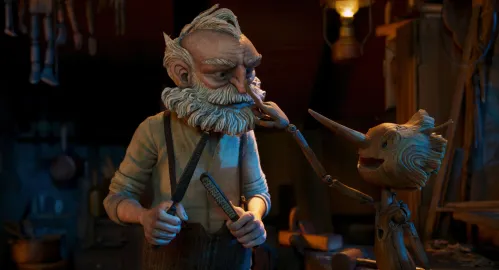
I think it’s safe to say you’ve never seen a Pinocchio adaptation quite like Guillermo del Toro’s Pinocchio. It still largely stays true to the source material, which is to stay it’s still about a father grappling with the loss of his son and a boy figuring out where he figures in the world. But the movie departs from it in significant ways too. Instead of a fairy tale setting, for instance, this Pinocchio has 1930s fascist Italy as its background, lending the film a realism and historicism that weren’t there before.
Stars Ewan McGregor, Christoph Waltz, Tilda Swinton, and newcomer Gregory Mann lend their voice in this tender and stellar stop-motion animated movie.
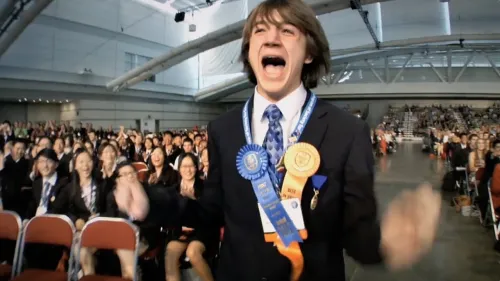
Science Fair is simultaneously a feel-good documentary and a feel-bad one: while inspiring and reassuring for all the brilliant young minds it spotlights, it also has the potential to make your own life accomplishments look paltry in comparison. The former effect is the strongest, though — because you can’t watch high schoolers as young as 14 present pioneering, disease-curing research and inventions and not feel like the future is in good hands.
Science Fair is light on the actual science, which makes it an accessible watch and prevents the film’s focus from mimicking the cutthroat nature of ISEF, the international competition it follows. With a grand prize of $75k and lots of college application-boosting medals up for grabs, the competition amongst the kids is fierce, but Science Fair instead takes an empathetic, celebratory approach so that all of the kids feel like deserved winners. That’s especially true of the more disadvantaged teens: though the competition itself might not take into account all the hurdles they’ve had to overcome even just to get in the room, this compassionate doc definitely does. Even if the science is all Greek to you, it’s impossible not to appreciate and be moved by the determination and resilience of these kids.
Upon learning that three young members of their family will soon lose their ability to see, parents Sébastien and Edith Pelletier decide to travel around the world to tick off things from their children’s bucket list. That list alone, which includes drinking juice atop a camel and seeing Mount Everest, makes for an adorable watch (it’s always nice to see deeply active and curious children in an increasingly digital world), but it’s the dedication their parents, Sébastien and Edith, pour into them that gives the film its heart. They prepare their children as much as they can by allowing them to see and sense everything, so that they have touchstones and references when their sight begins to fade. While watching the sunset in a dreamy Egypt desert, Edith asks 11-year-old Mia, “Without your eyes, can you feel the immensity of this place?” Mia says “Oui,” as she runs sand through her hands.
Few lived a life as extraordinary as the late Jane Goodall had, and even fewer are captured with such tenderness as this 2017 documentary. Of course, that’s partially because of the material. This film came about when Nat Geo unearthed around 140 hours of lost footage from wildlife photographer Hugo van Lawick, who shot Goodall’s expeditions after intense scientific scrutiny over her observations and methods. But what makes this film compelling is the way director Brett Morgen pieces together that footage. As Goodall fell deeper in love studying chimpanzees, Morgen pairs this devotion with the glimpses van Lawick captured as he and Goodall were falling in love with each other. So even without the insistent score, it’s easy to get swept by Jane’s passion and the confident way she set forth towards her calling.
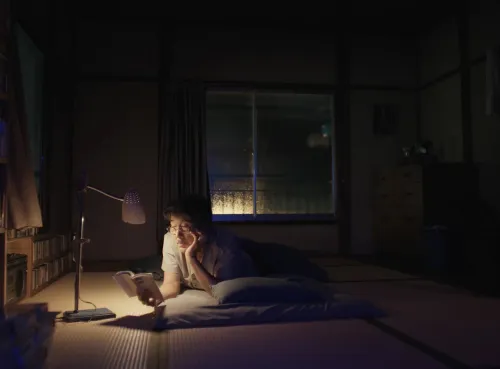
For public toilet cleaner Hirayama, “enjoy the little things in life” is more than just an adage: it’s a philosophy. Every day, he follows a strict routine of watering his plants, going to work, taking a break at a nearby shrine, and having dinner at his favorite stalls. It seems unexceptional, and yet Hirayama manages to find small, meaningful joys in between (and at) those very moments. A tree branch dancing in the breeze and shadows making funny shapes are enough to make him chuckle, while it seems like a good book and a trusty cassette are all he needs to be at peace. Hirayama’s mundane miracles are life-affirming, but make no mistake: this isn’t one of those cheesy films that push you to be happy no matter what. Director Wim Wenders (Paris, Texas, Wings of Desire) infuses the film with a certain gloom so that the overall tone is one of deep, poignant melancholy. Through vague clues about Hirayama’s past, we learn that his attempts at capturing joy might also be bids to escape a traumatic life. All this builds to a powerful ending that speaks to the complexity of human emotion. We can be happy and sad, peaceful and troubled, lonely and content all at the same time, and it’s okay. At the end of the day, we’ll still have our favorite book passage, our favorite singer, a great artwork, or a beautiful park to return to, and sometimes that’s all the reminder you need that life can be worth living.
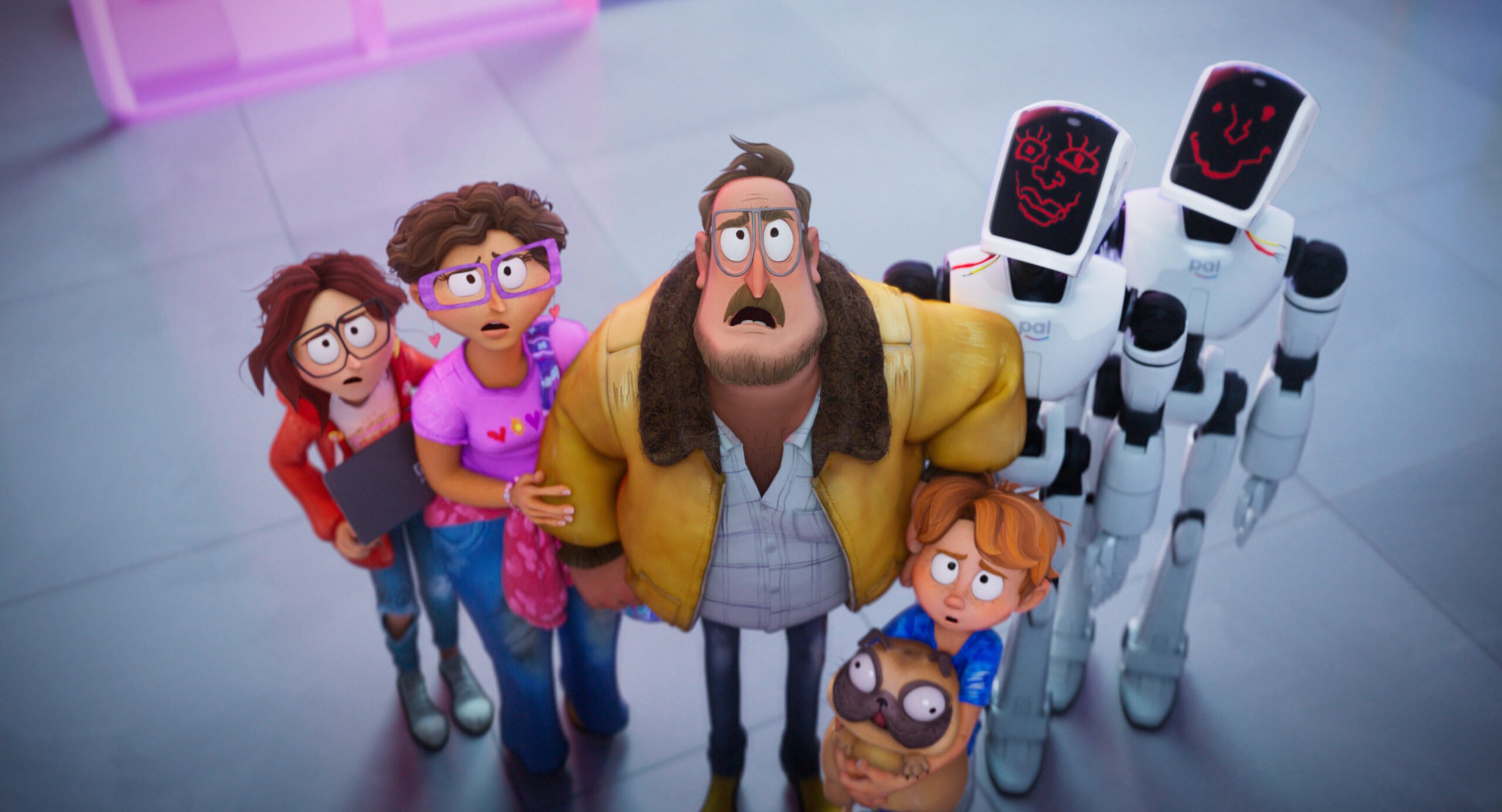
Animated in every sense of the word, The Mitchells vs. the Machines is a fun and lively watch for anyone of any age. On the surface, it’s about a tech company’s AI going haywire as it turns against humans and takes over the world (an obvious and much-deserved dig at Big Tech). It also immediately stands out as an energetic and inventive film bursting with love for the animation genre.
But at its core, it’s about family and learning to love them even and especially when the going gets tough. Teenager Katie and her father Rick are at that precarious moment in their relationship where everything they do seems to annoy the other, while Katie’s mother Linda tries and fails and tries again to keep the peace. The Mitchells are filled with love, but they’re not quite sure how to express it to each other, and it’s both funny and relatable how it takes a literal apocalypse for them to realize that. This is a family story elevated by dynamic animation and a bizarro storyline. Expect it to go off the rails in the best possible way.
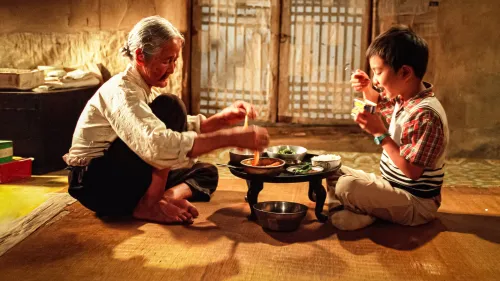
Seven year old Sangwoo is such a horrible kid. He’s rude, snobbish, and is more interested in playing his video games than helping his mute grandmother out in the countryside. Understandably, it’s what makes the first few minutes of The Way Home a tad irritating. However, somehow writer-director Lee Jeong-hyang crafts a strong relationship between them. The film eventually makes it clear how out of depth they both feel, with the son homesick and unused to living without the conveniences of Seoul, and his grandma unable to figure out what he wants. It’s so heartwarming when they finally reach an understanding, even if the journey to get there would require the same grandma’s saintly patience.
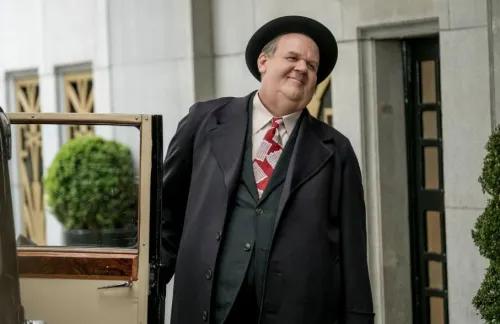
John C. Reilly and Steve Coogan are fantastic in this biopic of a comedy double that governed turn-of-the-century Hollywood. The movie stars with a snippet of their success but is mostly focused on their later years. With their big hits behind them, Stan Laurel and Ollie Hardy embark on a disappointing tour across Britain while trying to get one last movie made. Their story is about how the creative bond between two lifetime performers evolves through time, successes, and failures. It’s a cute tribute to a duo whose lives weren’t so different from their comedic act.
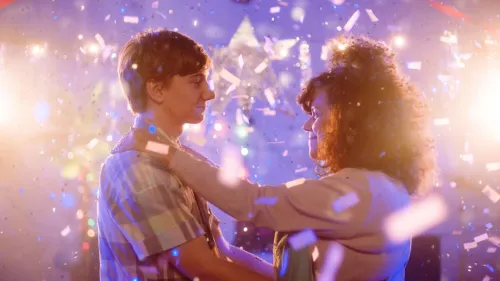
“Imagine a nightmare when you had to relive your adolescence,” says Cecilia Aldarondo at the beginning of her third film, You Were My First Boyfriend. Indeed, the scene recalls a teen prom that could easily be yours (if you were one of the unpopular girls): neon lights, prettier dresses that are never yours, disapproving looks, and the impression that everyone around you is having the time of their lives, while you sit awkwardly in a corner. This image sets the tone for a self-exploration in documentary form that relies on a simple, yet imaginative premise, what if you could re-enact the formative events from back then, but do so today, by directing actors to step in for your past selves. Aldarondo approaches the topic sincerely and with curiosity. Not a pang of nostalgia there, but the heartfelt doc manages to reflect on the pasts that shape us in a witty way to promote self-acceptance and, ultimately, healing.
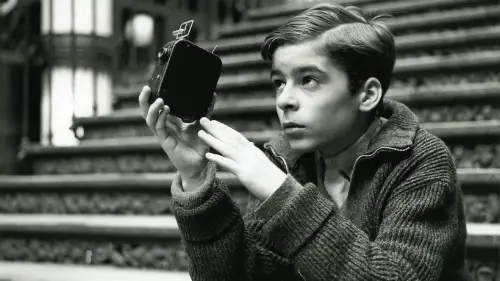
For most prominent people, the biopics made about them are usually made by others that know of them, but not personally. Because of this, Jacquot de Nantes is a special one. Filmmaker Agnès Varda recreates the childhood of her fellow filmmaker Jacques Demy through a mix of memories only they could have accessed as a married couple. She recreates most of his happy childhood in black-and-white film, inter stitching them with scenes from Demy’s own movies as well as rare bursts of color from the stories that made him. She also adds the few clips Demy took for film before illness kept him from directing. The footage is already unparalleled compared to most biopic makers’, but with Varda’s signature style, Jacquot de Nantes is a moving ode to Demy, the movies that made him, and the love that they shared.
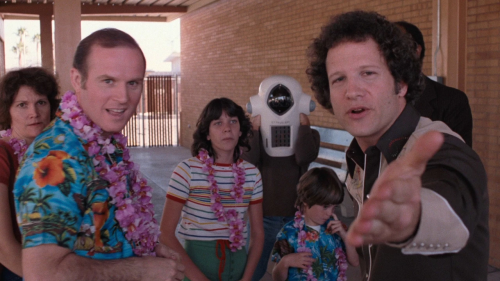
Before the advent of cruel reality shows and their doomed attempts at realism, and before shows and movies like The Office and Borat made mockumentary the popular genre that it is today, there was a little Albert Brooks film called Real Life. In it, Brooks plays a version of himself obsessed with portraying the “real life” of a classic American family on film, and yet whenever he feels bored, he can’t help but meddle and poke at his subjects to start a fire. The results are unexpected. The humor is quick and deadpan. The satire is sharp and frighteningly prescient. It’s the perfect movie about how truth—no matter how hard we try—can never really be captured in a form like film. All the while Brooks keeps you on your toes with his razor-sharp script. Your favorite mockumentary films will suddenly feel small after watching this underrated great.
Hilarious and sweet, Meet the Patels is a charming collaboration between siblings Geeta and Ravi Patel. While the film is a documentary, it feels more like a real-time romantic comedy – which makes sense, given that it’s about Ravi’s quest for the perfect wife. Standard tropes, such as parental disapproval, are present here, but the film keeps it fresh as it focuses on the intricacies of Indian dating, specifically with traditional matchmaking and modern internet dating. However, like some of the best romcoms, the real heart of the story lies outside of Ravi’s love life. What drives the story is the dynamic between Ravi and his family. Balancing parental expectations with personal hopes is a struggle anyone can relate to, though this film presents this through comedic debates about marriage. At the same time, these debates end up insightful and oftentimes reveal fundamental principles the family believes in. It’s only through resolving familial issues that Ravi finally figures out his love life.
Divorce is hard, even with a fairly civil separation and moving to another place entirely free from the divorced parent. The main emotional stakes are usually carried by the parent, but even then, children have some stake in this relationship, seeing that this permanently affects their relationship with both parents and any siblings they may have. I Wish tackles a separated family through the kids’ eyes– taking a rumored wish-making pair of bullet trains to get their family together, but in the optimistic reality kids tend to have, rather than a fantastical fairytale adventure. Through Hirokazu Kore-eda’s frames, and the precocious real life brothers portraying the main duo, I Wish effectively balances its hopeful tone all throughout, capturing the kids’ hopes and dreams in an endearing, but not overly sentimental, way.
Saying that the program I Love Lucy paved the way for television would be an understatement. Lucille Ball inspired a generation of female comedians, Desi Arnez blazed a trail for Latinos making it in America, and the show that they starred in broke records upon records, redefining what sitcoms could be at a time when no one took them seriously.
Millions tuned into their love story as Lucy and Rick, but their real-life relationship as Lucy and Desi was just as compelling. It was complicated by jealousy, race, gender, and class, but it was also solidly grounded in true, enduring love. This documentary, directed by Amy Poehler, does well to tell us the couple’s truth without sensationalizing it. Instead of blowing things out of gossipy proportions, she zeroes in on the messy facts and weaves them into a nuanced, enlightening tale about marriage, celebrity, and fame. Thanks to Poehler, the story about Lucy and Desi is just as riveting as their legendary show.
Remember Bing Bong from Inside Out? This time, there’s a whole world of imaginary friends that don’t fade into the recesses of a child’s mind– instead, they transfer to another place, ready to take on the imaginations of children around the world. That’s the basic premise of The Imaginary. Of course, Studio Ponoc’s third film has been at least partially inspired by Studio Ghibli, with some of its staff having their start there, and with the film’s dreamlike portals and strange cats, but the film takes a more straightforward approach to its story and analogies. As Rudger fights against Mr. Bunting, the film examines, well, imagination, but in all its forms– fodder for corporations to feed on, propaganda to calm the masses, but also as the innately human response to grief, as a mature solution to life’s troubles. The Imaginary may not be a stand-out, but we can’t help but applaud Studio Ponoc’s sincerity in celebrating human creativity.
Bill Forsyth, an acclaimed Scottish director best known for his films Local Hero and Gregory’s Girl, directs an underrated masterpiece with the 1987 drama Housekeeping. Adapted from Marilynne Robinson’s outstanding novel, Housekeeping is the story of two sisters, Ruthie and Lucille, who are orphaned and raised by their peculiar Aunt Sylvie.
As the young sisters grow apart, Ruthie gravitates toward her transient aunt. This is a movie about not quite fitting in—about feeling like your life exists just outside of modern time, somewhere off to the side of railroad tracks running over frozen water. Sylvie shows Ruthie that there is more to life than their small, cold town of Fingerbone. In fact, there is a whole world out there, calling to misfits like them.
Housekeeping is deftly directed, balancing both humor and tragedy. Christine Lahti’s performance is also, with no exaggeration, one of the greatest of all times, as she conveys so much of Sylvie’s yearning to go, go, go with as little as a glance toward the beckoning horizon.
Robert Altman’s 3 Women begins normally—it follows the flirtatious Millie, the childlike Pinky, and the silent Willie, all of whom seem to represent different phases of womanhood. Their interactions are mundane but relatable, but then the film takes a turn for the surreal. Mysterious people show up. Personalities are exchanged. Questions are never resolved. As in a dream, the lack of logic in 3 Women makes sense: you follow the women and the strange things happening around them because it feels imperative and significant. This is the kind of film that will inspire endless debate and discussions once the credits roll in. Alternatively, it could leave you stunned, already trying to remember what just happened as if you’ve just woken up.
The title of Days of Heaven perfectly captures the idyllic life on the farm. It’s truly beautiful. Director Terrence Malick and cinematographer Néstor Almendros shot in natural light, letting dawn and dusk outline their characters in gold, as they work, laugh, and have some semblance of stability for the first time in ages. Despite their dubious past, it’s so easy to understand why the love triangle falls for each other, in this light. But simultaneously, it’s the perfect style to depict life from a child’s memory, the very same dream Americans once had before the wars they were pulled into.
Held back by awkward and uninspired musical numbers but otherwise a surprisingly funny and sweet animated comedy, Leo gets a lot of mileage out of being simply weirder than many of its direct-to-streaming contemporaries. As the titular lizard works through his cynicism by spending his last days helping others with their early years (a premise heartwarming enough to stand on its own), the film expresses itself through plenty of cutaway jokes and throwaway lines, excellent physical comedy, and a few particularly bizarre character designs. Everything is played in good fun though, and the movie’s witty, easygoing personality allows it to overcome any limitations from its admittedly ordinary animation.
In the Gloaming has the expected constraints of a made-for-TV movie. It is set in only a handful of places, features even fewer characters, and utilizes that all-too-familiar cheesy soundtrack present in (I swear) every family drama produced in the ‘90s. That said, In the Gloaming feels more like a precious indie than a cheap TV movie. Mostly, it has the leading performances of Glenn Close and Robert Sean Leonard to thank for that. The two don’t have the big performances you’d expect from a film about AIDS, but their simple and subtle approach works even better than that. First-time director Christopher Reeve (yes, Superman) does well to stay on Close’s face for a few beats longer to show how much pain and doubt she’s hiding beneath her facade of calm. I only wish the film could’ve tied its many loose ends and that we got to know more about Leondard’s character—really know him, beyond his being gay. This would’ve made the film stronger, though it is already a moving watch.
The entire premise of My Dinner with Andre is in the title. Nothing more or less happens physically—it’s literally two hours of pure conversation—and yet the film is more eventful and compelling than a lot of movies out today. That’s because there’s no pretension in the back-and-forth that happens between Wally and his friend Andre. They discuss meaning, spirituality, isolation, and fulfillment (life itself basically) but never in a gratuitous, self-congratulatory way. There’s genuine interest and curiosity between the two; both are artists hailing from the theater, but while Andre is well-traveled and interested in new age ideas that lean on superstition, Wally is a practical man who finds meaning in small details and domestic events. Whether one or the other is correct is not the point. Instead, My Dinner with Andre is a beautiful example of how a conversational film can be a masterclass in form. Their storytelling is so vivid and alive that it’s enough to have us conjure images beyond their sit down. The scenes are so carefully detailed and shot that they inject believable life into the austere setup. It goes without saying that the movie is smart—it has to be to rely on dialogue alone—but it’s also surprisingly poignant. Here are two friends who’ve drifted apart and likely judged each other at one point for being so different than their idea of normal. But they’ve come together for a meal and a cathartic conversation, which is sometimes all you need to get along.
Within the fantasy of fairytales and folklore, there’s a hint of something true and human wrapped inside, passed down from generation to generation, translated for the imagination of children. The Secret of Roan Inish is inspired by selkie folklore– the seals that shed their skin to become human, though they still yearn for the sea– but writer-director John Sayles brilliantly compares this to the Coneelly’s yearning for their home, the home torn away from them due to the war, and the home that’s denied to them due to the impending eviction. It’s a lovely story, one partly told by stories handed down from grandparents, but it’s made much more beautiful by the way the grandchildren actively participate in getting their home back. The Secret of Roan Inish beautifully depicts the way kids can change a family’s fate when they get to learn more of their heritage.
Harold and Maude may ostensibly be about death—so much so, that by Harold’s 10th fake suicide attempt, you’ll be rolling your eyes—but it’s also a sweet tale that celebrates life’s small joys and everyday people. The film’s two sides are personified by the titular characters. Harold seems tired of life, while Maude is all about it. And yet, Harold comes from privilege, while Maude hides a dark past. They learn about and from each other, but ultimately it’s the kindness they show one another, in a society that treats them as outsiders, that gives the film its heart. It sounds simple on paper, but Harold and Maude is packed with the kind of style, sound, and deadpan wit that dominates modern independent cinema (see: The Submarine, or Rushmore). It didn’t make waves back in 1971 when it premiered, but decades later, it remains a cult favorite for these reasons.
This beautiful, realistic, and nostalgic anime movie about childhood is one that almost anyone can relate to. Set in the year of 1982, twenty-seven-year-old Taeko Okajima is traveling to the countryside by train. Along her journey, she gets flashbacks of her childhood: mostly in elementary school, stealing glances at a boy, and navigating puberty. The movie goes back and forth between past and present, easily making one long for sun-filled summers of yesteryear and silly jokes between playfriends. As well as telling a story about Taeko’s past, Only Yesterday also tells a story about her present, and the combined realism of the plotline with the beautiful animation grips you and doesn’t let go. Only Yesterday truly feels like home.
This forgotten gem is the perfect family movie. It stars Michael Caine and Robert Duvall as the two eccentric uncles of Walter, a shy city kid (played by Haley Joel Osment). When Walter moves in with his uncles in rural Texas, he first has a hard time adjusting to his new surroundings. However his routine is changed after he starts hearing local gossip about his uncles, and reminiscence spurs in all three an incredible eagerness for adventure. Secondhand Lions has gathered impressive cult following in the past few years, and rightfully so. Its fast-paced, entertaining yet substantial storyline shines a light on the amazing performances by the cast, and offers a surprising mix of funny, heartwarming and sad. Look out for the flashback scenes.
Given the sprawling epic it’s based on, the first film adaptation of East of Eden had to make some adjustments. First, it cut the novel’s plot to focus entirely on Cal and Aron’s generation. Second, it cut off nearly all other characters that aren’t the Trask family or the two women they loved. Because of this, book fans might find that the runtime inadequate to capture the multigenerational context behind the film’s Cain-and-Abel dynamic, but the choice to cut the film to just one cycle strengthens its focus. And this choice was proven to be the right one with James Dean’s star-making, unforgettable performance.
For the longest time, family was everything. Traditions were maintained, opportunities were made and created for it, and the community helped each other, especially for immigrant families, who only had each other. Avalon holds plenty of the nostalgia of early 1900s America, but it’s mostly bittersweet with the way the American Dream slowly eroded the extended immigrant family, with the ever-changing times shifting each nuclear unit’s priorities, circumstances, and connection to the clan. Like seafarers seeking the titular utopic island, Avalon ponders on the way the family worked to reach for an abundance that they didn’t get to share as a whole.
Manon des Sources (Manon of the Springs), directed by Claude Berri, follows a young woman named Manon living reclusively in the rural countryside. This film is the sequel to Jean de Florette, during which a young Manon watched her father fall victim to the greedy manipulation of two men. Now, a decade later, Manon is older and more cunning—and when she sees the opportunity to gently avenger her father, she exacts tragic revenge.
Perhaps the greatest strength of Manon of the Springs lies in its actors. Emmanuelle Béart is captivating as Manon, quiet and observant, while Yves Montand and Daniel Auteuil are fittingly terrible as César Soubeyran and Ugolin. Manon and the springs she must protect are worthy heroes of this epic saga.
Two young lovers go on a violent spree and run away together with zero care for anything else outside of their own bubble. You’d think the scene would be romantic, or passionate at least, but director Terrence Malick plays it with extreme detachment. You wonder if the two are actually in love, or if there’s any motivation behind the killings. But before you go down that rabbit hole, the sweeping, epic landscapes of middle America steal your attention and never let go of it. This is a Malick film after all, and all the answers to your (and the characters’) questions lie in the silent grandness of the Earth. This is Malick’s first film, and it will explain all the others that come after it.
Fed Up is an American Documentary film that will make you realize at least one of two things: sugar is a different form of evil or, the food the mass consumes, no matter what it may be, likely contains high amounts of sugar – and to be quite honest, there’s nothing scarier. Dubbed as the earthshaking truth the food industry doesn’t want you to see, this chronicled news report is an exploration of the implications and repercussions of careless food consumption and production that eventually leads to America’s most dangerous statistics, such as obesity, diabetes, high blood pressure, and other ill-health outcomes.
When artists or musical bands make films, it’s usually a tour documentary or a biopic of some sort, where fans can go in depth with their music, their background, or anything that would explain what makes their music so great. When Talking Heads’ lead vocalist David Byrne made a film, it wasn’t about his hometown in Maryland or his birthplace in Scotland at all– Instead, it was about True Stories, compiling a series of vignettes in a fictional North Texan town. It’s a strange choice, but Byrne manages to capture the bizarre in ordinary small town America, that can get a bit surreal, but nonetheless holds a weird charm that’s excellently scored by the band. True Stories came out of nowhere, but it’s a decent watch.
When it comes to films depicting America’s history of racism, many white produced films tend to be centered on a white savior. At best, this is just patting each other on the back for actions done a generation or two ago. At worst, it tends to be outright historical revisionism. The difference between these and The Long Walk is that, while clearly made for a white audience, the film doesn’t crown Sissy Spacek’s character as a messiah, but her choice to help the boycott anyway is a message worth depicting, even if it’s small, even if it isn’t the typical, single-handed salvation Hollywood is used to doling out. While the white narrator adds unnecessary distance, and while it would have been better to see more of Whoopi Goldberg in the non-comic role of Odessa Cotter, The Long Walk cares about the everyday, and that’s what makes it mostly work.
Even for the greatest, things can change enough that what was once popular is now ignored, what was once appreciated is now neglected, and things eventually lose their spark. Originally written by iconic French filmmaker Jacques Tati for one of his daughters, the screenplay for The Illusionist landed in the hands of Sylvain Chomet, who turned Tati’s live-action script into a devastating animated father-daughter drama, where the titular Tatischeff meets Alice, whose childlike belief sparks inspiration again in his own art, whether it be straightforward vaudeville acts or advertisements he resorts to in order to sustain their living. While the hand-drawn animation enables the physical comedy, it does conceal the tragic reality behind Tati’s script, but even as it does so, it somehow mirrors how both Tati and Chomet’s genre created magic, however ephemeral it may be.


x1
x2