The Best PG Movies to Watch (Page 2)
Most audience members assume that PG rating automatically indicates a show for kids, but you’d be surprised at how many excellent series can be enjoyed by the whole family, across generations. Here are the very best PG-rated TV shows to stream now, whether alone or with the kids according to the MPAA standard.
To access filters, visit our homepage.
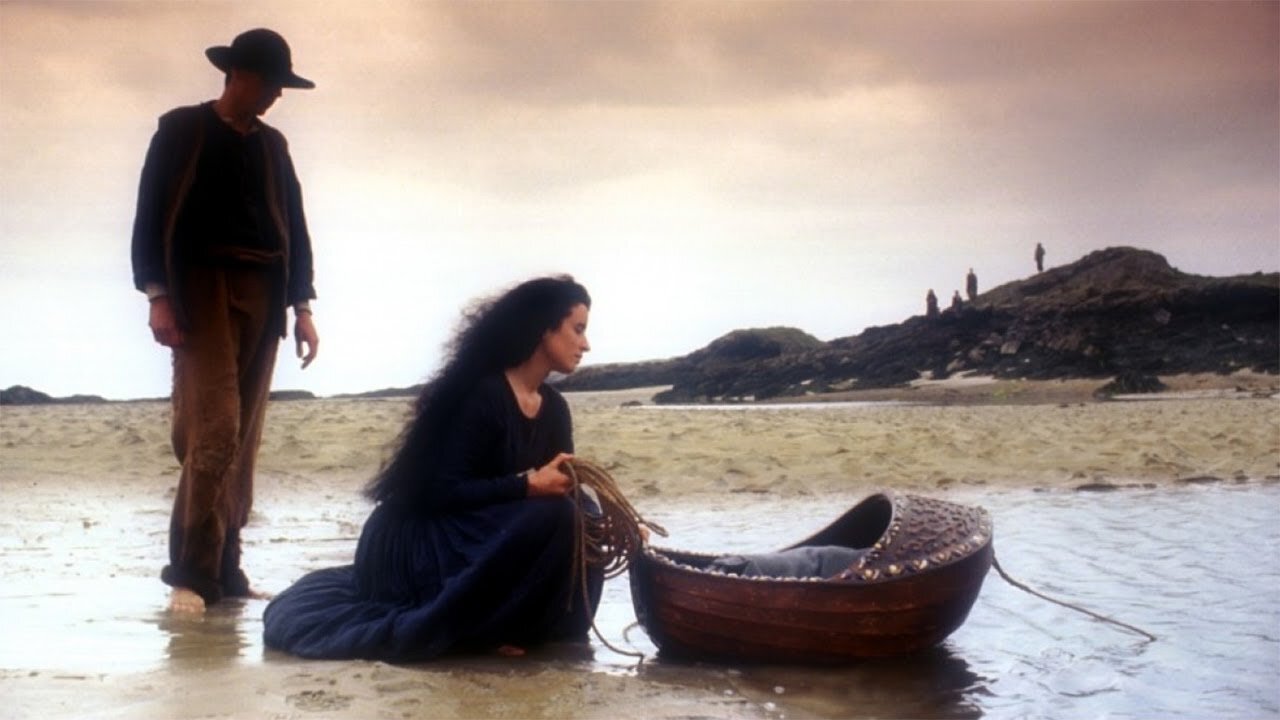
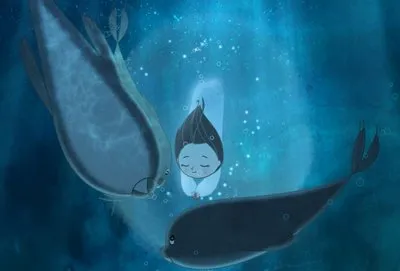
This animated movie is absolutely wonderful. It’s an Irish production, and the drawings/graphics are so beautiful and different from what you usually see in this genre. This alone, along with the music, would be good reasons to watch this.
But what really makes this worth your time is the story – it’s about a boy dealing with the loss of his mother. He embarks on an adventure into a parallel world of feelings to save his sister.
I found it to be refreshingly original, sometimes quite intense (I cried, but I easily cry), and heartwarming. The details are great. And I love the way the story was interwoven with Irish mythology, making it magical.
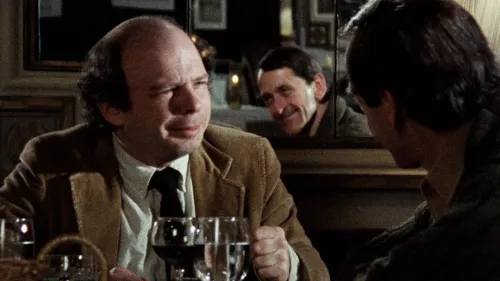
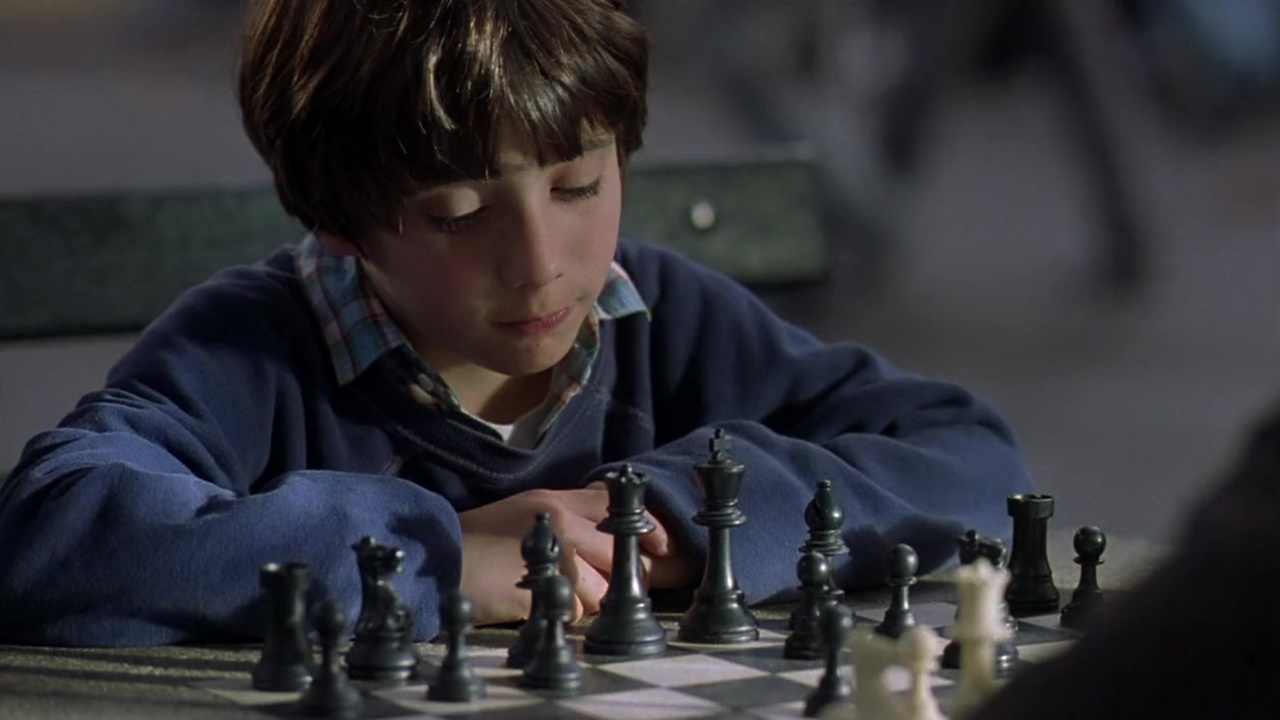
Generally, a mentorship is a great way to find guidance and direction, but rarely do we discuss the importance of finding the right mentor– or the right mentors– and that it sometimes takes a while to find a great fit. Searching for Bobby Fischer is about real-life child chess prodigy Josh Waitzkin, but rather than depicting the straightforward mentorship plot we’ve seen in many sports films before, the film captures the journey of a boy who needs both the freedom and the structure for his chess career. Searching for Bobby Fischer does take on the tone and style typical of these child prodigy biopics, but Waitzkin’s story is worth telling, especially for children trying to find their own voice outside of their guardians.
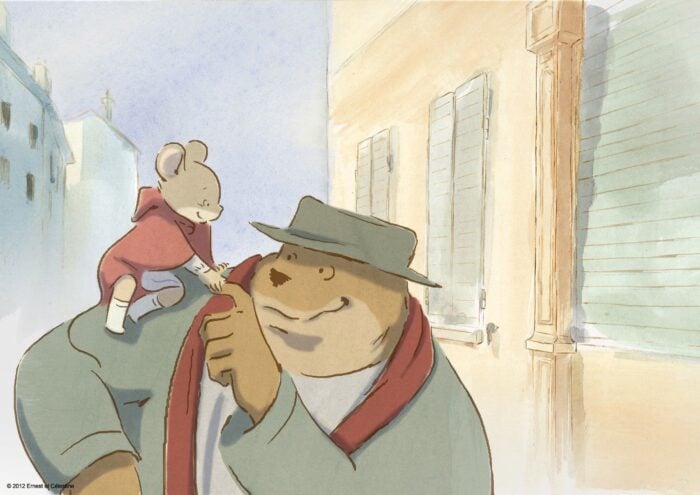
Ernest is an old bear and Celestine a young mouse; he lives above ground, while she lives underground. Their kinds fear one another, and borders are set in place so that they never intermingle, but despite all the odds, Ernest and Celestine form a bond—they share one similarity, after all, which is that they’re both outcasts.
Ernest & Celestine is a classic buddy tale of outsiders finding their place in the world. The story and its messages of acceptance and equality are already charming and weighty on their own, but the hand-drawn and watercolored animation gives the film an extra rush of nostalgia and delight. Beautifully made and surprisingly relevant, it’s a children’s film for all ages. It makes sense that it was nominated for Best Animation in the 86th Academy Awards (what doesn’t is it losing to Frozen).
An English dub is available on most streaming platforms, but we highly recommend watching it in French, how it’s originally meant to be heard.
This quirky 1988 adventure drama is newly available on Amazon Prime. It’s the classic that never was, the story of a rundown gas station motel in the Southern US where a lonely West German lady called Jasmin Munchgstettner ends up by accident.
The owner of the operation, a short-tempered woman by the name of Brenda, doesn’t really take to Jasmin. However, the longer the West German guest stays at the motel, the more a friendship forms between the two.
There’s a lot of good to be found in the charming, poignant, and endlessly quotable Marcel the Shell With Shoes On. It follows a documentarian named Dean, who has as his subject the one-inch talking shell that is Marcel. Marcel looks after an empty house along with his grandma Connie, and together they run a delightfully intricate system subsisting on electric mixers, tennis balls, and the occasional human hair.
Despite his small size, Marcel unwittingly makes big observations about life and the world around him, often moving Dean (and this writer) close to tears. It’s a simple film with a grand message, with lots to say about the importance of participating in life as opposed to merely observing it. But ultimately this is a movie with a precocious talking shell at the heart of it all, so really, what’s not to like?
If you wanted to watch a woman that rose to the top rankings of chess, playing piece-to-piece against some of the greatest chess players of the world, you would probably think about watching The Queen’s Gambit on Netflix, but you might be disappointed to find out that Beth Harmon isn’t real. However, there was one film before the iconic miniseries that depicted the story of a real life female chess player, one that clawed her and her family out of poverty through the game, and that story is Queen of Katwe. As a Disney original film, it does go through plenty of the familiar beats we’ve seen in the company’s previous works, but Mira Nair’s direction and the excellent performances of Lupita Nyong’o and David Oyelowo create an underdog story that feels so sincere, so heartfelt, that it reportedly inspired Ugandan teenagers to do better in their national exams.
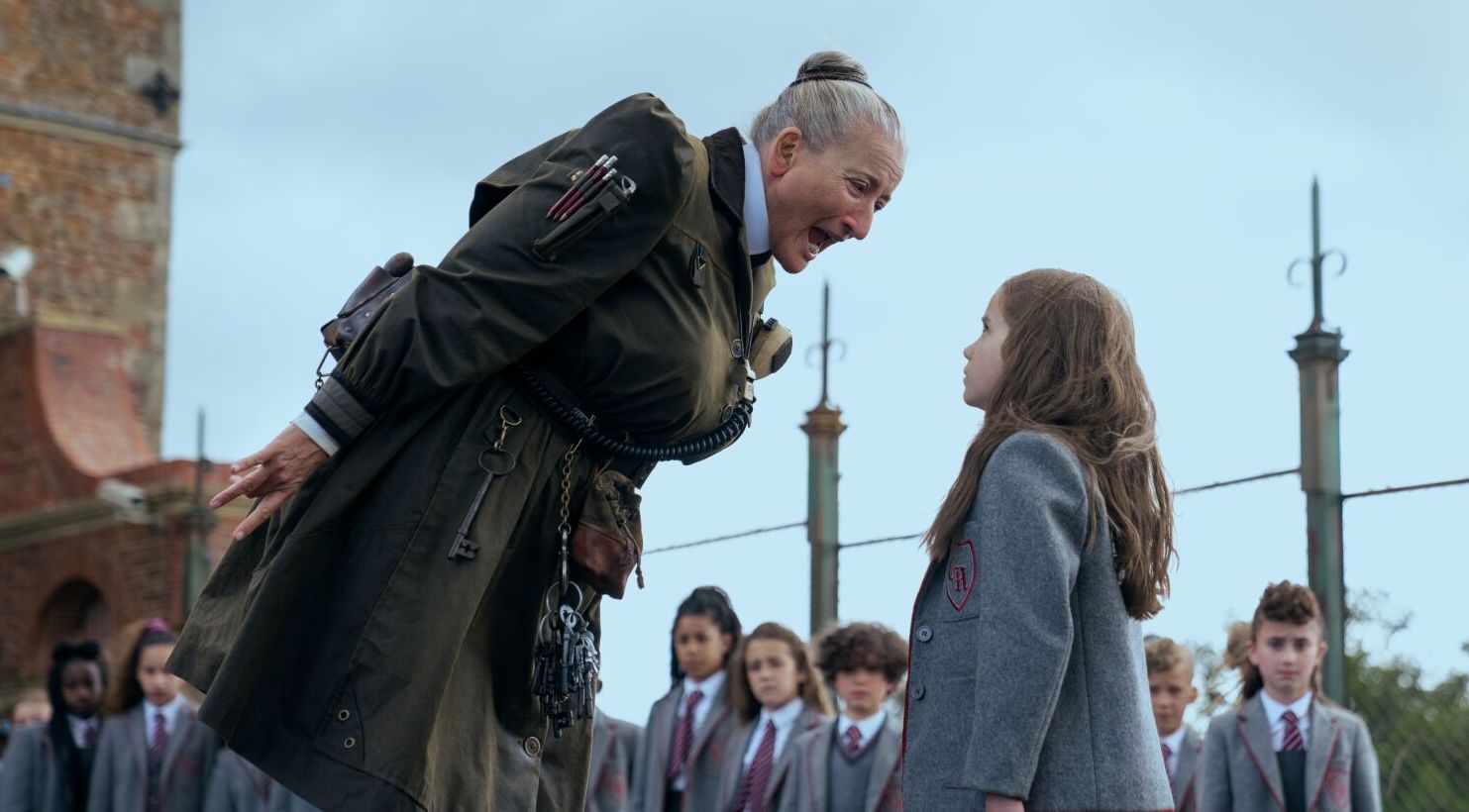
It’s very likely you already know about the fictional character Matilda, a clever but neglected child who discovers she has telekinesis and uses it for good. You may have even grown up watching the 1996 film multiple times, as I have, and secretly tried to move a random object with your mind to see if you somehow shared Matilda’s powers…as I have.
If so, I can assure you that you’ll enjoy the latest Matilda adaptation, aptly called Roald Dahl’s Matilda the Musical on Netflix. It’s pure energy, all bright colors and high-pitched emotions, but not overwhelmingly so. It is also funny and tender, and the techniques it uses to transition and transpose are eye-poppingly inventive. It stars Emma Thompson, once again prosthetic-ed to perfection; Lashana Lynch, a grounding and heartwarming presence; and Alisha Weir, a revelation of a child actor.
At an older age, love can feel like it’s overrated, but watching Little Manhattan easily makes you remember the way love felt growing up, starting to explore all the feelings one had of the opposite gender, with childhood imagination and freedom from responsibilities making it seem so much more wonderful than it is now. Admittedly, it does suffer from a bit of the 2000s stereotypes and gender essentialism that stupid kids spouted, but as long as you remember the film comes from the perspective of a well-meaning, if a bit immature, 10-year-old boy, Little Manhattan feels like a charming recollection of how first love felt.
A lot of 80s comedies have not stood the test of time (remember when racism was funny?) but this smart and surreal black comedy narrowly escapes that black hole. Instead of simply leaning into stereotypes, it parodies them, and instead of simple banter, it imagines an absurd world where hamburgers come to life and paperboys have formed gangs to collect their due. There’s no plot here, not really; the fun of watching this comes from seeing how the one absurd scene can top the last. The nostalgic factor also helps, because where else can you hear someone says “spastic nerdbag” with such solemnity?
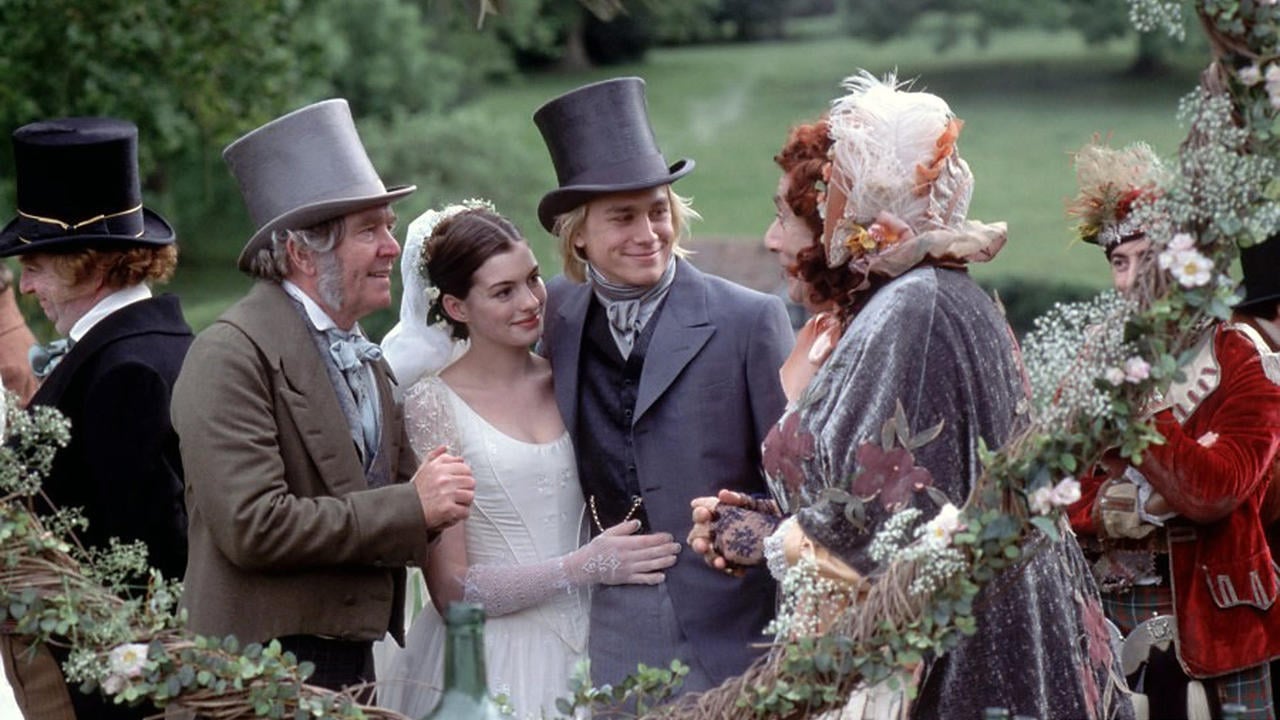
While writing the classic novel Oliver Twist, Charles Dickens was also writing Nicholas Nickleby, with volumes released every month. His third novel was adapted in 2002 in a film adaptation that smooths out Dickens’ elaborate plot, with beautiful sets and costumes, and the classic good vs evil themes the classic novelist is known for. There’s a bit of a mismatch with Charlie Hunnam as the titular protagonist, but the rest of the cast slips into their characters well, most notably Christopher Plummer as the incredibly stingy uncle Ralph, and Jamie Bell, whose rendition of Smike makes his dynamic with Nickleby compelling. Nicholas Nickleby isn’t the most transformative adaptation, but it’s one that still works, especially for young viewers wanting a simplified plot for their book reports.
Though wordless and human-less, Flow might be one of the most charming films about humanity you’ll ever see. It follows a group of different-species animals who’ve formed an unlikely bond as they try to survive a massive flood. There’s a quirky lemur, a friendly dog, a majestic bird, a wise capybara, and connecting them all through its curiosity (and cuteness) is a cat. They go through an adventure of sorts as they look for high ground, but don’t mistake this for a Disney or Dreamworks picture. This independent Latvian film gets unapologetically bleak. And as adorable as it is, there’s also a sense of endless dread coming from the uncertainty of their future. The filmmakers aren’t afraid to show things like death and predation—this is a survival, post-apocalyptic movie after all—but without spoiling anything, it still has a gleaming sliver of hope. That Flow can make ideas like selflessness, cooperation, and community feel like instinctive, animalistic urges is inspiring, and maybe more than we deserve.
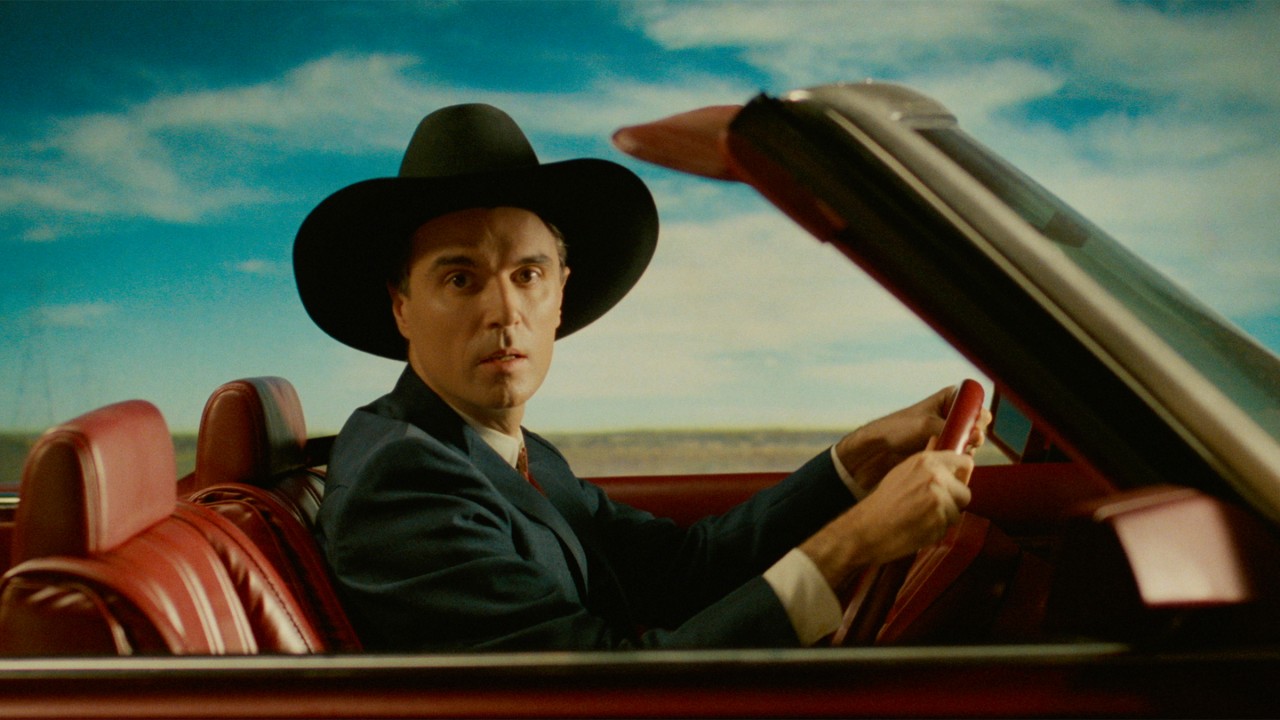
Widely regarded as one of the finest concert movies of all time, Stop Making Sense depicts musical innovators The Talking Heads at the height of their game. Directed by Jonathan Demme (The Silence of the Lambs, Philadelphia), and starring the eccentric and energetic David Byrne, the show is a marvel of perfectly executed choreography and mid-eighties musicality. Halfway through the set, one might think they’ve heard all of the hits, but they keep coming and coming. Before Beyonce was Queen, before Bieber was conceived, this film shows what is capable with a camera, a guitar, and some genius.
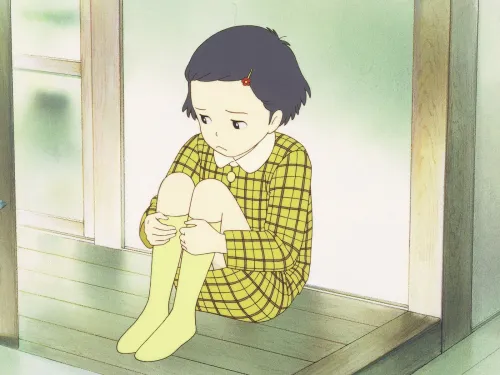
One of Studio Ghibli’s overlooked gems, My Neighbors the Yamadas is a charming anthology film about a modern-day Japanese family. The film sets itself apart from other Ghibli films through its unique doodle-like watercolor animation and its short piano themes. While the vignettes may just depict regular family conflicts, the scenes still feel compelling due to the Yamadas’ imagination of the metaphors that they use. Exaggerating the metaphors keeps the audience breathless in certain strategic moments – most notably in the wedding day speech of the mother of the bride. While not as fantastical as Ghibli’s other offerings, the completely digital My Neighbors the Yamadas finds humor in and celebrates the mundane.
Education isn’t always a guarantee, especially in less privileged areas that are underfunded, overlooked, and underprioritized, in the belief that these kids wouldn’t amount to much in the end. That being said, sometimes, what changes that fate is having a teacher that believed in his students and encouraged them to learn more than what they were expected. Stand and Deliver is a dramatization of the real life Jaime Escalante, who transformed a math program in an east LA high school to the point where his entire class ace California’s calculus test. The film definitely takes some dramatic liberties, but it does capture a sense of his quiet determination, the personality that pushed him to believe in and connect with students differently. While Escalante’s program eventually ended due to admin changes and staff in-fighting, Stand and Deliver is a reminder of the importance of nurturing ganas, or desire, in the classroom.
Six years after blowing box-office records out of the water with Titanic, director James Cameron once again plunged into the deep for Ghosts of the Abyss. This documentary charts several 12500-foot-deep trips that Cameron, actor Bill Paxton (who played a treasure-hunter in the 1997 movie), and others took in submersibles down to the ship’s wreckage on the pitch-black bed of the Atlantic. The images they captured there are eerie and awe-inspiring: the camera floats through the skeleton of the once-grand ship, now colonised by sea life but still bearing haunting reminders of the people who perished with it. Digital superimpositions of the original layout help to bring the rusted interiors back to life, while ghostly, translucent images of actors are overlaid to recreate the panic and tragedy of the Titanic’s last night.
Granted, it isn’t the romantic epic the 1997 movie was, but Ghosts of the Abyss is an absorbing opportunity for Titanic fans to geek out and a window into the plucky logistics of these undersea trips (which have themselves become an object of great interest, given more recent, ill-fated journeys). Stripping back the Hollywood glamor and diving more deeply into the tragic reality of the Titanic, this is a companion piece that works just as compellingly on its own.
If I must imagine strange creatures to process grief over a parent, I would rather have it be the fluffy Totoro rather than three creepy looking Gollum-esque yokai creatures that lick legs, steal random food items, and overall act like terrible roommates. Still, there’s a certain gremlin-like charm to A Letter to Momo that could captivate animation fans. As these yokai spirit creatures push Momo to explore her new quaint island town, and as Momo eventually befriends them or force them to act better through threats, it’s precisely the sort of chaotic, whimsical adventure that can get a girl to open up, to hope again, and to be open to what life still has to offer. The pacing might deter some viewers, but A Letter to Momo still works as a touching coming-of-age journey marked by loss.
This post-apocalyptic sci-fi adventure might have escaped the radar of most Ghibli fans, but that’s mostly because it isn’t a Studio Ghibli film. Shocker, I know. But that’s the reason why Nausicaä of the Valley of the Wind deserves more love. In its manga form, Nausicaä proved that Hayao Miyazaki was capable of the nuanced, yet epic storytelling that is rare to see in action comics. In its movie form, Nausicaä also proved that that storytelling can jump straight to the silver screen, and that Miyazaki works best with his own original work. In other words, Nausicaä was a Ghibli film before the studio was created, and its resulting success proved that audiences were hungry for more.
That one of 1990’s scariest movies is a kids’ movie makes sense when you know it’s an adaptation of a Roald Dahl story (and directed by horror legend Nicolas Roeg, no less). The Witches dispenses with most of the trappings of kids’ films, swapping bright bubbliness and cute animal CGI for macabre thrills and uncanny valley puppetry courtesy of Jim Henson. It’s astonishingly scary, given its PG certification — not just for its intended audience but for adults, too. Death, grief, and evildoers who prey on children all make an early appearance and never leave the film’s frame, stalking young Luke (Jasen Fisher) and his grandmother (Mai Zetterling) across countries as they try to make a new start in England following a family tragedy in Norway. In typical Dahl style though, The Witches — with its creepy premise and high camp touches — finds a clever balance between being nightmare-inducing and deliciously fun, a tonal blend that harks back to the twisted appeal of traditional fairy tales.
Of course, a lovely vacation in the Italian countryside will not solve all your problems. It won’t fix marital problems, or solve financial issues, or grant you respect, or suddenly make everything feel better. But Enchanted April charmingly suggests that maybe a break in a new environment, with the sun and the waves and the quiet, might grant you a new perspective and maybe lifelong friendships that can change your life, and make the day-to-day just a little better. The film might not be the most profound story ever created, but it’s a lovely little adaptation with relatable women enjoying life in the same way we probably should do once in a while.
Jane Campion’s biographical drama about the poet John Keats derives its name from one of the latter’s greatest love sonnets: Bright star, would I were stedfast as thou art… / Still, still to hear her tender-taken breath/ And so live ever—or else swoon to death.
Keats remains one of the most celebrated and adored Romantic poets. His writing challenged the poetic form, and revered the world for what it is at its best: wondrous, surprising, sublime. Ben Whishaw’s portrayal of Keats is rightfully distant, as we encounter the poet’s incredible aloofness through the perspective of interested suitor Fanny Brawne (Abbie Cornish). Brawne’s relationship with Keats was short but intense, providing great artistic inspiration and devastating devotion. Campion perfectly captures their fleeting relationship in this deft, crushing drama.
As far as heroic biopics go, One Life is fairly standard, if not a bit forgettable. The film’s monotonous pace and less-than-compelling drama don’t quite match the extraordinary real-life feats of the British stockbroker who helped transport hundreds of Jewish children from Nazi-occupied Prague into Britain. The beats are familiar, the dialogue even more so. But there is one saving grace here, and that’s Anthony Hopkins, who plays the stockbroker in question, Nicky Winton, with such believable grace. Hopkins effortlessly relays the heavy guilt of his character, and when he finally breaks down by the film’s climax, you can’t help but cry with him. Everything else about the film, including the flashbacks to young Nicky, played by Johnny Flynn, could be stronger, but as it stands, One Life serves as an effective enough reminder to stand up for what’s right and be proud of that act, no matter how seemingly small or singular.
Before Jumanji, there was Clue, a film based on the murder mystery board game of the same name. This film iteration takes place in a grand mansion in 1954, where dinner guests collaborate with the house’s staff to learn who killed the host. Though it didn’t do well when it was released in 1985, Clue has since garnered a cult following, and rightly so. An eclectic ensemble and an enjoyable, whirldwind whodunnit journey that delivers not one, not two, but three possible endings make Clue a must-watch. Few films these days are as recklessly fun and theatric as this film by Jonathan Lynn, who went on to direct other comedies like the award-winning My Cousin Vinny and The Whole Nine Yards.
Don’t be fooled by the “romcom” label on Alice Doesn’t Live Here Anymore. Beyond romantic flings and meet-cutes, Martin Scorsese’s fourth feature film is a poignant exploration of a middle-aged woman’s journey to independence. When Alice (Burstyn) is suddenly widowed, she decides to pick up where she left off as a singer and heads to California with her son Tommy (Lutter) in tow. She pushes and pulls between her glittery ambitions and her desire for stability. “Why can’t I have it all?” she asks. Along the way, she falls in and out of love with different men, much to Tommy’s chagrin. It’s touted as a romance, but the film’s most important relationships are the ones Alice shares with her son and girlfriends (Bechdel Test: passed). Their conversations are realistic—alternately funny, loving, painful, and piercing—as the film beautifully captures the American Southwest. It’s not perfect by any means. Kris Kristofferson, who plays one of Alice’s lovers, is weirdly wooden in his acting, and the ending might be controversial in today’s standards. But it is overall a satisfying watch, one that remains timeless in its knotty depiction of motherhood, pre-helicopter parenting.
Before he was Jim Morrison, Iceman, or Batman, Val Kilmer made his big screen debut as Nick Rivers, the doltish American rock ‘n’ roll idol who is unwittingly embroiled in an East German underground resistance plot in Top Secret!. Skewering everything from WWII romances and Cold War spy thrillers to ‘60s popstar musicals, this delightfully silly spoof from the team behind Airplane! is jampacked with sight gags, double entendres, and multi-layered setpieces delivered at such a manic pace that you’ll need several rewatches to exhaust all of its comedy. Its lowbrow style means that some jokes are undoubtedly dated, but there’s a lot of timeless wit on display here, including zinging one-liners, tongue-in-cheek lampooning of cinematic clichés, and slapstick gags in the vein of masters of the form like Jacques Tati and Buster Keaton. Top Secret! is blessedly under no illusions as to what we want from a movie like this, so the fact that there’s no comprehensible plot in sight only adds to the enjoyment here.
Togo may be set in a cold Alaskan town, but the story it tells is nothing short of heartwarming. It follows a pup who starts out as an unwanted underdog but who quickly becomes a beloved leader thanks to his tenacity, pluck, and undeniable charm. Watching Togo onscreen, whether as a puppy escaping his cage or as a senior leaping through sea ice, is a marvelous sight to behold, not least because of the sans-CGI direction.
And like many a dog tale, Togo is a sure tearjerker, but unlike most of them, this specific story never feels exploitative. Togo is given a proper backstory and sufficient characterization, a refreshing focus that makes every emotional curveball well-earned. Watch this and you’ll never take a day with your pet for granted again.
When it comes to British period dramas, aristocrats are rarely portrayed as Black until relatively recently, with colorblind casting tending to focus more on acting talent rather than how race would affect and shape a character. That being said, while rarely acknowledged, Black descendants of British aristocracy actually did exist, and one of whom has been depicted in Belle. With the excellent Gugu Mbatha-Raw making her film breakthrough here, Belle reckons with the difficult questions of race and sex in 18th century Britain, contemplating the real woman’s options in a world determined entirely by blood and inheritance, a discussion brushed aside in other period dramas, but one that should be examined. While director Amma Asante does take plenty of liberties in the actual facts, she also excellently balances both the fictional romance and the historical realities Dido Elizabeth Belle had faced, making both parts as compelling and as essential as each other.
Based on the true story of Daniel “Rudy” Rettinger, this biographical movie follows young Rudy as he pursues his childhood dream of playing football for Notre Dame, despite significant obstacles and copious discouragement from those around him. The movie works not by hitching the action to any major sequences of ball play, but rather to the most remarkable feature of the story: the sheer determination of the title protagonist. The film’s success also largely comes down to a fantastically consistent and earnest performance by Sean Astin, who outshines a very talented supporting cast to the legendary, crowd-stirring end.
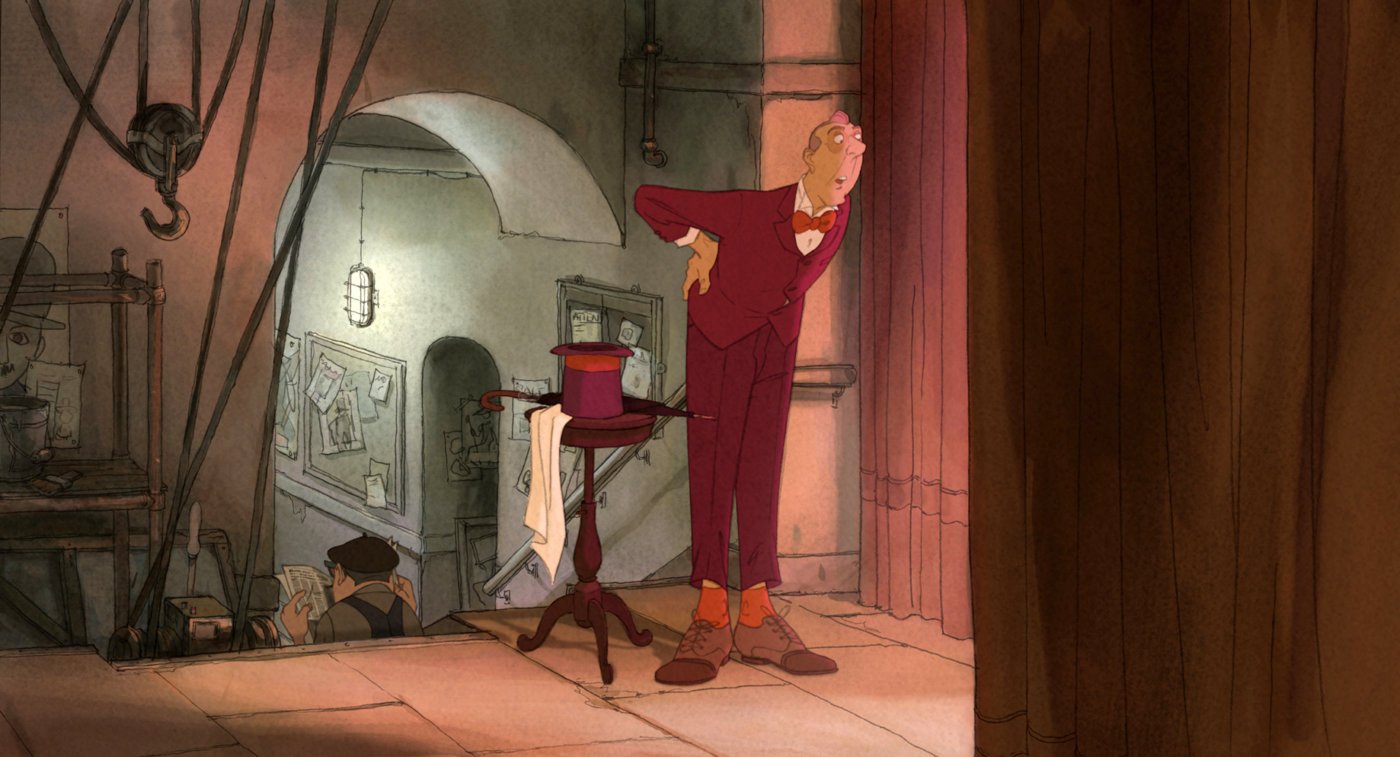
Millennium Actress, from famed animation director Satoshi Kon, is about lives lived and unlived. It follows Chiyoko Fujiwara, an actress from Japan’s golden age of cinema, as she recounts her life to two documentarians making a film about the history of the now-defunct Ginei Studios. Kon employs a metafilm narrative approach, framing Chiyoko’s lifelong search for her great love through the movie roles she has played, all interweaved through Kon’s stunning genre switches and signature match cuts. Millennium Actress poignantly explores the bittersweet irony of “larger-than-life” cinema, how it can contain a multitude of lifetimes and still be lacking, and how films serve as extensions of memories and yearning.
Strictly Ballroom is an energetic, fun and hilarious movie. Baz Lurhman does an incredible job telling the story of a rebellious young dancer who just wants to dance his own steps in the face of conformity. When he finds an inexperienced yet determined dance partner it’s the beginning of an unexpected love story like no other. This movie isn’t like the usual rom-com, it has colour, vitality and passion. It’s a Moulin Rouge but with even more character, and the work that put Lurhman on the map for everyone.
Known for showcasing the grittier side of New York in his films, Martin Scorsese shifts to its upper echelons in The Age of Innocence. Based on the 1920 novel, the film follows society attorney Newland Archer (Daniel Day-Lewis) as he courts and marries the respectable May Welland (Winona Ryder), despite his desire for childhood friend Countess Ellen Olenska (Michelle Pfeiffer).
Undeniably gorgeous and impressively shot, what ultimately makes the film stand out among Scorsese’s work is how well the three leads embody the complex characters of the novel on multiple levels. Day-Lewis skillfully turns a corrupt, arrogant lawyer into someone who admirably refuses to be anything but himself, while Pfeiffer hides a stubbornness and frustration within Olenska. But it’s Ryder who best portrays her character’s complexity, Welland’s wide-eyed gaze concealing secret manipulations. All of them drive this story that not only mourns for lost love, but acts as a mourning for a lost Golden Age.
“What if I meet my soulmate while in a relationship with someone else?” It’s a worry we’ve all had, but The Heartbreak Kid’s protagonist Lenny takes it a step further. He acts upon his desires and pursues a woman he met while on a honeymoon trip with his wife. Suddenly, the lines are blurred. Is he being romantic or irrational? Positive or delusional? If he’s such a prick, why is his character so compelling? Why is he so easy to root for? The Heartbreak Kid has been labeled a romantic comedy, and it is, but it’s also a character study about the so-called Nice Guy, the leading men who feel entitled to good things because they don’t (overtly, at least) treat their partner like a hunk of meat. It’s also a lesson in how we tend to use people and confuse things like aspiration and fear of loneliness for love. Plenty of things happen all at once in The Heartbreak Kid, making it a bit more layered than your typical romcom.
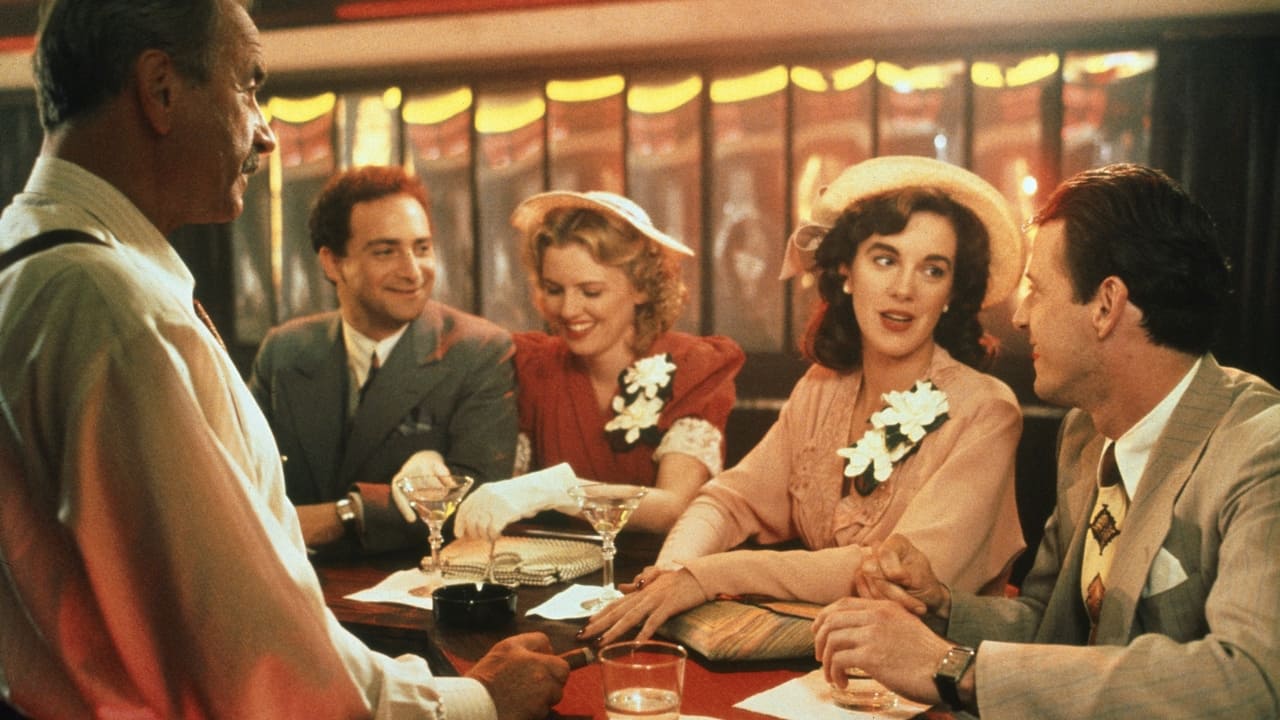
Plenty of films have been made about the grueling climb to rock-and-roll fame, but few carry the effortless charm that That Thing You Do! has. Written and directed by Tom Hanks, the film is as cookie-cutter as it gets, dodging the dark depths that typically haunt rock biopics. But that isn’t to say That Thing You Do! is boring—just the opposite, its simplicity and nostalgia make it wholly enjoyable. It’s a confection of a film that goes down easy, and it will have you smiling and bopping your head from start to end.
Studio Ghibli is best known for their fantastical worldbuilding, but on occasion, they veer into the mundane domestic day-to-day life that might not be as extravagant, but is no less emotionally resonant. At first glance, it seemed like When Marnie Was There would be that kind of small town drama. A young kid moves to the countryside, exploring the new place, seemed to be just another familiar Ghibli protagonist, albeit this time in the wetlands of Hokkaido. But, as Anna befriends another in an abandoned mansion, and keeps being found unconscious by the grass, writer-director Hiromasa Yonebayashi crafts a sense of mystery around her friend that eventually resolves Anna’s loneliness in an unexpected fantastical way. When Marnie Was There might not be one of Ghibli’s most known films, but it nonetheless holds its signature magic of cathartic cartoon animation.
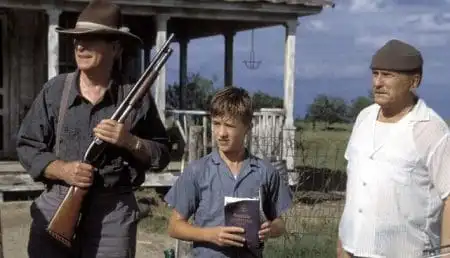
October Sky doesn’t tread new ground—in fact, you’ll be forgiven for rolling your eyes at a couple of cliches, including the classic “Those are your dreams, dad, not mine!” moments—but it’s so unassuming and well-made that it’s hard not to get drawn in by its many charms. There’s Gyllenhaal’s breakthrough performance for one, and the small town coming together to help each other out for another. Perhaps because the film is based on Homer Hickman’s true story, it also feels more specific and lived in than most period pieces. And it smartly avoids villainizing young Hickam’s adversaries so that they feel more real and nuanced, as opposed to the other far-fetched parts of the film. Sure, the overuse of sweeping music can feel cloying at times, but stellar performances across the board and confident direction overall make it a heartwarming, inspiring winner.
Wadjda is a smart, spirited 10-year-old girl who wants nothing more than to own her own bike, something that is frowned upon in the Saudi Arabian suburb where she lives. While it’s not technically illegal for women to own bikes, it is thought of as something that is “dangerous to a girl’s virtue,” and it’s worth noting that this is a society where women are also not allowed to drive their own cars. Wadjda devises numerous schemes to earn enough money to buy a bike (selling bracelets, making mixes of Western pop songs, delivering clandestine messages between men and women), before getting caught by the headmistress at her school. It is then that Wadjda hits on the ultimate money-making scheme: there is to be a Koran-reciting contest at her school with a hefty cash prize, and she’s determined to win. There is a subplot involving a growing rift between Wadjda’s parents; while there is clearly a lot of love between both parties, it becomes increasingly clear that her father may be leaving her mother for another woman who could potentially bear him a son (a common practice). This subplot is handled with respect and little judgement though, as it is simply the way things work in this culture. Yet, as Wadjda is coming-of-age and learning about the limitations placed on her as a girl, she is obviously negotiating ingenious ways of pushing back against those limitations. The film is subtle and humane in how it handles the slowly changing cultural and gender dynamics in a traditionally conservative, patriarchal society. It wouldn’t work without a strong central performance from first-time actor Waad Mohammed though — she is never less than believable as a clever, determined and joyful 10-year-old, and her journey towards adulthood is both heartbreaking and inspiring.
With a forest home destroyed, leaving an adorable cat spirit child displaced, The Legend of Hei seemed like a Studio Ghibli-esque tale, at least in themes, child protagonist, and fantasy flying. There’s charming moments where Hei appreciates the day-to-day– moments where he diligently learns his powers, enjoys the simple human pleasures present in the modern world, and of course, feels at home in the stunning natural spirit places. However, it’s not quite Ghibli as there are plenty of wuxia-inspired fight scenes, with as many flying kicks involved. That being said, there is a pro-peace message here, that at face value, is probably a good message for children, but this film’s peace comes without clear details about Hei’s displacement, or the general condition of the spirit world at large. The Legend of Hei’s charming animation is lovely, but this push for peace could have been more meaningful if it also considered justice.
Hallmark movies aren’t automatically bad if they’re cheesy and on the cheaper side; there are ways to make these characteristics work, of course. But these qualities definitely don’t help if the story they’re telling is uninteresting and if the actors in front of the camera couldn’t be compelled to deliver convincing emotions if their lives depended on it. Watching Gilded Newport Mysteries: Murder at the Breakers kind of feels like watching people rehearse a family-produced parody of an Agatha Christie novel, or like visiting Westworld and seeing the robots play-act a fictional scenario. Every line over-explains everything that happens on screen, and the mystery elements just aren’t coherent enough for them to lead to a satisfying conclusion or interesting statement about the characters and their world.
An equally interesting and terrifying must-watch documentary about the state of food in the United States, Food Inc is a sobering tour of where the stuff you eat comes from. Spoiler alert: it’s gross, and should be illegal but that shouldn’t stop you from watching this film, which showcases the food industry’s vile practices and overt corruption. Don’t worry though, even at its most muckraking, Food Inc manages to mix entertainment with its information.
If you’re looking at posters and stills of this film thinking, “I know exactly what will happen here,” you’re right. Whatever it is, you’re right. Mother of the Bride is the type of vacation-wedding movie that’s been done a thousand times better before. But a generic premise is one thing; it’s easy to forgive cliches when you’re doing it right and giving the audience something else to look forward to, be it hilarity or romance. Being generic and lazy, however, is a different and less forgivable thing. Brooke Shields is the only one who feels like she’s truly acting here as she physically and emotionally throws herself into a character who is, sadly, too thinly written to deserve this much effort. If you’re still wondering whether the movie’s worth playing for the sake of Mother’s Day, just know that you’re better off reading Hallmark cards—they’re way less sappy and require only half the effort to go through.
Though it tries to root itself in the relatable situation of comparing oneself to others amid the often forced positivity of the Christmas season, Best. Christmas. Ever!’s disparate parts are so carelessly thrown together that it’s hard to take any of it seriously. Potential conflicts in the marriages of its two central couples are tonally incompatible with the film’s corny humor and a Miracle on 34th Street-esque subplot about the adults’ children trying to prove that Santa is real. This is a totally mixed stew of Christmas movie tropes without rhyme or reason, which would have had a chance to at least be campy if its actors weren’t phoning it in either.
Even if Crimes of Fashion: Killer Clutch faithfully sticks to the general template of a mystery film, that doesn’t guarantee its quality. It may have structure and suspects and motive but it doesn’t inject its own color into the expected story beats. Maybe it’s a consequence of the film being made for a network that only really shows “safe,” sanitized programming, but there isn’t a particularly strong sense of danger here despite the threat of violence being established from the very beginning. And while the movie has fun with individual outsized characters meant to show off how outlandish and how expressive high fashion can be, they fall to the background and are unfortunately diluted in the rest of the film’s bland tropes.
Given the nature of the subject (the discovery of a species that predates humans), this installment of the Unknown documentary movies has more fanfare than its predecessors. The narrative never transcends positing that a Homo Naledi is just like Homo Sapiens, but not really. The experts’ enthusiasm is often unsettling when you quickly realize that no opposing view is mentioned. In other installments, the balance of arguments for and against discoveries made the narrative compelling. However, Cave of Bones is suspiciously wrapped in (and warped by) the need to have Homo Naledis feel different from humans. What is initially fascinating eventually lends itself to fatigue when discoveries and philosophized theories are repeatedly aggrandized.
As impressive as Studio Ghibli’s collection of films are, I am still stubborn to believe that Porco Rosso is its most underrated film. Porco Rosso, directed by Hayao Miyazaki, is the story of a World War military aviator-turned-bounty hunter who has mysteriously been transformed into a pig.
Bright with humor, heart, and flight (Miyazaki is largely influenced and inspired by the art of aviation), Porco Rosso manages to also acknowledge and reckon with the horrors of war. It also boasts one of, if not the greatest, line in any Ghibli film: I’d rather be a pig than a fascist.
It’s not that being similar to another, successful, animated franchise is a bad thing, but The Tiger’s Apprentice hurries to practically every plot point without properly establishing its setting, its characters, or their relationships. It all means well, and once you get used to its lower production values, it becomes clear that the film has a distinct visual personality that it makes pretty good use of—especially during its kinetic fight scenes. But too much of the movie ultimately feels like a blueprint that hasn’t had the details filled in yet. It becomes difficult to feel anything when the film doesn’t give you a chance to sit with any one moment (like, you know, the death of an important character) for too long.
The Spy Kids movies have always been knowingly corny, which hasn’t changed for this latest installment—it’s just that it also has an odd lack of color and personality to its generic action movie shenanigans. This is especially disappointing given the film’s focus on video games, which it only seems to understand in their most surface level terms. And because there’s a lack of definition in the movie’s rules and logic, the plot progresses without any weight or sense of mounting excitement. These are just people going through the motions toward some unclear message about the value of honesty and kindness, which never really factor into the actual adventure and keep the status quo firmly unchanged.
Even if it knows to keep its ambitions modest, Holiday in the Vineyards still doesn’t find much to do for its small cast. The actors do what they can and certainly seem like they’re having fun play-acting a warm Christmas romcom, but when all is said and done there simply isn’t anything particularly striking about the collection of romcom-isms assembled for this movie. Even the film’s premise—which seems to promise a unique clashing of values between a small town and big capitalist business—resolves things with little more than a pat on the back. It’s certainly sweet on the surface, but these people we’re asked to to spend 107 minutes with still feel like strangers to us by the end.
As far as destination romantic comedies go, Irish Wish is at least self-aware enough to commit to its corniness without making its characters too insufferable to follow. For once avoidable misunderstandings don’t drive the conflict, as the story progresses as one extended “be careful what you wish for” journey of self-discovery. Still, one can’t help but feel like this exact same message could have been told even without the central fantasy plot device—and it probably would have earned its resolutions much more this way. Every move the film makes is predictable, but it definitely still possesses the energy of a group of filmmakers who probably enjoyed their time making it.
While more known for their fantastical children’s stories, Studio Ghibli occasionally serves a down-to-earth, domestic film set in the real world. One of them is From Up On Poppy Hill. On the surface is a story of two student activists who fall in love while fighting to keep their high school club’s Latin Quarter from demolition. Of course, with this in mind, the most surprising event in the film is the incest scare. However, this seemingly random plot point feels important in the sense that everything is resolved once they’ve fully understood the past. And because of the 1960s post-Korean War Tokyo setting, the film is nostalgic yet dares to question whether or not Japan has fully processed and acknowledged their losses in a war that isn’t theirs.
Family Switch is a film clearly built to give its ensemble fun acting opportunities, with Jennifer Garner and Ed Helms being given excuses to loosen up more than expected, and Brady Noon and Emma Myers (arguably the movie’s MVP) moving beyond mere imitation into more full-bodied performances as adults seeing through their kids’ eyes. Unfortunately, the rest of the film saddles them with uninteresting situations that never take the body-switching aspect to more clever territory. Whatever mutual understanding that’s learned by the end feels contrived, with the Christmas setting feeling especially tacked on—leaving these otherwise talented actors little to anchor their performances on.
You can see what director J.J. Anderson is trying to do with Sacred Soil: chronicle the lives of current Piney Woods students and connect them with their school’s storied past. It’s an admirable task that speaks to how, despite all the innovations we’ve made since the school’s founding in 1909, we still have a ways to go to achieve true racial equality. And it’s a story worth telling, set in a school brimming with bright minds unafraid to engage in important discourse. However, these ideas are muddled in Anderson’s unfocused storytelling. There is no narrator, so we’re left listening to clips of conversations and meetings that go on for too long (it often feels like sitting in a forum we’re not invited to). There are inserts of archival photos and beautiful shots of the school, but there’s little context provided to them, so those of us outside of the Piney Woods ecosystem are left feeling confused. Is the documentary about Black teenhood or is it about the history of the school? I imagine there’s a smoother way to interweave the two, but Sacred Soil ultimately fails to bridge the gap between the then and now.


x3
x4