
The Best TV-MA Movies to Watch (Page 2)
Put the kids to bed before you go through this list of great titles to stream. These are the very best movies and shows with a TV-MA ratings, intended for mature audiences only.
To access filters, visit our homepage.











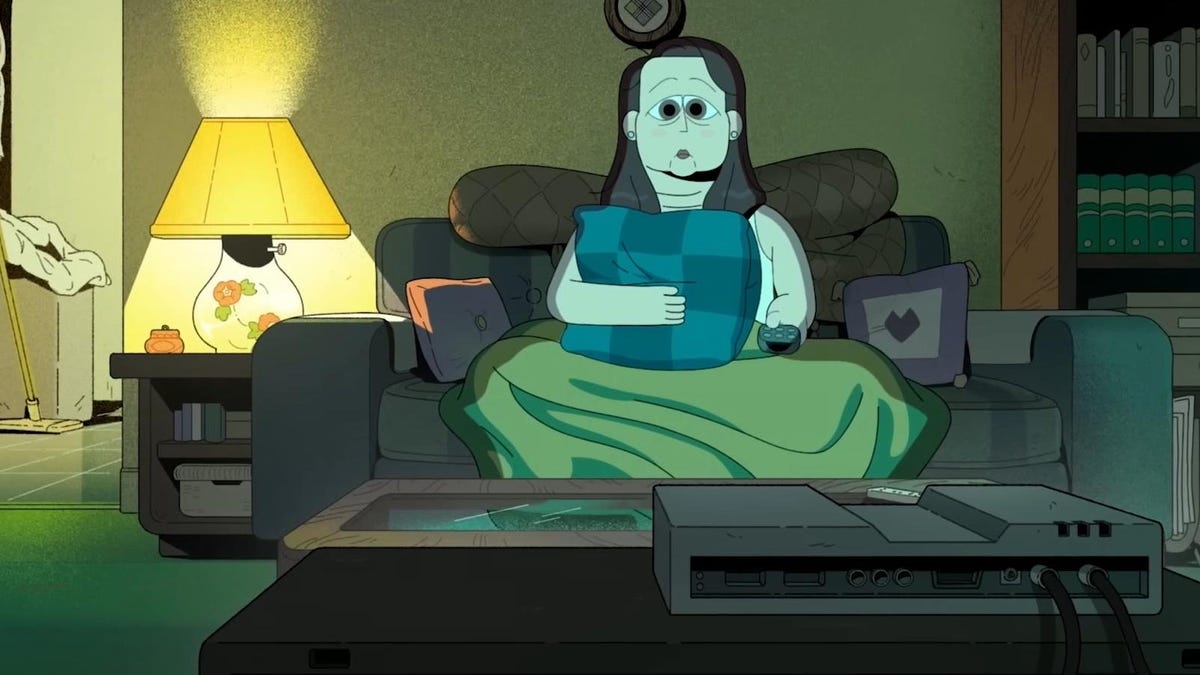
The end of the world isn’t the most optimistic thing to think about, but the scenario leads you to thinking about unrealized dreams, pleasures, and aspirations: the way you want your life to be, if things have gone the way they planned. Dan Guterman, from Community and Rick and Morty, reimagines this idea in Carol and the End of the World. Carol is that mundane, downright boring character that we wouldn’t take notice of in real life, only because she actively chooses the ordinary life, but this show is extraordinary, shifting perspectives and even genres between episodes, taking unexpected turns, and celebrating the day-to-day monotony of life.

Stax’s existence may have been short-lived, but its impact continues to be felt in every R&B record produced to this day. That’s one of the points this four-part documentary from HBO successfully makes so that by the end, you’re convinced Stax should be just as recognizable and appreciated as Motown, Atlantic, and other influential record labels. For the most part, the series resembles the typical documentary in that it’s propelled by animated talking heads and complementary archival footage, but the performances of Stax stars, including and most especially Otis Redding and Isaac Hayes, inject the documentary with an energy and electricity that pushes you to move and groove. The old-school editing feels thoughtful, too, while the additional animation adds a delightfully nostalgic touch. The documentary itself may not be as revolutionary as the events it captures, but it is just as enlightening, electrifying, and enjoyable.
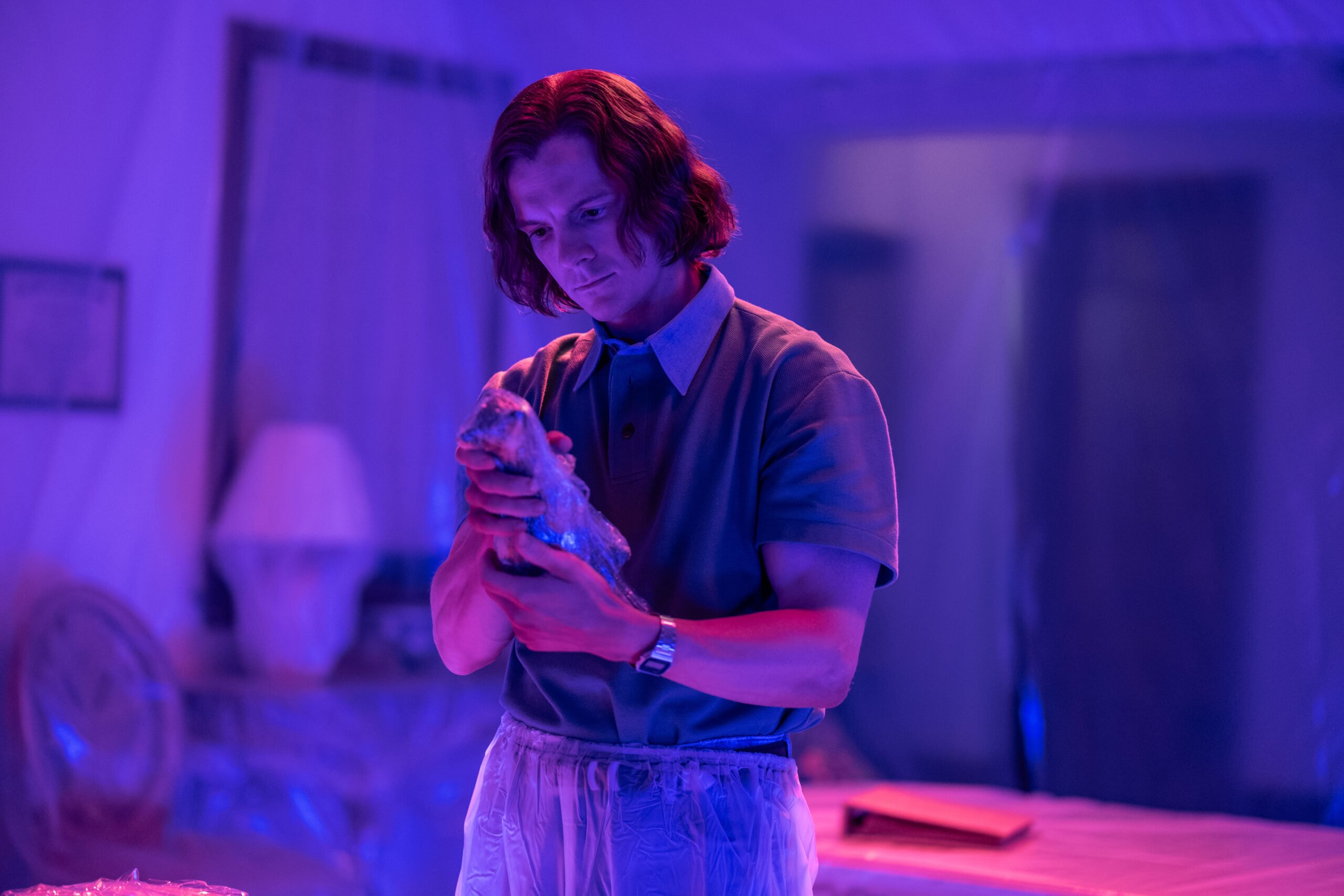
Given the seven year success of the original serial killer show, it’s no wonder that Showtime wanted to continue the franchise, spawning off a prequel as a third installation in Dexter: Original Sin. It’s not a terrible idea– after all, how does a serial killer get into killing the way Dexter does? But fans of the original series would inevitably compare this prequel to the original in all aspects, from the 90s vibe, to the new cast members, to having too many flashbacks for a show that’s already a prequel series. Original Sin would be intriguing for viewers who have never watched the original, but the prequel would certainly divide some fans, with some finding it would tide them over till Resurrection and with others finding the series too repetitive.
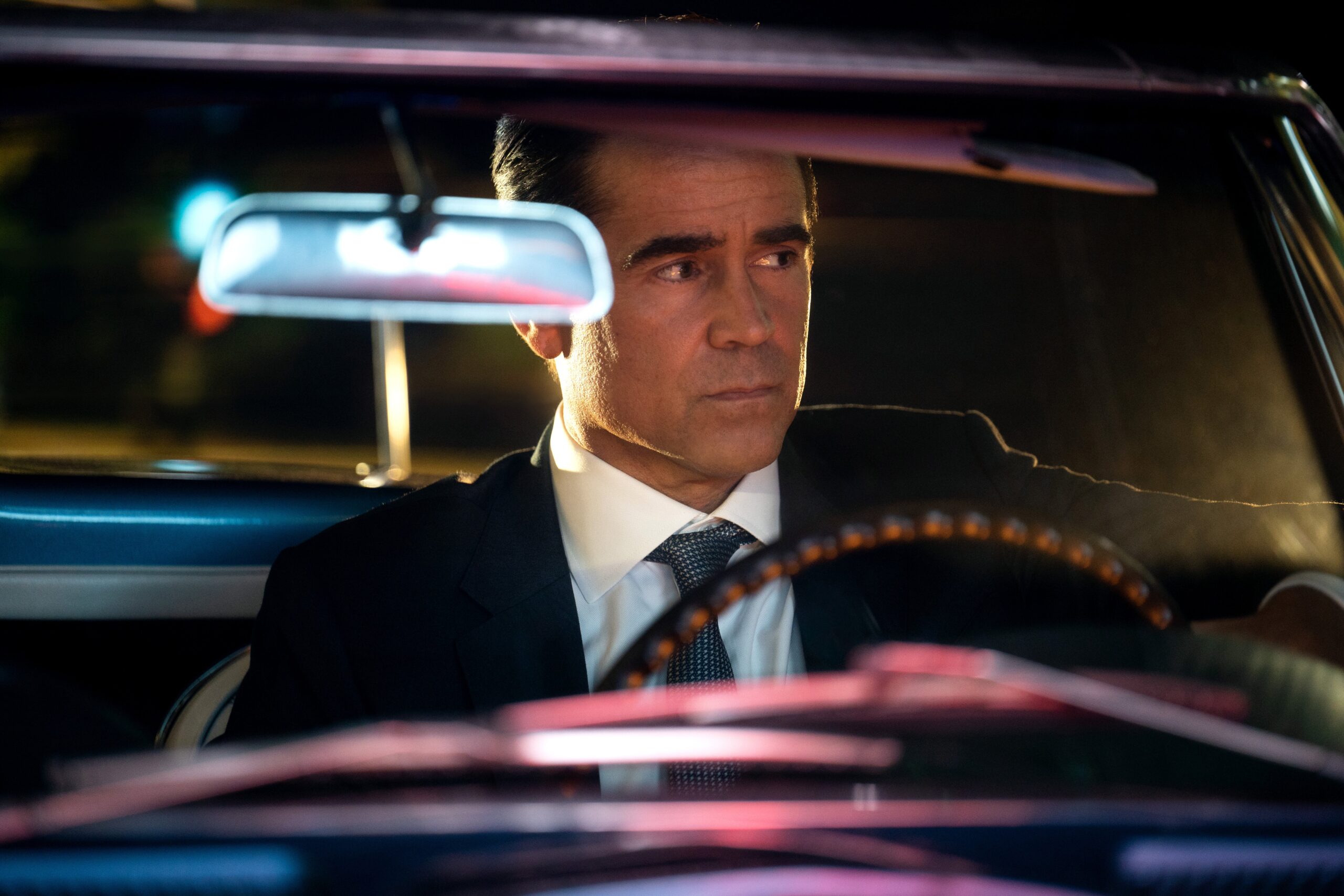
The first thing that hits you about Sugar is its style: this is a show tailor-made for fans of a bygone Hollywood era, an era dominated by film noir and dapper leading men like Humphrey Bogart, whom Sugar emulates throughout the series. The show inserts clips from old films and, even better, echoes their style through tasteful jumpcuts and fisheye lenses. It’s dripping with panache, and Farrell is undeniably cool as he narrates his investigation and inner demons. That said, Sugar is also a show that’s more style than substance. If you strip it off its snazzy clothes, you’re left with the barest bones of a mystery that is simply too cliched to stand on its own. If you’re looking to dive into a heady mystery with surprising twists and thrills, you’re better off watching something else. However, if you’re a true blue fan of vintage noir, the kind who still puts TCM on religiously and swears nothing new can compare to the old, then this is your show.
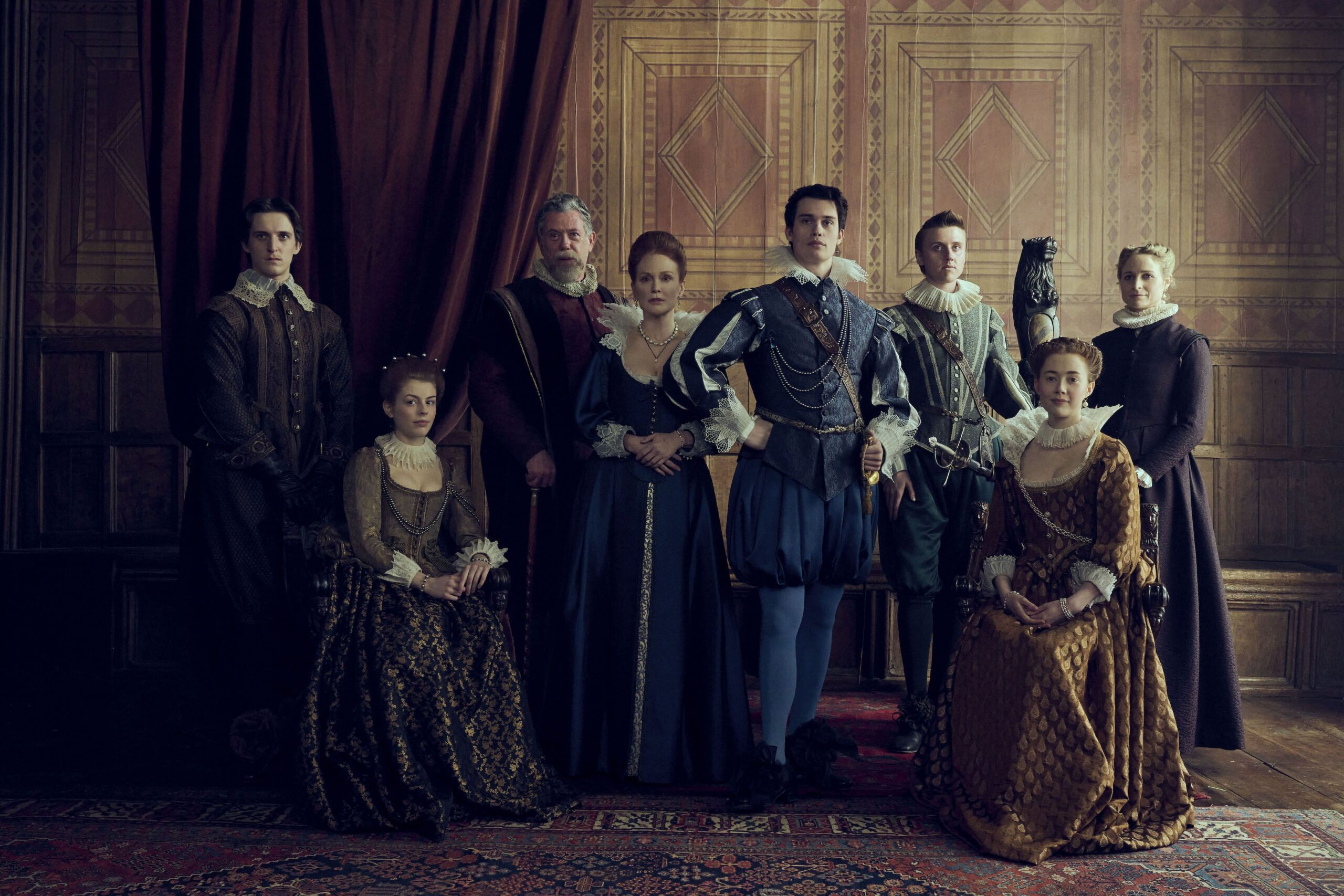
After the likes of The Favourite six years ago, modern historical portrayals have now become more interested in the salacious side of real life deceased nobles, focusing on the sex, gore, and violence, so it’s unsurprising that James I, who was unpopular in part due to his alleged homosexuality, would eventually be depicted. Mary & George depicts this from the perspective of those who sought his favor, and while it is one of many of these modern period pieces, it is well done, with fantastic performances from the cast, and all the costumed social climbing that we enjoy. Mary & George is just great television.
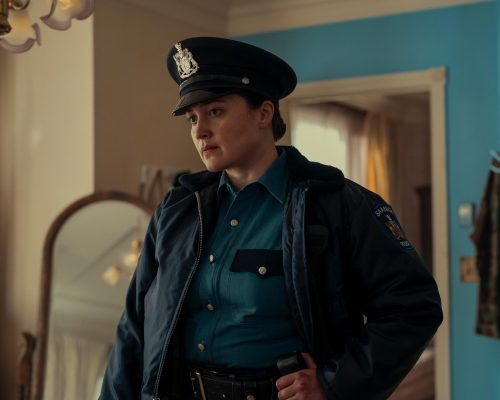
When it comes to true crime series, it’s rare to hear of teenage girls participating in murder. But it does happen, on occasion, and one instance is now portrayed in Under the Bridge, based on Rebecca Godfrey’s non-fiction account of the murder of Reena Virk. As Virk goes missing, the show alternates between different perspectives, with Archie Panjabi and Ezra Farouke as Virk’s concerned parents, Chloe Guidry as foster child queen bee Josephine Bell (name replacing that of one of the real perpetrators), and deviating from the real case, Lily Gladstone leading the case as fictional cop Cam Bentland, and Riley Keough as Godfrey herself. With the number of shifts, it does occasionally feel like it loses focus, but the deviations make the introduction feel compelling, especially with the performances of the whole ensemble.
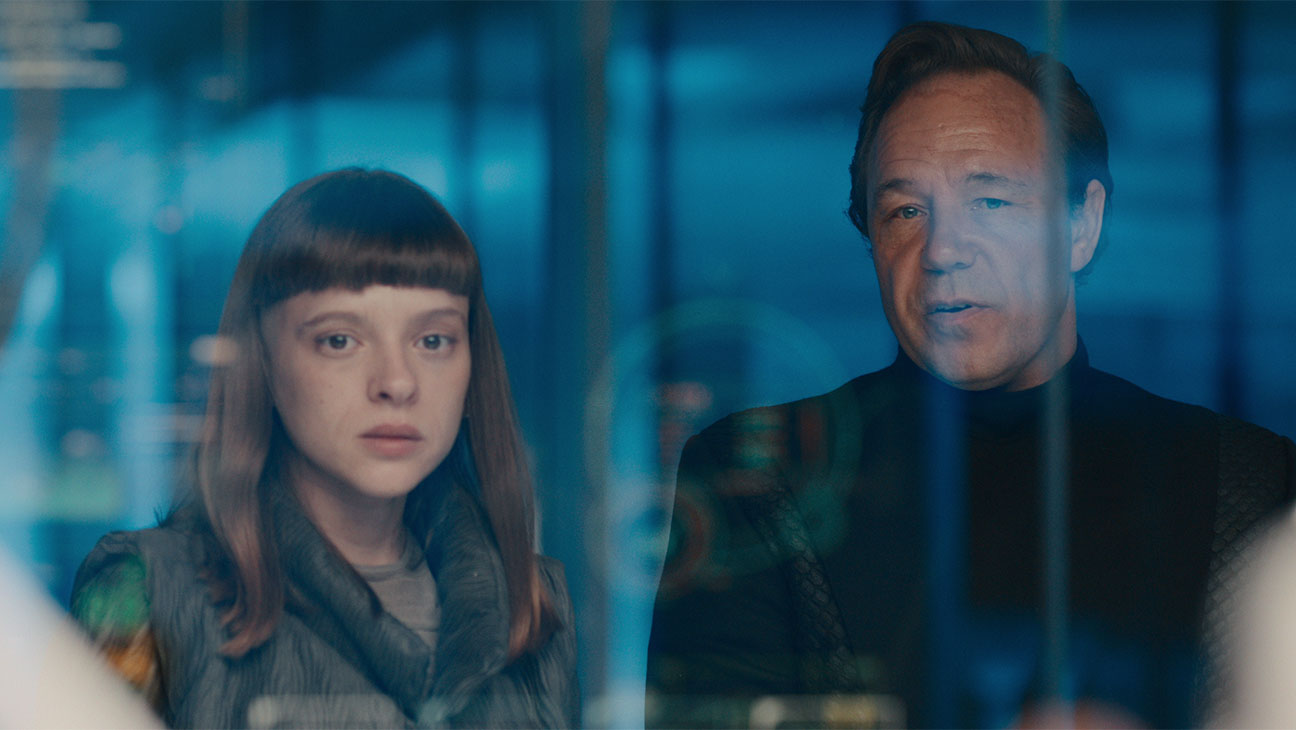
Based on the DC Vertigo comic, Bodies is an intriguing crime thriller with a unique twist – one body, in four separate time periods, being solved simultaneously all at once. While the show is triggered by the same body, the mini-series feels like four separate shows at the same time, marrying the classic Victorian detective mystery, war-torn film noir, and modern day police procedural through post-apocalyptic science fiction. And the four separate detectives take the helm of their respective side of the case, as well as how they deal with the discrimination against them. With four excellent strands to the same mystery, Bodies is an exceptional adaptation that demonstrates how even though details change, some things still remain the same.
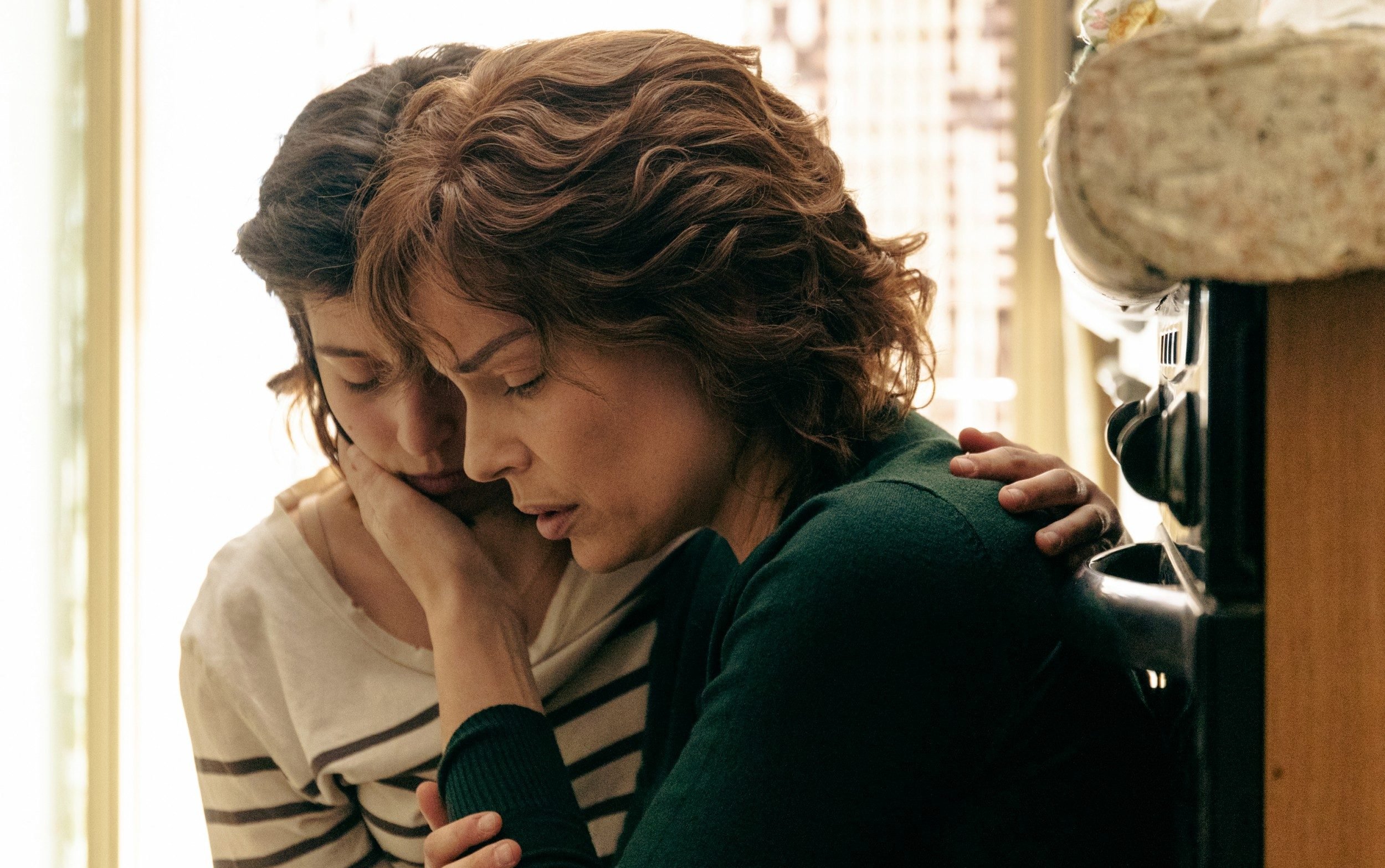
With years of films depicting Italian crime syndicates, most focus on their leaders – the Dons, the Capos, and the Consiglieres. Most of them focus on the mafia’s men. However, in this series, it’s the women who are the stars of the show. Based on the novel of the same name, The Good Mothers is a compelling crime drama, focused on the women, not the men, of the ‘Ndrangheta clan. It’s from their perspective we see the mafia. The masterful way the series unfolds makes it clear that their lives are constrained, that this dated way of life still prioritizes the family over their individual women. It makes it all the more satisfying when they’re given the opportunity to retaliate, and when they choose to take that opportunity. And it’s so much better knowing that this was real.
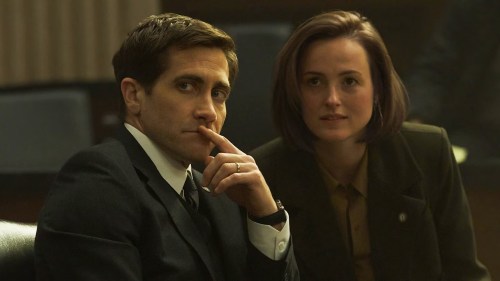
You can tell showrunner David E. Kelley, who played a part in legal dramas and mysteries like Boston Legal, Ally McBeal, and Big Little Lies, is a master of the genre. Presumed Innocent is carefully paced, confidently performed, and smartly written, making it a thrilling watch regardless if you’ve seen the 1990 feature and 1987 novel of the same name. It’s not without its misses though, the biggest one being the lack of believable chemistry between Gyllenhaal and Reinsve, who seems miscast in this series. As much as I loved her in The Worst Person in the World, she seems to exude an awkward sensuality that affects the realism of the series. On the other hand, Ruth Negga, who plays Gyllenhaal’s wife, and Peter Sarsgaard, who plays his political rival, command every scene they’re in and perfectly match Gyllenhaal’s crazed intensity. Whenever the show skews formulaic, it’s their solid performances that save the scene.
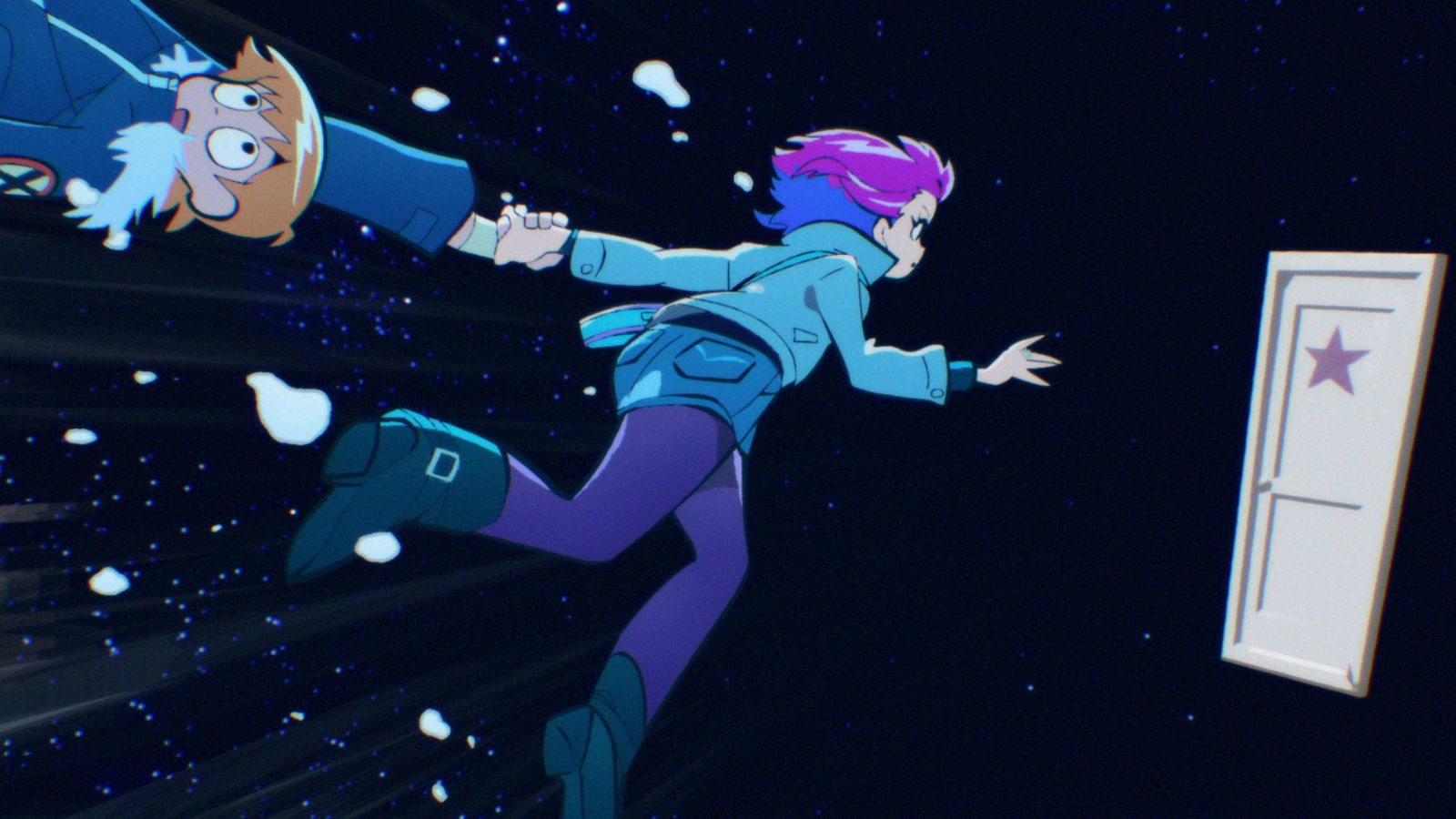
Watching the trailers, and even the first ten minutes, Scott Pilgrim Takes Off just seems like a rehash of the prominent Edgar Wright film, especially since his cast reprise their roles in this new anime. However, when that episode ends, even the most ardent fans of both the film and the original comic book series would have no idea where this would go. It’s a fearless, daring approach, from the original creator Bryan Lee O’Malley, and it’s met with the wackiest, spectacular animation from Japanese animation studio Science SARU, remixing O’Malley’s designs with 8-bit, fighting video game action.
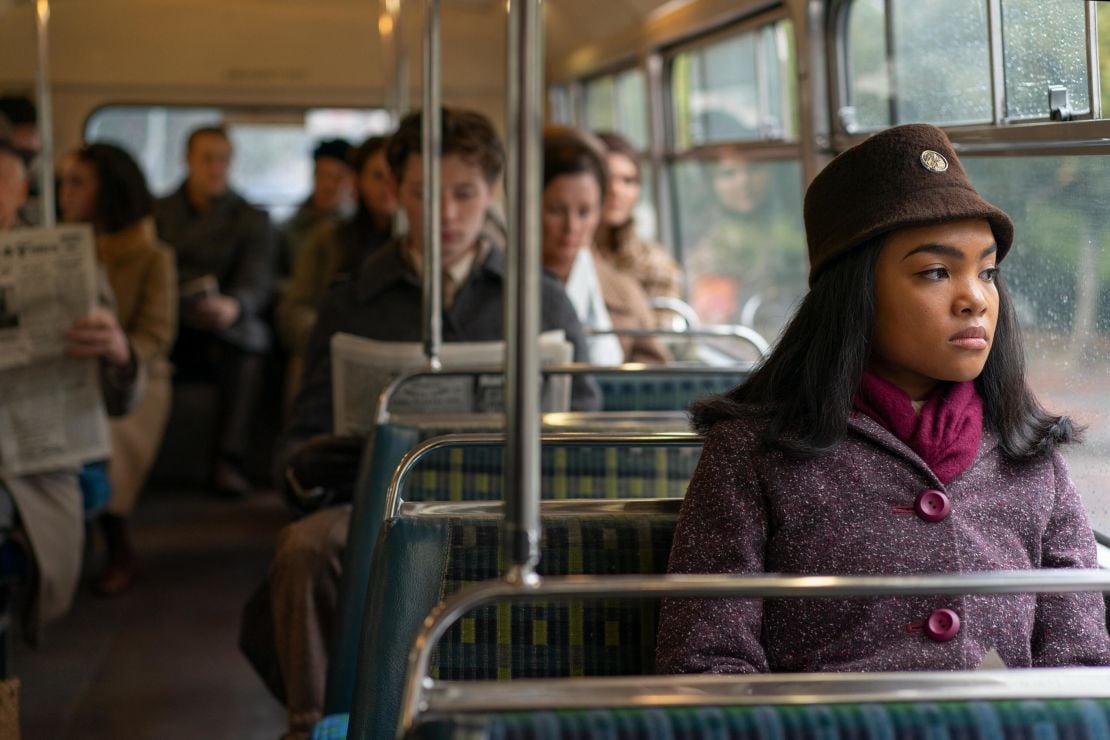
We don’t really know our parents the same way they know about us. Black Cake recognizes this, and takes that discrepancy to create a compelling mystery, expanding on that hidden world with themes of generational trauma, intercultural dynamics, and lost heritage. With the show doing justice to the book’s moments, the mystery of Eleanor Bennett’s former life is already compelling in and of itself, but it’s made even more so as her children try to make sense of it, changing their strained dynamic. It’s layered, well-written and deeply personal. It’s a unique story that has to be told.

Much like creator Taylor Sheridan’s other works (notably Yellowstone), Landman is a sweeping epic about the modern American dream that doubles as an intricate family drama. It mostly succeeds on the former front: Billy Bob Thorton and Jon Hamm go head to head as the gritty roughneck and the slick billionaire, respectively. The series is at its best when it shows us how tough, cruel, and eventually vulnerable these men can be. But it creaks on the latter front: Thorton isn’t as convincing as a family man. And the female members of the family are so thinly drawn that it’s hard to see them as anything more than caricatures. But Sheridan has redeemed himself a couple of times when it comes to female characterization, so I can only assume they’ll get better as more seasons roll in. Landman isn’t exactly as gripping or thrilling as it could’ve been, but it has enough appeal (mostly from Thorton and Hamm) to keep you seated.
City of God: The Fight Rages On is a traditional sequel. It takes place years after the events of the first movie and follows some of the same characters—mainly Rocket, who is starting to doubt his calling as a photographer. “I was selling innocent blood for shit salary,” he says as we see him take part in the media exploitation of mostly Black deaths in the city. The series’ social commentary is its strongest point. It remains sharp and poignant, this time focusing as much on capital-powered unethical journalism as on political corruption and state-sanctioned violence. It’s also just as vibrant and mesmerizing as ever, capturing the diversity and passion that electrifies the city. But the series also repeats its plot, only this time it’s more cynical because we no longer see things unfold through Rocket and his friends’ then-naive eyes. The teens in this series seem equally hardened, so it’s a shame to lose that freewheeling spirit that made the film feel so compelling. Still, the series is worth watching if not for the same twists and dizzying style, then for the thoughtful social criticism it offers.

Directed by Morgan Neville (20 Feet From Stardom, Won’t You Be My Neighbor), Steve! is an appropriately fun and artistic documentary capturing its subject matter’s fun and artistic spirit. It’s a delight to see Martin’s other personas, such as his early magician self, his philosophy major self, and his quietly humorous cartoonist self. We’re so used to seeing his fast-paced zaniness that these parts of the documentary are almost shocking to see. But maybe the most illuminating role Martin plays is that of his current self. In equal measure, he cracks jokes and offers wise words about aging which, at 75, he takes in enviously great stride.

With the number of murder mysteries popping up since Knives Out, Death and Other Details can seem like a copy. However, the latest mystery show on Hulu has a few twists up its sleeve, as Detective Coteworth and Imogene Scott aim to solve two cases at once– the first, of course, being the luxury liner murder, and the second being the murder of Scott’s mother eighteen years ago. Because of this, the backstory has more personal stakes, as it puts into question human memory itself. While the balance between timelines sometimes falters, Death and Other Details has enough style to at least make the journey interesting.
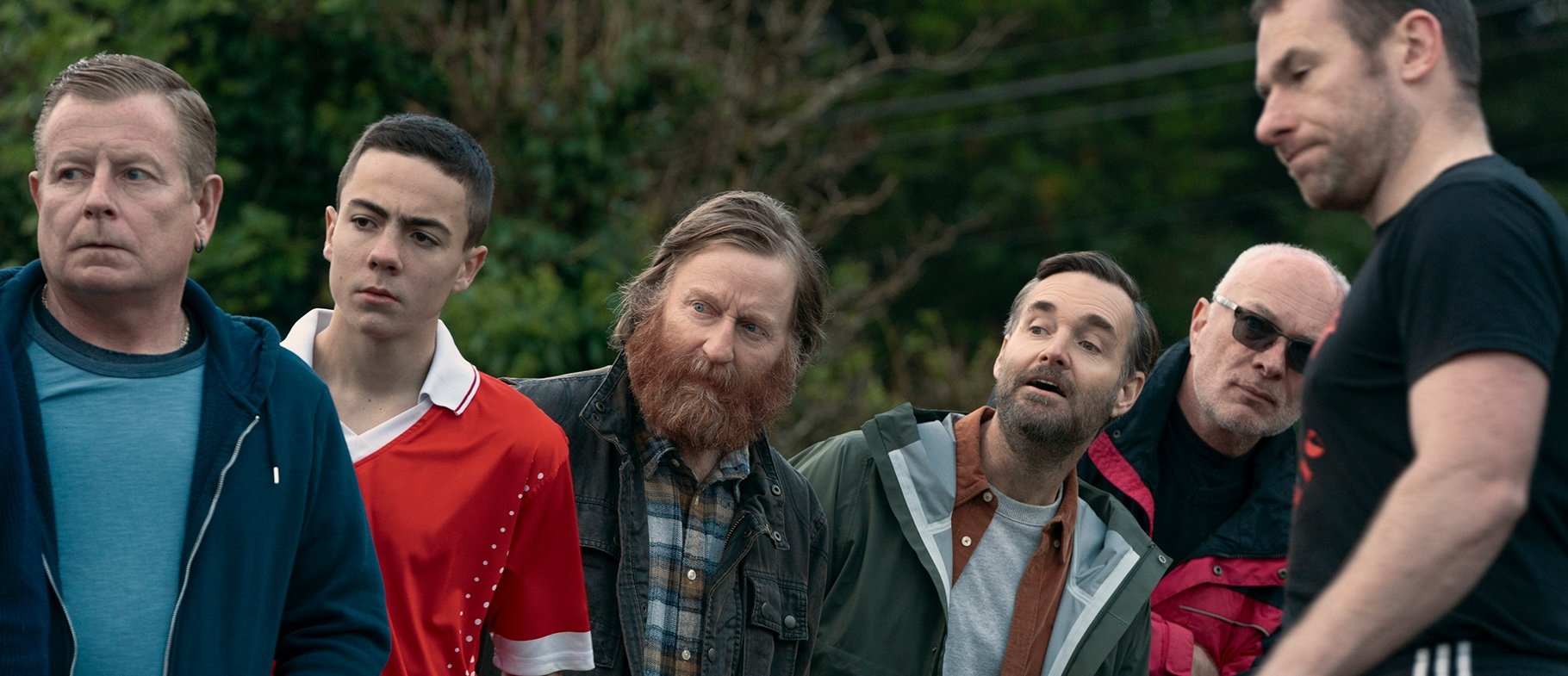
A lot of different (good) shows come to mind after watching Bodkin’s first few minutes. Like Ted Lasso, it follows a relentlessly optimistic American as he prances along in a foreign land. Like Only Murders in the Building, it follows true crime podcasters while also parodying them in a funny and meta way. I can go on and on, especially about small towns and the secrets they hold close to their chest, but ultimately Bodkin is its own thing. It has a smart, confident, wry tone that is always intriguing and never off-putting to watch. Each of the trio expertly balances the other so that the show never gets too snarky or saccharine. It’s just right, and offers some great surprises near the end.

At an hour each episode, Cross isn’t exactly an easy watch. It might be extra hard to stomach if you’re sensitive to violence and gore. But with Aldis Hodge playing the titular detective, it makes for a compelling watch. Hodge commands your attention every time he’s on screen, and he manages to make some of the weaker lines and story developments gripping and believable. If the central mysteries don’t keep you hooked, though, the social commentary will. As a high-ranking Black policeman, Cross is at the crossroads of duty and solidarity. Whenever he and his circle grapple with this contradiction, Cross isn’t just gripping but thought-proving as well.

When watching fantasy anime, there’s a wonderfully whimsical world that viewers can fully explore. Spectacular magic, brave warriors, and strange creatures are all expected, but every exploring troop needs supplies. Money, weapons, and of course, food are needed to survive the wondrous yet perilous adventures they set out to embark on. Delicious in Dungeon recognizes these practicalities, and creates a whole episodic adventure that focuses more on the possible food ecosystems of a fantasy world rather than the seemingly serious quests they embark upon. It makes for a slightly silly approach poking fun at the fantasy genre, but it’s definitely something unique, especially when it brings about mouthwatering exotic dishes made from monsters.

After years of trying to regain sobriety, it’s totally chilling to wake up the next day, with no memory of last night, only aware that you failed to stay in control, again. Feedback follows a washed-up rock star trying hard to figure out what happened last night, but not just because it was an oopsie. Instead, for Marcin Kania, it’s the night his son went missing. With angry spiraling scored by electric guitar, temptations to drink abound, and the demeaning judgment of everyone around him, it’s hard for him to convince the cops to take this case seriously, especially when he only has blurry recollections of last night. But it’s easy to root for this unreliable narrator, who’s trying hard to be his best. He just might find him, but he might also find out what happened to the son he failed to guide properly, and hopefully redemption for how much he’s failed his family.
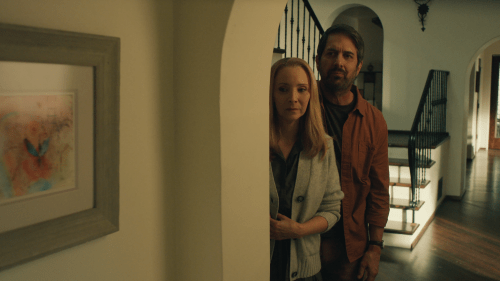
It takes a while to adjust to the unevenness of No Good Deed, especially if you’re not familiar with director Liz Feldman’s previous work (another Netflix show, Dead to Me). But once you get used to its darkly comic tone, No Good Deed proves to be an engaging and layered ensemble show. We follow multiple couples with their own secrets and relatable relationship woes. One is grieving a lost child, the other is navigating an affair, and two others are expecting children. What ties them all together is their desire to own a specific house in Los Feliz; a house that bore witness to a mysterious and violent crime scene that will keep you hanging till the final episode. It’s gripping that way, and at 30 minutes per episode, it also makes for an easy binge.
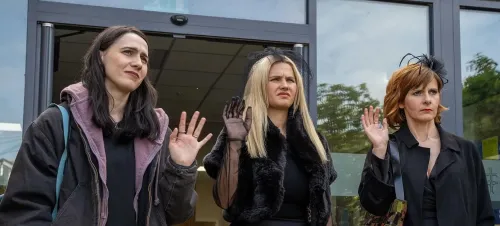
In an early scene in Such Brave Girls, Josie (Kat Sadler) compares herself and her sister Billie (Lizzie Davidson) to a more attractive woman. “She’s live, love, laugh,” she says, “We’re death, silence, hate.” At this point, you’d think Sadler, who is also the creator and writer of the show, and Davidson, who is Sadler’s real-life sister, are the types to indulge in their sadness and romanticize their dysfunction. Though that happens to some degree, Sadler is self-aware enough to steer clear of wallow territory and offer something insightful about mental health and the ways we cope (or fail to, anyway). Parents who dismiss depression are called out, as are social workers and supposed experts who stereotype people with the illness. But weirdly enough, the show is never downright cynical. Josie is sweet enough to cut through the darkness, as are her ignorant and selfish though ultimately well-meaning family members. You’ll probably recall Broad City and Fleabag while watching Such Brave Girls because of its unapologetic approach to both sex and suicide, but maybe more than those two shows, Such Brave Girls is willing to root its themes deeper into reality. It almost never brings up mental health without contextualizing it in the family’s low-income state, making it one of the most relatable and urgent shows you can watch right now.

“World-building” doesn’t quite capture what Scavengers Reign does — the sheer imagination on display in just the first three episodes of this 12-part adult animation sci-fi could fill multiple universes. From the get-go, we’re immersed in a truly strange new world, one in which panda-like creatures with telepathic abilities control humans, fungi merge with motherboards, and plant-animal hybrids crackle with electricity. All this trippiness is rendered in a 2D animation style that appropriately draws on the fantastical art of Moebius (who in turn influenced Studio Ghibli).
Flashbacks and hallucinations gradually unravel the mystery of just how the crew of the Demeter and their robot assistant Levi (Alia Shawkat) ended up here — a grounding plot thread that keeps things from totally spinning out into mind-bendingly surreal territory. Not just an exercise in stretching creativity in bold new directions, then, but a gripping mystery laying bare the terrifying limitlessness of the cosmos.
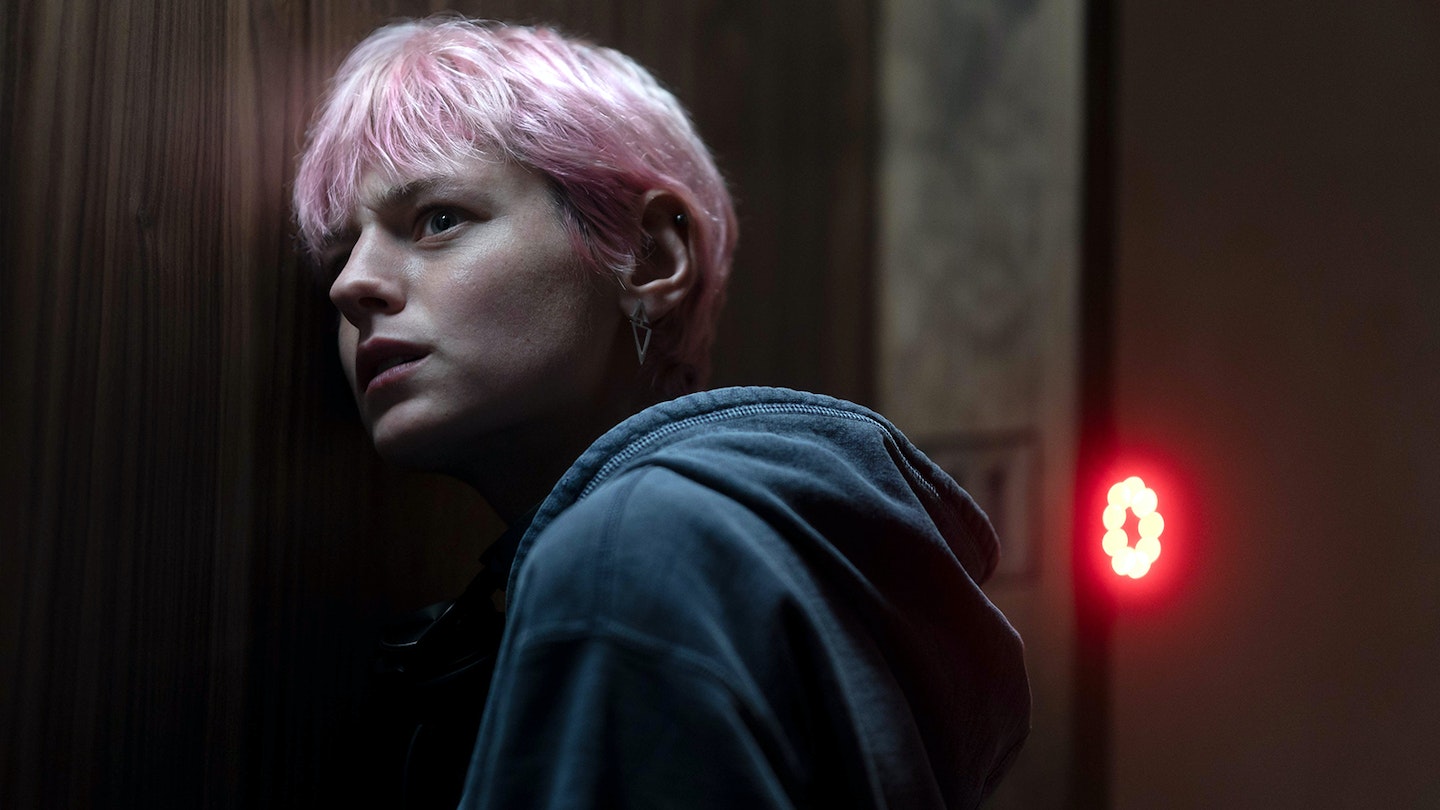
From the title alone, A Murder at the End of the World is, of course, a murder mystery, a whodunit set in an isolated location, a la Agatha Christie. But the second TV collaboration of showrunners Brit Marling and Zal Batmanglij infuses amateur forum-based sleuthing, with contemplation of technological dependence and on human connection. It does so through two plotlines: one, following the investigation at the mysterious, icy tech retreat, but the other one follows how the connection between the investigator and the victim began, in the warmer tones of the Midwest. The resulting back-and-forth leads to a delightfully addictive mystery held up by the incomparable Emma Corrin.

When a comedy is centered around people with disabilities, there’s a worry that the humor would be unfunny or demeaning – there’s a misconception that disabled jokes would surely have to be one or the other. But Nothing to See Here is funny without relying on stereotypes. The humor isn’t based on forced quips or halfhearted improvisations. It’s just part and parcel of a story about chasing dreams, seeking independence, and keeping faith in one’s self despite the limitations imposed by others. And through showrunners Big Drama and Santiago Limon, as well as the well-selected cast, it’s hilarious and heartfelt enough to follow.

The OVW are practically nobodies outside the pro-wrestling scene, and they know it. They describe themselves as a “third tier” that trails behind more well-known companies like WWE and AEW, with one manager even likening their team to an indie film. If the WWE and AEW are Michael Bay movies, he says, then the OVW is like the highly-rated but little-seen movie The Squid and the Whale. But though their underdog status is bad news for their dipping financials and fanbase, it makes for a compelling story in Wrestlers. The docuseries pulls the curtains on the OVW and acquaints us with the owners, managers, accountants, and of course, the wrestlers, who are all struggling to keep afloat this act they love so much. “Wrestling is the art of physical storytelling,” CEO Al Snow says, and it’s clear that director Greg Whiteley believes him. He captures the OVW lovingly, intimately, making us privy to their highs and lows, celebrations and disagreements, and everything in between. He never forces us, either, but rather invites us to this world as naturally as possible. You may start watching this knowing very little about the OVW, but you’ll leave knowing and caring about them a little more.

Imagine if the show Girls was Marvel-ized (or if you like, Derry Girls blended with Encanto): that’s kind of what this series is, but actually good.
It has all the trappings of a quarter-life-crisis sitcom—broke 25-year-olds with big dreams and little prospects living under one roof—while also being set in a world where everyday humans develop a superpower by the age of 18. The British series follows Jen, a late bloomer who has yet to find her power. Having had enough of sucky jobs and boyfriends, she sets out to discover her power in the hopes of finally knowing more about herself. It’s a bizarre premise with an authentic, endearing core that’s certainly worth checking out.
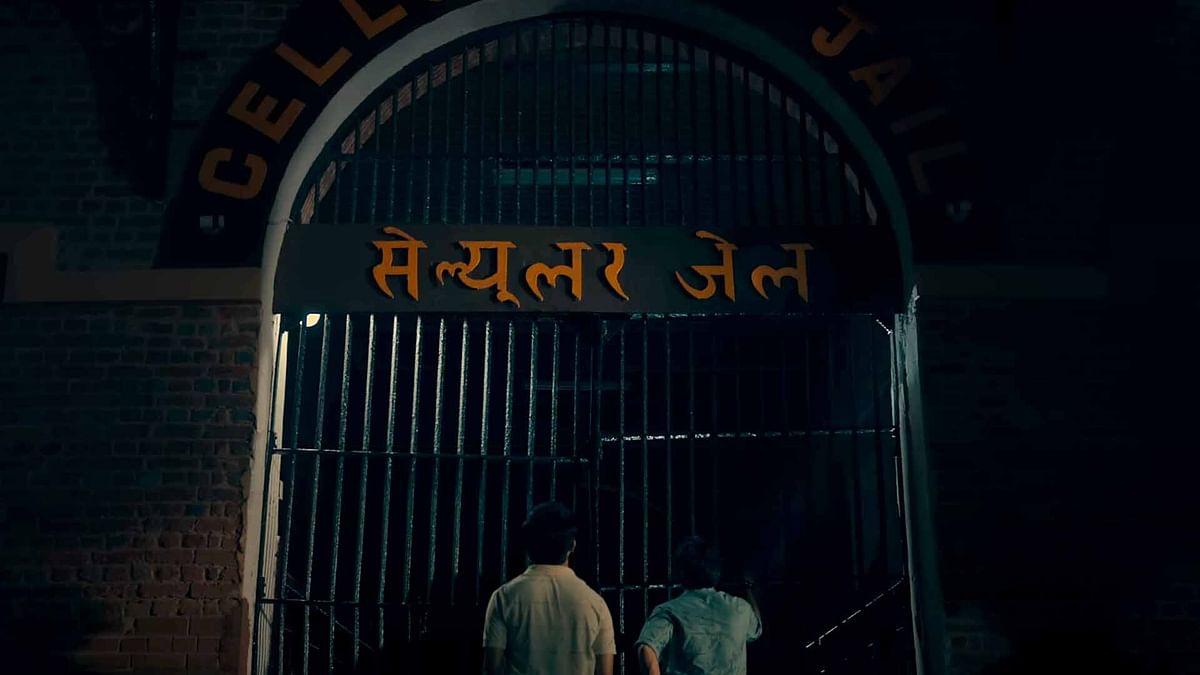
There’s a lot happening in Netflix’s first Hindi survival thriller series Kaala Paani. The main plot follows the discovery of a new disease with inky rashes that confounds scientists and policymakers, which would remind viewers of the botched response towards COVID-19, but there are multiple subplots including a love story with a traumatized former nurse, a family drama between separated parents and children, and the ecological commentary on the indigenous population that survived the disease once before. But Kaala Paani is able to balance these plots, tweaking the series’ disease to visually carry the show’s science in order to dedicate more weight to each subplot. It allows showrunner Sameer Saxena to play with more philosophical themes, and allows his compelling cast to play with more complex and dynamic roles.
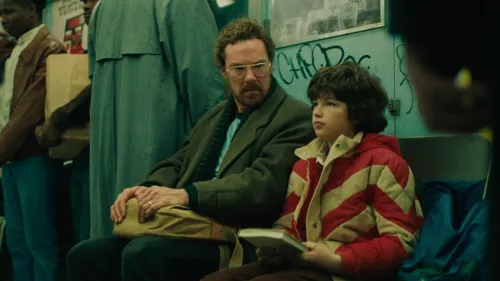
Backed by Netflix’s deep pockets, Eric looks as good as any prestige miniseries out there. As a portrait of pre-gentrified New York, it feels so detailed and lived in you can almost smell the garbage cans collecting in the corner. And this seedy atmosphere ties well with the show’s dark themes and complicated mysteries, making Eric far from the worst thing you could watch on the platform. But there’s something about Cumberbatch’s Vincent that makes him difficult to follow. Perhaps his performance is more excessive than the script calls for, or perhaps his anti-hero character is too underwritten to sympathize with. Or maybe it’s both. Whatever it is, he’s not a strong enough lead to pull the series through, though thankfully, he’s surrounded by far more interesting and involving characters, particularly Hoffman’s Cassie and Belcher III’s Ledroit. If you’re looking for a serious thriller filled with compelling (if at times overdramatic) performances, Eric is your weekend show.
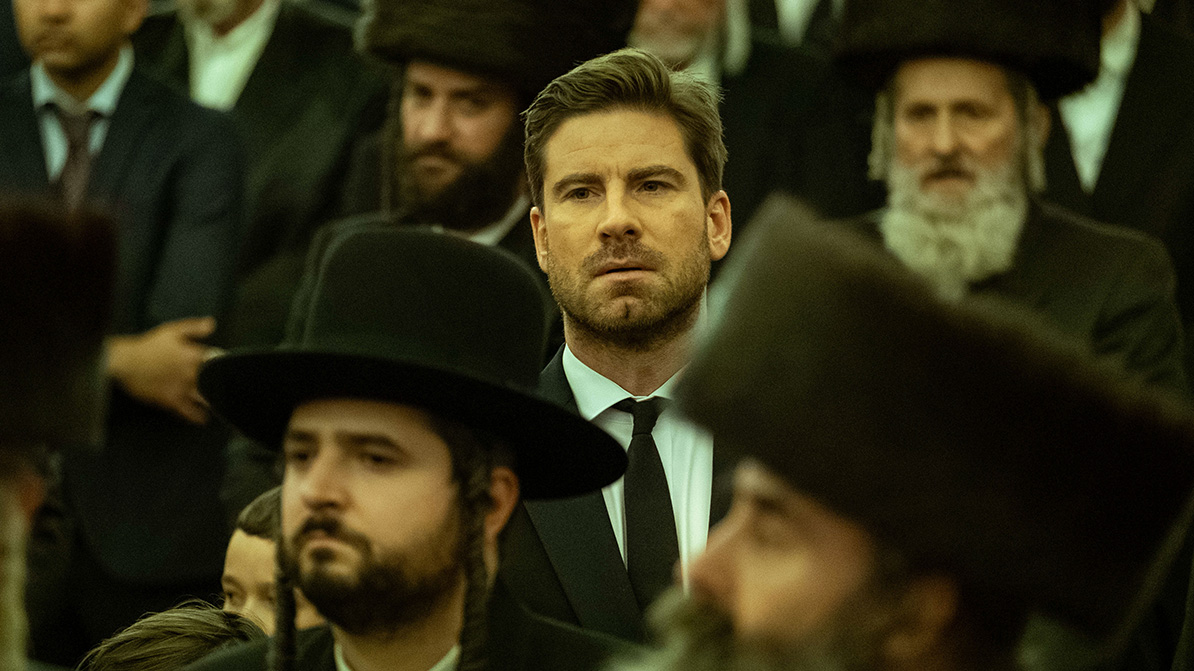
At first glance, Rough Diamonds seems to be a standard Netflix thriller with debts, deaths, and dirty deals. However, this Flemish-Yiddish series happens to also be a compelling family drama, centered around Antwerp’s Haredi Jewish diamond community. The series starts the season strong with the death that puts the family into chaos. It continues the series’ suspense with the return of prodigal son Noah, who, like Godfather’s Michael Corleone, initially disagrees with the family’s orthodox lifestyle, but can’t help but be drawn back to the family business. As the family scrambles to figure out their dead brother’s debt, they squabble with each other in a dynamic reminiscent of Succession, with an added organized crime twist. The resulting mix creates an intriguing thriller series that also happens to be a nuanced portrayal of a rarely portrayed community.
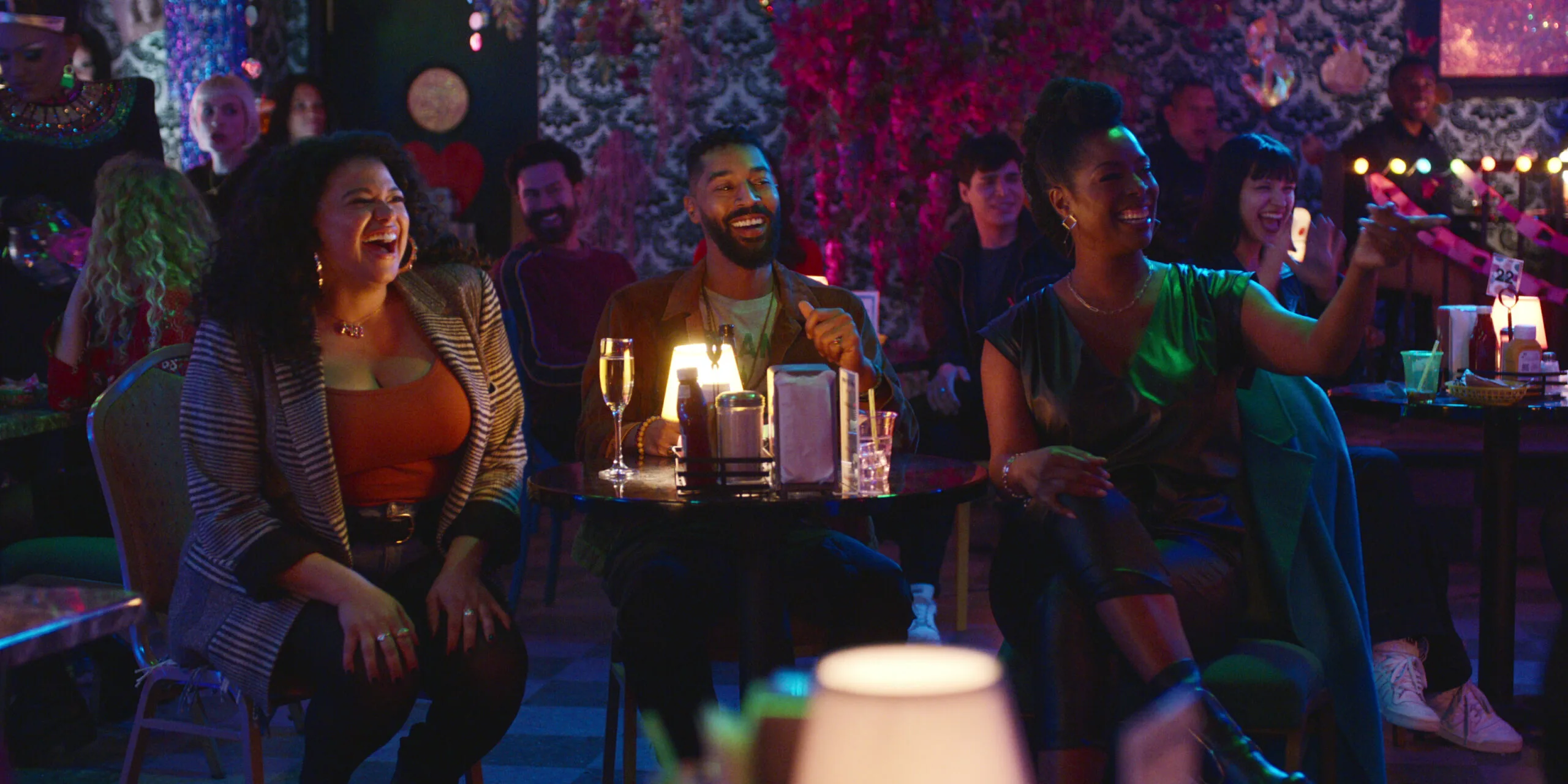
Michelle Buteau is the hilarious and charismatic lead of this amazingly diverse and body-positive comedy. In her post-breakup glow-up, Buteau’s character Mavis takes no prisoners as she prioritizes herself and her career with the help of her equally funny and wholesomely supportive friends. As with any comedy, there are some cheesy punchlines, but the humor and story still feel authentic (a given since the show is based on Buteau’s collection of essays). Without resorting to self-deprecation or below-the-belt jokes, Survival of the Thickest boasts a refreshingly inclusive, queer, diverse cast that isn’t afraid to take up space. This series is a great comfort watch with fun and laughs guaranteed.

Anatomy of Lies, as much as it can, follows the complicated web of lies TV writer Elisabeth Finch has told throughout her career, among them: that she has cancer, that her brother died of suicide, and that she witnessed her friend being blown to bits in a mass shooting. Her transgressions range from icky to downright immoral, and this three-part documentary smartly and sensitively tackles them all, even if key figures from the narrative are missing, including Finch herself. Instead, most of the story is told by Finch’s ex-wife Jennifer Beyer, who bravely represents how much harm these lies can create. My only issue with the doc is how much it expects audiences to know about Finch already, so it takes way too long to drop the ball and expose what she’s done in clear terms. Otherwise, the show is as juicy as it is horrifying, while also posing that age-old question: is it excusable for a writer to use other people’s trauma for their own storytelling purposes?
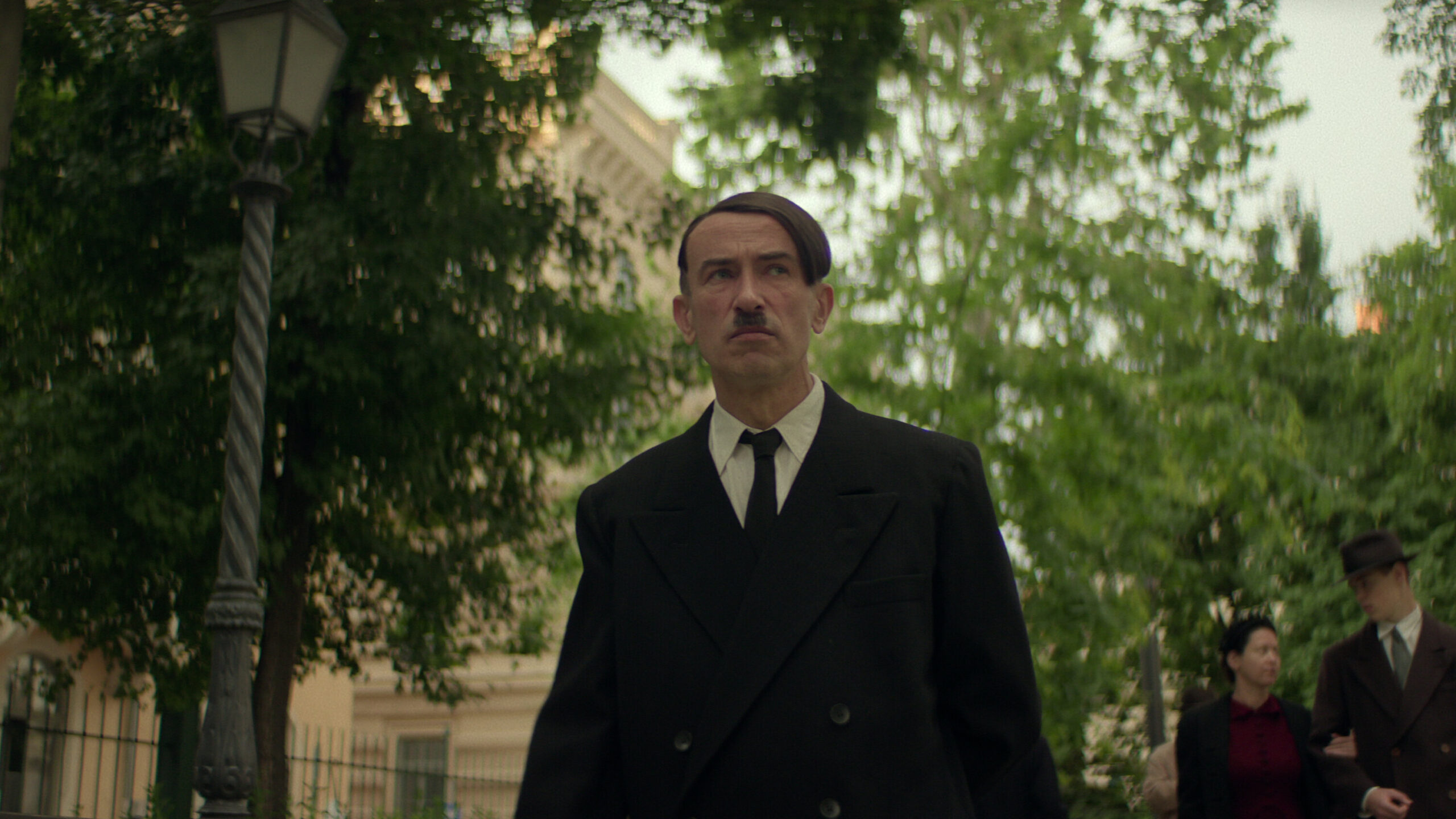
Countless documentaries have been made about The Third Reich’s rise to power, so Berlinger’s Hitler and The Nazis doesn’t particularly tread new ground. It starts with Hitler’s childhood and political beginnings, which anyone with a cursory knowledge of world history should know, but it picks up by the second episode, when it finally settles into a rhythm of stunning archival footage, realistic reenactments, expert commentary, and Shirer’s AI-recreated voice. The latter is chilling, not just because it recounts horrific events but also because it sounds strangely, unfittingly mechanical–to say nothing of the unnecessary use of AI when hiring a voice actor would’ve done the trick. Other than that, however, Hitler and the Nazis is a meaty historical account of a past that shouldn’t be forgotten, one that the newest generation will do well to watch.
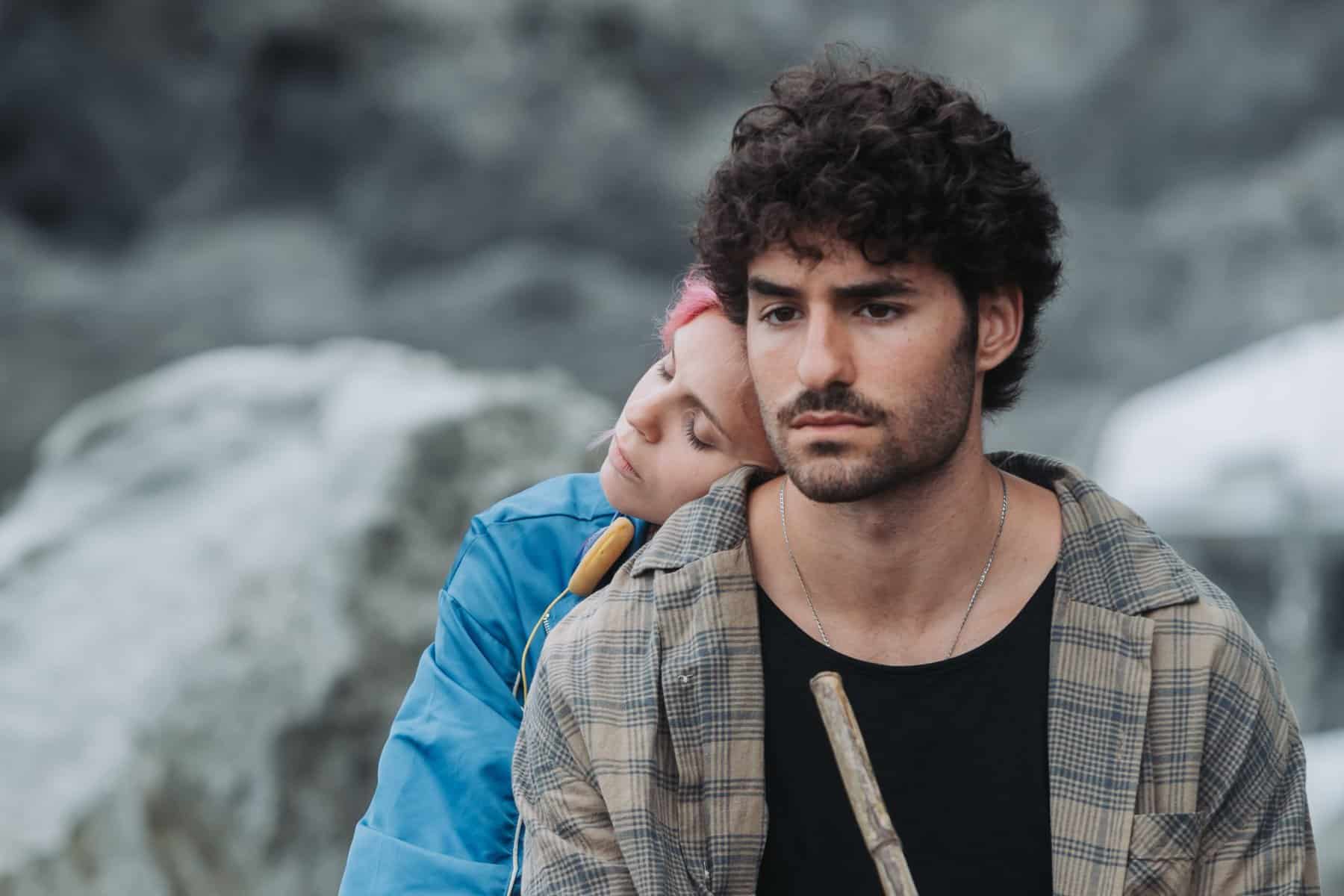
Also known as Rabo de Peixe, after the real town where the series is based, Turn of the Tide follows a group of four friends, who dream of a life outside their hometown, where nothing ever happens. Except, something does finally happen, and it’s whole packs of cocaine washing up on the island’s shores. It’s a wild series, one where the show’s teen underdogs take advantage of sailing expertise and knowledge of the town in order to sell out one third of the stash from the mainland Italian mafia. And it’s one that is endlessly entertaining, as we hope for the four teenagers to succeed in their plan, and to escape for another life.

I’ve seen my fair share of true crime documentaries, and a major complaint I have is about how directors tend to overdramatize the story, so much so that it achieves the opposite effect for me. I feel desensitized and irate when the music swells to usher in yet another cliffhanger. So it’s refreshing to see almost none of that in Cowboy Cartel, which is well-edited and gripping enough to keep you hooked till its finale. Of course, the downside to stripping a crime story of sensationalism is that it can get boring in its straightforwardness. This happens more than a few times in Cowboy Cartel, and it doesn’t help that its main interviewee, FBI Agent Scott Lawson, recounts events in a sleepy and monotonous tone. Still, it’s tightly edited, well-researched, and intriguing case. The documentary itself may not always match its energy, but when it does, it’s a show that’s very hard to put down.
After a healing workshop leads her best friend to sell her belongings and move to a remote island, Nisan becomes suspicious a cult is indoctrinating outcasts. But when she’s diagnosed with cancer and dark memories haunt her dreams, she seeks the island to find hope and happiness. Nisan’s suspicions struggle against her desire to face her past. On the pseudo-utopia island, the idea of safe havens and communities is put to the test forcing Nisan to reckon how isolating living in fear and pain is. With a steady pace, Search stretches the concept of a cult, keeping a refreshingly open mind to all the ways a community with freedom, equality, and care remains unfathomable.
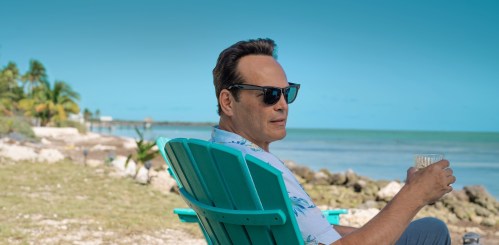
You’d think a caper set in Florida starring Vince Vaughn would be wild, but Bad Monkey is surprisingly chill. The stakes are low, the mystery is revealed quite early, and everyone moves at a languid pace that feels right for the summer season. And yet it’s still fun to watch. It has the right amount of intrigue and it looks enviably nice. Half the time you’ll just be wishing you too could sit back and down a beer while watching the warm Florida waves rock by. Admittedly, the plot lines don’t always mesh and Vaughn could be more dynamic in his performance, but overall, this makes for a perfectly fine summer watch.

It feels weird to say this about one of basketball’s most popular living legends, but it does feel like Steph Curry has found his breakout role in Mr. Throwback. The show’s parts are far better than the whole. The show is breezy but not memorable, funny but not laugh-out-loud hilarious. It’s okay, but it’s still worth watching just to see Curry play an outsized diva version of himself and SNL star Ego Nwodim deliver a pitch-perfect sendup of overworked assistants. Creator Adam Pally, who also plays the titular lead, is smart to step back when Curry and Nwodim are onscreen doing their thing. In fact, all the other characters are more interesting than Pally’s, which should feel like a flaw, but it works. There’s always someone to watch and something to fixate on the screen when Pally’s man-child character gets a bit too much. This is not the show to put on if you’re sick of the overplayed mockumentary format, but it is the one to watch if you ever wondered, “Can Curry act?” (yes) or “Nwodim deserves more parts in SNL” (absolutely).
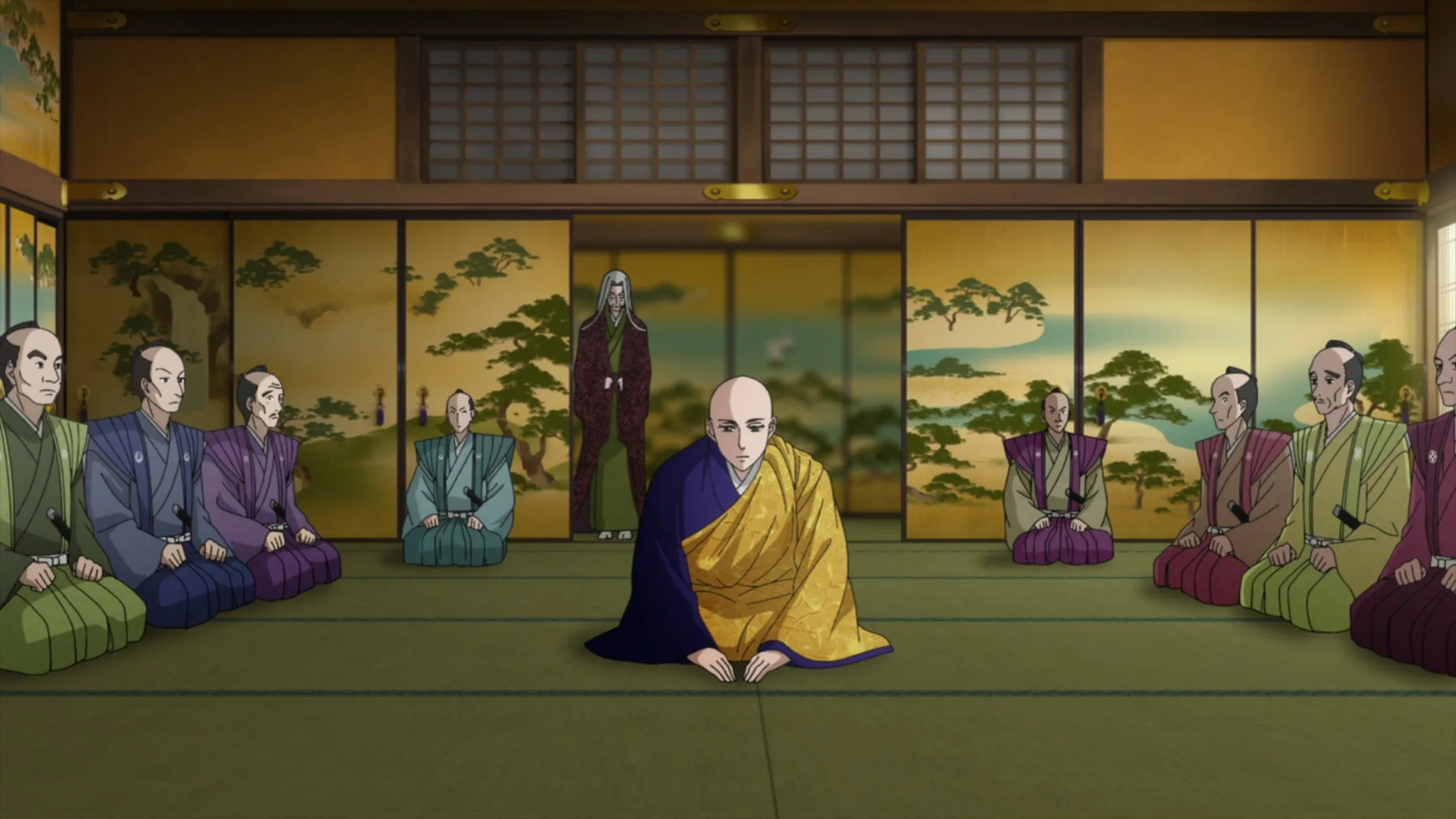
Set in a fictionalized version of Japan’s Edo period, where a deadly disease affecting only men has led to women taking traditionally-male roles, Ōoku is steeped in social commentary on gender and sexuality. The concept is well-established in its 70+ minute first episode, allowing the story to set a foundation for a fascinating progression in this world. By centering the powerful warlord figure, the Shogun, it illuminates the shadows women occupy to support a country with little to no recognition. With a political throughline and an inherently feminist lens, Ooku: The Inner Chambers offers a beautifully-animated series with few gimmicks and lots of depth.

True crime documentaries have a way of stretching out a thin story for views. For instance, what could have been an hour-long film is tediously and often unnecessarily extended into five or so episodes. Thankfully, that’s not the case in Hollywood Con Queen. Three hours is a reasonable length to cover Harvey Tahilramani’s wild crimes and even wilder stories. His biggest offense thus far is pretending to be bigshot Hollywood executives (among them famed producer Amy Pascal and Universal chairman Donna Langley), then luring freelancers into flying all the way to Indonesia to deposit sums of money to his account. If he’s not manipulating them, he’s demanding them to commit sexual acts, effectively abusing them. Despite that, Tahilramani is convinced that he is somehow the victim of all this scheming, and it’s his first-hand account, along with the victims’ harrowing testimonies, reporter Scott Johnson’s excellent reporting, and private detective Nicoletta Kotsianas’s staunch investigation that make Hollywood Con Queen a compelling true-crime watch.
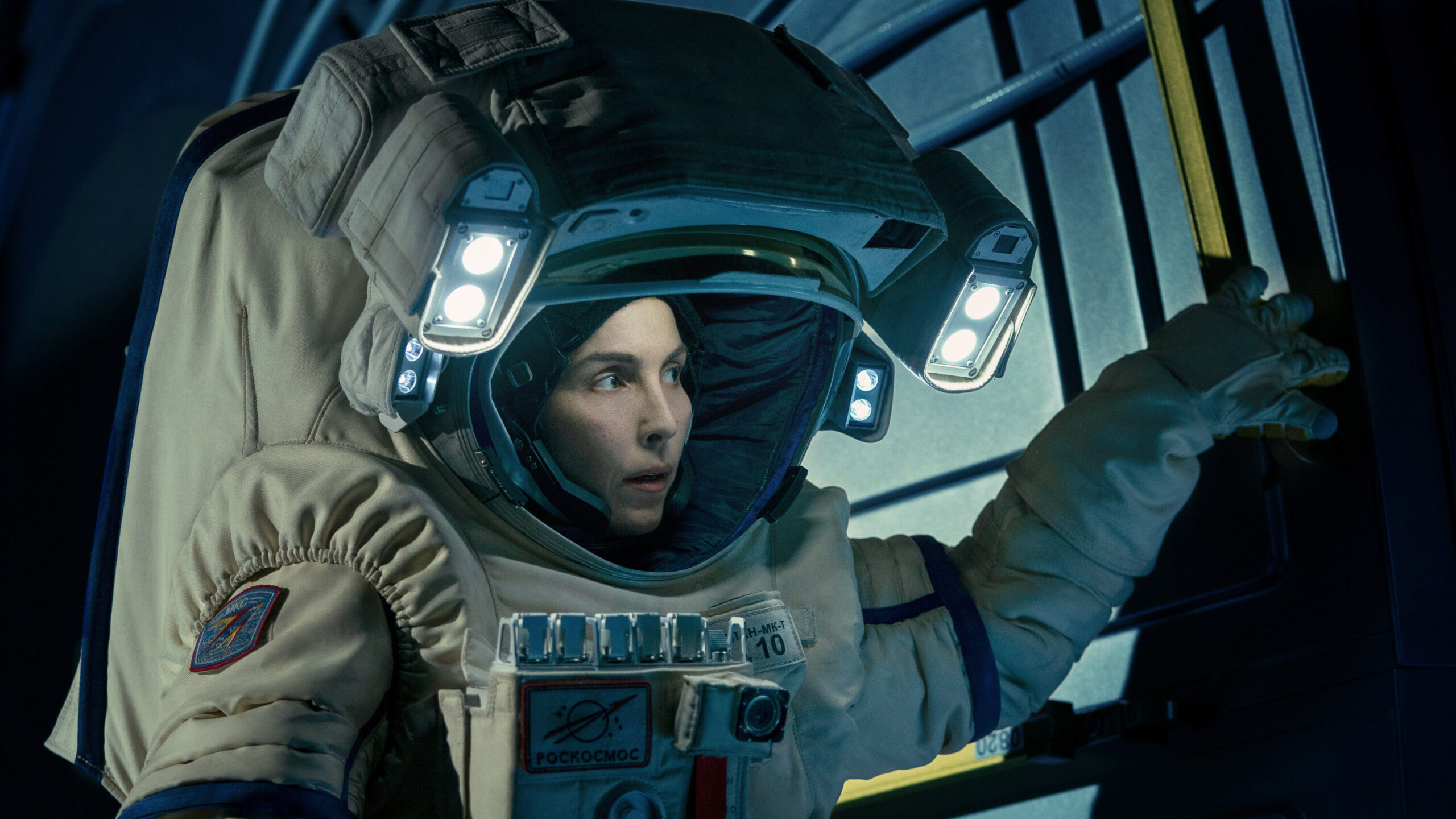
A lot goes on in Constellation, Apple TV+’s latest addition to its growing collection of sci-fi shows. It begins as a survival space thriller, then it evolves into a conspiracy mystery with hints of supernatural horror, all while being a family drama centered on the elusive mother-daughter bond. For all that hoopla, however, Constellation moves at a very languid place. It can also get very confusing very fast as it attempts to be all the abovementioned things and juggle multiple possibilities (relating to quantum physics, mind you) at the same time. To quote series creator Peter Harness’ other credited show, Doctor Who, it’s all very wibbly wobbly timey wimey. If you’re one to dive into a sci-fi story’s heady and complex world, however, then Constellation comes highly recommended.
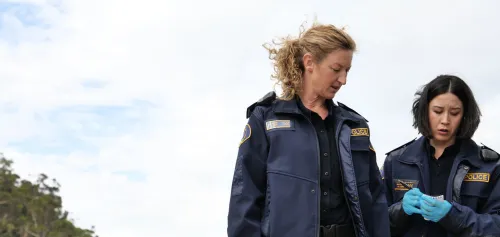
Deadloch begins like any other self-serious police procedural. A body washes up on shore, sparking widespread fear and a twisty mystery that eventually and intriguingly reveals layers of itself. Local officer Dulcie Collins (Kate Box) takes to it like it’s the most important case in the world, and for some reason, everything we see onscreen is tinged in gray, as if the town is set under a perpetual stormcloud.
Then a joke finds its way into the dialogue, followed by another, and another. The show, it turns out, is as much of a sitcom as it is a mystery, with Dulcie acting as the straight man grounding us through the kookiness of it all. The rest of the characters are actual characters, wonderfully zany and larger-than-life as they bumble around and commit small-town gaffes. A hearse screeches to a halt when a random passerby yells, “You’re going the wrong way!”, and a millennial policewoman exclaims, “I can’t believe I’m on a stakeout! It’s so aggressively police-y.”
It’s quite the risk to be both funny and serious, to dole out this many jokes while solving multiple murders, but Deadloch pulls it off with so much charm to spare. It’s a refreshing take on the buddy-cop series, ambitious and modern and unafraid to laugh at itself every once in a while.
I love when a misunderstood woman reclaims her narrative with her own words, and that’s exactly what Pamela: A Love Story is too, a tell-all documentary told by Pamela Anderson herself.
The documentary bares it all—the scandalous sex tape, Anderson’s troubled past, the disgusting misogyny that continues to tarnish her career. She even touches on the Hulu miniseries made about her demise (which Netflix must feel so smug about). But this isn’t a pity party. Just the opposite, the documentary is a testament to resilience. “My life is not a woe-is-me story,” Anderson says at one point, and truly, this is an inspiring and humanizing story about a woman taking charge of her own life. An absolute must-see.

Tour de France: Unchained is an intense sports docuseries depicting the ins and outs of the prominent cycling race. While cycling is an individual activity, Tour de France is structured to be a team sport — usually comprising around 20 teams with eight riders each. The first season depicts the 2022 run from Copenhagen to Champs-Élysées, the comeback after the pandemic, with players looking to defeat two-time defending champion Tadej Pogačar (UAE Team Emirates). If you’re up to date with cycling news, you’ll know how this one ends. However, it’s still a worthwhile watch, as the show goes behind the scenes to witness the team dynamics, the severe falls, and the steep challenges. With this in mind, Tour de France is very watchable, especially for fans of the sport.

There are stories within stories in Fantasmas, which like most of Torres’ work, favors style, theme, and emotion over a straightforward plot. And it works because of Torres’ strong vision: you’re supposed to get lost in his kaleidoscopic world and eventually find yourself through his emotional guides. That’s what makes Fantasmas (and Torres) accessible. There is an undercurrent of relatability in everything he does, so no matter how bizarre and out there his concepts are, real hopes and fears always ground them. There’s his constant dread of being kicked out of his country, and his worry of selling out to suffocating corporations. There’s the isolation of big cities and the limitations of identity. All that in technicolor and dynamic form is what makes Fantasmas (and, again, Torres) so intoxicating to watch.
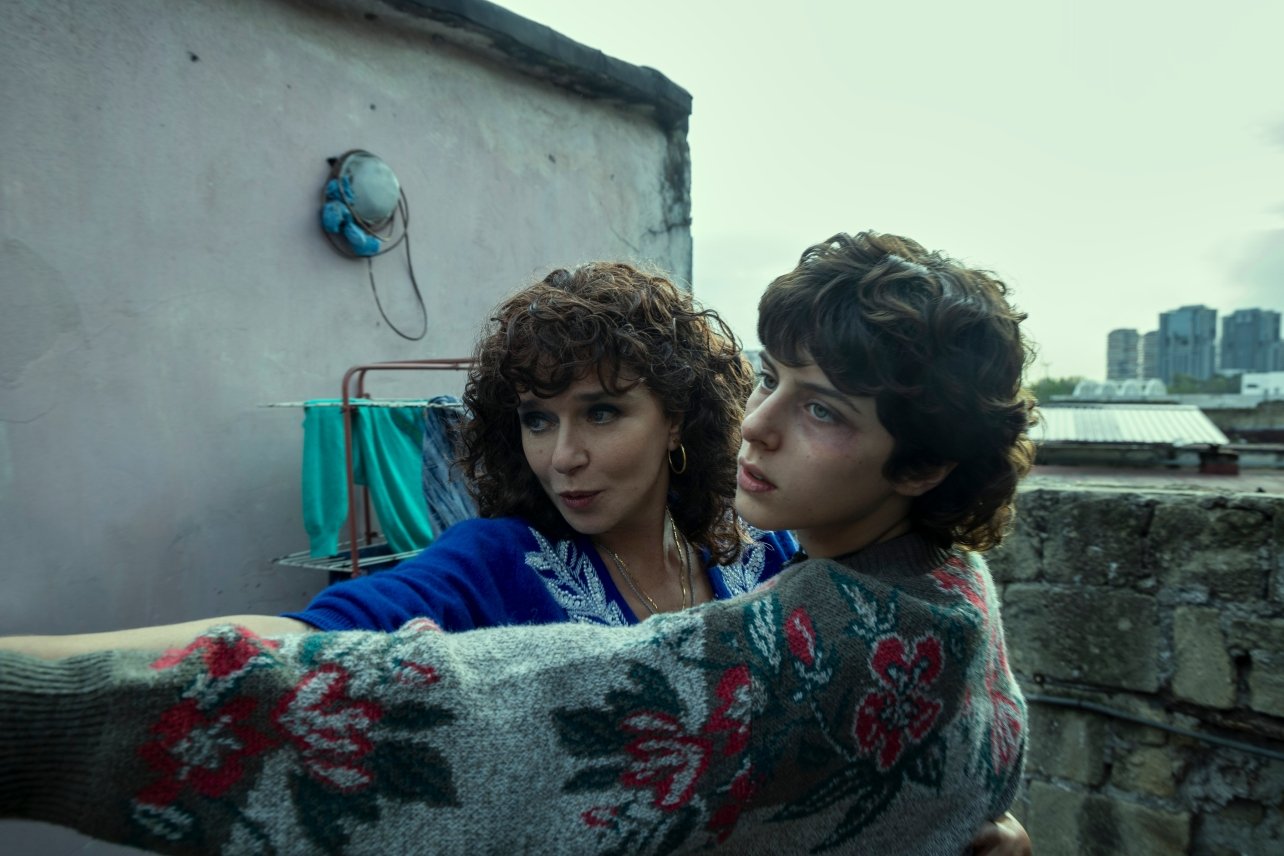
Based on a novel, The Lying Life of Adults might feel, at first, like a standard Netflix coming-of-age series, complete with vintage styling (the 90’s, this time) and teenage shenanigans, like skipping classes, preoccupation over sex, and rebelling against parental disapproval. Sure, the show does go through these moments, but the writing of original novelist Elena Ferrante, with the assistance of the writing team and showrunner Edoardo De Angelis, elevates this template through its subtleties, as Giovanna visits her estranged aunt Vittoria, and compares and contrasts the way she lives, with the way her parents approach life. It’s both a portrait of a divided family, but also one of a divided city, and it makes Giovanna’s coming-of-age a more nuanced journey that we haven’t seen before.

Undead Unluck is such a strange anime with such a strange duo. Named after their respective powers, the undead Andy seems familiar with his Deadpool-like regeneration, albeit with such a fast rate that he can shoot out body parts with such gruesome animation. However it’s the unlucky Fuuko that brings them to the most absurd comedic scenarios, including, but not limited to, surviving a giant truck crash, a lightning strike, and a whole meteor. In order to achieve their goal of dying, they have to build up a bond to maximize her unluck. As they learn more about Fuuko’s abilities, as well as the organization hunting them down, it’s likely that they’ll go through wackier situations that will escalate as the show progresses. It’s definitely something uniquely watchable, if you can handle the off-putting gore that’s part and parcel of Andy’s powers.

In the multilingual Drops of God, French author Camille and Japanese sommelier Issei battle for a wine expert’s multi-billion-dollar inheritance. Camille may be the expert’s daughter, gifted with an incredible sense of smell and taste, but Issei is the so-called “spiritual son,” the protégé who filled in Camille’s shoes upon her abrupt departure from her father’s life. Whoever wins a series of wine-related tests gets to keep the expert’s estate and continue his legacy.
Based on the Japanese manga of the same, Drops of God is strangely but enjoyably competitive as it plunges you deep into the complex world of wine—through intense competitions, we get a closer look at the drink’s many layers, long history, and even its cultural connotations. This nice blend of knowledge and rivalry makes it a thrilling watch, but the show also has an unexpected but welcome family element to it that softens the edge a bit and gives it a sweet aftertaste. If you were ever looking for a smart but heartfelt show about wining and dining, this is it.

After the ending of the show Suburra: Blood on Rome, it had seemed like there was nowhere else for the franchise to go, with plenty of the main cast dead. But after three years, the world of Suburra is back on Netflix in Suburræterna, and despite the chaos that reigns in Rome, there are still opportunistic survivors circling over remaining scraps of control. One survivor is Spadino Anacleti, who, after he had left for a more tolerant Berlin, is now forced to return home, with no other suitable heir for the family. While new viewers might be lost with the names referencing previous characters, fans of the franchise would enjoy the way Suburræterna unfolds, as the Suburra story, inspired by the real life Mafia Capitale, takes on a life of its own.
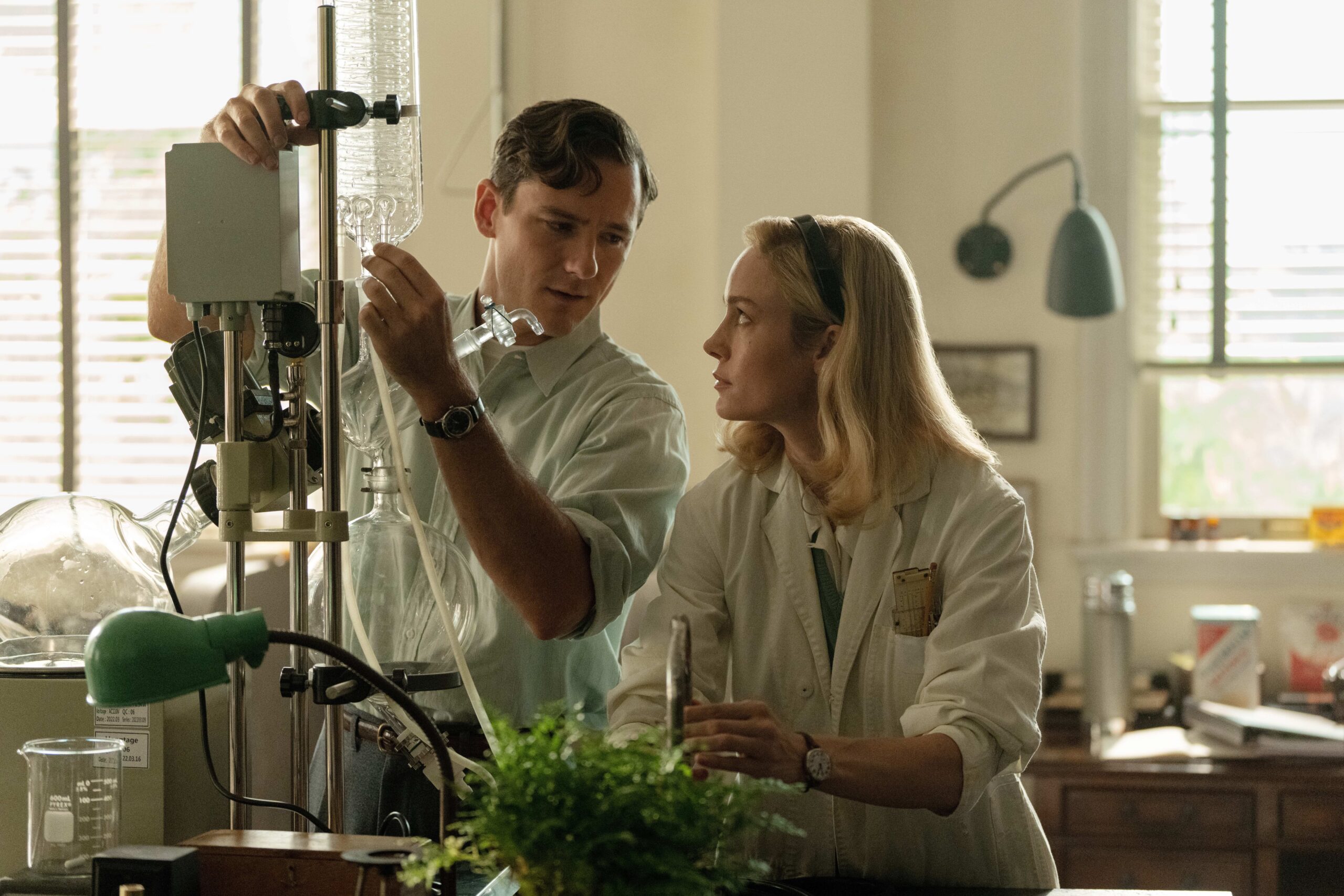
While the show won’t teach you chemistry (or at least not enough for non-chemists to understand certain dialogue), Lessons in Chemistry is an enjoyable adaptation of the bestselling novel. Taking what makes the novel great, the period mini-series, like many period shows, highlights the historical inequality, but does so in a way that’s organic. Protagonist Elizabeth Zott, like Brie Larson, is just simply ahead of her time, while misogyny misinterprets her words and actions. The series also expands on other characters, but still manages to keep a steady pace, through clever rearrangement and reinterpretation of the novel’s plot points. Adding in the lovely costumes, and a stronger love story to start, Lessons in Chemistry might be Apple TV+’s answer to The Queen’s Gambit, albeit set a decade earlier.
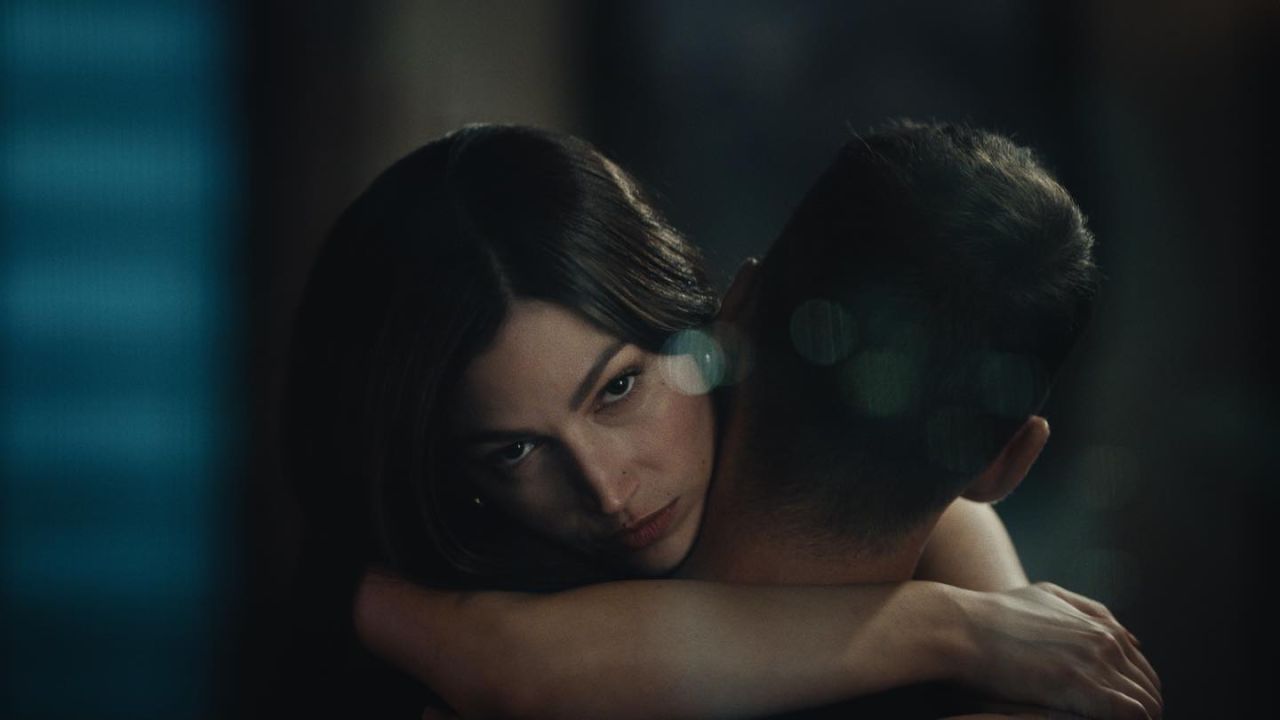
Releasing a documentary and a mini-series on the same case on the same day, Netflix understands how compelling Rosa Peral’s story is. Burning Body dramatizes the case’s events, but it does so in a way that questions the police as an institution. With the case, it’s clear that the ones assigned to protect citizens from crimes are trained enough to hide their own. However, the series also underscores the blatant sexism in their ranks, from higher ups taking advantage of new recruits, to spreading revenge porn on their fellow colleagues. With Money Heist’s Úrsula Corberó on the helm, Burning Body paints a double sided look of a multifaceted woman.

Life never goes the way we expect, especially for those who don’t have plenty of options. Because of this, parents strive to create a path for their kids to the best possible future they can manage, even if it causes some resentment. The Good Bad Mother portrays this, with some melodramatic flair, but the way the series tells its story is complex, layered, but totally compelling – as Jin Young-soon tries to reconnect with her son while also seeking justice for her husband, and Choi Kang-ho looks for family in any way he can. And it’s balanced with lighthearted humor and slice-of-life sequences that celebrate the lives of the ordinary people.

Like plenty of medical dramas, Daily Dose of Sunshine portrays the day-to-day dynamics of a hospital department, this time in the department of mental health in a country that has one of the highest suicide rates in the world. Based on the webtoon from a former nurse, the series might have some laughs from the department’s dynamics, but never at the expense of their patients. In fact, the show takes great care in depicting mental illness, taking care to visualize the patient’s episodes, as well as the way Da-eun tries to fit into her new department. It’s sweet and earnest, but not too cloying, and as substantial as the mugwort rice cakes Da-eun brings for her co-workers.
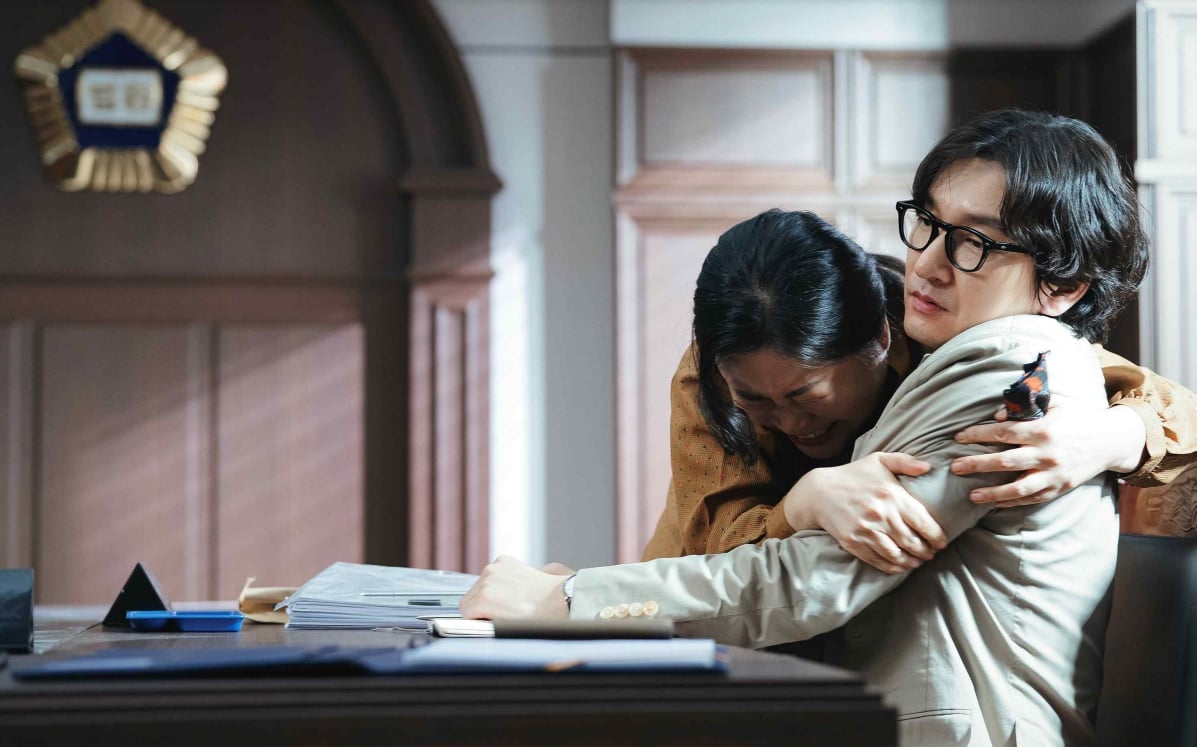
There are plenty of divorce-related Korean dramas, but Divorce Attorney Shin is a gem among them. Based on the webtoon with the same name, the show is centered on an eccentric lawyer, whose trot-dancing ways and unconventional handling of clients doesn’t detract from his winning cases. Instead of the ruthless and collected attorneys we’ve seen previously, Shin Sung-han has a human side, a side that enables him to empathize with his clients. And like the lawyer, the show does the same, handling multiple cases, without discarding them by the end of the episode, and embracing its nuances in a well-rounded way.

On the surface, The Woman in the Wall is immediately scary. It’s riddled with jumpscares, shrieks, haunting Latin songs, blood-hued flashbacks, and, of course, incessant Catholic and Gothic imagery. But while it’s effective as a horror, it’s more meaningful as a tribute to the survivors of the Magdalene Laundries, that is, Catholic convents where nuns took care of “wayward women,” which ranged from teen girls who’ve engaged in premarital sex to prostitutes. They’re often abused and forced to work long hours, and in the case of some pregnant women, their babies were taken away from them as punishment for their sins. That’s what happened all those years ago to Lorna (Ruth Wilson), who’s never learned how to cope with her loss and trauma in the years since the laundries were banned in ‘96. She becomes the main suspect in the case of a murdered priest, and the more we learn about it, the more we question Lorna’s memories and recollections. Is she capable of this brutality? Where is her baby? And what does the detective, played ably by Daryl McCormack, have to do with all this? The show can seem too much at first, but it weaves all these questions and prickly themes deftly by the end.
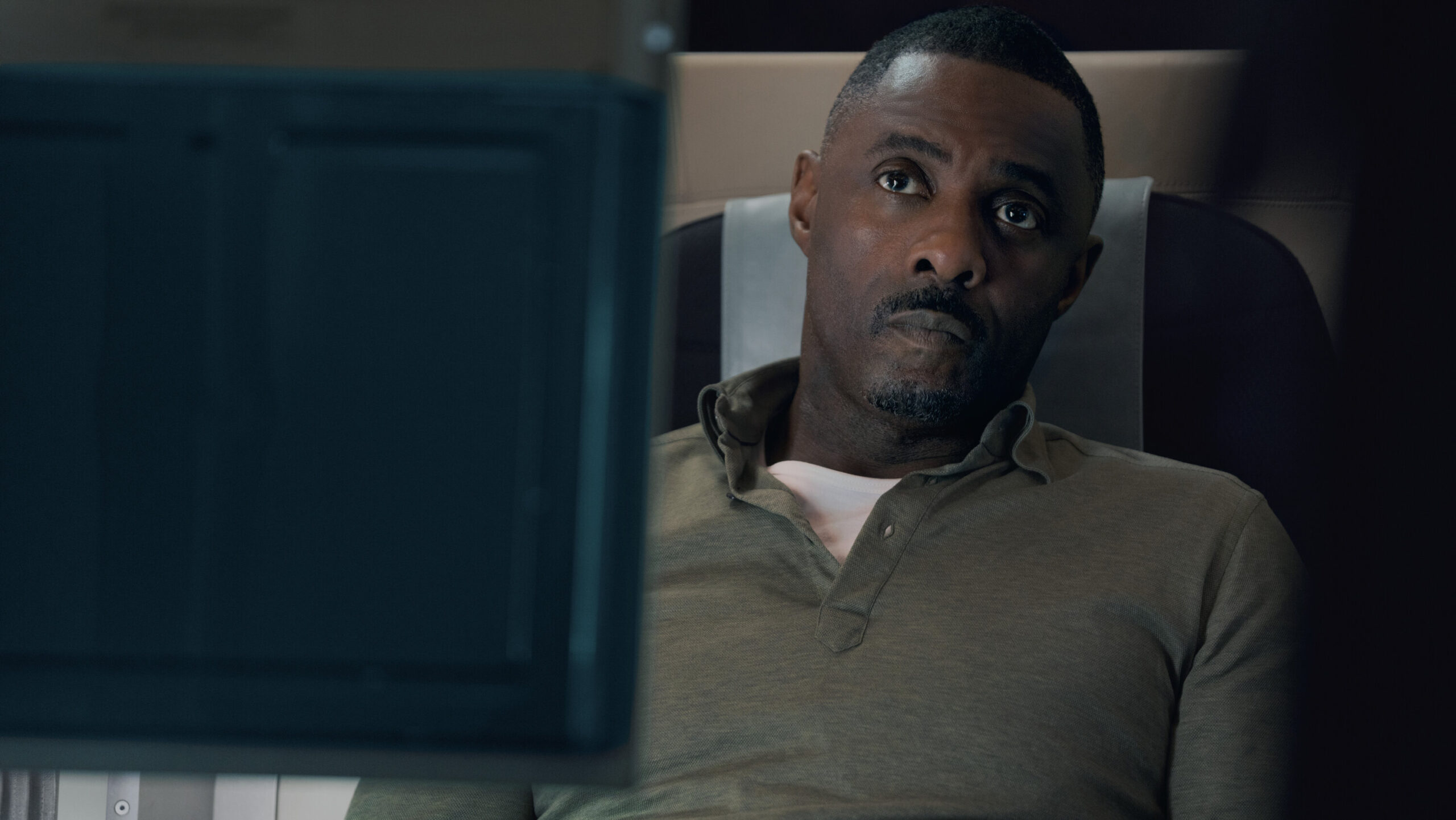
The show’s premise is plain, but it’s also endlessly, edge-of-your-seat gripping. It’s steady and unhurried but never boring, and each episode, which represents an hour on the seven-hour flight, gives you a sliver of hope for the passengers, especially since they have pro-negotiator Sam Nelson (Idris Elba) on their side. Or do they? The show has fun playing with Sam as the anti-hero, but his heart is too big and golden to achieve that complexity. It also doesn’t bother to paint the hijackers as anything other than terrorists (at least not in the first few episodes screened for review). Instead, the show narrowly chases that mid-flight suspense, and it works. It successfully builds up to it with small but revealing moments.
At the back of all the hubbub, there is also a running joke about what happens when you get stuck with the worst people you know. The passengers are characters you may be familiar with—the family with loud babies, the nosy seatmate forcing a chat, the lowkey racist eyeing everyone who doesn’t look like him—and it gets doubly entertaining to see them collaborate when they otherwise won’t.

Growing up in multiple foster homes to an absentee mother and imprisoned father, Paige Alexander (Kerry Washington) has had a tough life, but you wouldn’t know from the way she carries herself. She’s bright, cheerful, and constantly buoyed by her ambitious hopes for upward mobility. But there are cracks to her facade, and all the trauma she’s been keeping in spills over one day when her recently released father decides to move in with Paige and her teenage son.
Trust and abandonment issues start to emerge. Resentment bubbles over. Despite being a relationship therapist, Paige cannot stabilize her love life. A viewer might expect a self-serious dramedy at this point, but Unprisoned refuses to be pigeonholed in this category. Instead, the show extracts unexpected joy from its bleak premise. Paige and her father Edwin (the perfectly cast Delroy Lindo) riff off each other with sparkling dialogue. They deploy endless jokes sometimes to hide their pain, but mostly to connect in that unique father-daughter way. After years of mistrust and negligence, they’re understandably broken but not, as it turns out, irredeemable. Relatable, sympathetic, and big-hearted, Unprisoned is a welcome show about the unexpected ways we heal (and the detours we take along the way).
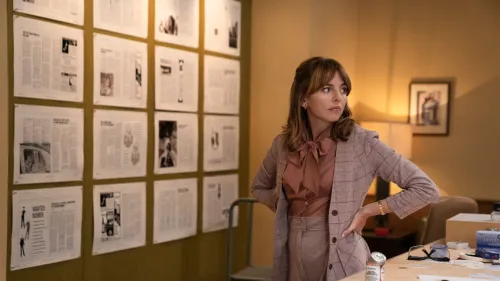
It’s the 1970s and women’s liberation is at its peak. Feminist writer Joyce (Ophelia Lovibond) wants nothing more than to start a magazine called “The Matriarchy Awakens,” but publishers aren’t biting. Enter Doug (Jake Johnson), a seemingly sleazy magazine mogul who wants to turn Joyce’s idea into something more sellable—namely, an erotic magazine aimed at women. Against her better judgment, Joyce agrees, and along with a crew of unlikely creatives, they work to set up Minx, a sexy female-first magazine that is the first of its kind.
Minx, the series, engages both characters and viewers in important conversations about feminism and eroticism, but more than just a piece of infotainment, it’s actually a genuinely funny and charming show. The spars between Joyce and Doug propel the series forward, and the bonds that form between their co-workers are just as heartfelt and compelling. Given Minx’s explicit premise, you might come in expecting a raunchy and sharp-edged show, but it’s actually tamer than it seems. As it is, Minx is lighthearted and pleasing, as enjoyable as any half-hour comedy out there.

With a long and chaotic 30 years in the industry, it’s hard to encapsulate Robbie Williams’ whole musical career in a documentary. There are plenty of songs to tackle, plenty of scandals to explain, and Netflix tries to portray it all through its latest four part docuseries. Given its lengthy subject matter, it’s impossible to tackle everything, of course, so it mainly focuses on the artists’ mindset and mental health as Robbie Williams himself looks back at previous footage of himself. There’s some comfort in the fact that the singer now feels more settled in himself, something comforting in the idea that depression can be handled and overcome, but it makes this docuseries a fairly vulnerable one for the artist, and it’s an intriguing behind the scenes look for his fans.
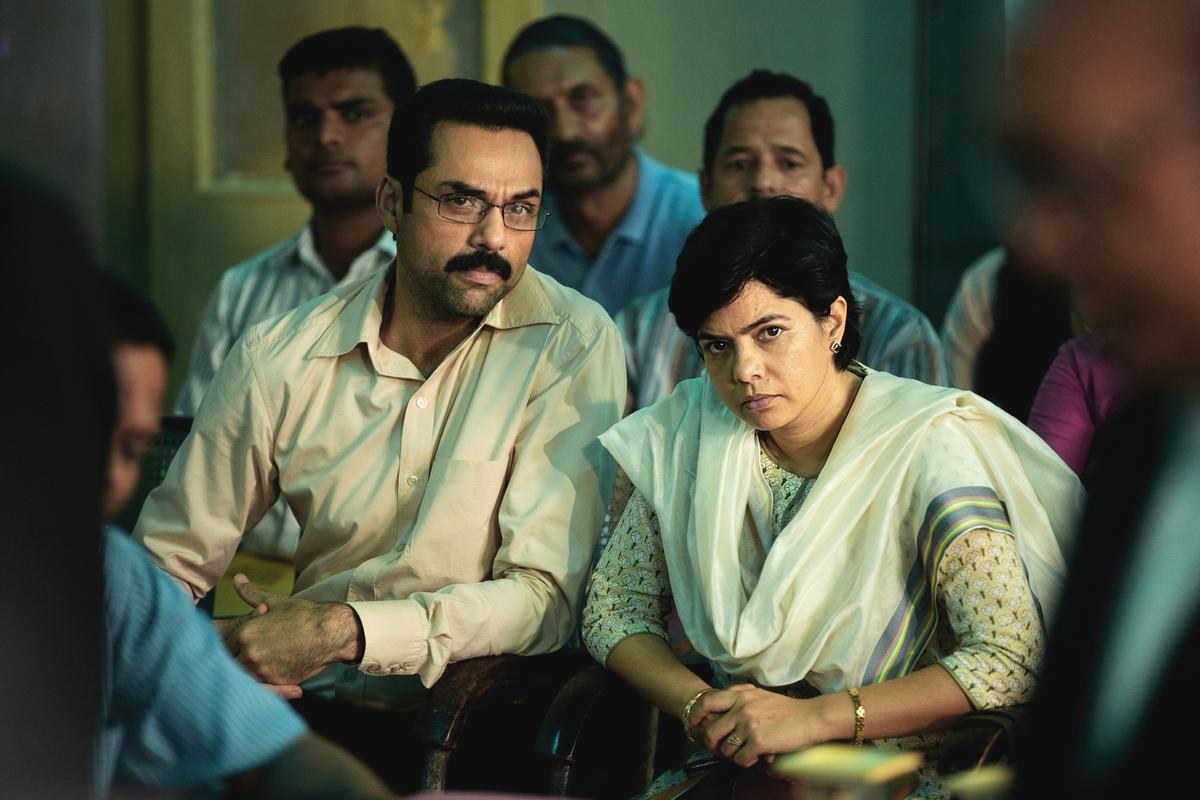
Tragedy can strike at any time, but some instances are preventable, and rare is the instance where people do seek justice for it. After all, after losing so much, it would be awful to fight and lose again. But these instances do still exist, and one such incident is the Uphaar cinema fire. Trial by Fire depicts this tragedy, but rather than focusing on the fire itself, it focuses on the fight the victims’ families took in order to seek justice. The show doesn’t play out as a courtroom drama, it takes an intimate look into their day-to-day actions, faithfully portrayed by the excellent Rajshri Deshpande and Abhay Deol. And while the industrial giants depicted tried to file an injunction against this show’s screening, thankfully, Trial by Fire is still able to make its stand. It’s solemn and grim, but it’s a potent reminder of the power we hold as a collective.