Mubi Suggestions - Highly-Rated Movies & Shows on Mubi

There is nothing quite like The Substance right now. It’s unsubtle, it’s provocative, and its satirical humor can be a hit or miss for some viewers, but it strikes at the one thing that’s fundamental to everyone, that can make or break their lives, yet that is rarely given grace and consideration– that is the body. Legions of people have yearned for youth and beauty, but The Substance systematically outlines how much these have been intertwined with our livelihoods, opportunities, and identities, and how other entities would capitalize on this yearning and push many of us to take that out, suck that out, literally, from ourselves. The Substance does this all with insane, frenetic energy.
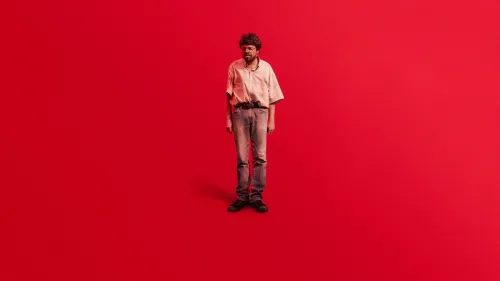
A Poet is one of the funniest, saddest films of the year, and it’s about the exact thing most movies about art are too flattering to touch: what if you love poetry, gave your life to it, and simply aren’t good enough? Simón Mesa Soto’s Colombian tragicomedy follows Oscar, a washed-up Medellín poet who latches onto a genuinely talented teenage girl and tries to make her his project, his redemption, his second chance.
It’s excruciating in the best way, a portrait of a man whose passion has curdled into something needier. Ubeimar Rios plays him without a shred of vanity. The film keeps you laughing right up until it quietly breaks your heart. It won a prize at Cannes and deserved it. Anyone who’s ever wanted something they might not be built for should see it.
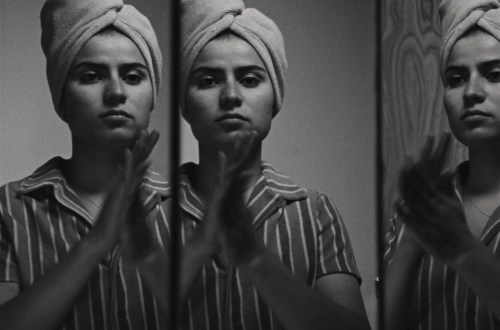
Aptly for a film partly set in a fortune cookie factory, Fremont deals with luck — specifically, the other side of good luck: survivor’s guilt. Donya (played by real-life Afghan refugee Anaita Wali Zada) is a former translator for the US Army who fled her home city of Kabul on an emergency evacuation flight when the Taliban took over in 2021. Now living a safe, if drab, existence in the titular Californian town, insomniac Donya struggles to embrace her freedom, tormented by the knowledge that she lost some of her old colleagues to reprisal attacks and that her loved ones are still living under repressive rule in Afghanistan.
As Donya shuttles between her little apartment in Fremont, her job writing cryptic one-liners for a fortune cookie factory in San Francisco, and appointments with her eccentric psychiatrist (Gregg Turkington), Fremont balances a moving study of her melancholy with deadpan humor. Despite its black-and-white cinematography and tight Academy ratio, this is no austere drama, but an endlessly warm and understated portrait of someone rediscovering themselves and all of life’s unexpected moments of connection, like chance romantic encounters and sudden tears at karaoke.
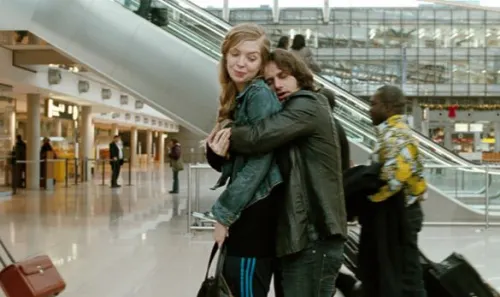
A delightfully screwy comedy about a guy and his struggling bar (of the title). The film is full of food, music, dancing, romance, and crazy coincidences. Our hero, Zinos, has just be abandoned by his girlfriend. On top of that his bar is struggling, he’s recently thrown his back out, he desperately needs to find a new chef, and his shady brother has just come to the Soul Kitchen looking for a job after being let out of on “partial parole.” Will it all work out in the end? Of course it will! This film is a lot lighter than Akin’s previous features, but maybe after all those challenging pictures he just felt the need to have a good time, which this film definitely delivers.
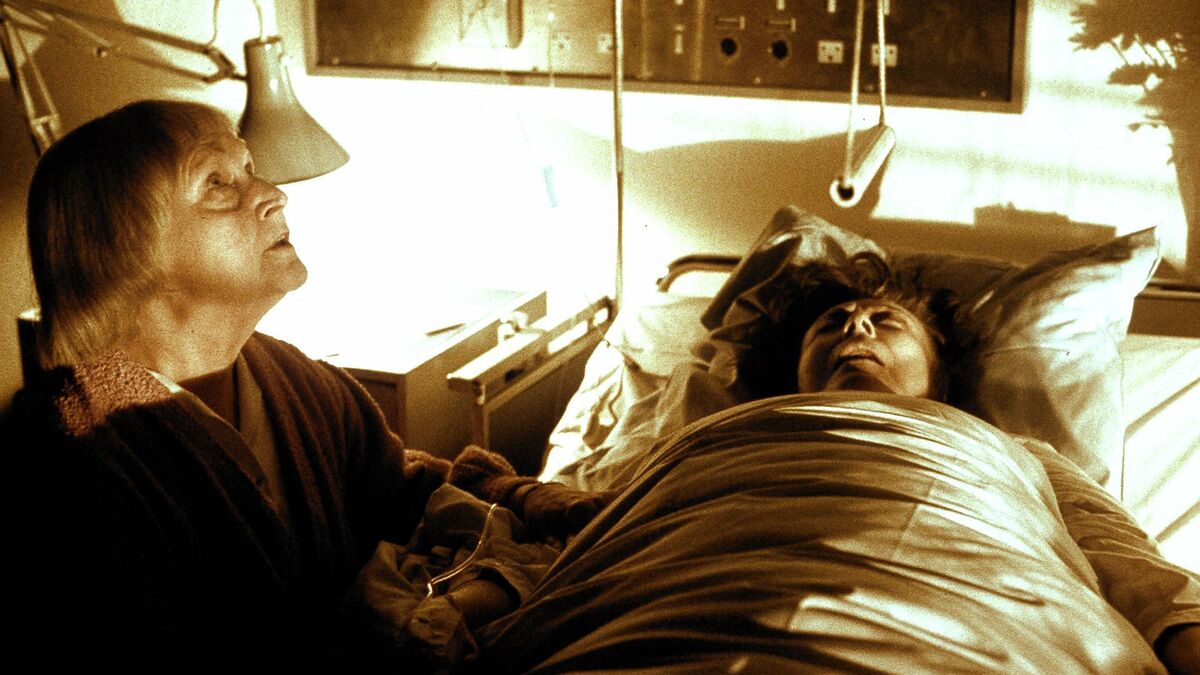
While best known for his provocative, existential dramas, Lars von Trier also made a provocative mini-series with surprising supernatural horror. Set at Denmark’s leading public hospital, The Kingdom takes familiar medical drama conflicts in handheld camera and sepia tone, but infused with an unsettling understanding of how the finest minds can fail, and how small science can feel in the face of the unexplained. That being said, the horror is much more wacky than spine-tingling or terrifying, but it’s played off through von Trier’s signature absurdism, taking a more humorous and sardonic approach. Riget may be an unexpected entry for those who have heard of von Trier, but it’s a must-watch for the auteur’s fans, showing a different side to the notorious director.

With a title like this, it was expected that Do Not Expect Too Much from the End of the World would be critical of today’s current circumstances, but the film takes a more startling approach. Radu Jude’s longest narrative feature is a day in the life of a disgruntled, underpaid production assistant, and as she drives between interviewees injured from work accidents, the film alternates between the black-and-white, terribly mundane reality, her Tiktok-filtered satirical rants as Bobiță, and an old colored film of a Romania decades past. It’s a cynical depiction of how vulgar it is to be alive today, but it’s also more honest as Jude refuses to cling to the past.
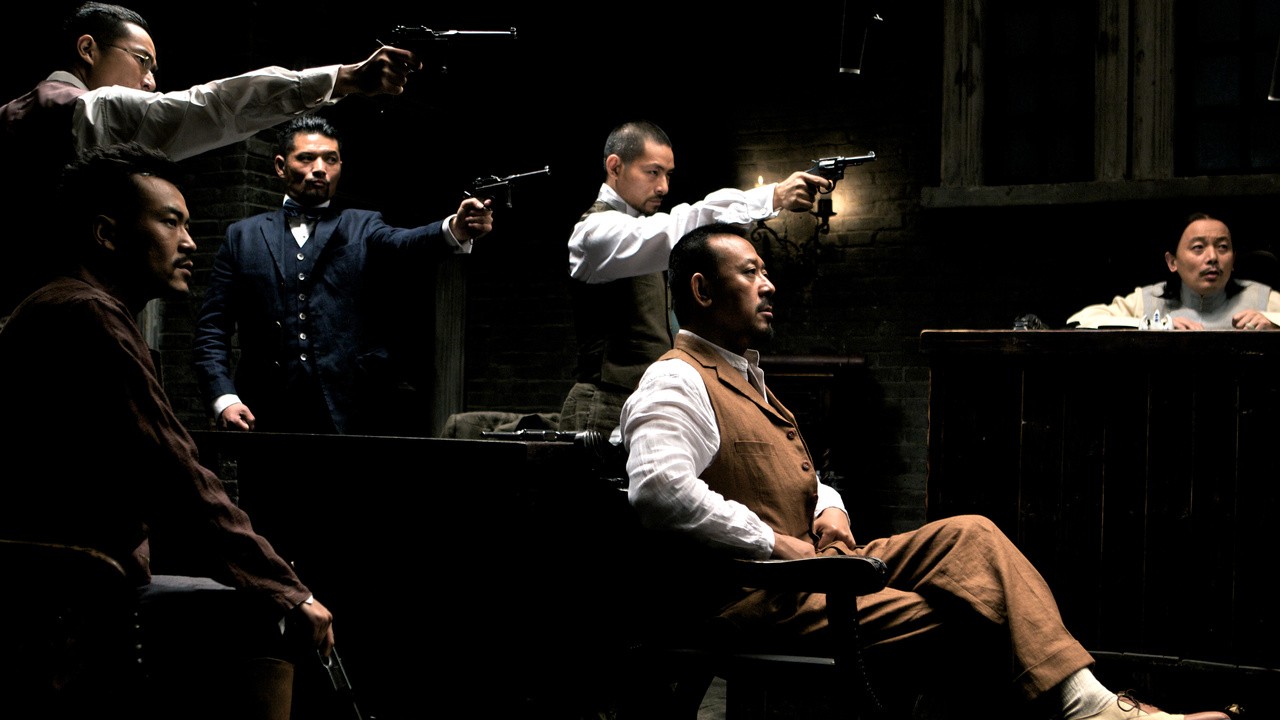
Can the Western only be made in the West? The Italians answered with the Spaghetti Western, and in 2010, China came up with their own gunslinging, horse riding group of gangsters in Let the Bullets Fly. It feels just like an old fashioned Western in Old China, only with quips as fast as its bullets, and the wry satire mocks these thugs and politicians as one and the same, through a series of multiple impersonations made in the name of survival, corruption, and profit. Some of the humor can go over the heads of those unfamiliar with Chinese comedy, but nonetheless Let the Bullet Fly is a funny mix of genres, with writer-director and lead Jiang Wen playing with many Western tropes in over-the-top fashion.
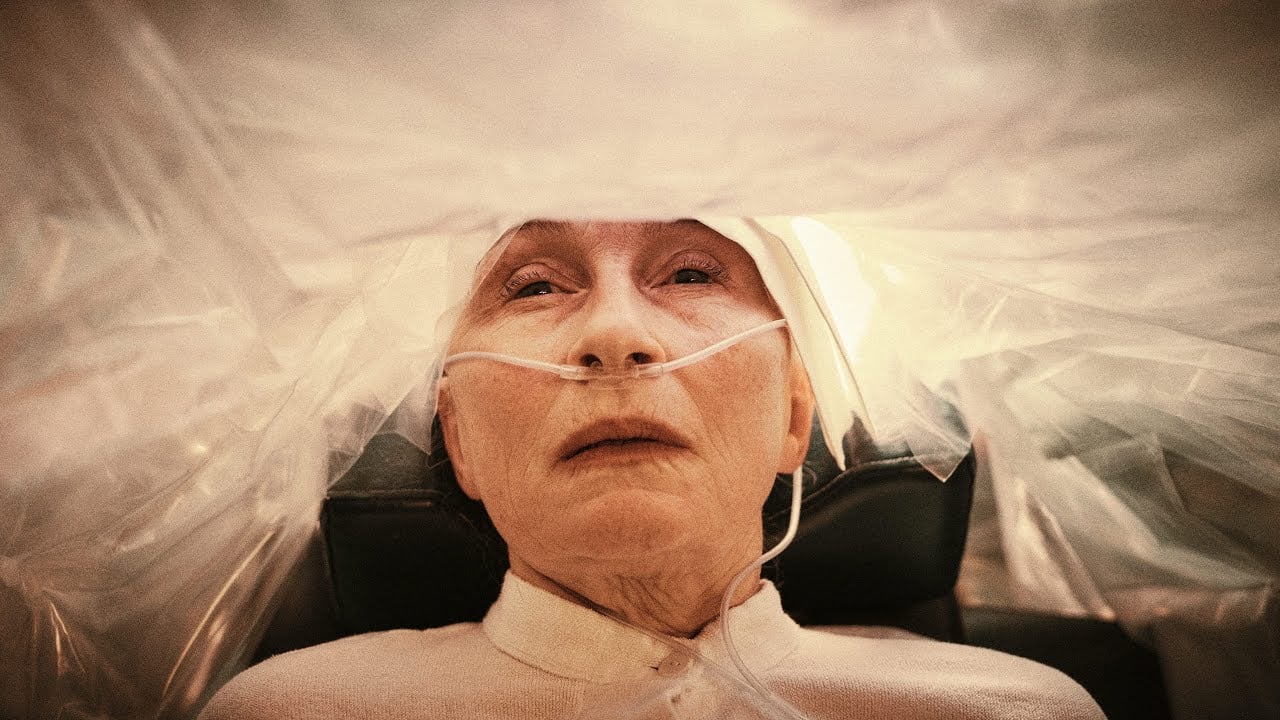
In 1994, Danish auteur Lars von Trier came up with a TV series called The Kingdom, an absurd supernatural comedy that takes place in a rundown hospital in Copenhagen. The show was well-received enough to warrant a second season, but just as von Trier was polishing up the third and final installment, the deaths of more than one lead actor pressed pause on the project, till now.
More than 10 years in the making, The Kingdom part III, also called Exodus, is still very much centered on the weird patients and staff members that populate the Riget hospital, as well as the possible evil buried beneath it. The comedy/horror has a robot dishwasher and a giant head. Danes and Swedes are perennially at war with each other. Willem Dafoe and Alexander Skarsgard make odd cameos.
I’m not sure it’s possible to write a coherent synopsis without sounding like I’ve fallen off the rails, but know that it is a unique headscratcher of a show, more interesting as an experience than anything else. Von Trier was also openly inspired by Twin Peaks, in making it, so David Lynch fans in particular will truly enjoy diving into this world.

One woman’s main character syndrome reaches shocking lows in this vicious Norwegian satire of social-media-era narcissists. Signe (Kristine Kujath Thorp) and her artist boyfriend Thomas (Eirik Sæther) are a deeply toxic couple who torture everyone around them with their constant, petty one-upmanship. When he lands a flashy magazine spread, though, Signe’s usual tactics for slyly redirecting attention her way don’t cut it anymore, and so this compulsive liar takes drastic action and begins overdosing on pills banned for their serious dermatological side effects.
Signe’s Munchausen-esque actions have their desired effect: the physically dramatic results instantly make her the center of attention — but not indefinitely. As she craves increasingly bigger spotlights, the film toggles between reality and scenes from her imagination, including a morbid sexual fantasy in which her funeral proves so popular the priest becomes a bouncer, turning away sobbing mourners whom Signe noticed hadn’t visited her in hospital. The rampant narcissism on display here is at turns hilarious and excruciating: Sick of Myself’s sharp social observation skills make it feel, in places, like a movie by cringe-master Ruben Östlund. That stomach-turning effect carries through to the ending, which darkly suggests that, for someone like Signe, even narcissism itself is a condition that can be weaponized for attention.
More than a decade before she made Toni Erdmann, German filmmaker Maren Ade turned her eye on a small-town school, a socially awkward teacher, and the inarticulate in between. Even with her debut, Ade showcased a talent for spotting the hidden comic potential of situations that can be wounding, turning vulnerabilities into power through comedy. The Forest For the Trees is a dilemma-film, in the ways in which it both invites and rejects identification with Melanie. A frighteningly optimistic person, she misreads most if not all social cues and finds herself in embarrassing situations. Even more, her devotion to making it all work, after moving away from the big city for said teaching job, is something a lot of viewers can recognize and support, but her borderline unlikeability is sometimes too hard to ignore. However, a majestic finale crowns the film with a scene that is worth rewatching again and again, like a dream you wish to appropriate for yourself.
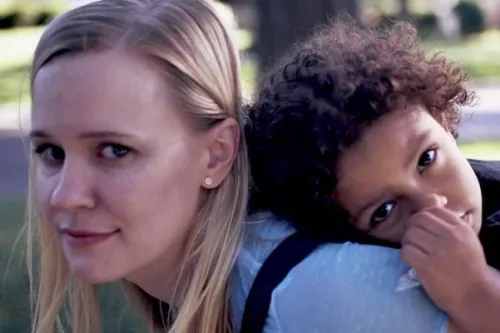
This fun comedy-drama is about Bridget, a 34-year-old who hasn’t quite got it all figured out, but at least she’s trying: after terminating an accidental pregnancy, she gets herself a summer gig as a nanny for a fearless six-year-old by the name of Frances.
Tackling a myriad of “taboo” topics including abortion, menstruation, and depression, the movie visually normalizes human experiences that remain underrepresented in mainstream cinema. And writer Kelly O’Sullivan, who also plays Bridget, has a screenplay that manages to do it all without feeling didactic.
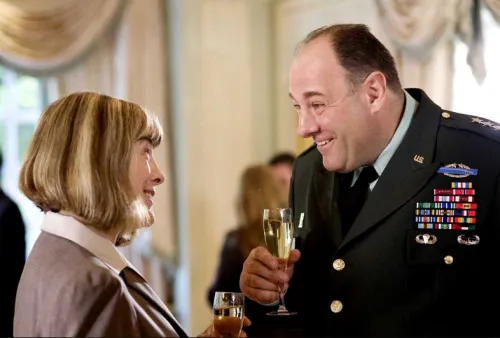
A hilarious comedy about politics in the UK and US. The secretary of State for Internal Development Simon Foster accidentally backs the plans for a war in the Middle East and suddenly finds he has a lot of friends in Washington. What follows is a difficult to follow maneuvering of pro- and antiwar factions in both governments. The harder it gets to follow what’s going on in the movie the more it resembles our present day politics and the funnier it becomes.
No highly-rated titles found for this combination.
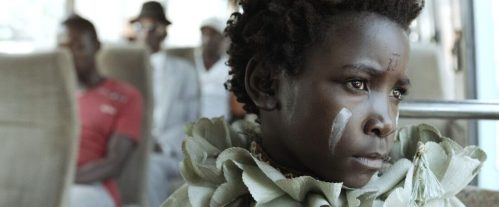
Remarkably for a movie about women being shunned and exploited by those more powerful than them, I Am Not A Witch is often wryly funny. That’s because this satire about Zambia’s labor camps for “witches” is told with a matter-of-fact-ness that brings out both the heartbreak and absurdity of the film’s events. The bitter gravity of the predicament nine-year-old Shula (Maggie Mulubwa) finds herself in — she’s been accused of witchcraft on the back of some very flimsy evidence — is never glossed over, but neither is its farcicality. Appropriately for its subject, there are also touches of magical realism here, notes that elevate the film into something even more complex than a wry commentary on this morbidly fascinating form of misogyny. This hybrid tonal approach is executed with the kind of fluidity filmmakers might hope to one day master late on in their career — which makes the fact that this is director Rungano Nyoni’s debut all the more extraordinary.
Aptly for a film partly set in a fortune cookie factory, Fremont deals with luck — specifically, the other side of good luck: survivor’s guilt. Donya (played by real-life Afghan refugee Anaita Wali Zada) is a former translator for the US Army who fled her home city of Kabul on an emergency evacuation flight when the Taliban took over in 2021. Now living a safe, if drab, existence in the titular Californian town, insomniac Donya struggles to embrace her freedom, tormented by the knowledge that she lost some of her old colleagues to reprisal attacks and that her loved ones are still living under repressive rule in Afghanistan.
As Donya shuttles between her little apartment in Fremont, her job writing cryptic one-liners for a fortune cookie factory in San Francisco, and appointments with her eccentric psychiatrist (Gregg Turkington), Fremont balances a moving study of her melancholy with deadpan humor. Despite its black-and-white cinematography and tight Academy ratio, this is no austere drama, but an endlessly warm and understated portrait of someone rediscovering themselves and all of life’s unexpected moments of connection, like chance romantic encounters and sudden tears at karaoke.
A delightfully screwy comedy about a guy and his struggling bar (of the title). The film is full of food, music, dancing, romance, and crazy coincidences. Our hero, Zinos, has just be abandoned by his girlfriend. On top of that his bar is struggling, he’s recently thrown his back out, he desperately needs to find a new chef, and his shady brother has just come to the Soul Kitchen looking for a job after being let out of on “partial parole.” Will it all work out in the end? Of course it will! This film is a lot lighter than Akin’s previous features, but maybe after all those challenging pictures he just felt the need to have a good time, which this film definitely delivers.
With a title like this, it was expected that Do Not Expect Too Much from the End of the World would be critical of today’s current circumstances, but the film takes a more startling approach. Radu Jude’s longest narrative feature is a day in the life of a disgruntled, underpaid production assistant, and as she drives between interviewees injured from work accidents, the film alternates between the black-and-white, terribly mundane reality, her Tiktok-filtered satirical rants as Bobiță, and an old colored film of a Romania decades past. It’s a cynical depiction of how vulgar it is to be alive today, but it’s also more honest as Jude refuses to cling to the past.
Can the Western only be made in the West? The Italians answered with the Spaghetti Western, and in 2010, China came up with their own gunslinging, horse riding group of gangsters in Let the Bullets Fly. It feels just like an old fashioned Western in Old China, only with quips as fast as its bullets, and the wry satire mocks these thugs and politicians as one and the same, through a series of multiple impersonations made in the name of survival, corruption, and profit. Some of the humor can go over the heads of those unfamiliar with Chinese comedy, but nonetheless Let the Bullet Fly is a funny mix of genres, with writer-director and lead Jiang Wen playing with many Western tropes in over-the-top fashion.
One woman’s main character syndrome reaches shocking lows in this vicious Norwegian satire of social-media-era narcissists. Signe (Kristine Kujath Thorp) and her artist boyfriend Thomas (Eirik Sæther) are a deeply toxic couple who torture everyone around them with their constant, petty one-upmanship. When he lands a flashy magazine spread, though, Signe’s usual tactics for slyly redirecting attention her way don’t cut it anymore, and so this compulsive liar takes drastic action and begins overdosing on pills banned for their serious dermatological side effects.
Signe’s Munchausen-esque actions have their desired effect: the physically dramatic results instantly make her the center of attention — but not indefinitely. As she craves increasingly bigger spotlights, the film toggles between reality and scenes from her imagination, including a morbid sexual fantasy in which her funeral proves so popular the priest becomes a bouncer, turning away sobbing mourners whom Signe noticed hadn’t visited her in hospital. The rampant narcissism on display here is at turns hilarious and excruciating: Sick of Myself’s sharp social observation skills make it feel, in places, like a movie by cringe-master Ruben Östlund. That stomach-turning effect carries through to the ending, which darkly suggests that, for someone like Signe, even narcissism itself is a condition that can be weaponized for attention.
More than a decade before she made Toni Erdmann, German filmmaker Maren Ade turned her eye on a small-town school, a socially awkward teacher, and the inarticulate in between. Even with her debut, Ade showcased a talent for spotting the hidden comic potential of situations that can be wounding, turning vulnerabilities into power through comedy. The Forest For the Trees is a dilemma-film, in the ways in which it both invites and rejects identification with Melanie. A frighteningly optimistic person, she misreads most if not all social cues and finds herself in embarrassing situations. Even more, her devotion to making it all work, after moving away from the big city for said teaching job, is something a lot of viewers can recognize and support, but her borderline unlikeability is sometimes too hard to ignore. However, a majestic finale crowns the film with a scene that is worth rewatching again and again, like a dream you wish to appropriate for yourself.
This fun comedy-drama is about Bridget, a 34-year-old who hasn’t quite got it all figured out, but at least she’s trying: after terminating an accidental pregnancy, she gets herself a summer gig as a nanny for a fearless six-year-old by the name of Frances.
Tackling a myriad of “taboo” topics including abortion, menstruation, and depression, the movie visually normalizes human experiences that remain underrepresented in mainstream cinema. And writer Kelly O’Sullivan, who also plays Bridget, has a screenplay that manages to do it all without feeling didactic.
A hilarious comedy about politics in the UK and US. The secretary of State for Internal Development Simon Foster accidentally backs the plans for a war in the Middle East and suddenly finds he has a lot of friends in Washington. What follows is a difficult to follow maneuvering of pro- and antiwar factions in both governments. The harder it gets to follow what’s going on in the movie the more it resembles our present day politics and the funnier it becomes.
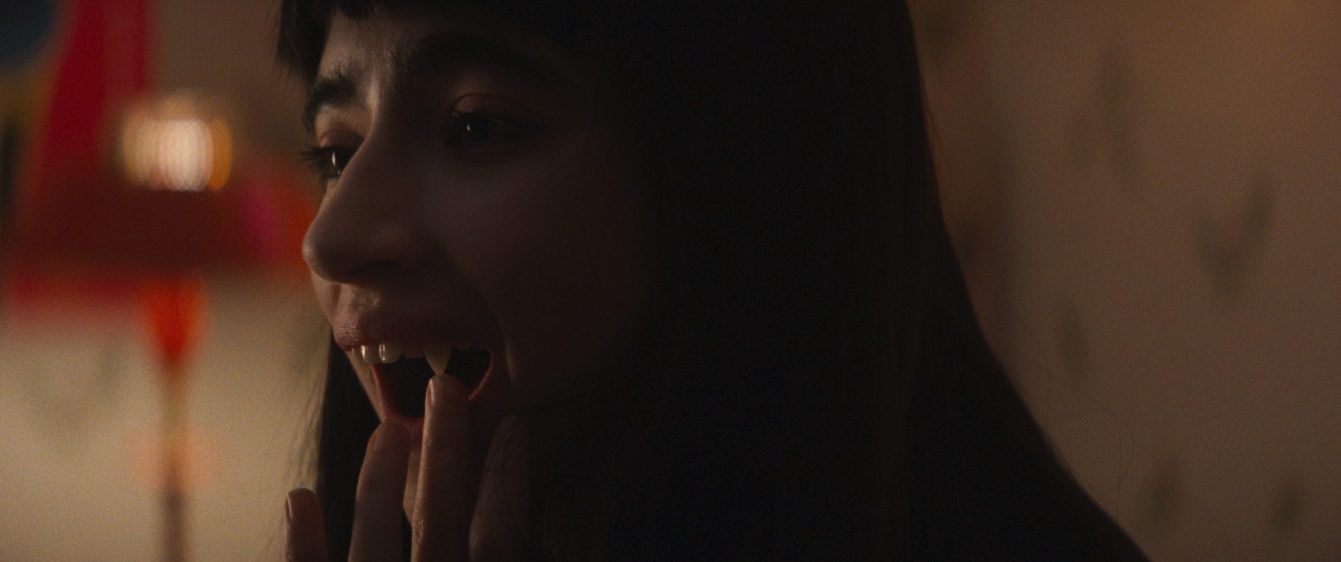
When vampires choose not to kill a human, it’s usually played up with so much drama, angst, and maybe a bit of romance. Humanist Vampire Seeking Consenting Suicidal Person on the other hand takes this choice as a comedic one. It may be a tad ludicrous for a vampire to refuse to drink blood on ethical grounds and trauma, but writer-director Ariane Louis-Seize takes this silly situation with a compelling sweetness, depicting Sasha with a familiar teen uncertainty made much more captivating with Sara Montpetit’s gothic ingénue charisma. Humanist Vampire does take a more quirky YA romance approach than expected from the title, but it’s funny, charming, and totally something new.
There is nothing quite like The Substance right now. It’s unsubtle, it’s provocative, and its satirical humor can be a hit or miss for some viewers, but it strikes at the one thing that’s fundamental to everyone, that can make or break their lives, yet that is rarely given grace and consideration– that is the body. Legions of people have yearned for youth and beauty, but The Substance systematically outlines how much these have been intertwined with our livelihoods, opportunities, and identities, and how other entities would capitalize on this yearning and push many of us to take that out, suck that out, literally, from ourselves. The Substance does this all with insane, frenetic energy.
Remarkably for a movie about women being shunned and exploited by those more powerful than them, I Am Not A Witch is often wryly funny. That’s because this satire about Zambia’s labor camps for “witches” is told with a matter-of-fact-ness that brings out both the heartbreak and absurdity of the film’s events. The bitter gravity of the predicament nine-year-old Shula (Maggie Mulubwa) finds herself in — she’s been accused of witchcraft on the back of some very flimsy evidence — is never glossed over, but neither is its farcicality. Appropriately for its subject, there are also touches of magical realism here, notes that elevate the film into something even more complex than a wry commentary on this morbidly fascinating form of misogyny. This hybrid tonal approach is executed with the kind of fluidity filmmakers might hope to one day master late on in their career — which makes the fact that this is director Rungano Nyoni’s debut all the more extraordinary.
While best known for his provocative, existential dramas, Lars von Trier also made a provocative mini-series with surprising supernatural horror. Set at Denmark’s leading public hospital, The Kingdom takes familiar medical drama conflicts in handheld camera and sepia tone, but infused with an unsettling understanding of how the finest minds can fail, and how small science can feel in the face of the unexplained. That being said, the horror is much more wacky than spine-tingling or terrifying, but it’s played off through von Trier’s signature absurdism, taking a more humorous and sardonic approach. Riget may be an unexpected entry for those who have heard of von Trier, but it’s a must-watch for the auteur’s fans, showing a different side to the notorious director.
With a title like this, it was expected that Do Not Expect Too Much from the End of the World would be critical of today’s current circumstances, but the film takes a more startling approach. Radu Jude’s longest narrative feature is a day in the life of a disgruntled, underpaid production assistant, and as she drives between interviewees injured from work accidents, the film alternates between the black-and-white, terribly mundane reality, her Tiktok-filtered satirical rants as Bobiță, and an old colored film of a Romania decades past. It’s a cynical depiction of how vulgar it is to be alive today, but it’s also more honest as Jude refuses to cling to the past.
More than a decade before she made Toni Erdmann, German filmmaker Maren Ade turned her eye on a small-town school, a socially awkward teacher, and the inarticulate in between. Even with her debut, Ade showcased a talent for spotting the hidden comic potential of situations that can be wounding, turning vulnerabilities into power through comedy. The Forest For the Trees is a dilemma-film, in the ways in which it both invites and rejects identification with Melanie. A frighteningly optimistic person, she misreads most if not all social cues and finds herself in embarrassing situations. Even more, her devotion to making it all work, after moving away from the big city for said teaching job, is something a lot of viewers can recognize and support, but her borderline unlikeability is sometimes too hard to ignore. However, a majestic finale crowns the film with a scene that is worth rewatching again and again, like a dream you wish to appropriate for yourself.

The gorgeous grain of Falcon Lake’s lush 16mm cinematography instantly gives it an air of nostalgia, as if the movie is an intimate reflection on a precious formative summer. That effect is confirmed over the film’s runtime: it takes place from the perspective of Bastien (Joseph Engel), a 13-year-old French boy whose family is being hosted at a Quebec lake cabin by their friend and her 16-year-old daughter Chloe (Sara Montpetit). The woodland setting could be idyllic or eerie, a duality brought explicitly to the fore by Chloe, whose interests lean towards the macabre.
It’s not long before Bastien becomes smitten with the assured older girl, and it’s their dynamic that gives Falcon Lake its profoundly captivating effect. Though the movie’s gothic undertones do give it a troubling air of tension, the way they come to the surface in its ending feels a little inharmonious to the delicate human drama that the teens have built up until then. Both actors turn in performances so extraordinarily nuanced and naturalistic that Falcon Lake doesn’t need that twist — it already stands as a deeply affecting coming-of-age portrait, one in which tenderness and betrayal are raw new pleasures and pains to be discovered.
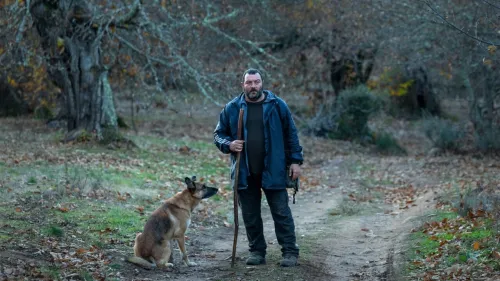
In The Beasts, the idyllic semi-retirement that a French couple seeks in the Galician countryside — growing organic vegetables, fixing up abandoned farmhouses — devolves into a terrifying slow-burn nightmare. This beautifully shot yet spiritually ugly thriller plunges us straight into an atmosphere of crackling social tension that never abates. We begin after the event that turns local farmer Xan (Luis Zahera) and his brother Loren (Diego Anido) against French transplants Antoine (Denis Ménochet) and Olga (Marina Foïs): the latter two have vetoed the sale of land to a wind turbine company in favor of preserving the village’s rustic character. Incensed by what he sees as the theft of his birthright by an outsider, Xan orchestrates a steadily intensifying campaign of terror against the couple.
Though much slighter than the physically imposing Ménochet, Zahera makes for a profoundly menacing presence, and Xan’s seemingly endless appetite for hostility and vindictiveness charges the film with a deeply unsettling sense of inevitability. His performance alone would mark The Beasts as a standout, but an unexpected switch in character focus late on in the film wrests it out of Xan’s grasp and reorients the movie as a study of grim resolve — making it a film of two equally remarkable halves.
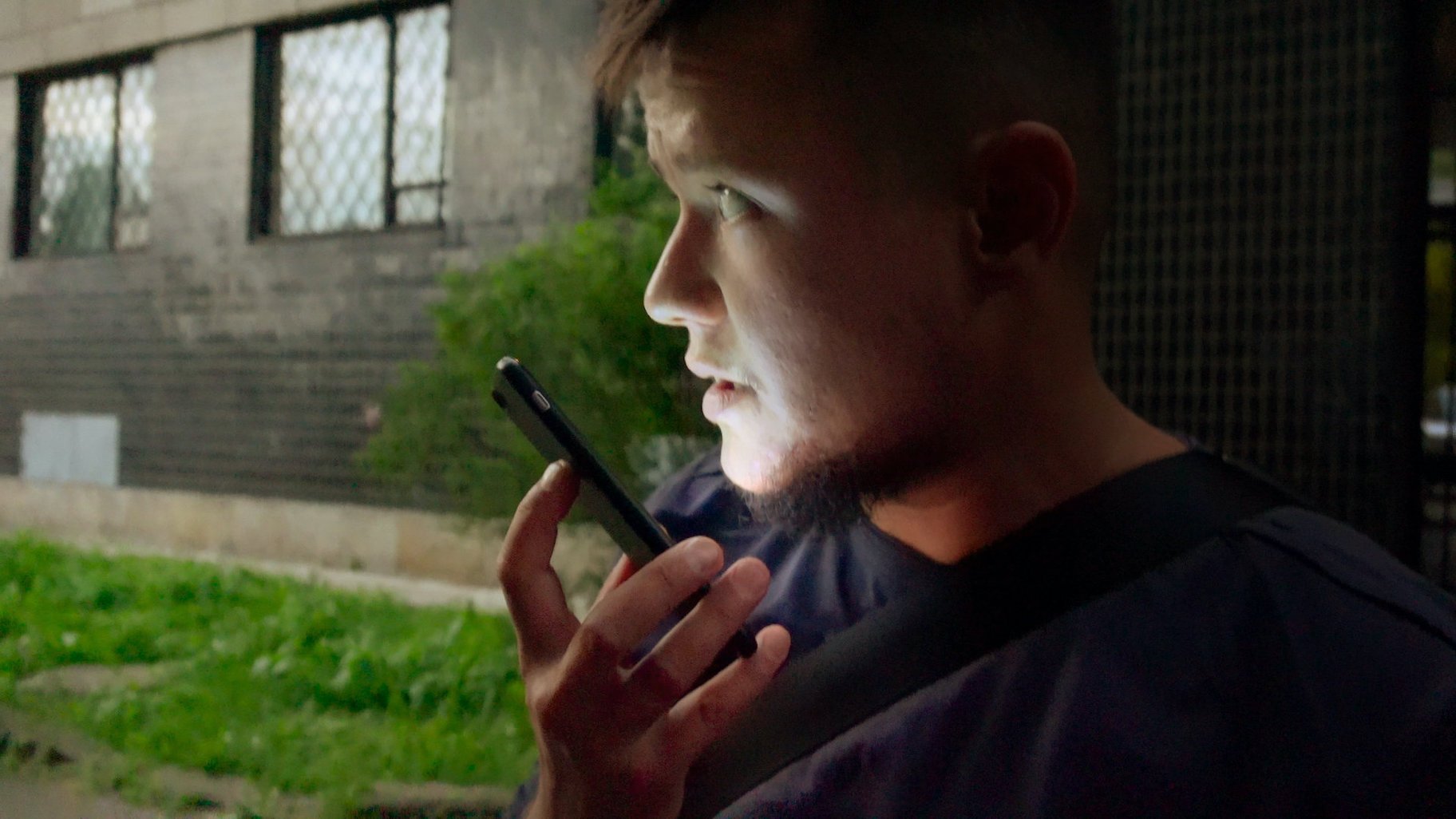
Featuring real, in-the-moment footage of operations to rescue young queer individuals from the continuing anti-gay purges in the Chechen Republic, Welcome to Chechnya makes for a demanding but essential call to action. There’s a genuine sense of fear that pervades the documentary, not just for those being rescued after being forcibly outed, beaten, and trapped by the people around them, but for the filmmakers themselves, whose operations are built on meager resources and desperate, spur-of-the-moment decisions. It’s a remarkably courageous film—one that also presents new ways of keeping sensitive subjects safe through the thoughtful use of deepfake technology, keeping their identities hidden while allowing them to freely express themselves.
When vampires choose not to kill a human, it’s usually played up with so much drama, angst, and maybe a bit of romance. Humanist Vampire Seeking Consenting Suicidal Person on the other hand takes this choice as a comedic one. It may be a tad ludicrous for a vampire to refuse to drink blood on ethical grounds and trauma, but writer-director Ariane Louis-Seize takes this silly situation with a compelling sweetness, depicting Sasha with a familiar teen uncertainty made much more captivating with Sara Montpetit’s gothic ingénue charisma. Humanist Vampire does take a more quirky YA romance approach than expected from the title, but it’s funny, charming, and totally something new.
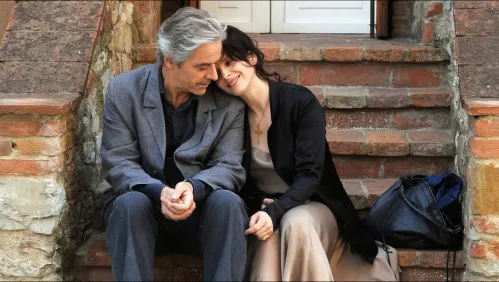
Certified Copy starts straightforward enough as it follows an unnamed shopkeeper (Juliette Binoche) and a writer (William Shimell) taking a stroll around picturesque Tuscany, debating the merits of authenticity and simplicity. They’re strangers flirting under the guise of an intellectual debate, and for a while, you think you’re watching a film like Before Sunrise, that is until a mysterious, almost magical, shift occurs, and suddenly, you’re witnessing something entirely different. For better or worse, director Abbas Kiarostami never makes it clear what happens, and that very mystery gives you a lot to think about. Are they pretending to be copies or is it the other way around? Neverending questions run through your head as you watch them banter, but whatever actually happens might be beside the point. At the moment, you get deeply felt, wonderfully rendered, as-real-as-can-be performances from Binoche and Shimell, and you can’t help but surrender.

Whores’ Glory leads us through the hidden world of prostitution in three different countries. The lack of narration is an excellent choice here—all too often, it’s easy to accept preconceived notions about this type of work. Instead, what leads us through the film are words from the sex workers themselves and their clientele. In some ways, these words reveal their differences. The workers pray, worry about money, and share their troubles with each other, but it’s their employers and clientele who reveal their misogyny. Overall, while the Western soundtrack and glamorizing shots can be distracting, it’s clear that the film gives respect to sex workers and prioritizes their perspective.
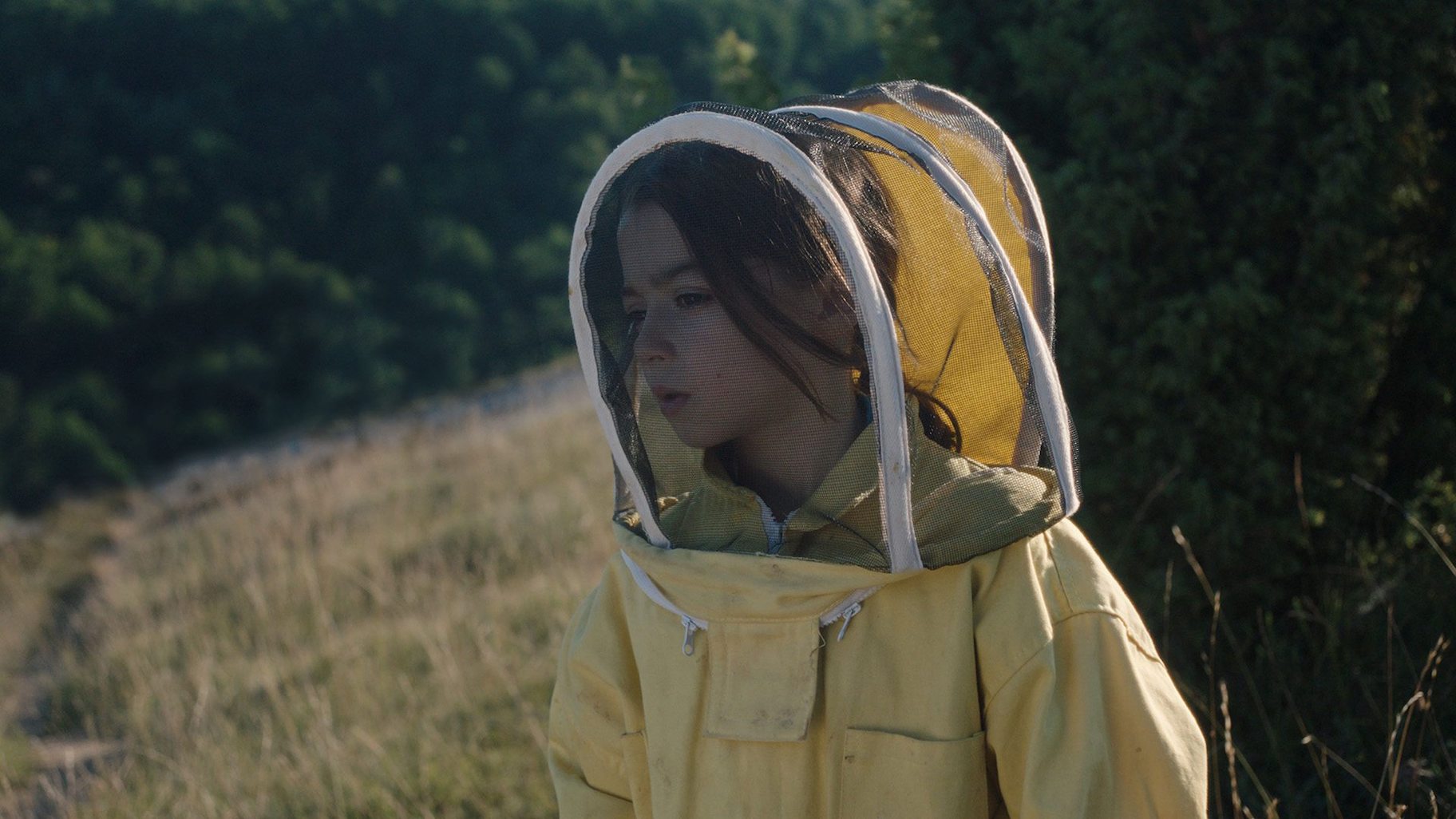
As far as LGBTQIA+ stories go, 20,000 Species of Bees isn’t the best at talking about its themes of identity and acceptance in a way that doesn’t come off as clunky. But even with its on-the-nose dialogue and inconsequential subplots, director Estibaliz Urresola Solaguren gives everything the warmth and the softness it needs to feel sincere despite everything. And no matter what, the film is always drawn back to the lead performance by Sofía Otero, who provides such a vivid image of this young trans girl’s interior life that the world around her character begins to feel either more suffocating or more beautiful to behold.
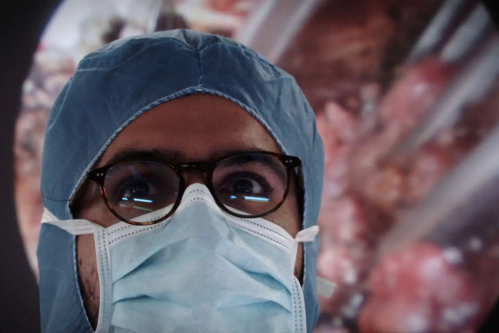
While primarily a showcase of endoscopic footage of various surgeries in different hospitals throughout Paris—which should already be enough to either make you queasy or inspire introspection into the fragility of our lives—this singular, experimental documentary places all this bloodshed in the context of the mundanity of the medical profession. Much of the film is taken up by muted conversation from the surgeons and footage of elderly patients wandering around, creating an even more surreal look into the lack of support these hospitals receive. It’s far more abstract than it is educational, but its commitment to getting its hands dirty makes it an unforgettable experience.
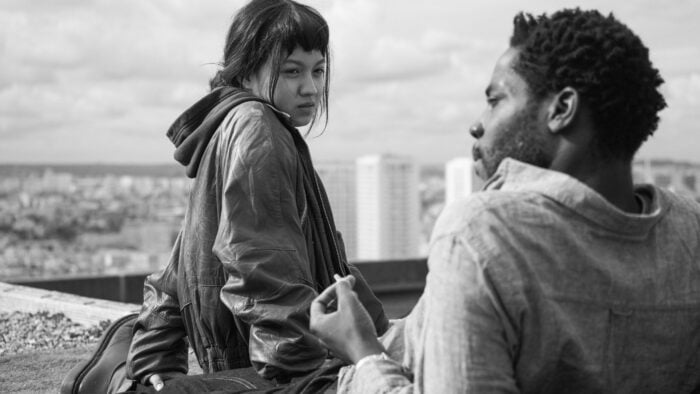
When Émilie finds a new roommate in Camille, she also gains a friend and a lover. Still, the parameters of their relationship are never quite sure, causing a complicated chasm that both divides and arouses them. Eventually, they meet Nora, who brings her own desires and insecurities into the mix. Experimentation ensues as the film follows the trio coming into their own as sexual and human beings.
Shot in rich black and white against the backdrop of Paris’ urban Les Olympiades neighborhood, Paris, 13th District is a finely balanced film that never overstays its welcome in the contrasting ideas it takes on. Classic love stories offset modern setups of romance, while fast-paced city life levels out the uncertainty of its inhabitants. Paris, 13th District is an engaging watch, not despite but because of its bold attempt to be many things at once.
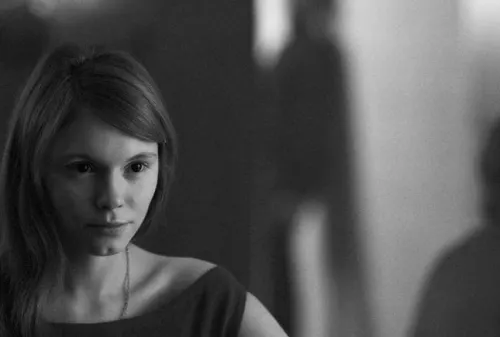
Ida, the 2015 Academy Award for Best Foreign Language Film, is a stark black & white drama set in the early 60’s about a young Polish nun-to-be and her bawdy Aunt Wanda searching for the truth behind her family’s demise at the hands of the Nazis. What initially comes off as a painfully slow sleep-inducer pretty quickly evolves into a touching and lively contrast between the two lead characters; one virtuous and pure, the other boorish and hedonistic. Their journey is equal parts amusing, insightful and heartbreaking, with Ida’s personal exploration of self playing out as a remarkably humanistic affair. The cinematography by Lukasz Za and Ryszard Lenczewski is particularly striking, each shot a work of art in it’s own right. Logging in at just 82 minutes, the entire story whizzes by in a flash. The kind of film that will stay with you long after you’ve watched it.
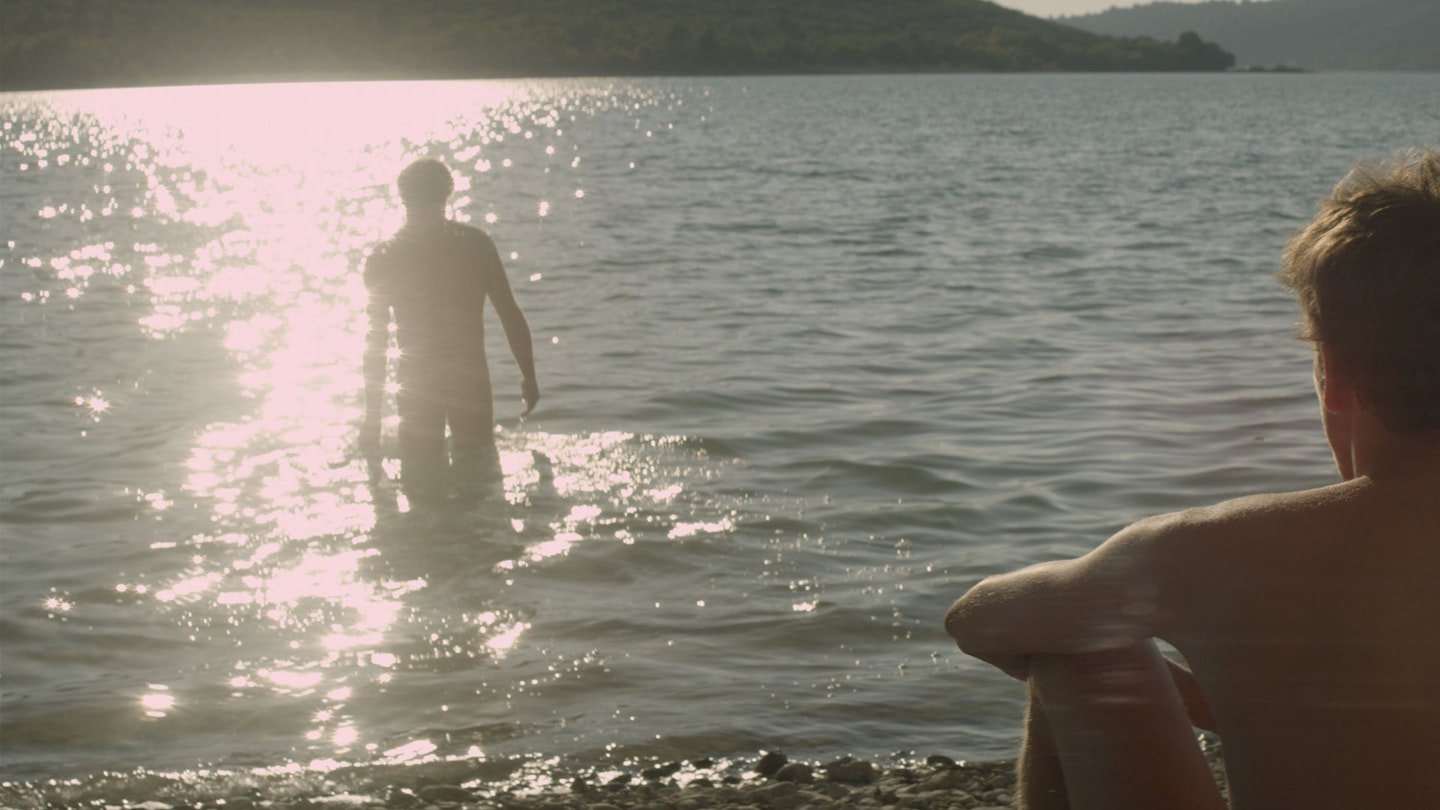
Rarely do we get to see the human body in its natural state in public, mostly limited to nude beaches, but it’s understandably so– beyond the usual social norms, there’s a vulnerability in doing so, a vulnerability that is sometimes taken advantage of. Stranger by the Lake captures the beauty of that vulnerability, with stunning shots that elevate the explicit scenes from being pornographic, but crucially, the film also captures its dangers, namely the increasingly self-destructive risks Franck takes that leads him to a dangerous man. The line between lust and aggression blurs in this film, and understandably, some may take this film to be sex-negative, but Stranger by the Lake is an intriguing slow burn towards its inevitable conclusion.
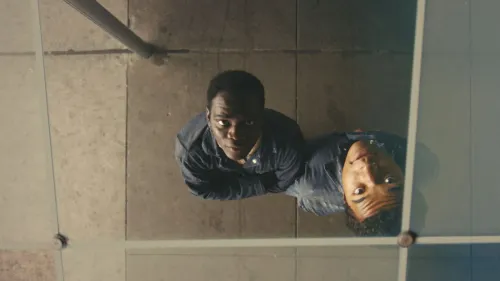
The first things that grab your attention in Nickel Boys are its beauty and technicality. Director RaMell Ross, a large-format photographer, ensures every frame relays something deep, intimate, and moving. Then there’s how he takes these shots: we see things unfold through the POV of Elwood and Turner, students at an abusive reform school in Tallahassee, Florida. The year is 1962, and even though the civil rights movement inspires Elwood and his peers to stand up for themselves, the political climate is as skewed and violent as ever. Nickel Boys tells the unfortunately common story of how Black men, in particular, had to endure unimaginable abuse during the Jim Crow era in the South. What is uncommon, though, is the sensitivity and boundless inventiveness with which Ross tells this story. Yes, violence is unavoidable in a story like this, but Ross swaps trauma porn with something more effective and chilling—a mixture of silence, archival photographs, time jumps, and that immersive POV, which forces you to be in Elwood and Turner’s shoes. The world before them may be brutal, but inside, they hold space for beauty, fun, relationships, and wonder, manifested in the film in dreamy visual sequences. What Ross does is art in the highest form, an unforgettable balance between style and substance.
There is nothing quite like The Substance right now. It’s unsubtle, it’s provocative, and its satirical humor can be a hit or miss for some viewers, but it strikes at the one thing that’s fundamental to everyone, that can make or break their lives, yet that is rarely given grace and consideration– that is the body. Legions of people have yearned for youth and beauty, but The Substance systematically outlines how much these have been intertwined with our livelihoods, opportunities, and identities, and how other entities would capitalize on this yearning and push many of us to take that out, suck that out, literally, from ourselves. The Substance does this all with insane, frenetic energy.
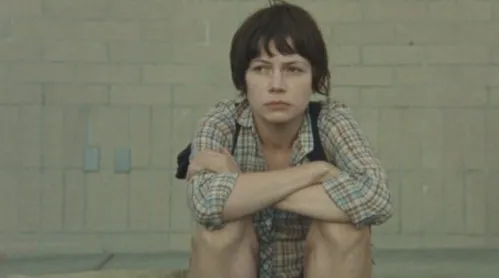
Wendy (Michelle Williams) is a drifter driving up to Alaska in hopes of finding work. When her car breaks down, she and her dog Lucy are stranded and forced to scrounge for food and repairs, hitting one roadblock after another on her path to an uncertain dream. This sympathetic and solemn look at poverty from director Kelly Reichardt serves as a reminder of how easy it is to fall through the fragile American safety net.
Reichardt’s uncompromising approach paired with Williams’s restrained performance makes the experience authentic and intense, recalling the work of Ken Loach. This natural sharpness makes for an engrossing watch that builds in power until the emotional release of the film’s heartbreaking conclusion.
Aptly for a film partly set in a fortune cookie factory, Fremont deals with luck — specifically, the other side of good luck: survivor’s guilt. Donya (played by real-life Afghan refugee Anaita Wali Zada) is a former translator for the US Army who fled her home city of Kabul on an emergency evacuation flight when the Taliban took over in 2021. Now living a safe, if drab, existence in the titular Californian town, insomniac Donya struggles to embrace her freedom, tormented by the knowledge that she lost some of her old colleagues to reprisal attacks and that her loved ones are still living under repressive rule in Afghanistan.
As Donya shuttles between her little apartment in Fremont, her job writing cryptic one-liners for a fortune cookie factory in San Francisco, and appointments with her eccentric psychiatrist (Gregg Turkington), Fremont balances a moving study of her melancholy with deadpan humor. Despite its black-and-white cinematography and tight Academy ratio, this is no austere drama, but an endlessly warm and understated portrait of someone rediscovering themselves and all of life’s unexpected moments of connection, like chance romantic encounters and sudden tears at karaoke.

Mayor follows Musa Hadid, the mayor of the de-facto capital of Palestine, Ramallah, over two years as he tries to make his constituents’ lives better under occupation. With shootings, sieges, and a wide array of life-threatening situations taking place, his focus remains on cheesy Christmas decorations and funny city-branding attempts.
The director follows the mayor everywhere, including in his home and with his family, examining the toll of the unique job. Ramallah is portrayed like it were any other capital—except for the daily reminders that it’s very far from that.
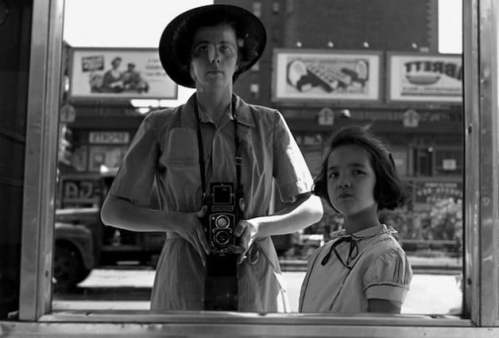
Vivian Maier was a French-American photographer whose art, like many of the greats, only gained widespread success after her death. Most of her life was spent working as a maid for families in Chicago. Her masterpieces were only introduced to the world when the director of this documentary purchased a box of her negatives. This movie is about him trying to put together the pieces and retrace her life by interviewing the people that knew her. Right from the beginning of this documentary her photos will have you in awe. They gave me chills and made me feel exactly what I needed to feel to understand each photo. Cue Vivian’s unexpected dark side along with really messed up backstory, I was completely absorbed. Interviews, along with Vivian’s own photos and home videos show the complexity and mystery of the artist.
Featuring real, in-the-moment footage of operations to rescue young queer individuals from the continuing anti-gay purges in the Chechen Republic, Welcome to Chechnya makes for a demanding but essential call to action. There’s a genuine sense of fear that pervades the documentary, not just for those being rescued after being forcibly outed, beaten, and trapped by the people around them, but for the filmmakers themselves, whose operations are built on meager resources and desperate, spur-of-the-moment decisions. It’s a remarkably courageous film—one that also presents new ways of keeping sensitive subjects safe through the thoughtful use of deepfake technology, keeping their identities hidden while allowing them to freely express themselves.
This fun comedy-drama is about Bridget, a 34-year-old who hasn’t quite got it all figured out, but at least she’s trying: after terminating an accidental pregnancy, she gets herself a summer gig as a nanny for a fearless six-year-old by the name of Frances.
Tackling a myriad of “taboo” topics including abortion, menstruation, and depression, the movie visually normalizes human experiences that remain underrepresented in mainstream cinema. And writer Kelly O’Sullivan, who also plays Bridget, has a screenplay that manages to do it all without feeling didactic.
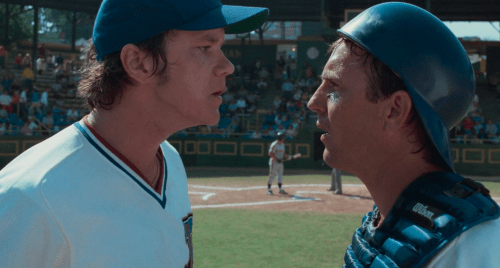
Without focusing on just one team, career, or fateful game, Bull Durham avoids every sports movie cliche—using Minor League baseball as a way into the complicated relationships between a rookie, a veteran, and a longtime fan. By stripping away our expectations of there needing to be a winner and a loser, writer-director Ron Shelton allows these characters to blossom in their own unique ways, allowing us to observe how each of them views life from their stubborn, little boxes. Kevin Costner and Susan Sarandon are sex appeal personified, while never smoothing over the thorniest parts of their characters. And Tim Robbins takes what could have been a two-dimensional caricature and gives him real depth.
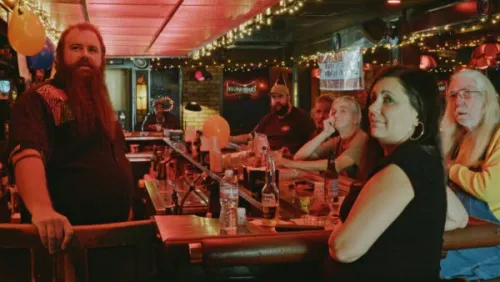
This stirring peek into the final days of a shuttering Las Vegas dive might be one of the finest odes to American bar culture yet. It also serves as a powerful portrait of a particular moment deep into the disastrous Trump years, yet right before the pandemic struck.
Directors Bill and Turner Ross capture the good, bad, and ugly, allowing conversations to unfold naturally. The colorful hues of the bar create a cinematic canvas for the patrons, who awash with booze and nostalgia, uncertainty, fear, and love, spend their last day together. If there was ever a film for those who miss the rough and tumble nightlife of the pre-Covid world, this is it.
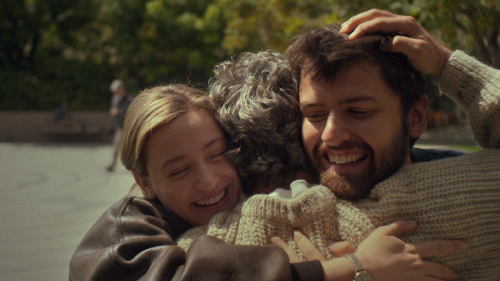
Following his sophomore feature Cha Cha Real Smooth, writer-director Cooper Raiff made his way to television with family dramedy Hal & Harper. This miniseries focuses on the two titular siblings, Raiff and Lili Reinhart respectively, who grow up in co-dependent adults as a result of their neglect from their single father (played by Mark Ruffalo). As such, both their child and adult selves are portrayed by the same actors. It’s a unique move for a unique dynamic. There are some quirks he brings from film, like the abrupt cuts and sudden needle drops, that sometimes doesn’t make sense for the show format. Nonetheless, Raiff’s naturalistic style and the ensemble’s emotionally vulnerable performances help us root for their bonds, despite all the hurt between them.
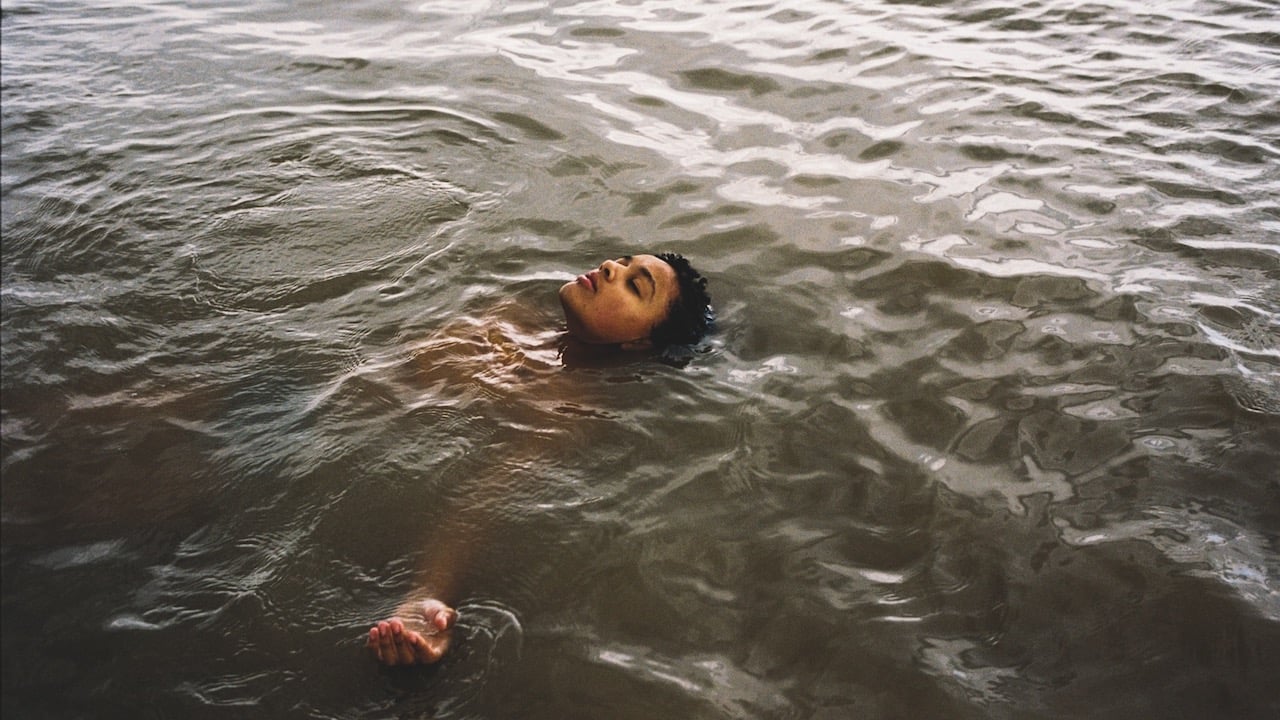
Given the genre being centered on a child protagonist, many coming-of-age stories sideline parents in the narrative, sometimes to the point they’re not mentioned at all. So when Andrea Arnold returned to fiction filmmaking with coming-of-age story Bird, it was surprising to see how true it delves into parenthood, albeit from the eyes of the teenager being parented. Maybe it shouldn’t have been a surprise, considering Barry Keoghan, fresh off of Saltburn, was casted as the protagonist’s single dad, but Arnold structures the entire story to fit in different stages of parenthood in a rundown town, through the strong way she characterizes the people Bailey gets to know in her journey and through the brilliant incorporation of magic in a not-so-magical place. The parents here may not be perfect, but Bird takes flight precisely because of the film’s empathy and understanding.
No highly-rated titles found for this combination.
There is nothing quite like The Substance right now. It’s unsubtle, it’s provocative, and its satirical humor can be a hit or miss for some viewers, but it strikes at the one thing that’s fundamental to everyone, that can make or break their lives, yet that is rarely given grace and consideration– that is the body. Legions of people have yearned for youth and beauty, but The Substance systematically outlines how much these have been intertwined with our livelihoods, opportunities, and identities, and how other entities would capitalize on this yearning and push many of us to take that out, suck that out, literally, from ourselves. The Substance does this all with insane, frenetic energy.
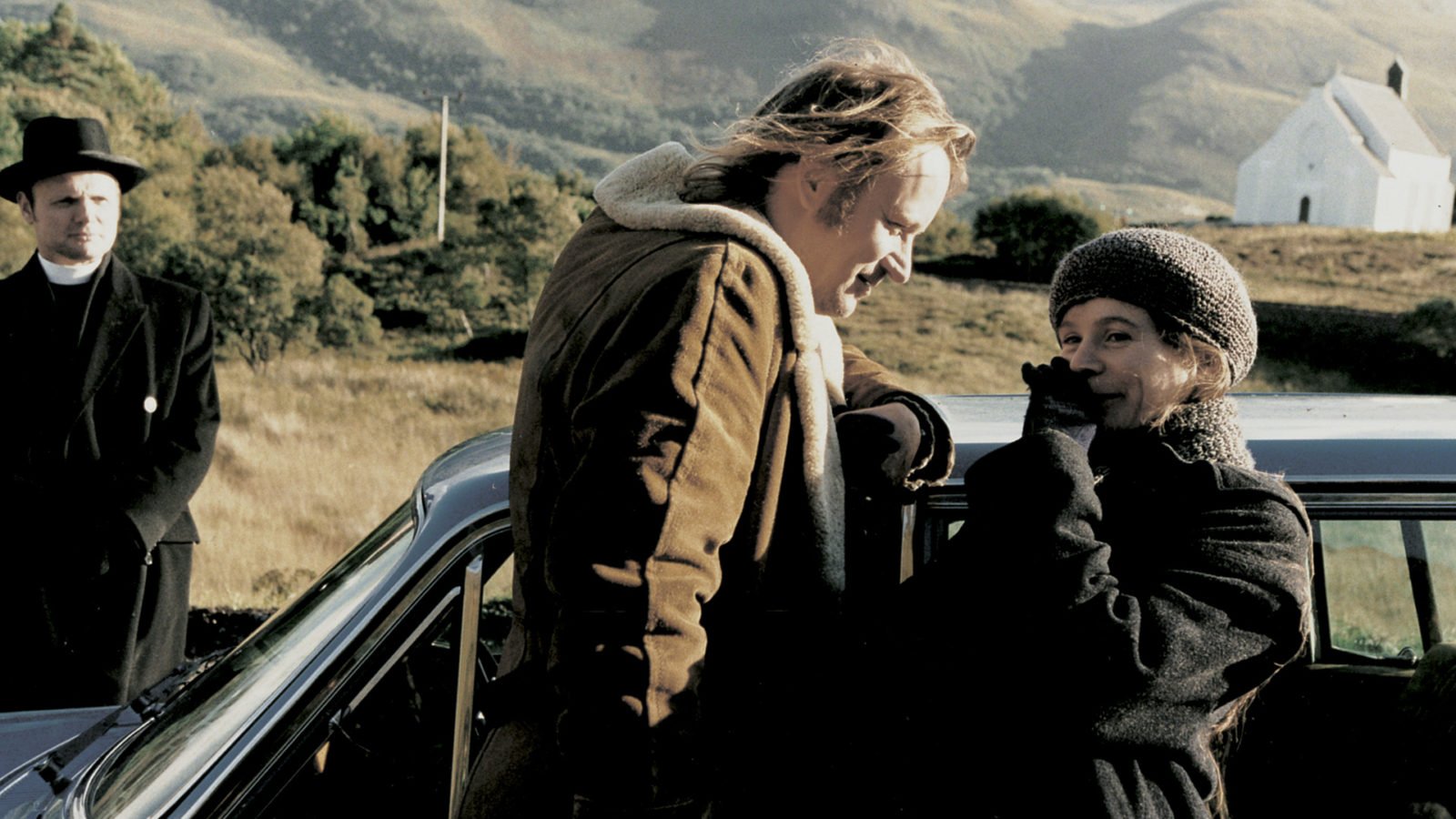
While being known for co-writing the Dogme 95 manifesto, Lars von Trier’s first film after breaks his rules with built sets and music added in post. Still, Breaking the Waves has plenty of von Trier’s thematic preoccupations, challenging the notions between faithfulness and sexuality by positing a married couple who cannot indulge in marital pleasure, due to being paralyzed. While the premise leads to explicit scenes, it’s more harrowing than sexy, really. It’s terribly heartbreaking as Bess does all she can for her marriage, first by praying for her husband’s return, and then following his perverse wish, partly from guilt, but partly from pleasure, even when it goes contrary to her repressive church and community. Breaking the Waves may not be an easy watch, but regardless of what you personally feel about the morality of Bess’ actions, von Trier will nevertheless bring you to empathy.
Wendy (Michelle Williams) is a drifter driving up to Alaska in hopes of finding work. When her car breaks down, she and her dog Lucy are stranded and forced to scrounge for food and repairs, hitting one roadblock after another on her path to an uncertain dream. This sympathetic and solemn look at poverty from director Kelly Reichardt serves as a reminder of how easy it is to fall through the fragile American safety net.
Reichardt’s uncompromising approach paired with Williams’s restrained performance makes the experience authentic and intense, recalling the work of Ken Loach. This natural sharpness makes for an engrossing watch that builds in power until the emotional release of the film’s heartbreaking conclusion.
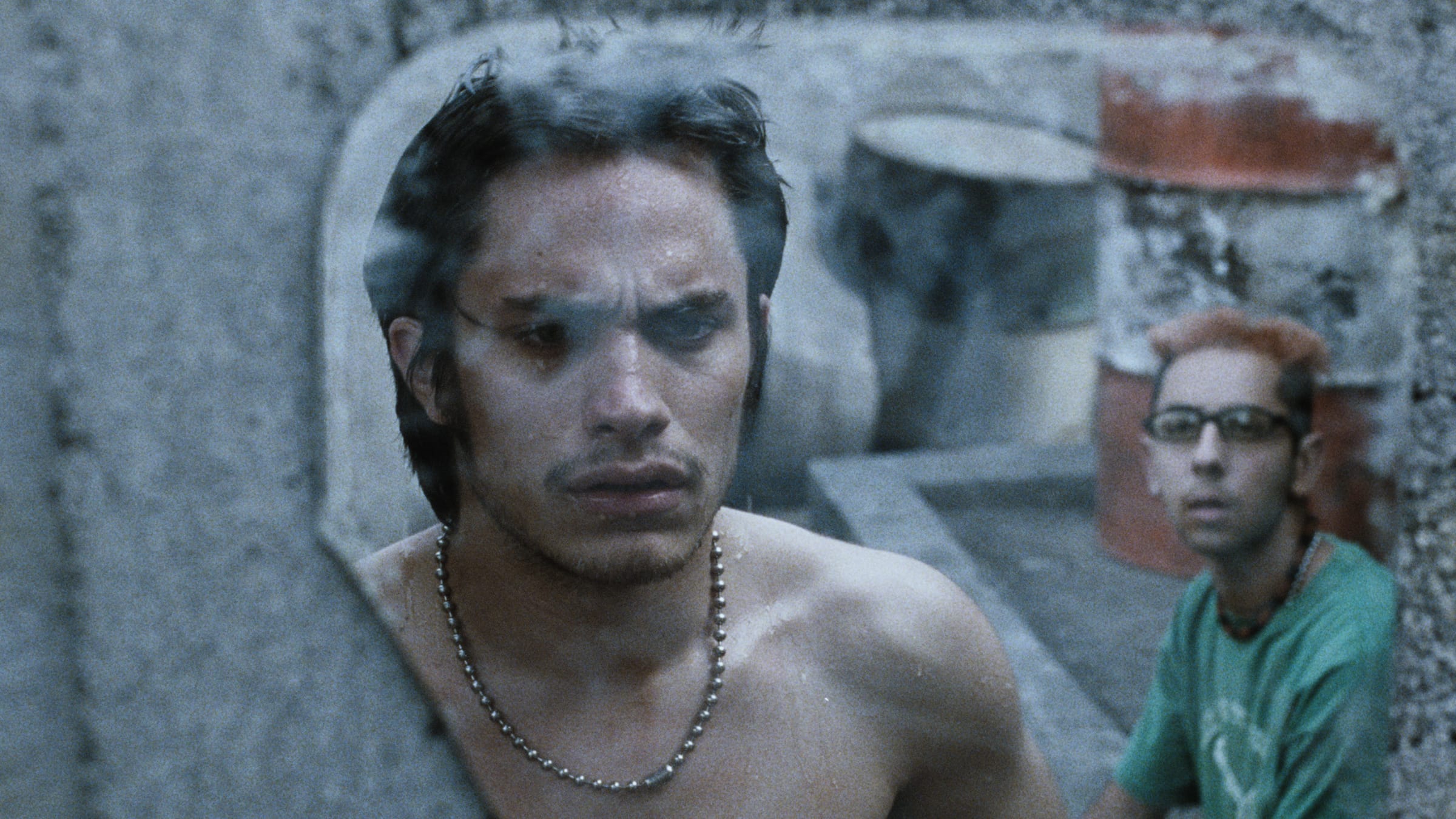
Alejandro González Iñárritu’s cleverly layered directorial feature film debut follows three persons whose lives are connected by a car crash in Mexico City. It directly involves two of them: a young man who enters the world of dogfighting to earn enough to elope with his sister-in-law, and a supermodel whose life is changed for the worse after she is fatally injured. The third segment of the film centers on a mysterious homeless man on the street who witnesses the crash.
The title, Amores Perros, refers to the characters’ love of dogs as well as love being a source of misery, and it’s a hint of the chaotic, unforeseen circumstances they each face. Iñárritu’s film shows his brilliance in direction. Despite the film being an early work, his ingenuity shines through and the compelling performances propel all three stories to gritty heights.
Cut-throat editing, handheld cinematography, and Guillermo Arriaga’s intricate screenplay flesh out each character. The viewers are pushed to the edge of their seats as we navigate the gripping miseries of life along with the rest of the cast. The tightly woven film is a painful must-watch, a brutal and uncompromising look at despair and animalistic aggression among humans that is also mirrored in the cruelty their dogs suffer.
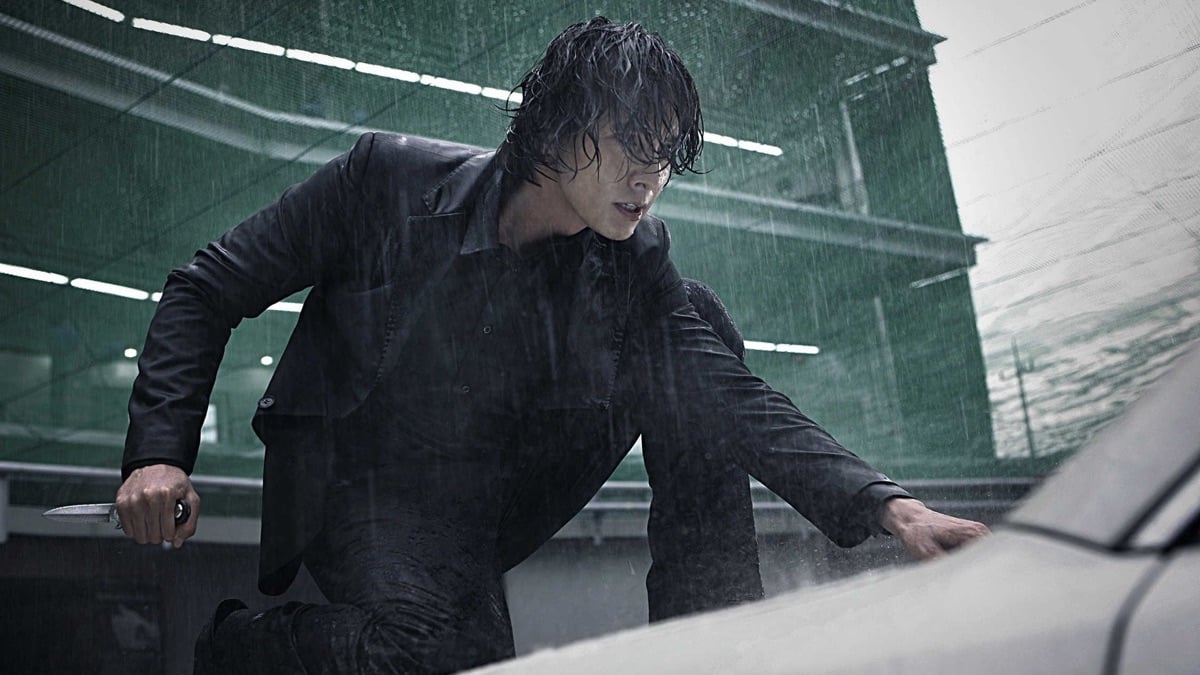
Admittedly, The Man from Nowhere can feel a bit derivative. A quiet and mysterious stranger befriending a child, and ending up enacting his revenge when the child gets kidnapped… It feels like writer-director Lee Jeong-beom took two certain film plots and stitched it together into one. But where the film lacks in original story, The Man from Nowhere makes up for it with style, with high-contrast, rainy, moody scenes that linger into the mystery to make the few brutal, excellently choreographed action sequences pop. It has familiar tropes, and the backstory becomes a bit predictable because of it, but The Man from Nowhere keeps a steady pulse on the beating heart of the film– the friendship that makes these familiar tropes hold heavier emotional weight.

World War II changed the fate of many countries, but most prominently that of the European continent and the United States of America. Though late to the battlefield, America was one of the victors that occupied Germany after the war, and it’s this tension and setting that is at the center of Lars von Trier’s lone war drama Europa. Alternatively known as Zentropa in some territories, the film is inspired by Hollywood noir, from the black and white film to the femme fatale, but the film takes more experimental routes, starting off with lulling the viewers in a hypnotic trance, and later playing on with rear-projection and multiple layers for surreal effect. It takes noirish cynicism on a ride, exaggerating history but nonetheless reflects the way this memory is formed in the cinema of its respective countries. Europa is a fascinating breakdown of an idealist that hasn’t gone through the same terrors, one that still lingers in today’s consciousness.
Given the genre being centered on a child protagonist, many coming-of-age stories sideline parents in the narrative, sometimes to the point they’re not mentioned at all. So when Andrea Arnold returned to fiction filmmaking with coming-of-age story Bird, it was surprising to see how true it delves into parenthood, albeit from the eyes of the teenager being parented. Maybe it shouldn’t have been a surprise, considering Barry Keoghan, fresh off of Saltburn, was casted as the protagonist’s single dad, but Arnold structures the entire story to fit in different stages of parenthood in a rundown town, through the strong way she characterizes the people Bailey gets to know in her journey and through the brilliant incorporation of magic in a not-so-magical place. The parents here may not be perfect, but Bird takes flight precisely because of the film’s empathy and understanding.
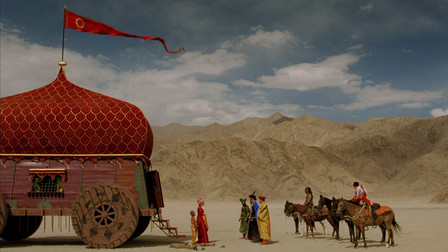
Filmed in 28 countries over a period of four years, The Fall is a modern-day epic with haunting undertones. After a young girl is hospitalized by a fall, she meets an injured stuntman bedridden following a failed stunt. He begins to tell her a magical story of five men and their quest to kill an evil dictator. But as the tale progresses a darkness threatens to destroy both the fantasy and reality. The film is incredible due to its art direction and the fact that it’s all shot on location without the use of digital effects. The story is a wonderful mixture of fantasy and action with a darkly realistic edge that ends up resonating with you more than the traditional fantasy film. It’s a movie that satisfies nearly every genre and mood and remains captivating in the process. A testament to the art of storytelling. Tarsem Singh directs a masterpiece which words cannot do justice in describing.
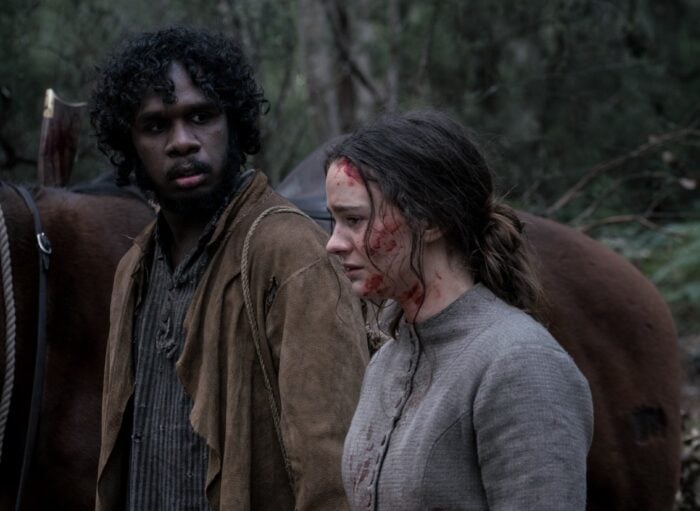
From The Babadook director Jennifer Kent comes another horror, although this one is more about the horrors of humanity. Set in 1825 Tasmania, The Nightingale follows Irish settler Clare as she seeks bloody revenge on the monsters who wronged her and her family. She teams up with an Aboriginal guide named Billy to accomplish her goal.
Because of its often violent and disturbing tone (the film is rated R for its potentially triggering scenes), The Nightingale understandably polarized audiences upon its release. But it’s also an excellent conversation piece, best watched with friends or anyone up for a discussion-filled movie night.
When Émilie finds a new roommate in Camille, she also gains a friend and a lover. Still, the parameters of their relationship are never quite sure, causing a complicated chasm that both divides and arouses them. Eventually, they meet Nora, who brings her own desires and insecurities into the mix. Experimentation ensues as the film follows the trio coming into their own as sexual and human beings.
Shot in rich black and white against the backdrop of Paris’ urban Les Olympiades neighborhood, Paris, 13th District is a finely balanced film that never overstays its welcome in the contrasting ideas it takes on. Classic love stories offset modern setups of romance, while fast-paced city life levels out the uncertainty of its inhabitants. Paris, 13th District is an engaging watch, not despite but because of its bold attempt to be many things at once.