37 Best British TV Shows to Watch Right Now
Updated
For many fans of television, the British seem to have cracked a certain code. Scripted series from the UK—especially those of the “prestige” comedy/drama variety—tend to be shorter than their American counterparts, and what they seem to lack in terms of “spectacle” and production value, they more than make up for in the emotional intelligence of their writing and the elegance of their characterization. The shows listed below are, more often than not, series that know exactly what to say within stricter time constraints, proving that great TV doesn’t have to mean shows that are trying too hard to be like movies. These are stories that embrace the episodic format to tremendous effect.
How we make these lists
No AI. No algorithms.
We are 100% human-curated. Everything you see here has been handpicked by a team of experts.
At least 7/10 on IMDb
So you know they are appreciated by viewers, not just high-brow critics.
At least 70% on Rotten Tomatoes
We combine this with the IMDb bar to keep only the best of the best.
Find more to watch
37 Best British TV Shows to Watch Right Now
Catastrophe
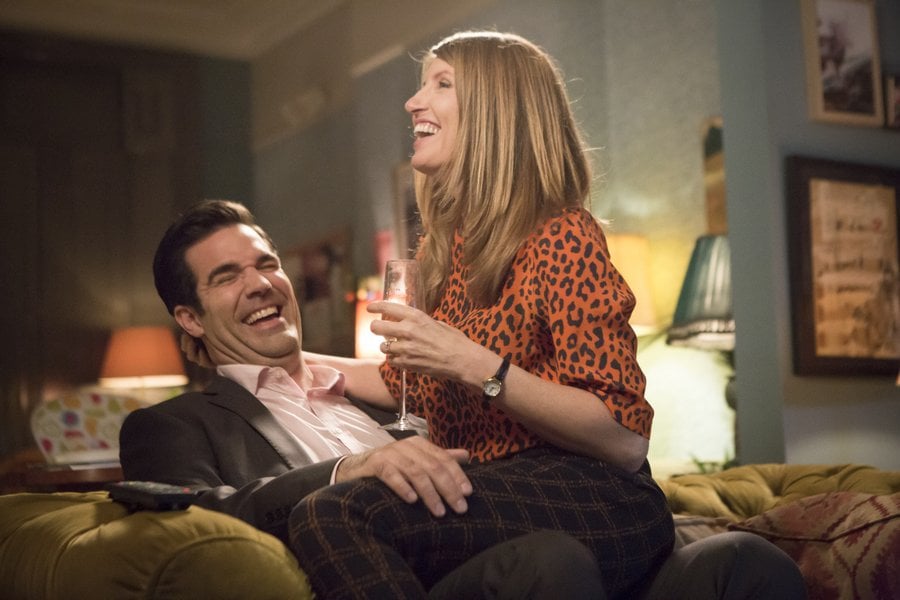
The eponymous catastrophe follows a brief affair between Rob, a New York executive, and Sharon, an Irish teacher, during his business trip to London. She discovers her pregnancy after he returns to the US and decides to keep the baby. He eventually returns to London and hilarity ensues, while he navigates his new life in Britain, and she struggles to adapt hers to an uninvited and hopeless American.
Honest and spit-take funny, the show was a big hit on British TV and now made its transition to American and worldwide audiences. “Forty-nine percent autobiographical”, it was created, written, and produced by Sharon Horgan and Rob Delaney, who met on Twitter in real life, as well as starring Sharon Horgan and Rob Delaney as, you guessed it, Sharon and Rob, the show’s main protagonists. A product of the love of two very funny people, Catastrophe is the quintessential 21st century rom com.
Stath Lets Flats
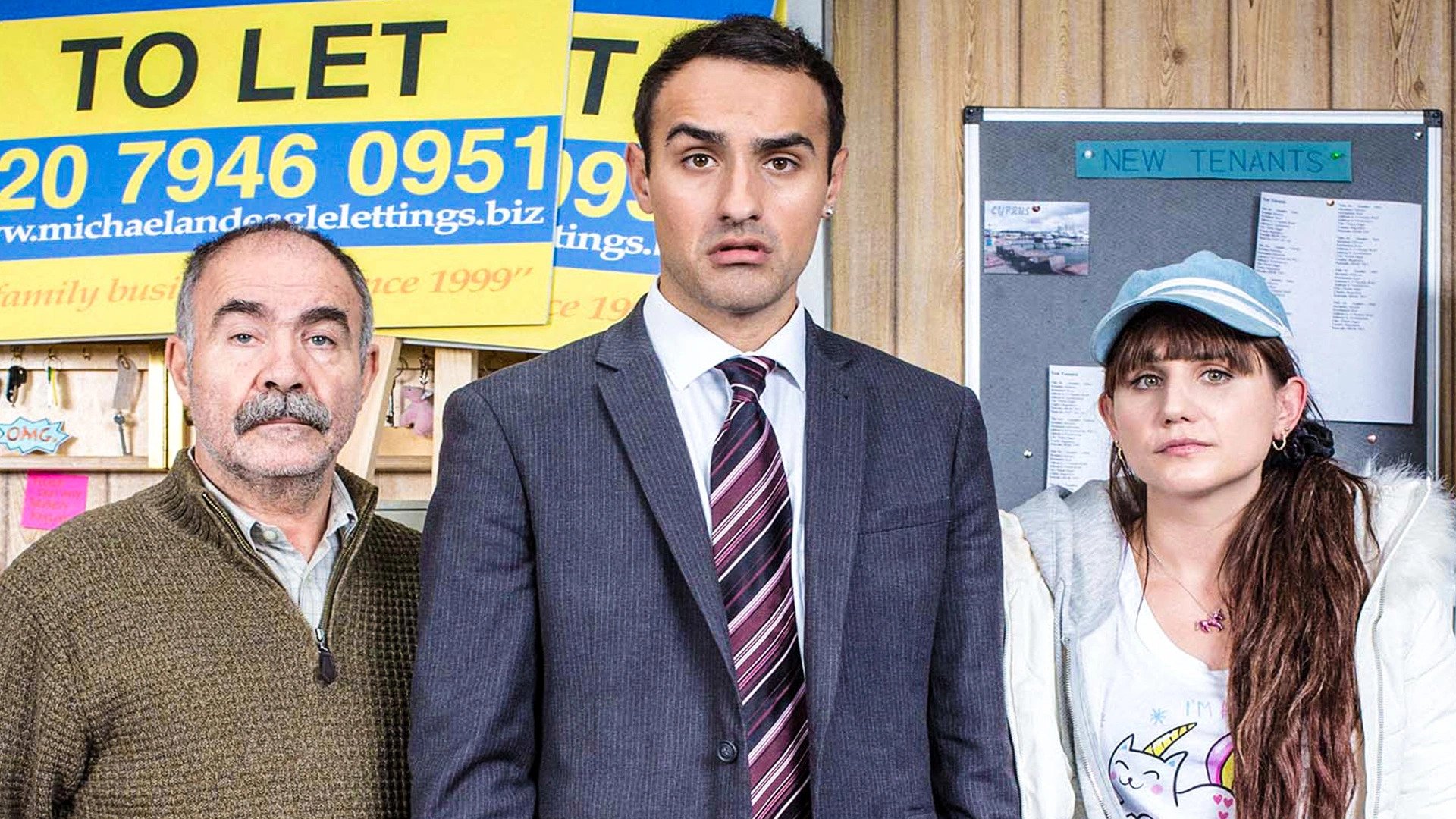
Stath Lets Flats is so incredibly quotable that watching just its first crop of episodes will likely give you a whole new vocabulary. Even after spending three full seasons with the titular Greek Cypriot real estate agent (played, as no one else could, by series creator Jamie Demetriou) and his sister Sophie (Natasia Demetriou), it still feels like the show is inventing new ways to nonsensically butcher the English language. Maintaining total unpredictability and never letting the gags get stale is no easy feat, but Stath Lets Flats never even gets close to that, remaining utterly original — and, more importantly, hilarious — from its slapstick-heavy opener all the way through the emotional rollercoaster that is the show’s three-season-strong run. Though its existence feels criminally short, the blessing of this being unlike any other sitcom (old and new) means it has infinite rewatch potential — putting it up there with the very best of TV comedy, period. Sold!
Lovesick
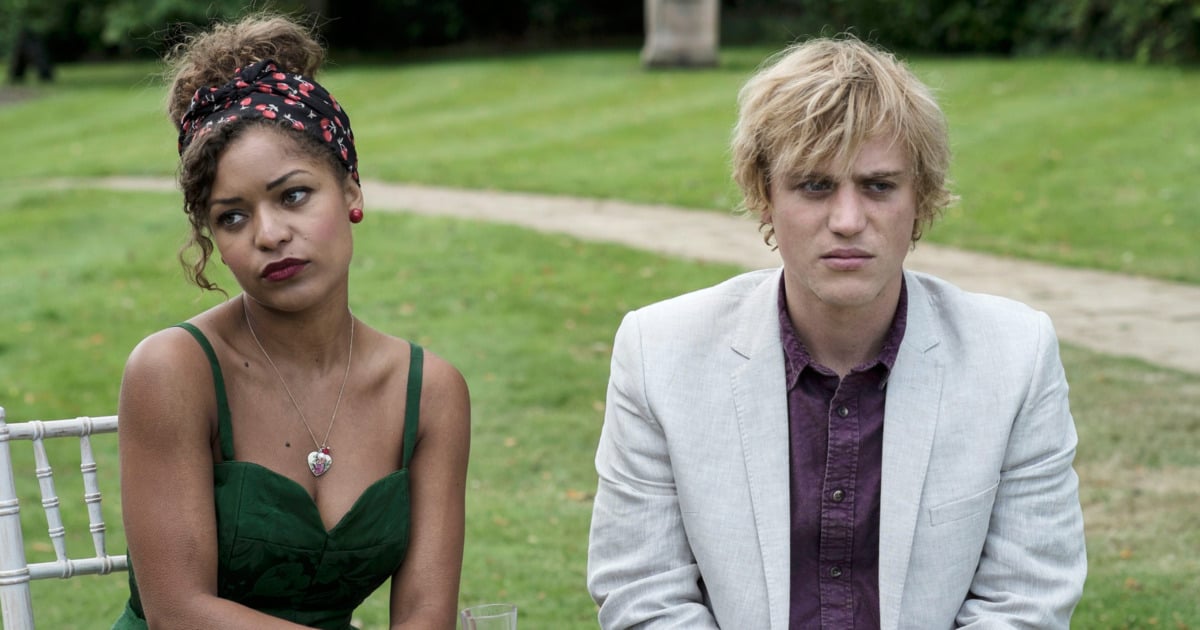
Why unlikely? Because, despite all the romance, its plot is fully based on a sexual transmitted infection. Hopelessly romantic twenty-something Dylan (Johnny Flynn) suddenly discovers he has chlamydia and is advised to contact all his (read: many) sexual encounters. Pair this plot summary with the fact that the show was originally called “Scrotal Recall” when it aired on British TV and you can be forgiven for looking the other way.
Underneath its awkward previous moniker, Lovesick is actually very funny, charming, and heavily romantic. Dylan is chaperoned by Luke (Daniel Ings, who you may know from Sex Education and The Crown), a seemingly confident but insecure business-school type, and Evie, Dylan’s smart and cynical best friend, played by Antonia Thomas from Misfits. It soon becomes apparent that Evie and Dylan could be much more than just friends if only their timelines were to align.
Lovesick is a charming little series that homes in on the heart-breaking romance of failed relationships. Something you can easily find yourself watching many episodes in one take.
Luther
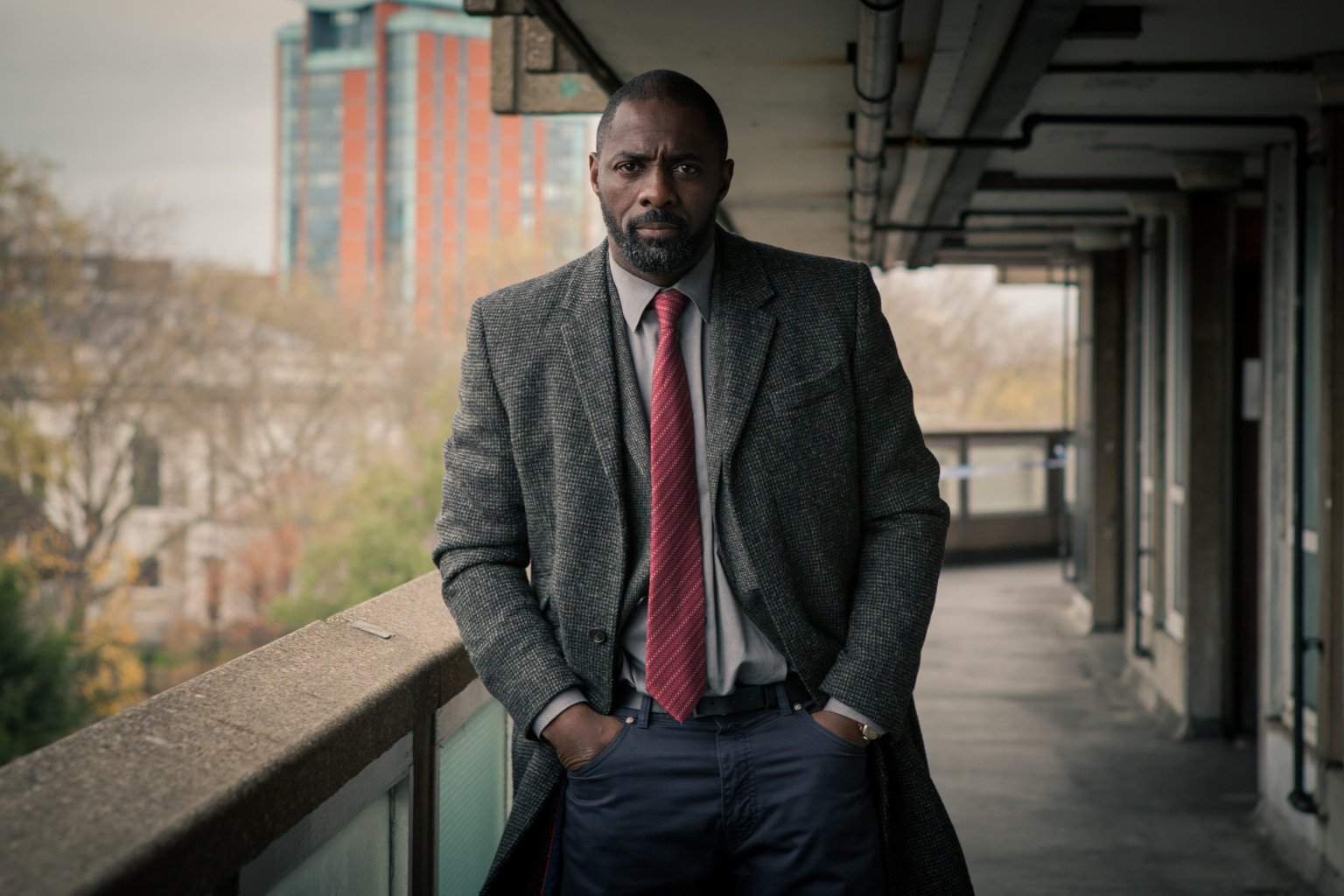
Ok, two words: Idris Elba. This 11-time Emmy-nominated detective series is his show. He leads the action as DCI John Luther, a Serious Crime Unit detective, who is as smart as he is self-destructive. A committed policeman but frequently in over his head and prone to be consumed by the darkness of the criminals he pursues. And, finally, a main role where Elba can legitimately use his thick East London accent, innit.
Creator and writer Neil Cross (Doctor Who) has said to be inspired by Sherlock Holmes and Columbo. While this is a pretty apt description of Luther’s ambivalence, this detective delves into even darker territory than his cultural predecessors. In addition to Elba, Ruth Wilson is one of many amazing actors that grace the show, playing the seductive and completely psycho character Alice. Luther will routinely have you on the edge of your seat screaming “No, why did you do that?”, rooting for the DCI even when he’s taking all the wrong turns. This gritty BBC drama is British television at its nail-biting best.
Happy Valley
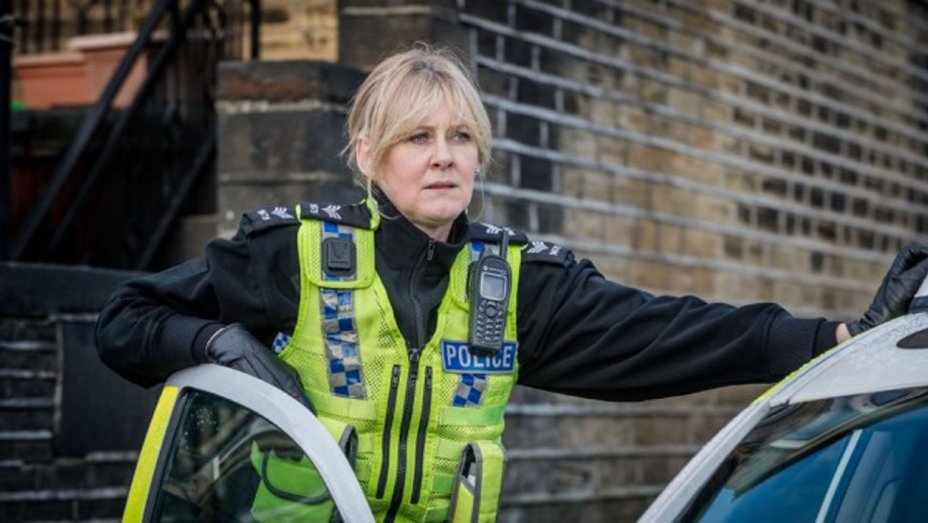
While the BBC is famous for making some great understated drama series about the dark side of detective work (Luther, Line of Duty, Broadchurch), it has raised the bar with Happy Valley. It’s so good, it successfully breathes new life into the middle-aged but strong-willed small-town police officer trope, taking it to some uncomfortable and difficult places with exceptional writing.
Said small-town police officer is Catherine Cawood from West Yorkshire, impressively portrayed by Sarah Lancashire. Cawood has a hard time coming to terms with the release of a man from prison, who she is connected to in a fateful way and whose comeback coincides with a kidnapping attempt by a local drug kingpin. These events reveal the criminal underbelly of a seemingly quaint small town. Hidden behind its ironic title, Happy Valley will keep you on your toes with understated suspense, dry humor, and a quietly devastating storyline.
Ghosts
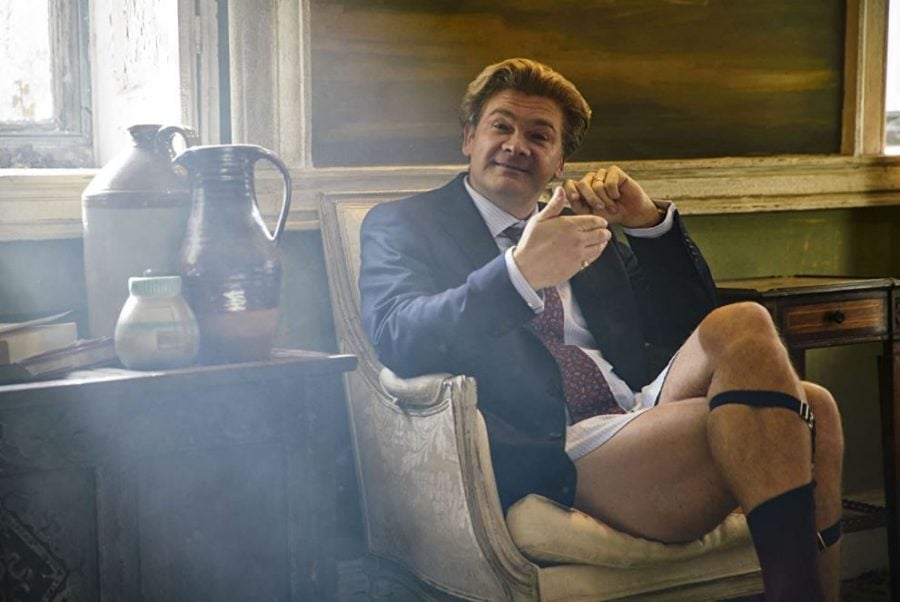
This British comedy stars Charlotte Ritchie (Feel Good) as a broke young woman who unexpectedly inherits the house of a distant family member. Instead of selling it, she and her boyfriend decide they want to renovate it into a hotel. This doesn’t sit well with the house ghosts, who are already strapped for space.
The charming performances in Ghosts span the living and the dead. The script is witty and fun. It’s the perfect TV show to wind down to: silly, but so well-made.
The Capture
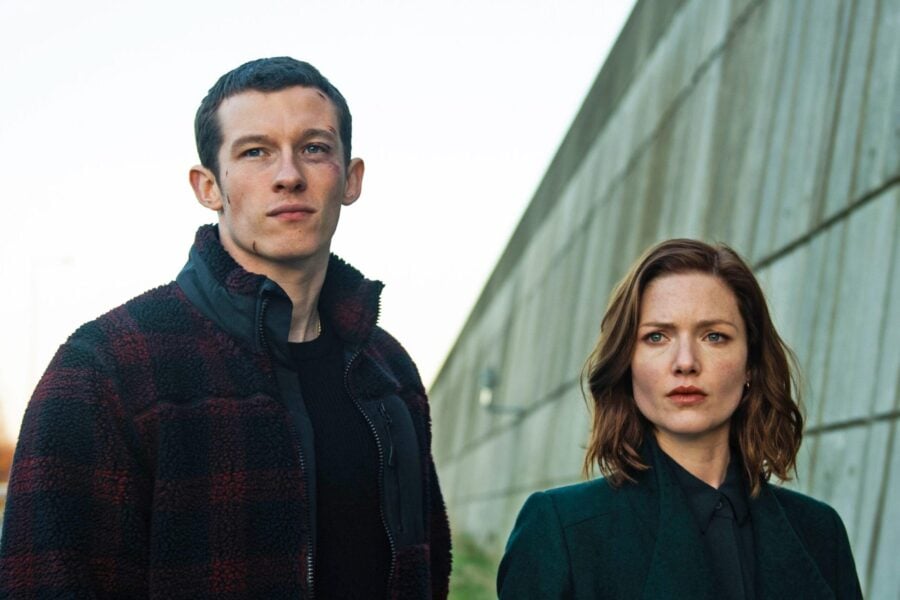
In BBC’s The Capture, a young soldier’s murder conviction is overturned thanks to submitted video evidence. But before he can enjoy his newfound freedom, a different video—this time live CCTV footage—places him at the scene of a new crime. The proof seems damning, but the deeper Detective Rachel Carey (Holliday Grainger) digs into the case, the more she learns about the wider conspiracy underneath it.
The Capture is everything you’d expect from a British police procedural: intelligent, lean, and sufficiently dramatic: no extra fat and unnecessary bits to be found here as action and mystery take center stage. And although TV may already be brimming with thrillers like it, what sets The Capture apart is its eerie insight into our so-called “post-truth” era. Instead of hardened criminals, our heroes go up against deepfakes, disinformation, and 24/7 surveillance. The series lets us know that the threat manipulated technology poses isn’t mere science fiction anymore—it’s evolved into an unfortunate and unbeatable reality.
Sherwood
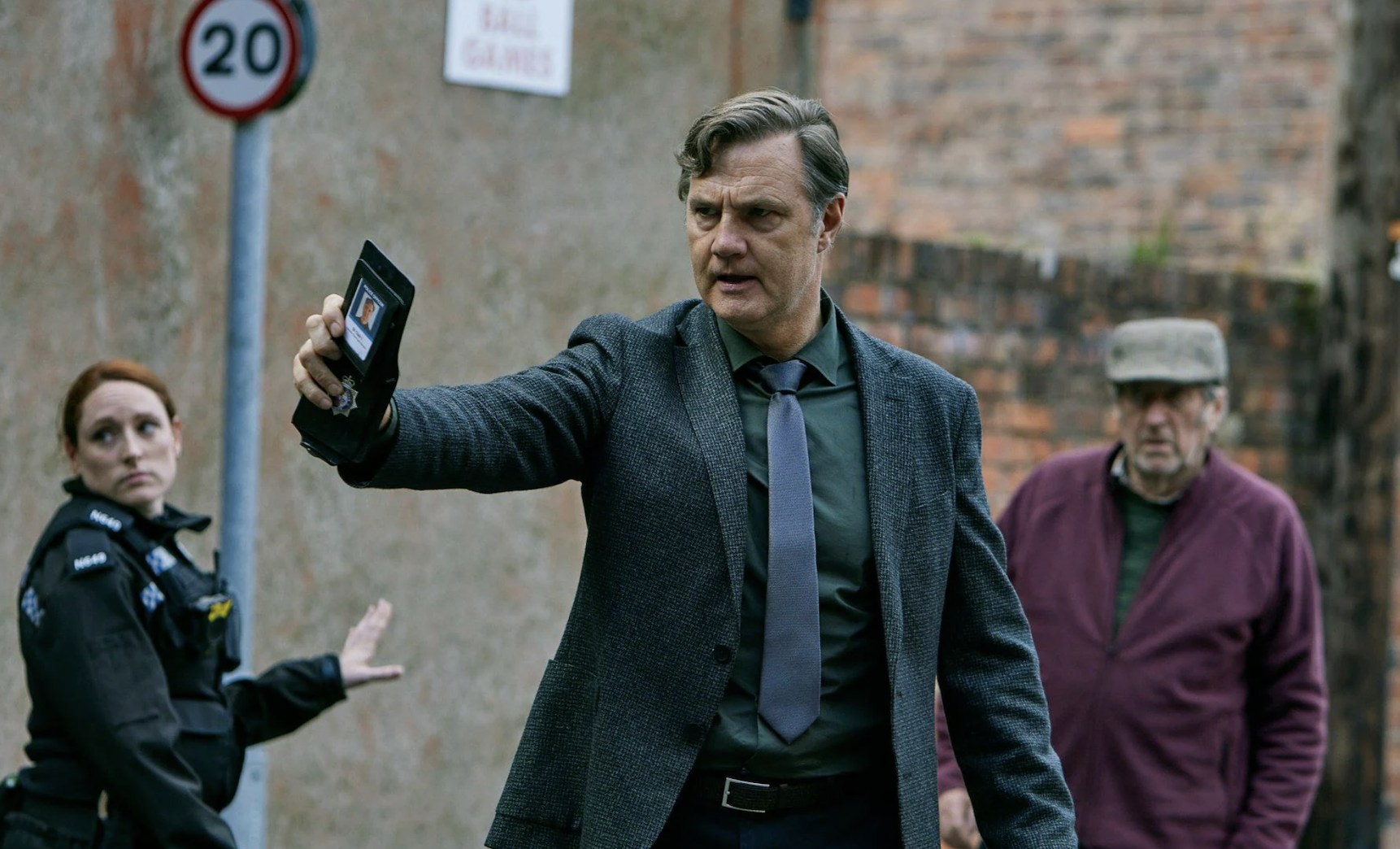
Beginning as a small-town murder mystery but eventually taking the shape of a police procedural, a spy drama, and a sociopolitical thriller, Sherwood fully reinvigorates the crime genre for British TV. With every twist comes a reminder of how deeply alienated the people of this former mining village have become from themselves, each other, and the outside world. Because underneath all the investigation lies a boiling tension: the scars of a past conflict among trade unionists on strike, the “scabs” who crossed the picket line to continue working, and police forces further provoking all this friction. These internal divisions haunt everything in Sherwood, brought to life by a superb ensemble—David Morrissey, Robert Glenister, Lesley Manville, Adeel Akhtar, and more—who all carry the weight and shame of being left behind by the world around them.
The Thick of It
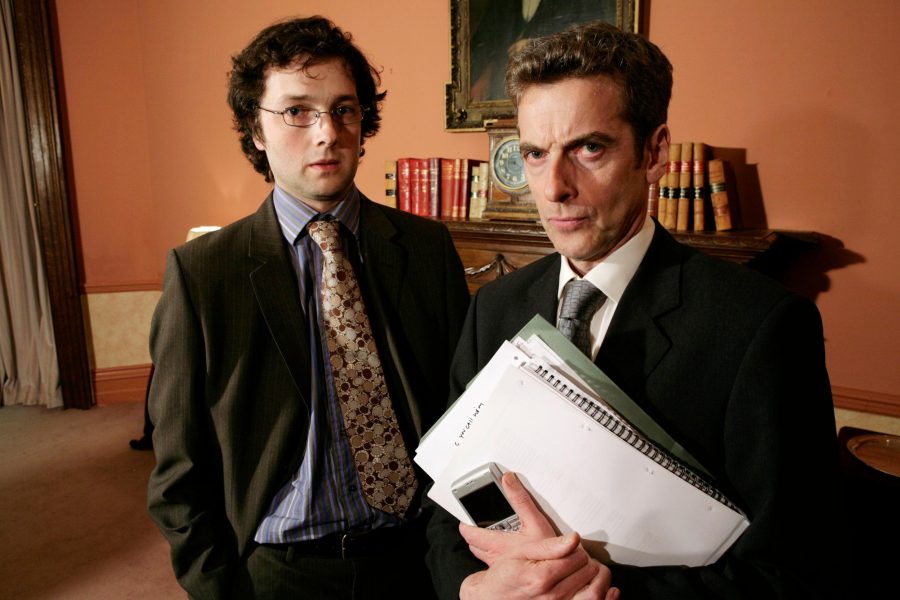
This BBC comedy by the creator of Veep is about the inner workings of the British government. Malcolm Tucker is the ruling party’s fixer — an angry, uncompromising bureaucrat who spends his days dealing with the failures of ministers.
The first season, which spans a quick three episodes, tells the story of a series of mishaps that strike the Ministry of Social Affairs. The minister announces a program that he wasn’t supposed to, and one thing leads to another and he has to name the program on live radio. “Sponge Avengers” is what comes out.
This is a genuinely funny TV show that since its release in 2005 has become a staple of workplace comedies.
Trapped
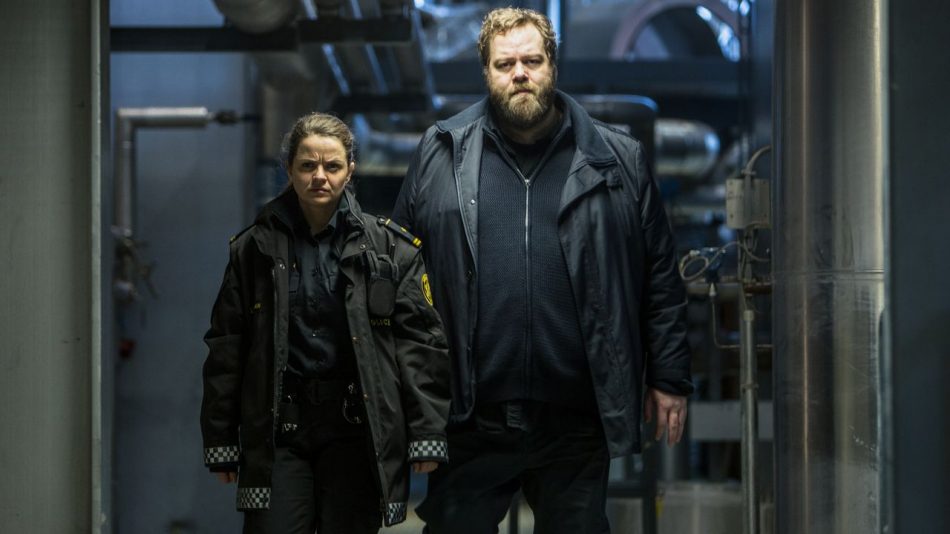
The Guardian’s lead critic said of Trapped: Seductive, involving, gripping…I am already, thoroughly, trapped. I’m quoting a publication to give some grounding to my overly excited claim: Trapped (or Ófærð) is one of the best TV shows ever made. I am obsessed with it. The plot is simple: a cop tries to solve a murder before a storm arrives, but the way it gets stretched is exceptional, and can only be compared to Scandinavian classics like The Hunt, The Guilty or Headhunters. And the fact that Trapped is from Iceland (not Norway or Denmark) adds a more chilling twist to the Scandinavian thriller genre. I don’t want to say more and ruin the show for you, but this is an amazing binge.
Mr. Scorsese
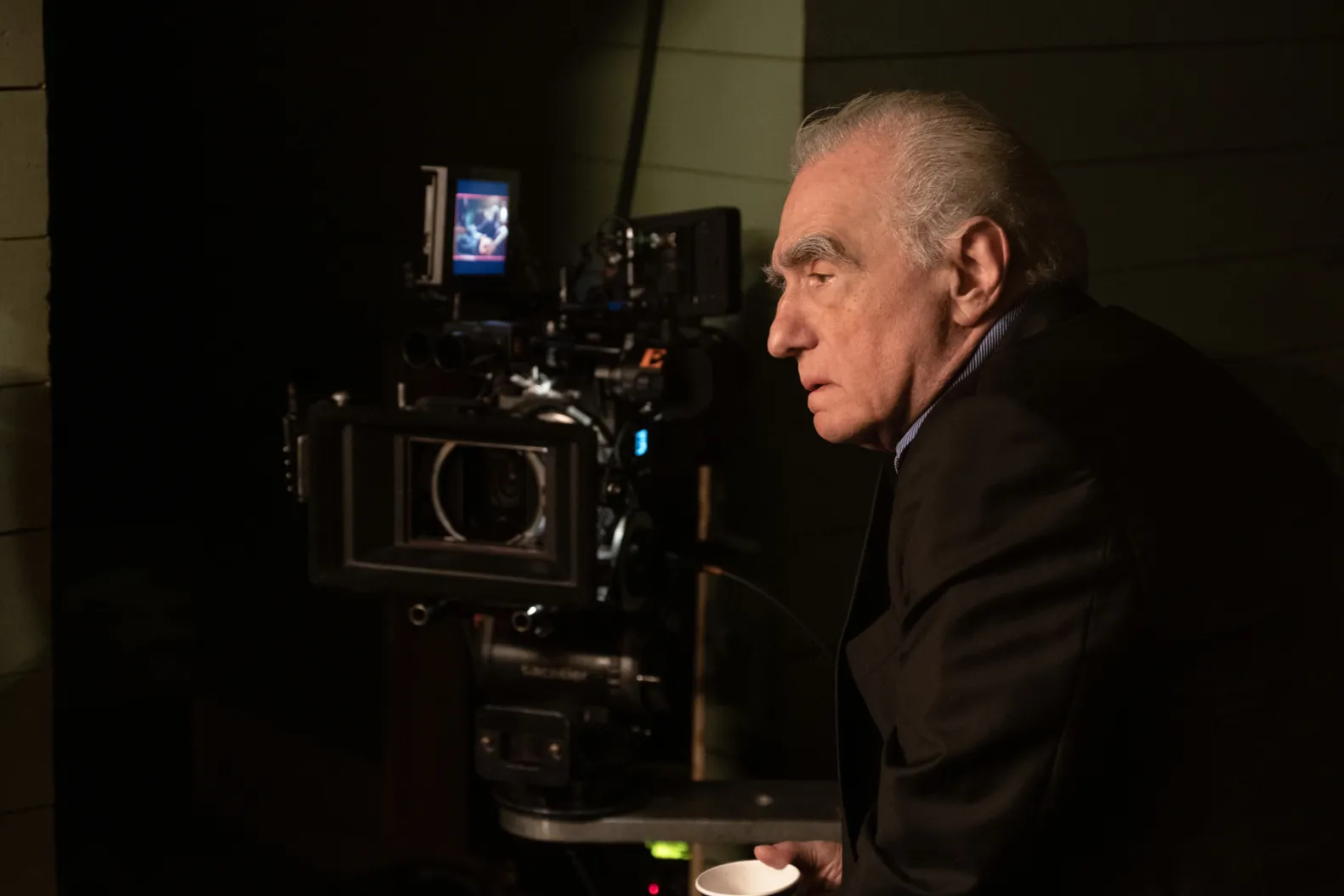
Considering the legacy of its title subject, the Mr. Scorsese limited series should frankly be longer than five episodes. That’s our only complaint about the show, really. This five-part documentary does a wonderful job balancing between talking about the auteur’s life and work and the way both affected each other. Fans may already know about his Italian-American neighborhood influencing his interest in the gangster drama, or his asthma that kept him going to the air-conditioned cinema. Director Rebecca Miller simply arranges what we know into a cohesive, insightful narrative, and finds all the reasons why there could never be another Scorsese.
Veep
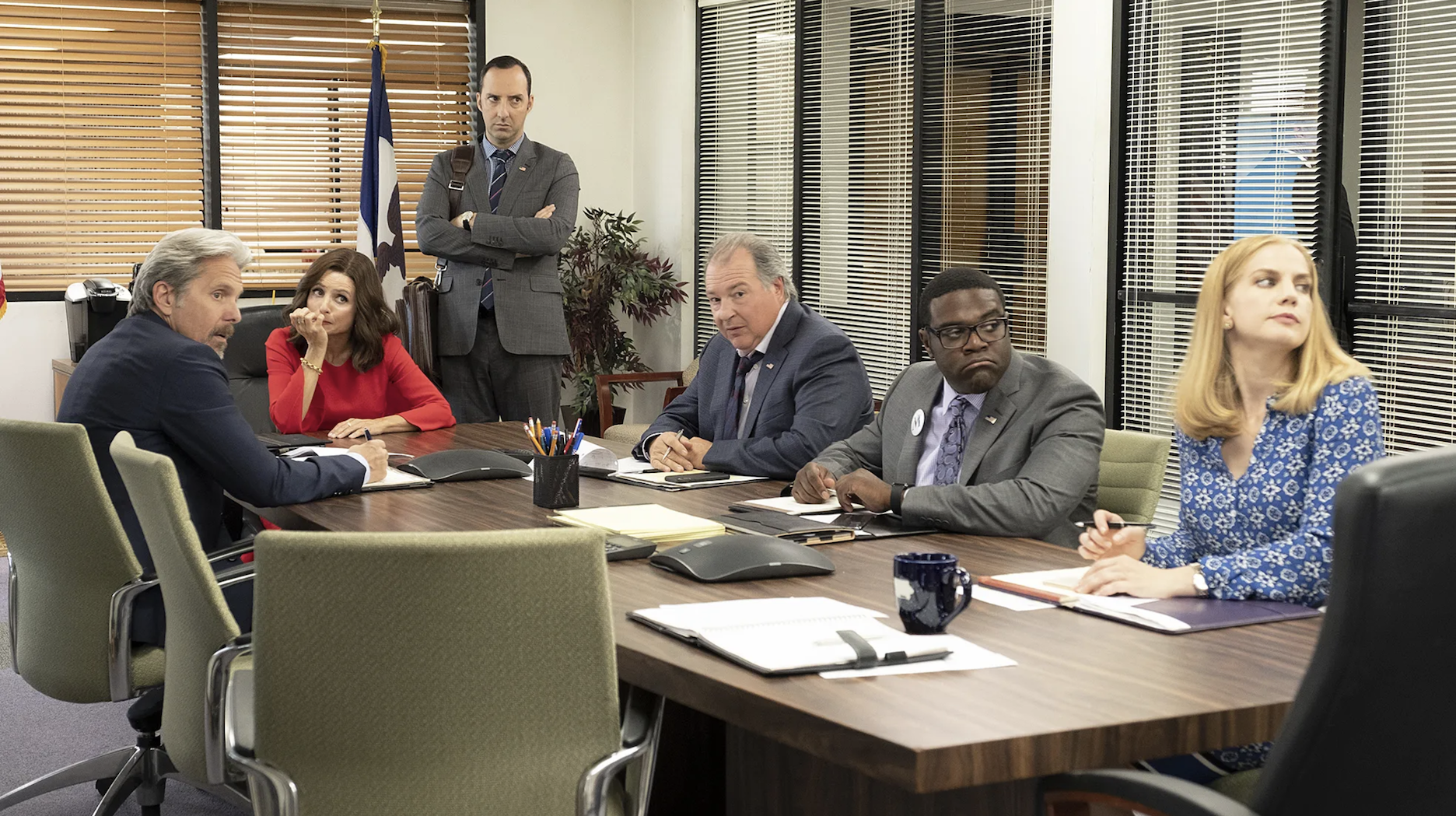
There is a very good case to be made for Veep being, pound-for-pound, the best American comedy to air on TV. Because while many other workplace sitcoms comment also comment on current events and satirize bureaucratic processes, no other show has committed this deeply to the inherent corruption and stupidity of every single one of its major characters. Selina Meyer and her staff are either so evil or so incompetent that they circle around to being irresistibly fun to watch and hilarious in all their own unique ways—which the series’ writers expertly wrangle together in each script. And with much of the show’s humor being built on creative, devastating insults, Veep also possesses a truly vicious edge that make it more challenging than its contemporaries.
But one shouldn’t forget that the series also tells a compelling story of how soulless a nation’s leaders can be, putting a magnifying class to every little political decision made in the name of saving face or pushing forward some other unrelated agenda. It’s surprisingly insightful for something that seems so crass. And as Selina Meyer herself, Julia Louis-Dreyfus (surrounded by a brilliant, dynamic cast) turns in one of the greatest comedic performances on TV as a pathetic vice president who can’t help but let the monstrous side of herself win every time.
Episodes
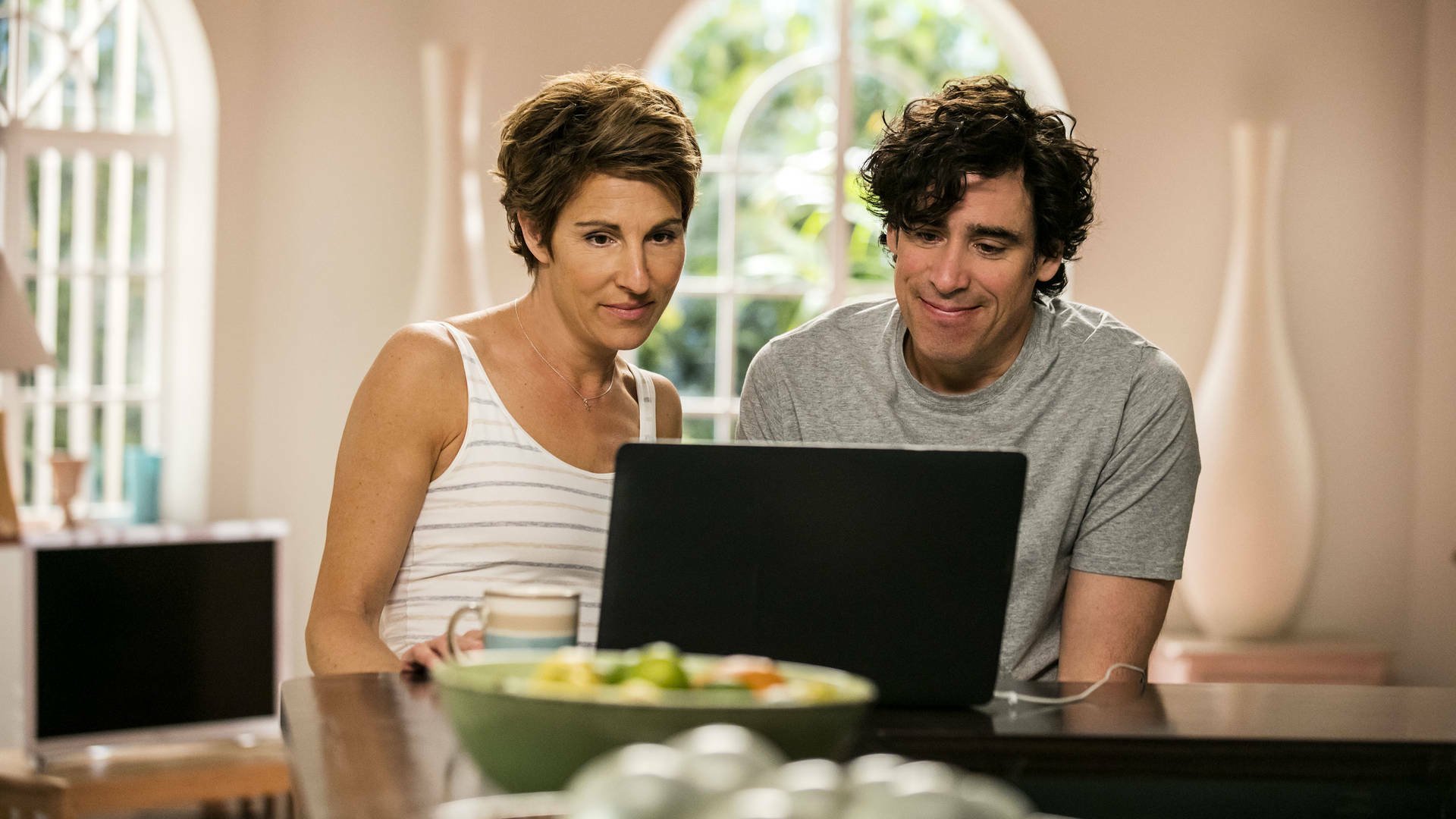
At just 30 minutes long, each episode of Episodes is a breezy watch, packed with a good balance of razor-sharp critique and relatable, easy-to-root-for relationships. It has a lot of fun skewering an industry obsessed with youth and profit, and Matt LeBlanc, who plays an oversized version of himself, is all too happy to make himself the target in most cases (coincidentally, the show brings to mind The Comeback, another Hollywood sendup starring a Friends star). But if the jokes and caricatures start to feel like too much, Episodes balances the fun with heart, mainly through Beverly and Sean, who go through ups and downs both as artists navigating the highly commercial world that is Hollywood, and as a couple tempted by good looks and superficial highs around them. Episodes is a real treat, especially if you’re looking for something right in between that dramedy sweet spot.
Penny Dreadful
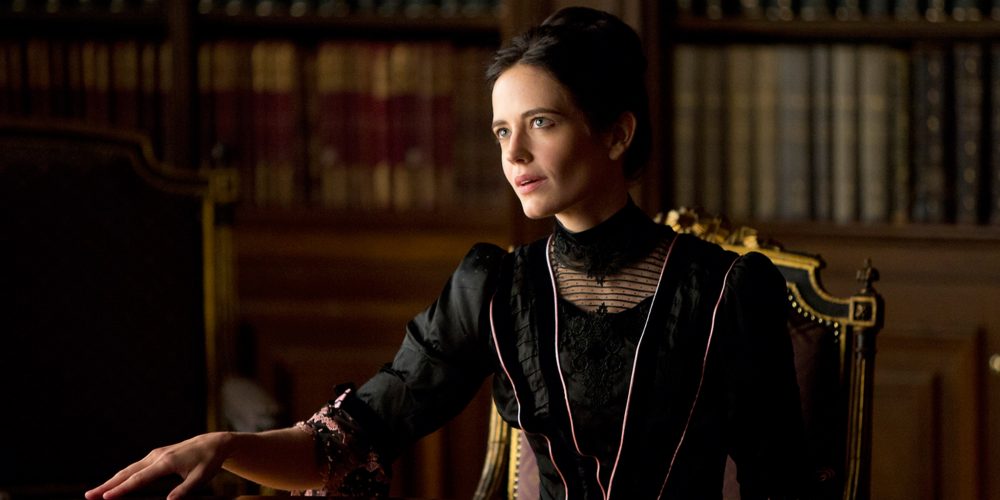
Here’s something for all the goth lovers out there. With a title alluding to the cheap sensational fiction that was circulated in mid-Victorian Britain, this show is all about monsters, demons, and some of literature’s most iconic creatures haunting Victorian London, including Dorian Gray, Count Dracula, and Dr. Frankenstein. It utilizes all these characters to tell a captivating, macabre, and bloody story. Season 1 revolves around a series of gruesome deaths being investigated by the police, while Sir Malcolm Murray (played by one-time James Bond Timothy Dalton), a renowned explorer, and medium Vanessa Ives (played by the amazing Eva Green, who, incidentally, is an ex-Bond girl) know that there is much more at play here. Season 1 is entertaining, but Season 2 is even better, making the most of all the gothic, literary characters and, above all, the multitude of great actors playing them.
Extras
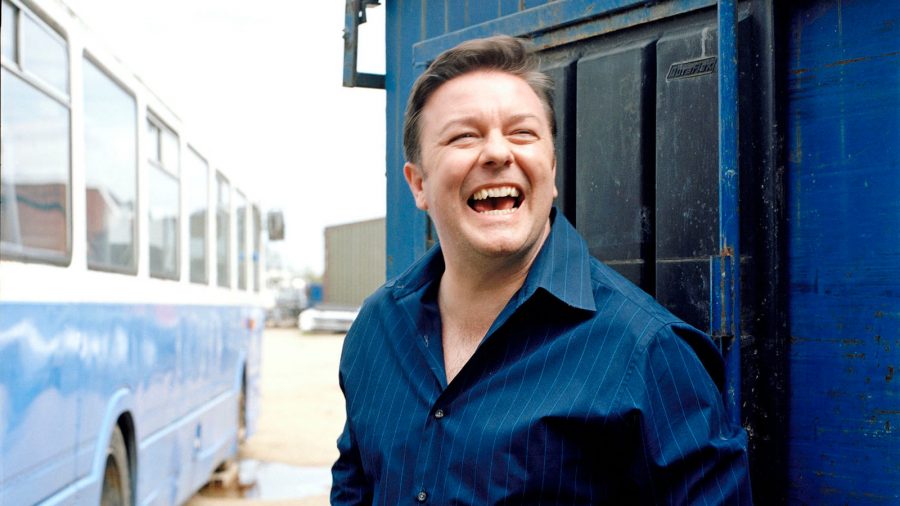
Writer, actor, and, above all, stand-up comedian extraordinaire, Ricky Gervais, created, wrote, and directed Extras together with Stephan Merchant, who both play the male leads. Deviating from the hallmark The Office mockumentary style towards a more classic format, but staying with the overall awkwardness, Extras follows two aspiring actors desperately trying to make it in showbiz but never quite surpassing the role of, well, extras. Co-produced by the BBC and HBO, each episode is named after the actual film stars the low-rung actors are working with, including Samuel L. Jackson, Stephen Fry, Kate Winslet, and Patrick Stewart. The first episode finds Ben Stiller directing a genocide movie while endlessly bragging about the success of Dodgeball. Ricky Gervais doesn’t mind breaking taboos, as you well know, but he also has a penchant for pathos and a humanist message. If you like that to go with your awkward comedy, you should definitely give Extras a go.
Man Like Mobeen
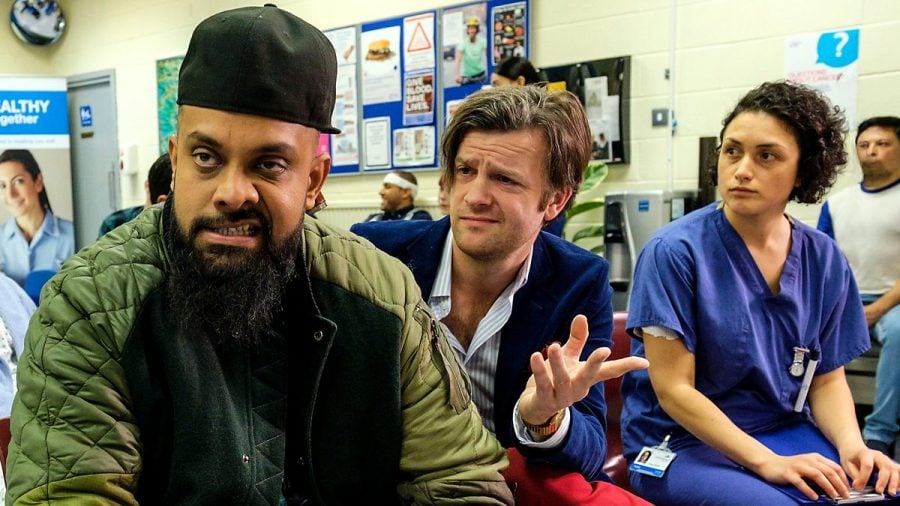
At first glance, those who enjoyed Hulu’s Ramy might be tempted to view this as the UK version of it. However, Man like Mobeen is a bit more street than Ramy and a lot more British. It’s also not so much about being a good Muslim. Mobeen (Guz Khan), Eight (Tez Ilyas), and Nate (Tolu Ogunmefun) are three mates from Birmingham. Two of them happen to be Muslim but it’s not a big deal. Except it is because of the way Western society sees them. Mobeen, the head of the group, takes care of his sister, Aks (Dúaa Karim), in the absence of his parents, trying to be a good guy, while also trying to escape his past as a drug dealer. In the first episode, a transaction to buy a laptop results in three SWAT teams closing in on them for no reason. (When Nate runs off, the police officer asks the others why he ran, and Mobeen says: “If I had to guess, I’d say it’s because he’s black.”) Much of Man like Mobeen is laugh-out-loud comedy, but there’s a healthy dose of wokeness to be found here, too. Teenage knife crime (in the second season), the rise of right-wing sentiment, and the police’s history of violence towards immigrants are effortlessly woven into gags. Very funny!

I Hate Suzie
A black comedy with an aggressively bleak view of its own protagonist, this story of a celebrity’s life falling apart starts off funny and gradually becomes more and more difficult to watch. As the titular character scrambles to keep each part of her life afloat, her sense of self begins to fracture as well—emphasizing how our lives are defined by the responsibilities we have over others and ourselves. Billie Piper is extraordinary in the lead role, spiraling further down in ways that are truly haunting, and Leila Farzad balances her out perfectly as Suzie’s unapologetic, type A manager.
If the show’s first season is impressive enough with its unpredictable mix of styles and stern drama, season two—which only consists of three episodes—ratchets up the tension even more, playing out like an extended anxiety attack backstage at a reality show. Think Uncut Gems but with lots of dancing. For the boldness of its direction alone, I Hate Suzie doesn’t serve to just fly under the radar.
Utopia
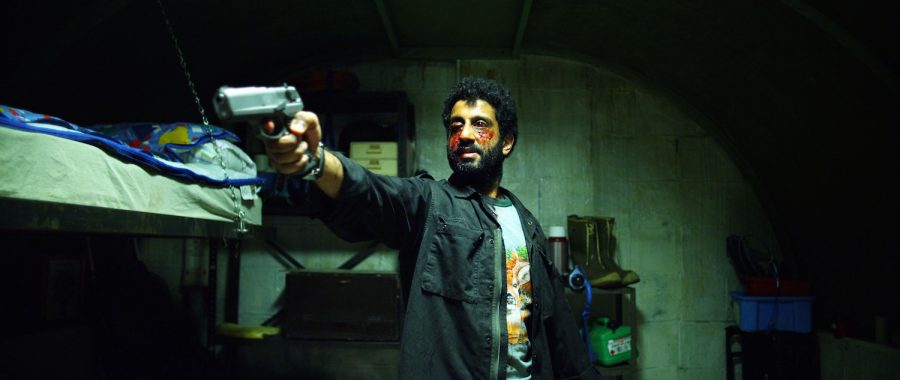
In a very fun thriller format, this show is about three eccentric comic book fans who come across a graphic novel that has information on future world events, like epidemics.
Also looking for this novel are a couple of violent hitmen from an organization called “The Network”. The three youngsters find themselves up against a dark web of conspiracies and violence.
It’s plot-heavy, imaginative, and very enjoyable – everything you’d expect from a good thriller series.
My Mad Fat Diary
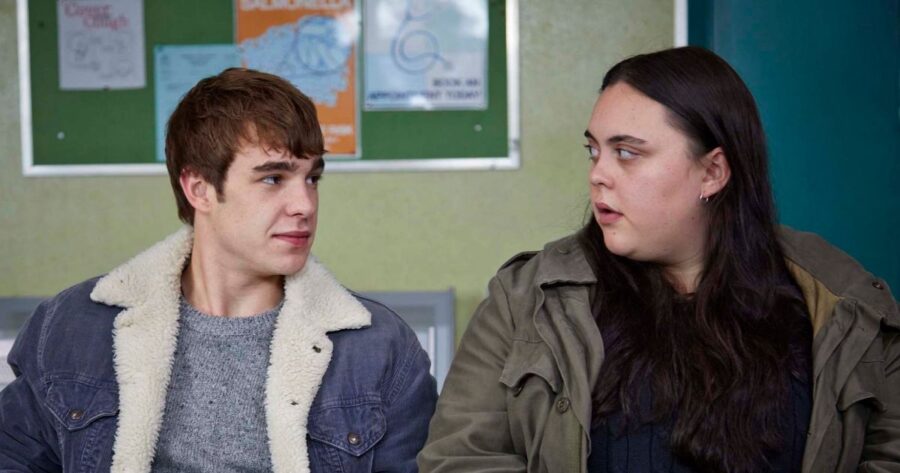
Sixteen-year-old Rae Earl struggles with many things, among them: severe mental illness, a distorted body image, and less-than-ideal home life. In an attempt to redefine herself and pursue the teenage dream she’s always wanted, she reconnects with her estranged friend Chloe and the cool new people she’s met in Rae’s absence. As Rae gets to know this group more, she embarks on a coming-of-age journey that is, at turns, hilarious, awkward, and painfully real.
Set in ‘90s-era UK and scored to the unbeatable, headbanging tunes of English rock, My Mad Fat Diary is also an effective throwback of a show. It’s sure to be nostalgic to those who grew up in that era, while also doubling as a finely-aged portrait of a simpler time to the rest of us. Elevated, too, by diary doodles come to life and Rae’s unflinching witticisms, the series is a gem for anyone who has struggled to come to terms with their teenage self.
Save Me
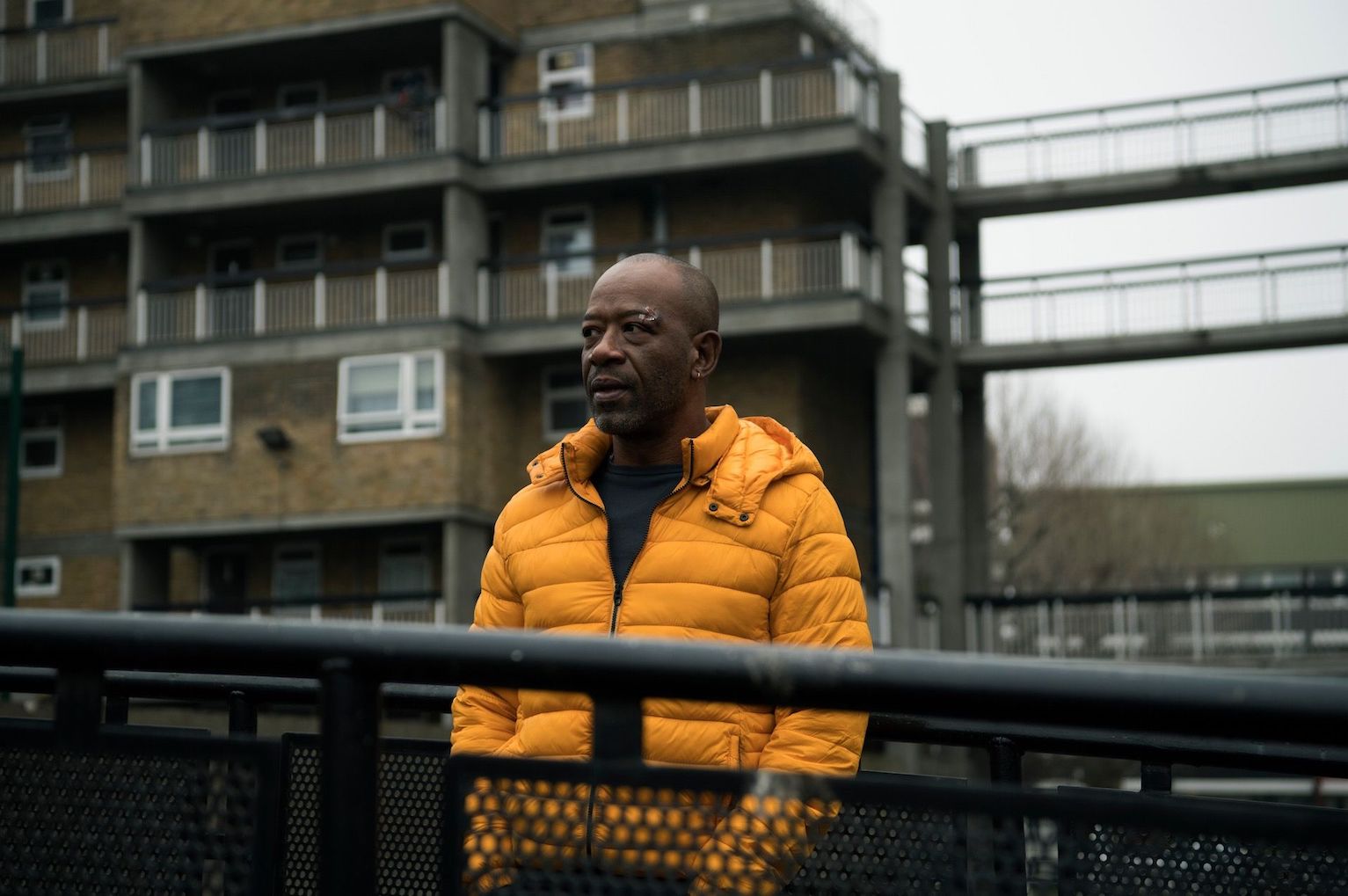
Though it sets itself up as a mystery series, the tense and dramatically heavy Save Me avoids easy questions and focuses instead on how a crisis can affect different members of a community in equally painful ways. The show isn’t immune from random coincidences and contrivances, but even these little twists in the plot point force us to reevaluate how we think about these characters from moment to moment. This group of people that comes together when a teenage girl disappears isn’t made up of the most heroic individuals; in fact, it becomes difficult to root for some of the most prominent characters due to sins that they’re still trying to atone for.
This is what elevates Save Me above other mystery/thriller dramas. And giving depth and dignity to these working class people are a brilliant ensemble full of great performances: lead star and creator Lennie James, Suranne Jones, Stephen Graham, Lesley Manville, and season two addition Olive Gray—whose turn as a traumatized victim of human trafficking feels almost too real.
Count Abdulla
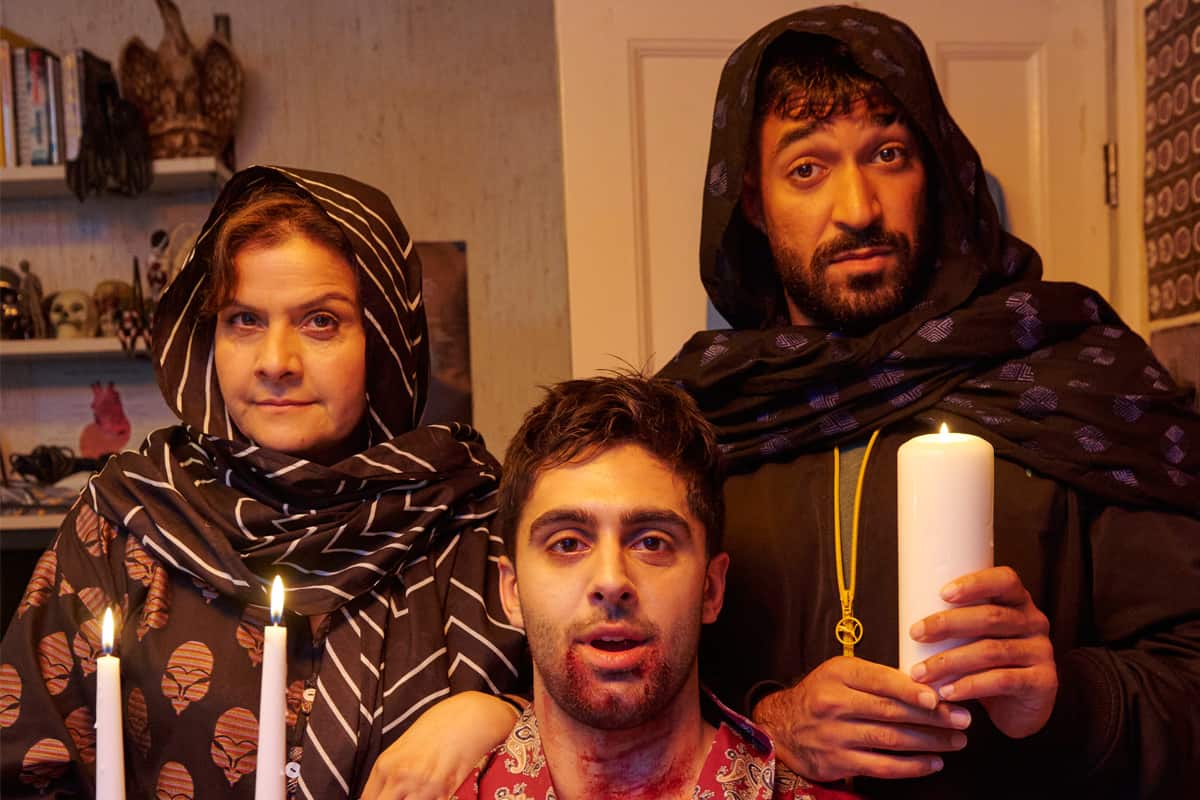
This new six-part comedy series is as razor-sharp as a vampire’s fangs, skewering everything from the horror genre’s historically iffy treatment of people of color, lazy media stereotypes of Muslims, and real-life fixtures of Islamic communities. It never feels bogged down by the weight of the issues behind it, though, always staying true to the lightness of its silly — but ingenious — concept.
The show follows the goofy Abdulla (Arian Nik), a British-Pakistani trainee doctor and horror nerd who has enough on his plate — what with an unavailable crush and the social pressures of being a not-so-perfect Muslim — without also having to contend with being turned by vampire-dominatrix Kathy (played with gusto by Jaime Winstone). Writer Kaamil Shah manages to pack an impressive amount of cutting humor into each 20-ish-minute episode, whether through Kathy railing against the appropriation of vampire culture during Halloween (presented less as an anti-woke joke and more as a wry analogy to media misrepresentation of real minorities) or a wink to Muslims about the epidemic of hypocritical haram police in our communities. This balance between universal humor and inside jokes that speak directly to — rather than over the heads of — British Muslims makes Count Abdulla a very welcome addition to TV comedy in general, as well as a refreshing widening of the horror genre.
Landscapers
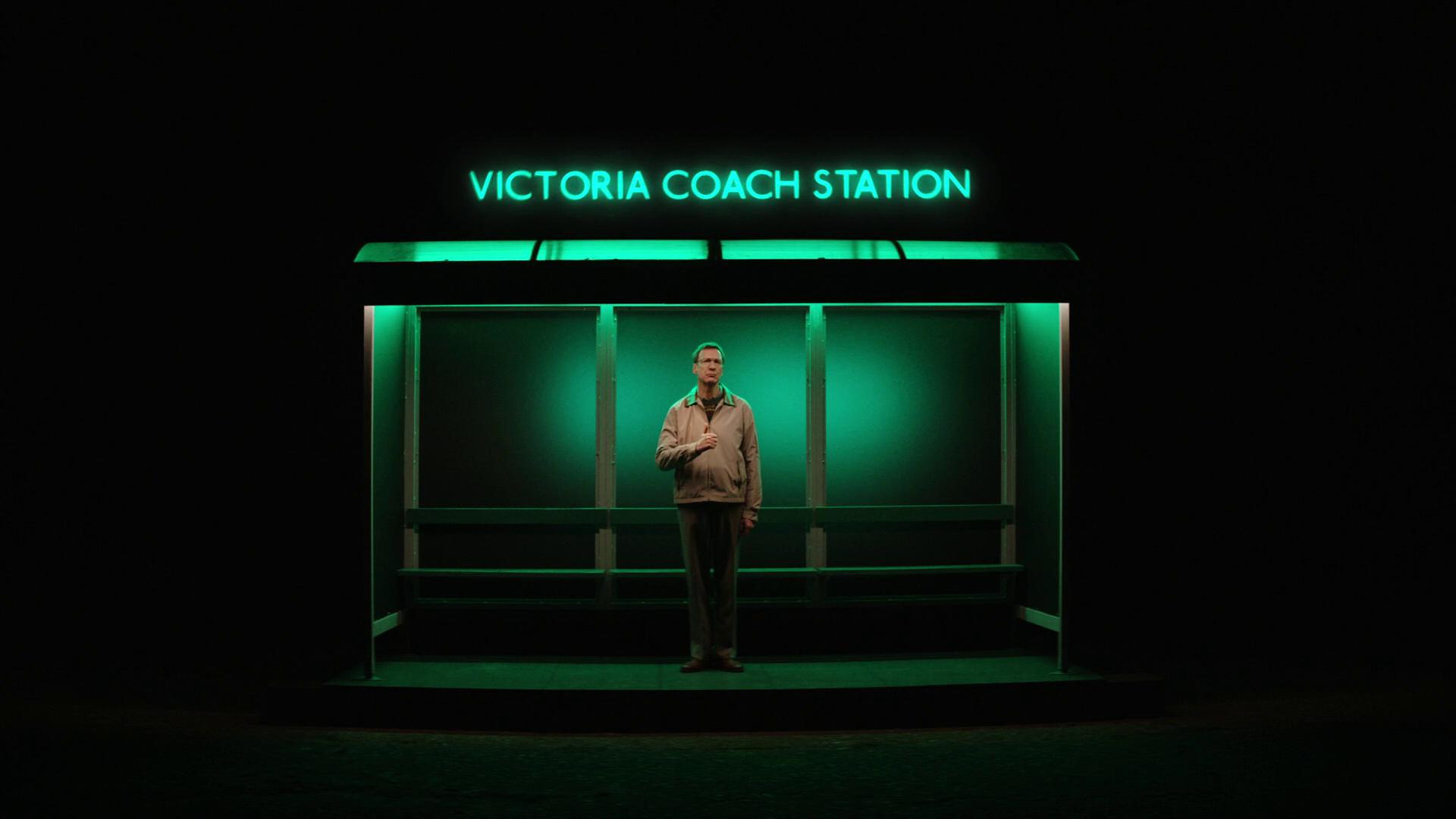
In Landscapers, what could’ve been a tedious story based on yet another true-crime affair is transformed into a fantastic fable that challenges and reimagines truth in imaginative ways. It’s more like a play than anything, complete with revolving sets, multicolor lights, and the occasional breaking of the fourth wall. But when it’s not staged like a theater show, then it has fun experimenting with form and genre. The series is masterfully edited to blend reality with the cinema Susan and Cristopher love so much, so sometimes they’re in soft-focus black and white, other times they’re in technicolor flair. It’s a technical wonder, but thanks to Colman and Thewlis’ performances, it’s also a twisted love story and an emotional roller coaster.
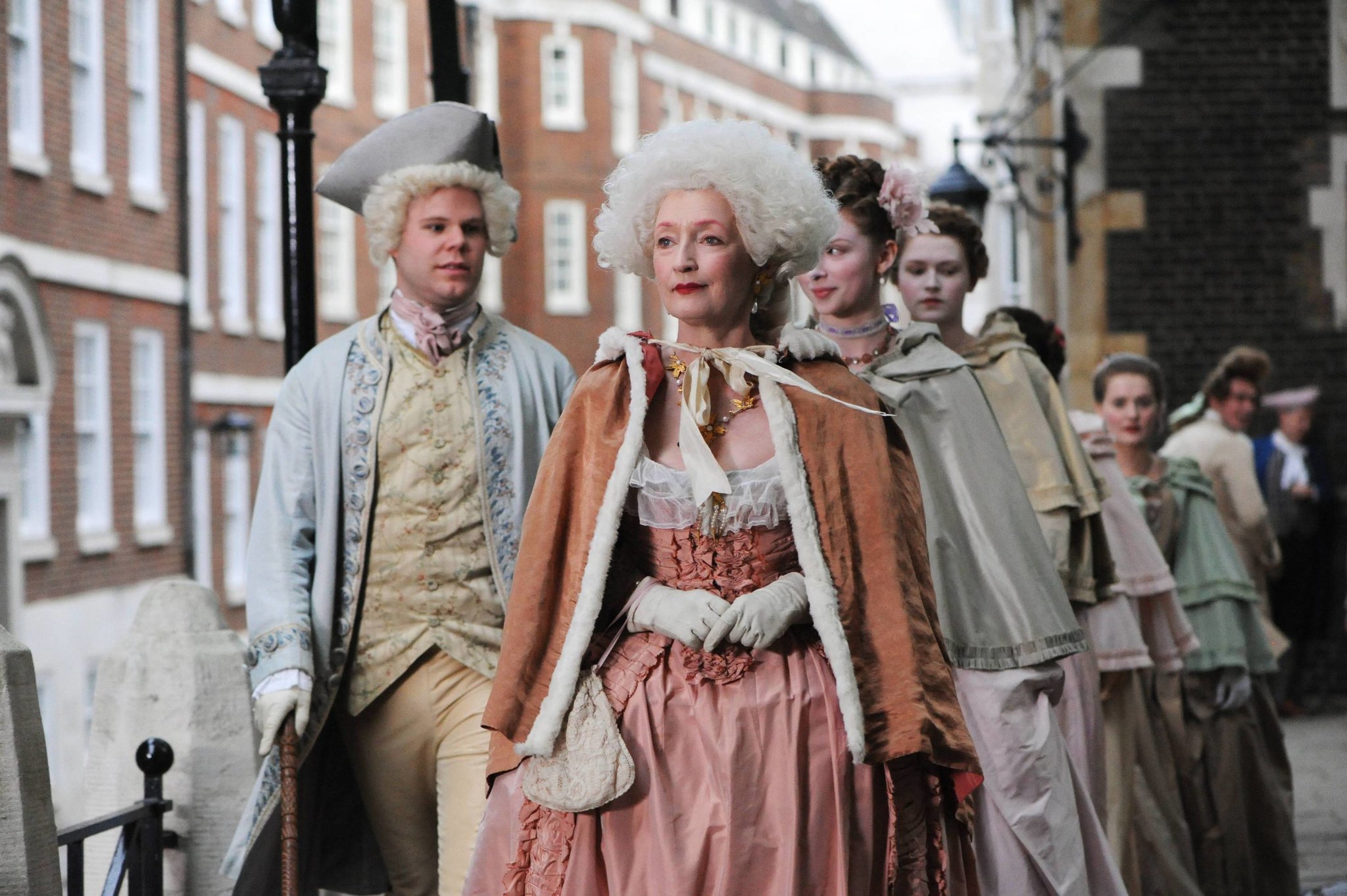
Harlots
Unlike a handful of modern period dramas, Harlots isn’t flashy just for the sake of being flashy. It carries messages that (sadly) still ring true to this day, most of them about female bodily autonomy and the near impossibility of upward mobility. The show is smart about it, never preachy, presenting us with fleshed-out characters with contradictory ideals. Charlotte (Jessica Brown Findlay), for instance, craves freedom but enjoys the security being under a master affords her. Indeed the entire premise of the series is ironic: how can a show about female prostitution be empowering? By being relevant and relatable, as it turns out, and consistently impressive too. The show has garnered high ratings throughout its three seasons, though it unfortunately isn’t enough to convince Hulu for a fourth run. Their loss, this is the period drama that could’ve and should’ve given Netflix’s Bridgerton a run for its money.
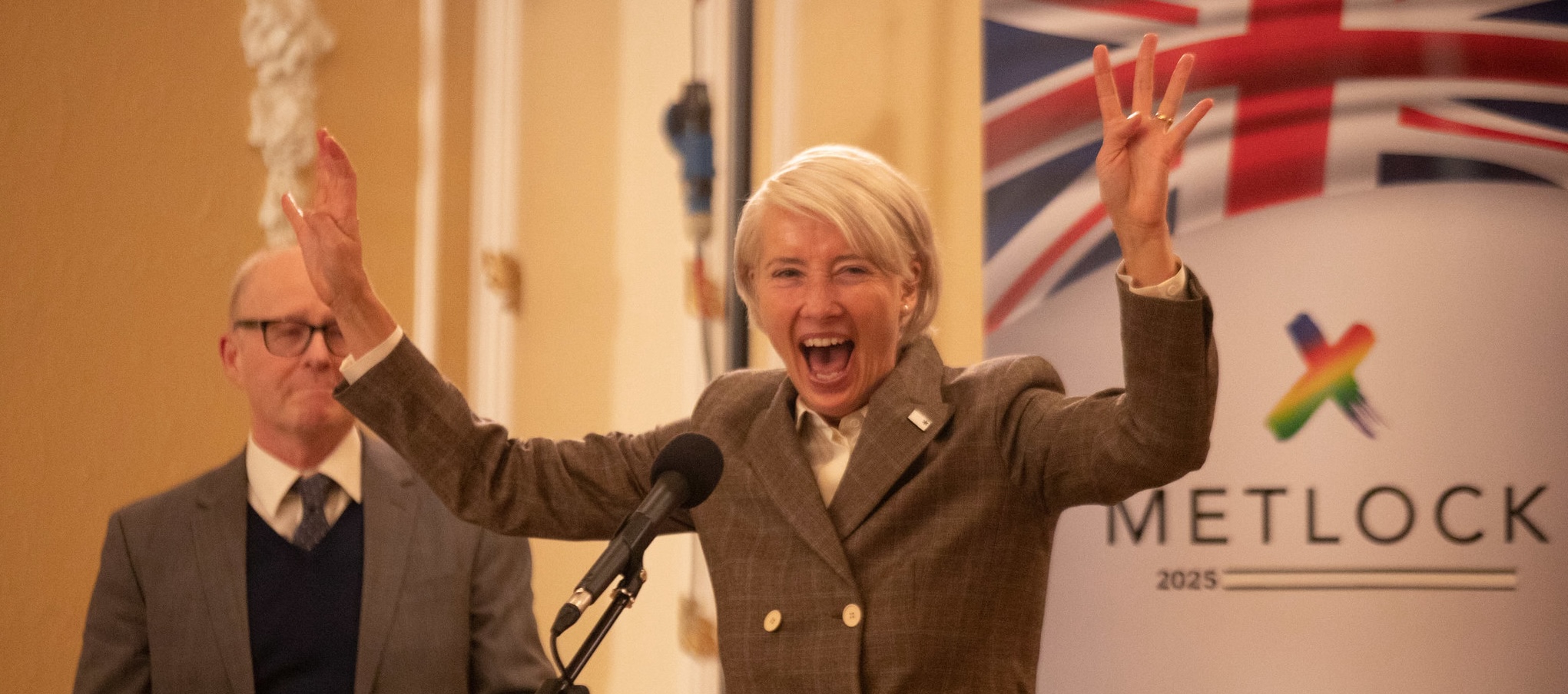
Years and Years
In Years and Years, showrunner Russel T Davies (Doctor Who) takes our worst fears in 2019 and makes us live through them in shocking detail through the Lyons family, a likable and relatable bunch who bond through the joys and horrors of a quickly changing nation. It amplifies heated issues like the growing conservatism in the UK and the threat of world war ignited by China and the US, as well as global warming, depleting species, and our growing reliance on AI and tech. As one review puts it, Years and Years feels very much like Black Mirror, but with more heart and hope. It’s both fascinating and frightening, especially since the predictions Davies makes aren’t too far off from the unstable reality we’re living in now.
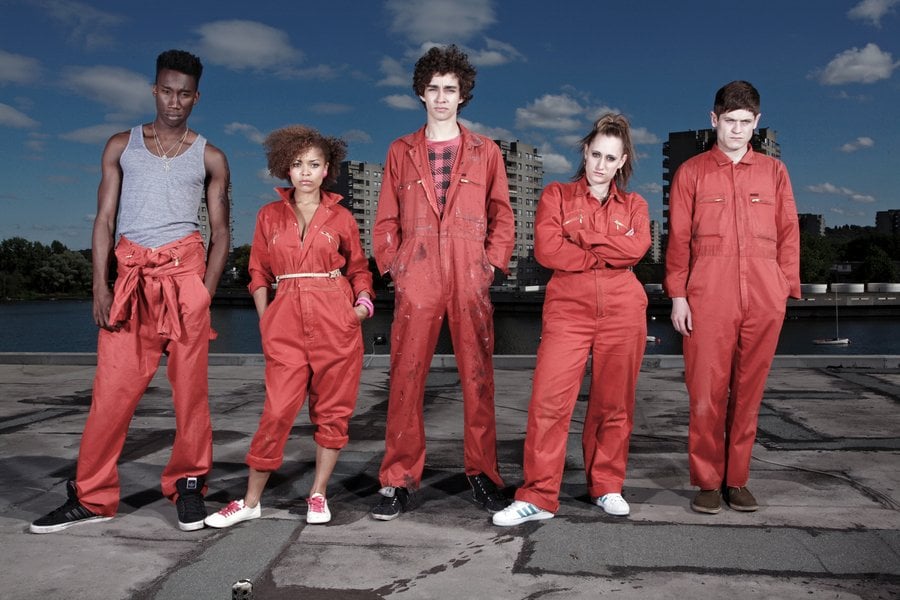
Misfits
Five delinquents are stuck together in juvenile detention. The kids are bored, and they are all doing their best to be as rude as possible to each other and their supervisor. One afternoon there’s a big storm and they all get struck by lightening. The next day they wake up with the realization that they are not the same people as they were the day before. Each episode follows the perspective from a different character. This is not your average superhero gang – nor are their powers particularly desirable. In essence the show is about a group of “misfits” trying to make connections and fit in. It’s at times heart warming, at others it will make you cringe. There is some seriously good acting between Iwan Rheon (Game of Thrones) and Antonia Thomas (Love Sick). The plot is very gripping so it will be hard to not watch the whole first season (6 Episodes) in one afternoon.
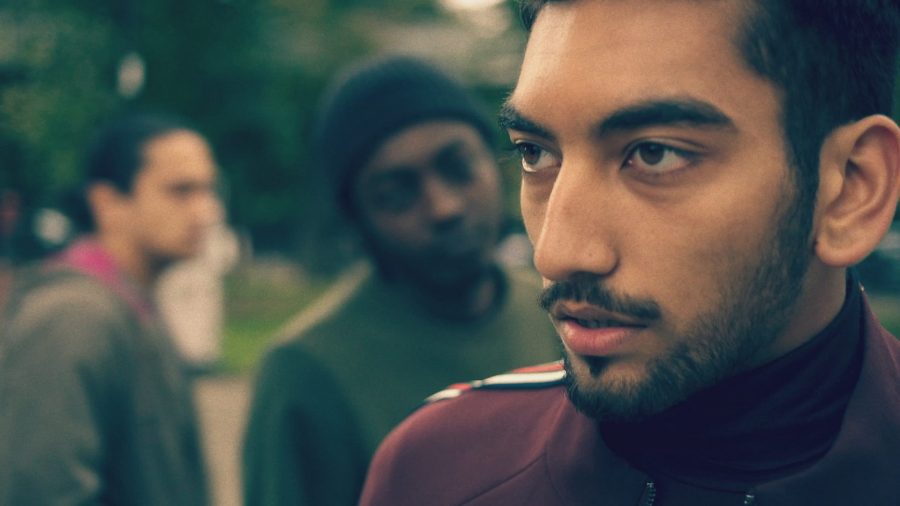
Informer
This visually stunning thriller is about a young man called Raza who is hired by a counter-terrorism officer as his informer. If you liked Netflix’s Bodyguard, you will love this, which in my opinion is has much more substance.
Originally a photographer with no link to the world of crime or terrorism, the color of Raza’s skin and his accent make the authorities believe he would be a valuable asset. And quickly, he falls into a web of crime, giving this show the appeal of the fantastic HBO series The Night Of.
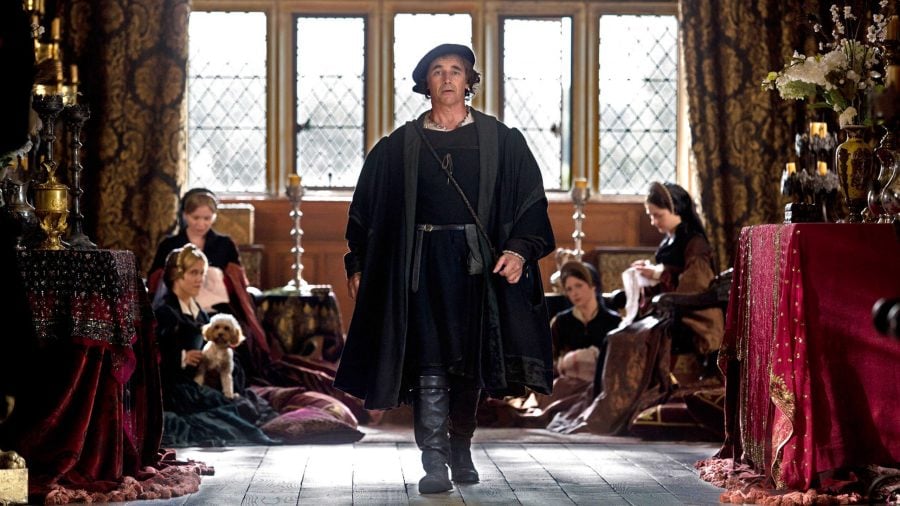
Wolf Hall
Claire Foy (The Crown), Damian Lewis (Homeland), and Mark Rylance (Dunkirk) star in this highly-acclaimed period drama about the rise of Thomas Cromwell as he goes from being the son of a blacksmith to becoming an important figure in British history.
The miniseries is made up of only six parts, despite being based on two famous books that span thousands of pages. The result is a dense, fast-paced and compelling historical drama, where each frame manages to look like a delicate painting. And all that is very difficult not to binge in one take.
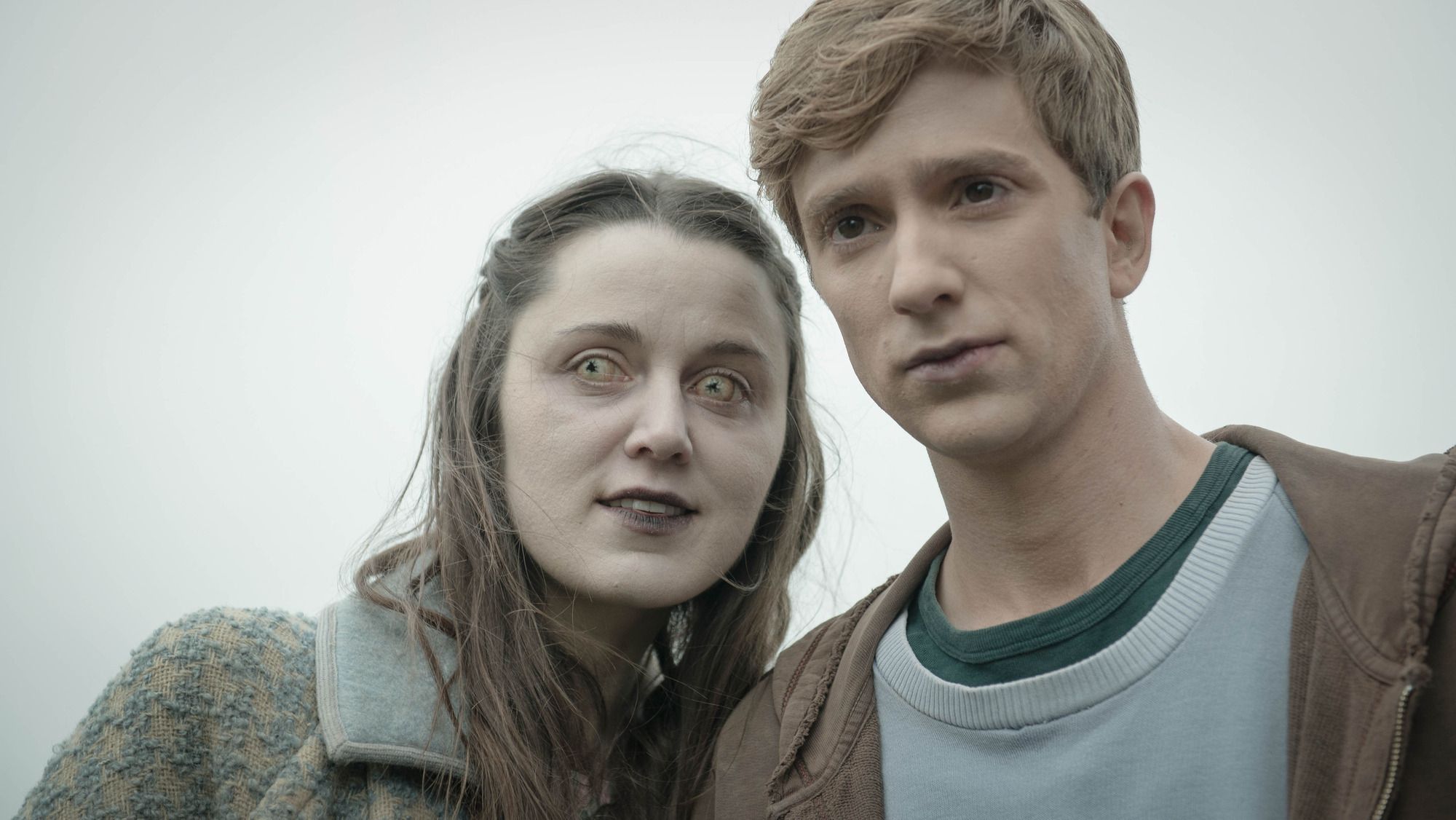
In the Flesh
This short-lived BBC series is premised on a simple but ingenious idea: what if zombies could be treated and welcomed back into society? In the Flesh posits that the battle between humans and the undead would be more political and social, rather than just fatal. It sees a return to the use of zombies as a more direct representation of alienation and societal divide, instead of having them just be soulless creatures to be feared and killed. So if you ever wished you could view a less gory Walking Dead, then the haunting and profound In the Flesh is your best bet.
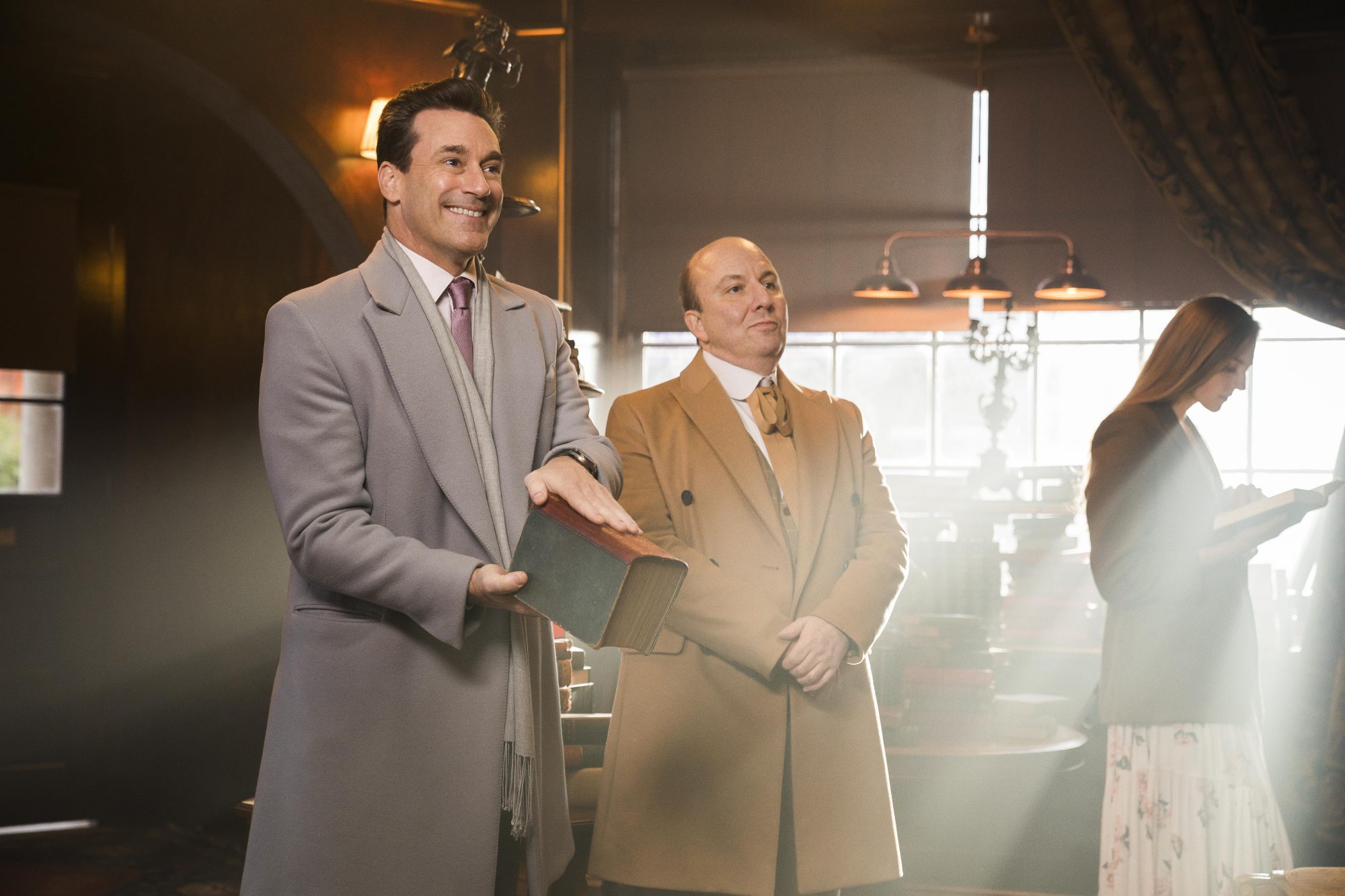
Good Omens
Based on the book of the same name by celebrated author Neil Gaiman, Good Omens is a fantastic story about an angel and a demon teaming up to save the world. Michael Sheen and David Tennant play the deities who go against their superiors’ apocalyptic orders after having grown too fond of both the fun and follies brought about by the human race. This unexpected team-up, along with the creative use of Christian concepts and the comedic chops of all the actors onboard, are what make Good Omens a subversive, inventive, and thoroughly entertaining series.
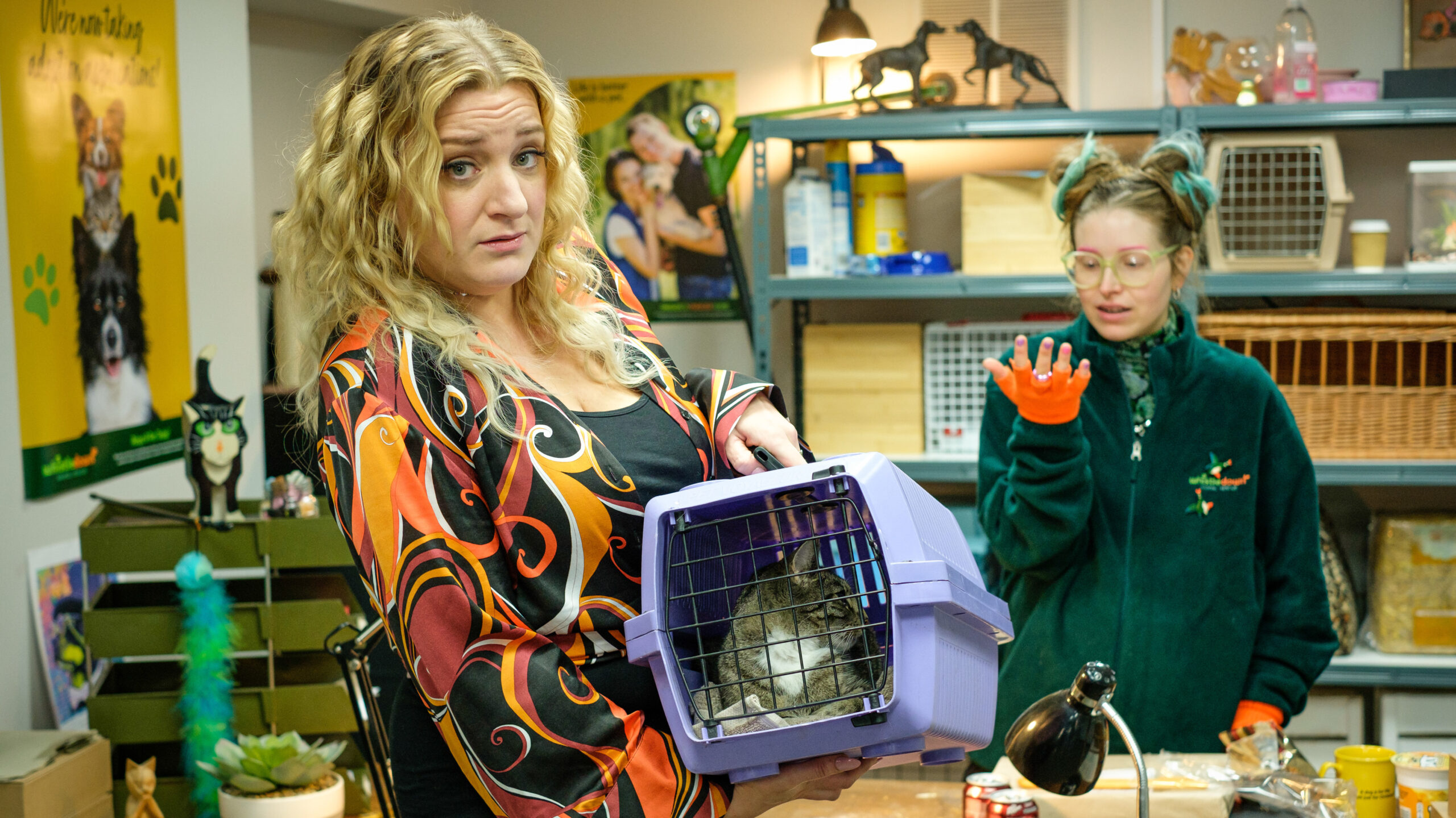
Am I Being Unreasonable?
It’s hard to shock viewers nowadays, with TV being saturated with every type of show imaginable. But Am I Being Unreasonable? succeeds at standing out with deceptive simplicity. The six-part series asks us to follow Nic (Daisy May Cooper) and Jen (Selin Hizli), seemingly ordinary mothers living seemingly ordinary lives. Predictably, it starts with their midlife malaise, but the more we learn about the pair, the more complex and fearsome they become, and the more it becomes clear how difficult it is to know (and much less trust) another person.
The show swerves from drama to comedy to romance to horror all in a flash, and in lesser hands these changes can be frustrating and jarring. But here they feel welcome and fresh, thanks in large part to confident direction, a whipsmart script, and the wonderful relationship that forms between Nic and Jen. Every twist feels justified and every genre shift feels ingenious. Like its leads, Am I Being Unreasonable? can seem simple at first, but it dives into unexpected depths with every new episode.
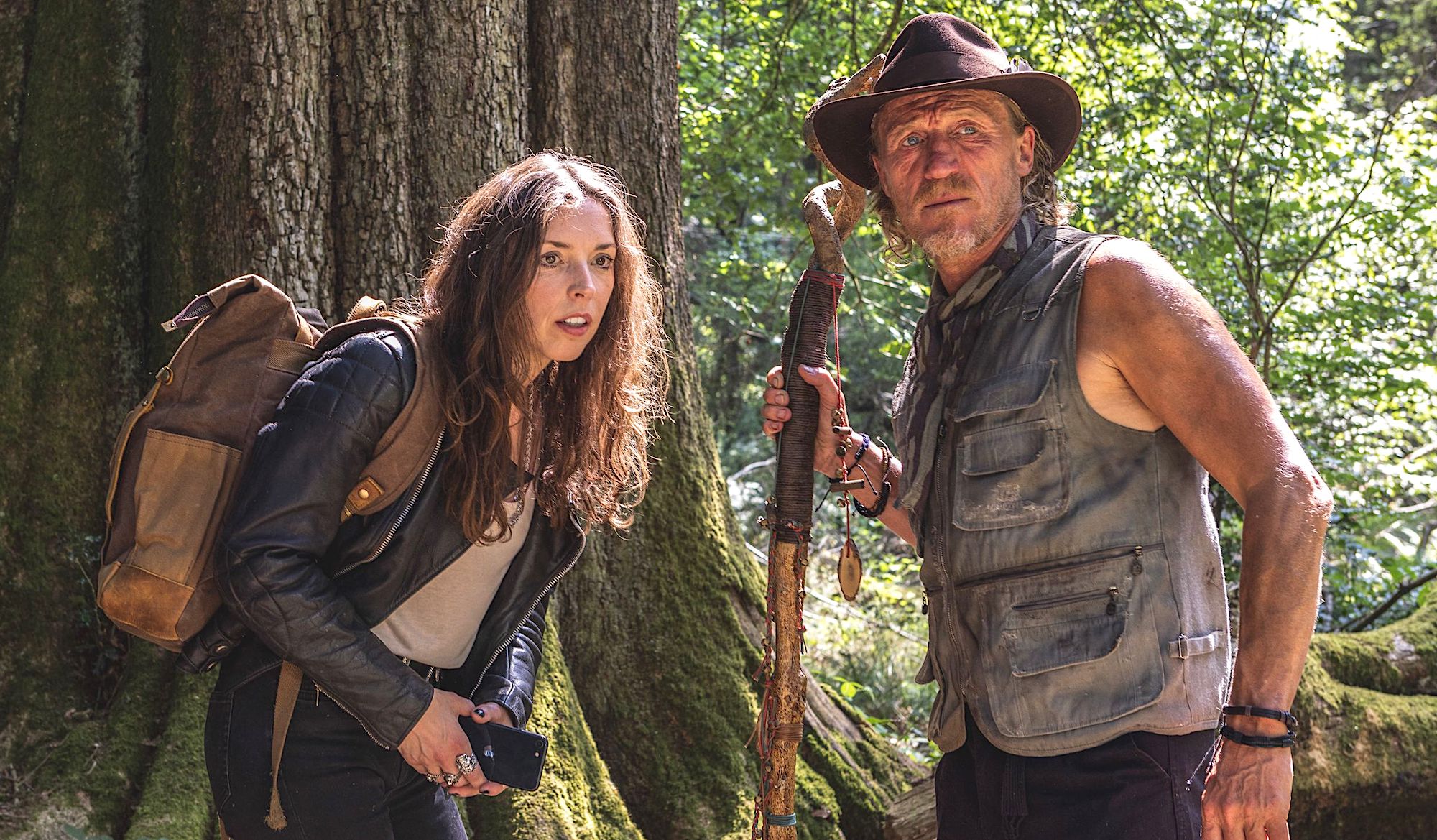
The Change
Initially, The Change’s premise might seem as eccentric as its kooky characters, but this comedy series set in ancient woods makes a compelling case for itself over six short episodes. When Linda (writer Bridget Christie) is diagnosed as menopausal, it triggers a flash of clarity: she’s tired of being reduced to “wife” and “mother.” Depressed by all her ledgers recording every second she’s spent doing unappreciated housework, Linda decides to reclaim a few thousand minutes, and takes off on her motorbike to the Forest of Dean to look for the time capsule of cherished belongings she hid there as a child following her mother’s death.
Because this motivation is only explained later, the show has a somewhat perplexing beginning, but a couple of episodes in, it finds its footing. The Change makes sharp punchlines out of boorish man-children — and, although it has varying success getting laughs out of its more bigoted characters, it does decenter them and dole out acceptance to the overlooked, making it refreshingly divergent from “topical” comedies’ usual flippancy. The spiritual link it draws between its apparently unrelated focuses — menopause and the natural environment — adds to its originality and empathy, making this a comedy of untypical thoughtfulness.
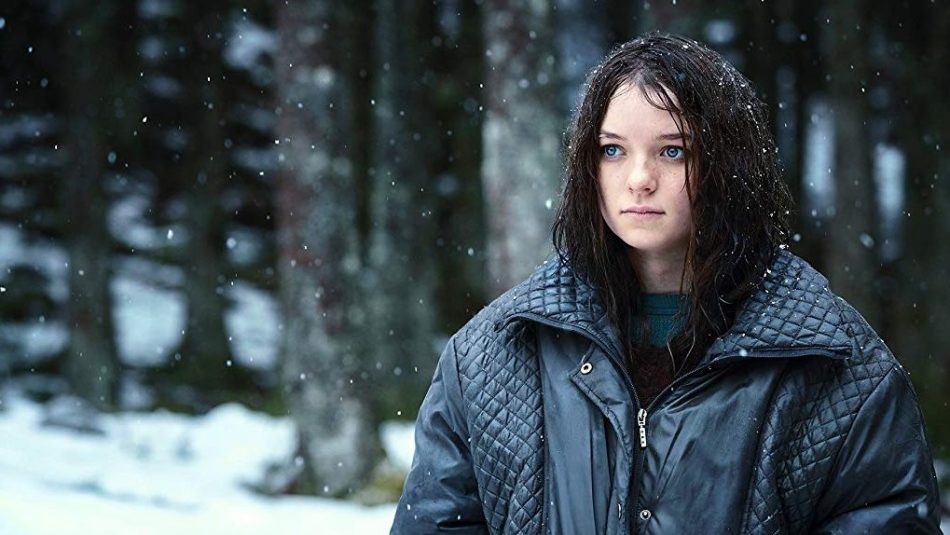
Hanna
Hanna the movie was the perfect mix between a coming-of-age story and a Bourne-Trilogy-type thriller. It was suspenseful, edgy, and so original.
How to make these attributes stick when the movie is stretched to a TV show? As it turns out, more of the same does the trick.
The majority of events have been imagined especially for the show, and it doesn’t stop there. The series is packed with great new talent who bring their uniqueness to the story. Hanna herself is played masterfully by British actress Esme Creed-Miles. Her father – much more present in the show than the movie – is also amazingly played by Swedish actor Joel Kinnaman (you may recognize him from House of Cards or The Killing).
High production value and incredible suspense make Hanna an enjoyable and prolonged thrill ride. It’s even more fun if you’ve never watched the movie, as all plot developments will be new to you.
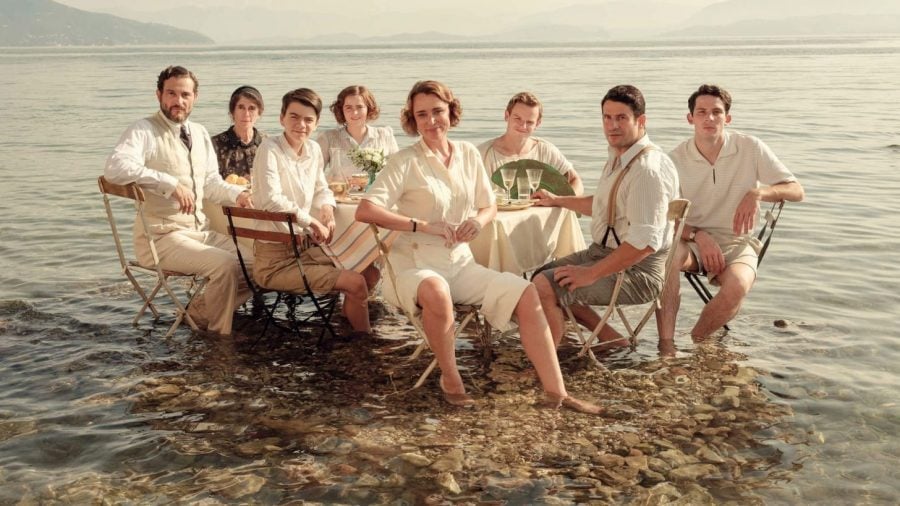
The Durells
This comedy-drama is about a British family that moves from England to Corfu, Greece, in hopes of a better life.
At first the cultural shocks and mishaps are hilarious, but The Durells quickly becomes a heartfelt drama centered around the mother, who has to push through a lack of money, new responsibilities and a sense of loneliness on top of the cultural adjustment.
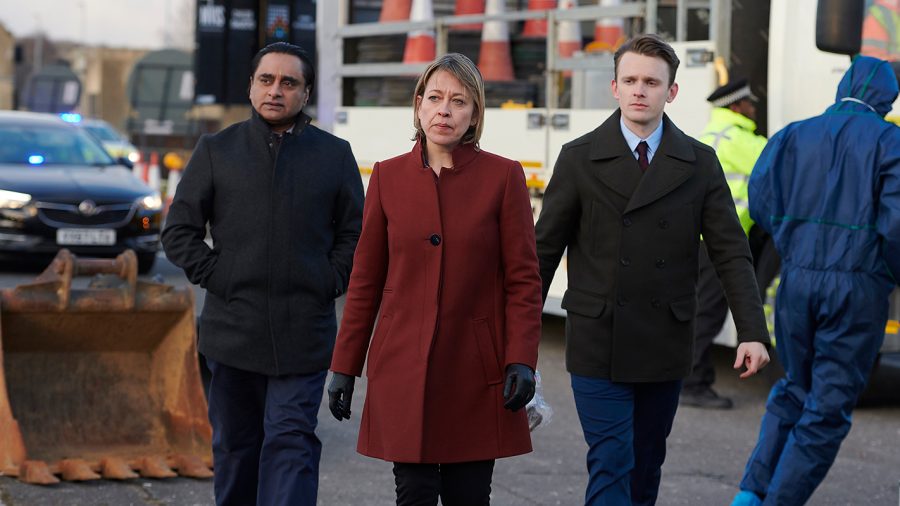
Unforgotten
This six-part BBC crime drama is about two detectives who try to solve cold murder cases. In the first season, they try to solve the murder of a young man from the 70s who left a diary full of seemingly unconnected names.
Like most BBC mysteries, it’s grounded, believable, and consistent. Still, the second and third seasons of Unforgotten are better than the first, offering a reward for sticking with the show.
Scott & Bailey
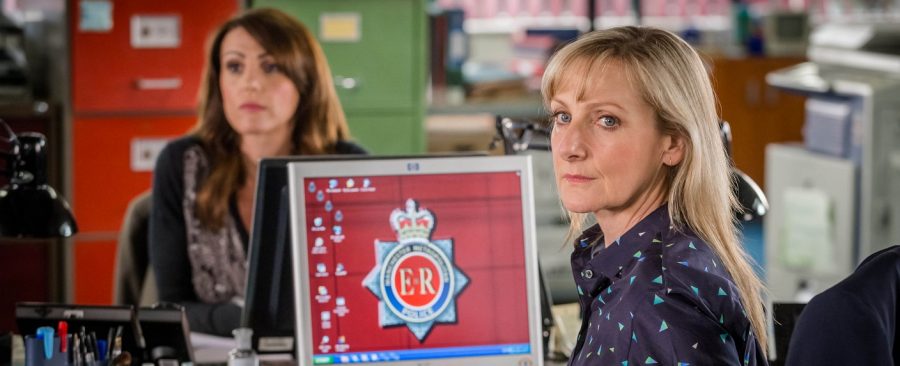
This excellent British detective drama is from Sally Wainwright, writer and creator of Happy Valley. It premiered back in 2011 and now has five seasons to dive into for an extended binge.
Rachel Bailey and Janet Scott are two murder-unit detectives in Manchester, England. The show is as much about their cases as it is about their friendship and lives. In the first episode, while Rachel Bailey investigates the alleged suicide of a Turkish immigrant, she’s also investigating her ex-partner, who suspiciously broke up with her and moved away.
It’s packed with the buddy-cop genre, which admittedly has been overdone in British TV. But who knew the solution to making something feel completely fresh is as easy as having the buddies be two women.
Drops of God
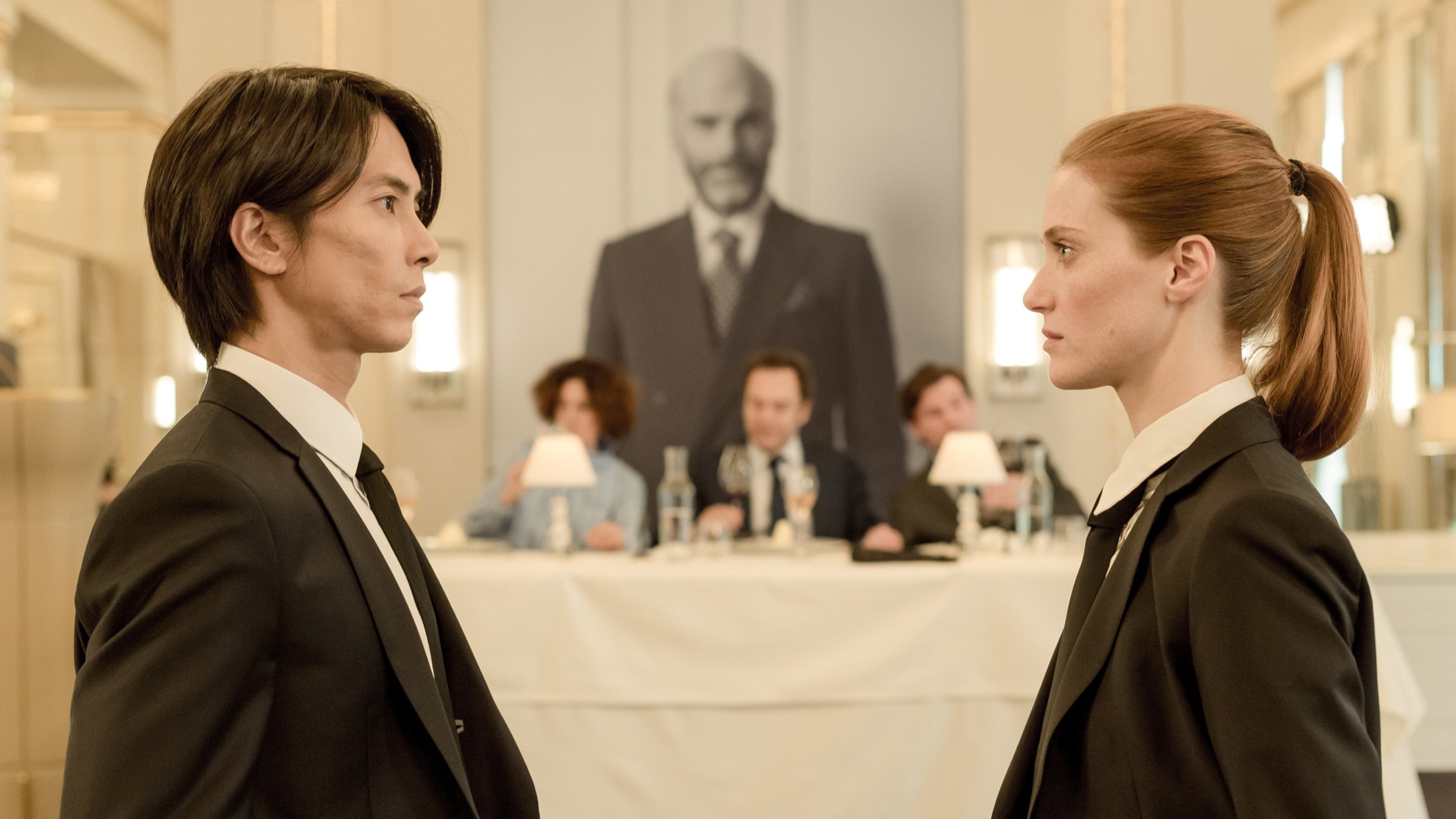
In the multilingual Drops of God, French author Camille and Japanese sommelier Issei battle for a wine expert’s multi-billion-dollar inheritance. Camille may be the expert’s daughter, gifted with an incredible sense of smell and taste, but Issei is the so-called “spiritual son,” the protégé who filled in Camille’s shoes upon her abrupt departure from her father’s life. Whoever wins a series of wine-related tests gets to keep the expert’s estate and continue his legacy.
Based on the Japanese manga of the same, Drops of God is strangely but enjoyably competitive as it plunges you deep into the complex world of wine—through intense competitions, we get a closer look at the drink’s many layers, long history, and even its cultural connotations. This nice blend of knowledge and rivalry makes it a thrilling watch, but the show also has an unexpected but welcome family element to it that softens the edge a bit and gives it a sweet aftertaste. If you were ever looking for a smart but heartfelt show about wining and dining, this is it.
Star Wars: Visions
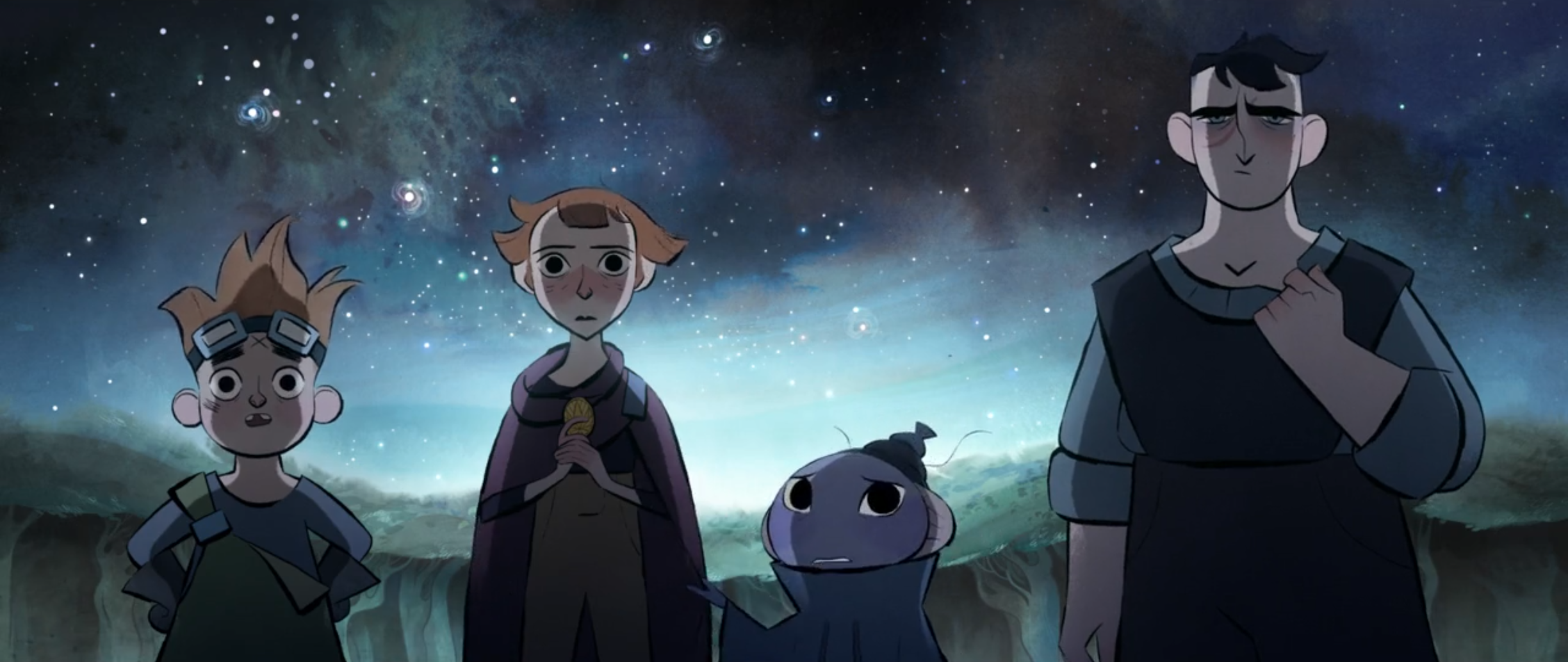
More a showcase of various styles of animation than an expansion of Star Wars lore (and all the better for it), Visions finds some of the freshest expression for these tired tropes—rendered in what are easily the best visuals this franchise has ever seen. Across the 18 episodes of its first two seasons, the series communicates the mystical nature of this universe with much more ease than the live-action films do. And even as Visions begins to repeat some of the exact same ideas and story structures in multiple episodes, the repetition also begins to feel like the reinforcement of a universal narrative throughout time and space: there will always be light that will counter the darkness, often coming from the bonds between family and friends.
No titles match these filters.