
32 Best Mind-Bending Movies to Watch Now
Updated
Looking specifically for a “mind-bending” or “mind-blowing” movie on your streaming service of choice might not always give you what you’re looking for. Chances are you’ll be shown movies that have some sort of twist to them, usually something dealing in the realms of sci-fi, fantasy, or psychological thriller. But we want to help expand what these movies can be. At the end of the day, you’re looking for something that can genuinely surprise you and leave you thinking about things in a different way. And in this list we’ve compiled of little-known but highly-rated films, we hope to show that complex movies that leave you feeling dazed can come from any genre—and don’t need to rely on a cheap twist to be good.
How we make these lists
No AI. No algorithms.
We are 100% human-curated. Everything you see here has been handpicked by a team of experts.
At least 7/10 on IMDb
So you know they are appreciated by viewers, not just high-brow critics.
At least 70% on Rotten Tomatoes
We combine this with the IMDb bar to keep only the best of the best.
Find more to watch
32 Best Mind-Bending Movies to Watch Now

Wild Tales (2014)
With ‘Wild tales’, writer-director Damían Szifrón explores exactly how thin the proverbial veneer is on the passions of the human heart. Or rather he gleefully rips it off. Visually dazzling and laced with social critique, violent revenge is the theme joining the six vignettes together. Each one starts off in a relatable everyday situation, including an airplane, a wedding, and a coffee shop, which quickly propels into complete savagery of Roald Dahlian proportions.
Like the famous author of Charlie and the Chocolate Factory, Szifrón writes great satirical characters, which he relishes in hurting and throwing in the ditch. And much like the rage of its protagonists, featuring Ricardo Darín as a family man articulating his by way of explosives, this movie does not know peaks and valleys. It’s a dark comedy thrill ride that will have you gasping for air!

The Hunt (2013)
It comes as no surprise that former Bond villain Mads Mikkelsen won Best Actor in Cannes for delivering on this challenging role. In this merciless thriller by Danish director Thomas Vinterberg, the ice-eyed actor plays Lucas, an out-of-luck high school teacher struggling to start a new life. After a bitter divorce, he returns to the close-knit community he grew up in to work as a kindergarten teacher.
A few weeks before Christmas, a child from his class, who has an innocent crush on the popular teacher, hints to a colleague that he had exposed himself to her. The young girl’s intimation galvanizes the small hunter’s town into a witch-hunt that leaves Lucas’ life hanging from a string. Trapped in the lies, the more he fights back, the more irrational the mob becomes. In all its brutal honesty, The Hunt is one of those rare thrillers that will haunt you for days. Extraordinary and thought-provoking!

Mommy (2014)
Aptly named ‘Rupert Grint on speed’ by one critic, Antoine-Olivier Pilon plays Steve, an abusive ADHD adolescent who just got out of a juvenile care facility for setting fire to the school cafeteria and injuring a fellow student. Similarly, his mother Diane, played by Anne Dorval, is a type of Lorelai Gilmore on speed – and to say that sparks fly when they clash is an understatement. But help comes from unexpected places: ‘Die’ makes friends with Kyla, an anxious teacher living across the street, who then gets sucked into this crazy, volcanic mess.
Mommy is the fifth feature film by French-Canadian don’t-call-him-a-hipster director Xavier Dolan and won the Cannes Jury Prize for its originality. It is shot in the 1:1 ‘portrait’ format, but every now and then a moment of exhilaration will crack open the frame. The brutality on screen is sugar-coated by an all-over-the-place soundtrack that includes the Counting Crows, Celine Dion, and Blue (Da Ba Dee) by Eiffel 65.
Shrill, violent, and demented, this out-of-control dark comedy will punch you in the guts. But it also aims straight for the heart and doesn’t miss. Prepare to be continually torn between laughing out loud, clawing your seat, and covering your mouth in shock.
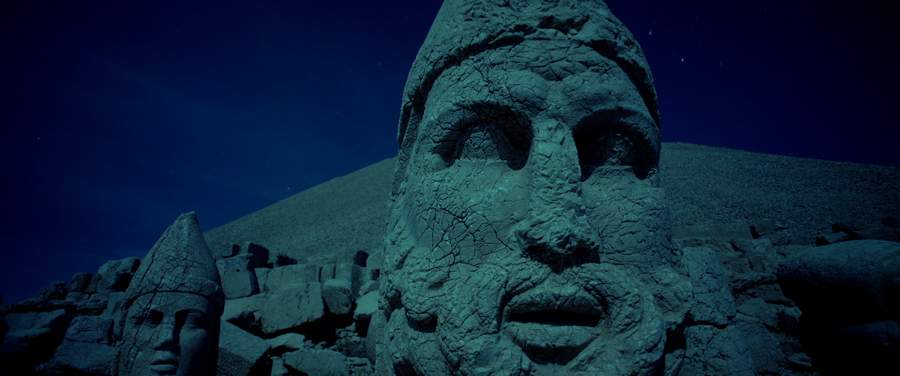
Samsara (2012)
The Sanskrit word Samsara refers to the wheel of life and roughly translates to “continuous flow”. And, indeed, Samsara takes us on an entrancing journey, chronicling the never-ending cycle of birth, life, death, and re-birth that life, big and small, goes through—at least according to the religions that were born on the Indian continent. Shot on 70mm film and utilizing computerized camera movements as well as time-lapse photography, this film by American director Ron Fricke delivers absolutely breath-taking visuals. Whether it’s awe-inspiring vastness or the close-up of a human face, its narration-less narrative integrates every aspect of human and natural life regardless of scale or location. The scope of this effort is truly awe-inspiring and the clarity of it has to be seen to be believed. An unusual and magical film!
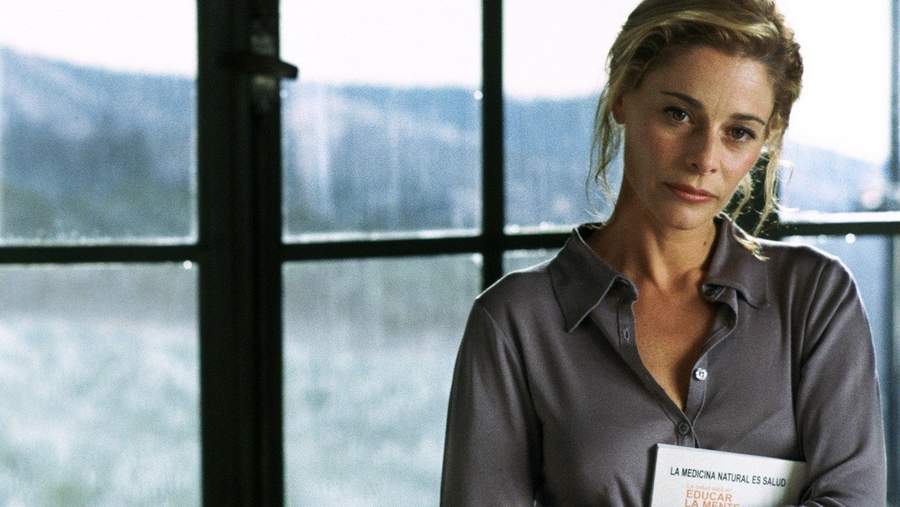
The Sea Inside (2004)
There are movies that leave you matured after you finished watching. You mature because you are forced to walk in someone’s shoes and confront yourself with issues that you are not affected by. The Sea Inside is one of those movies – and won an Academy Award and a Golden Globe for it. Directed by Alejandro Amenábar, who you might know as the director of The Others, it tells the true story of Ramón Sampedro’s decade-long fight for the right to end his own life. After he became quadriplegic after a diving accident, he was confined to the same bed in the same room for 26 years, except when he visited the hospital. Not an easy subject to say the least but Amenábar helps the fascinating story along with stylish directing, while Javier Bardem delivers a stellar performance to go with it. Thanks also to Ramón Sampedro’s sunny real-life nature, this heart-wrenching watch also has plenty of uplifting moments.
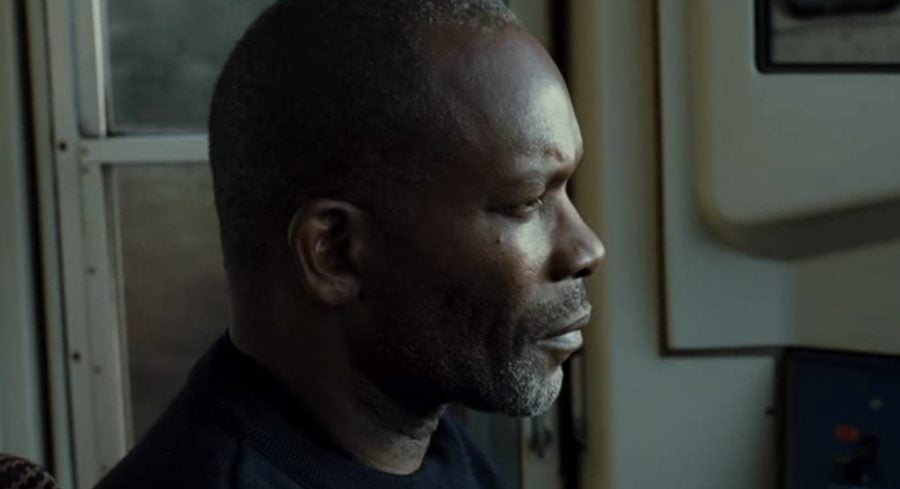
35 Shots of Rum (2008)
This bittersweet film about a father and a daughter marks one of the more tender spots in Claire Denis’ brilliant filmography. Frequent collaborator Alex Descas plays Lionel (the father), while Mati Diop, now a director in her own right, plays Josephine (the daughter.) The film captures the two at a crossroads, with their closely-knit relationship tested as Josephine grows closer to her boyfriend, and Lionel must face the possibility of finally letting her go.
A melancholy lingers in the air as we learn more about their lives and the small community of neighbors and coworkers in their orbit. Meanwhile, the film’s climax holds a mesmerizing sequence set to the Commodores’ Nightshift, which has to rank as one of the best needle drops in cinema from a director who already has an all-timer under her belt. (see. Beau Travail)
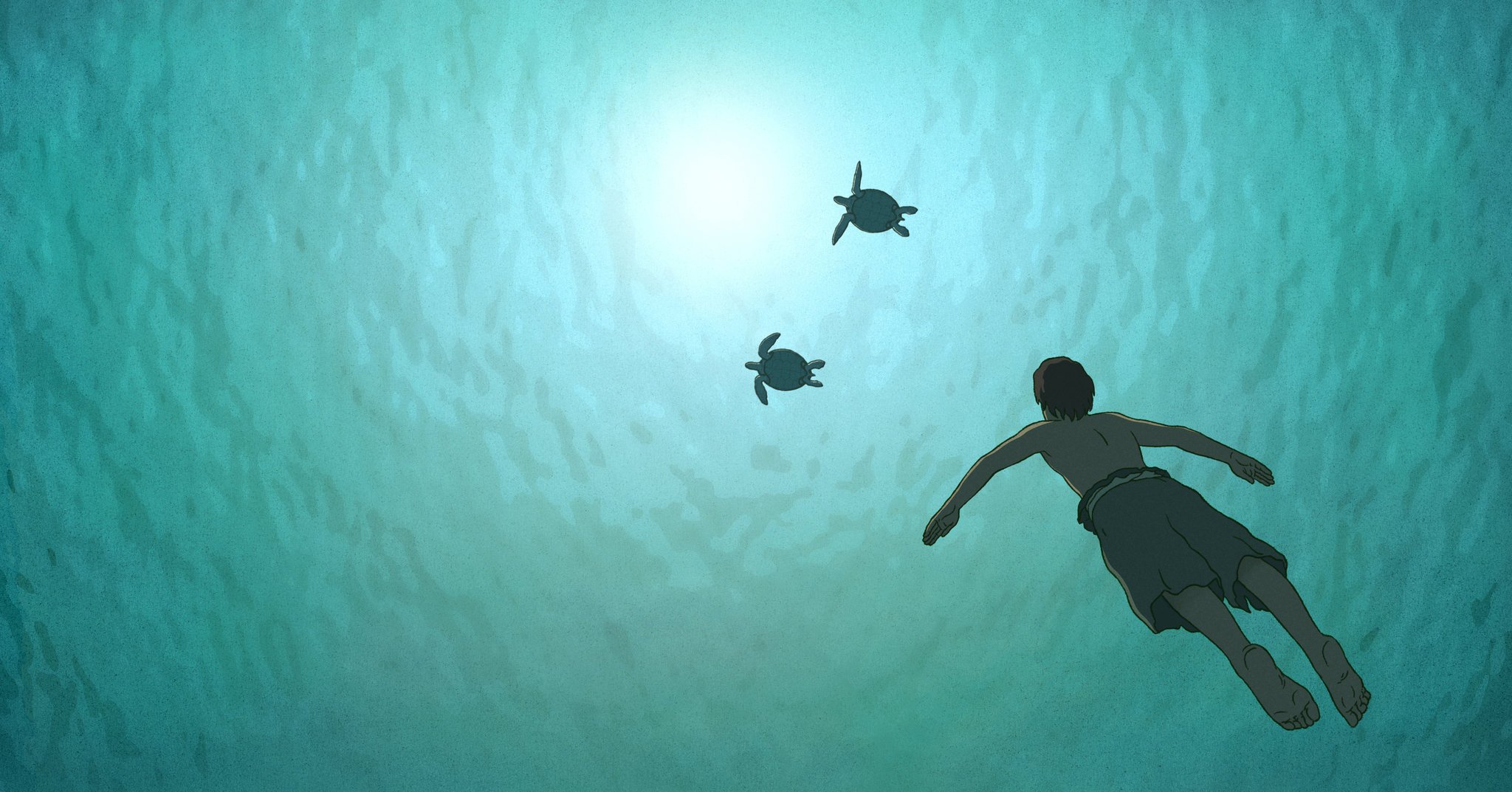
The Red Turtle (2017)
Co-produced by the legendary Studio Ghibli and directed by Dutch animator Michaël Dudok de Wit, The Red Turtle is a tale about a man shipwrecked on a desert island whose fate is changed upon meeting a giant turtle. Beautiful images are pulled together and combined with the film’s delicate symbolism about humanity and nature, in a story told with remarkable restraint. The only sound in the movie is that of nature and the film’s beautifully relaxing score. Using only simple ingredients, The Red Turtle is an enigmatic, captivating, and highly-recommended gem that, after all, encompasses life itself.

Taylor Mac’s 24-Decade History of Popular Music (2023)
A 100-minute highlight reel of the audacious 24-hour performance staged by artist Taylor Mac in 2016, this concert film succeeds not only in capturing the show’s eclectic mix of songs, drag costumes, and interactive audience segments, but in capturing the emotional atmosphere conjured up in that Brooklyn warehouse. The very premise of the performance is ripe for analysis: a history of America starting from 1776, progressing one decade every hour, represented by selections of popular music of the time—which Mac questions at every turn, reinterpreting and reclaiming them for a contemporary queer audience. It begins as a creatively educational exercise, but gradually becomes more and more personal, until the audience is fully involved in the performances themselves.
Even the 24-hour format transcends its gimmick. That the show becomes an endurance test is deliberate, with bonds forming in real time and the exhaustion of this ever-changing drag performance conveying the weight of all this history on the most vulnerable and misrepresented sectors—who’ve already endured continuous losses decade after decade. And still there is cause for celebration, and genuine warmth among the people slowly becoming more vulnerable with each other over 24 hours. It’s a beautiful, intelligent, frequently funny, and ultimately moving experience in a class all its own.

Hail Satan? (2019)
The question mark in the title represents the central idea of this fascinating documentary: what if worshipping Satan is the only way of ensuring religious freedom for everyone?
That’s what a group of young members known as The Satanic Temple believe, led by a determined and well-spoken Harvard graduate. They embark on a journey across the U.S. to challenge corrupt officials and the prevalence of religious biases in government agencies. They always request that their belief system (Satanism) is given the same favorable treatment as Christianity, effectively proving that authorities will really only accept a show of religion if it’s one religion: Christianity.
But their intoxicating energy comes with costs: divisions within the organization and growing pains. This documentary perfectly illustrates not only a misunderstood religion (in the documentary it’s referred to as “post-religion”) but the difficulties of establishing grassroots movements in general.

Dogtooth (2009)
Dogtooth is a bonkers tale about three teenagers who live an isolated life on their family’s estate due to strict rules set by totalitarian parents. Their vocabulary is limited and their perception of the world is strange. They’re taught that cats are bloodthirsty monsters, that disobedience is grounds for horrific punishment, and that the world outside the house will kill them.
Equal parts bizarrely funny and disturbingly terrifying, director Yorgos Lanthimos pulls no punches with this fascinating examination of authoritarianism. As usual with his actors, they are directed to deliver lines in a matter-of-fact, often even deadpan manner, making the escalating lies and deceptions more and more unsettling as the film goes on. Thimios Bakatakis’ cinematography also places the twisted tale in a home that has a somewhat dreamlike beauty.
Those who enjoy dark, comical situations told with dry humor will be amused by Dogtooth. Those who enjoy stories that quietly build up to gruesome conclusions will also be amused by Dogtooth. It takes a unique mind to depict nameless children being subjugated and stripped of the fundamentals of conceptualization in an isolated world, and treat it as an absurdist comedy rather than a flat-out horror film. Lanthimos does it.

Babylon (2022)
Between its maximalist production design and increasingly dark comedic set pieces, the most striking thing about Damien Chazelle’s critically misunderstood industry satire is how it strikes a tone closer to tabloid gossip than anything else. As opposed to the clockwork precision of Chazelle’s Whiplash, or the dreaminess of La La Land, Babylon’s restlessness doesn’t resemble Hollywood spectacle so much as it begins to feel like an unscratchable itch, desperate to feel anything. The film ends up trying to say so much that it threatens to say nothing at all, but its vision of cinema becoming reality is so potent that just the experience is more than worth getting lost in.

The Central Park Five (2012)
The Central Park Five is a harrowing documentation of the unseen narrative surrounding the 1989 Central Park Jogger case. Five men – four black and one of Hispanic descent – have been wrongly accused, tried, and convicted for the assault, rape, and sodomy of female jogger Trisha Meili the night of April 19. No (DNA) evidence was found implicating the involvement of any of the kids to the crime and no one could identify them, but because the crime was sensationalized by the masses and the authorities were put under pressure by the media to pin a name on the case, they settled with coercing a confession out of the juveniles. This is a telling of their tale years on.

Millennium Actress (2001)
Millennium Actress, from famed animation director Satoshi Kon, is about lives lived and unlived. It follows Chiyoko Fujiwara, an actress from Japan’s golden age of cinema, as she recounts her life to two documentarians making a film about the history of the now-defunct Ginei Studios. Kon employs a metafilm narrative approach, framing Chiyoko’s lifelong search for her great love through the movie roles she has played, all interweaved through Kon’s stunning genre switches and signature match cuts. Millennium Actress poignantly explores the bittersweet irony of “larger-than-life” cinema, how it can contain a multitude of lifetimes and still be lacking, and how films serve as extensions of memories and yearning.

Return to Seoul (2022)
In both documentaries and films, adoptees meeting their biological parents for the first time is an event often painted in a sweet light. Never mind the child’s mixed feelings about it or the tragic reality that caused the split in the first place—it’s a reunion between family members, so it must be unequivocally special. In Return to Seoul, director Davy Chou doesn’t just debunk that myth, he subverts it by making the adoptee, Freddie, as unapologetically complex and emotionally enigmatic as possible. She resists affection but wallows in loneliness. She craves reinvention but stays in the same place for years. She’s in constant motion while being absolutely stuck in life. In other words, she’s a realistic embodiment of a person struggling to find some semblance of home. Chou displays an intimate understanding of the foreign experience, and he couples it with captivating cinematography, a rousing soundtrack, and fantastic performances across the board to make a daring, inventive, and thoroughly exciting film.
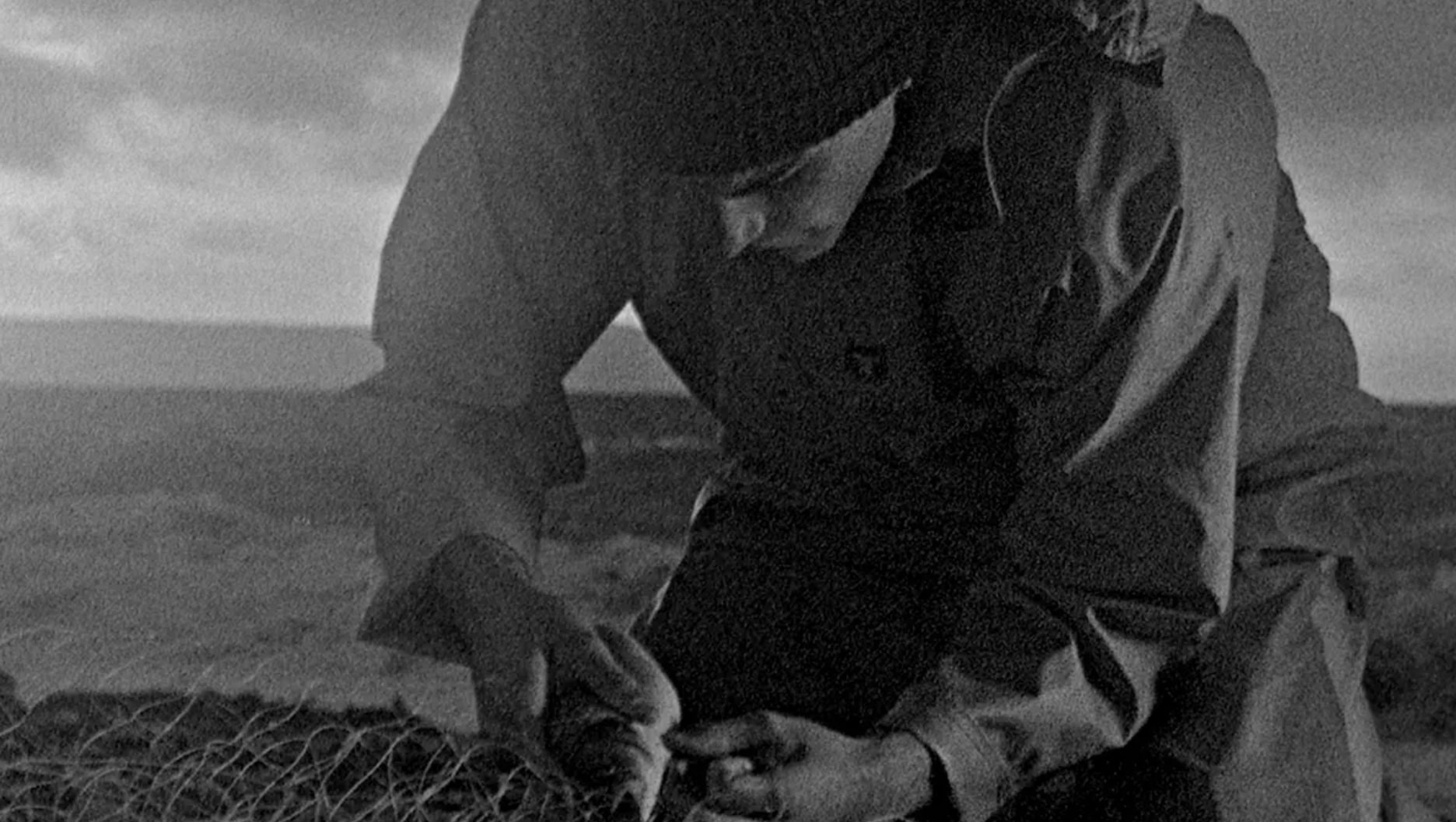
Bait (2019)
Shot on a hand-cranked silent camera with all the sound and dialogue added in during post, Bait immediately stands out as a film that appears lost in time. With the visual texture and slightly displaced audio of an independent film made during Hollywood’s infancy, the movie manages to convey its character and class conflicts with an additional air of surreality, even in its simplest sequences of shots. But writer/director/cinematographer/editor Mark Jenkin doesn’t approach this project with an ironic or flippant attitude. Through the most fundamental techniques of an art form that’s constantly changing, he crafts a story about the inevitability of change and those who really stand to lose the most from the passage of time.
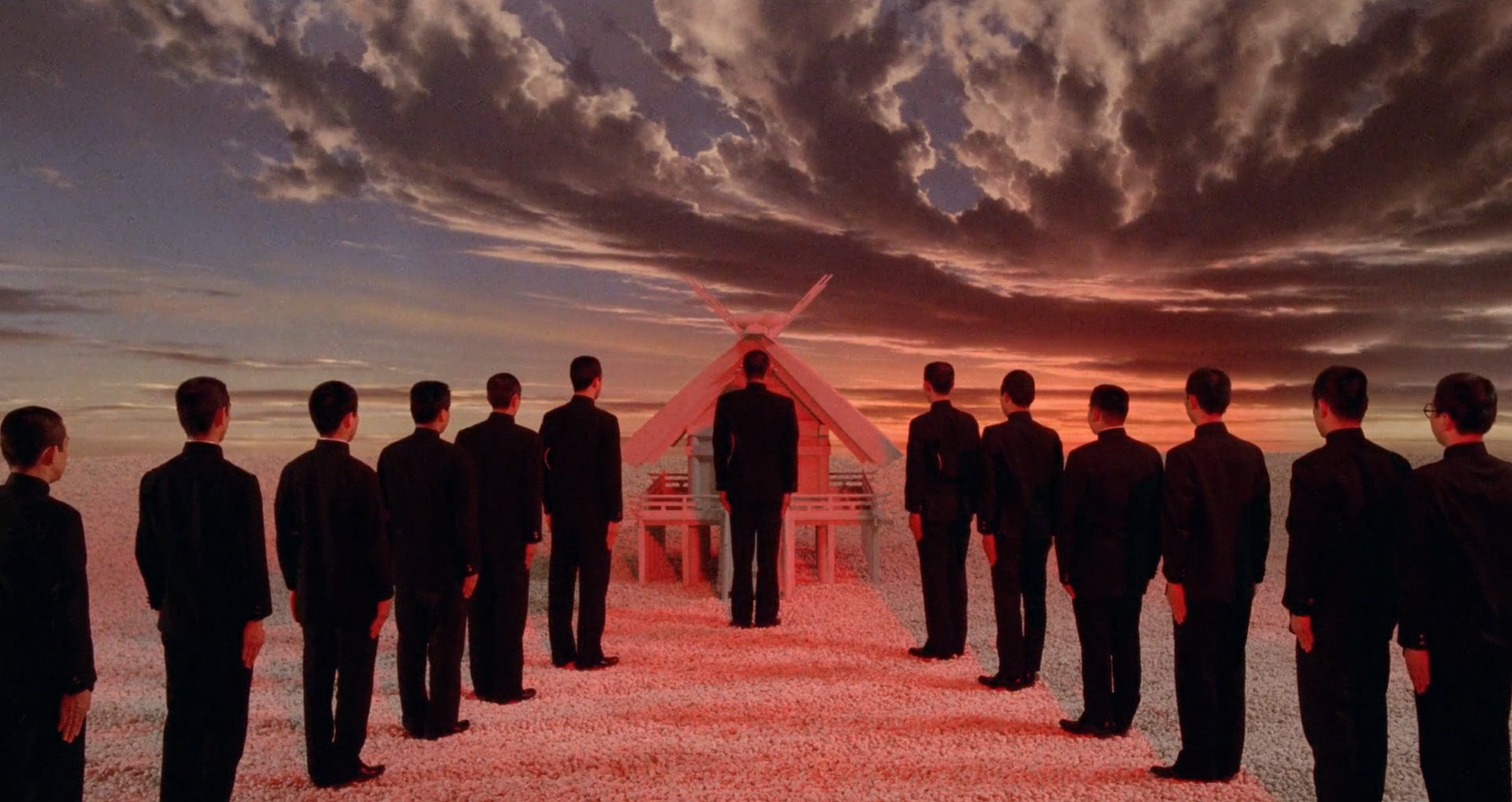
Mishima: A Life in Four Chapters (1985)
Shattering the rules for how a biographical drama can look and be told, Paul Schrader’s Mishima rejects the usual character study template in favor of a much more abstract attempt to understand a person through their art. Told in fragments that flit between Mishima’s early life, dramatizations of his fiction novels, and the final day of his life, the film pieces together what it believes was the core of this person’s life. Schrader’s script (co-written with his brother Leonard Schrader) traces within Mishima’s history a lifelong struggle with perceptions of his own masculinity and authority—as if he spent his every waking moment trying to compensate for a lack that he could hardly articulate. The character’s eventual turn towards reactionary beliefs makes logical sense in the film, but remains baffling all the same.
With all of its talk about beauty—enhanced by Philip Glass’ opulent musical score, and Eiko Ishioka’s breathtaking production design that transforms Mishima’s novels into tactile stage productions—the film conceals an incredibly dark heart. Mishima doesn’t inspire sympathy so much as he inspires morbid fascination, and it’s both a daring and frustrating choice to focus entirely on the character’s harmful delusions without room for much else. Still, Schrader has constructed an unforgettable audiovisual experience that lingers long after it’s over.
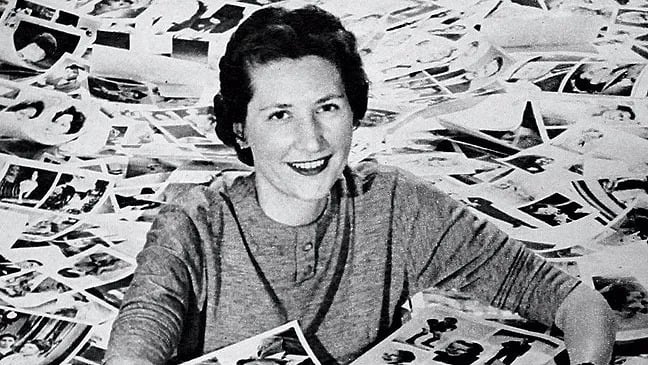
Casting By (2012)
Watch this documentary and find yourself amazed at how much of Hollywood history was determined by one woman: legendary casting director Marion Dougherty. At a time when studios were casting actors based on “type,” Dougherty revolutionized the process with her preternatural ability to see the potential in budding actors like Al Pacino, Dustin Hoffman, Robert Redford, and Glenn Close. Her work in introducing NYC’s theater actors to the silver screen launched countless careers and indelibly shaped iconic films like Midnight Cowboy and Lethal Weapon.
And yet, Dougherty’s work — and that of those who followed in her steps — is criminally underappreciated, as this doc both lays bare and seeks to redress. A largely female profession, casting was long devalued by a casually misogynistic industry, the persistent legacy of which is subtly highlighted in some interviews here. Among the talking heads sharing appreciation and anecdotes are many of the actors and casting directors whose careers Dougherty launched, as well as filmmakers (including Martin Scorsese) testifying to the pivotal role casting has played in their work. Playing the villain is Ray director Taylor Hackford, who believes casting directors add little to the filmmaking process — an argument that the doc wryly disproves with the sheer weight of refuting evidence it offers up.
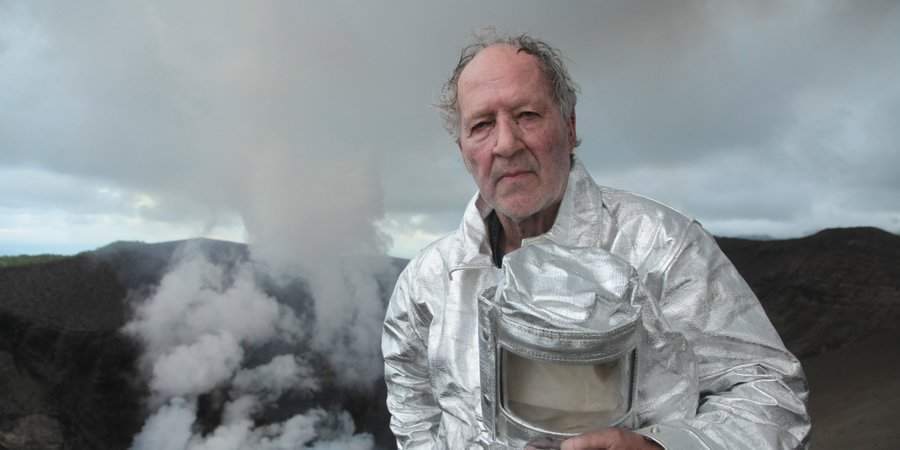
Into the Inferno (2016)
From countries like Finland to North Korea, this amazing documentary explores the most fascinating active volcanoes on our planet. But as it unfolds you realize that Into the Inferno is a movie as much about volcanoes as it is about the people obsessed with them. And who can be called obsessive more than the film’s own director, Werner Herzog, who, with such an explosive career had to eventually make a film about volcanos (bad pun intended). Beautiful scenery, interesting interviews, and Werner’s majestic delivery all make Into the Inferno both an interesting and satisfying documentary.

Freestyle: The Art of Rhyme (2000)
This fascinating documentary traces the roots of freestyling back to the rhythmic sermons of Baptist preachers, the improvisational energy of jazz music, and the spoken word artistry of the civil rights era’s Last Poets — but, like the form of rap it chronicles, it largely exists in the moment. The ephemeral nature of freestyling makes it a tricky thing to bottle, but The Art of Rhyme does so by mimicking the freewheeling energy of the MCs onscreen. And there are many legends of the medium featured here: from underground titans like Supernatural and Craig G (whose epic battles are shown here) to big names who crossed over into recording success like Talib Kweli, Mos Def, and even precious footage of a 17-year-old Notorious BIG. It’s as enlightening as you’d hope, but what makes this documentary such an impressive portrait of freestyle are all the ways it mirrors the impulsive, quick-thinking philosophy of the form in little over an hour.

Nomad: In the Footsteps of Bruce Chatwin (2019)
The sooner you adjust your expectations for Nomad—and realize that this isn’t a travel documentary but Werner Herzog’s own wonderfully offbeat way of remembering his dear friend—the better. Any uneven moments in this film’s construction are smoothed over by the sheer authenticity of what Herzog puts on screen, from his own distinctive narration, to gorgeous excerpts from Bruce Chatwin’s writings, to the sounds and images that make up the strange worlds that both men were fascinated in. No mysteries are solved here, but just being closer to the strange and surreal becomes a way for Herzog to come to terms with the strangest and most surreal of life’s realities: death.

Swiss Army Man (2016)
Probably the weirdest film you’ll ever see. Paul Dano plays a borderline suicidal man who befriends a farting corpse that washed up from the sea as played by Daniel Radcliffe. It’s an adventurous, witty and hilarious film yet it is filled with discreet and very deep lessons about society and norms. The soundtrack is so charmingly unique as well, it’s a definite must-watch for anyone looking for a refreshing comedy.
Biutiful (2010)
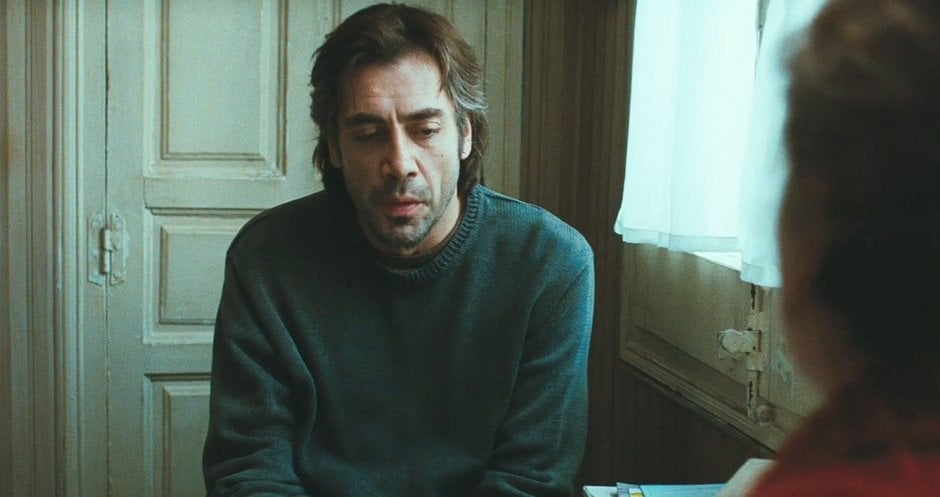
Ever wondered how much your life will change when faced with the reality that death is about to come? That’s normal, and not nearly as life-altering as being told you only have a few more moments to live. Because of a terminal illness, Uxbal (Javier Bardem) is driven to this situation and tries to right his wrongs in the wake of modern Barcelona. This melodrama is supercharged by Bardem’s unearthly performance as the story’s only hero, demonstrating the selfless love of a destroyed and dying father to his children – paired with cinematography unlike any other, this film is exceptionally beautiful. Directed by González Iñárritu’ (Babel, Birdman, The Revenant).
Three Identical Strangers (2018)
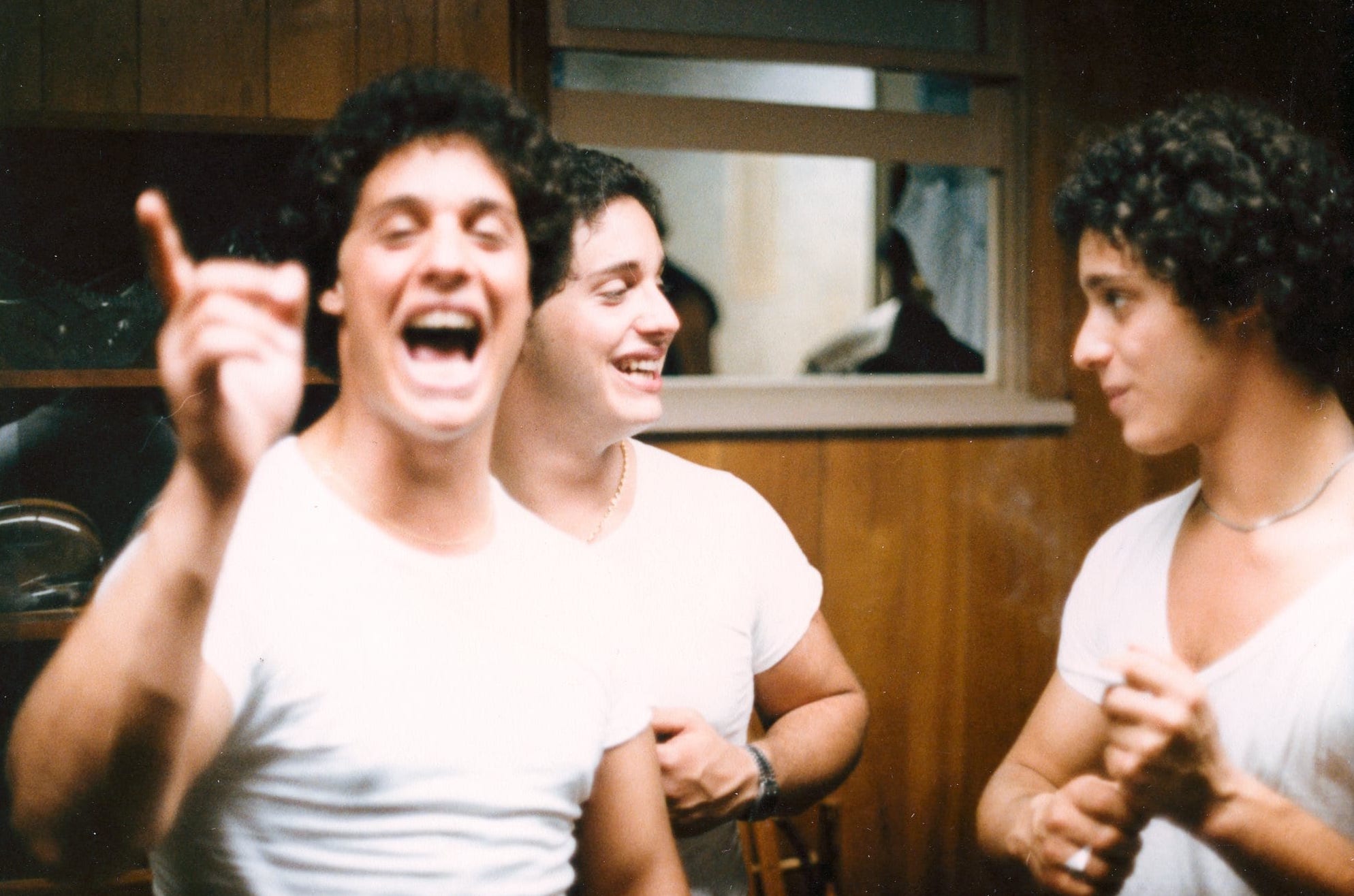
This is a documentary with a dark underbelly. When Bobby Shafran goes on his first day at college, everyone seems to recognize him. The person they’re actually recognizing is his twin brother, as the two were separated at birth by an adoption agency. A third brother surfaces to make the story even crazier, but things take a darker turn when questions arise about why they were separated as toddlers and to what end. If it wasn’t a documentary, this story would be an unusual science fiction on the themes of identity and nature vs. nurture.

Under the Sun (2015)
When Russian director Vitaly Mansky is commissioned by the North Korean government to make a documentary about an average Pyongyang child, he follows their every guideline. Except the end result, Under The Sun, is the complete opposite of what they had intended. For example starting every take earlier than they thought, he makes the documentary about the watchdogs around the child and other mechanisms of propaganda. He uses quiet storytelling to expose how brainwashing in a fascist regime takes place, and how the people caught in it function. May just be the smartest, most important film you can watch on North Korea.

The One I Love (2014)
Elisabeth Moss is in it. Calling The One I Love a romantic-comedy, looking it up, or trusting anyone else about it — especially my review, will ruin this film for you. Just watch it. If one’s penchant is typically opposed to titles with ‘love’ in them, then it’s for you. Just hit ‘play’, or ‘start’, or whatever. The initial wtf-ness that attracted me to it is compelled further by excellent acting. And Elisabeth Moss is in it.

The Wailing (2016)
In rural Korea a policeman starts to investigate peculiar and violent events that most of the people in his village attribute to the arrival of a new Japanese resident. As the occurrences keep multiplying, and different perspectives in the film are shown, you start to lose touch with reality in the face of what can only be described as genius film-making. As critic Jada Yuan puts it, the film operates on a level “that makes most American cinema seem clunky and unimaginative”. For this reason, and while The Wailing is a true horror flick with a great premise, it’s also more than just that: it boosts a mind-boggling, interesting plot that will have you thinking about it long after the credits roll. Protip: grab the person next to you and make them watch this movie with you so you can have someone to discuss it with after!

Weiner (2016)
Former Congressman Anthony Weiner just doesn’t give up. After a 2011 scandal that had him resign from office, Weiner tries to make a comeback in this documentary that follows his 2013 mayoral campaign. His passion for public service is indisputable, and despite his shortcomings, it’s hard not to root for his go-getter attempts at a second chance. To this end, he wins and fails, with each outcome feeling more dramatic and consequential than the last. Things culminate upon the revelation of a fresh, new scandal, which disrupts his unlikely rise as a top candidate as well as the film’s production flow, which then takes a turn for the better (or worse, depending on your sympathies for Weiner).
Fast paced and brilliantly stitched, Weiner is a compelling account of a man who won’t back down, and of the people surrounding him who suffer from his obstinacy. The documentary is proof that even in our hypercritical age, it’s still possible to both humanize and criticize a “canceled” subject, all while maintaining level-headed humor and allure.
The Adventures of Mark Twain (1985)
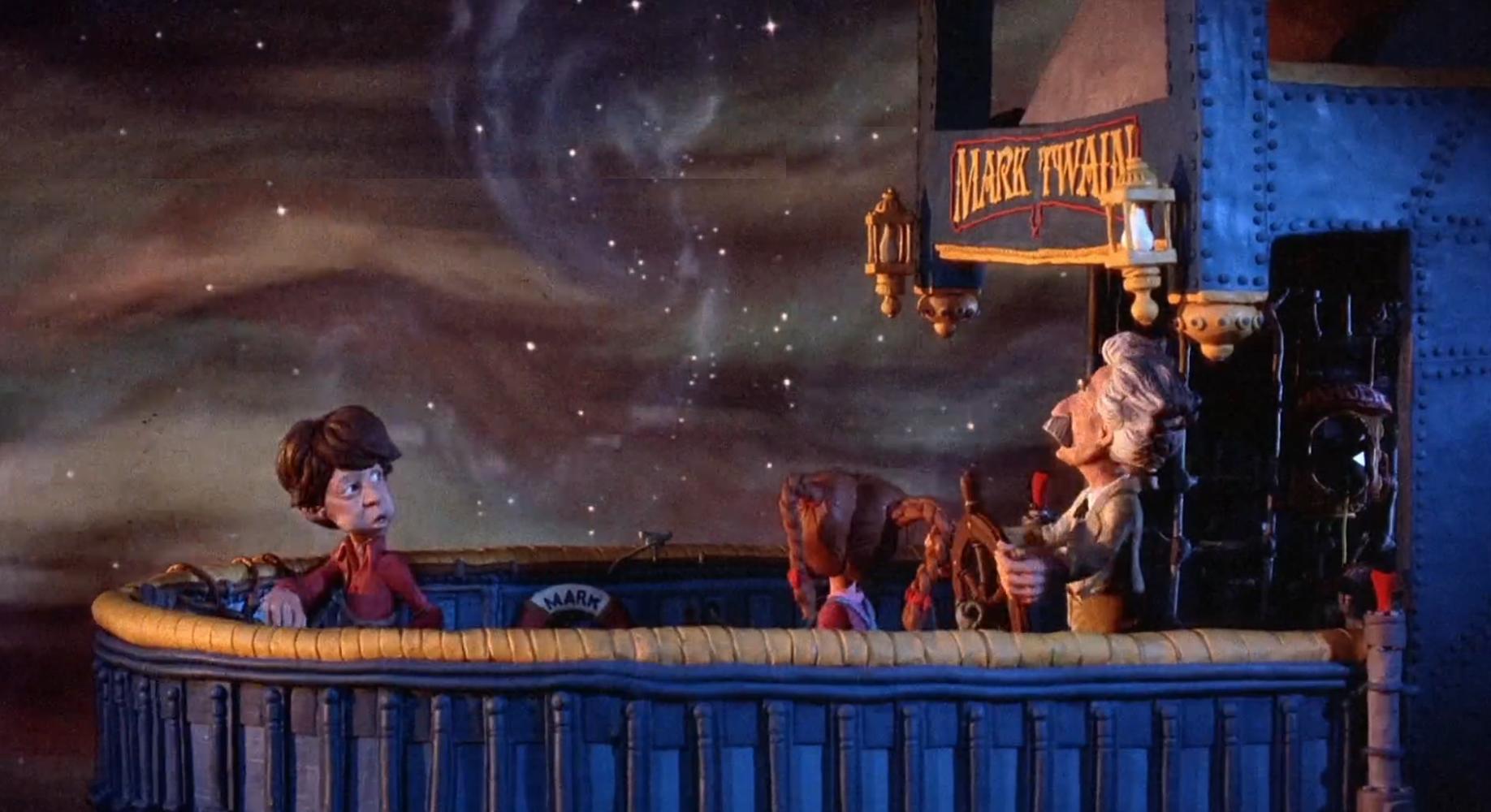
Structured like a series of vignettes based on the titular American writer’s works, this stop motion animated film embraces how playful and bizarre the medium of clay can be, showing us everything from whimsical jumping frogs, to Adam and Eve, to Satan himself. But even if The Adventures of Mark Twain might get too weird even and rough around the edges even for a hardcore animation fan, there’s an interesting emotional undercurrent here that deals with unanswerable questions on death and the meaning of life. Thanks to a lively and talented cast of voice actors, this fantastic voyage keeps itself grounded to something tangible and heartfelt, and never gets swept up too far into the clouds.

Enter the Void (2009)
In this raw, psychedelic drama, an American drug dealer living in Tokyo with his sister is killed at a night club. His spirit continues to float above the city and past, present, and future are woven together to complete the tale of his life. Taking a page from the Tibetan book of the dead, the film aims to explore one answer to life’s most epic question: What happens when we die? Definitely not for the faint of heart, there is drug use, gore, and challenging themes throughout the movie. Its unique cinematography also captures Tokyo quite well.

Pleasantville (1998)
When David and his sister Jennifer fight over the TV remote, they are suddenly transported to David’s favorite sitcom, Pleasantville. They’re told by a spirit guide that their best bet at getting out is fitting in, but their modern sensibilities prove to be too much for the genteel ‘50s town. Soon, the residents learn about sex, art, criticism, and politics, and it’s up to the twins to control the ensuing mayhem and guide them to the right path.
In hindsight, Pleasantville seems ahead of its time, preceding Marvel’s WandaVision as the ultimate, deconstructed homage to 20th-century television. But unlike the series, Pleasantville dives deep into personal and social politics, all while maintaining an impressive balance of wisdom and humor. Equally notable is the film’s transformation from black and white to Technicolor, which, aside from being a symbolic and technical feat, is also a piece of pure, mesmerizing cinema.

A Tale of Two Sisters (2003)
If this South Korean cult favorite relies a little too much on jump scares and twisty plot developments, its relatively emotionally distant story is nevertheless given a welcome boost in character thanks to an impressive overall look and feel. Shadowy and foreboding from beginning to end, A Tale of Two Sisters seems to be designed for group viewings where friends can spook each other out without losing track of the film’s momentum. But it’s far from shallow: patient horror fans should enjoy unpacking the movie’s densely layered character dynamics, which become all the more disturbing and sorrowful after learning all of the film’s secrets.

Trainspotting (1996)
Renton (McGregor), a Scottish twenty-something junkie, must choose to clean up and get out, or continue following the allure of the drugs and the influence of friends. Find out if he chooses life in this brutal yet entertaining Danny Boyle masterpiece. While definitely not for the faint of heart, Trainspotting still manages to be funny at times, and provides an overall very entertaining experience.
No titles match these filters.