
Fubo Suggestions - Highly-Rated Movies & Shows on Fubo

That The Curse is squirm-inducingly awkward won’t be news to anyone who’s watched a Nathan Fielder show before, but TV’s king of cringe digs his heels in on that approach here. The Curse chronicles the making of another show: HGTV’s inelegantly named “Flipanthropy,” which follows Fielder’s Asher and wife Whitney Siegel (Emma Stone) as they perform (the operative word) good deeds in a struggling New Mexico town. Flipanthropy is also a means through which the well-to-do white couple can shill the eco-friendly homes they’re gentrifying the town with — a galling conflict of interest that plays as a running satire of TV.
The uneasy tension between what the Siegels say they want to do versus what they actually do is the heart of the show. In true Fielder fashion, their hypocrisy is revealed through excruciatingly awkward, tortuously long scenes takes, such as the one that gives the show its title (the socially inept Asher angers a little girl, who puts a curse on him). This scene is also an example of the insane left takes The Curse constantly takes, which speak to Fielder’s ability to make his shows feel like they’re falling apart all while building to towering complexity. Suffice it to say, there’s nothing else like this on TV.

What’s great about this highly inventive film is that it doesn’t look like it was shot through three iPhone 5s. Instead of using shaky cameras and static shots, Tangerine glides us through saturated, orange-toned scenes that evoke the Los Angeles sunset. Launching director Sean Baker into prominence, Tangerine is an innovative film that, at heart, is a nuanced comedy about the trans sex worker community. Newcomers Kitana Kiki Rodriguez and Mya Taylor run the show, and their performances create a vivid, electric drive that powers the whole movie. But it’s the quieter moments, the moments after betrayal, the moments of recovery, that make this movie truly special.
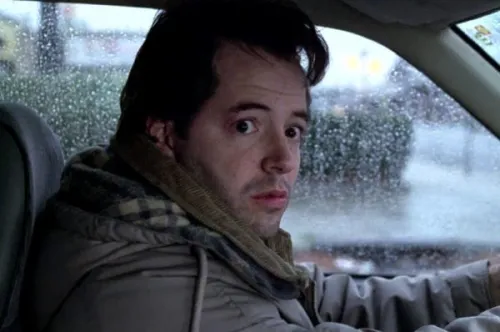
Starring Matthew Broderick and a young Reese Witherspoon as, respectively, Jim McAllister, a high school teacher and Tracy Flick, a notorious ‘that girl’ in his class. When Tracy decides to run for class president, we see the floodgates open as all sorts of bizarre and insane behavior pours out of the two. Quickly, it becomes clear that Tracy will do nearly anything to win, and as circumstances spiral out of control, madness descends – along with hilarity!
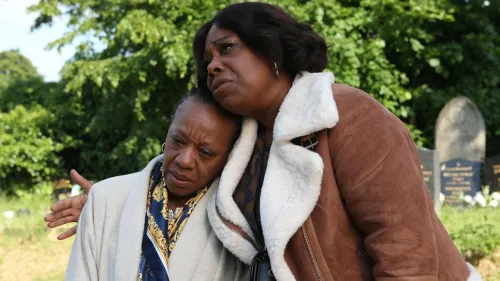
Hurt people hurt people, the saying goes, and nowhere is that more evident than in Hard Truths. Directed by Mike Leigh (Secrets & Lies, Vera Drake, Happy-Go-Lucky), Hard Truths follows two sisters who couldn’t be more different. One is Chantelle, a cheerful hairdresser who has raised equally ebullient daughters, and the other is Pansy, a hardened woman who lashes out at everyone from her family to the people queuing up in the grocery. Pansy is brutal, the sort of person you’d roll your eyes at if you were unlucky enough to encounter her in public. But Leigh gives us a glimpse into her internal struggle; nothing too obvious, as is the naturalistic director’s style, but we feel her pain whenever she goes out of her way to avoid the people closest to her, or when she savors a moment alone and hides her tears. There is no linear plot in Hard Truths; instead, it’s a collection of lived moments and ordinary joys and sorrows. It’s also a welcome reflection of our fractured reality. Loneliness, grief, anger, anxiety—these feelings are often inexplicable, and they come out of us in ways that are never immediately understandable or direct. So why should Pansy be? The film is an exercise in sympathy as well as a mirror to our own complicated and invisible hurt.
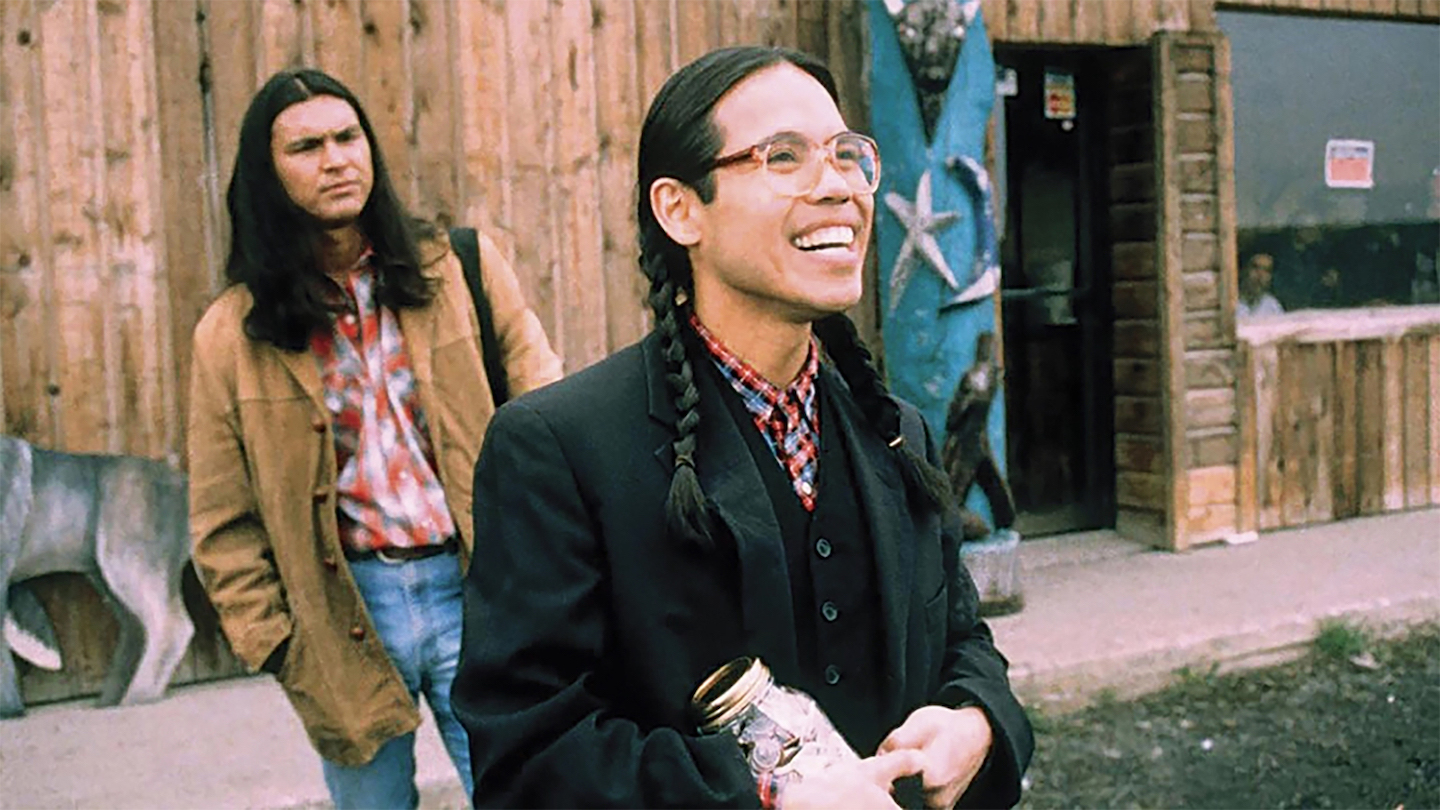
To Hollywood’s shame, it wasn’t until 1998 that a major feature made by Native American filmmakers was released. It was this charming indie gem that belatedly broke that new ground: based on author Sherman Alexie’s The Lone Ranger and Tonto Fistfight in Heaven, Smoke Signals retains the irreverent humor hinted at in its source material’s title while also being a genuinely heartfelt drama. Set across two cleverly interweaving timelines, it follows the fraught relationship between Victor and Thomas, two young men living on Idaho’s Coeur d’Alene Reservation who are forever linked by tragedy: as a baby, Thomas was saved from the house fire that killed his parents by Victor’s father Arnold (a great Gary Farmer), who soon spiraled into alcoholism and abandoned his young son. When Arnold dies suddenly, then, the duo embark on a perspective-changing road trip to collect his ashes.
Thomas’ nerdy earnestness and happy-go-lucky personality have always gotten on the nerves of the stoic Victor — who’s eaten up by resentment at his father for leaving — but the trip brings the disparate duo together. Though the movie honors their meaningful journey with a serious dramatic focus, it’s also shot through with sharp humor satirizing clichés about Native American people — a tonal complexity that makes it uncommonly accomplished, even without the added value of its all-too-rare perspective.
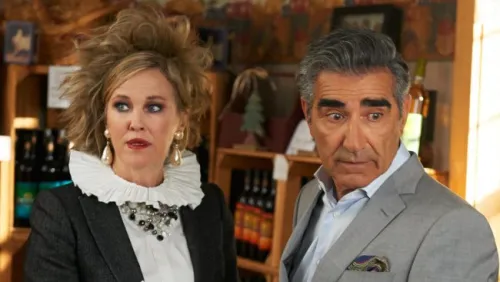
Unlike Lovesick, which rightfully changed its name from Scrotal Recall, Schitt’s Creek is still called Schitt’s Creek many seasons in. After flying under the radar for a while, the sitcom about a wealthy, Arrested-Development-style family coping with the sudden loss of their fortune is starting to get the attention it deserves. Warm and witty writing, very gif-able catchprases, and a great main cast have turned this slightly slim-sounding premise into a long-running cult classic. The great Catherine O’Hara plays Moira Rose, the cynical matriarch, while many of you 00s kids will immediately recognize the male lead, Eugene Levy, as “Jim’s dad” from American Pie aka them most embarrassing dad ever to grace a screen. In all its simplicity, the steadily fleshed out riches-to-rags plot is hilarious, undemanding, and witty, exactly what you want a sitcom to be.
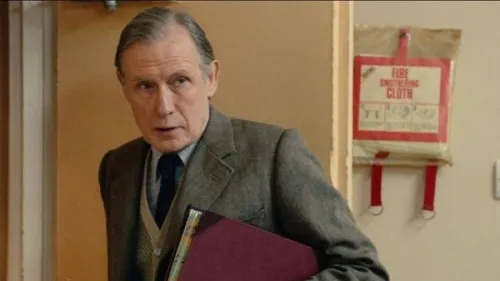
It’s 1984 and miners in England are on strike against Prime Minister Margaret Thatcher’s plans to close pits. Their cause has unlikely appeal for Mark Ashton, a human rights activists who decides to take a group of people who had joined an early Gay Pride parade in London to rural England to show support for the (often socially-conservative) miners.
You can see how things might go wrong, but in this case they didn’t. This heartwarming tale is based on a true story. An easy, funny, and relevant movie about the bond that oppression brings to the oppressed. Super earnest, too.

A popular chef loses his job and respect after a bad review. He ends up with a food truck and tries to show the world he still has his creative side, while at the same time trying to fix his broken family. Chef is a heartwarming feel-good movie, after you finish it you will want to cook, love your family, travel, and spread the love. One of my favorite movies, I see myself happily watching it again numerous times.

Adventureland is a retro-tinged movie about teens in Pittsburgh working at a run down amusement park during the summer of 1987. It is marketed as similar to Superbad, when in fact the only thing they have in common is the Director. Adventureland is funny, but it is more sweet, tender, and intimate. Touching on themes of unrequited love, returning home, and small-town love, the film stars Jesse Eisenberg, Kristen Stewart, and the always-delightful-duo of Bill Hader and Kristen Wiig. In addition, the film’s soundtrack is a joyous blast from the past, running the gamut of all your favorite 1980’s synth-happy love songs. It is a movie that anyone can really relate to, no matter when they were born, and an amazing watch.

Before the late 2010s push for more Asian American and lesbian cinema, there were movies already making strides toward better representation. One of the first to achieve this was Saving Face. Despite this film being the first feature for writer-director Alice Wu and actress Lynn Chen, and the first lead role for Michelle Krusiec, the three women lead the film with ease. Wu’s clear mastery of rom-com and family drama tropes directs us through some predictable moves, but with unpredictable twists. Krusiec and Chen’s Wil and Vivian are easy to root for with their striking chemistry, but at the heart of this film is Wil’s relationship with her mom Hwei-Lan (Joan Chen). Their dynamic—expressed through passive-aggression, bilingual bickering, and their need for the other’s honesty—turns this easygoing rom-com into a light yet cathartic family drama.
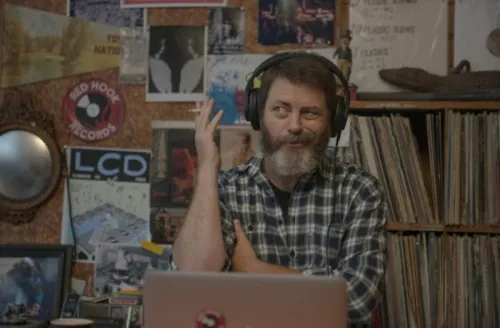
A sweet feel-good movie starring Nick Offerman as a dad who has to deal with his only daughter leaving for college and his record store struggling. The daughter is played by Kiersey Clemons who you might recognize from the show Easy. And Ted Danson has a great role too. This is a relatable and heartwarming movie, one of the best the so-called “indie” genre has known in a long time.

It’s hard to pin point exactly what makes this movie so good. It’s an all-around “movie” movie. I think it can be called a buddy comedy because it is about two best friends who are also movers. It’s about their day-to-day, their families and their relationships. They’re both from the underclass of Oakland, and one of them is black, the other is white. And that’s where it stops being a comedy and becomes a more hard-hitting film. It illustrates gentrification better than any other movie I’ve ever seen. It has relevant and striking commentary on the main characters’ race, upbringing, and identity. But at the end of the day, it has a great plot, and for the most part it’s an easy-flowing movie. It’s half entertainment, half social commentary, and both parts are equally well-done. It’s like movie unicorn, and it’s perfection. One of the two friends is played by Daveed Diggs, who you might know from Hamilton.

The simple premise of this series, about real couples going to therapy, shouldn’t feel as revolutionary as it does. And yet, Couples Therapy feels like radical reality-TV, a focused and coherent undertaking.
Couples of different histories, ages, races, and sexual orientations walk into Dr. Orna Guralnik’s New York office. Their problems are as diverse and unique as they are, but there is also a painful universality to them. Couples Therapy becomes a portrayal of human partnership period, a TV show in which to see oneself at times and to learn from the different webs couples get tangled in over time.
Never before has reality TV been the best vehicle to portray something so serious.
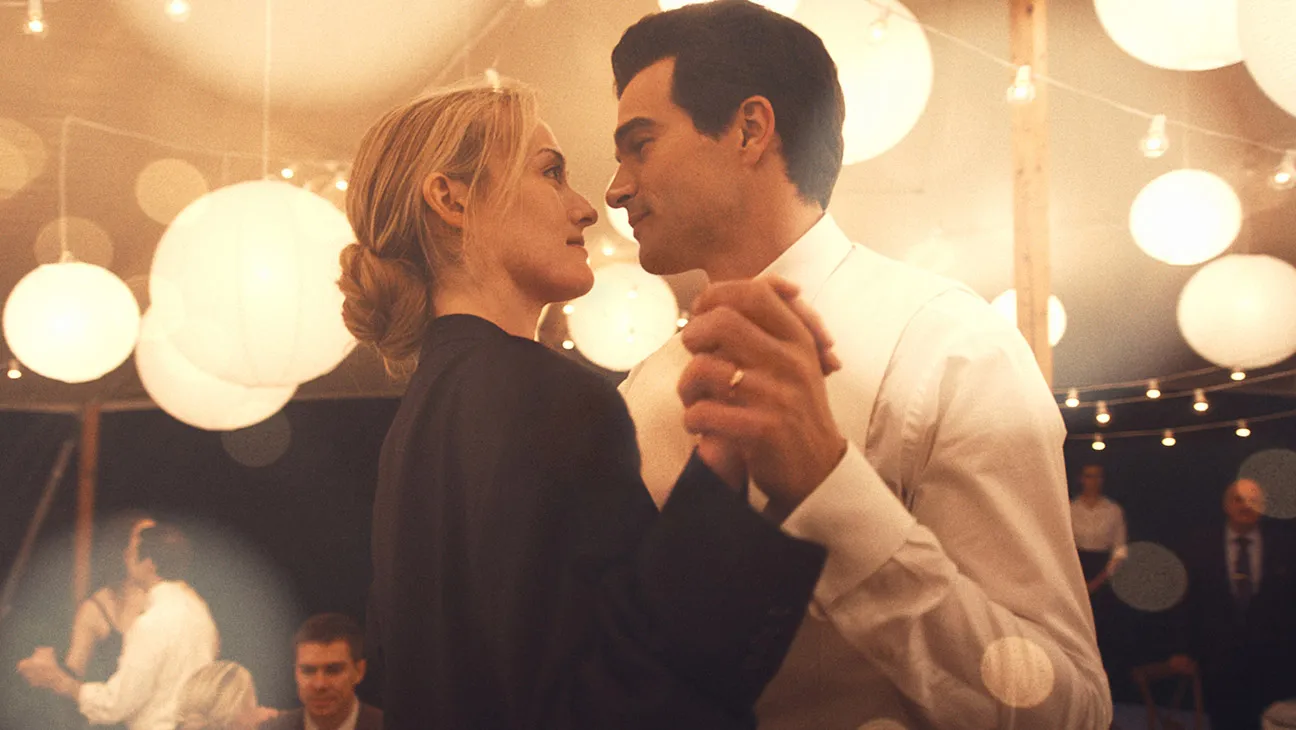
Let’s get this out of the way: Love Story isn’t an accurate retelling of the marriage between John F. Kennedy Jr. and Carolyn Bassette, just ask their living relatives about it. However, historical accuracy is not really the point. Much like the other franchises under American Story, Love Story feels more like a portrait of what America used to be– this time, through the closest thing the United States had to a royal marriage. Indulging in the 90s-00s nostalgia, this whirlwind romance takes on familiar themes of celebrity and public scrutiny with all the high-fashion glamor, a semblance of curated taste, and none of today’s social media clout chasing. It helps that Sarah Pidgeon and Paul Anthony Kelly look so good together, with their classic visages and old-school vibes. Love Story doesn’t present something new or true, but the show is nonetheless very watchable.

Will Trent is a crime procedural that tackles a new mystery every few episodes. It doesn’t differ from other detective shows in that way, but what makes Will Trent interesting is that the intrigue of each case never takes away from the intrigue of the personal lives of the lead characters.
Will Trent, in particular, remains the biggest mystery in the series. Much like Sherlock Holmes or Monk before him, he’s troubled but kindhearted, gifted but hated by all. He’s one of the most awkward detectives you’ll meet, but what he lacks in social graces he more than makes up for in outstanding smarts. Unraveling Trent, his colleagues, and his subjects is a fun ride, one that makes the 40 minutes or so of watching well worth it.
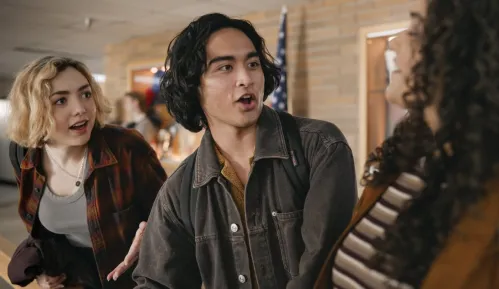
A murder mystery on one hand and a supernatural dramedy on the other, School Spirits is an engaging teen series that recalls plenty of past movies and shows before it. Like Ghost and The Lovely Bones, the protagonist is a murder victim attempting to solve the mystery of her death, and like the BBC/CBS show Ghosts, it gathers an eclectic group of spirts from different eras and plays off their obvious differences.
It’s spirited and spunky, and though it sometimes edges on soapy territory, it’s mostly saved by the confident performances of its young actors. Watch this if you’re looking for to binge a good whodunnit or an unconventional high school drama (or both)—it’s both those things, and little more.
What’s great about this highly inventive film is that it doesn’t look like it was shot through three iPhone 5s. Instead of using shaky cameras and static shots, Tangerine glides us through saturated, orange-toned scenes that evoke the Los Angeles sunset. Launching director Sean Baker into prominence, Tangerine is an innovative film that, at heart, is a nuanced comedy about the trans sex worker community. Newcomers Kitana Kiki Rodriguez and Mya Taylor run the show, and their performances create a vivid, electric drive that powers the whole movie. But it’s the quieter moments, the moments after betrayal, the moments of recovery, that make this movie truly special.
To Hollywood’s shame, it wasn’t until 1998 that a major feature made by Native American filmmakers was released. It was this charming indie gem that belatedly broke that new ground: based on author Sherman Alexie’s The Lone Ranger and Tonto Fistfight in Heaven, Smoke Signals retains the irreverent humor hinted at in its source material’s title while also being a genuinely heartfelt drama. Set across two cleverly interweaving timelines, it follows the fraught relationship between Victor and Thomas, two young men living on Idaho’s Coeur d’Alene Reservation who are forever linked by tragedy: as a baby, Thomas was saved from the house fire that killed his parents by Victor’s father Arnold (a great Gary Farmer), who soon spiraled into alcoholism and abandoned his young son. When Arnold dies suddenly, then, the duo embark on a perspective-changing road trip to collect his ashes.
Thomas’ nerdy earnestness and happy-go-lucky personality have always gotten on the nerves of the stoic Victor — who’s eaten up by resentment at his father for leaving — but the trip brings the disparate duo together. Though the movie honors their meaningful journey with a serious dramatic focus, it’s also shot through with sharp humor satirizing clichés about Native American people — a tonal complexity that makes it uncommonly accomplished, even without the added value of its all-too-rare perspective.
Unlike Lovesick, which rightfully changed its name from Scrotal Recall, Schitt’s Creek is still called Schitt’s Creek many seasons in. After flying under the radar for a while, the sitcom about a wealthy, Arrested-Development-style family coping with the sudden loss of their fortune is starting to get the attention it deserves. Warm and witty writing, very gif-able catchprases, and a great main cast have turned this slightly slim-sounding premise into a long-running cult classic. The great Catherine O’Hara plays Moira Rose, the cynical matriarch, while many of you 00s kids will immediately recognize the male lead, Eugene Levy, as “Jim’s dad” from American Pie aka them most embarrassing dad ever to grace a screen. In all its simplicity, the steadily fleshed out riches-to-rags plot is hilarious, undemanding, and witty, exactly what you want a sitcom to be.
A sweet feel-good movie starring Nick Offerman as a dad who has to deal with his only daughter leaving for college and his record store struggling. The daughter is played by Kiersey Clemons who you might recognize from the show Easy. And Ted Danson has a great role too. This is a relatable and heartwarming movie, one of the best the so-called “indie” genre has known in a long time.
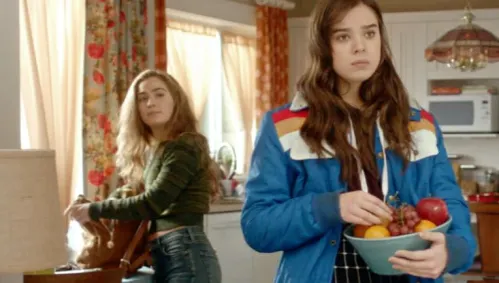
A wonderful, witty teen comedy—possibly the best the genre has known in a long time! In a powerhouse performance, Hailee Steinfeld plays Nadine, a high school junior at peak angst and awkwardness. Her roller coaster journey through family, friends, lovers, or lack thereof, gives her that all-too-common impression for people her age that life is unbearable. Things get more complicated when Nadine’s dad passes and her only friend hooks up with an unexpected person. Her temperament and humor will help her see past her demons to understand what’s important in life, putting you in privileged spectator mode to this highly smart and exciting coming-of-age story.
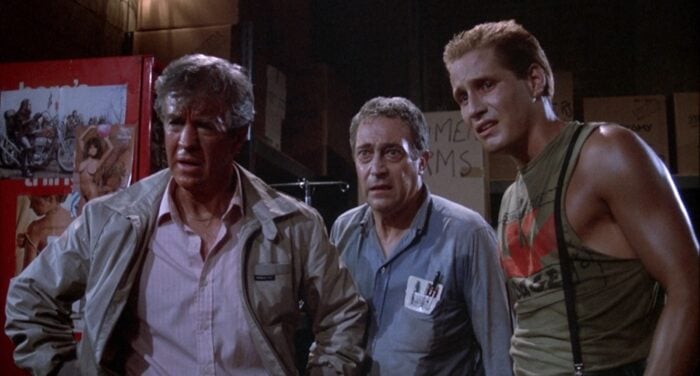
Perfect for Halloween marathons with friends, The Return of the Living Dead treads the now well-worn template of zombie apocalypse movies with outstanding practical effects and a refreshingly unserious attitude. What the film might lack in terms of character writing or deeper themes, it more than makes up for with a relentless forward momentum. There isn’t any grand mission to be accomplished when these morticians collide with a group of young punks, other than understanding what drives the undead creatures outside in order to survive the night. As a result, this is a movie that lives firmly in the moment, with thrills aplenty and its greatest moments found in the freaked-out reactions of its ensemble cast. The late James Karen, with his hilariously exaggerated hollering and whimpering, only nearly steals the show from the film’s wonderful animatronics and disgusting prosthetic makeup. It’s a great zombie movie for the reluctant horror newbie.
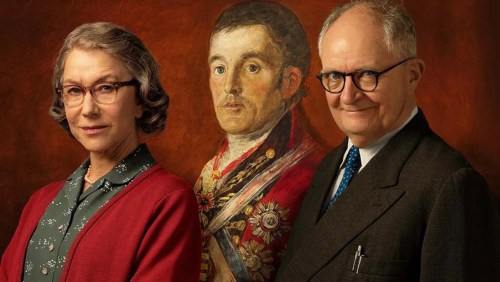
In 1961, Francisco de Goya’s portrait of the Duke of Wellington was stolen from London’s National Gallery, but the theft was no slick heist pulled off by international art thieves. No, the improbable culprit was (the improbably named) Kempton Bunton, a retired bus driver and aspiring playwright who pinched the painting — which the gallery had recently acquired for £140,000 of UK taxpayers’ money — as a Robin Hood-esque “attempt to pick the pockets of those who love art more than charity.” The principled Bunton (played here by Jim Broadbent) was, at the time, waging a one-man campaign to convince the government to grant pensioners and veterans free TV licenses, and the Goya theft was his way of publicizing those efforts. It was an eccentric plan, but Broadbent leans fully into his status as a UK national treasure here, making oddball Bunton a deeply sympathetic and warm figure because of (not despite) those quirks. Thanks to his performance — and the note-perfect direction of the late, great Roger Michell — a quirky footnote of history becomes a sweet, unexpectedly moving story about solidarity and the power of the underdog.
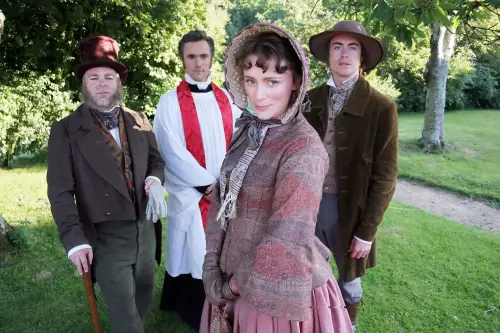
2005 was a banner year for British period dramas, apparently: first, there was Joe Wright’s Pride & Prejudice (still arguably the genre’s crowning achievement), and then came Under the Greenwood Tree, a delightful made-for-Christmas-TV romance loosely based on the eponymous Thomas Hardy novel. Anyone familiar with the author’s typically tragedy-tinged stories — think Tess of the D’Urbervilles and Far From the Madding Crowd — will find themselves surprised by the light, pleasant tone of this one, in which the closest anyone gets to violent revenge is sabotaging a church organ by pouring a flagon of cider into it.
The romance here is threefold: when Keeley Hawes’ spinster schoolteacher Fancy Day (genuinely her name) arrives in an English village, she ignites a rivalry between wealthy farmer Shiner (Steve Pemberton), haughty clergyman Parson Maybold (Ben Miles), and James Murray’s die-hard romantic Dick Dewy (again: the names in this are a choice). The trio’s simultaneous attempted courting of Fancy doubles as both the entertaining will-she-won’t-she stuff of romantic dramas and a conduit through which the movie explores the class dynamics in England during the 19th century. It’s this deft intertwining of satisfying romantic period drama tropes with genuine reflection on the historical period itself — all while remaining lighthearted — that makes this underseen adaptation worth watching.
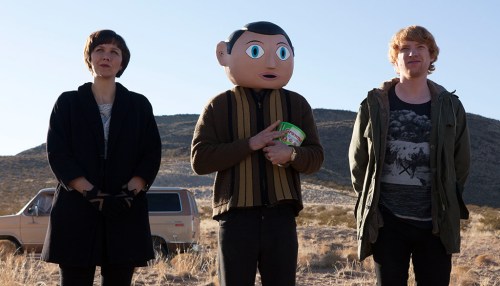
A really weird and also heartwarming movie about Frank, the leader and singer/songwriter of a crazy band. He really grows on you with his big head. If you like movies with that funky edge (like Scott Pilgrim) this is especially something for you! Either way and regardless of your preferences, you’ll find Frank to be a sweet, sincere, likable and clever comedy.
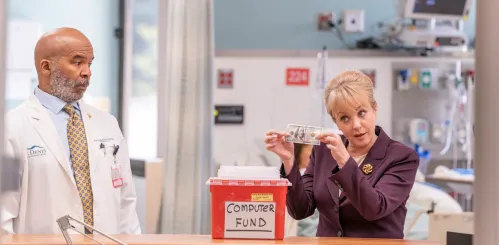
Is it possible to make a workplace comedy set in a hospital emergency room, of all places? St. Denis Medical proves that it is. Like The Office and Parks and Rec before it, St. Denis is a mockumentary that follows an eclectic ensemble who are well-meaning but not always professional, which gives way to funny scenes, pairings, and hijinks. Because of the show’s bleak setting, it risks jarring audiences with a mismatch in tone (there are literally people who are dying around them), but St. Denis is able to be both earnest and funny. The characters are all likable, but the show’s big beating heart is Alex (Allison Tolman), the designated straight-woman, the level-headed foil against her more absurd colleagues. More than anyone, she genuinely cares for the patients and her workmates’ well-being. Issues like understaffed hospitals, expensive healthcare, and medical bias are highlighted in humorous ways. And it works! Laughter is, after all, the best medicine.
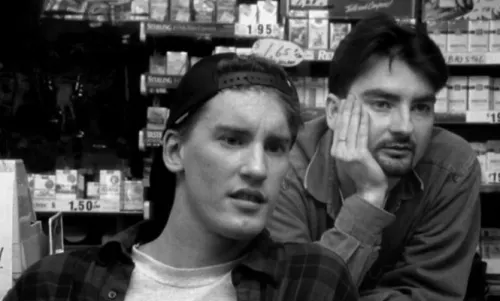
What is a good low-budget film? A film stripped to the intelligence of its makers and the talents of its actors. Clerks is that and more. Filmed in black-and-white and at the convenience store where its director Kevin Smith worked in real life, it’s a hilarious slice-of-life story about two slackers working in minimum wage jobs and their customers added to the news of an ex-girlfriend passing away. It would be a must-watch because of how unique it is, and how it pulls of everything it reaches for, but it’s also hilarious, and a very touching effort.
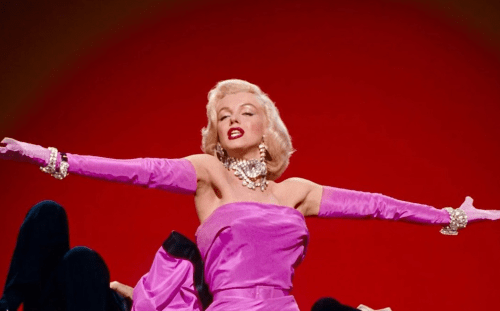
Is there a performance more iconic than Marilyn Monroe in Gentlemen Prefer Blondes? Even without watching the film, you’re likely to recognize the film’s biggest number Diamonds Are A Girl’s Best Friend, whether that be from Marilyn herself or from the many renditions of the exact same scene. Given her stellar performance and the glamorous costumes, it makes sense that that song number would be the one most viewers would remember. Most of the film leads to that moment and it actually encapsulates the entire film’s themes. However, the film in its entirety proves to be delightfully entertaining, with Jane Russell holding up the rest of the film with equal magnetism, and a friendship between the two women that holds true even as they satirize their romantic exploits. Gentlemen Prefer Blondes is an iconic film, but we’re happy to report that its wit and humor is timeless.
That The Curse is squirm-inducingly awkward won’t be news to anyone who’s watched a Nathan Fielder show before, but TV’s king of cringe digs his heels in on that approach here. The Curse chronicles the making of another show: HGTV’s inelegantly named “Flipanthropy,” which follows Fielder’s Asher and wife Whitney Siegel (Emma Stone) as they perform (the operative word) good deeds in a struggling New Mexico town. Flipanthropy is also a means through which the well-to-do white couple can shill the eco-friendly homes they’re gentrifying the town with — a galling conflict of interest that plays as a running satire of TV.
The uneasy tension between what the Siegels say they want to do versus what they actually do is the heart of the show. In true Fielder fashion, their hypocrisy is revealed through excruciatingly awkward, tortuously long scenes takes, such as the one that gives the show its title (the socially inept Asher angers a little girl, who puts a curse on him). This scene is also an example of the insane left takes The Curse constantly takes, which speak to Fielder’s ability to make his shows feel like they’re falling apart all while building to towering complexity. Suffice it to say, there’s nothing else like this on TV.

The Banshees of Inisherin is an Irish dark comedy film that begins with the breakup of longtime friends Pádraic (Colin Farrell) and Colm (Brendan Gleeson). Averse to the sudden split, Pádraic tries to repair their relationship, but instead of achieving goodwill, he inadvertently sets off even more unrest in their little town of Inisherin. Set in 1923 against the backdrop of the Irish Civil War, the film doubles as a fable about the consequences of war.
The last time Farrell and Gleeson were together was in the expert thriller In Bruges, and their reunion in The Banshees of Inisherin shows how powerful and chemistry-filled their pairing is. Theirs is a knockout turn, but it’s also far from the only good thing in the movie. Packed with gorgeously lush images of rural Ireland, strong performances from an all-Irish cast, and a whipsmart script from writer-director Martin McDonagh, The Banshees of Inisherin is an impactful watch that will give you lots to unpack long after the credits roll.
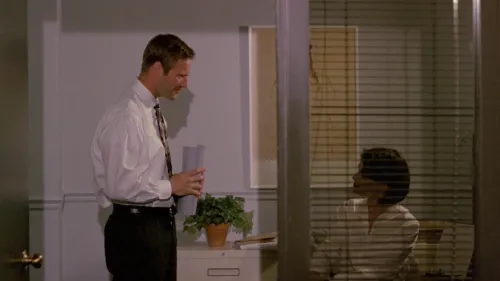
It’s both sad and amazing that a film about toxic masculinity and corporate culture released in the ‘90s remains relevant today. In the Company of Men is about two incels who exact polite revenge on women by attacking a deaf office worker named Christine (Stacy Edwards). Of course, things don’t go exactly as planned since this is the kind of film that twists and turns in unexpected curves. It’s also the kind that can fly with the barest of budgets, proving that sometimes all you need is a blistering script, skilled performers, and an eye for what visually works to make an effective film. In the Company of Men is a black comedy, so it’s not always easy to watch, but it’s profoundly thought-provoking as it asks relevant questions about the violence of fragile masculinity, the entitlement of supposed “nice guys,” the soul-sucking cruelty of corporations, and the dog-eat-dog-world of modern-day capitalism. That a small team can pack all these big ideas in its modestly budgeted indie is a wonder in itself.
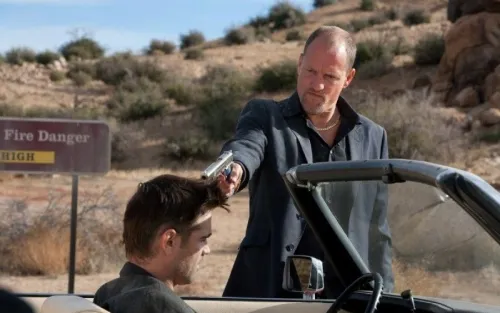
If you like any of the following: Irish accents, Woody Harrelson, Pulp Fiction, or dark comedy; then this is the movie for you. This mix of violence, mafia, existential talk, and painfully comical situations might not be for everyone, but it has every component to make its target audience very pleased. And given how chaotic and crazy it can get, it should be enjoyed one take at a time, focusing on each delightful scene rather than the overall plot. Directed by Martin McDonagh, Seven Psychopaths makes a perfect comeback after In Bruges, without veering very much from it (consequently if you like this movie make sure you check out In Bruges too).
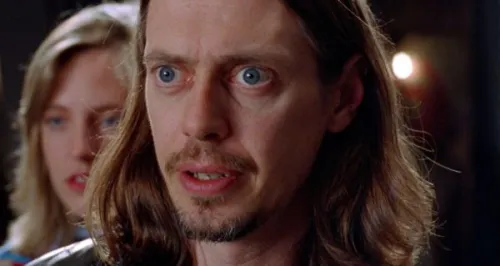
A young Steve Buscemi leads this wry farce about a calamitous film set where nothing goes right. The sardonic script skewers the ins and outs of low budget film production and the various personalities on set from belligerent directors, pretentious cinematographers, and egotistic actors.
A playful three-act structure and trips into dream sequences keep things light, while a strong supporting cast, including a cheeky appearance by Peter Dinklage and the fantastic Catherine Keener, gives the film the backbone it needs.
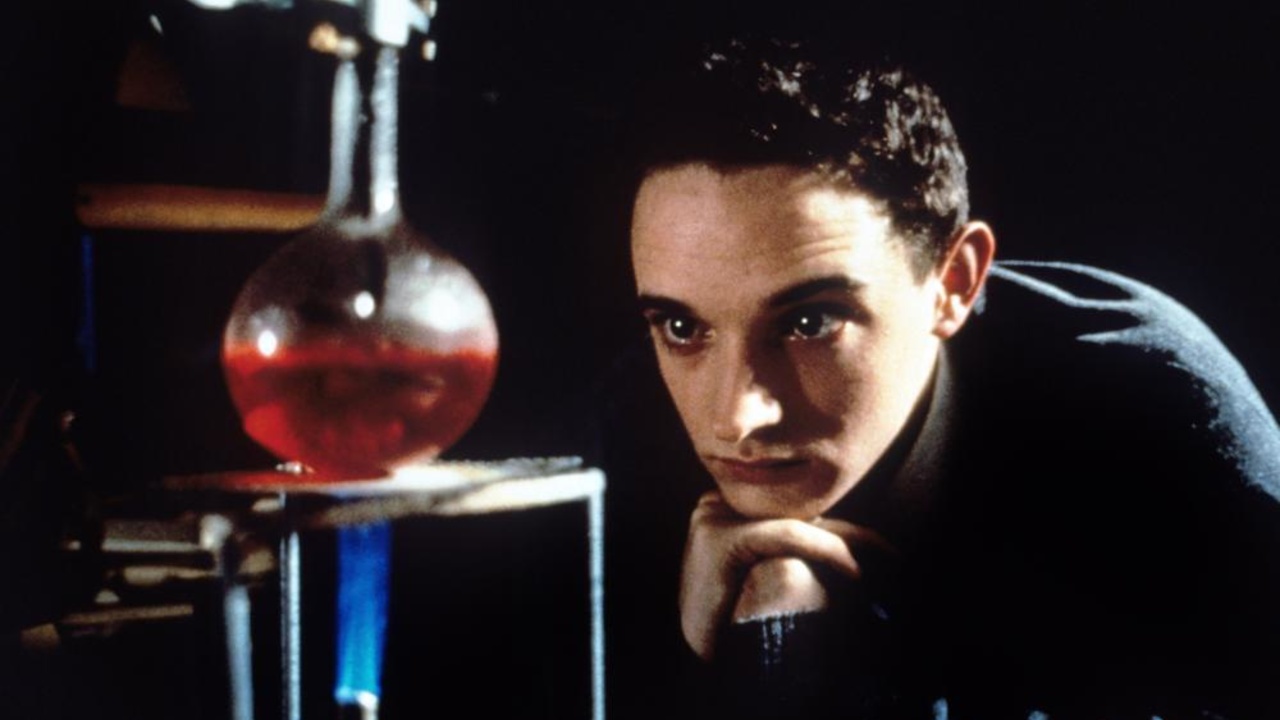
While terrible in nature, there’s always a curiosity towards serial killers, even if only in hope to identify and protect one’s self from a potential one. The Young Poisoner’s Handbook depicts one such killer named the Teacup Murderer, but while the usual serial killing tropes are present (e.g. the fascination towards death, the disregard for others, and the possible psychosis), the film is equal parts creepy and funny. It doesn’t really delight in the gore, with poison as his weapon, but it mostly takes pleasure in how captivated he is with his experiments– the meticulous method he recorded, the thought he placed into his endeavors, and the way he was able to escape detection, even from those who knew him. One should obviously not follow The Young Poisoner’s Handbook, but one can’t deny how Hugh O’Conor makes said poisoner a fascinating watch.
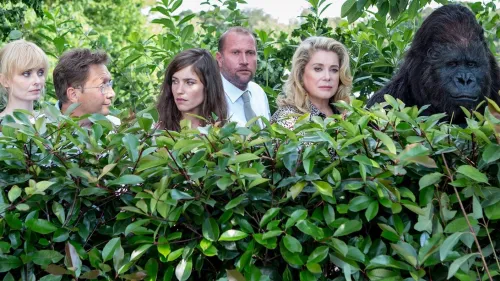
Before anything else, your mileage of The Brand New Testament will likely depend on your beliefs. We would say, however, that for most people, this satire is frankly so absurd that it’s more likely to baffle rather than offend. That’s because of its central premise– what if God is just a modern day man on his computer? It makes for a novel way to depict divinity, to reinterpret Judeo-Christian thinking, and to reckon with the question of evil through stylistic shots and whimsical fantasy rather than philosophical dissertations. Playful, irreverent, and mostly bizarre, The Brand New Testament won’t be for everyone, but it’s certainly going to be a unique experience.

A Canadian film with a title based off Cockney rhyming slang meaning “it’s all gone a bit wrong,” it’s All Gone Pete Tong is an offbeat and bleak comedy. Starring Paul Kaye as Frankie Wilde, a successful club DJ who begins to go deaf at the height of his fame. As news of his disability surfaces, he tries to record a new album, but is hampered by his drug habits and infighting. Quickly, the trappings of fame abandon him: the gigs in Ibiza, the money, the cocaine and his trophy wife. The film makes use of cameo interviews with famous DJs, and chugs along like a fantastic Behind the Music.
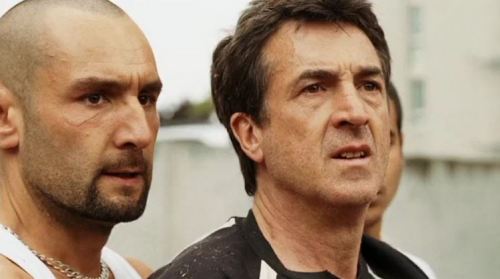
Francois Cluzet, who you may remember from The Intouchable, plays a man whose wife is killed and is accused of murdering her. To make matters even more confusing, signs that his wife is actually still alive surface. This well thought out thriller is at all times the furthest thing from boring and has, among other great components, well crafted chase scenes as the protagonist looks for 8 years of unanswered questions.
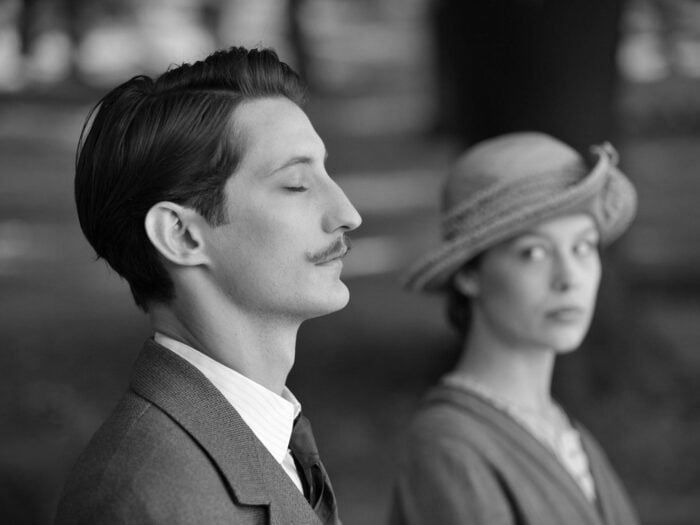
It’s always fun to watch something that makes you second guess each move, that shifts seamlessly from one thing to another. Frantz is that kind of film, and as the deceptively simple premise unfolds—a widow befriends her late husband’s friend—you’re never really sure if what you’re watching is a romance, a mystery, or a sly combination of both.
It helps that Frantz is also more than just a period piece, packed as it is with tiny but thoughtful details. When it is filled with color, for example, it does so in the muted palette of 1900s portraits, making each shot look like a picture come to life. When it talks about love, it goes beyond heterosexual norms and hints at something more potent and, at times, political. And when it takes a swing at melodrama, its actors ground the moment with enough restraint and reserve so that it never teeters on excess. All this results in a well-executed, gripping, and overall lovely film to watch.
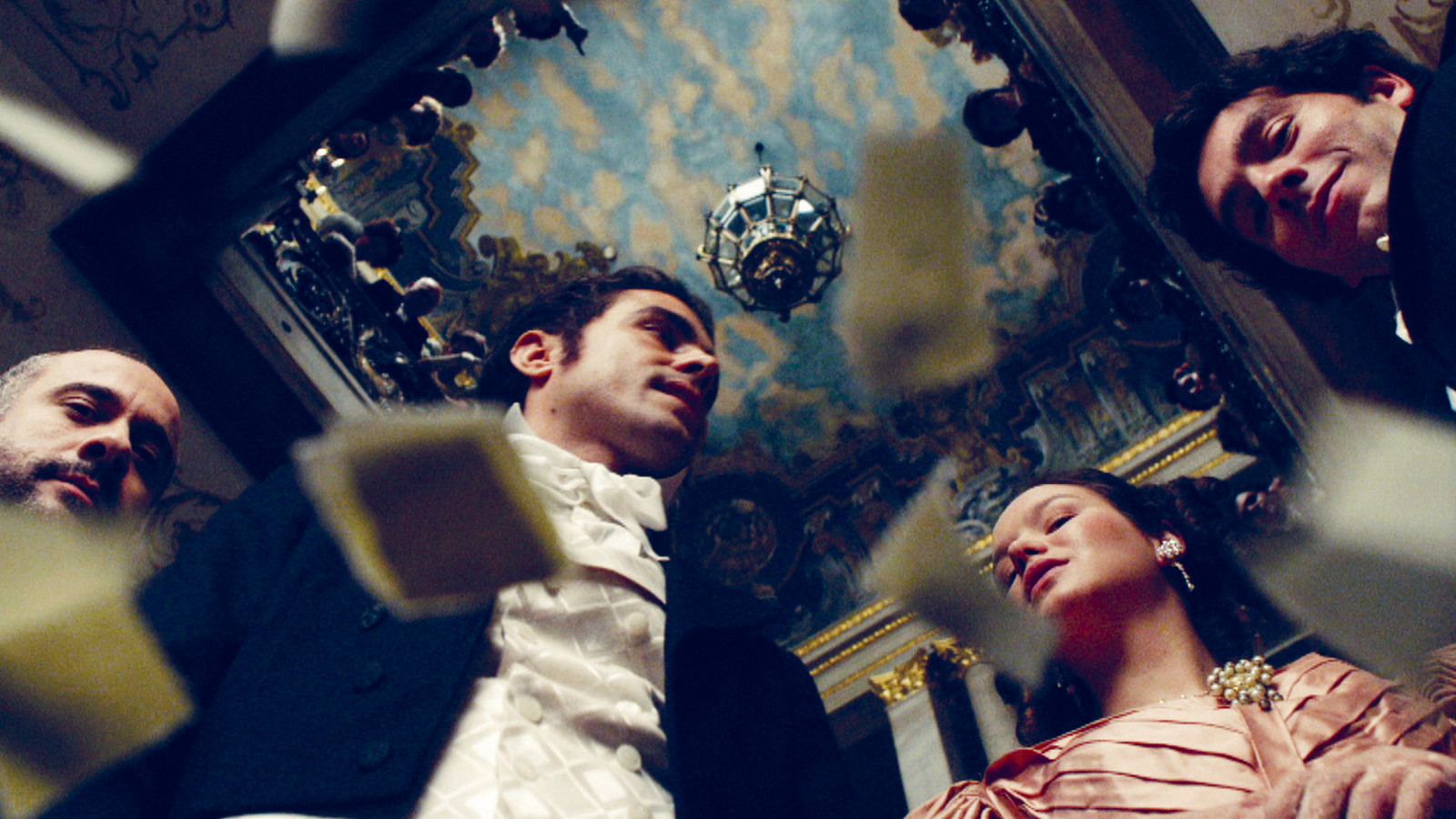
For better or worse, there is a lot that has been decided about your life even before you were born– the circumstances of your childhood are a direct reflection of the choices your parents made, as well as their parents, and their parents before them. This idea made for an intriguing Portuguese novel, which was later adapted into the sprawling 272-minute Mysteries of Lisbon. Chilean filmmaker Raúl Ruiz renders the plot into an intricate mystery, slowly and steadily unravelling its secrets in multiple layers, coincidences, and synchronities in love, war, trauma, and betrayal. The lengthy runtime might be daunting for some viewers, but once immersed, it’s so easy to be mesmerized by Ruiz’s stunning shots, the narratives shared by the characters, and the memories that they find themselves lost in. Mistérios de Lisboa was a daunting novel to adapt because of the multinarrative tale, but Ruiz translates the narrative into a surreal masterpiece to behold.
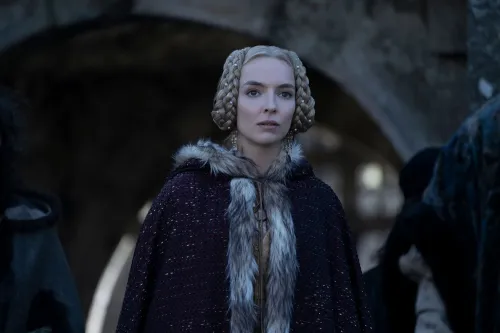
The Last Duel propped high expectations as the Closing Film at the 2021 Venice Film Festival, but its theatrical release later that year proved to be a flop. Ridley Scott blamed it on millennials, but both critics and streaming audiences have been much more favorable than moviegoers. As a film, it’s a rather monumental project: quite a dark period piece set in Medieval France, dealing with harsh and offensive themes. Or better said, it deals with ethics and morality through these harsh and offensive themes. There are many ways where this could have gotten wrong—and it’s evident from the labels that have been circulating from the very beginning, that Scott has made his “MeToo” movie—but the truth is much more nuanced. From Eric Jager’s 2004 book to a script co-written by Ben Affleck, Matt Damon, and (most importantly) the astute Nicole Holofcener, The Last Duel is really the best of both worlds: action-packed and devoted to the right side of history.
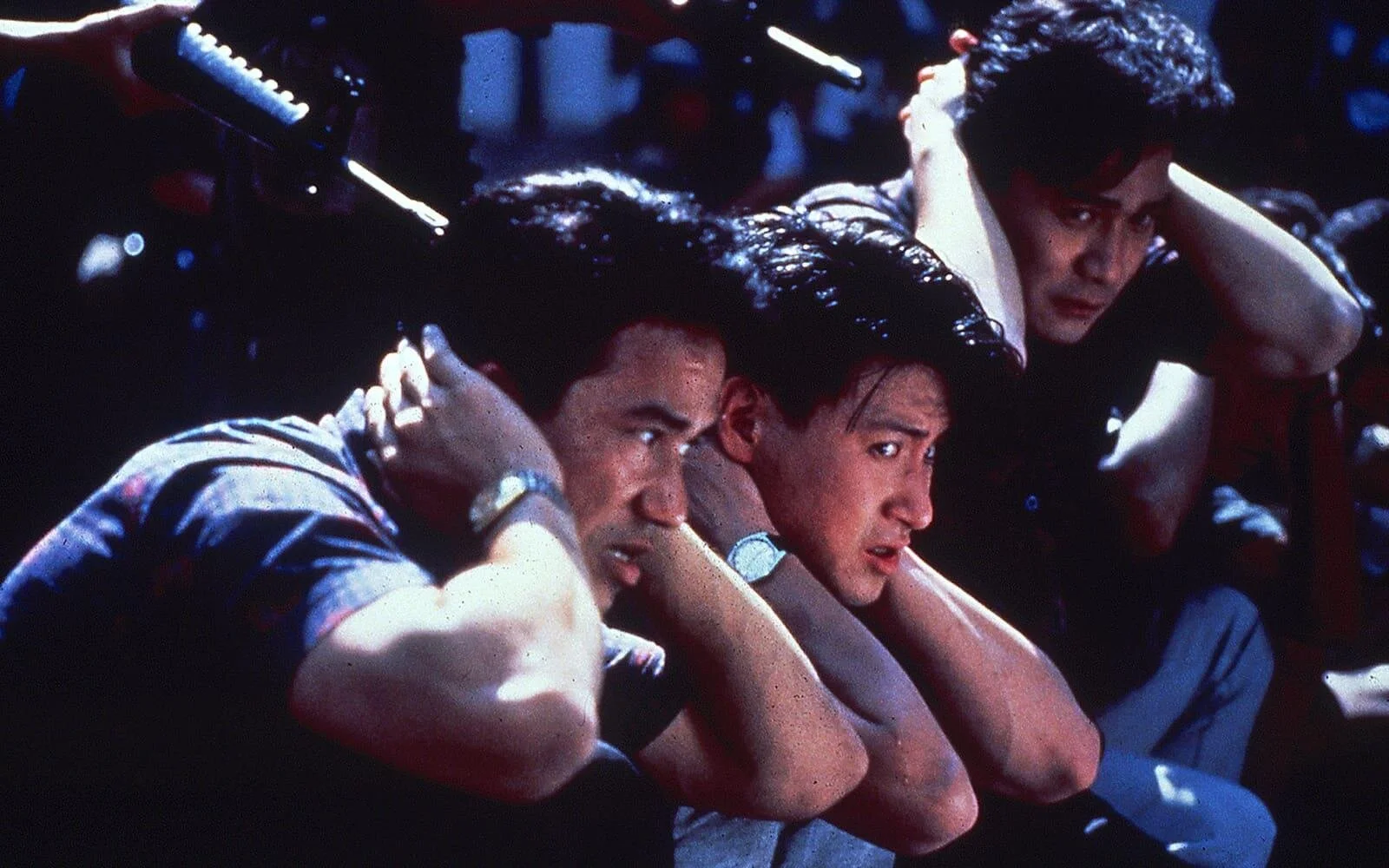
In the fallout of his conflict with producer Tsui Hark, filmmaker John Woo was alone, virtually blacklisted, and unable to find funding for what could have been the prequel to A Better Tomorrow. Because of these circumstances, he self-funded this action thriller Bullet in the Head. Of course, it’s possible that the themes of brotherhood, loyalty, and betrayal are entirely coincidental, but nonetheless, Woo crafts a compelling narrative, helped by its haunting score and the tear-tracked performances of the three leads. Setting the film in the Hong Kong riots and Vietnam War, Bullet in the Head reveals how war never leaves any relationship unscathed, not even between those who proclaim to be brothers.

The film for which Kristen Stewart became the first American actress to win the César Award. The Twilight star turned indie prodigy plays next to another award favorite, Juliette Binoche, as her assistant. When rehearsing for the play that launched her career many years earlier, Binoche’s character, Maria, blurs the line between fiction and reality, her old age and her assistant’s young demeanor, and the romance story portrayed in the play and her own life. The movie itself is stylized as a play, adding another interesting layer of artistic creativity to the complex plot line. A film for film lovers.
Is there a performance more iconic than Marilyn Monroe in Gentlemen Prefer Blondes? Even without watching the film, you’re likely to recognize the film’s biggest number Diamonds Are A Girl’s Best Friend, whether that be from Marilyn herself or from the many renditions of the exact same scene. Given her stellar performance and the glamorous costumes, it makes sense that that song number would be the one most viewers would remember. Most of the film leads to that moment and it actually encapsulates the entire film’s themes. However, the film in its entirety proves to be delightfully entertaining, with Jane Russell holding up the rest of the film with equal magnetism, and a friendship between the two women that holds true even as they satirize their romantic exploits. Gentlemen Prefer Blondes is an iconic film, but we’re happy to report that its wit and humor is timeless.

This anthology of 18 short films — directed by the likes of the Coen brothers, Gurinder Chadha, Wes Craven, and Olivier Assayas — is a cinematic charcuterie board. Each director offers their own creative interpretation of one north star: love in Paris. Romantic love is heavily represented, naturally, but in diverse forms: love that’s run its course, dormant love in need of rekindling, electric chance encounters, and, apt given the location, honeymoon love. Segments like the one starring Juliette Binoche and Alfonso Cuarón’s five-minute-long continuous take opt to focus on parental love instead, with the former also exploring love through the frame of grief.
If this all sounds a little syrupy and sentimental, fear not: there are dashes of bubble-bursting humor from the Coens, whose short stars a silent Steve Buscemi as a stereotypically Mona Lisa-obsessed American tourist who commits a grave faux pas in a metro station. Instead of sightseers, some directors offer more sober reflections on the experience of migrants in the city, which help ground the film so it doesn’t feel quite so indulgent. Still, the limited runtime of each vignette (sub-10 minutes) doesn’t let any one note linger too long, meaning the anthology feels like a series of light, short courses rather than a gorge of something sickly.
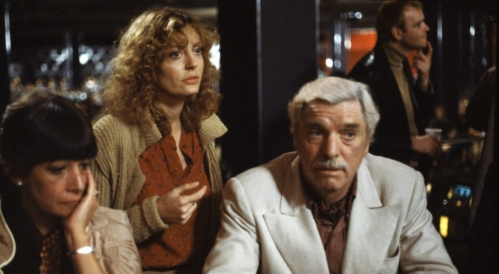
At first glance, Atlantic City is indistinguishable from most other crime films. It’s led by a charming gangster (Burt Lancaster) who falls for a beautiful woman (Susan Sarandon) half his age. They look good together and spend their blood money lavishly. But this coolness is deceptive. It eventually gives way to desperation and delusion as the characters prove to be more naive than they let on. Atlantic City could’ve easily been a farce or a failed mob drama; instead, it’s a crime film given heft by the film’s honesty about its characters’ pathetic circumstances. Director Louis Malle (Au Revoir Les Enfants, My Dinner with Andre) is juggling plenty of things here, but he makes it work, as do Lancaster, Sarandon, and their believable chemistry.
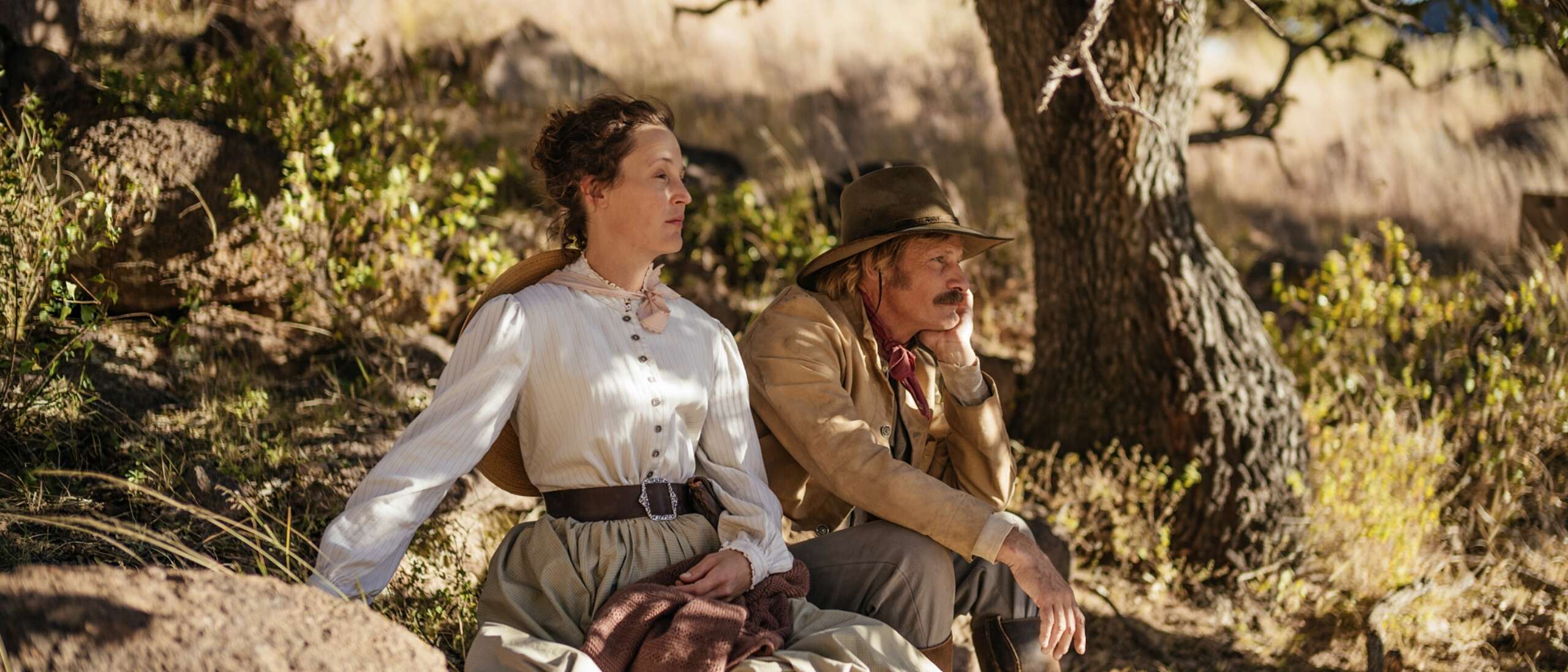
Written, directed, and scored by Viggo Mortensen, The Dead Don’t Hurt is a visually stunning, emotionally potent, but still impressively restrained period drama that flips the script on typical Westerns. On the surface, it looks like it could be one—there’s even a bad guy clad in black who slings guns outside a saloon—but the film decidedly focuses on Vivienne and her everyday life. Viewers might think nothing is happening, but in fact, everything is happening, such is Mortensen’s framing of the value of these overlooked aspects of life. Immigrants, too, who are usually just extras in Westerns populate this movie and make it their own—as they should. They’re the backbone of America after all, and yet they’re usually relegated to the background in period dramas. The icing on the cake is that the film is breathtakingly beautiful, each frame a transportive picture of 19th-century America.

There isn’t a single moment of unnecessarily exaggerated emotion or comedy in this French-Danish animated film, which may keep its world very small compared to its peers, but it portrays everything with arguably more depth and beauty. Long Way North moves with a stately pace, giving it more dramatic heft and allowing us to take in all of the film’s painterly surfaces and soft silhouettes. But it’s not just the art style that sets the film apart; it also avoids what we expect from a traditional adventure, keeping the most important character beats private and internal. This may make the movie feel a little more distant than it should be, but the feeling that it leaves you with is undeniable—a sense that everything is connected, and those who are lost will always find a way home.
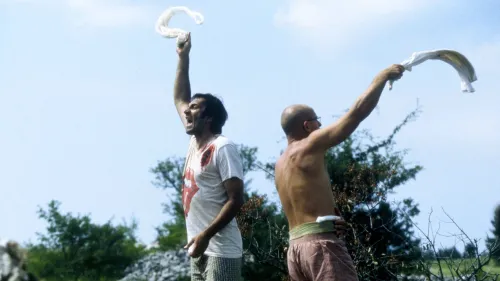
The situation in No Man’s Land isn’t something we usually see in war movies, considering how often the genre has been used to criticize war, to examine people’s true nature, and to affirm a deeper love for humanity. There’s no time to have fun when these ideas are at stake. Yet, the awkward situation of being stuck where you shouldn’t have is likely to be true in reality. Wars like the Bosnian War did use landmines, causing situations for soldiers on both sides to unexpectedly end up stuck with each other. But if anything, the humor highlights the very same war film themes, albeit in a fresh way. Mirroring the historical indecision of the world leaders outside the trench, No Man’s Land takes this possible scenario to contemplate war’s absurdities.
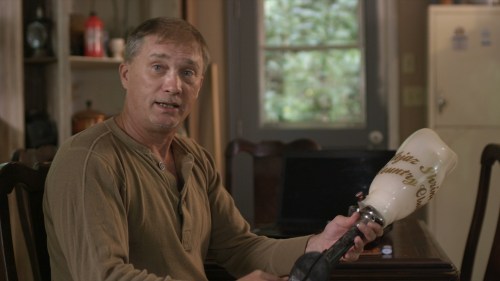
A wacky viral story — the kind that gets played for laughs at the end of news broadcasts — gets uncommonly deep consideration in this documentary gem. That’s not to say that Finders Keepers ignores the surreal comedy of the situation that John Wood and Shannon Whisnant, two star-crossed North Carolina men, found themselves in in 2007: battling over the custody rights of John’s mummified amputated leg. The humor in this bizarre tale and all the myriad eccentricities of its real-life characters is never left untapped, but to simply focus on that would add nothing new to the way the story had been told thus far.
Unlike the many clips from news segments and reality TV that we see in the film, Finders Keepers instead looks beyond the low-hanging fruit and finds deep pathos simmering under the surface of this wacky tale. What emerges is a complex, often tragic, and very American picture of the way traumas shape our lives, the addictive pull of drugs and attention, and fate’s habit of twisting nightmares into blessings and vice versa. It’s the kind of film that makes you wonder how many other unexpectedly poignant stories have been short-changed by our impulse to be flippant.
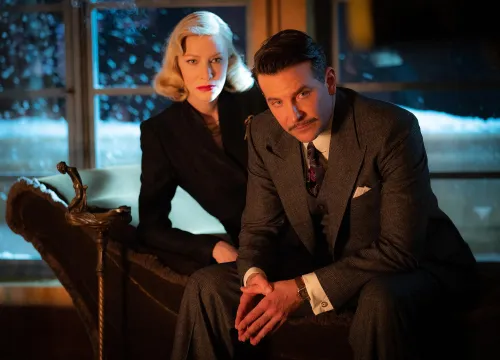
Wise, superbly acted, and gorgeously put together, all of these apply to Nightmare Alley. In a world where remakes are more in vogue than needed, Guillermo del Toro shows us how it’s done. A sumptuous tale of a man’s rise and fall guarantees some spectatorial pleasure, but having both Bradley Cooper and Cate Blanchett in the same film (plus unsung genius Toni Collette and all-round-favorite Willem Dafoe) pushes us into talent overload, in the best possible way. In addition to its thrilling plot and studded cast, Nightmare Alley is also psychologically literate enough to make a carnival out of the human soul. It’s no surprise that in 2022, it got four Oscar nominations, including Best Picture where it certainly would have had my vote.
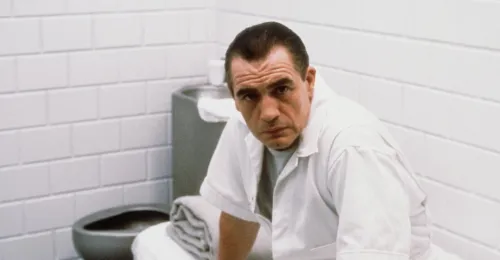
Before The Silence of the Lambs and Anthony Hopkins’ Hannibal, there was Manhunter and Brian Cox’s deeply unnerving Dr. Lecktor. Michael Mann’s neon-lit serial-killer thriller follows Will Graham (William Petersen), a retired FBI agent lured back to work by a psychotic mass murderer whom no one at the Bureau can catch. But Will has something no one else on the force does: he was so committed to tracking down the now-imprisoned Lecktor that he developed an ability to warp his mind into that of a deranged killer, seeing a kind of logic in their madness that allows him to hunt them down.
While that’s a professional superpower of sorts, it’s also a point of insecurity and a source of deep torture for Will, who struggles with the burden of his extraordinary empathy. Manhunter is thus a different kind of psychological thriller: while its dive into the depraved minds of Lecktor and the Tooth Fairy is certainly disturbing, it’s the obsessive, sanity-smashing effect the investigation has on Will that is most terrifying. Add to that Dante Spinotti’s impossibly vivid cinematography, Tom Noonan’s shudder-inducing performance as the voyeuristic Tooth Fairy, and the film’s surprisingly layered treatment of the murderer, and this is the serial-killer movie to end all others.
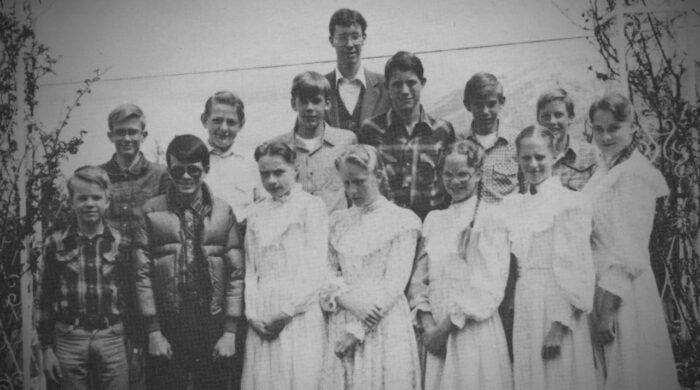
Prophet’s Prey is a documentary on the sect known as Fundamentalist Latter-Day Saints and its leader, Warren Jeffs. Claiming to have inherited a direct connection to God, Jeffs has used this pretext to control a closed society of thousands of individuals on a shockingly personal level, as well as marry dozens of underage girls and harvest the community’s financial resources on behalf of “the church.”
The subject is deftly handled by filmmaker Amy Berg (Deliver Us From Evil). Here she presents most of the story via interviews with the people whose tenacity was instrumental in exposing Jeffs. Woven throughout the film, too, is the haunting, disembodied voice of Jeffs himself, in recorded words to his followers, along with film footage of present-day FLDS communities. What emerges is the picture of a terrifying madman who still wields a disturbing amount of power over thousands of active congregants. Absolutely riveting.
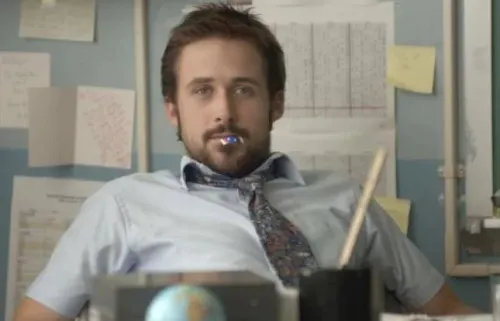
The self destructive, substance abusing history teacher Dan (Ryan Gosling) works in a Brooklyn middle-school and is constantly at odds with the curriculum, preferring to teach 13 year old kids Marxist theory in class. Meanwhile, his student Drey (Shareeka Epps) has to go through struggles of her own, her brother being in jail on drug charges and her single mother having to work long hours to make ends meet. Slowly, an unlikely and tender friendship between teacher and student evolves, in which it becomes less and less clear who of them is the adult part. Steering away from cliches, Half Neslon is not your typical social drama. Its intelligent plot twists, great cast (with outstanding performances by both Gossling and Epps) and slow, non dramatic storytelling makes this a highly underestimated movie that, although treating depressive topics without any easy relief for the viewer, will leave with an inner smile, albeit a sad one.
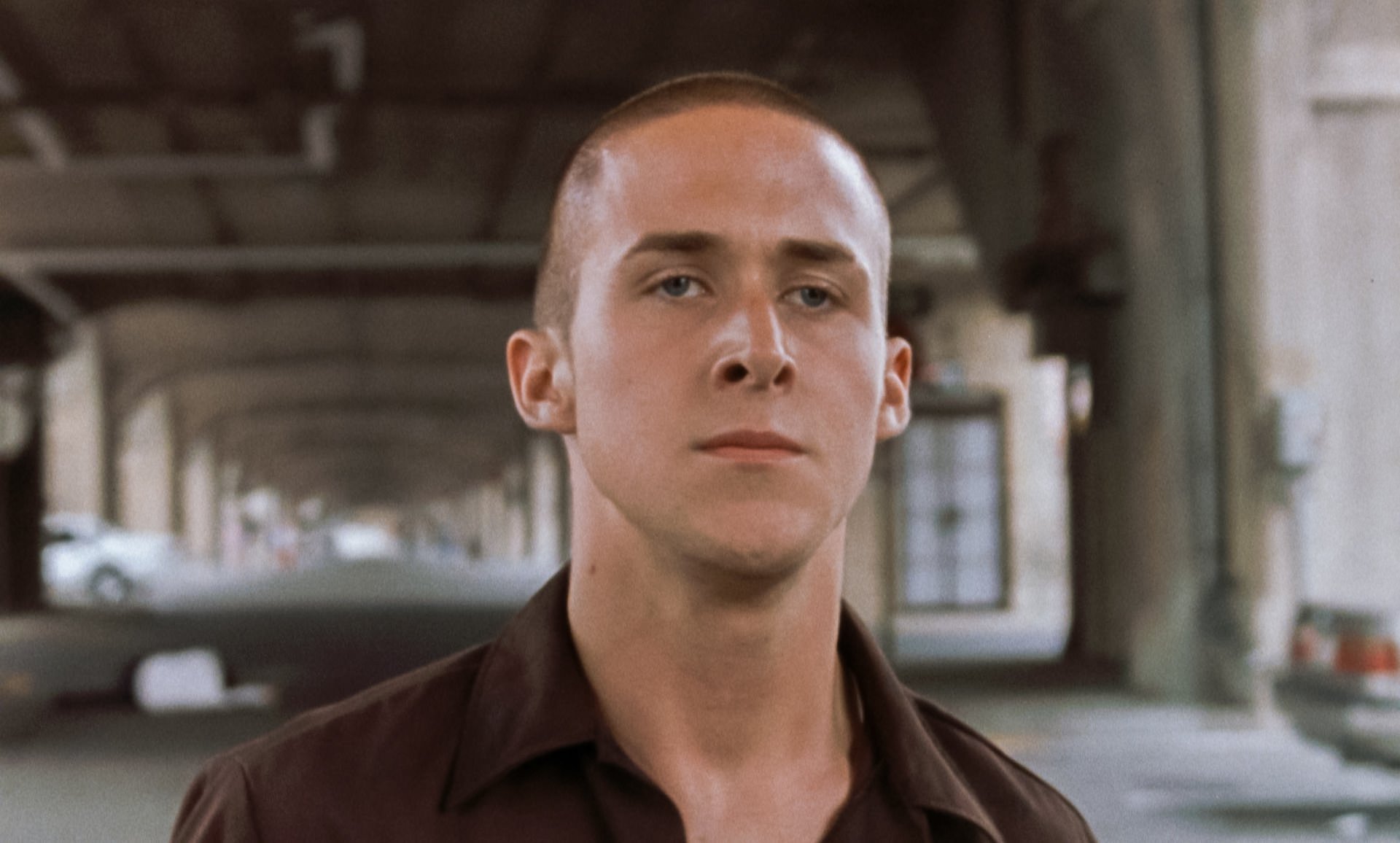
Ryan Gosling plays a Jewish Neo-Nazi in this extremely riveting window into the definition of inner conflict. It is a prime example of how character development should be done and it put Gosling on the map for me. He starts out as an exemplary student in Hebrew school until he starts questioning his teachings and exploring alternative ideologies, leading him to the neo-Nazi movement. Won the Grand Jury Prize at Sundance
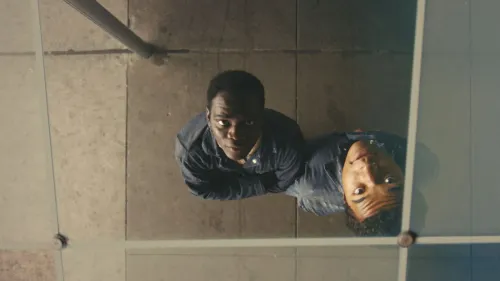
The first things that grab your attention in Nickel Boys are its beauty and technicality. Director RaMell Ross, a large-format photographer, ensures every frame relays something deep, intimate, and moving. Then there’s how he takes these shots: we see things unfold through the POV of Elwood and Turner, students at an abusive reform school in Tallahassee, Florida. The year is 1962, and even though the civil rights movement inspires Elwood and his peers to stand up for themselves, the political climate is as skewed and violent as ever. Nickel Boys tells the unfortunately common story of how Black men, in particular, had to endure unimaginable abuse during the Jim Crow era in the South. What is uncommon, though, is the sensitivity and boundless inventiveness with which Ross tells this story. Yes, violence is unavoidable in a story like this, but Ross swaps trauma porn with something more effective and chilling—a mixture of silence, archival photographs, time jumps, and that immersive POV, which forces you to be in Elwood and Turner’s shoes. The world before them may be brutal, but inside, they hold space for beauty, fun, relationships, and wonder, manifested in the film in dreamy visual sequences. What Ross does is art in the highest form, an unforgettable balance between style and substance.
That The Curse is squirm-inducingly awkward won’t be news to anyone who’s watched a Nathan Fielder show before, but TV’s king of cringe digs his heels in on that approach here. The Curse chronicles the making of another show: HGTV’s inelegantly named “Flipanthropy,” which follows Fielder’s Asher and wife Whitney Siegel (Emma Stone) as they perform (the operative word) good deeds in a struggling New Mexico town. Flipanthropy is also a means through which the well-to-do white couple can shill the eco-friendly homes they’re gentrifying the town with — a galling conflict of interest that plays as a running satire of TV.
The uneasy tension between what the Siegels say they want to do versus what they actually do is the heart of the show. In true Fielder fashion, their hypocrisy is revealed through excruciatingly awkward, tortuously long scenes takes, such as the one that gives the show its title (the socially inept Asher angers a little girl, who puts a curse on him). This scene is also an example of the insane left takes The Curse constantly takes, which speak to Fielder’s ability to make his shows feel like they’re falling apart all while building to towering complexity. Suffice it to say, there’s nothing else like this on TV.

There’s a vein of reality running through He Got Game that gives this Spike Lee joint a sense of pulsating immediacy. For one, the young basketball prodigy at its center is played by real-life pro Ray Allen, who shot the movie during the sport’s off-season period in 1997. The film also draws on a host of other ballers and ancillary figures — including coaches and commentators — to fully convince us of the hype around Jesus Shuttlesworth (Allen), a Coney Island high-schooler who’s been crowned America’s top college draft pick.
Lee takes this premise to much more interesting places than sports movies usually go. The plot is a melodrama of sorts, in which Jesus’ incarcerated father Jake (a top-tier Denzel Washington) must convince his son to declare for the governor’s alma mater in exchange for a reduced sentence. The pair are estranged — Jake is in prison for the death of Jesus’ mother — making this as much a tense examination of family and forgiveness as it is a sports movie. And what a sports movie it is: Lee makes his love of basketball not just abundantly clear but also infectious, opening the film on soaring, balletic images of the sport that suggest it’s no mere game, but something unifying, artistic, and ultimately salvatory.
What’s great about this highly inventive film is that it doesn’t look like it was shot through three iPhone 5s. Instead of using shaky cameras and static shots, Tangerine glides us through saturated, orange-toned scenes that evoke the Los Angeles sunset. Launching director Sean Baker into prominence, Tangerine is an innovative film that, at heart, is a nuanced comedy about the trans sex worker community. Newcomers Kitana Kiki Rodriguez and Mya Taylor run the show, and their performances create a vivid, electric drive that powers the whole movie. But it’s the quieter moments, the moments after betrayal, the moments of recovery, that make this movie truly special.
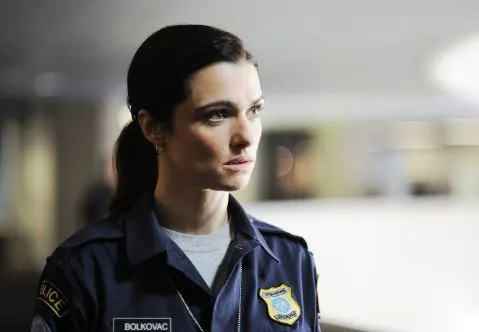
Based on a true story, The Whistleblower is the biography of a once Nebraskan police officer who volunteers for the U.N. peacekeeping mission in post-war Bosnia. Once there, she uncovers a human trafficking scandal involving peacekeeping officials, and finds herself alone against a hostile system in a devastated country. Rachel Weisz plays the whistleblower in a powerful lead role, but the true star of the movie is its director, Larysa Kondracki, who thanks to near documentary-style film-making delivers a perfectly executed political thriller with utmost authenticity.
Starring Matthew Broderick and a young Reese Witherspoon as, respectively, Jim McAllister, a high school teacher and Tracy Flick, a notorious ‘that girl’ in his class. When Tracy decides to run for class president, we see the floodgates open as all sorts of bizarre and insane behavior pours out of the two. Quickly, it becomes clear that Tracy will do nearly anything to win, and as circumstances spiral out of control, madness descends – along with hilarity!
That The Curse is squirm-inducingly awkward won’t be news to anyone who’s watched a Nathan Fielder show before, but TV’s king of cringe digs his heels in on that approach here. The Curse chronicles the making of another show: HGTV’s inelegantly named “Flipanthropy,” which follows Fielder’s Asher and wife Whitney Siegel (Emma Stone) as they perform (the operative word) good deeds in a struggling New Mexico town. Flipanthropy is also a means through which the well-to-do white couple can shill the eco-friendly homes they’re gentrifying the town with — a galling conflict of interest that plays as a running satire of TV.
The uneasy tension between what the Siegels say they want to do versus what they actually do is the heart of the show. In true Fielder fashion, their hypocrisy is revealed through excruciatingly awkward, tortuously long scenes takes, such as the one that gives the show its title (the socially inept Asher angers a little girl, who puts a curse on him). This scene is also an example of the insane left takes The Curse constantly takes, which speak to Fielder’s ability to make his shows feel like they’re falling apart all while building to towering complexity. Suffice it to say, there’s nothing else like this on TV.
A wacky viral story — the kind that gets played for laughs at the end of news broadcasts — gets uncommonly deep consideration in this documentary gem. That’s not to say that Finders Keepers ignores the surreal comedy of the situation that John Wood and Shannon Whisnant, two star-crossed North Carolina men, found themselves in in 2007: battling over the custody rights of John’s mummified amputated leg. The humor in this bizarre tale and all the myriad eccentricities of its real-life characters is never left untapped, but to simply focus on that would add nothing new to the way the story had been told thus far.
Unlike the many clips from news segments and reality TV that we see in the film, Finders Keepers instead looks beyond the low-hanging fruit and finds deep pathos simmering under the surface of this wacky tale. What emerges is a complex, often tragic, and very American picture of the way traumas shape our lives, the addictive pull of drugs and attention, and fate’s habit of twisting nightmares into blessings and vice versa. It’s the kind of film that makes you wonder how many other unexpectedly poignant stories have been short-changed by our impulse to be flippant.
Wise, superbly acted, and gorgeously put together, all of these apply to Nightmare Alley. In a world where remakes are more in vogue than needed, Guillermo del Toro shows us how it’s done. A sumptuous tale of a man’s rise and fall guarantees some spectatorial pleasure, but having both Bradley Cooper and Cate Blanchett in the same film (plus unsung genius Toni Collette and all-round-favorite Willem Dafoe) pushes us into talent overload, in the best possible way. In addition to its thrilling plot and studded cast, Nightmare Alley is also psychologically literate enough to make a carnival out of the human soul. It’s no surprise that in 2022, it got four Oscar nominations, including Best Picture where it certainly would have had my vote.
The self destructive, substance abusing history teacher Dan (Ryan Gosling) works in a Brooklyn middle-school and is constantly at odds with the curriculum, preferring to teach 13 year old kids Marxist theory in class. Meanwhile, his student Drey (Shareeka Epps) has to go through struggles of her own, her brother being in jail on drug charges and her single mother having to work long hours to make ends meet. Slowly, an unlikely and tender friendship between teacher and student evolves, in which it becomes less and less clear who of them is the adult part. Steering away from cliches, Half Neslon is not your typical social drama. Its intelligent plot twists, great cast (with outstanding performances by both Gossling and Epps) and slow, non dramatic storytelling makes this a highly underestimated movie that, although treating depressive topics without any easy relief for the viewer, will leave with an inner smile, albeit a sad one.
Ryan Gosling plays a Jewish Neo-Nazi in this extremely riveting window into the definition of inner conflict. It is a prime example of how character development should be done and it put Gosling on the map for me. He starts out as an exemplary student in Hebrew school until he starts questioning his teachings and exploring alternative ideologies, leading him to the neo-Nazi movement. Won the Grand Jury Prize at Sundance
There’s a vein of reality running through He Got Game that gives this Spike Lee joint a sense of pulsating immediacy. For one, the young basketball prodigy at its center is played by real-life pro Ray Allen, who shot the movie during the sport’s off-season period in 1997. The film also draws on a host of other ballers and ancillary figures — including coaches and commentators — to fully convince us of the hype around Jesus Shuttlesworth (Allen), a Coney Island high-schooler who’s been crowned America’s top college draft pick.
Lee takes this premise to much more interesting places than sports movies usually go. The plot is a melodrama of sorts, in which Jesus’ incarcerated father Jake (a top-tier Denzel Washington) must convince his son to declare for the governor’s alma mater in exchange for a reduced sentence. The pair are estranged — Jake is in prison for the death of Jesus’ mother — making this as much a tense examination of family and forgiveness as it is a sports movie. And what a sports movie it is: Lee makes his love of basketball not just abundantly clear but also infectious, opening the film on soaring, balletic images of the sport that suggest it’s no mere game, but something unifying, artistic, and ultimately salvatory.
What’s great about this highly inventive film is that it doesn’t look like it was shot through three iPhone 5s. Instead of using shaky cameras and static shots, Tangerine glides us through saturated, orange-toned scenes that evoke the Los Angeles sunset. Launching director Sean Baker into prominence, Tangerine is an innovative film that, at heart, is a nuanced comedy about the trans sex worker community. Newcomers Kitana Kiki Rodriguez and Mya Taylor run the show, and their performances create a vivid, electric drive that powers the whole movie. But it’s the quieter moments, the moments after betrayal, the moments of recovery, that make this movie truly special.
Based on a true story, The Whistleblower is the biography of a once Nebraskan police officer who volunteers for the U.N. peacekeeping mission in post-war Bosnia. Once there, she uncovers a human trafficking scandal involving peacekeeping officials, and finds herself alone against a hostile system in a devastated country. Rachel Weisz plays the whistleblower in a powerful lead role, but the true star of the movie is its director, Larysa Kondracki, who thanks to near documentary-style film-making delivers a perfectly executed political thriller with utmost authenticity.
Starring Matthew Broderick and a young Reese Witherspoon as, respectively, Jim McAllister, a high school teacher and Tracy Flick, a notorious ‘that girl’ in his class. When Tracy decides to run for class president, we see the floodgates open as all sorts of bizarre and insane behavior pours out of the two. Quickly, it becomes clear that Tracy will do nearly anything to win, and as circumstances spiral out of control, madness descends – along with hilarity!
Hurt people hurt people, the saying goes, and nowhere is that more evident than in Hard Truths. Directed by Mike Leigh (Secrets & Lies, Vera Drake, Happy-Go-Lucky), Hard Truths follows two sisters who couldn’t be more different. One is Chantelle, a cheerful hairdresser who has raised equally ebullient daughters, and the other is Pansy, a hardened woman who lashes out at everyone from her family to the people queuing up in the grocery. Pansy is brutal, the sort of person you’d roll your eyes at if you were unlucky enough to encounter her in public. But Leigh gives us a glimpse into her internal struggle; nothing too obvious, as is the naturalistic director’s style, but we feel her pain whenever she goes out of her way to avoid the people closest to her, or when she savors a moment alone and hides her tears. There is no linear plot in Hard Truths; instead, it’s a collection of lived moments and ordinary joys and sorrows. It’s also a welcome reflection of our fractured reality. Loneliness, grief, anger, anxiety—these feelings are often inexplicable, and they come out of us in ways that are never immediately understandable or direct. So why should Pansy be? The film is an exercise in sympathy as well as a mirror to our own complicated and invisible hurt.
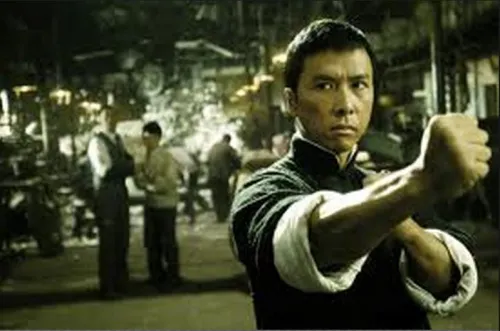
It’s been acclaimed as one the best Kung Fu movies ever made. You are probably wondering why this contemporary movie made that short list when its genre had its peak decades ago: it is visually striking and at the same time surprisingly story-oriented. As you would expect of course, there is quite a fair amount of action scenes, but the characters are also brilliant which is very uncommon in this type of movie. It is an exciting movie, and worthy of any compliment or good rating it may get.
It’s 1984 and miners in England are on strike against Prime Minister Margaret Thatcher’s plans to close pits. Their cause has unlikely appeal for Mark Ashton, a human rights activists who decides to take a group of people who had joined an early Gay Pride parade in London to rural England to show support for the (often socially-conservative) miners.
You can see how things might go wrong, but in this case they didn’t. This heartwarming tale is based on a true story. An easy, funny, and relevant movie about the bond that oppression brings to the oppressed. Super earnest, too.

This is Kristen Stewart’s proof that she is more than a lip-biting, vampire-loving teenager. Reactive and emotive, she will not disappoint you here. Rather, expect an electrifying and exceptional performance. Paired with Payman Moaadi, they both make of this work an emotionally poignant movie that questions the notion of freedom in the unlikeliest of places: Guantanamo Bay.